

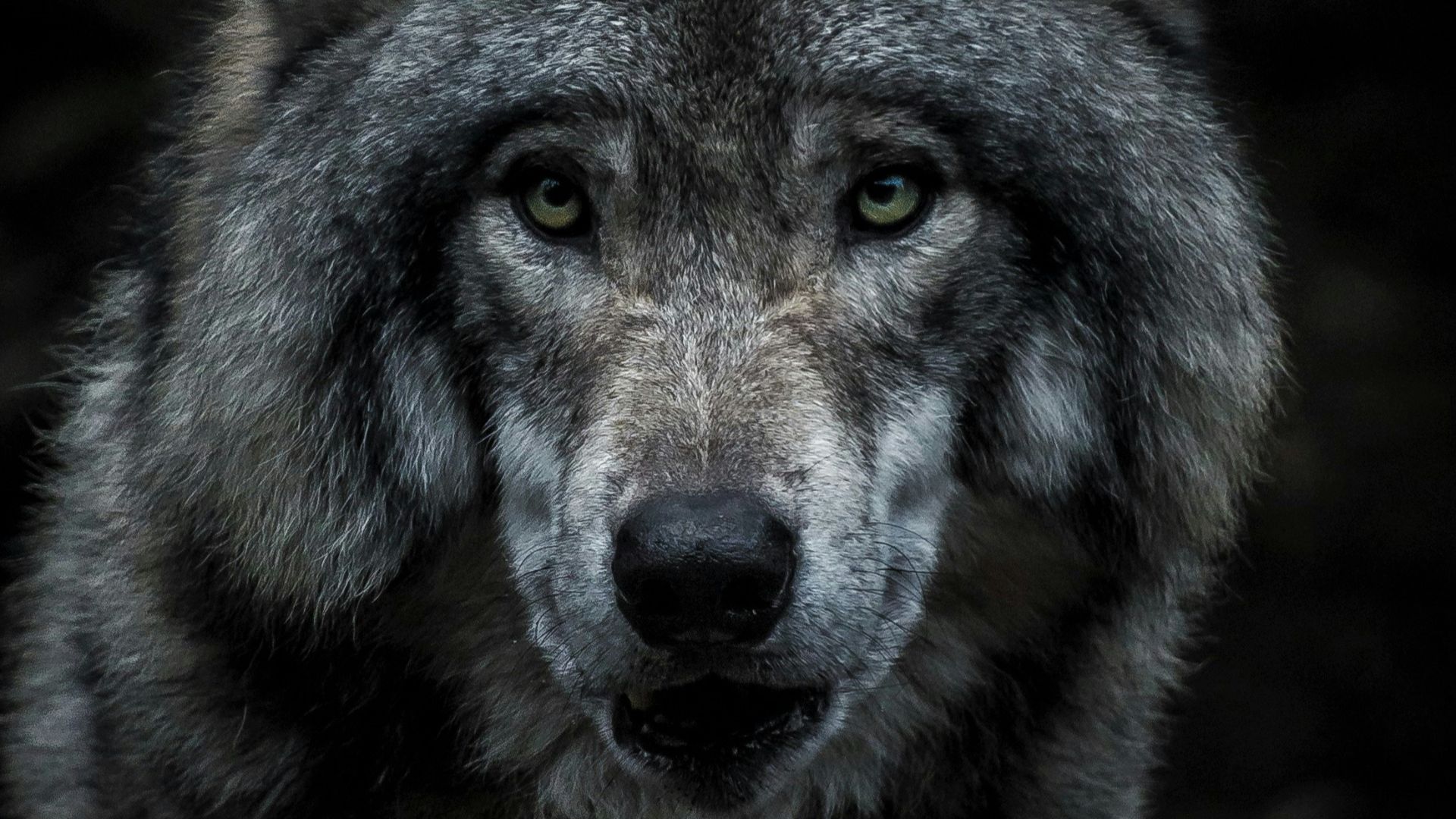
 Marc-Olivier Jodoin on Unsplash
Werewolves might seem like creatures best left to folklore, horror movies, and Halloween costumes, but in early modern Europe, some people were genuinely brought before courts on accusations of transforming into wolves. Between the 1500s and 1600s, stories of werewolves appeared alongside witchcraft accusations, religious anxieties, and fears about mysterious crimes. These weren't trials about a full moon and a silver bullet, but serious legal proceedings shaped by the beliefs of the time.
Although werewolf prosecutions were far less common than popular retellings sometimes suggest, several cases became famous throughout Europe. Their stories reveal how people understood evil, explained frightening events, and decided who deserved punishment when evidence was difficult to establish.
When Werewolves Became a Legal Problem

During the early modern period, it was common for Europeans to believe that supernatural beings could affect humans. When Christians considered that witches might transform themselves into animals through their deals with the Devil or other supernatural entities, such transformations could be seen as possible. This is why someone could be charged with becoming a wolf if others accused them of harming people or animals.
Another factor that helps explain werewolf trials is that witch trials were being conducted throughout Europe during this period. Many cases overlapped with accusations of people being werewolves. However, this didn't happen everywhere and varied across different areas of Europe.
It's also worth remembering that early modern courts didn't have modern forensic science, and some investigations relied heavily on confessions and witness testimony. In witchcraft and werewolf cases, confessions could be obtained through physical harm, making their reliability deeply questionable. A dramatic confession might have persuaded contemporary authorities, but it doesn't establish that a person could actually transform into an animal.
Peter Stumpp and the Werewolf of Bedburg
One of the best-known cases involved Peter Stumpp, whose name also appears as Stubbe or Stump in historical accounts. In 1589, he was accused of being a werewolf in the area around Bedburg, near Cologne in present-day Germany. The accusations included an extraordinary collection of alleged crimes, and contemporary printed accounts portrayed him as a man who could change into a ravenous wolf through supernatural means.
A pamphlet translated into English in 1590 stated that the Devil provided Stumpp with a belt that allowed him to transform into a wolf. Many stories were told about the attacks he allegedly committed and other gruesome crimes. Stumpp became someone to be feared if you believed he had taken up the works of the Devil. These are some interesting facts, but they shouldn't be taken too seriously because we only have the accounts that have survived. These stories were based on real events but may not contain the whole truth, since many accounts at the time were sensationalized and Stumpp confessed to the crimes, possibly under duress.
After Stumpp was executed in 1589, his case became well known beyond his local area. Many prints and pamphlets depicted stories about Stumpp, allowing readers in other locations to learn what a supposed werewolf looked like. As printing became more popular, stories about horrible crimes could spread. Not everything they contained was true, but the fact that they were entertaining encouraged people to read about them.
Old Thiess and a Very Different Kind of Werewolf
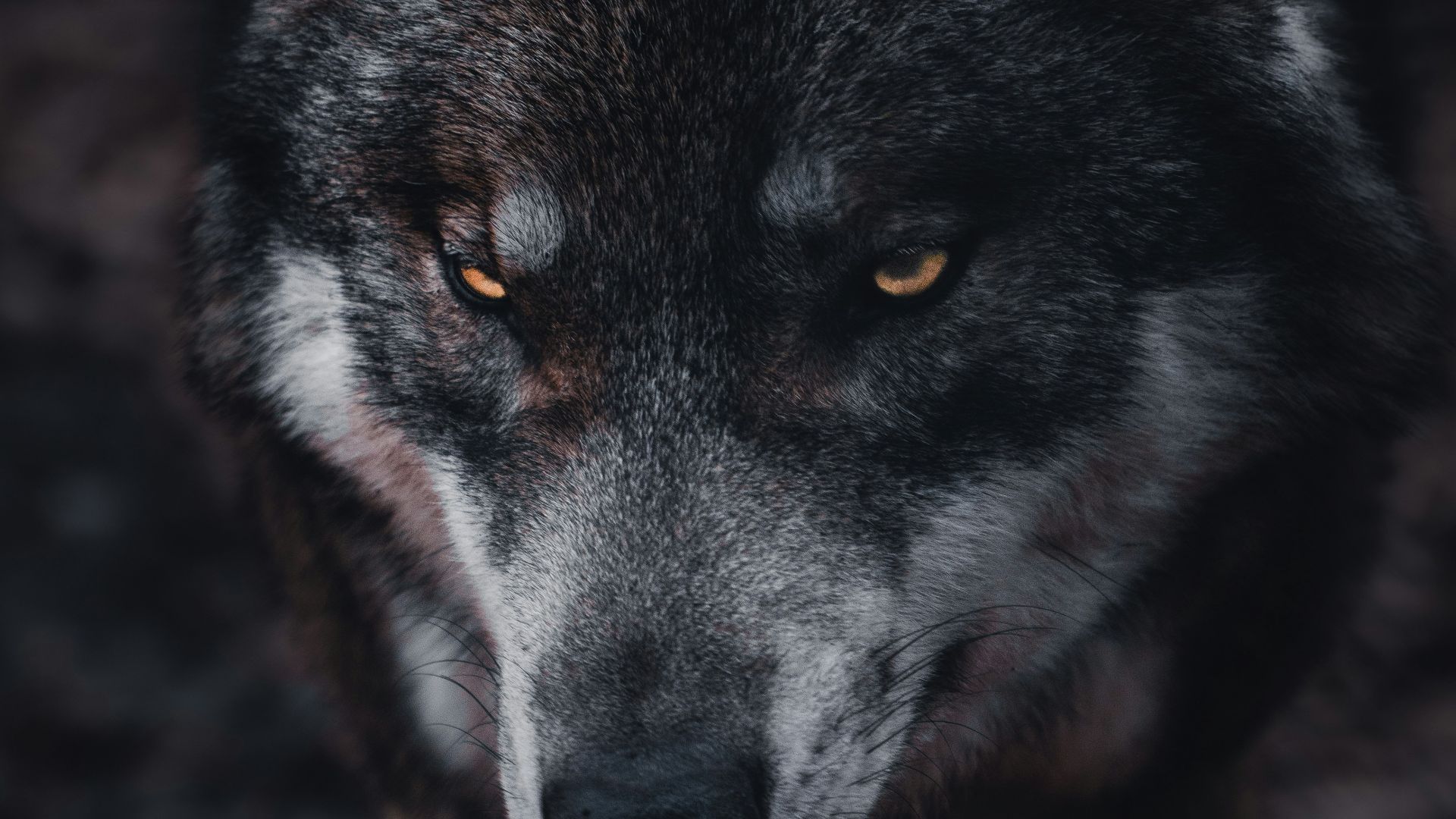
There were many people who didn't claim to be serving the Devil or tormenting a village while acting as werewolves. One interesting occurrence happened in the area of Livonia, which includes parts of what are now Latvia and Estonia. An old man known as Old Thiess came to trial in 1691 and 1692. Thiess believed that werewolves were protecting the common folk.
He told the court that he and other werewolves went to Hell multiple times a year to battle witches and the Devil's minions. By doing so, Thiess believed that the werewolves were helping recover crops stolen from the village and ensuring that the village prospered. It almost sounded like something from one of those mystery shows. But that's what Thiess believed werewolves were, which was far from what the courts thought werewolves were.
The judges struggled to fit Thiess's story into their Christian framework, in which werewolves were expected to be connected to the Devil. He rejected that interpretation, insisting that werewolves opposed evil rather than serving it. The court eventually punished him for prohibited folk practices, sentencing him to flogging and banishment rather than executing him as a monster.
These cases show why the history of werewolf trials is more complicated than a collection of frightening legends. Some accusations portrayed alleged werewolves as dangerous criminals, while other traditions gave them a protective role in the struggle against harmful supernatural forces. The trials offer a glimpse into a period when folklore, religion, law, and everyday fears could collide in unexpected ways, leaving behind stories that continue to fascinate us centuries later.
KEEP ON READING