The Era That Loved Giants
Earth did not always enforce today’s size limits. Across deep time, certain environments rewarded animals that grew larger than anything alive now. These giants emerged when food, climate, and competition aligned. Each animal ahead reflects how evolution stretched bodies toward extremes—and what those conditions allowed to happen. Here are 20 of the largest recorded prehistoric animals.
1. Argentinosaurus Huinculensis
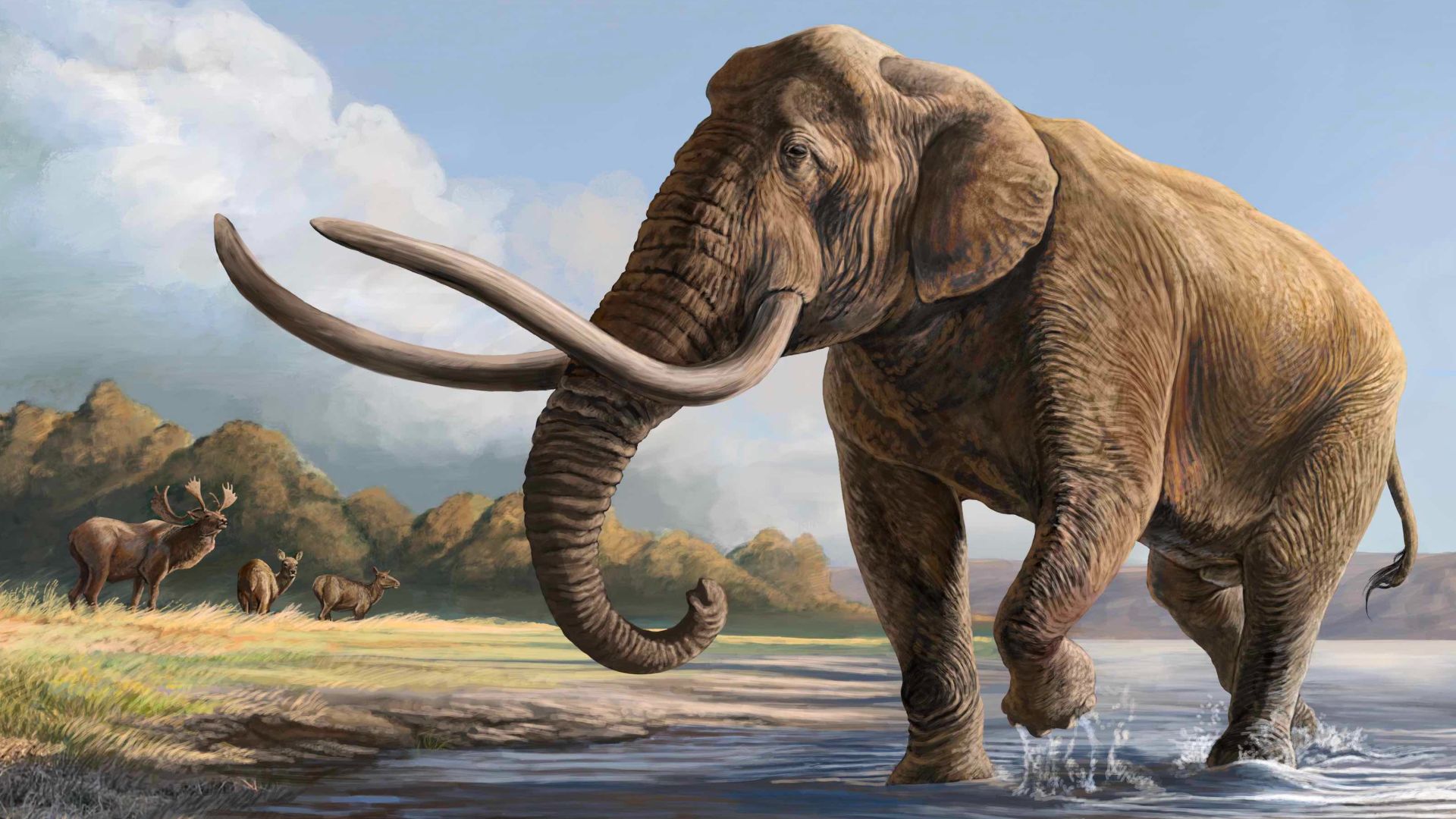
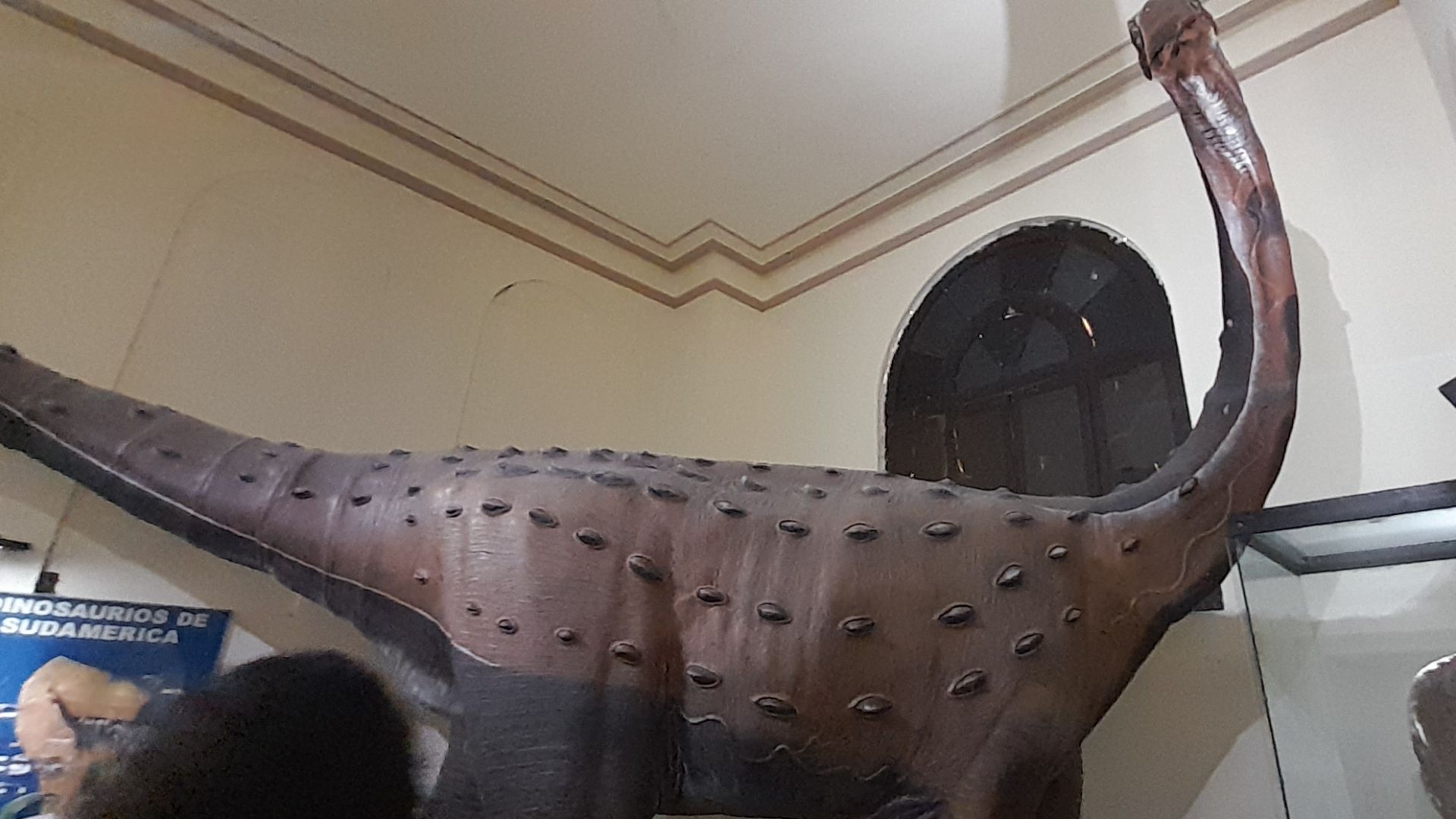
Argentinosaurus ranks among the heaviest land animals ever, stretching roughly 98–115 feet long and weighing about 77–88 short tons. It lived 94–97 million years ago on South American floodplains. Earlier 110-ton estimates were revised downward by biomechanical studies.
 Daniel Trinidad Camones on Wikimedia
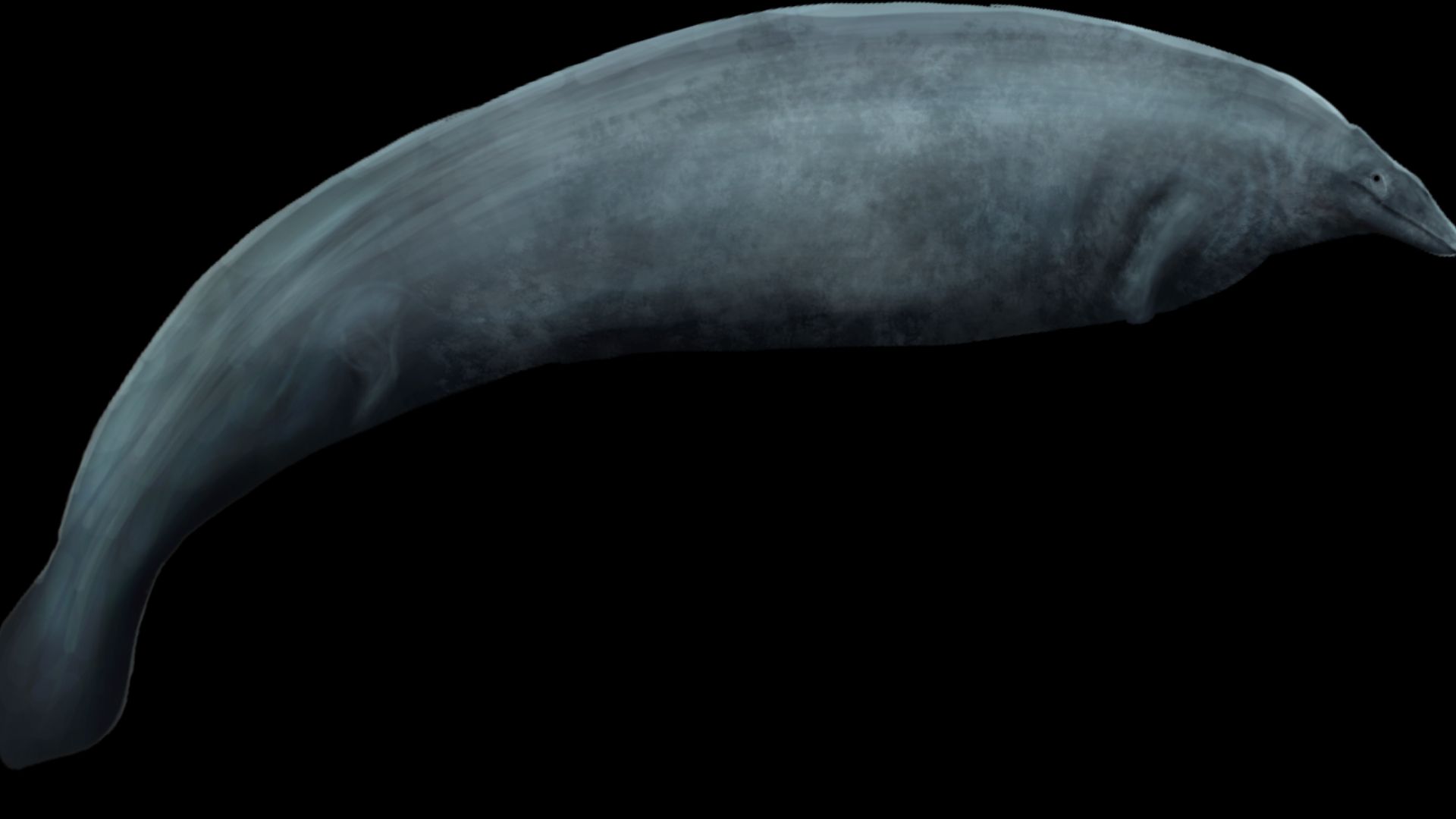
2. Perucetus Colossus
At first glance, the length sounds ordinary for a whale, topping out near 56–66 feet. The shock comes from weight. Revised estimates land between 66 and 77 short tons, driven by extremely dense bones. Living 39 million years ago, it foraged along shallow seafloors.
3. Patagotitan Mayorum
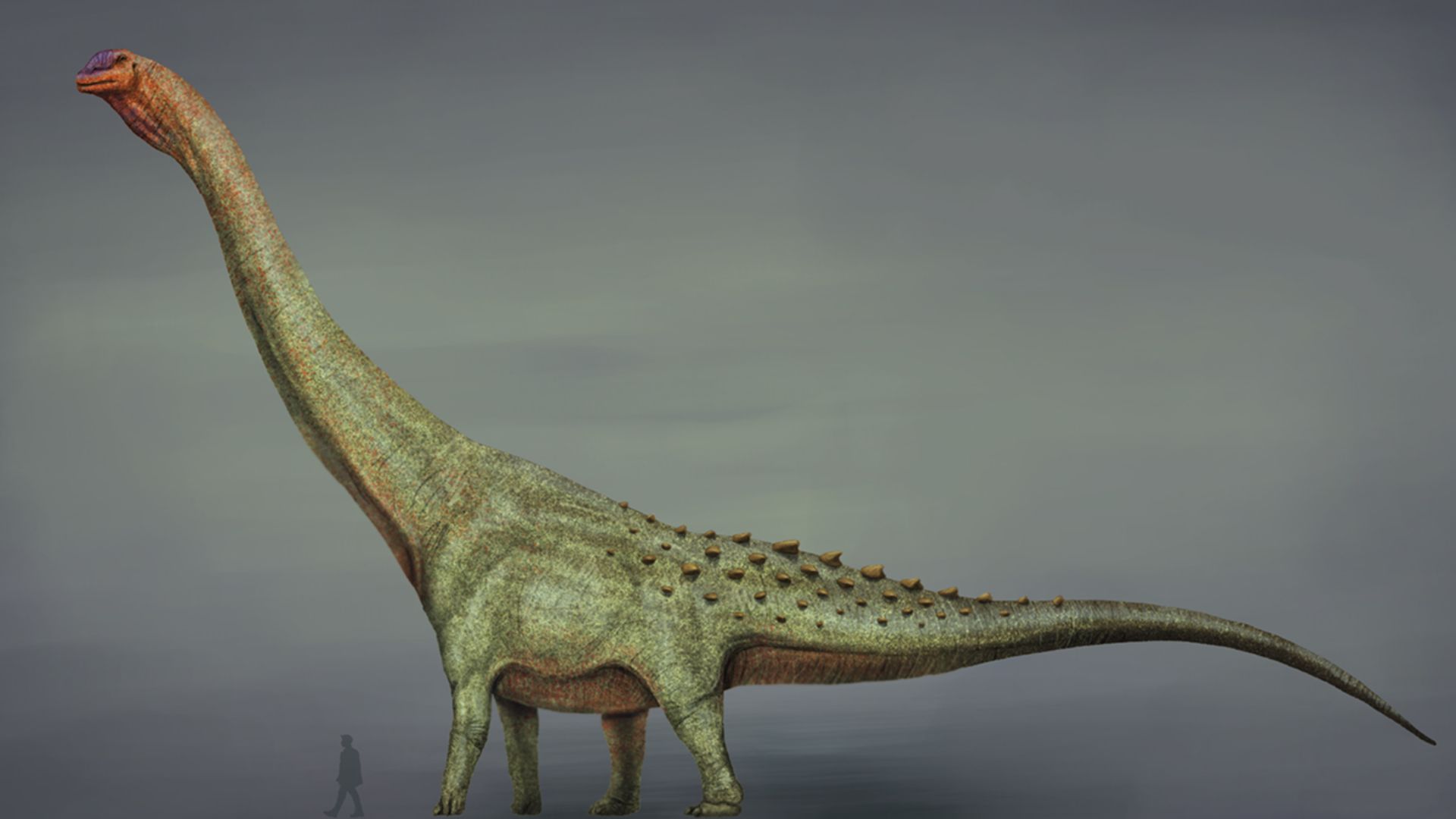
Nearly 70 percent of the skeleton allowed scientists to confidently estimate a body stretching up to 121 feet and weighing 55–85 short tons. These dinosaurs roamed Patagonian floodplains about 101 million years ago. Multiple individuals found together hint at herd movement across open terrain.
4. Alamosaurus Sanjuanensis
Migration from South America likely explains its arrival in river valleys across present-day Texas and New Mexico around 70 million years back. Adult size approached 85 feet long and 33–39 short tons. Some fragmentary remains suggest individuals rivaled the biggest titanosaurs ever known.
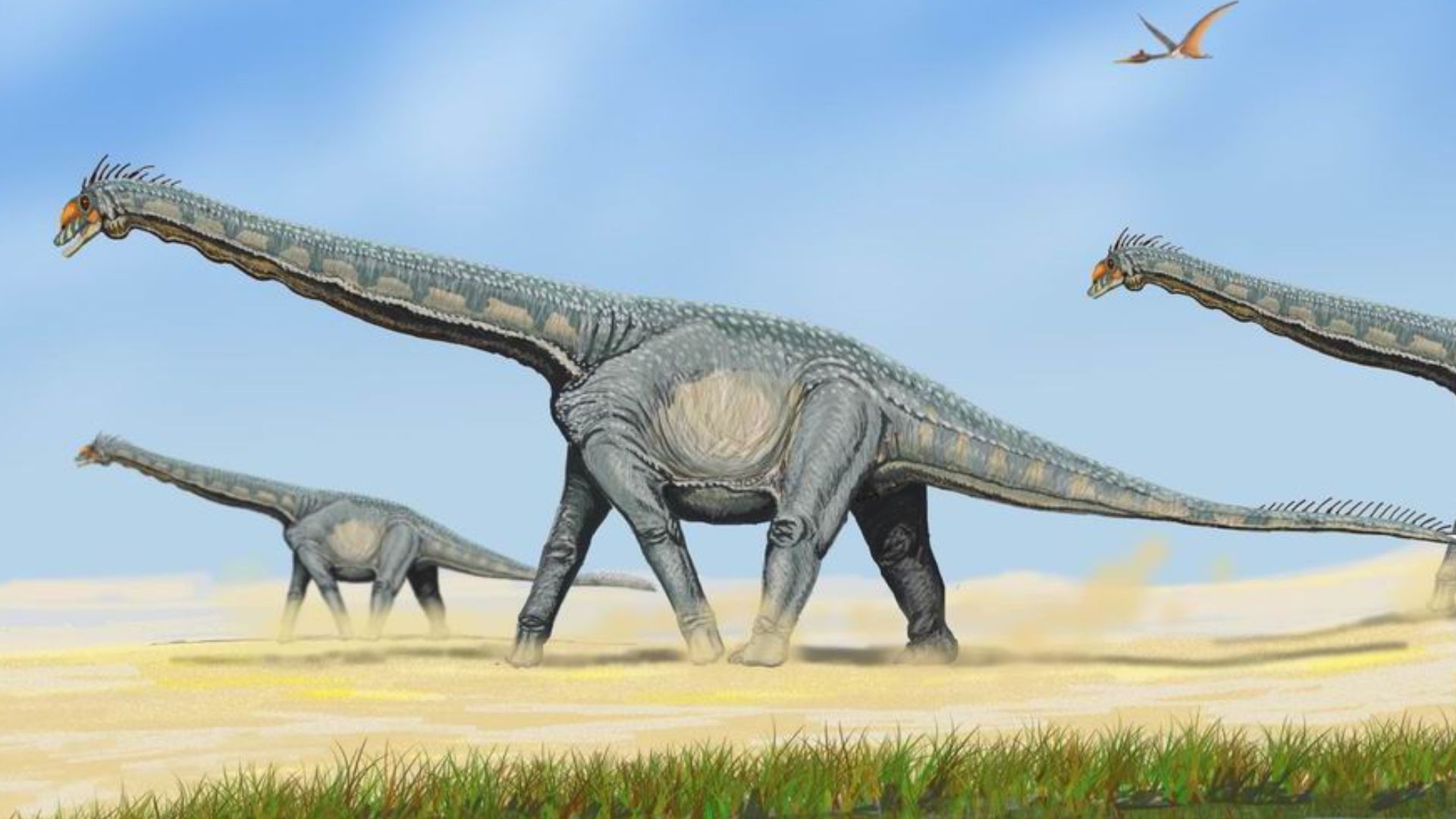 DiBgd at English Wikipedia on Wikimedia
5. Dreadnoughtus Schrani
Fossils show a giant still growing. Measuring roughly 85 feet long and weighing about 42–54 short tons, this dinosaur lived 84 million years ago in humid forests. Bone histology reveals it gained nearly one short ton per year during adolescence. Adults may have reached 54 short tons.
6. Puertasaurus Reuili
Only a handful of the Puertasaurus Reuili bones survive, but they’re enormous. Vertebrae alone suggest a length of nearly 98 feet and a mass between 50 and 80 short tons. This wide-bodied titanosaur occupied coastal plains roughly 70 million years ago.
 Marco from Freialdenhoven, Deutschland on Wikimedia
7. Notocolossus Gonzalezparejasi
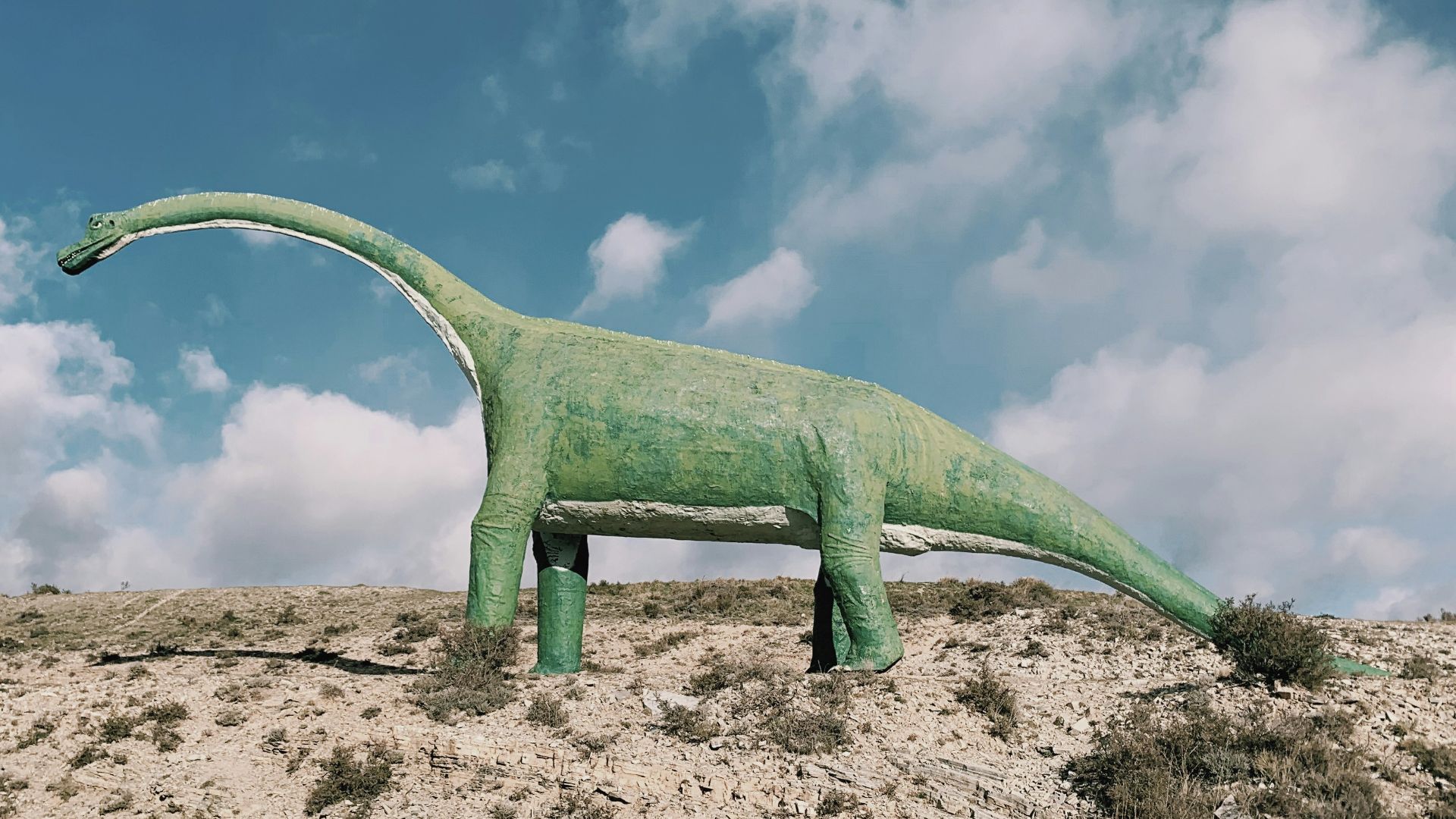
Foot bones the size of bathtubs say a lot. Weight estimates fall between 44 and 66 short tons, paired with lengths around 82–98 feet. Open Argentine woodlands supported this animal 86 million years ago. Limb structure distributed mass efficiently, placing it among the heaviest titanosaurs identified so far.
 Blanca Paloma Sánchez on Unsplash
8. Shastasaurus Sikanniensis
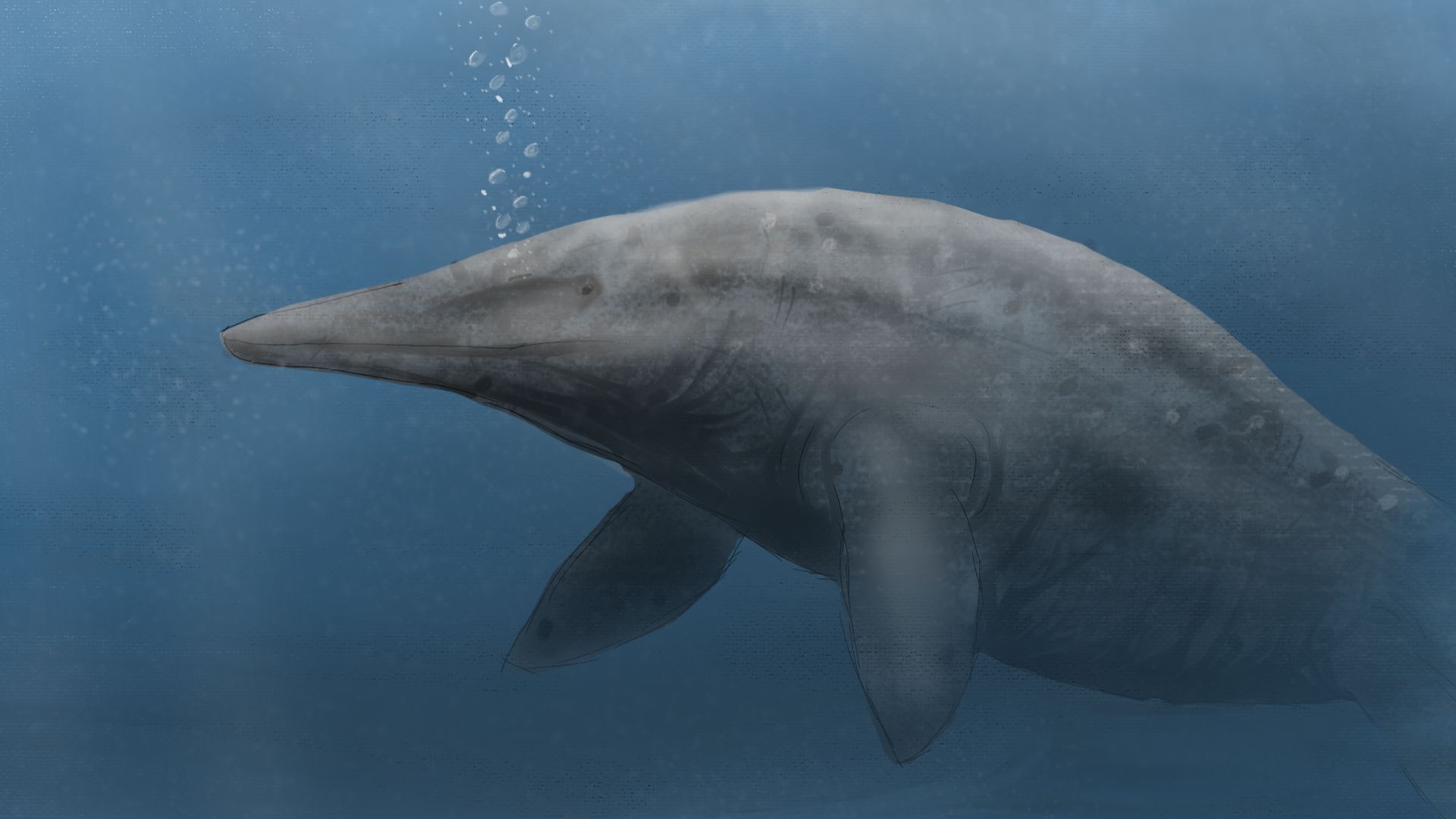
Long before whales dominated oceans, this marine reptile did. Reaching about 69 feet and possibly 88 short tons, it cruised deep seas, dating to about 220 million years ago. Complete skeletons keep estimates steady. Appearing soon after the Permian extinction, it marked an early leap toward marine gigantism.
9. Otodus Megalodon
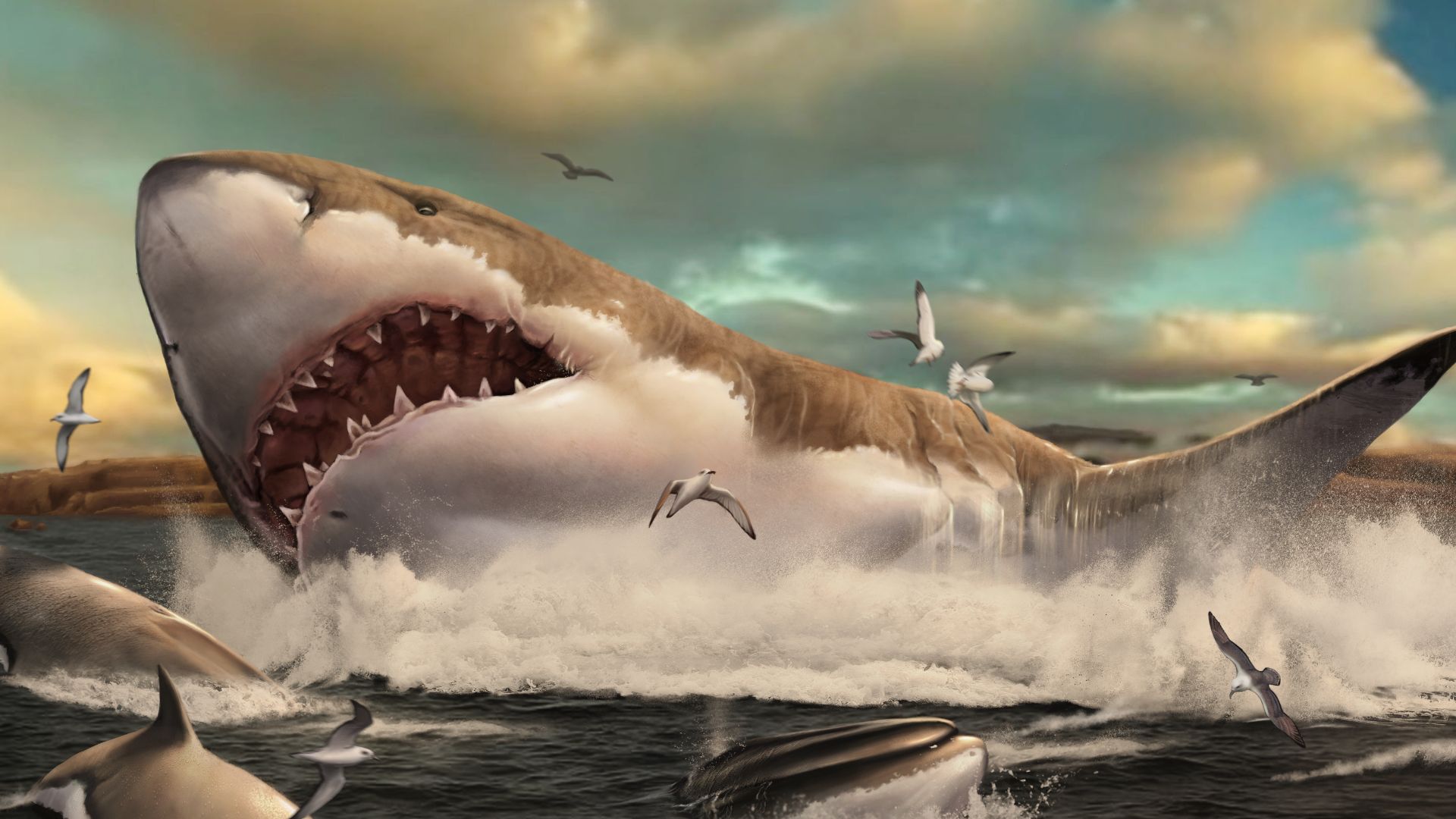
Scaling teeth from them places body length around 49–59 feet and mass near 55–77 short tons. This shark ruled the global oceans between 23 and 3.6 million years ago. Hydrodynamic limits refined early estimates. Its disappearance permanently reshaped marine food webs.
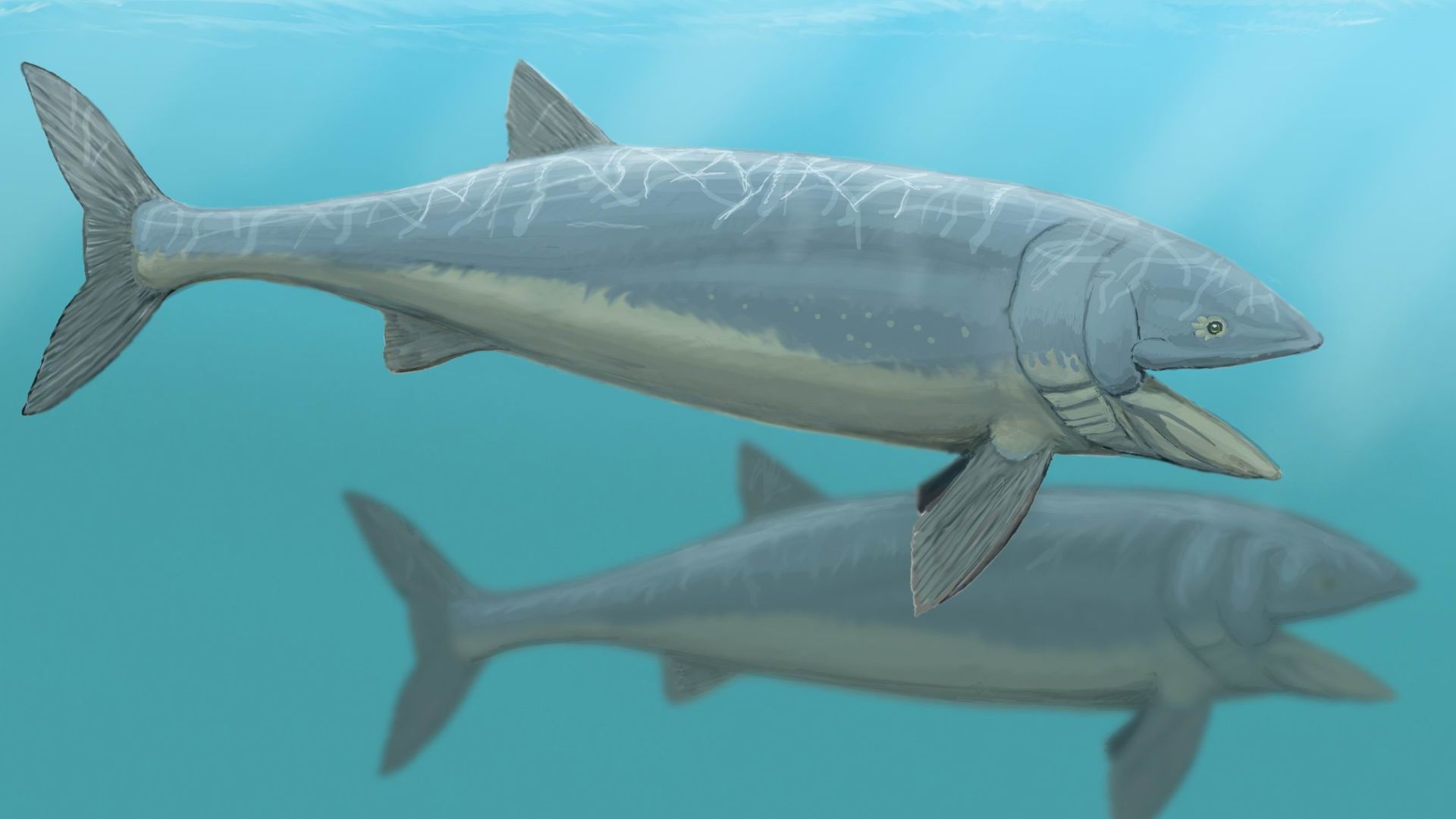
10. Leedsichthys Problematicus
Leedsichthys problematicus grew 33–52 feet long and weighed 33–50 short tons. It was a Jurassic fish that cruised shallow seas roughly 165 million years back in time. A lightweight skeleton made plankton feeding possible at scale. Fin-ray reconstructions finally resolved decades of disagreement over its true size.
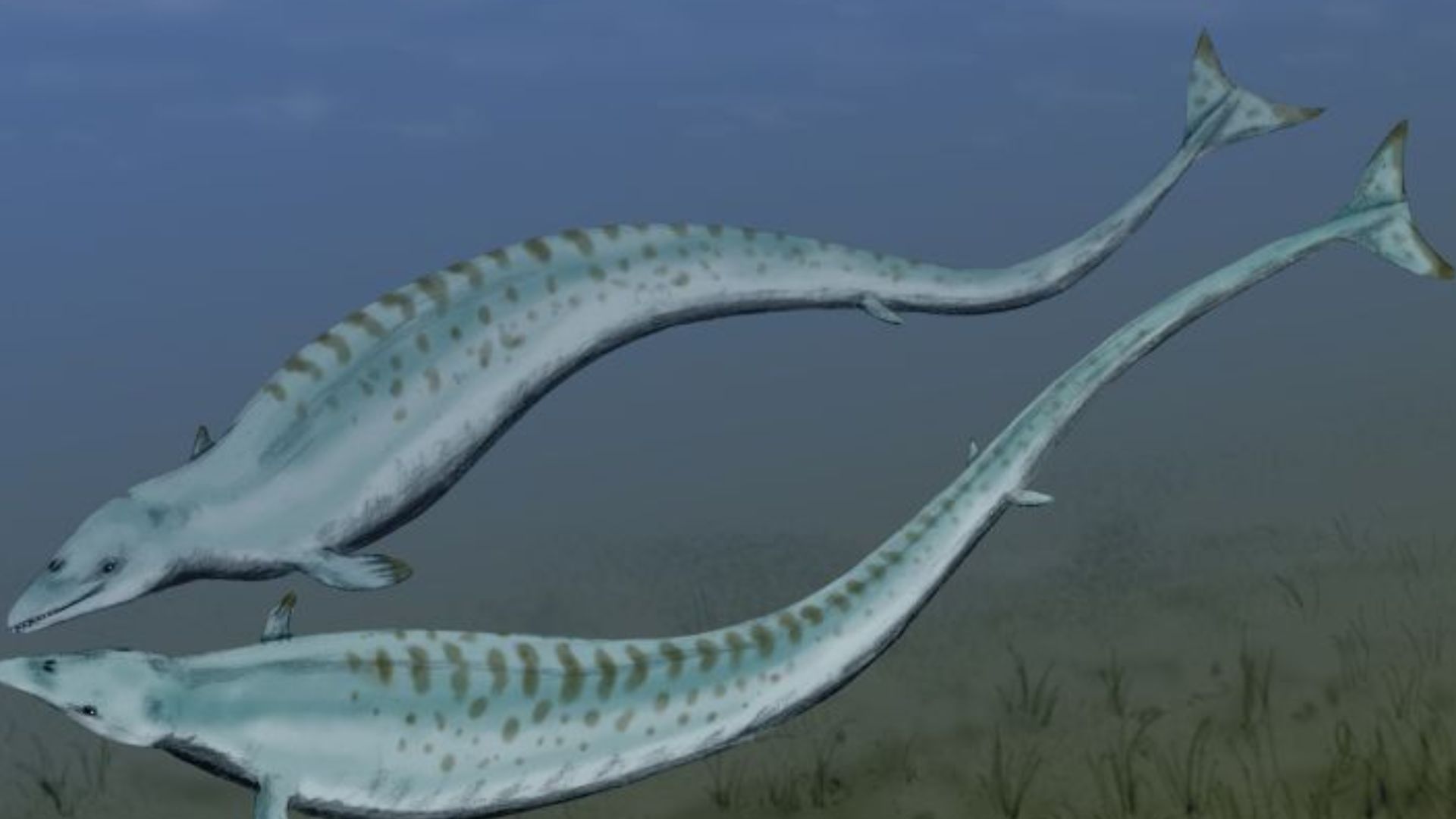
11. Basilosaurus Cetoides
Early paleontologists thought it was a reptile. It stretched 49–59 feet and weighed 11–17 short tons. This whale swam in warm seas near North America and Egypt. A serpentine body aided ambush hunting, and its adjusted mass estimates account for vestigial limbs once mistaken for legs. Age? 40 million years back.
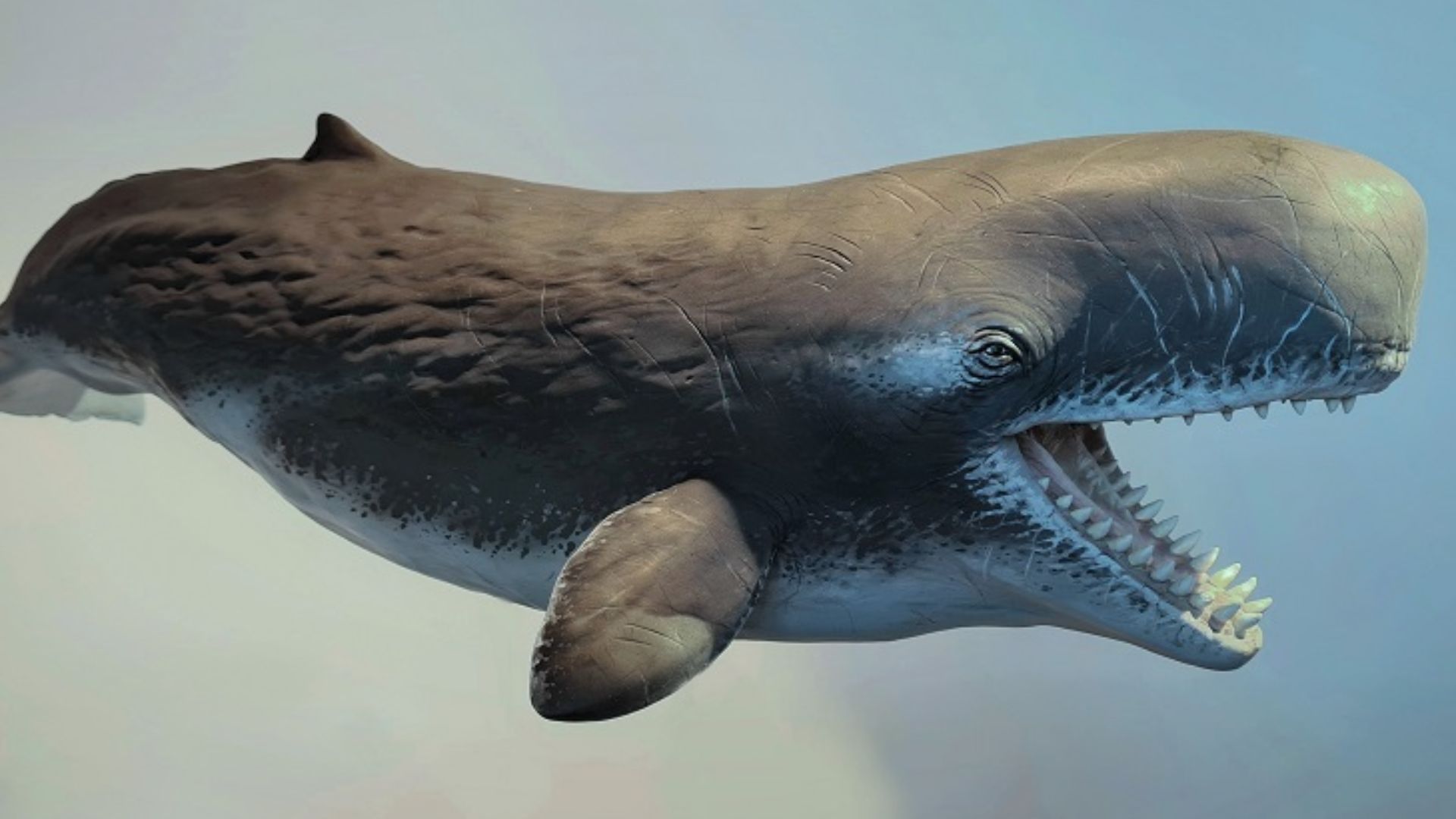
12. Livyatan Melvillei
Massive teeth define this predator, with some reaching 14 inches, matching a body roughly 43–59 feet long and around 55 short tons. Off the coast of Peru, whale hunting peaked roughly 9–10 million years ago. Skull scaling supports consistent estimates. Competition with Megalodon likely shaped Miocene ocean dominance.
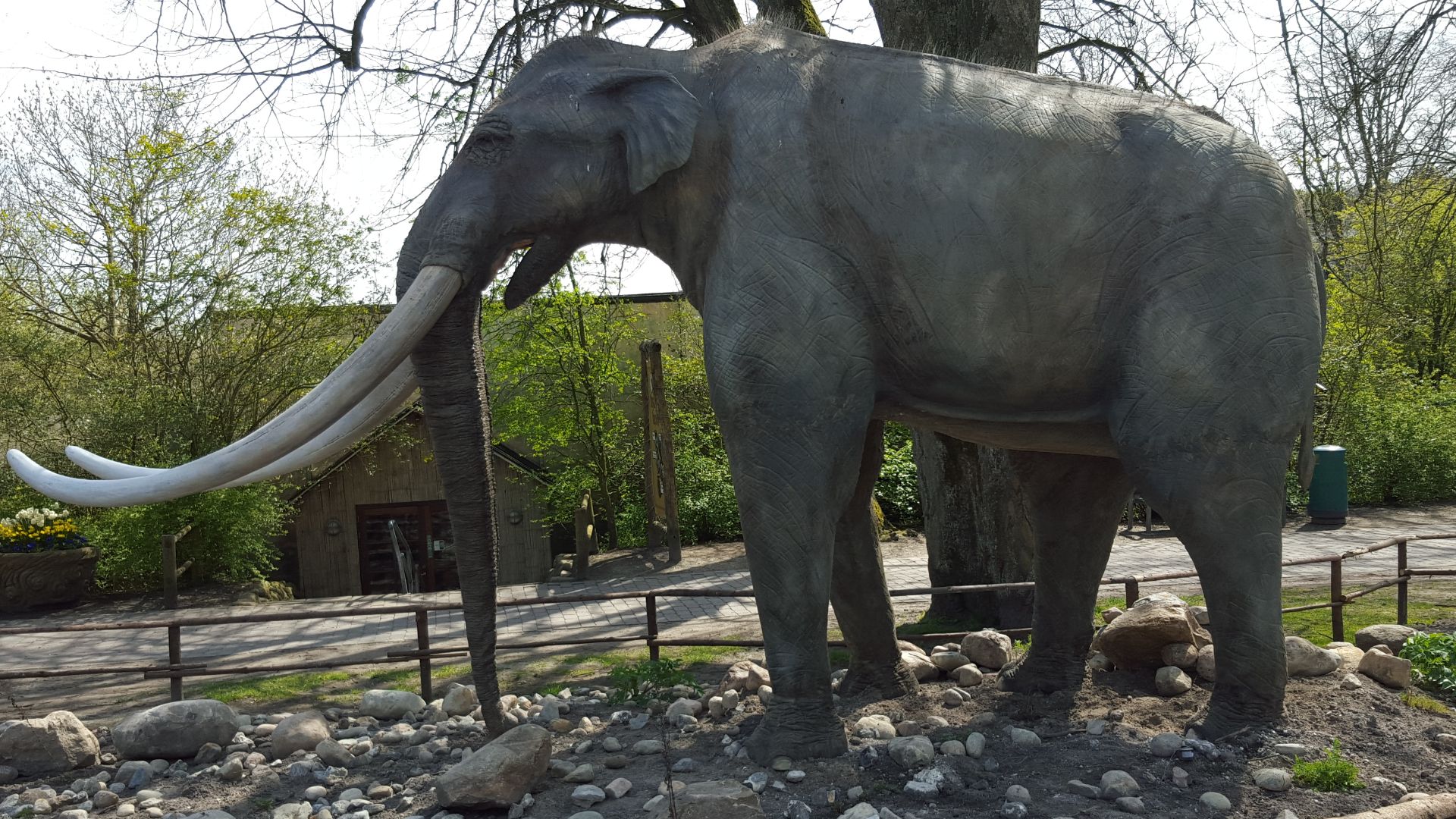
13. Palaeoloxodon Namadicus
For this prehistoric animal, shoulder height alone reached about 14–15 feet, paired with a body mass of 14–21 short tons. Across Asia, these elephants dominated the terrain between 2 million and 24,000 years ago. Indian specimens grew the largest. Some recent finds suggest slightly smaller averages, yet few land mammals have surpassed it.
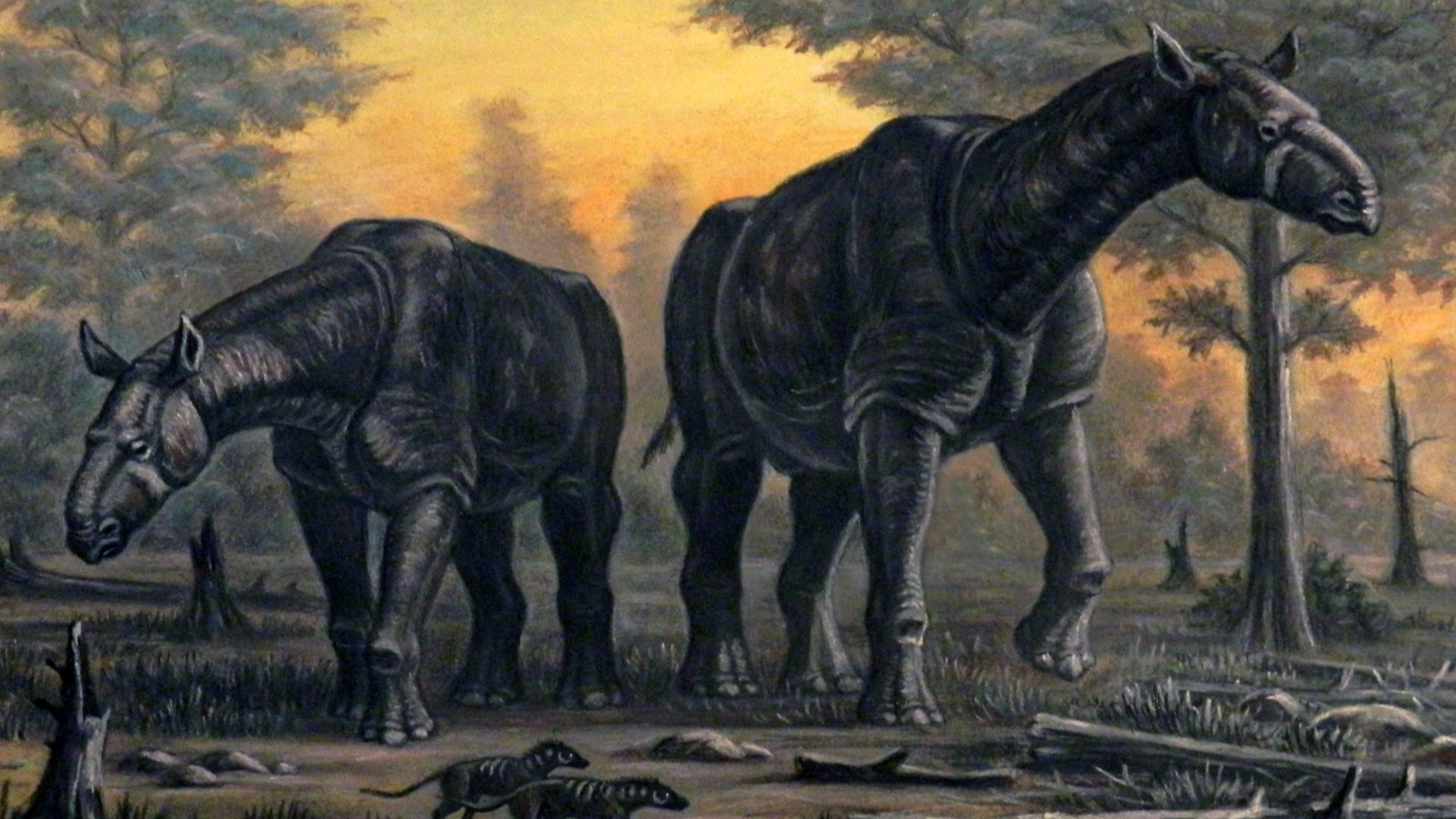
14. Paraceratherium Transouralicum
Standing nearly 16 feet tall, this hornless rhino browsed treetops across Asian steppes, dated to about 34–23 million years back in time. Weight estimates now settle between 17 and 22 short tons, correcting older exaggerations. A long neck filled the role of a giraffe.
 ABelov2014 (https://abelov2014.deviantart.com/) on Wikimedia
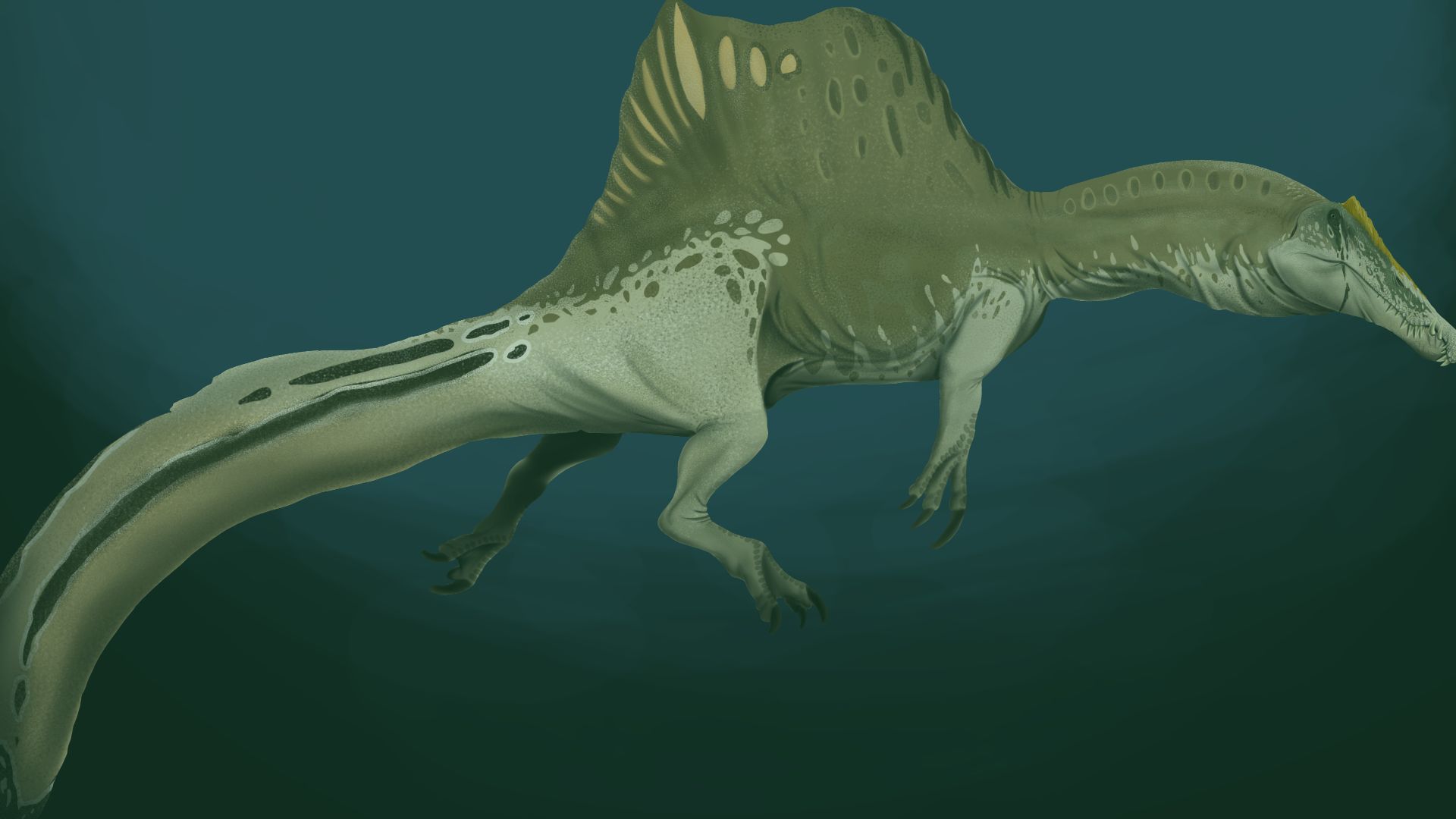
15. Spinosaurus Aegyptiacus
River systems shaped this 99-million-year-old predator that reached 46–49 feet. With a weight of about 8 short tons, it hunted fish in North Africa. New tail fossils boosted mass estimates and confirmed semi-aquatic habits. Its lifestyle set it apart from land-focused theropods.
 Gustavo Monroy-Becerril on Wikimedia
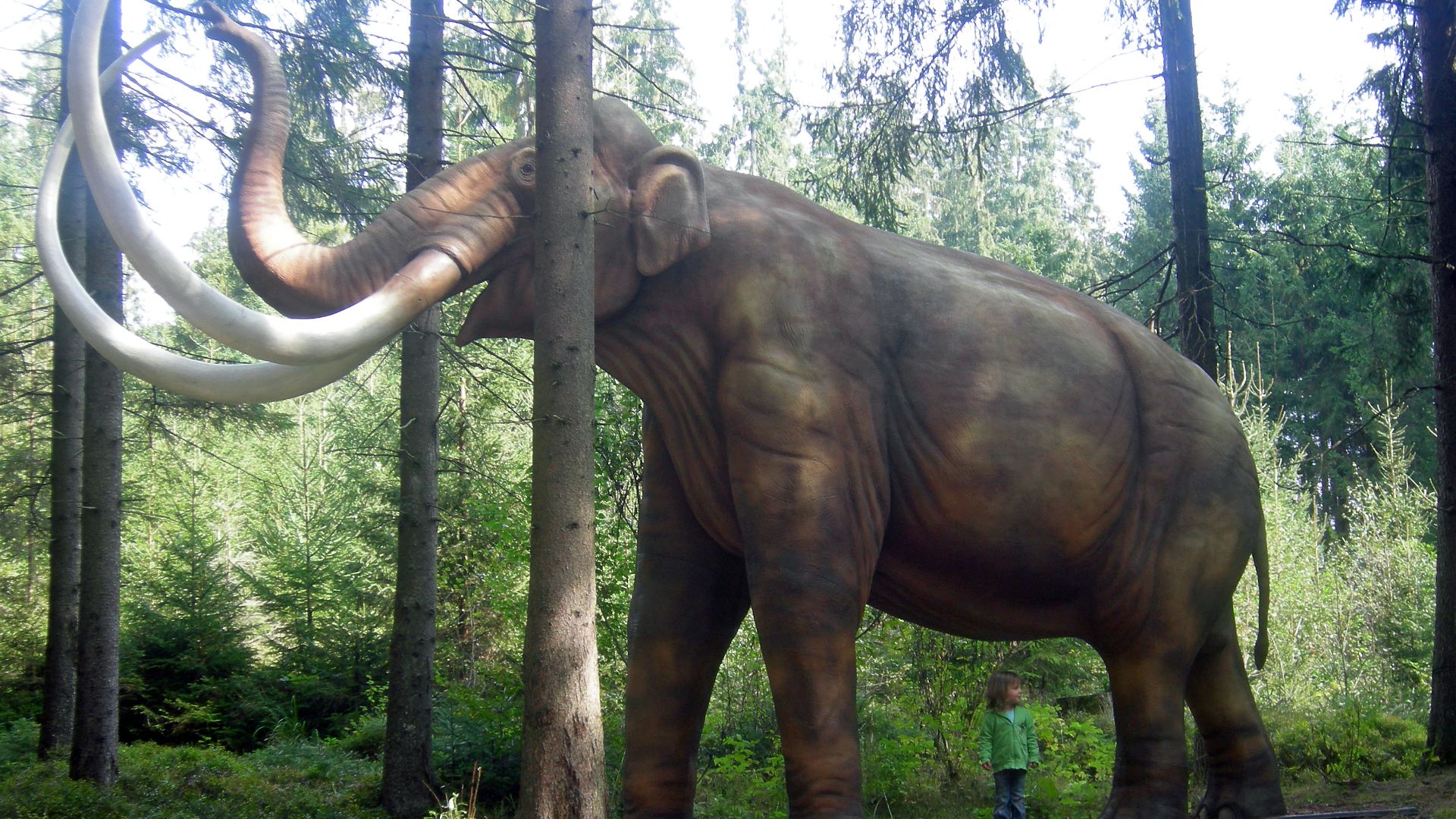
16. Mammuthus Trogontherii
This mammoth stood about 15 feet tall and weighed 15–17 short tons. Eurasian steppes supported it between 800,000 and 200,000 years ago. Tusk and bone scaling confirm size. Genetic evidence links it directly to woolly mammoths, including periods of interbreeding during Ice Age shifts.
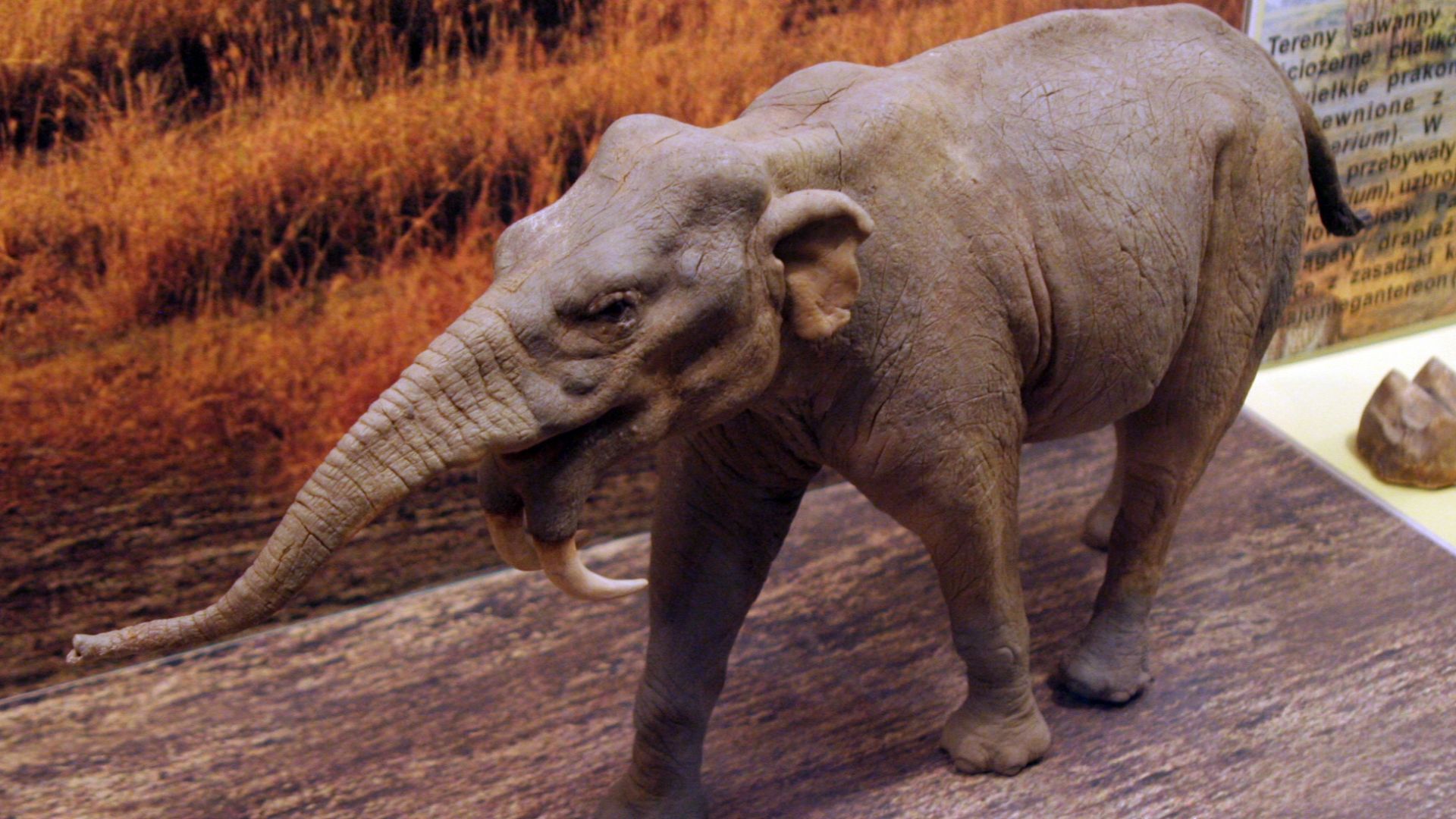
17. Deinotherium Giganteum
Weighing 13–15 short tons and standing roughly 13 feet tall, this proboscidean ranged across Europe and Africa from 10 million to 1 million years back. Skull and limb fossils keep estimates stable. Root digging shaped both its feeding strategy and skeletal design.
18. Giganotosaurus Carolinii
Size varied with age for this massive creature. Adults reached a length of 39–43 feet and weighed 8–10 short tons, stalking Argentine plains. Brain scans suggest coordination during hunts, likely targeting sauropods. Early claims overstated its size, but mature individuals still rivaled Tyrannosaurus closely. It dates back about 98 million years.
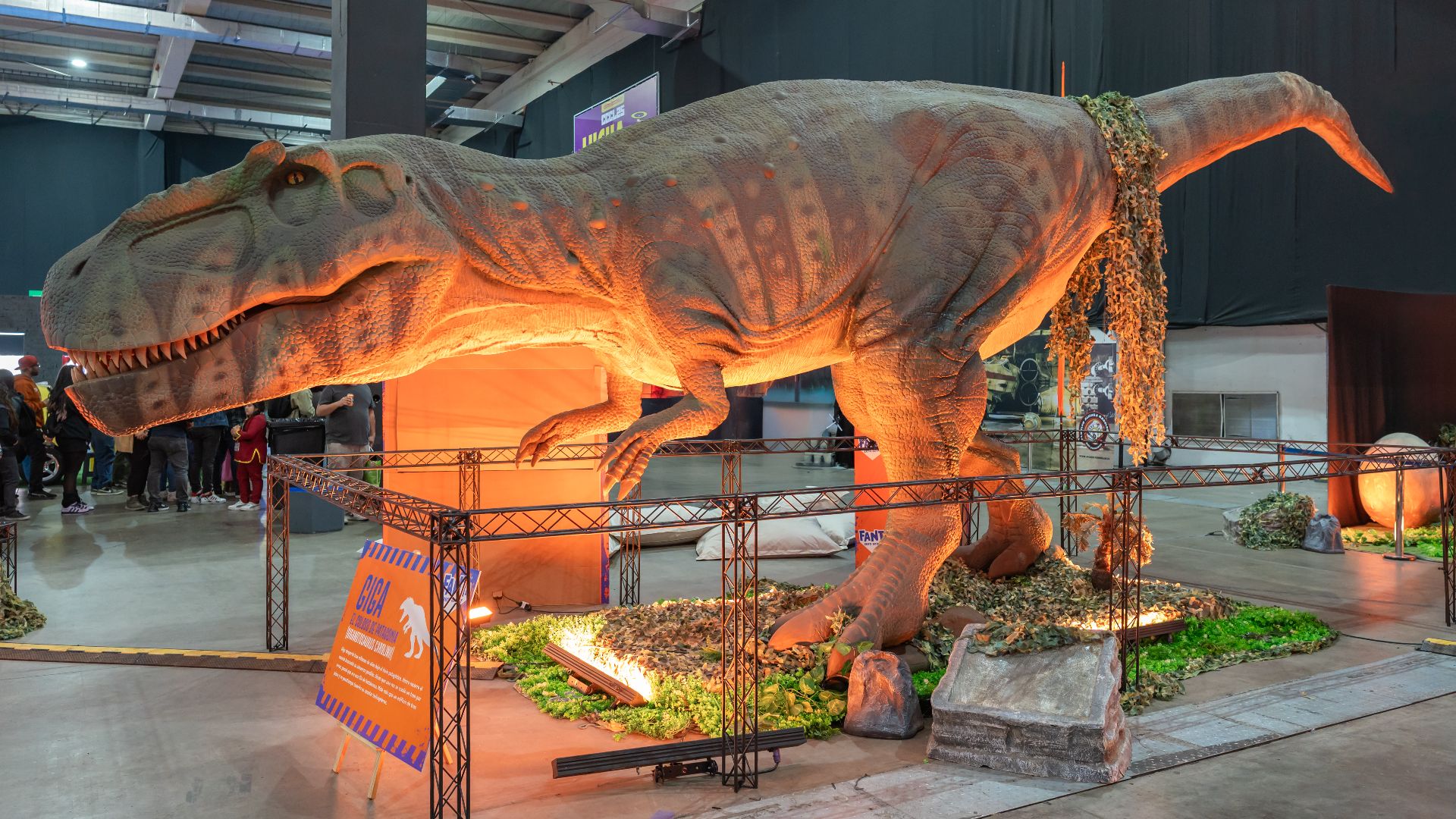
19. Tyrannosaurus Rex
Few dinosaurs have measurements this tight. Well-preserved fossils show Adults reaching 39–43 feet in length and 7–9.8 short tons in weight. The specimen “Scotty” weighed about 9.7 short tons. Late Cretaceous ecosystems, roughly 68 million years back, supported rapid growth, with juveniles doubling mass yearly.
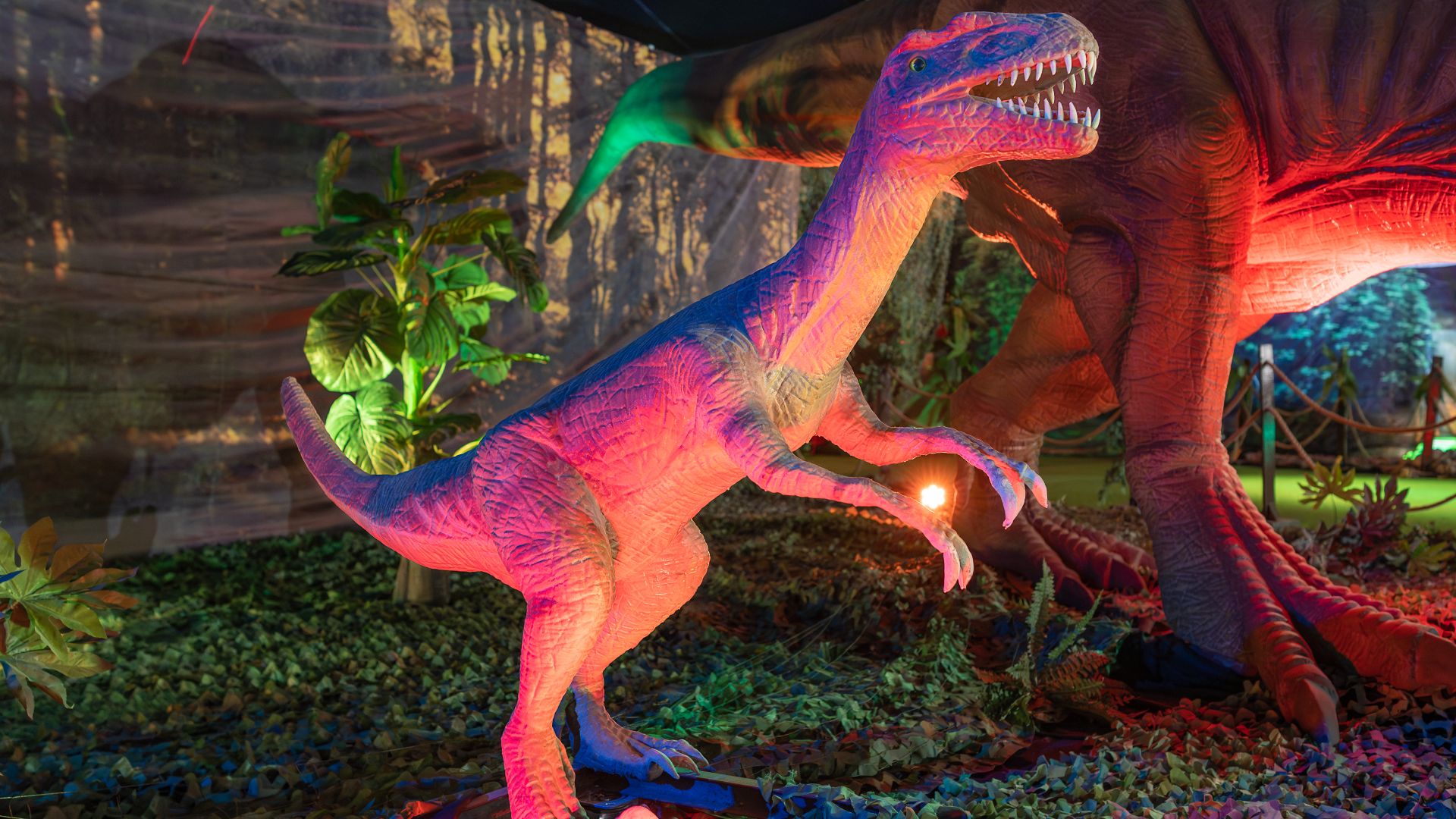
20. Megatherium Americanum
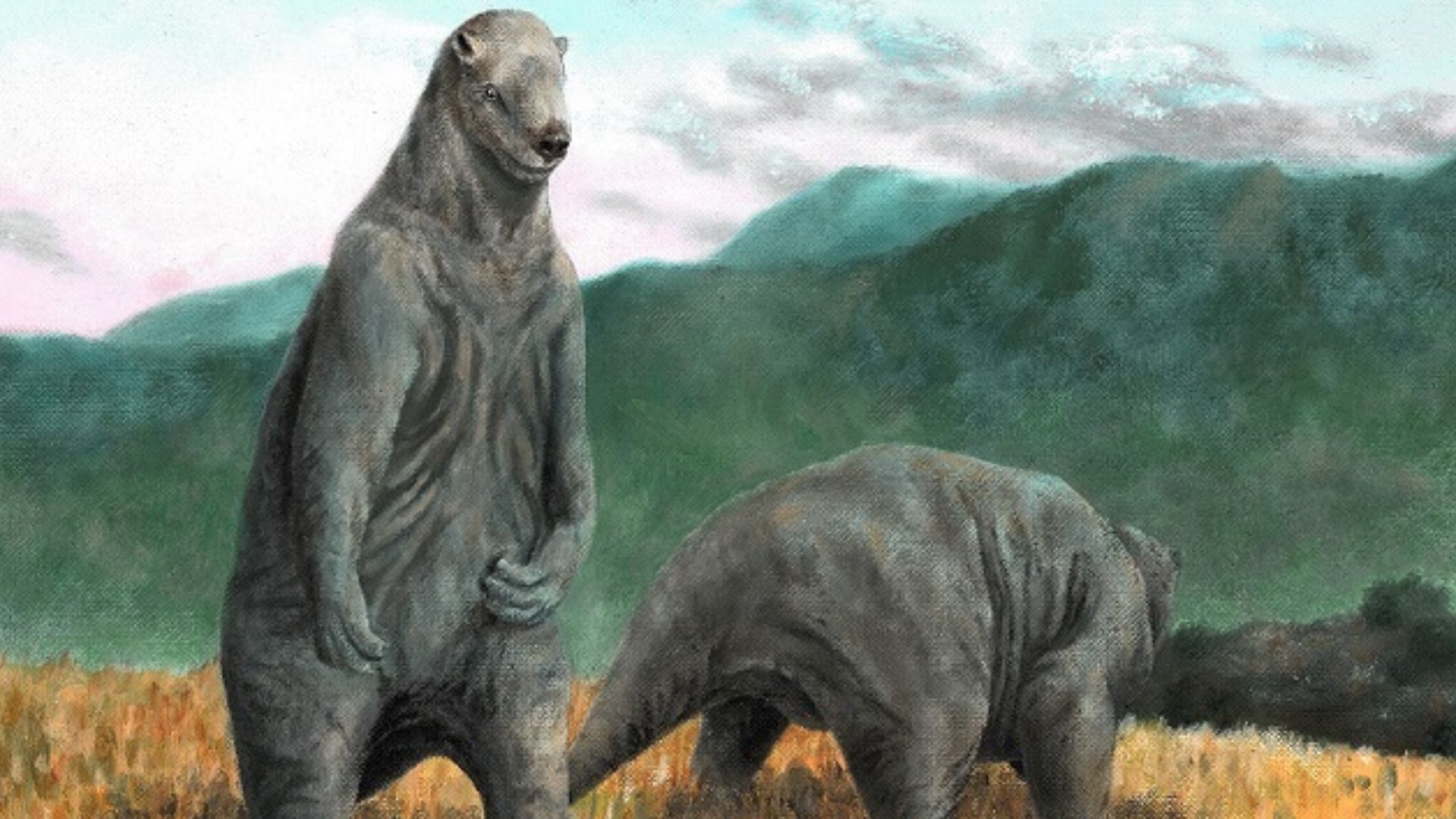
In South America, it thrived between 2 million and 8,000 years ago, and as a giant sloth, it reached about 20 feet long and weighed 4.1–4.4 short tons. The advantage it had was its upright browsing, which expanded feeding options, and its 12-inch claws for digging and defense.