Did You Know These Facts Are Actually Myths?
History has a habit of collecting good stories, even when they’re not true. A catchy story is easier to remember than a complicated truth, so the wrong version often gets repeated until it feels official. Here are 20 historical "facts" that aren't facts at all.
 Asher Brown Durand / After John Trumbull on Wikimedia
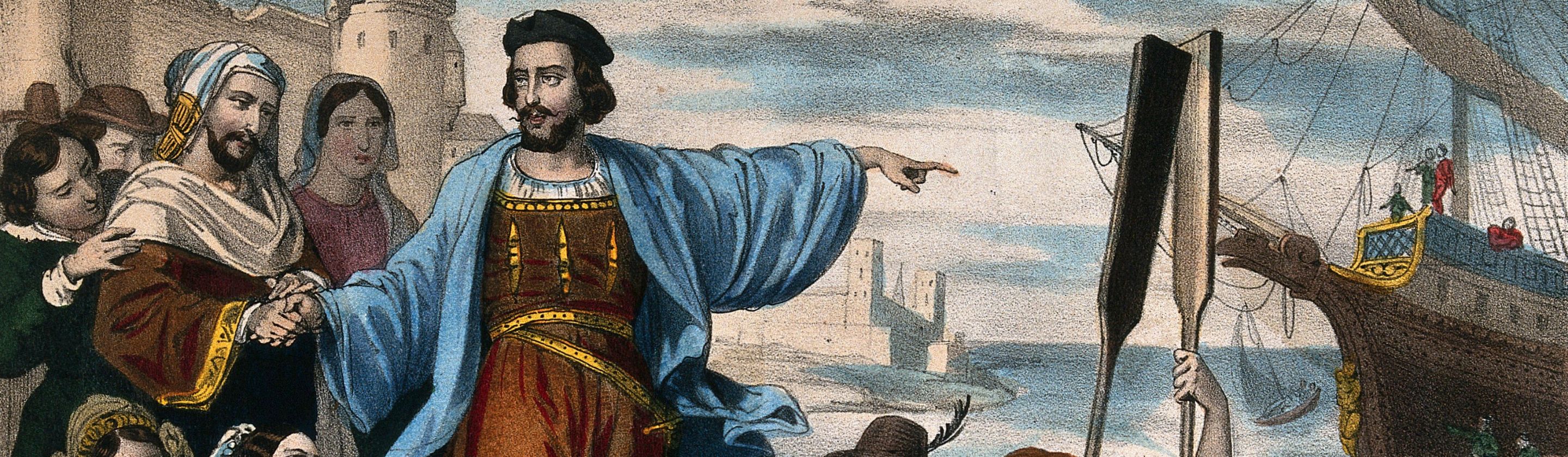
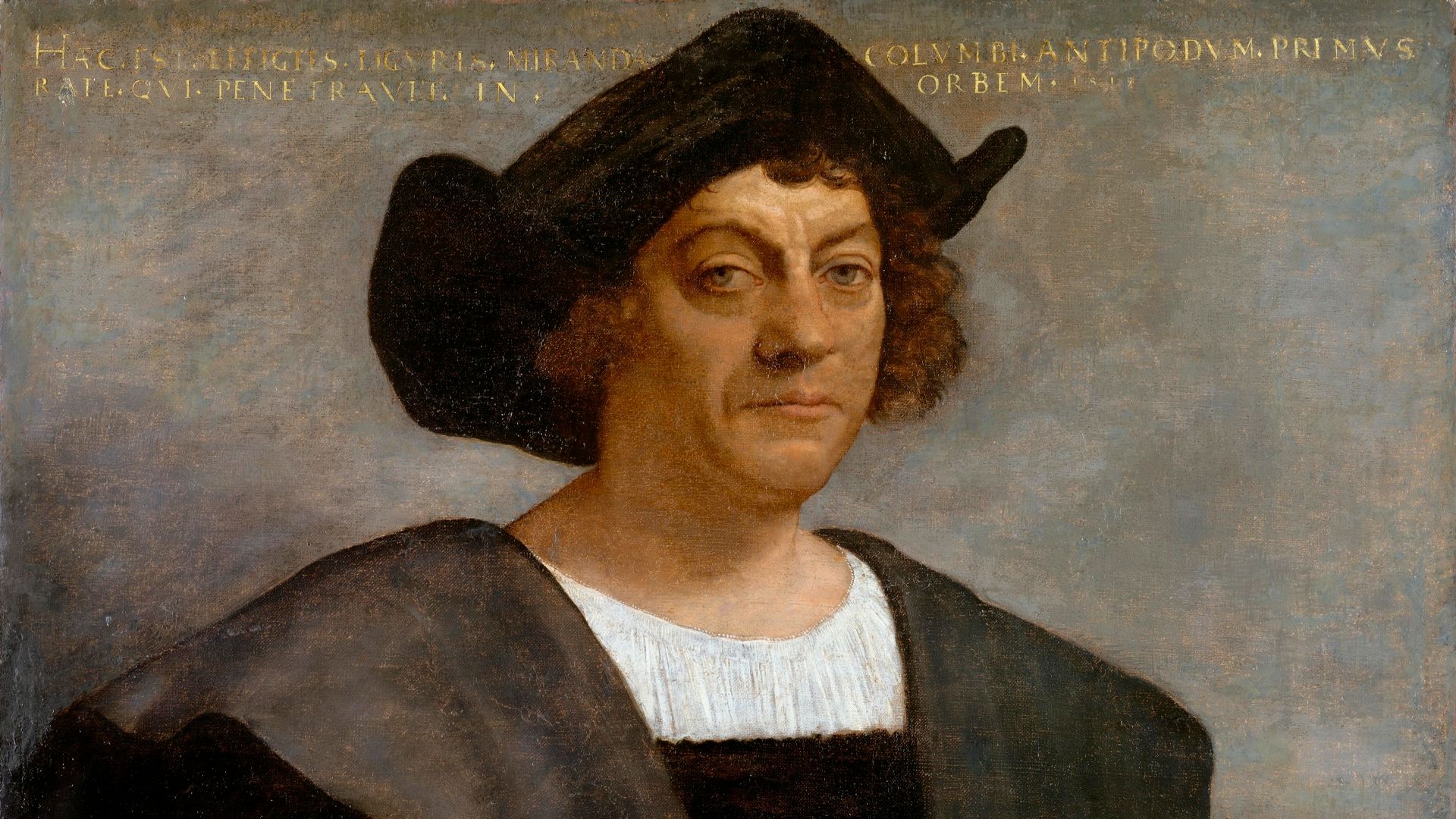
1. Columbus “Proved” the Earth Was Round
People in Columbus’s time generally knew the Earth was round, so he didn’t rescue anyone from flat-Earth thinking. The real debate was about how big the planet was and whether the voyage was practical. If anything, he argued with experts because he underestimated the distance.
 Sebastiano del Piombo on Wikimedia
2. Vikings Wore Horned Helmets Into Battle
The classic horned helmet look is basically a costume choice, not battlefield gear. It became popular through art and opera centuries after the Viking Age. Horns are a terrible idea in a fight unless your goal is to give someone a handle.

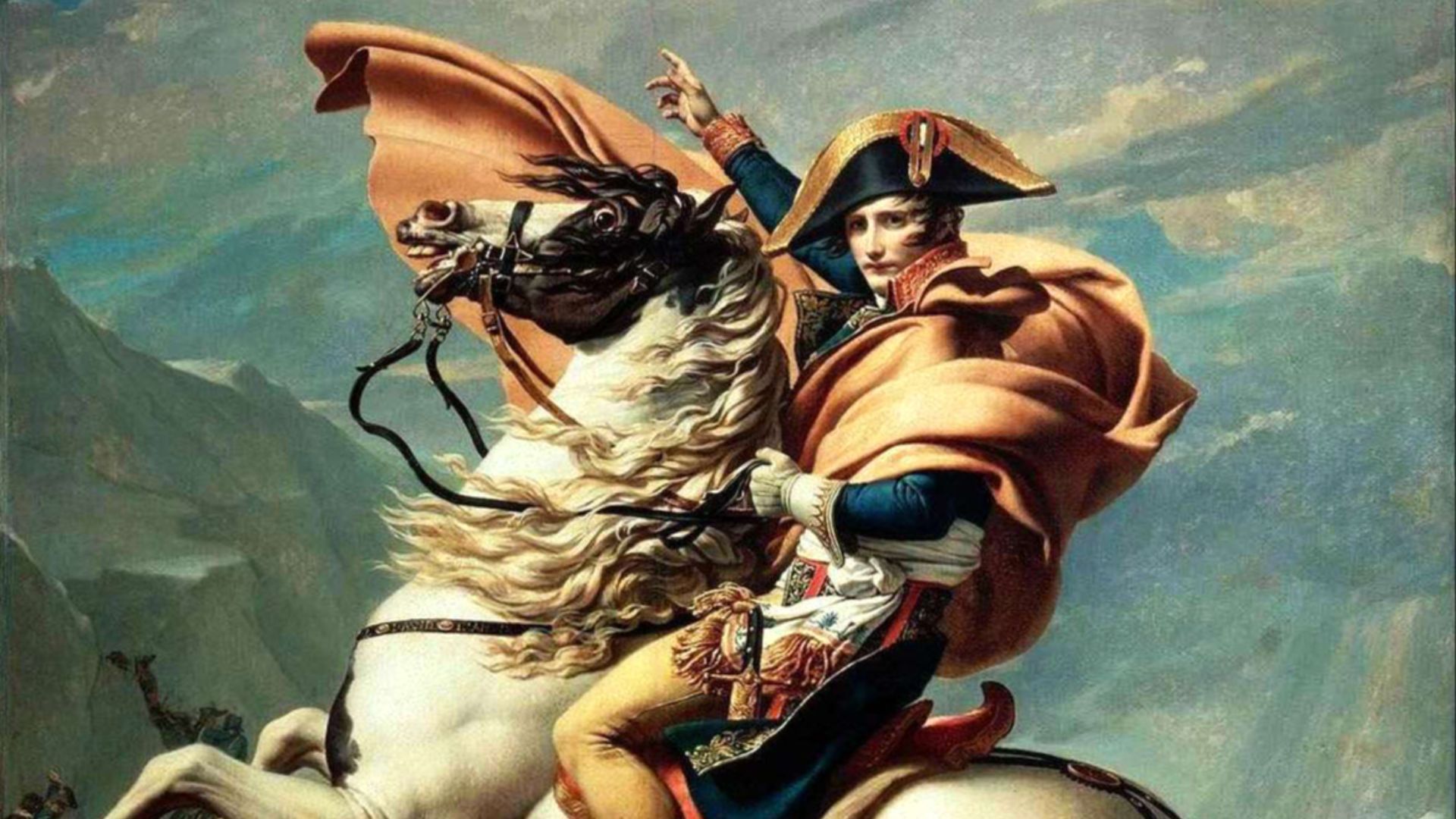
3. Napoleon Was Short
Napoleon wasn’t a tiny cartoon villain; he was around average height for his era. The “short” idea stuck thanks to propaganda and the fact that his inner circle was full of giants. It’s a reminder that history loves a good insult more than a good ruler.
 Jacques-Louis David on Wikimedia
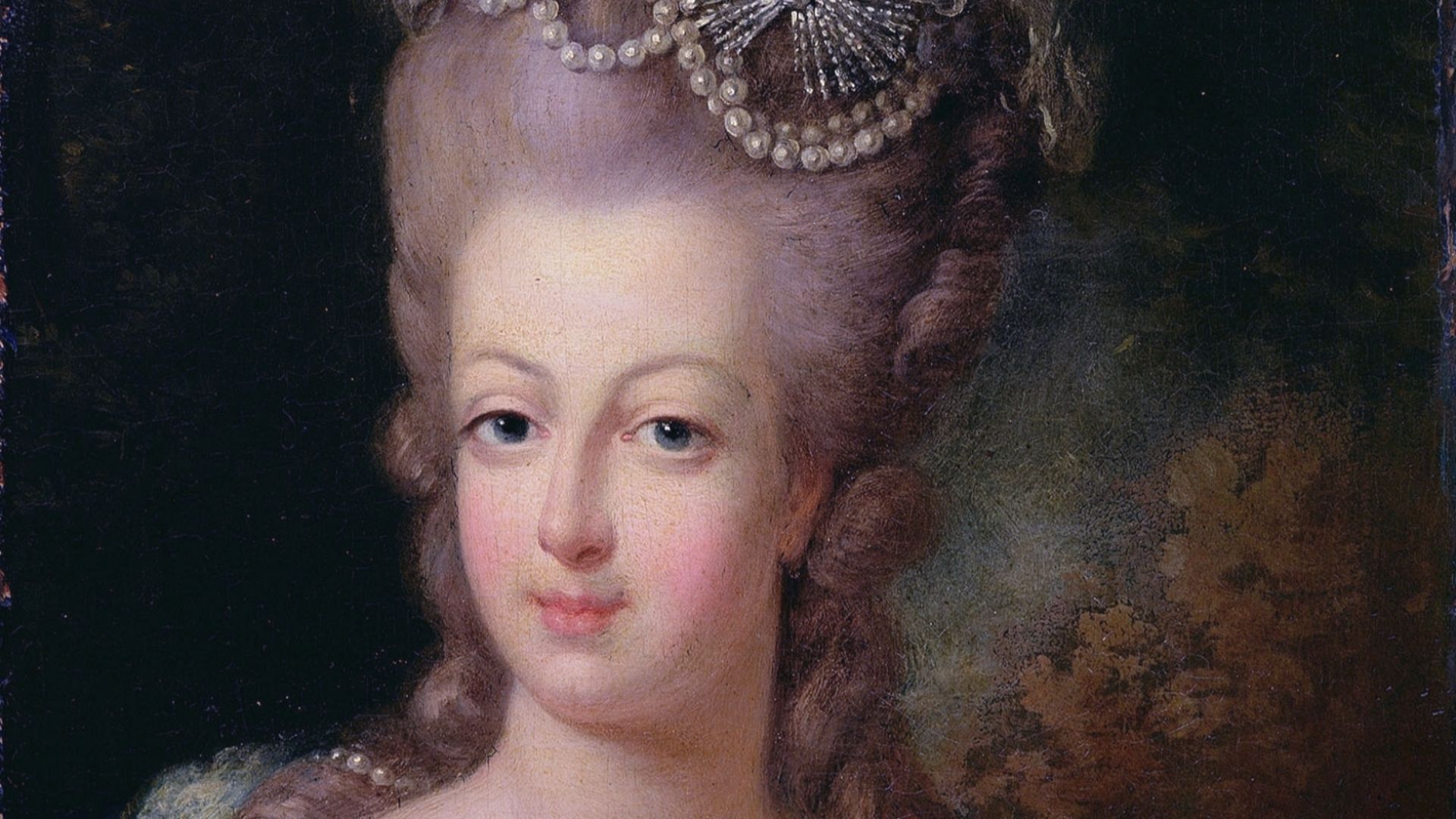
4. Marie Antoinette Said, “Let Them Eat Cake”
There’s no solid evidence she ever said it, and the quote was floating around in print before she even became queen. It’s the kind of line people wanted her to say because it fit the storyline. Unfortunately, a meme-worthy sentence can outlive the truth by centuries.
 After Jean-Baptiste André Gautier-Dagoty on Wikimedia
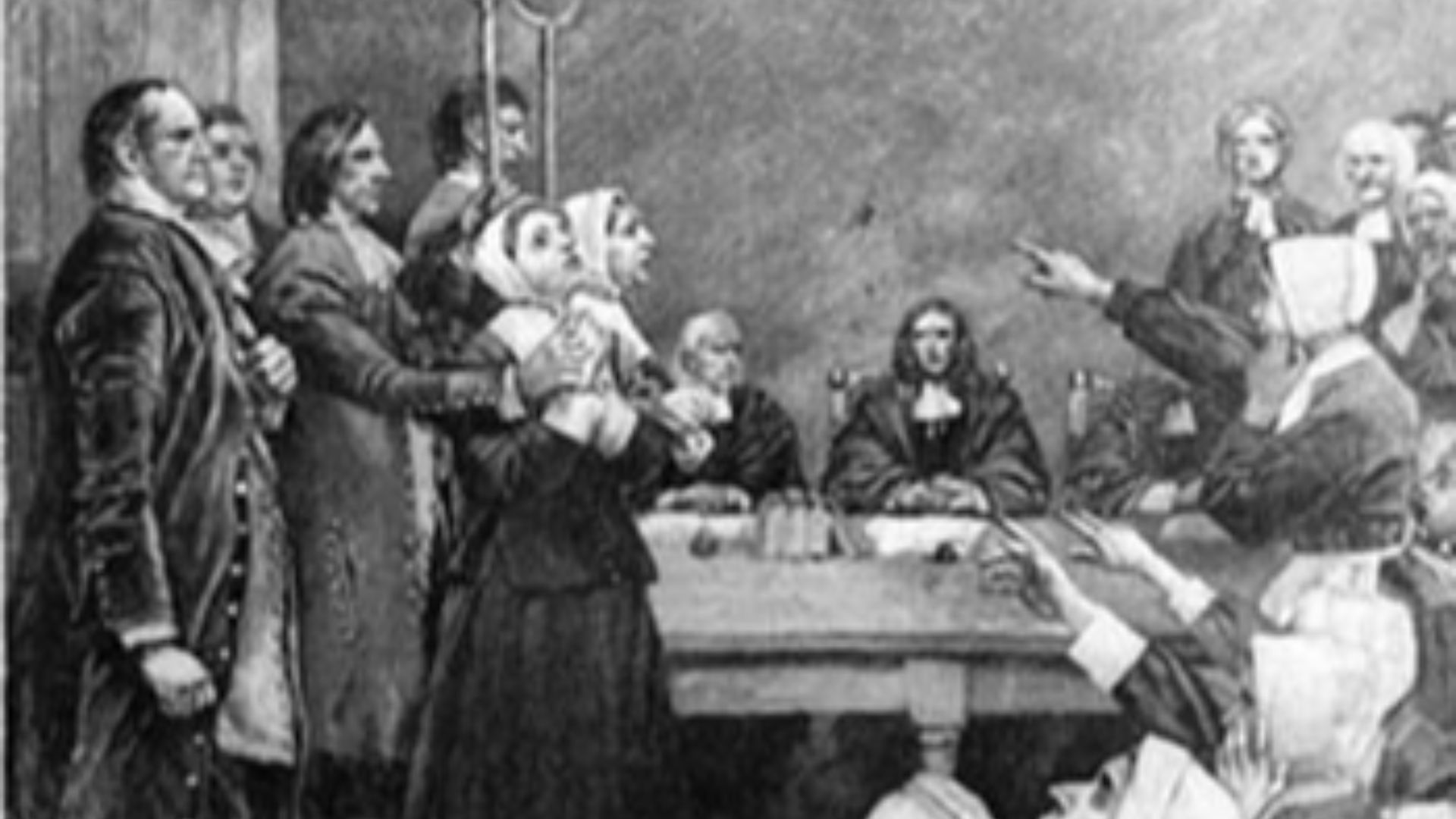
5. Salem’s “Witches” Were Burned at the Stake
In the Salem witch trials, the condemned were executed by hanging, not burning. Burning did happen in some European witch persecutions, but Salem’s story gets blended into a single dramatic image. If you picture bonfires, your brain is borrowing visuals from elsewhere.
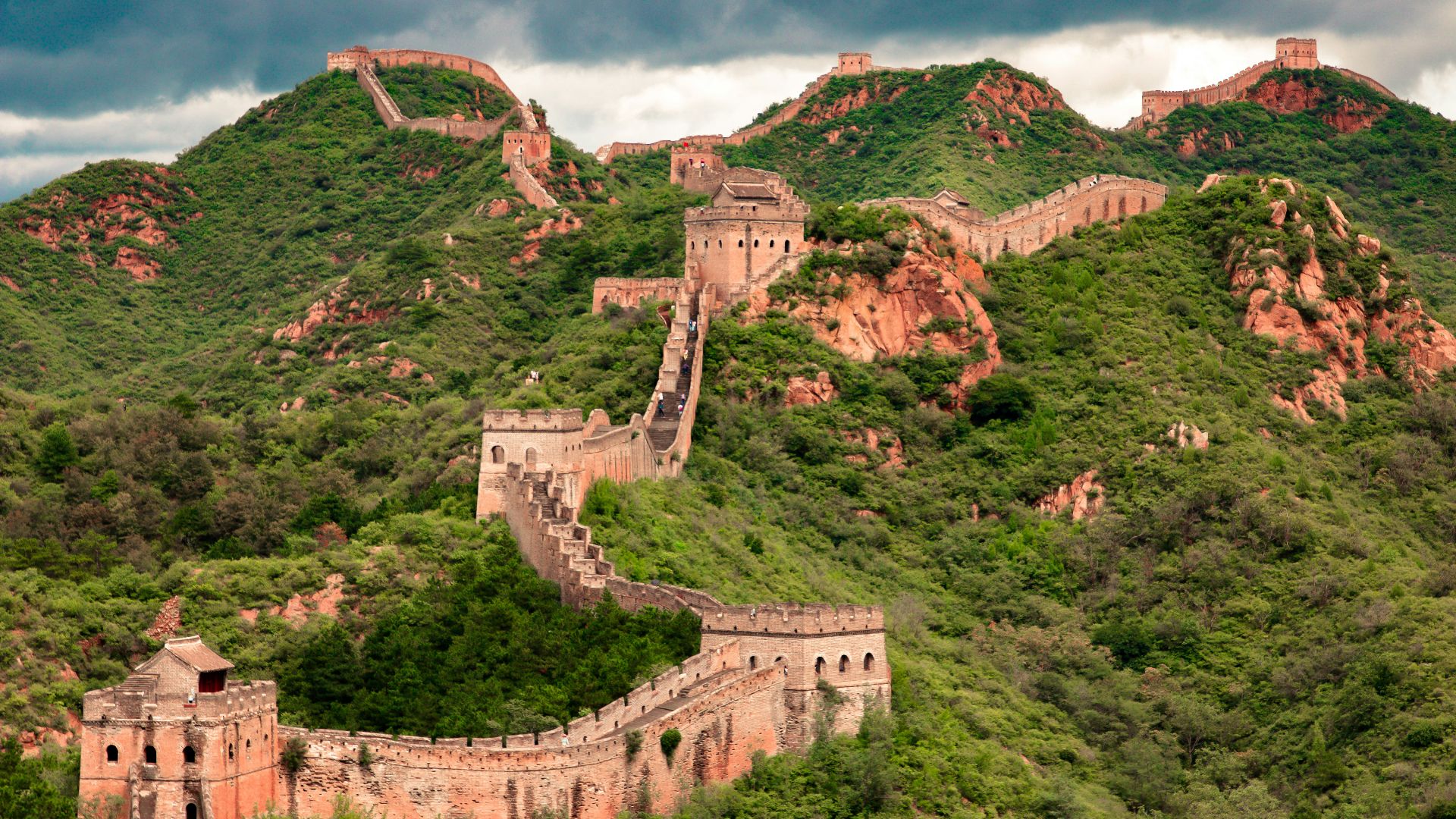
6. The Great Wall of China Is Visible From Space With the Naked Eye
From low Earth orbit, many human-made structures are hard to spot without help, and the Great Wall isn’t reliably visible as a neat line. It blends into the landscape more than people expect. The myth survives because it sounds like the perfect “fun fact” for a textbook sidebar.
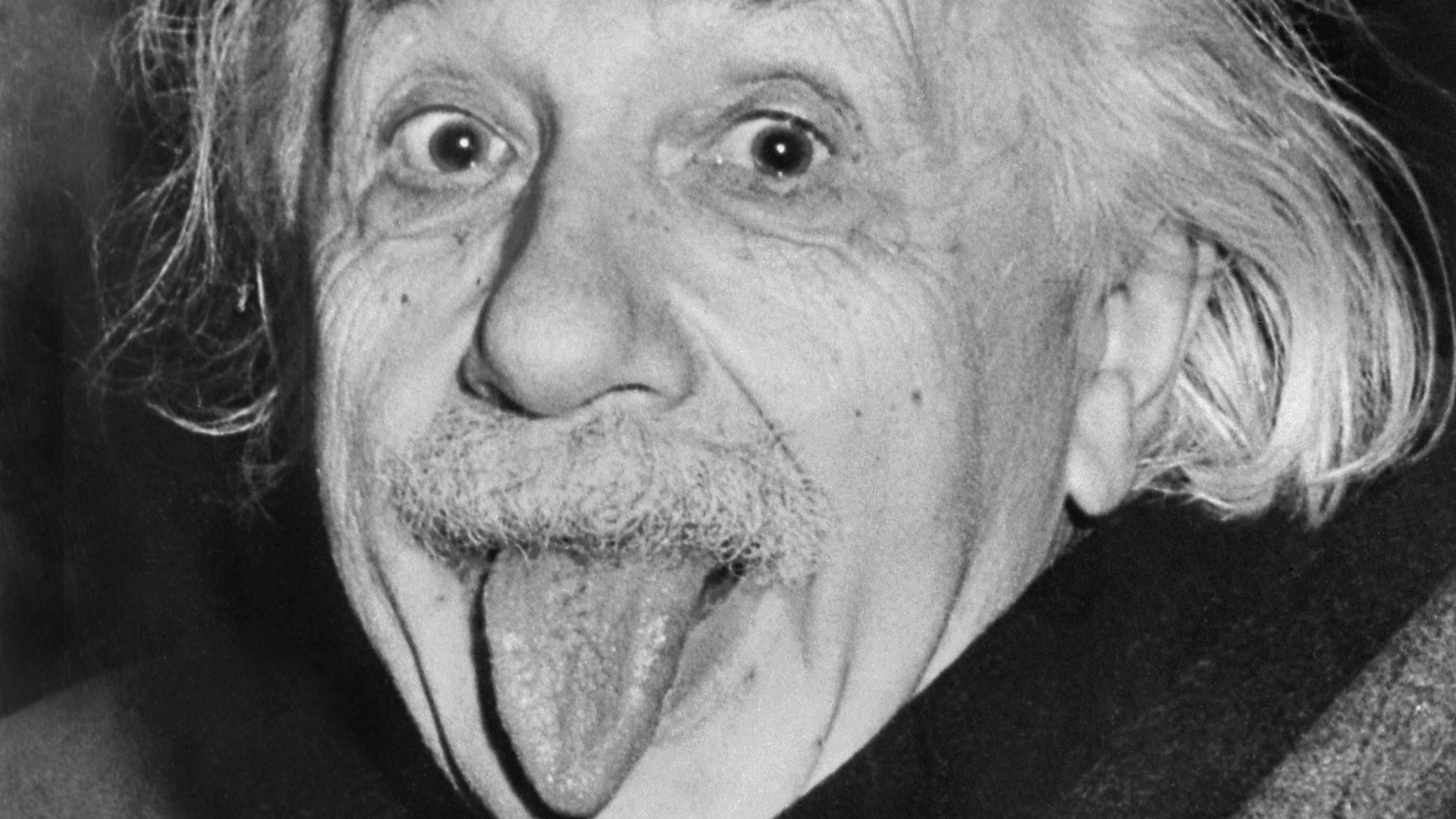
7. Einstein Failed Math as a Kid
Einstein didn’t flop at math; he was strong in it early on. The “failed math” rumor likely comes from misunderstandings about grading systems and timelines. It’s an inspiring story, sure, but it’s also not true.
 International News Service on Wikimedia
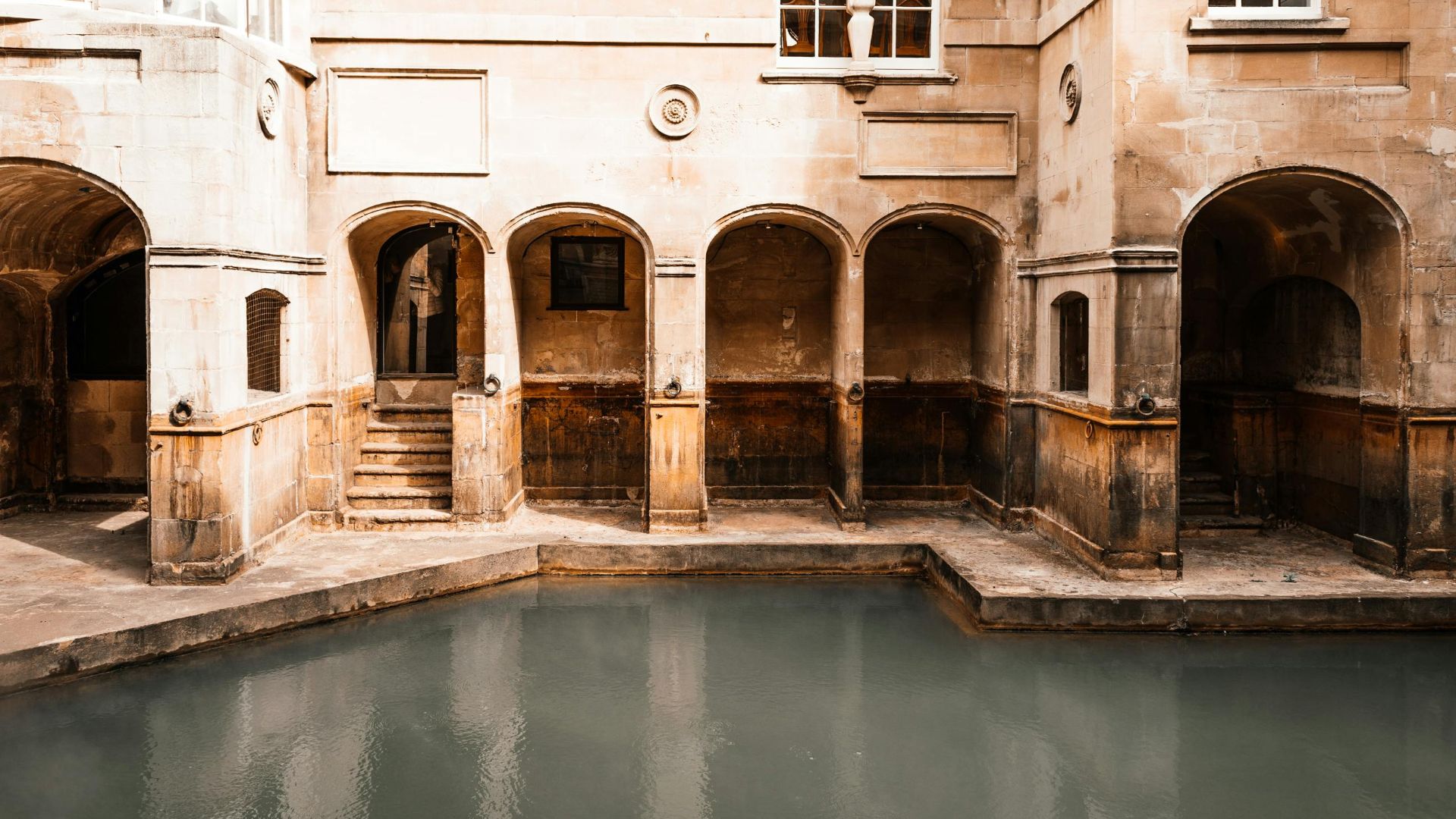
8. Medieval People Thought Bathing Was Dangerous and Never Bathed
Hygiene varied by place and time, but the idea that everyone was proudly filthy is exaggerated. Many people bathed when they could, used steam baths, and cared about cleanliness more than the stereotype suggests. It’s less “nobody washed” and more “life was complicated, and water access mattered.”
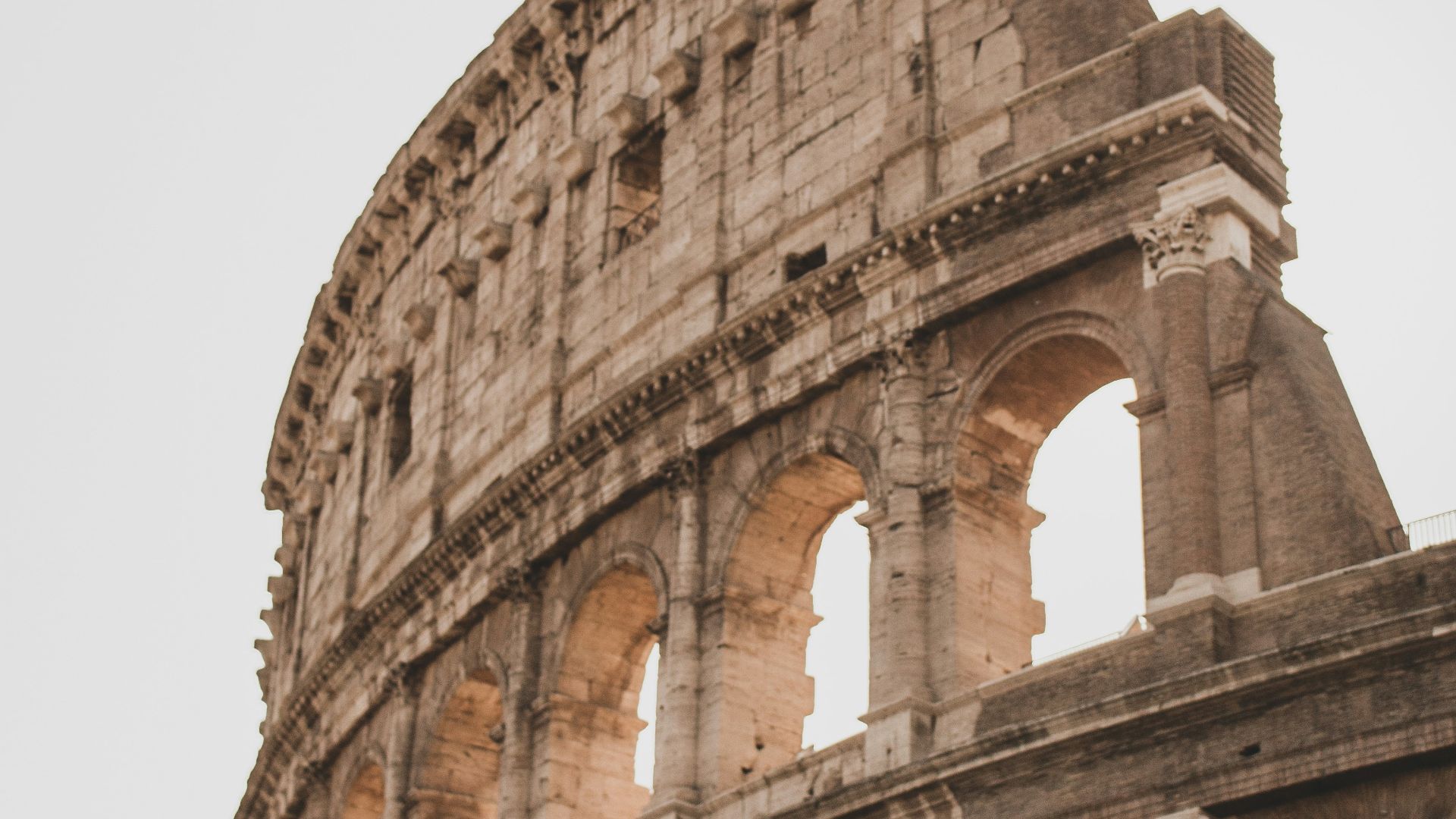
9. Rome Fell Because People Got Too Lazy & Decadent
The fall of the Western Roman Empire wasn’t a morality play. It involved political instability, economic issues, military pressures, and major shifts across centuries. When someone says it was just decadence, they’re trying to turn a huge topic into a tidy lecture.
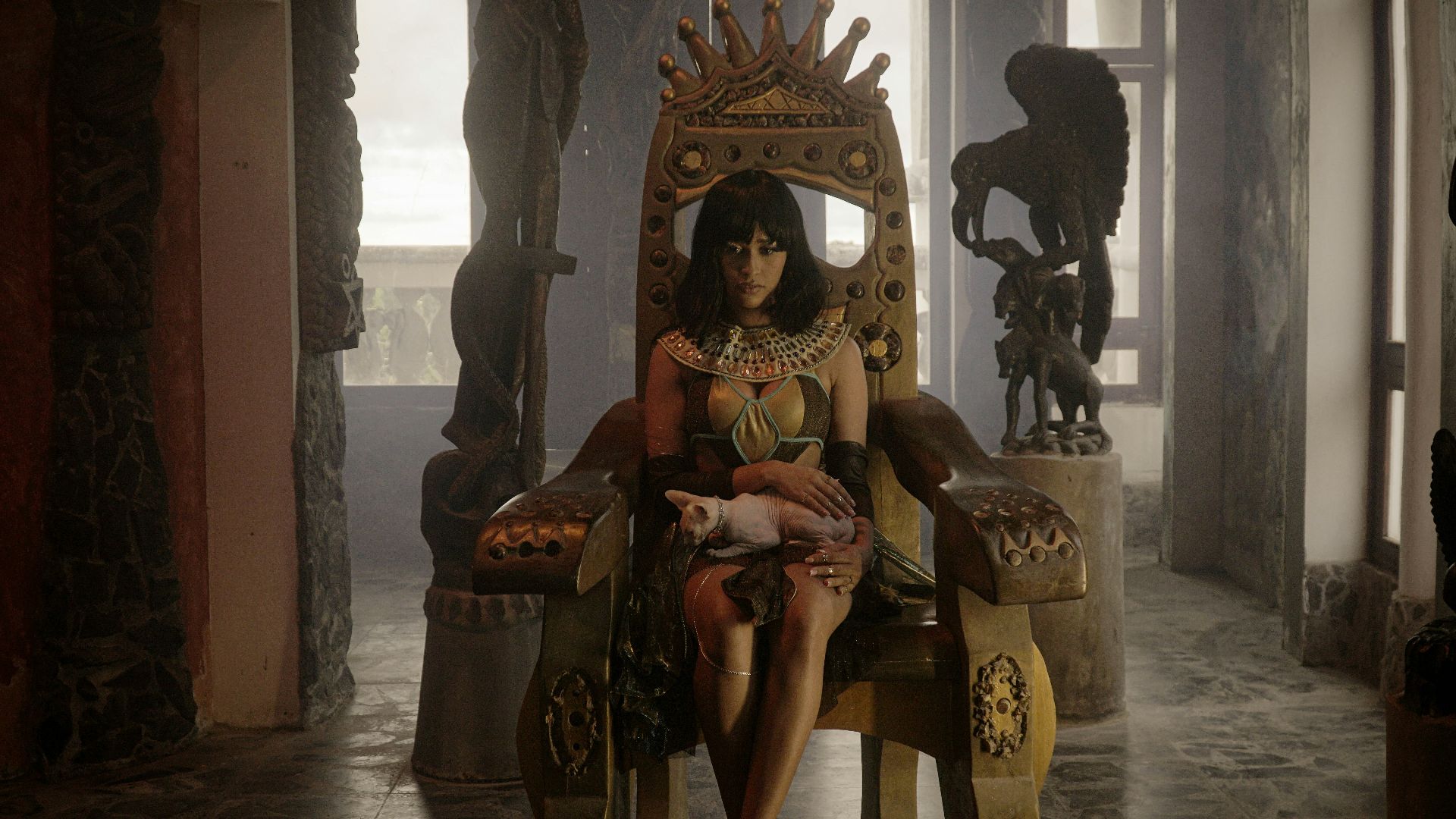
10. Cleopatra Was Egyptian
Cleopatra ruled Egypt, but she was part of the Ptolemaic dynasty, which was Macedonian Greek. That doesn’t make her any less central to Egyptian history, but the “Egyptian by ethnicity” claim is usually oversimplified. Think of it as a reminder that empires were multicultural long before modern passports.
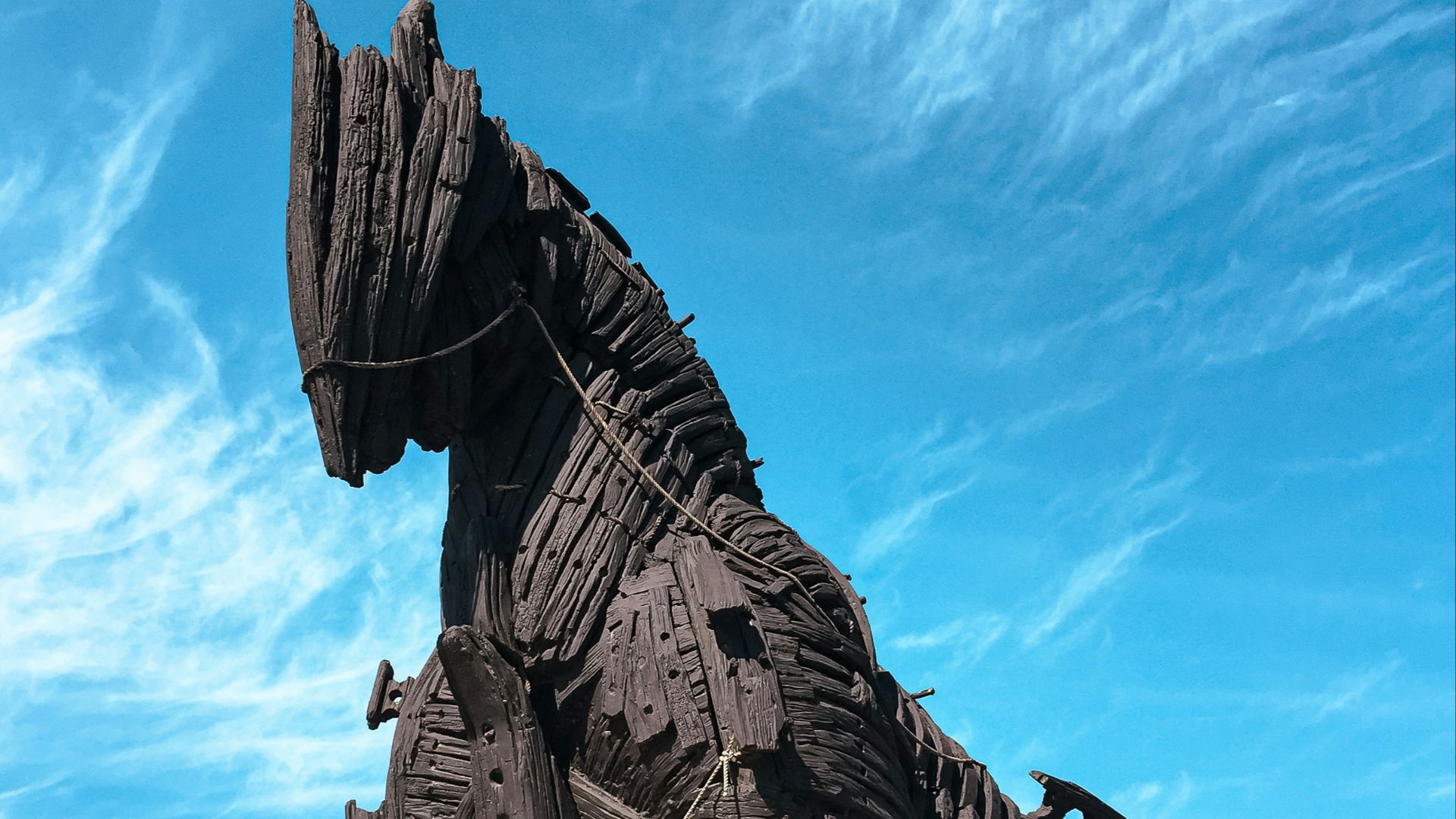
11. The Trojan Horse Is Confirmed Historical Fact
The Trojan Horse is a famous story from epic tradition, not a verified event with a clean paper trail. There may have been a real conflict behind the legend, but the wooden-horse detail is not something historians can confirm as “this definitely happened.” It’s a great tale, and it might also be ancient marketing.
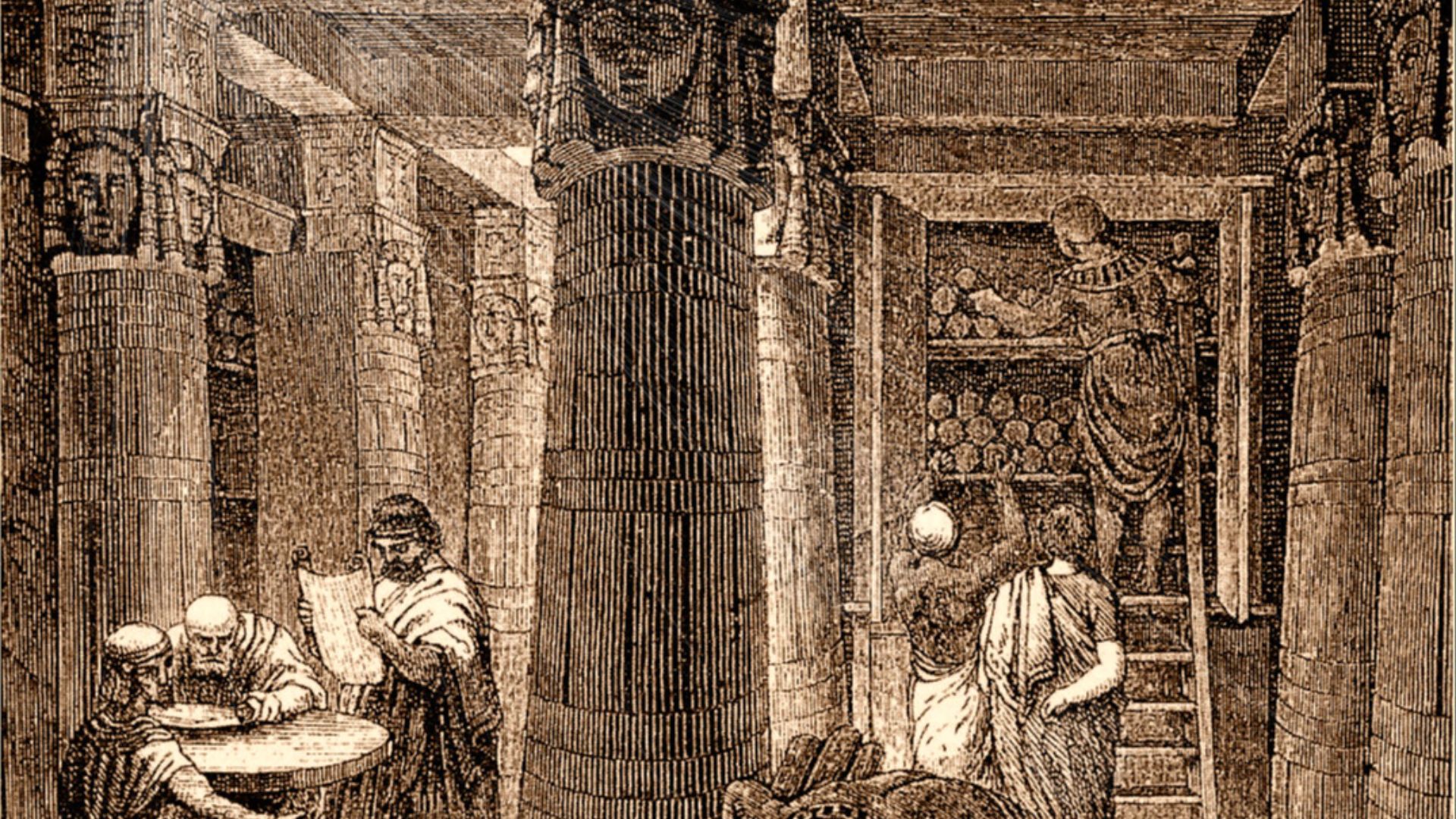
12. The Library of Alexandria Was Destroyed in a Single Night
It’s often told like one dramatic fire wiped out all ancient knowledge at once, but the reality was messier and likely happened in phases over a long period. Different conflicts and political changes chipped away at institutions in Alexandria, and “the library” wasn’t just one room with one fatal accident. The one-night story is tidy and tragic, which is exactly why it keeps getting repeated.
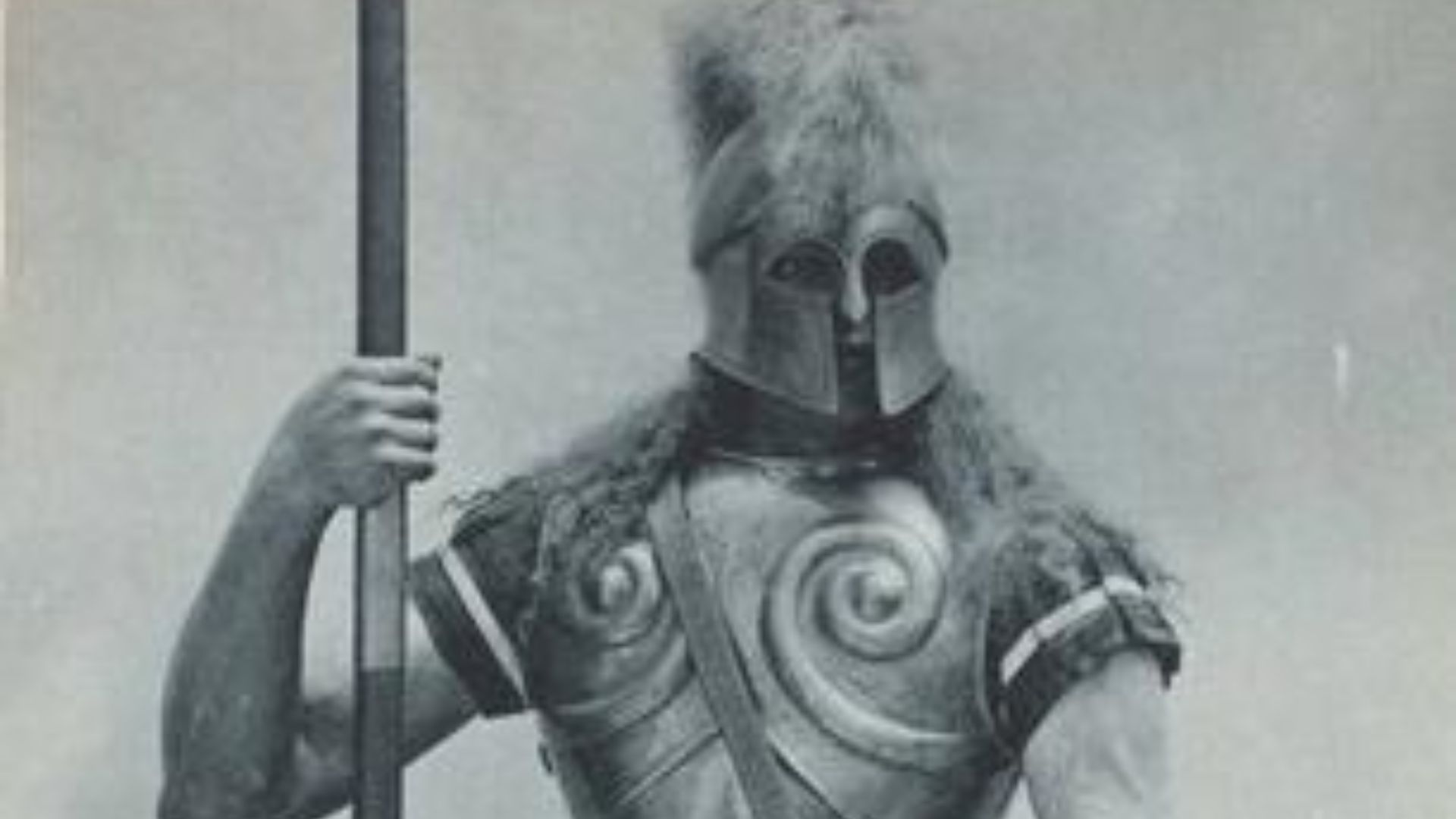
13. Ancient Spartans Were All About Freedom & Equality
Sparta’s image is often polished into a tough-love inspirational poster. In reality, it was a heavily militarized society built on harsh social control and a system of enslavement. If someone sells Sparta as a pure freedom story, they’re leaving out the uncomfortable foundation.
 H. J. Vinkhuijzen on Wikimedia
14. The Middle Ages Were “The Dark Ages” of Zero Progress
Labeling a whole era as “dark” is a neat slogan, not an accurate summary. There were innovations in agriculture, architecture, scholarship, and trade, even with plenty of hardship in the mix. It’s more honest to say progress looked different depending on where you stood.
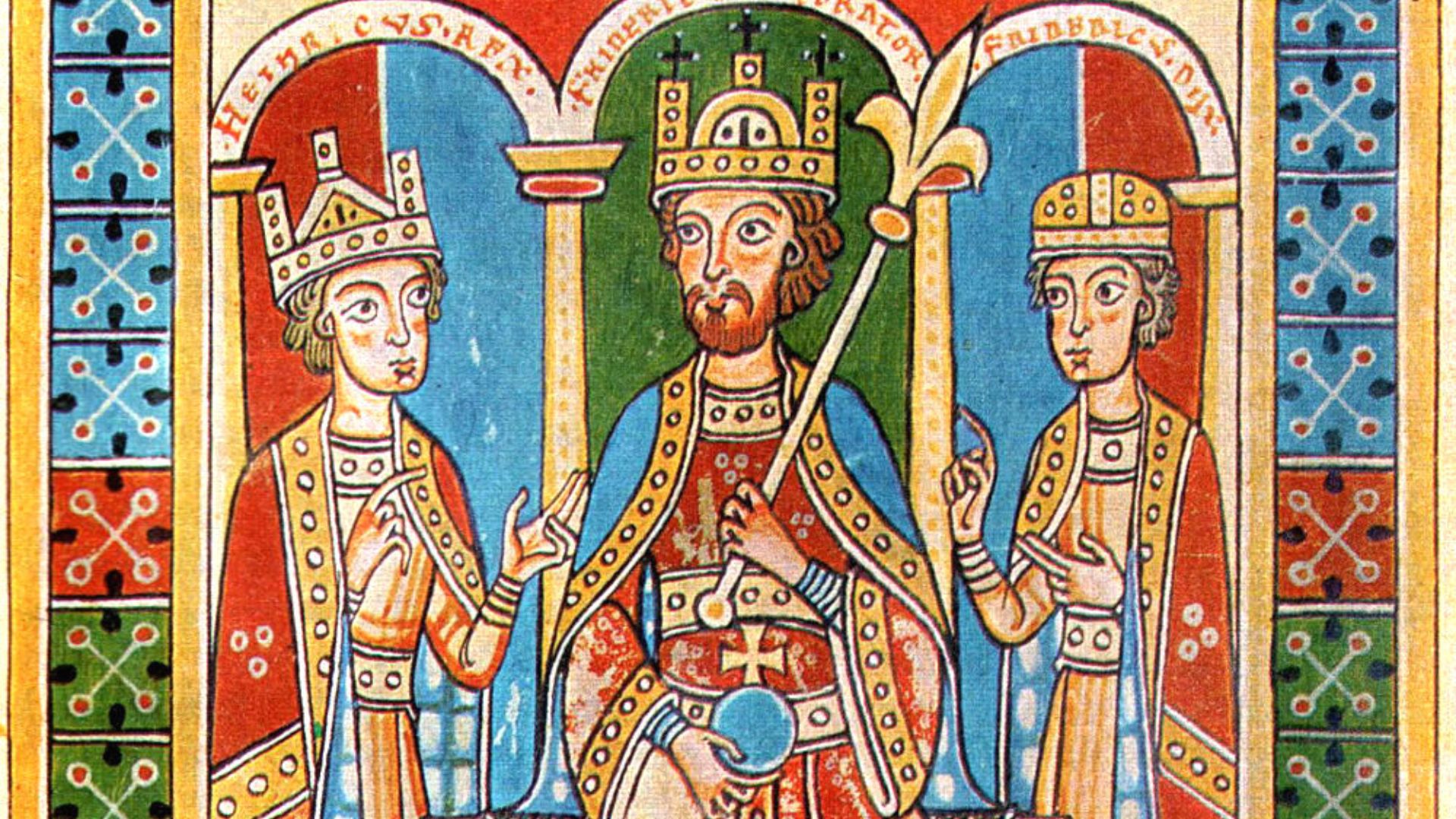
15. The Pyramids Were Built by Slaves in Chains
The enslaved-labor narrative is popular, but many scholars point to skilled laborers who were organized, fed, and housed as part of a massive state project. That doesn’t mean the work was easy or purely voluntary, but “whipped slaves only” is too simple.

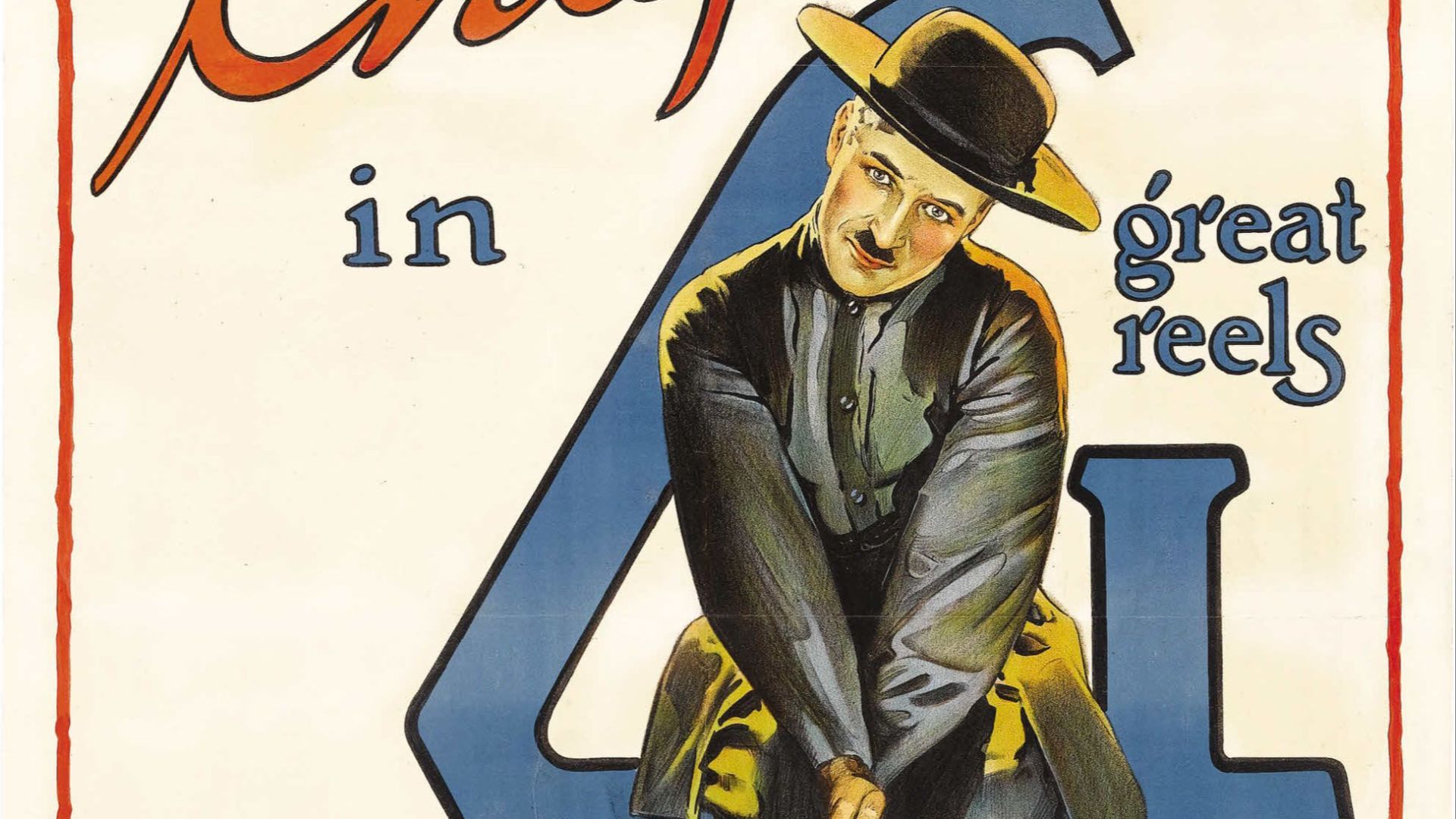
16. Pilgrims Wore Black Outfits With Shiny Buckles
That classic Pilgrim look is mostly later artistic styling, not their everyday wardrobe. They wore practical clothing in a range of colors, made of wool, linen, and leather, and the buckle obsession is a bit of a costume exaggeration.
 Associated First National Pictures, Charlie Chaplin. on Wikimedia
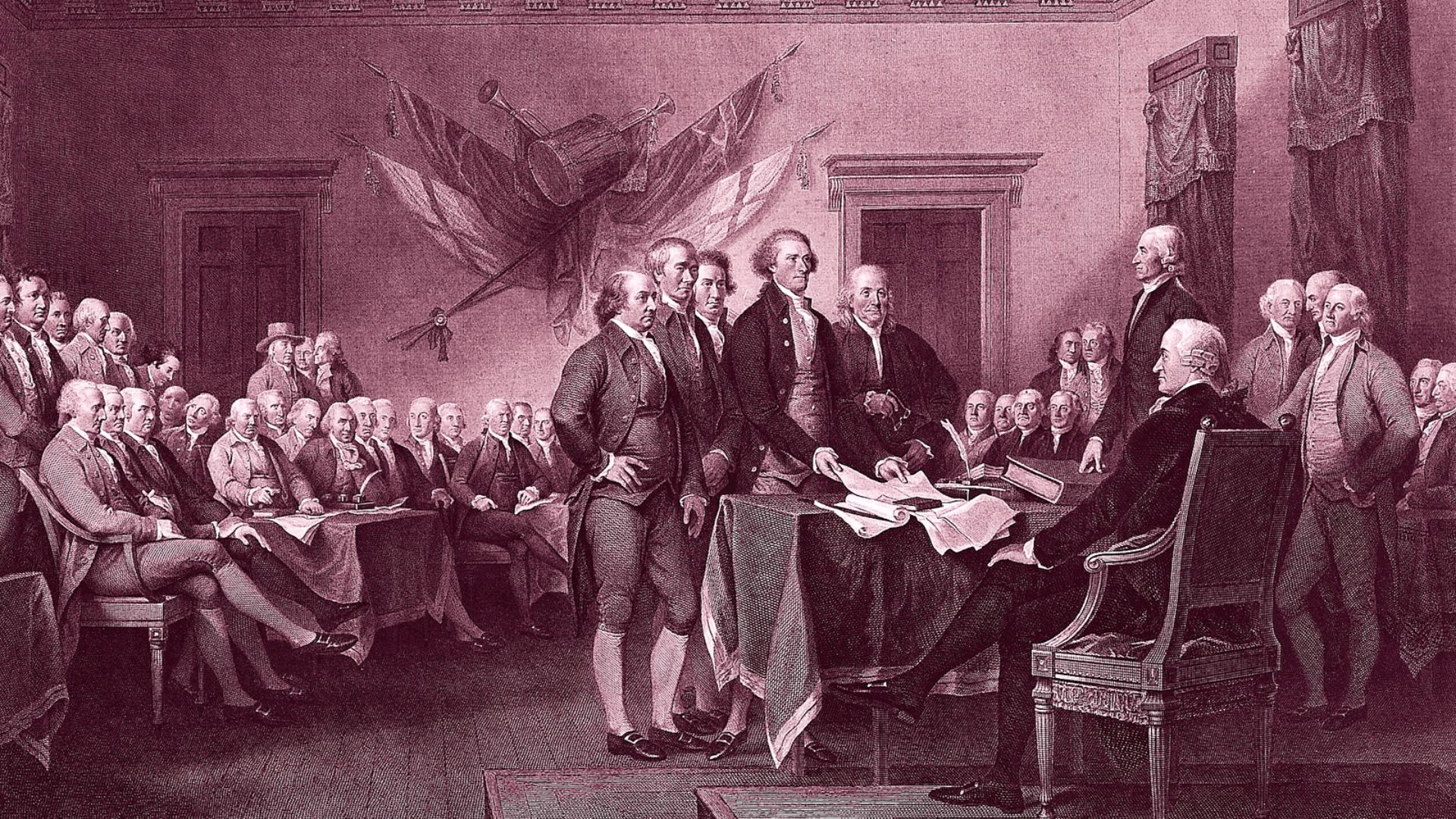
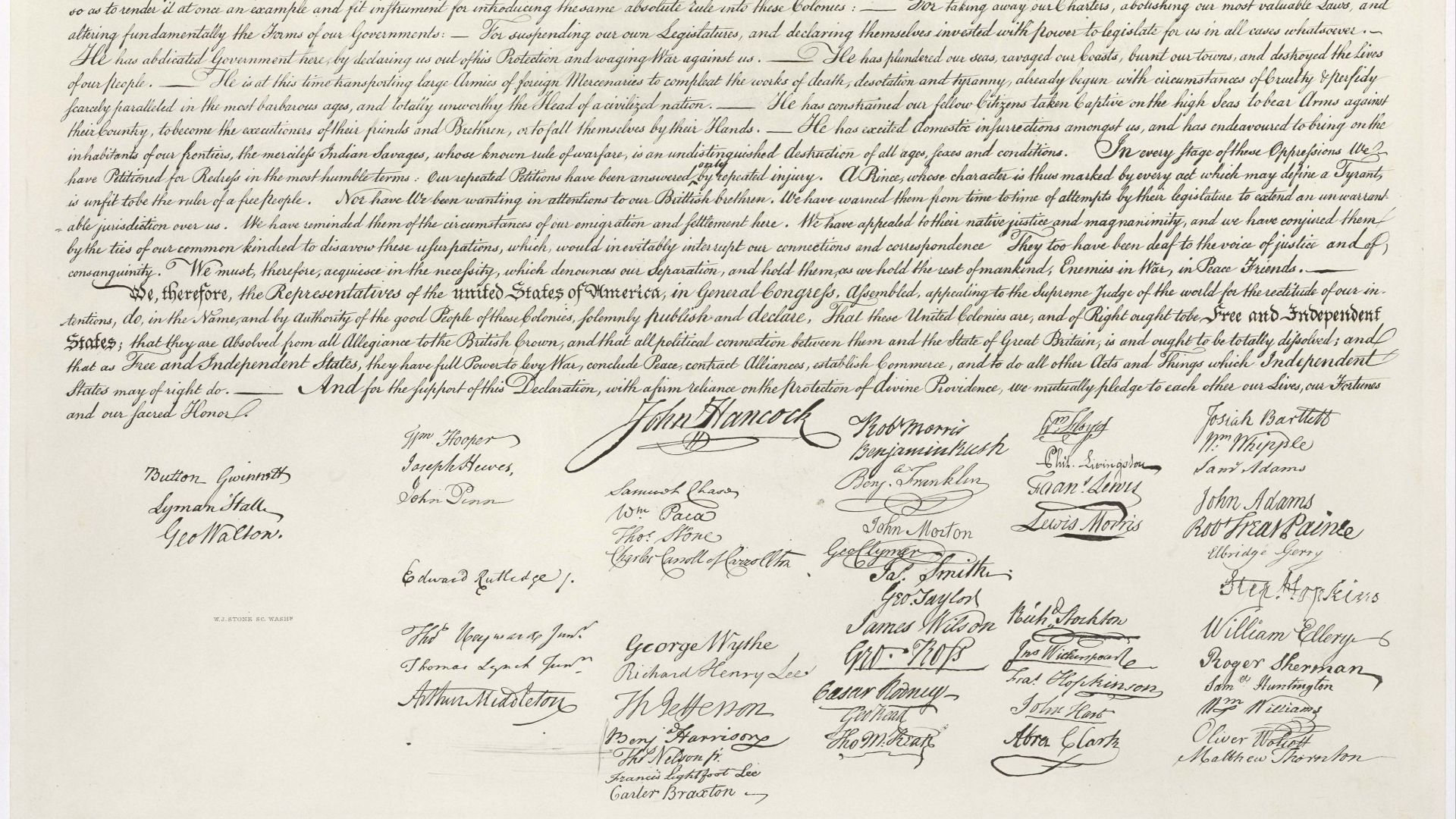
17. The Declaration of Independence Was Signed on July 4th by Everyone
July 4th is tied to the adoption of the Declaration, but the signing happened over time, not as one perfectly staged moment. Congress may have adopted the text on that date, but that doesn't mean it was unanimously signed in one go. Many of the delegates weren't even present at that meeting.
 Second Continental Congress on Wikimedia
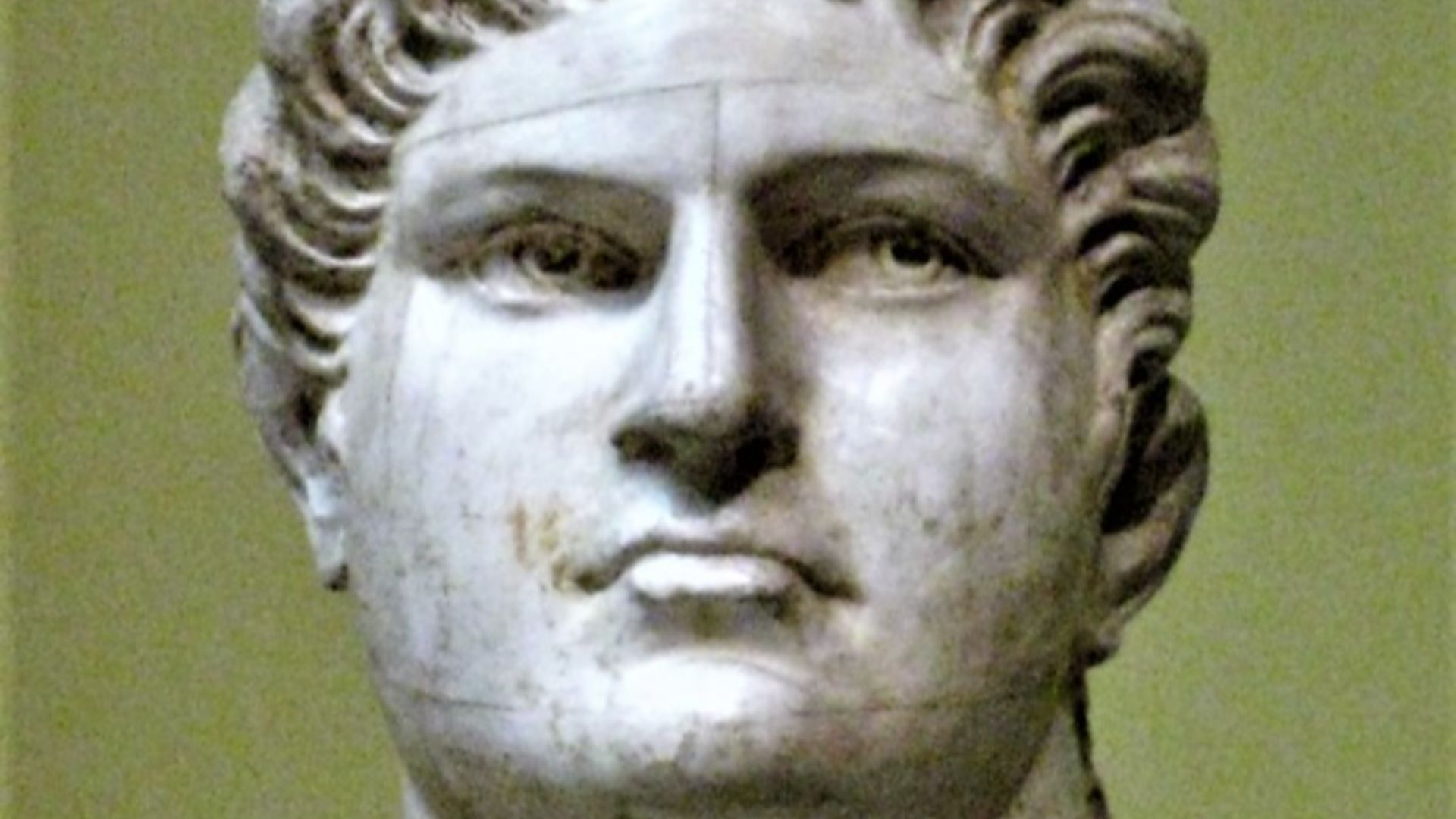
18. Nero Played the Fiddle While Rome Burned
The fiddle didn’t exist in Nero’s time, and the story is likely layered with rumor and political hostility. Accounts vary, and later retellings sharpened it into the ultimate “leader ignores disaster” anecdote. It’s a great villain detail, even if it’s not reliable.
19. The First Thanksgiving Looked Like Your Holiday Dinner
The meal was nothing like the modern spread of turkey, stuffing, and pumpkin pie traditions. What happened was shaped by local ingredients, different customs, and a context that doesn’t match the cozy version taught in many stories. You can appreciate the history without forcing it to resemble your table.

20. People in the Past All Believed the Same Things
It’s tempting to imagine whole eras as one shared mindset, but communities argued, debated, and disagreed constantly. Beliefs changed by region, class, religion, and personal experience, just like they do now. When you hear “everyone back then thought…,” that’s usually your cue to raise an eyebrow.
KEEP ON READING