
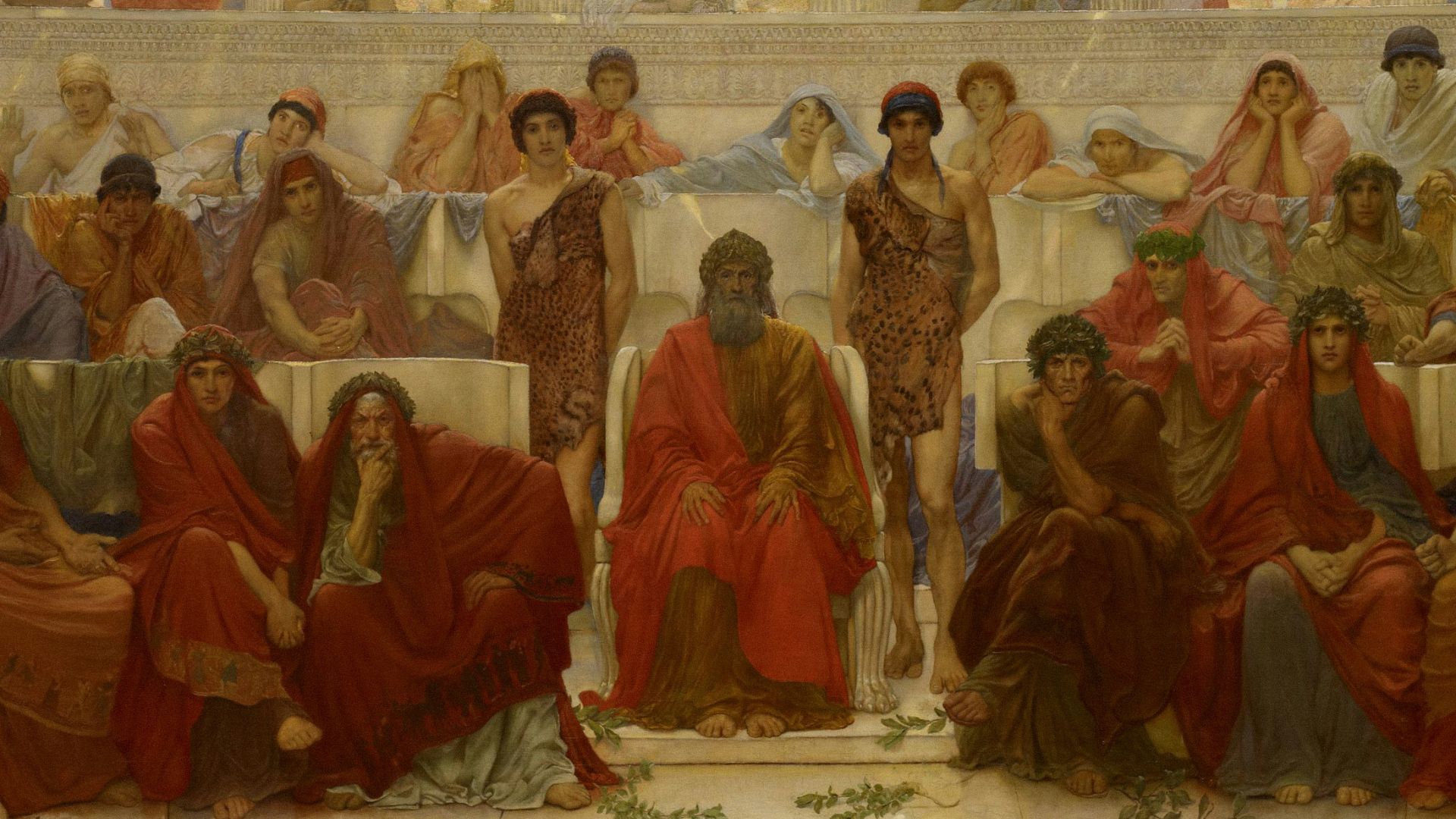
 Birmingham Museums Trust on Unsplash
Around 1200 BCE, some of the most powerful civilizations in the eastern Mediterranean began to experience extraordinary upheaval. Cities were destroyed, trade networks faltered, and kingdoms that had dominated the region for centuries weakened or disappeared. Among the forces associated with this turbulent period were the mysterious Sea Peoples, a collection of groups whose identities and origins remain subjects of historical debate.
The Sea Peoples sound like the perfect villains for an ancient adventure story, arriving by ship and challenging mighty kings. However, the real story is more complicated than a simple invasion by a single army. Historians are still piecing together who these people were, why they moved across the Mediterranean, and how much responsibility they deserve for the collapse of the Bronze Age world.
Who Were the Sea Peoples?
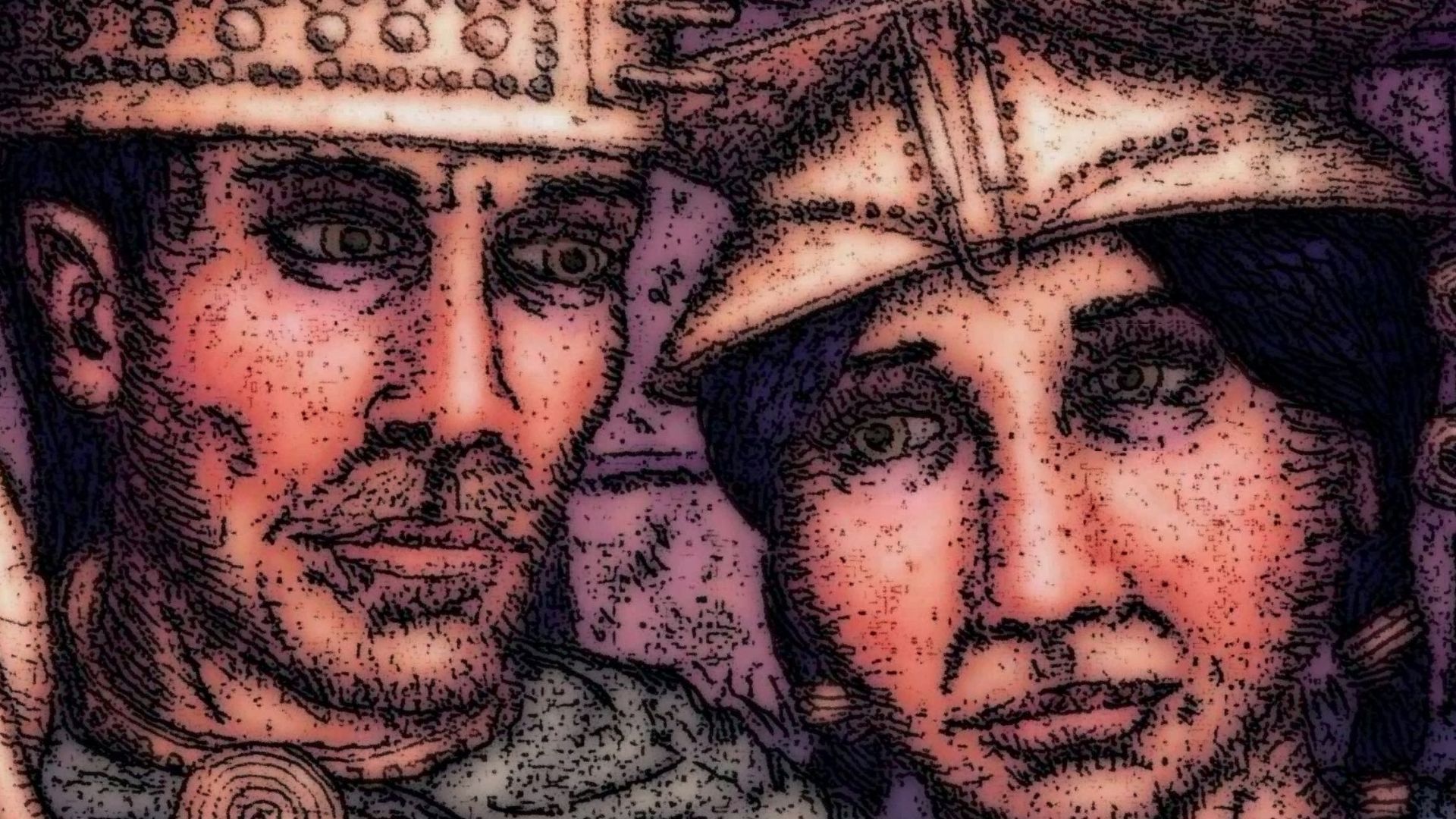
The term “Sea Peoples” wasn't the name of a unified nation recorded in ancient documents. Instead, modern scholars use it to describe several groups mentioned in Egyptian inscriptions from the late Bronze Age. These groups appear under different names, including the Peleset, Sherden, Shekelesh, and Tjekker, although their precise origins remain uncertain.
The Sea Peoples may not have been one giant armada traveling under one ruler. It can be easy to assume that when you hear them described. However, this is unlikely, as they are described as multiple groups. These groups could have traveled together or individually. The Sea Peoples may have consisted of raiders. They also could have been looking for new land to settle or simply been warriors.
Many questions arise as to where the Sea Peoples came from. Their origins could range from the Aegean region to Asia Minor and many locations around the Mediterranean. There isn't enough information to pinpoint where each group was from. We know what regions they traveled to, but not their backgrounds. It would be dangerous to say where each group was descended from.
Not all groups that made up the Sea Peoples had the same reasons for moving. They could have been trying to gain land, or they could have just raided other kingdoms.
This could have happened during times of war or population movements.
How They Became Entangled in the Bronze Age Collapse
Before the collapse, the eastern Mediterranean supported an extensive network of trade and diplomacy connecting Egypt, the Hittite Empire, Mycenaean Greece, Cyprus, and the cities of the Levant. These societies exchanged valuable goods, including metals, pottery, luxury items, and other resources. Such connections brought prosperity, but they also meant that trouble in one region could affect kingdoms far beyond its borders.
From the late 1200s BCE into the early 1100s BCE, we see many key cities being destroyed or left uninhabited. The once-powerful Hittite Empire broke apart, the palatial cultures of the Mycenaeans collapsed, and cities along the Levantine coast that were critical to trade networks were ravaged (e.g., Ugarit). Not all of these things occurred during the same period or had the same reasons for their demise, but together, they created a very different landscape of powers.
In many ancient Egyptian texts, we see references to the Sea Peoples as threats to Egypt. It is believed that they could have been responsible for some aspects of this collapse. Again, there is no single factor that can be pinpointed as the cause of the Bronze Age Collapse, but the Sea Peoples did play a part.
The kingdoms of the Bronze Age faced pressures that extended well beyond hostile ships on the horizon. Research has explored the possible effects of drought, food shortages, earthquakes, political conflict, and disruptions to international trade, although the importance of each factor remains debated. When governments and economic networks were already under strain, attacks and population movements could make existing problems much harder to manage.
Egypt’s Response and the Sea Peoples’ Lasting Legacy
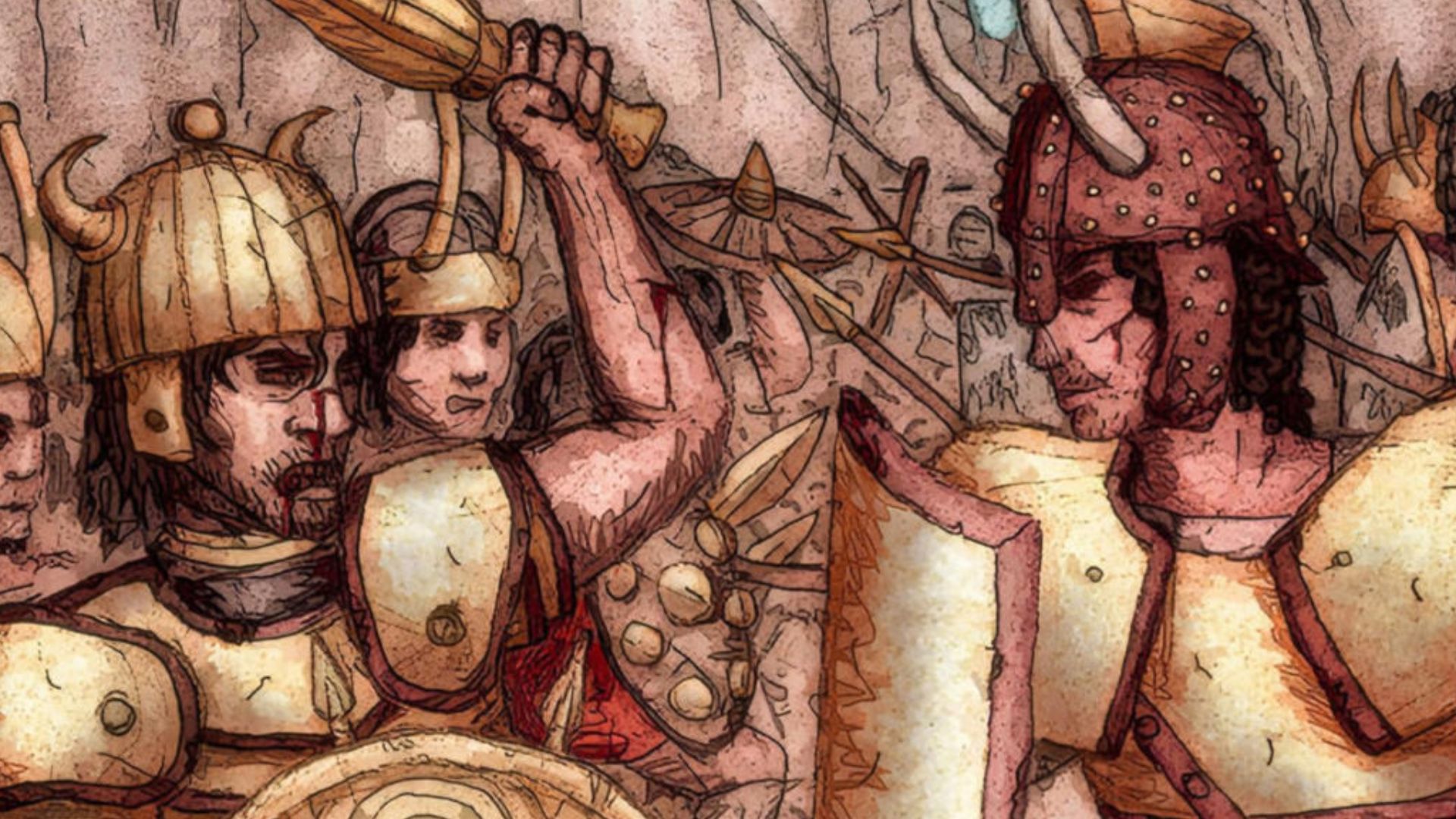
Egyptian pharaohs faced the Sea Peoples during this period, and the best-known account comes from the reign of Ramesses III in the early 12th century BCE. Reliefs and inscriptions at his mortuary temple at Medinet Habu depict land and naval battles against a coalition of foreign groups. The images show Egyptian forces defending their territory, providing some of the most detailed surviving evidence for how the Egyptians understood these encounters.
While Egypt was able to push them back, the Mediterranean did not return to the way it was before. Many believe some Sea Peoples migrated to areas around the eastern Mediterranean. The Peleset have been associated with the Philistines we know about today. As for the others, there are no records that clearly show where they may have ended up or what became of them.
As the Bronze Age began to crumble, different powers were established across the region.
Some forms of government fell, and as the centuries went on, more kingdoms and civilizations emerged. Iron would begin to play a bigger role as the world transitioned into the Iron Age. However, this wasn't directly caused by the Sea Peoples.
The Sea Peoples remain fascinating because they occupy the boundary between what historians know and what they can only reasonably propose. Ancient inscriptions preserve their names and describe battles against them, yet their origins, motives, and relationships remain incompletely understood. They likely contributed to the turmoil that reshaped the eastern Mediterranean, but they weren't solely responsible for the fall of its great Bronze Age civilizations.
Their story is also a reminder that history rarely turns on one dramatic event. When trade networks, political systems, and food supplies are already under pressure, several smaller crises can combine into a transformation that changes the world. The Sea Peoples may never surrender all their secrets, but the evidence they left behind offers a remarkable glimpse into one of the ancient world's most consequential periods.
KEEP ON READING