20 Strange Ways People Tried to Identify Murderers Before Modern Forensics
When Solving a Murder Involved More Than a Little Guesswork
Before investigators had access to DNA testing, fingerprint databases, and modern crime labs, solving a murder was a very different challenge. Depending on where you lived, authorities might have studied a suspect's appearance, called on divine intervention, or subjected someone to a dangerous physical test to determine whether they were guilty. Some of these techniques were surprisingly resourceful, while others relied entirely on superstition and sometimes had devastating consequences for innocent people. From bleeding corpses to bizarre food tests, here are 20 unusual ways people once attempted to identify murderers.
1. Waiting for a Corpse to Start Bleeding
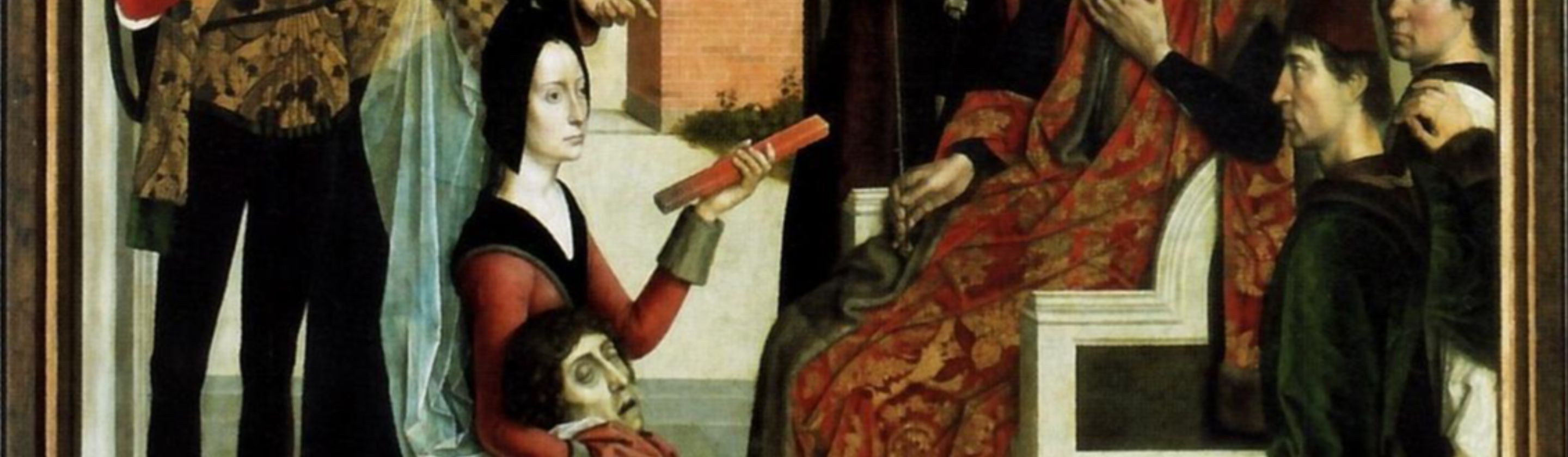
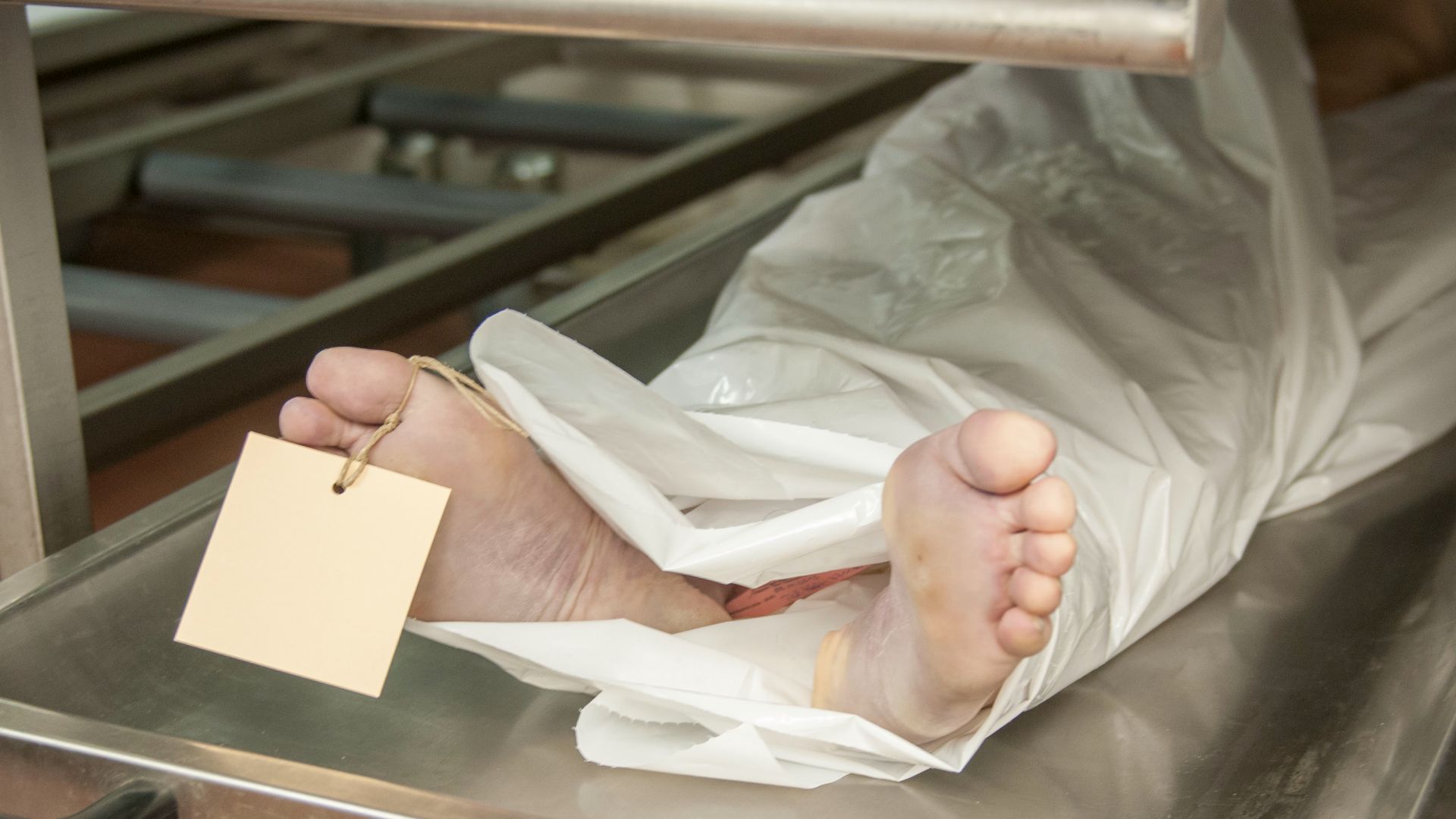
In medieval and early modern Europe, some people believed a murder victim's body would start bleeding again if the killer came near it. Known as cruentation, this practice was occasionally treated as legitimate evidence during murder investigations. Authorities would bring suspects before the deceased and carefully watch for any unexpected signs of bleeding. Unfortunately, natural changes that happen after death could easily be misinterpreted as a supernatural accusation.
2. Throwing Suspects Into Cold Water
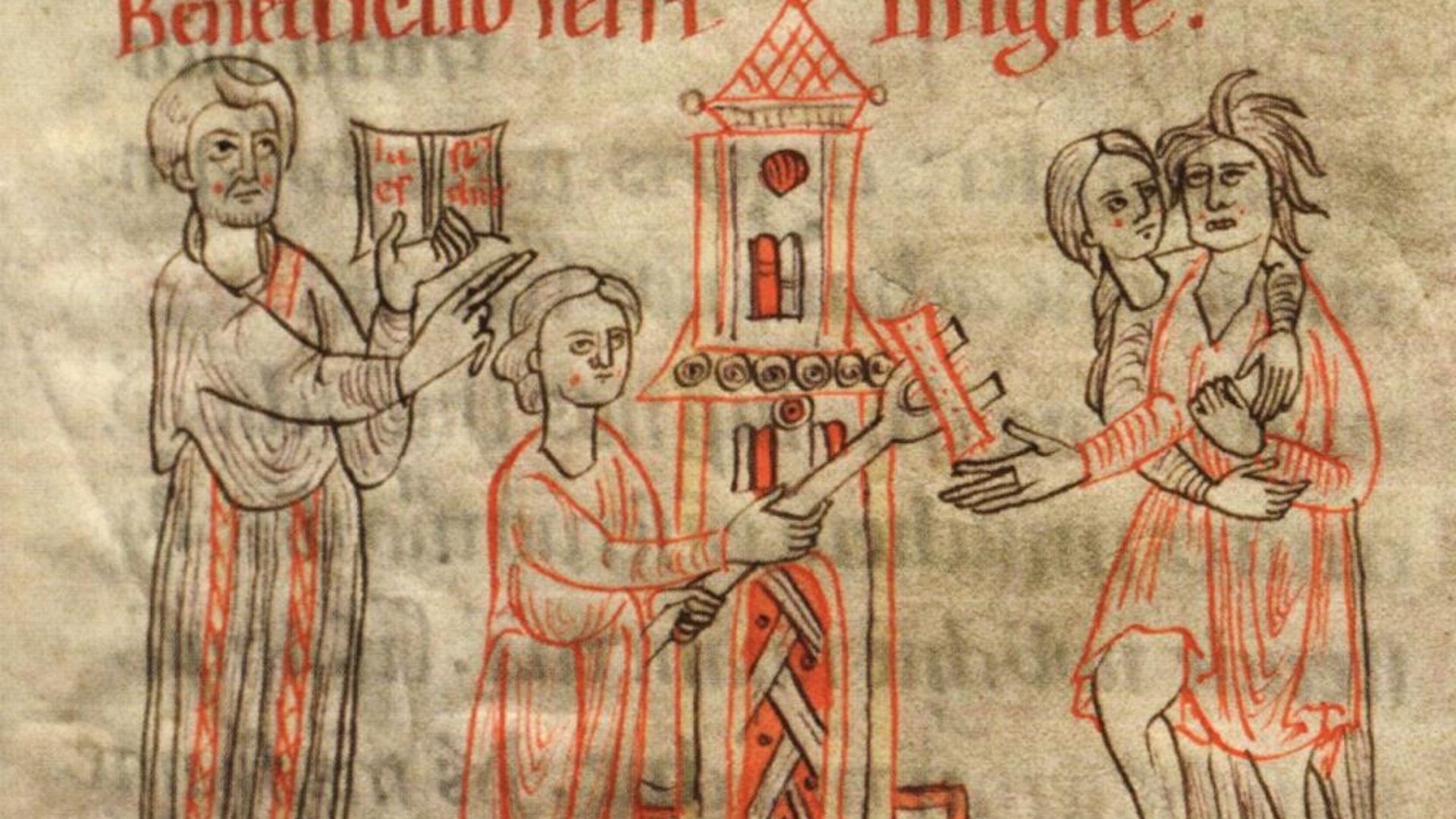
During medieval times, European authorities sometimes used a trial by cold water to determine whether someone was responsible for a serious crime. The accused would be lowered into water, and floating was considered a sign of guilt, while sinking supposedly indicated innocence. People believed that water would naturally reject anyone who had committed a terrible offense. Of course, when proving your innocence meant potentially drowning, the odds weren't exactly in your favor.

3. Making People Carry Red-Hot Iron
One particularly painful medieval method of determining guilt required an accused person to carry a red-hot piece of iron. Afterward, their burned hand would be bandaged and inspected several days later to see how well it was healing. If the wound appeared infected or wasn't healing properly, authorities could interpret this as proof of guilt, while better healing suggested innocence.

4. Looking for a Murderer Among Farming Tools
A fascinating account from 13th-century China describes how investigator Song Ci reportedly solved a murder involving a sickle. After workers were instructed to lay their sickles on the ground, flies began gathering around one particular blade, even though it appeared clean. Investigators believed the insects were attracted to traces of blood, and the weapon's owner reportedly confessed to the killing.
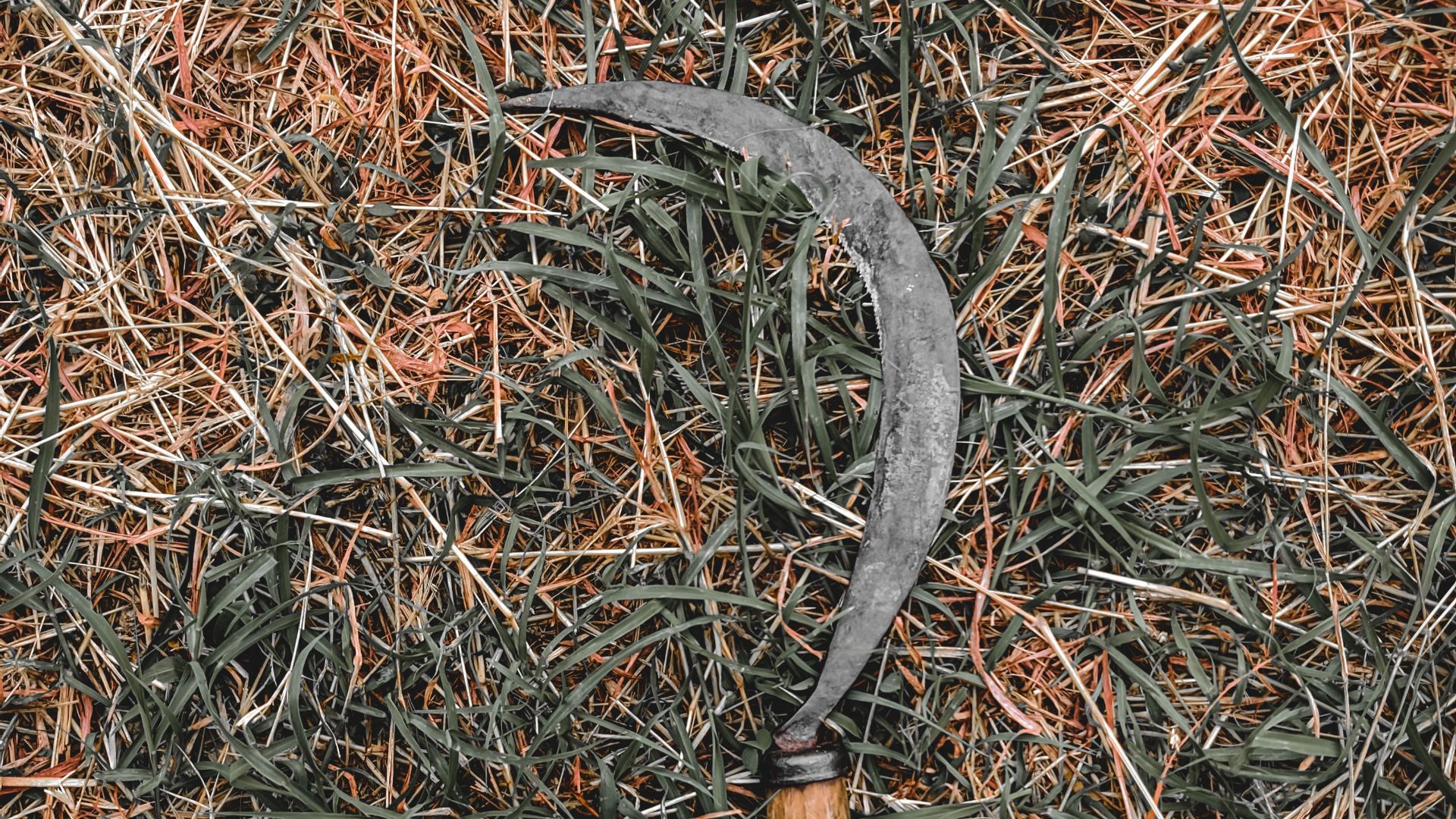 Srihari Surya Vamsi Batchala on Pexels
5. Searching for the Murderer's Face in a Victim's Eyes
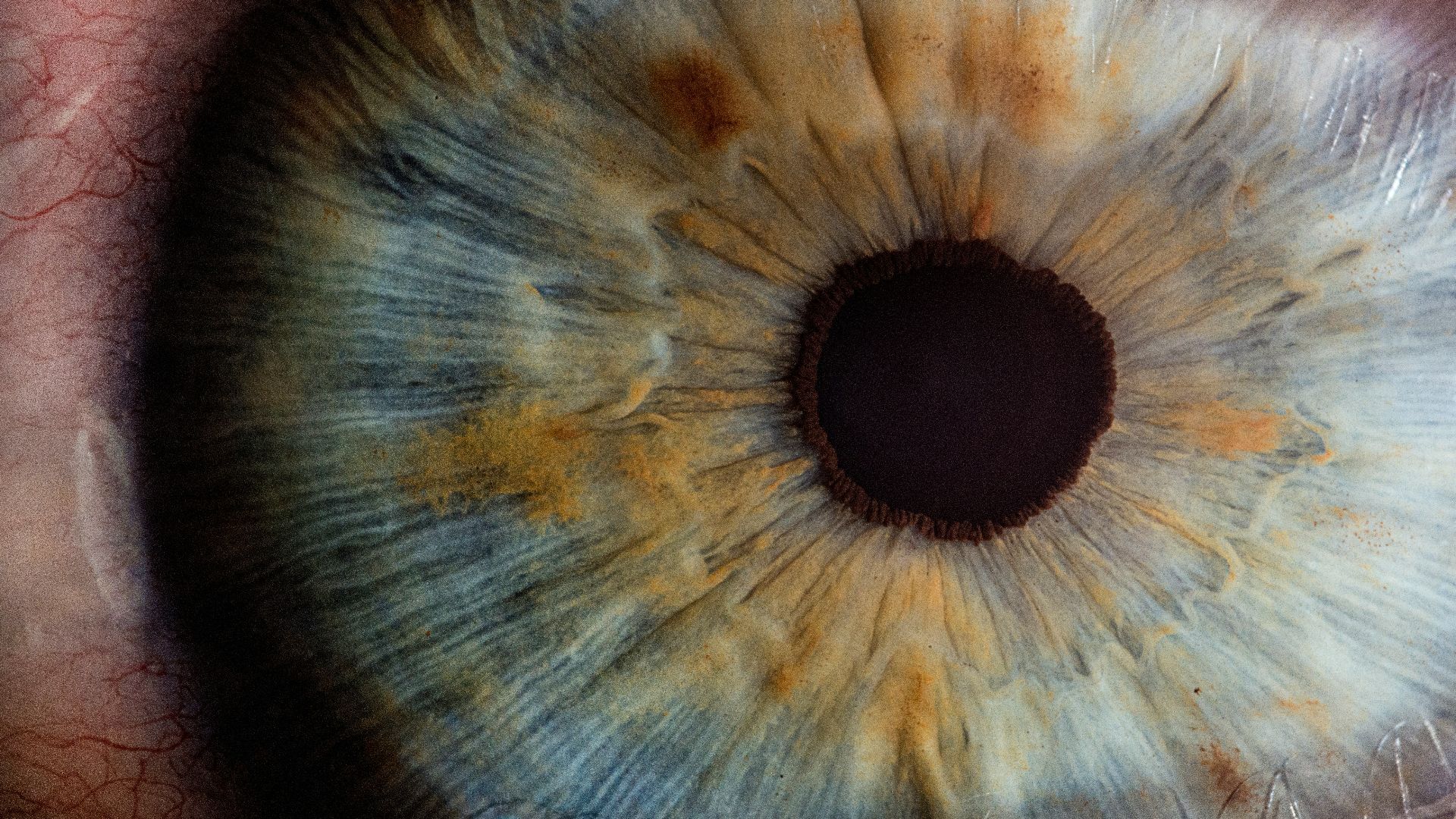
During the 19th century, some investigators believed a murder victim's eyes might preserve an image of the last thing they saw before dying. This theory, known as optography, suggested that examining or photographing the retina could reveal the killer's face. The idea was even discussed during the infamous Jack the Ripper murders in 1888, with some accounts suggesting that investigators attempted to examine victims' eyes for clues. Unfortunately, the theory never proved useful in solving murders, since human eyes don't work like that.
6. Forcing Someone to Retrieve Objects From Boiling Water
Another medieval ordeal involved making suspects reach into boiling water to retrieve an object, usually a stone or ring. The resulting burns would be examined several days later, with proper healing supposedly demonstrating that the accused was innocent. Religious authorities believed divine protection would help someone who hadn't committed the alleged crime.

7. Examining the Bumps on Someone's Skull
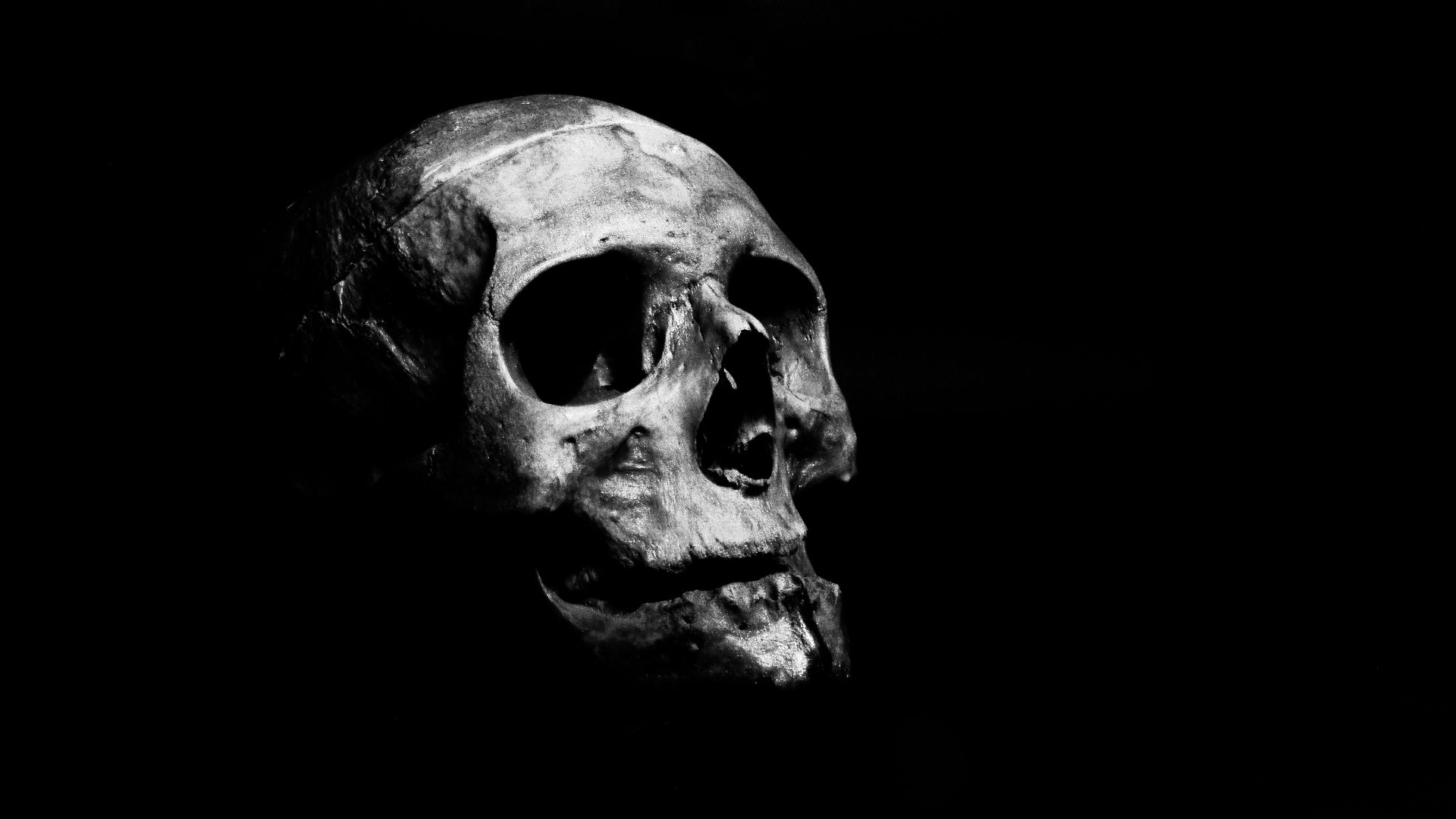
Throughout the 18th and 19th centuries, some people became convinced that the shape of a person's skull could reveal their personality and likelihood of committing crimes. This pseudoscience, known as phrenology, involved examining bumps and contours that supposedly corresponded to traits such as aggression. Researchers even studied the skulls of executed criminals, hoping to identify physical characteristics linked to violent behavior.
8. Making Suspects Swallow Bread & Cheese
A medieval European practice called the corsnaed, or ordeal of the morsel, required an accused person to swallow specially prepared bread or cheese. Religious authorities believed that someone who was guilty would have difficulty swallowing or might even choke on the food. According to this reasoning, divine intervention would prevent a dishonest individual from completing the test successfully. Given that extreme nervousness can make swallowing difficult for almost anyone, though, it wasn't a particularly trustworthy way to determine innocence.

9. Settling Accusations Through Armed Combat
In medieval Europe, certain legal disputes were sometimes settled through trial by combat instead of examining evidence or questioning witnesses. Under some legal systems, a person accused of a serious offense could be required to face an opponent in an officially arranged fight. The belief was that God would ensure the person with the just cause emerged victorious, making the outcome a supposed indication of guilt or innocence. Naturally, being good at fighting had very little connection to whether someone had actually committed murder.

10. Judging Criminality by Facial Features
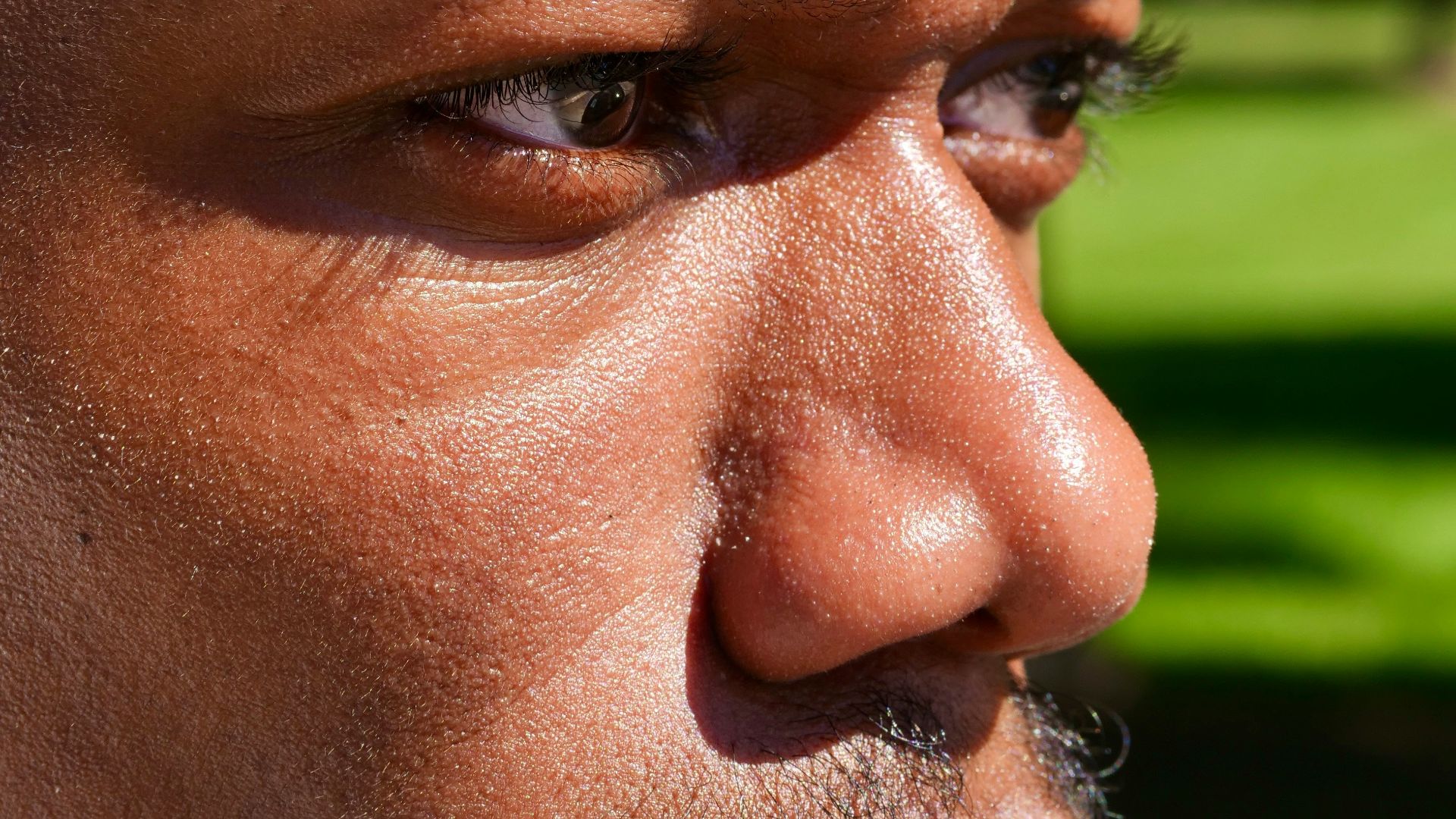
Well before facial recognition technology existed, some investigators believed they could identify dangerous individuals simply by examining their faces. Supporters of physiognomy argued that certain jawlines, forehead shapes, and other physical features revealed a person's criminal tendencies. Italian criminologist Cesare Lombroso became especially well known for promoting theories suggesting that some people were naturally predisposed to criminal behavior. These beliefs were deeply flawed and often encouraged discrimination, since someone's appearance tells you nothing reliable about whether they've committed a crime.
 Sebastian Schuster on Unsplash
11. Making Suspects Walk Across Hot Metal
Some historical trials by ordeal involved forcing accused individuals to walk across heated plowshares or other pieces of scorching metal. The procedure was supposed to reveal whether divine protection would prevent an innocent person from suffering serious injuries. Depending on the particular ordeal, authorities might judge the burns themselves or examine how well they healed afterward. It's difficult enough to defend yourself against a serious accusation without having to worry about walking across burning-hot metal.

12. Measuring Every Inch of a Suspect's Body
During the late 19th century, French police official Alphonse Bertillon introduced a system that used detailed body measurements to identify repeat offenders. Investigators recorded everything from head dimensions and arm span to finger length and the size of a person's ears. These measurements were then compared with existing criminal records to determine whether a suspect had previously been arrested under a different name. Although it represented a major improvement over earlier identification methods, the system eventually became less popular as fingerprinting proved more practical and reliable.

13. Giving Suspects Poisonous Drinks
In certain West African societies, poison ordeals were historically used to determine guilt when people faced accusations of serious wrongdoing. One particularly dangerous practice involved drinking a preparation made from sasswood bark, with the body's reaction supposedly revealing whether the person was innocent. Vomiting the substance could be interpreted as a favorable sign, while other reactions might be considered evidence of guilt. Unfortunately, the drink could cause severe poisoning or even death, regardless of whether the accused had committed a crime.

14. Asking Other People to Swear Someone Was Innocent
In some parts of medieval Europe, people accused of crimes could defend themselves through a legal practice known as compurgation. Instead of presenting physical evidence, the accused gathered individuals willing to swear that their oath of innocence was trustworthy. The number of supporters required varied depending on the legal system and circumstances, and the practice wasn't permitted in every murder case. As you might imagine, someone with plenty of influential friends had a considerable advantage over an accused person who struggled to find anyone willing to support them.

15. Comparing Suspects With Early Police Photograph Collections
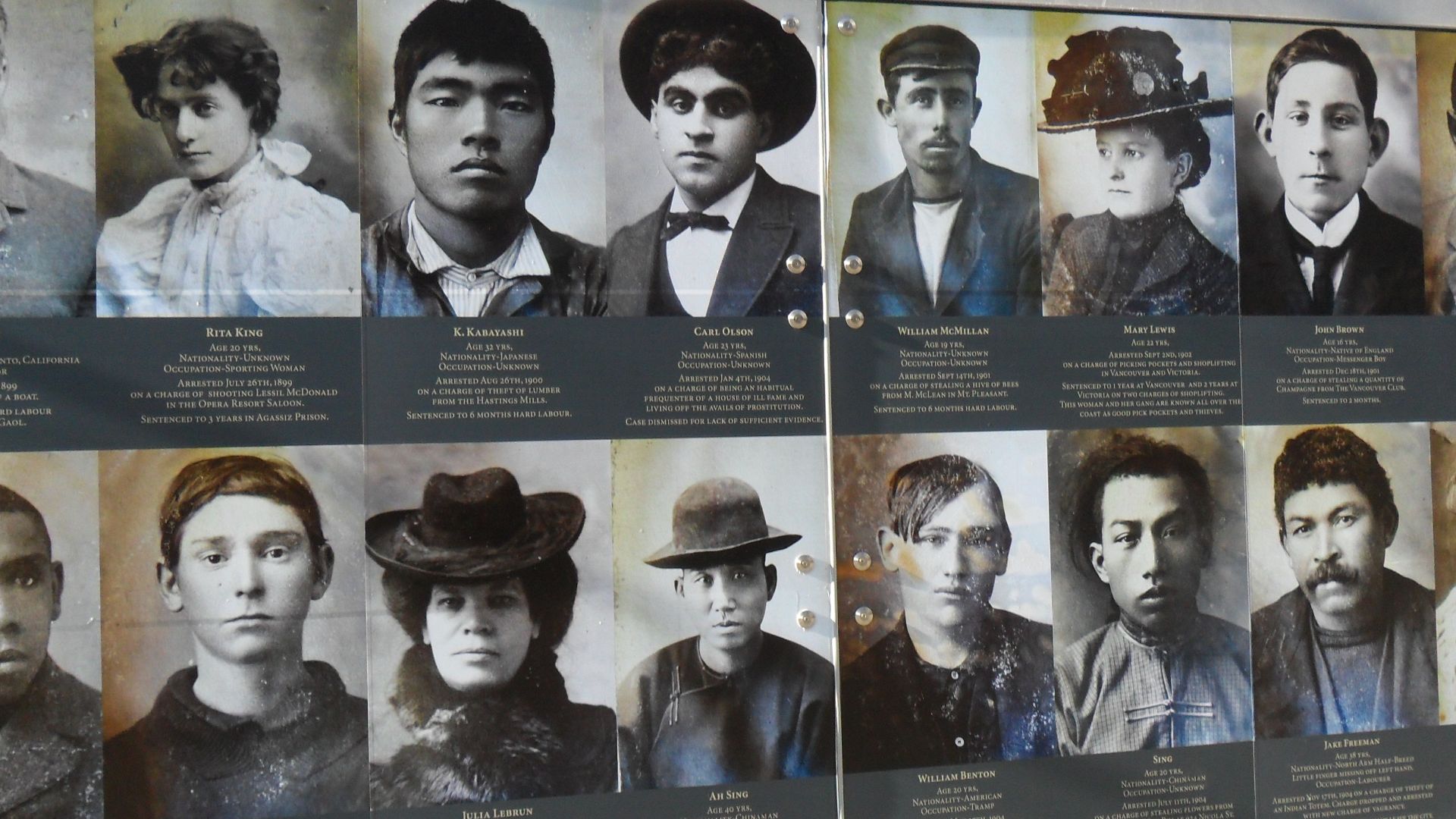
Before computerized identification systems, police departments started maintaining collections of photographs showing people who had previously been arrested. Often called rogues' galleries, these collections helped investigators compare witness descriptions with the faces of known offenders. Recognizing someone in a photograph could potentially lead detectives toward a murder suspect, although a visual match certainly wasn't proof of guilt. The process depended heavily on human memory, physical resemblance, and whether police happened to have a useful photograph in their collection.
16. Looking for Guilt in a Corpse's Reaction to Touch
Another variation of the European ordeal of the bier involved requiring suspected murderers to touch or lift the victim's body. In a notorious 17th-century Scottish case, Philip Standsfield was reportedly made to handle his murdered father's corpse, which allegedly began bleeding during the procedure. Authorities interpreted this reaction as further evidence against him, even though bleeding can occur naturally after death. It's unsettling to think that investigators once considered a corpse's supposed response to someone's touch a meaningful part of a murder investigation.

17. Sending Bloodhounds After Suspected Killers
Long before police had sophisticated tracking equipment, trained dogs offered a practical way to follow people who had fled crime scenes. Bloodhounds became particularly valuable to investigators because of their impressive ability to track human scents across large distances. Unlike trials by ordeal or examining a corpse for signs of guilt, this approach had a legitimate practical basis. However, there were some important limitations as scent trails could become difficult to follow for a variety of reasons. Even when a bloodhound successfully followed a trail to a suspect, that didn't prove the person had committed murder.

18. Using Red Umbrellas to Reveal Hidden Wounds
In 13th-century China, investigators developed an unusual technique for examining injuries that weren't immediately visible on a murder victim's body. According to forensic writings from the period, officials could inspect remains under a red, oil-coated umbrella in bright sunlight, sometimes after treating them with vinegar. They believed the filtered light made bruises and other injuries easier to detect, helping them determine whether someone had died violently. Although the technique wasn't as reliable as modern forensic examination, it showed how investigators were experimenting with ways to uncover evidence that couldn't easily be seen.

19. Inspecting Footprints Left Behind at Murder Scenes
Long before modern shoe-impression analysis, investigators recognized that footprints could provide valuable clues about who had visited a crime scene. Detectives examined impressions left in mud or soft ground, comparing their size, shape, and distinctive markings with shoes belonging to potential suspects. By the late 19th century, police were showing greater interest in using these physical traces to establish connections between individuals and criminal investigations. While this approach made considerably more sense than relying on supernatural ordeals, a matching footprint still couldn't establish who was responsible for a murder.

20. Searching for Tiny Physical Details in Mug Shots
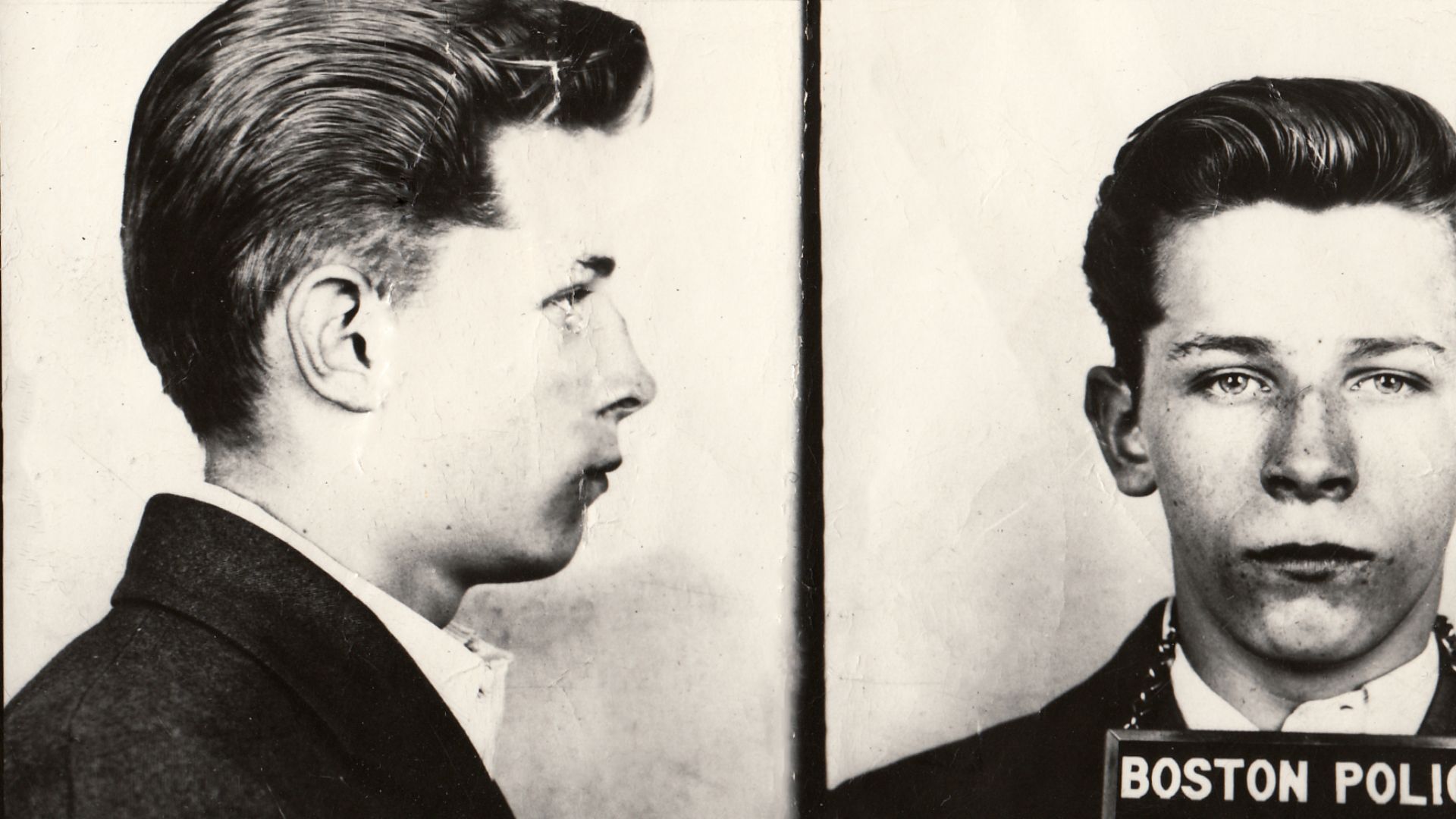
As criminal identification techniques became more sophisticated, investigators started recording small physical characteristics that most people wouldn't immediately notice, like scars, tattoos, moles, unusual facial features, and ear shapes alongside standardized photographs. These details helped police distinguish between similar-looking individuals and potentially recognize suspected murderers who were using false identities. Although the method had its limitations, it was an important step toward identifying people through observable characteristics rather than making assumptions about their morality based on appearance.
 Uncredited police photographer. on Wikimedia
KEEP ON READING