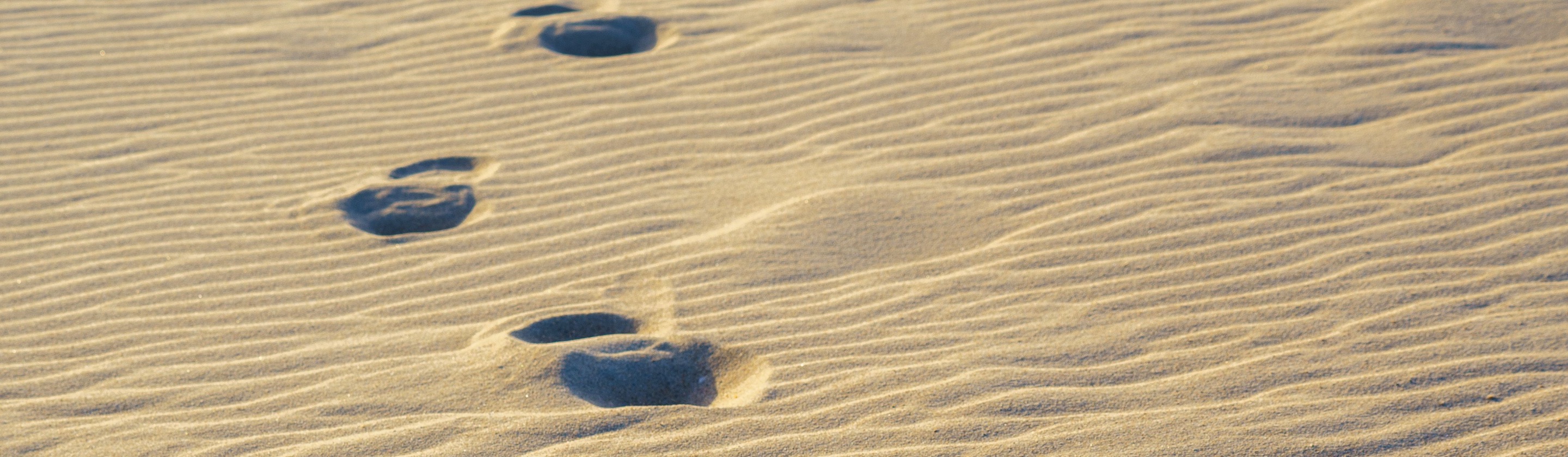
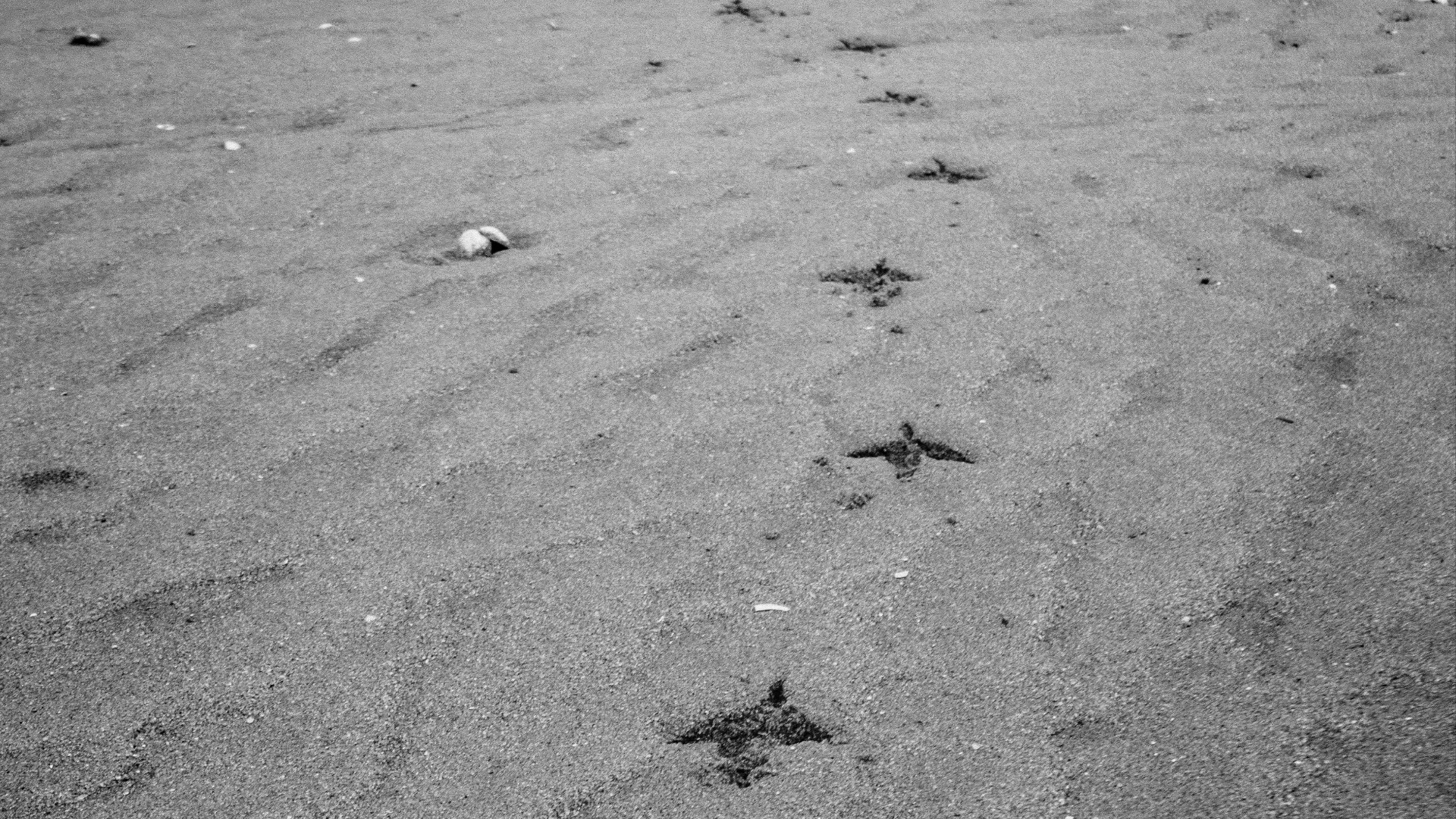
On a wintry morning in Devon, England, in February 1855, residents woke up to a horrifying sight: strange, hoof-like prints outside their homes. And if that wasn't unsettling enough on its own, the marks only got more bizarre, making their way onto rooftops, across rivers, and even behind walls that no ordinary animal could easily cross. Only one explanation seemed possible: the Devil himself visited.
The incident, which became known as the Devil's Footprints, remains one of England's strangest historical mysteries. And while investigators have proposed numerous possible explanations, ranging from unusual wildlife activity to elaborate hoaxes, nobody has ever conclusively established what caused the odd hoof prints. So, what actually happened that winter?
A Strange Discovery in the Snow
It all started in early February, specifically during the night of the eighth to ninth, when snowfall blanketed parts of Devon in southern England. By morning, residents not only woke up to white fluff, but the towns, including Exmouth, Dawlish, and Teignmouth, discovered eerie footprints stretching across their gardens, fields, and streets. In fact, according to researcher Mike Dash, the markings were reported in more than 30 locations, with additional sightings in neighboring Dorset.
Prints in the snow wouldn't be unusual, but these weren't just any prints—they resembled the impressions of small hooves, measuring approximately four inches long and three inches wide. But instead of following the pattern of a walking animal, the tracks frequently appeared in a single line, each separated by roughly eight to sixteen inches. Even stranger, witnesses said the prints crossed rooftops, passed over high walls (as high as 14 feet!), and continued through narrow openings.
Unsurprisingly, news of the discovery spread rapidly. Some locals reportedly organized searches, hoping to identify whatever had wandered through their communities overnight. Of course, with the prints covering an estimated 40 to 100 miles, nobody managed to follow the trails long enough to identify its creator. Without a clear explanation, the mystery only intensified.
Why People Believed the Devil Was Responsible
For some Victorian residents, they were deeply unsettled: the resemblance between the mysterious markings and the Devil's hooves seemed too alike to be a coincidence. Plus, how possible was it that this creature or animal had the apparent ability to overcome physical obstacles? It all just seemed to line up too well—this had to have been a visit from the Devil.
So frightened were the residents that, according to some accounts preserved from 1855, many were reluctant to venture outdoors after sunset. The persistent fear even led Reverend G. M. Musgrave to push forward a completely different rumor: that kangaroos had escaped from a private collection near Sidmouth. While he himself wasn't necessarily convinced this was the explanation, he considered the possibility preferable to widespread panic about the Devil.
Newspapers also played a significant role in spreading the story beyond Devon. As additional reports emerged, the mystery attracted attention from many regions elsewhere, and even those who hadn't personally witnessed the markings. After all, who wouldn't be intrigued by a possible visit from a supernatural being?
What Could Have Really Caused the Footprints?
But was it really the devil? Was it kangaroos? What else could it have been? Among the more plausible explanations is that it really was due to the work of ordinary animals. Badgers were thought to be possible culprits; they had distinctive prints and were active at night. However, identifying one animal capable of accounting for every reported marking proved difficult, especially given the distances involved.
If not a bigger animal, then it could've been smaller ones. Rodents, in particular. Rats were also looked into as an interesting possibility: after all, when they hop through snow, their paws can leave overlapping impressions that resemble miniature hooves, something that was highlighted in the March 10, 1855 edition of The Illustrated London News. And yet, while such movements could potentially explain some of the strange markings, they couldn't establish the cause of every reported trail.
Weather conditions might also have contributed to the confusion. The region had been going through an exceptionally severe winter at the time, and the persistent freezing temperatures and precipitation could've distorted animal footprints, making familiar tracks appear unfamiliar to observers. Plus, no matter how it looked, the reported lengthy trails probably actually had multiple origins, and may have been either caused by ordinary animals or deliberately made up.
Unfortunately, with the evidence so scattered, it's hard to say whether the Devil actually visited Devon in 1855. While historical letters, newspaper reports, drawings, and footprint tracings exist, they remain difficult to verify. While natural explanations are considerably more plausible than supernatural ones, the precise origins of all the reported tracks remain uncertain. More than 170 years later, the Devil's Footprints continue to baffle anyone who comes across the case,
KEEP ON READING