

A Brew That Moved History
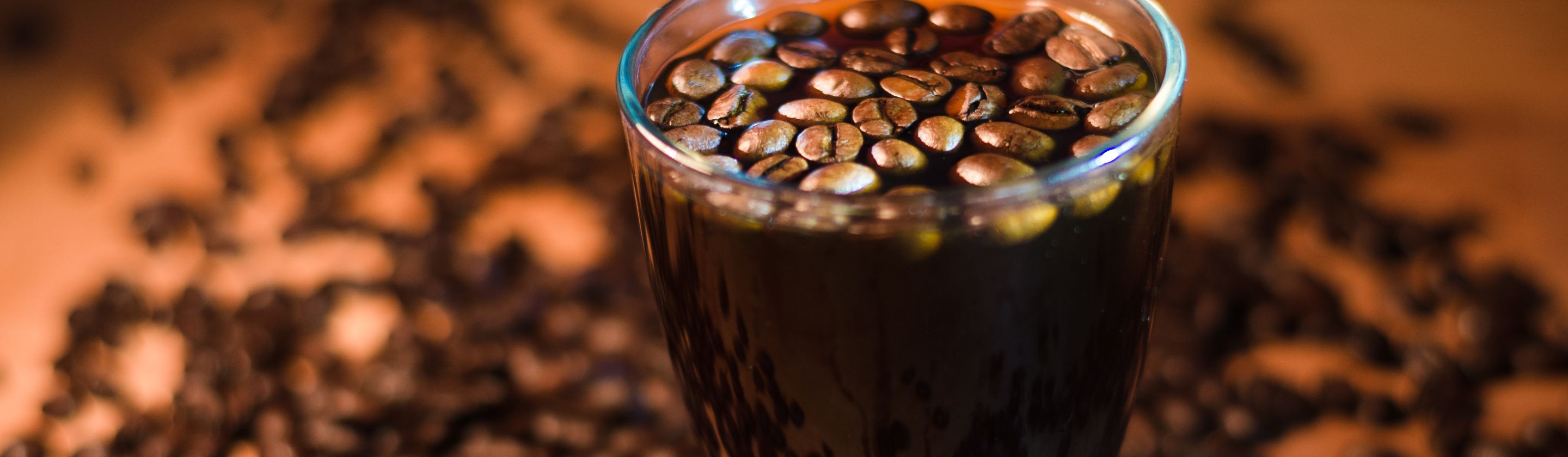
Coffee has played a bigger role in history than most people realize. It’s been at the center of revolutions, business shifts, global trade, and cultural change. This one drink has, over time, shaped how people think, work, gather, and even fight. Ahead, we take a closer look at the impact coffee has had, not just in kitchens, but in moments that changed the direction of entire societies. Let's get into it.
 Signal Corps Archive from Ireland and United States on Wikimedia
1. Coffee Fueled The Age Of Enlightenment
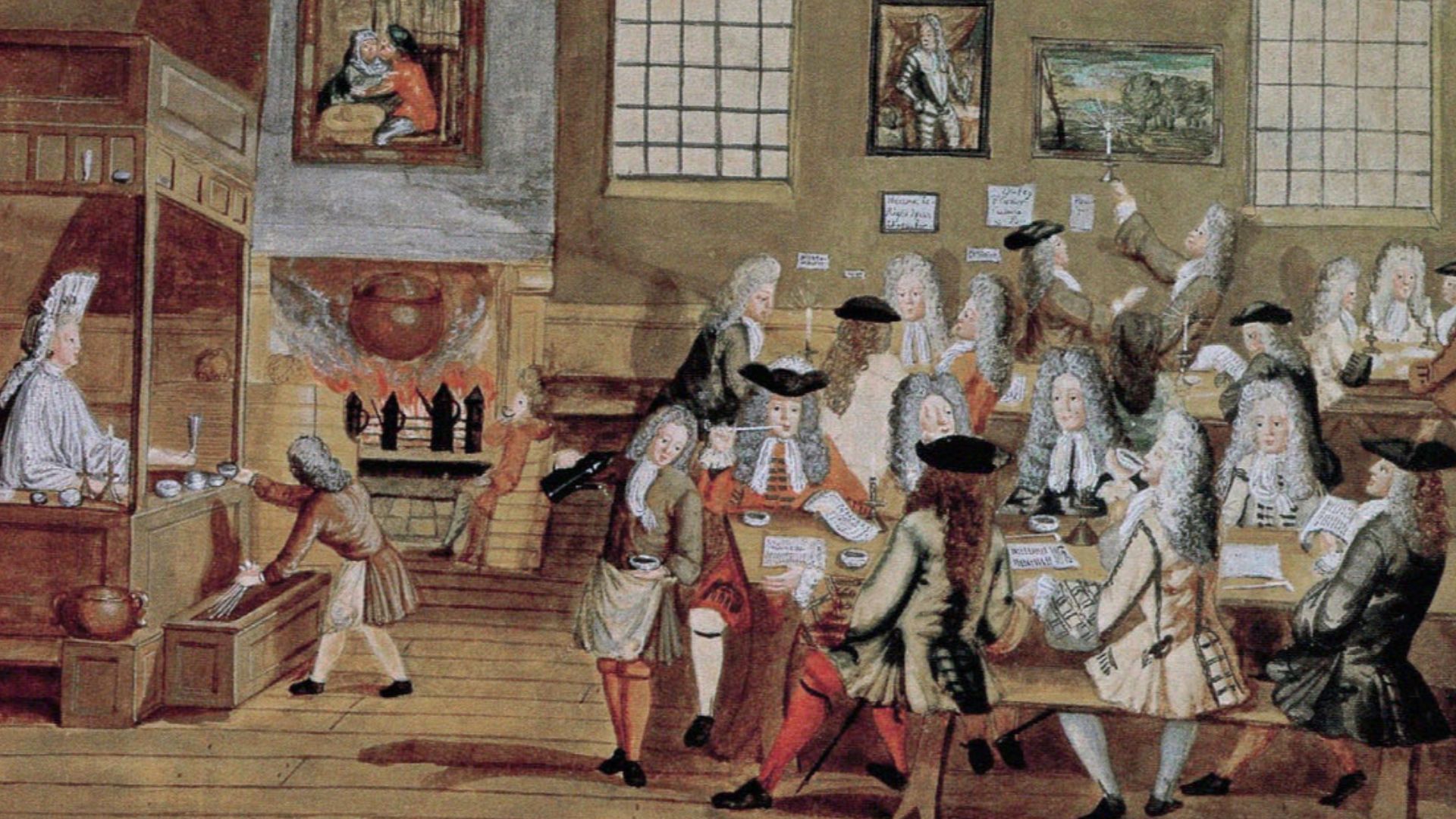
During the Enlightenment, Coffee replaced alcohol as the daytime drink of choice, promoting clarity of thought and discussion. Philosophers and scientists like Voltaire and Isaac Newton were known to frequent coffeehouses, and many Enlightenment ideas were first debated over coffee in European cafés.
2. Coffeehouses Sparked The French Revolution
Coffeehouses acted as communication hubs in an era before mass media. Revolutionaries gathered in Parisian coffeehouses to organize and spread political ideas. Café de Foy was where Camille Desmoulins famously rallied citizens to storm the Bastille.
3. Coffee Replaced Beer As The Breakfast Drink
In 17th-century Europe, beer was the typical morning beverage before coffee became widespread. Coffee provided alertness and mental clarity, essential for the emerging modern workforce. This shift marked a broader societal move toward efficiency and industrial discipline.

4. Coffee Standardized The 9-To-5 Workday
The stimulation from coffee enabled longer and more structured work hours. Factory owners even encouraged coffee consumption to maintain worker alertness and output. By the mid-20th century, coffee breaks became institutionalized in U.S. offices.

5. Coffee Powered The Industrial Revolution
As factories replaced farms, coffee became the fuel for the growing urban workforce. Workers relied on coffee to sustain energy during long industrial shifts, and coffeehouses became informal offices for merchants and factory managers. The Industrial Revolution saw a massive expansion of coffee imports to Europe.
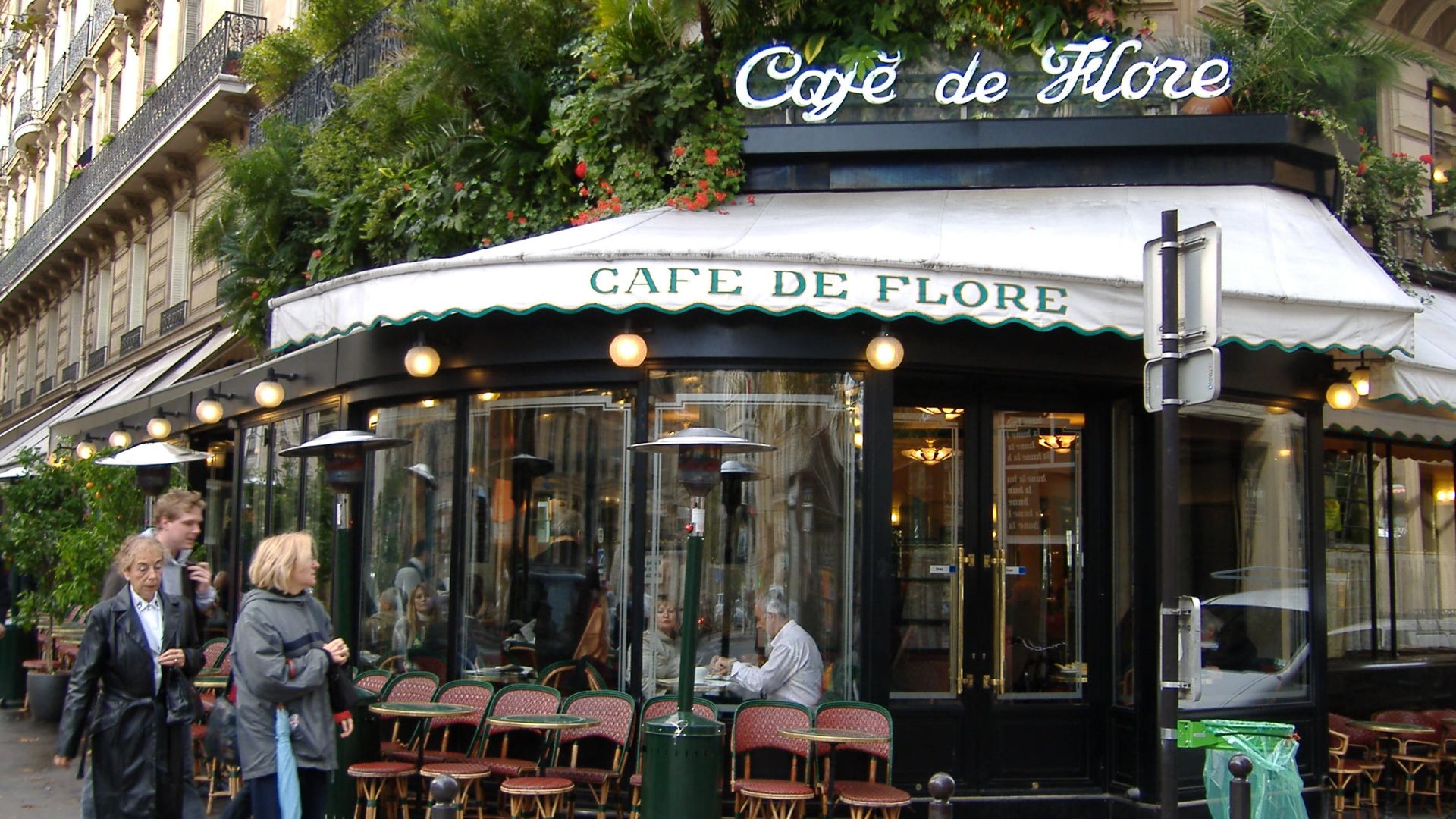
6. Coffee Democratized Intellectual Exchange
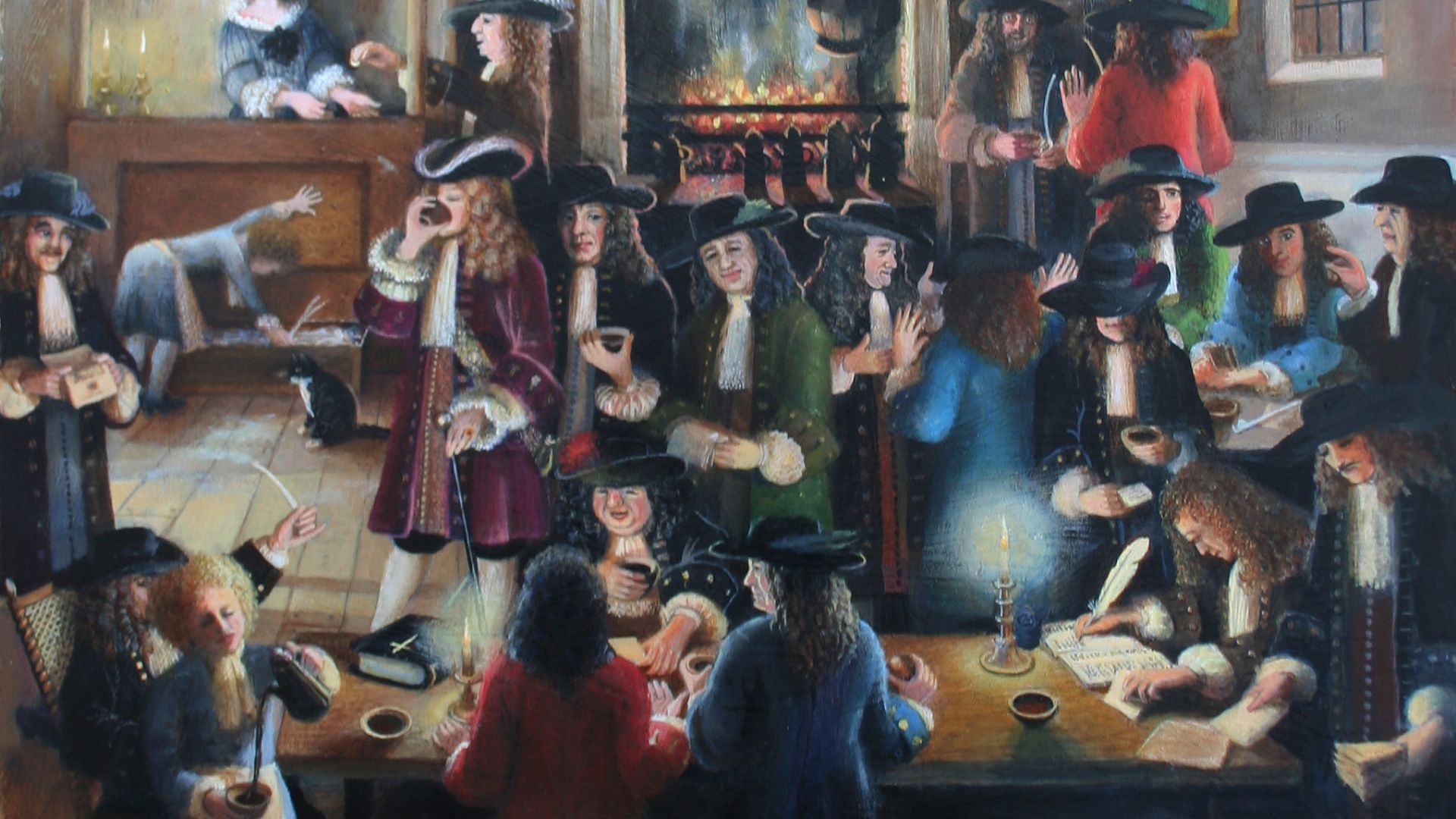
Coffeehouses allowed people of different social classes to gather and share ideas. They became known as “penny universities,” where a cup bought hours of debate. Journalists, poets, and philosophers mingled with tradesmen and merchants, and this accessibility changed who could participate in shaping society’s ideas.
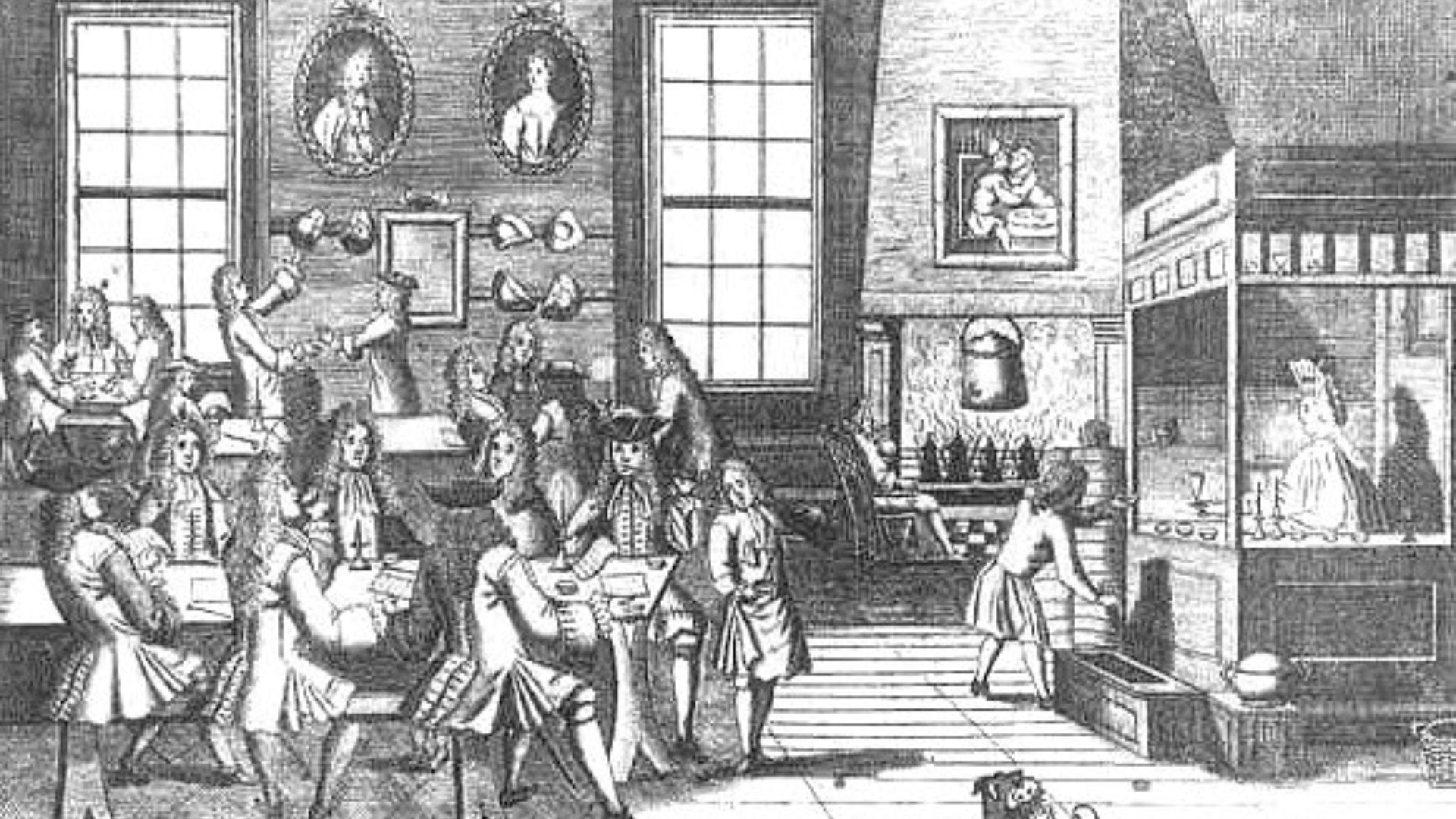 Bodleian Library, University of Oxford on Wikimedia
7. Coffee Drove The Rise Of Global Trade Empires
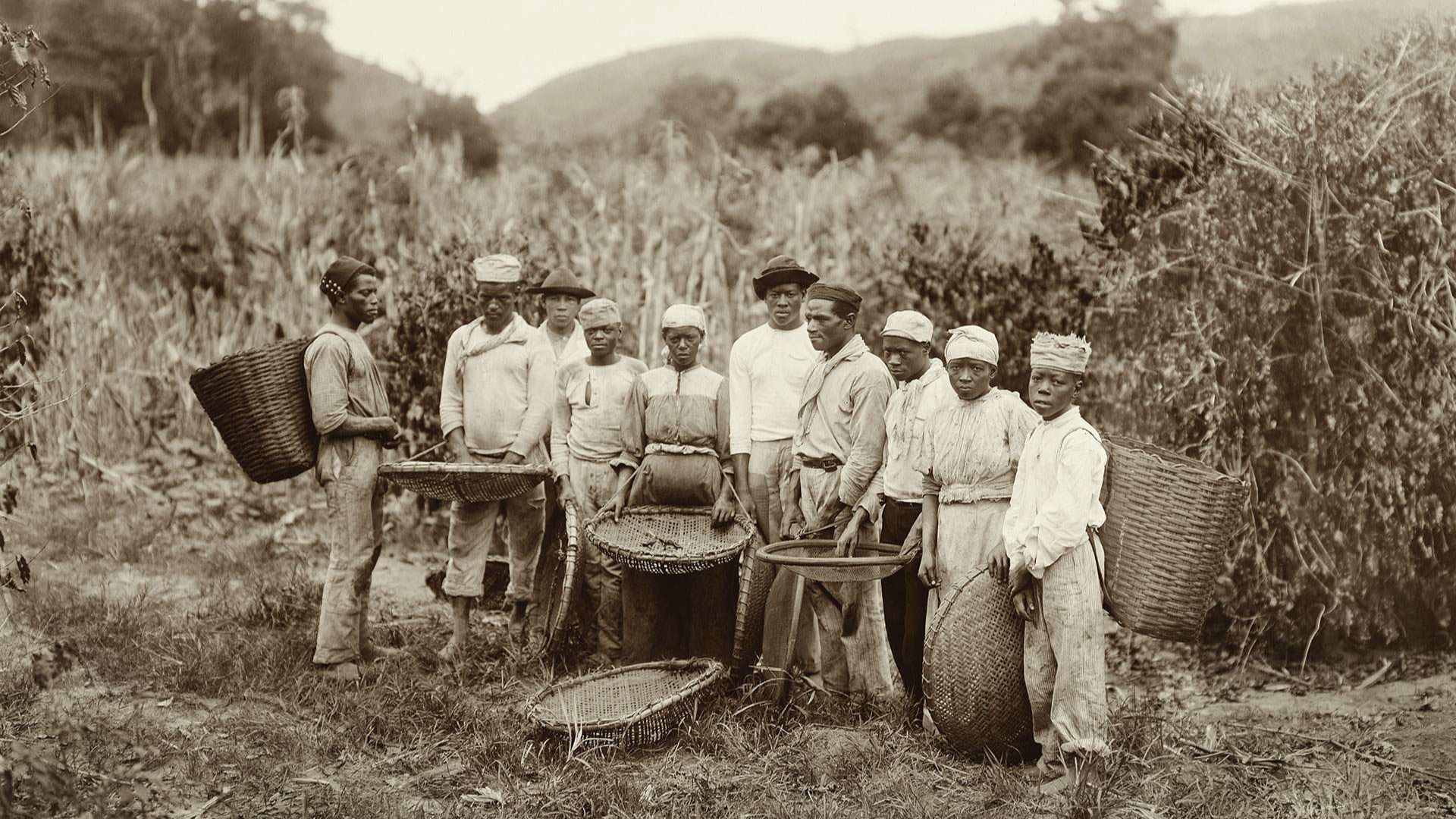
European powers established colonies to secure coffee cultivation and trade routes. Dutch traders brought coffee to Java, and the British East India Company traded coffee alongside tea and spices. Coffee became one of the most valuable commodities in the global economy.
8. Coffee Sustained Soldiers Through World Wars
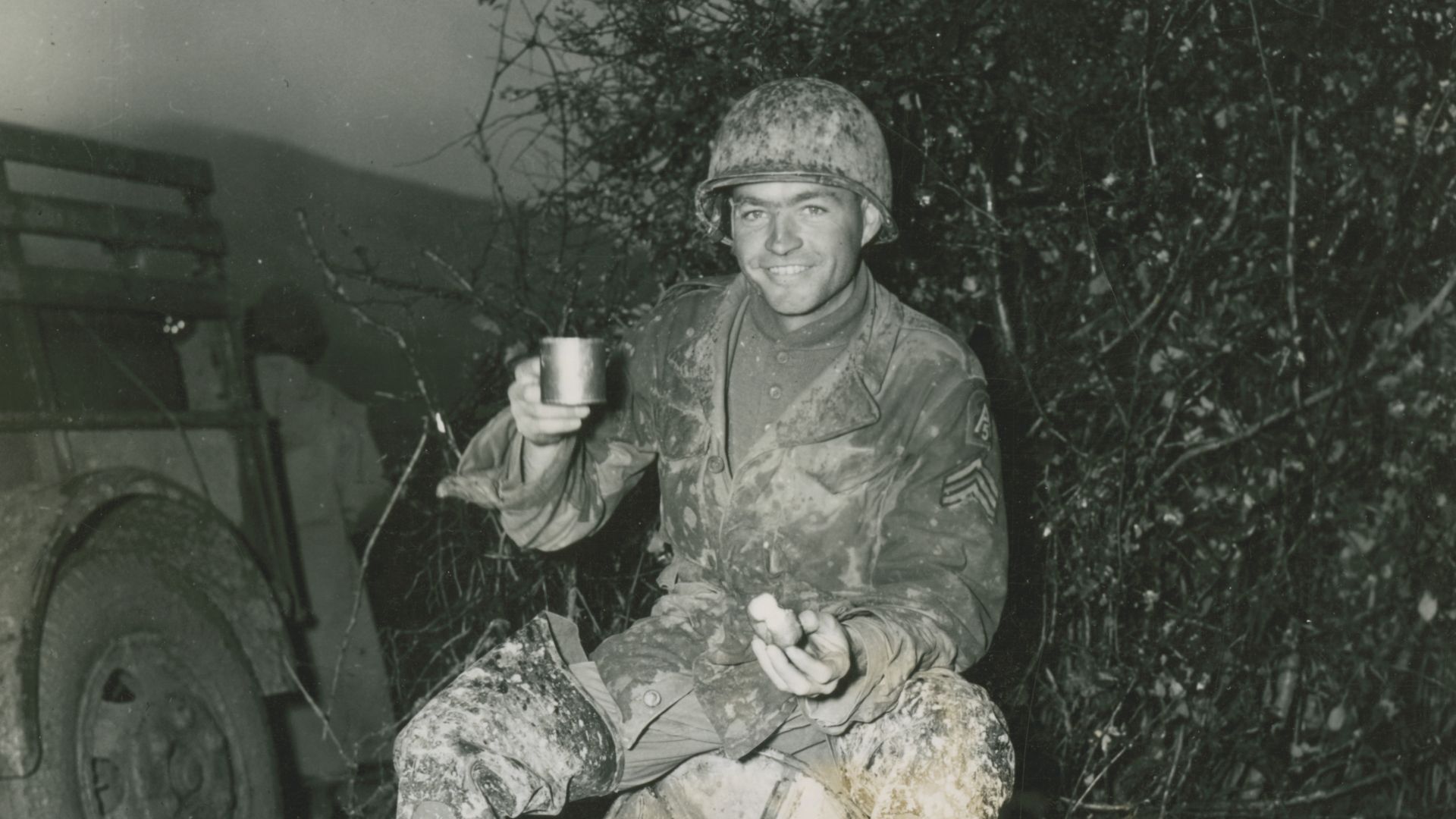
Military rations in WWI and WWII included coffee to maintain soldier morale and alertness. U.S. troops were issued instant coffee starting in World War I, and soldiers nicknamed coffee “joe,” a term still used today.
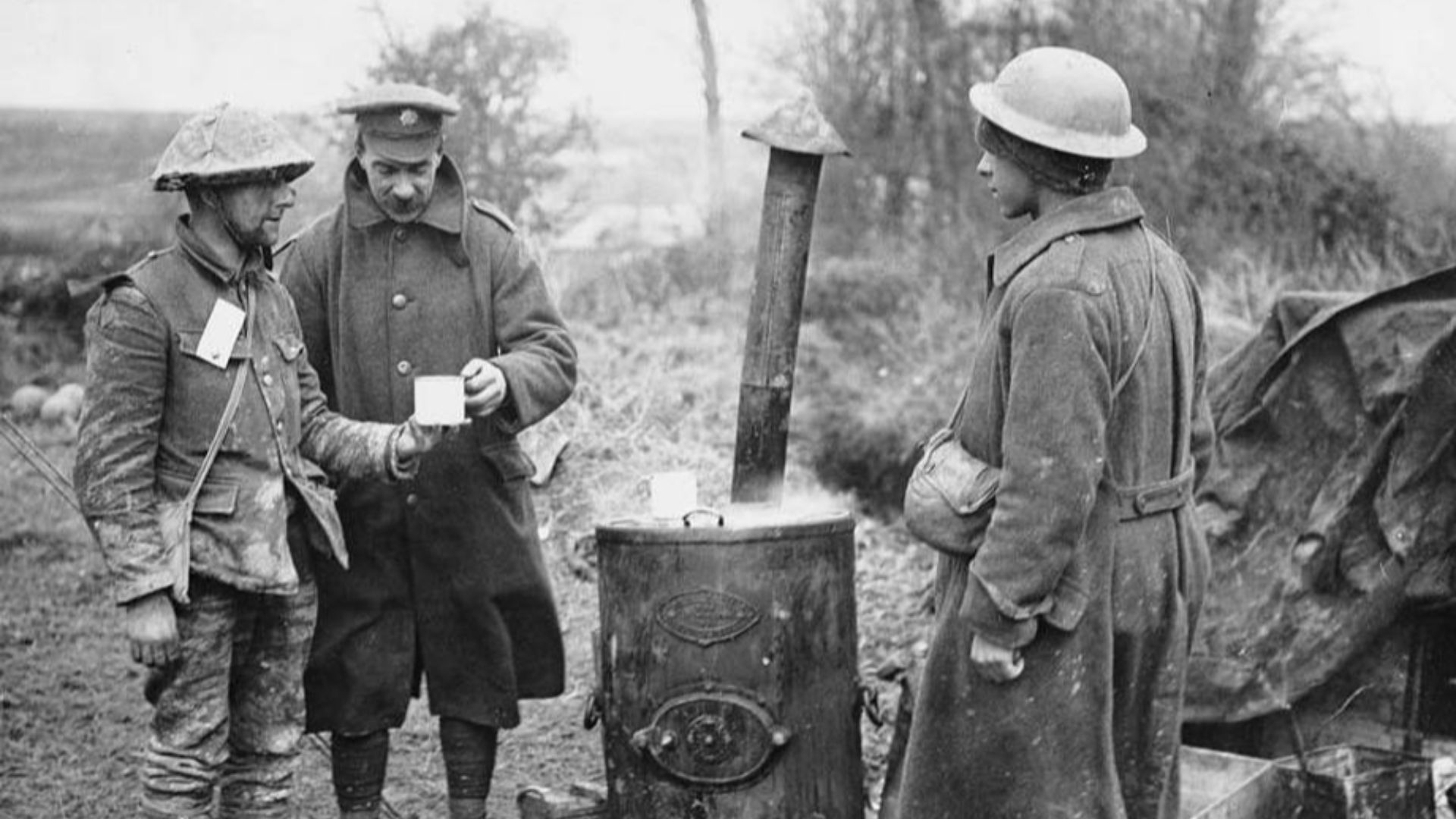 National Library of Scotland on Wikimedia
9. Coffee Cultivated Urban Café Culture
Cities like Vienna became famous for their unique café traditions. In the 19th and 20th centuries, cafés became hubs of leisure, art, and conversation. Café Central in Vienna hosted Freud and other luminaries, and in Istanbul, coffeehouses featured live music and public storytelling.
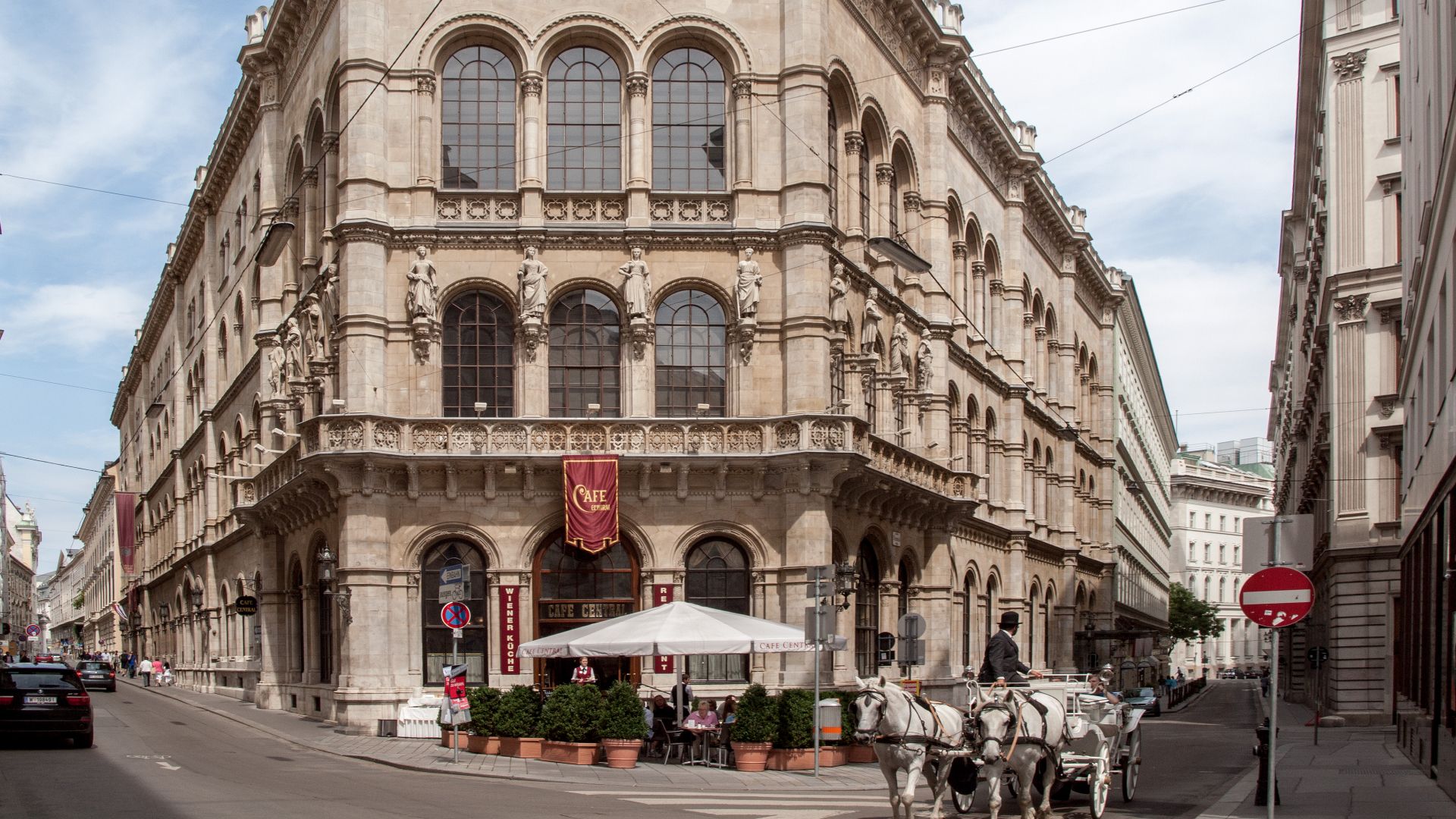
10. Coffee Accelerated Silicon Valley’s Boom
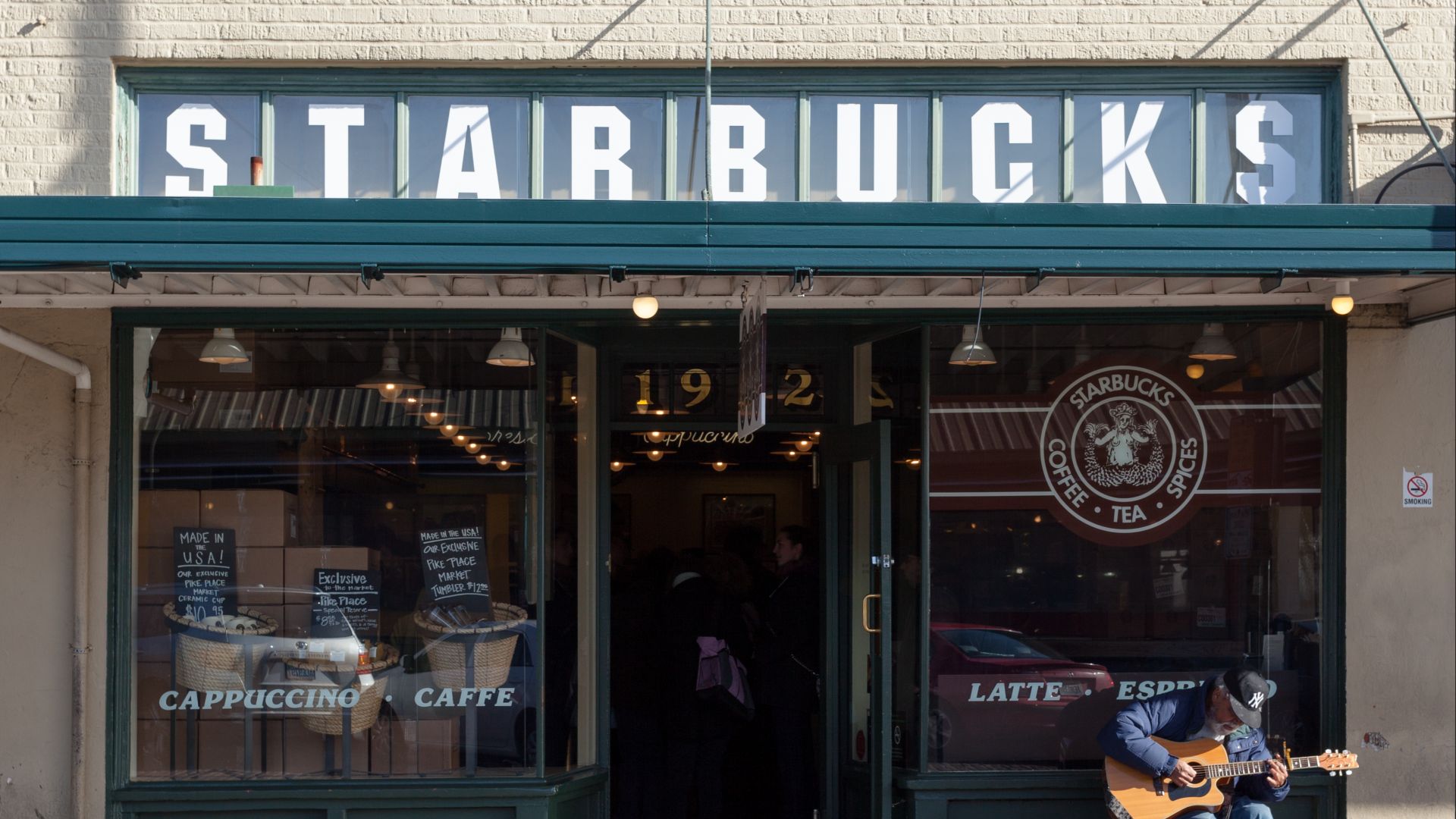
Tech workers relied on coffee to power late-night coding sessions and brainstorming, and coffee shops became the unofficial offices of early internet startups. Google’s early engineers famously coded for hours on end, fueled by espresso, and the first Starbucks in Silicon Valley quickly became a tech networking hub.
 John Tregoning from San Francisco, USA on Wikimedia
11. Coffee Fostered Literary And Artistic Movements
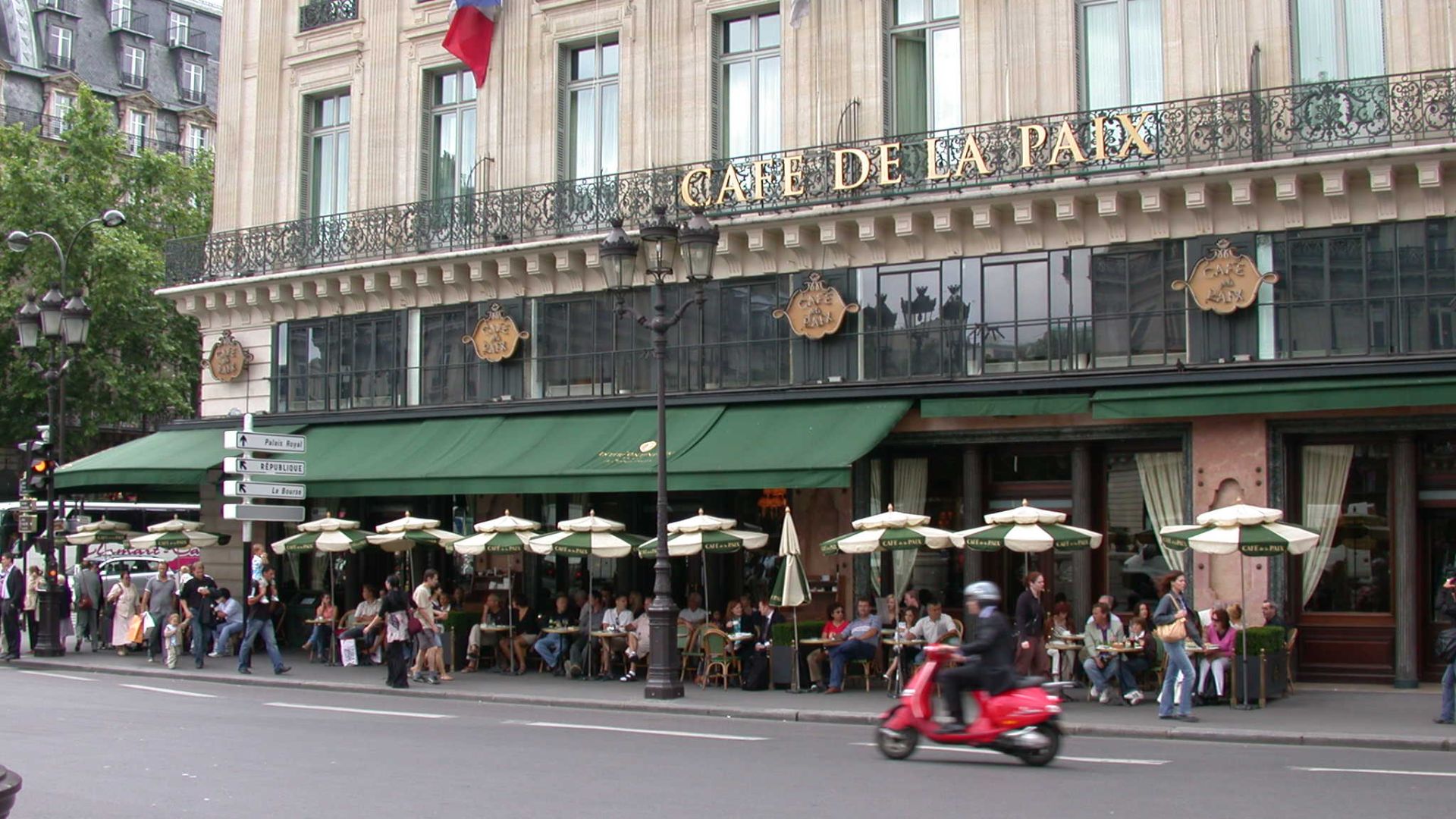
Cafés offered a creative space free from social constraints or time limits, and writers like Balzac, Hemingway, and Sartre wrote many works in them. Coffeehouses became integral to the bohemian lifestyle and artistic rebellion.
 User: (WT-shared) Riggwelter at wts wikivoyage on Wikimedia
12. Coffee Transformed International Diplomacy
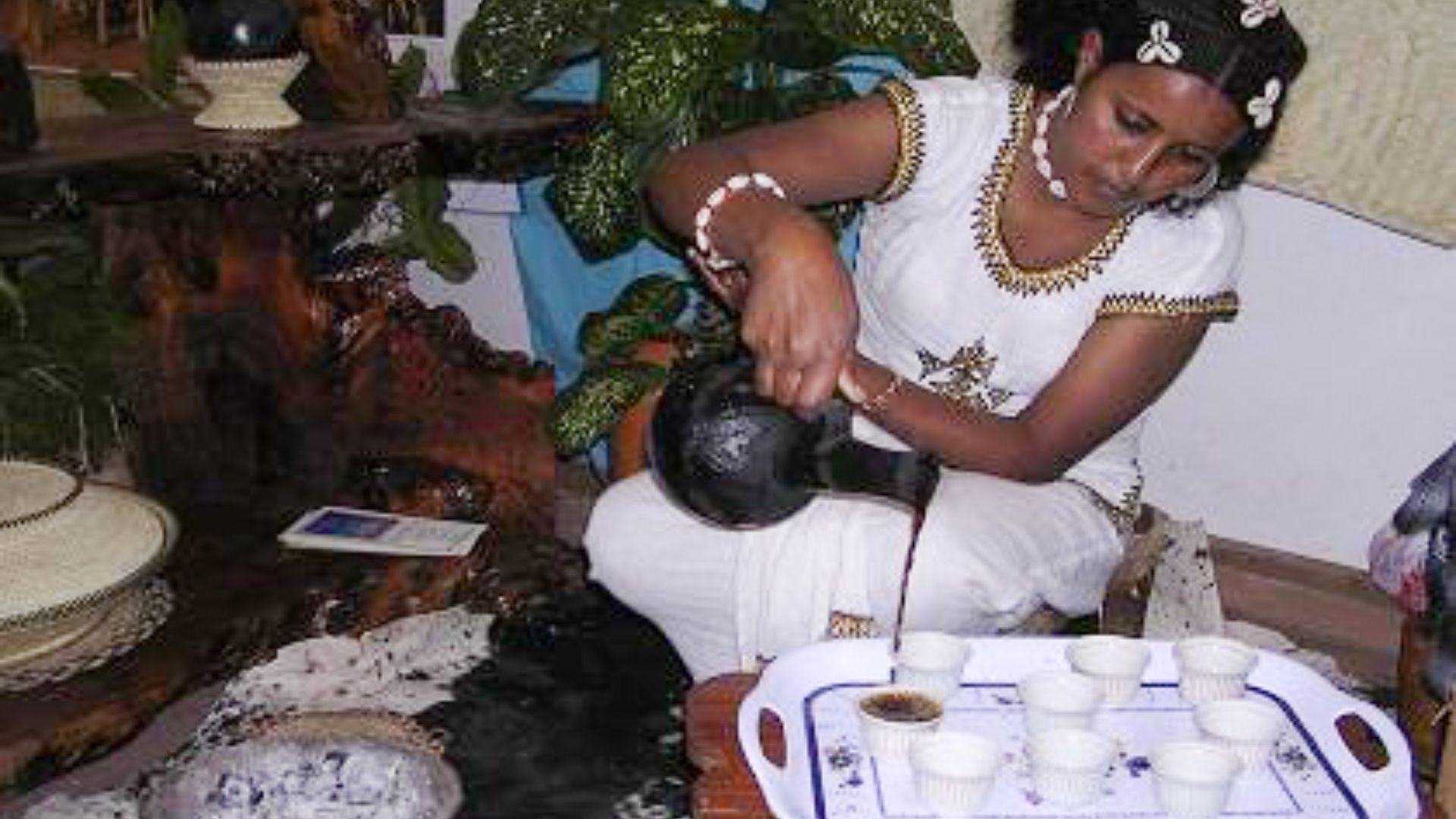
Coffeehouses were early neutral grounds for political negotiation. Leaders and diplomats often met over coffee to build rapport and discuss policy. Arab rulers used qahwa (coffee) during meetings to symbolize trust, and modern summits commonly include informal coffee chats to ease tensions.
 Hans van der Splinter on Wikimedia
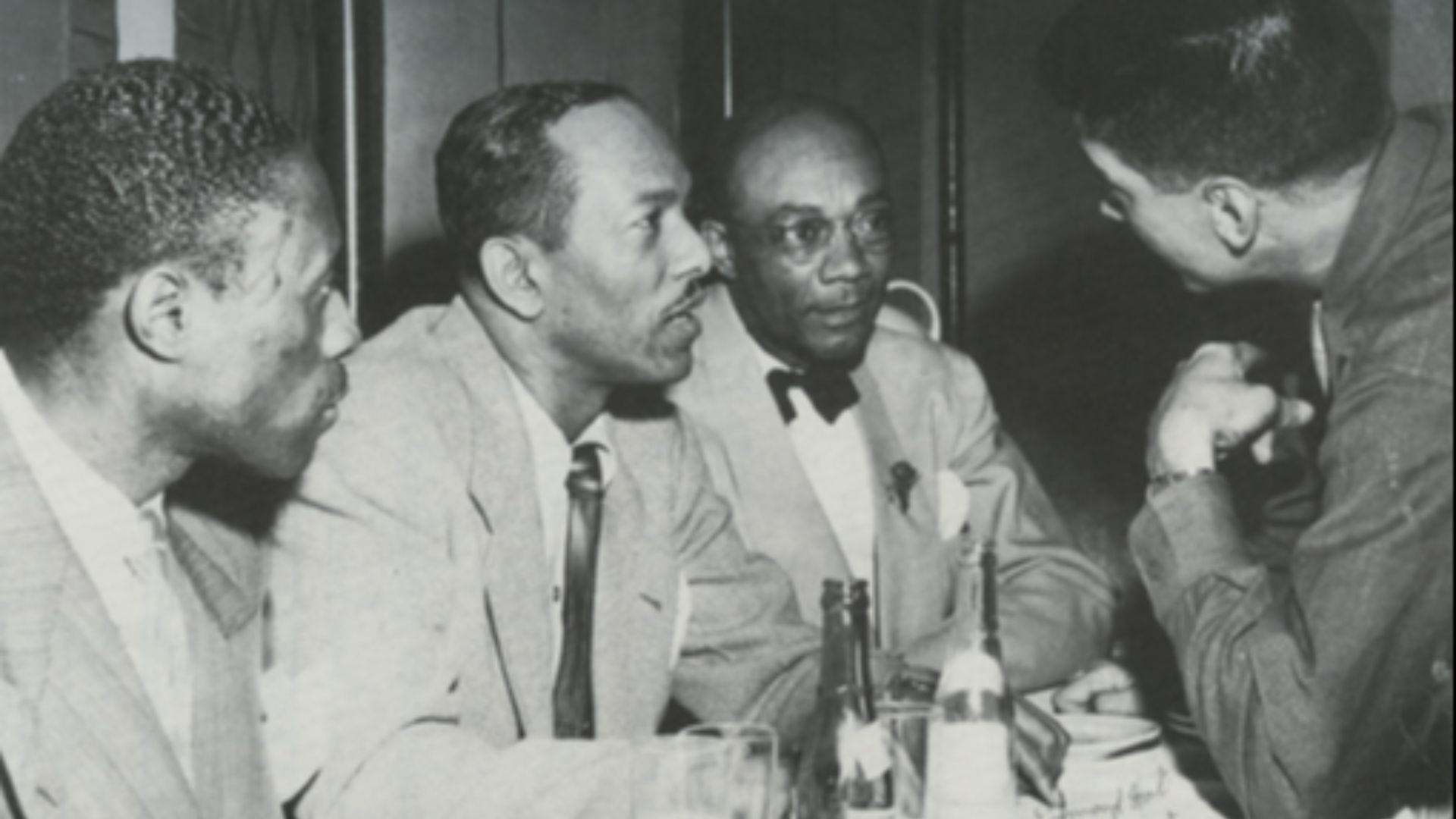
13. Coffee Popularized The Café Society Lifestyle
Café society emerged in 20th-century Europe and the U.S. as a hallmark of urban intellectual and social life. Not only did cafés become regular gathering spots for writers, artists, politicians, and wealthy elites, but photographers and gossip columnists covered café life as a form of high culture.
 The original uploader was Rx7 3rotors at English Wikipedia. on Wikimedia
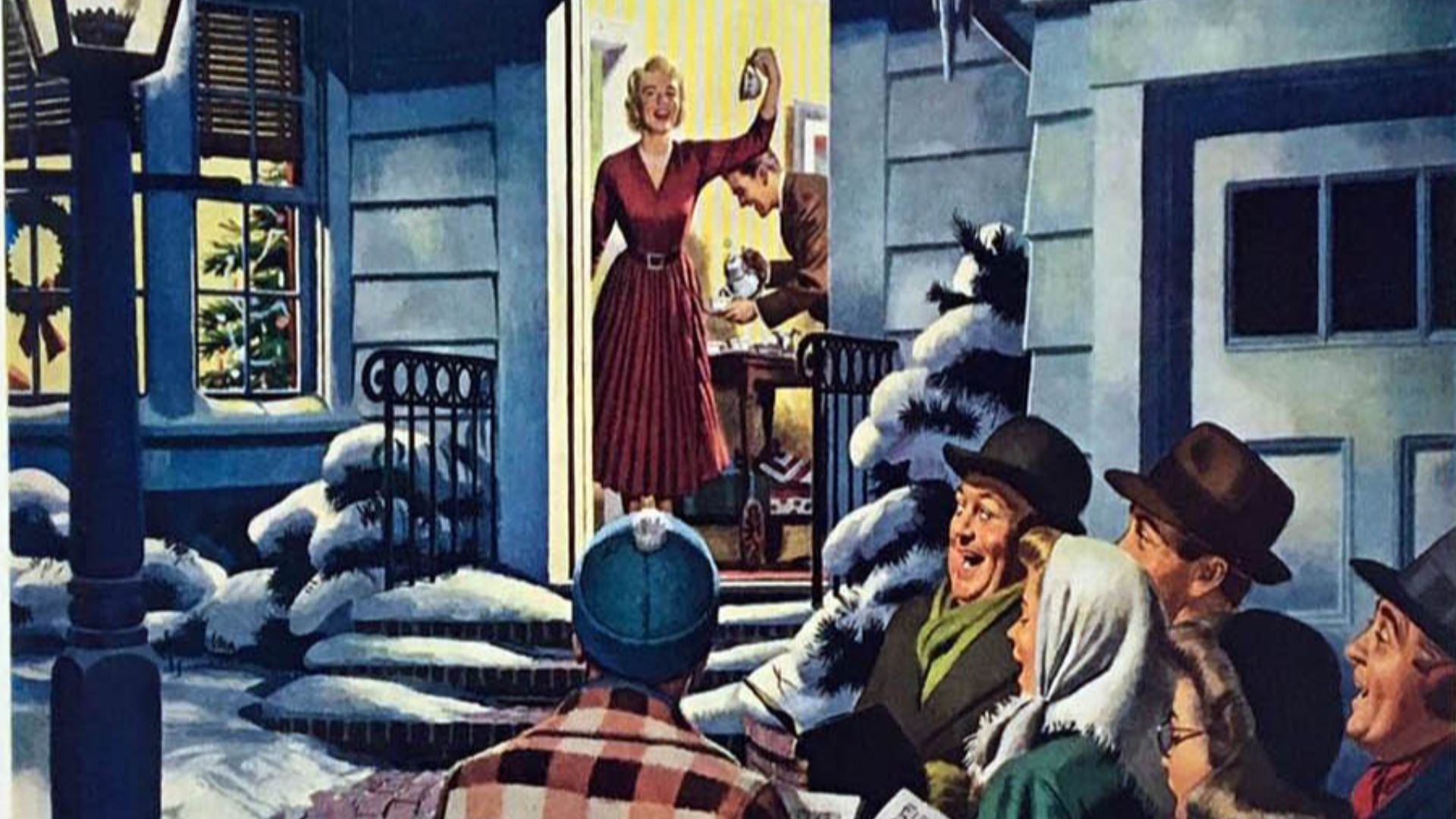
14. Coffee Changed The Face Of Modern Advertising
Coffee brands pioneered emotional marketing and mass media campaigns in the 20th century. Companies like Folgers and Maxwell House used jingles and TV ads to dominate the breakfast table, and celebrity endorsements for coffee began as early as the 1920s.
 Unknown authorUnknown author on Wikimedia
15. Coffee Shaped The Modern Startup Ecosystem
Startups often begin in coffee shops where Wi-Fi, caffeine, and flexibility converge. To reduce costs and network, many tech entrepreneurs used cafés as their first offices. Even Twitter’s co-founders frequently met at a coffee shop, Caffe Centro.

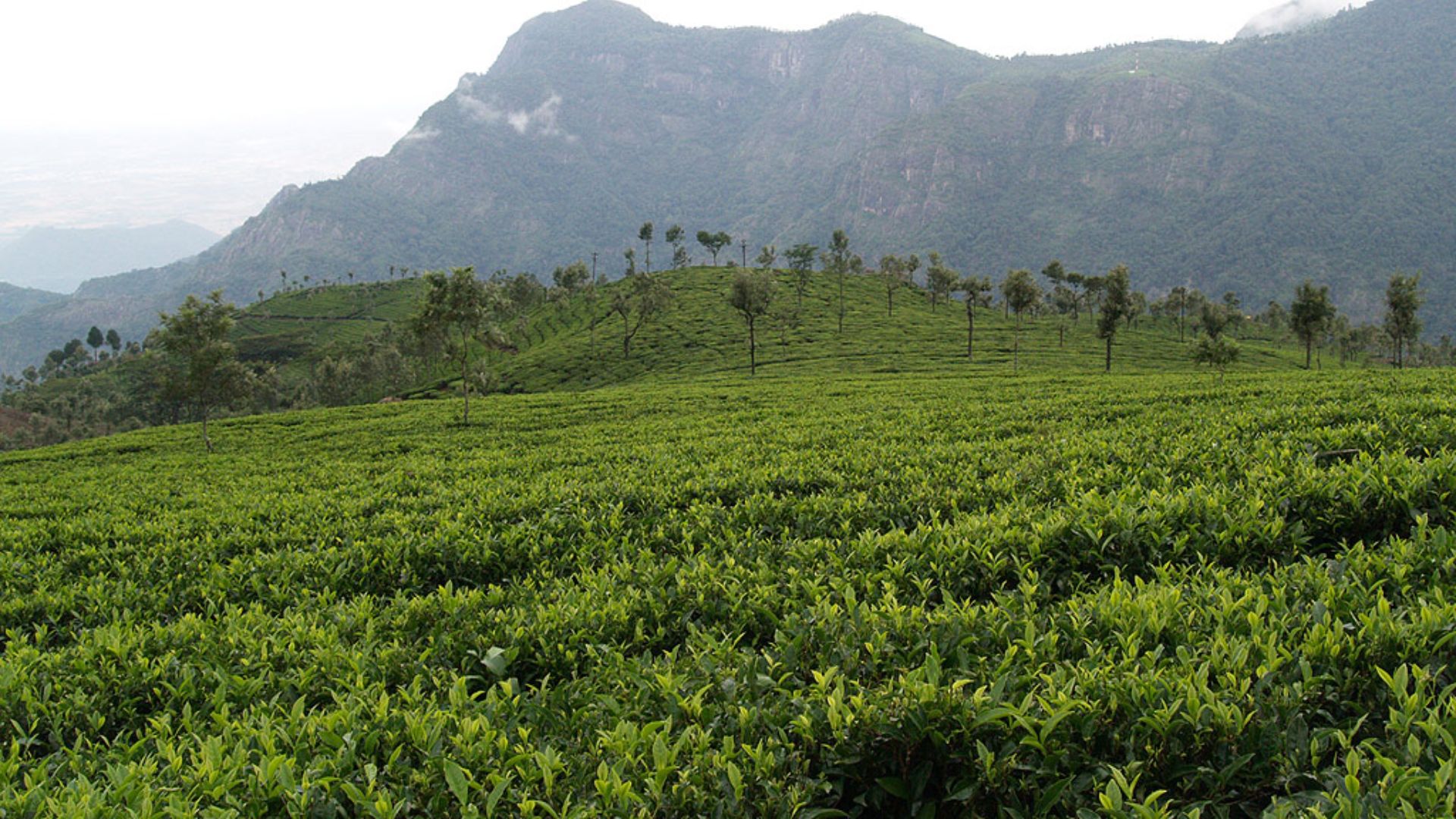
16. Coffee Propelled Colonial Agricultural Expansion
Colonial powers planted massive coffee estates in Asia, Africa, and Latin America, and coffee production altered local economies and reshaped native labor systems. Today’s major coffee producers—like Brazil and Ethiopia—trace their output to colonial roots.
 Prince Tigereye (Raj) on Wikimedia
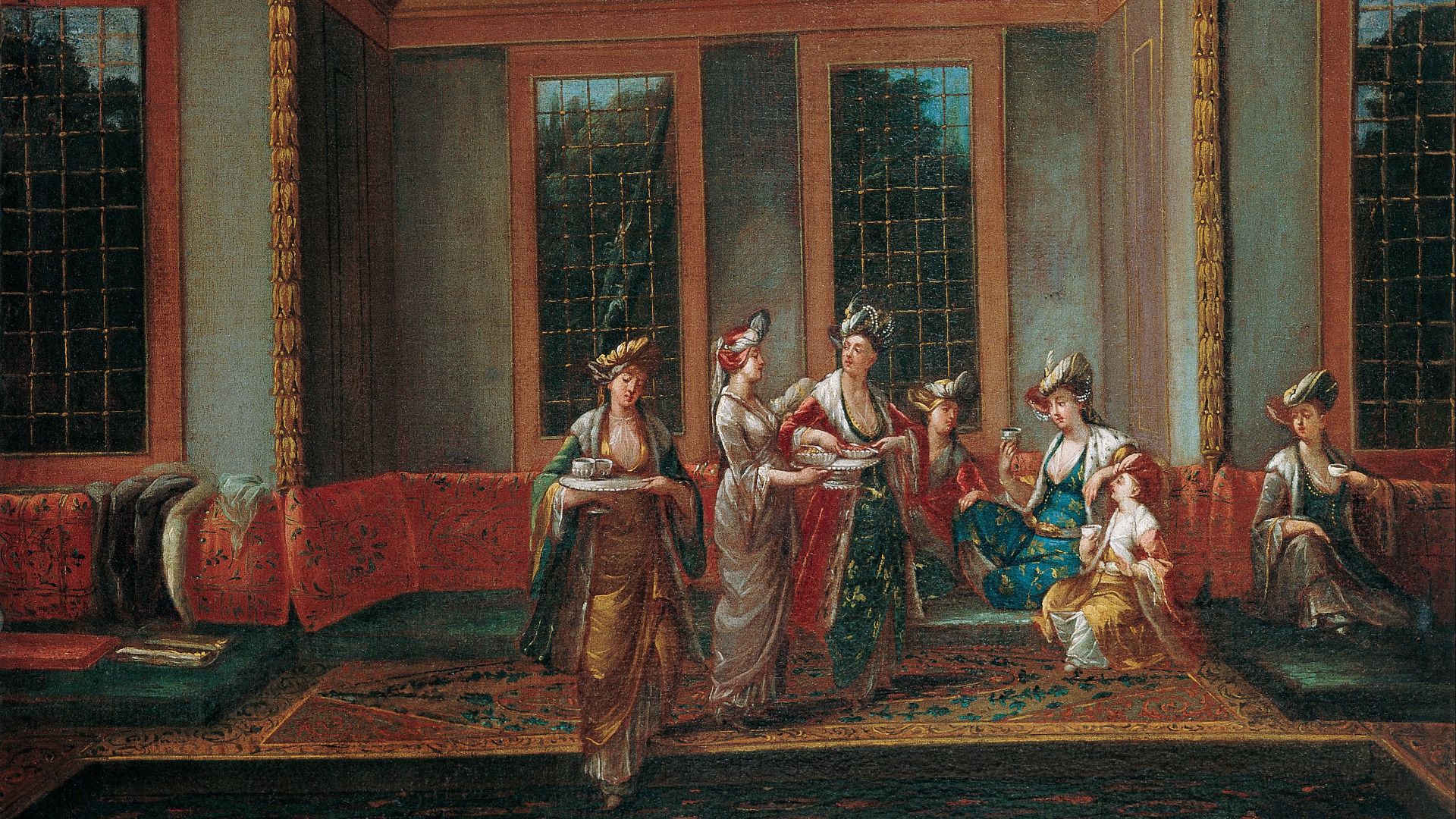
17. Coffee Influenced Gender Equality In Social Spaces
Coffeehouses historically excluded women, which led to the creation of women-only cafés. By the 19th century, cafés began welcoming women, changing gender norms. London’s “Bluestocking” salons hosted feminist thinkers over coffee, and café access helped women step into public intellectual life.
 Jean Baptiste Vanmour on Wikimedia
18. Coffee Pioneered The Fair Trade Movement
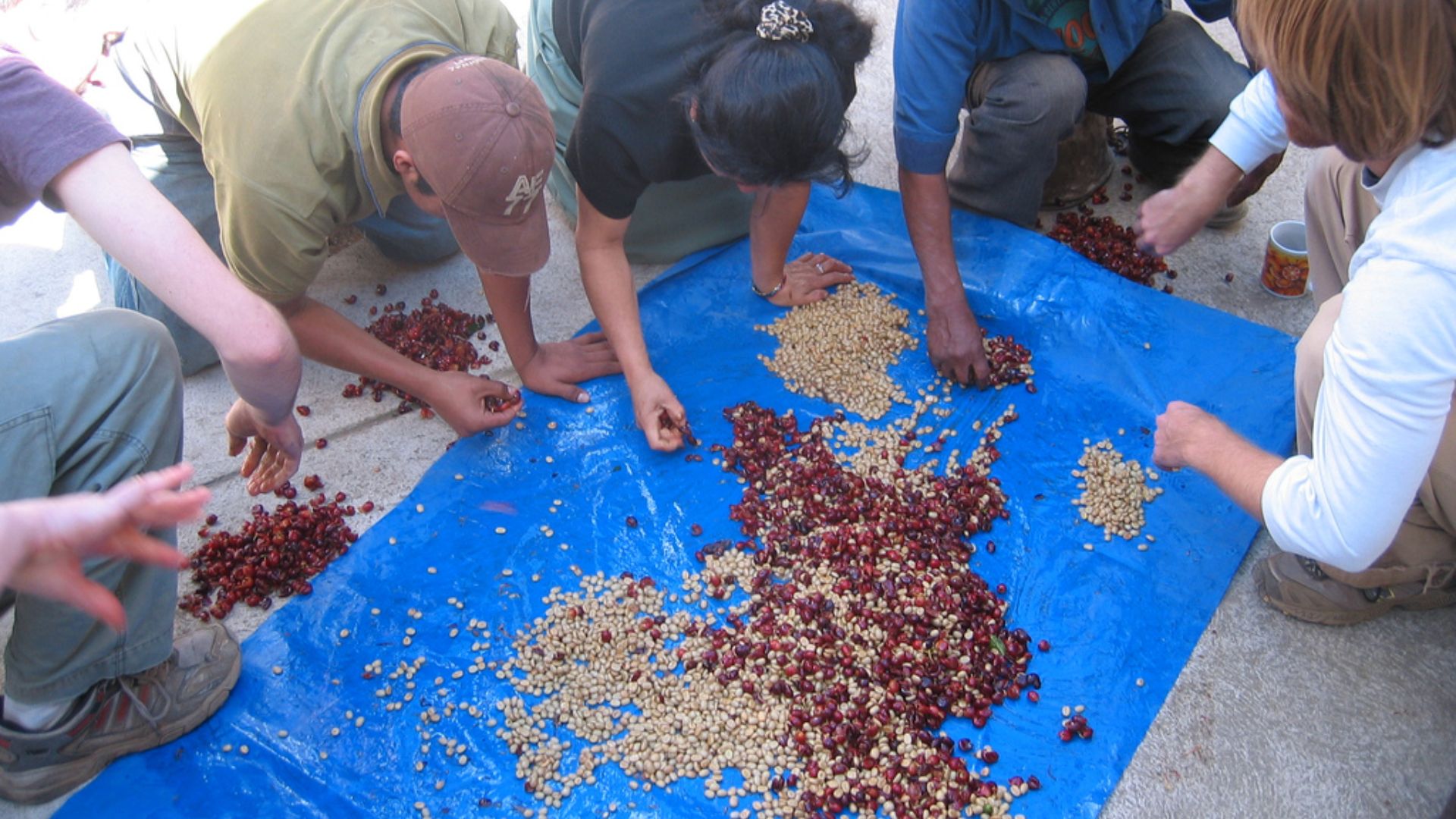
The first fair trade certification in 1988 focused on coffee growers. Coffee farmers faced exploitation from global commodity pricing, which prompted reform. Starbucks began offering fair trade blends in the early 2000s, and consumers learned to link their cup of coffee to ethical sourcing.
19. Coffee Challenged Global Environmental Practices
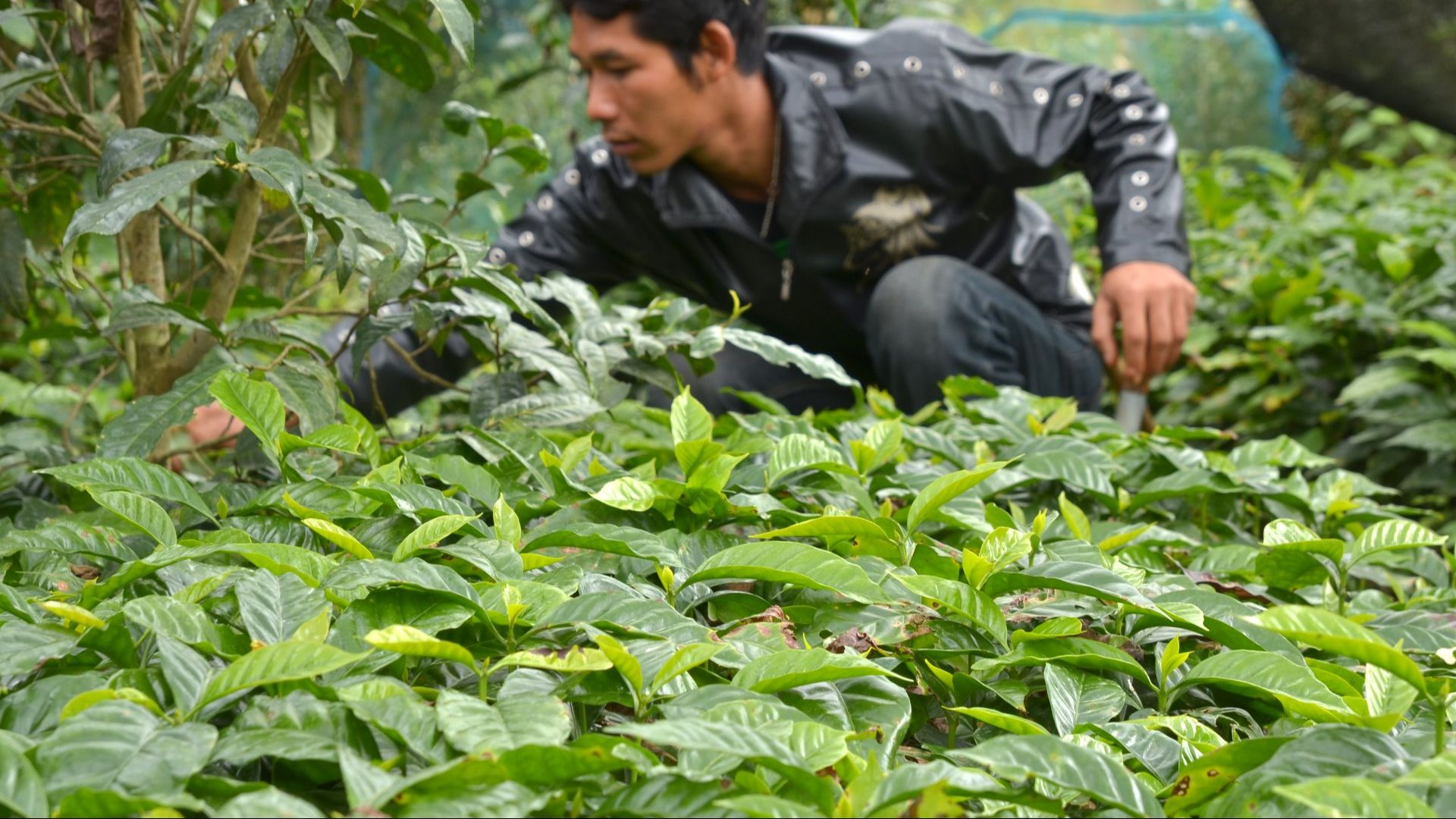
Traditional sun-grown coffee farming led to deforestation and biodiversity loss, and sustainable “shade-grown” coffee practices emerged to reduce environmental harm. Bird-friendly coffee became a recognized ecological certification. Also, major roasters began promoting carbon-neutral production chains.
20. Coffee Influenced Cold War Espionage Culture
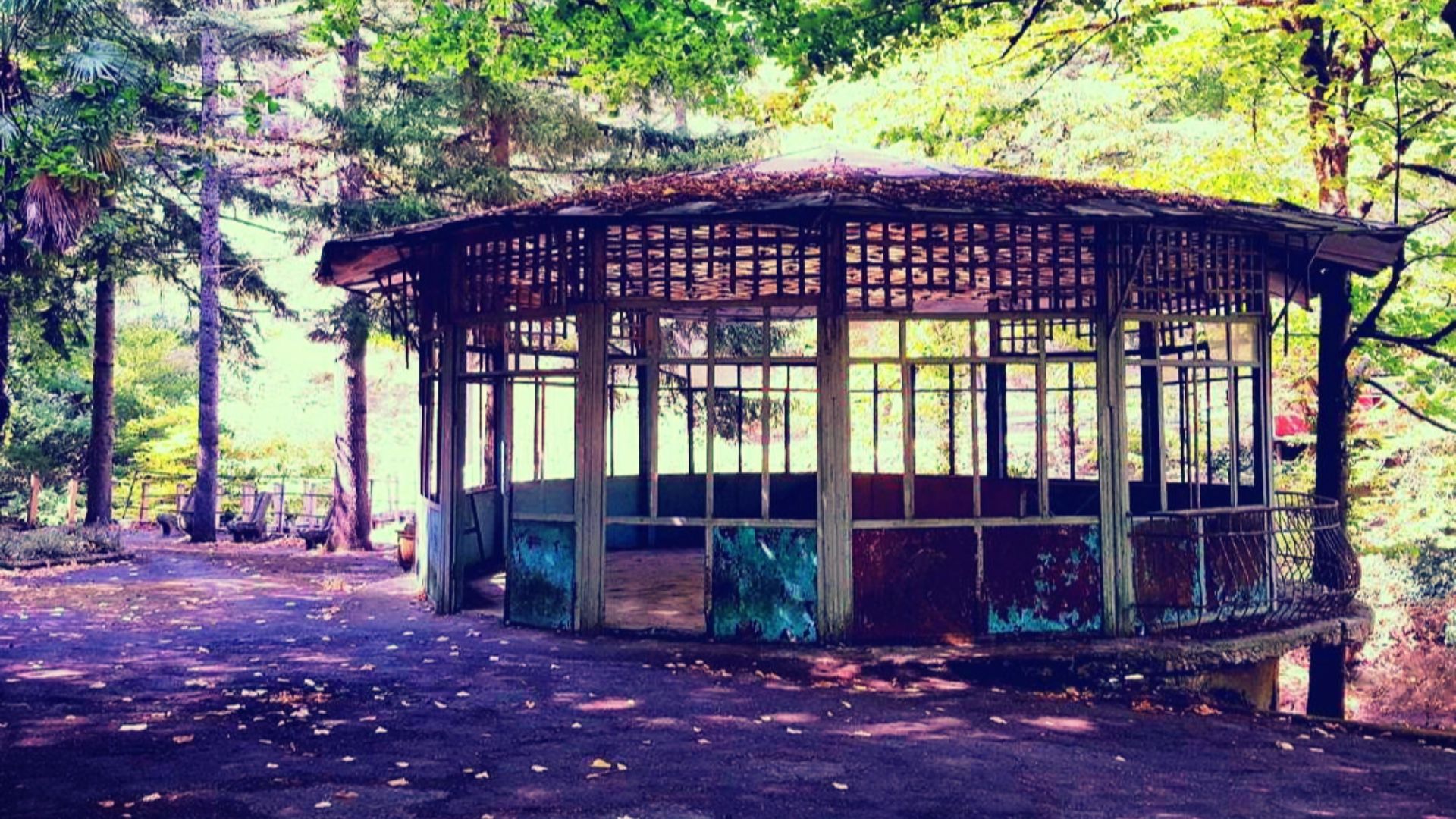
Espionage agents used cafés as neutral drop points and surveillance spots, and coffeehouses allowed inconspicuous meetings in enemy territories. Café discussions were often bugged during the Cold War by secret police, and espresso orders were used as coded signals in spy rings.
.jpg)
KEEP ON READING
The story of Ching Shih, the Woman Who Became the…
Unknown author on WikimediaFew figures in history are as feared…
By Emilie Richardson-Dupuis Dec 29, 2025
Einstein's Violin Just Sold At An Auction—And It Earned More…
A Visionary's Violin. Wanda von Debschitz-Kunowski on WikimediaWhen you hear…
By Ashley Bast Nov 3, 2025
This Infamous Ancient Greek Burned Down An Ancient Wonder Just…
History remembers kings and conquerors, but sometimes, it also remembers…
By David Davidovic Nov 12, 2025
The Mysterious "Sea People" Who Collapsed Civilization
3,200 years ago, Bronze Age civilization in the Mediterranean suddenly…
By Robbie Woods Mar 18, 2025
20 Greatest Ancient Athletes In History
Ancient Olympics. Long before modern stadiums and multimillion-dollar endorsements, athletes…
By Sara Springsteen May 1, 2026
20 Soldiers Who Defied Expectations
Changing the Rules of the Battlefield. You’ve probably heard plenty…
By Annie Byrd Feb 10, 2026