Europe Wasn't Always the Most Impressive Place in the Room
European travelers who ventured into Asia centuries ago often arrived with plenty of assumptions about what they were going to find. Many instead encountered enormous cities, wealthy royal courts, sophisticated governments, and technologies that were unfamiliar back home. Their accounts were sometimes exaggerated or shaped by cultural biases, but they also captured genuine moments of amazement at societies that were larger, richer, or simply organized very differently from anything they knew. Here are 20 times Asian empires shocked European visitors.
1. Marco Polo Encountered Paper Money in Yuan China
When Marco Polo described Yuan China in the 13th century, one of the strangest ideas for European readers was money made from paper. Kublai Khan's government issued paper currency that circulated widely, while Europeans still depended heavily on metal coins. Yuan authorities even required foreign merchants in China to exchange precious metals for official currency, so visiting traders had little choice but to deal with the system.
2. Hangzhou Seemed Unbelievably Large
Marco Polo's descriptions of Hangzhou introduced European readers to a city on a scale that was difficult to imagine by medieval European standards. He praised its markets, canals, bridges, merchants, and constant activity. Some of the numbers in his account were probably exaggerated, but even allowing for a little embellishment, Hangzhou was one of the world's great commercial centers and made many European cities seem comparatively small.
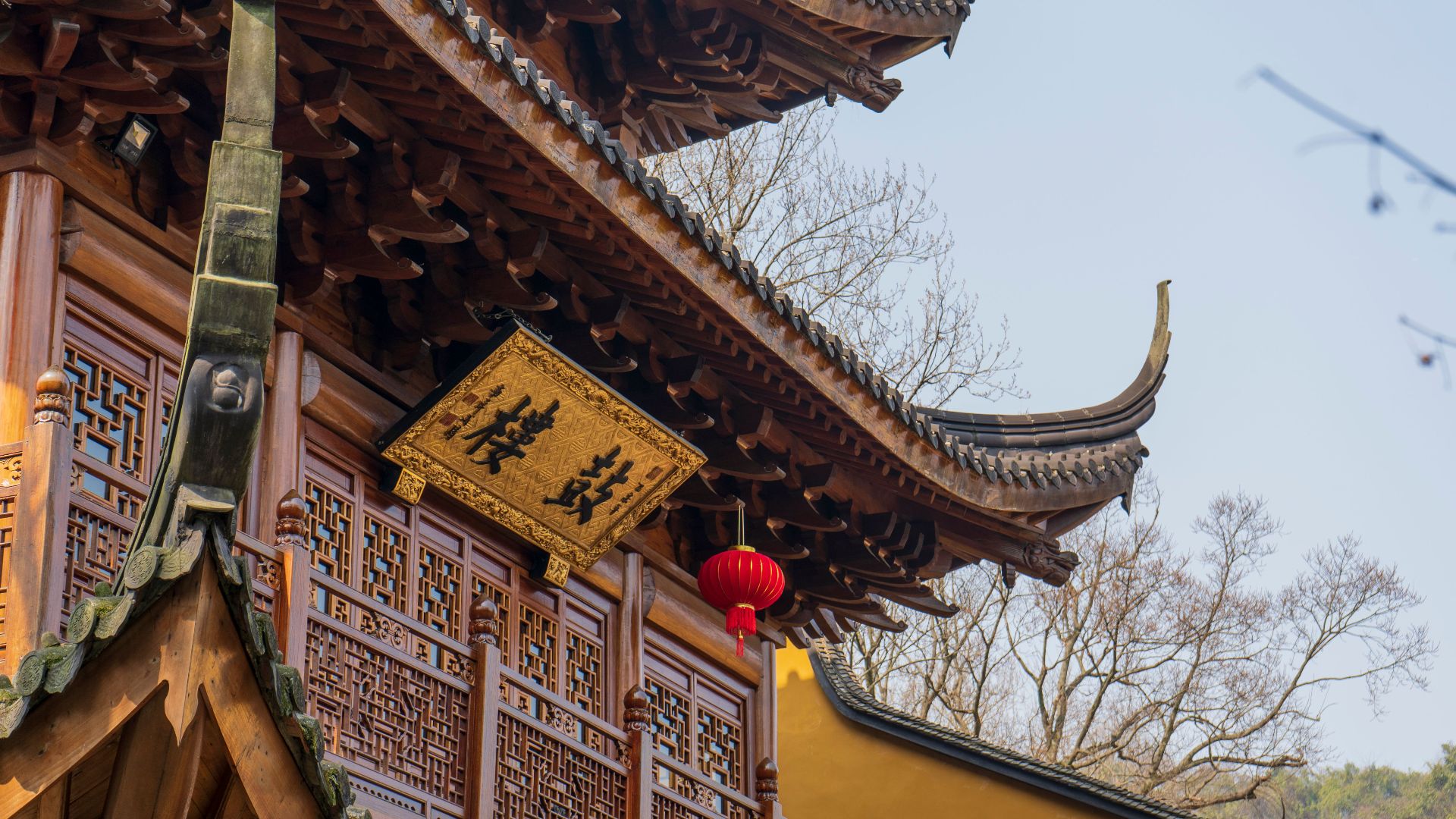
3. China's Postal System Stretched Across an Empire
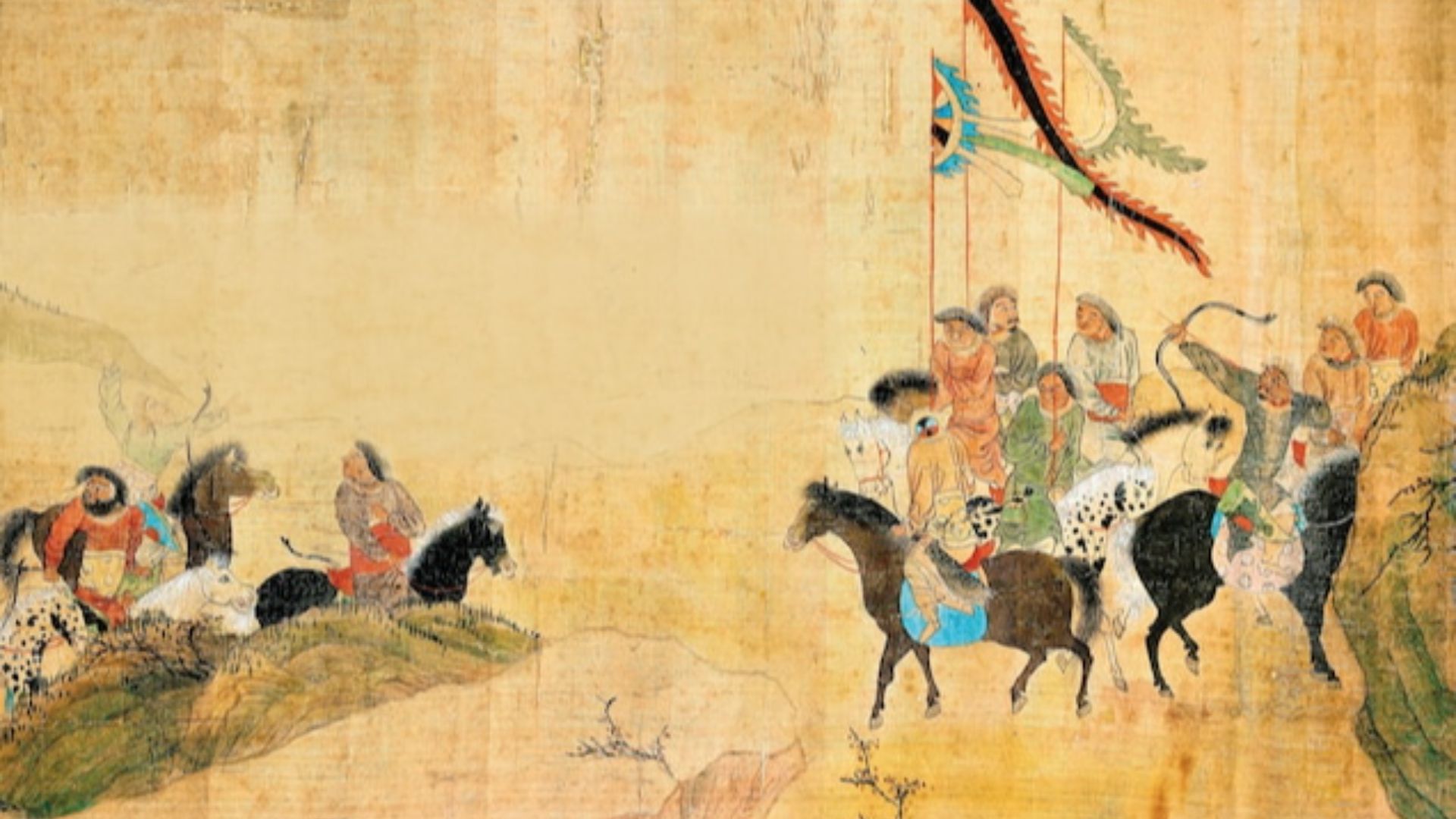
The Yuan dynasty maintained an extensive relay network that allowed official messages and travelers to move across huge distances. Stations along major routes provided fresh horses, supplies, and places to stay, creating an organized communications system across much of the empire. For European visitors who were used to slower and less standardized overland travel, the sheer scale of the network stood out.
 INTERFOTO/Fine Arts on Wikimedia
4. The Mughal Court Put Enormous Wealth on Display
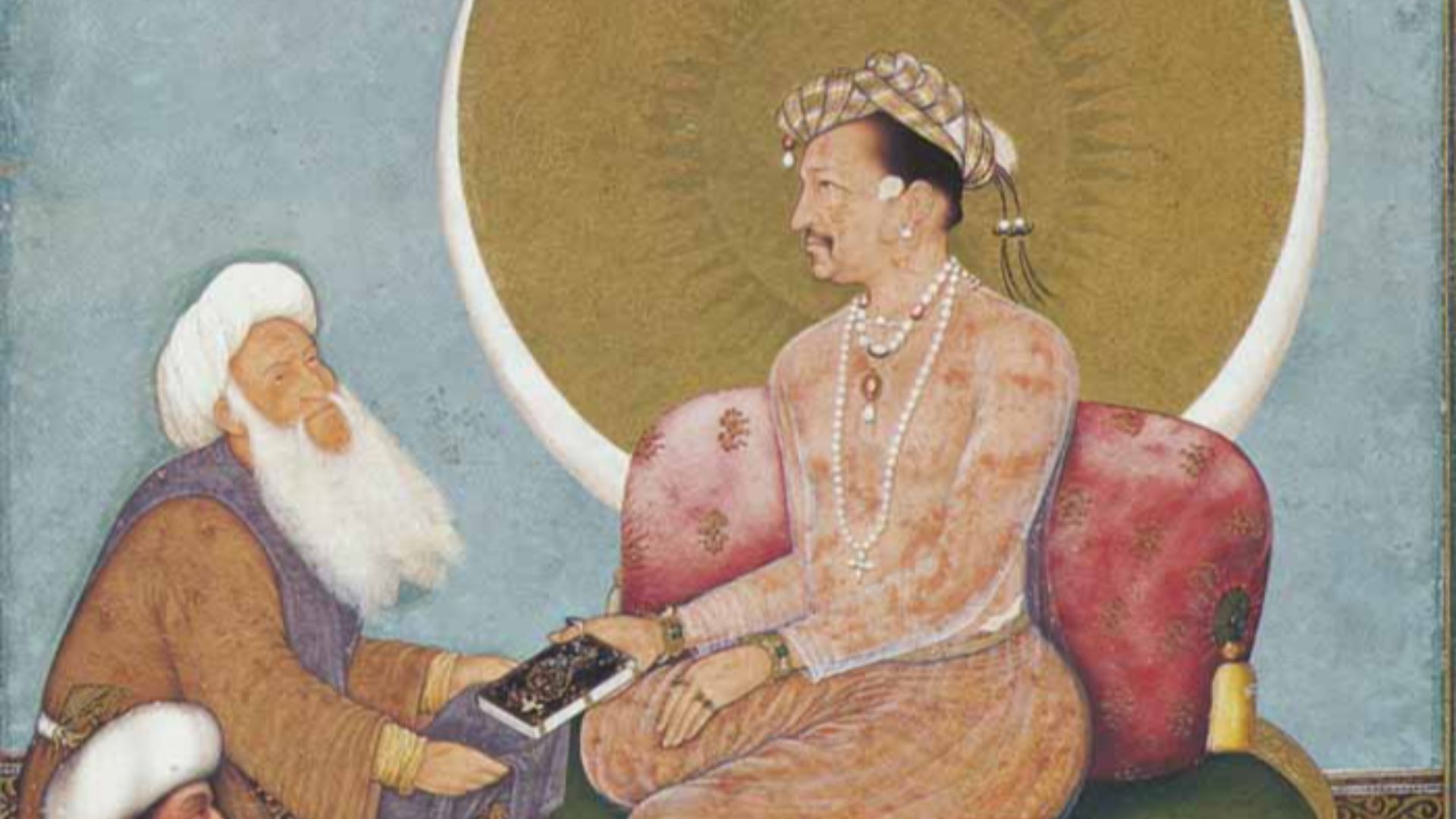
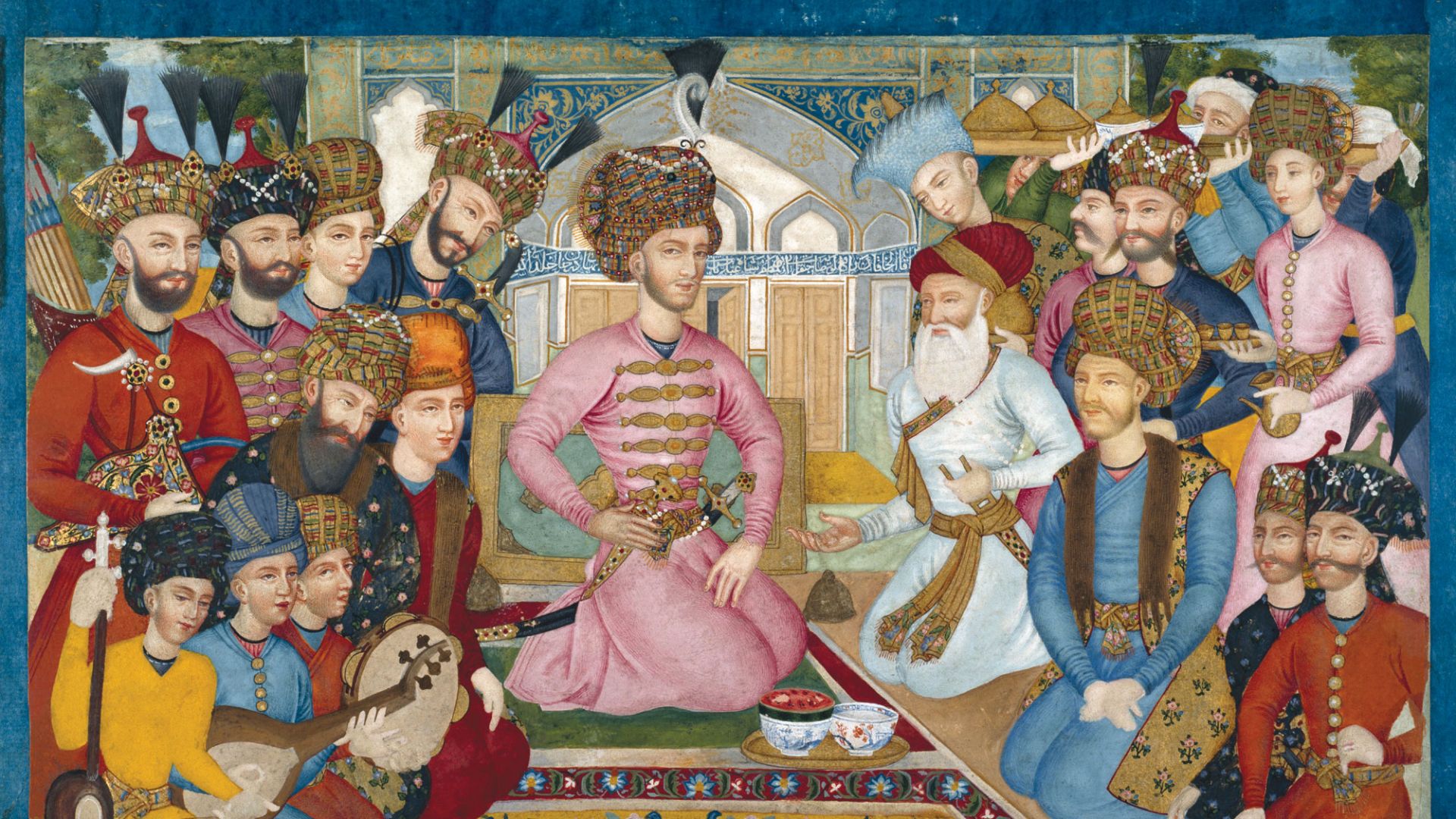
European merchants arriving in Mughal India found themselves dealing with an imperial elite surrounded by extraordinary quantities of jewels, textiles, and precious metals. French traveler Jean-Baptiste Tavernier became especially fascinated by India's gem trade and repeatedly traveled through the subcontinent buying diamonds and other stones. To Europeans eager to get their hands on Asian luxury goods, Mughal India looked less like a distant frontier and more like one of the centers of global wealth.
 Abolhassan Mostofi Ghaffari on Wikimedia
5. India's Diamond Trade Was on Another Level
Tavernier's travels eventually brought him to the famous diamond-producing regions of the Deccan, where valuable stones entered international trading networks long before major deposits were discovered elsewhere. Diamonds linked to Indian mines later appeared in some of the world's most famous royal collections. A European jeweler was willing to travel thousands of miles because the Indian market offered riches that simply couldn't be found closer to home.
 San Francisco Sunday Call on Wikimedia
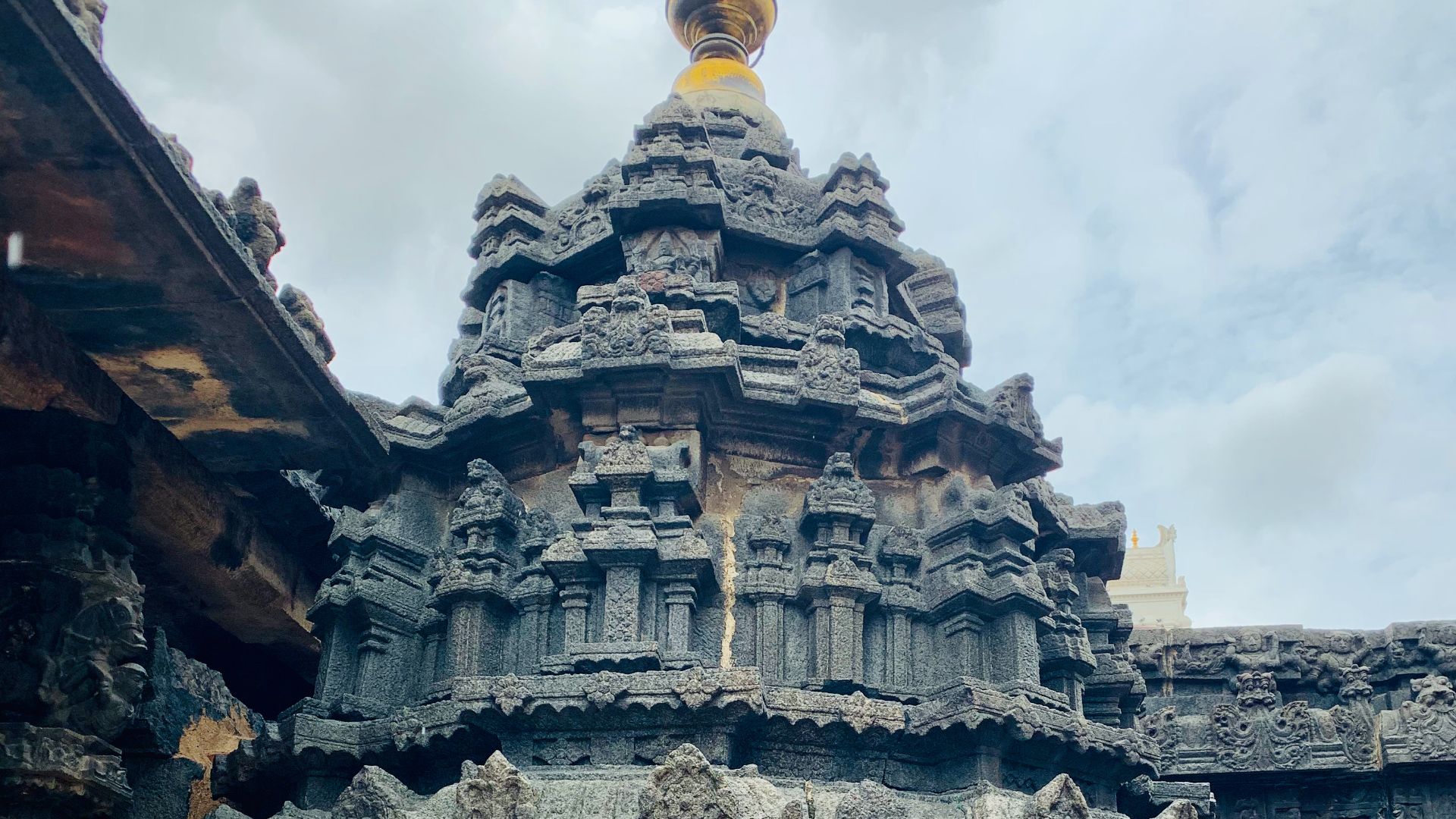
6. Vijayanagara Was Bigger Than Visitors Expected
Portuguese travelers Domingo Paes and Fernão Nunes left detailed descriptions of Vijayanagara in southern India during the 16th century. They wrote about a sprawling capital filled with markets, temples, fortifications, gardens, and crowds arriving from different regions. For Europeans coming from much more compact cities, the size of an imperial capital serving one of India's most powerful states was hard to overlook.
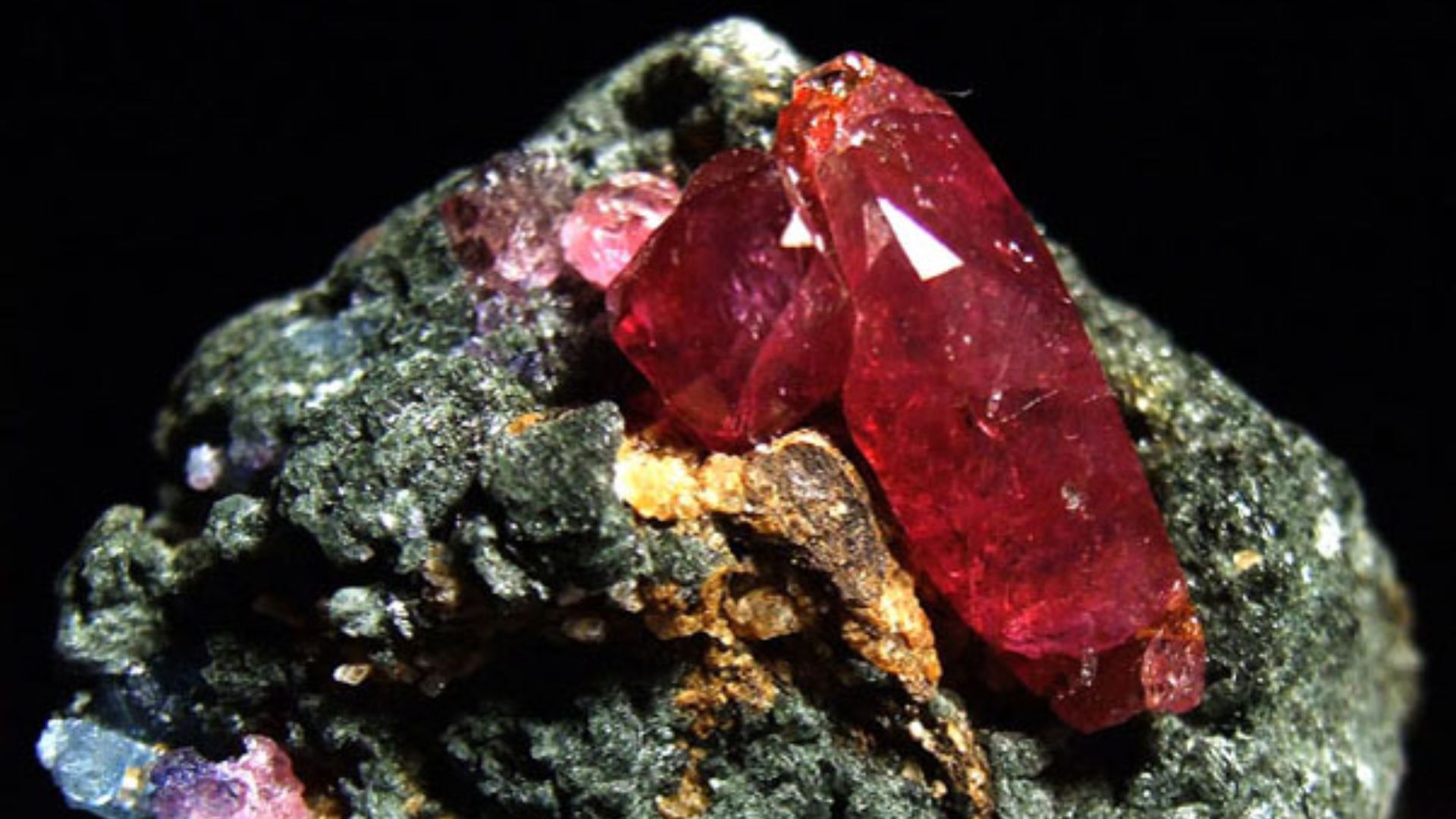
7. Vijayanagara's Markets Sold Precious Stones in Public
Visitors to Vijayanagara were impressed by the huge variety of goods traded openly in its commercial districts. Their accounts mention everything from food and livestock to pearls, diamonds, rubies, and other expensive merchandise. Seeing luxury goods sold alongside everyday products helped reinforce the idea that this was an incredibly wealthy city, not simply a lavish royal court surrounded by poverty.
 StrangerThanKindness on Wikimedia
8. Ming China's Book Culture Was Already Enormous
European Jesuits arriving in late Ming China stepped into a society with a highly developed commercial printing industry. Matteo Ricci and other missionaries quickly realized they didn't need to introduce printing because books were already being produced and distributed on a massive scale. China's publishing network was so well established that Jesuits eventually used the same system to circulate their own religious and scientific writings.
 Qiu Ying (仇英) (attributed) on Wikimedia
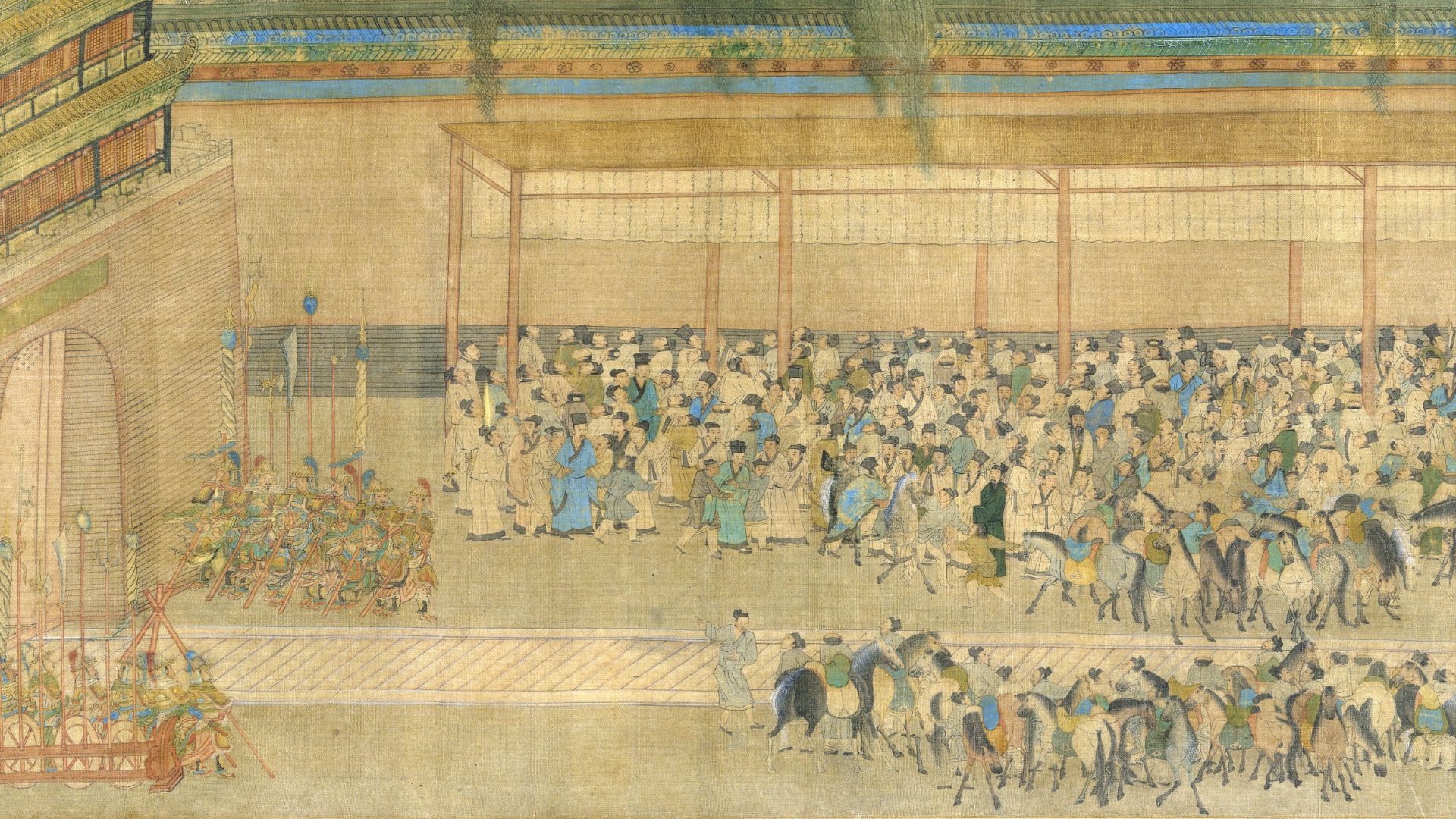
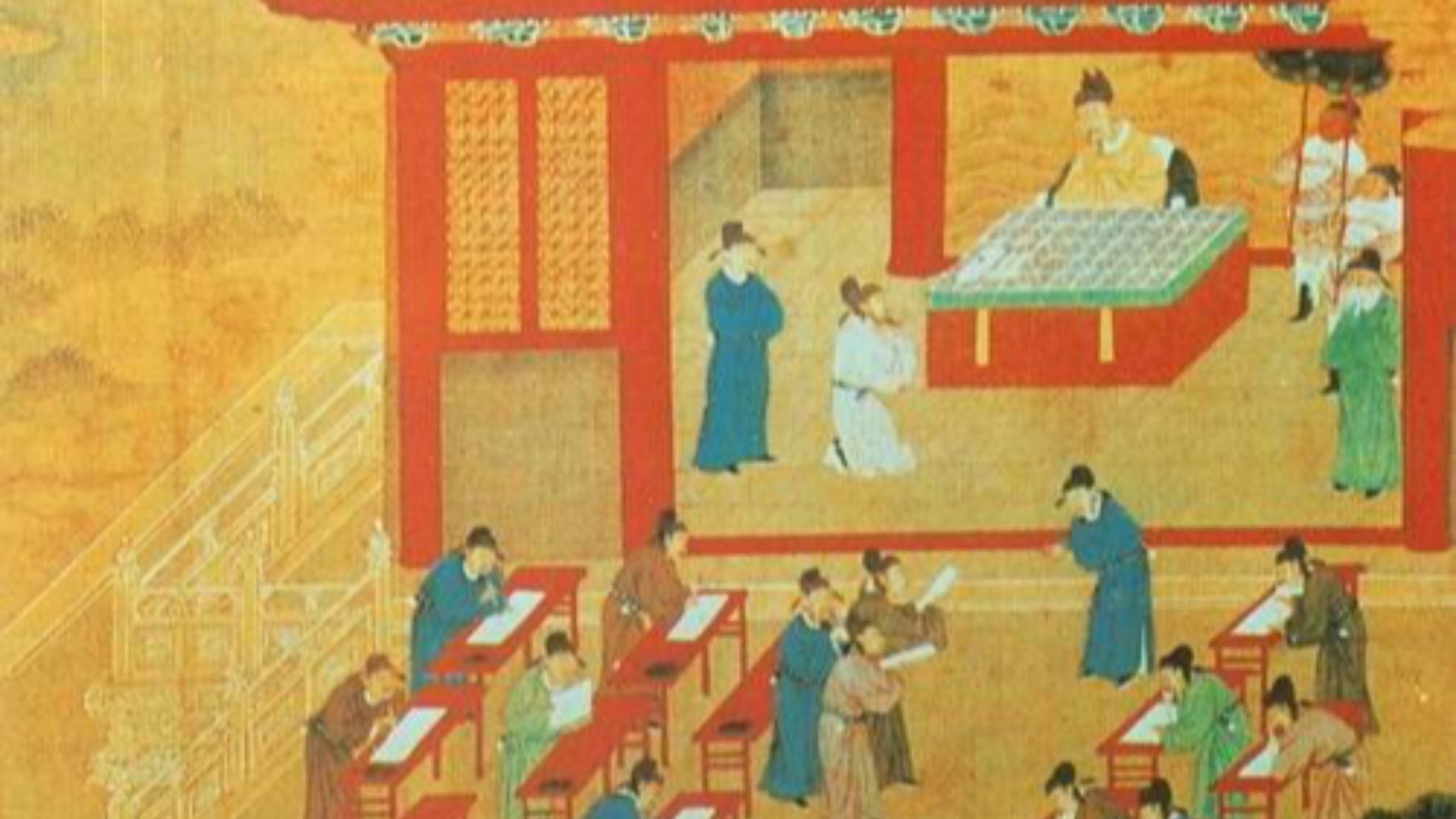
9. Chinese Officials Had to Pass Brutal Examinations
Europeans were fascinated by China's civil service examination system, which connected government careers to years of education and highly competitive testing. The system wasn't perfectly meritocratic, since wealthy families still enjoyed major advantages, but the importance placed on standardized examinations was striking. Jesuit visitors found themselves in a society where scholarly credentials carried enormous political and social prestige.
10. Beijing's Imperial Ceremonies Were Carefully Choreographed
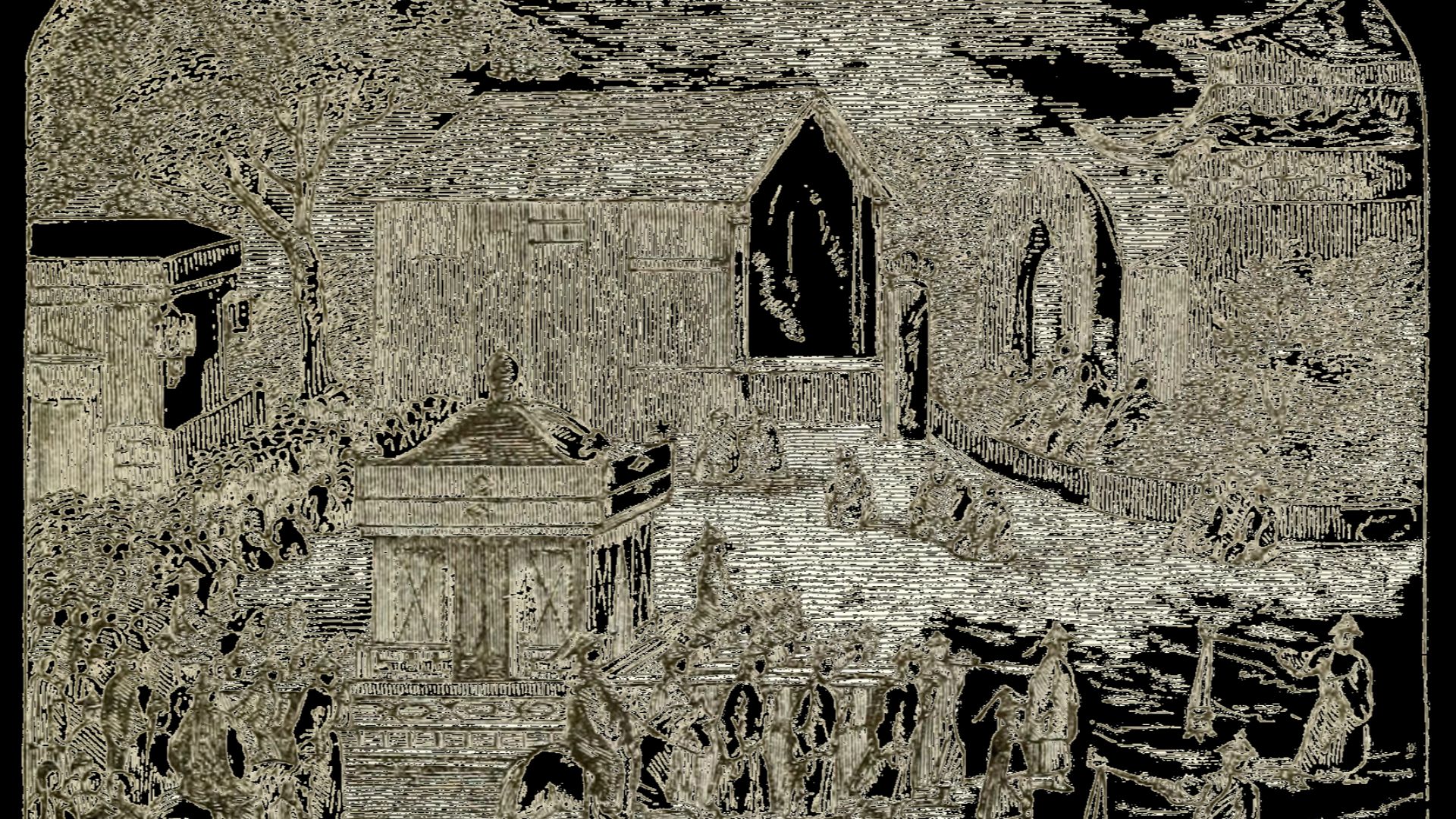
European envoys who reached the Chinese imperial court discovered that diplomacy followed elaborate rules surrounding rank, gifts, audiences, and ritual behavior. Something as simple as deciding how a foreign representative should greet the emperor could become a serious political issue. Visitors weren't casually walking into a palace, because they were entering a court carefully designed to place the emperor at the symbolic center of a vast political order.
 AnonymousUnknown author on Wikimedia
11. Isfahan Was Built to Impress
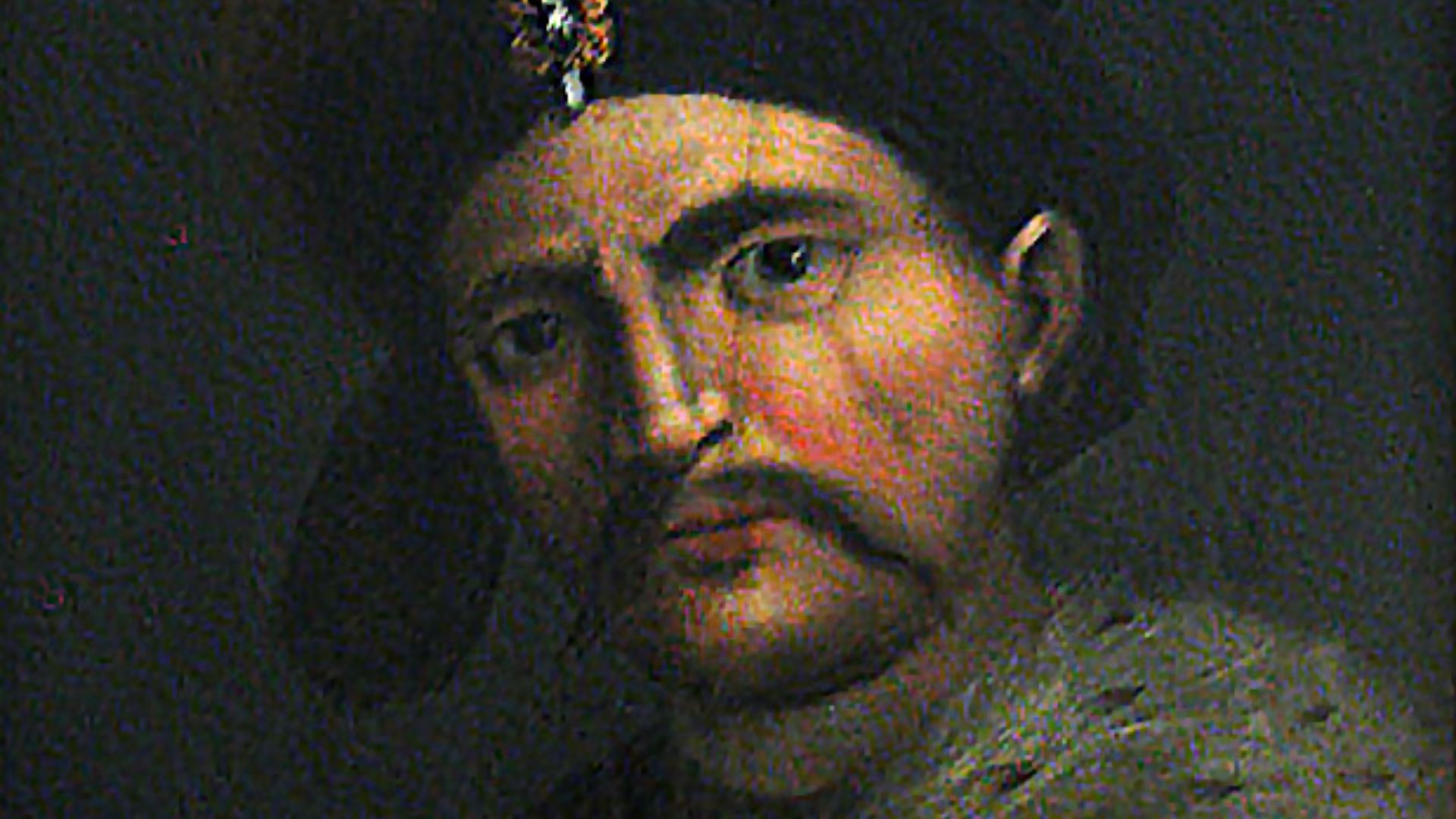
After Shah Abbas I made Isfahan the Safavid capital, the city was transformed with monumental squares, palaces, gardens, avenues, bridges, and bazaars. European visitors in the 17th century repeatedly commented on its beauty, organization, and impressive size. Its large international population also gave travelers the feeling that they had entered a major imperial metropolis rather than a provincial capital.
 Unnamed Italian painter on Wikimedia
12. Isfahan's Grand Square Dwarfed Familiar Public Spaces
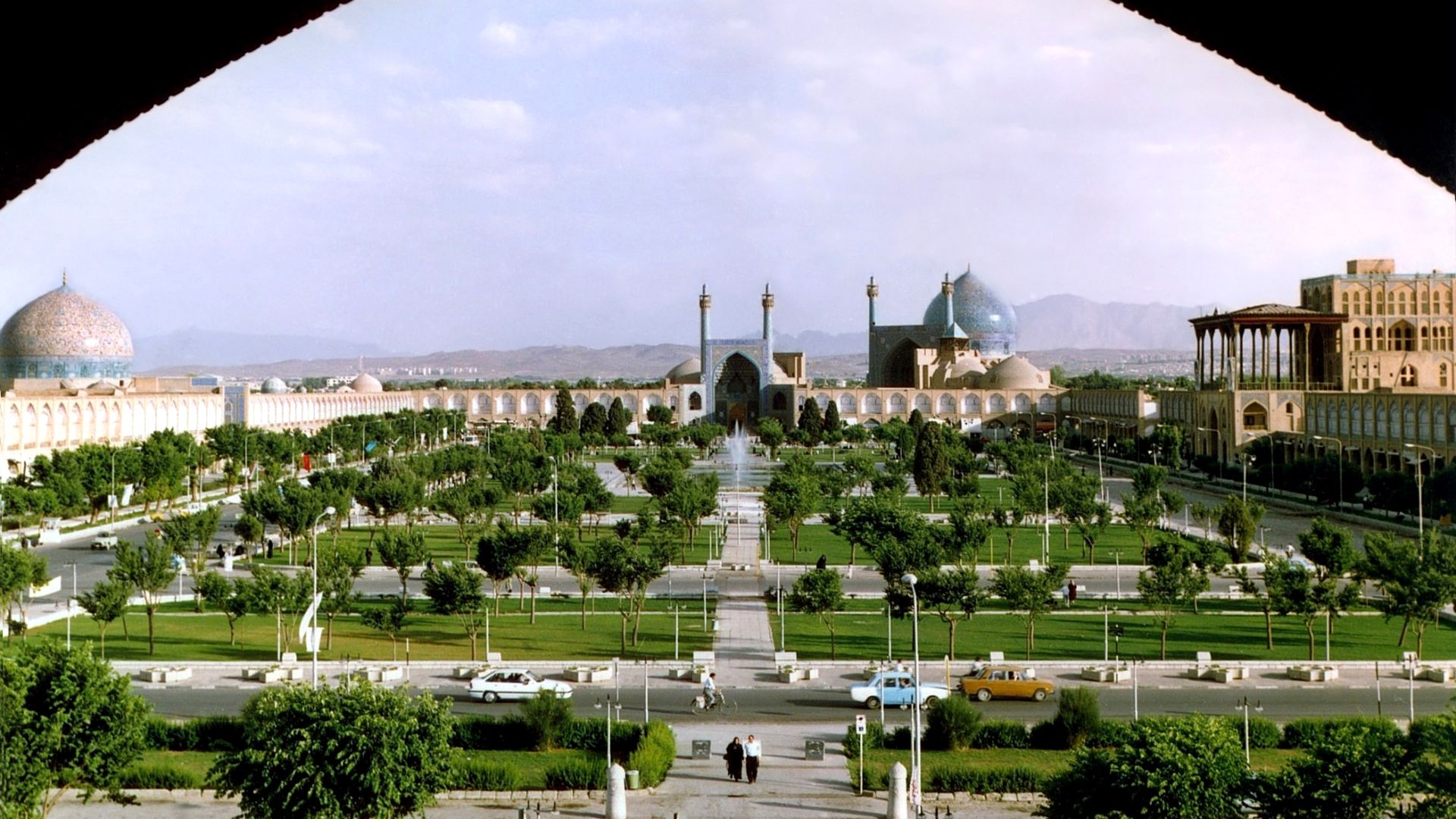
At the heart of Safavid Isfahan stood the enormous Naqsh-e Jahan Square, surrounded by major religious, commercial, and royal buildings. Construction on the new urban complex began around the start of the 17th century, with hundreds of shops eventually built around the square and neighboring bazaar. Europeans familiar with smaller civic spaces suddenly found themselves looking at architecture created very deliberately to show off Safavid power.
13. Persian Shops Stayed Bright After Sunset
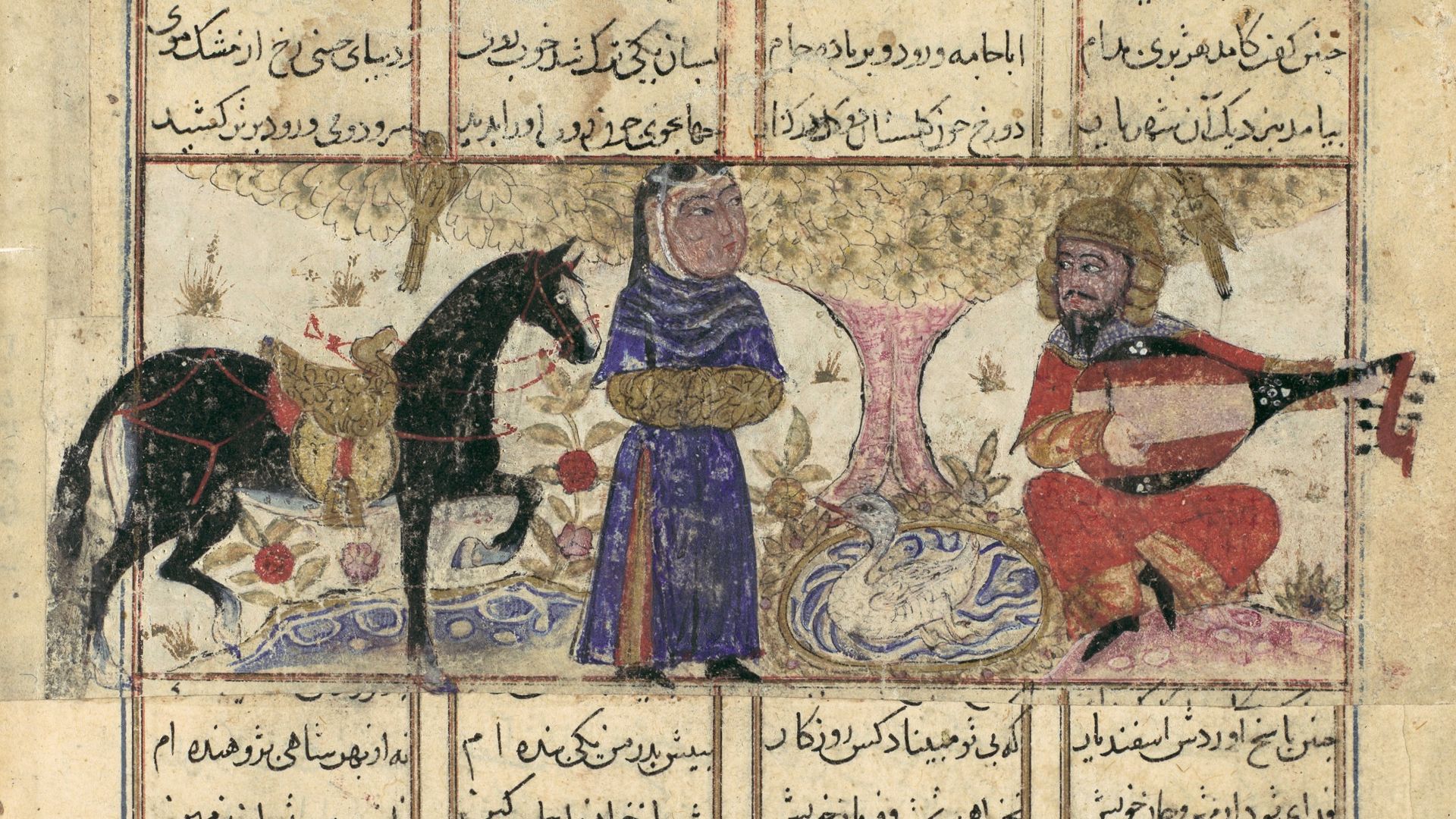
Some European travelers were surprised by how lively Isfahan's commercial districts remained after dark. Shops could be lit with numerous lamps, allowing bazaars to stay active well into the evening rather than shutting down once daylight disappeared. Visitors also commented on merchants openly displaying expensive goods, which added to the city's reputation for prosperity.
 14th century artist on Wikimedia
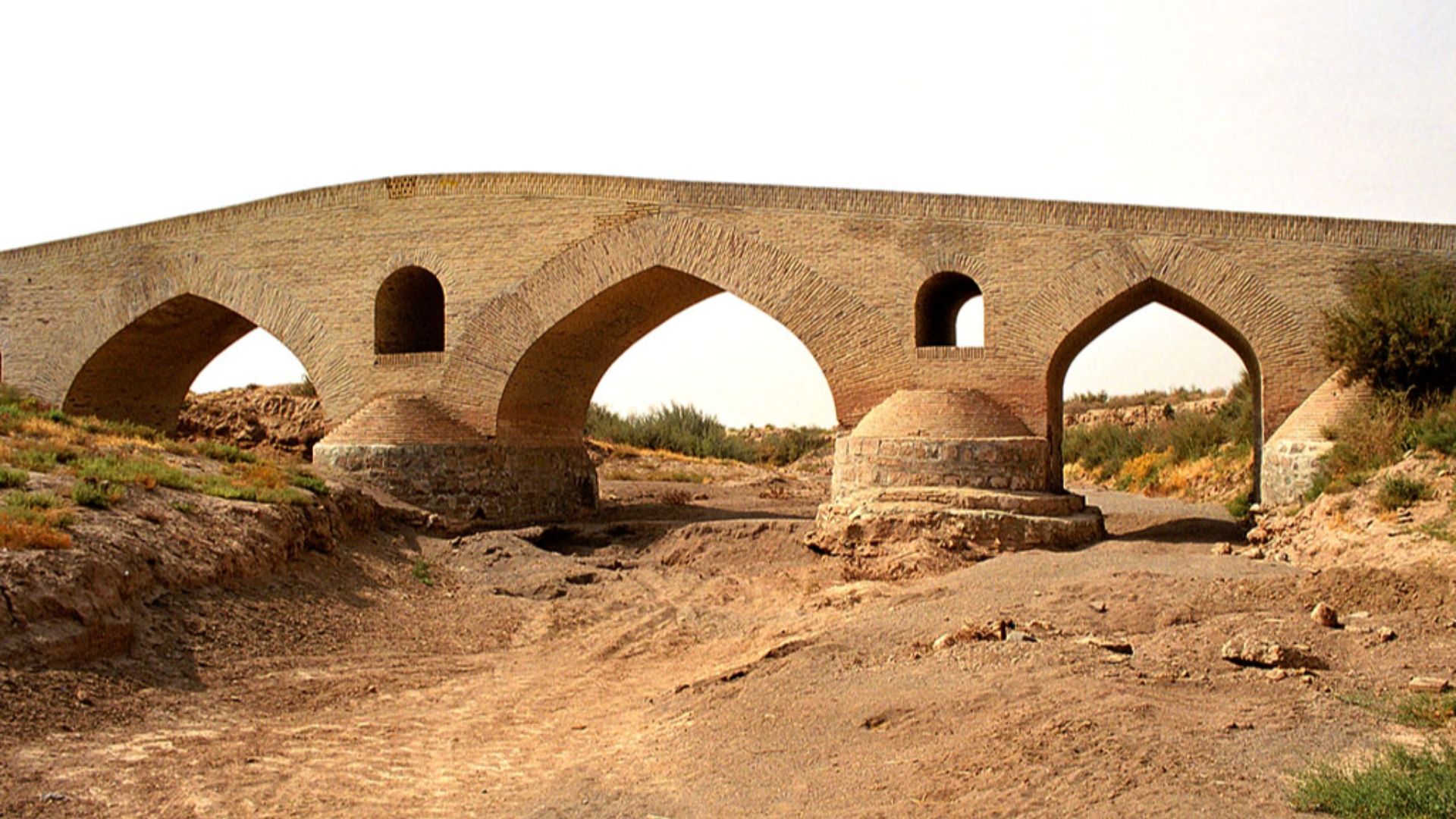
14. Safavid Bridges Were More Than River Crossings
Isfahan's monumental bridges caught travelers' attention because they weren't built only to move people from one side of the river to the other. Structures such as the Allahverdi Khan Bridge featured multiple arches and spaces where people could gather and enjoy the waterfront. Safavid planners had turned practical infrastructure into part of the capital's larger architectural display, something travelers such as Jean Chardin documented in detail.
 Philippe Chavin (Simorg) on Wikimedia
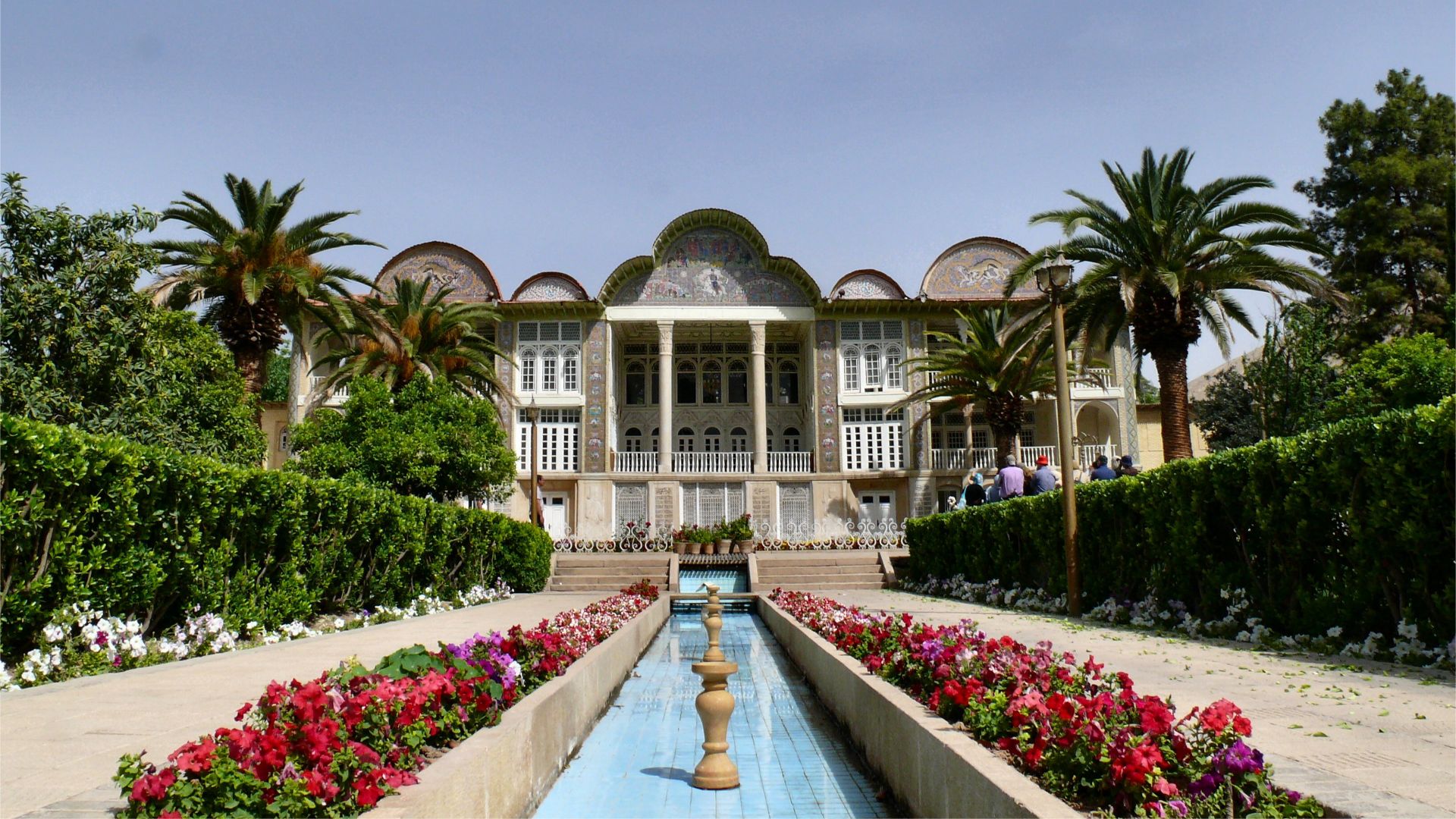
15. Persian Gardens Left Europeans Taking Notes
European visitors became fascinated by the carefully designed gardens surrounding Safavid palaces and wealthy homes. Straight waterways, shaded paths, trees, pavilions, and controlled views created highly organized spaces that differed from many contemporary European gardens. Jean Chardin was so taken with Persian garden culture that he later recreated some of its features after returning to Europe.
 dynamosquito from France on Wikimedia
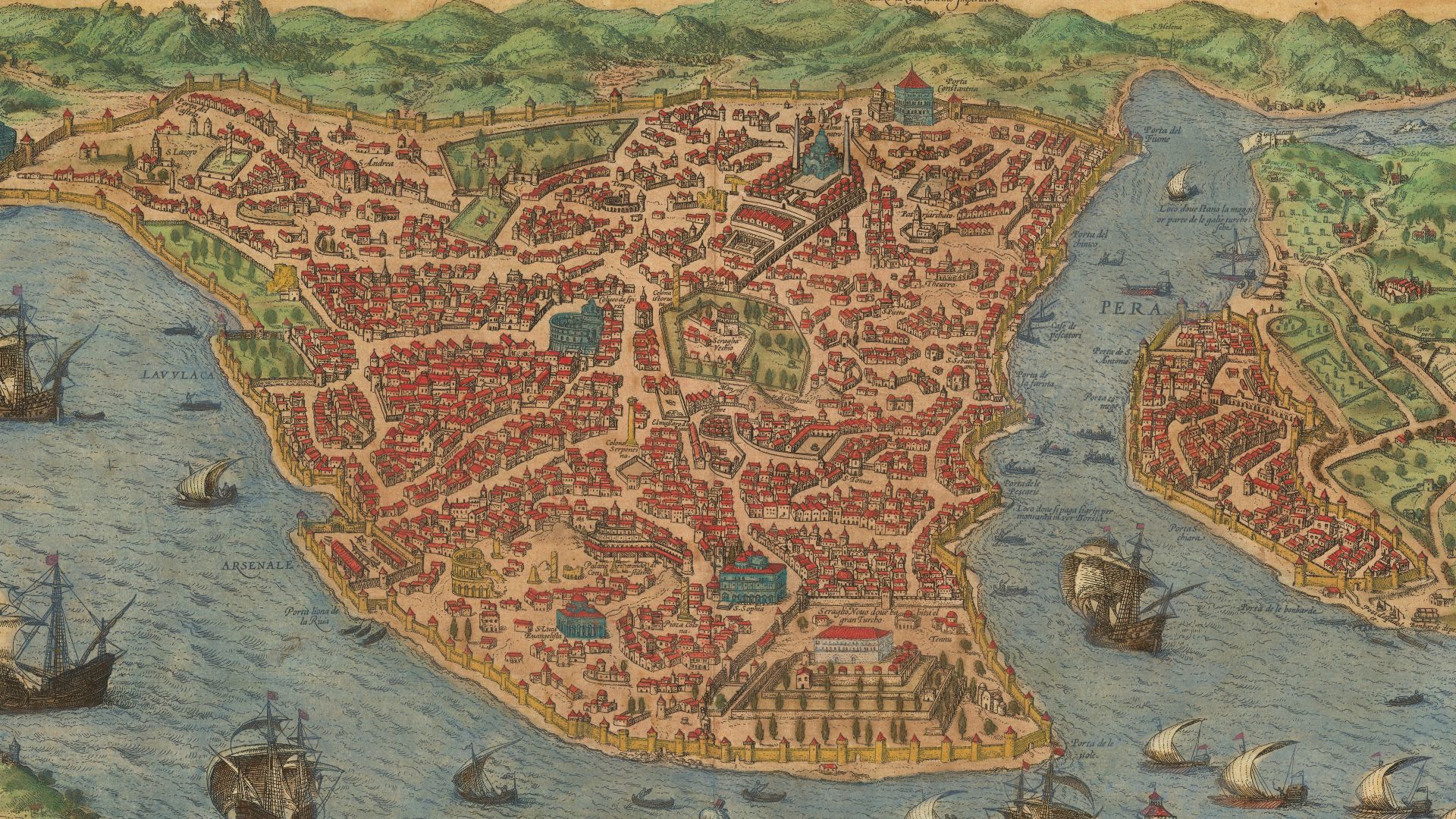
16. Ottoman Constantinople Was Extremely Cosmopolitan
Visitors arriving in Constantinople entered the capital of an empire stretching across southeastern Europe, western Asia, and North Africa. Greeks, Turks, Armenians, Jews, merchants, diplomats, enslaved people, soldiers, and travelers all moved through its streets. Europeans who mainly thought of the Ottoman Empire as a military rival often discovered a busy commercial capital connecting several parts of the world.
 Georg Braun & Frans Hogenberg on Wikimedia
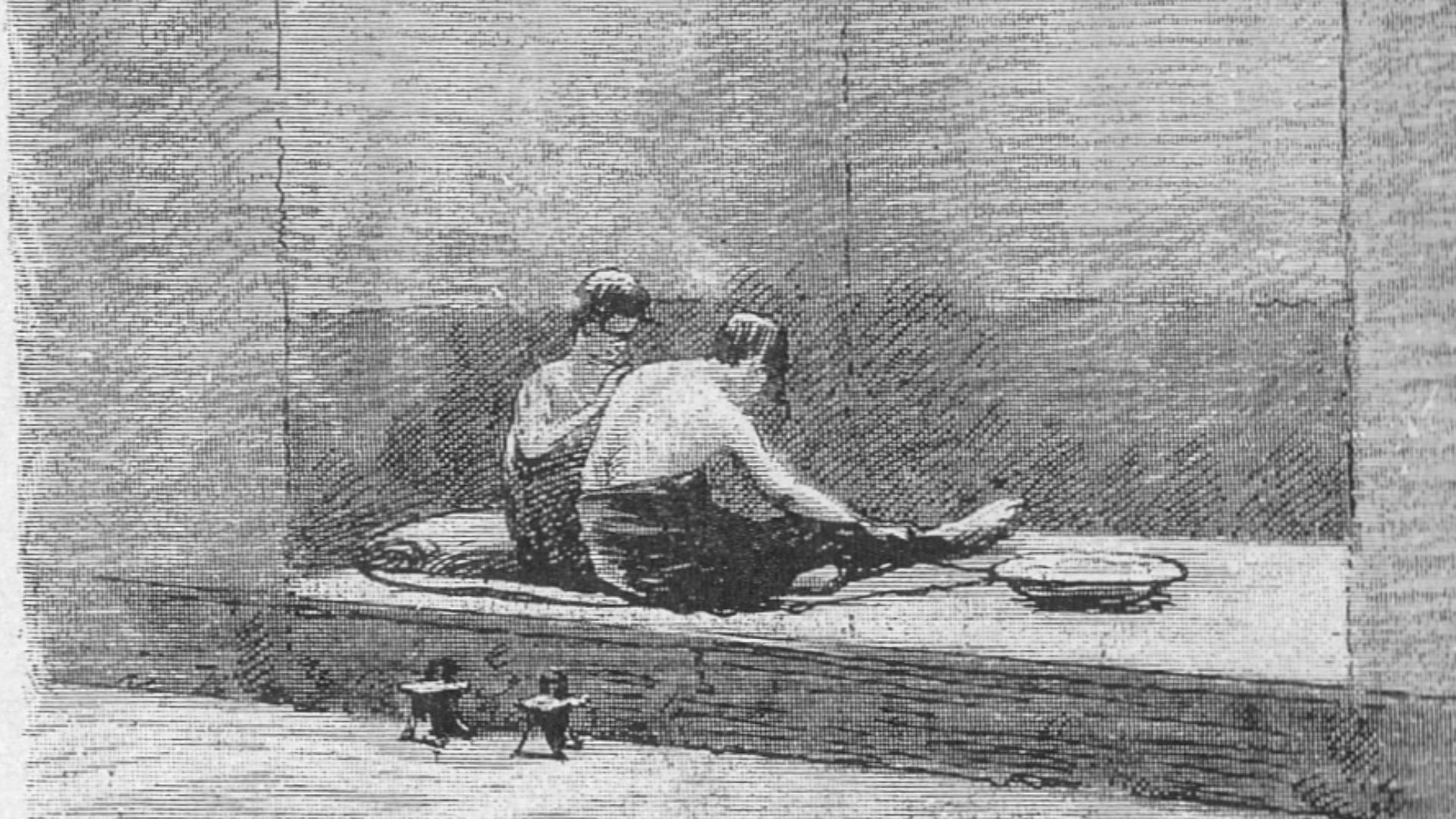
17. Ottoman Public Baths Surprised Travelers
European accounts frequently commented on hammams, which played an important role in everyday urban life across the Ottoman Empire. These bathhouses weren't simply places to wash, since they also served as social spaces and were built into neighborhoods throughout major cities. Their popularity and sophistication attracted particular attention from foreigners coming from parts of Europe where public bathing had become far less common.
18. Ottoman Tulips Caught a Diplomat's Attention
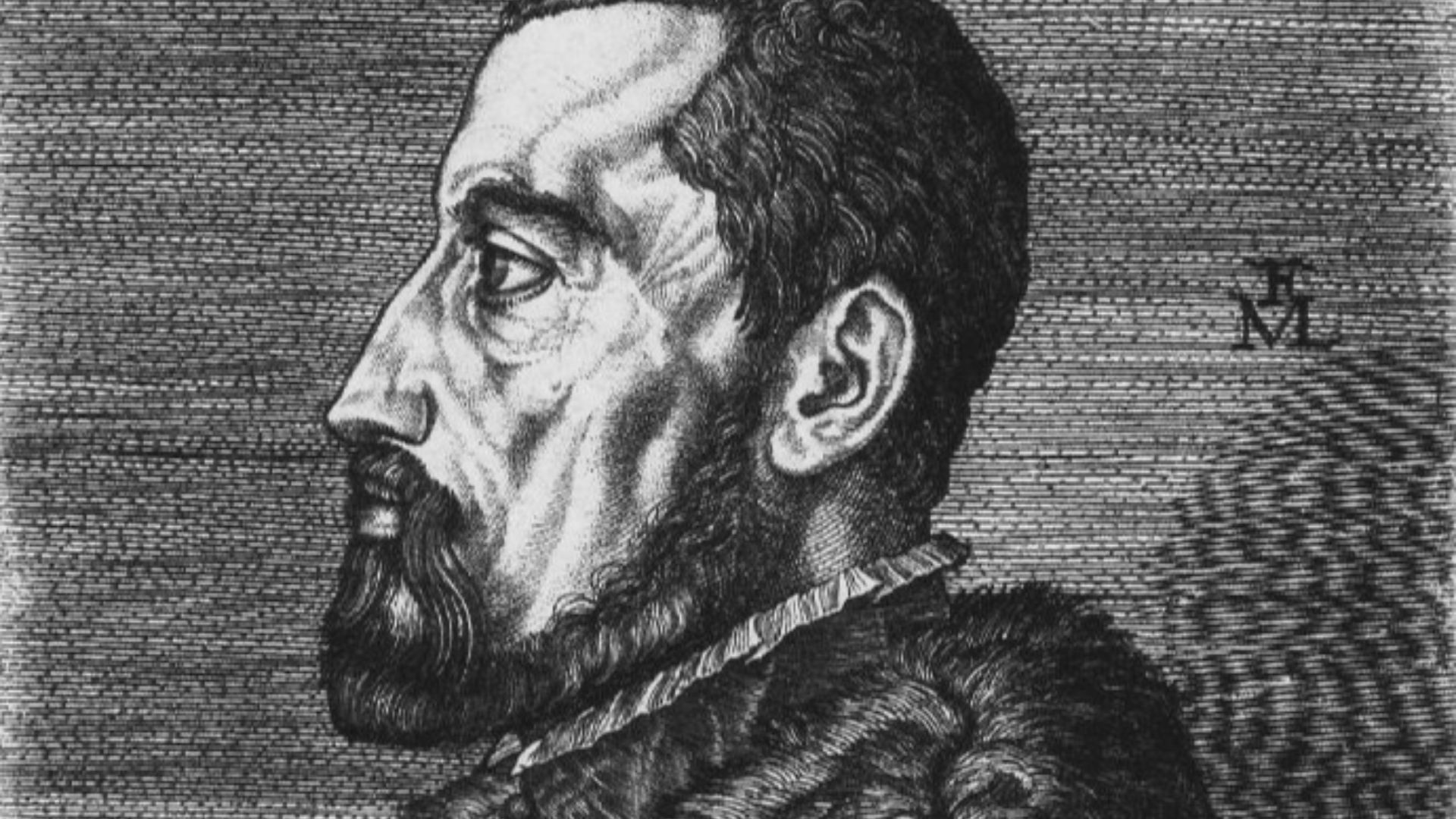
Long before tulips became famously associated with the Netherlands, European diplomats encountered cultivated varieties in Ottoman lands. Ogier Ghiselin de Busbecq, a Habsburg ambassador to the Ottoman court in the 16th century, wrote about unfamiliar plants he encountered during his travels and helped introduce tulips to western European circles. A flower admired in Ottoman gardens eventually became one of Europe's biggest horticultural obsessions.
19. The Ottoman Army Looked Far More Organized Than Expected
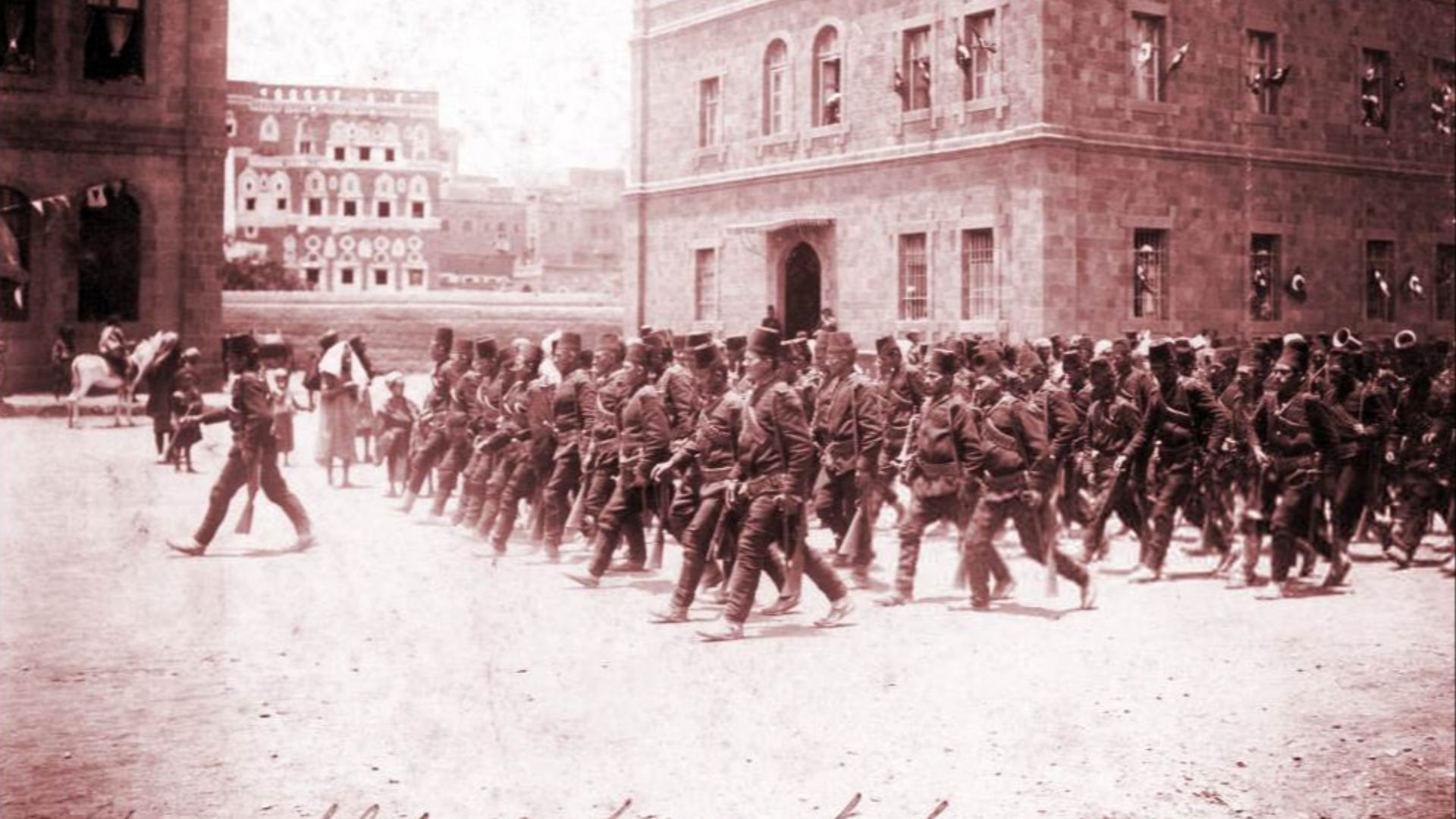
European diplomats and military observers studied Ottoman soldiers closely because they were dealing with one of Europe's most powerful geopolitical rivals. The Janissaries, centralized military administration, supply systems, and ability to mobilize large forces impressed visitors even when they had little affection for the empire itself. Some European writers went so far as to use Ottoman military discipline as a way to criticize the armies and social habits of their own countries.
20. Asian Courts Forced Europeans to Rethink Their Assumptions
Perhaps the biggest surprise wasn't a single building, invention, or ceremony, but the realization that Europe wasn't automatically ahead of every society it encountered. Travelers found wealthy Mughal merchants, vast Chinese administrative systems, sophisticated Persian cities, and powerful Ottoman institutions that didn't fit easy stereotypes about an undeveloped "East." Their accounts still contained plenty of prejudices and misunderstandings, but some of the strongest descriptions came from moments when what they saw was simply too impressive to dismiss.
KEEP ON READING