When Preparing for Death Was Just Another Part of Life
Nowadays, most people prefer not to think about their own deaths, but that wasn't always the case. Throughout history, preparing for the end of life was often seen as a practical responsibility, and some cultures developed surprisingly elaborate traditions around it. Depending on where and when you lived, you might have spent years planning your burial, organizing religious ceremonies, or even buying your own coffin. Although some of these customs might seem a little unsettling today, they show just how differently people once approached mortality. Here are 20 fascinating ways people used to prepare for their own deaths.
 The Cleveland Museum of Art on Unsplash
1. Purchase Their Own Coffins Years in Advance
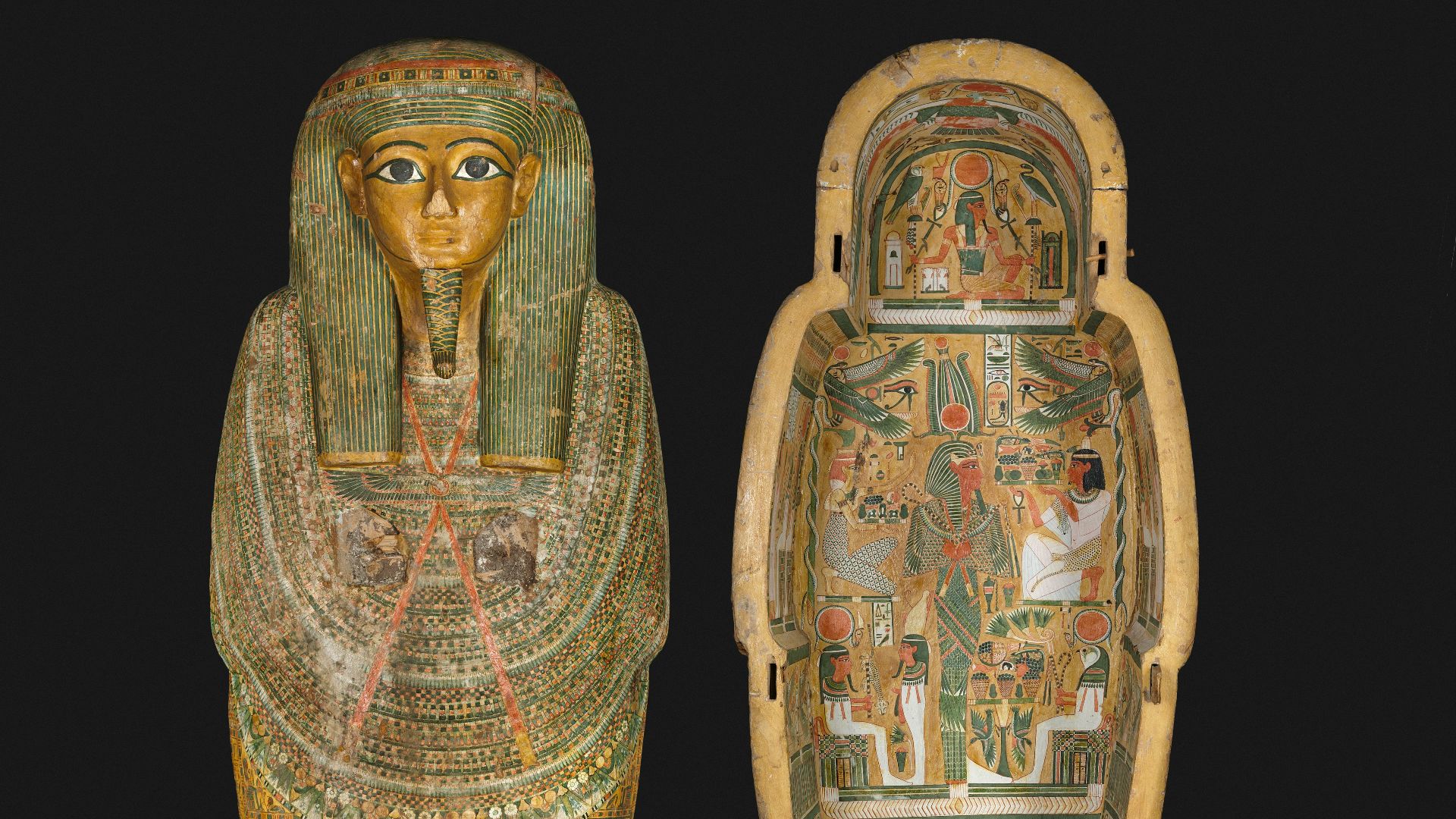
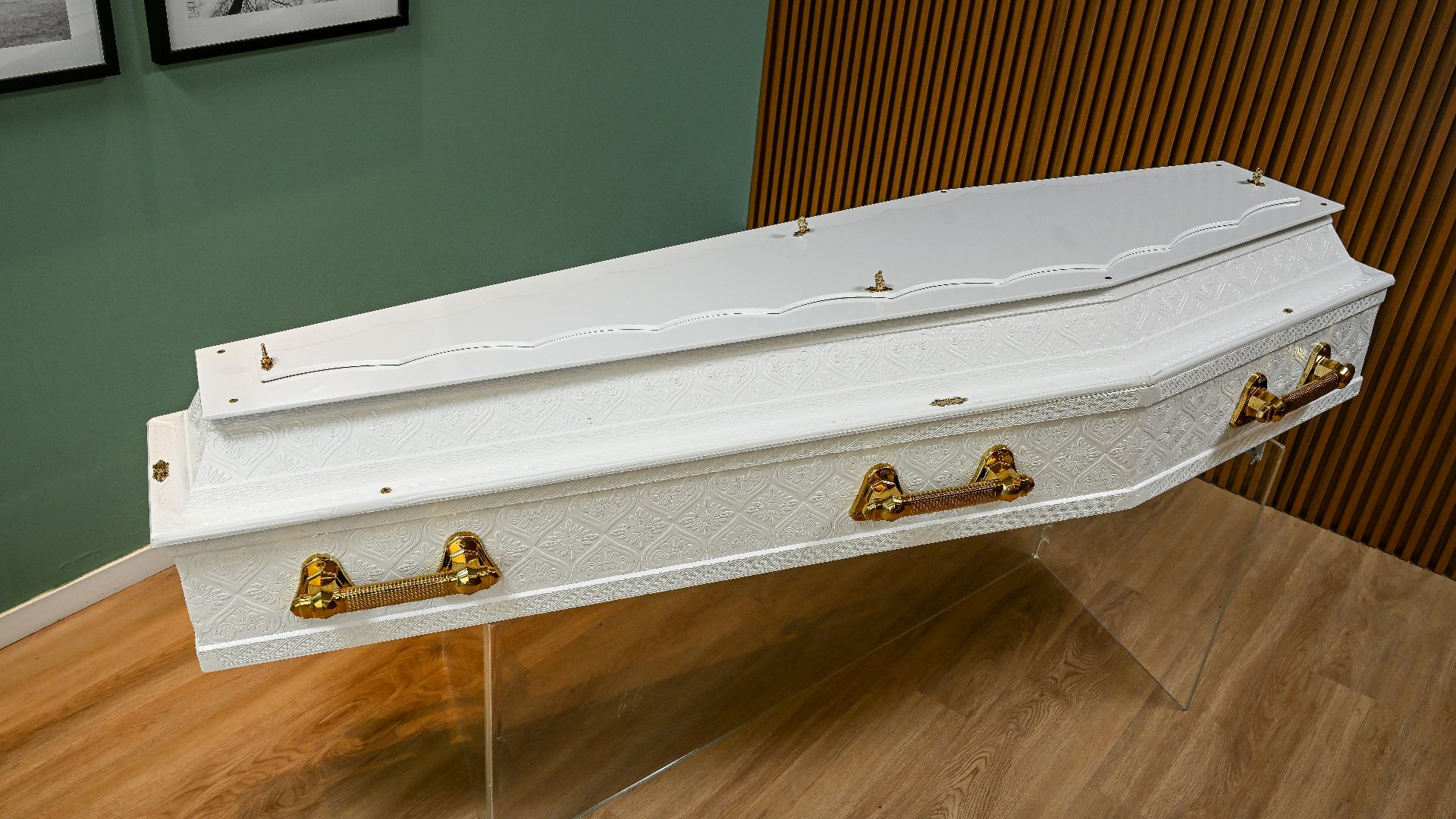
In traditional Chinese communities, some elderly people had their coffins made years before they expected to need them. Families often viewed this as an important responsibility, and having a well-made coffin ready could provide peace of mind rather than cause fear. The quality of the wood and craftsmanship could also reflect a family's financial standing and the respect they had for their elders.
2. Sew Their Own Burial Shrouds
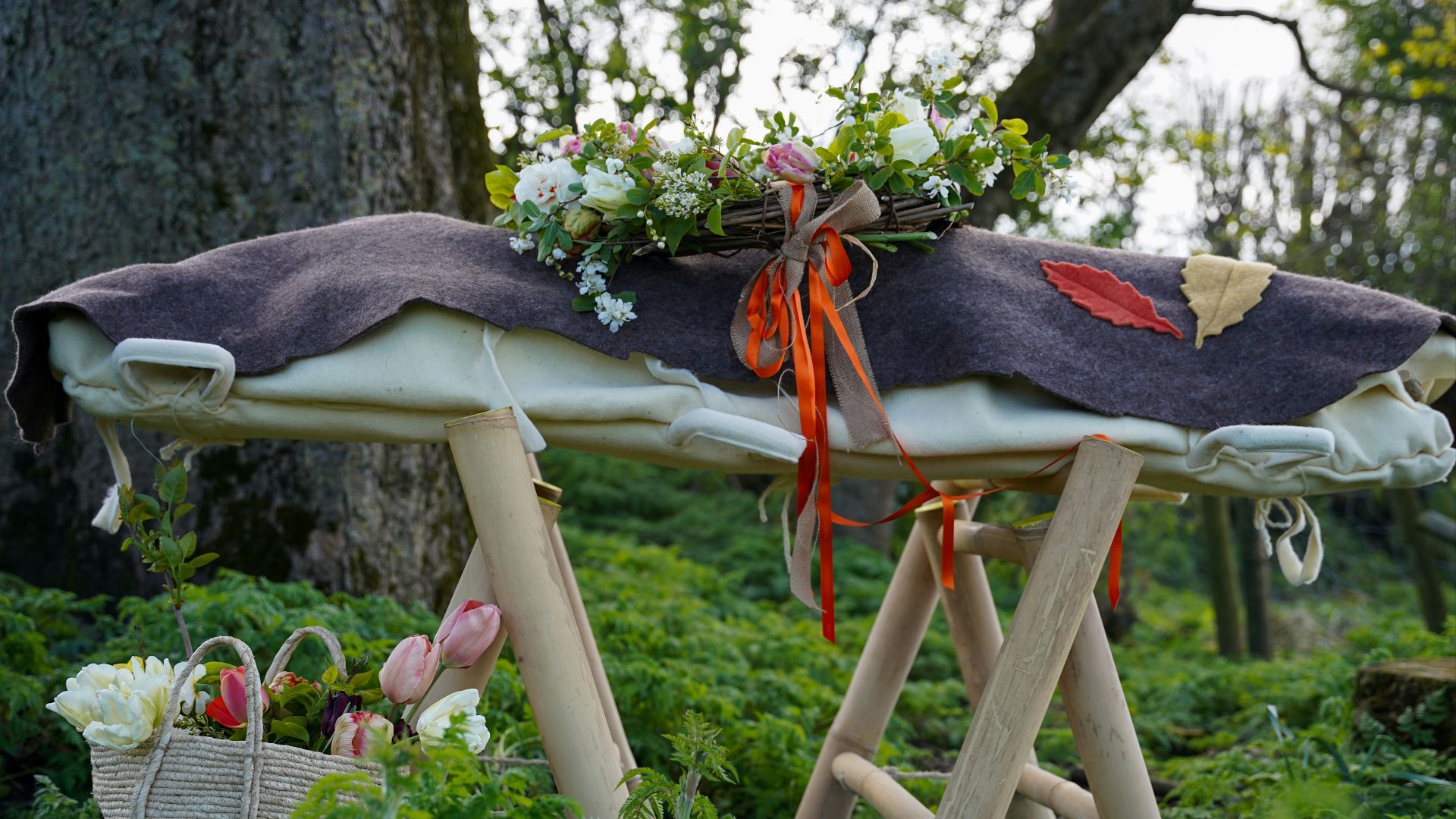
During the Victorian era, some women prepared for death by sewing the fabric they would eventually be buried in. These burial shrouds were carefully stitched and put away until they were needed, sometimes many years later. It might seem like a strange sewing project today, but making your own burial clothing meant your loved ones would have one less thing to worry about.
 DEAD GOOD LEGACIES on Unsplash
3. Build Their Tombs While They Were Still Alive
Wealthy ancient Egyptians sometimes spent years supervising the construction of their future tombs. These burial places weren't just designed to hold their bodies, as they often featured elaborate decorations, religious inscriptions, and objects believed to be useful in the afterlife. Some people invested enormous amounts of time and money into creating a resting place they hoped would serve them for eternity.

4. Read Books That Taught Them How to Die
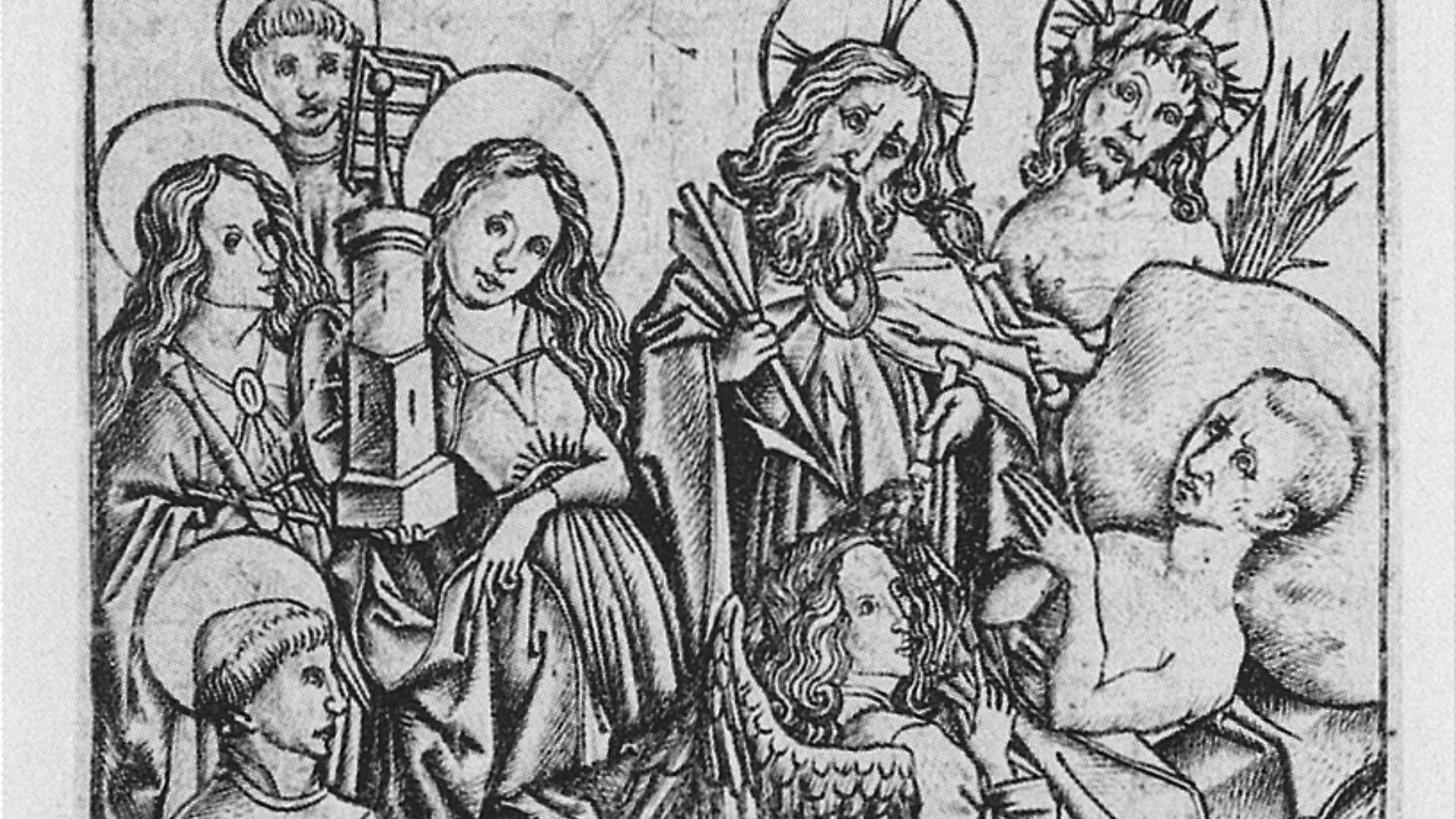
In medieval Europe, preparing for death could actually involve reading an instruction manual. Religious texts known as Ars Moriendi, meaning "The Art of Dying," explained how Christians should face their final moments and overcome spiritual temptations. These guides became particularly popular during the 15th century, offering advice on everything from prayer to maintaining faith while approaching death.
5. Settle Their Debts Before Their Final Days
For many medieval Christians, getting ready for death meant ensuring they didn't leave behind unpaid debts or unfinished financial responsibilities. Religious teachings encouraged people nearing death to repay what they owed and make amends with anyone they had wronged whenever possible. Settling these matters wasn't only about protecting their families from financial trouble, as it was also considered an important step in preparing their souls for the afterlife.
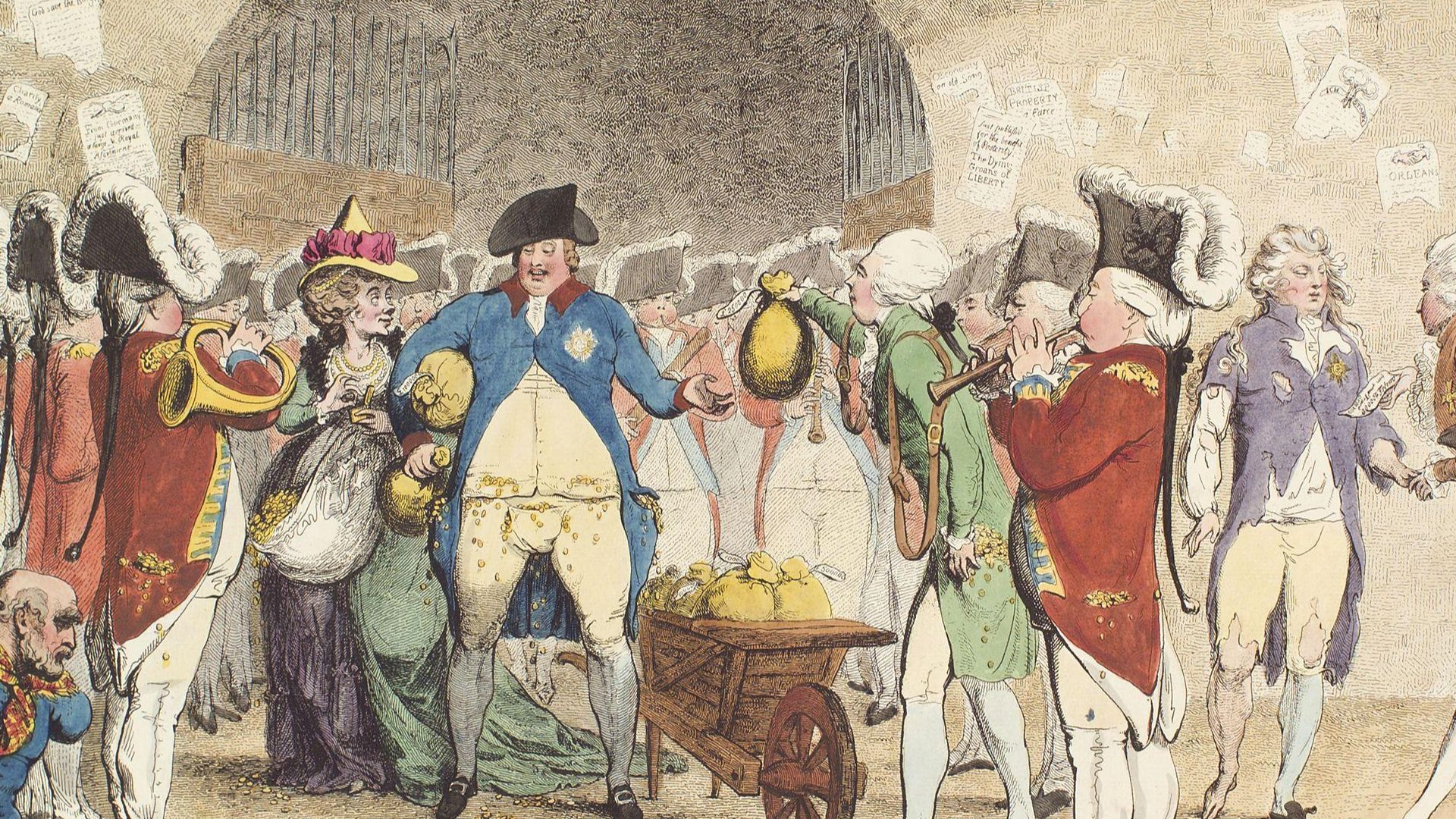
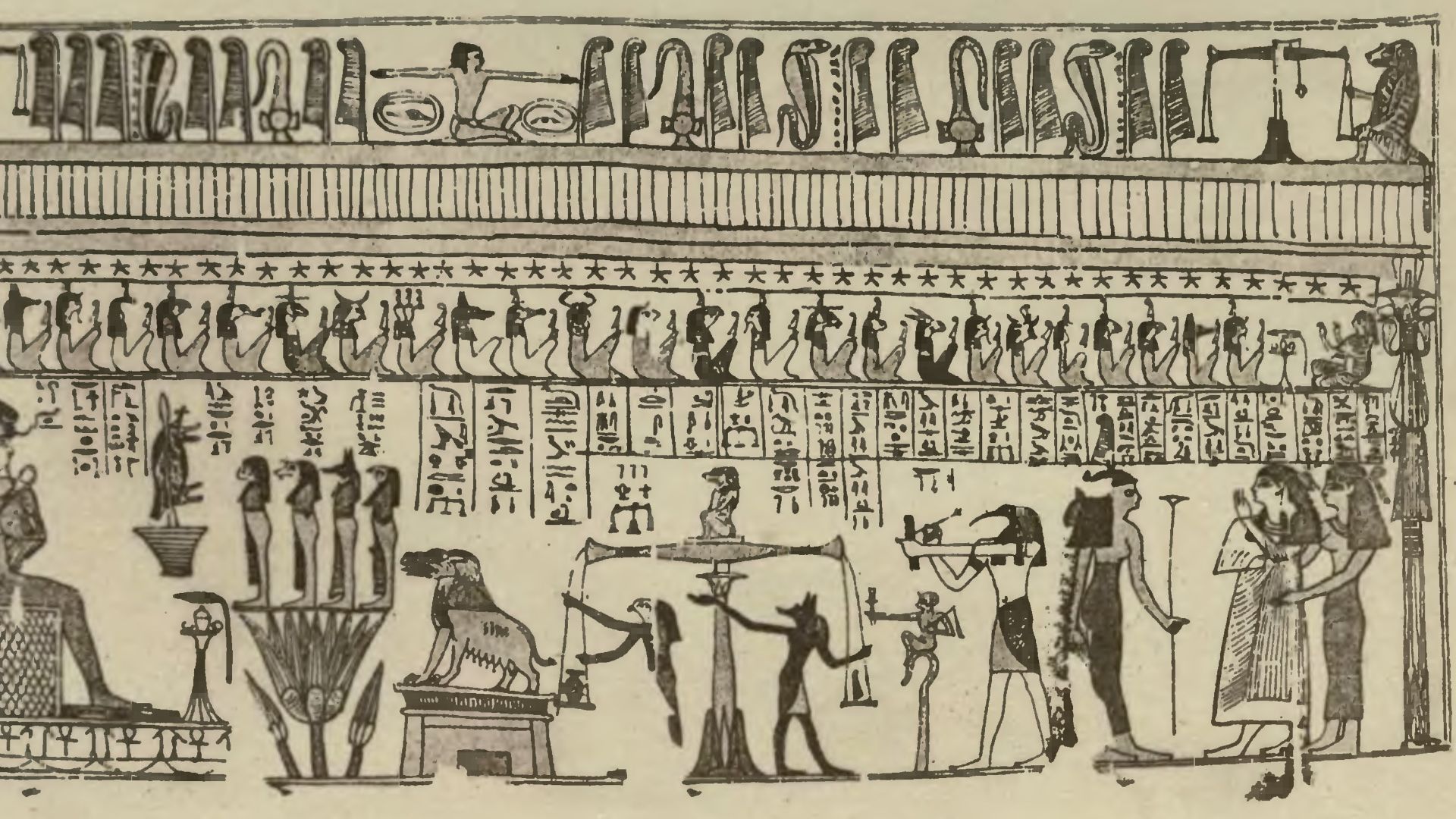
6. Commission Special Spells for the Afterlife
Ancient Egyptians believed the journey into the next world came with plenty of challenges, so some arranged to have special funerary texts prepared for their burials. Collections now known as the Book of the Dead contained spells, instructions, and illustrations meant to guide the deceased through the underworld. People could commission these manuscripts during their lifetimes, although relatives sometimes arranged them after death, and historians still aren't certain how every text was selected.
7. Choose Their Final Resting Places
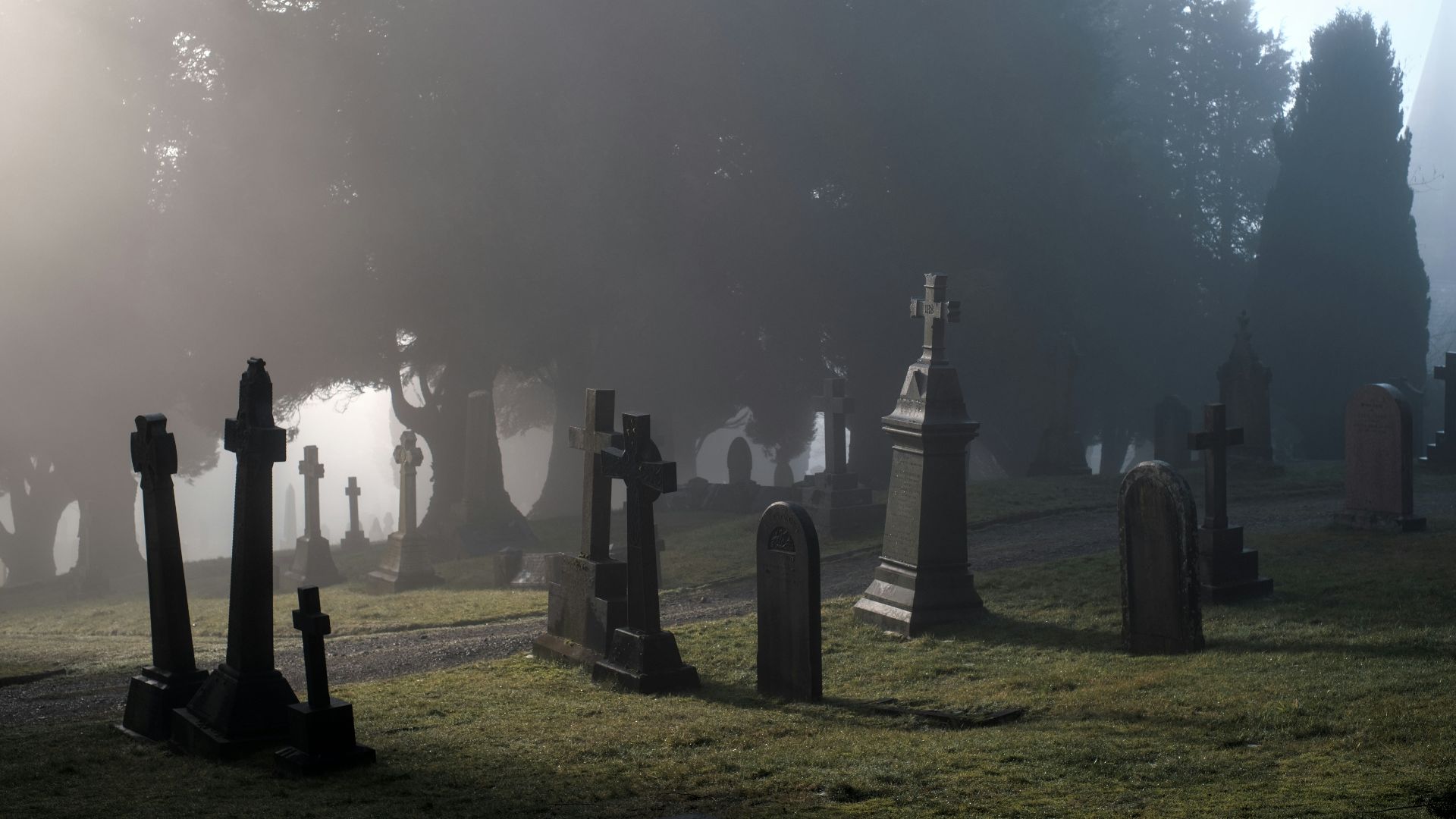
In many societies, deciding where you'd be buried was something people preferred to handle while they were still alive. Traditional Chinese families, for instance, might select a grave site well ahead of time, especially if they didn't already have an established family burial ground. The location mattered for several reasons, including religious beliefs, family traditions, and the desire to remain connected to one's ancestors.
8. Make Peace With Their Enemies
Preparing for death involved more than sorting through possessions, since unresolved personal disagreements could also weigh heavily on someone's mind. Medieval Christian teachings encouraged dying individuals to forgive those who had hurt them and reconcile with people they had offended. Approaching death with a clear conscience was considered important, even if it meant finally having conversations they'd spent years avoiding.

9. Pay Into Special Burial Clubs
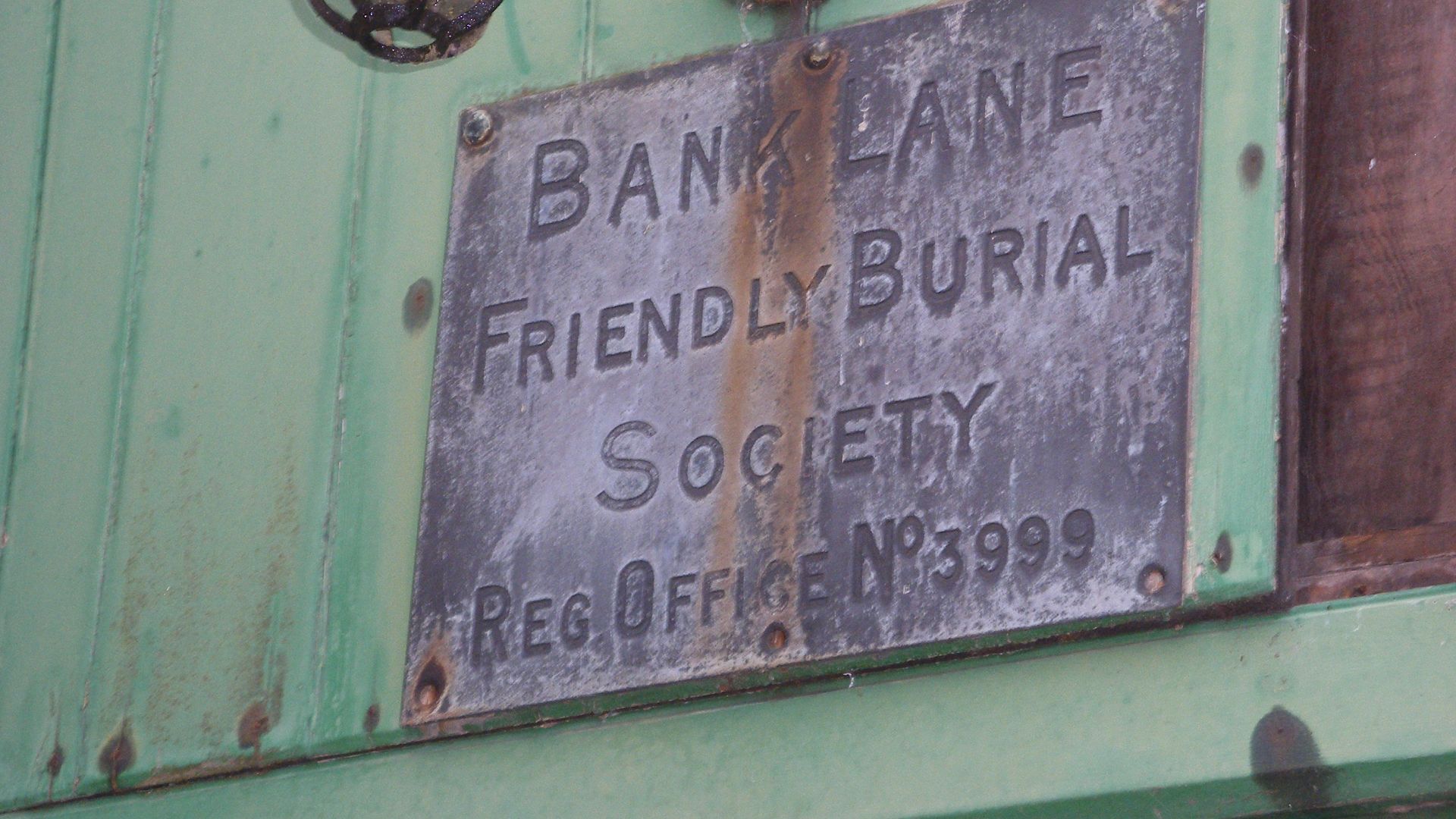
In 18th- and 19th-century Britain, some working-class people joined burial clubs to make sure their funeral expenses would be covered. Members paid small contributions regularly, allowing their families to receive financial support when the time came. These organizations were particularly valuable when a respectable funeral could be costly and receiving a pauper's burial carried a significant social stigma.
10. Arrange for Prayers to Be Said After Their Deaths
Wealthy medieval Europeans sometimes set aside money to ensure priests would continue praying for their souls long after they died. Some even established chantries, which funded regular masses intended to help the deceased in the afterlife. Depending on how much money was available, these religious services could continue for generations, provided the institutions responsible for them remained in operation.
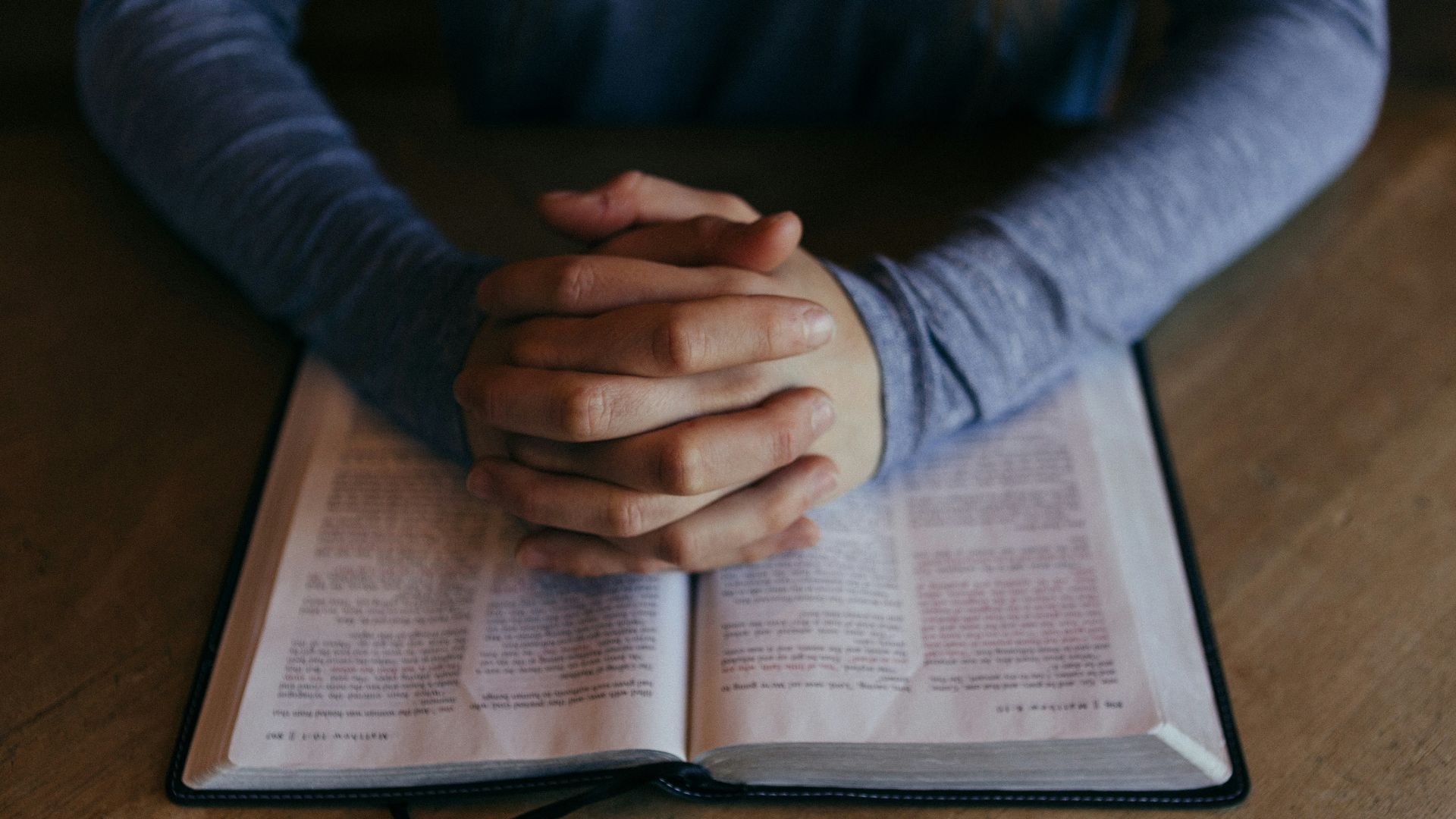
11. Write Their Own Gravestone Inscriptions
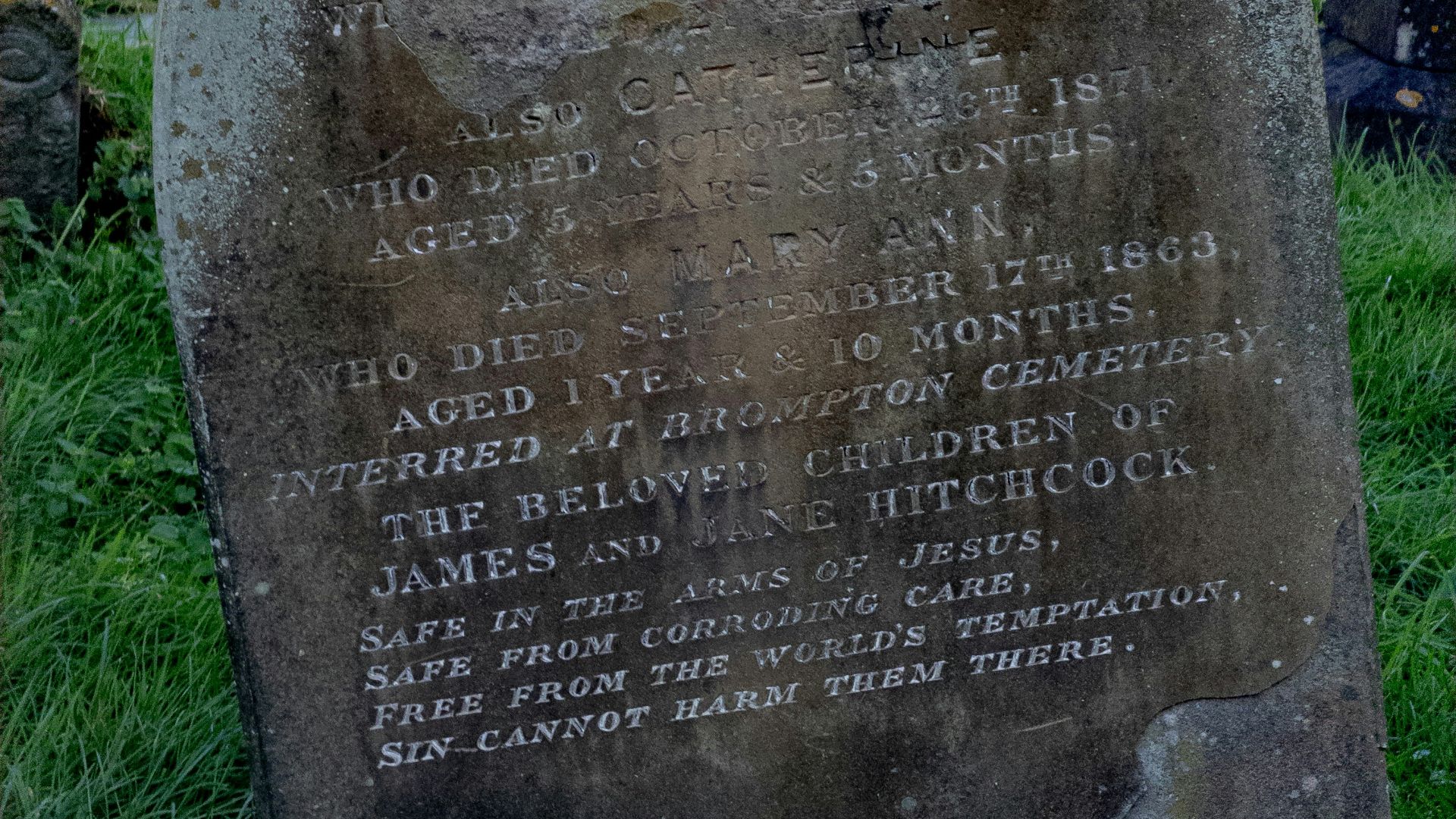
Instead of leaving their final words up to family members, some historical figures chose exactly what they wanted written on their gravestones. Thomas Jefferson famously composed his own epitaph, highlighting three accomplishments he wanted future generations to remember. Surprisingly, being president of the U.S. wasn't one of them.
12. Purchase Protective Amulets for Their Burials
In ancient Egypt, preparing for death could also mean obtaining special amulets believed to provide protection in the afterlife. One particularly significant item was the heart scarab, which played a role in beliefs surrounding the judgment of the deceased. The inscription on this amulet was intended to prevent a person's heart from speaking against them during this important examination.
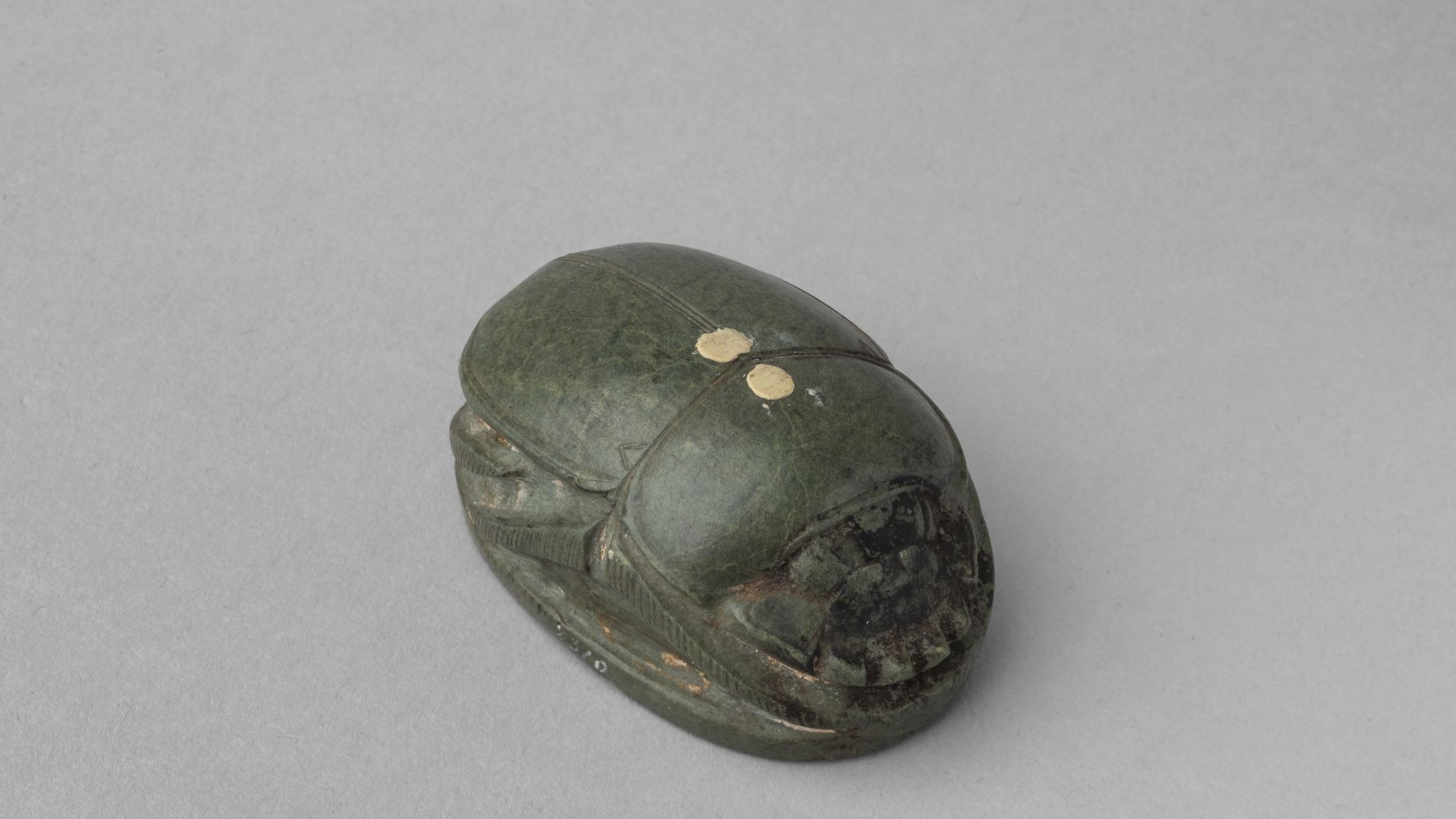 Marco Chemello (WMIT) on Wikimedia
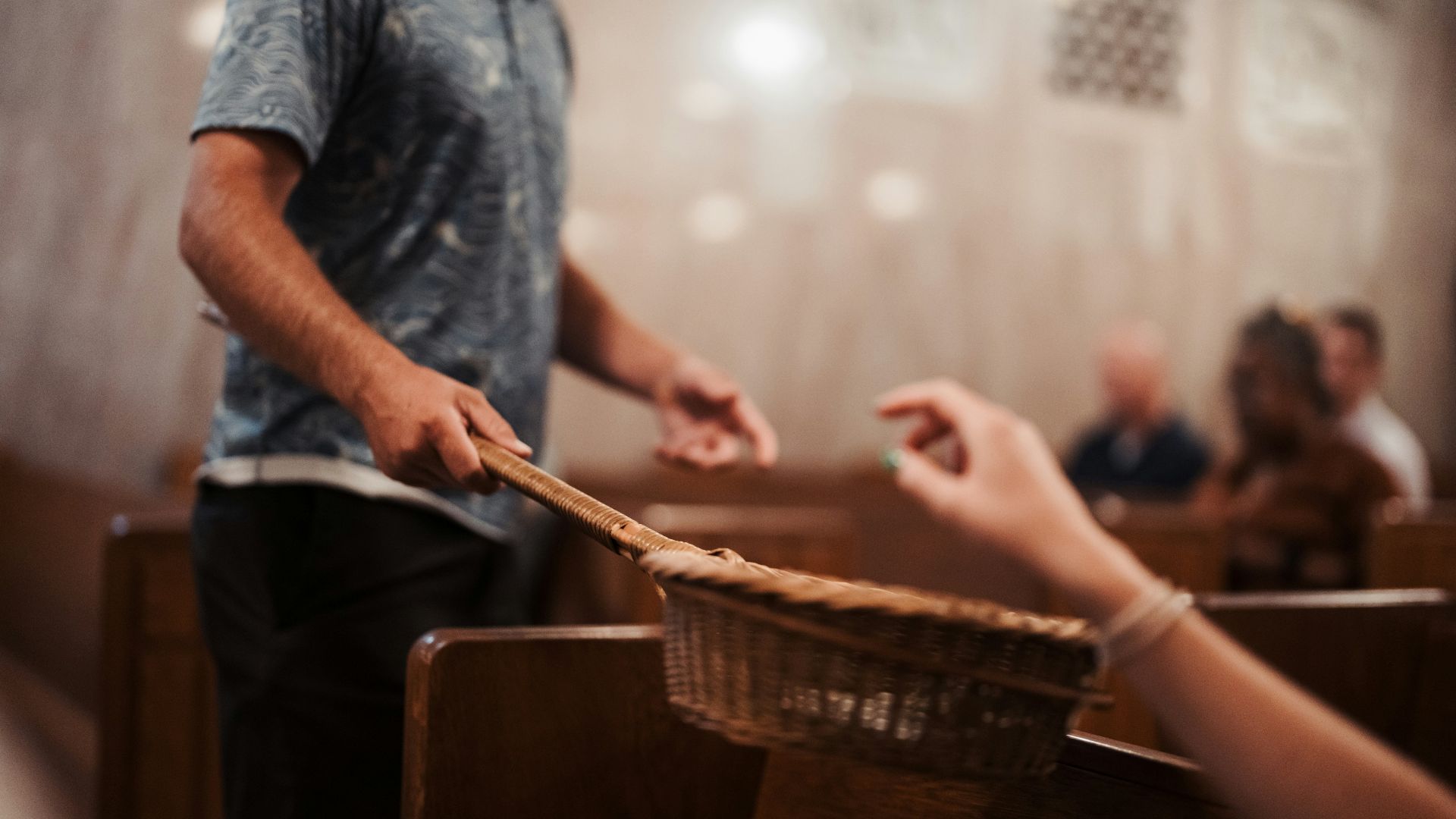
13. Give Away Money to Religious Institutions
Some medieval Christians included donations to churches, monasteries, and charitable organizations in their wills as part of their preparations for death. These contributions helped support religious communities while reflecting the donor's hopes for salvation and being remembered after they were gone. Those with considerable wealth sometimes established especially generous endowments, ensuring their final charitable decisions would leave a lasting impact.
14. Confess Their Sins Before It Was Too Late
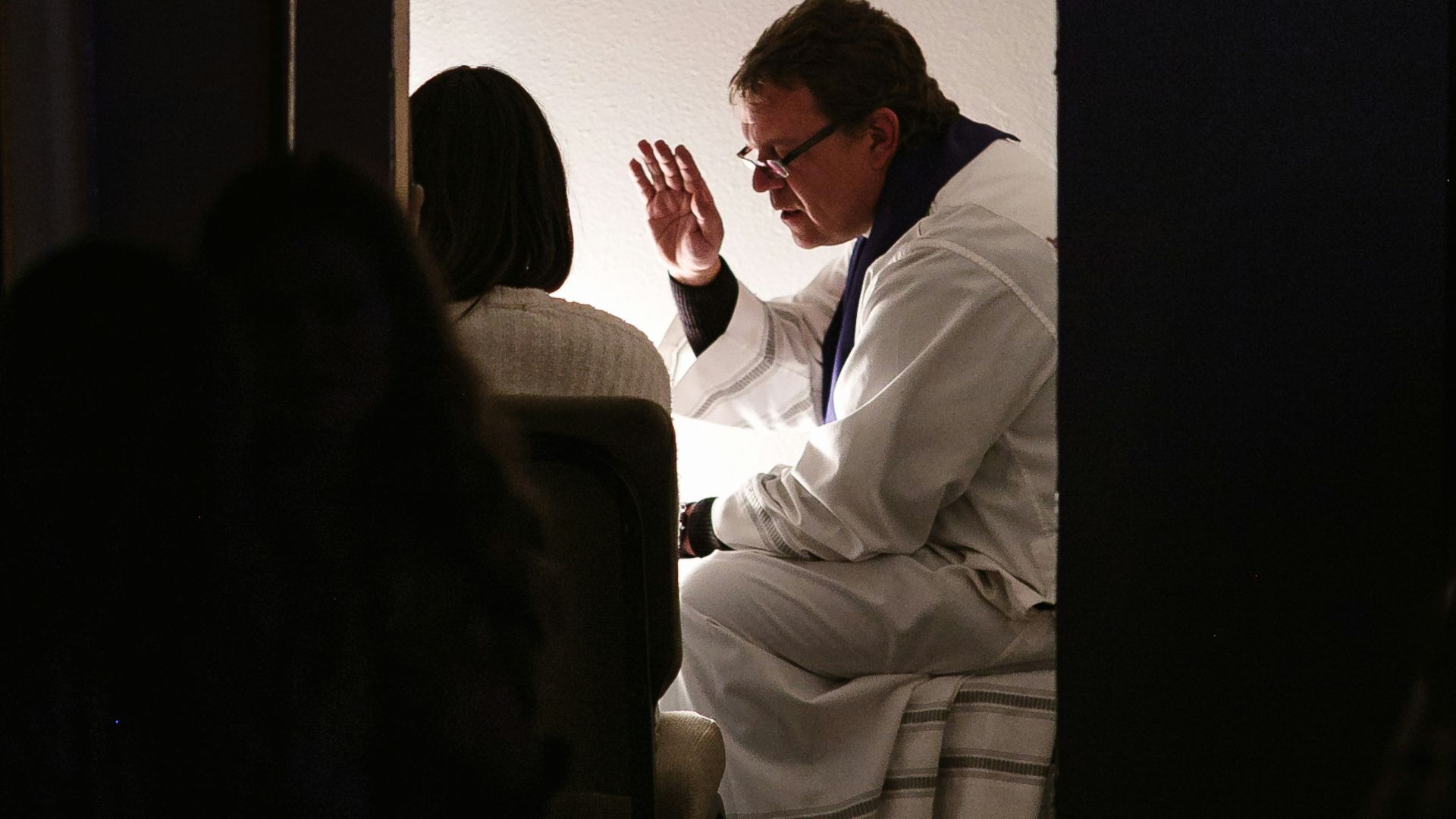
For Catholics in medieval Europe, making a final confession was considered an essential part of preparing spiritually for death. When someone became seriously ill, a priest could be called to hear their confession and allow them to seek forgiveness. This ritual carried enormous importance because many people feared dying before they had properly made peace with God.
15. Put Their Inheritance Instructions in Writing
Long before modern estate planning became common, people wrote wills to explain how their belongings should be divided after they died. In medieval Europe, these documents could cover everything from property and outstanding debts to religious donations and funeral arrangements. Making these decisions beforehand helped surviving relatives understand the deceased person's wishes, although that didn't necessarily mean everyone would agree with them.

16. Have Special Clothing Made for the Afterlife
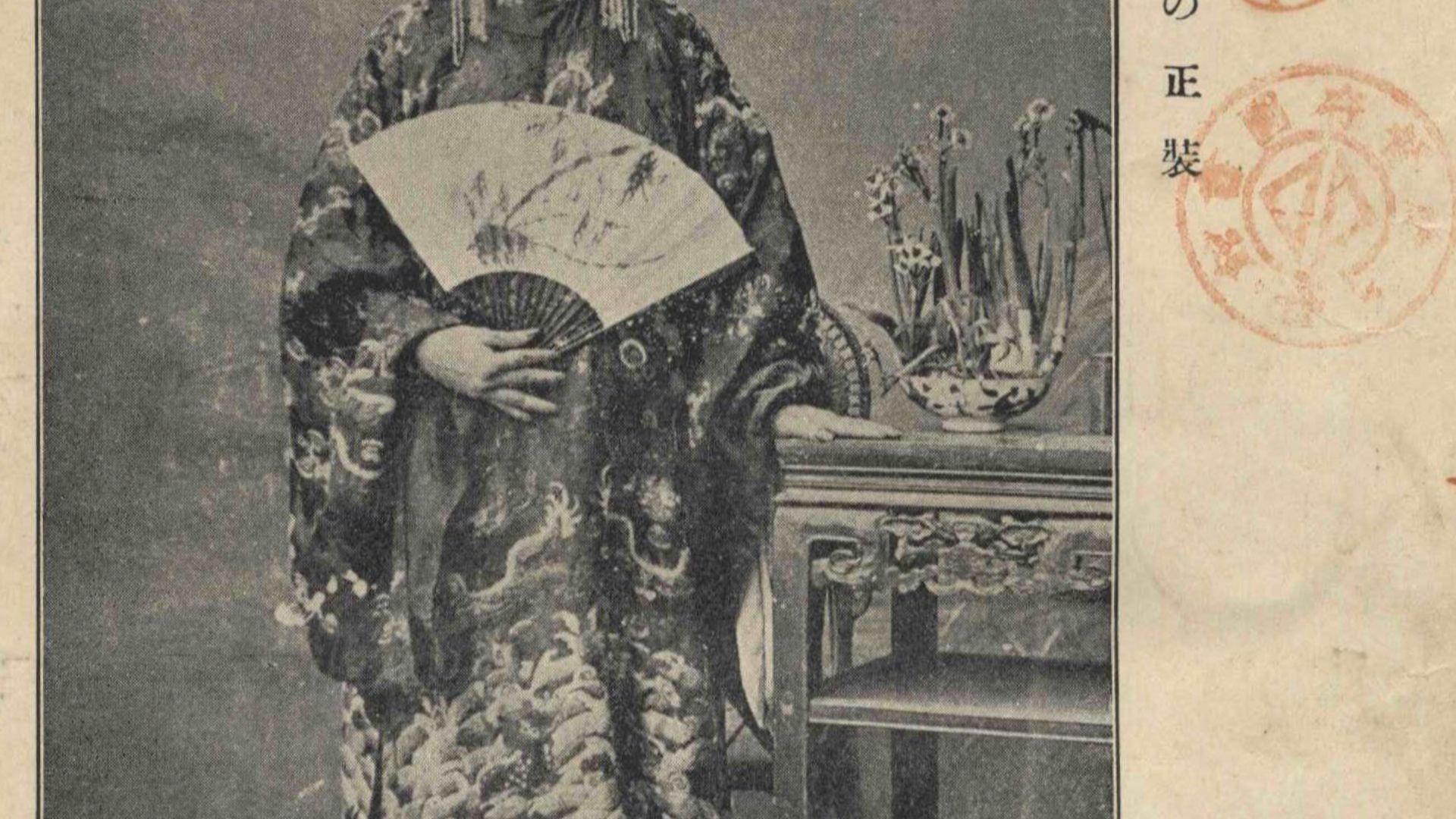
In some traditional Chinese communities, older adults had special burial garments prepared while they were still alive. These clothes, sometimes called shouyi, were associated with longevity and often followed particular customs involving colors, styles, and layers. Having everything ready in advance meant family members could dress the deceased appropriately when the time came, without having to make those arrangements during a difficult period.
17. Arrange to Receive Their Final Communion
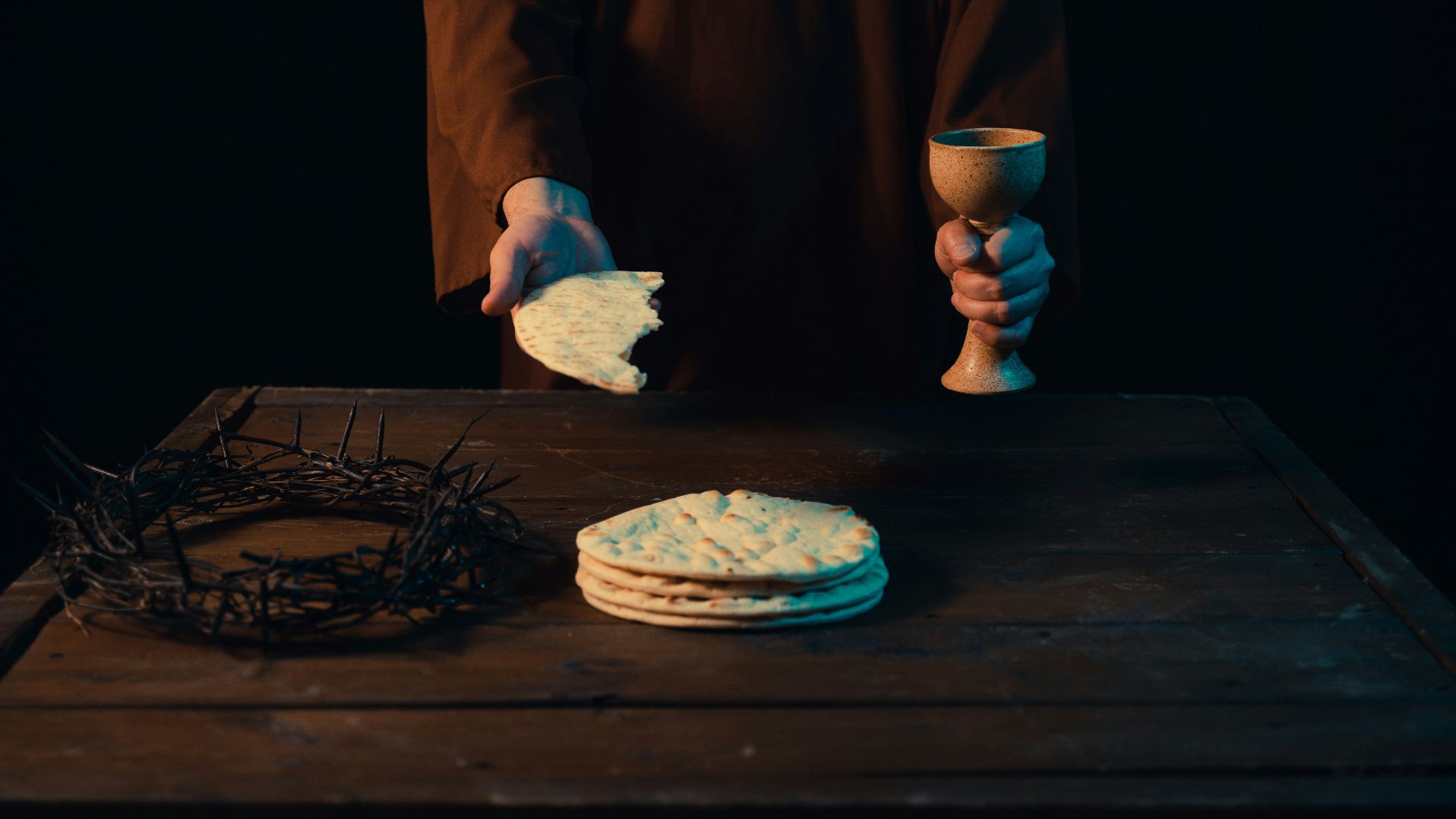
In Catholic tradition, people nearing death could receive the Eucharist one last time through a practice called Viaticum. During the Middle Ages, a priest arriving with the sacrament was often a significant moment for someone who was seriously ill and their family. Receiving this final communion offered spiritual comfort and reflected the belief that caring for someone's soul was just as important as looking after their physical needs.
18. Gather Their Families Around Their Deathbeds
During the Victorian era, dying at home with loved ones gathered nearby was often considered the ideal way to spend your final moments. Relatives might come together to offer comfort, say prayers, and listen for any last words, which were often treated as deeply meaningful. Some families even placed special importance on keeping the dying person conscious enough to speak, showing just how much those final conversations mattered.

19. Practice Thinking About Death Every Day
Instead of waiting until they became seriously ill, some European Christians were encouraged to reflect on death regularly throughout their lives. Religious manuals from the 17th and 18th centuries included prayers and spiritual exercises designed to help people prepare for their eventual passing. The thinking was that becoming more comfortable with the idea of mortality could make the experience less frightening when their final moments arrived.
20. Plan Their Entire Funerals Beforehand
For some Victorians, funeral arrangements were simply too important to leave entirely in someone else's hands. People who could afford to do so might choose their coffins, burial locations, and even the clothes they wanted to wear long before they died. Since funerals also carried considerable social significance, planning everything ahead of time helped ensure the occasion reflected their personal wishes and circumstances.
KEEP ON READING