Why “Ugly” Dogs Became The Most Charming Part Of Old Portraits
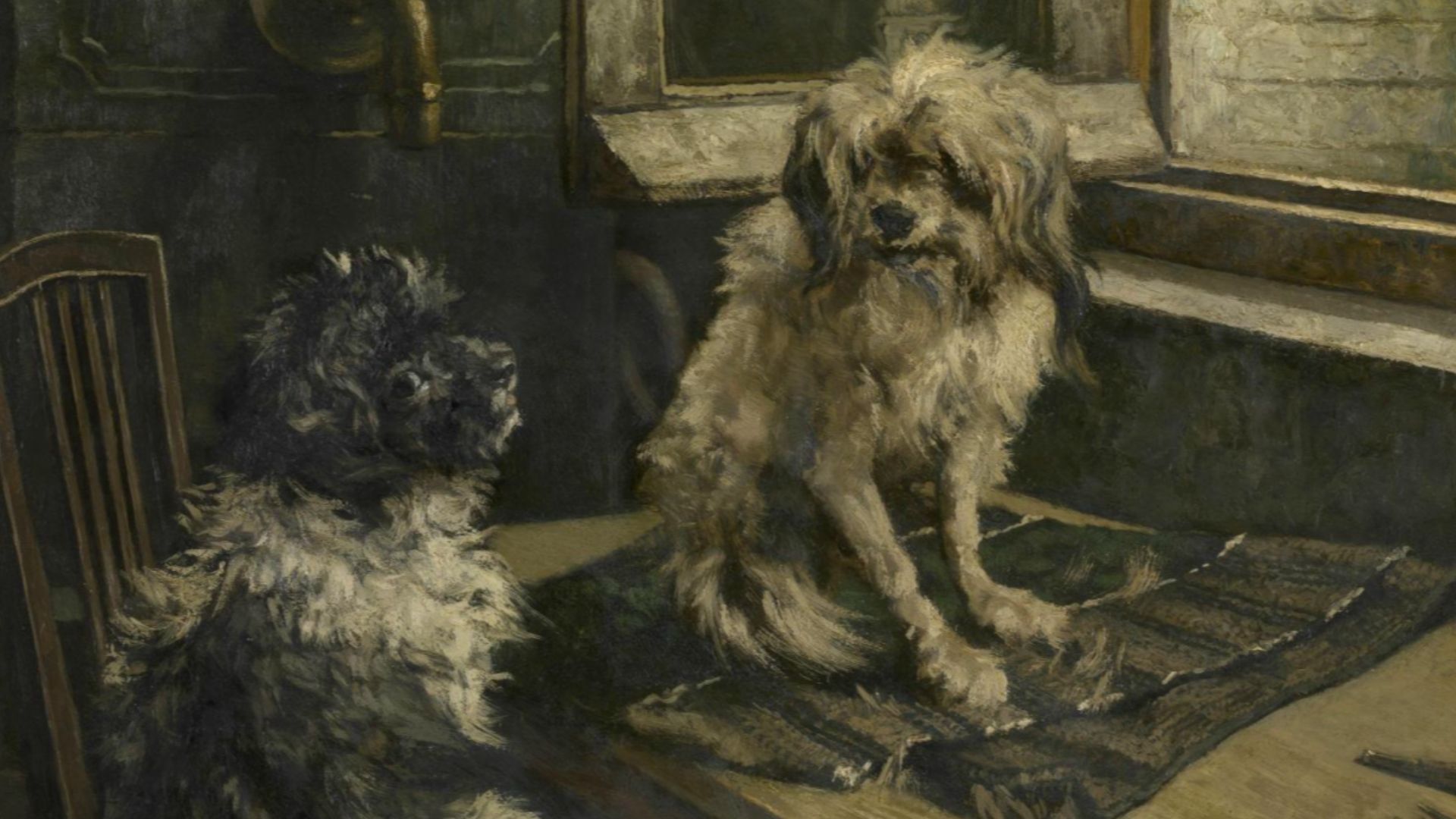
Old portraits can look pretty serious at first. The people in them are often standing stiffly in velvet, lace, armor, silk, or fur, surrounded by objects that show wealth, marriage, taste, status, or some careful mix of all four. Then, down near the floor, a dog appears with shaggy fur, startled eyes, strange little legs, or a face that looks completely unimpressed. That dog often ends up being the part of the painting that feels the most alive.
Calling these dogs “ugly” says a lot about modern taste. Many of these portraits were painted long before kennel clubs, formal breed standards, and dog-show rules shaped what people expected certain dogs to look like. In older paintings, dogs could be pets, symbols, fashion markers, jokes, or quiet signs of home life. They’re charming because they make all that polished grandeur feel warmer, stranger, and easier to connect with.
Dogs Were More Than Cute Accessories
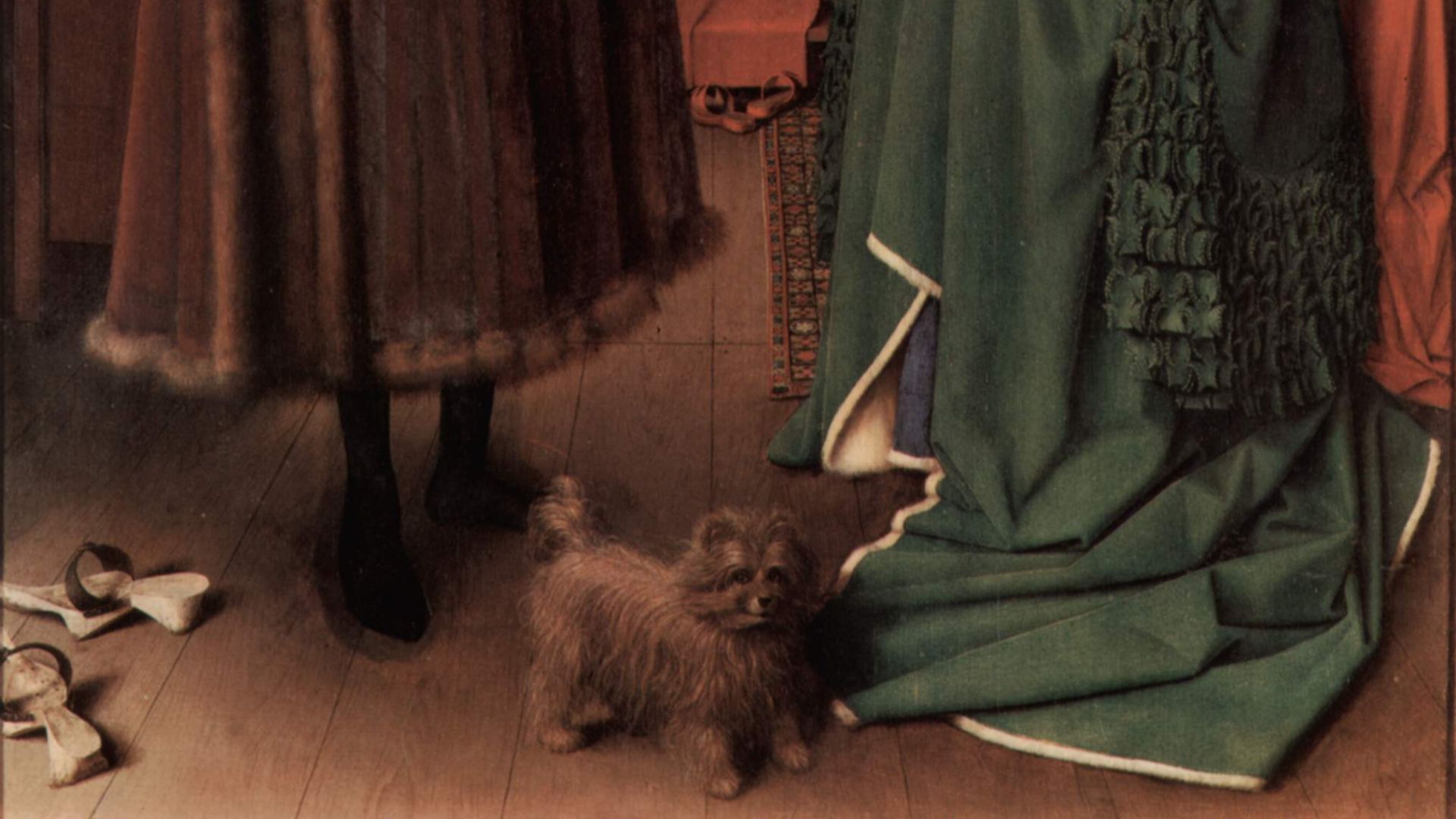
Dogs in old portraits often meant something, especially when the painting had anything to do with loyalty or faithfulness. The National Gallery says the small dog in Jan van Eyck’s The Arnolfini Portrait may have symbolized the couple’s fidelity, as explained in its guide to dogs in paintings. That means the dog wasn’t just tucked into the picture because someone liked pets. In a room full of objects viewers were meant to notice, the dog had a role too.
The Arnolfini Portrait, painted in 1434, is a helpful example because the dog is painted with so much care. The National Gallery describes the painting as one of the earliest Western European works to show how oil paint could create realistic images of people and objects. In that same entry, the dog is tied to faithfulness in marriage, and its tiny body is painted with close attention to every hair. The formal room suddenly feels less distant because a real little animal is standing in it.
That same mix of pet and symbol appears in Woman with a Lap Dog, a Florentine portrait dated around 1575 to 1600. The Walters Art Museum describes the lapdog as “probably a beloved pet” and also as a symbol of the importance of a wife’s faithfulness. That double meaning makes the dog more interesting than a simple decoration. It could carry a moral message while still looking like a creature someone held, fed, and probably fussed over.
Modern Dog Standards Changed The Way We See Them
Some old portrait dogs look unusual because our expectations have changed. Many paintings that now make people smile were made before modern kennel clubs created formal records, show rules, and written breed standards. The Royal Kennel Club says it was founded on April 4, 1873, to create consistent rules for dog shows and field trials, with its first stud book published in 1874. The American Kennel Club traces its own founding to 1884.
Those dates don’t mean people before the 19th century had no ideas about dog types. They clearly valued dogs for hunting, herding, guarding, companionship, display, and everyday household life. Still, many earlier portraits came from a world that didn’t judge dogs against the same modern breed templates many viewers know now. A shaggy lapdog in a Renaissance painting may look like it belongs to several categories at once because our categories came later.
Selective breeding also changed dog bodies and faces over time, which can make older painted dogs look surprising to modern eyes. The National Human Genome Research Institute explains that skull-shape variation in modern dog breeds is largely the result of artificial selection for desired facial features. A PLOS Genetics study also discusses how selective breeding helped create the wide range of head shapes seen in modern dogs. So when an older painted pug, lapdog, terrier-like pet, or mastiff looks a little strange, part of that reaction may come from what we’re used to seeing now.
Their Oddness Made Grand Portraits Feel Human
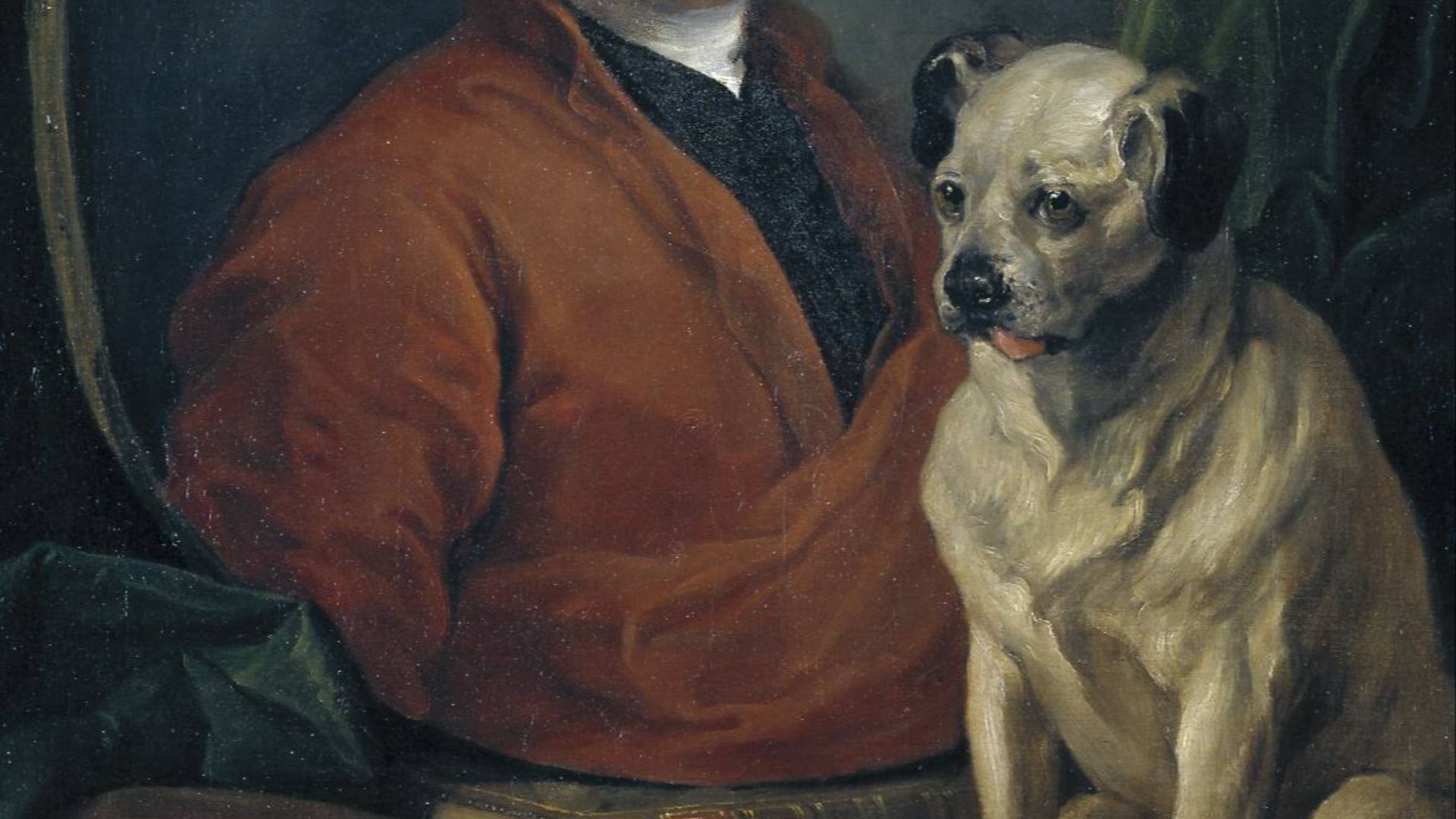
William Hogarth’s The Painter and His Pug, painted in 1745, shows how much personality a dog could bring to a portrait. The National Gallery explains that Hogarth’s pug, Trump, alludes to the artist’s own “pugnacious character”. Trump wasn’t just placed near the artist as a sweet little extra. He helped show how Hogarth wanted people to see him: clever, stubborn, grounded, and not too polished.
Trump is charming because he doesn’t look delicate or elegant. He sits there with the serious confidence of a small dog that knows he belongs in the foreground, and the painting is better because of it. The portrait deals with artistic identity, books, taste, and ambition, yet the pug keeps it from feeling stiff. His blunt little face gives the whole image more personality.
Velázquez used a very different kind of dog in Las Meninas, painted in 1656. The Prado identifies the large dog in the foreground as a mastiff and notes that Nicolasito Pertusato is shown provoking it. The painting is full of royal presence, careful staging, and visual complexity, yet the mastiff adds a plain, everyday note. It lies there with the patient heaviness of an animal used to people moving around it, which helps the grand scene feel closer and easier to recognize.
That’s why so many so-called ugly dogs in old portraits still work so well. They loosen the perfect surface of the painting without taking away its dignity. They make grand rooms feel inhabited instead of simply arranged. The sitters may be dressed for legacy, but the dogs make the scenes feel close, funny, and strangely familiar.
In the end, “ugly” doesn’t quite cover what these dogs do. They’re symbols of fidelity, signs of status, traces of breeding history, and often believable pets with odd little faces. Their awkward bodies and wary expressions give old portraits a liveliness that polished human poses can sometimes miss. Among all the velvet, ceremony, and careful display, the dogs became charming because they were allowed to look wonderfully real.