A Very Small Name Pool
Seventeenth-century parents may have had choices, but a surprisingly small group of names did most of the heavy lifting. Names in this time period tended to stick around for generations, which meant families often reused the same favorites again and again. Biblical choices, royal names, and long-established classics filled records, while more unusual options were far less common than they are today. If you ever wondered just how far back some of today’s traditional names actually go, come with us as we explore 20 of the most popular options.
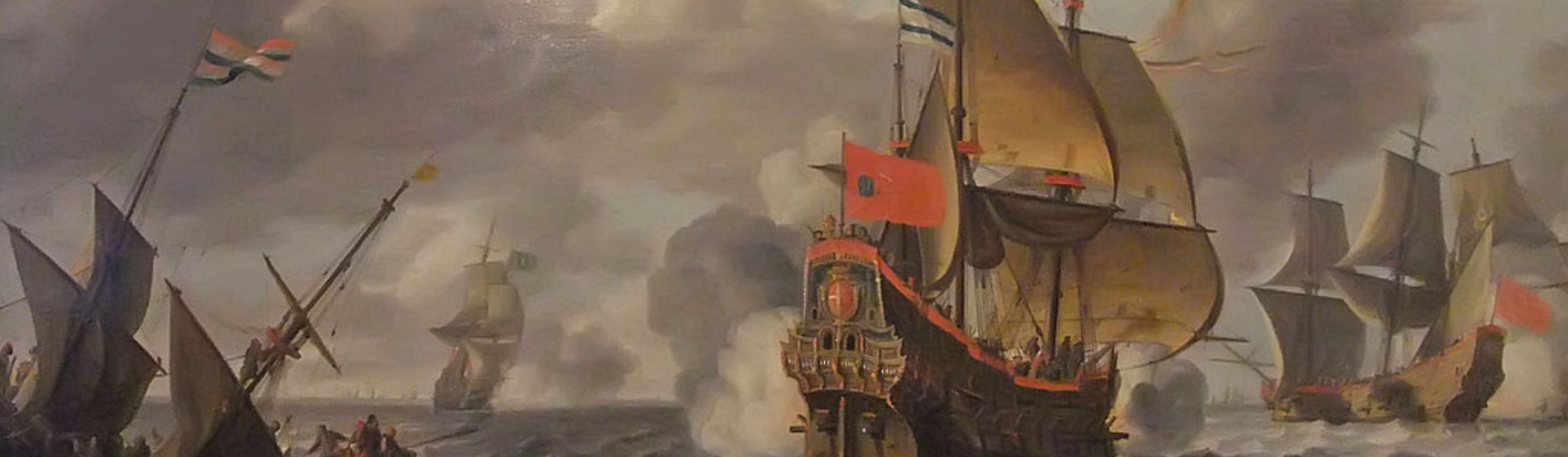
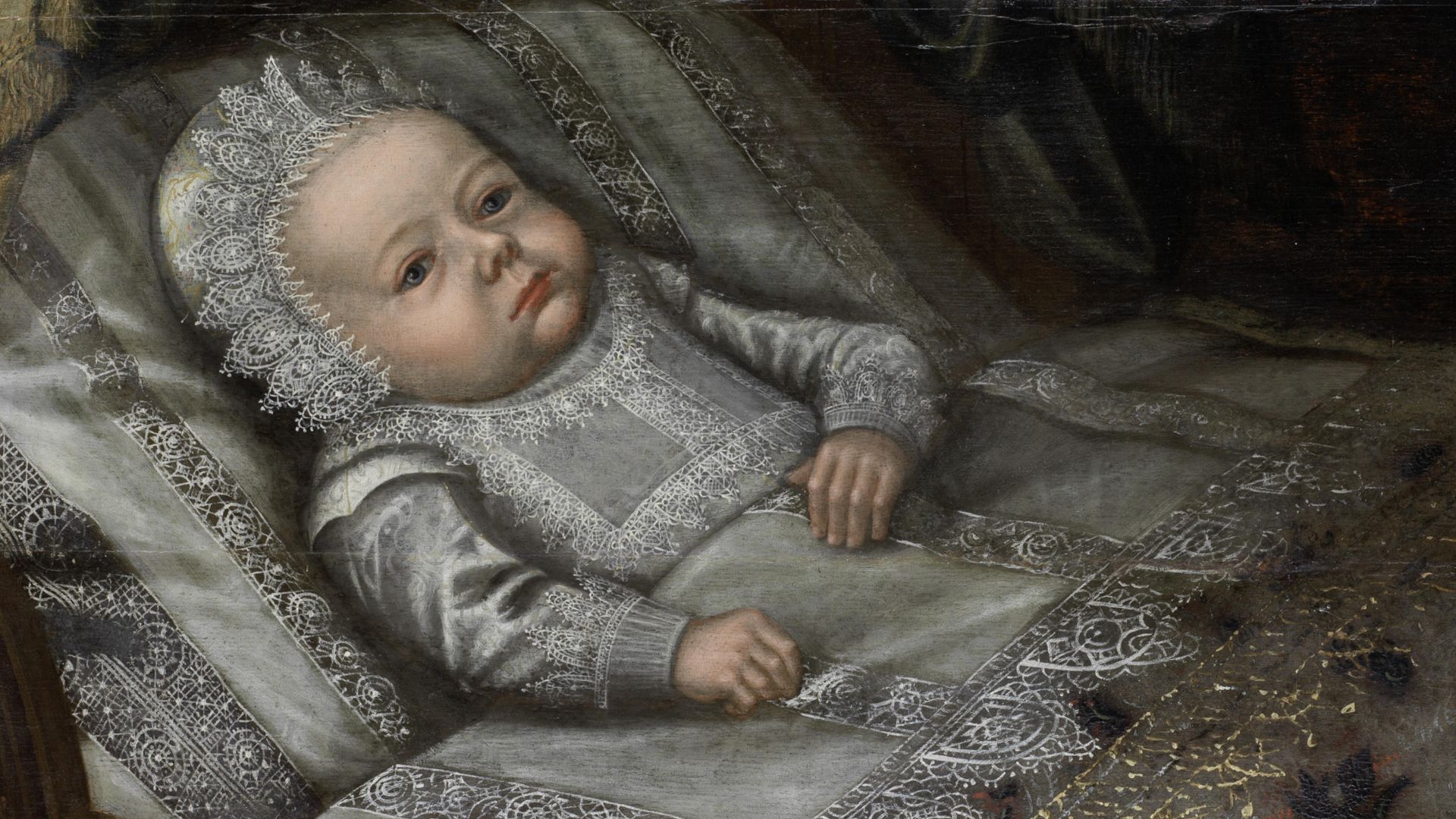 Unknown author (Anglo-Dutch School) on Wikimedia
1. John
John sat at the top of the boys’ list in the 1600-1609 parish sample, and it really didn’t go anywhere for generations. The century certainly supplied famous examples, too, including poet John Milton and philosopher John Locke. Basically, if you called “John” in a crowded English village, there was a decent chance more than a whole fleet of men would turn around.
2. Thomas
As you can probably imagine, Thomas ranked second among boys born in the opening decade of the century, making it one of the most dependable choices an English family could make. The name managed to suit everyone from laborers to scholars, so it was a safe choice no matter who you were.
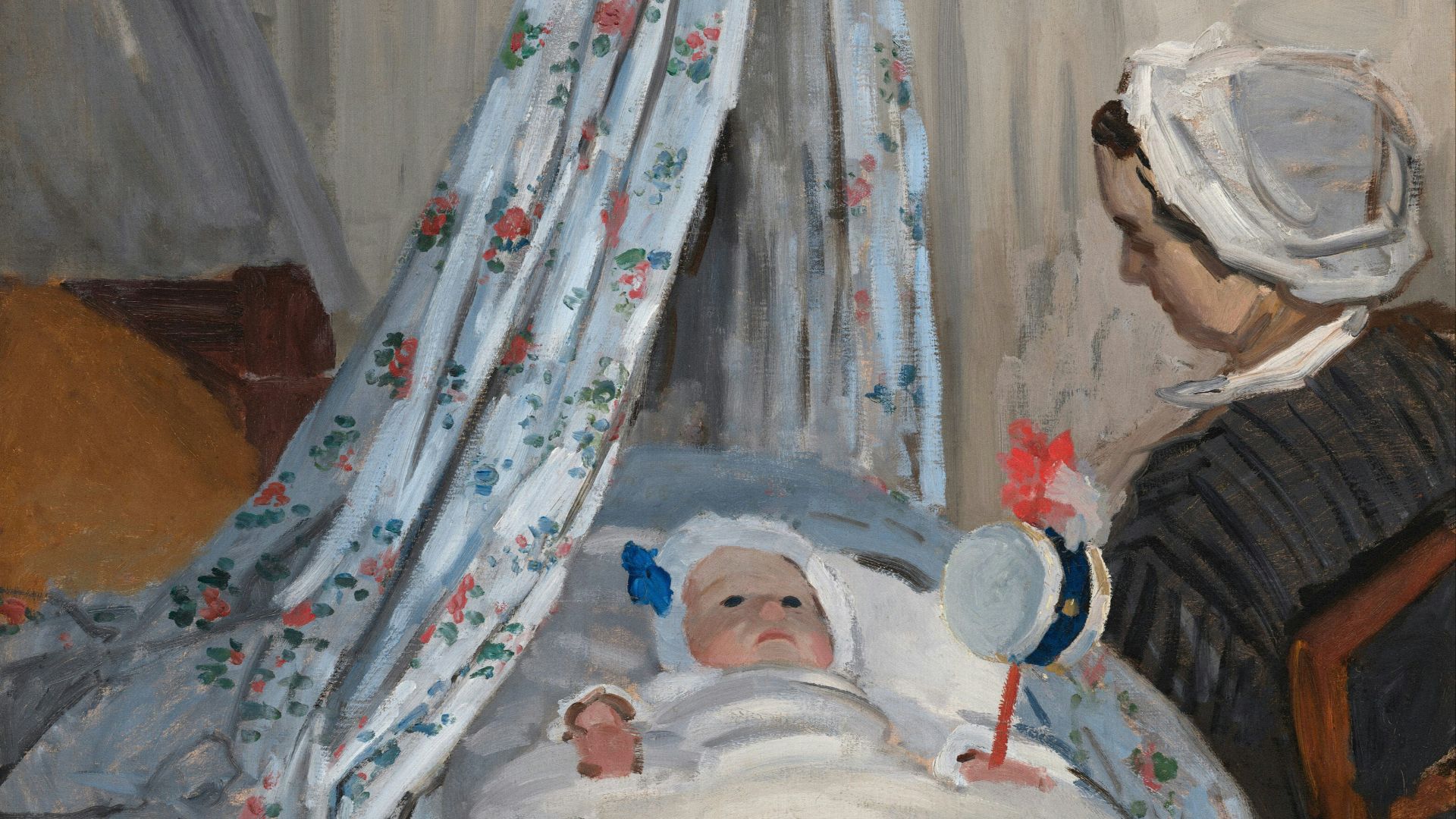 National Gallery of Art on Unsplash
3. William
William came third among boys in Smith-Bannister’s 1600-1609 sample, although it had been one of England’s dominant male names for centuries. Influential figures such as William Harvey and William Penn came out of the time period, so the name got plenty of recognition, too.
4. Richard
At the beginning of the 1600s, Richard placed fourth among boys. Okay, you might not hear it as much today, but back then? Just about every other person carried it. Don’t forget that while royal Richards may have belonged largely to earlier centuries, ordinary families hadn't abandoned the name at all.

5. Robert
Robert has reached plenty of boys and men well into our time, but it was especially popular back then. It was about as inoffensive a name as you could pick! It reached some pretty profound figures, too, like Robert Hooke, whose Micrographia introduced readers to extraordinarily detailed observations made with a microscope.
6. Edward
Edward was a widely popular name in the 17th century, proving that generations of English kings hadn't exhausted parents’ enthusiasm for it. Don’t assume it was built for royalty, though. By this point, Edward was less of a royal novelty than a thoroughly established standard.
7. George
George was obviously everywhere back in the day, with the name becoming even more closely associated with British royalty in the following century. However, ordinary Georges were already plentiful long before George I reached the throne, and this one stuck around for a long time as a dependable choice.
8. Henry
Henry came eighth among boys, and after eight English kings had already carried the name, nobody really needed an excuse to choose it. Parents had more than enough examples to draw from, too. Henry Purcell became one of England’s most celebrated Baroque composers, and apparently, Henry VIII's rather eventful reputation wasn't enough to scare parents away from the name.

9. James
James ranked highly at the start of the century, at exactly the moment it was becoming conspicuous at the top of English society. James VI of Scotland became James I of England in 1603, joining the English and Scottish crowns under one monarch. His reign certainly didn't cause the name’s popularity, but having James atop the throne wasn't bad publicity either.
 Stephanie Klepacki on Unsplash
10. Francis
Francis isn’t really around so much anymore, but don’t tell anyone from the 17th century that. Parents gravitated toward it for the same reason John or William were on the table. This name sounded respectable without being unconventional, and it could be given to anyone regardless of social status.
11. Elizabeth
Don’t worry—we haven’t forgotten about the girls! Elizabeth was pretty much the most common girls’ name in the 17th century. It makes sense when you think about it; the queen's long reign helped make the name exceptionally prominent, and records from the period are filled with women sharing the same moniker.
12. Mary
Of course, Mary wasn’t far behind. The name is hardly unheard of today, either! It grew even more dominant in later English naming traditions, and given its biblical roots and long royal history, this one had exactly the sort of credentials early modern parents appreciated.
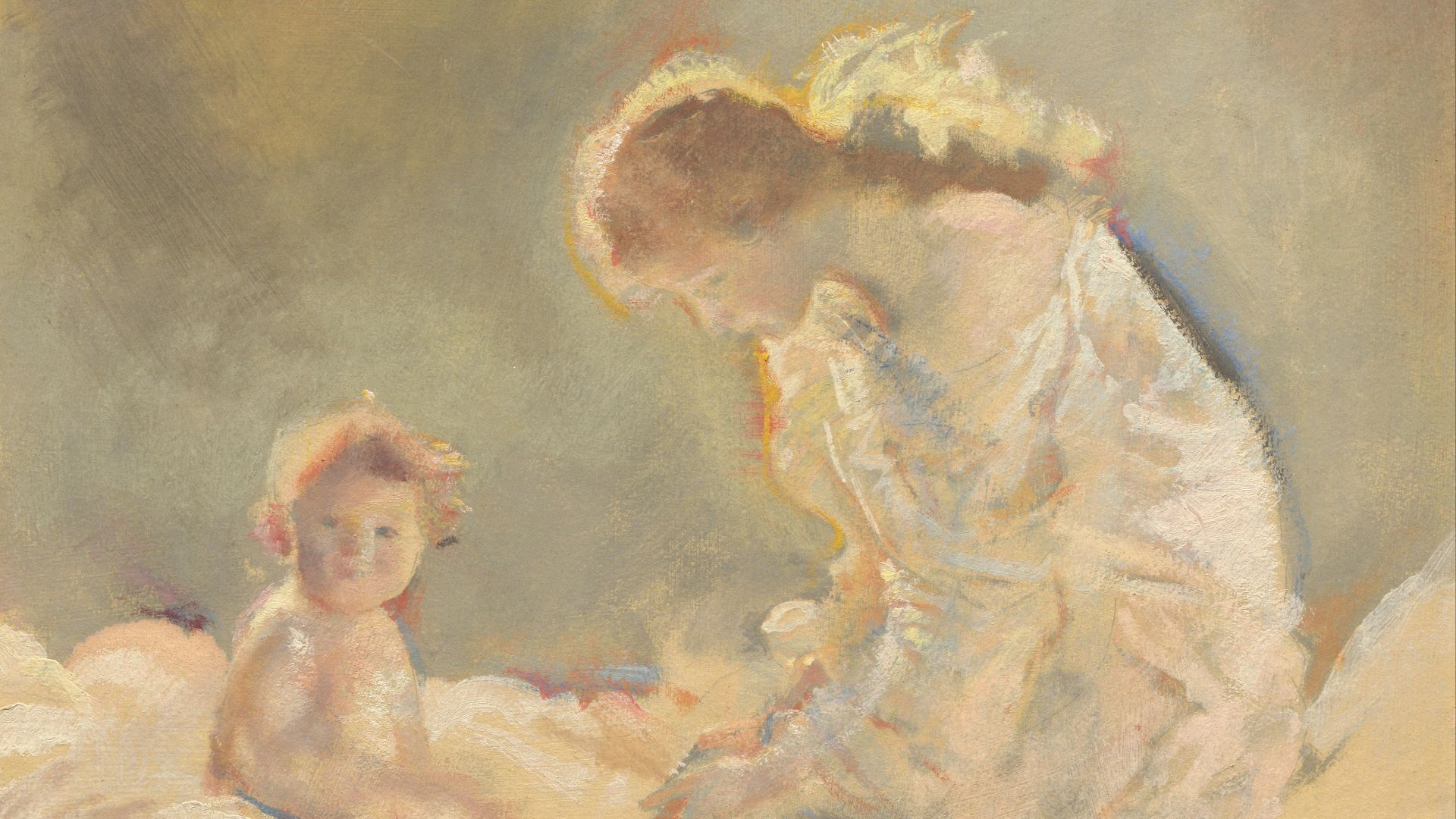
13. Anne
Anne was widely popular back in the 17th century, even if records frequently spell the name without the E. Girls were in good company if their parents went this route; Anne Bradstreet became the first writer in England’s North American colonies to have a volume of poetry published, and the name later reached the throne itself when Queen Anne became monarch in 1702.
 The Cleveland Museum of Art on Unsplash
14. Margaret
When you think of Margaret today, you likely imagine an older woman tipping 70. Well, there’s a good reason for that—this name was most popular centuries ago. Parents couldn’t wait to make the leap, especially with Margaret Cavendish helping make the name a suitable choice. Plenty of Margarets lived far quieter lives, of course, but the name belonged just as comfortably in a printed book as it did in a parish register.
15. Alice
Alice carried forward a name that had been popular since medieval England. Interestingly, however, its longevity is most peculiar because religious and biblical names changed considerably around it. An Alice born in 1605 could have shared her name with women several generations older, and nobody would have found that weird.
 The Metropolitan Museum of Art on Unsplash
16. Jane
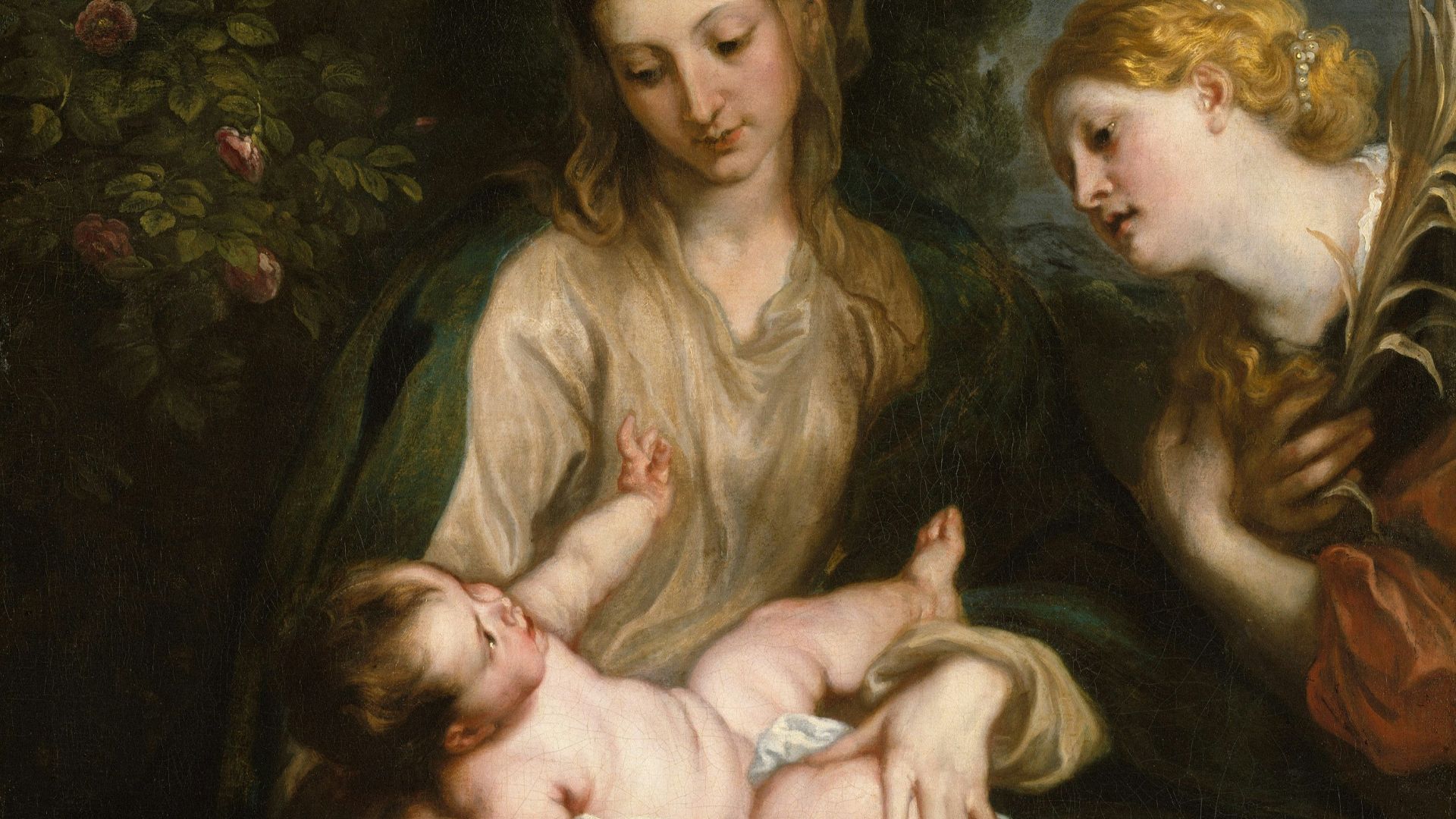
Jane may have lacked the dominance of an Elizabeth or Mary, but it was still a big deal. Records show that at the time, it actually ranked around the sixth most popular name, and it was an ordinary enough option for the period.
17. Joan
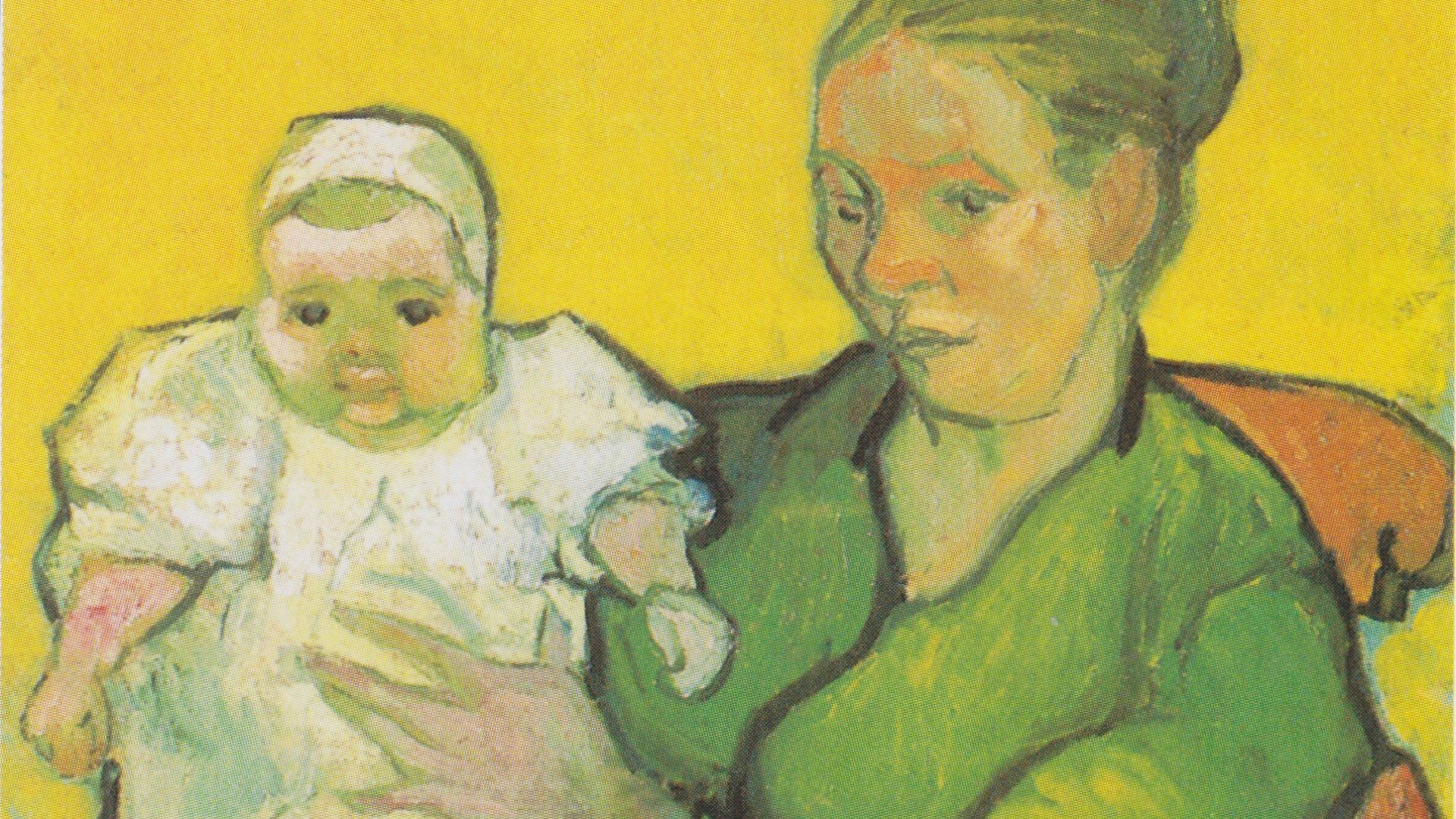
Joan had been considerably more dominant during earlier generations, though it still found its way into the 17th century. In fact, 16th-century English name data place this one among the most frequently recorded women’s names, showing just how gradually naming fashions could fade. By the 17th century it slipped behind newer favorites, but it was nowhere close to disappearing.
18. Agnes
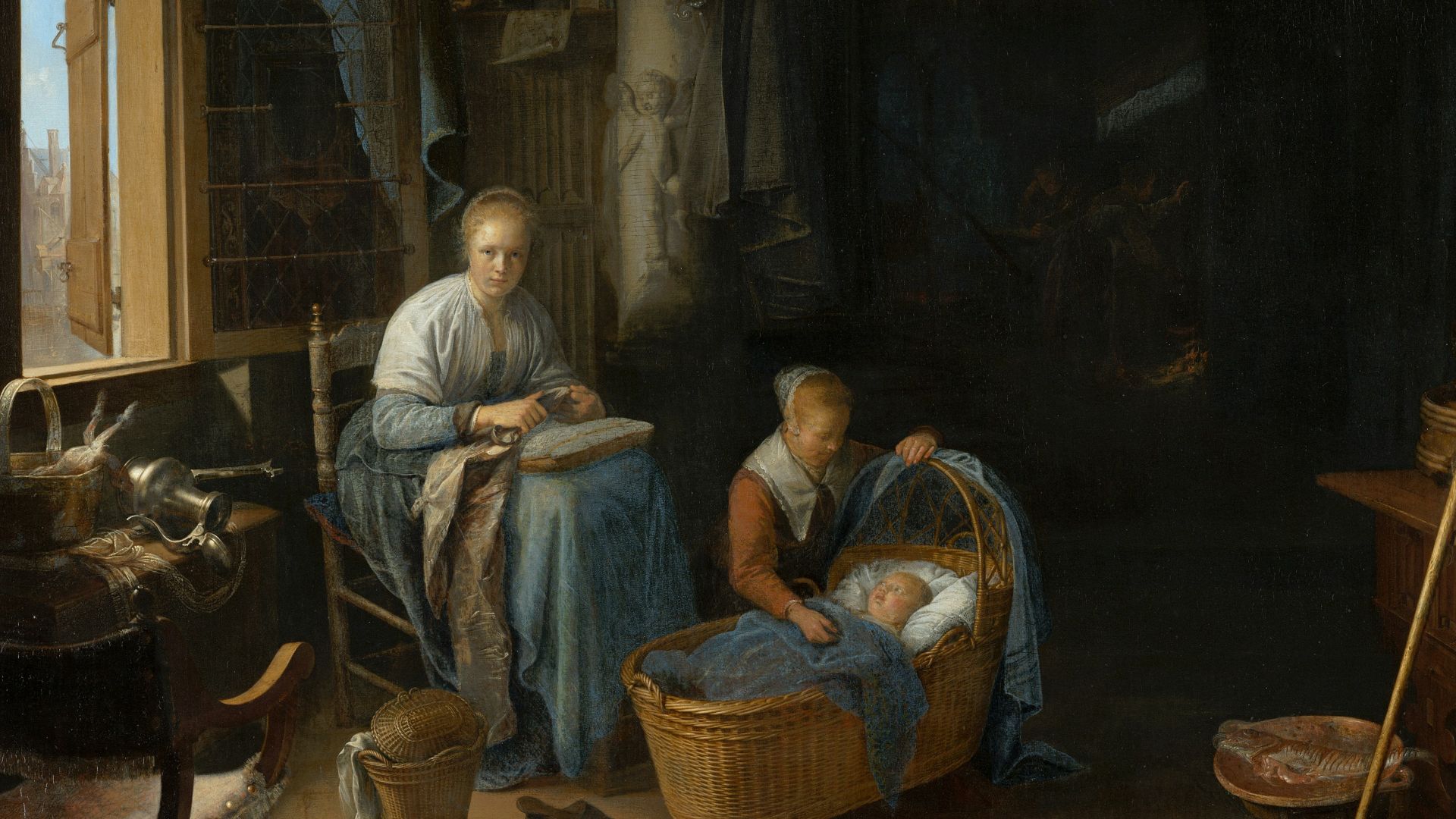
Agnes soared with parents in the opening decade, another survivor from the medieval options. Earlier records had placed it among the leading women’s names, and families were still choosing it well into the 1600s—even as Mary and Anne gained ground. Today it can sound pretty antique, but to a family in 1605 it would've been an everyday choice.
19. Catherine
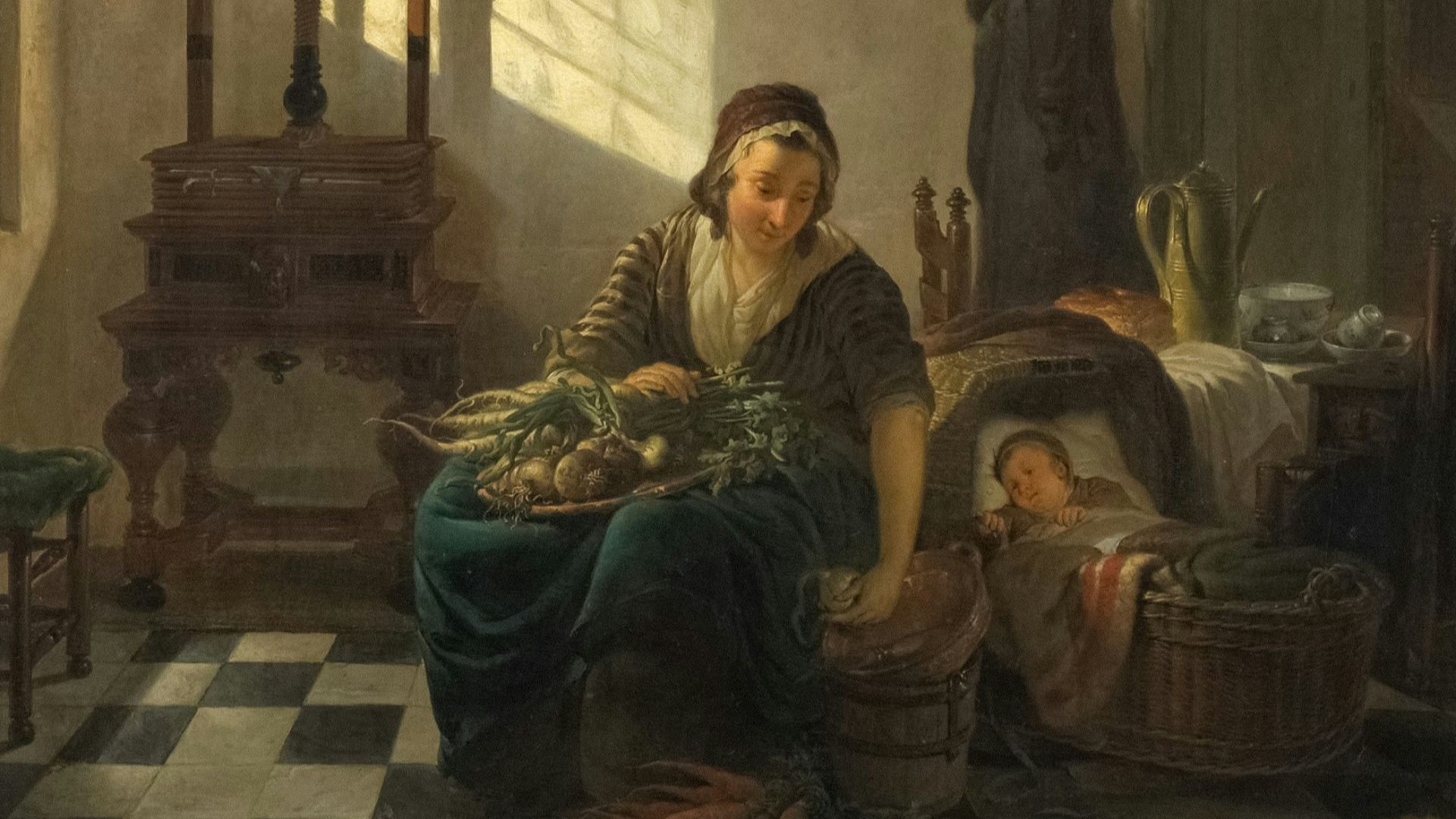
Catherine was a huge option in the 17th century, although historical records also have variants such as Katherine listed, too. Don’t let that fool you, though. The spelling might shift from one register to another, but the underlying name was firmly established.
 Art Institute of Chicago on Unsplash
20. Isabel
Did you guess Isabel as one of the most popular names in the opening decade of the 17th century? Well, it’s true! The name had deep medieval roots in England and appeared alongside the related Elizabeth, even though Elizabeth was becoming far more dominant by this period.
 The Metropolitan Museum of Art on Unsplash
KEEP ON READING