
When Gossip Was An Empire-Wide Event
Ancient Rome is often remembered for its armies, emperors, and incredible engineering, but it also had more than its fair share of eyebrow-raising scandals. From political stunts to outrageous parties and public feuds, Roman society loved drama just as much as it loved conquest. If social media had existed two thousand years ago, the headlines would've written themselves.
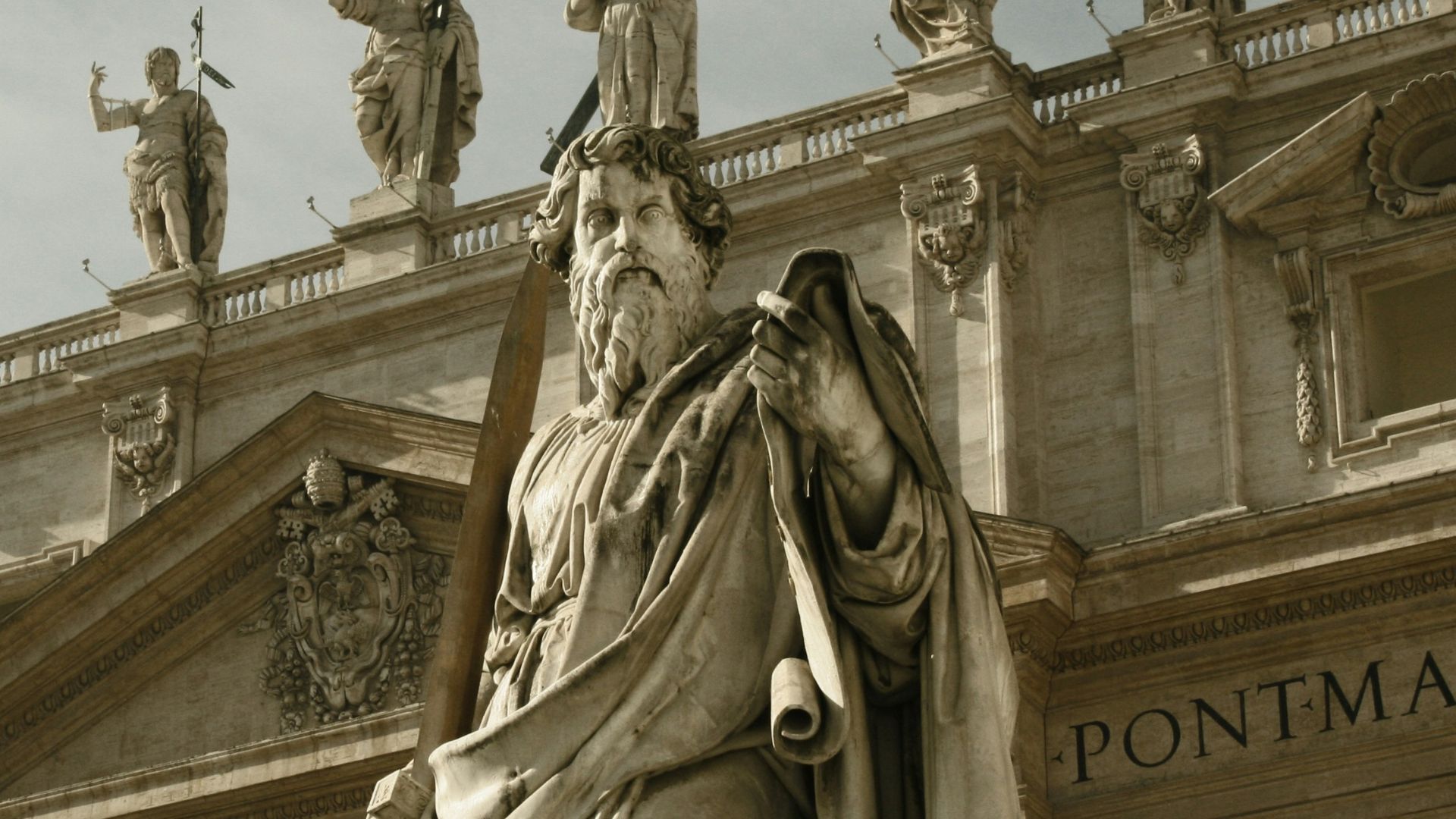
1. Julius Caesar's Kidnapping Turned Into A Negotiation
Before becoming one of Rome's most famous leaders, Julius Caesar was captured by pirates while traveling across the Mediterranean. Instead of acting frightened, he reportedly complained that they demanded too little ransom and insisted he was worth much more. His confidence became legendary, and the story spread across Rome as proof that Caesar had an ego almost as large as his ambitions.
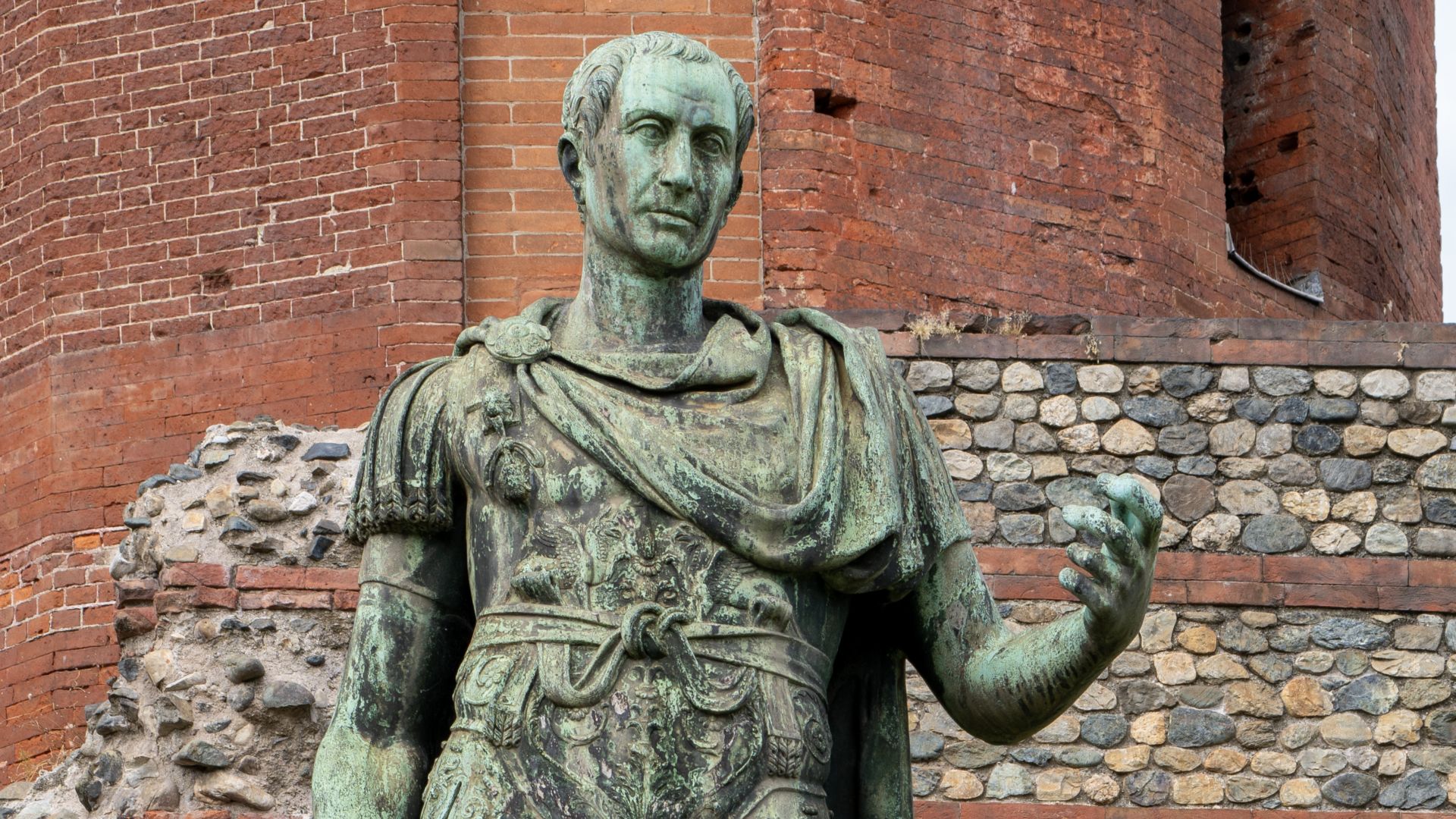
2. Emperor Caligula Declared War On The Sea
One of the strangest stories about Emperor Caligula claims he ordered his soldiers to collect seashells after announcing a military campaign against the ocean. Whether the account was exaggerated by later historians or not, it became one of Rome's favorite examples of bizarre leadership. People loved repeating the tale because it made even serious political discussions sound absurd.
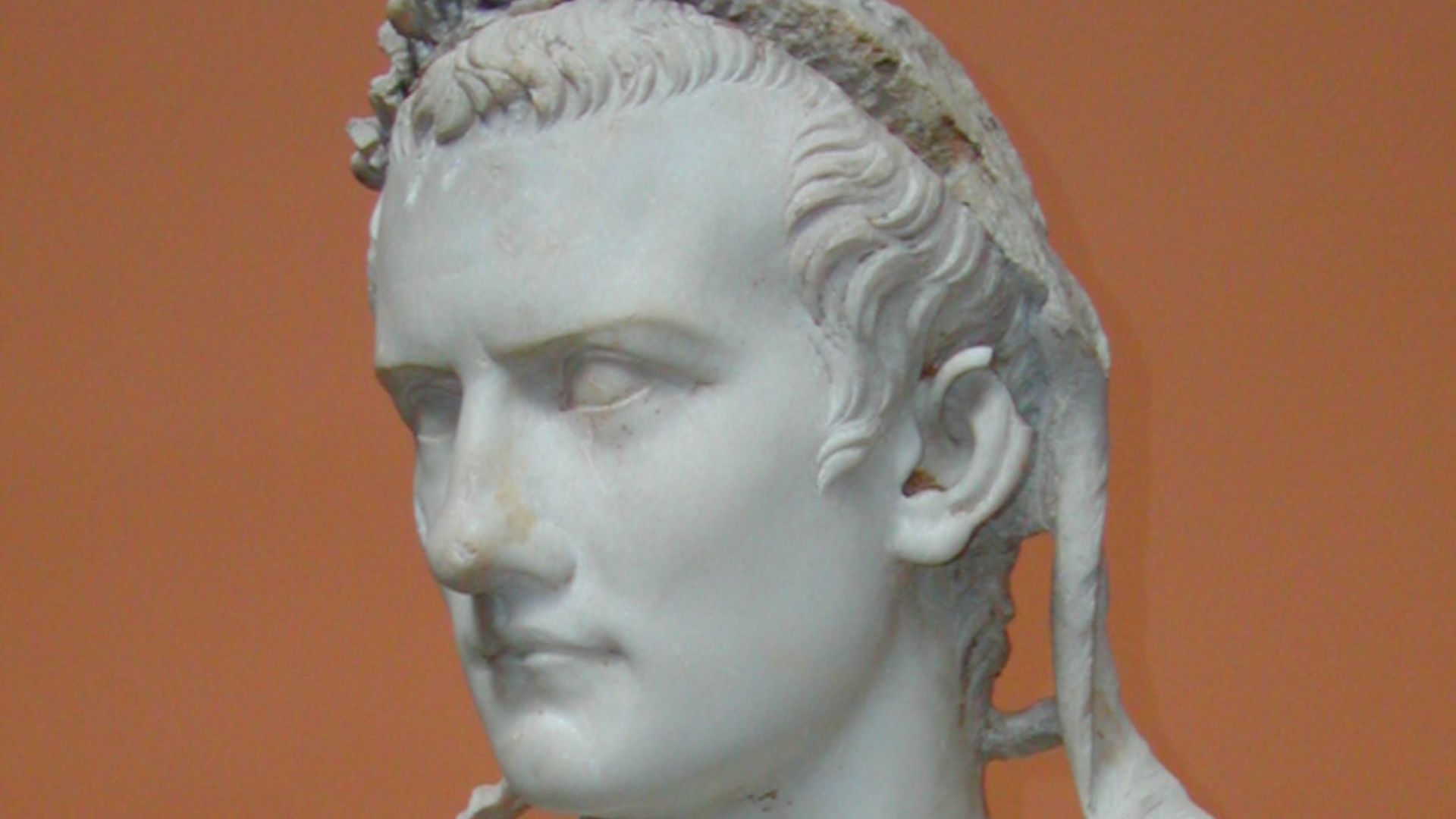
3. Nero Couldn't Stay Off The Stage
Roman emperor Nero was known for singing, acting, and playing music publicly. Citizens did not always have the option to leave if they wanted because events continued until Nero finished all of his performances. You can imagine how awkward it would've been if your ruler expected standing ovations every single time.
4. The Banquet That Never Seemed To End
Some wealthy Romans became famous for hosting extravagant dinners that stretched late into the night. Guests enjoyed endless courses, expensive decorations, and entertainment designed to impress everyone in attendance. These lavish gatherings became symbols of excess and gave plenty of neighbors something to gossip about afterward.
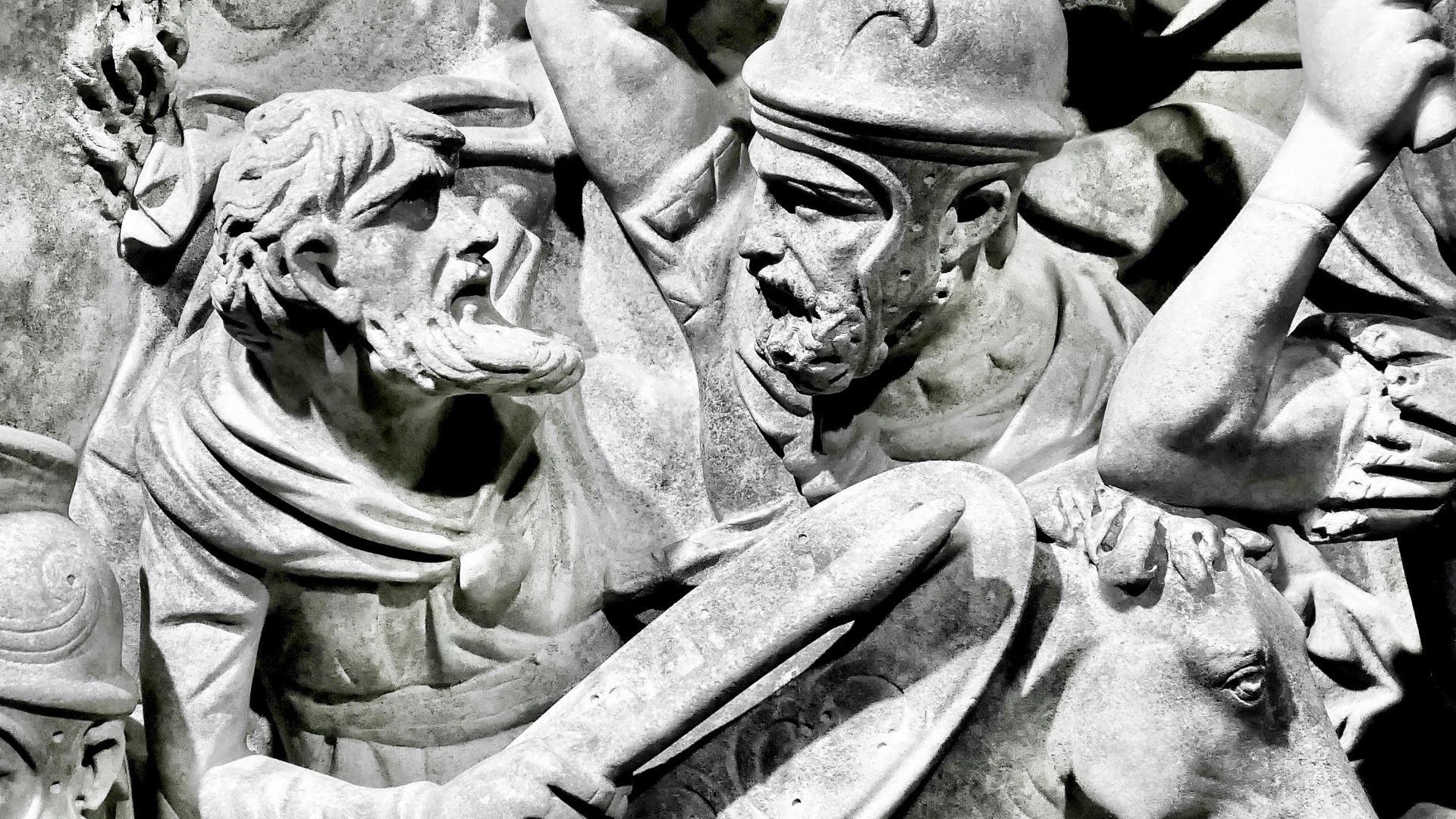
5. A Horse Was Supposedly Given Political Honors
One of Ancient Rome's most famous stories claims Caligula planned to give his favorite horse an important government position. Historians still debate how much of the tale is true, but the rumor became impossible to ignore. Even centuries later, it's still one of the first examples people mention when discussing eccentric rulers.
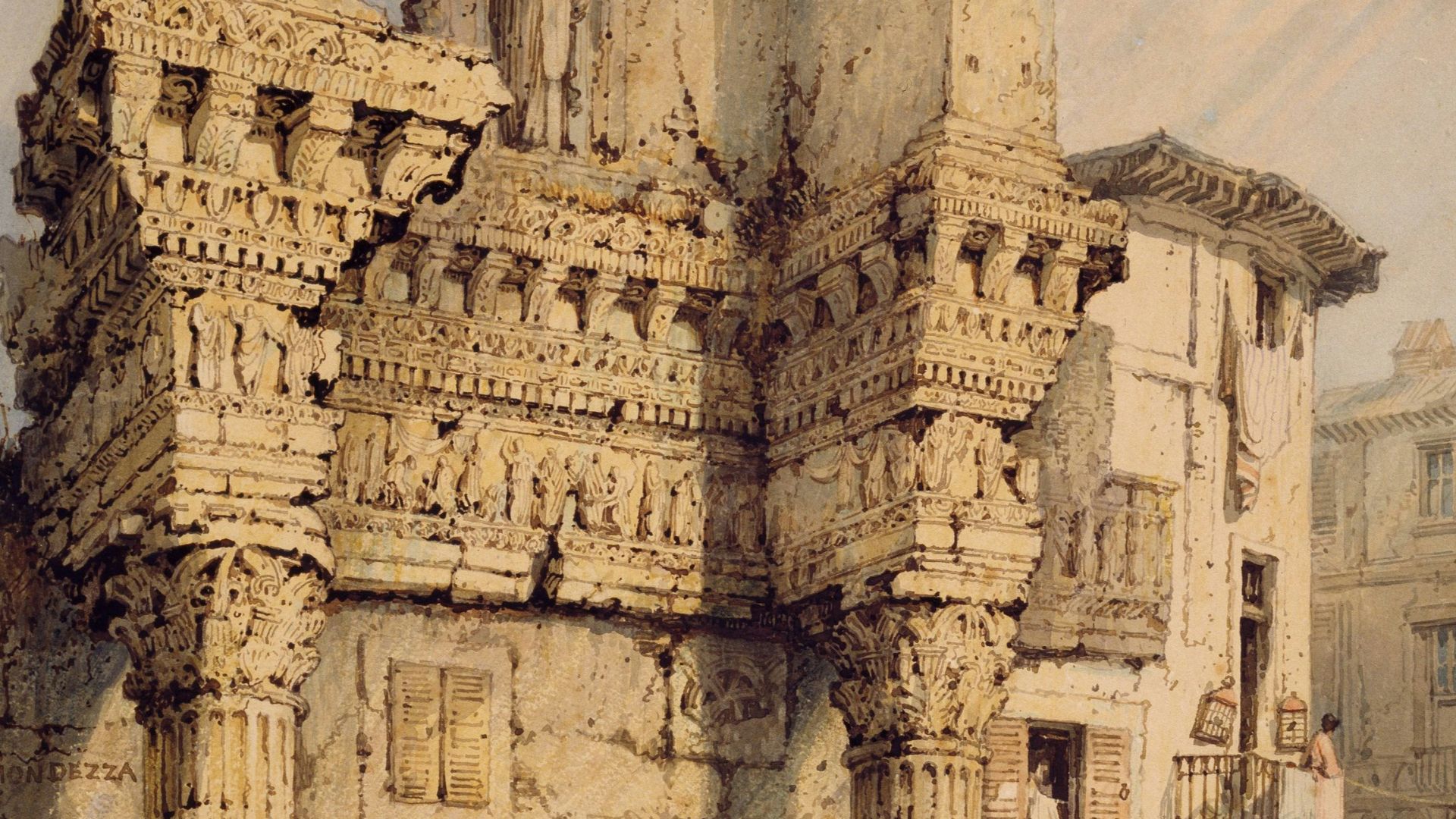 Birmingham Museums Trust on Unsplash
6. Election Campaigns Got Surprisingly Personal
Roman politicians were known to smear their opposition during campaigns. Allies would try to bring down their opponents by any means necessary to win elections. If you think modern campaign season gets messy, Rome might've been even louder.
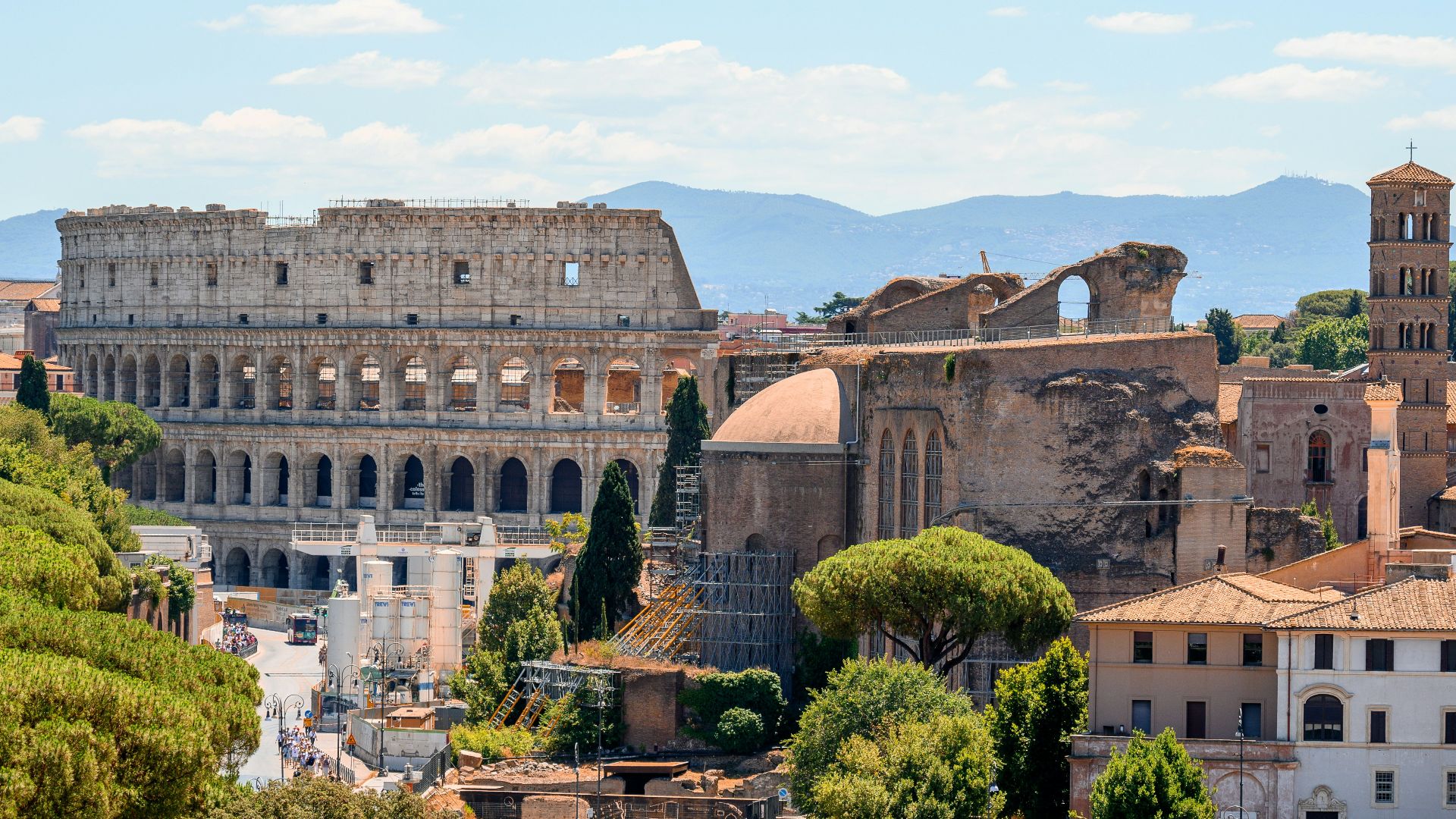
7. Walls Covered In Public Messages
Citizens in places like Pompeii loved writing messages on walls for everyone to see. Some praised politicians, while others advertised businesses or poked fun at neighbors. Walking through town often meant reading the ancient version of a public comment section.
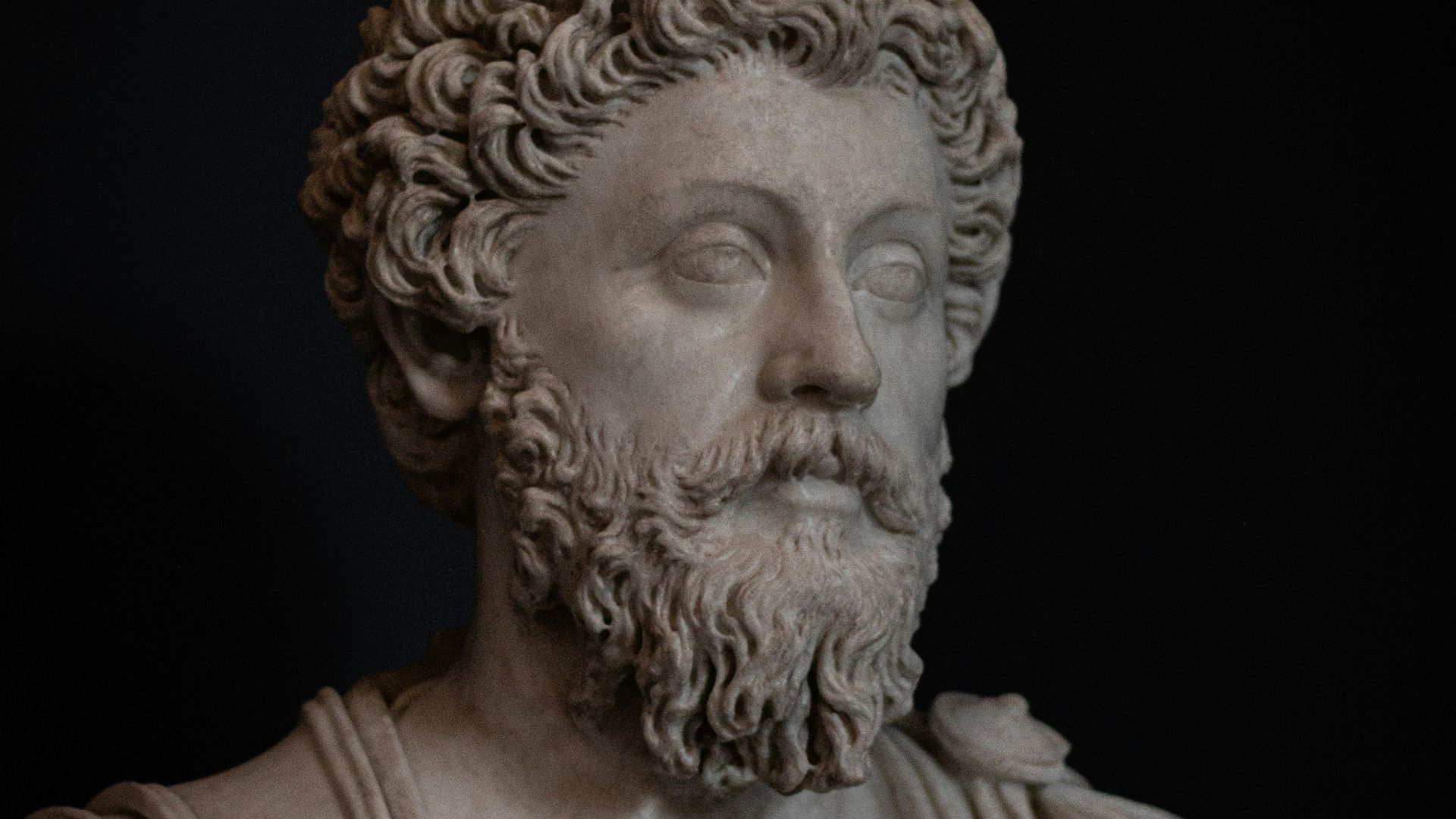
8. Fashion Became A Status Competition
Members of Rome’s upper class were always trying to one-up each other with jewelry and clothes. A common color for wealthy Romans was purple since it was expensive to produce dyes that color. Wearing the wrong color could even spark criticism or unwanted attention.
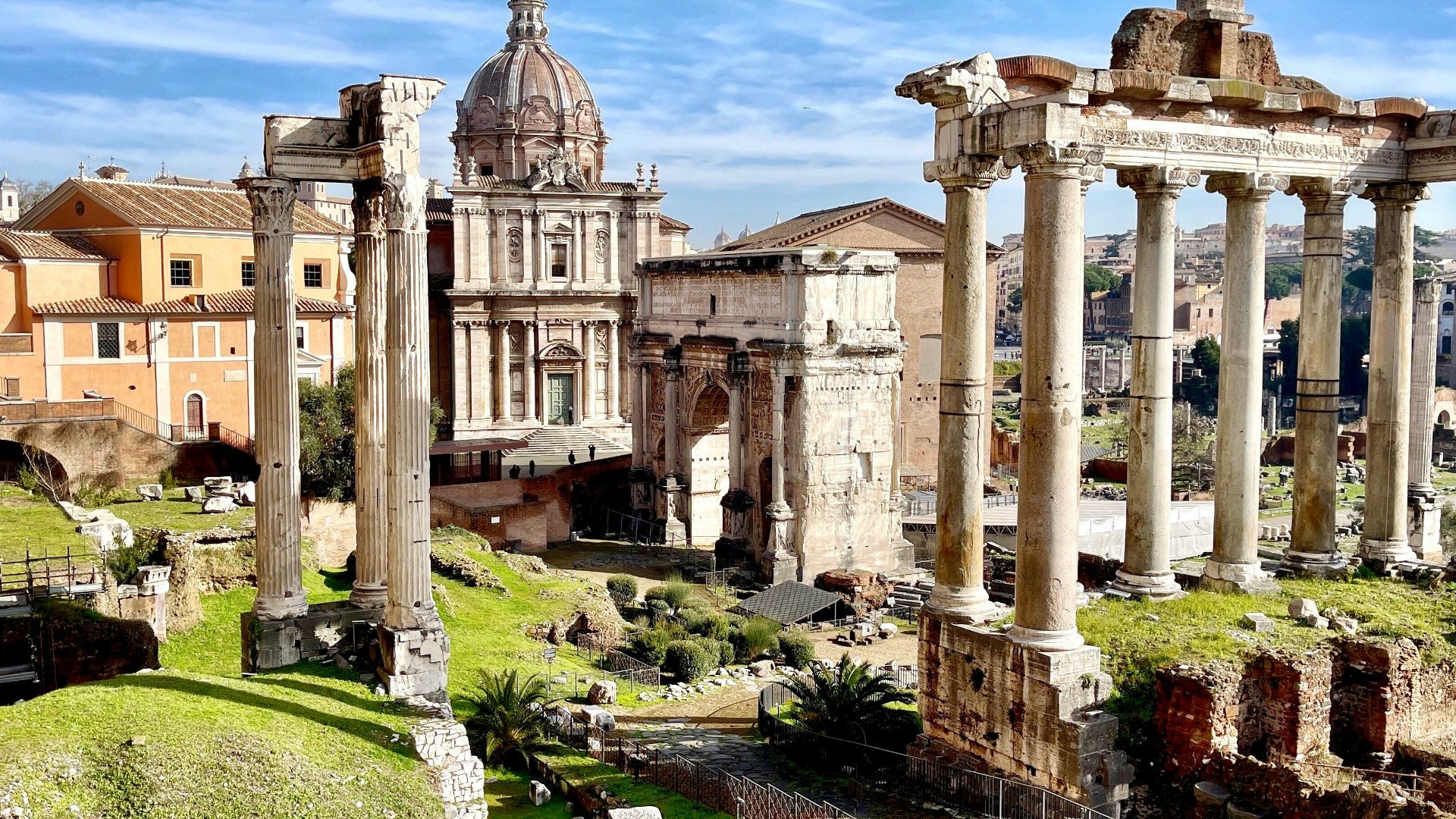
9. Dinner Invitations Became Social Currency
Receiving an invitation to an exclusive banquet wasn't just about enjoying a good meal. It also signaled that you belonged to an influential social circle with valuable connections. Missing out often fueled plenty of speculation about changing friendships and political alliances.
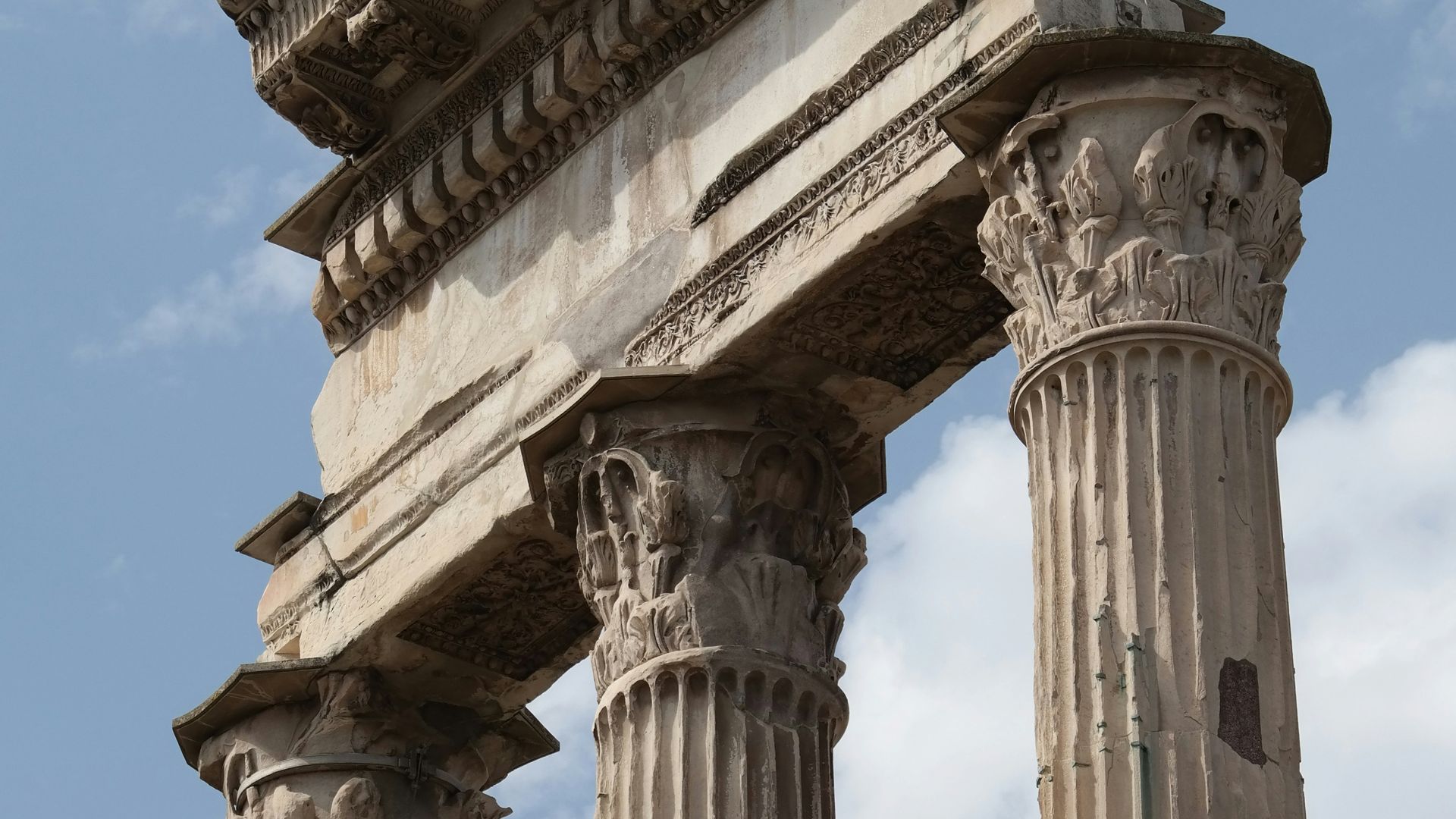
10. Luxury Laws Were Frequently Ignored
Luxury spending was tried to be regulated with laws on clothing, feasts, and funerals. However, many wealthy Romans found loopholes or just ignored them. The gap between the law and everyday behavior became a frequent source of public discussion.
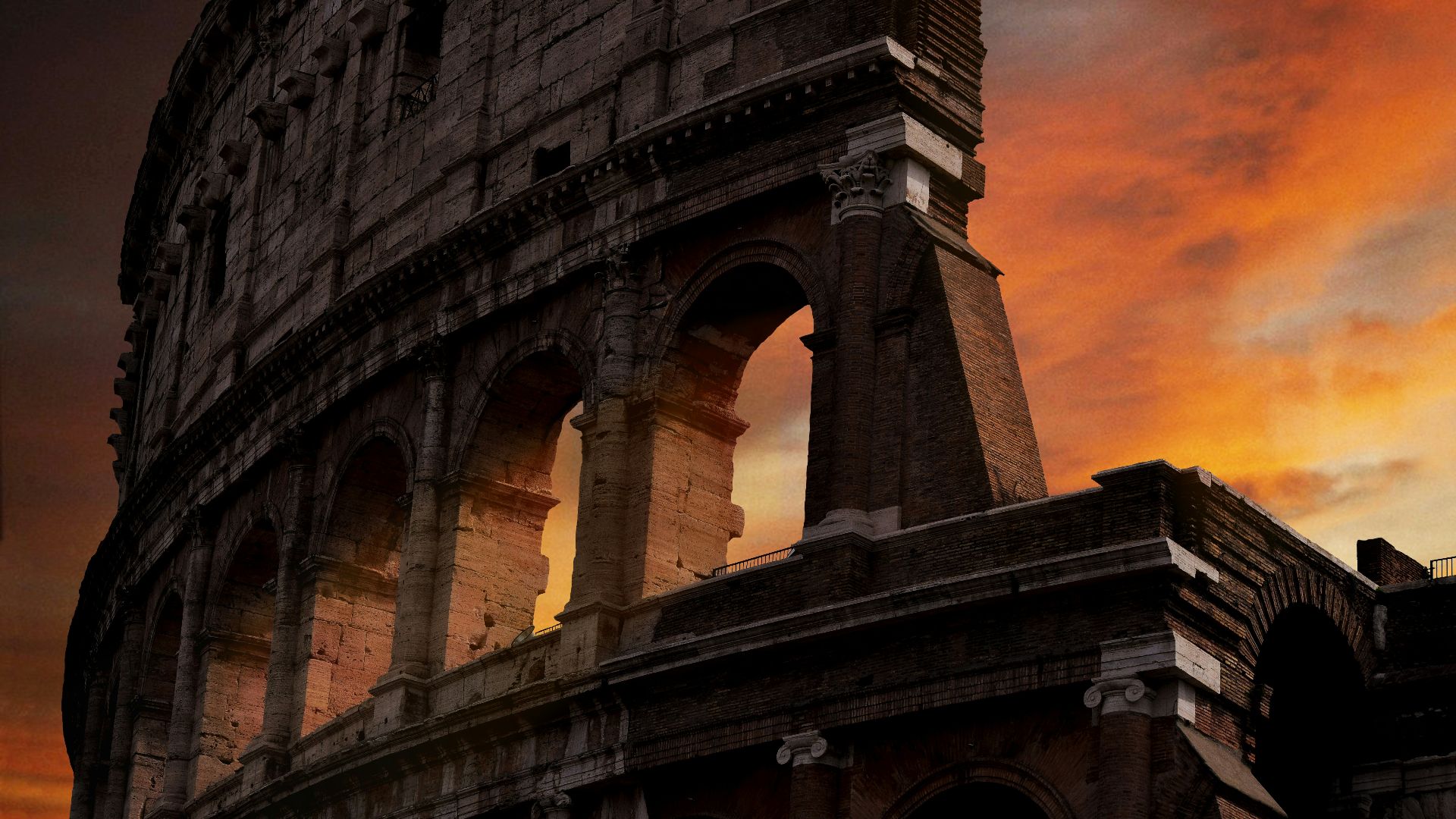
11. Gossip About Hairstyles Spread Quickly
Fashion trends changed regularly, especially among Rome's upper classes. Elaborate hairstyles could become the talk of the city almost overnight, with people eager to copy the latest look worn by influential women. Even personal style became part of Rome's endless rumor mill.
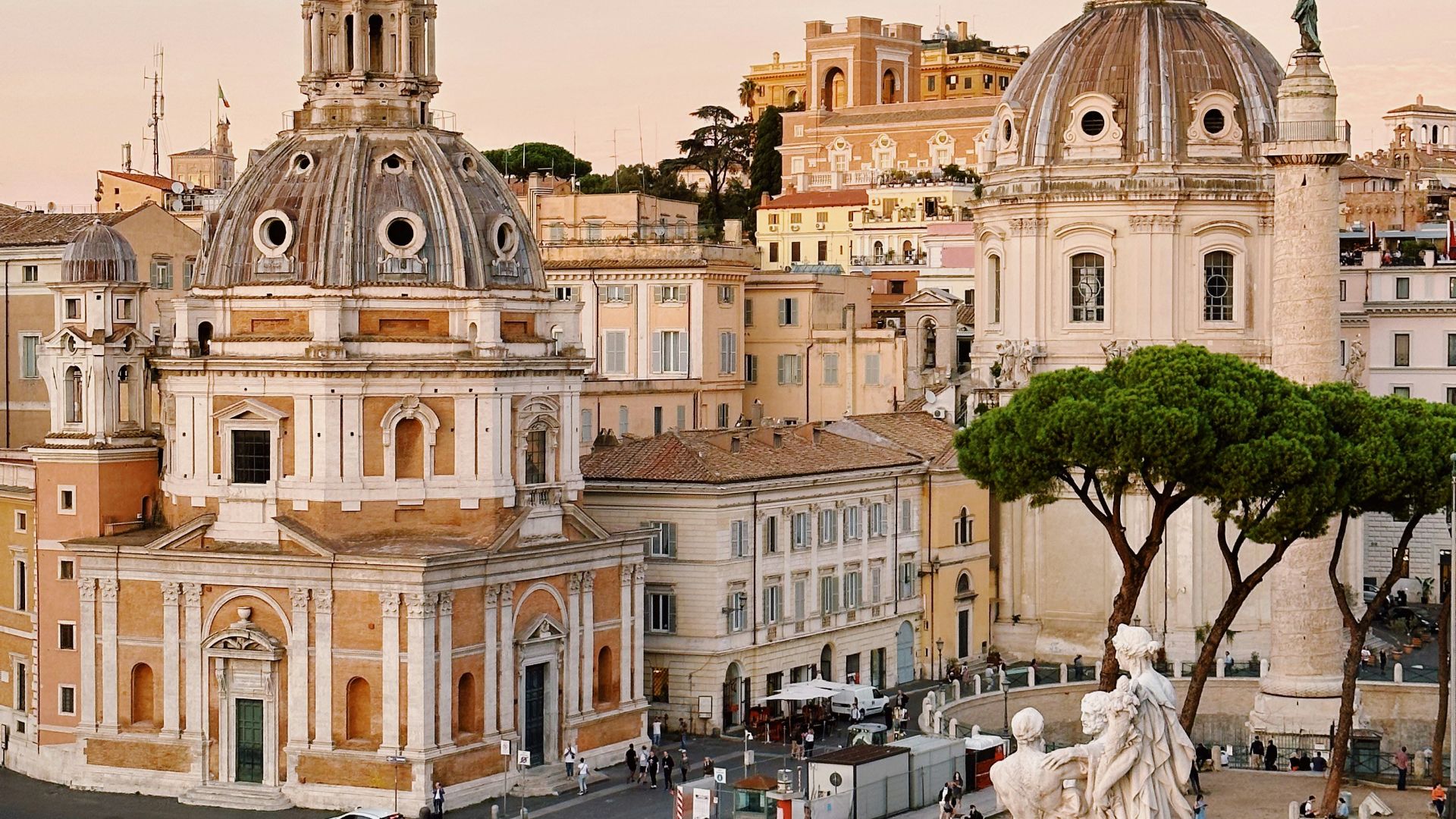
12. Public Feuds Entertained Everyone
When famous Romans disliked each other, they didn’t always quietly resolve their conflicts. From speeches to written attacks, everyone loved listening to the back-and-forth. Spectators eagerly followed the latest exchange as if they were watching an ongoing series.

13. Victory Parades Showed Off More Than Military Success
Triumphal processions celebrated successful generals with enormous crowds, music, and elaborate displays. While they honored military achievements, they also gave ambitious leaders a chance to boost their personal popularity. Some critics believed the celebrations were becoming more about image than service.
14. Extravagant Homes Sparked Envy
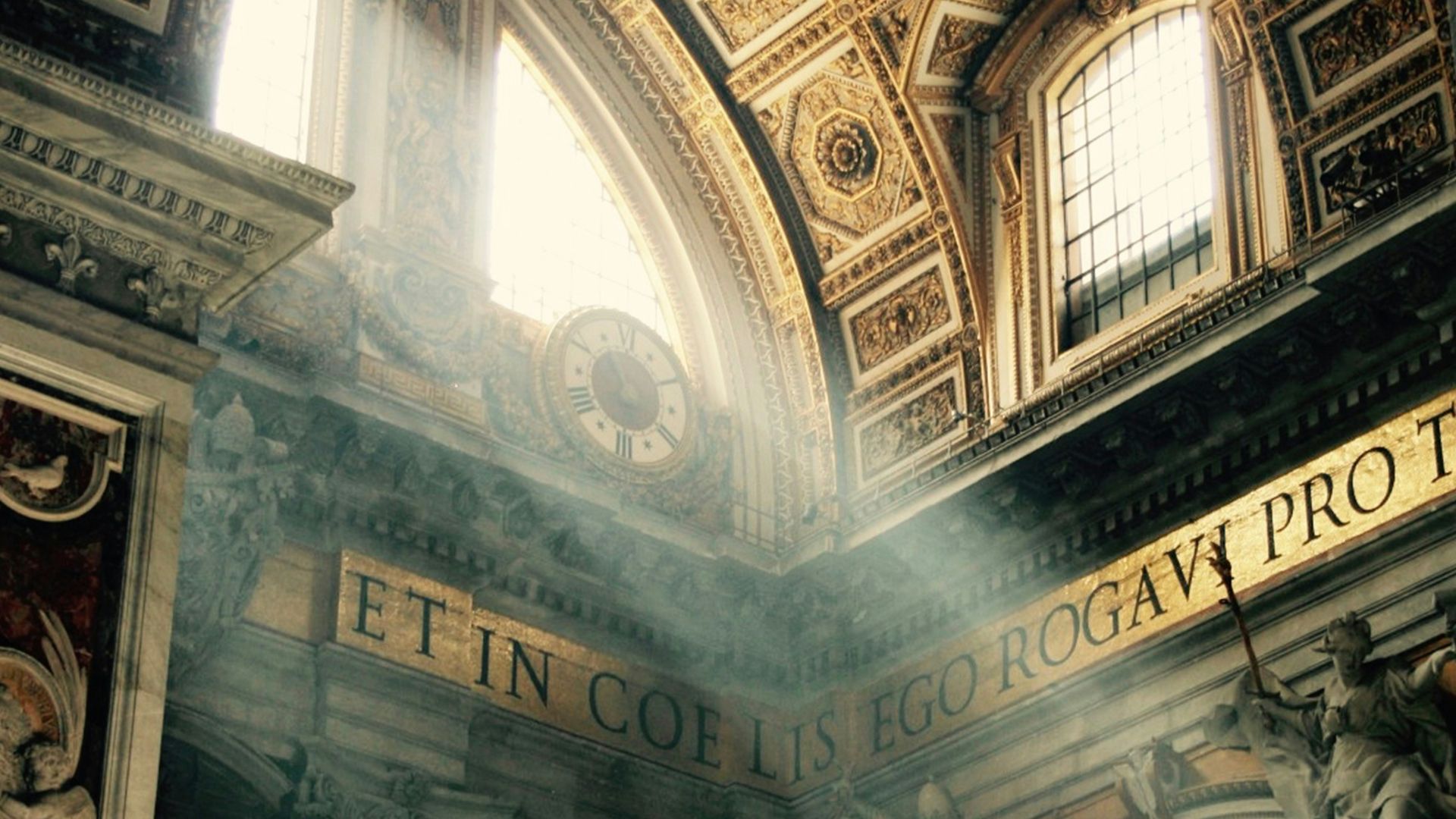
Wealthy Romans often tried to out-do each other with large and lavish houses. When these houses had impressive gardens and fountains, guests would sometimes throw their hands up in awe. Conversations about who had the grandest home became surprisingly common.

15. Exotic Pets Turned Heads
Owning unusual animals became another way for wealthy Romans to attract attention. Rare birds, imported creatures, and carefully maintained collections impressed guests during social gatherings. It wasn't exactly subtle, but standing out was often the entire point.

16. Poetry Started Plenty Of Drama
Roman poets didn't always keep their opinions private. Clever verses could praise friends, mock rivals, or hint at scandals without directly naming anyone involved. Readers enjoyed trying to figure out exactly who was being referenced.

17. Celebrity Chefs Became A Real Thing
Preparing meals for Rome's elite could turn talented cooks into highly sought-after professionals. Hosts competed to hire the best chefs because memorable dinners enhanced their own reputations. Food became another way to impress guests and outshine the competition.
18. Birthday Parties Could Be Lavish Spectacles
Birthdays were another event Romans loved to show off during. Musicians, lavish food, and gifts were all common things to see at extravagant birthday parties. Guests usually left talking as much about the celebration as the birthday itself.
19. Rumors Spread Faster Than Official News
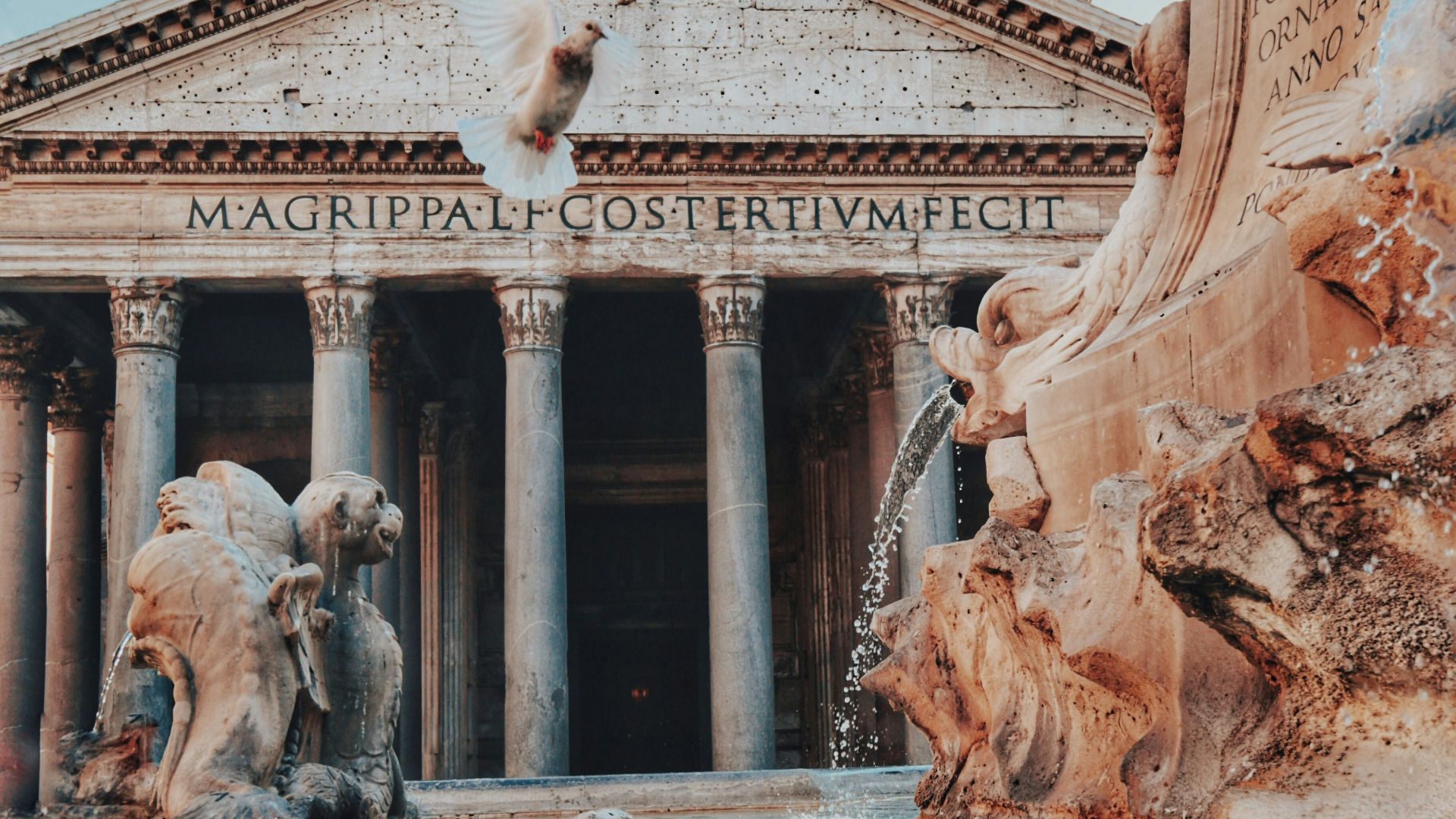
Without newspapers or television, word of mouth carried stories across the empire with incredible speed. Markets, bathhouses, and public squares became gathering places where every new rumor gained another version before sunset. It wasn't always accurate, but it was certainly entertaining.
20. Everyone Loved A Good Scandal
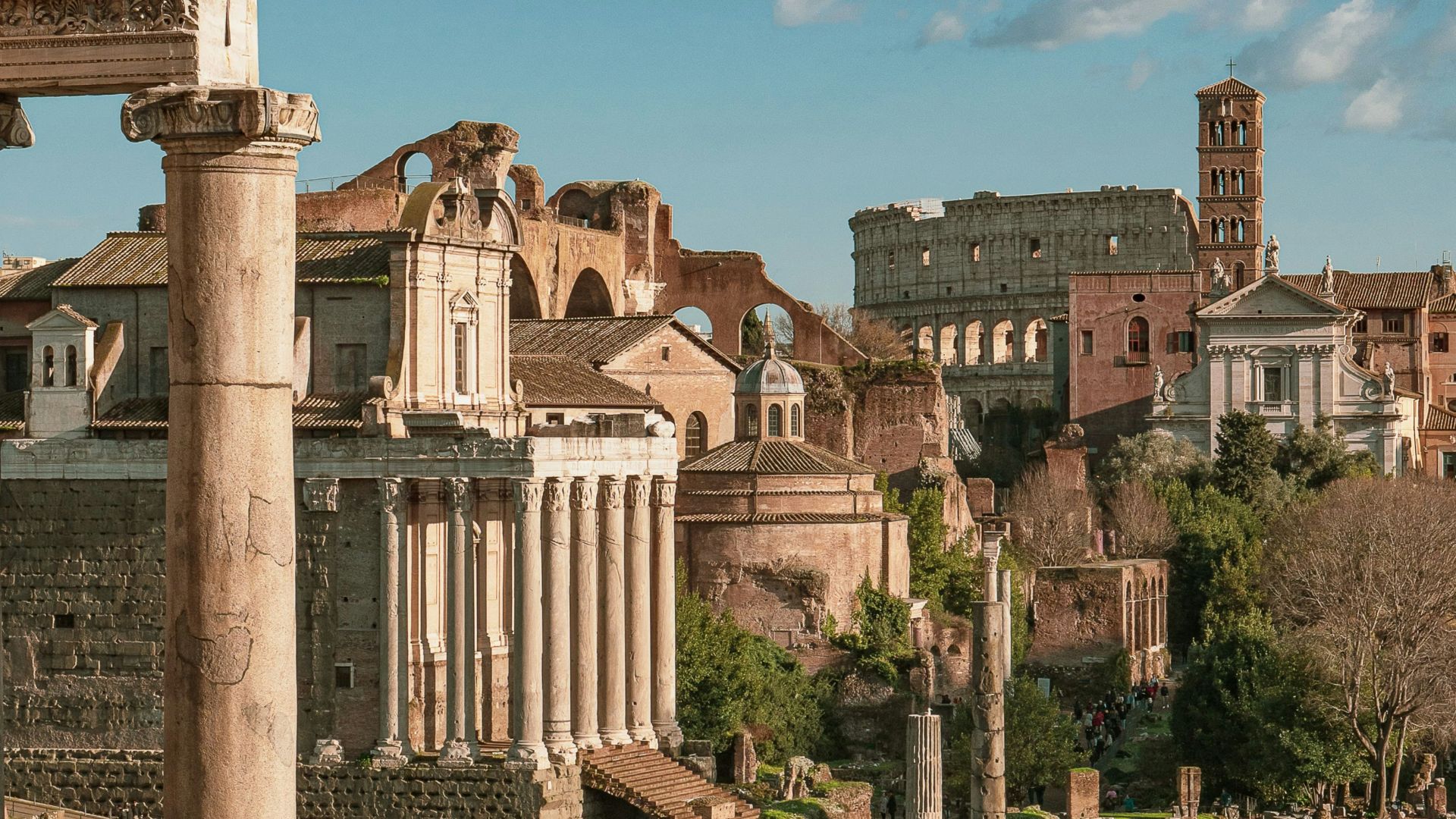
Perhaps Ancient Rome's greatest scandal wasn't one single event but the culture's endless appetite for gossip itself. Citizens eagerly discussed politicians, celebrities, wealthy families, and anyone else who attracted attention. Looking back, it's easy to see that while technology has changed, people's fascination with dramatic stories really hasn't.
KEEP ON READING