20 Mysterious Fossils That Paleontologists Still Can't Explain
Ancient Life Had a Weird Imagination
Fossils usually help scientists understand the past, but some seem determined to make the past look stranger. These are the specimens that don’t fit neatly into familiar categories, whether because their bodies were soft, their shapes were bizarre, their relatives vanished, or their preserved details are frustratingly incomplete. Here are 20 fossils that Paleontologists still can't explain fully.
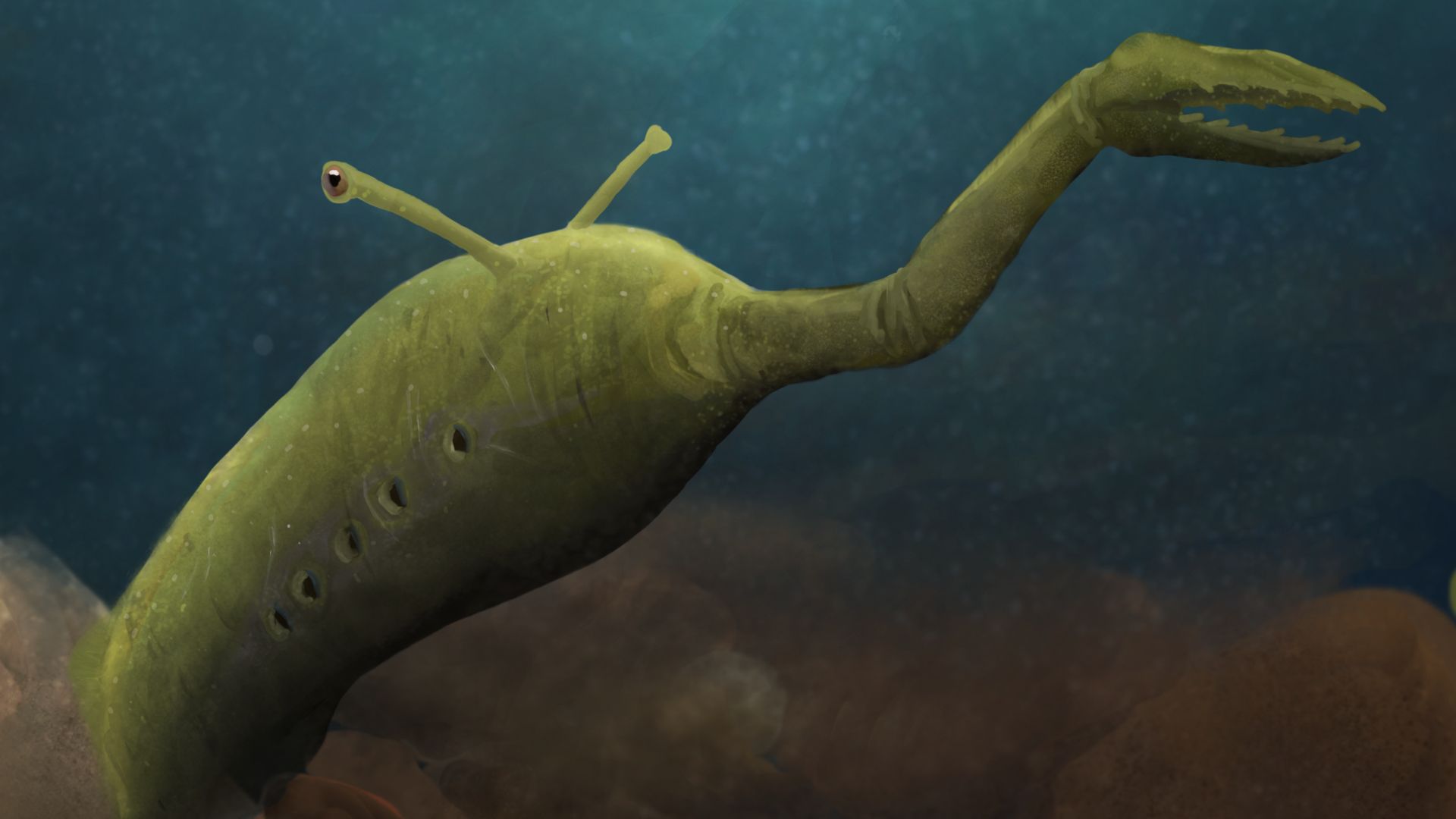
1. Tully Monster
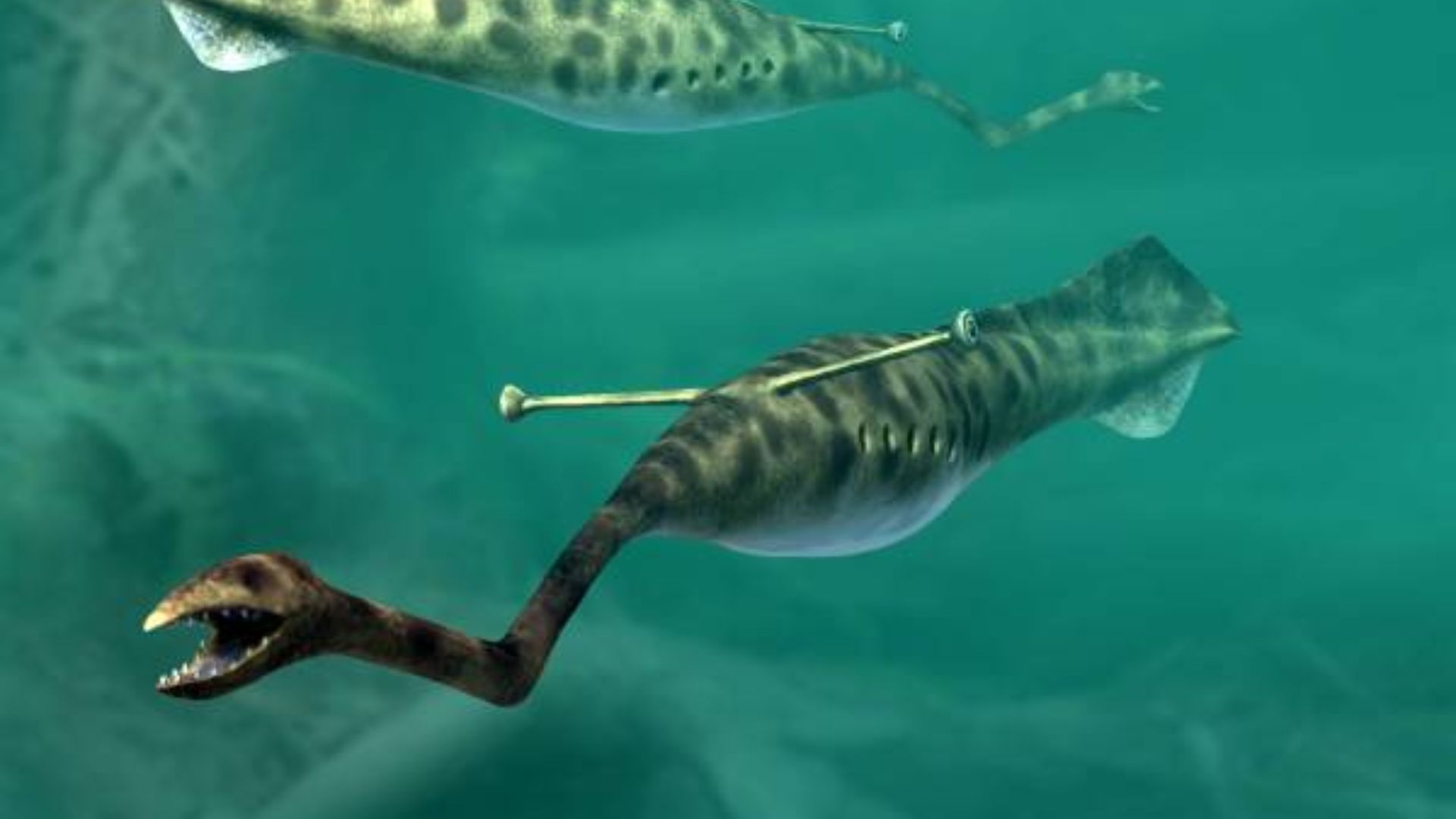
The Tully Monster looks like something assembled from several unrelated animals after a very strange committee meeting. Found in Illinois’ Mazon Creek deposits, it had stalked eyes, a long flexible proboscis, fins, and a body plan that has kept scientists arguing for decades.
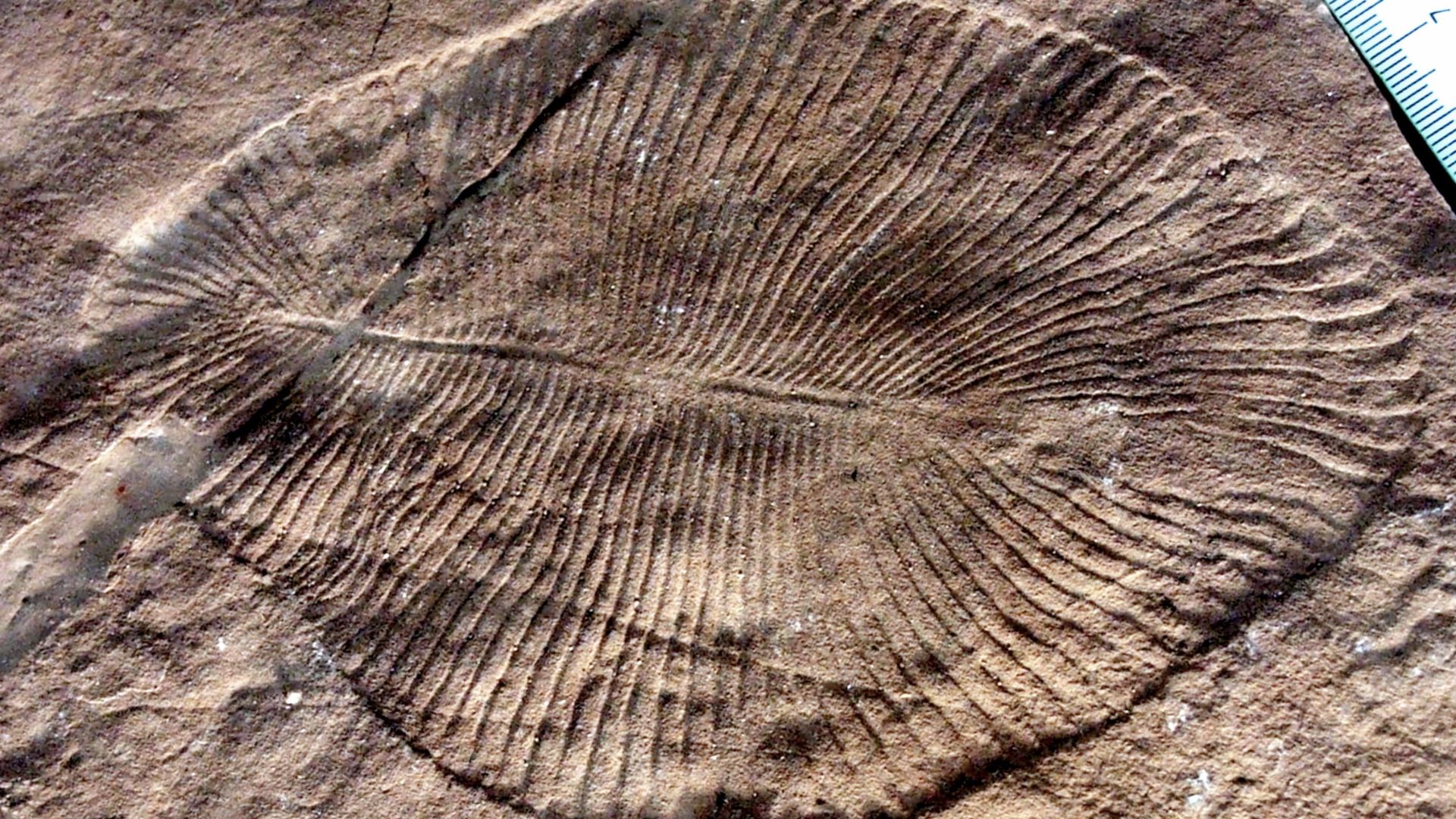
2. Dickinsonia
Dickinsonia is one of the most iconic Ediacaran fossils, but it still refuses to be simple. Its oval, ribbed body has been interpreted in different ways, with researchers debating exactly where it belongs among early animals. Some evidence supports it being an animal, but its precise place in the animal family tree remains tricky.
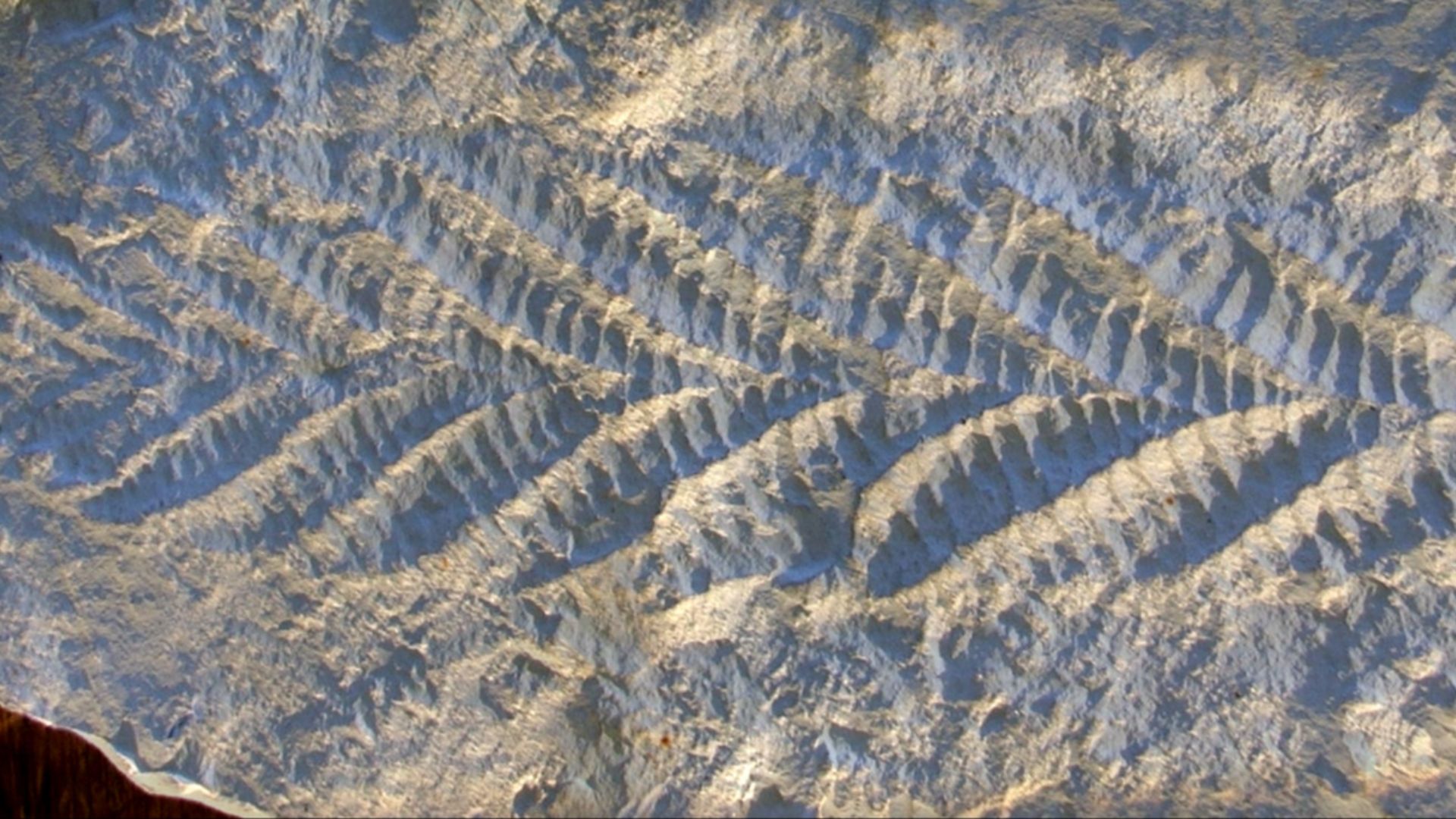
3. Charnia
Charnia looks like a delicate frond, but it lived long before plants had colonized land in the way we know them today. That means it wasn’t a seaweed in the casual sense, even though it certainly looks plant-like at first glance. Scientists still debate how many Ediacaran frond-like organisms fed, grew, and related to later life.
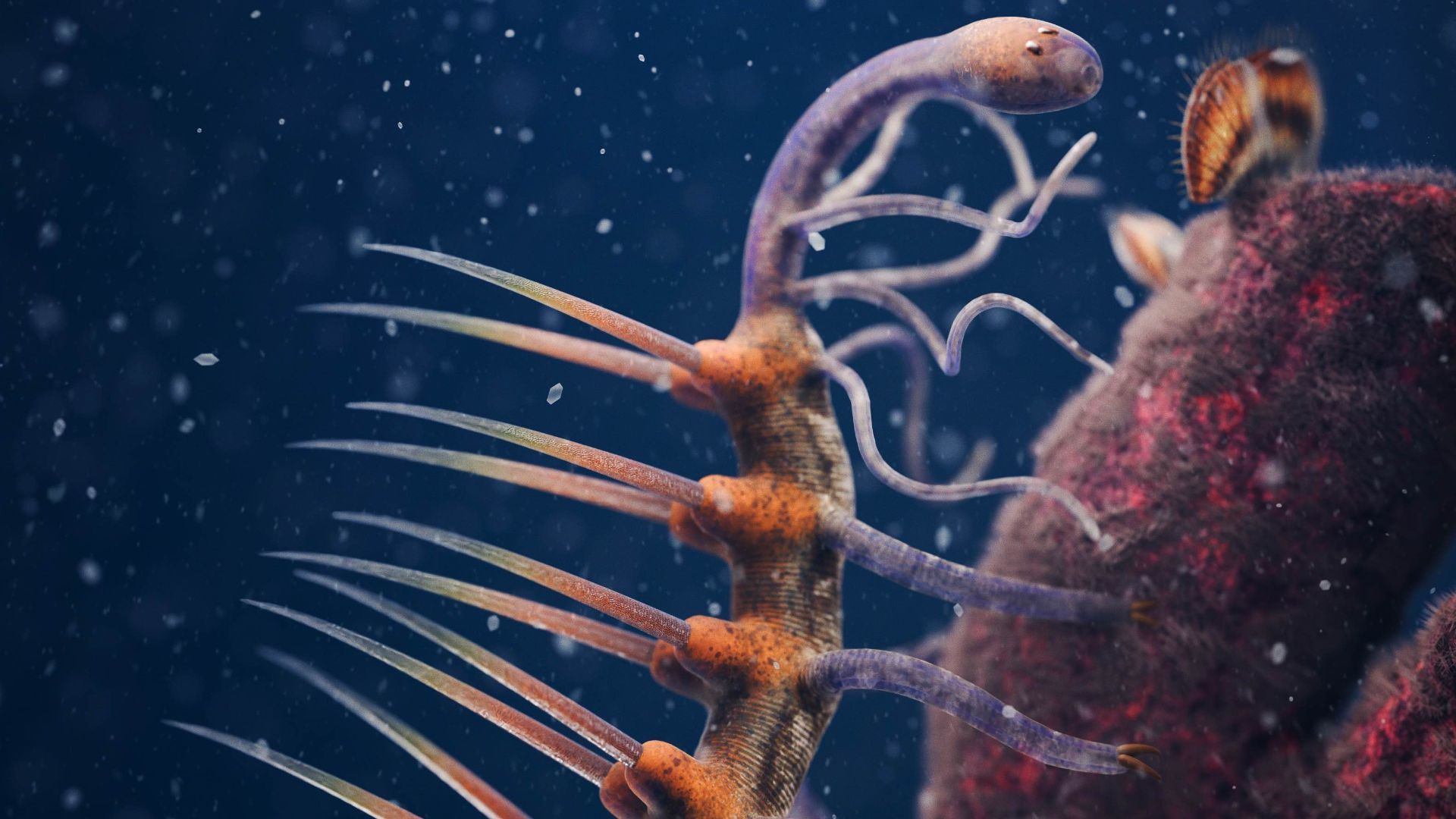
4. Hallucigenia
Hallucigenia was once reconstructed upside down, which tells you how weird this little Cambrian creature is. It had spines, legs, claws, and a body so odd that early interpretations struggled to tell top from bottom. Scientists now understand it much better, but its exact relationship to other early molting animals and velvet-worm relatives still invites careful discussion.
5. Opabinia
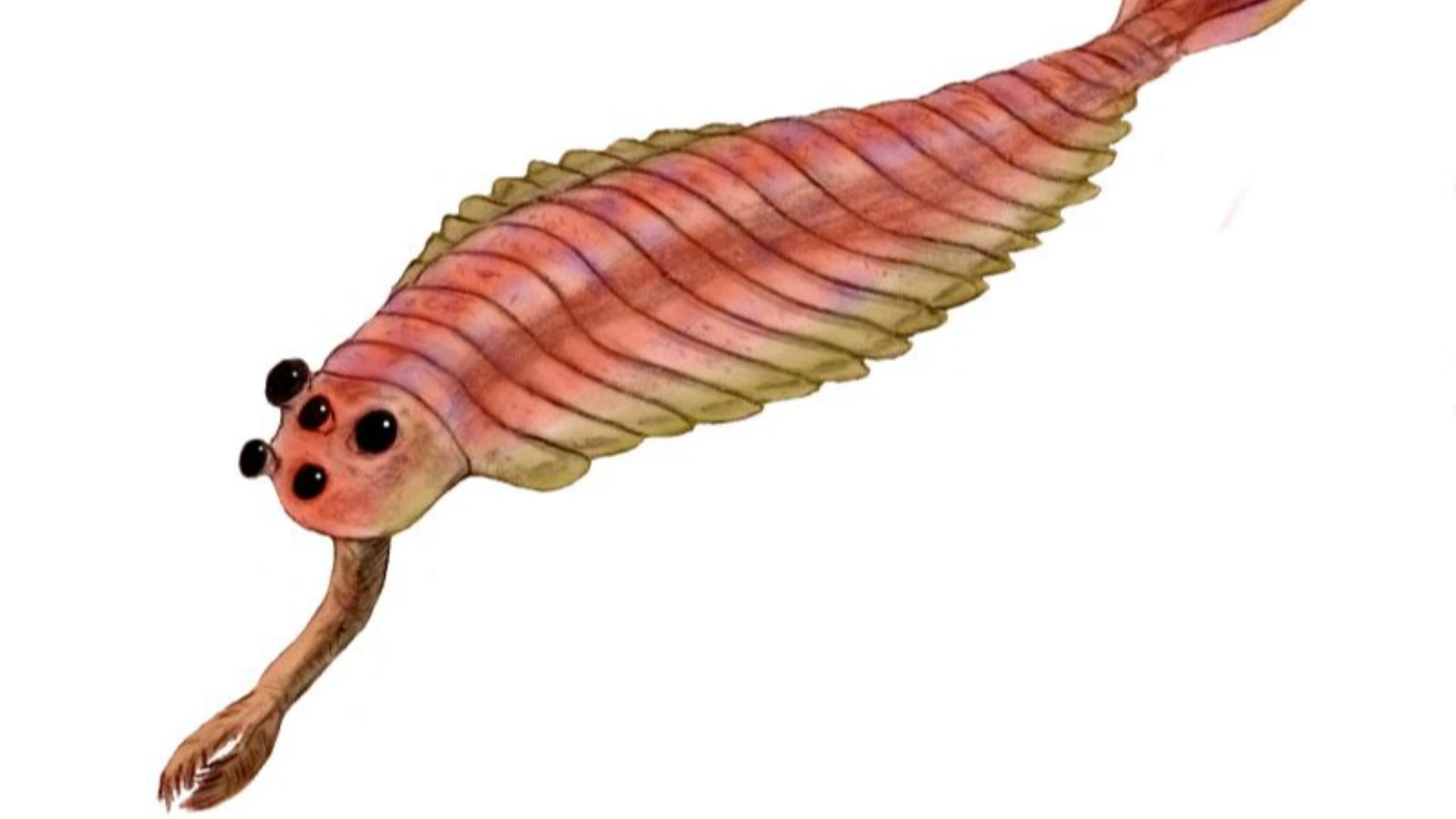
Opabinia had five eyes and a long, nozzle-like appendage with a grabbing end, which feels a little excessive even by Cambrian standards. When it was redescribed in the 1970s, it helped change how scientists thought about the weirdness of early animal evolution. Its general place among early arthropod relatives is clearer than it used to be, but its strange body plan still raises questions.
6. Anomalocaris
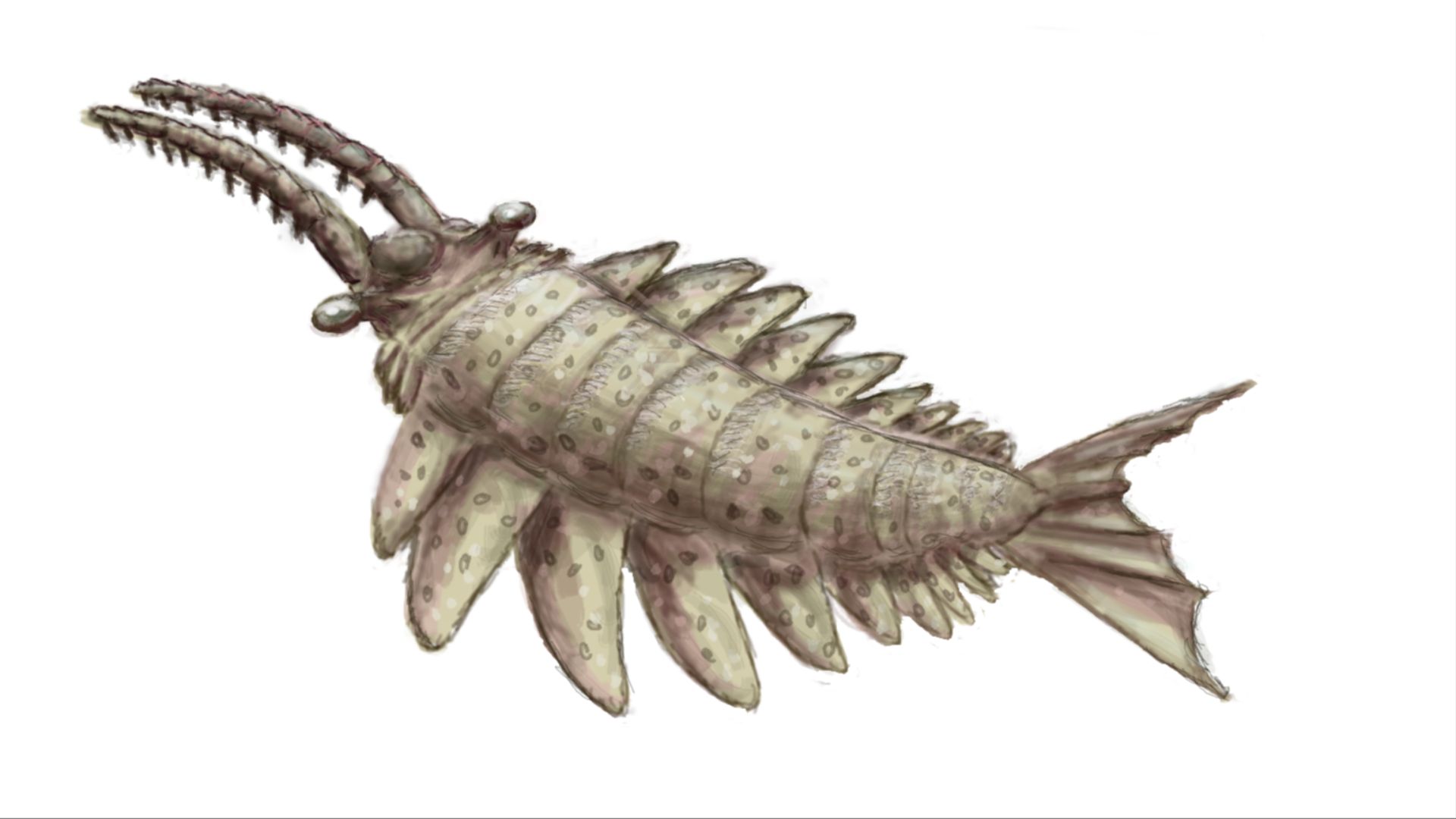
Anomalocaris was once misunderstood because its body parts were found separately and classified as different organisms. Its mouth, grasping appendages, and body looked so unusual that it took time to assemble the full animal correctly. Today, scientists recognize it as a major Cambrian predator, but details of its feeding, ecology, and relationships still get refined.
7. Palaeospondylus
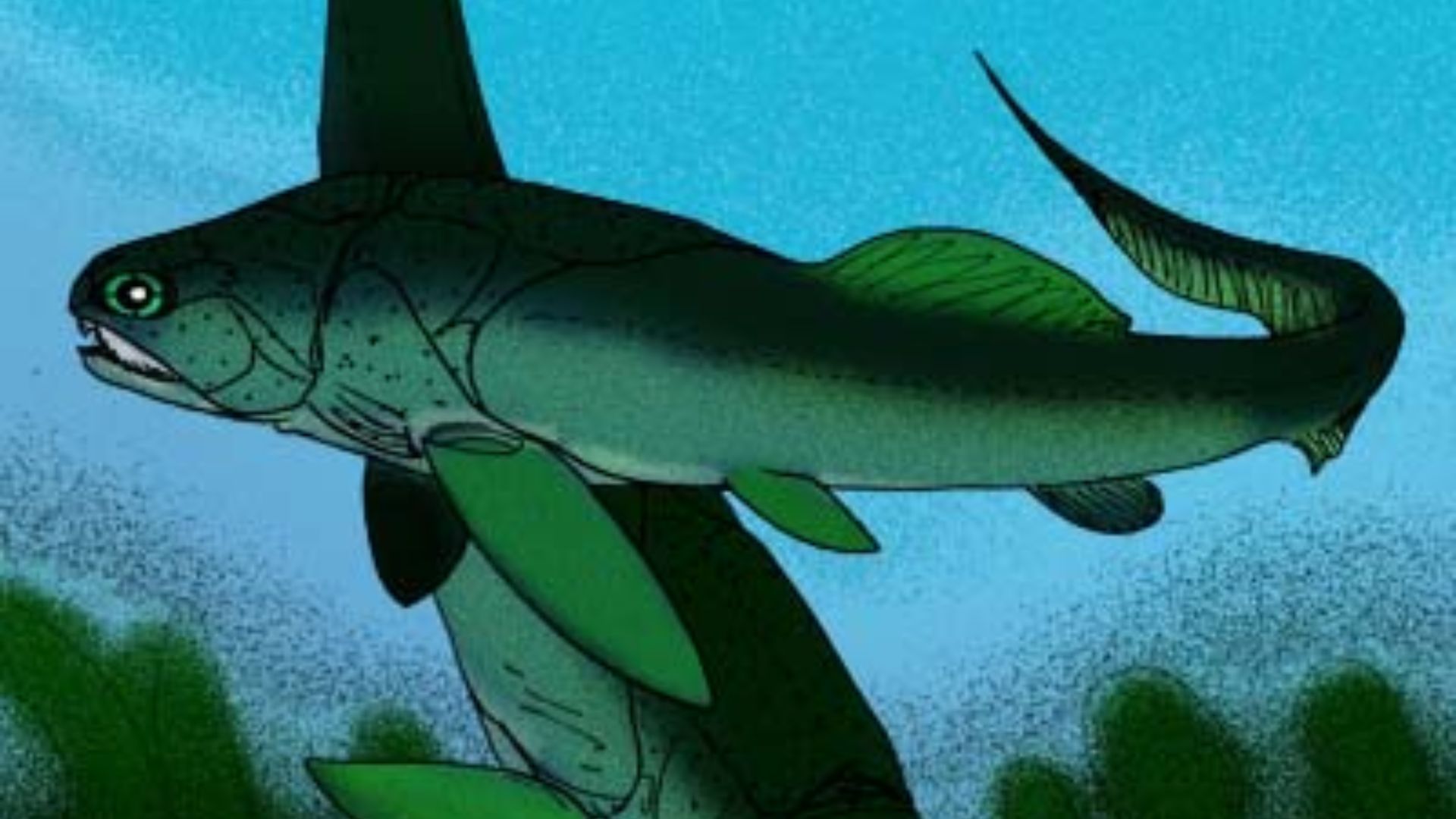
Palaeospondylus is a tiny Devonian vertebrate from Scotland that baffled researchers for more than a century. Its strange anatomy made it hard to compare with known fish, amphibian ancestors, or other vertebrate groups. Recent high-resolution imaging suggested it may be close to the ancestry of early four-limbed animals, but its odd features still make it a puzzle.
8. Typhloesus
Typhloesus has been nicknamed an “alien goldfish,” which is not a phrase paleontology hands out lightly. Found in Carboniferous rocks from Montana, it has a torpedo-shaped body, a tail fin, and internal features that have led to competing interpretations. A 2022 study suggested it may have been a mollusk-like animal, but even that answer comes with caveats.
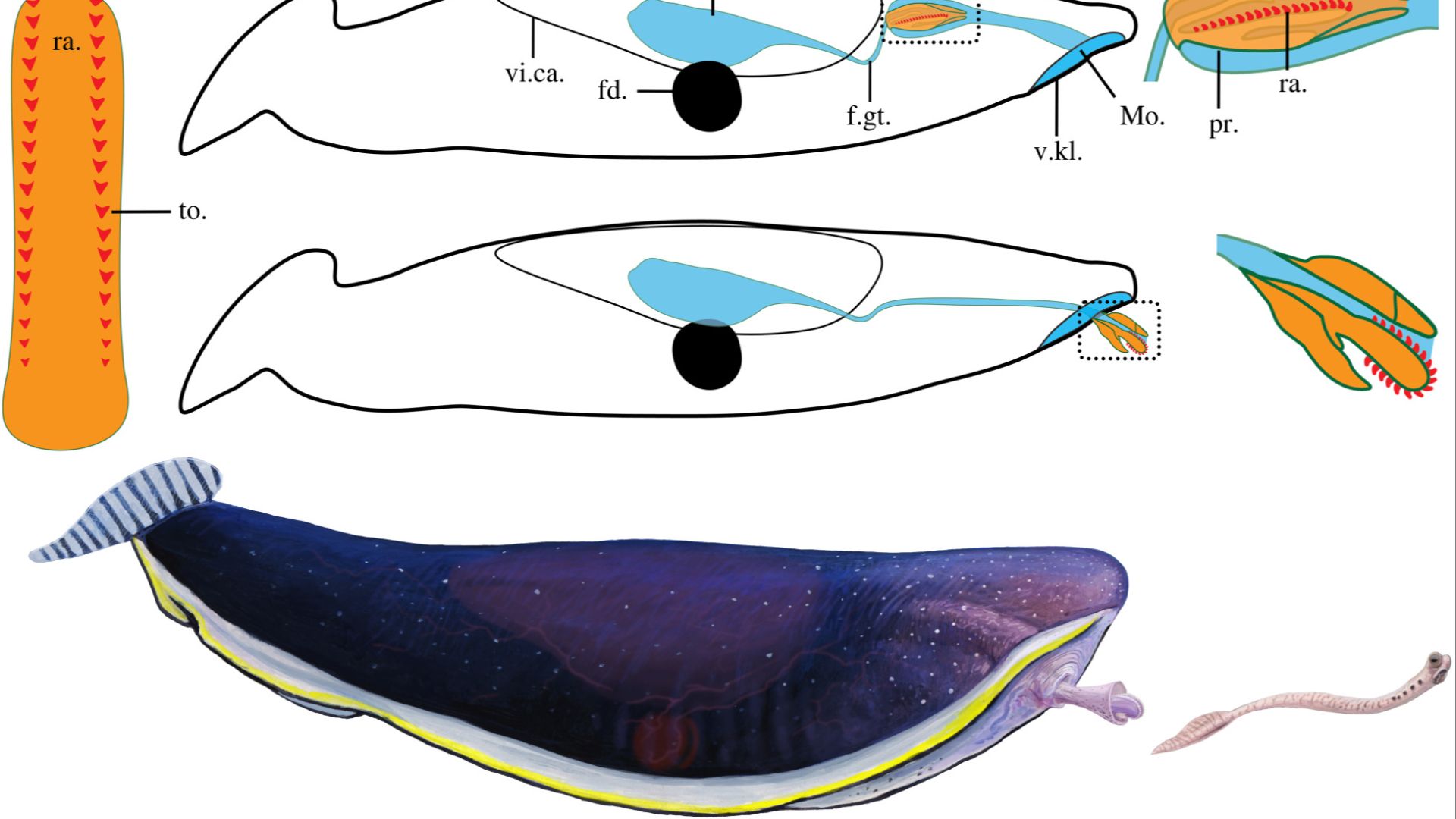 Simon Conway Morris and Jean-Bernard Caron on Wikimedia
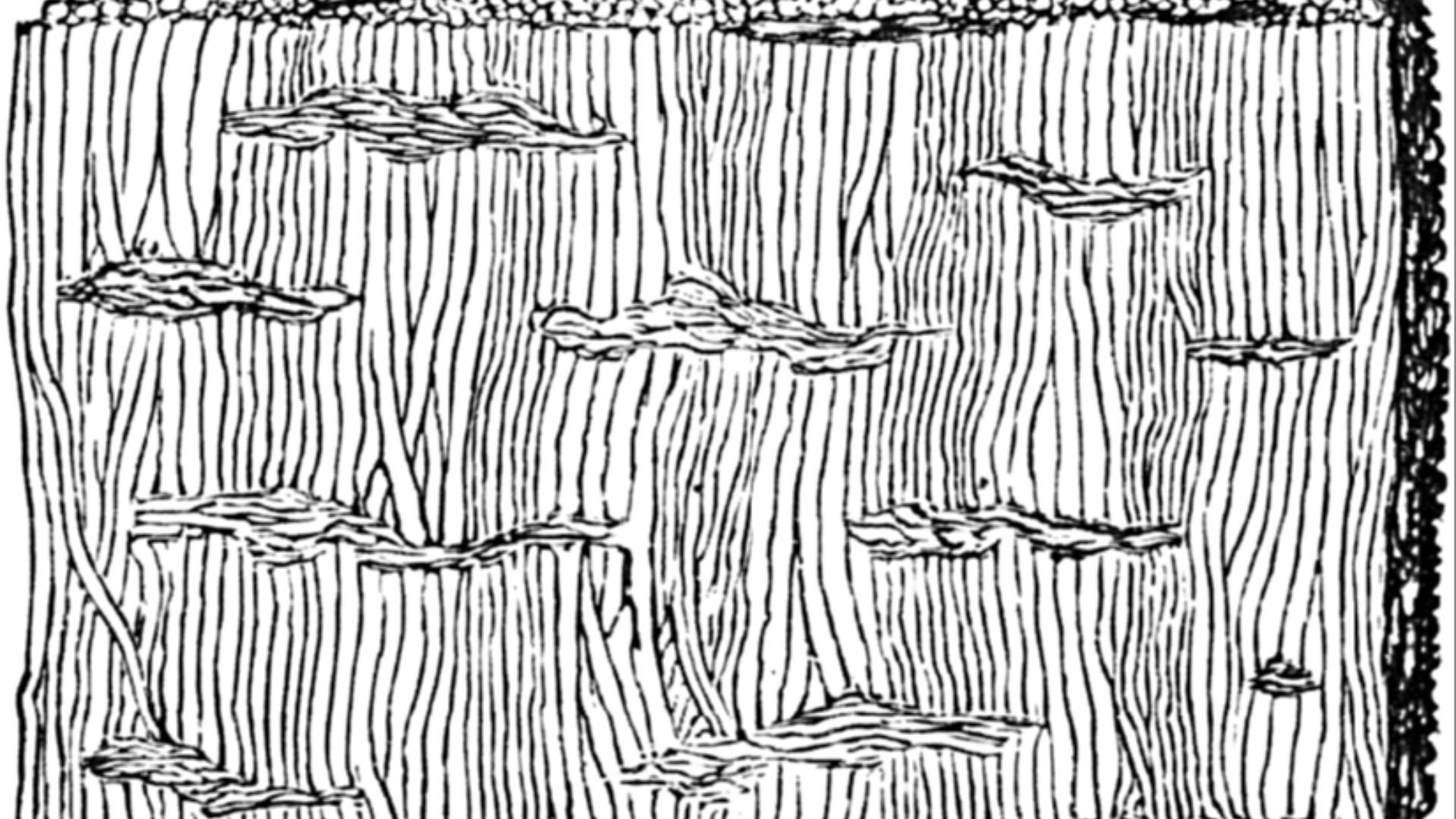
9. Prototaxites
Prototaxites was a giant trunk-like organism that lived before forests looked anything like modern forests. For more than 150 years, scientists have argued over whether it was a plant, fungus, lichen-like organism, or something even stranger. Recent work has complicated the old “giant fungus” idea, suggesting it may not fit comfortably within known fungal groups.
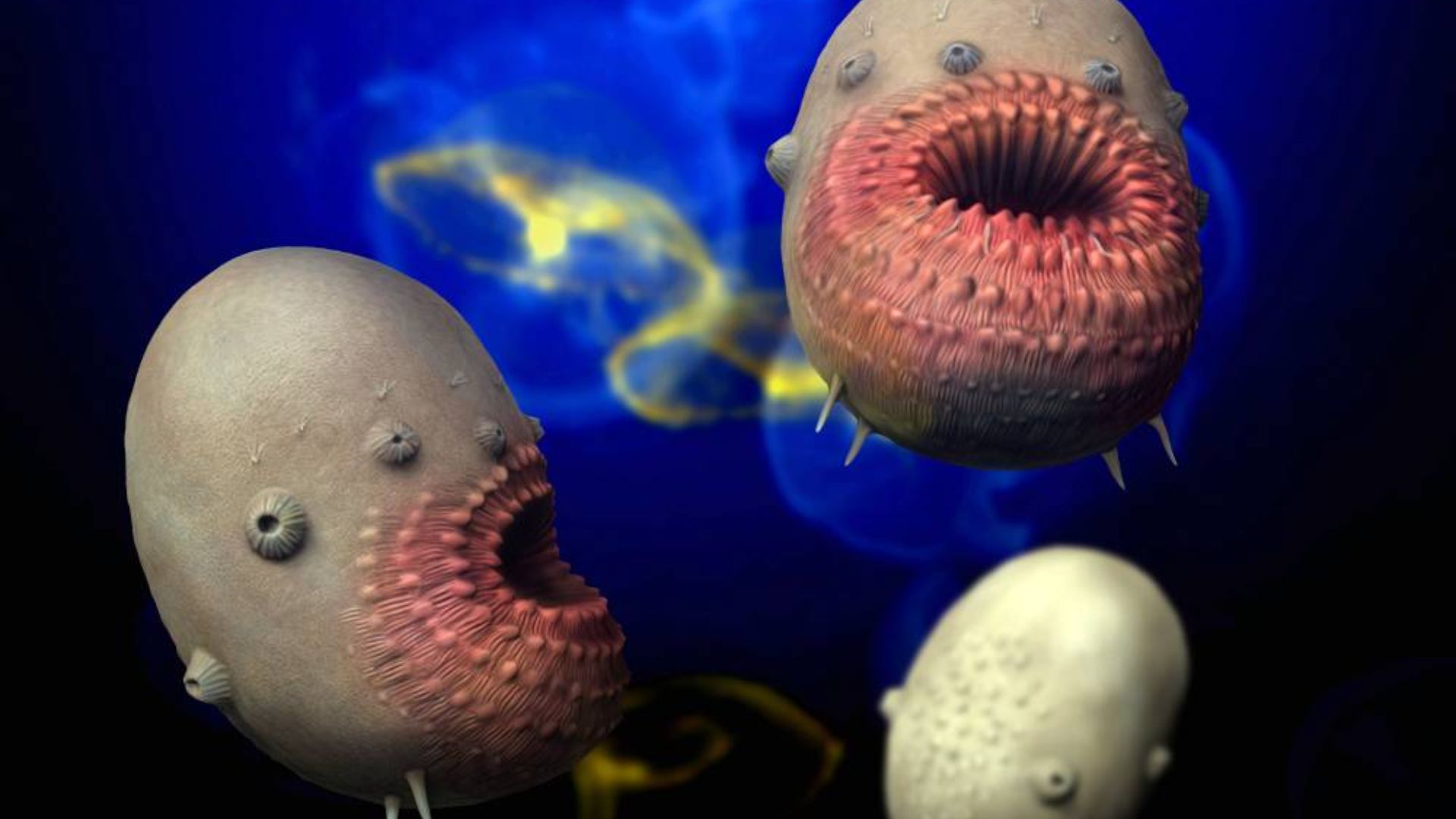
10. Saccorhytus
Saccorhytus is a tiny Cambrian fossil with a wrinkly, bag-like body and a mouth that attracted a lot of attention. It was once proposed as a very early relative of humans and other deuterostomes, but later research argued it actually belongs elsewhere, likely among ecdysozoans, the group that includes molting animals. Its identity has shifted enough to remind everyone that tiny fossils can cause very large arguments.
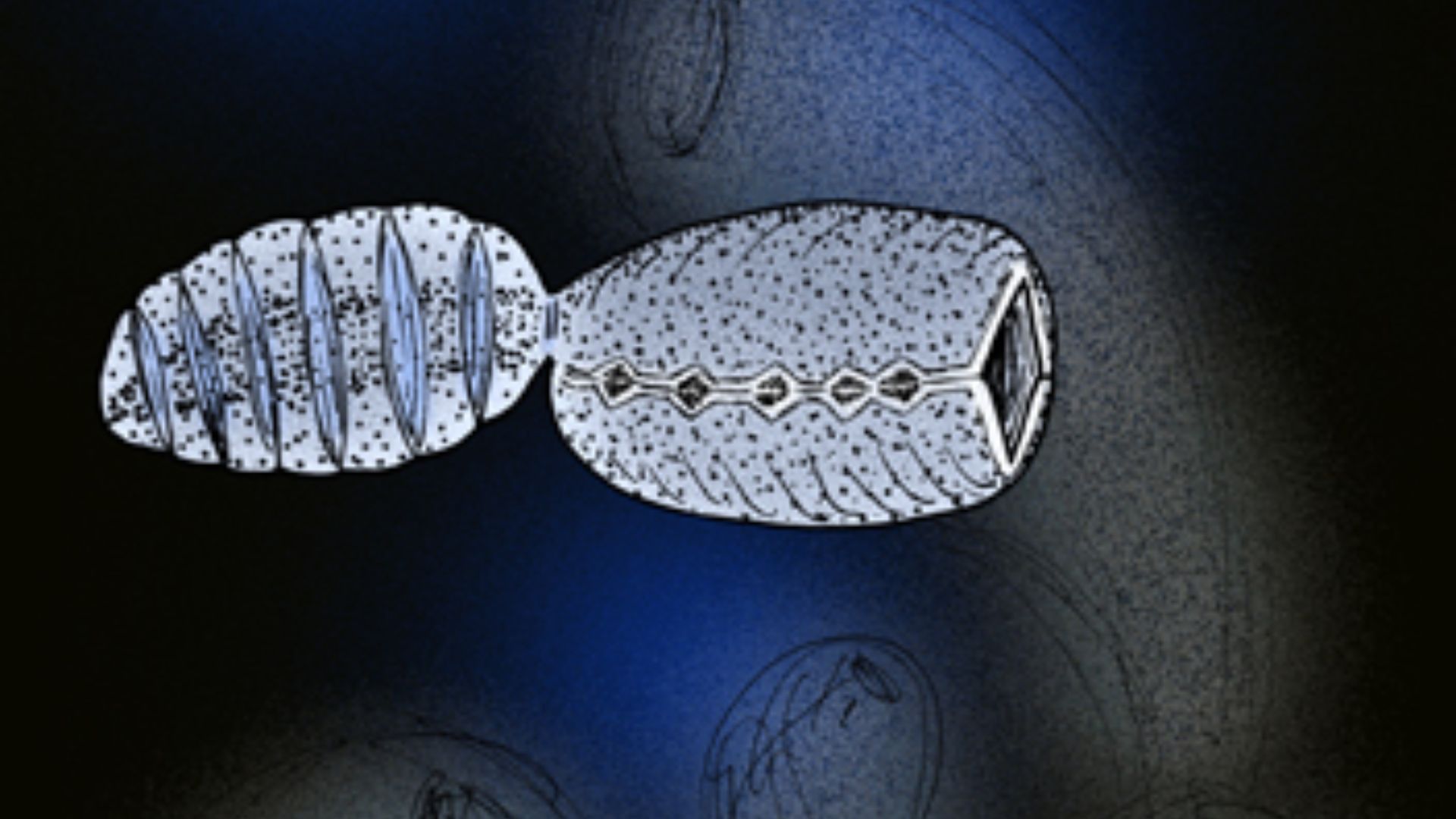
11. Vetulicolians
Vetulicolians look like segmented swimming bags with tails, and that description is doing its best. Scientists have debated whether they were early deuterostomes, relatives of chordates, or something more difficult to place. Their fossils suggest a real body plan, not just a preservation accident, but exactly how they fit into early animal evolution remains contested.
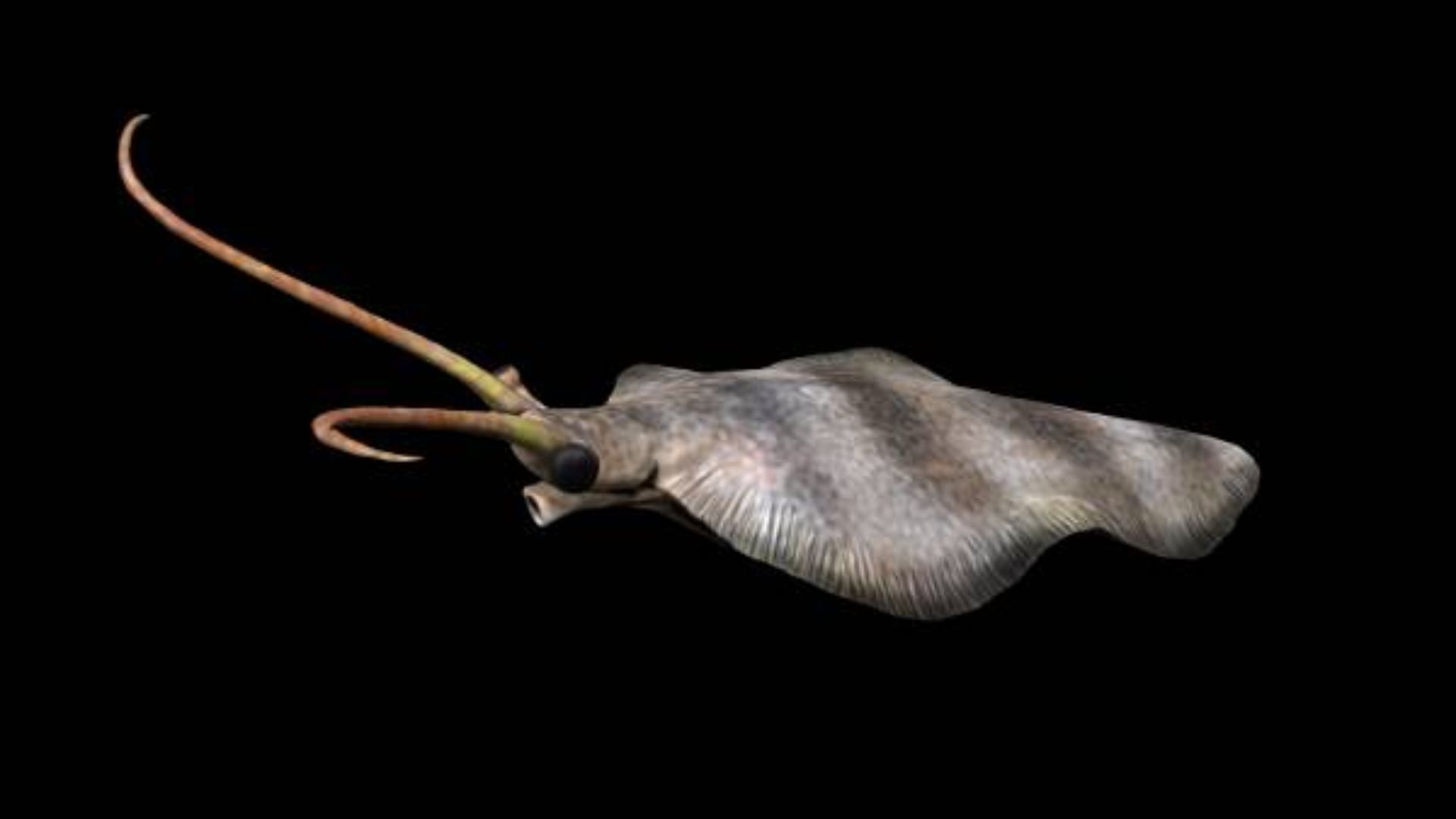
12. Nectocaris
Nectocaris has been interpreted in different ways since its discovery, partly because the available fossils are small and unusual. Some researchers have argued it may be related to early cephalopods, while others have questioned how confidently it can be placed there. Its body seems to combine traits that don’t line up neatly with familiar animal groups.
13. Wiwaxia
Wiwaxia was covered in scales and spines, giving it a look that suggests it didn't want to be casually approached. Its exact relationships have been debated, with scientists comparing it to mollusks, annelid worms, or a broader group of early lophotrochozoans. The problem is that Cambrian animals often had combinations of features that later lineages sorted out differently.
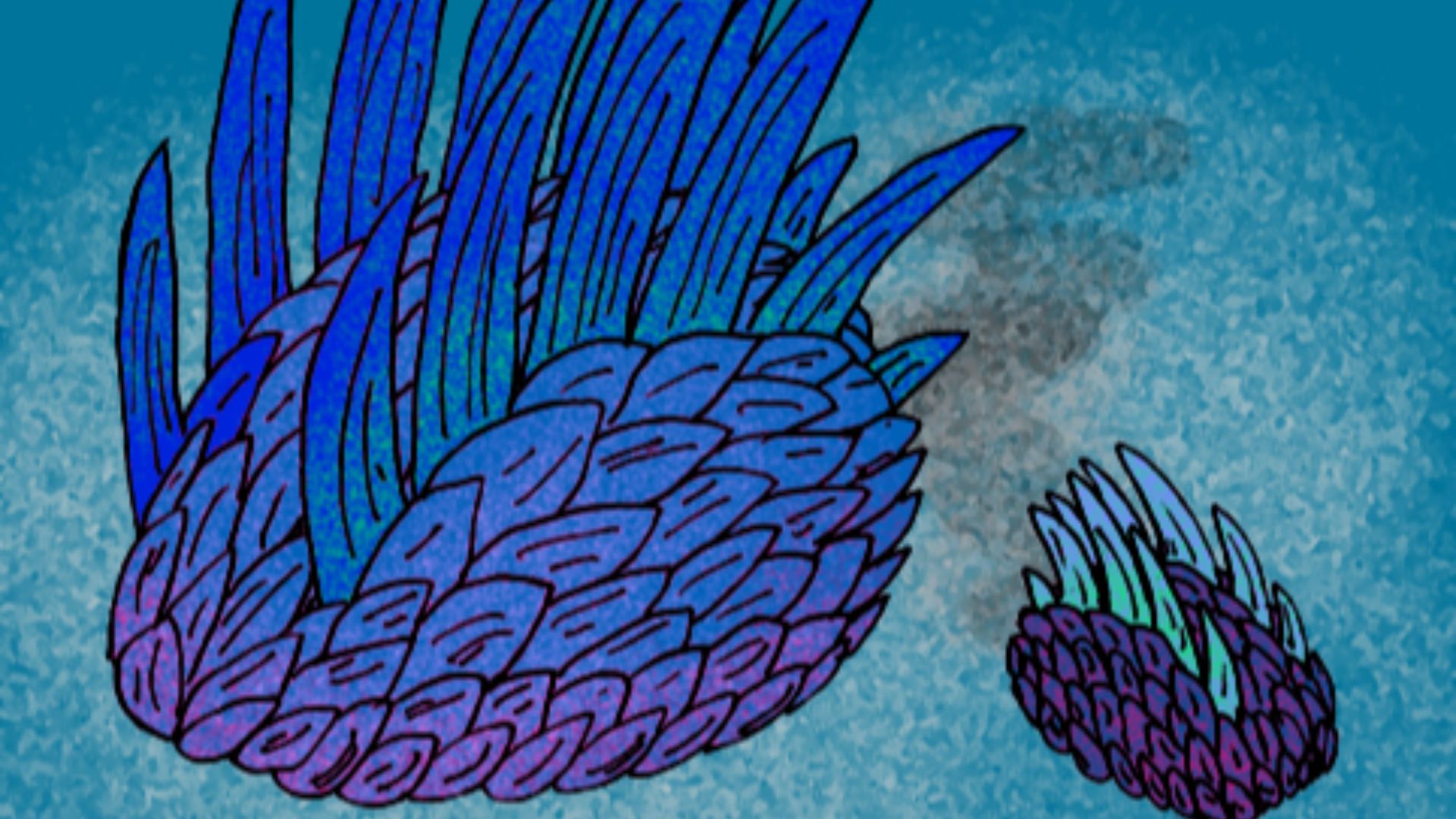
14. Spriggina
Spriggina is an Ediacaran fossil with a segmented body that once tempted researchers to compare it with early arthropods or worms. The problem is that many Ediacaran organisms don’t map cleanly onto later animal groups. Its body symmetry, structure, and evolutionary meaning remain debated.
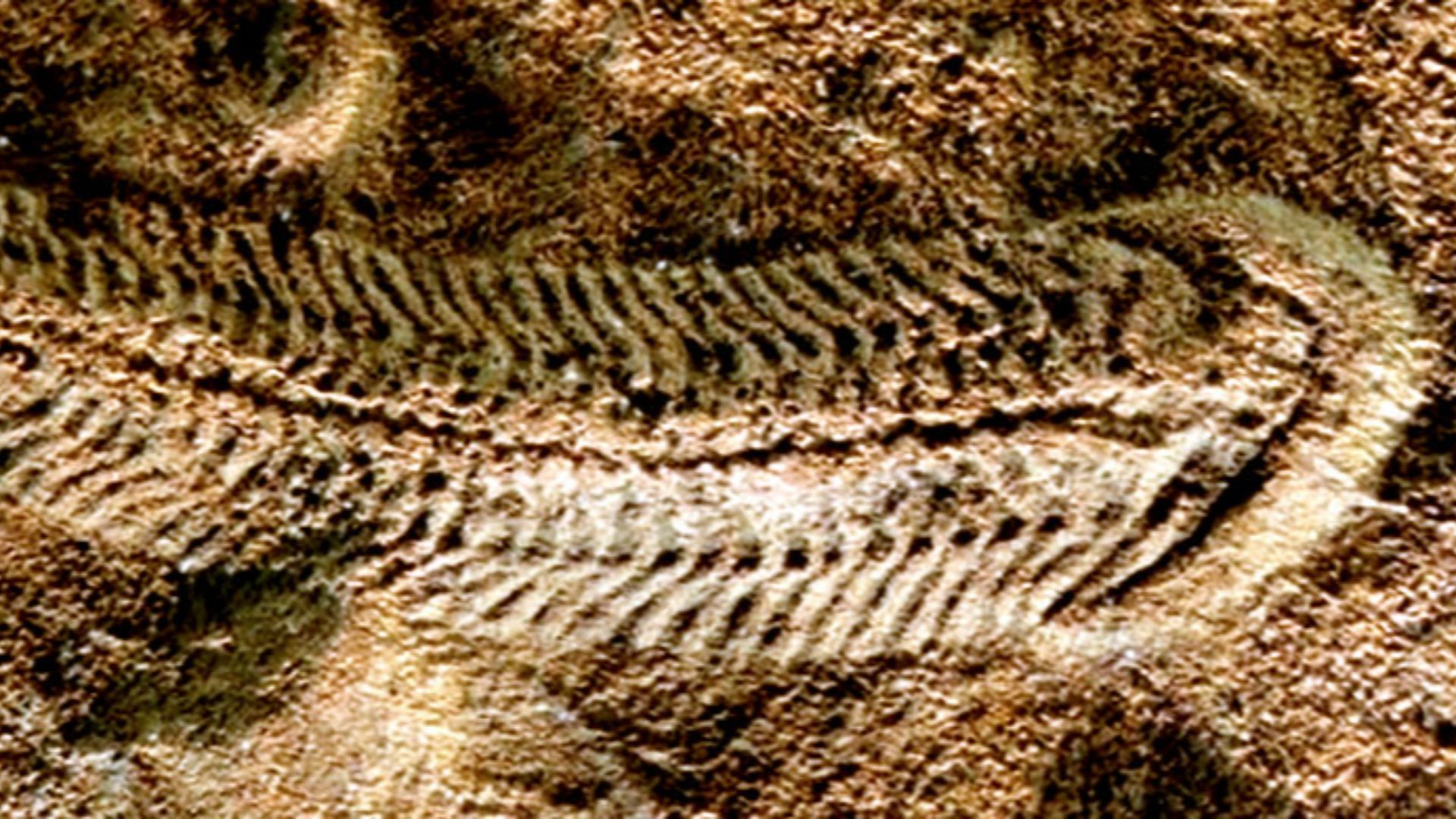
15. Tribrachidium
Tribrachidium has a strange three-part spiral symmetry, unlike most familiar animals. That alone makes it difficult, because most modern animals follow different symmetry patterns. Researchers have proposed that it may have fed by directing water currents across its body, but its exact nature is still uncertain.
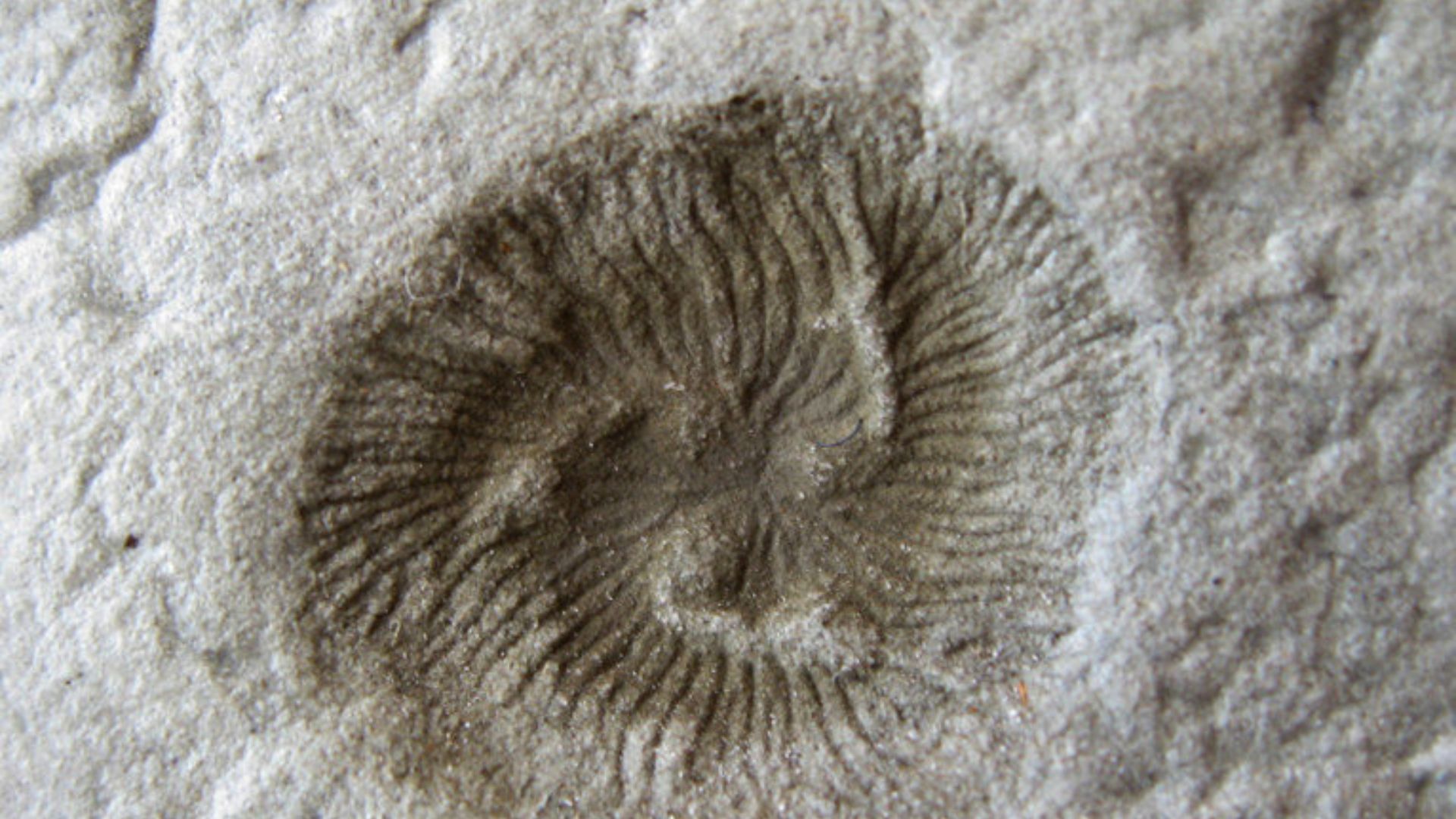 Aleksey Nagovitsyn on Wikimedia
16. Parvancorina
Parvancorina is another Ediacaran fossil that has invited comparisons to arthropods because of its shield-like shape. Those comparisons are tempting, but not everyone agrees that it truly belongs near arthropods. The preservation style and age make it hard to read the fossil with total confidence.
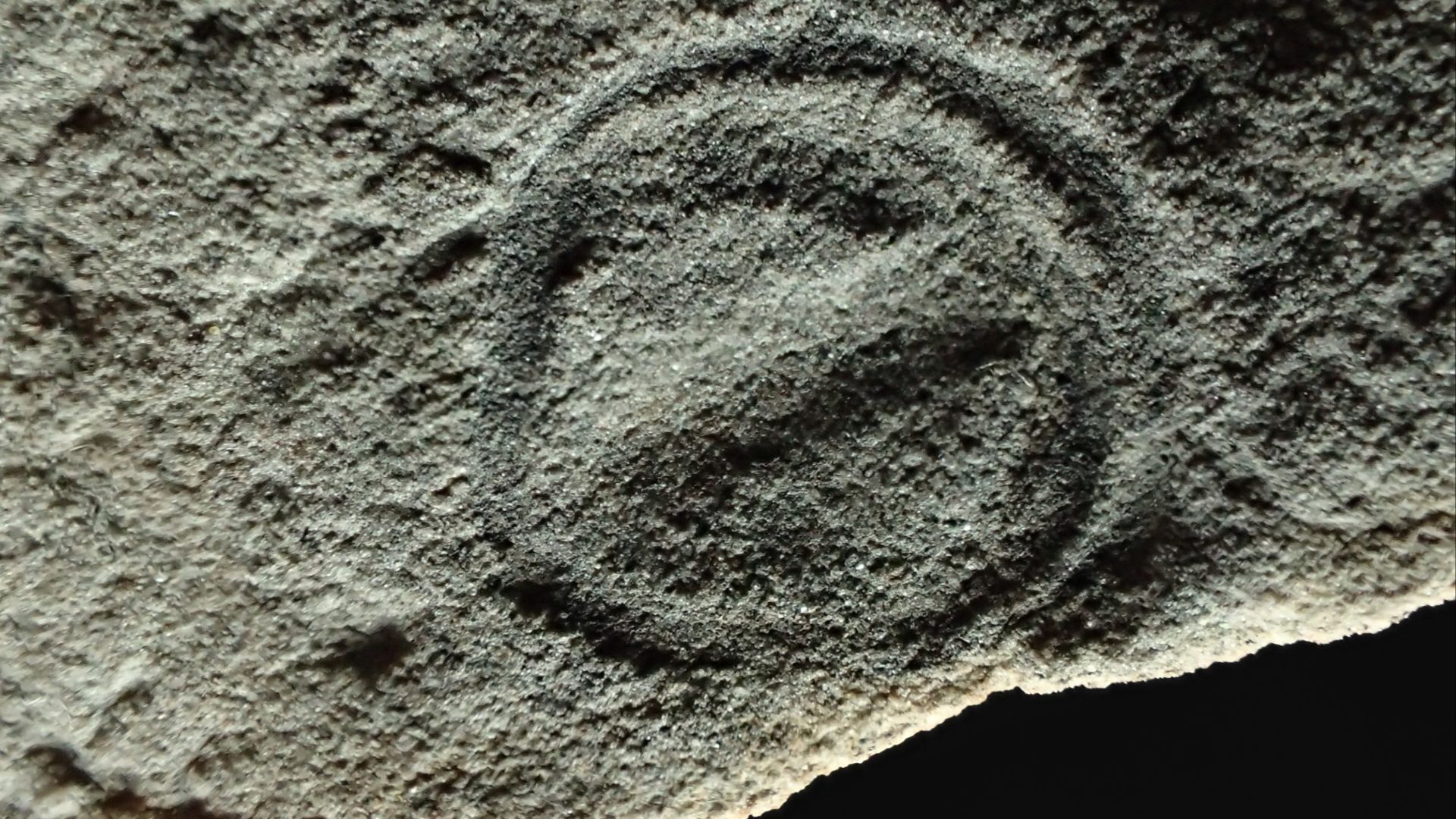 Masahiro miyasaka on Wikimedia
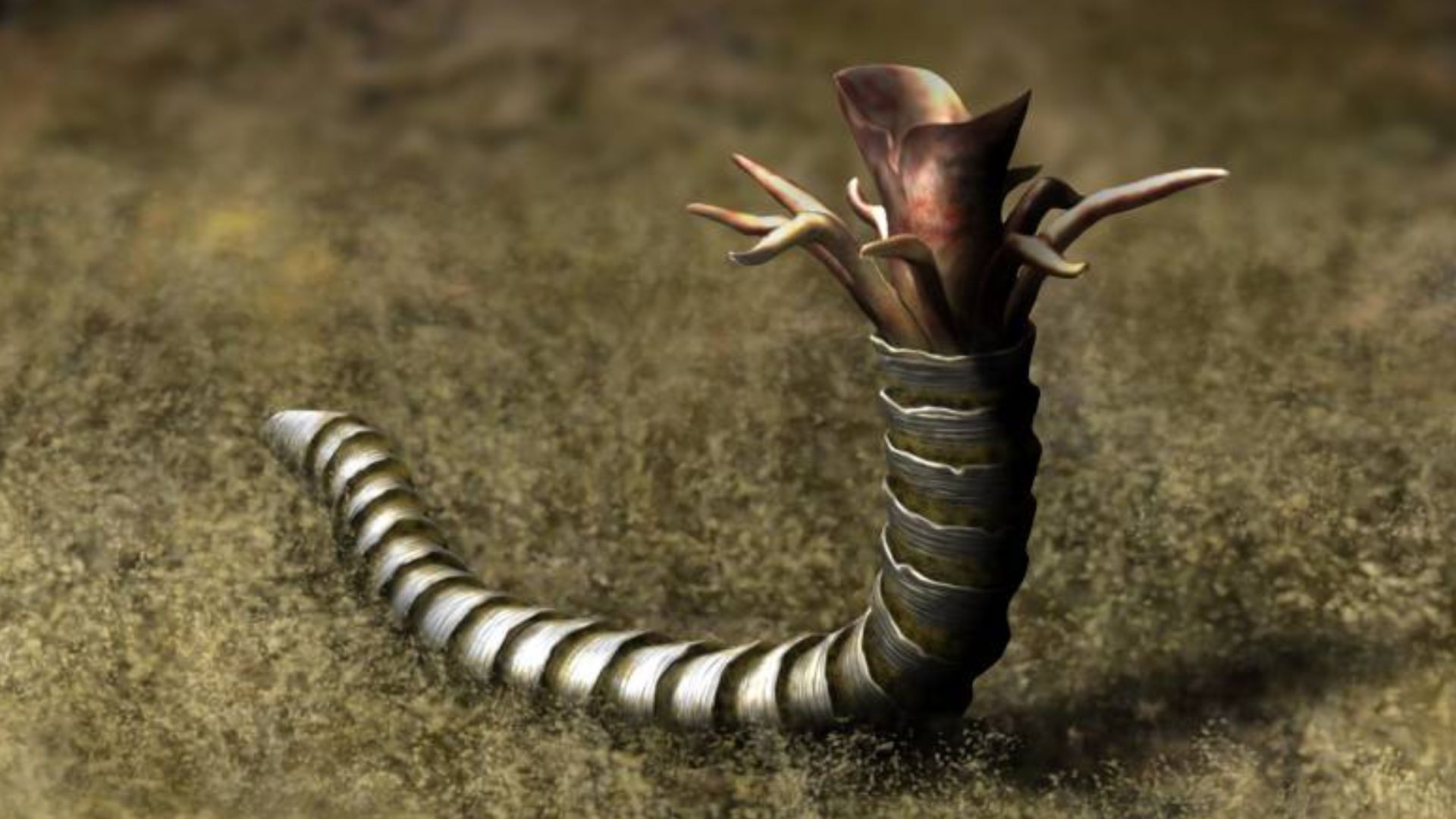
17. Cloudina
Cloudina was one of the earliest animals to build a hard shell-like structure, which makes it hugely important. It lived near the end of the Ediacaran, just before the Cambrian explosion reshaped animal life. Scientists still debate its exact biological identity and how it fits among early animals.
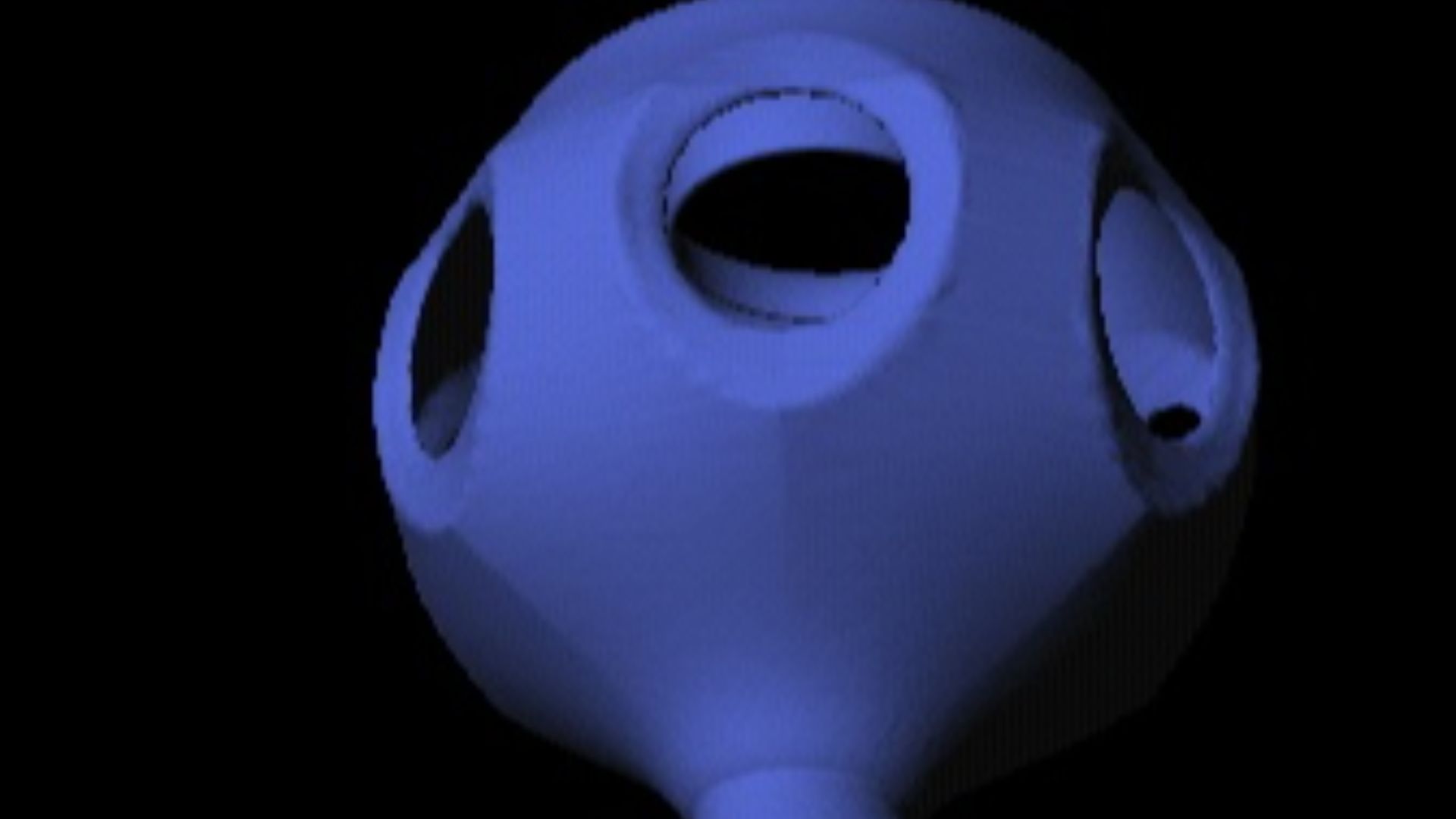
18. Namacalathus
Namacalathus had a goblet-like skeleton with openings that make it look oddly delicate for something so old. It lived alongside other late Ediacaran organisms and has been linked to early experiments in skeleton-building. Its exact relationships have been debated, with some studies connecting it to animal groups more confidently than others. It’s tiny, elegant, and still making paleontologists squint at its family tree.
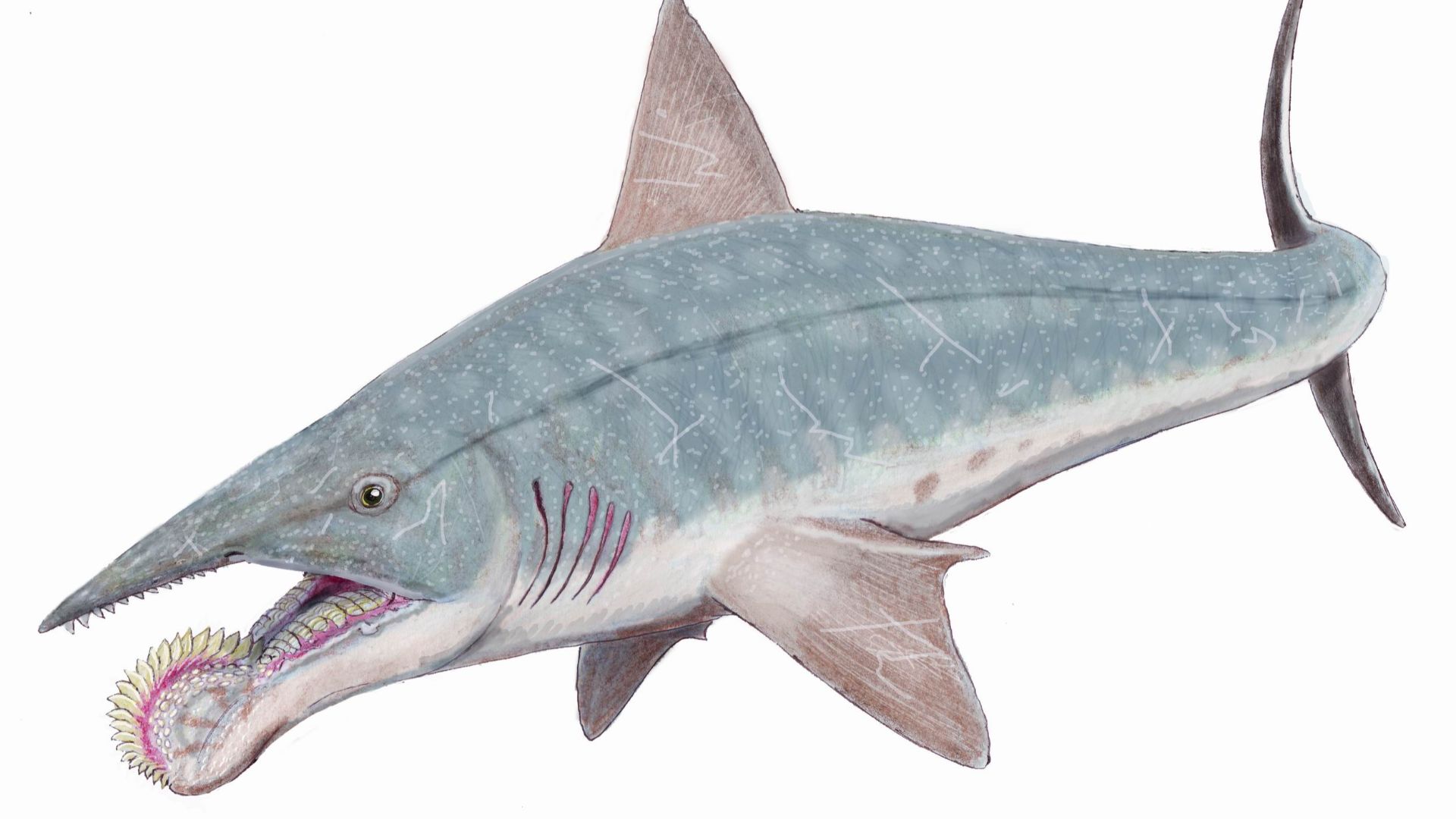
19. Helicoprion
Helicoprion is famous for its bizarre spiral tooth whorl, which looked so strange that scientists spent decades debating where it even sat in the animal’s mouth. It was a shark-like cartilaginous fish relative, but the tooth spiral made reconstructions wildly imaginative over the years. Modern imaging has helped solve much of the placement mystery, yet the animal still feels wonderfully strange.
 Creator: Dmitry Bogdanov on Wikimedia
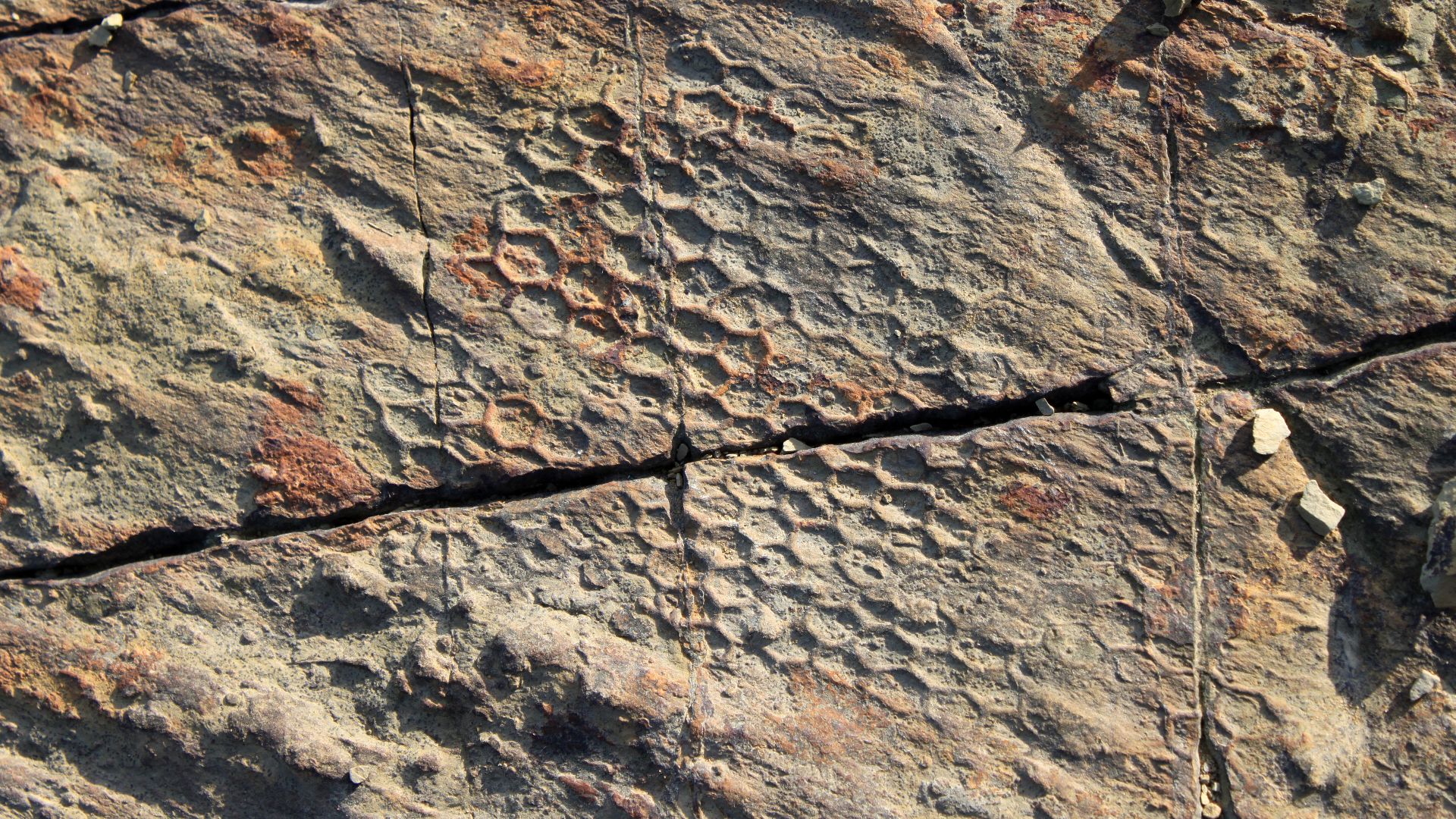
20. Paleodictyon
Paleodictyon is not a body fossil but a mysterious honeycomb-like trace pattern found in ancient rocks and even on modern seafloors. Scientists have debated whether it represents burrows, feeding traces, microbial gardening, or something else. The fact that similar patterns appear across huge stretches of time makes the mystery even more interesting.
KEEP ON READING