Grief Had a Very Strict Rulebook
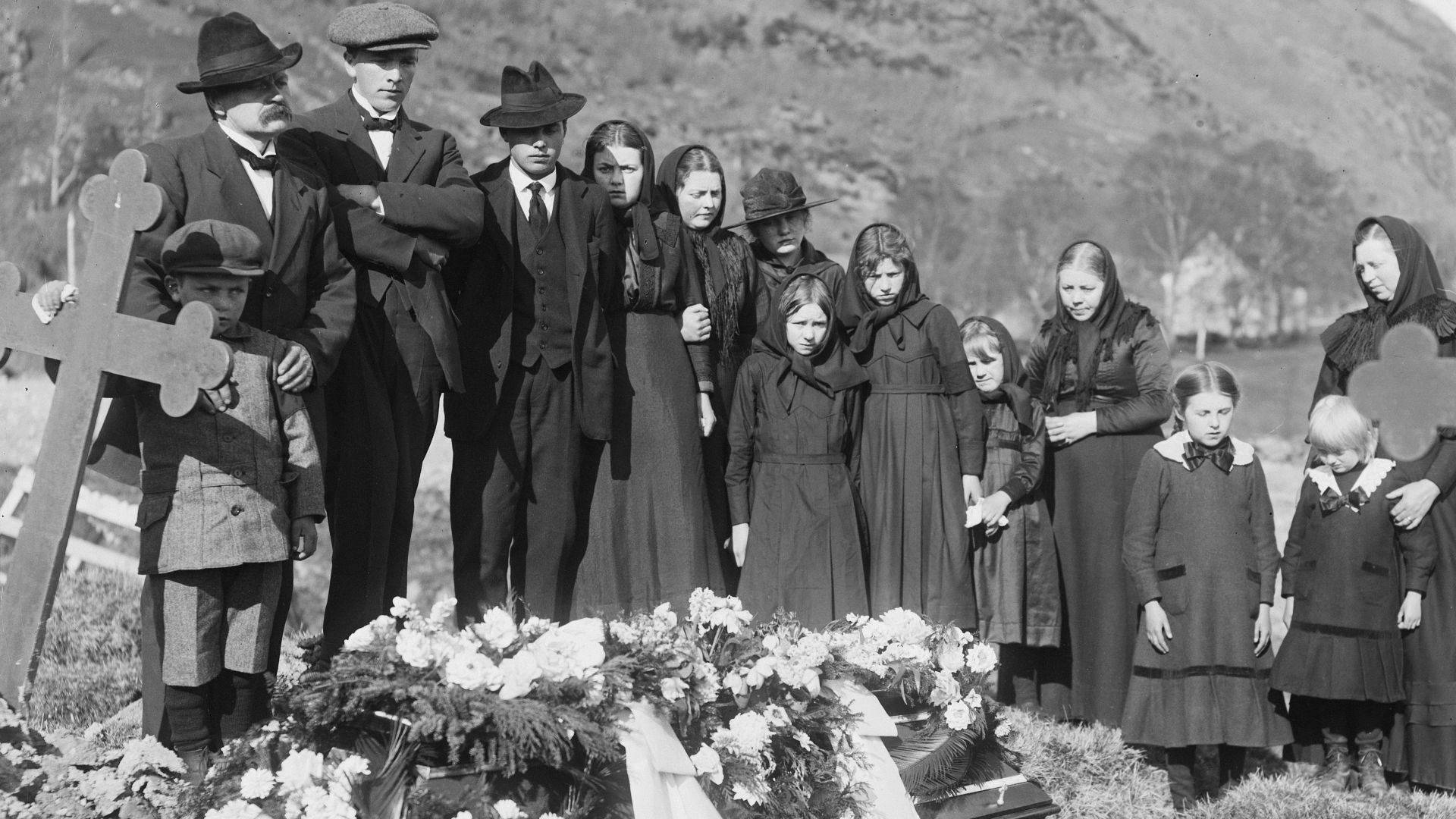
Victorian society had an elaborate set of expectations for what people should do after someone died, and many of those customs can seem remarkably strange today. Mourning wasn't simply a private experience because clothing, jewelry, photographs, household routines, stationery, and even social behavior could all signal that someone had died. Some practices were practical, while others were deeply sentimental, but taken together, they created a culture in which death was very visible.
 Fylkesarkivet i Vestland on Unsplash
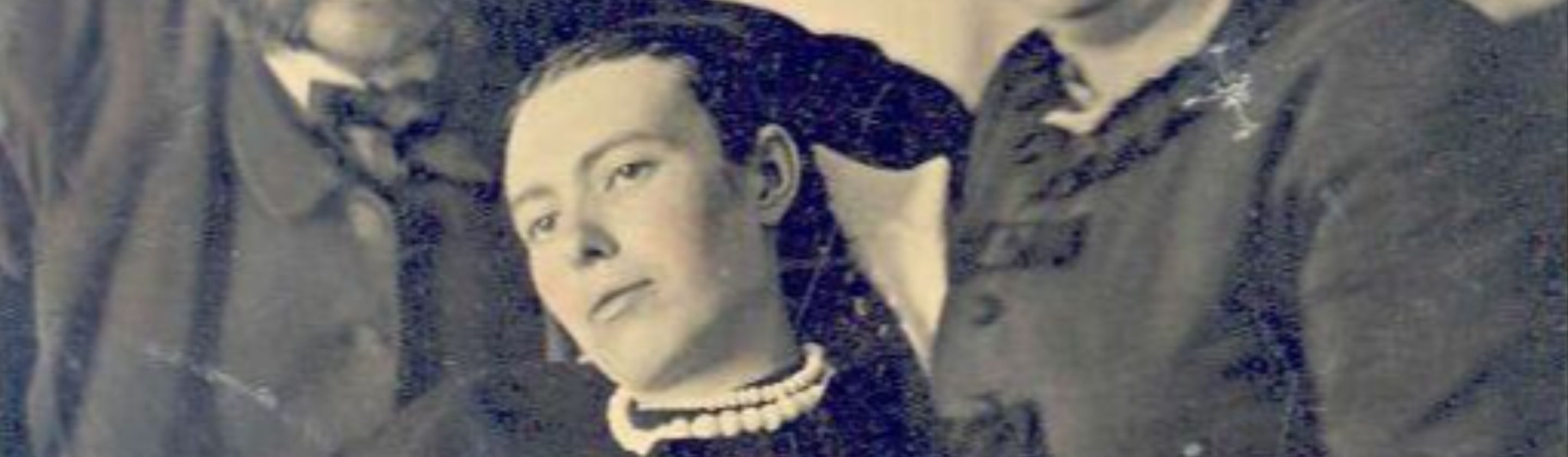
1. Postmortem Photography Kept the Dead in the Family Album
Postmortem photography might sound horrific to modern ears, but these photographs were a genuine Victorian tradition. Rather than being taken secretly or as some kind of macabre joke, these photographs offered families a chance to document the passing of a relative or friend. For many people, it was also the last photograph they would have of their loved one.
2. Mourning Jewelry Could Contain Human Hair
The human hair didn’t just end up on locket necklaces. Victorian mourning jewelry could also use hair as an ingredient, allowing friends and family members to wear a part of their lost loved ones around their own necks or wrists. Hair jewelry was prized because it did not decay as quickly as other materials and could be woven into decorative patterns.
3. Widows Wore Elaborate Black Mourning Clothes
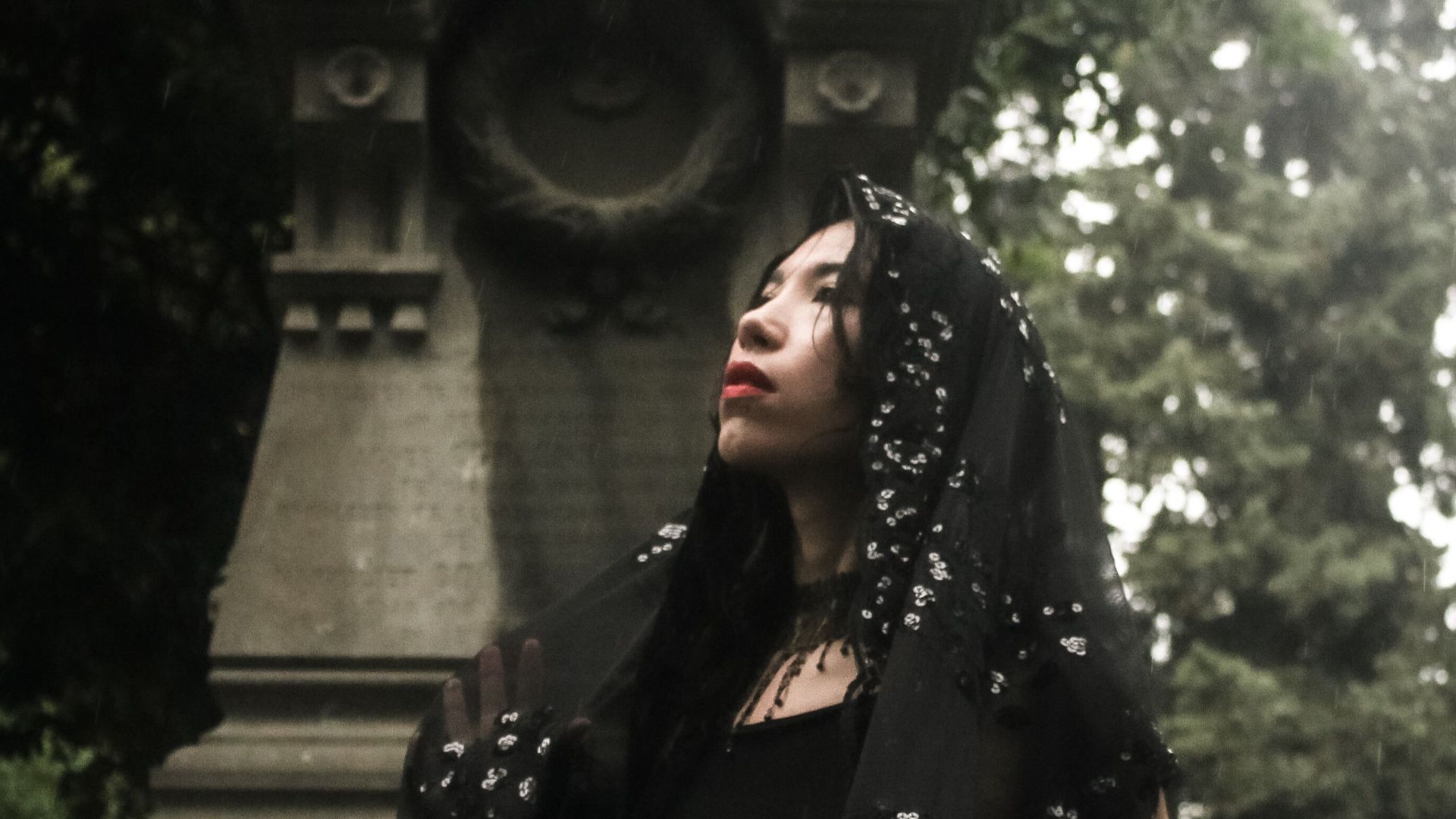
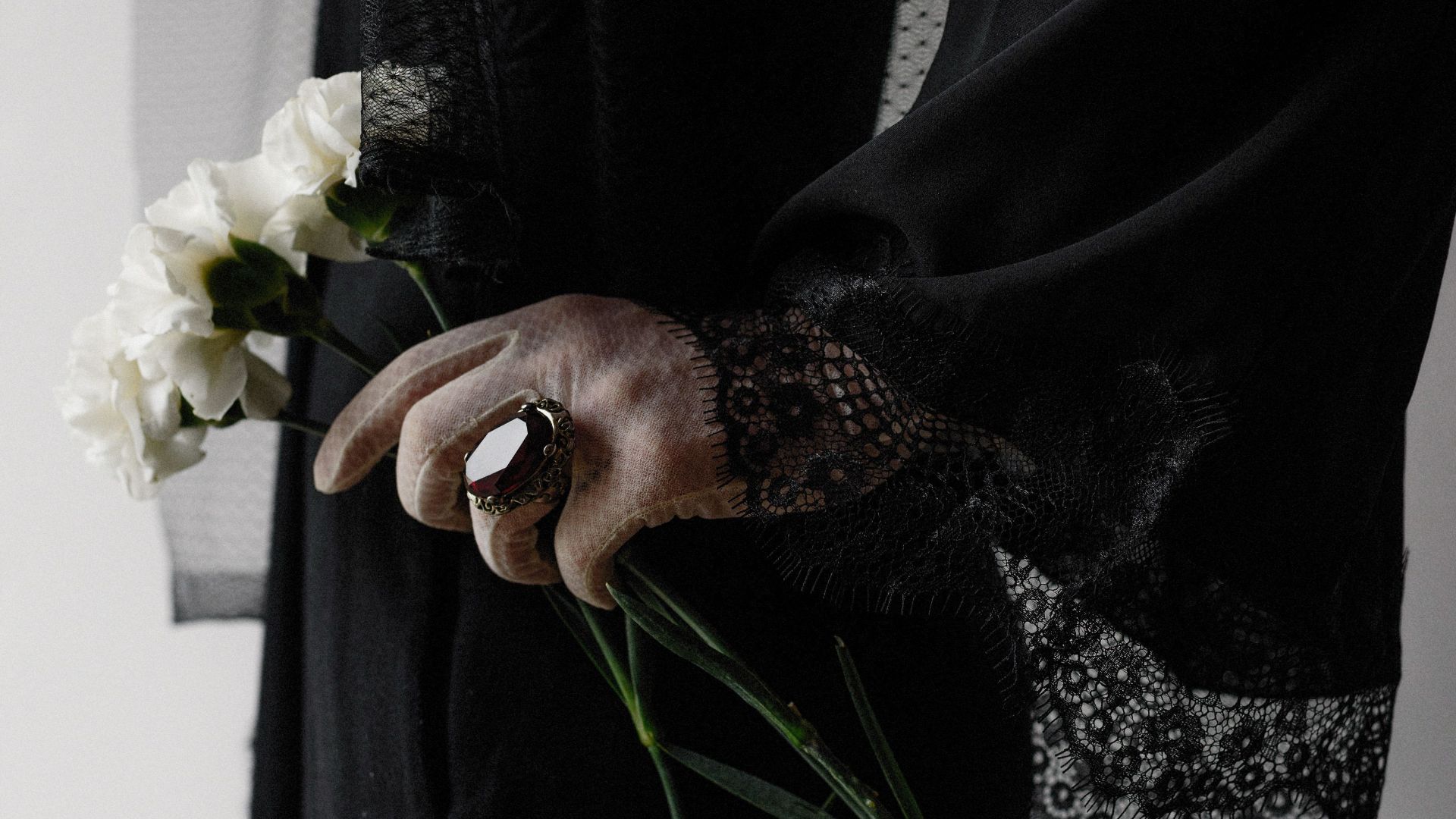
The way a Victorian widow dressed became a visible symbol of her grief. Expectations varied depending on the era, location, culture, family wealth, and circumstances, but mourning clothes were still seen as one of the most public indications that someone was grieving for lost loved ones. Strict mourning dress included black dresses, heavy fabrics, veils, bonnets, and various mourning accessories.
4. Mourning Could Be Divided Into Several Stages
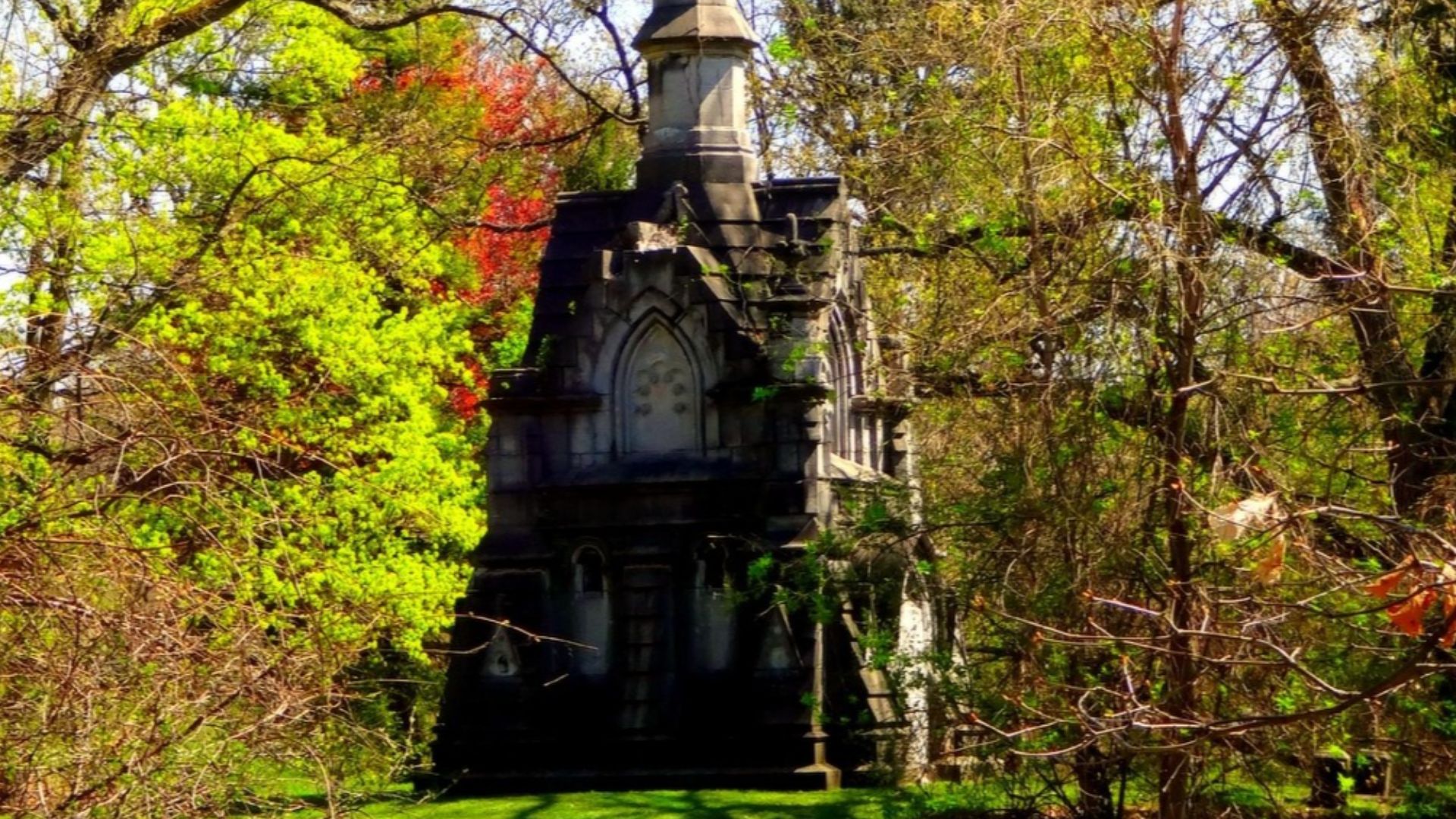
Victorian mourning etiquette was oddly specific about how grief should be presented to the outside world. Instead of treating mourning as one long period of grieving, people in mourning were expected to transition between stages that were often defined by clothing and social practices. Initial mourning could be very strict.
5. Mirrors Were Sometimes Covered After a Death
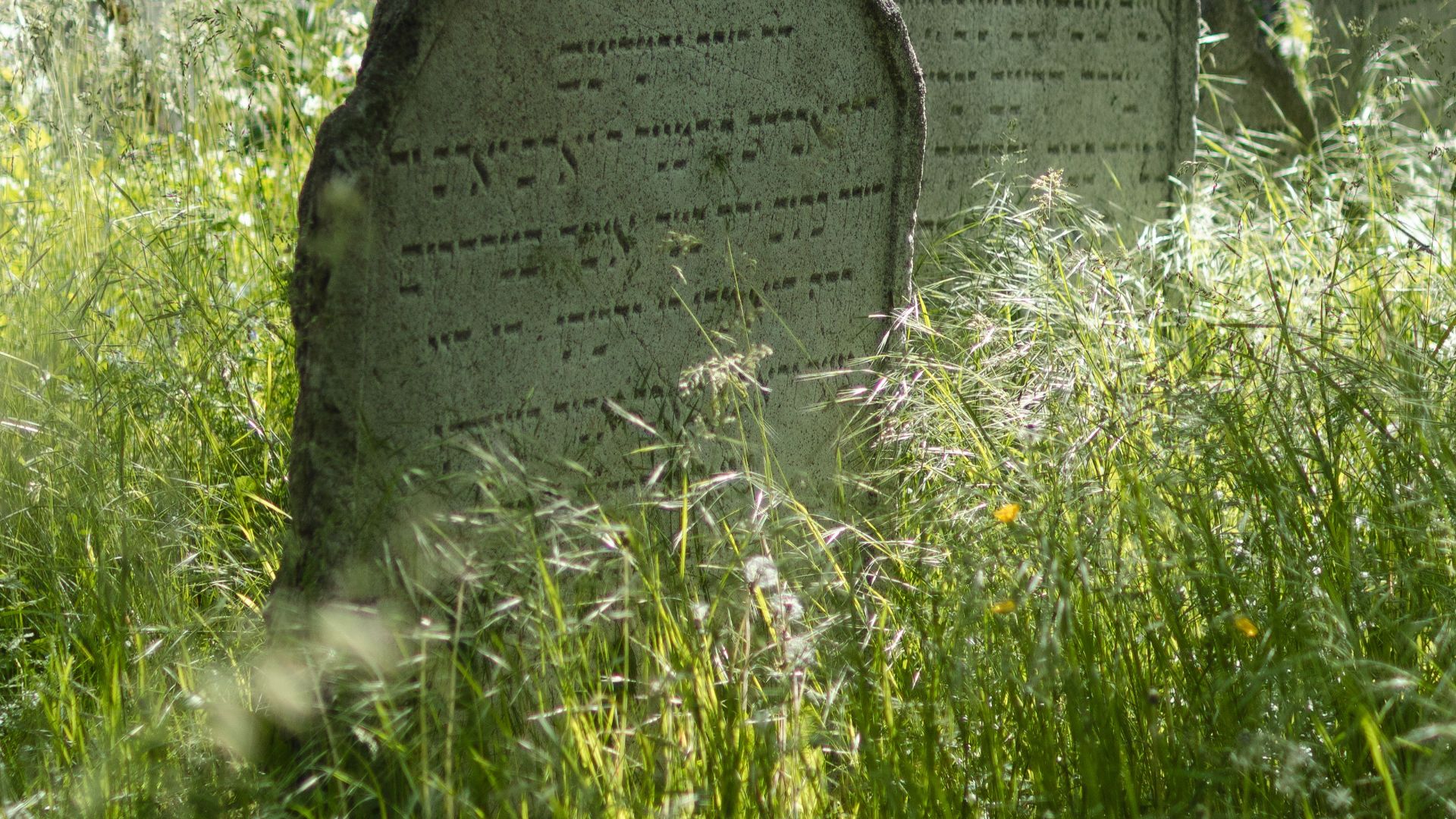
Covering mirrors after a passing is typically associated with ancient funeral traditions. But some Victorian families kept the practice alive. Beliefs regarding mirrors ranged from spirits attaching themselves to reflections in glass to mourners focusing too much on their appearance after someone passed.
6. Clocks Could Be Stopped at the Time of Death
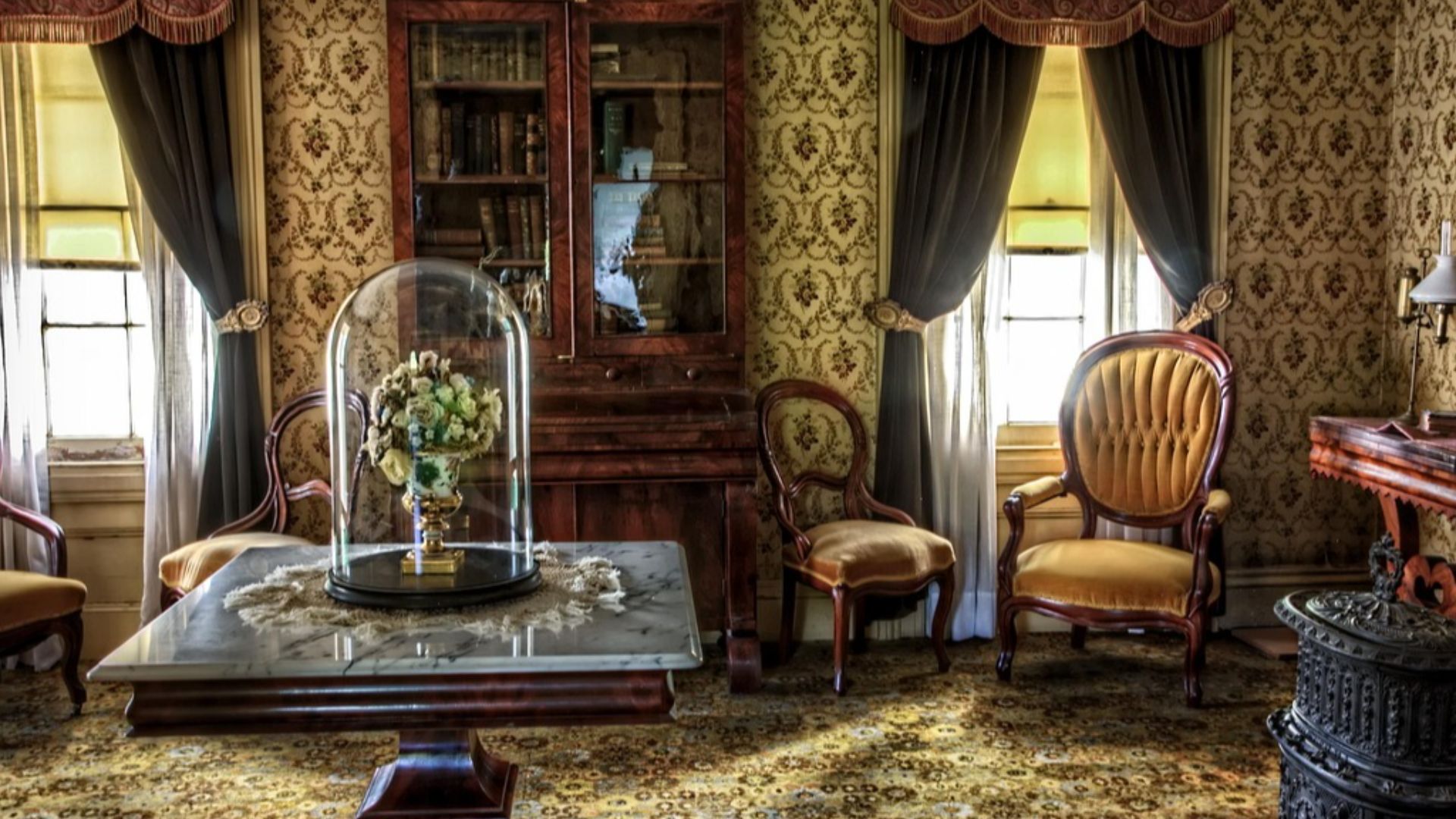
Victorian mourning superstitions once dictated that families should stop their home clocks at the exact time that someone passed away. Clocks suddenly became frozen reminders of the moment someone was fading. And survivors were left living under an unmoving digital shadow.
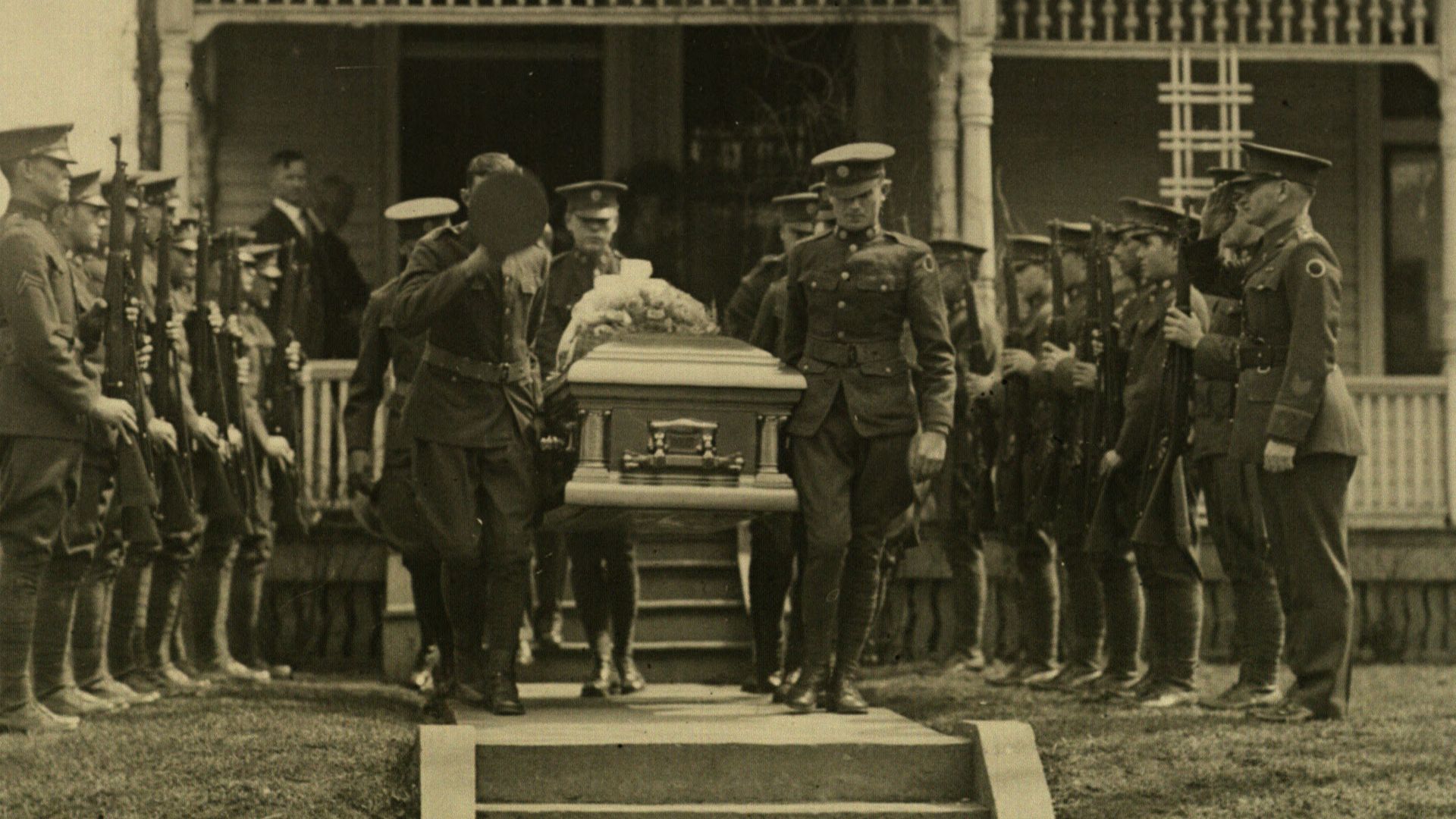
7. The Dead Were Often Kept at Home Before Burial
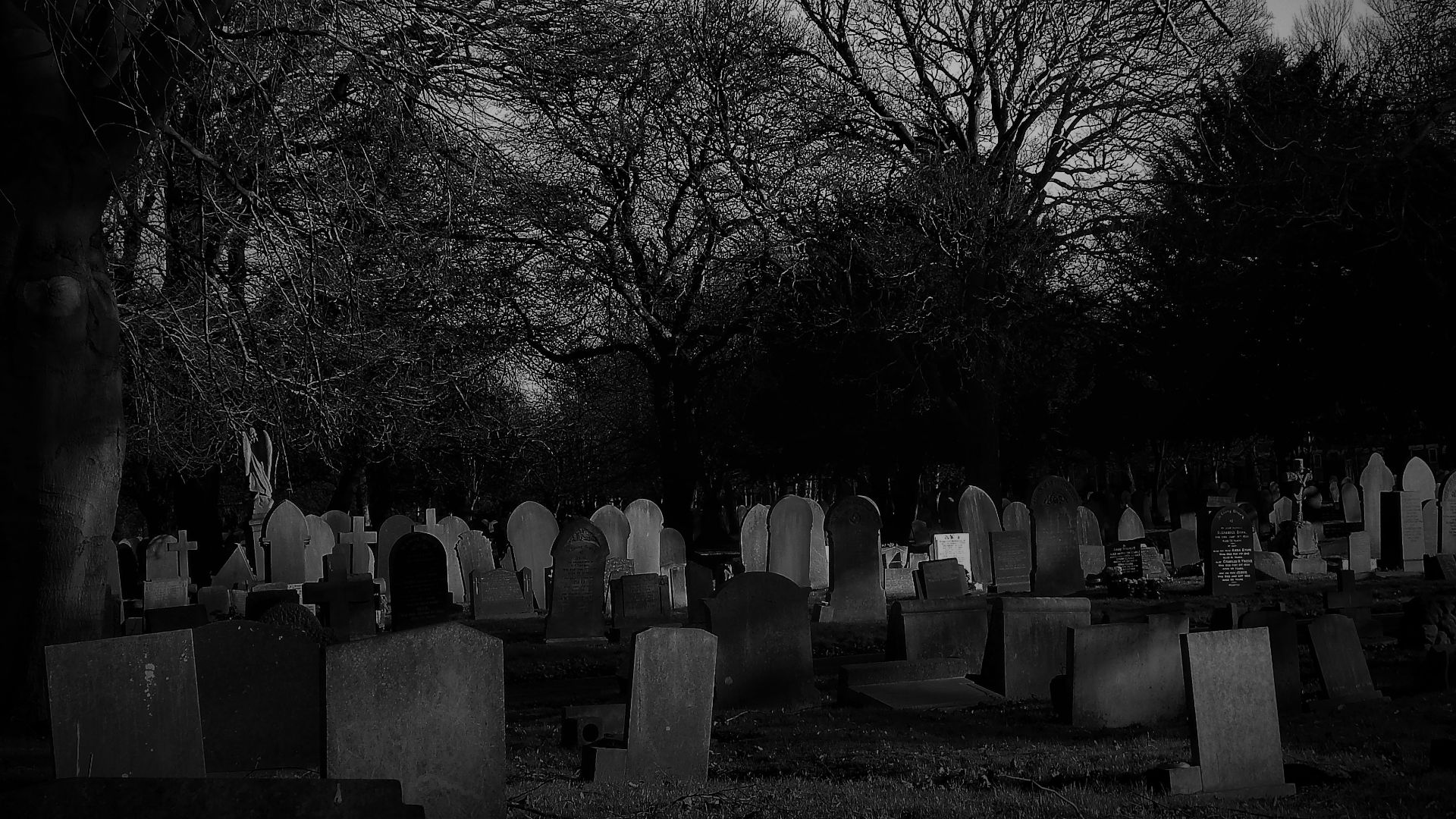
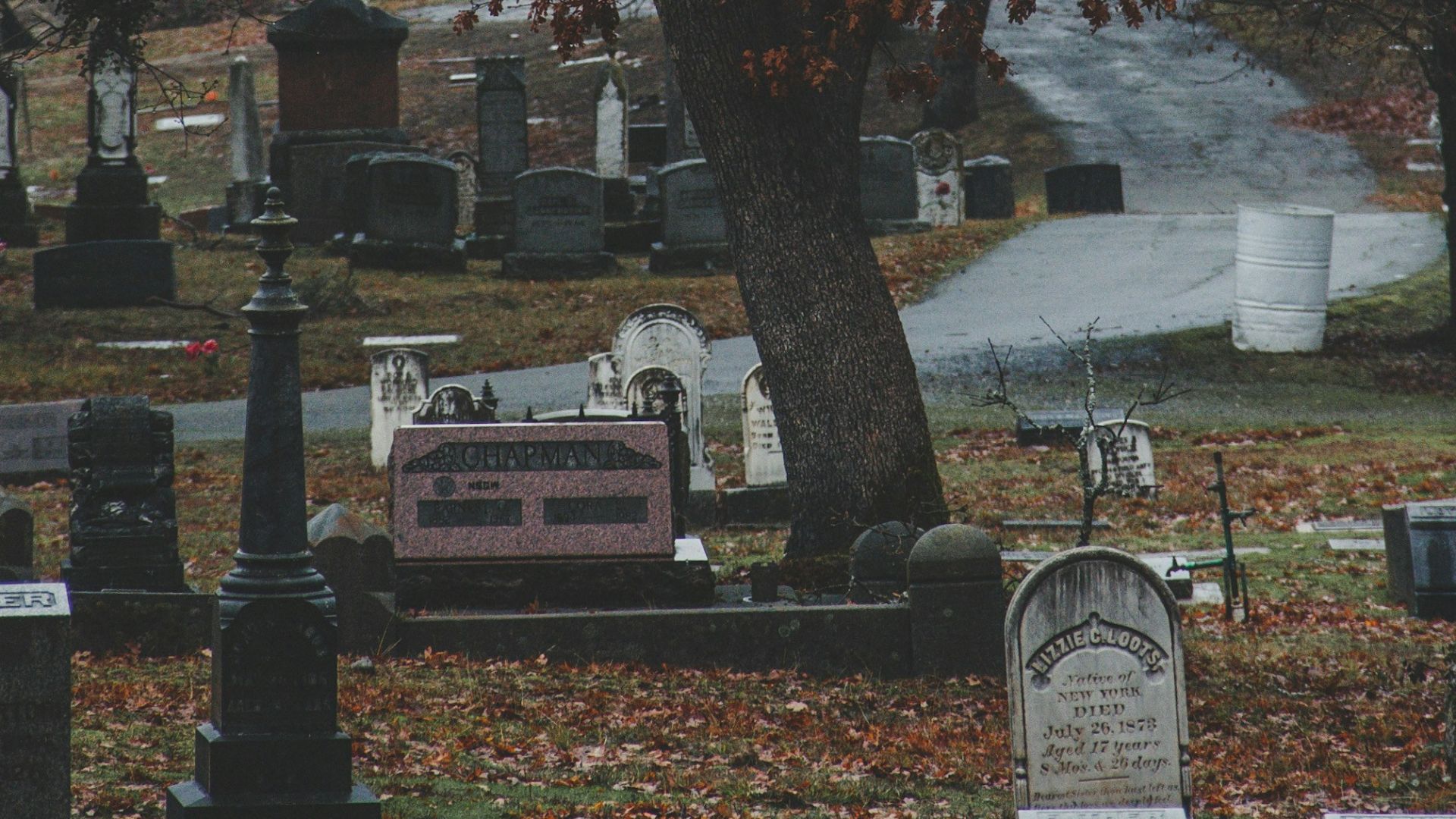
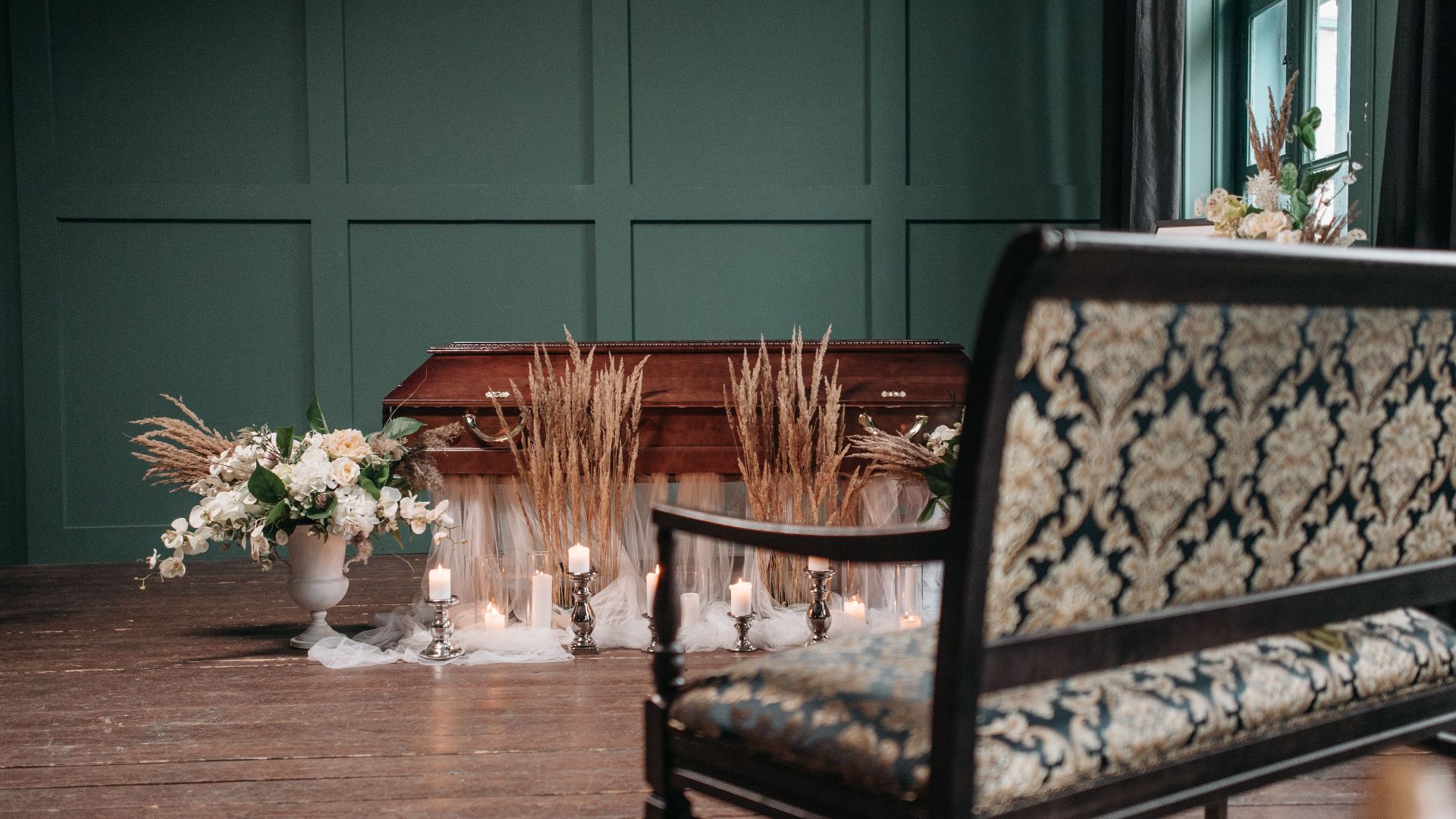
Before the rise of funeral directors and pre-planned funerals, people normally died at home and stayed there until burial. Funerals were generally much simpler affairs than they could be today, with the deceased remaining at home for everyone to see during the days leading up to a funeral. Bodies were typically visible in the home for a period of time.
8. Funeral Biscuits Were a Real Thing
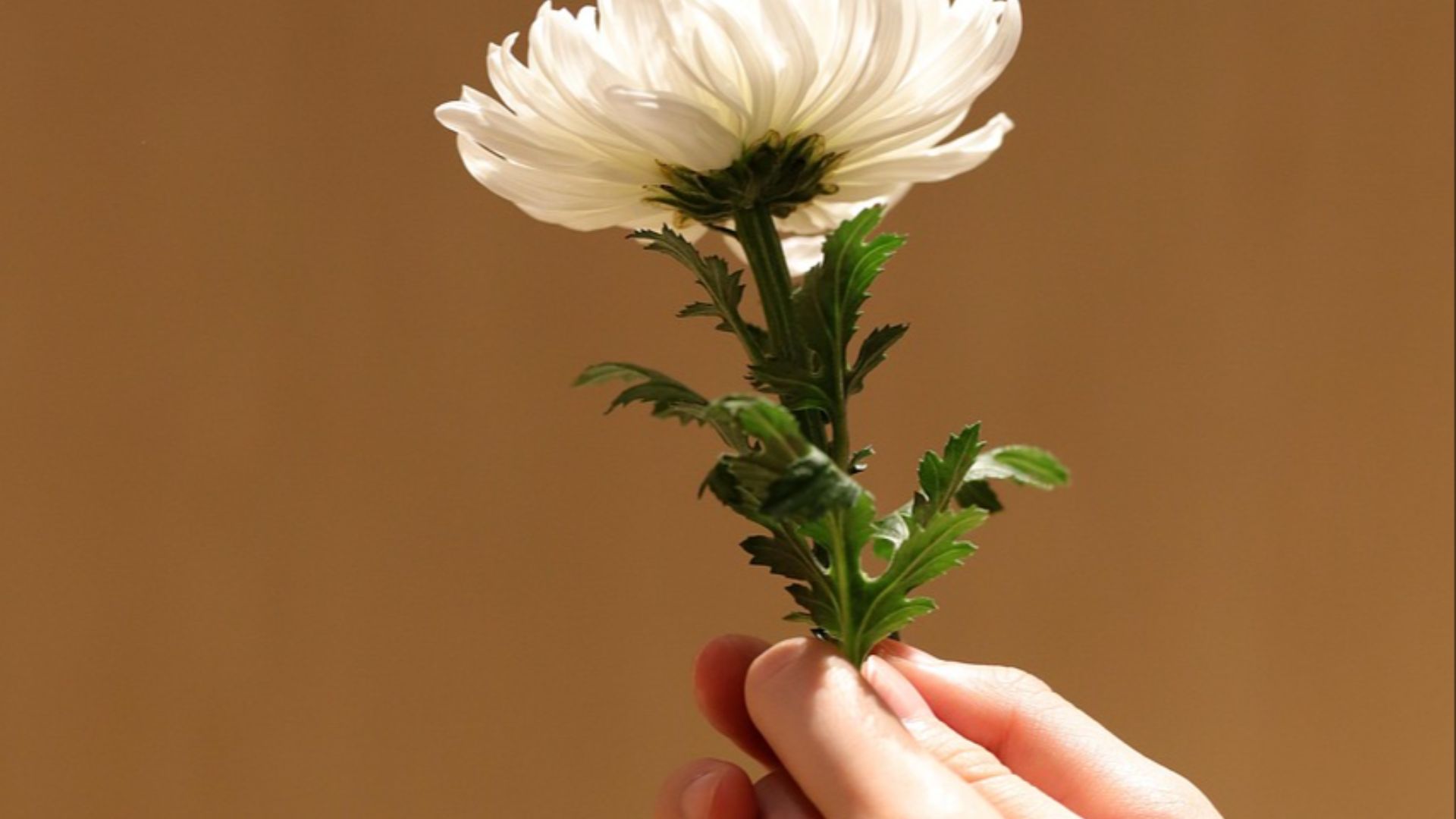
Funeral biscuits or cookies were an oddly specific tradition that saw mourners receive a wrapped or decorated treat after someone died. Often very simple, these treats were given as souvenirs or remembrances of the funeral itself. Regional differences and traditions created dozens of varieties.
9. Death Notices Could Have Dramatic Black Borders
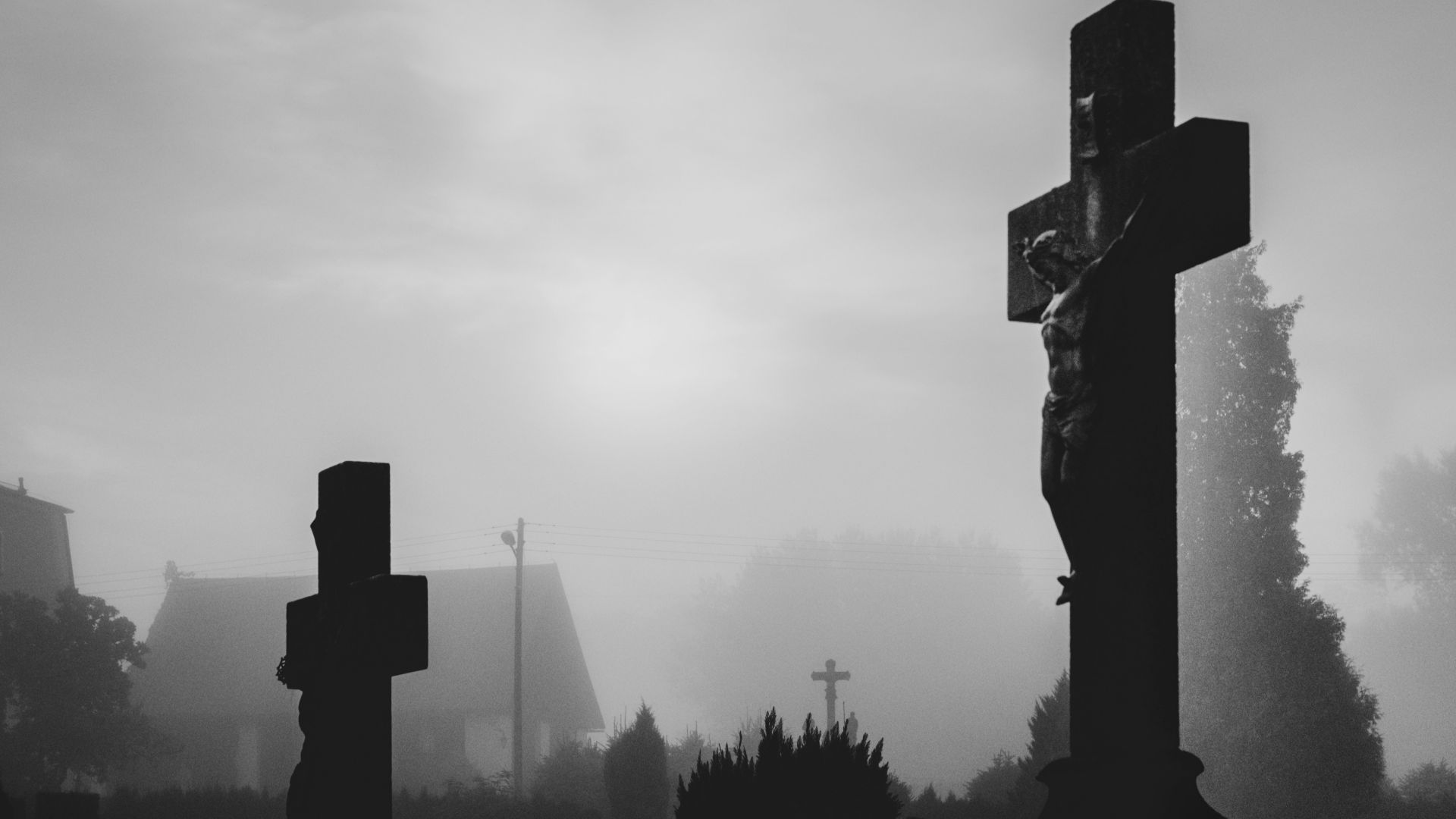
Black-bordered stationery and documents became widely used to announce deaths in Victorian Britain. The black border was difficult to miss. Letting everyone who handled the document know that the sender was mourning a death.
10. Mourning Stationery Was Part of the Social Etiquette
Victorian mourning etiquette covered pretty much everything, including letter-writing practices. Mourning letters could require black-bordered stationery and were sometimes influenced by strict social etiquette surrounding grief. Correspondence was restricted in complicated ways.
11. Mourning Rings Could Memorialize the Dead
Memorial rings allowed Victorians to keep reminders of lost loved ones close at hand, similar to mourning lockets. Rings could include inscriptions, dates, symbolic motifs, or hair from the deceased relative. Some families had rings made specifically after someone passed away.
12. Hair Could Be Turned Into Intricate Memorial Art
Victorian hairwork was an art unto itself, with strands woven into beautiful memorials that resembled jewelry or home decorations. Trained artists could craft hair into wreaths, flowers, chains, decorative cords, and other mourning art. While some of these creations were framed for remembrance, others could be worn as jewelry.
13. Funeral Wreaths Could Be Made From Hair
Funeral wreaths were another art form that sometimes incorporated Victorian Britain’s favorite mourning ingredient: hair. Friends and family members could have their hair woven into elaborate memorial wreaths that would be displayed as decorations. These intricately crafted wreaths were usually mounted under glass.
14. Children Had Mourning Clothes, Too
Children were not exempt from Victorian mourning traditions. Boys and girls could be dressed in specific mourning garments depending on how closely they were related to someone who passed away. Expectations could vary based on location and culture.
15. Mourning Veils Could Obscure the Face
Victorian mourning veils were used to cover the faces of widows as a visual reminder of their loss. The intricacy and size of the veils worn by widows varied depending on how recent the death was and how strictly someone observed mourning traditions. Some veils merely pinned back hair or rested on top of a woman’s bonnet.
16. Memorial Cards Turned Death Into Keepsakes
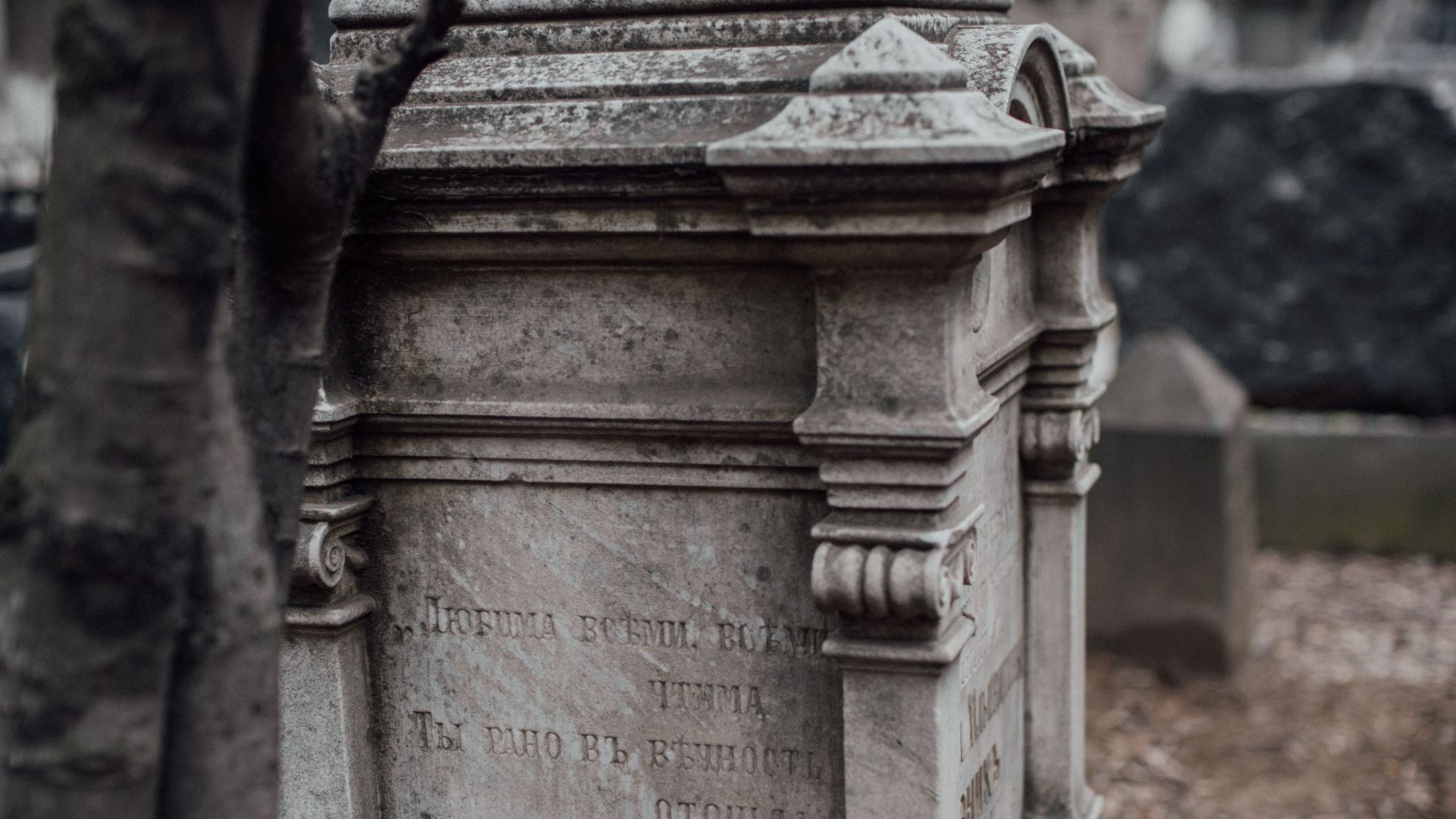
Victorian families would sometimes order memorial cards after someone died. These cards could be intricately designed and decorated with images of the deceased, names, dates, flowers, poetry, religious iconography, and mourning borders. Memorial cards were sometimes saved by families who received them.
 National Gallery of Art on Unsplash
17. Mourning Dress Could Last for a Long Time
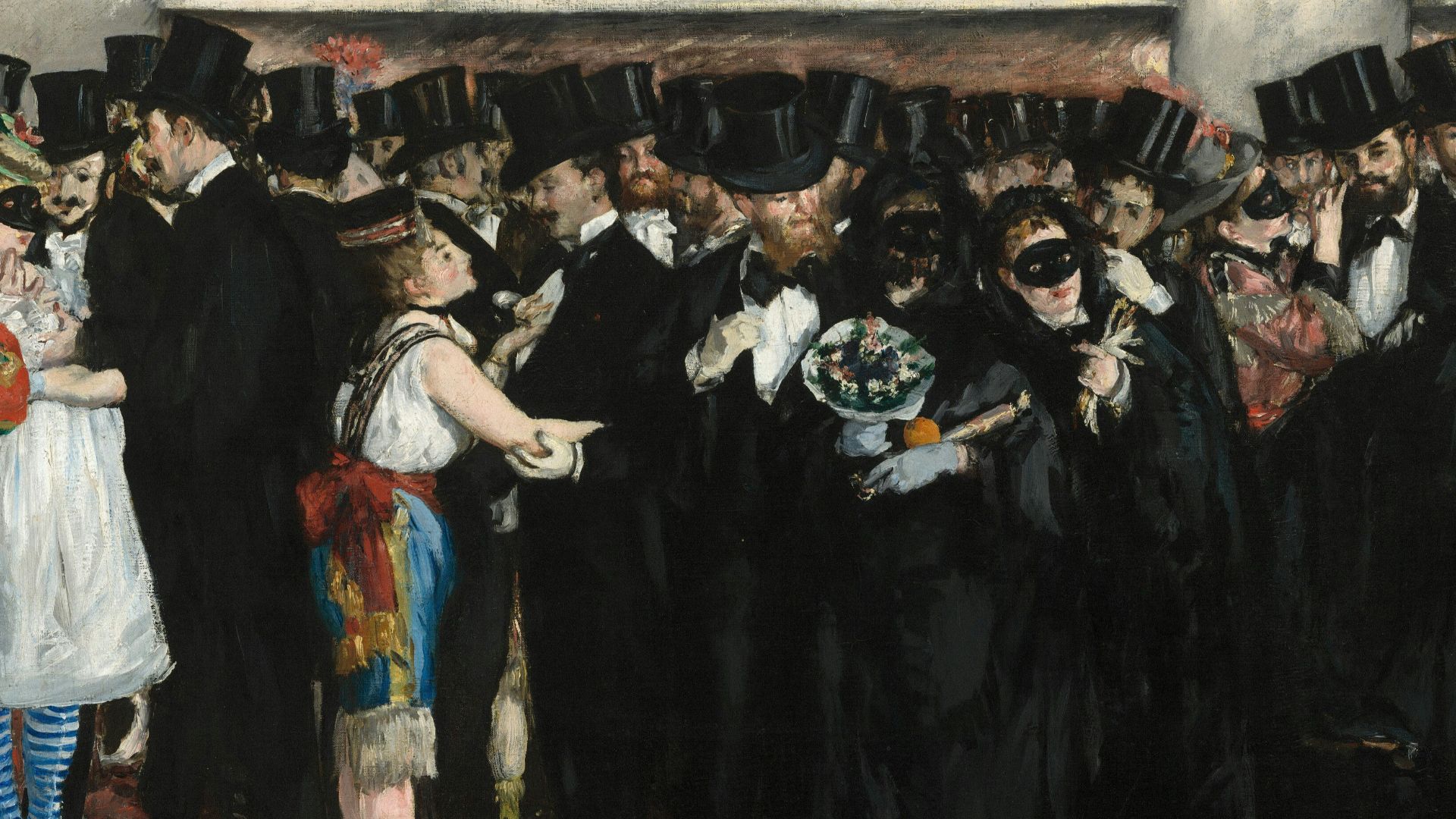
Victorians could spend months mourning the death of a close loved one. Expectations were far stricter for immediate family members such as wives, who might need to wear mourning dress for a year or more in extreme situations. Wealthier families could buy or create multiple sets of mourning clothes that transitioned with them through different phases.
 elirisdelmundo delmundo on Pexels
18. Black Crepe Became a Major Mourning Fabric
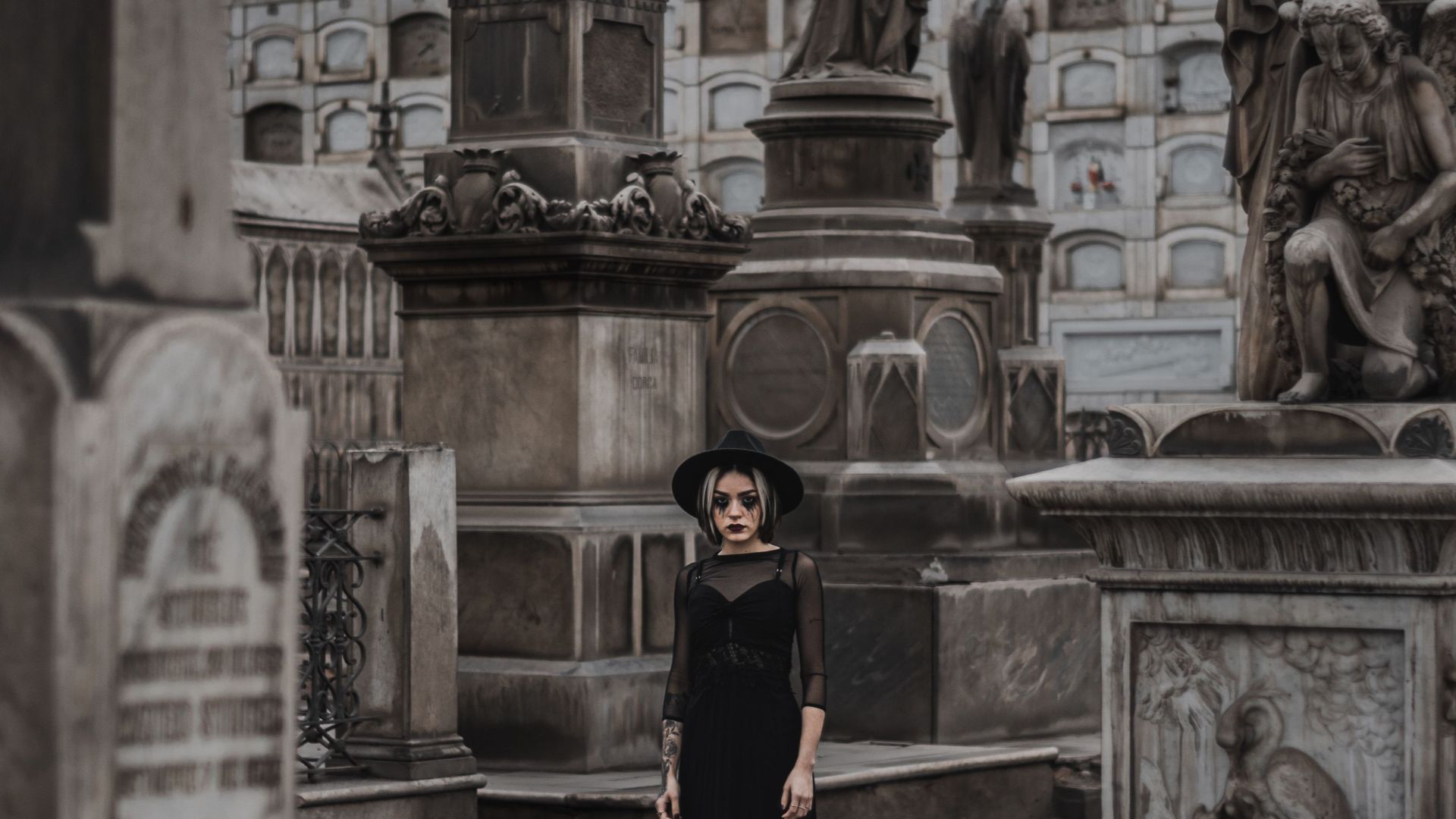
It wouldn’t be a Victorian mourning listicle without mentioning black crepe, the mourning fabric that ruled them all. Worn primarily by widows in deepest mourning, black crepe was a cheap fabric with a distinctive matte finish. It absorbed light instead of reflecting it.
19. Mourning Was Expected to Change Social Behavior
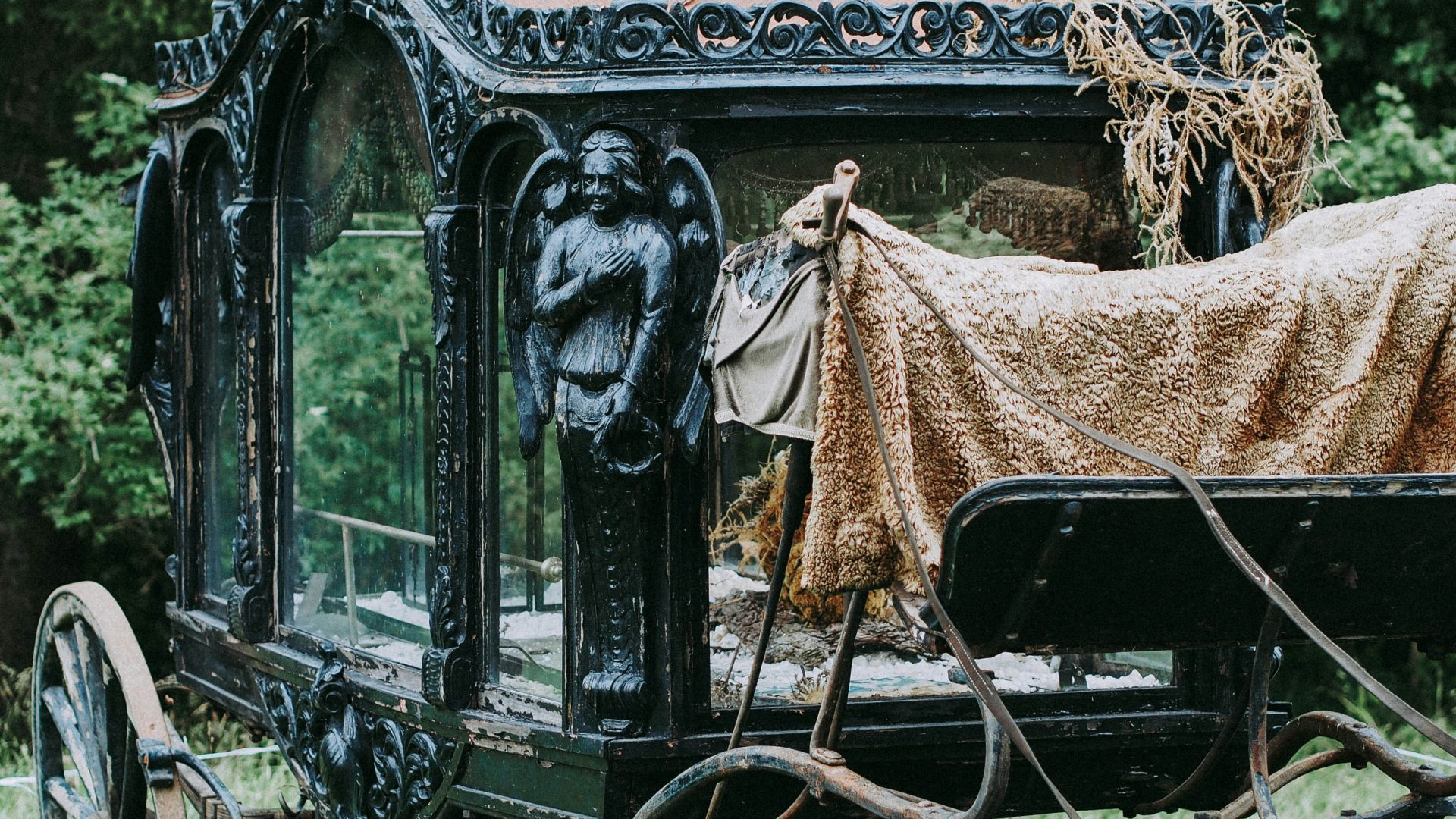
Appearances mattered during Victorian mourning, particularly among the upper classes. But what you did while wearing all that black clothing mattered, too. Mourners were expected to limit certain social activities while in mourning, retiring from public events.
20. Death Was Given a Surprisingly Elaborate Place in Daily Life
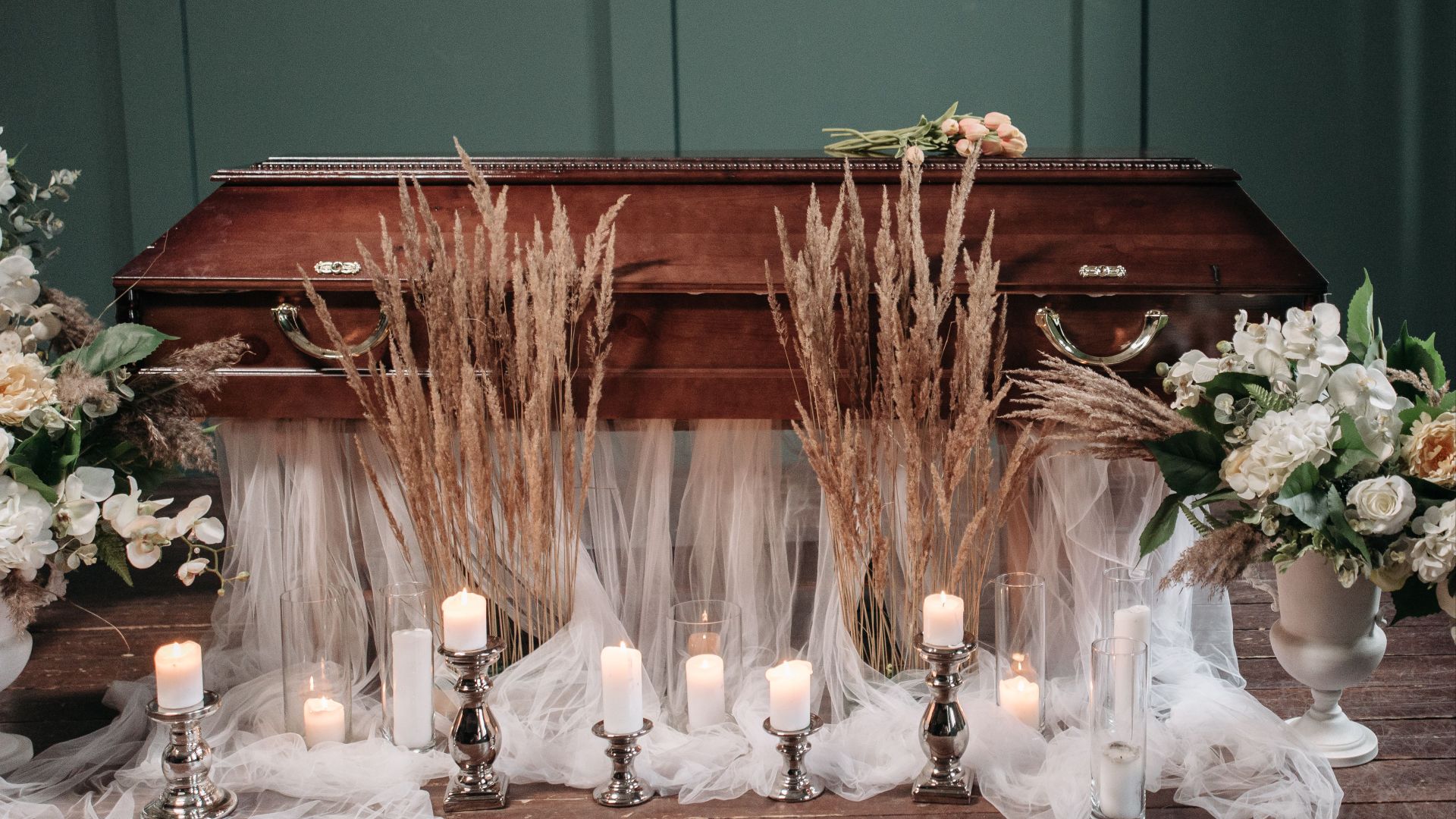
Perhaps the strangest thing about Victorian mourning is how many ordinary objects and routines could become connected to death. Everything from jewelry and clothing to entertainment and invitations was dictated by arbitrary customs and superstitions that people today simply don’t engage in. It's easy to understand why Victorian mourning can seem both fascinating and deeply strange to modern eyes.
KEEP ON READING