An Ocean Full of Monsters
The ocean was once an enormous blank space where almost anything seemed possible. Toss in sailors who encountered unfamiliar creatures without modern biology, and you witness the birth of a sea legend. Some inherited monsters from religion, mythology, and medieval natural histories, but whatever the case, these 20 stories kept every seaman up at night.
1. The Kraken
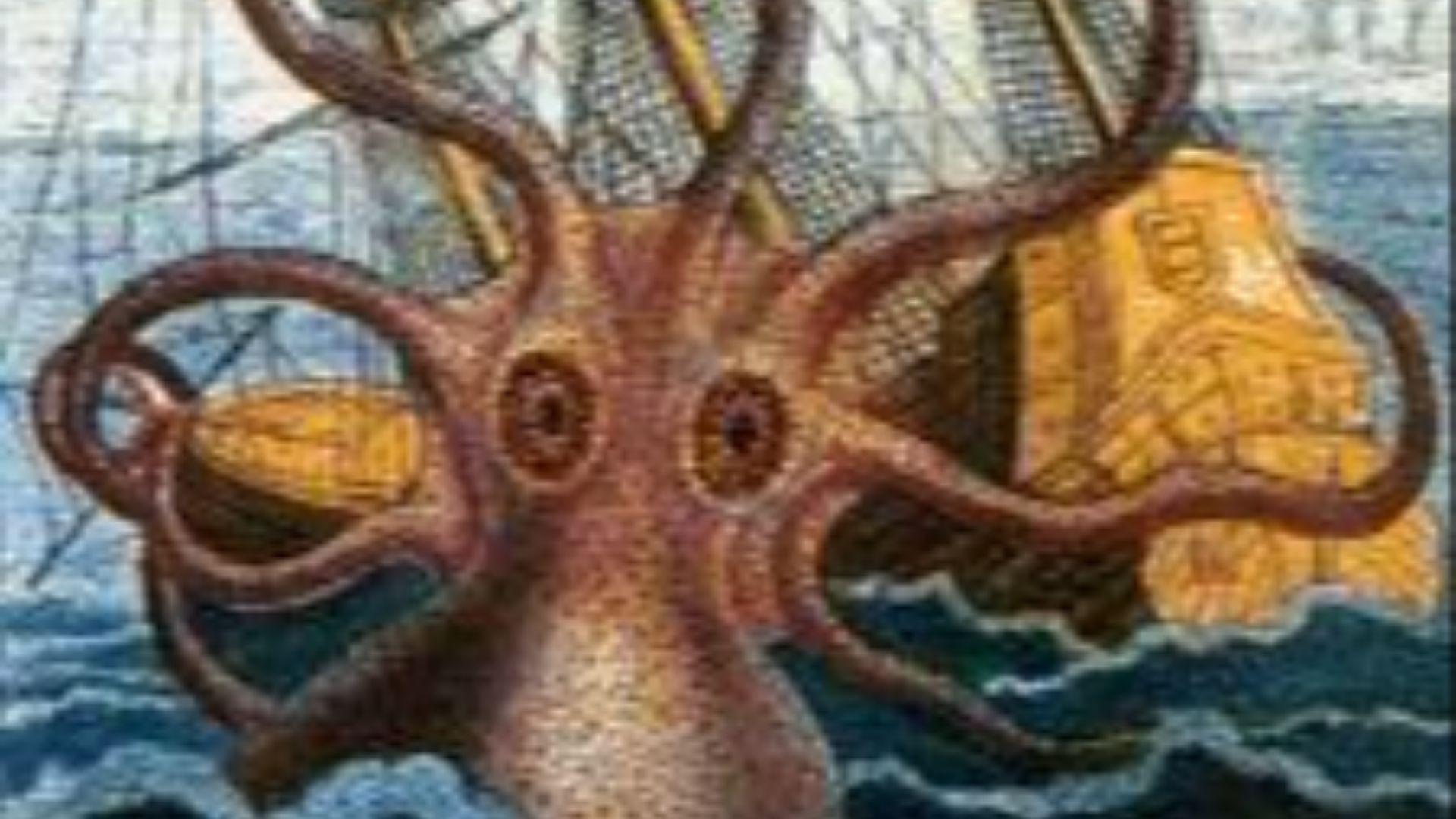
Scandinavian sailors were telling stories about enormous creatures long before the kraken became a pop-culture phenomenon. In 1752, Norwegian bishop Erik Pontoppidan even wrote about the kraken as though it might be real, claiming it could be mistaken for an island. Giant squid were most likely to blame for some of these stories, but there's no evidence that real squid dragged ships into the ocean.
 en:Pierre Denys de Montfort / fr:Etienne Claude Voysard on Wikimedia
2. The Hafgufa
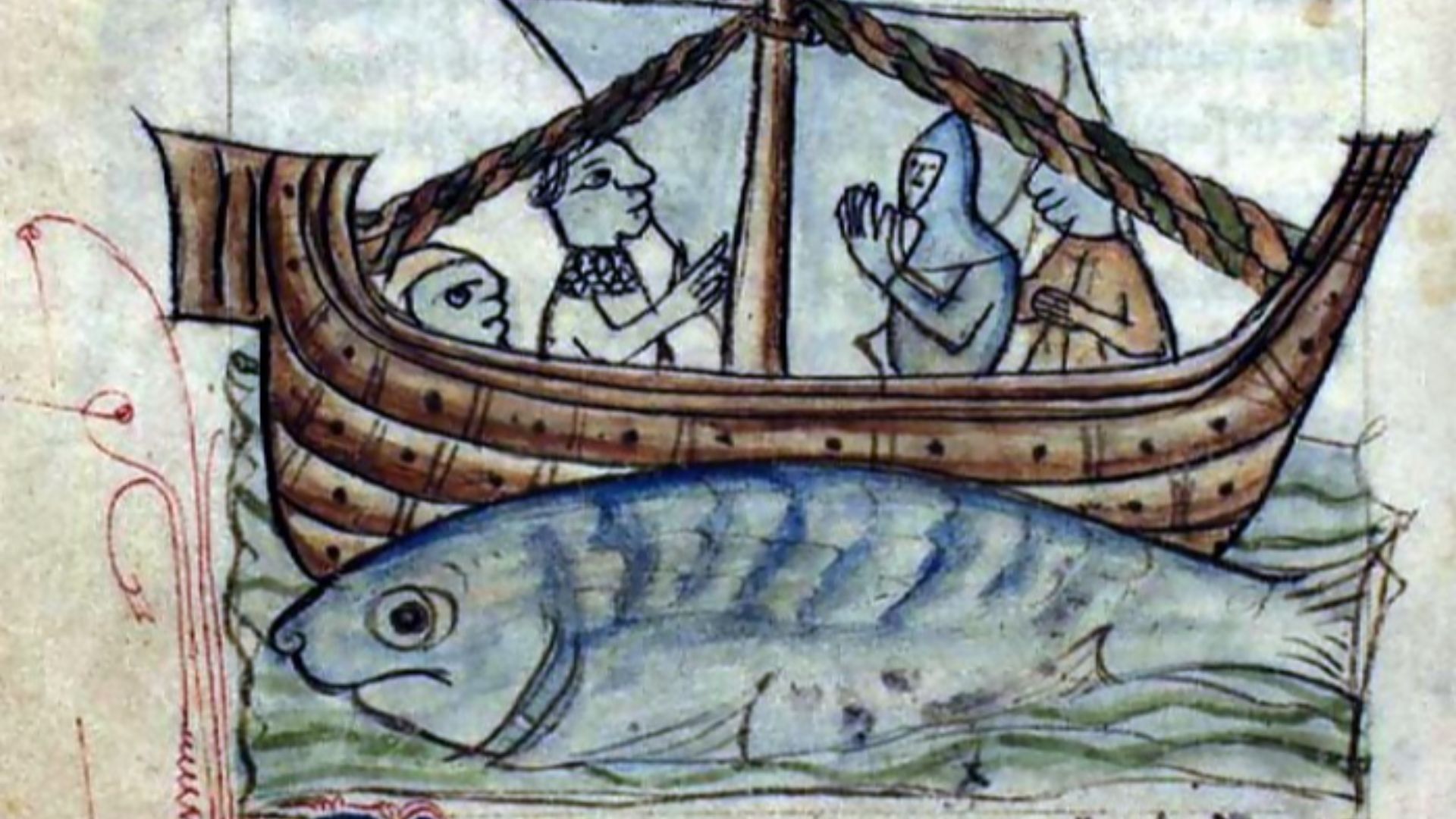
The hafgufa appears in the 13th-century Norwegian King’s Mirror, where it was described as a sea creature so huge that witnesses also mistook it for land. And how did it feed? By opening its gigantic mouth and waiting for fish to saunter in. Modern researchers have noticed quite a few similarities between the story and real feeding behaviors used by some whales.
3. The Sea Swine
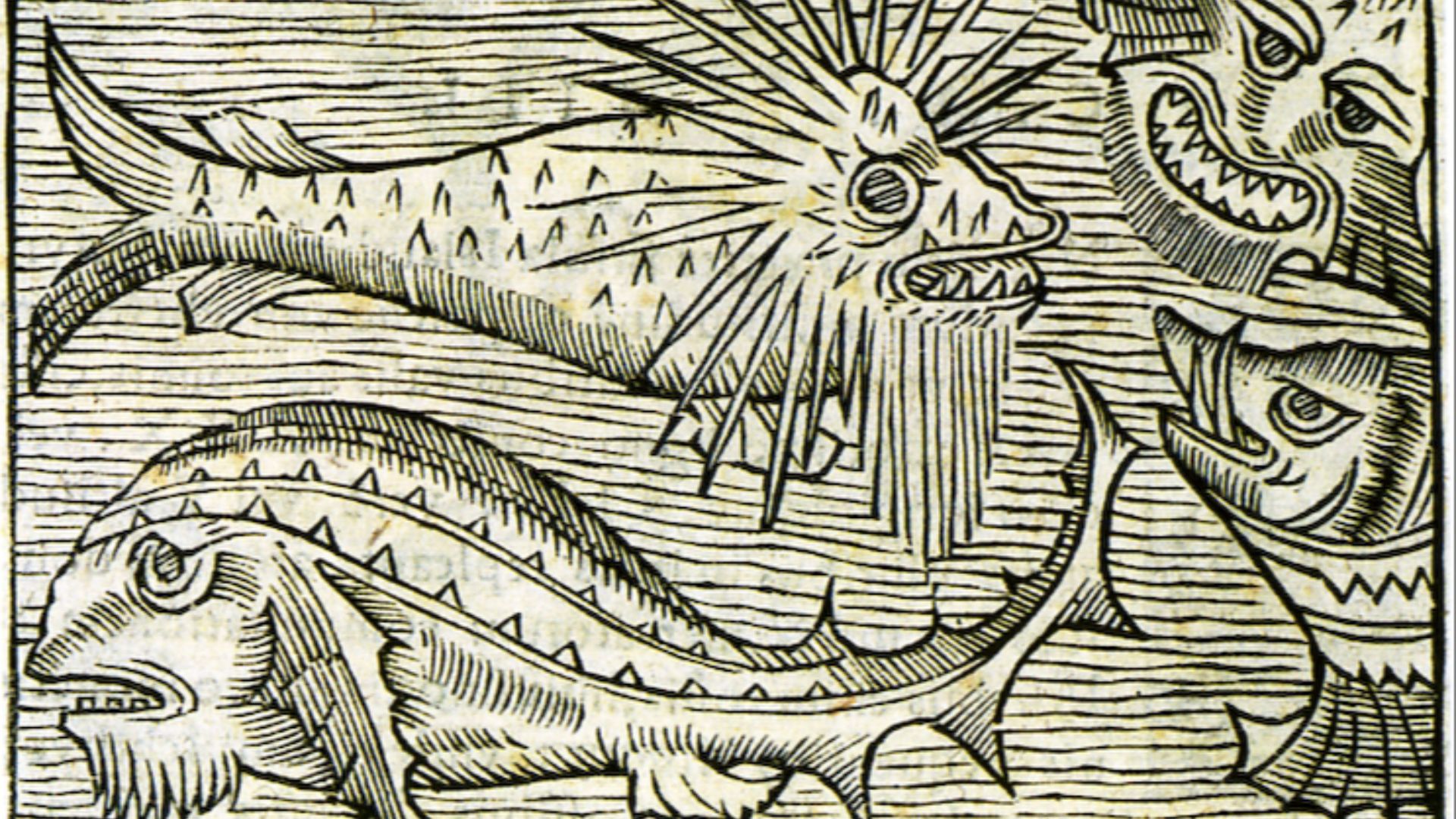
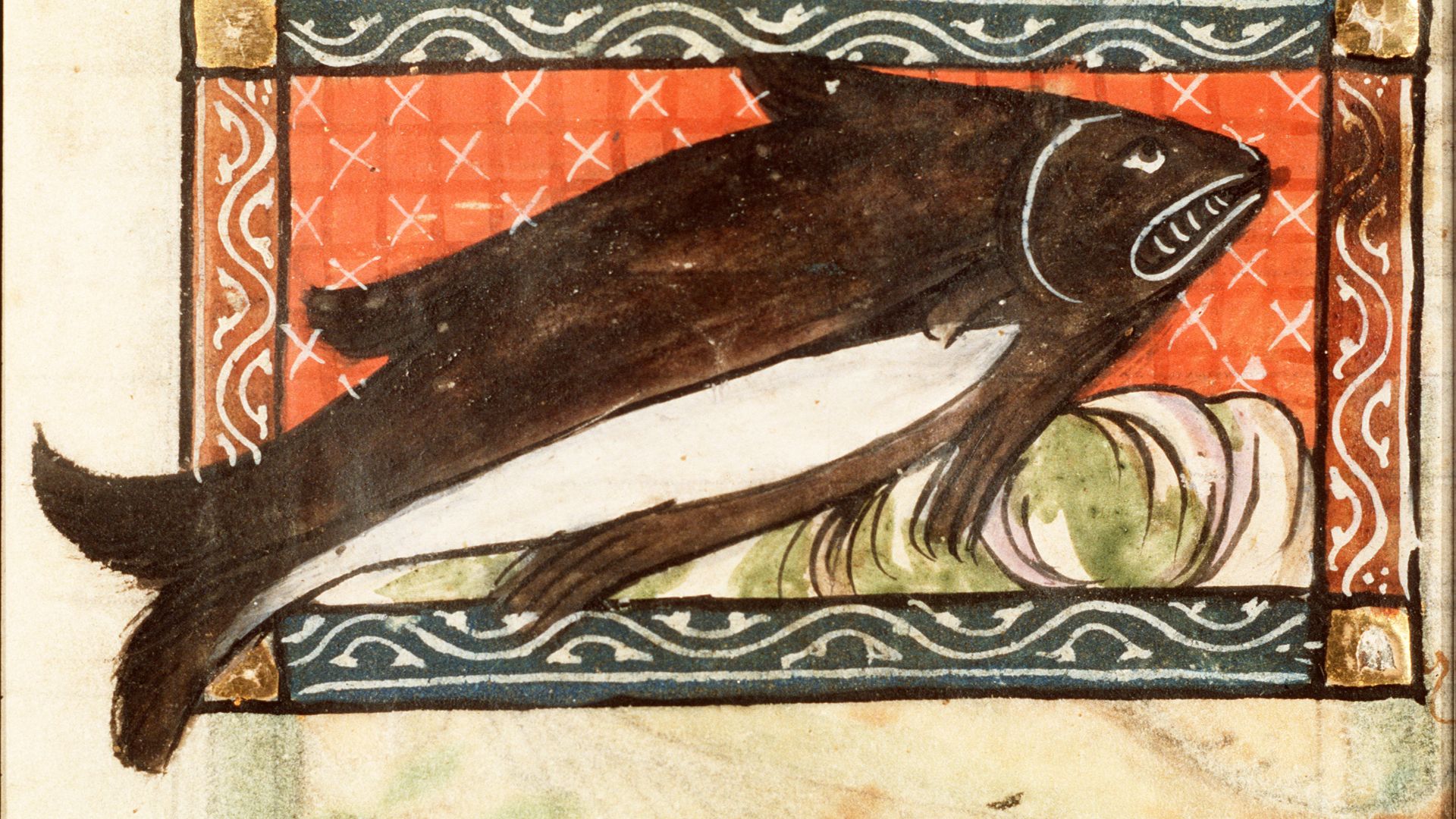
One of the strangest creatures on Olaus Magnus's 1539 Carta Marina was something he called the Sea Swine. It had a lot of…interesting features, said to carry a pig-like head, dragon-like feet, and a forked tail. Nobody today actually believes it existed, but putting it on a Renaissance map turned it into a piece of history.
 Jacob van Maerlant on Wikimedia
4. The Soe Orm
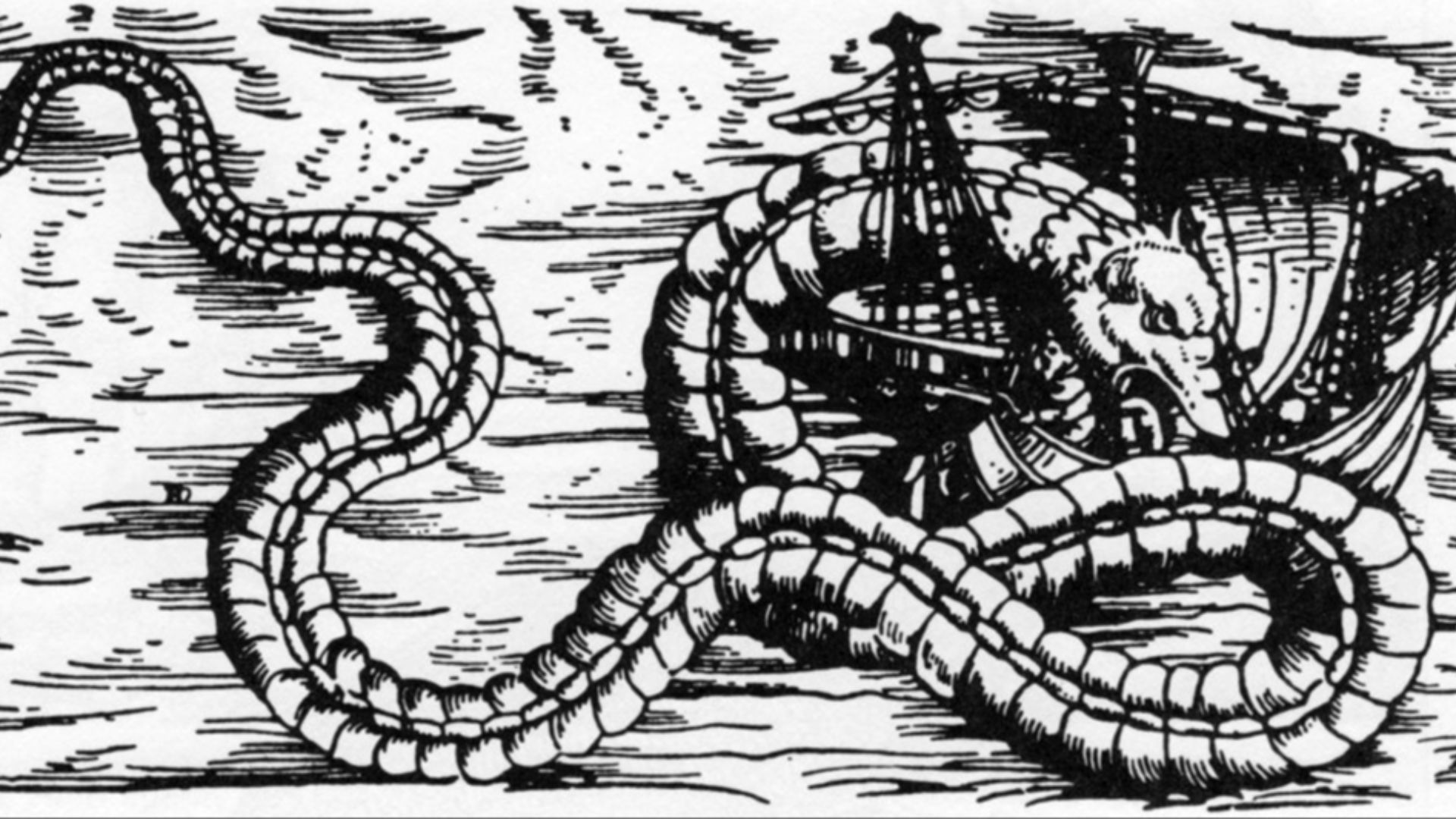
Swedish writer Olaus Magnus gave northern Europe one of its nastiest sea serpents in his 1555 writings. Say hello to the Soe Orm. He claimed this thing was more than 200 feet long, had dark scales and glowing eyes, and sometimes came close enough to shore to grab livestock. Magnus’ reputation only helped the story spread.
5. The Gloucester Sea Serpent
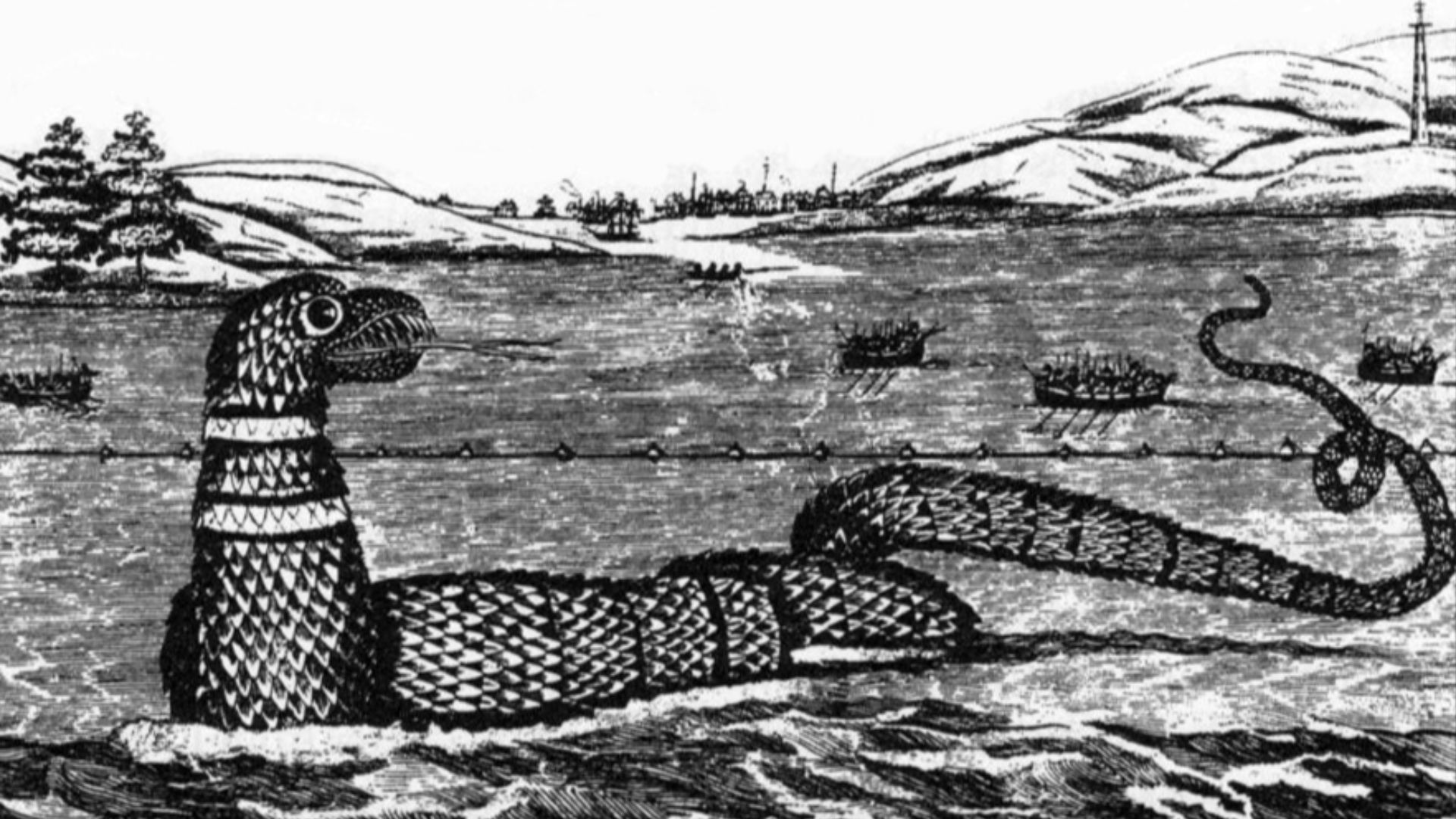
In 1817, residents around Gloucester, Massachusetts, claimed to see an enormous serpentine animal moving through the harbor. The excitement spread so quickly that people investigated the sightings and even proposed the scientific name Scoliophis atlanticus for what they believed might be a new species. Nobody ever proved what people actually saw, but this legend became one of America's best-known mysteries.
6. The HMS Daedalus Sea Serpent
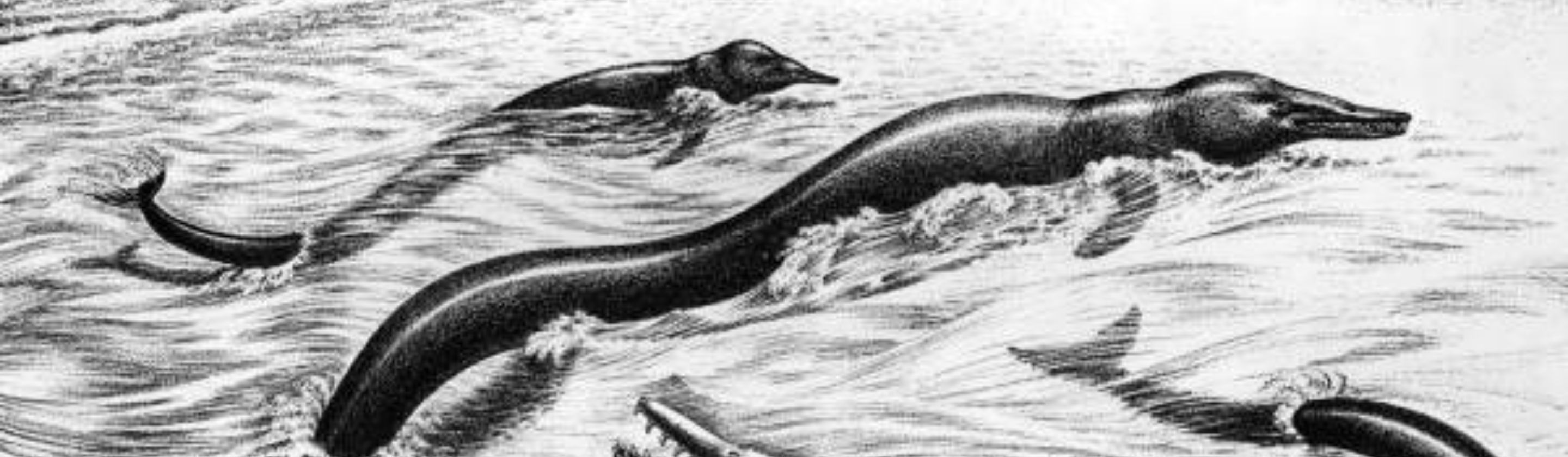
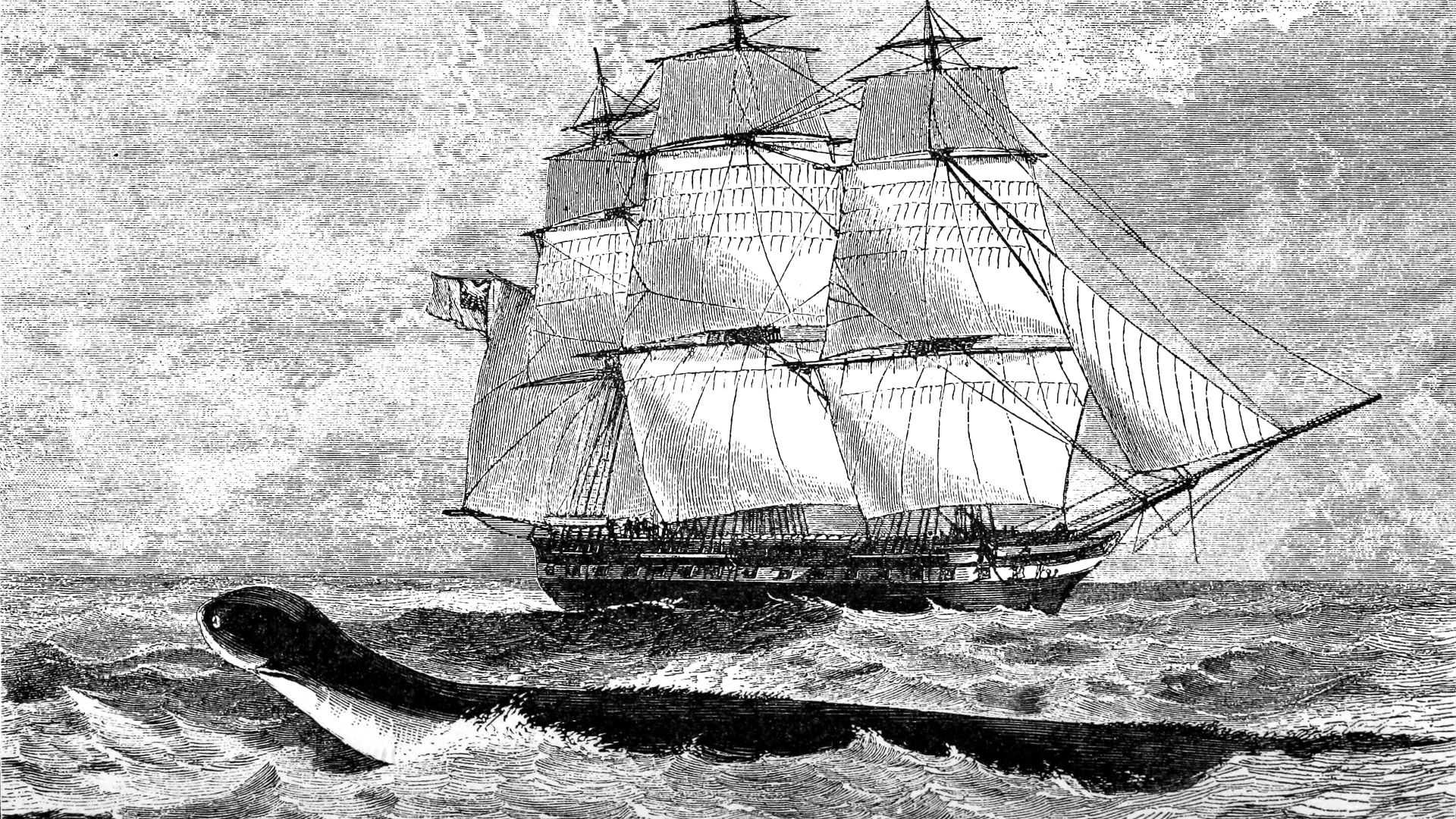
The Royal Navy entered the sea-monster business in 1848 when officers aboard HMS Daedalus reported a long creature floating around near their ship. Newspapers ran wild with the story because trained officers were among the witnesses, and an illustration of the supposed monster was actually published soon after. Whatever they saw remains unclear, but the incident did give sea-serpent enthusiasts a lot more weight to their beliefs.
 Edwin Weedon / After Frederick James Smyth on Wikimedia
7. The Stronsay Beast
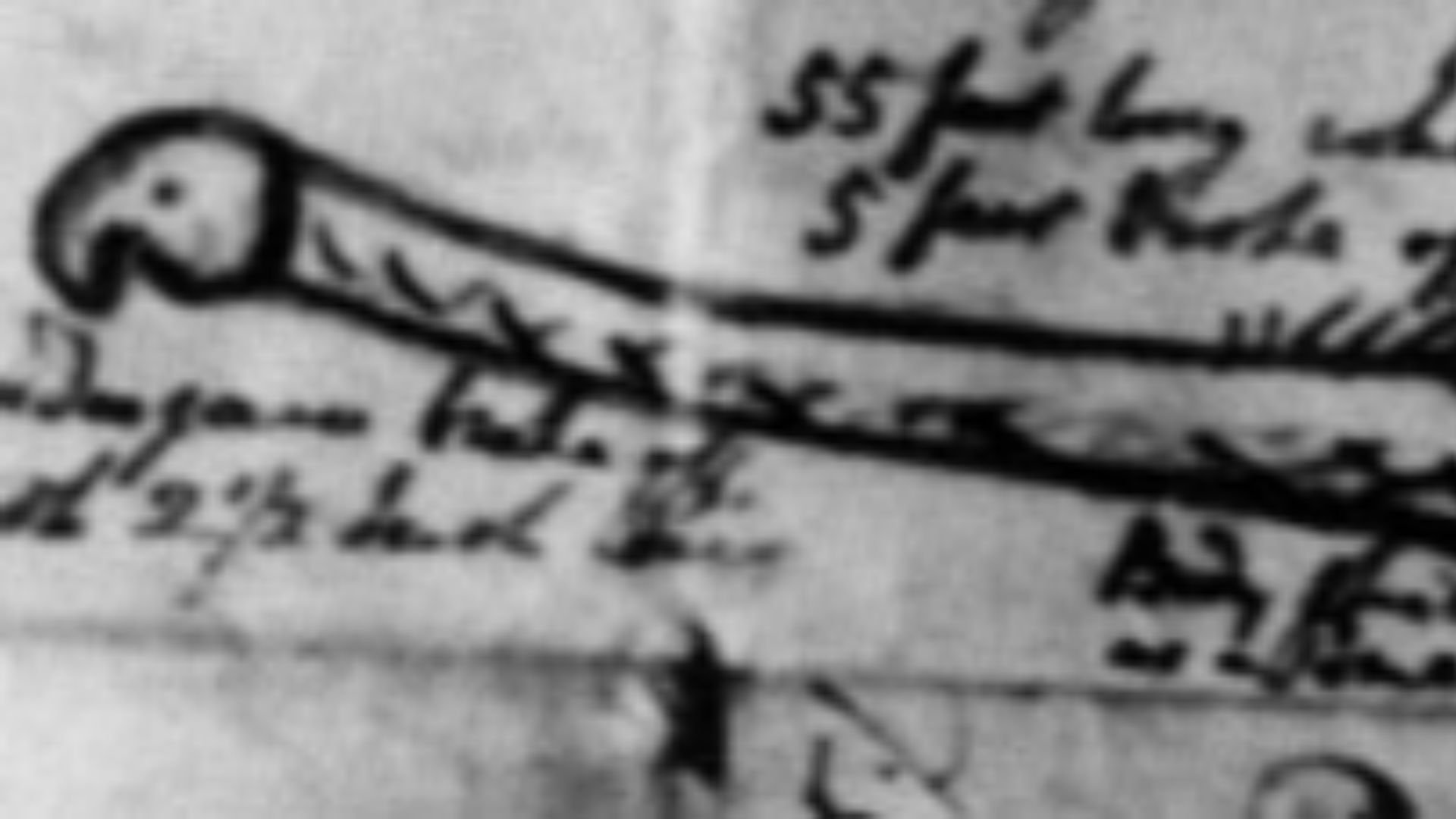
When something huge washes ashore, you know it’ll garner some attention. So happened on the Scottish island of Stronsay in 1808. A massive decaying body washed up, and members of Edinburgh’s Wernerian Natural History Society argued that the carcass was an unknown sea serpent. Today, though, it’s generally thought to have been a decaying basking shark.
 Sir Alexander Gibson on Wikimedia
8. The St. Augustine Monster
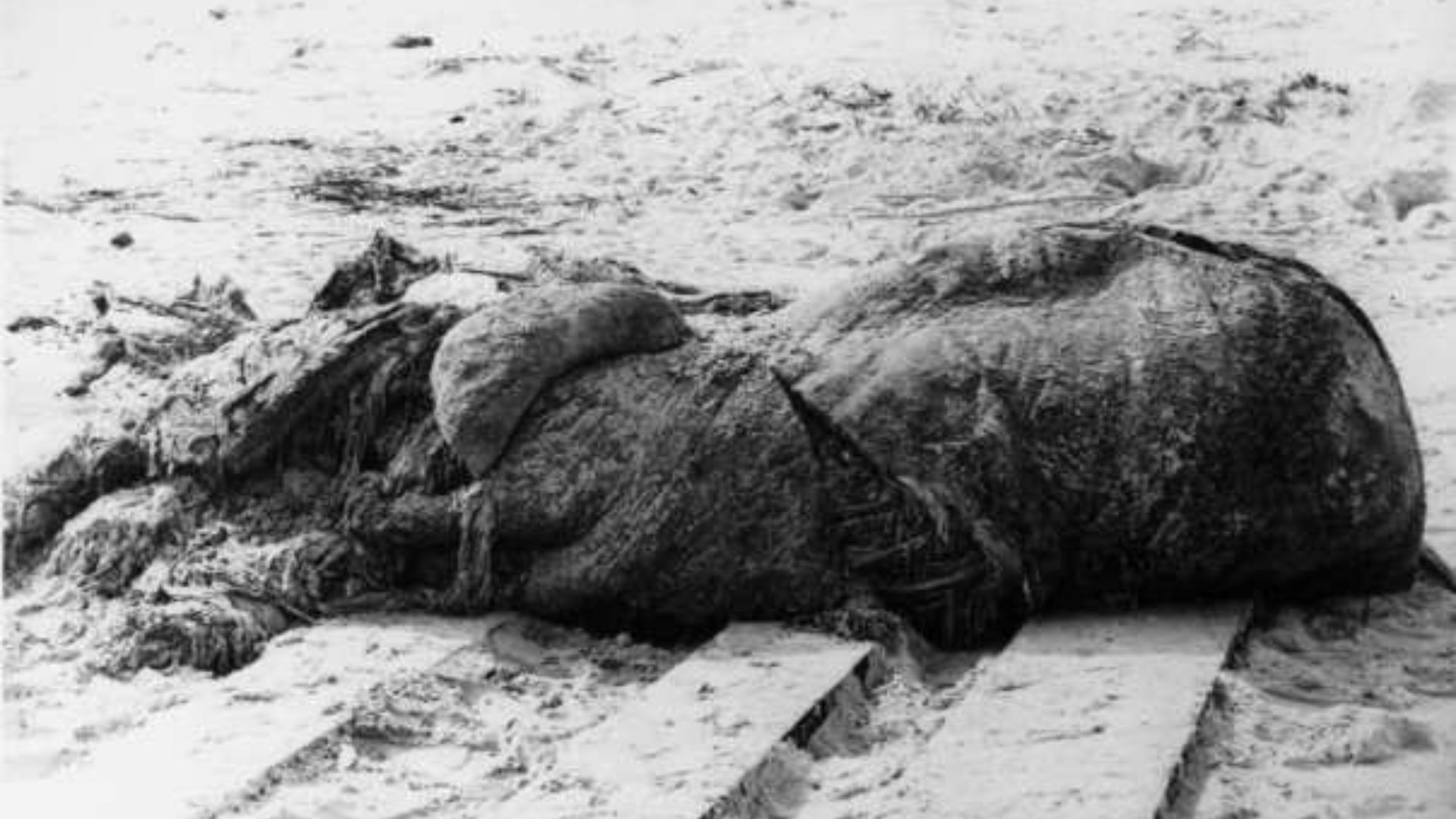
Two boys discovered a massive carcass on Florida’s Anastasia Island in 1896, beginning a mystery that lasted for more than a century. Zoologist Addison Verrill initially thought the remains came from a big octopus, aptly naming it Octopus giganteus. More than a century later, testing showed that the flesh had actually come from a whale.
9. The Giant Squid
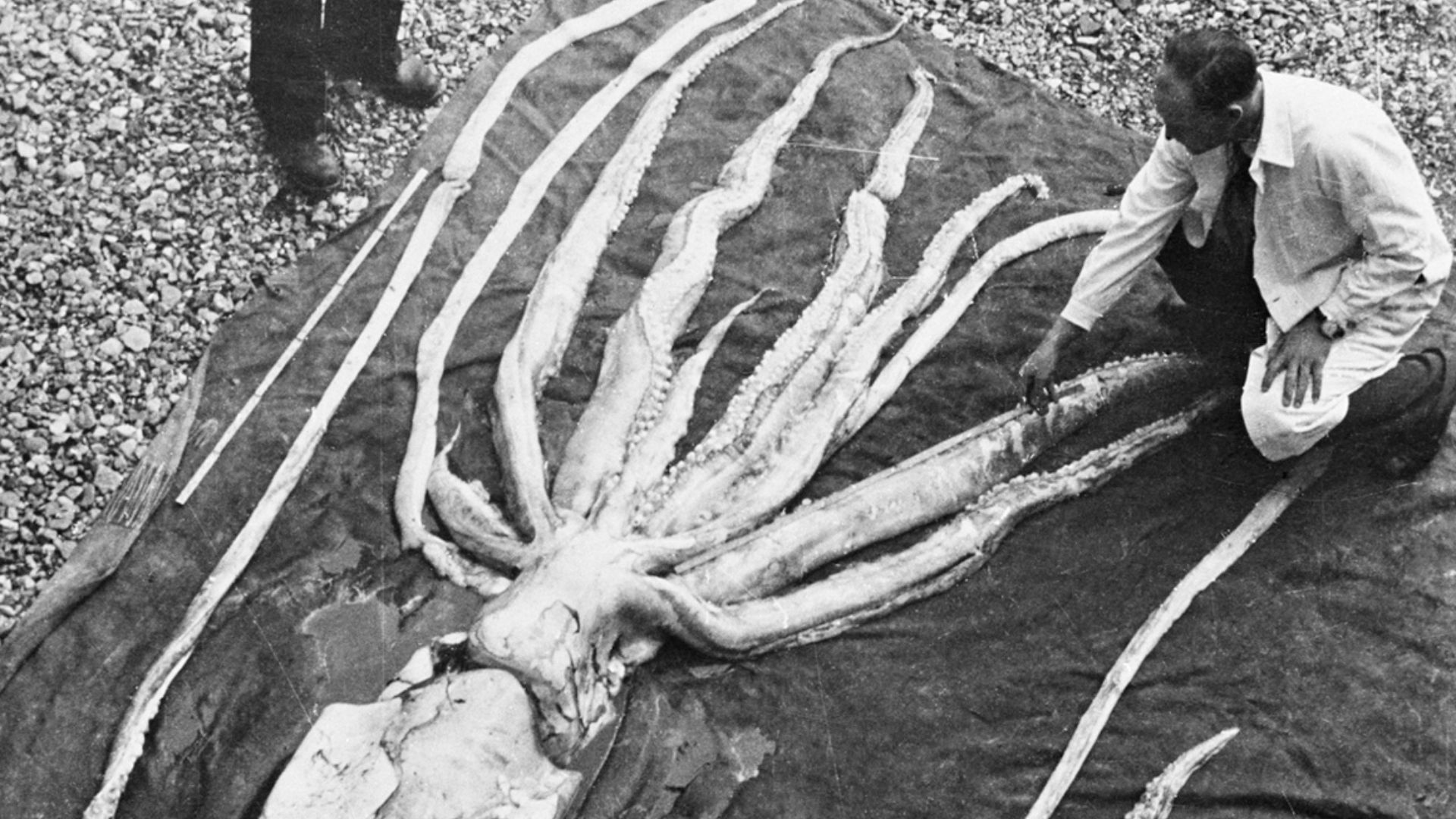
Unlike most creatures on this list, this giant squid turned out to be real. Naturalists struggled for centuries with huge tentacles, beaks, and mutilated carcasses before giant squid were finally recognized during the 19th century. If you’ve ever seen one, it’s not hard to understand why so many people scratched their heads about them.
 NTNU Vitenskapsmuseet on Wikimedia
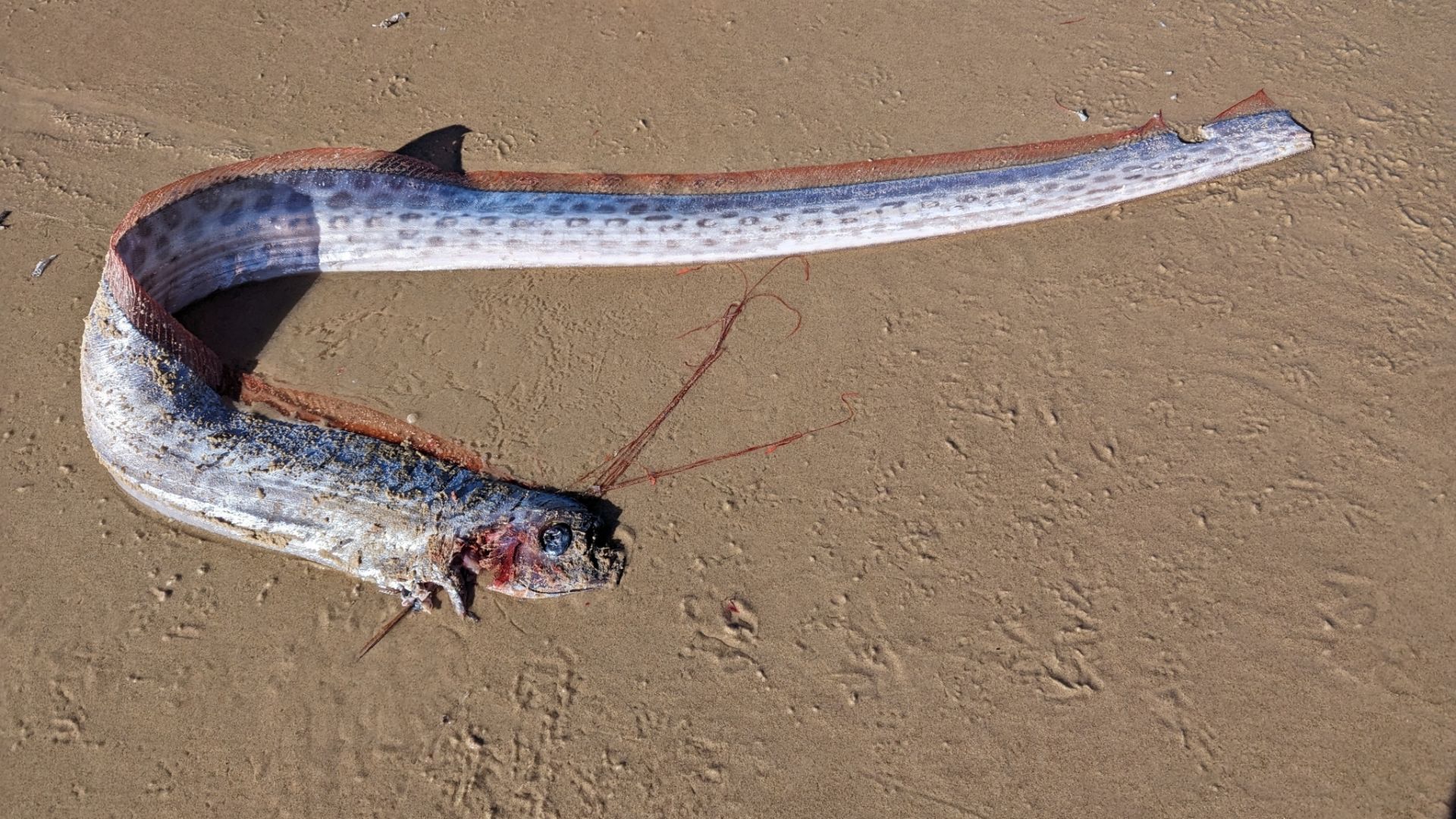
10. The Oarfish
A living oarfish can reach extraordinary lengths, all with a snake-like profile that scares every sailor. Its red structures and bizarre swimming patterns also made it one of the strongest real-world candidates behind historical serpent sightings. Smithsonian historians have even pointed to oarfish as likely inspiration for the creatures described by early European naturalists.
11. The Sea Monk
During the Renaissance, European naturalists really did publish drawings of a bizarre creature that looked like a monk in a hooded robe. Writers like Pierre Belon, Guillaume Rondelet, and Conrad Gessner also described the animal during the 1500s. There was never any solid evidence it existed, but its appearance in books convinced more than enough readers that it might have.
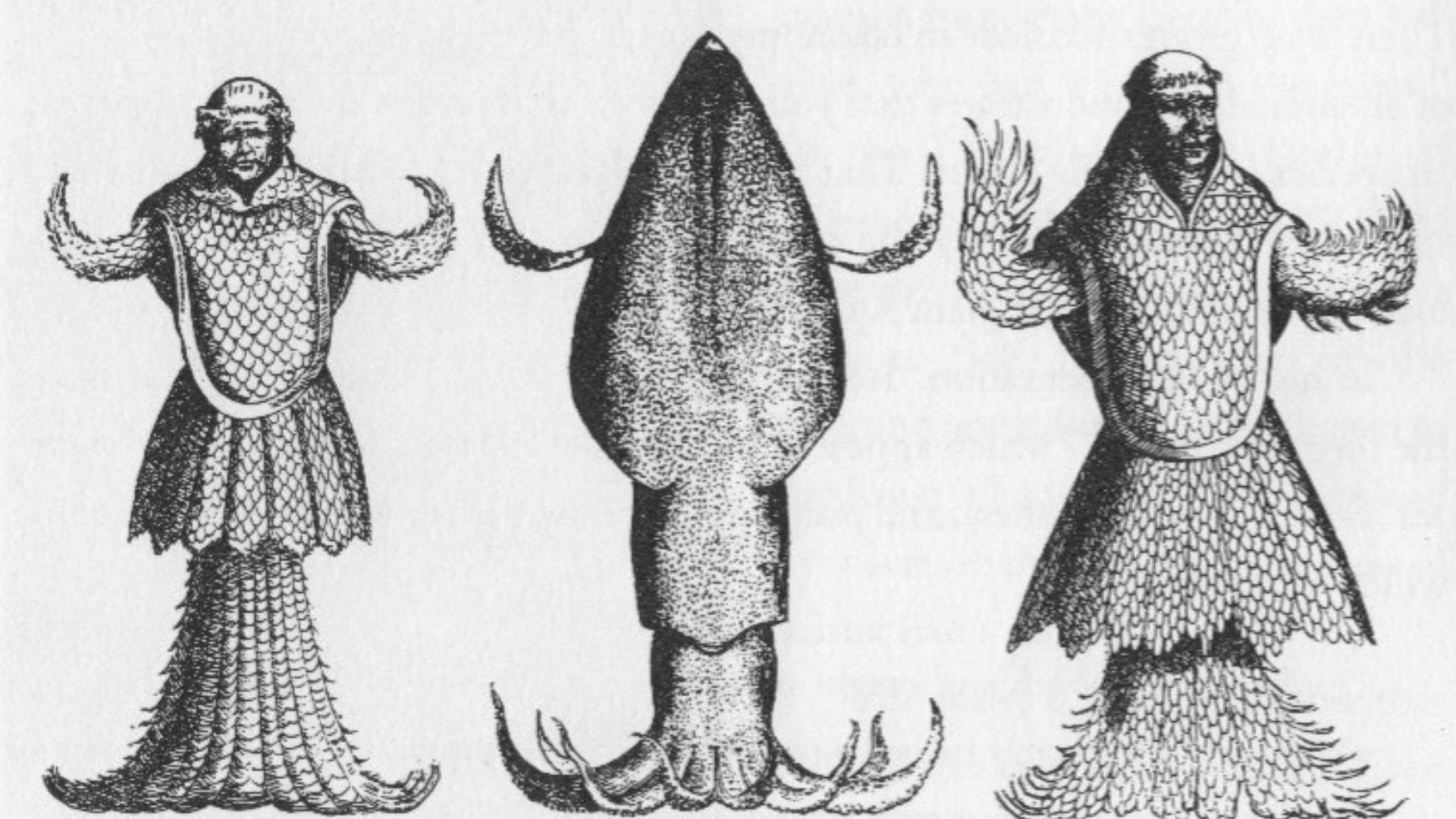 Japetus Steenstrup on Wikimedia
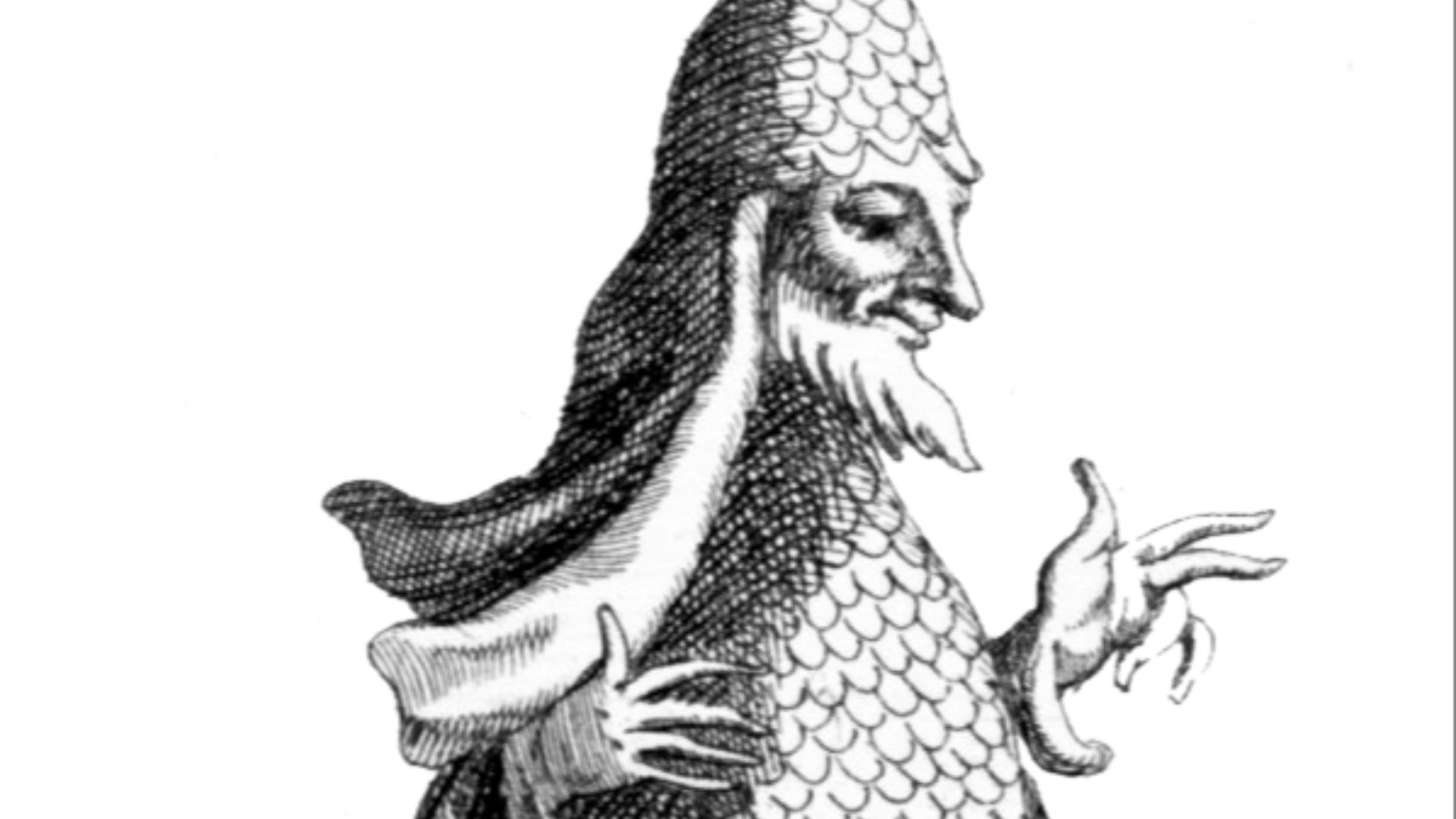
12. The Bishop Fish
Apparently one sea monster wasn't enough; Renaissance books also had a creature resembling something akin to a bishop. Guillaume Rondelet claimed that such an animal had been seen in Poland in 1531, complete with a head that looked like a bishop's miter. Its image then traveled through history books alongside supposedly genuine animals, giving readers little reason to dismiss it.
 Sean Linehan, NOS, NGS National Oceanic and Atmospheric Adminstration (NOAA) on Wikimedia
13. The Prister
Olaus Magnus described the prister as a massive, violent whale capable of wiping out ships. His accounts claimed the animal could blast vessels, overturn them, and shrug off weapons thanks to its thick layer of fat. If that wasn’t crazy enough, one recommended defense was apparently to make loud trumpet noises to distract it.
14. The Jenny Haniver
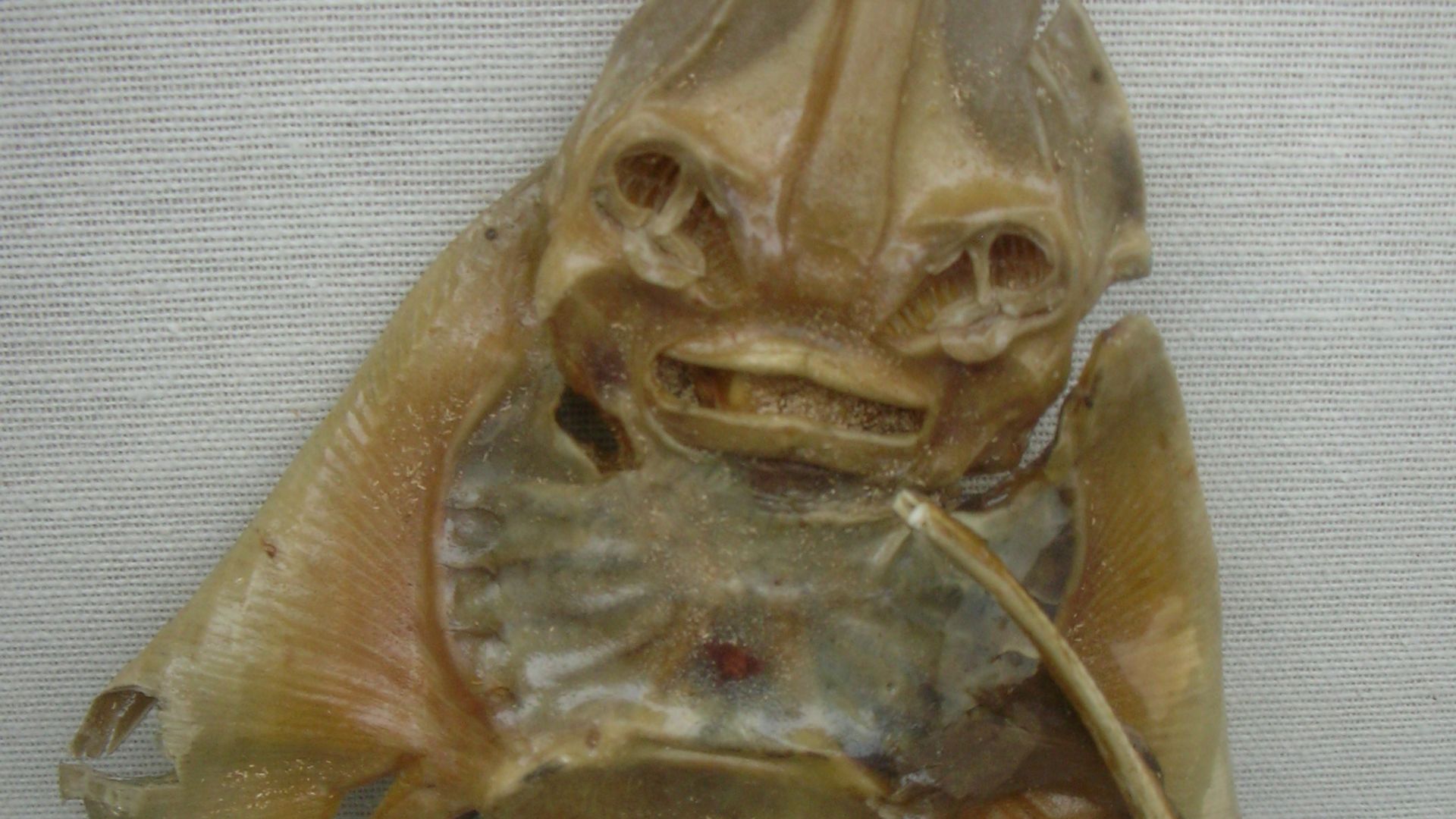
Beginning by at least the 1500s, sailors sometimes sold dried rays that had been cut and reshaped to resemble monsters. These creations became known as Jenny Hanivers, and Swiss naturalist Conrad Gessner was already onto the gimmick in the 16th century, warning readers not to be fooled.
15. The Ziphius
The Ziphius was another frightening animal shown on Olaus Magnus's Carta Marina in 1539. Artists gave it an owl-like face and a sharp structure on its back that could stab other animals or sink ships. Later generations tried connecting it to real whales, but the monster was very much its own creation.
16. Trunko
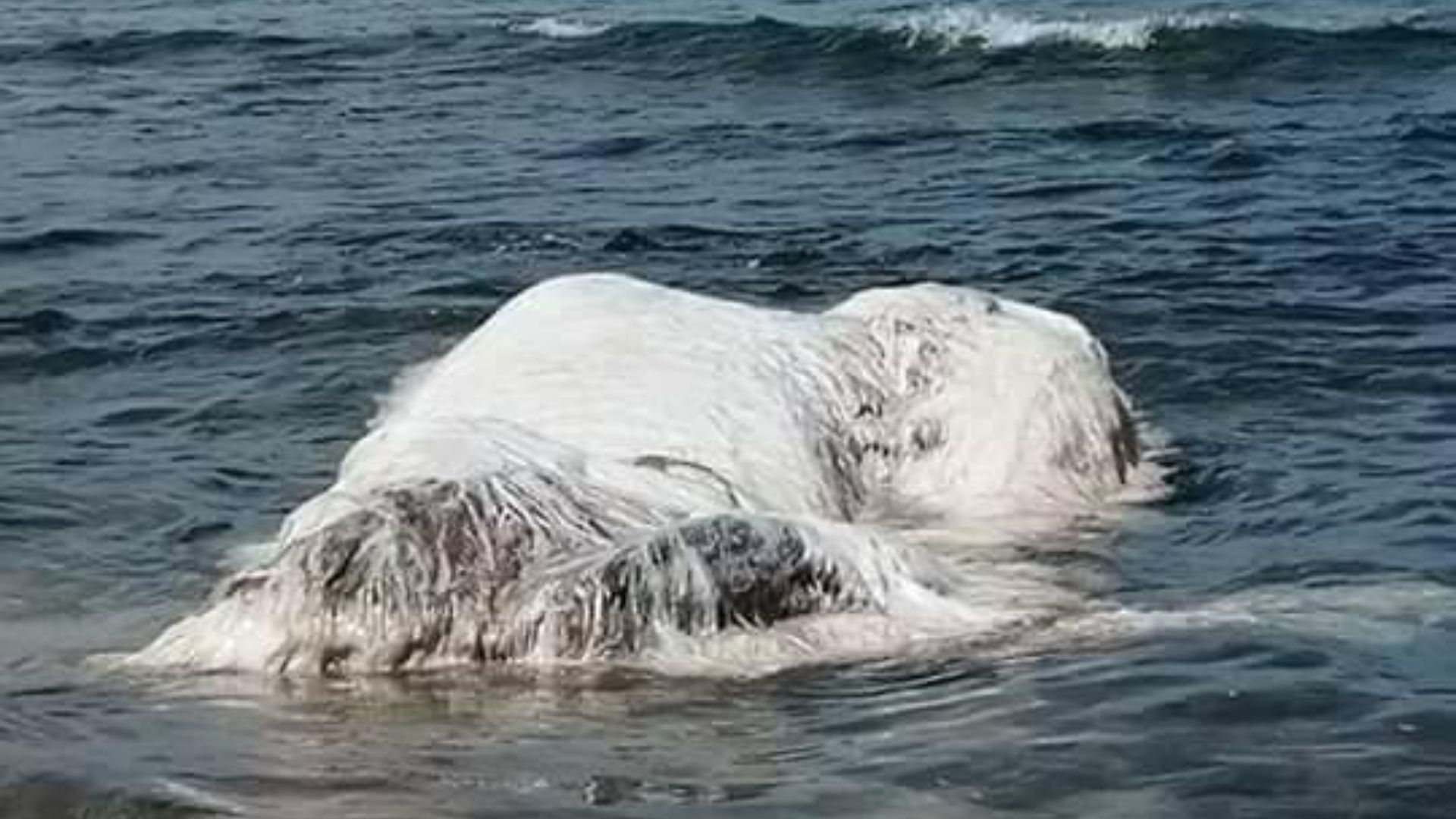
A particularly strange story emerged near South Africa in 1924—witnesses reported seeing a huge pale creature in the water. It was said to have fought with killer whales before a large unidentified carcass later washed up on the beach, leading newspapers to pick up the story. Surviving evidence suggests it was just decomposing whale remains.
17. The Cetus
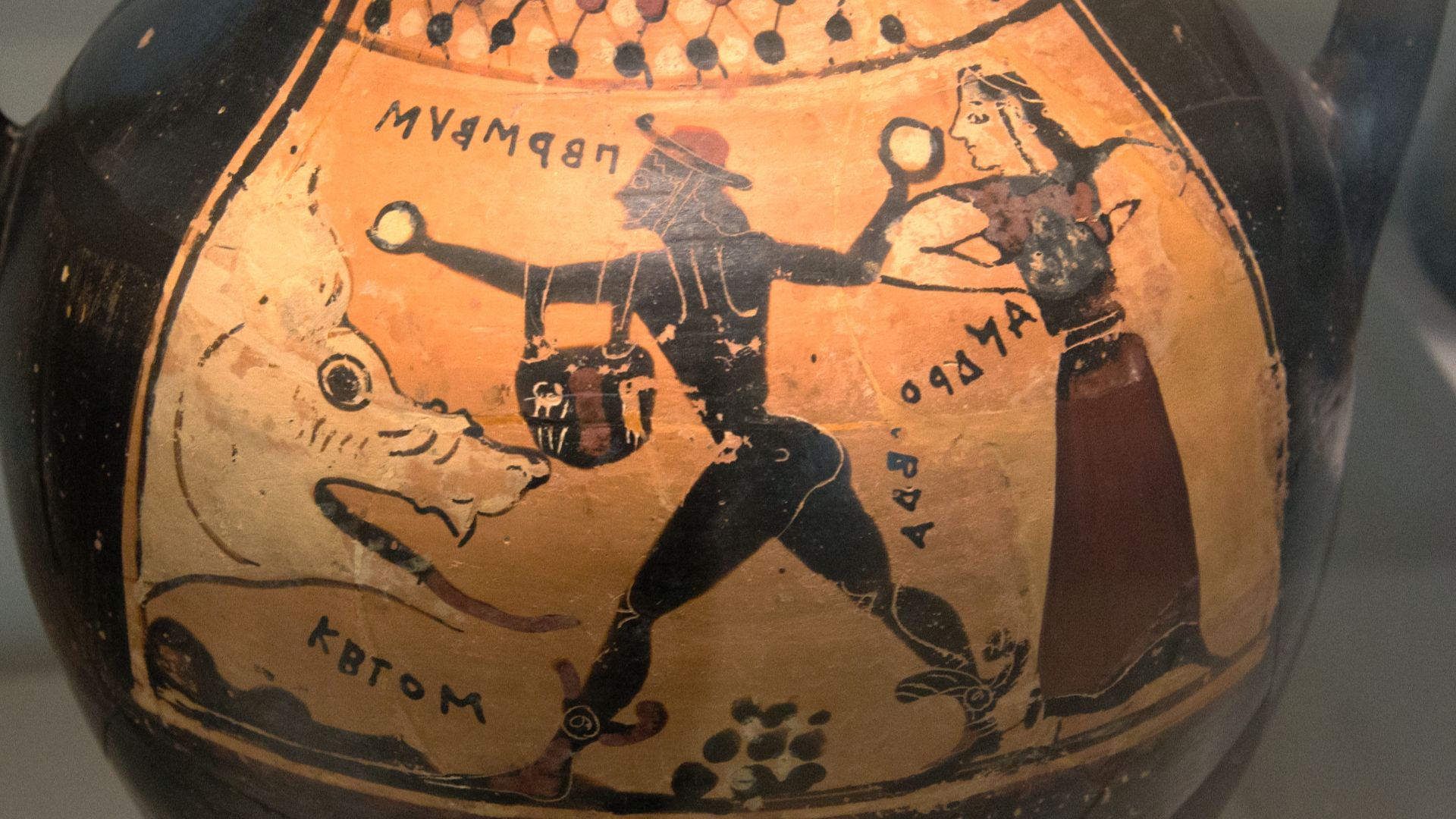
Greek mythology gave the princess Andromeda an especially unpleasant execution method when she was chained beside the sea as food for a monster. Poseidon sent the Cetus to ravage her father's kingdom before Perseus killed it, and the creature later appeared extensively in Greek and Roman art. Remarkably, a late first-century B.C. fresco even depicts it as a coiling beast approaching Andromeda.
18. The Trojan Cetus
Now, keep in mind that Andromeda's monster wasn't the only Cetus terrorizing Greek mythology. Another enormous creature was supposedly sent against Troy after King Laomedon failed to properly reward Poseidon and Apollo, turning Hesione into a sacrifice. Heracles eventually killed the monster, and depictions of the episode survive on Greek pottery dating way back to the sixth century B.C.
19. The Moha-Moha
In 1890, schoolteacher Selina Lovell reported encountering an unidentified creature near Australia's Great Barrier Reef. She described an animal around 30 feet long with a huge body, and her story hit the papers one year later. Naturalist William Saville-Kent took the report seriously enough to investigate, helping the Moha-Moha move from a strange sighting into an actual legend.
20. Basilosaurus, The “Sea Serpent” Fossil
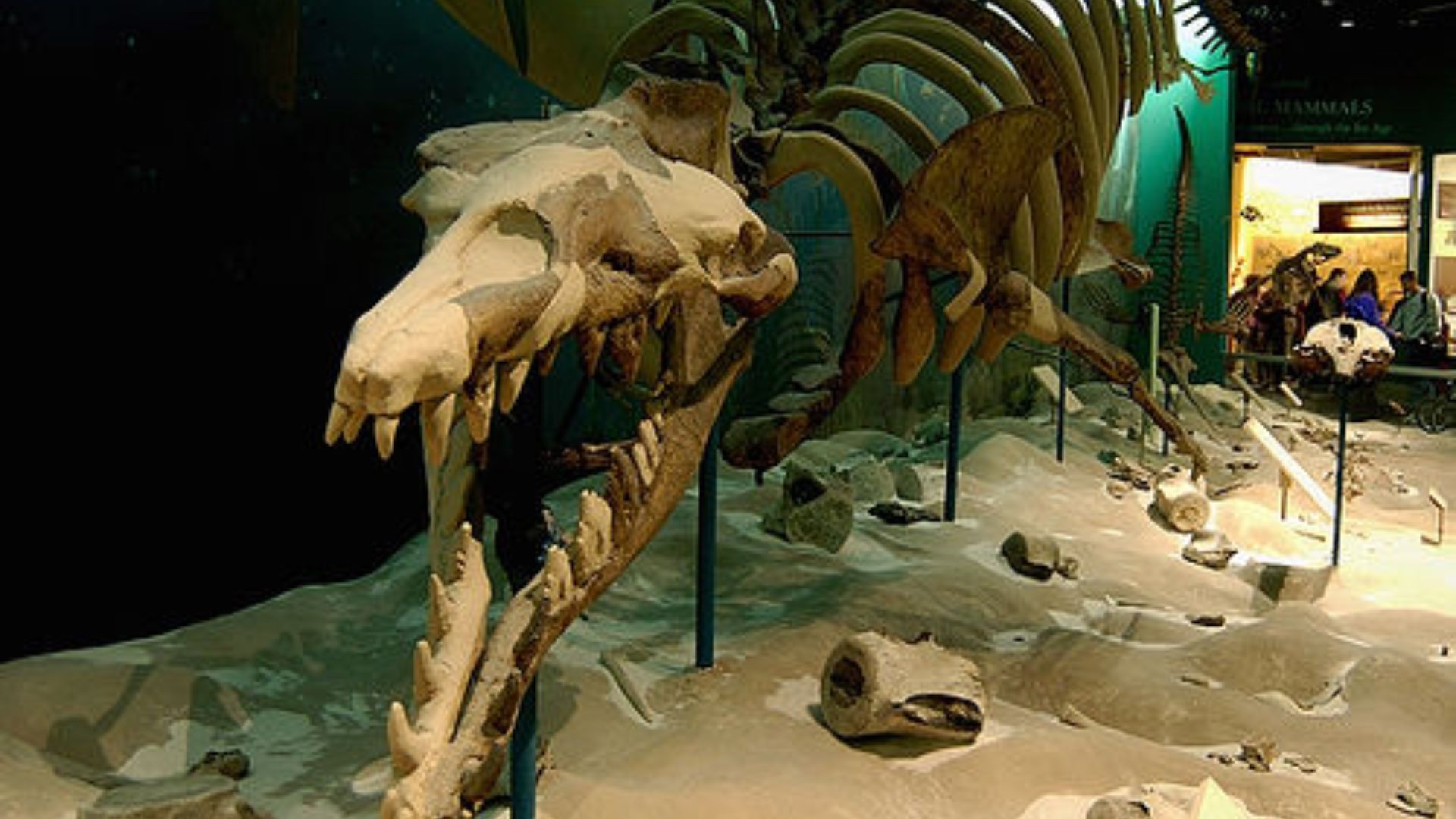
When colossal fossil bones started popping up in the American South during the 19th century, scientists didn’t exactly know where they came from. Richard Harlan named the animal Basilosaurus because he thought it was a giant marine reptile, but Albert Koch later assembled the remains into an exaggerated “Hydrarchos” sea serpent for paying audiences. Eventually, scientists realized that Basilosaurus was an extinct whale.
KEEP ON READING