20 Forgotten Asian Kingdoms That Once Dominated Their Regions
Asia's Map Used to Look Very Different
Long before today's borders took shape, Asia was covered with kingdoms that controlled trade routes, conquered their neighbors, and built cities that once ranked among the most important places in the world. Some eventually grew into better-known empires, while others were swallowed by stronger rivals and nearly disappeared from popular history. You might recognize a few names from ancient maps, but others rarely come up outside history books. At their height, though, these 20 kingdoms were some of the most significant in the world.
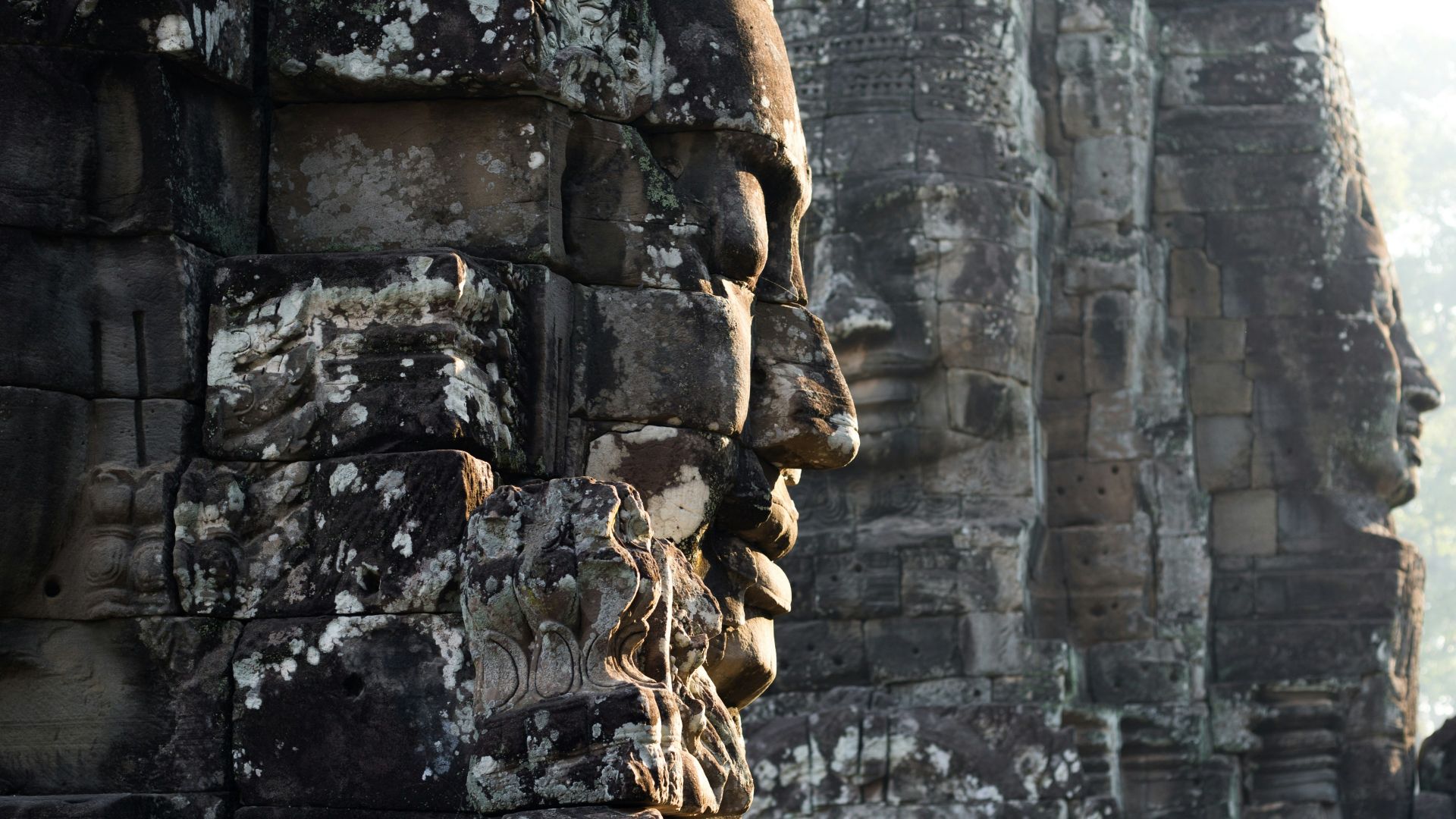
1. The Kingdom of Srivijaya
From roughly the seventh century onward, Srivijaya became one of Southeast Asia's great maritime powers from its base on Sumatra. Its rulers benefited enormously from controlling shipping through the Strait of Malacca, one of the most important links between the Indian Ocean and the South China Sea. Srivijaya also became an influential center of Buddhist learning before its power gradually faded as regional rivals grew stronger.
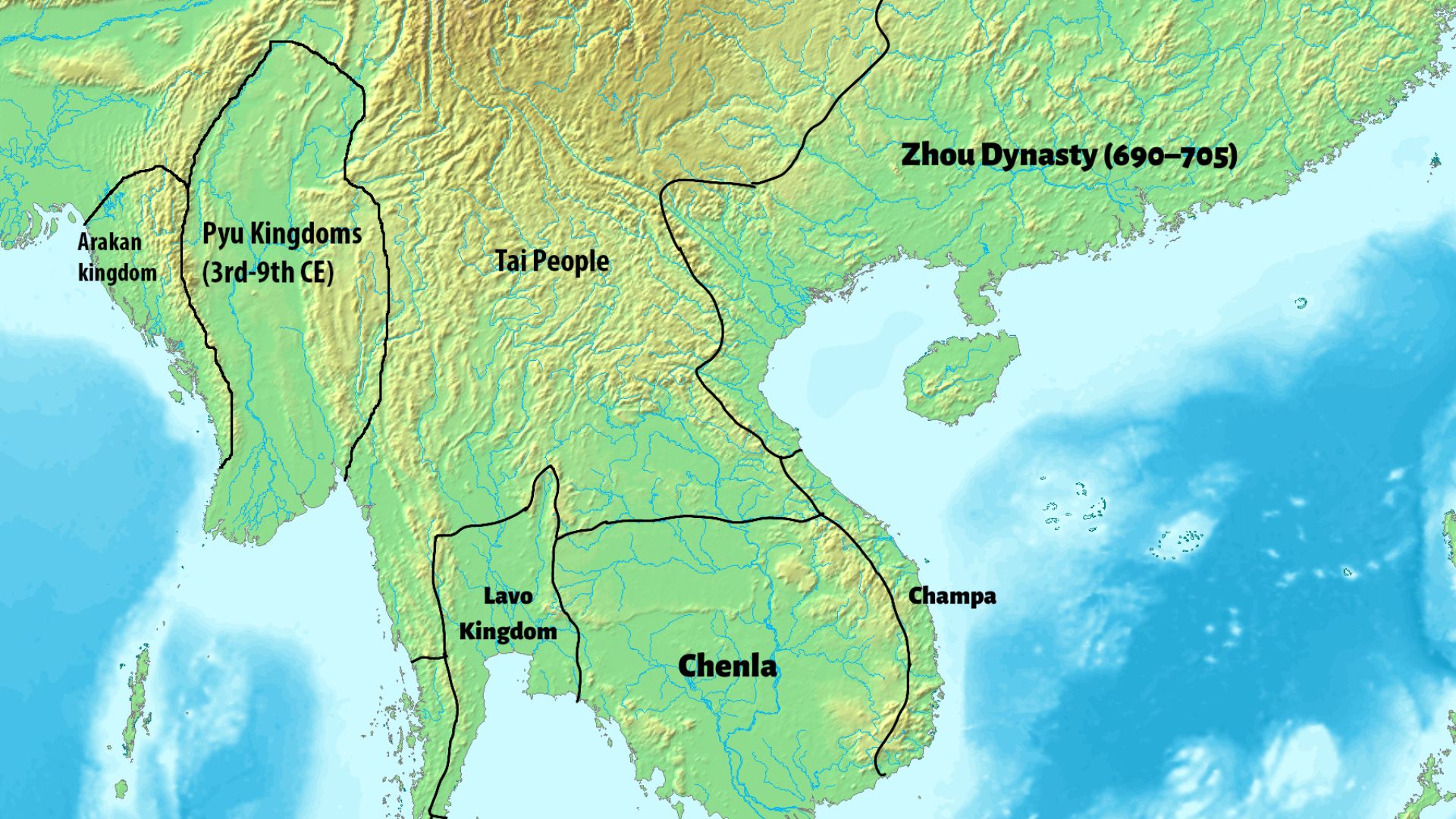
2. The Kingdom of Champa
For centuries, Champa controlled much of the coastline of what is now central and southern Vietnam. Its location made the kingdom wealthy through maritime trade, while its rulers built elaborate Hindu temples influenced by connections with India. Champa repeatedly fought neighboring Vietnamese and Khmer states before its territory was slowly absorbed into Vietnam.
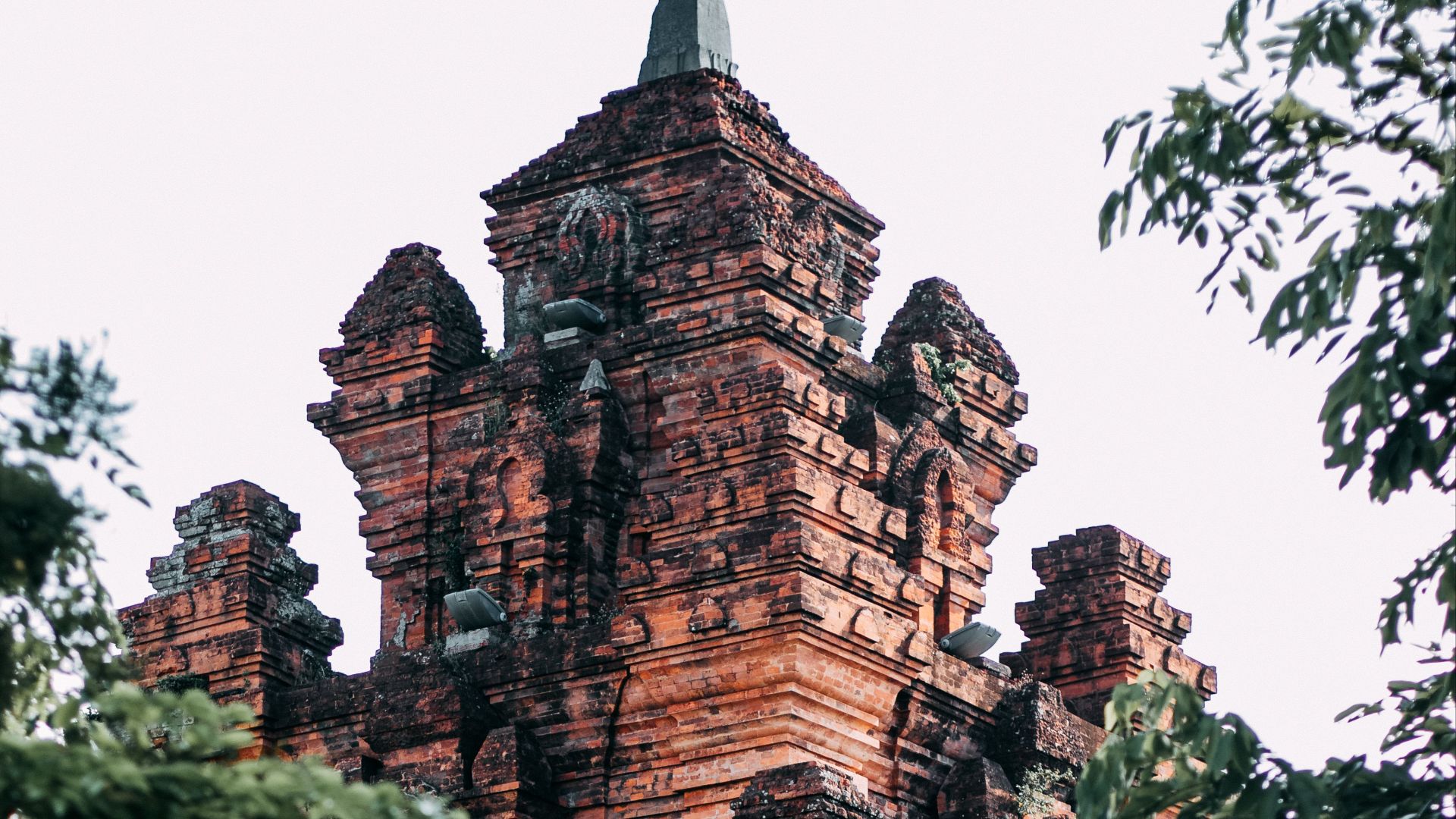
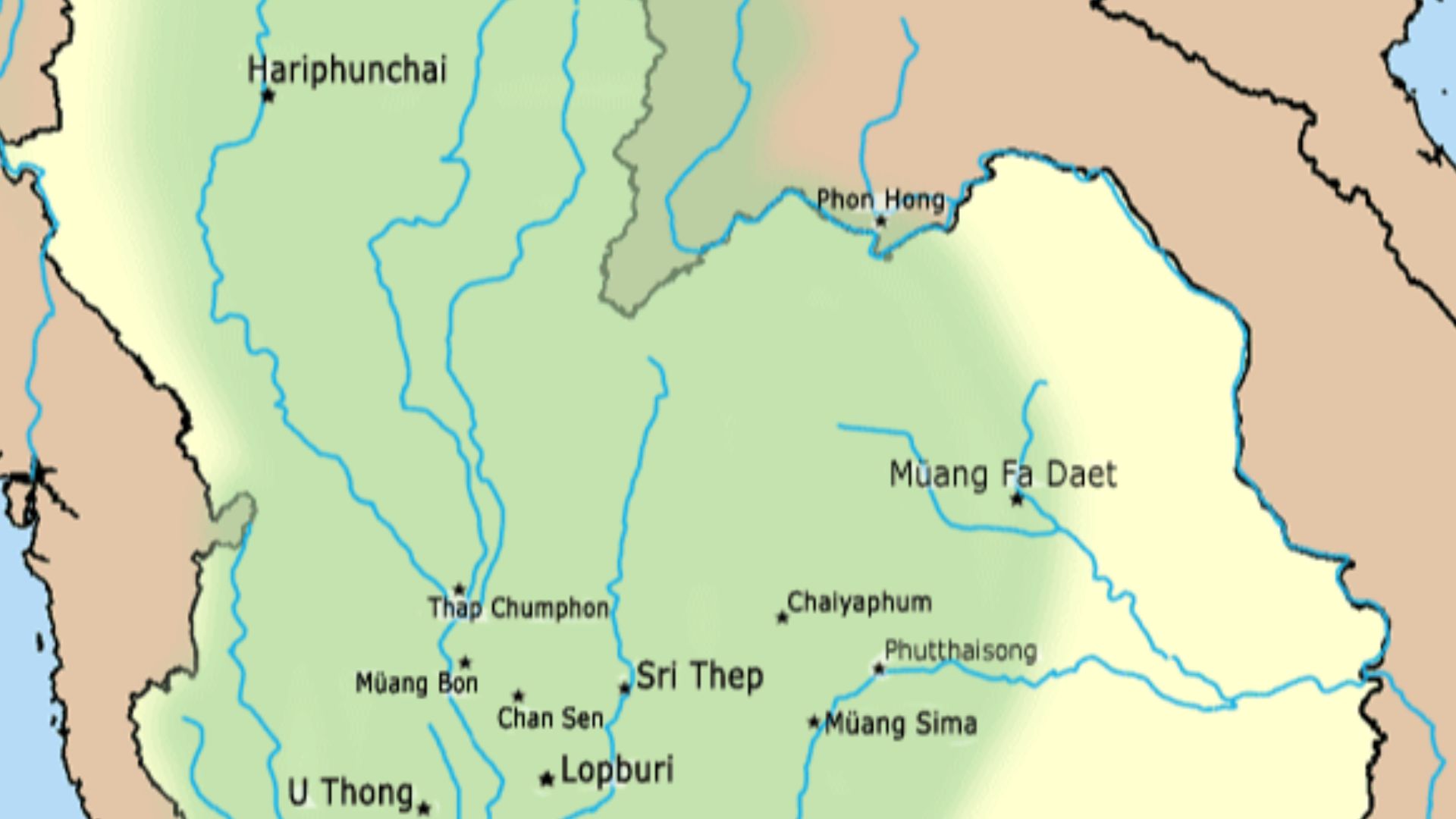
3. The Dvaravati Kingdoms
Before Thailand was dominated by the Thai-speaking kingdoms most people recognize today, the Mon people established a collection of powerful Dvaravati centers across the region. Beginning around the sixth century, these communities helped spread Theravada Buddhism and developed prosperous cities connected by trade. Their political structure remains somewhat mysterious, but their cultural influence survived long after their independence disappeared.
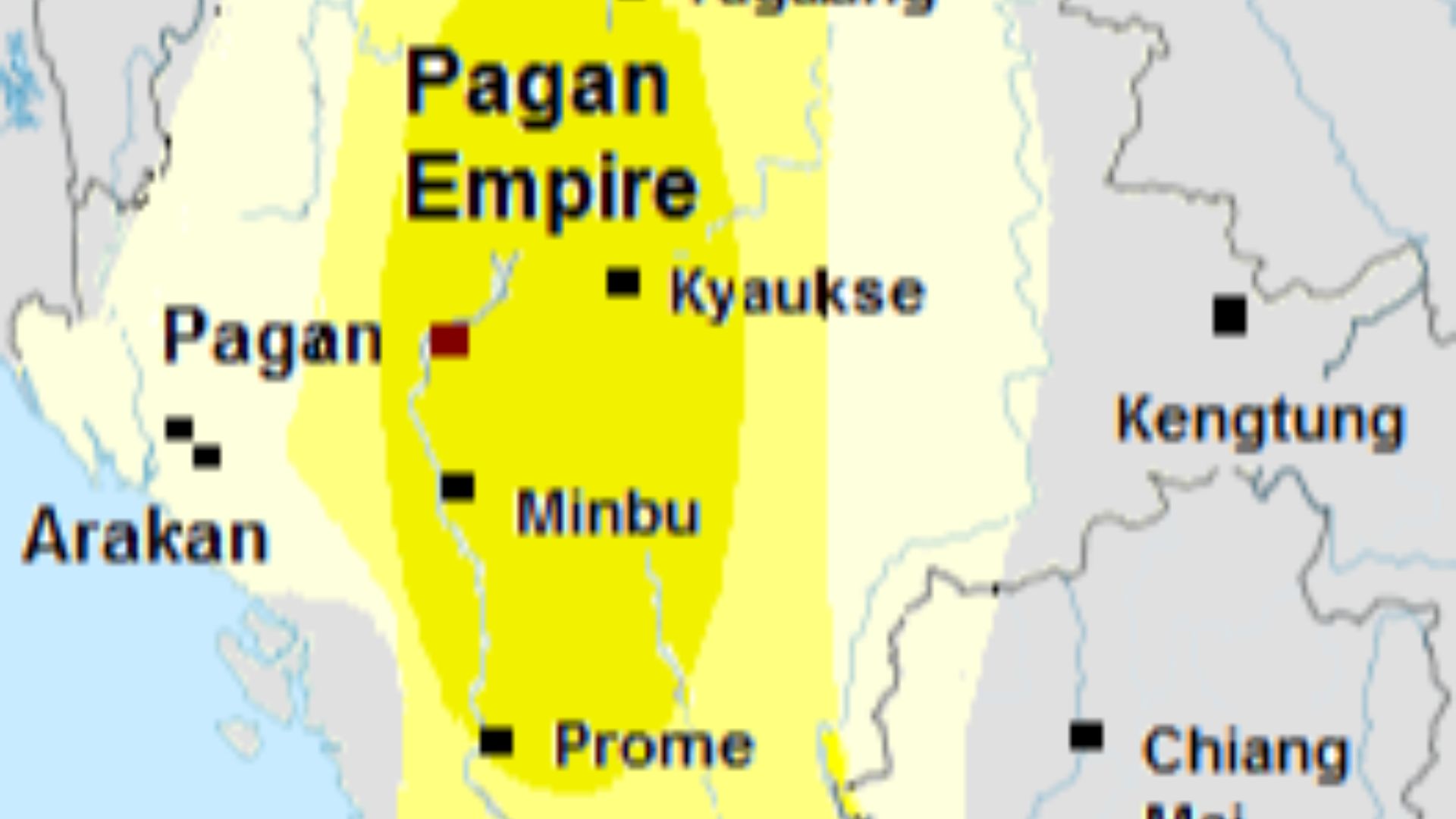
4. The Pagan Kingdom
The thousands of temples around modern Bagan give you some idea of how wealthy the Pagan Kingdom once was. Beginning in the 11th century, its rulers brought much of present-day Myanmar under a single political authority and made Theravada Buddhism a central part of the kingdom's identity. Pagan eventually weakened during the late 13th century as Mongol pressure and internal problems disrupted royal control.
5. The Kingdom of Lan Xang
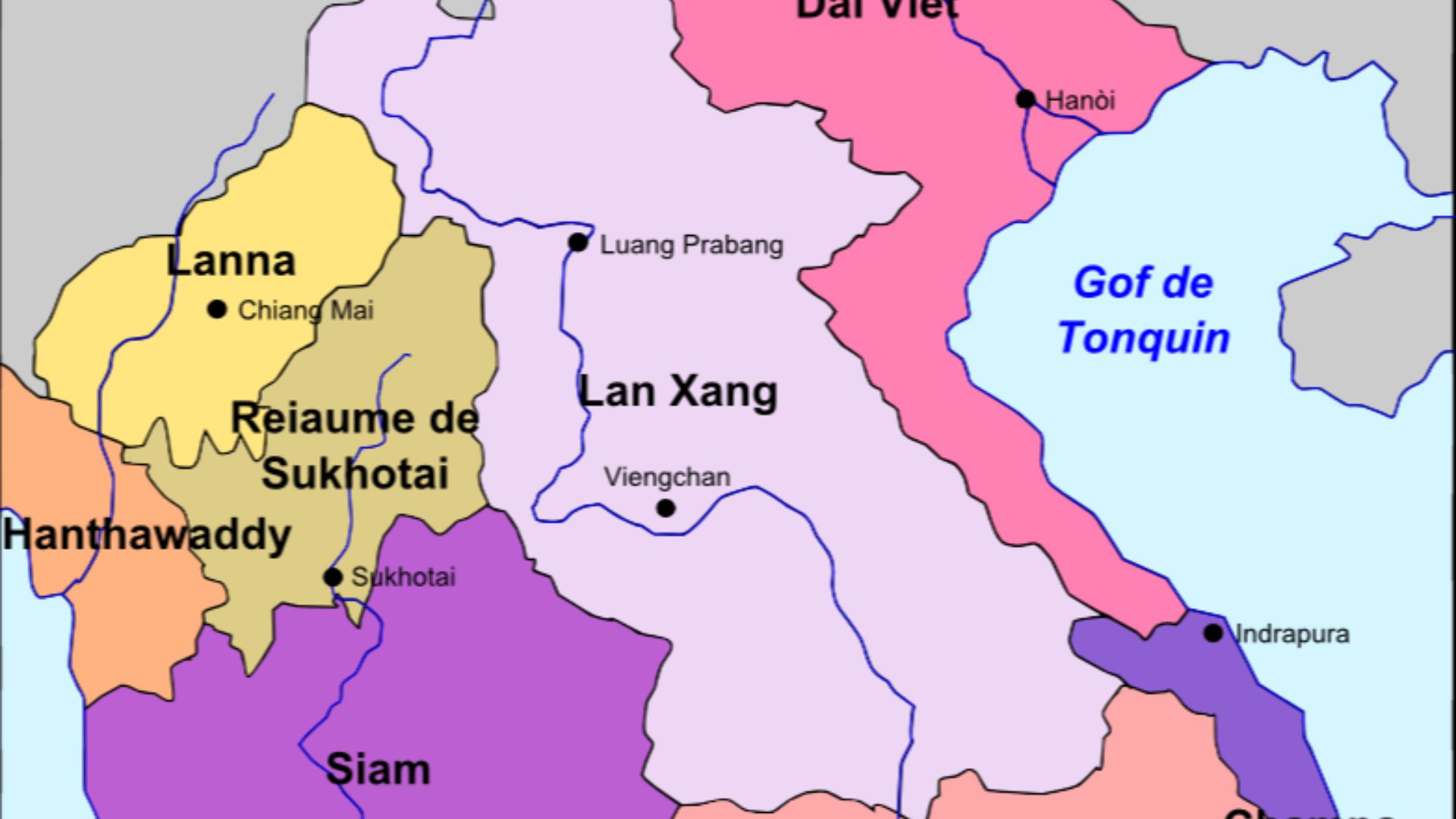
Founded in the 14th century, Lan Xang eventually controlled a huge area centered on what's now Laos. Its name is usually translated as the "Kingdom of a Million Elephants," which reflected both royal symbolism and the importance of elephants in warfare. The kingdom remained a major mainland Southeast Asian power for centuries before breaking into rival states in the early 1700s.
6. The Sukhothai Kingdom
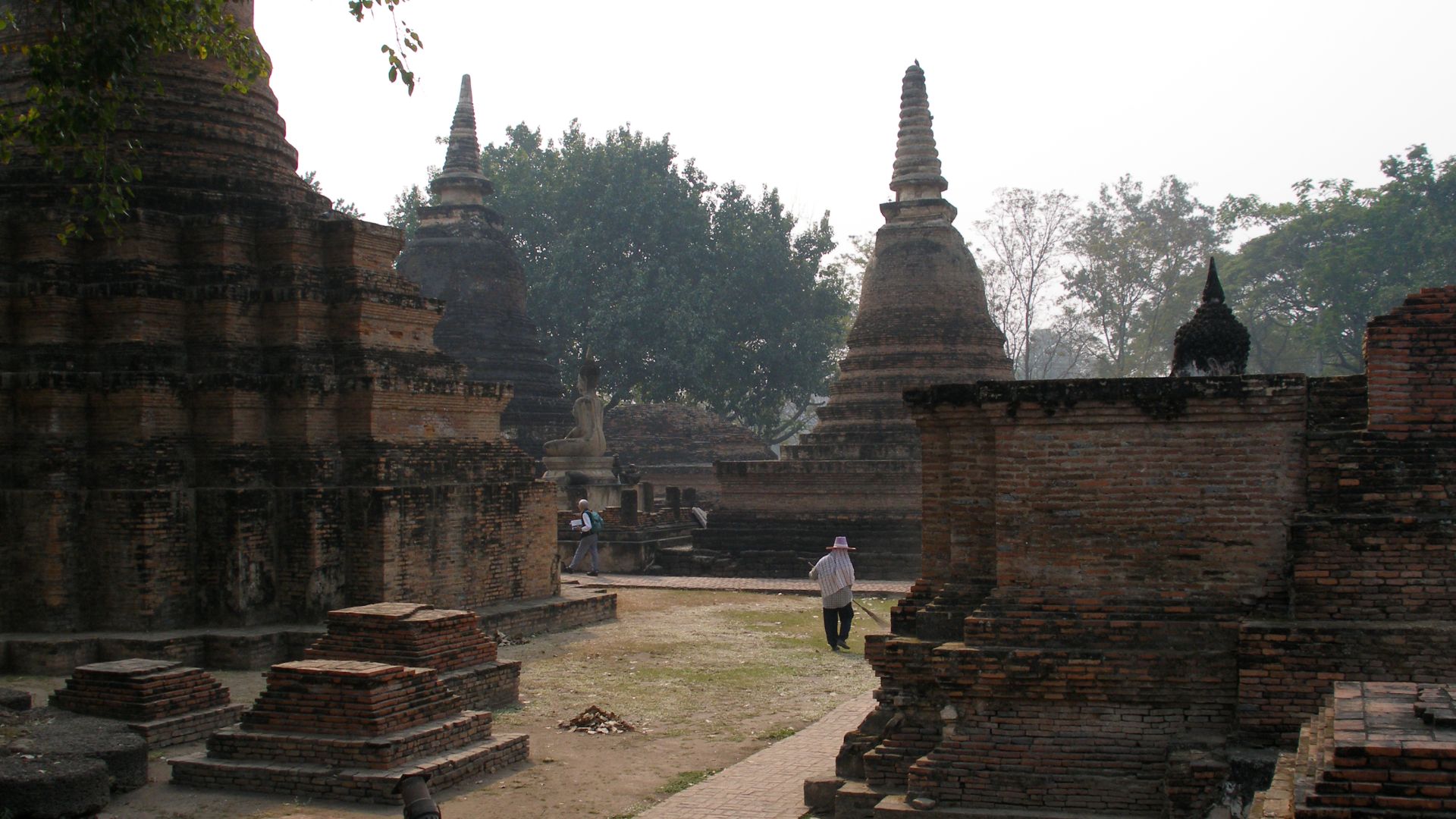
Sukhothai is sometimes overshadowed by the later and more powerful kingdom of Ayutthaya, but it played an important role in early Thai history. During the 13th and 14th centuries, its rulers extended their authority over parts of mainland Southeast Asia while supporting Theravada Buddhism and a distinctive artistic tradition. As Ayutthaya expanded, Sukhothai gradually lost its independence and was eventually absorbed.
 Vyacheslav Argenberg on Wikimedia
7. The Kingdom of Mrauk U
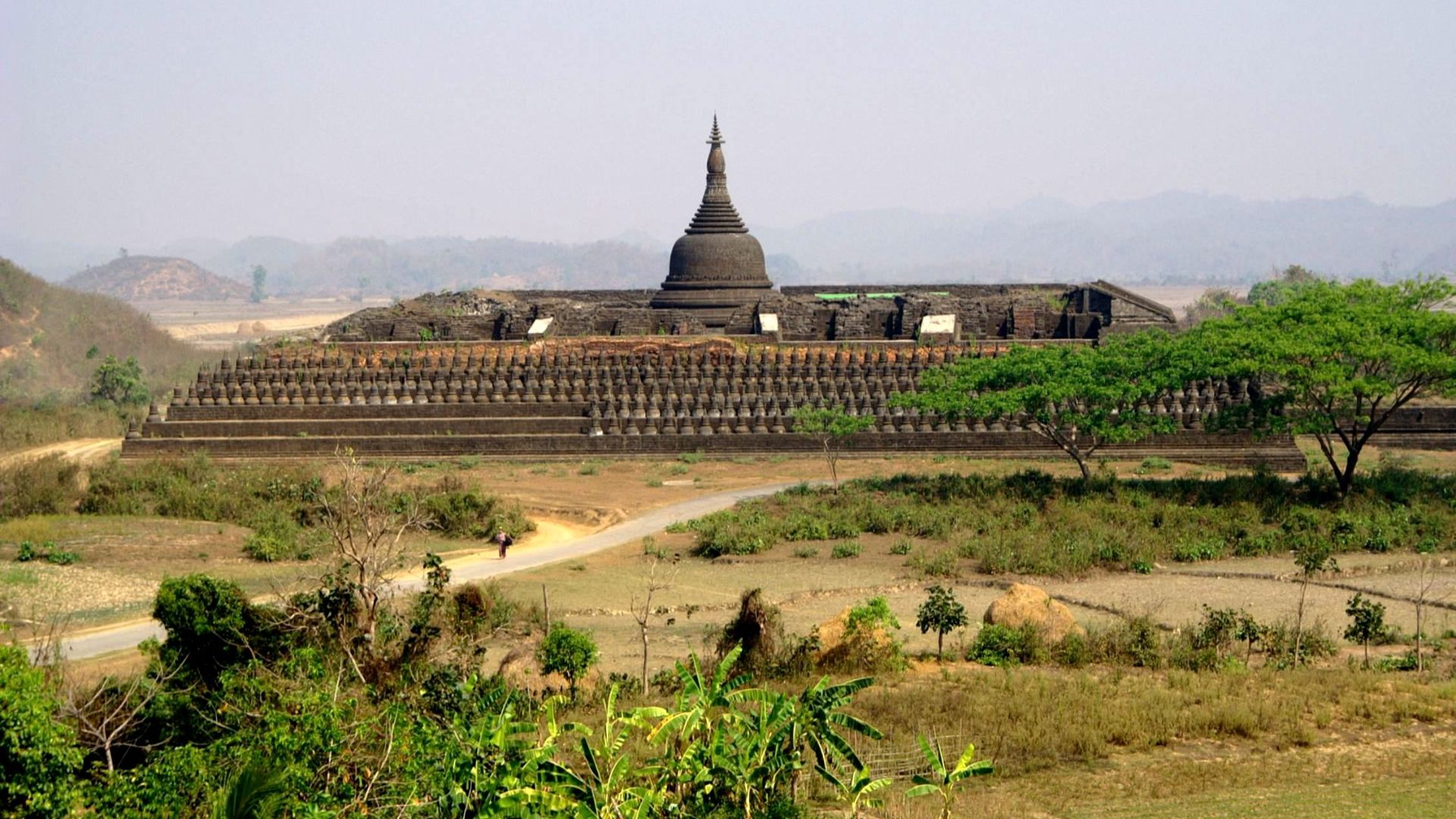
On the western edge of modern Myanmar, Mrauk U became the center of a wealthy kingdom closely connected to the Bay of Bengal. From the 15th through 17th centuries, its rulers controlled important trade routes and maintained cultural links with Bengal as well as Southeast Asia. The old capital's massive stone temples are reminders that this was once far more than an isolated coastal state.
8. The Ahom Kingdom
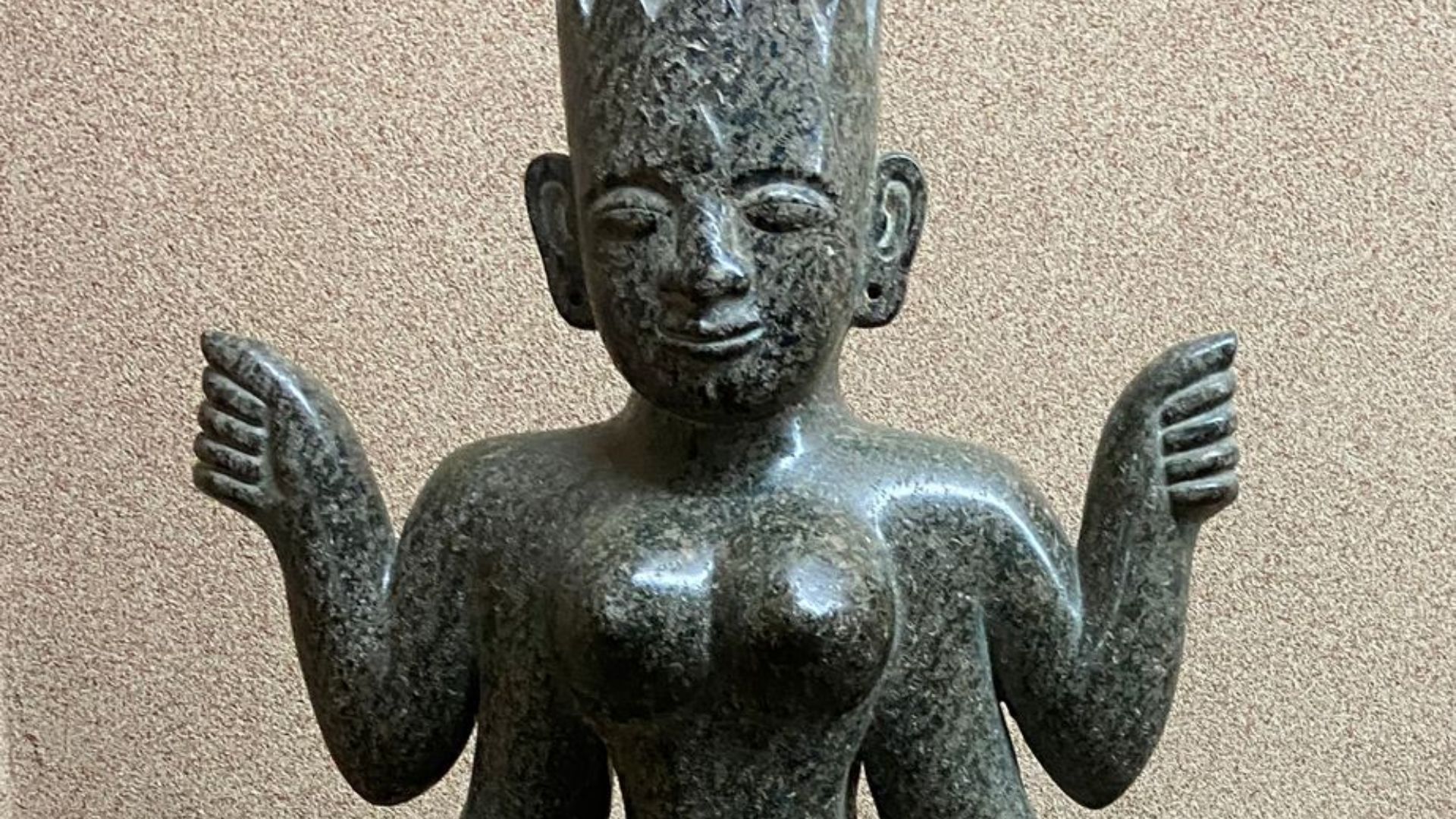
The Ahom Kingdom ruled much of Assam in northeastern India for nearly six centuries, beginning in the 1200s. Its rulers built an effective political system, expanded through the Brahmaputra Valley, and repeatedly defended the region against outside powers. Most famously, Ahom forces resisted several Mughal attempts to bring Assam permanently under imperial control.
 Extreminatethejuice on Wikimedia
9. The Kingdom of Kamarupa
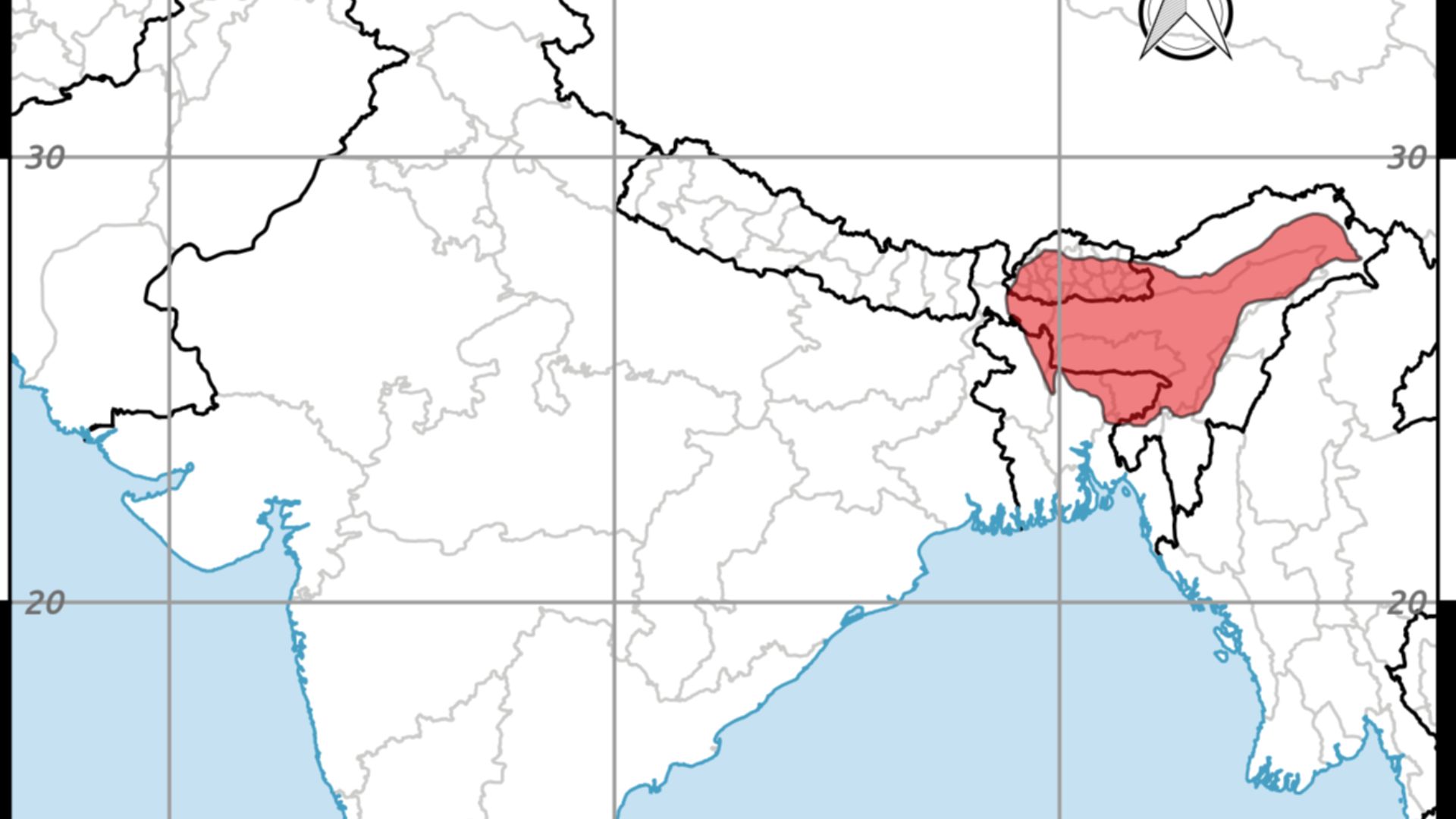
Long before the Ahoms appeared, Kamarupa was one of northeastern India's dominant political powers. Beginning in the first millennium, its rulers controlled large portions of the Brahmaputra Valley and maintained diplomatic connections with other major Indian states. Several dynasties ruled under the Kamarupa name before the kingdom eventually fragmented into smaller powers.
10. The Pala Kingdom
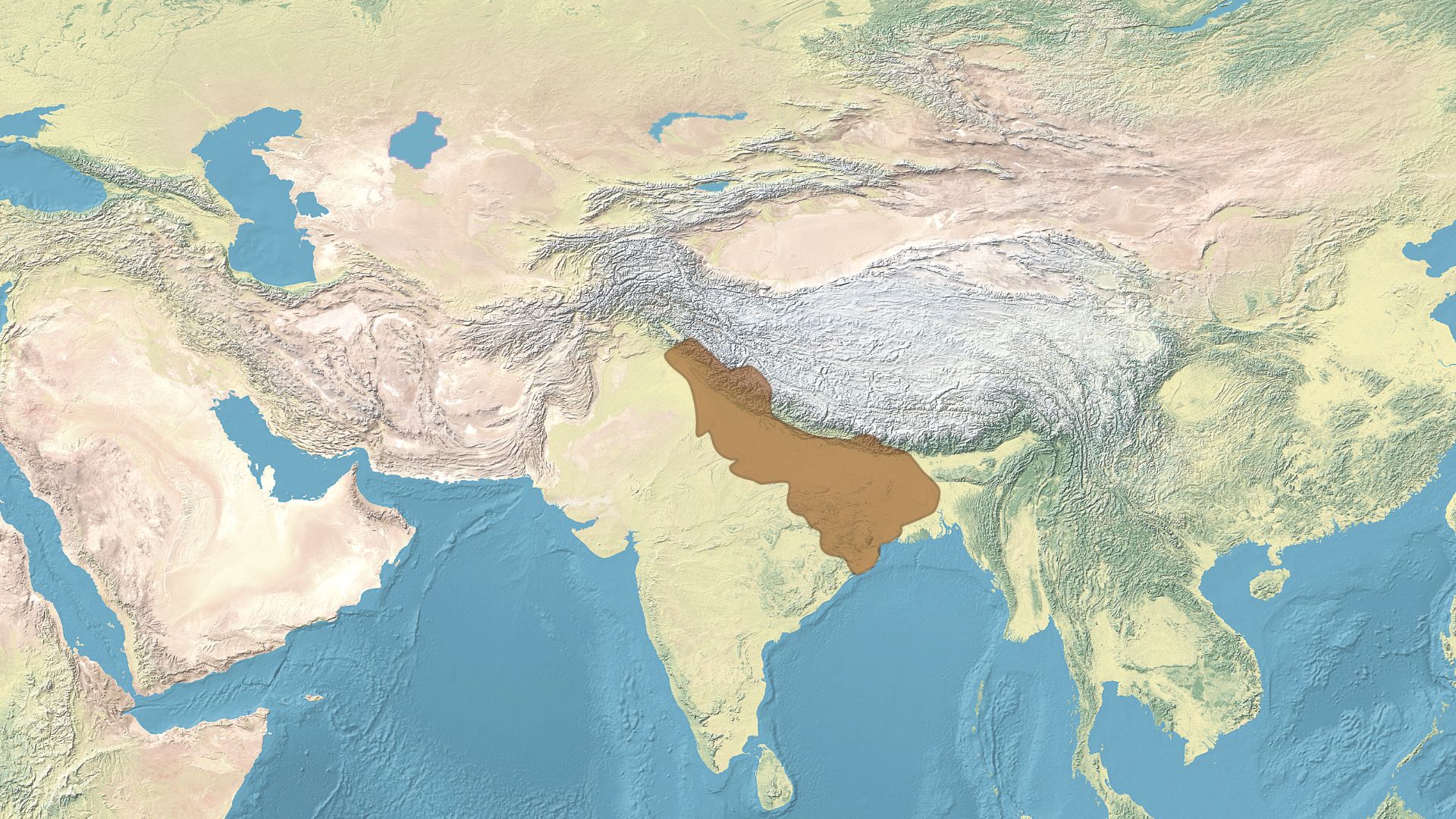
The Pala rulers emerged in Bengal during the eighth century and soon became one of the strongest powers in northern India. At different points, their armies controlled or influenced large parts of Bengal, Bihar, and neighboring regions while competing with other dynasties for control of northern India. The Palas were also major supporters of Buddhist institutions, including famous monasteries that attracted scholars from across Asia.
 Ktrinko, पाटलिपुत्र (talk) on Wikimedia
11. The Kingdom of Khotan
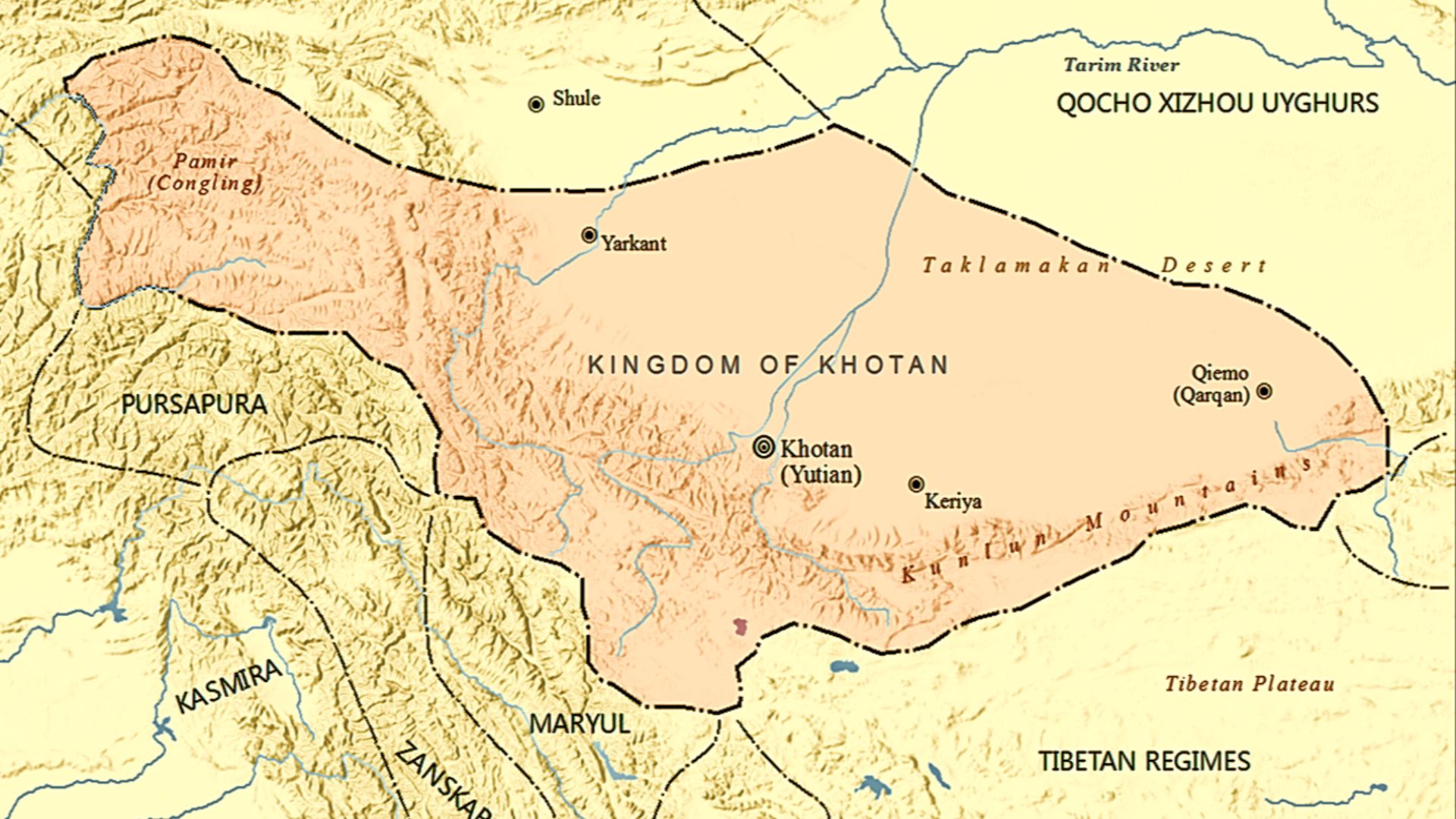
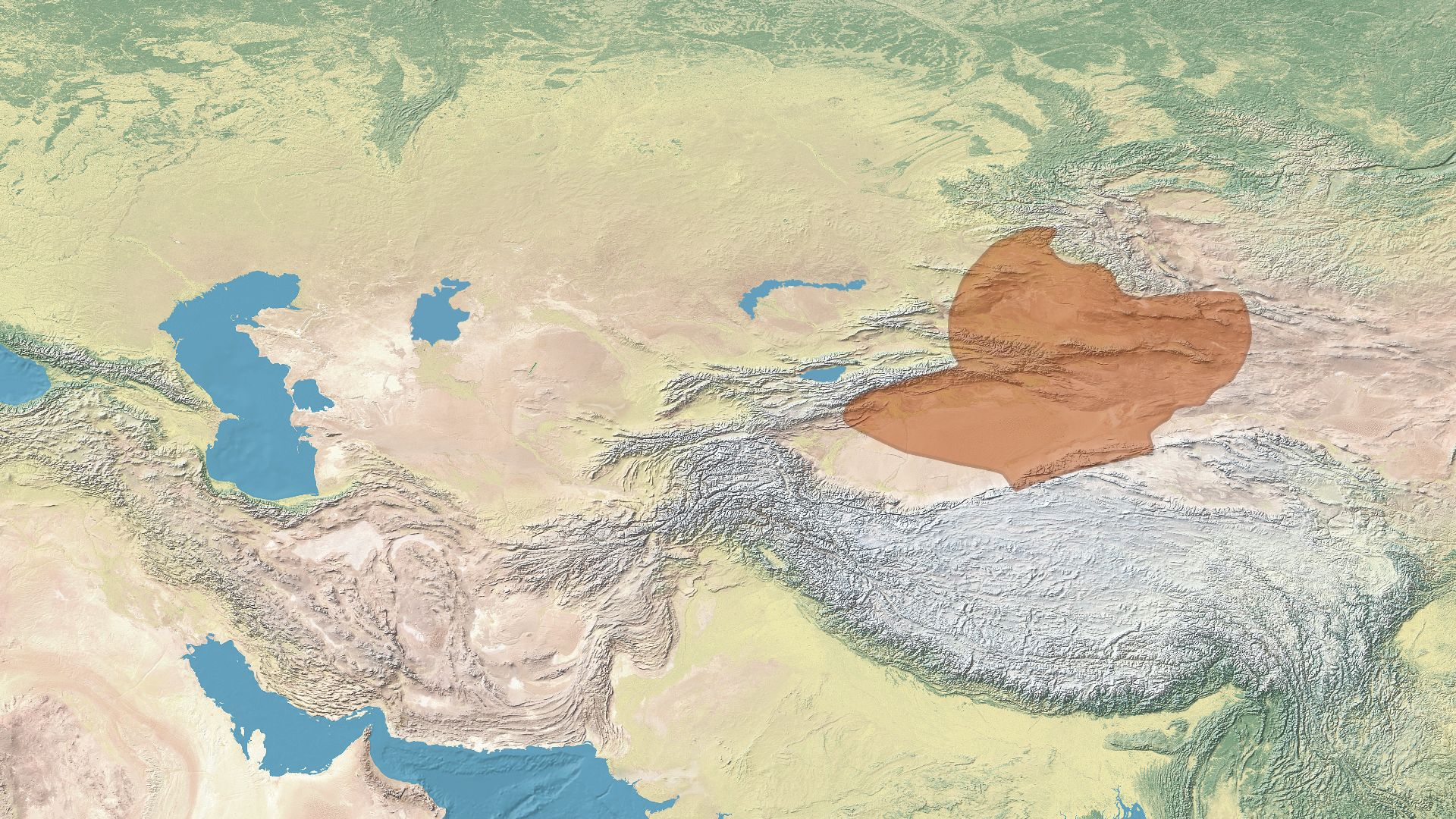
Sitting on the southern edge of the Taklamakan Desert, Khotan occupied an extremely valuable position along the Silk Road. The oasis kingdom became famous for jade, textiles, Buddhism, and trade linking China with Central and South Asia. Powerful neighbors repeatedly competed for influence there, but Khotan maintained its own royal identity for centuries before being conquered in the early 11th century.
12. The Kingdom of Qocho
The Uyghur Kingdom of Qocho developed around important oasis cities such as Turpan after the collapse of the Uyghur Khaganate in the ninth century. Thanks to its position along major trade routes, the kingdom became a meeting point for Buddhist, Manichaean, Christian, and other cultural traditions. It survived for centuries by navigating relations with much larger powers before eventually becoming part of the expanding Mongol world.
13. The Kingdom of Guge
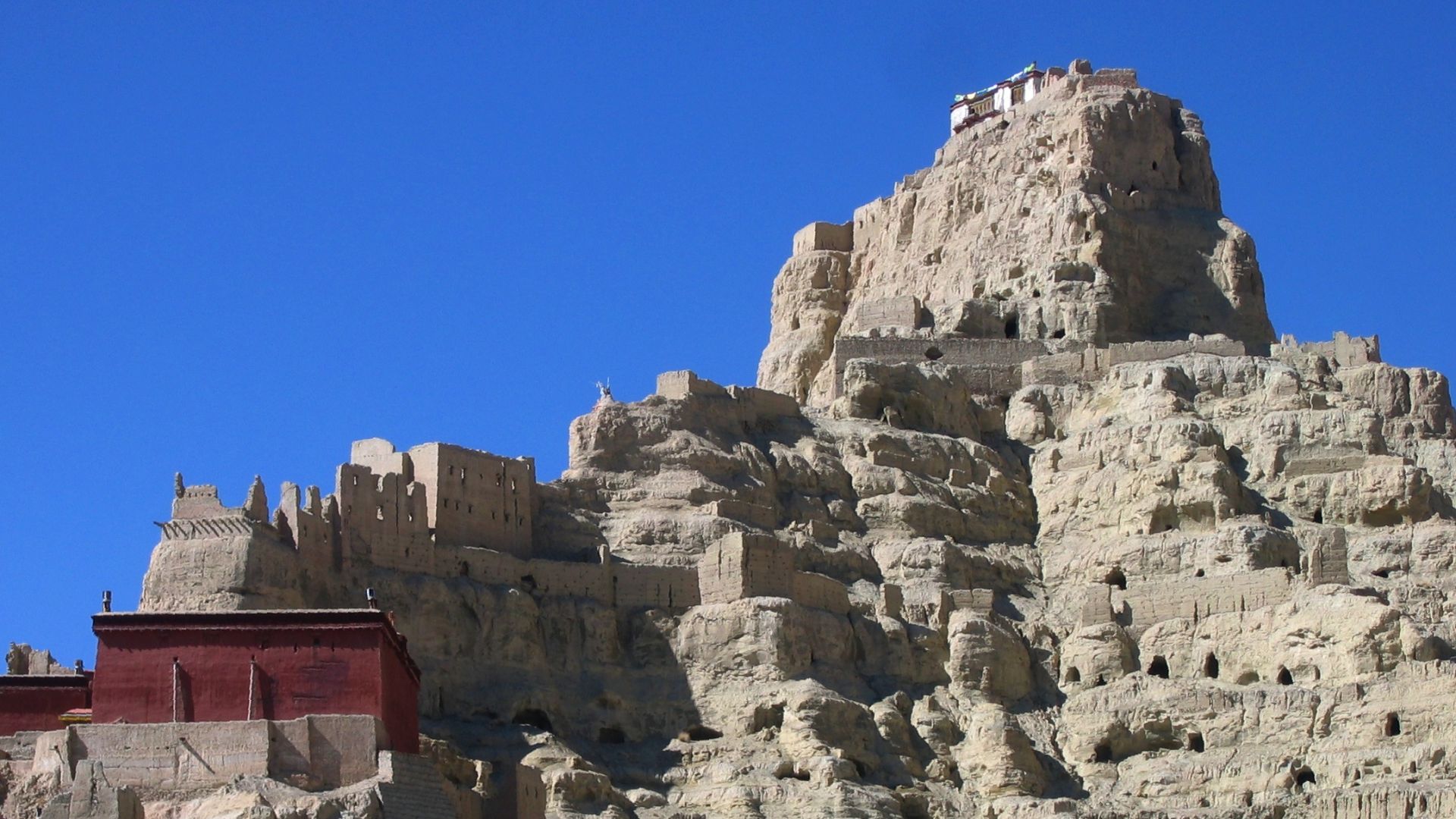
Hidden among the mountains of western Tibet, Guge became an important Himalayan kingdom after the collapse of the Tibetan Empire. Beginning around the 10th century, its rulers controlled territory along routes connecting Tibet with India and Central Asia. Guge also played a major role in the revival of Buddhism in Tibet, even though the kingdom itself eventually vanished in the 17th century.
 Pseudois (talk) (Uploads) on Wikimedia
14. The Ryukyu Kingdom
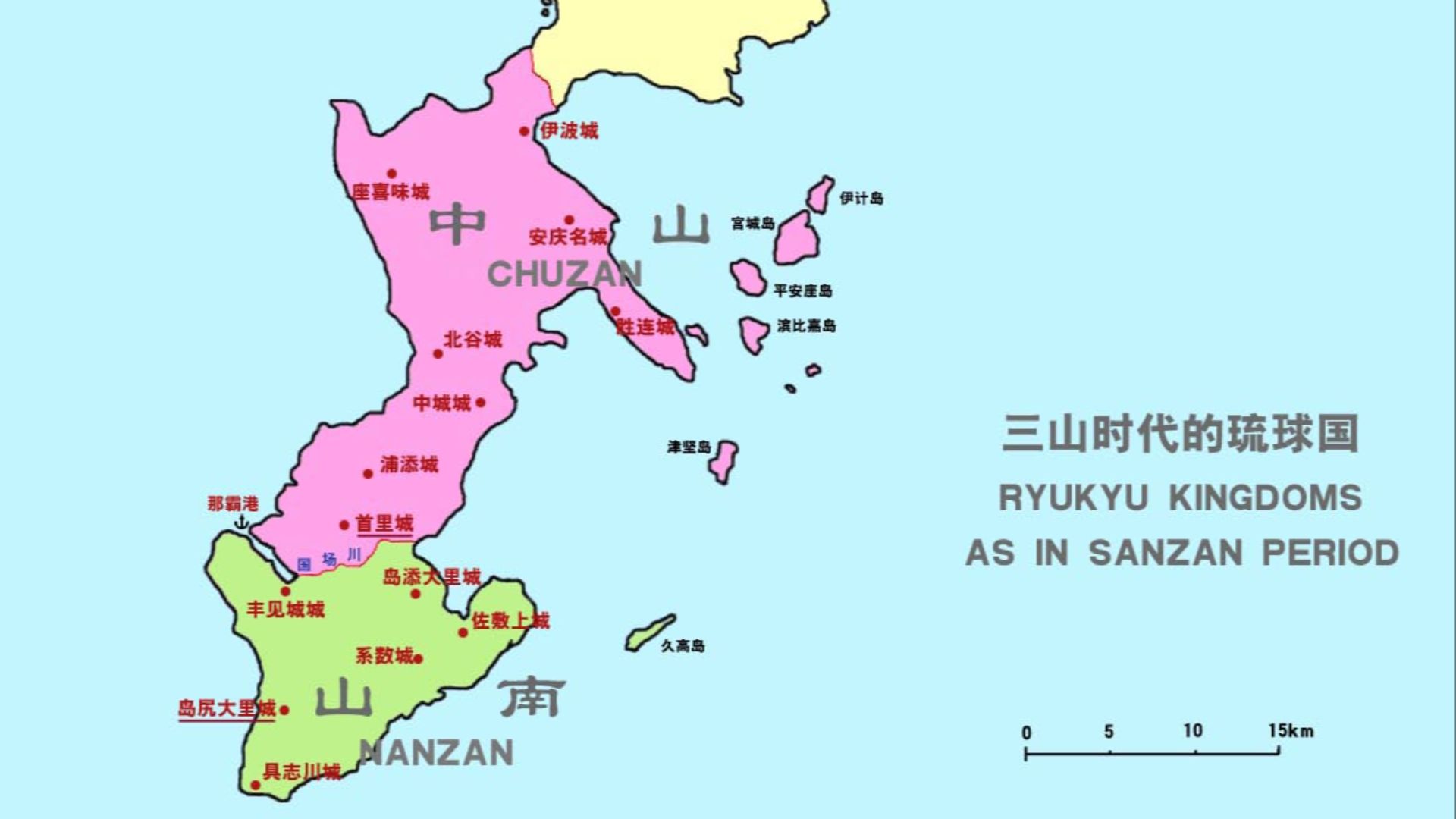
The Ryukyu Islands weren't always simply the southern end of Japan. From the 15th century, the Ryukyu Kingdom built a prosperous maritime trading network connecting Japan, China, Korea, and Southeast Asia. Its kings ruled from Shuri on Okinawa and developed a distinct culture before Japan formally annexed the kingdom in the 19th century.
15. The Kingdom of Balhae
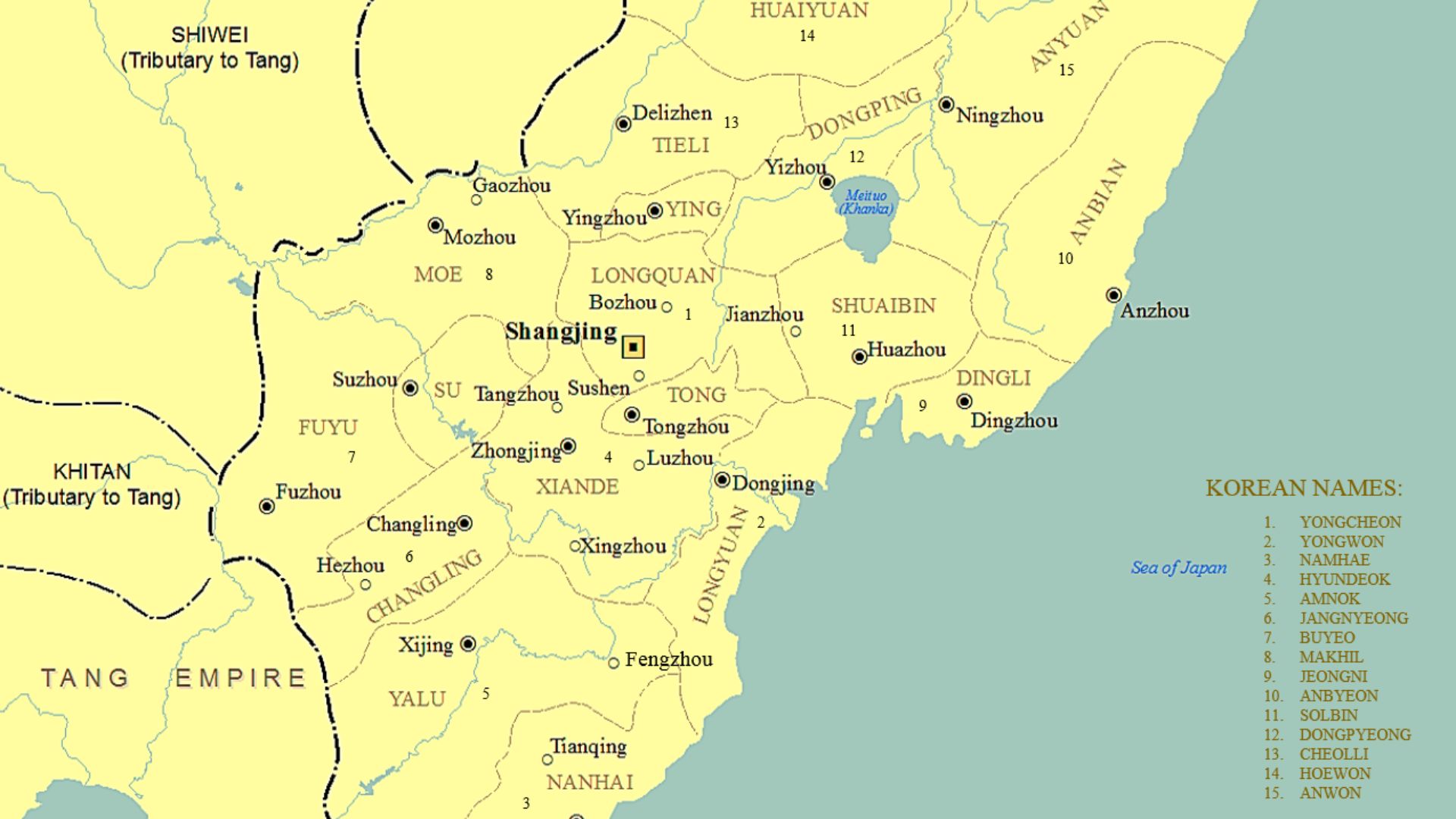
After the fall of Goguryeo, Balhae emerged in the late seventh century across parts of Manchuria, the Korean Peninsula, and the Russian Far East. The kingdom became a substantial regional power with large cities, diplomatic ties, and an administrative system influenced by neighboring China. Balhae lasted for more than two centuries before the Khitan conquered it in 926.
16. The Goguryeo Kingdom
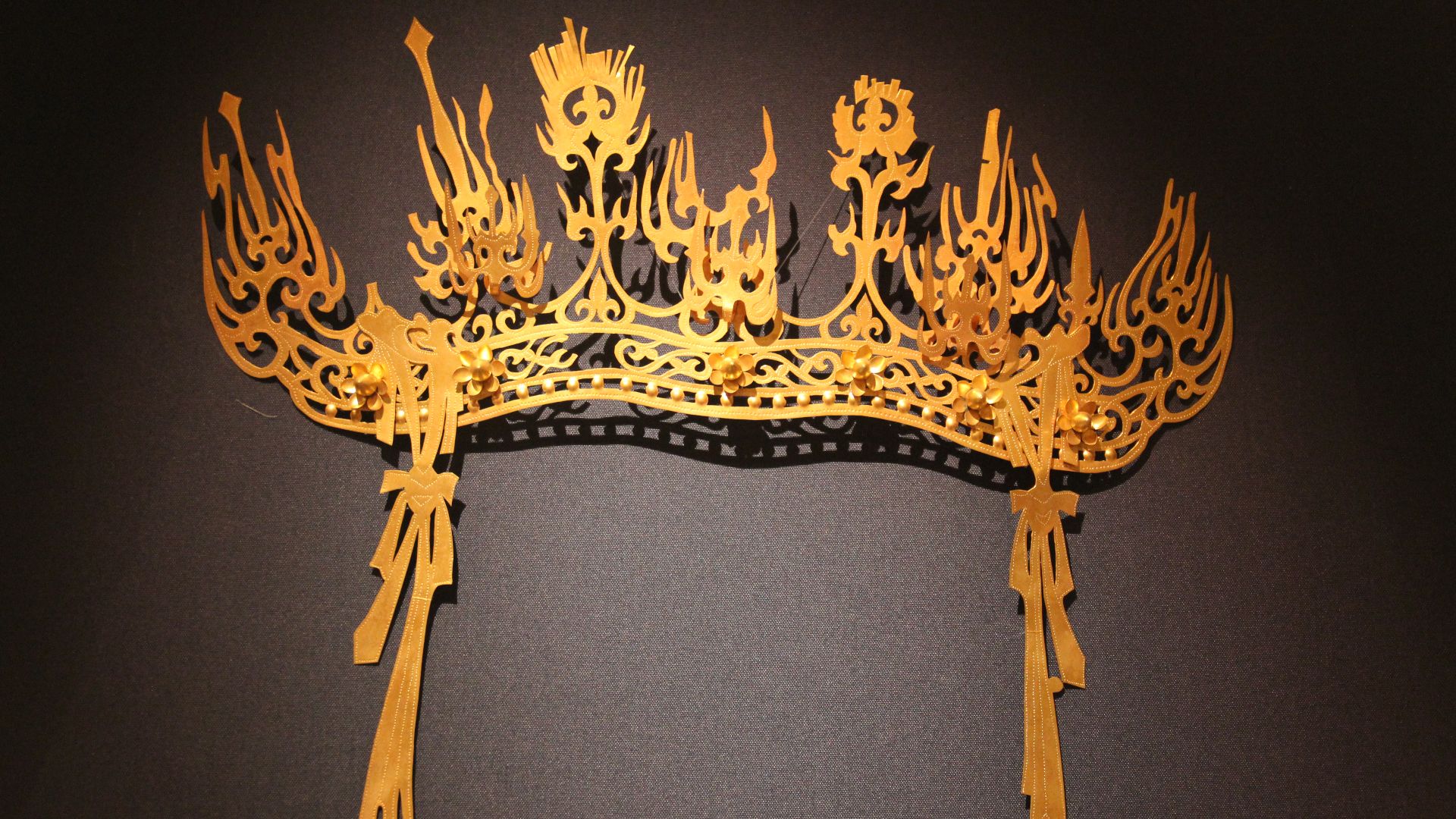
Of Korea's ancient Three Kingdoms, Goguryeo controlled by far the largest territory at its peak. Its rulers dominated northern Korea and significant portions of Manchuria, building fortified cities and repeatedly battling powerful Chinese dynasties. Goguryeo finally fell in 668 after sustained attacks from an alliance between Silla and China's Tang dynasty.
 Gary Lee Todd, Ph.D. on Wikimedia
17. The Kingdom of Silla
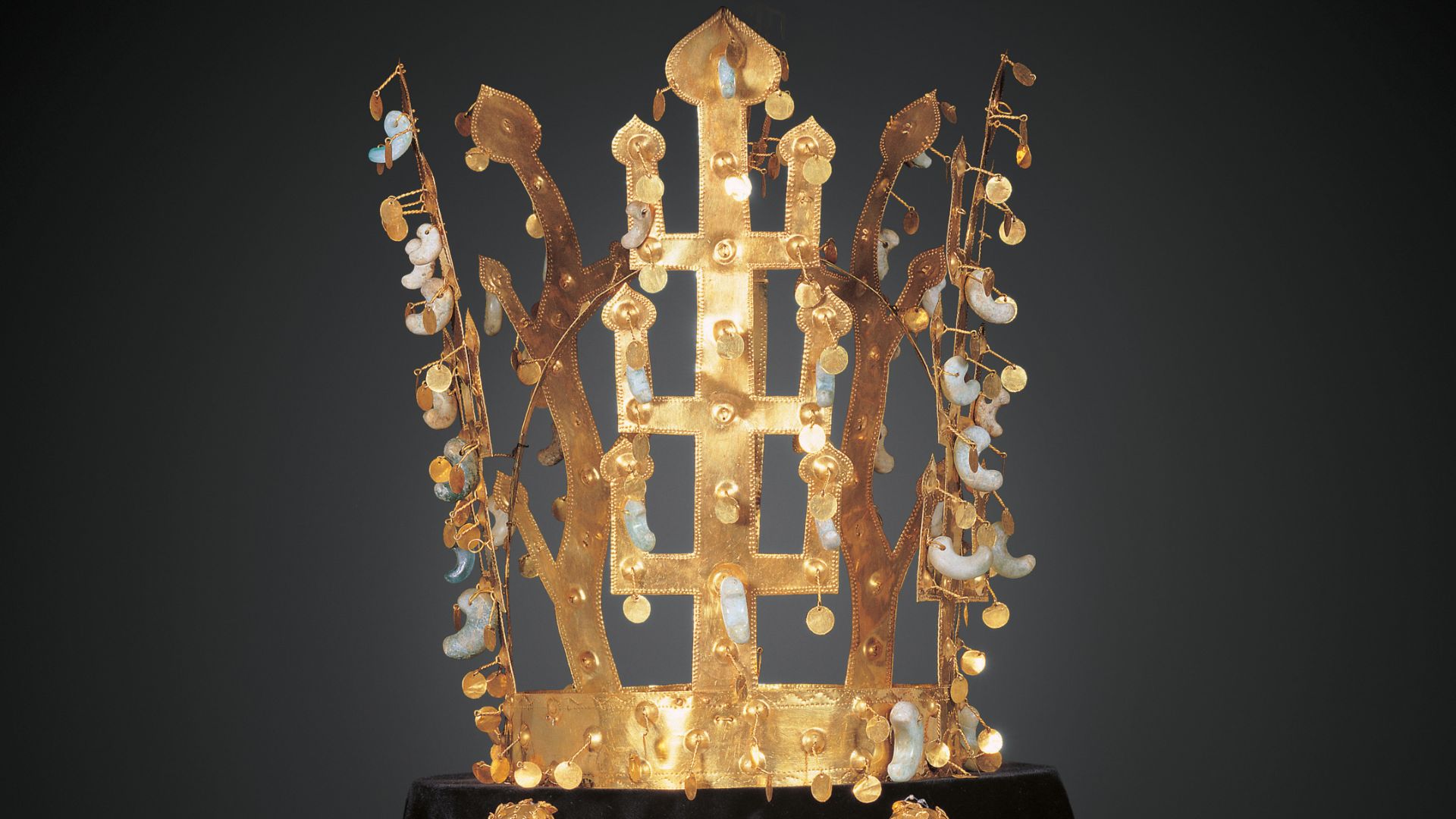
Silla started as the smallest and weakest-looking member of Korea's Three Kingdoms, but that didn't last. By working with Tang China, it defeated Baekje and Goguryeo during the seventh century and eventually controlled most of the Korean Peninsula. Unified Silla then enjoyed centuries of cultural and economic development before political fragmentation weakened the kingdom.
 National Museum of Korea on Wikimedia
18. The Haripunjaya Kingdom
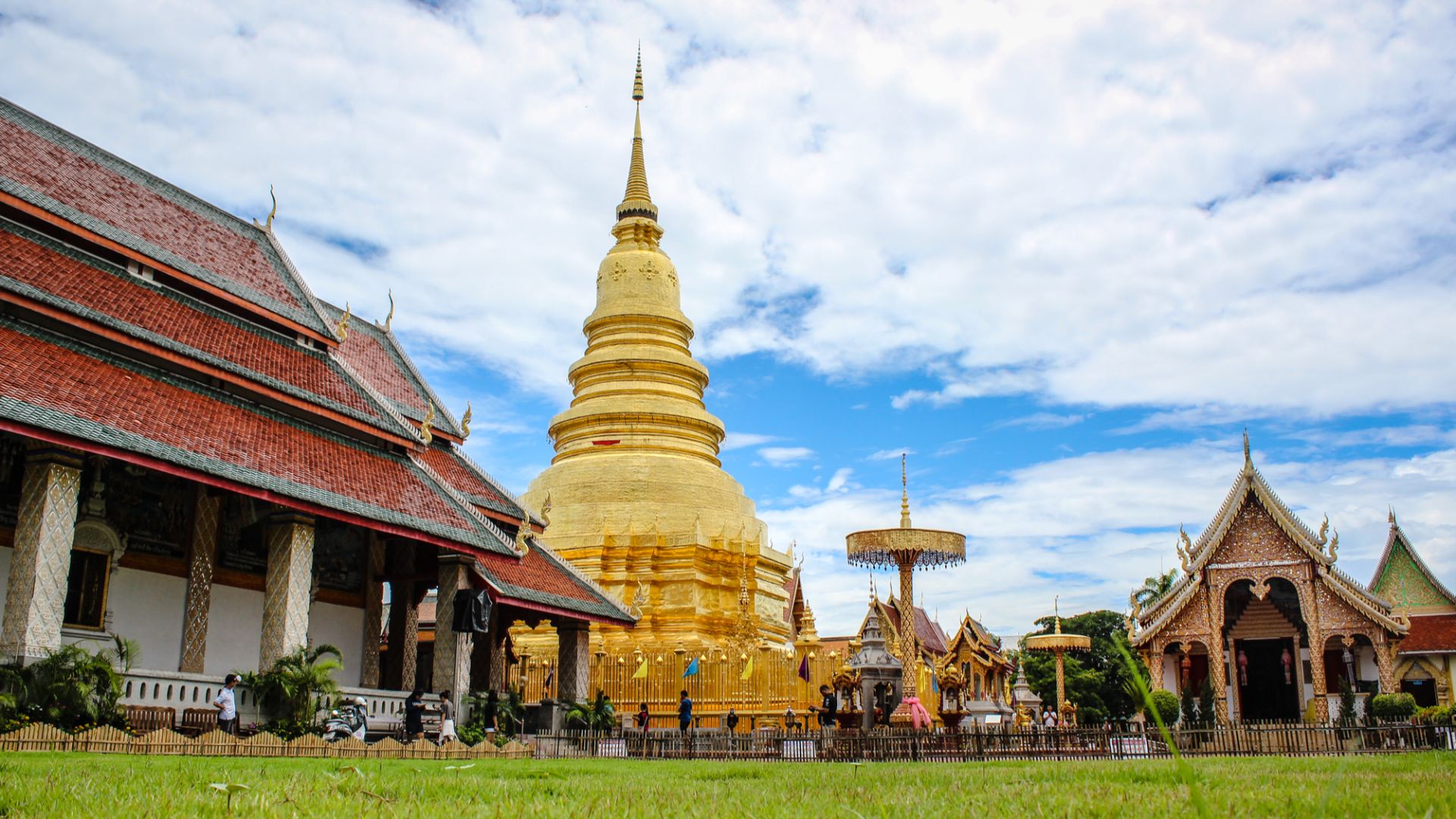
Centered on the city now known as Lamphun in northern Thailand, Haripunjaya was a major Mon kingdom long before the rise of Chiang Mai. It flourished as a Buddhist and commercial center, and its position allowed it to influence surrounding parts of northern mainland Southeast Asia. The expanding Lan Na kingdom conquered Haripunjaya near the end of the 13th century, but many of its religious traditions continued.
 Ritthichai Siangdee on Wikimedia
19. The Kedah Kingdom
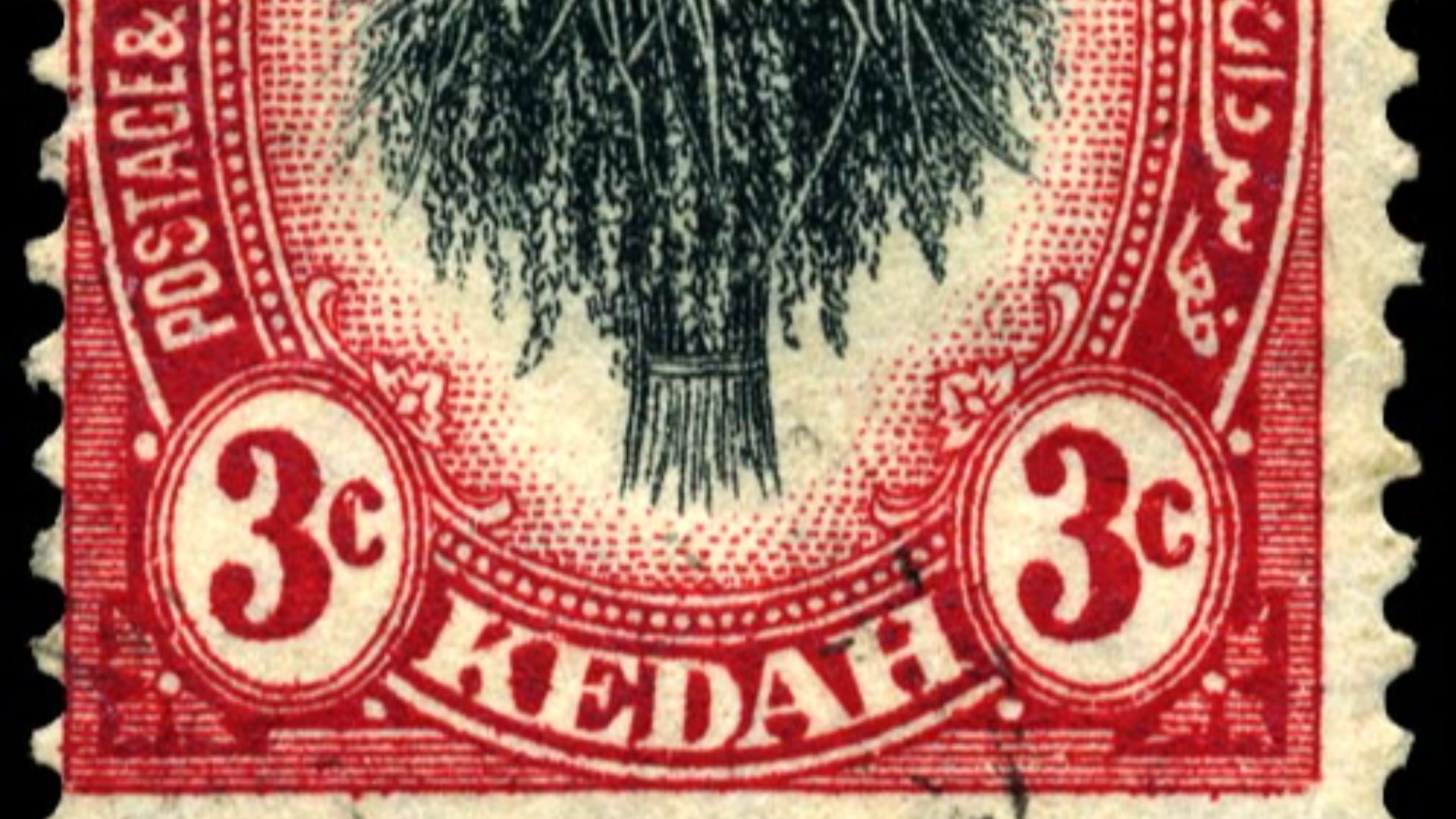
Ancient Kedah occupied a valuable location on the Malay Peninsula, where merchants traveling between the Indian Ocean and Southeast Asia regularly passed through. Archaeological evidence shows that settlements in the region participated in international trade centuries before Malacca became famous for doing the same thing farther south. Different dynasties and outside powers influenced Kedah over time, but its early importance makes it one of Southeast Asia's most overlooked trading states.
20. The Kingdom of Funan
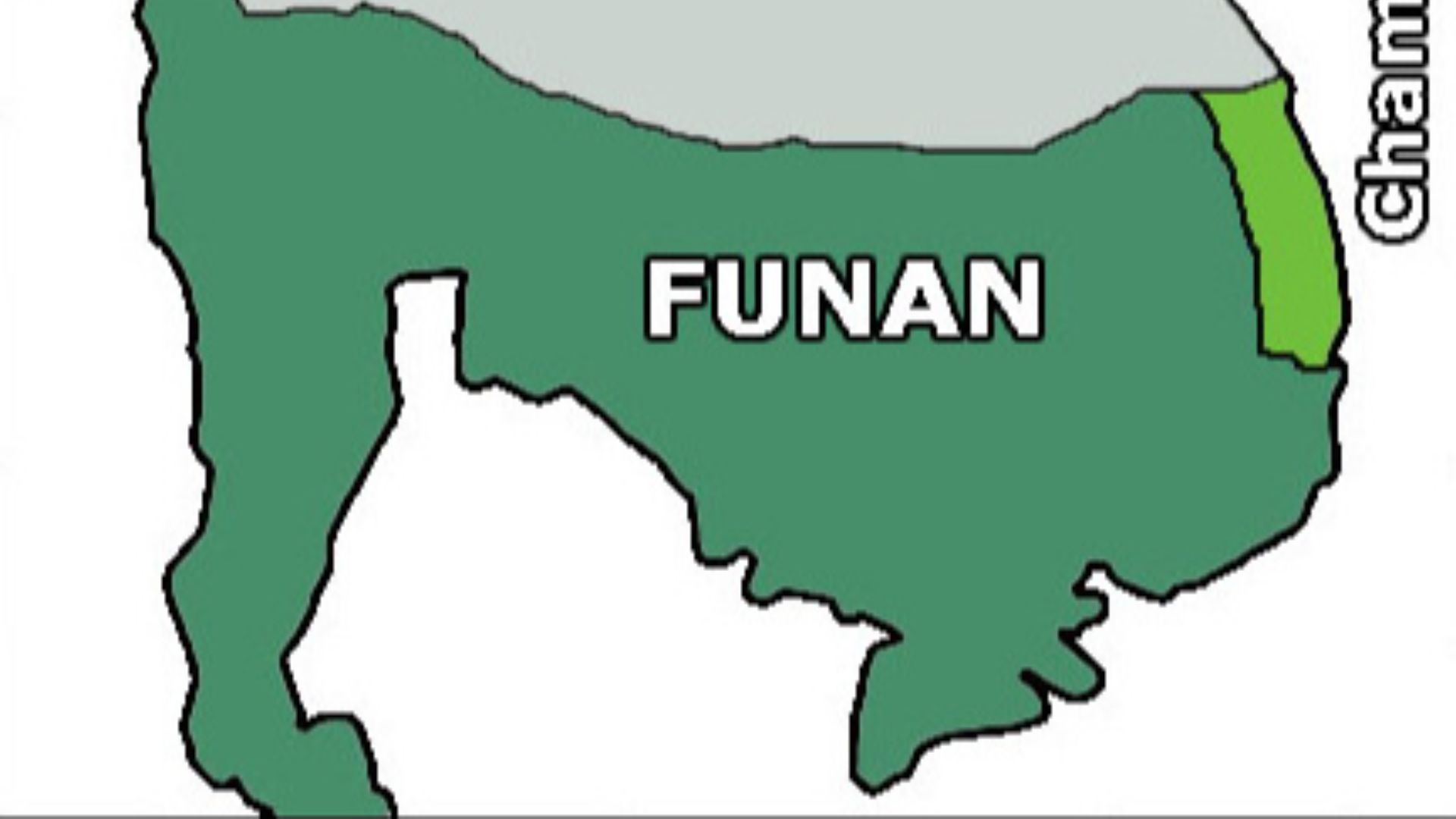
Before Angkor and the Khmer Empire dominated mainland Southeast Asia, Chinese records described a powerful state known as Funan in the lower Mekong region. Between roughly the first and sixth centuries, its rulers benefited from maritime trade connecting India, China, and Southeast Asia while adopting elements of Indian religion and political culture. Much about Funan remains debated because surviving information is limited, but it was clearly one of the region's earliest major political and commercial centers.
KEEP ON READING