The Record And The Reality
For a long stretch of history, dragons were not limited to the realm of fiction. They appeared in Roman natural history, medieval chronicles, world maps, bestiaries, miracle stories, and medical texts in ways that made them feel less like pure fantasy and more like something real lurking at the edge of the map. That does not mean every educated person believed in a fire-breathing monster exactly the way we picture one now, but it does mean dragons were often treated as serious possibilities, not just bedtime material. Here are 10 concrete moments and sources history leaned on, followed by 10 reasons the creature itself still collapses the second biology enters the room.
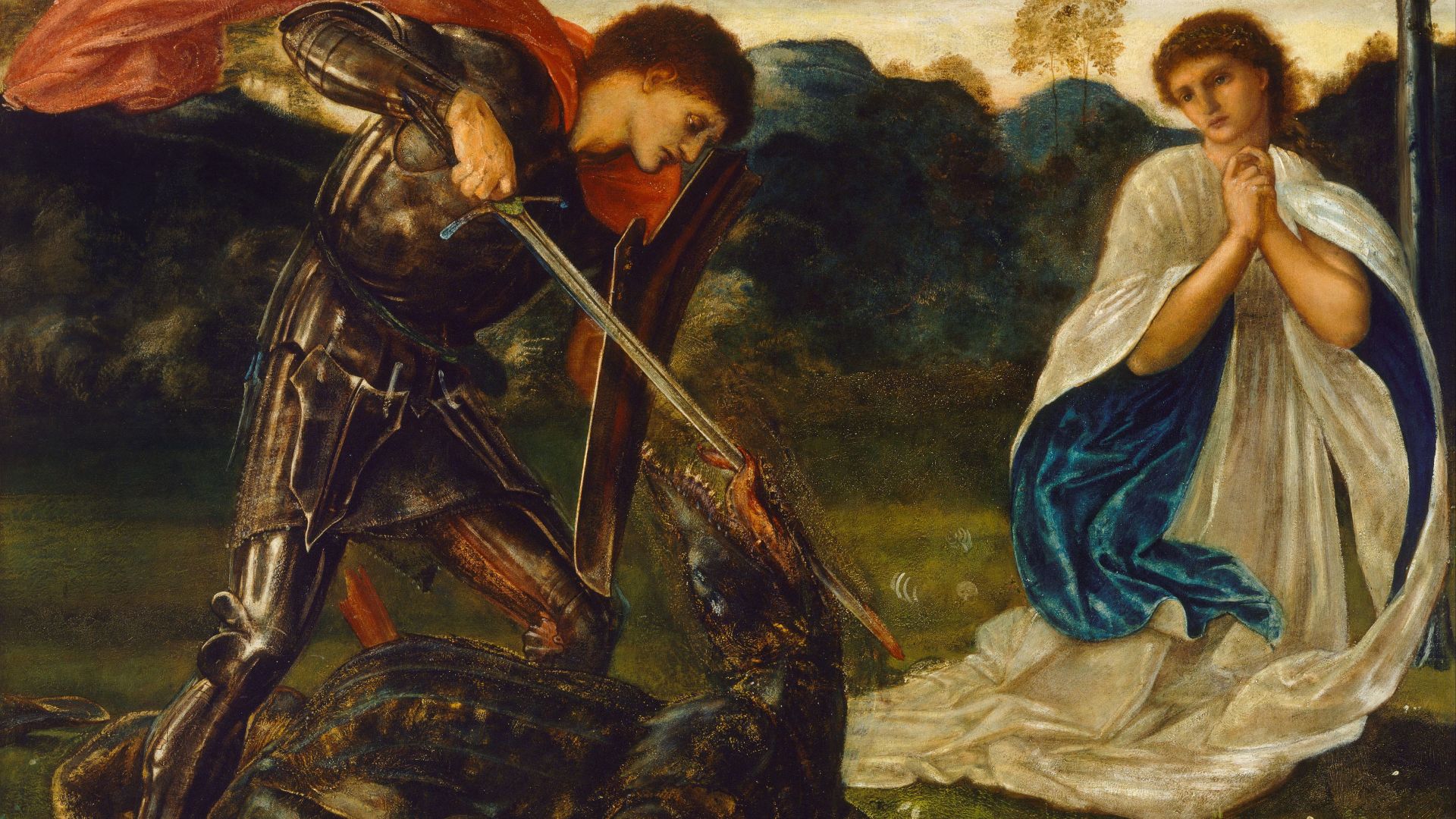 Edward Burne-Jones on Wikimedia
1. Pliny’s Indian Dragons
In the first century CE, Pliny the Elder wrote in Natural History about dragons in India and Ethiopia, including the famous claim that they fought elephants by coiling around them. That mattered because Pliny’s encyclopedia remained a major authority for centuries, so his dragons did not read like campfire nonsense to later readers.
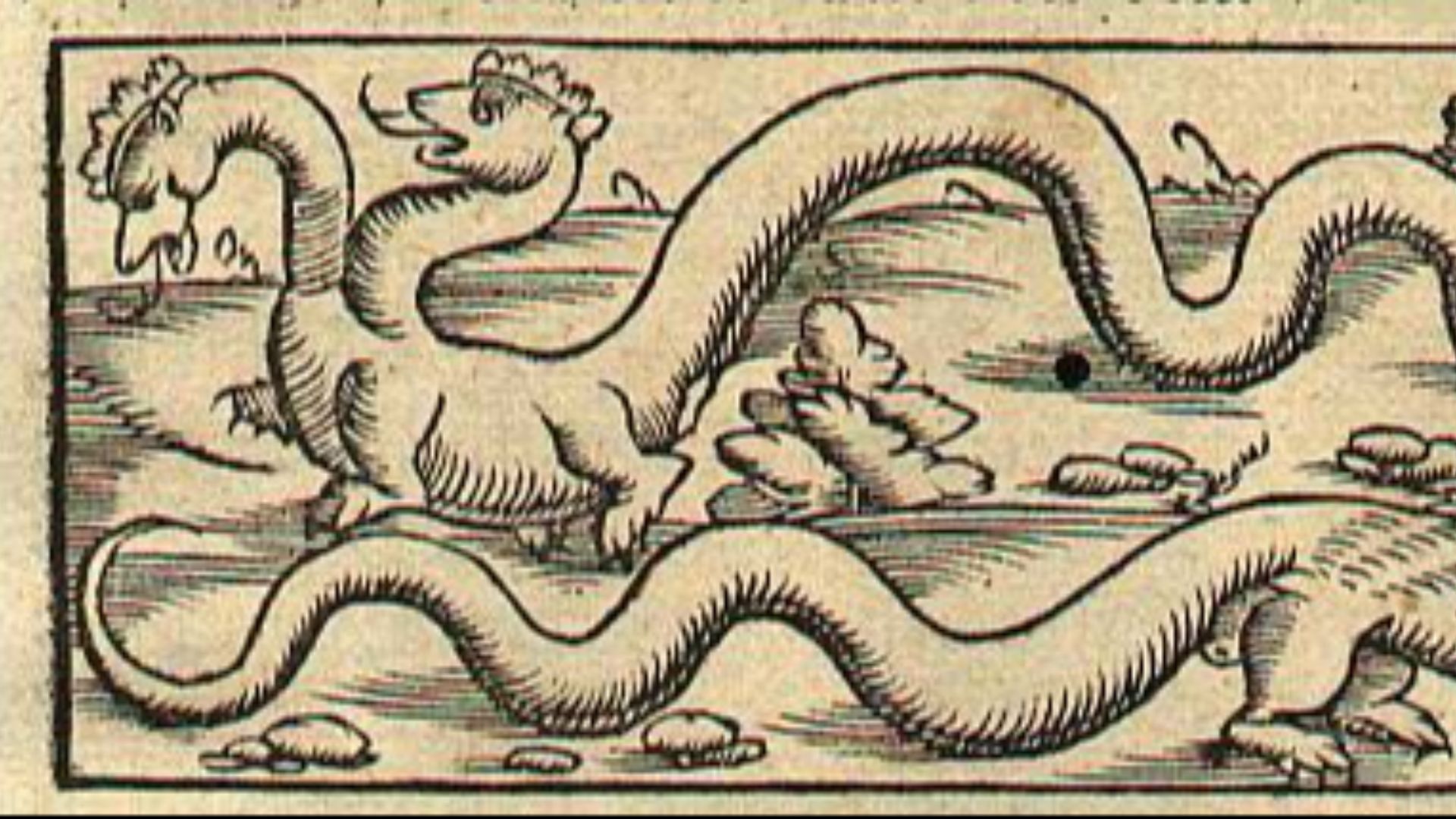 Sebastian Münster on Wikimedia
2. Aelian Repeated The Case
Aelian, writing in the second or third century CE in On the Characteristics of Animals, also treated dragons as part of the animal world, especially in accounts tied to India. Once a creature shows up in multiple classical natural-history works, it starts to look less like a one-off myth and more like a reported species.
3. The Anglo-Saxon Chronicle In 793
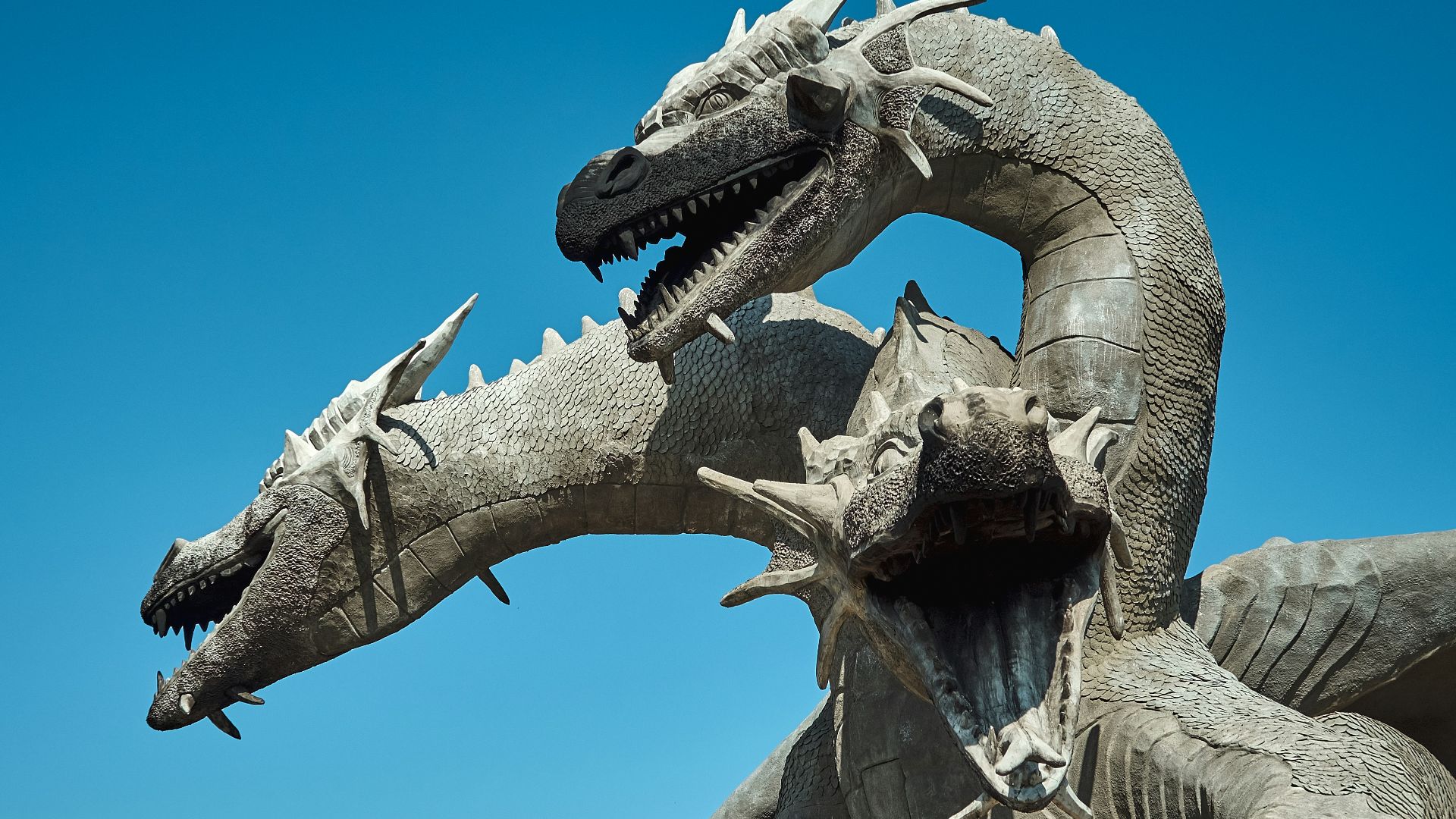
The entry for 793 in the Anglo-Saxon Chronicle says that “fiery dragons” were seen flying in the sky over Northumbria before the Viking attack on Lindisfarne. That is not a modern retelling or a fantasy novel detail; it is sitting there in one of the foundational chronicles of early medieval England.
4. Bestiaries Filed Dragons Beside Real Animals
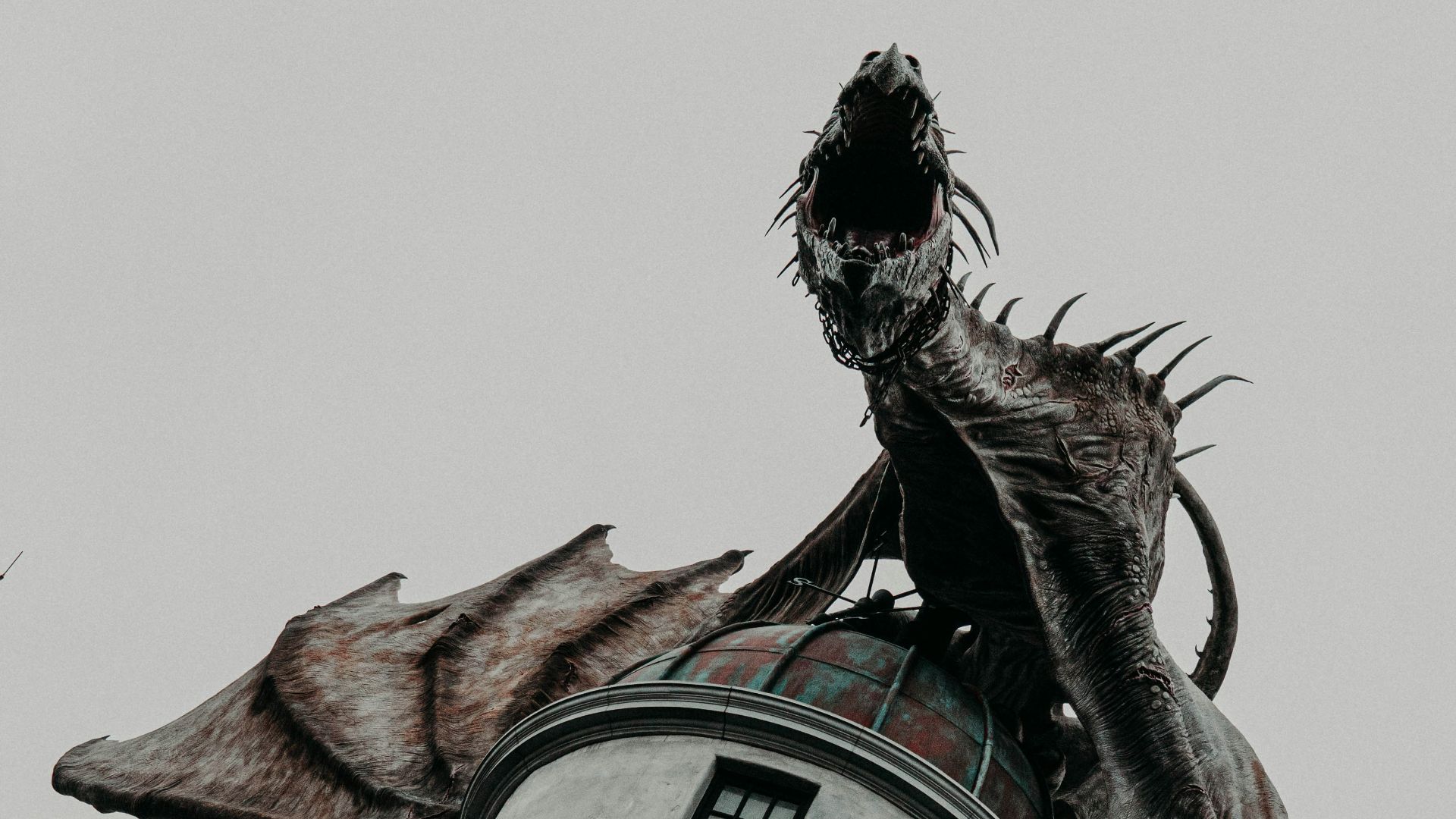
Medieval bestiaries did not always separate the symbolic, the exotic, and the real the way we do now. British Library and related manuscript material shows dragons appearing alongside lions, elephants, and owls, which tells you they were part of the same broad catalog of creatures people thought worth describing.
 Rock Vincent Guitard on Unsplash
5. The Hereford Mappa Mundi Put Them On The Map
The Hereford Mappa Mundi, made around 1300, includes dragon-like creatures in the world beyond familiar Europe. Medieval maps were not travel guides in the modern sense, but they were serious attempts to picture reality, history, and marvels together, which makes those dragons part of a real worldview, not a doodle in the margins.
6. Li Shizhen’s Dragon Bones
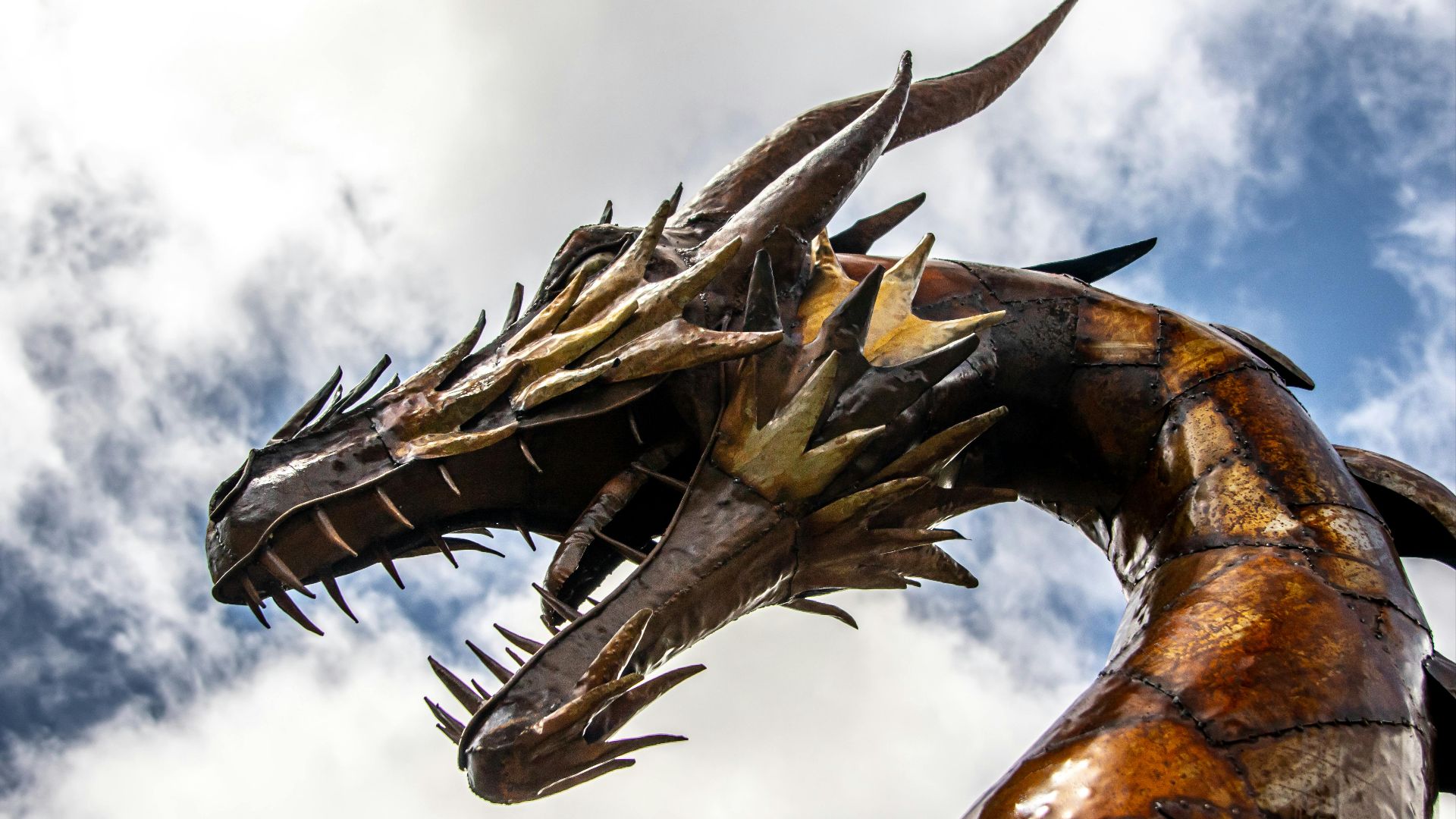
In late sixteenth-century China, Li Shizhen’s Compendium of Materia Medica gathered centuries of medical knowledge, including substances understood as dragon bones. Whether the material was actually fossil bone is the point: people were handling physical objects and fitting them into a dragon framework with total seriousness.

7. Klagenfurt Treated A Fossil As A Dragon Skull
In Klagenfurt, a woolly rhinoceros skull found in 1335 was interpreted as the head of a lindworm, a local dragon. The idea stuck so firmly that it helped shape the city’s dragon imagery and, much later, the famous Lindwurm fountain built in 1590.

8. Gessner Made Room For Dragons
Conrad Gessner’s Historia animalium, published in the mid-sixteenth century and often called one of the first modern zoological works, still preserved older material that left room for dragon lore. That mix is exactly what makes the period so interesting: careful observation was growing, but inherited authorities still had enormous pull.
9. Aldrovandi Published A Dragon Specimen
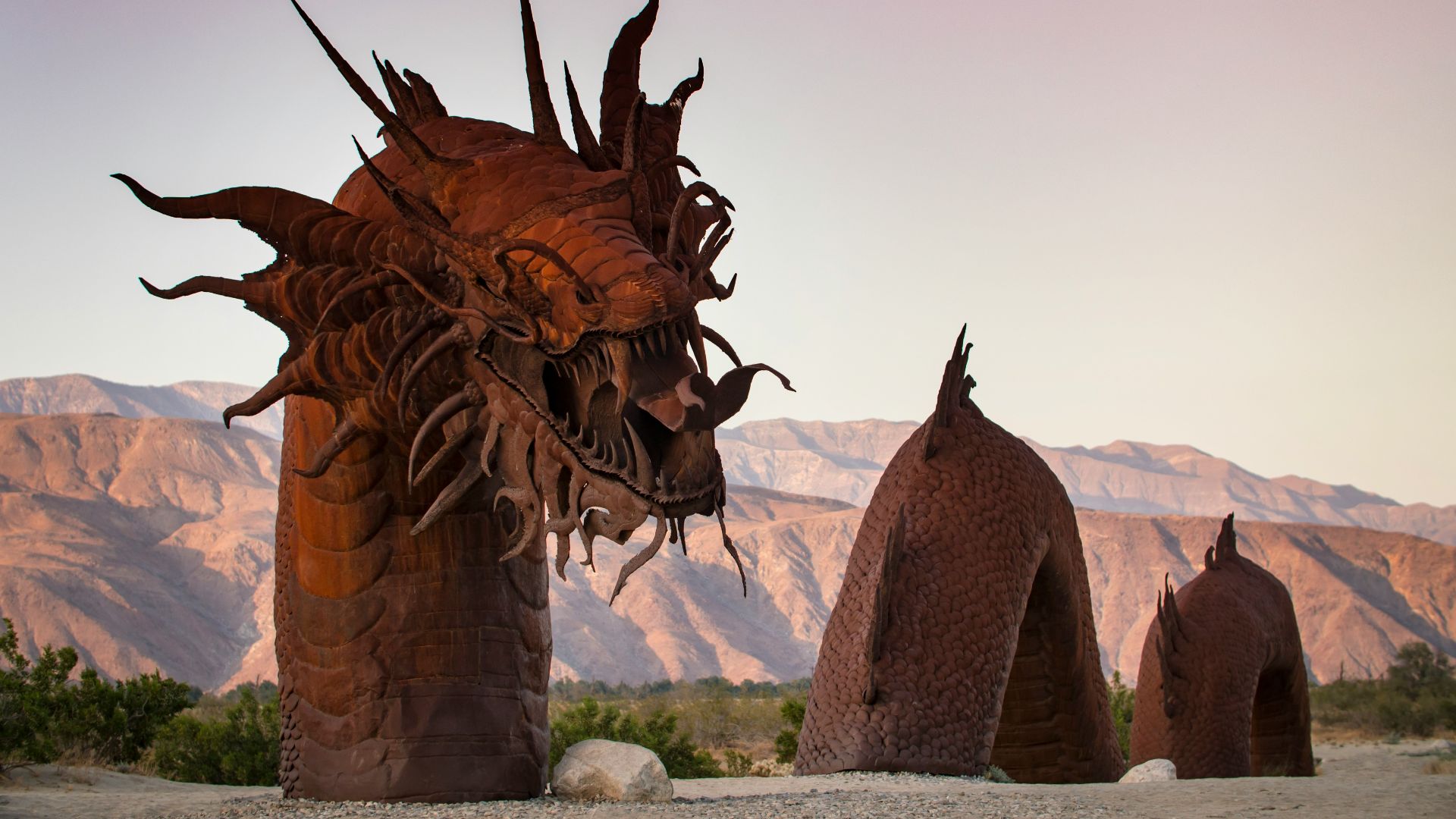
Ulisse Aldrovandi, one of the great Renaissance naturalists, built collections, preserved specimens, and published on strange creatures, including a famous “dragon” associated with Bologna. It now reads as a fabricated or composite specimen, but at the time it sat inside a serious natural-history project, not outside it.

10. Topsell Still Wrote Dragons Into Zoology
Edward Topsell’s The History of Serpents in 1608 still treated dragons within the frame of animal description. By that point you are well into the early modern period, and dragons are still hanging on in books that wanted to explain the natural world rather than write fairy tales.
Then the record gives way to the harder problem: none of this makes dragons biologically real. Here are ten reasons dragons next existed.

1. The Fossil Record Never Produces One
If dragons had existed as large land or flying vertebrates, they should have left bones, teeth, eggs, trackways, or some clear branch of the fossil record behind. Instead, paleontology has produced an enormous documented record of extinct life, managed through resources like the Paleobiology Database, without turning up a real dragon lineage.
2. A Four-Legged Animal With Wings Breaks The Tetrapod Pattern
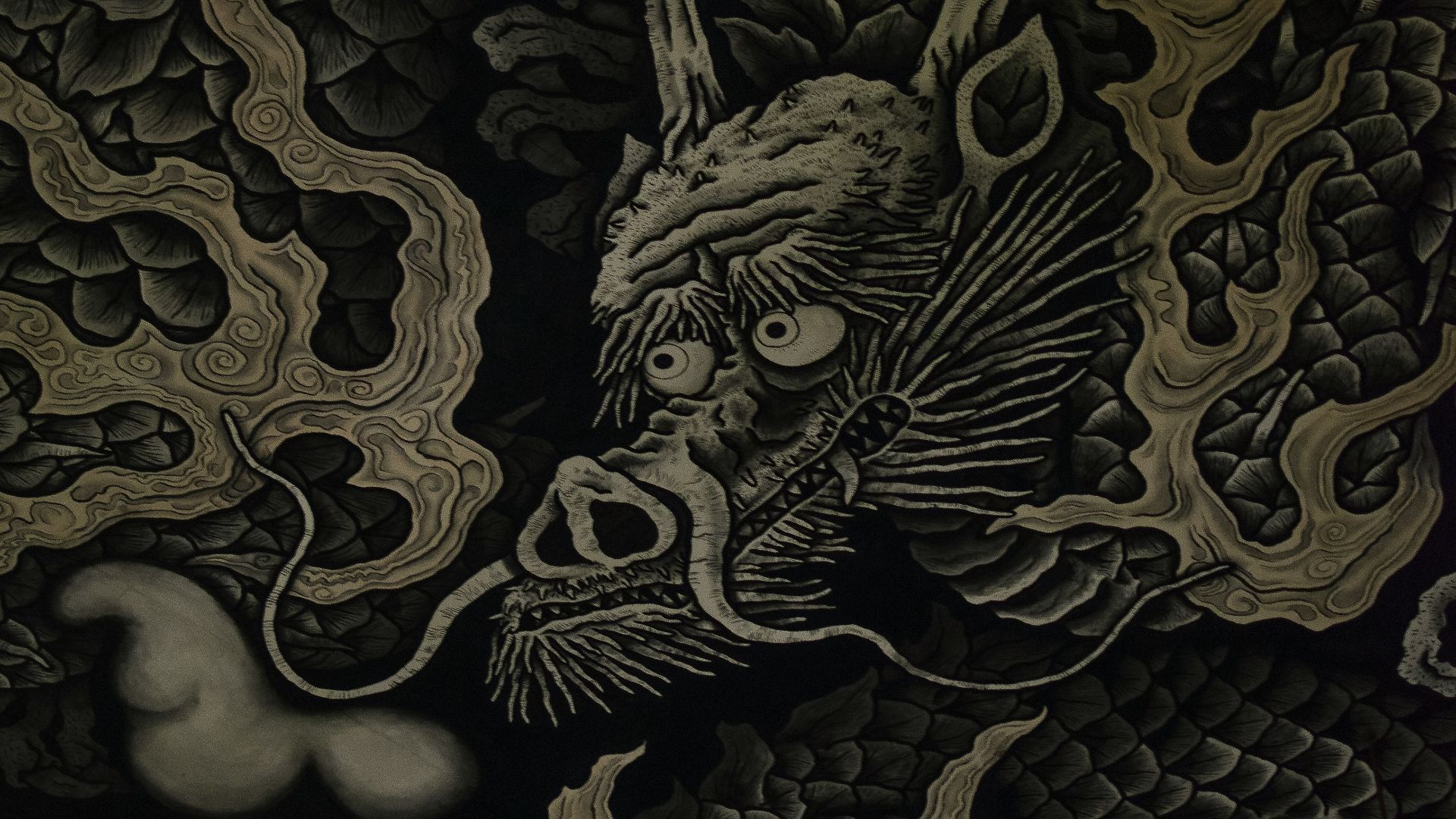
The standard Western dragon body plan gives you four legs plus a separate pair of wings, which is a six-limbed vertebrate. That is the problem immediately, because vertebrates descended through the tetrapod body plan, built around four limbs, not six.

3. Giant Flight Is Already Near The Limit
The biggest known flying vertebrates, like Quetzalcoatlus, were already pushing the upper edge of what powered flight seems able to support. Once you add the bulk usually assigned to dragons in art and story, the physics get ugly fast.
 Christopher Ritter on Unsplash
4. Fire-Breathing Has No Vertebrate Blueprint
People love to point to bombardier beetles, which really do eject a hot chemical spray. But that is an insect defense system, not literal flame, and there is no known vertebrate anatomy that gets you a safe internal fuel reservoir, ignition system, and blast mechanism without also solving the small issue of setting your own head on fire.

5. There Is No Ecological Trace
A population of giant flying predators would need prey, nesting sites, territories, juveniles, carcasses, and a whole food web shaped around them. Animals that large do not hide from both history and ecology at the same time.
6. The “Evidence” Keeps Turning Into Misidentification
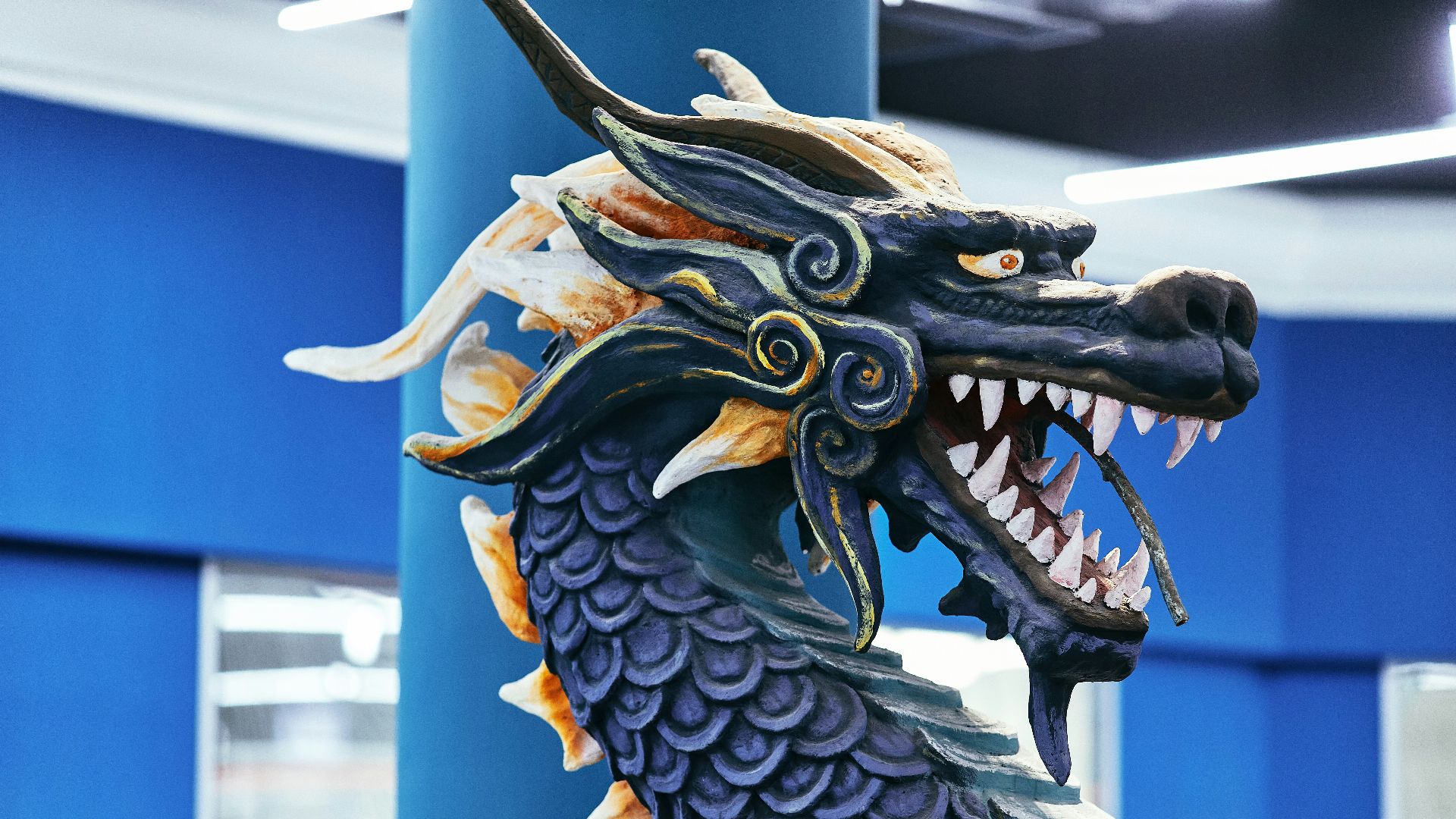
Again and again, supposed proof of dragons turns out to be something else: fossils, composite specimens, symbolic art, or texts repeating earlier texts. The Klagenfurt skull and Chinese “dragon bones” are useful examples precisely because they show how easily real objects were fitted into a dragon explanation.

7. The Historical Sources Are Full Of Fable
Pliny was influential, but Britannica notes that his Natural History also carried unsupported claims, fables, and exaggerations. Medieval bestiaries did something similar on purpose, mixing moral symbolism with animal lore, which is not a recipe for dependable zoology.

8. Dragon Reports Change Too Much
Some dragons are winged, some are serpentine, some live in water, some guard treasure, some are omens in the sky, and some are tied to fossils dug from the ground. That kind of variation makes cultural sense, but it is the opposite of what you want if you are trying to identify a single biological species.
9. Human Culture Already Explains The Pattern Better
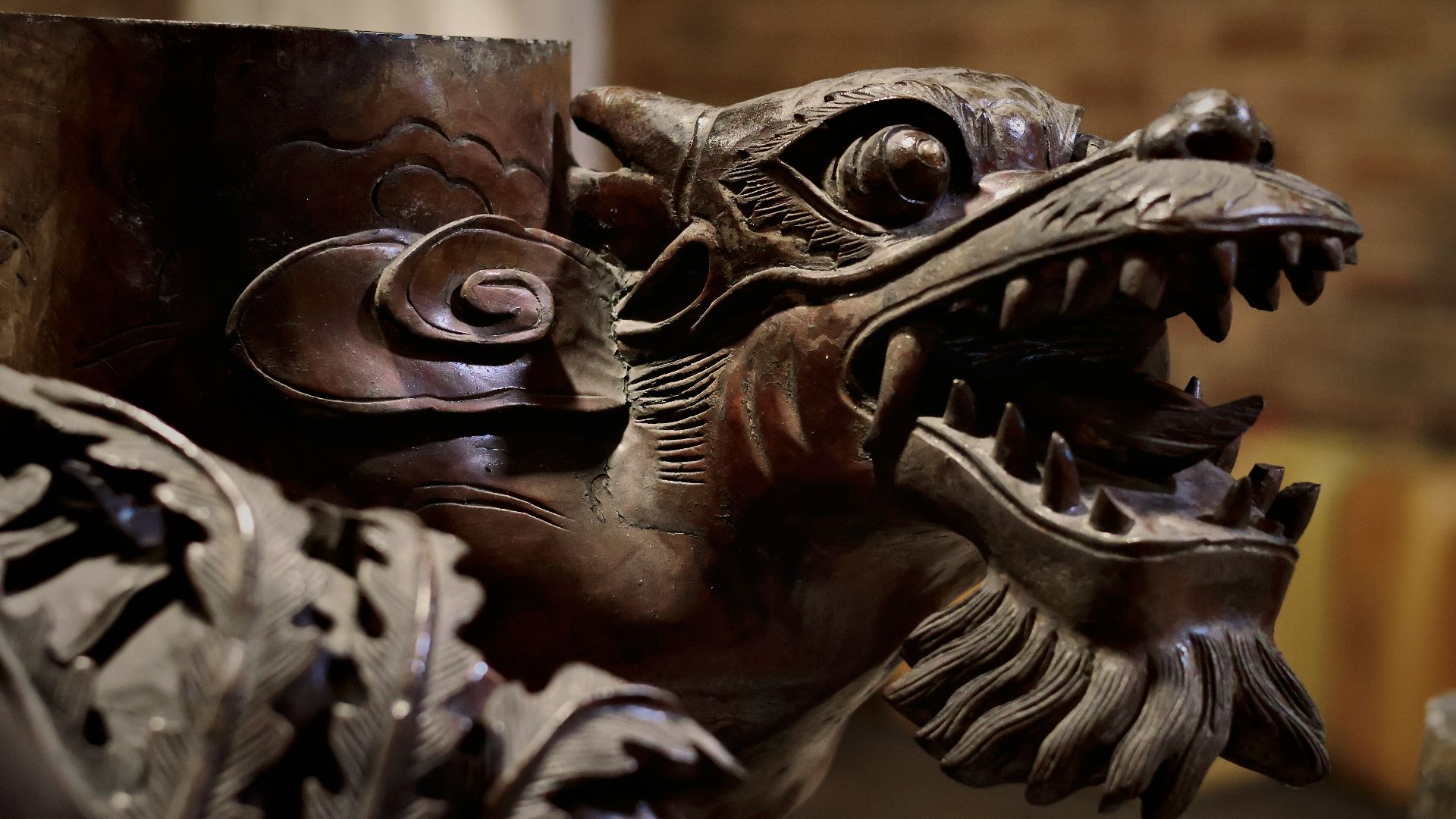
Once you have snakes, crocodiles, large raptors, cave finds, fossils, and a strong appetite for monsters, dragons almost build themselves. The recurrence of dragon stories across cultures looks much more like repeated symbolic invention and misreading of real things than a hidden animal leaving no clean trace.

10. Science Kept Moving, Dragons Did Not
As zoology, paleontology, and comparative anatomy got better, real animals became easier to classify and dragon claims became harder to defend. That is why dragons survive in literature, games, and art, but not in any serious branch of biological evidence.
KEEP ON READING