The Y2K Bug: Why Did Everyone Think Year 2000 Was the End of the World?
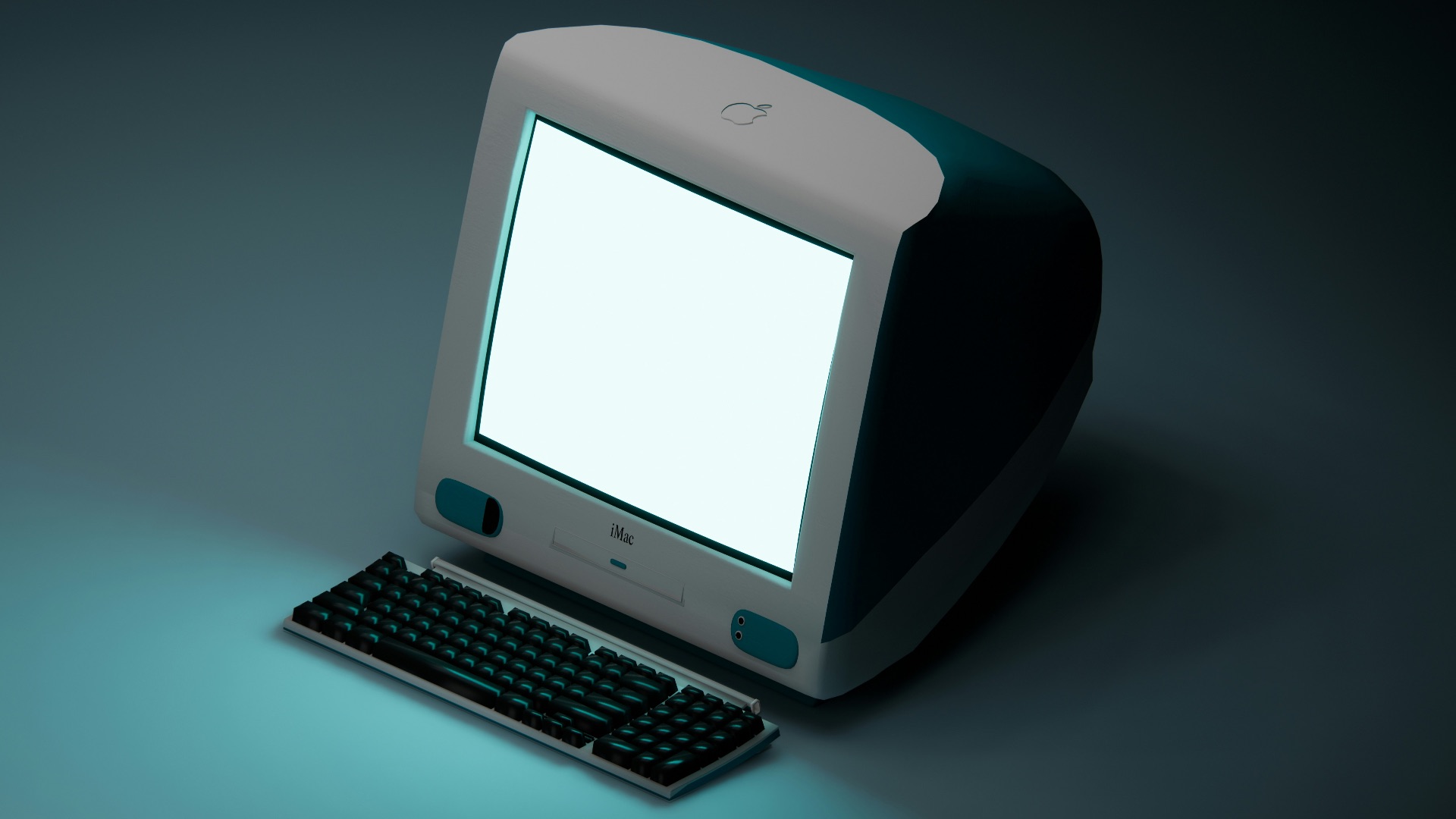
On December 31, 1999, people all over the world should've been ecstatic. In a few short moments, it would not only be a new year, but a new millennium. And yet, as the clock ticked ever closer to midnight, the world braced itself for the inevitable. This, they thought, was surely the end.
Planes were expected to fall from the sky. Power grids were rumored to fail. Everyone was prepared for a catastrophic blackout, failure, or system crash. This would be an apocalypse no one could prepare for, and many immediately stocked up on food, water, and other essential supplies, even backup generators and large sums of money, so they would be ready when the unthinkable happened.
But then the new year rang in, and it was the year 2000. Was the possibility of a computer glitch really worth all the fuss?
The Buildup
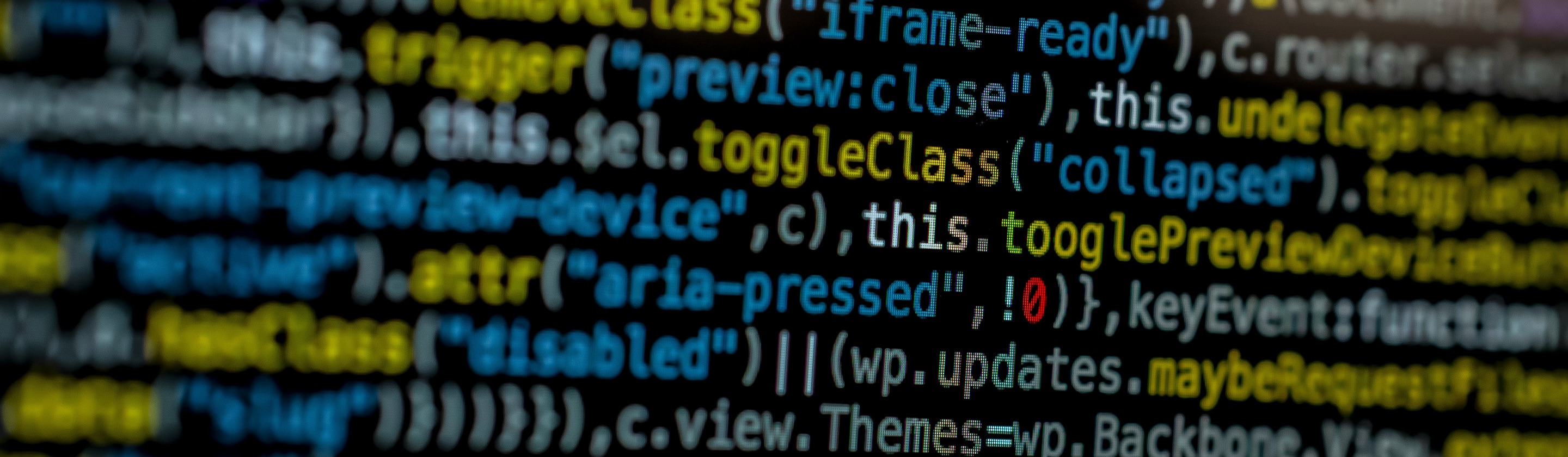
What was the Y2K (year 2000) bug? In the booming era between the 1960s and 1980s, computer engineers had programmed software such that the year format would be a two-digit code, leaving out the "19". This shorthand was done to save memory space, and because data storage in computers at the time was extremely costly. But being programmed this way meant that computers could recognize "97" as "1997," but would be unable to interpret that "00" meant "2000" and not "1900".
Because many feared that computers—and especially those belonging to important systems, such as banks and governments—would fail, the concern caused widespread panic. This led to many preparing for the inevitable and the chaos that would unfold once the clock struck midnight on December 31, 1999.
The Scare
It might sound silly now, but many still believe the threat was real. After all, it wasn't just personal computers that would encounter this glitch; misinterpreting the year affected many important systems and areas, and anything that had a computer chip installed could fail.
Banks could miscalculate interest rates. Power plants could be fed the wrong information and put nearby residents and communities at risk. In the aviation industry, airlines could suddenly have all their records wiped, as no commercial flights existed in 1900.
The panic, it seemed, was justified.
The Aftermath
To remedy the problem, business and government teams all across the United States worked frantically to fix software systems before the clock struck midnight on December 31. Australia invested millions of dollars to ensure the country was prepared for the Y2K glitch. The British government had announced the armed forces would be ready if transportation systems or emergency services failed. Worldwide, it's estimated that roughly $300 billion was spent preparing for the scare—nearly half of that being in the US. In contrast, countries like Russia, Italy, and South Korea did little to get ready.
In the end, though, nothing happened. In Ishikawa, Japan, a nuclear energy facility had some of its equipment fail, but backup systems helped prevent any real problems. The US had attributed missile launches in Russia to be part of the Y2K glitch, but in truth, these launches had been planned due to a conflict within the country. Elsewhere, not much had been in disarray, if at all.
Over time, people wondered if everything had been exaggerated as a way to fear-monger. Those who worked feverishly to prevent complications from the Y2K bug, however, have remained adamant that it was a real threat.
Real or not, if there's one thing we can be thankful for, it's that these efforts have ultimately improved computer systems for the better. At the very least, the Y2K glitch is now something we can look back on and laugh about.
KEEP ON READING