

Why The Titanic's Third Class Were Locked In Their Rooms The Night The Ship Sank
Why The Titanic's Third Class Were Locked In Their Rooms The Night The Ship Sank
 Unknown authorUnknown author on Wikimedia
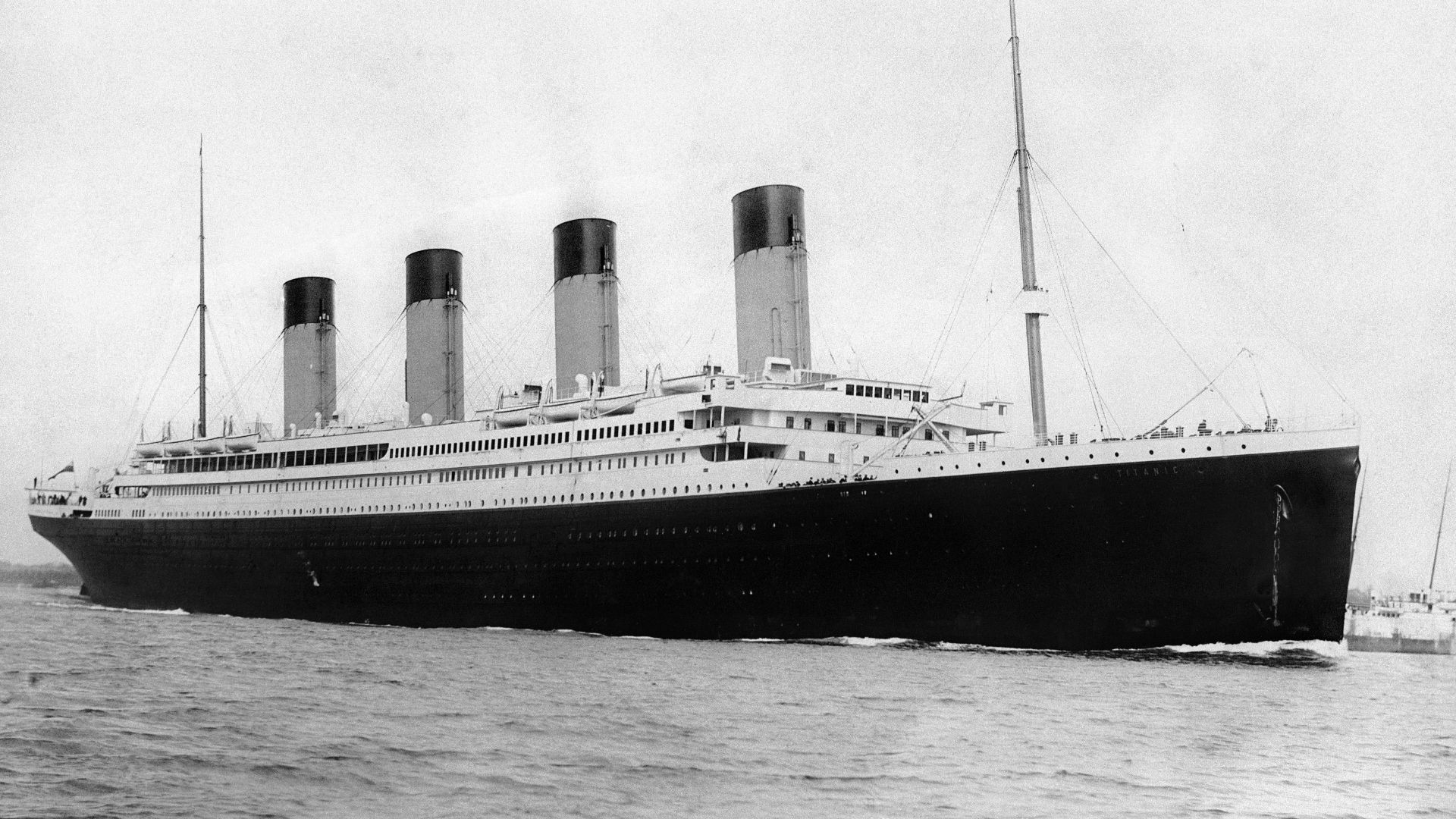
When you think about the sinking of the Titanic, the mind probably wanders to the grand staircase or the sparkling chandeliers of the first-class dining saloon. However, the reality for those traveling in the bowels of the ship was far less glamorous and significantly more perilous as the "unsinkable" vessel began its descent into the icy Atlantic. There’s a persistent and haunting image from history books and movies of third-class passengers desperately rattling iron gates while the water rises around their ankles. It’s a scene that feels like a cruel act of class warfare, but the truth behind why those gates were closed involves a mix of rigid bureaucracy and unfortunate maritime architecture.
While it’s easy to assume the crew simply wanted to save the wealthy first, the actual reasons for the restricted movement of steerage passengers are rooted in the laws of the time. It may be surprising to learn that many of the barriers weren't designed to keep people from drowning, but rather to keep them from spreading disease or bypassing immigration checks. Navigating the labyrinthine corridors of the world’s largest ship was already a daunting task, and on that fateful night, those physical obstacles became a fatal sentence for many. Let’s pull back the curtain on the confusing maze of regulations and physical barriers that trapped so many hopeful immigrants beneath the waves.
The Iron Grip of Immigration Law
In reality, the biggest reason the classes were gated had nothing to do with seaworthiness. It was American immigration policy in the early twentieth century. When passengers bought their third-class tickets to America, they were actually under the custody of the United States government until they passed health inspections at Ellis Island. As these passengers were mostly coming from poorer countries with crowded cities, they were at a high risk of carrying infectious diseases. To prevent anyone from dodging these inspections by hiding with the "cleaner" upper classes, U.S. law required the ship to have gated, separated quarters.
All ships traveling across the Atlantic had these gates; Titanic just happened to be stopping in New York. Had White Star not enforced this international law, it would have been fined heavily, if not had its entire ship quarantined. It wasn’t all that common for such lines to be skimmed. And you might suspect the urgency of the iceberg would override these precognitions, but it only added to the confusion. The crew wasn’t trained to open those gates; they were trained to keep them shut as part of their daily procedures, and panic didn’t instinctively override that training.
By the time everyone understood the gravity of the situation, years of enforcing immigration protocols were still rooted in the stewards’ minds for far too long. Most members of the crew didn’t have the clearance to simply open the gates; they needed permission from a higher-ranked officer who was likely occupied on the bridge. So while lifeboats were being lowered into the water on deck, hundreds were waiting behind barriers for permission that would never arrive.
The Labyrinth of Steerage Architecture
 Francis Godolphin Osbourne Stuart on Wikimedia
Beyond the legal barriers, the physical layout of the Titanic was a confusing maze that made it almost impossible for someone from the bottom of the ship to reach the top. Third-class cabins were scattered across the lower decks, often situated right next to the noisy engine rooms and vibrating propellers. There wasn't a direct "escape route" or a grand elevator to carry these passengers up to the boat deck where the life-saving equipment was located. Instead, they had to navigate a series of narrow stairwells, long hallways, and heavy fire doors that all looked identical in the dim, flickering light.
The ship was designed to be a floating city, but it was a city with very strict borders that didn't favor those living in the "basement." Even if a gate was technically unlocked, a passenger who didn't speak English would have a nearly impossible time reading the small, confusing signs pointing toward the lifeboats. Passengers could find themselves wandering in circles through the crew's quarters or ending up in a dead-end storage locker while the ship slowly tilted forward. This architectural complexity acted as a secondary barrier, trapping people in the dark as the power began to fail and the hallways started to flood.
By the time the gates were finally opened or broken down, most of the lifeboats on the upper decks had already been launched, many of them half-empty. The tragic reality is that the people in third class weren't necessarily "locked in" by a villainous crew, but were instead victims of a system that didn't prioritize their lives in a crisis. The result is a sobering realization that a mix of bad timing, language gaps, and rigid social structures conspired to keep them below deck until it was far too late. It’s a somber chapter in history that reminds us how easily the most vulnerable can be forgotten when a disaster strikes with such overwhelming speed.
KEEP ON READING

20 Weirdest Historical Objects in Museums
Check Out the Pickled Heart of a Saint. Museums carry…
By Rob Shapiro Oct 1, 2025
20 Scariest Missing Persons Cases in History
Eerie Disappearances. There's something uniquely unsettling about a person who…
By Christy Chan May 1, 2026
20 Greatest Ancient Athletes In History
Ancient Olympics. Long before modern stadiums and multimillion-dollar endorsements, athletes…
By Sara Springsteen May 1, 2026
10 Phenomenal Mythical Creatures & 10 That Are Just Plain…
Legends Both Majestic And Peculiar. Do you ever wonder why…
By Chase Wexler Oct 1, 2025
10 Presidents Who Never Served In The Military & 10…
Commanders And Civilians In Office. Power can rise from very…
By David Davidovic Sep 1, 2025
20 Wars That Could Have Ended Much Sooner Than They…
Wars That Lasted Far Too Long. Wars are often remembered…
By David Davidovic Sep 1, 2025