


When Violence Became a Turning Point
History shows that wars rarely begin with a single moment, but certain events can accelerate tensions beyond control. Assassinations have often acted as catalysts, pushing already fragile political situations into open conflict. In many cases, these killings didn’t create the underlying issues, but they forced immediate reactions that leaders could no longer avoid. Looking at these 20 examples helps you understand how individual acts have influenced much larger historical outcomes.
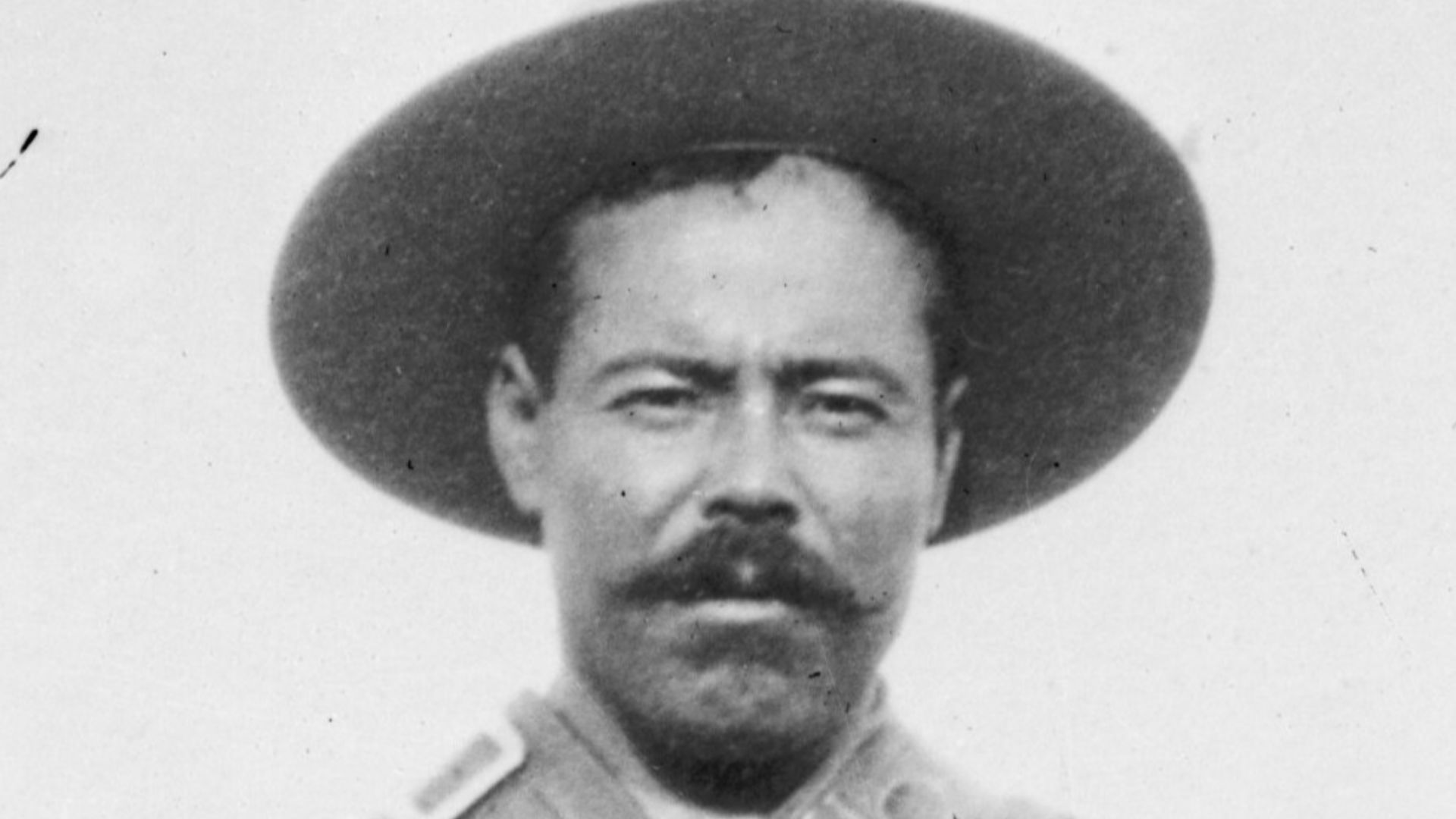 Bain News Service, publisher. The photographer is unknown. on Wikimedia
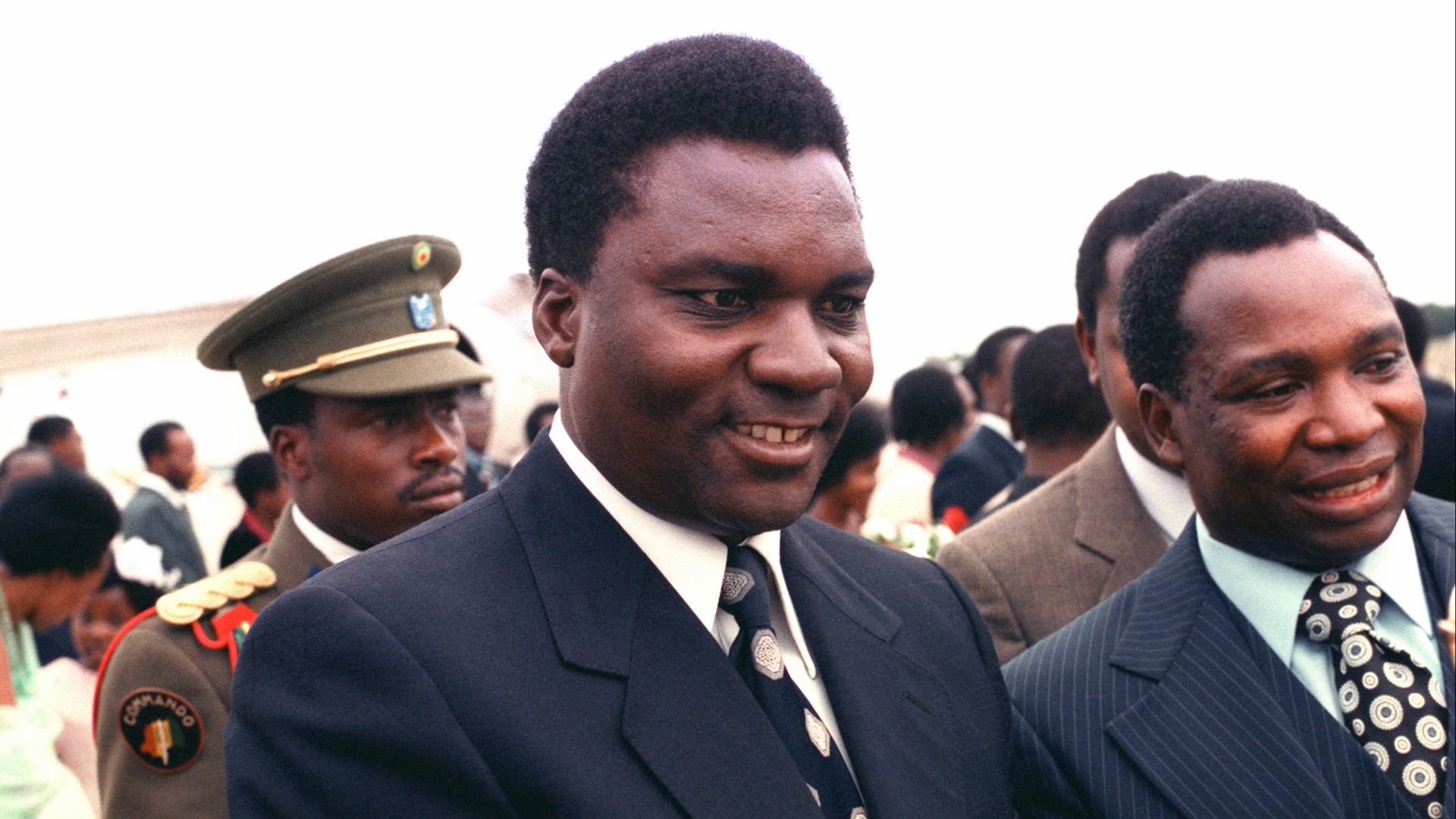
1. Juvénal Habyarimana (1994)
Rwanda’s president was killed when his plane was shot down near Kigali. His death immediately triggered the Rwandan genocide and a broader regional conflict. Extremist groups began coordinated violence within hours. The crisis also contributed to wars in neighboring countries.
2. Spencer Perceval (1812)
The British Prime Minister was assassinated in London by a disgruntled merchant. His death shocked the government during the Napoleonic Wars. While it didn’t start the war, it intensified political instability at a critical moment, and leadership changes influenced Britain’s wartime policies.
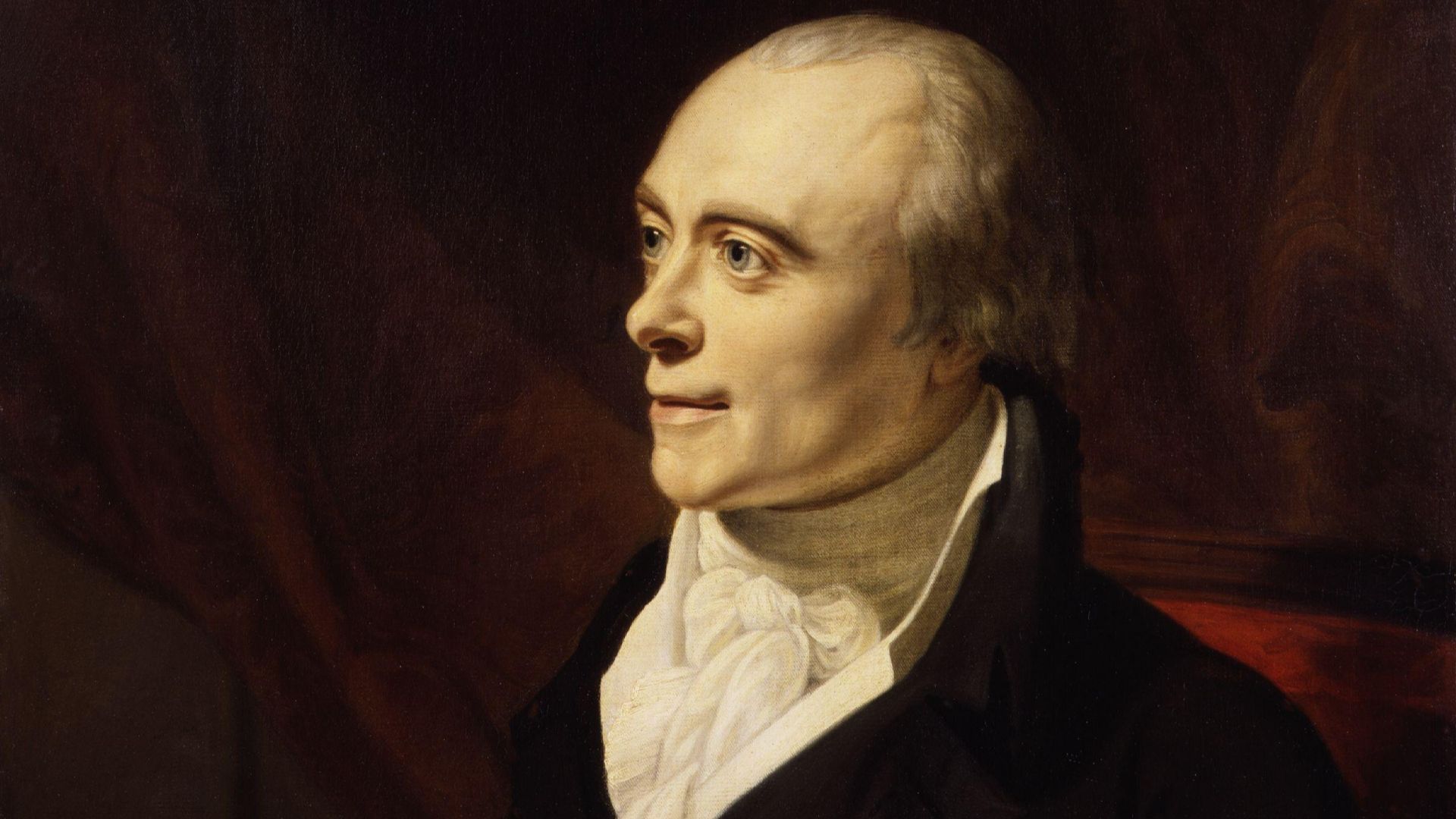 George Francis Joseph on Wikimedia
3. King Alexander I of Greece (1920)
Alexander I died after being bitten by a monkey, but political instability around royal leadership had already been volatile. While not a traditional assassination, leadership crises led to shifts in power. These changes contributed to the Greco-Turkish War.
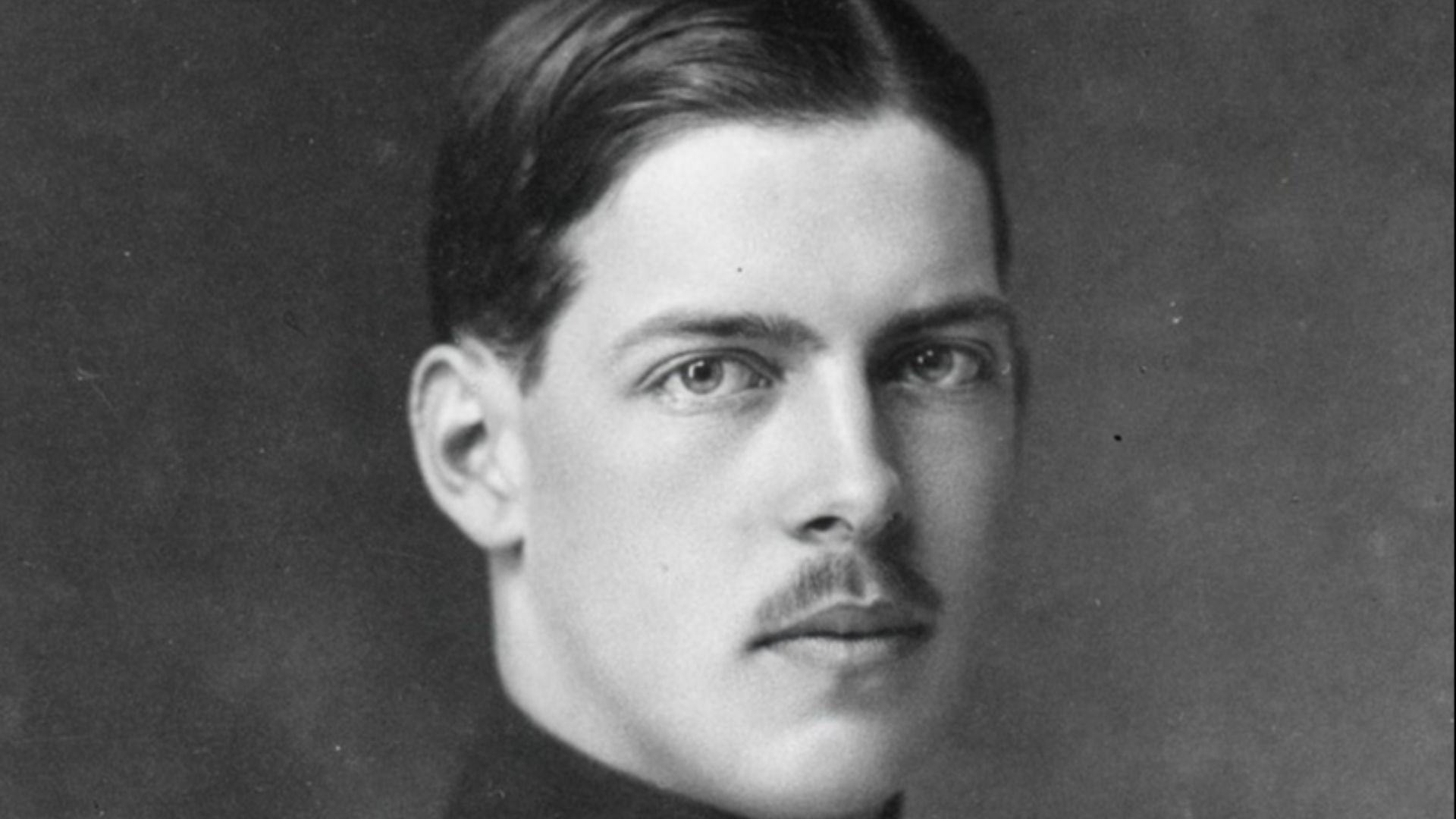 Charles Chusseau-Flaviens on Wikimedia
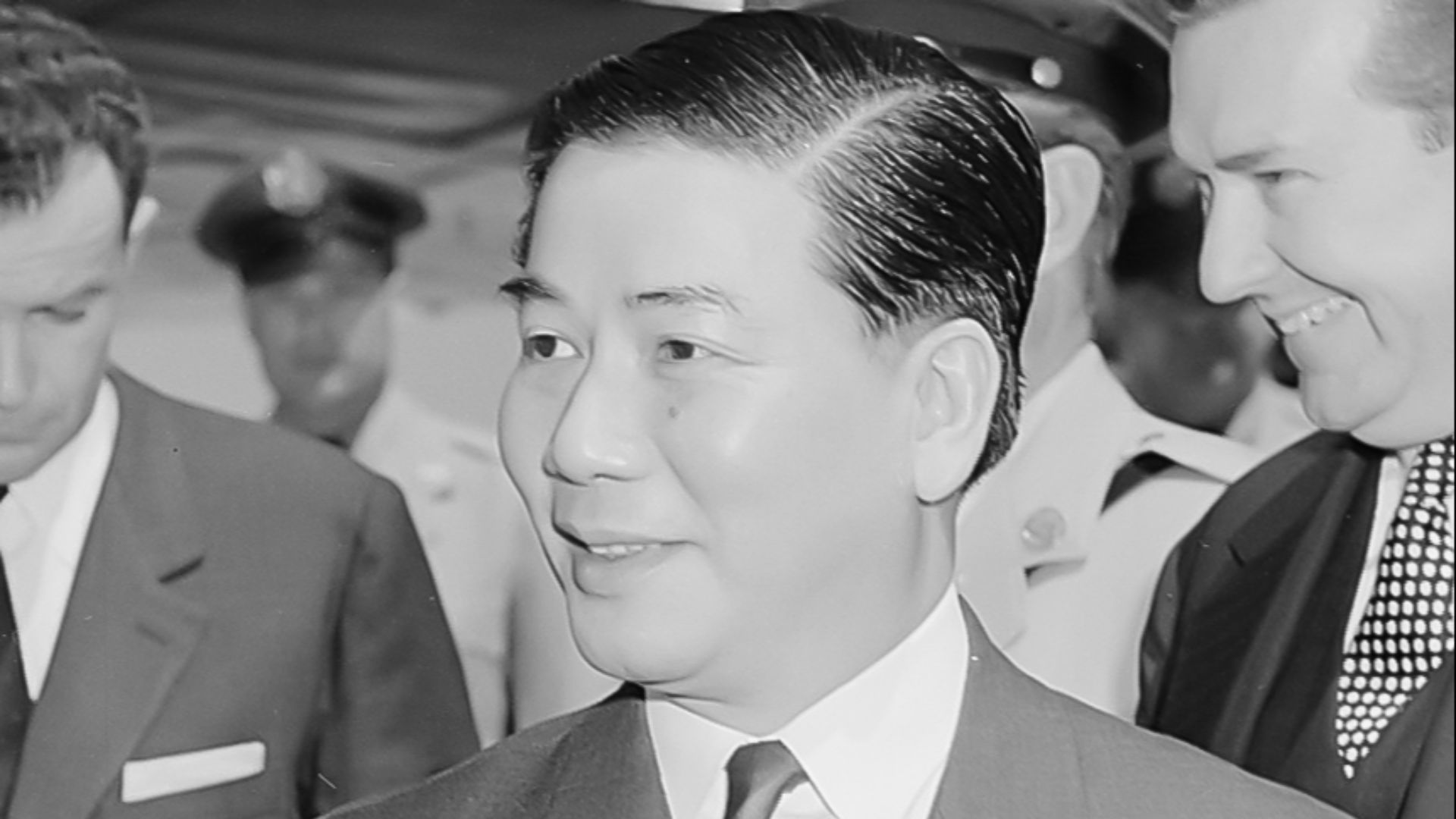
4. Ngo Dinh Diem (1963)
The South Vietnamese president was assassinated during a military coup. His removal destabilized the government during the Vietnam War. Political uncertainty increased U.S. involvement in the region, and the conflict intensified in the years that followed.
5. Isoroku Yamamoto (1943)
The Japanese admiral was deliberately targeted and killed by U.S. forces during World War II. His death was part of an ongoing conflict but had strategic importance, as it affected Japanese naval planning and morale. The war in the Pacific continued to escalate afterward.
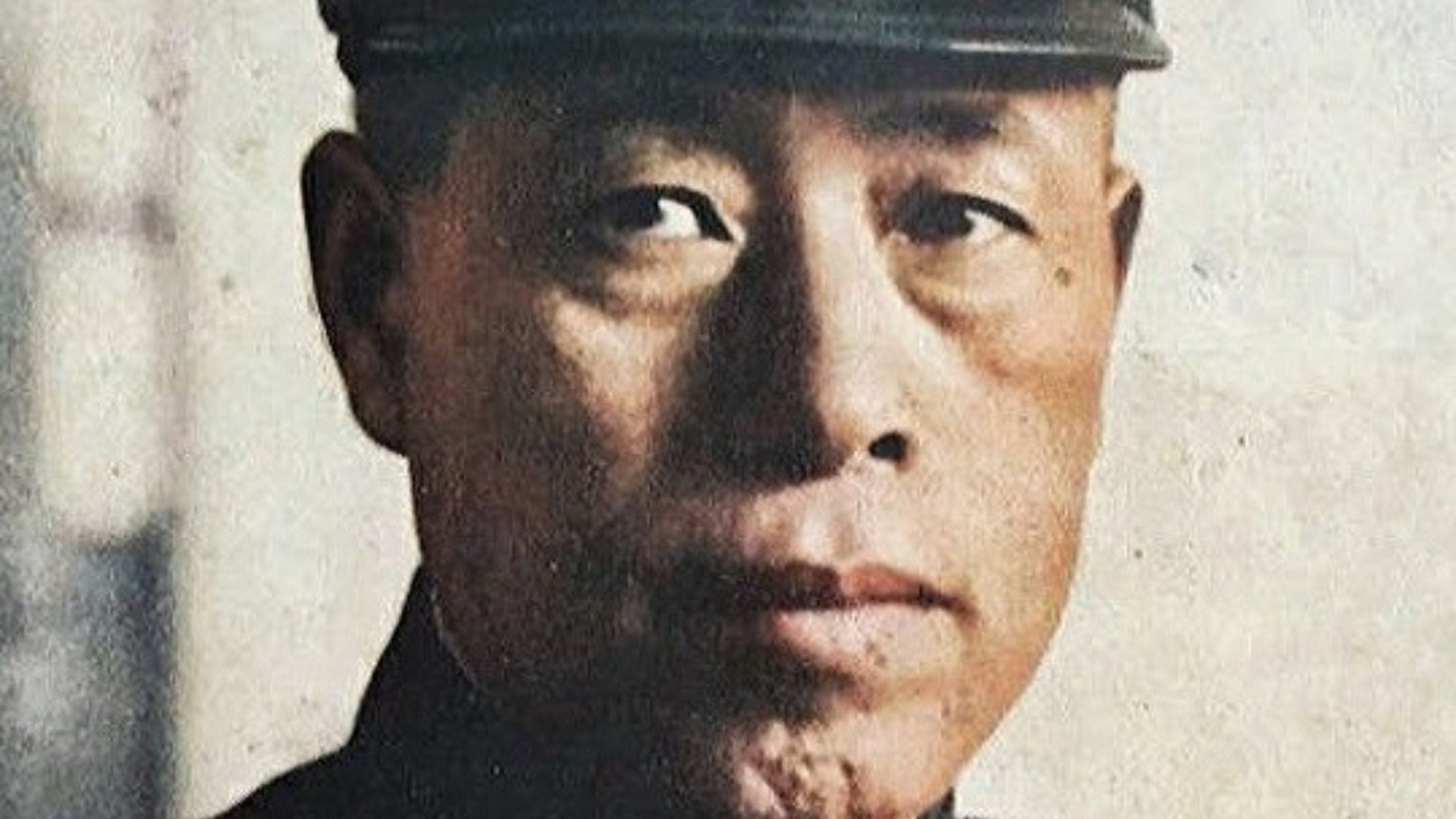 The Advance in Nippon 画報 躍進之日本 (Gaho Yakushin no Nihon) on Wikimedia
6. Empress Myeongseong of Korea (1895)
Also known as Queen Min, she was assassinated by agents linked to Japanese interests. Her death increased tensions between Korea, China, and Japan, contributing to the instability surrounding the First Sino-Japanese War. The region entered a period of intensified conflict.
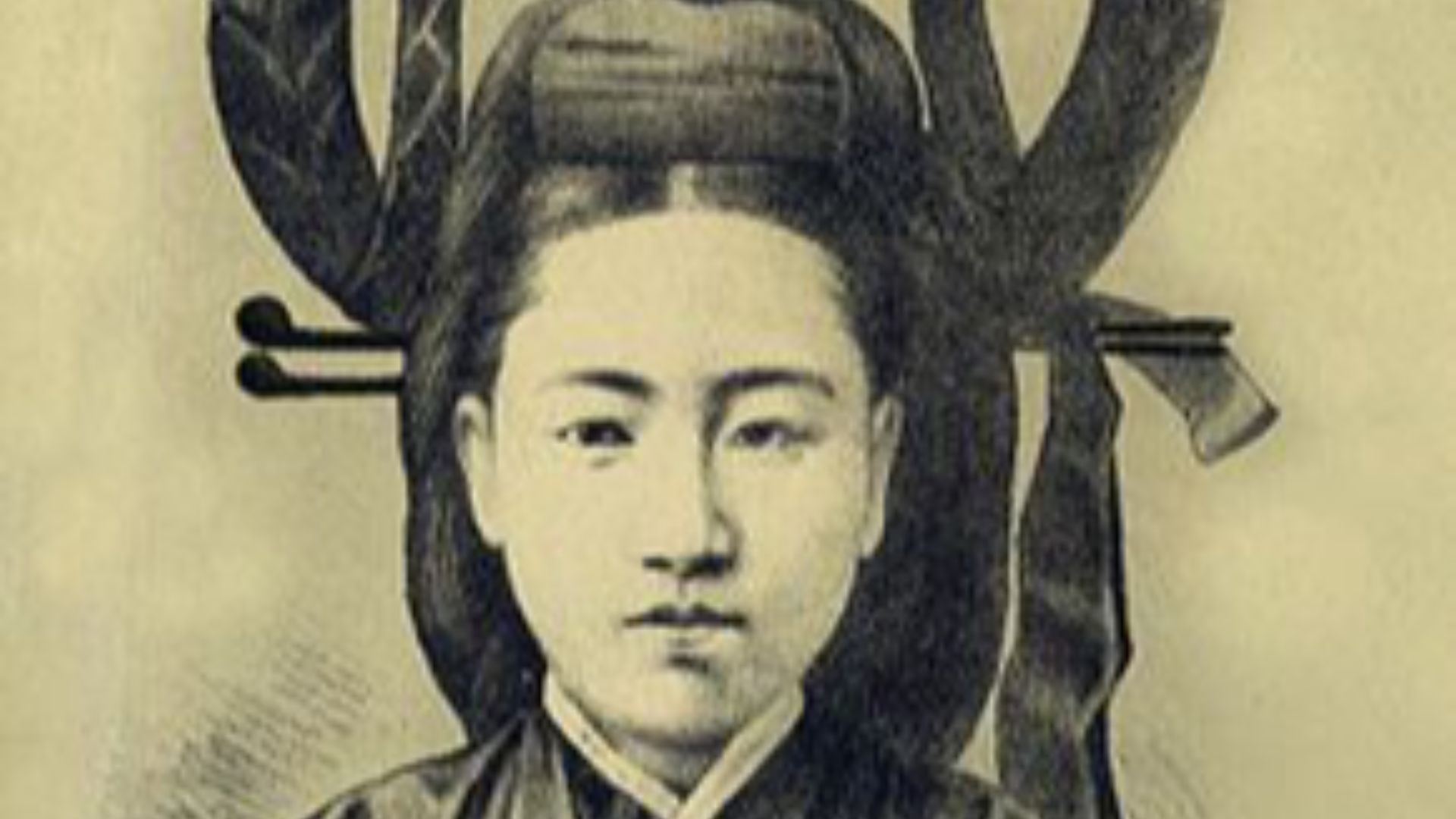 Pictures published to illustrate a book written by Villetard de Laguérie on Wikimedia
7. Sheikh Mujibur Rahman (1975)
The founding leader of Bangladesh was assassinated in a military coup. His death led to years of political instability, and competing factions struggled for control of the government. This instability shaped ongoing internal conflicts.
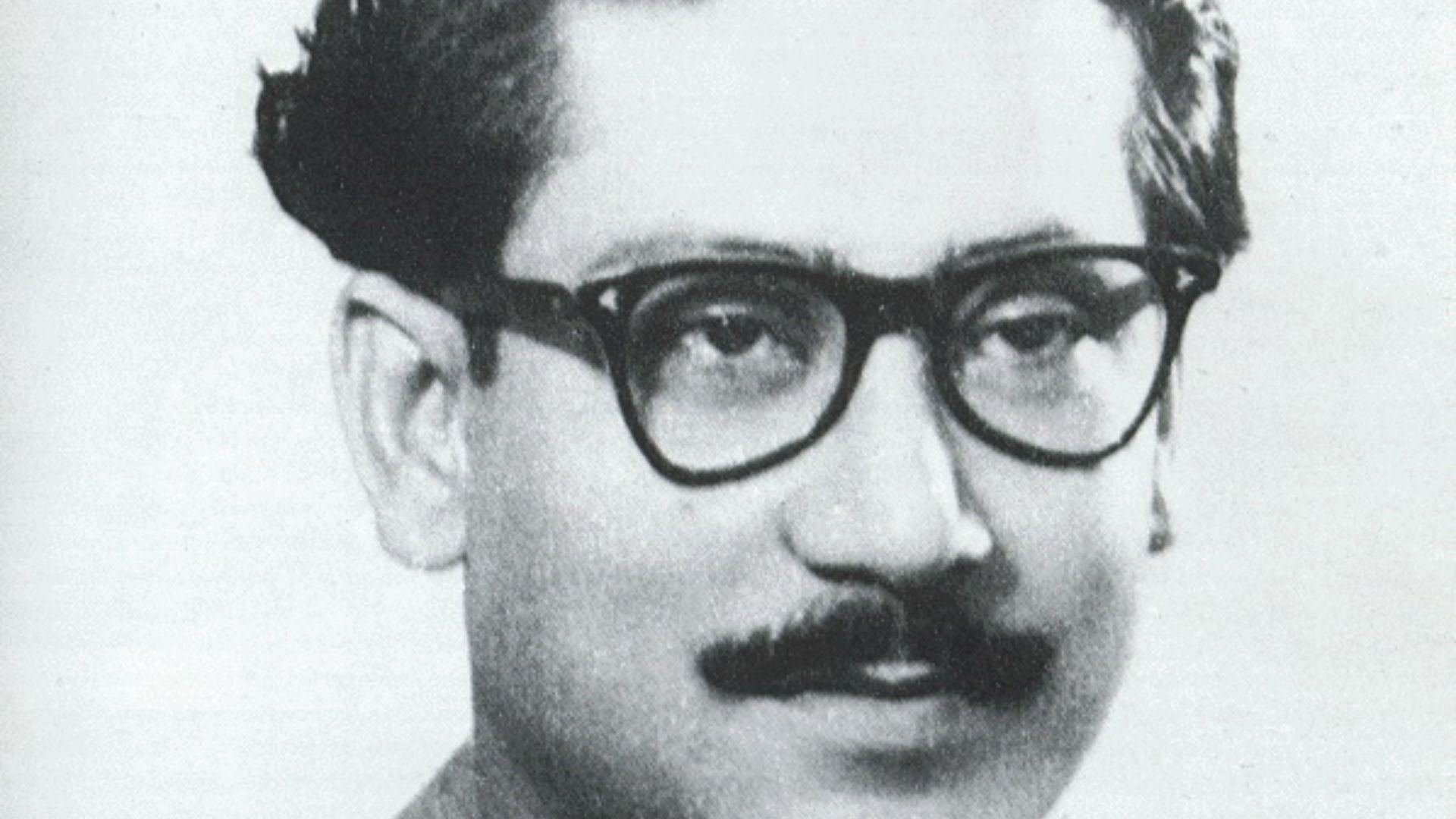 Unknown authorUnknown author on Wikimedia
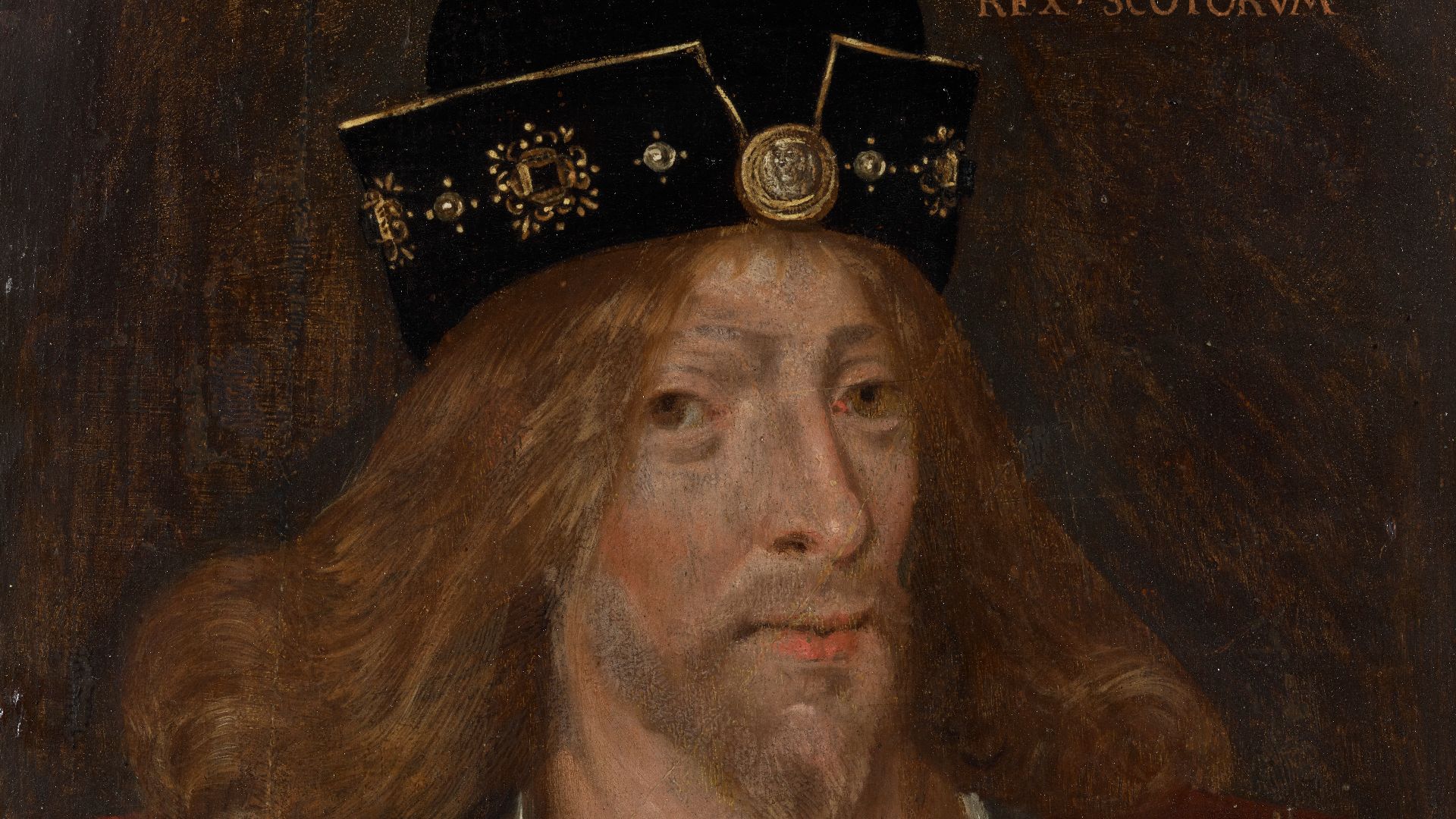
8. King James I of Scotland (1437)
James, I was assassinated by rebellious nobles. His death triggered a power struggle among Scottish factions. Rival groups competed for influence and control, leading to continued internal conflict within the kingdom.
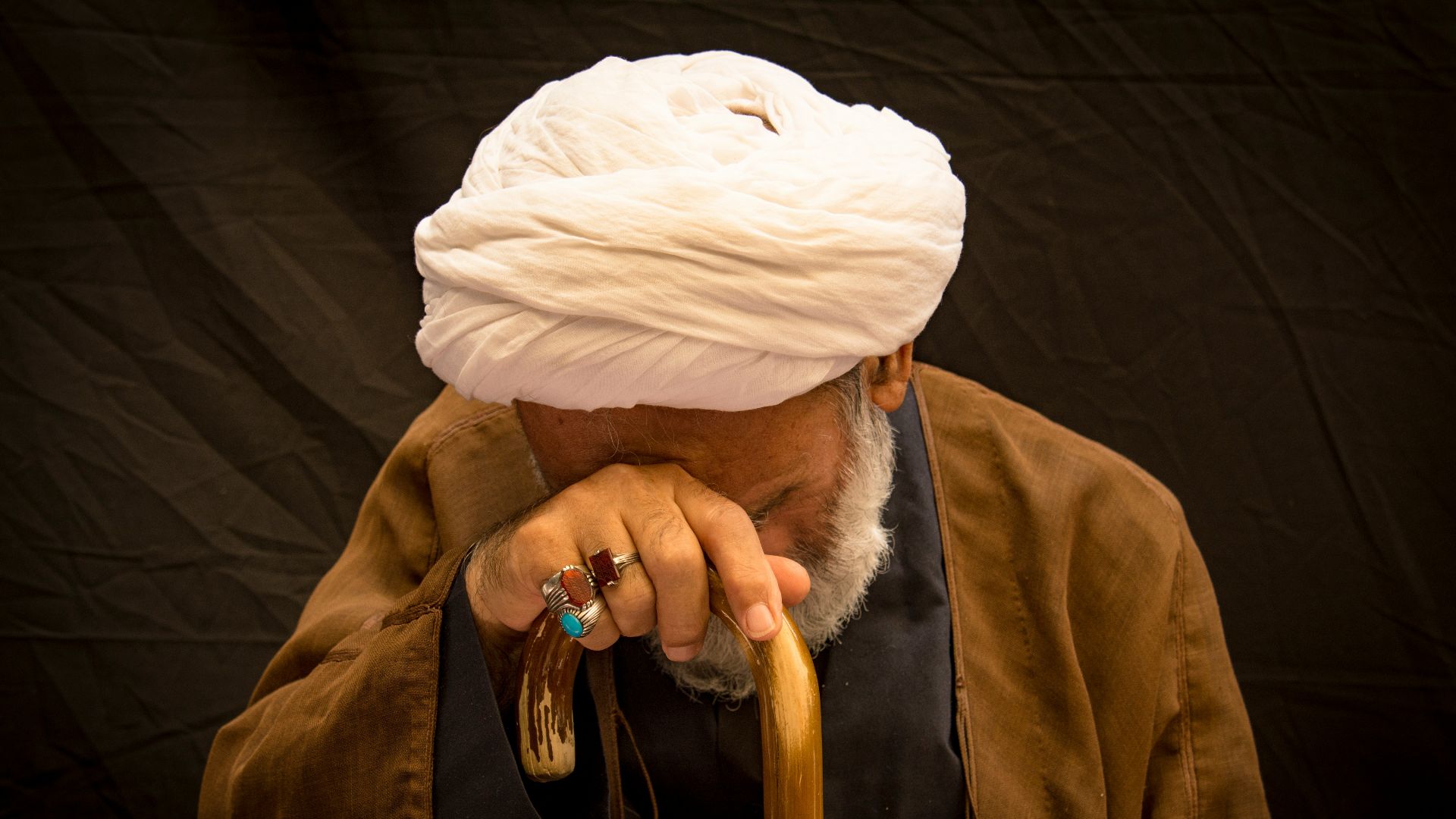
9. Umar ibn al-Khattab (644)
The second caliph of the Islamic state was assassinated in Medina. His death led to debates over succession, as political divisions deepened within the early Islamic community. These tensions contributed to later conflicts and divisions.
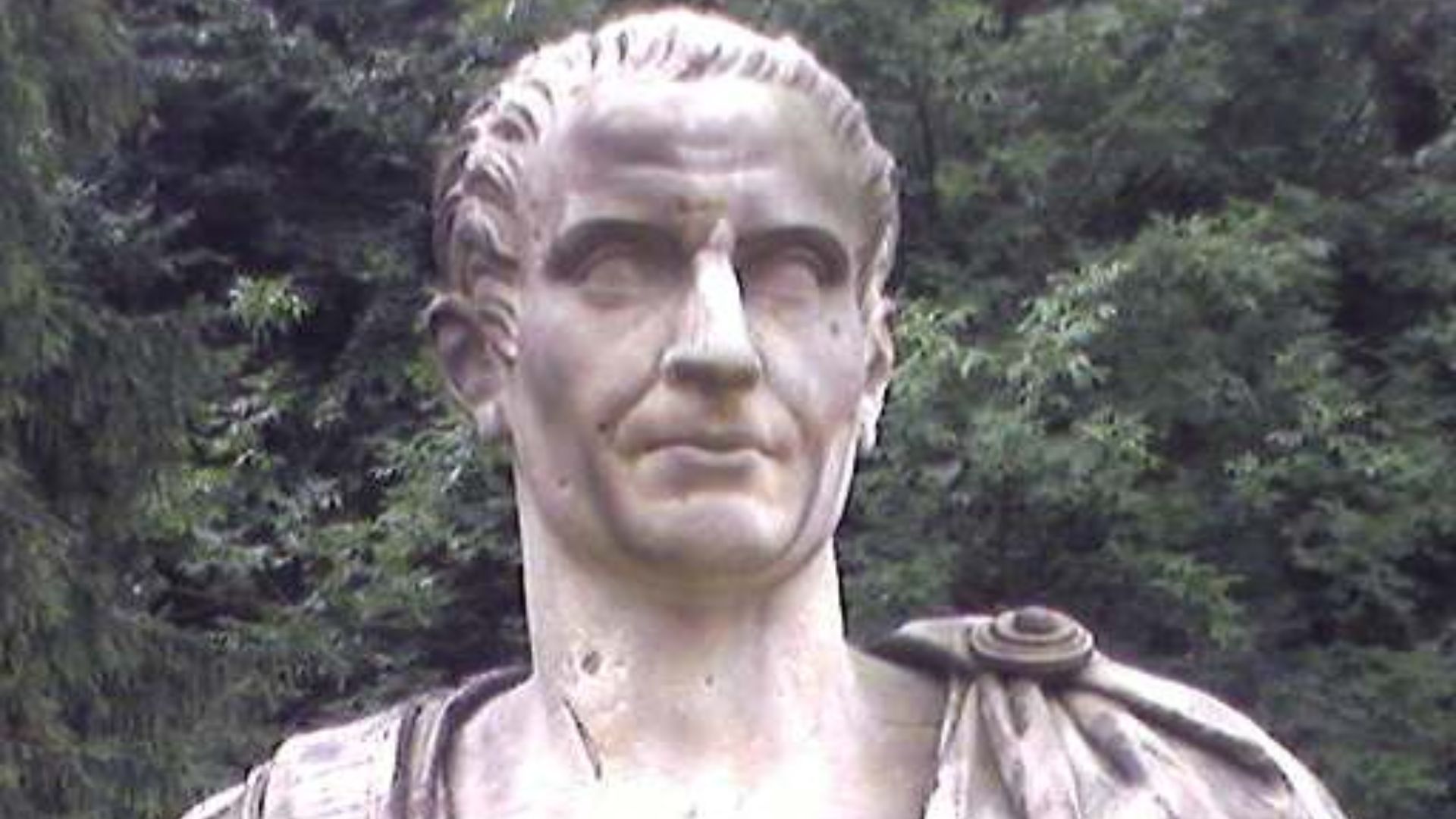
10. Pompey the Great (48 BCE)
Pompey was assassinated in Egypt during the Roman civil war. His death marked a turning point in the conflict between Caesar and his rivals, and weakened opposition to Caesar significantly. The civil war soon shifted toward Caesar’s dominance.
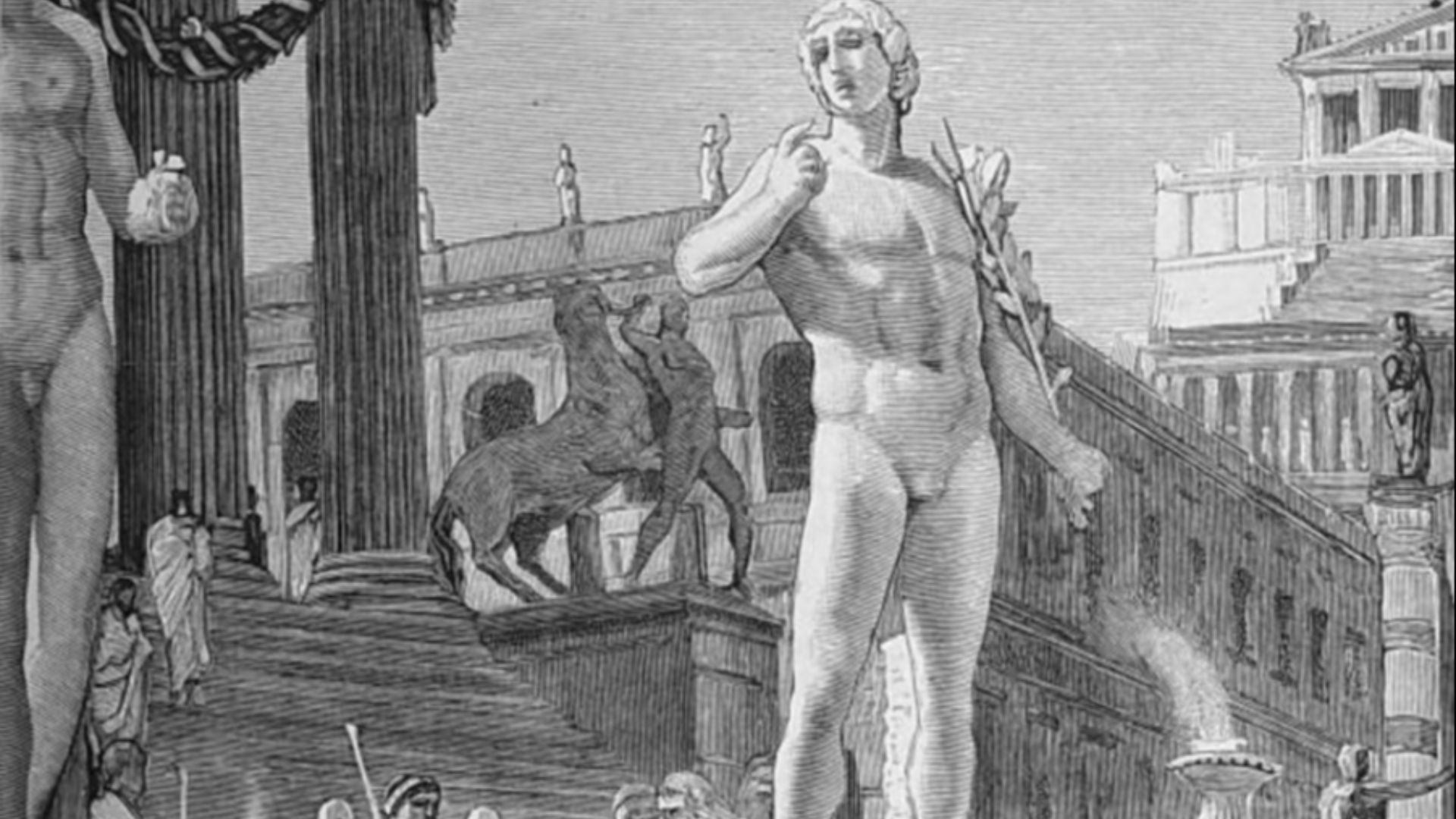
11. Calígula (41 CE)
The Roman emperor was assassinated by members of his own guard. His death created a sudden leadership crisis in Rome, as political uncertainty followed as factions sought control. This instability led to the rise of Emperor Claudius and a rapid consolidation of power.
 Lodovico Pogliaghi on Wikimedia
12. Nikephoros II Phokas (969 CE)
The Byzantine emperor was assassinated in a palace conspiracy. His death led to a shift in leadership during ongoing military conflicts. Rival factions competed for influence in the empire.
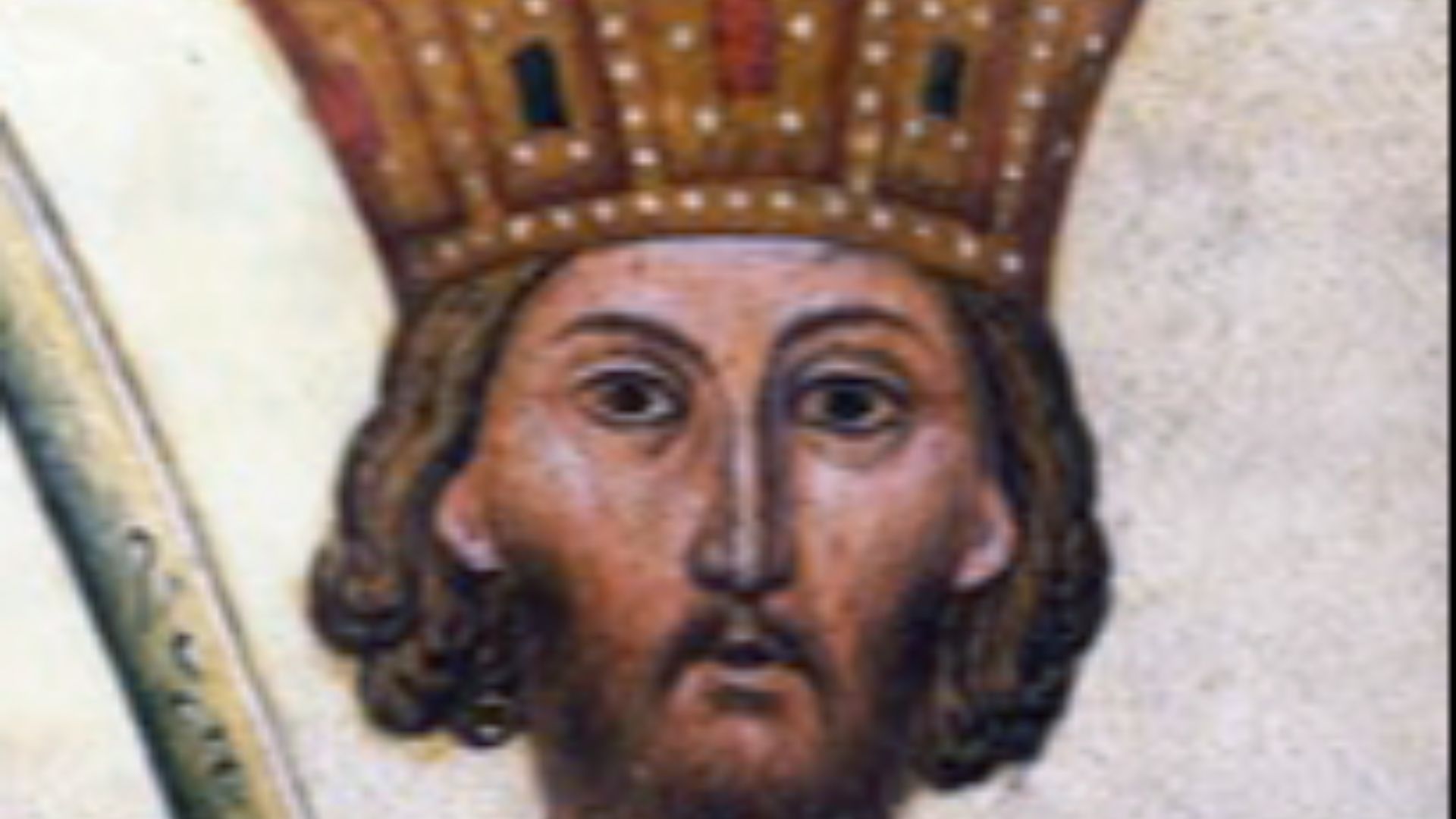 Unknown Byzantine artist on Wikimedia
13. King Umberto I of Italy (1900)
Umberto I was assassinated by an anarchist during a time of social unrest. His death intensified political tensions within Italy. The government responded with stricter measures. These actions influenced future internal conflicts and shaped political discourse.
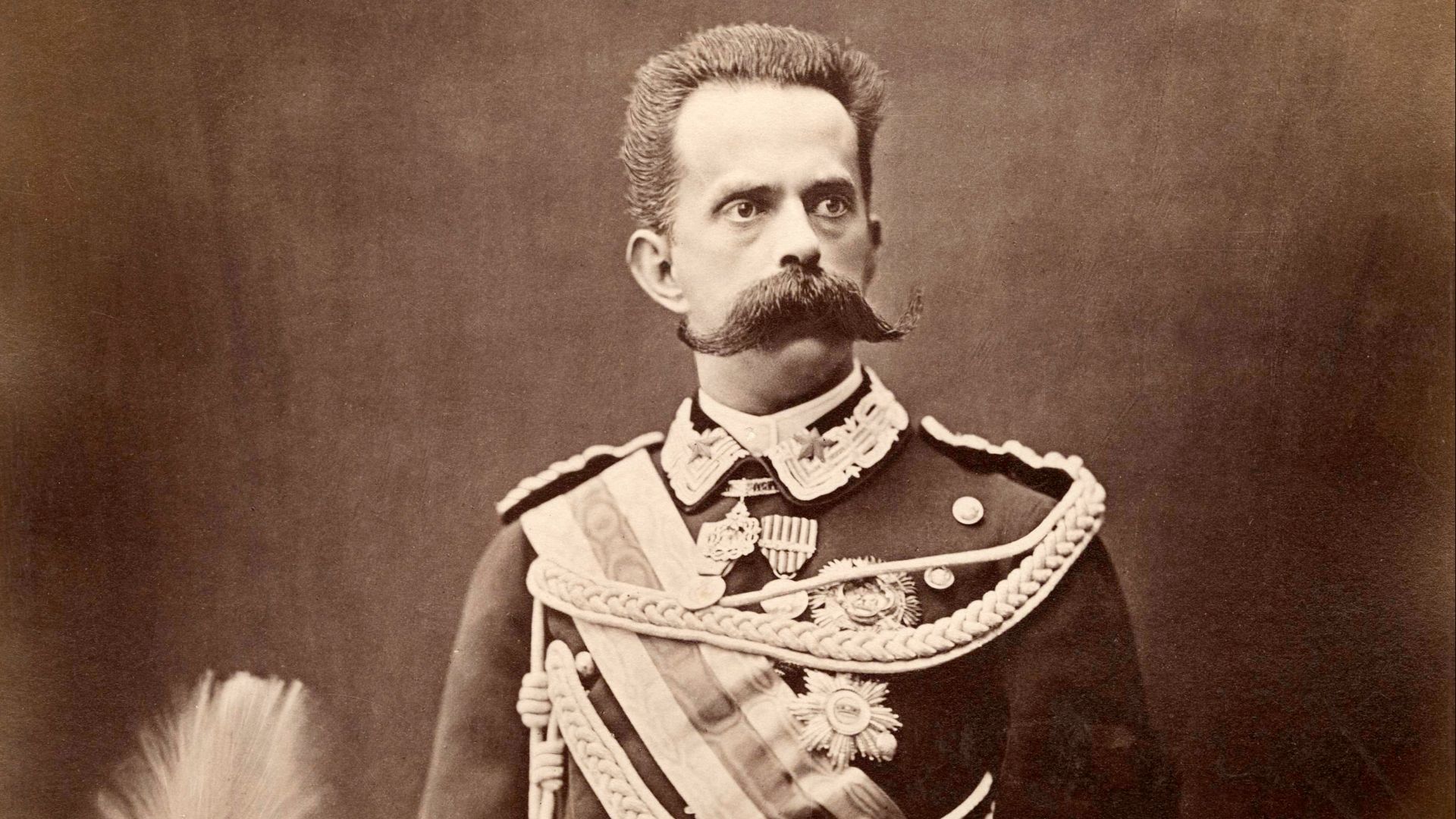 Fratelli Vianelli on Wikimedia
14. Hendrik Verwoerd (1966)
The South African Prime Minister was assassinated in parliament. His death occurred during the height of apartheid tensions. While it didn’t start a war, it contributed to growing resistance movements. Conflict within the country intensified over time and drew more international attention.
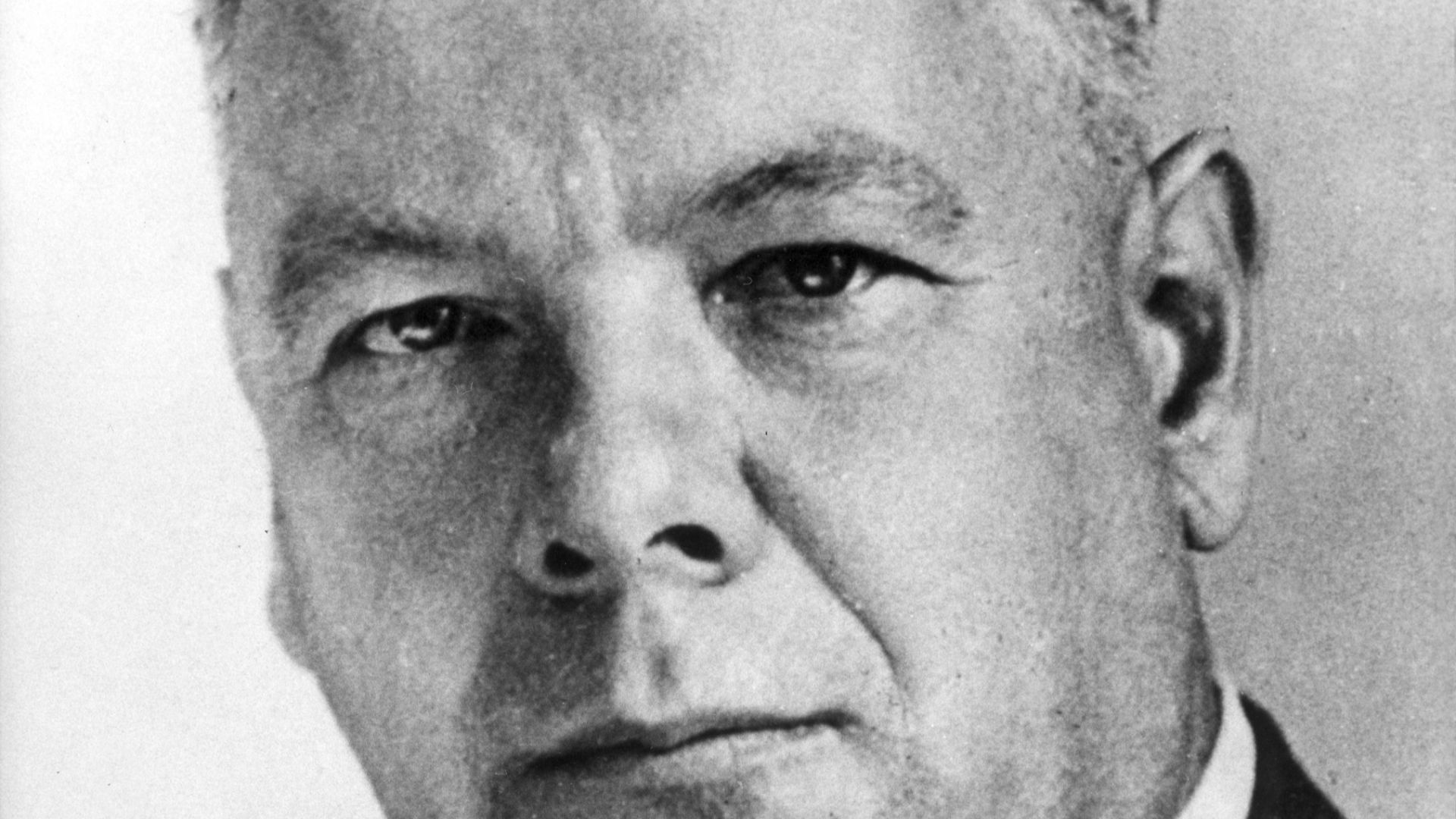 Joop van Bilsen / Anefo on Wikimedia
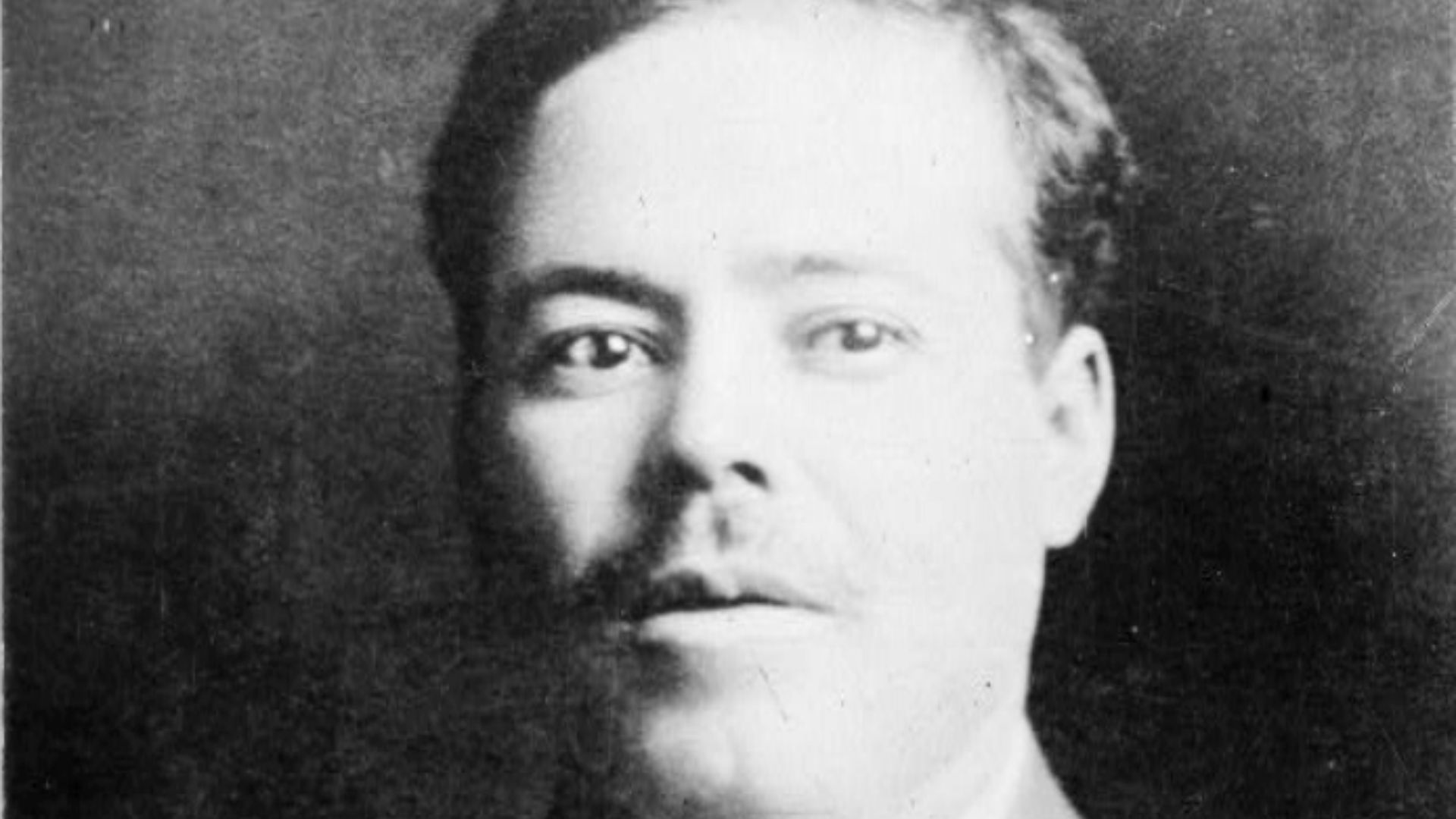
15. Pancho Villa (1923)
The Mexican revolutionary leader was assassinated after years of conflict. His death affected the balance of power in post-revolutionary Mexico, as various groups continued to compete for influence. This prolonged instability in the region slowed political consolidation.
16. Francisco Pizarro (1541)
The Spanish conquistador was assassinated in Lima. His death led to power struggles among Spanish factions in Peru, resulting in further colonial conflicts and weakened centralized authority.
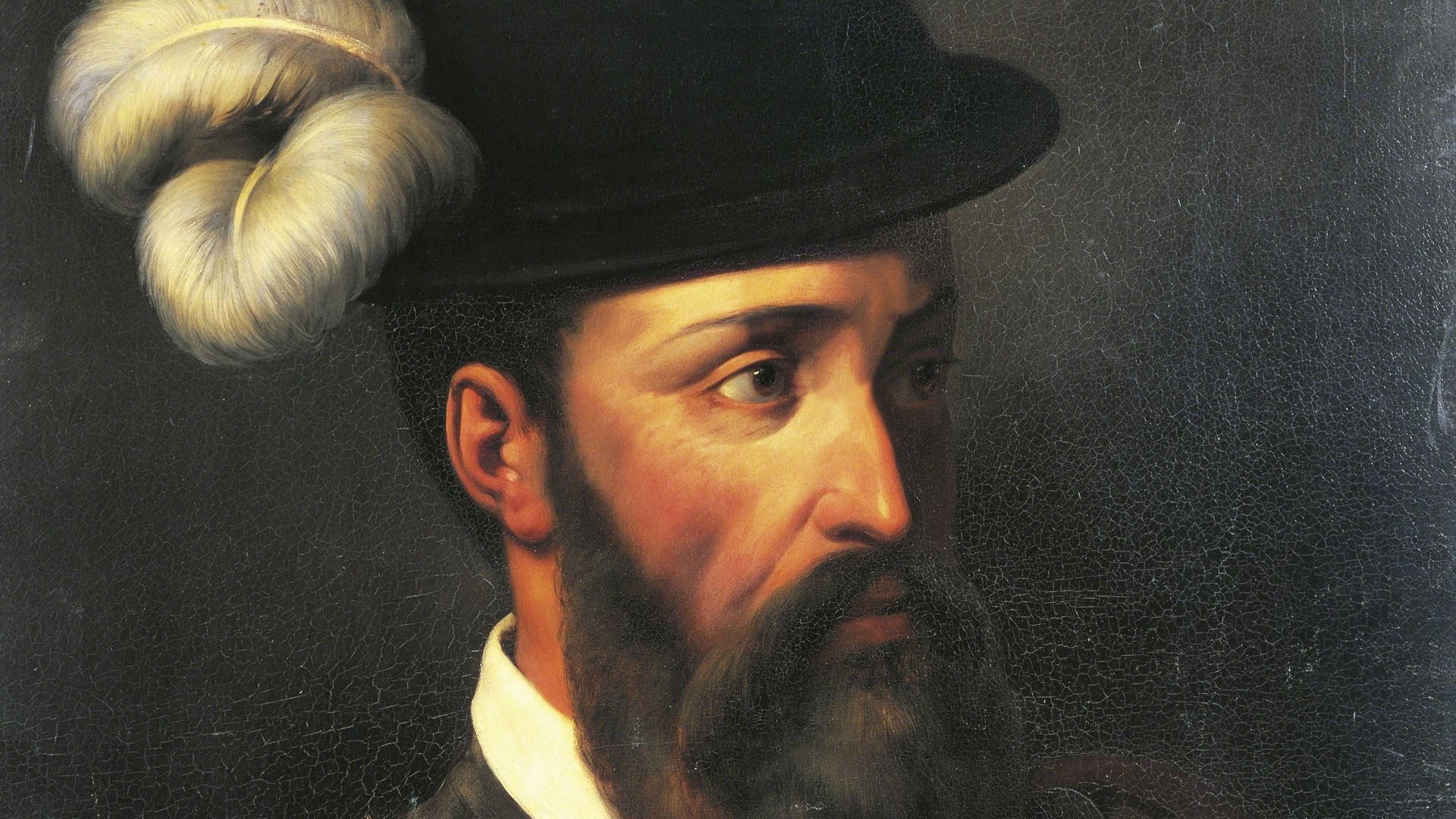 Amable-Paul Coutan on Wikimedia
17. King Philip of Swabia (1208)
Philip was assassinated during a dispute over the German throne. His death intensified a civil war within the Holy Roman Empire, as rival claimants continued to compete for power. The conflict destabilized the region for years and disrupted governance.
 Zeitgenössischer Glasmaler on Wikimedia
18. Rajiv Gandhi (1991)
India’s former Prime Minister was assassinated during an election campaign. His death had major political consequences and also highlighted ongoing regional tensions involving Sri Lanka.
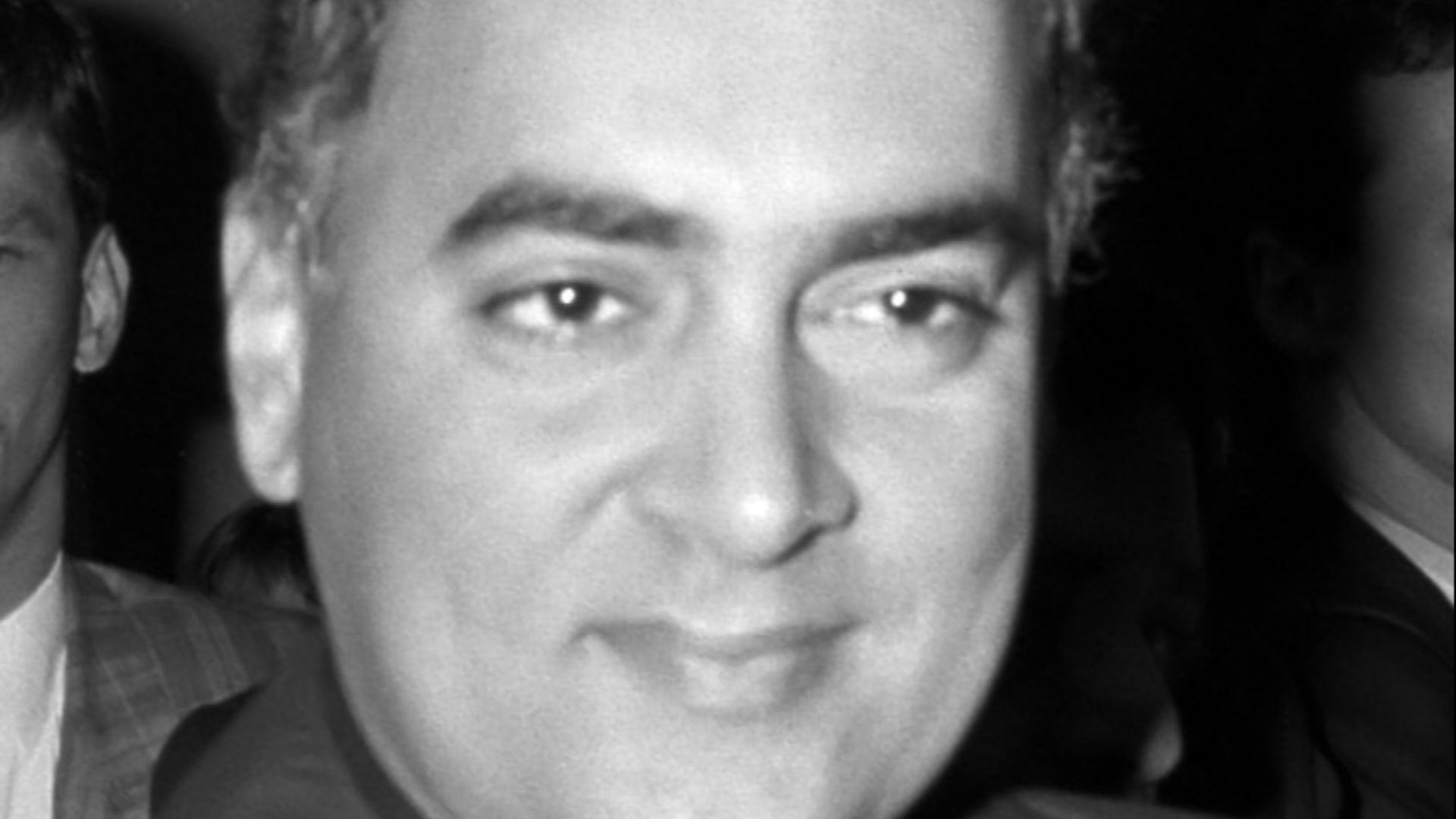 Bart Molendijk / Anefo on Wikimedia
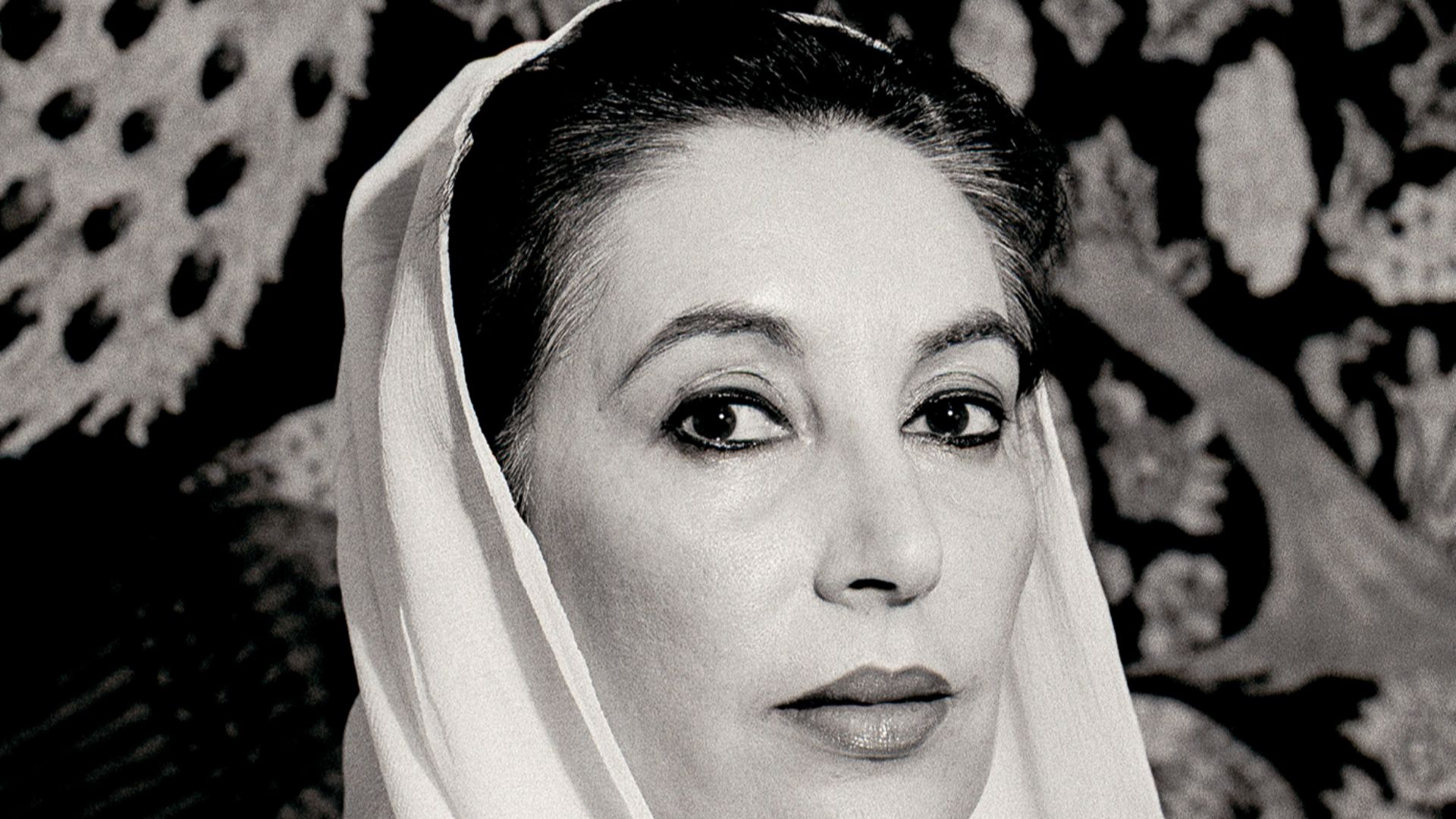
19. Benazir Bhutto (2007)
The Pakistani leader was assassinated during a political rally. Her death led to widespread unrest across the country. Political instability increased significantly, affecting ongoing conflicts within Pakistan and shaping future elections.
20. Daniel Parke (1710)
The British colonial governor was killed by a mob in Antigua. His assassination reflected deep tensions in colonial governance. This event led to increased military control in the region.
KEEP ON READING
The story of Ching Shih, the Woman Who Became the…
Unknown author on WikimediaFew figures in history are as feared…
By Emilie Richardson-Dupuis Dec 29, 2025
Einstein's Violin Just Sold At An Auction—And It Earned More…
A Visionary's Violin. Wanda von Debschitz-Kunowski on WikimediaWhen you hear…
By Ashley Bast Nov 3, 2025
This Infamous Ancient Greek Burned Down An Ancient Wonder Just…
History remembers kings and conquerors, but sometimes, it also remembers…
By David Davidovic Nov 12, 2025
The Mysterious "Sea People" Who Collapsed Civilization
3,200 years ago, Bronze Age civilization in the Mediterranean suddenly…
By Robbie Woods Mar 18, 2025
The 10 Worst Baseball Players of All Time 10 Legends…
Baseball is a sport filled with legendary greatness but also…
By Noone Mar 23, 2026
20 Soldiers Who Defied Expectations
Changing the Rules of the Battlefield. You’ve probably heard plenty…
By Annie Byrd Feb 10, 2026