

The Same Force That Protects Us Can Also Go Very Wrong
Science gets talked about as if it naturally bends toward progress, as though more knowledge always leads to better outcomes. But history has never been that tidy. The same way of thinking that gave us vaccines, clean water, and safer surgery also gave us chemical weapons, industrial disasters, and entire systems of harm dressed up as expertise. Science can save staggering numbers of people, but it can also amplify carelessness, ideology, and power when the people using it stop asking harder moral questions. Here are 10 times science saved millions, and 10 times science got people killed.
 yaser mobarakabadi on Unsplash
1. Vaccines
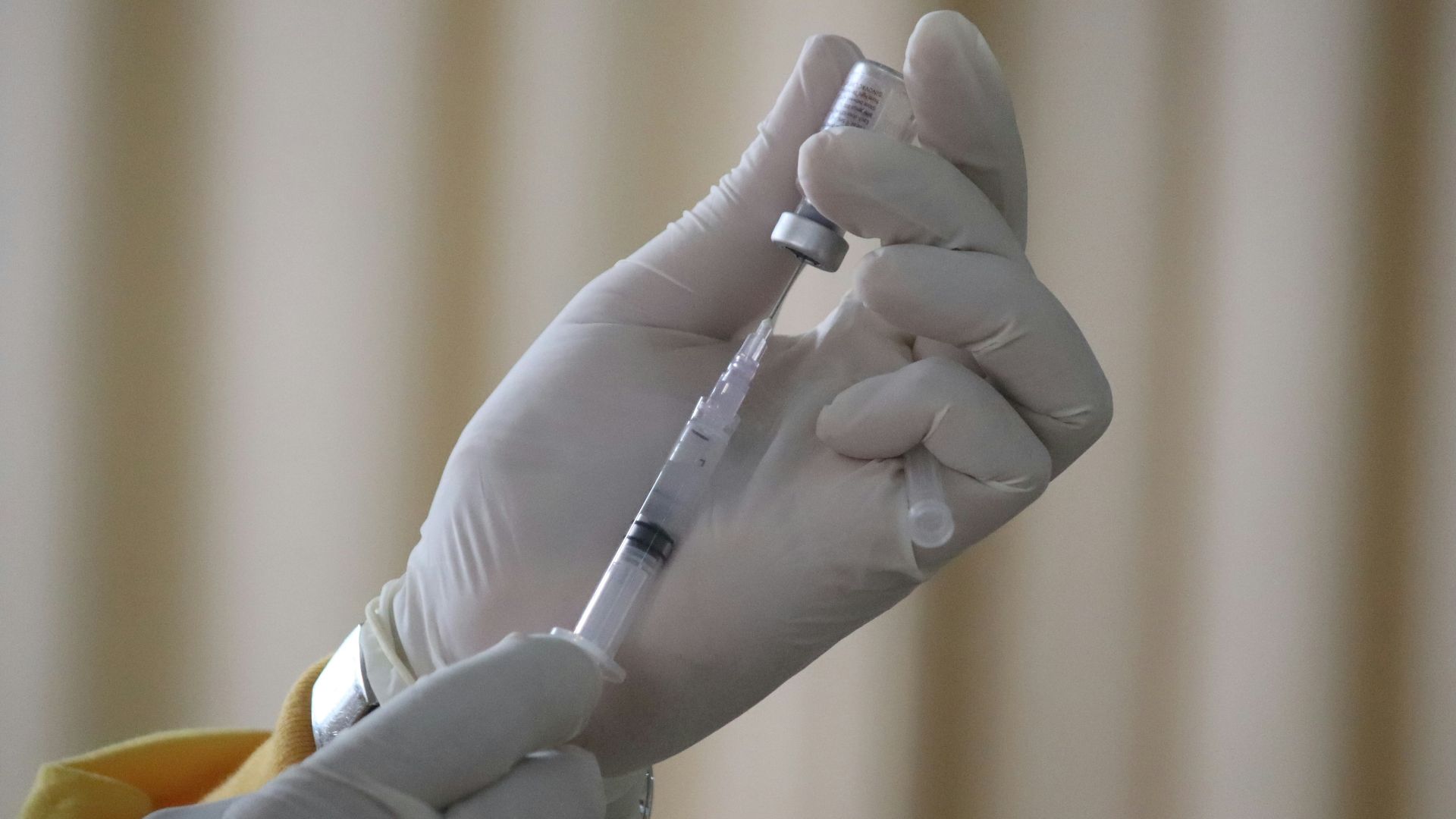
Few scientific breakthroughs have changed human life more completely than vaccines. They turned diseases that once tore through towns, schools, and entire generations into something preventable, manageable, and in some cases nearly erased. It is hard to overstate how many lives were saved once science figured out how to prepare the body before the disease ever arrived.
2. Germ Theory
Before germ theory, medicine could still stumble into useful practices, but it often did so without knowing why anything worked. Once scientists proved that microscopic organisms were behind infection and disease, hospitals, childbirth, surgery, and public sanitation all changed at once. It gave medicine a foundation instead of a series of guesses.

3. Antibiotics
Antibiotics did not just cure infections; they changed the limits of what medicine could attempt. Surgeries became safer, injuries became less terrifying, and illnesses that had once killed with brutal efficiency suddenly became treatable.

4. Clean Water Systems
Water treatment is not the kind of breakthrough people romanticize, but it may be one of the most important. Filtration, chlorination, and sewage systems removed a huge amount of invisible danger from daily life, especially in growing cities where disease used to spread with horrifying speed.

5. Insulin
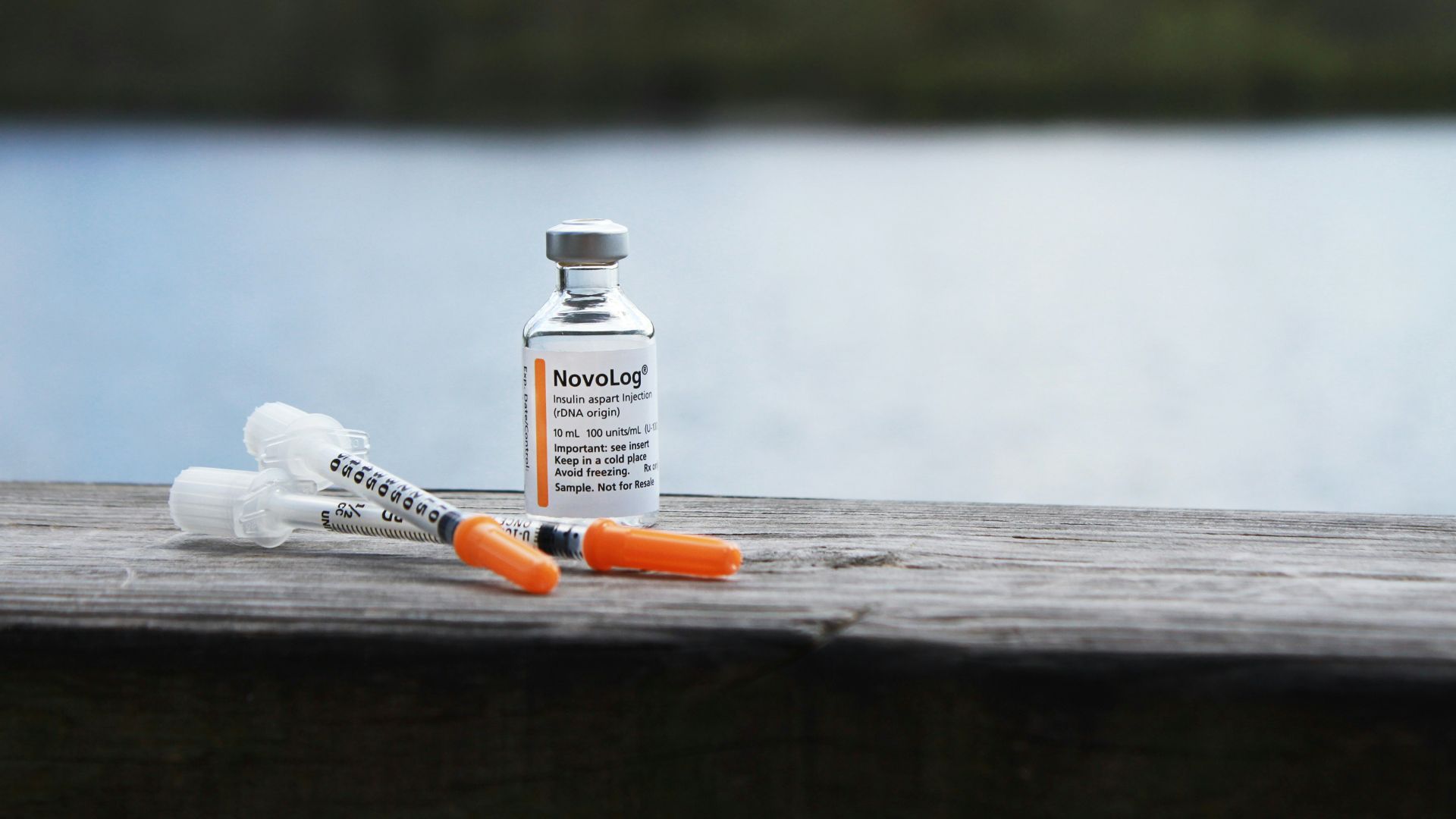
Before insulin, diabetes could sound less like a diagnosis than a countdown. Science changed that by turning a once-fatal condition into something many people could manage for years or decades. It did not just prolong life in the abstract; it gave people back futures they otherwise would have lost.
6. Anesthesia
Anesthesia saved lives in a quieter, less dramatic way than some breakthroughs, but no less profoundly. It made surgery more controlled, more humane, and far more possible, because doctors no longer had to work against agony and panic every second they operated.

7. Medical Imaging
X-rays, CT scans, and MRI scans transformed medicine by allowing doctors to see inside the body without first cutting into it. What sounds obvious now was once astonishing, because diagnosis could finally become sharper than guesswork and touch.

8. Oral Rehydration Therapy
Oral rehydration therapy is one of those breakthroughs that almost seems too simple for the scale of its impact. A precise mix of water, sugar, and salts turned dehydration from diarrheal disease from a mass killer into something much more survivable. It is a perfect example of science at its most powerful: not flashy, just exact.

9. Agricultural Science
Modern agricultural science comes with complications, but it also helped prevent famine on a scale that would have been devastating otherwise. Better crop varieties, irrigation, pest control, and soil management let food systems keep pace with populations that might once have outgrown what the land could provide.

10. Blood Typing and Transfusions
Once scientists understood blood types, transfusion stopped being a gamble with terrifying odds. That knowledge made trauma care, childbirth, surgery, and emergency medicine far safer than they had ever been before. A huge amount of modern survival depends on the fact that science figured out what blood can and cannot be mixed.
And now, here are ten times scientific breakthroughs got people killed.

1. The Atomic Bomb
Science unlocked the structure of the atom, and from that knowledge came one of the deadliest weapons humanity has ever used. Hiroshima and Nagasaki made it brutally clear that scientific brilliance does not come with moral restraint attached.

2. Chernobyl
Chernobyl was not science failing in the abstract so much as science entangled with bad design, secrecy, and reckless decision-making. Nuclear technology held enormous promise, but under the wrong conditions it became catastrophic.

3. Thalidomide
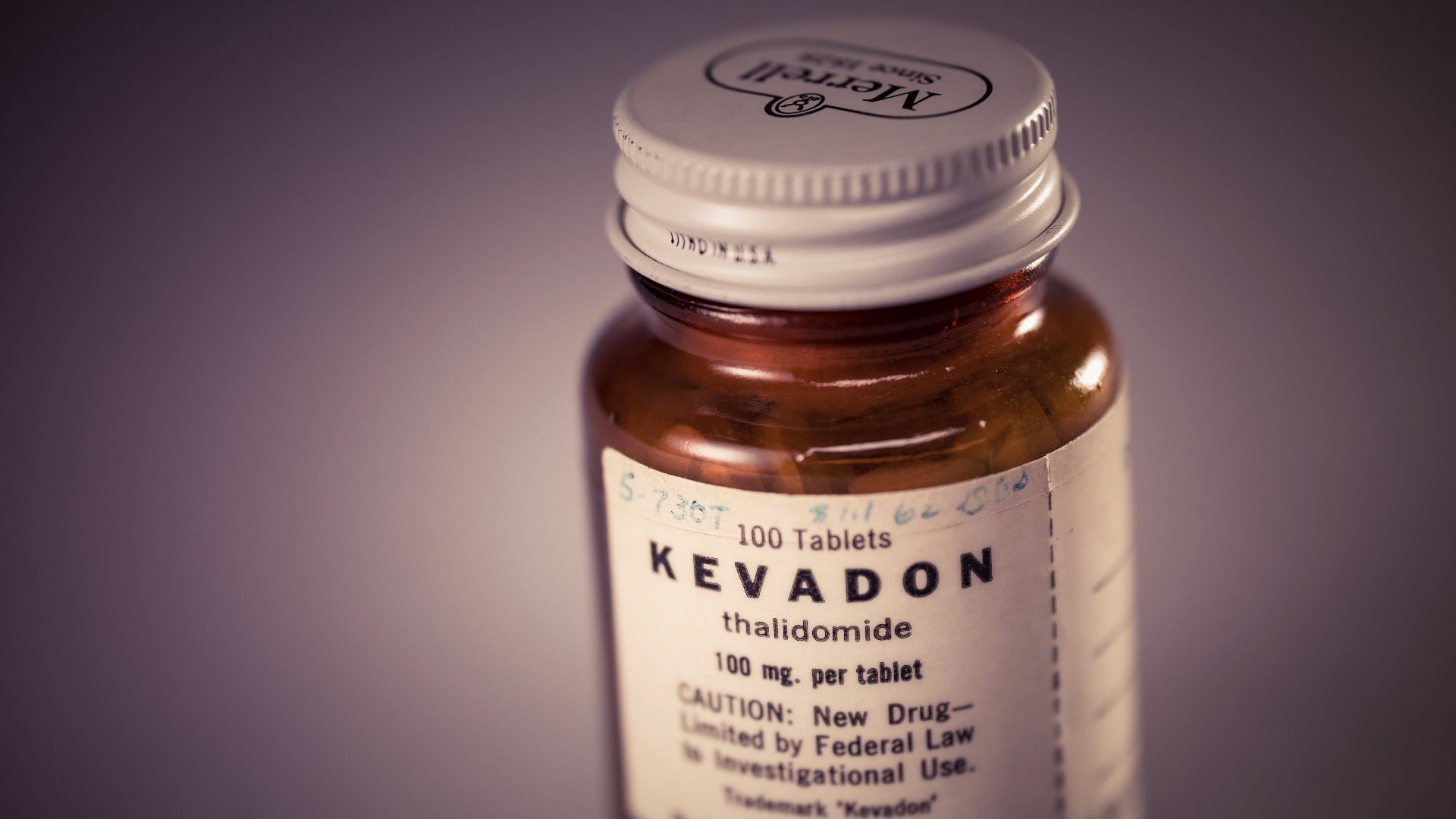
Thalidomide began as a drug that was supposed to help, which is part of what makes the story so grim. Inadequate testing and misplaced confidence led to devastating birth defects and lasting trauma for thousands of families. It remains one of the clearest examples of what happens when science moves faster than caution.
 The U.S. Food and Drug Administration on Wikimedia
4. Leaded Gasoline
Leaded gasoline solved an engineering problem while quietly poisoning people for decades. It was a scientifically effective answer to engine knock, but one that came with enormous public-health damage, especially in dense urban areas.

5. Agent Orange
Science can become deadly very quickly once it is handed over to warfare with enough confidence and distance. Agent Orange was developed as a military tool, but its damage spread through bodies, families, and landscapes long after the moment of use.

6. Challenger
The Challenger disaster was not caused by ignorance so much as ignored knowledge. Engineers understood there were real concerns, but the launch moved forward anyway under institutional pressure and bad judgment. It is one of the harshest examples of how deadly it can be when technical warnings are treated like obstacles instead of truths.
 Unknown authorUnknown author on Wikimedia
7. The Tuskegee Syphilis Study
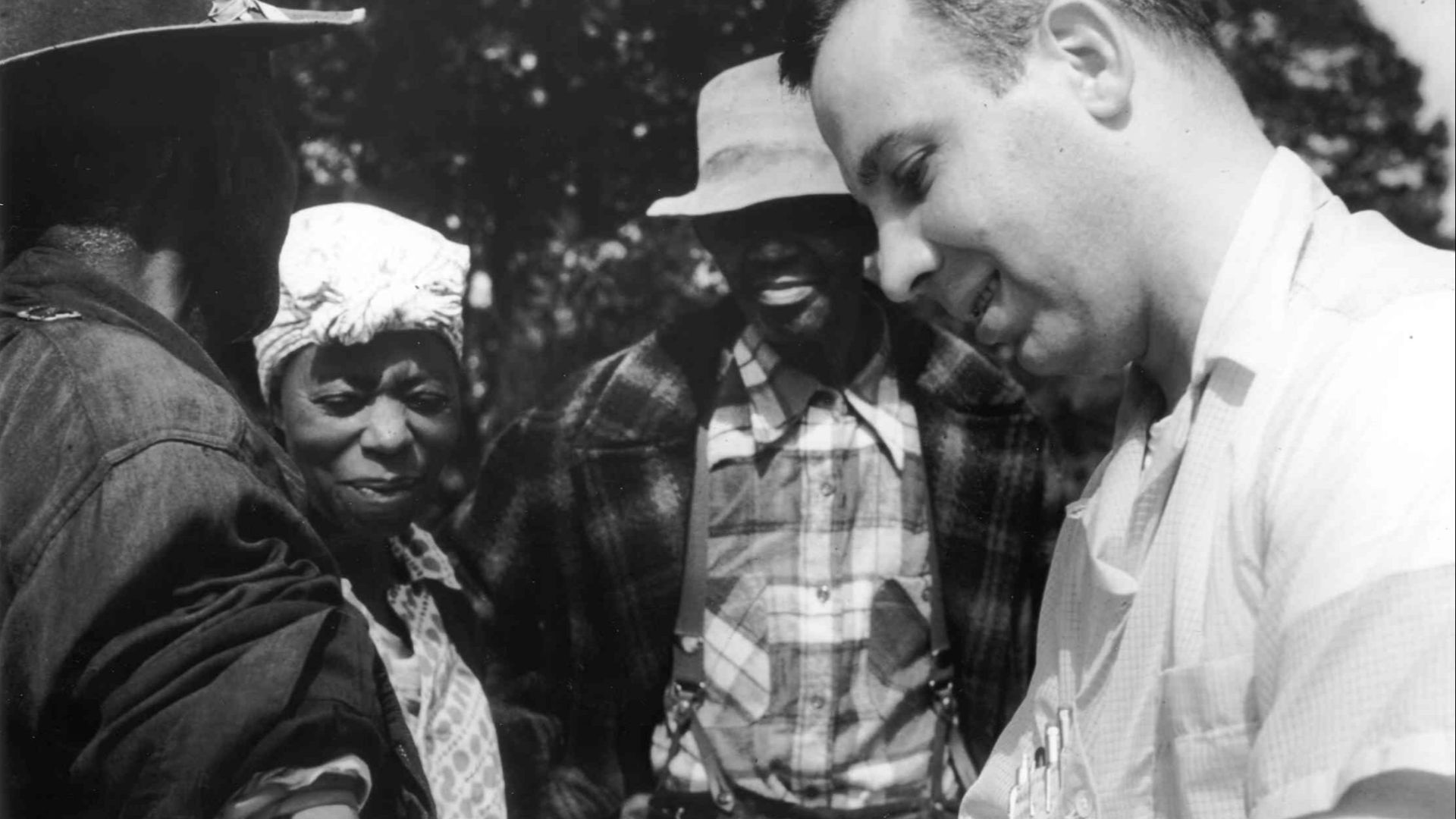
The Tuskegee syphilis study remains one of the ugliest moments in modern medical history because the science was not merely flawed, but unethical all the way through. Men were deceived, observed, and denied treatment in the name of research.
 National Archives Atlanta, GA (U.S. government) on Wikimedia
8. Eugenics
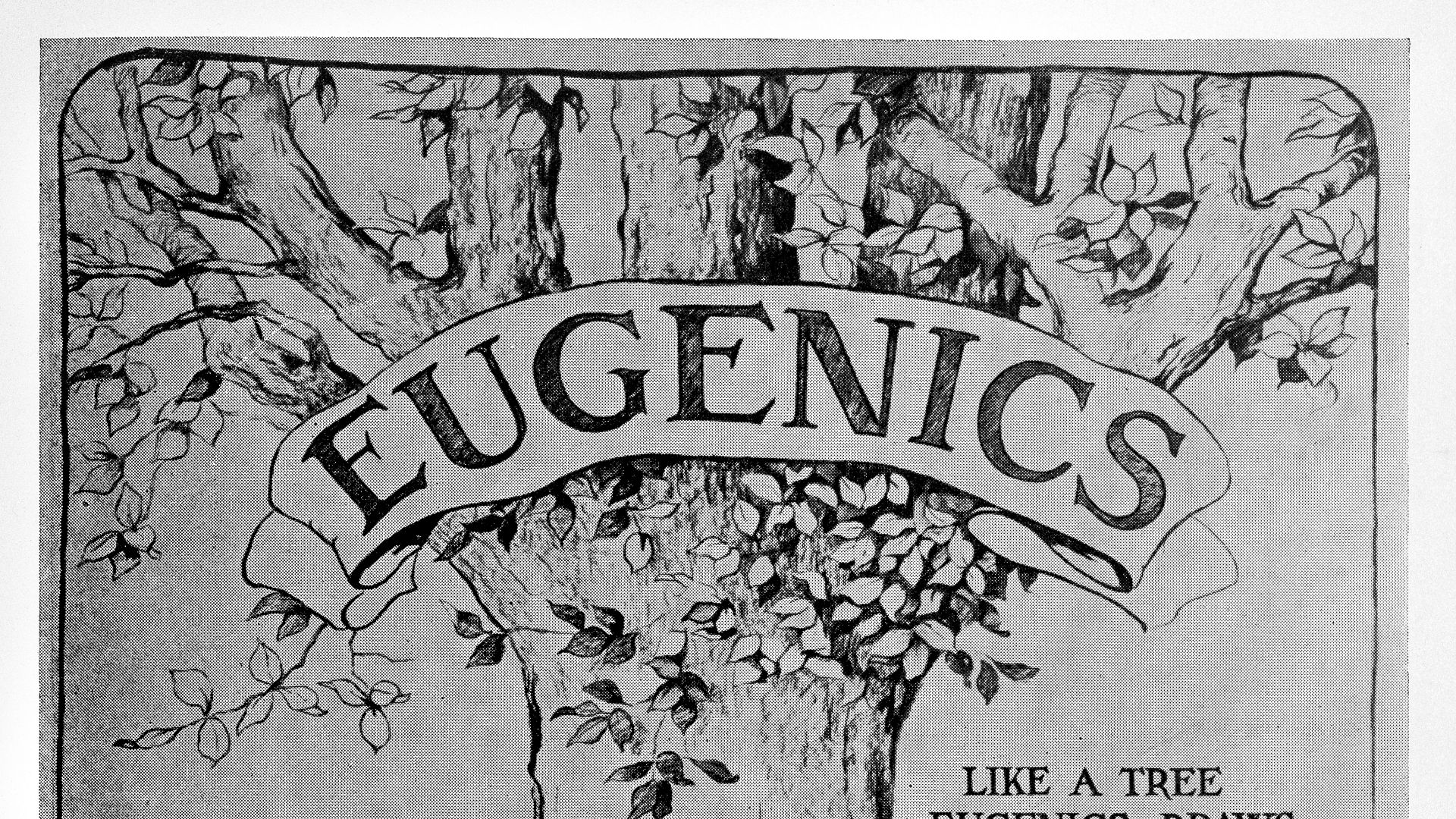
Eugenics took prejudice, wrapped it in scientific language, and used that language to justify sterilization, abuse, and the stripping away of human dignity. It gave governments and institutions a way to sound rational while doing something cruel and irreversible.
9. Bhopal
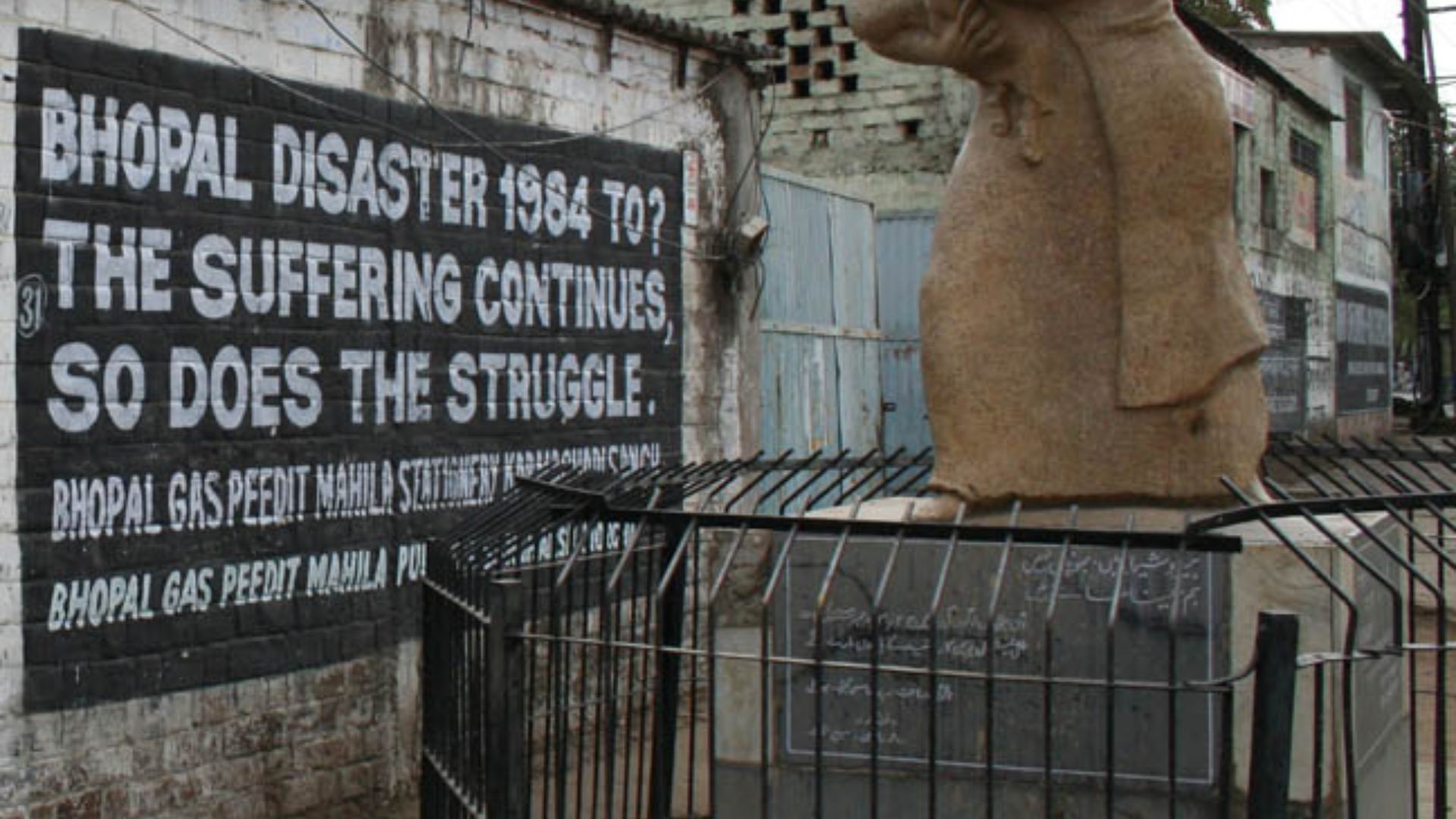
The Bhopal disaster showed how industrial science can become lethal when safety, regulation, and human life are treated as negotiable. A gas leak at a pesticide plant killed and injured people on a massive scale, and the suffering continued long after the first night of panic.
 The original uploader was Simone.lippi at Italian Wikipedia. on Wikimedia
10. Radium Products
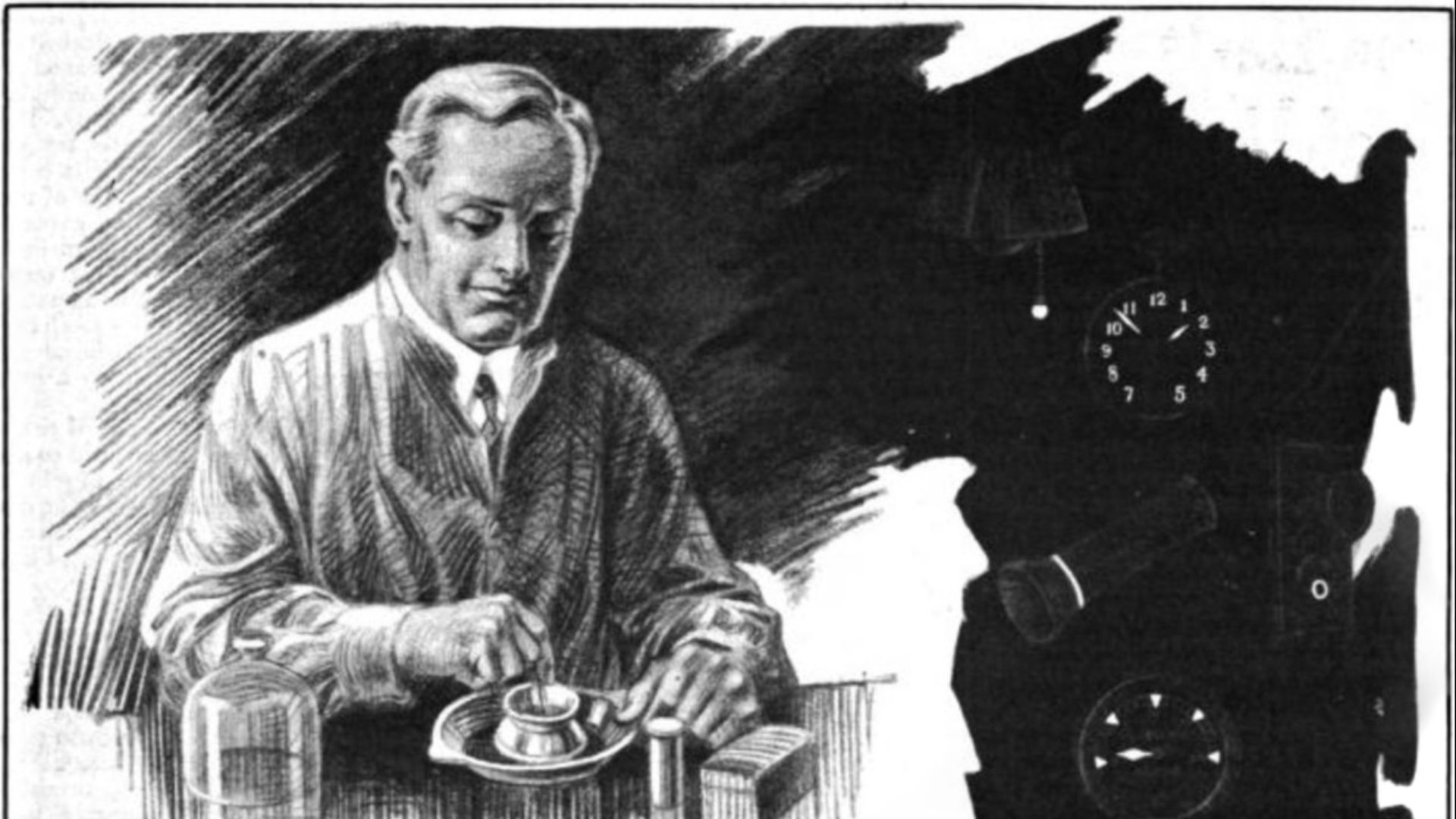
There was a period when radium was treated with a kind of glowing enthusiasm that now feels surreal. It ended up in consumer products and factory work before the danger was properly respected, and people paid with radiation sickness, cancer, and death. Science had discovered something powerful, but power got mistaken for safety, which is a mistake history keeps making in new forms.
KEEP ON READING
The story of Ching Shih, the Woman Who Became the…
Unknown author on WikimediaFew figures in history are as feared…
By Emilie Richardson-Dupuis Dec 29, 2025
Einstein's Violin Just Sold At An Auction—And It Earned More…
A Visionary's Violin. Wanda von Debschitz-Kunowski on WikimediaWhen you hear…
By Ashley Bast Nov 3, 2025
This Infamous Ancient Greek Burned Down An Ancient Wonder Just…
History remembers kings and conquerors, but sometimes, it also remembers…
By David Davidovic Nov 12, 2025
The Mysterious "Sea People" Who Collapsed Civilization
3,200 years ago, Bronze Age civilization in the Mediterranean suddenly…
By Robbie Woods Mar 18, 2025
10 Times Science Saved Millions & 10 Times Science Got…
The Same Force That Protects Us Can Also Go Very…
By Cameron Dick Mar 24, 2026
20 Soldiers Who Defied Expectations
Changing the Rules of the Battlefield. You’ve probably heard plenty…
By Annie Byrd Feb 10, 2026