

A Difficult Look at the Past
History is full of achievements, discoveries, and cultural breakthroughs, but it also includes painful events that caused immense suffering and changed societies for generations. From fatal diseases to devastating wars and deadly natural disasters, the past is fraught with tragedy. Here's a look at 20 of the worst things that have ever occurred in history.
1. The Black Death
The Black Death swept through Europe from 1347 to 1351 and became one of the most devastating pandemics in recorded history. It’s widely linked to plague caused by Yersinia pestis, and its impact reached far beyond the immediate death toll. Towns lost workers, families lost relatives, and religious, social, and economic life changed in ways that took generations to absorb.
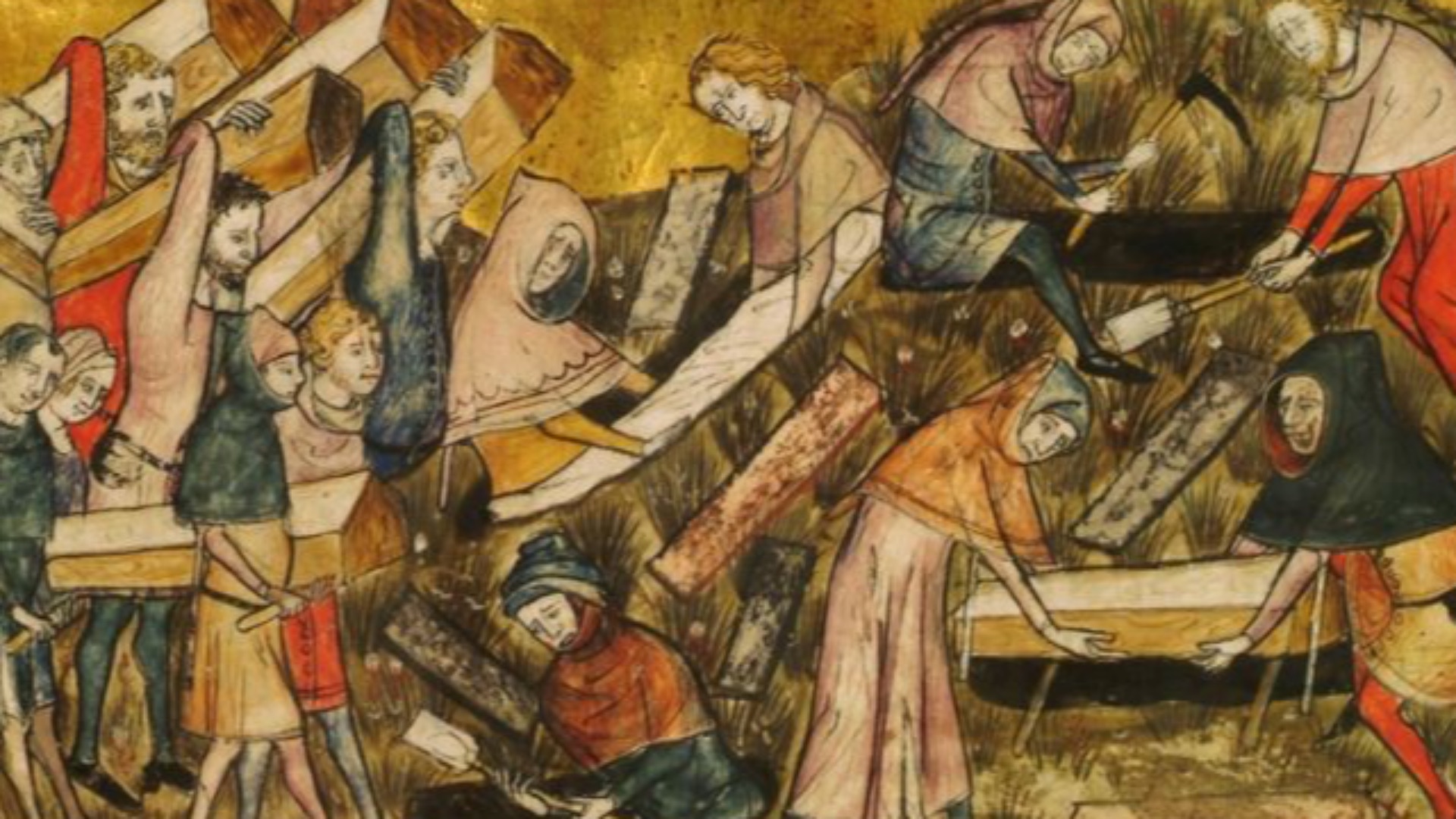 Pierart dou Tielt (fl. 1340-1360) on Wikimedia
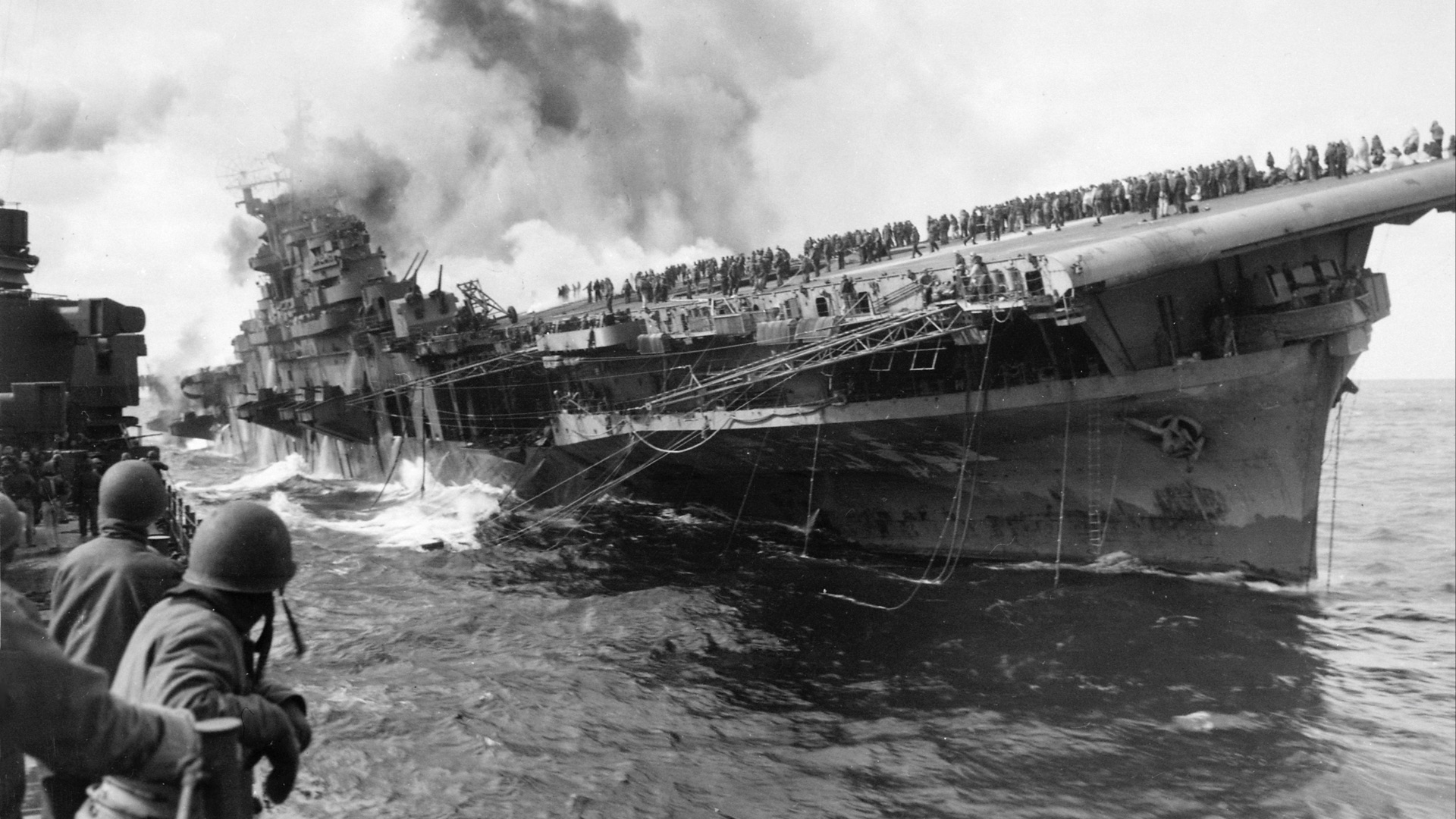
2. World War II
World War II lasted from 1939 to 1945 and involved virtually every major region of the world. It's often described as both the largest and bloodiest conflict in human history, with civilian populations directly affected alongside soldiers. Its aftermath reshaped borders, accelerated decolonization, and left countries facing enormous human and physical loss.
3. The Holocaust
The Holocaust was the systematic state-sponsored killing of six million Jewish people, along with millions of others, by Nazi Germany and its collaborators during World War II. It remains one of history’s most studied examples of how propaganda, bureaucracy, prejudice, and state power can combine into catastrophe. Even now, its memory carries a strong warning about where dehumanization can lead.
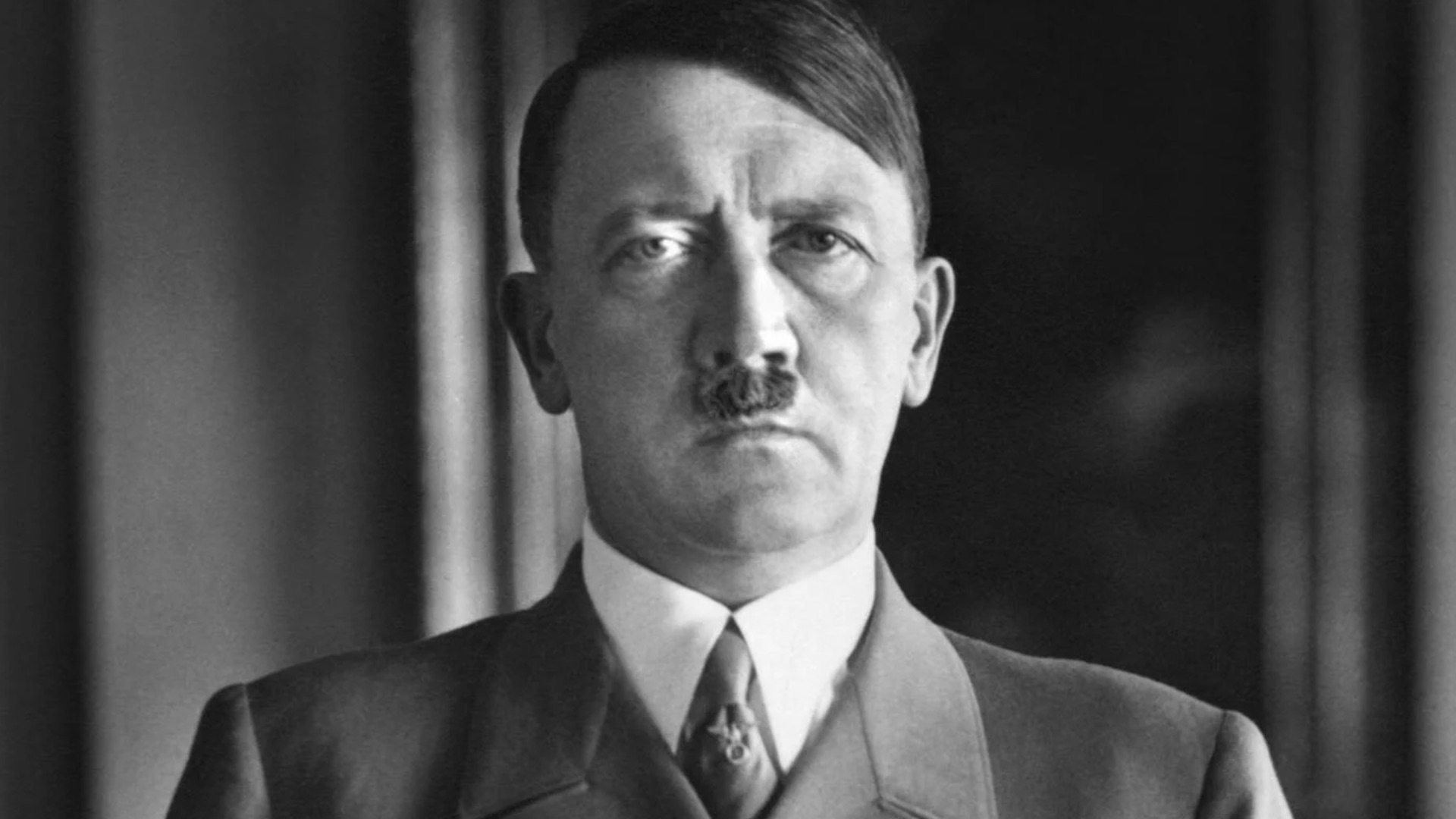 Heinrich Hoffmann on Wikimedia
4. The Transatlantic Slave Trade
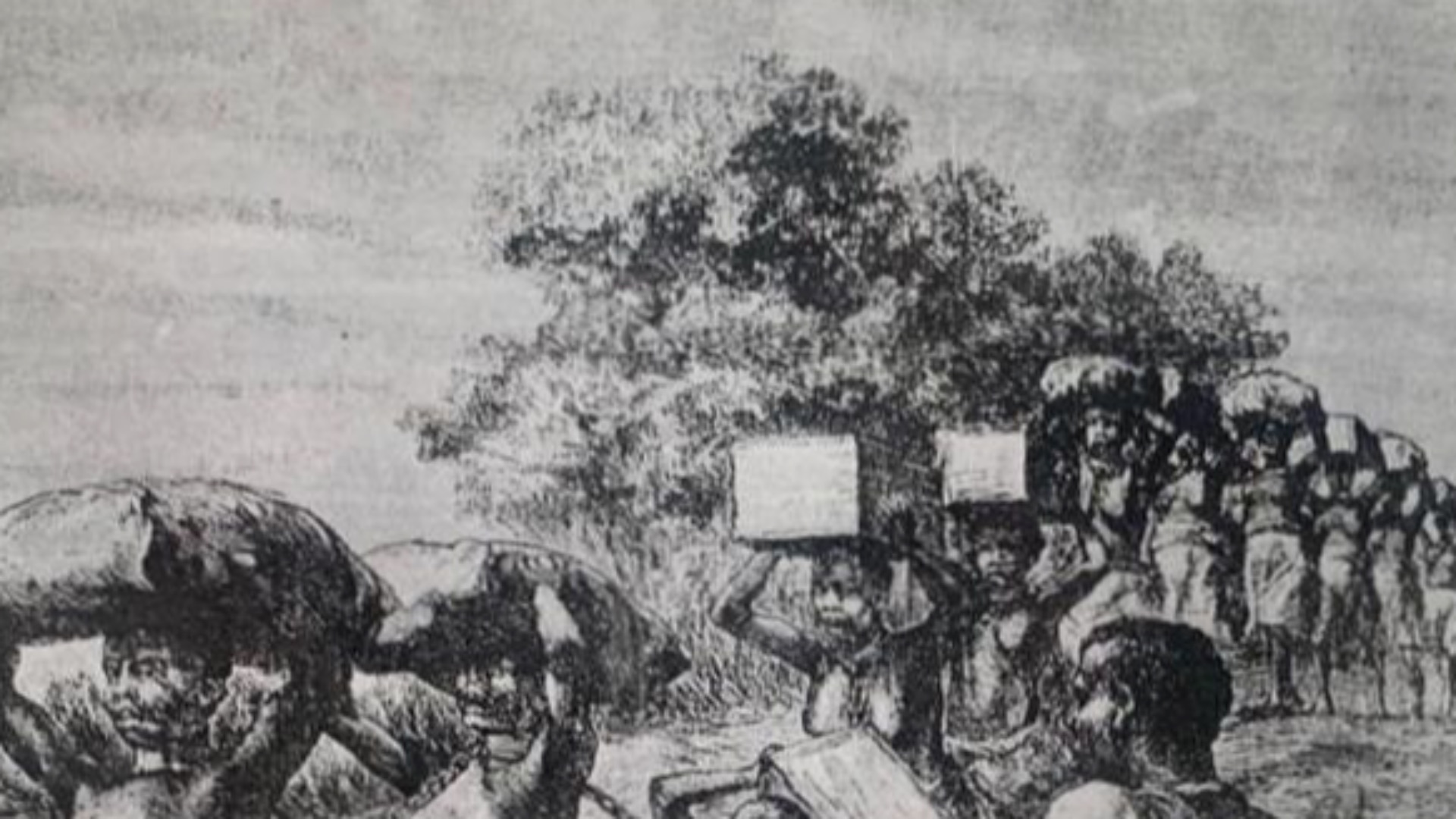
From the 16th to the 19th century, between 10 million and 12 million enslaved Africans were transported across the Atlantic to the Americas. The system tore people from their homes, enriched empires and merchants, and helped build economies through forced labor. Its consequences didn’t end with abolition, because its political, racial, and economic effects lasted for centuries.
5. The 1918 Influenza Pandemic
The influenza pandemic of 1918–19 spread during and just after World War I, reaching communities already strained by war and displacement. It's estimated to have caused about 25 million deaths, while some researchers place the total as high as 40 to 50 million. It’s a stark reminder that disease can alter history as dramatically as armies or governments.
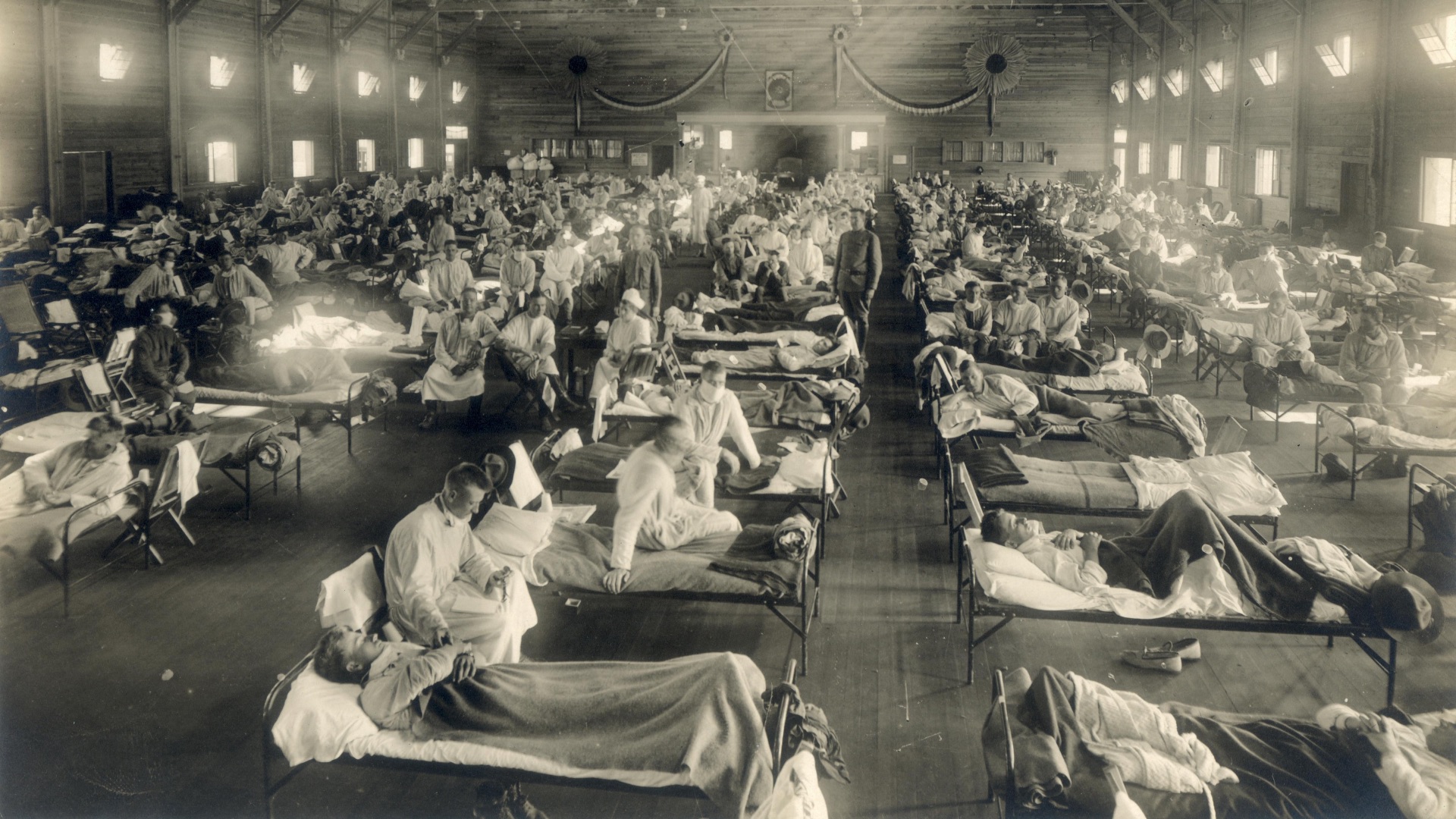 Otis Historical Archives, National Museum of Health and Medicine on Wikimedia
6. World War I
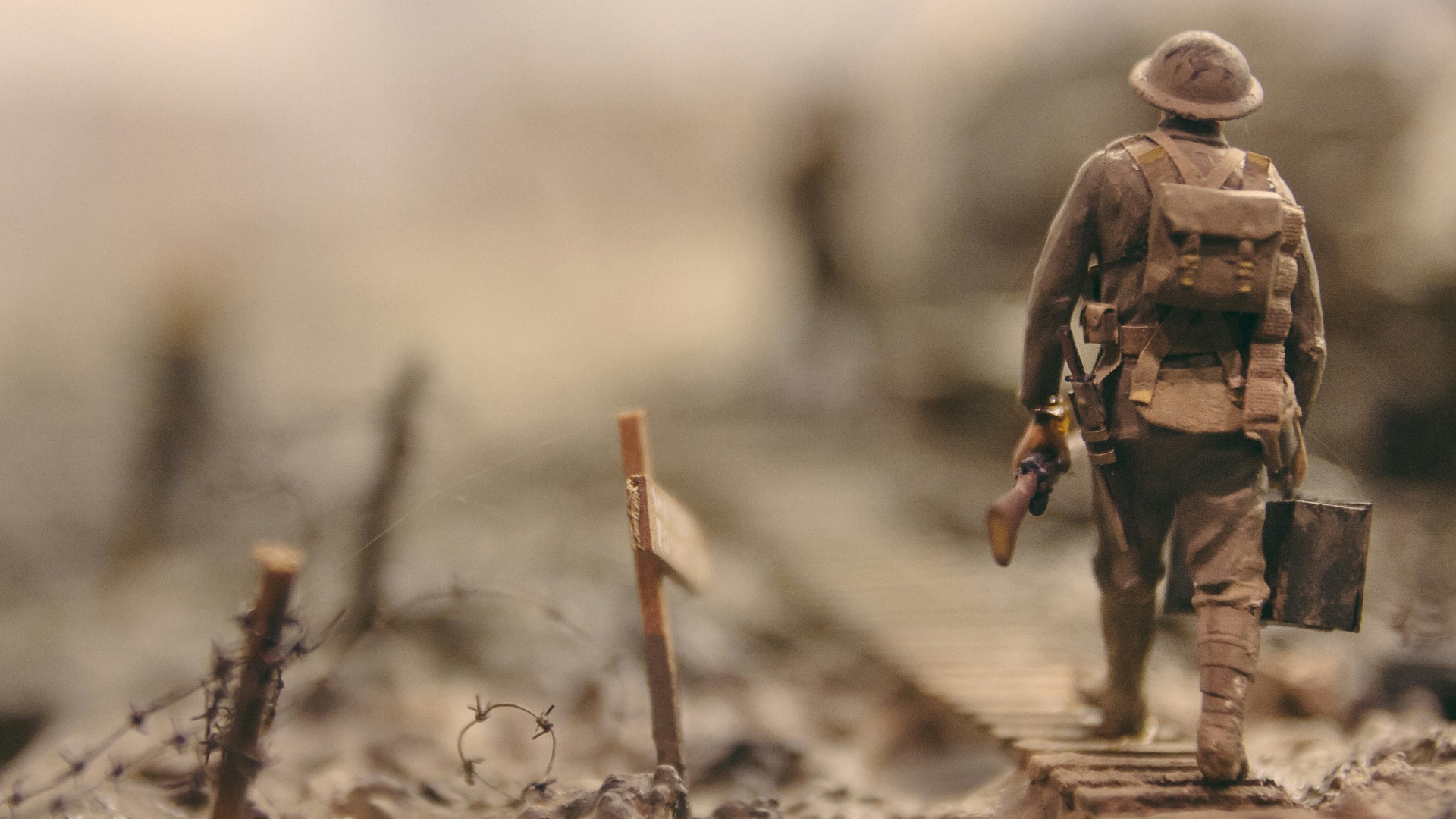
World War I lasted from 1914 to 1918 and drew in much of Europe, Russia, the United States, the Middle East, and other regions. It helped bring down four imperial dynasties and destabilized Europe in ways that contributed to the conditions behind World War II. When you look at the 20th century, it’s hard to overstate how much this war changed politics, technology, and society.
7. The Taiping Rebellion
The Taiping Rebellion was a massive political and religious upheaval in China that lasted from 1850 to 1864. It's estimated to have taken roughly 20 million lives, making it one of the deadliest internal conflicts in history. Beyond the staggering death toll, it weakened the Qing dynasty and left deep scars across large parts of Chinese society.
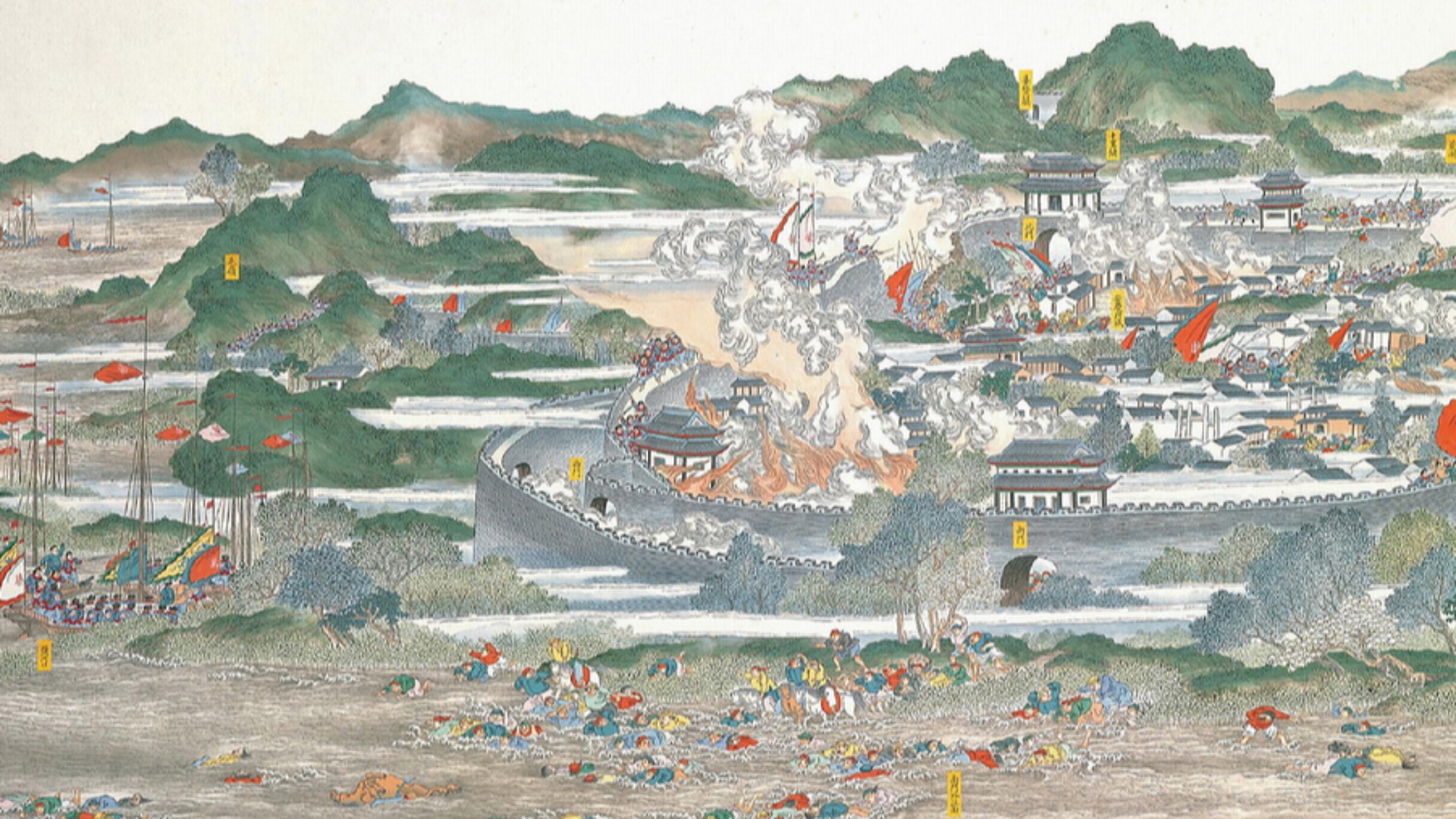
8. The 1556 Shaanxi Earthquake
The Shaanxi earthquake struck northern China on January 23, 1556, and is often described as the deadliest earthquake ever recorded. It’s estimated to have killed or injured around 830,000 people, a number shaped partly by the region’s dense population and vulnerable housing. Natural disasters are sometimes discussed as isolated moments, but this one devastated communities on a scale that’s difficult to comprehend.
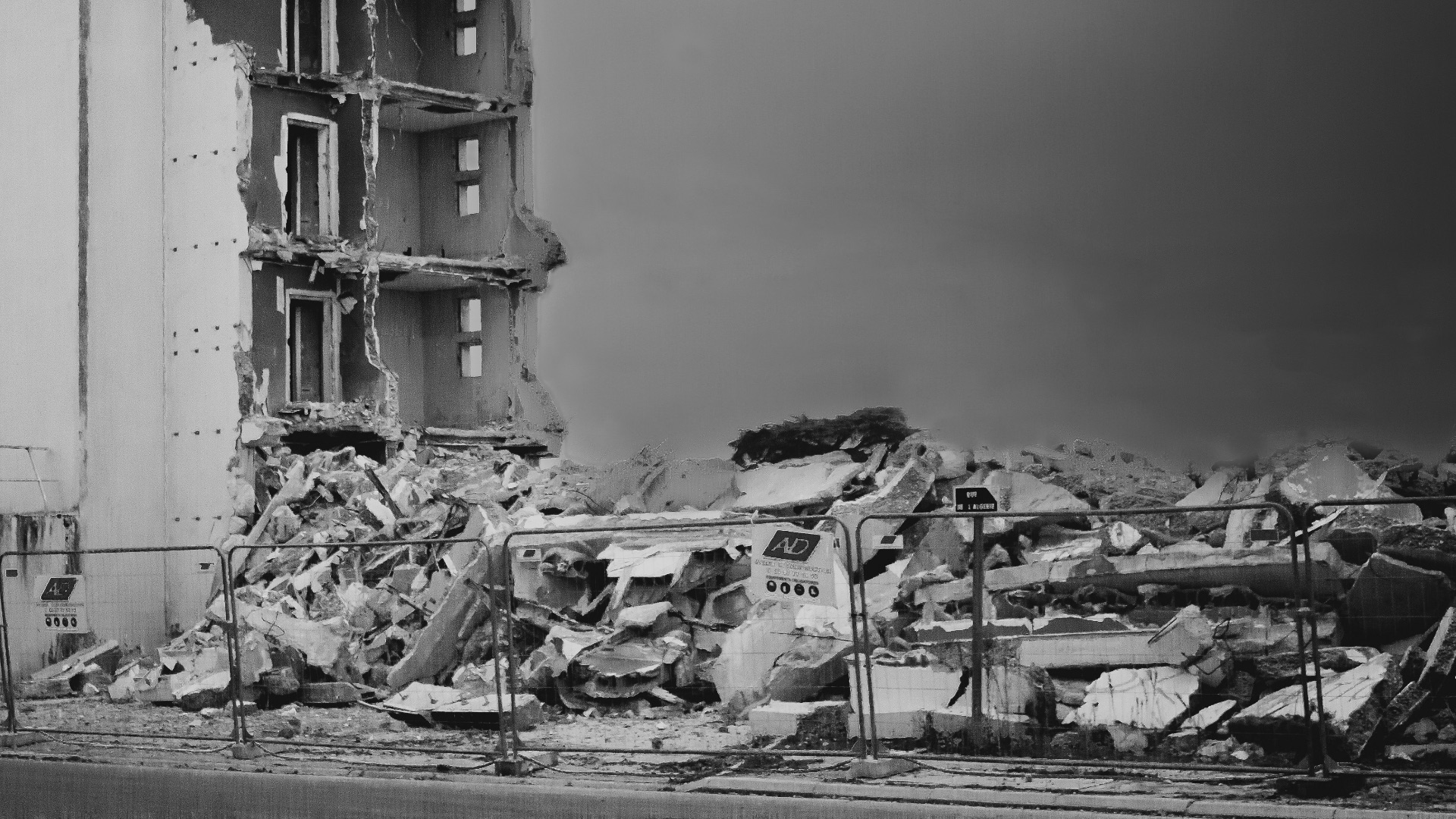
9. The Bengal Famine of 1943
The Bengal famine of 1943 took place in British India during World War II and caused the deaths of about three million people from malnutrition or disease. The famine also didn’t simply result from a major shortage in food production, but from failures in distribution and people’s ability to buy food, meaning policy, war conditions, and inequality all played a role.
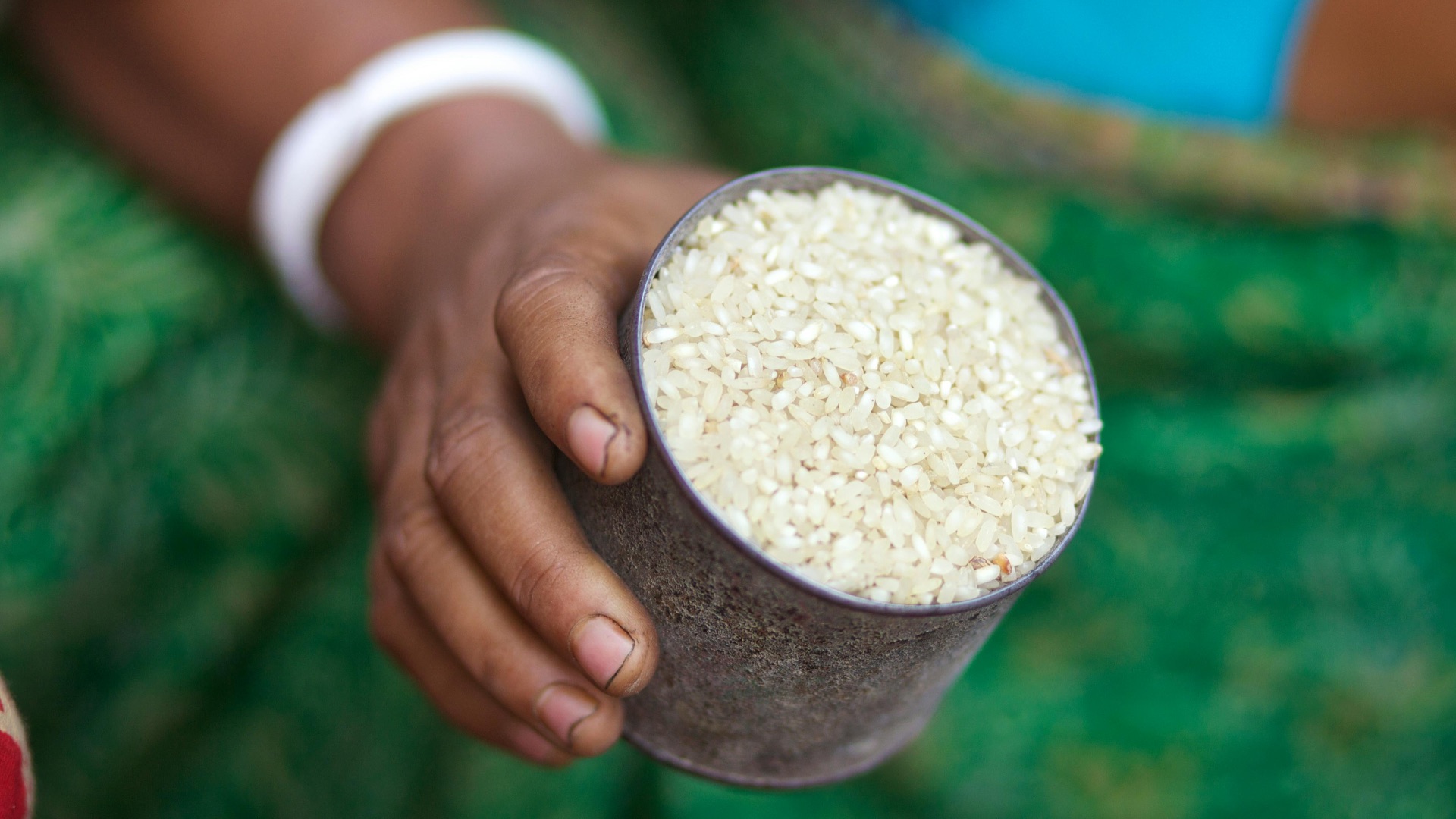
10. The Partition of India
In 1947, British India was divided into India and Pakistan, creating one of the largest and most chaotic population movements in modern history. About 15 million Hindus, Sikhs, and Muslims crossed hastily drawn borders, while estimates of the number of deaths range from 200,000 to 2 million. The human cost of Partition is still felt in memory, politics, and family histories across South Asia.
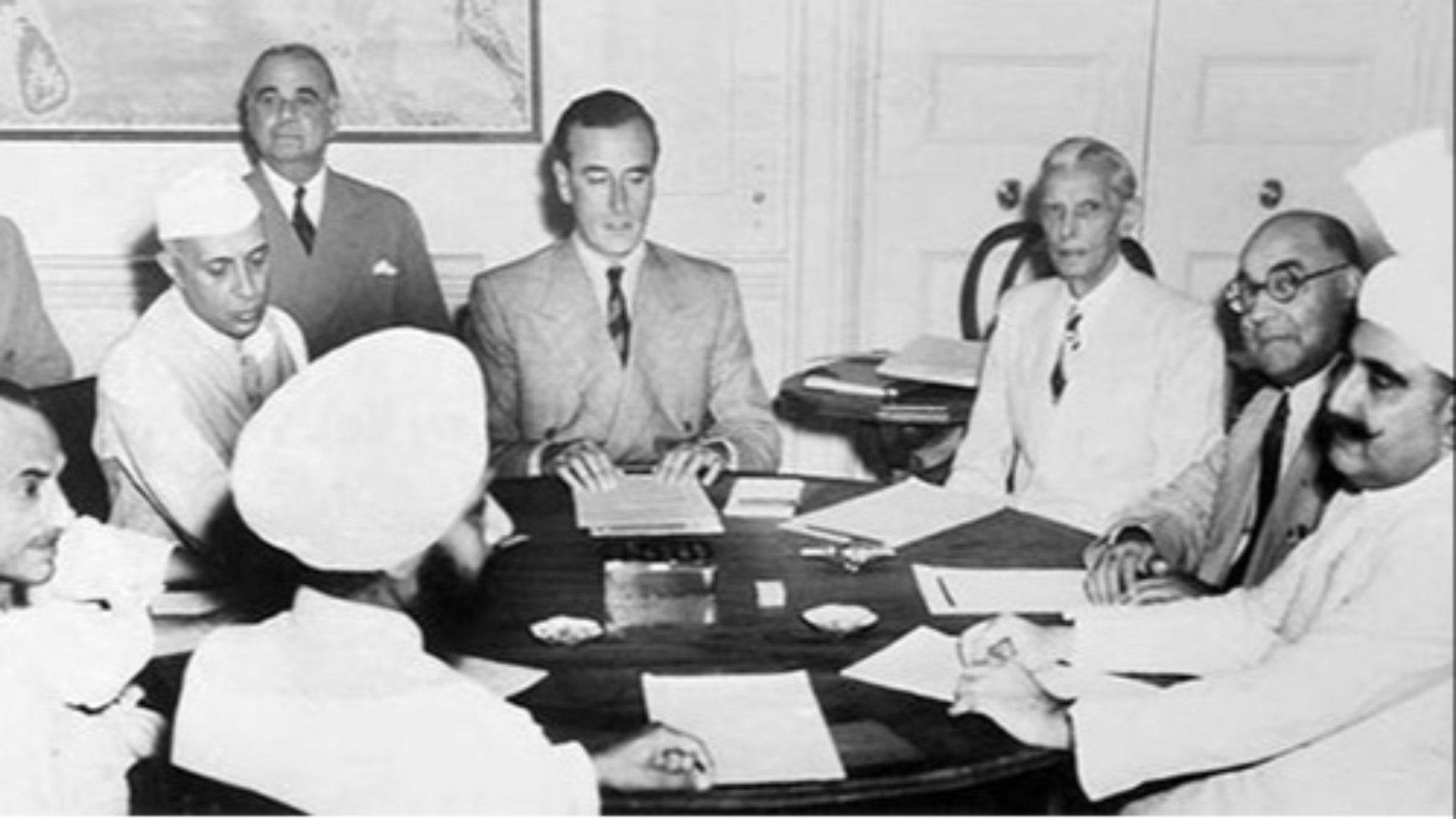
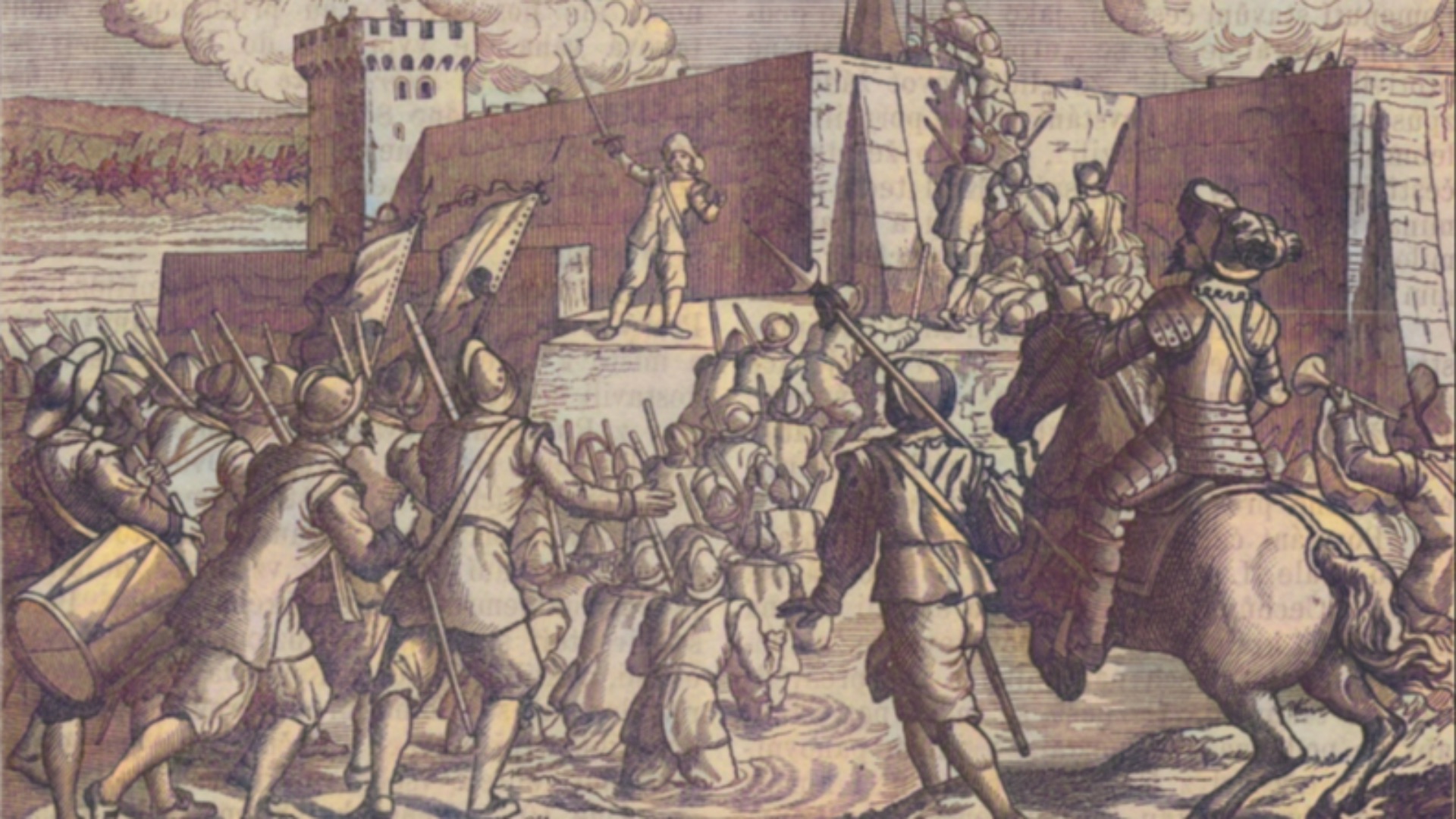
11. The Thirty Years’ War
The Thirty Years’ War lasted from 1618 to 1648 and involved religious, dynastic, territorial, and commercial rivalries across much of Europe. It began within the Holy Roman Empire but expanded into a broader struggle that permanently changed the European political map. For ordinary people in Central Europe, the repeated campaigns, shortages, and instability made it one of the most destructive conflicts of the early modern period.
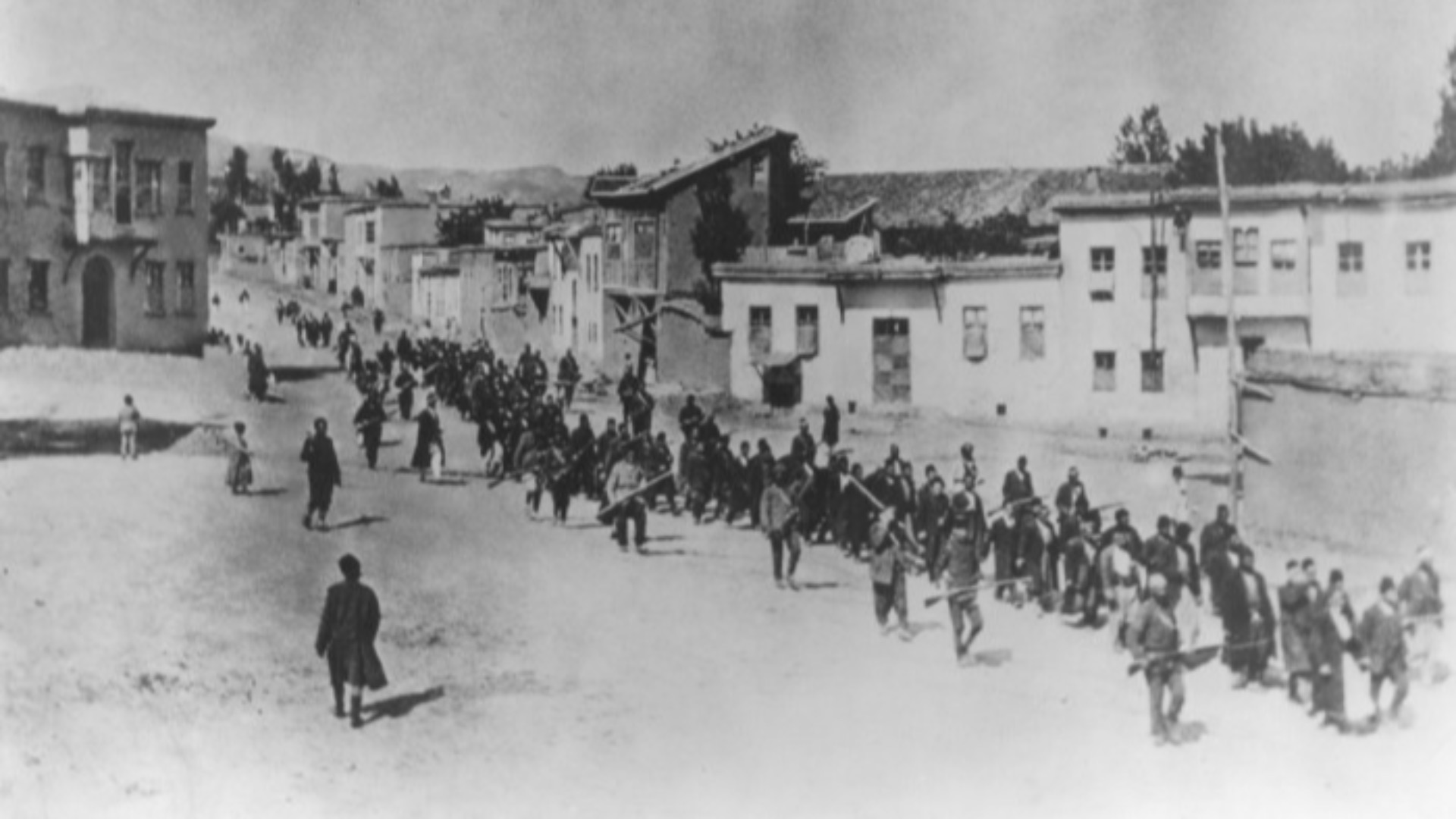
12. The Armenian Genocide
The Armenian Genocide of 1915–16 took place during World War I under the Young Turk government of the Ottoman Empire. The United States Holocaust Memorial Museum estimates that at least 664,000 and possibly as many as 1.2 million Armenians died. It remains one of the defining tragedies of the early 20th century and continues to shape historical memory and international debate.
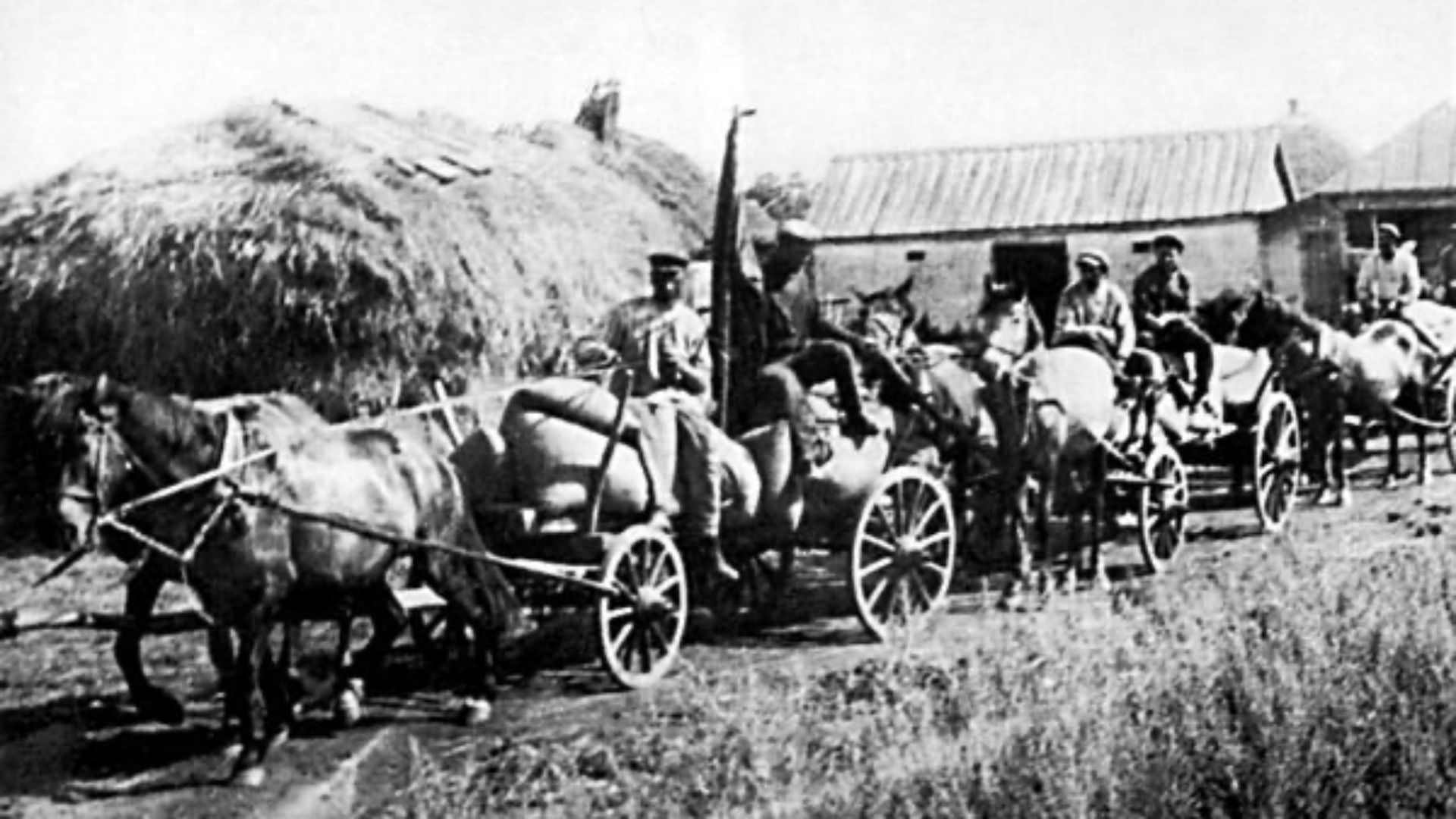
13. The Holodomor
The Holodomor was a man-made famine that struck Soviet Ukraine in 1932–33, peaking in the spring of 1933. It's often described as part of a broader Soviet famine, but notes that Ukraine’s famine was intensified by political decrees and decisions aimed largely at the republic. Its place in history is especially severe because it shows how state policy can turn food access into a matter of survival.
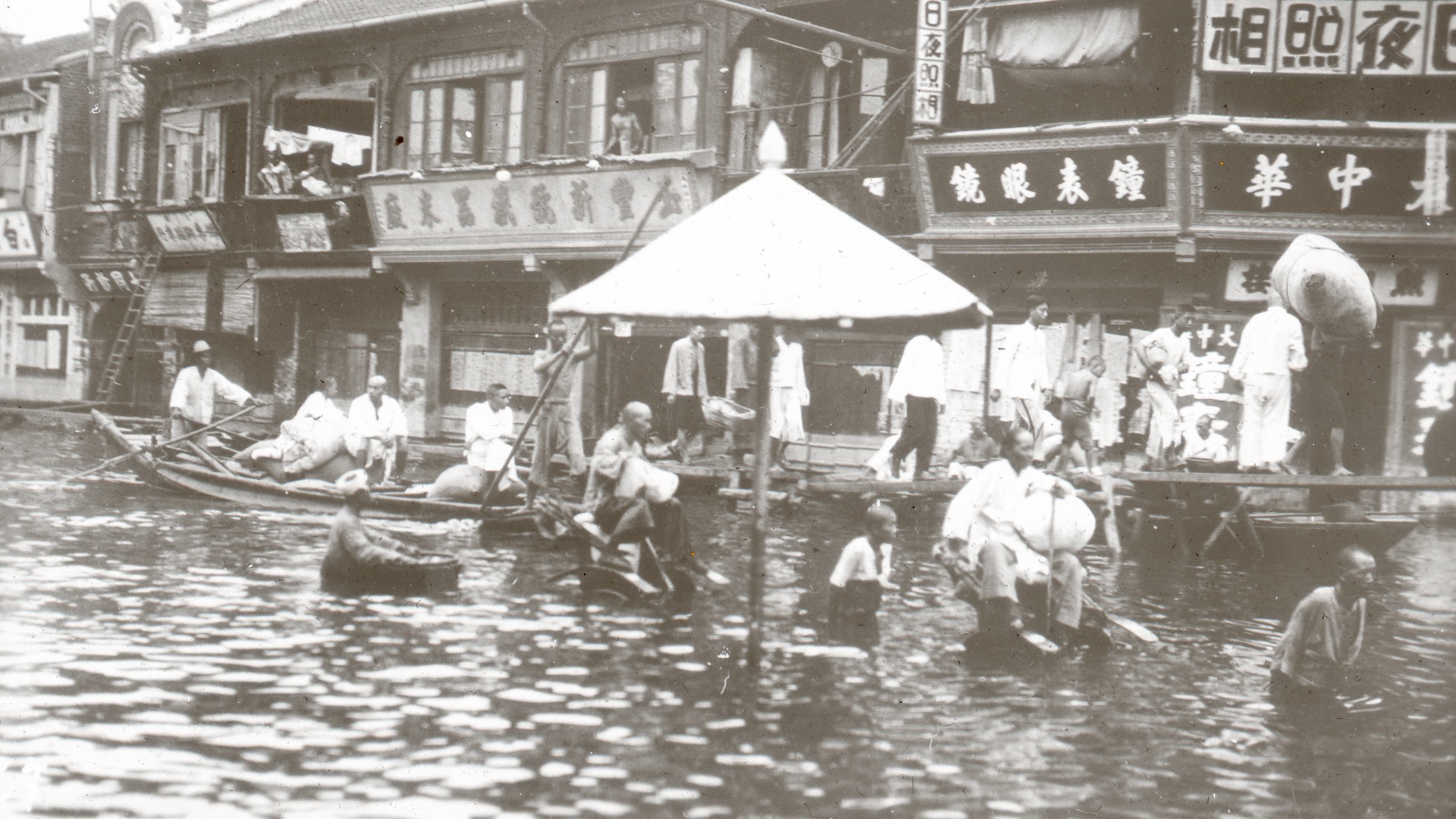
14. The 1931 China Floods
The 1931 floods along the Yangtze and other river systems in China affected vast areas of central and eastern China. Fatality estimates vary widely, but historians and disaster researchers agree that the event was among the deadliest natural disasters ever recorded. The flooding itself was devastating, and the aftermath brought hunger, disease, displacement, and long-term hardship for millions.
15. The Nanjing Massacre
The Nanjing Massacre occurred after Japanese forces captured Nanjing, China, in December 1937 during the Second Sino-Japanese War, with casualty estimates ranging from 100,000 to more than 300,000. It remains one of the most painful episodes of the war in Asia and continues to carry major historical and diplomatic significance.
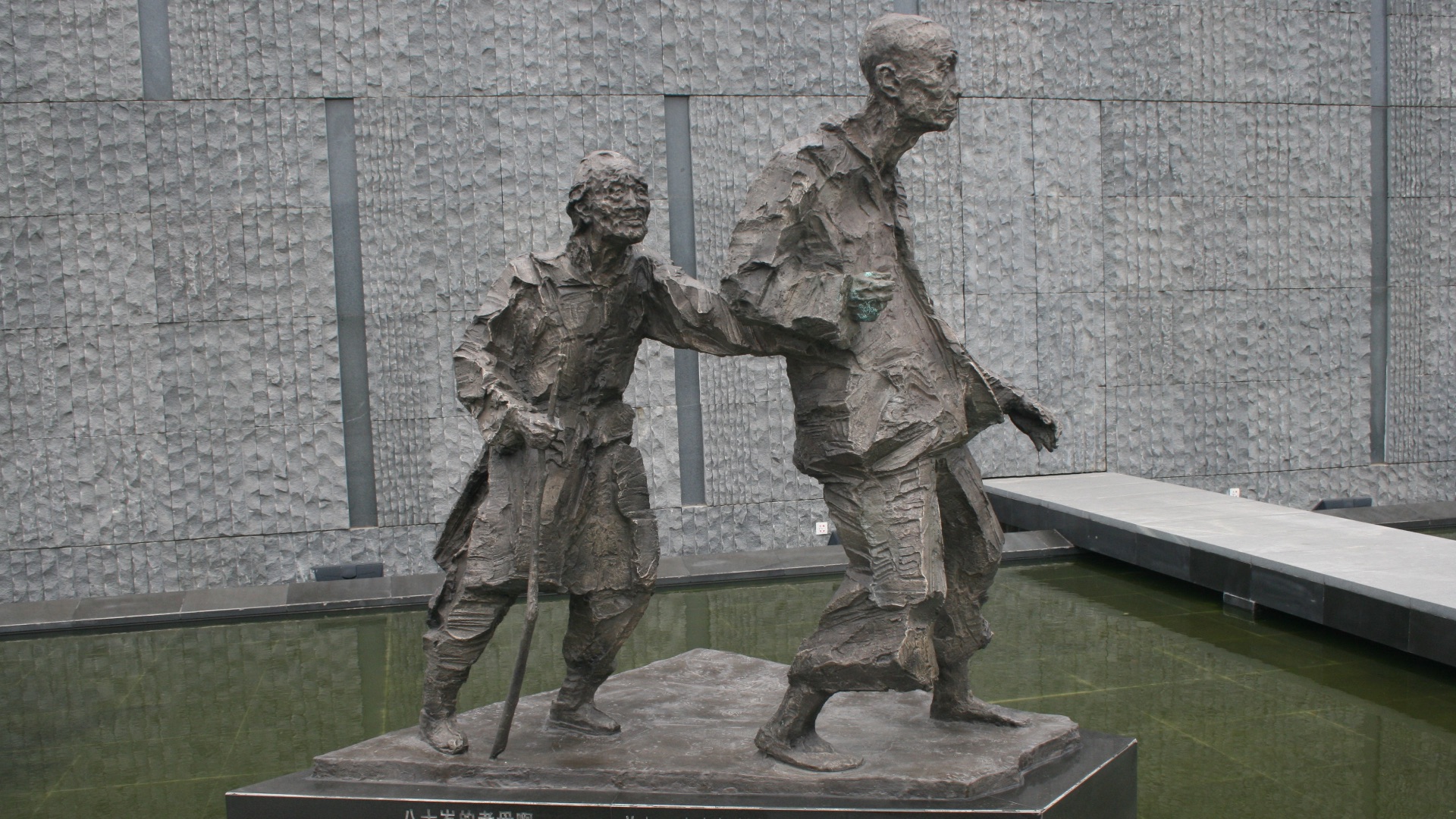 Gary Todd from Xinzheng, China on Wikimedia
16. The Great Famine in Ireland
The Great Famine took place in Ireland from 1845 to 1849 after repeated potato crop failures caused by late blight. About one million people died from starvation or famine-related disease, and many more emigrated. The disaster permanently changed Ireland’s population, politics, and relationship with Britain.
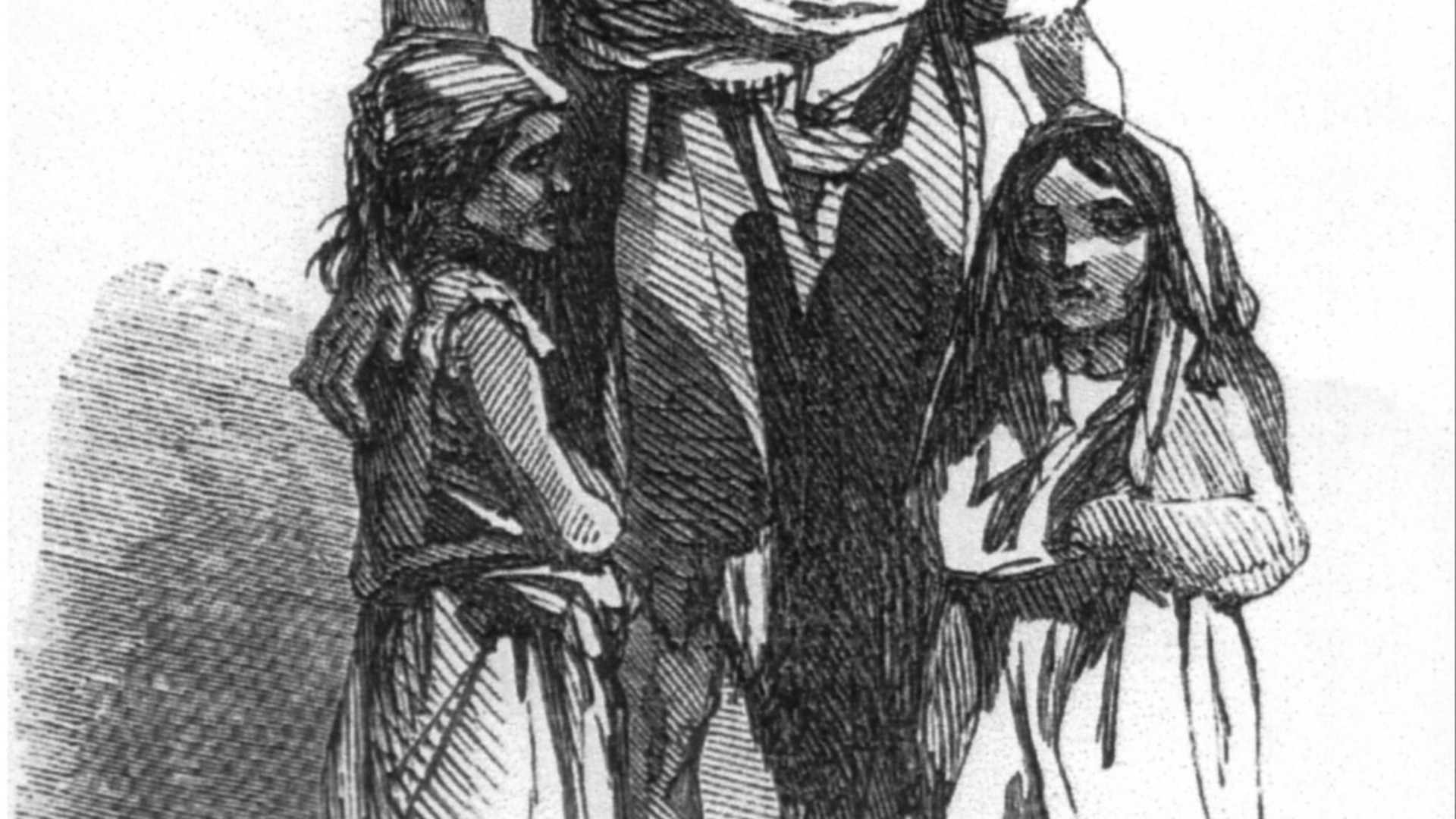 Illustrated London News, December 22, 1849 on Wikimedia
17. The Eruption of Mount Tambora
Mount Tambora erupted in April 1815, and it's often cited as the largest volcanic eruption in recorded history. The eruption sent ash and aerosols into the atmosphere, lowered global temperatures, and helped cause the “Year Without a Summer” in 1816. Crop failures and food shortages followed in parts of Europe, North America, and Asia, showing how one eruption could disrupt life across continents.
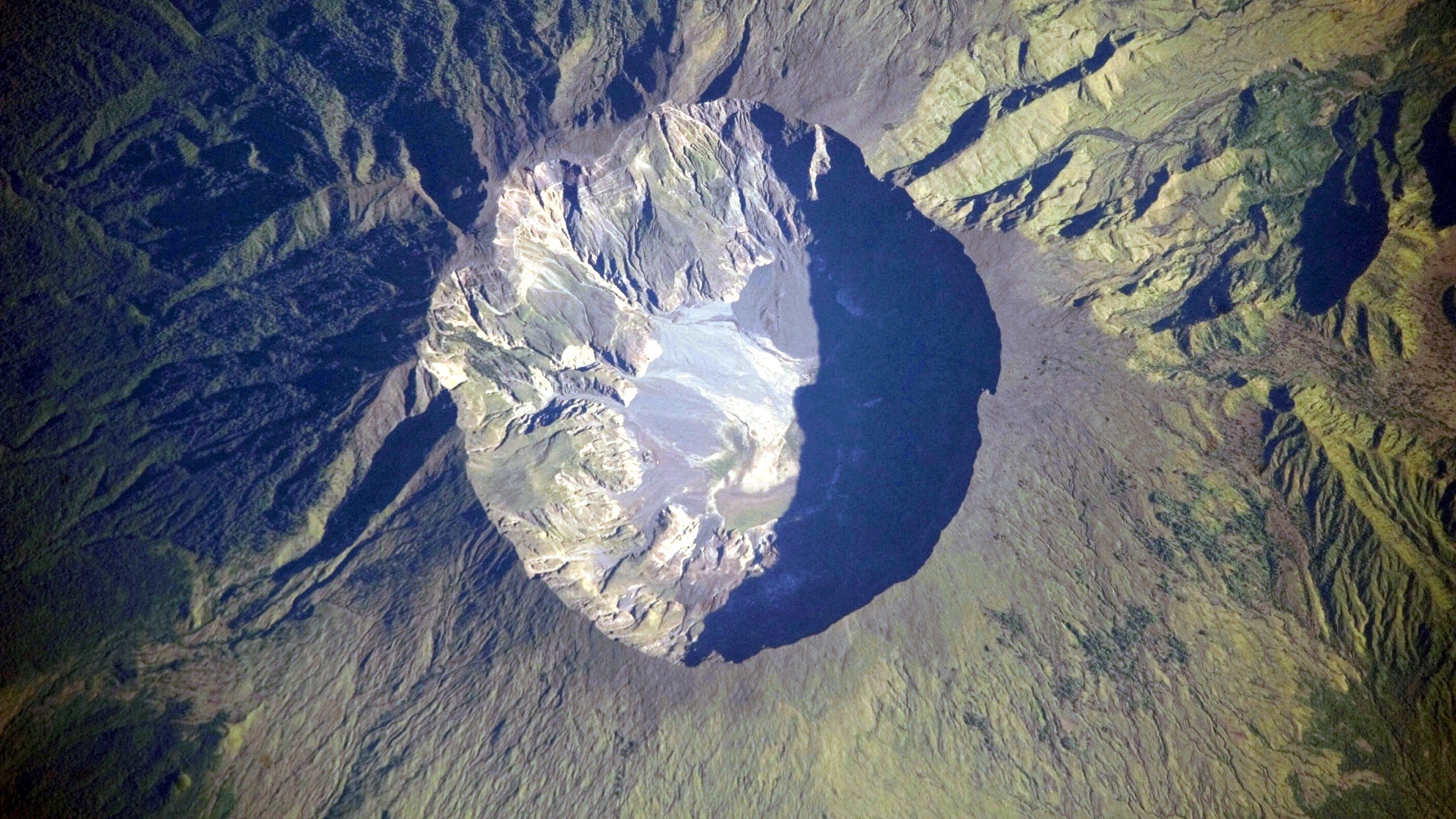 This image was taken by the NASA Expedition 20 crew. on Wikimedia
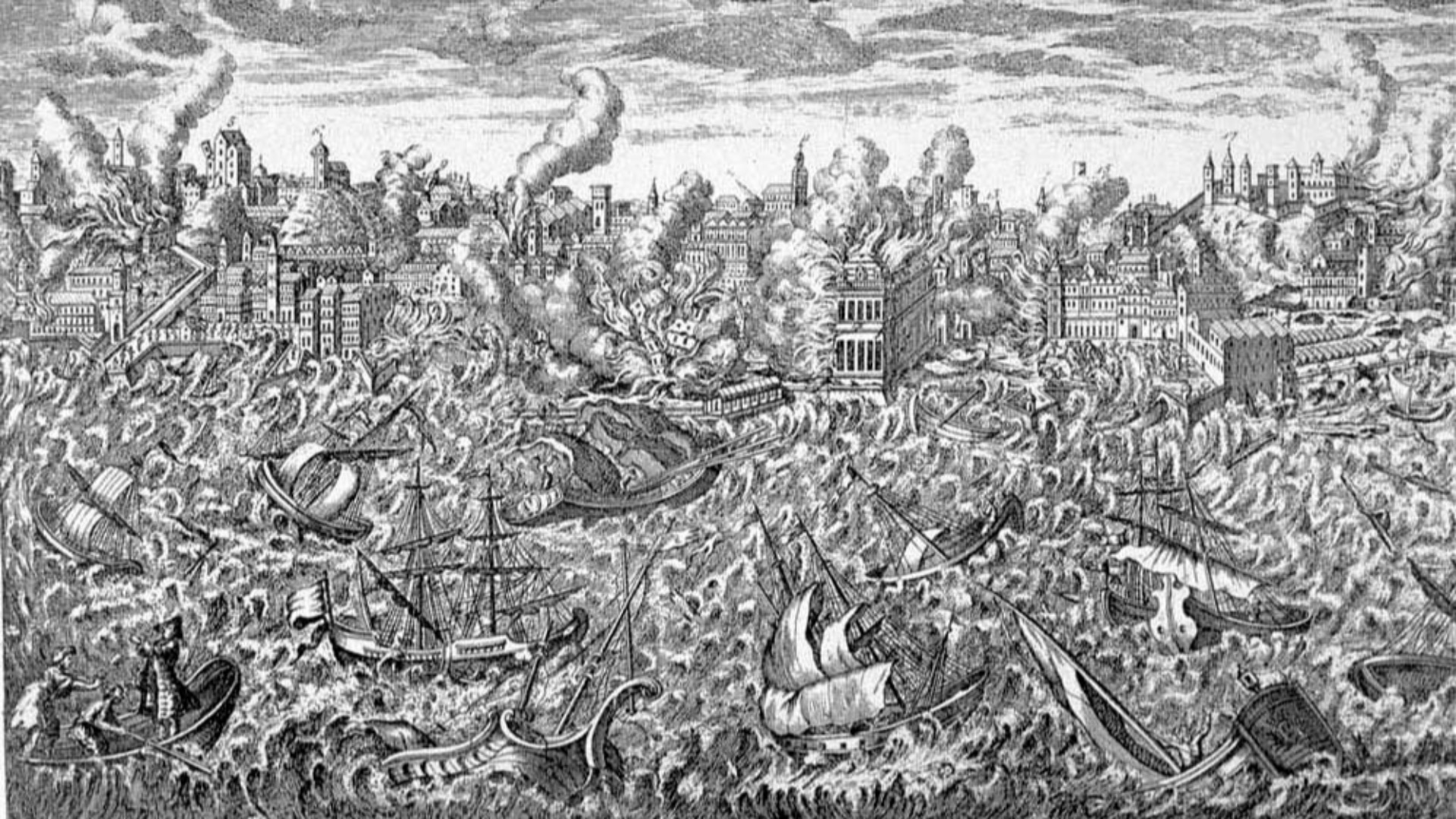
18. The Lisbon Earthquake of 1755
On November 1, 1755, a powerful earthquake struck Lisbon, Portugal, causing massive destruction across the city. It's estimated that about 60,000 people died in Lisbon alone, and the disaster was followed by additional destruction from fire and flooding. It also influenced European thought, pushing philosophers, scientists, and governments to rethink disaster response and urban planning.
19. The Eruption of Mount Vesuvius
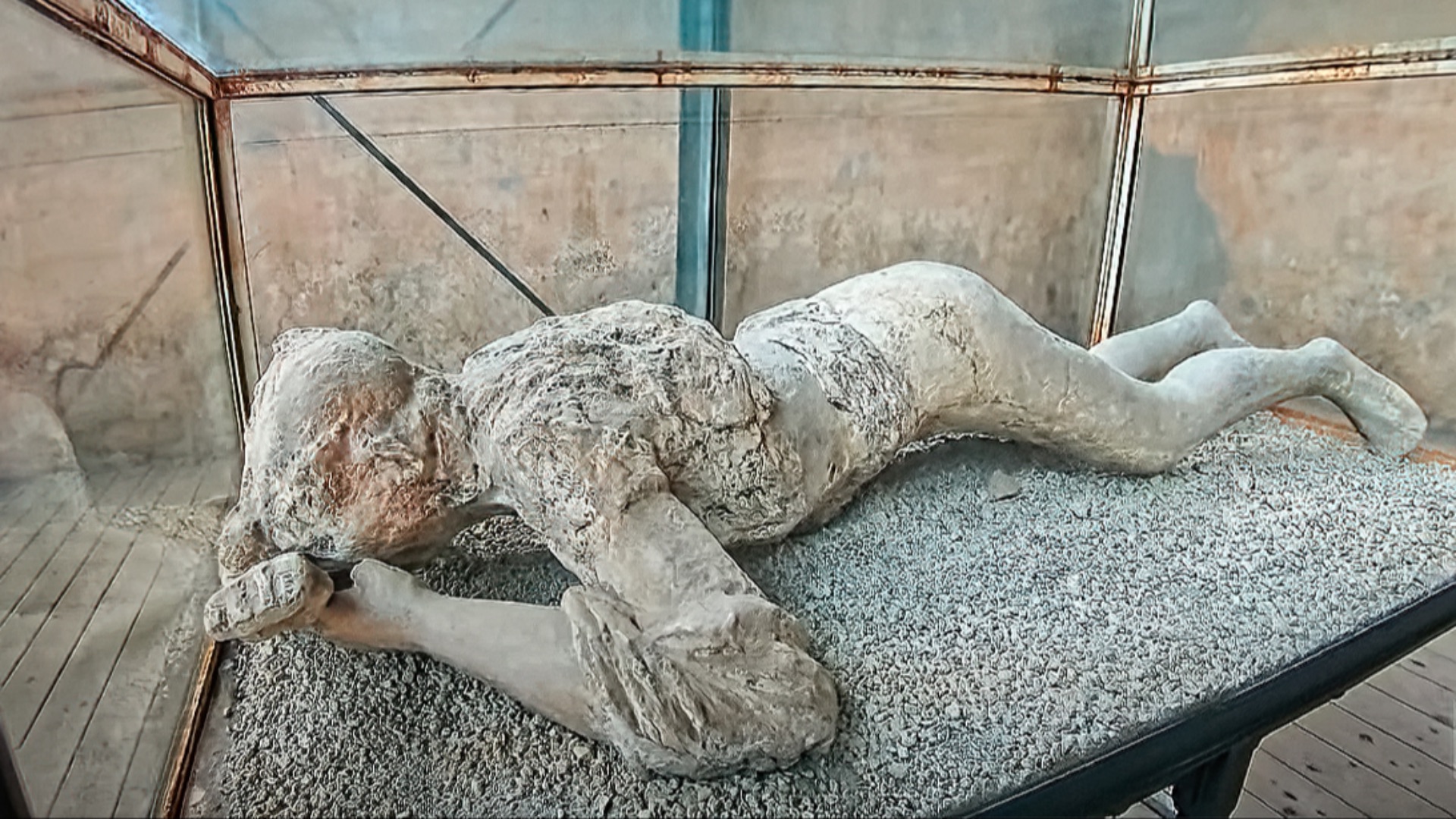
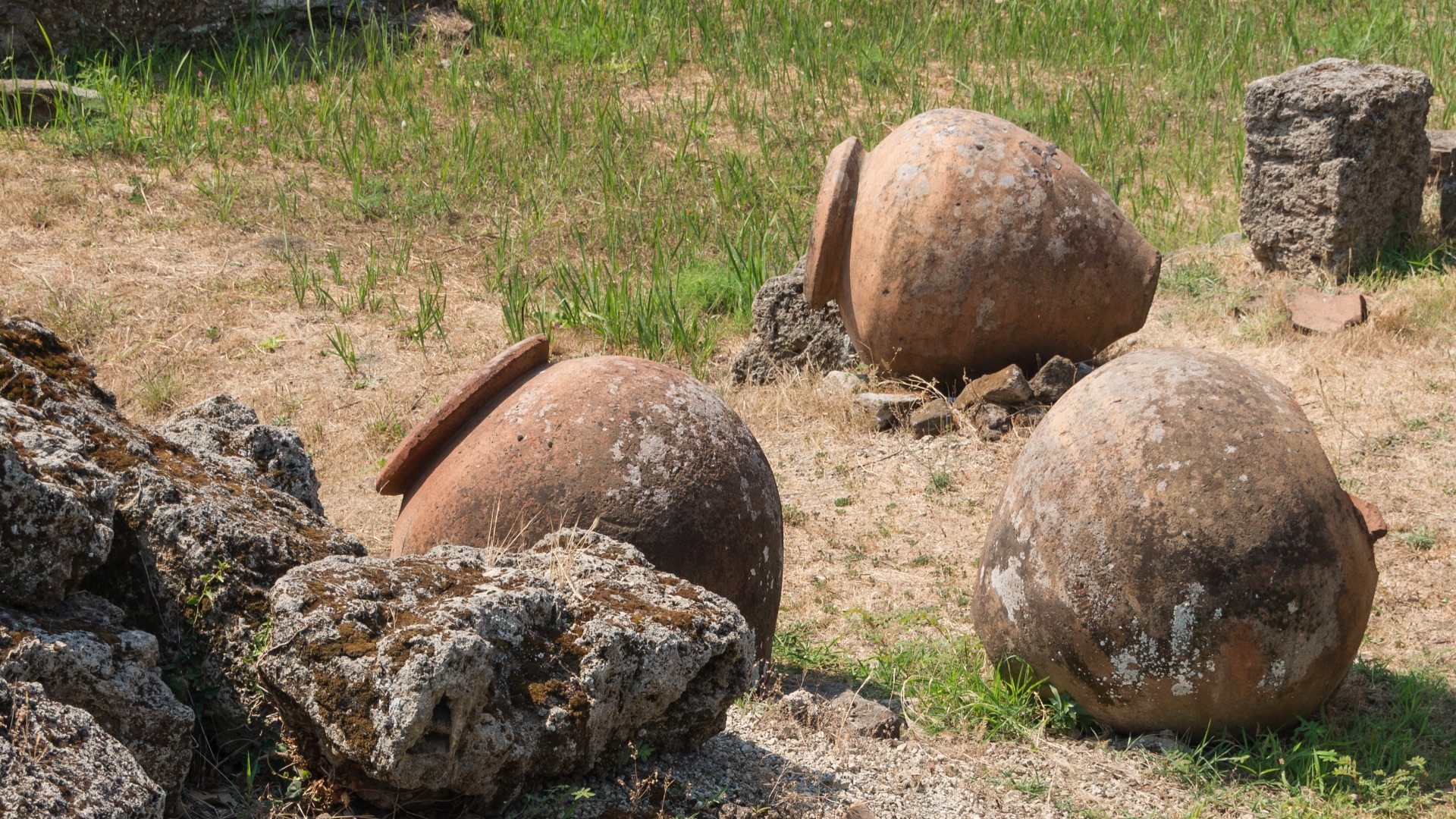
In 79 CE, Mount Vesuvius erupted and destroyed Pompeii, Herculaneum, Stabiae, and nearby communities. The event preserved parts of Roman daily life in extraordinary detail, but that preservation came from a sudden disaster that overwhelmed the region. For modern readers, Pompeii can feel familiar because its streets, homes, and public spaces show how abruptly normal life ended.
20. The Fall of Constantinople
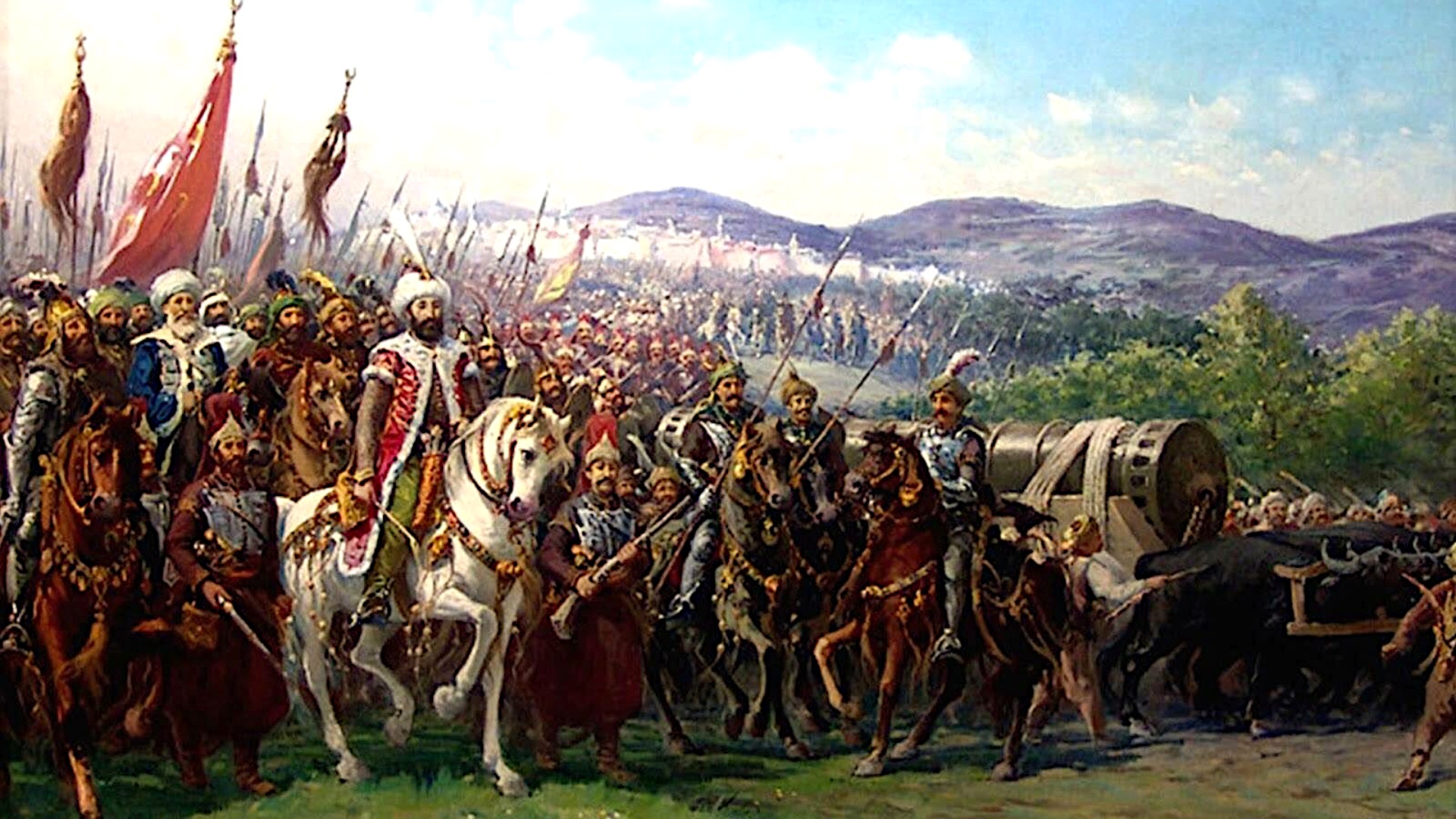
The Fall of Constantinople took place on May 29, 1453, after the Ottoman Empire besieged the city for 55 days. Its capture ended the Byzantine Empire and opened the way for further Ottoman expansion into southeastern Europe. While it wasn’t the deadliest event on this list, its political and cultural consequences were enormous, and it marked the end of one of history’s longest-lasting imperial traditions.
KEEP ON READING
The 20 Most Recognized Historical Figures Of All Time
The Biggest Names In History. Although the Earth has been…
By Cathy Liu Oct 4, 2024
10 of the Shortest Wars in History & 10 of…
Wars: Longest and Shortest. Throughout history, wars have varied dramatically…
By Emilie Richardson-Dupuis Oct 7, 2024
10 Fascinating Facts About Ancient Greece You Can Appreciate &…
Once Upon A Time Lived Some Ancient Weirdos.... Greece is…
By Megan Wickens Oct 7, 2024
20 Lesser-Known Facts About Christopher Columbus You Don't Learn In…
In 1492, He Sailed The Ocean Blue. Christopher Columbus is…
By Emilie Richardson-Dupuis Oct 9, 2024
20 Historical Landmarks That Have The Craziest Conspiracy Theories
Unsolved Mysteries Of Ancient Places . When there's not enough evidence…
By Megan Wickens Oct 9, 2024
The 20 Craziest Inventions & Discoveries Made During Ancient Times
Crazy Ancient Inventions . While we're busy making big advancements in…
By Cathy Liu Oct 9, 2024