When Old Records Rewrite Familiar Stories
Libraries and archives don’t simply preserve what people already know because forgotten documents can challenge assumptions, restore missing voices, and reveal how earlier societies actually worked. From ancient tablets to government files opened within living memory, these collections have repeatedly forced historians to revise stories that once seemed complete. Here are 20 times a library or archive changed the way we see the past.

1. The Library Of Ashurbanipal Revealed Mesopotamian Literature
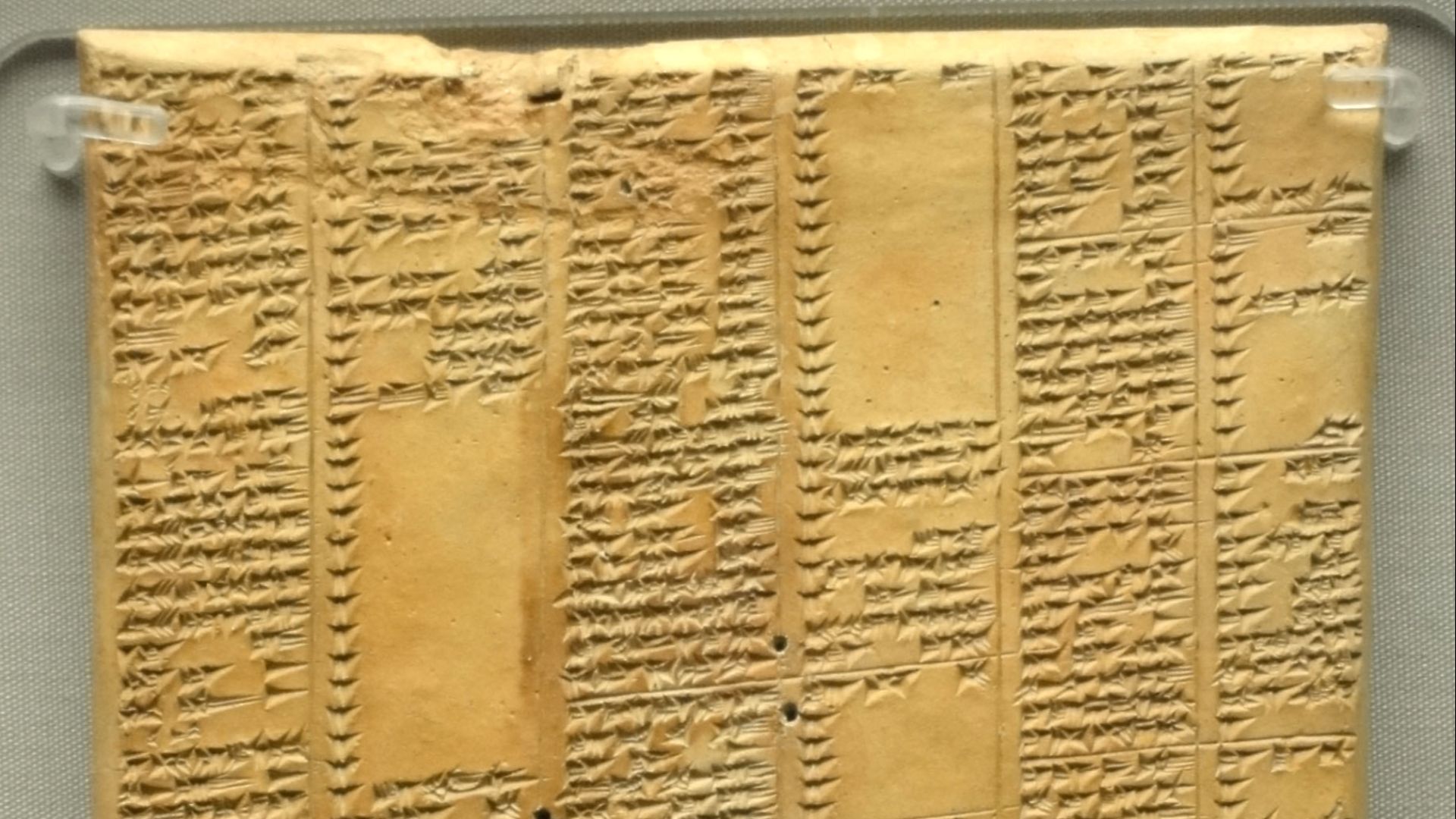
When archaeologists uncovered thousands of clay tablets at Nineveh in the nineteenth century, they gained access to a major royal library assembled by the Assyrian king Ashurbanipal. The collection preserved administrative records, scholarly texts, religious writings, and portions of the Epic of Gilgamesh.
2. The Dead Sea Scrolls Transformed Biblical Scholarship
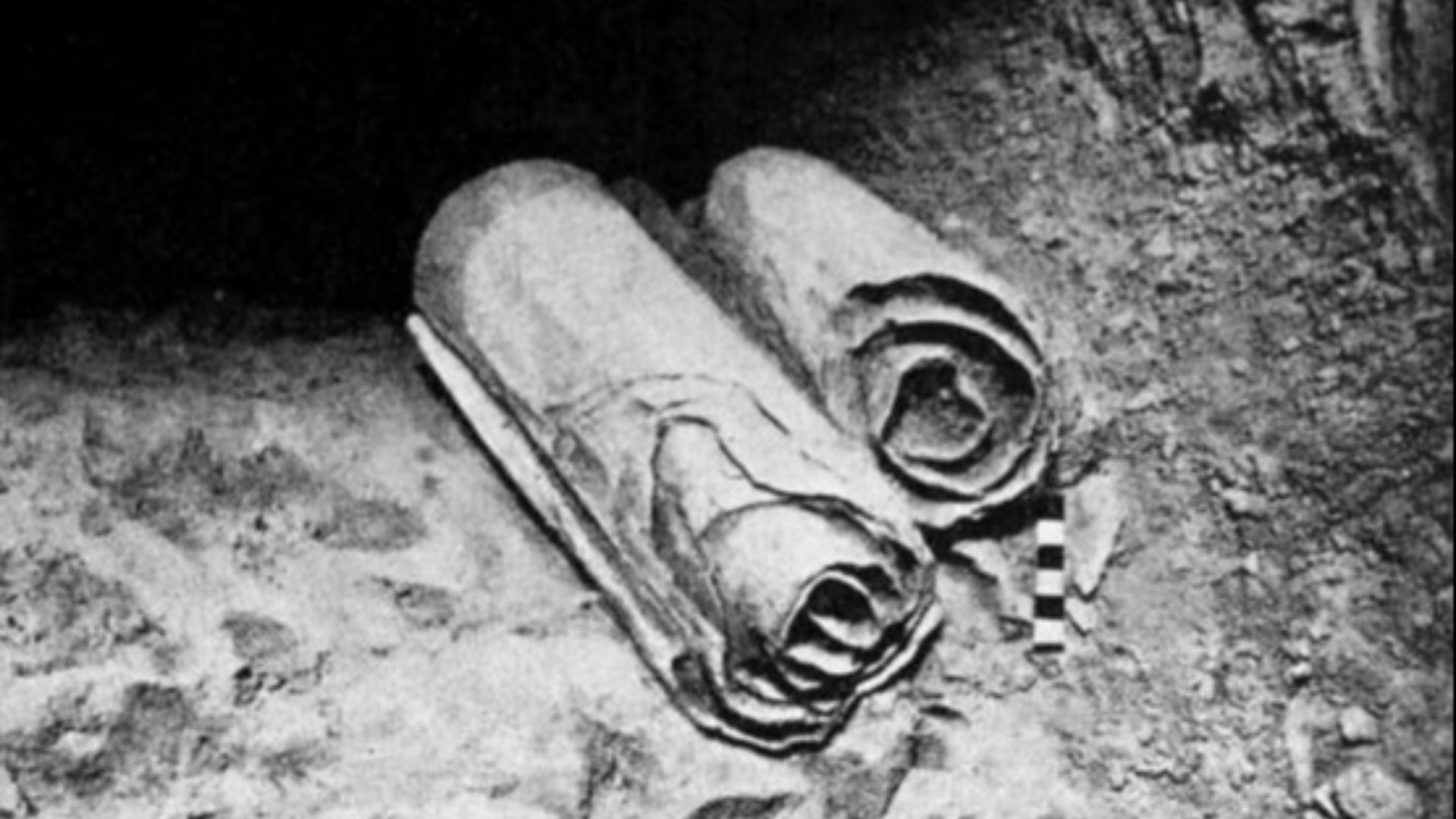
The scrolls discovered near the Dead Sea beginning in 1947 included biblical manuscripts, religious rules, commentaries, and community documents dating back roughly two thousand years. Comparing these texts with later copies helped scholars examine how biblical writings were transmitted over time.
 Abraham Meir Habermann, 1901–1980 on Wikimedia
3. The Nag Hammadi Library Expanded Early Christian History
A collection of ancient religious texts was discovered near Nag Hammadi, Egypt, in 1945, including works associated with several early Christian movements. Scholars gained valuable evidence about groups whose beliefs had largely survived only through criticism written by their opponents.
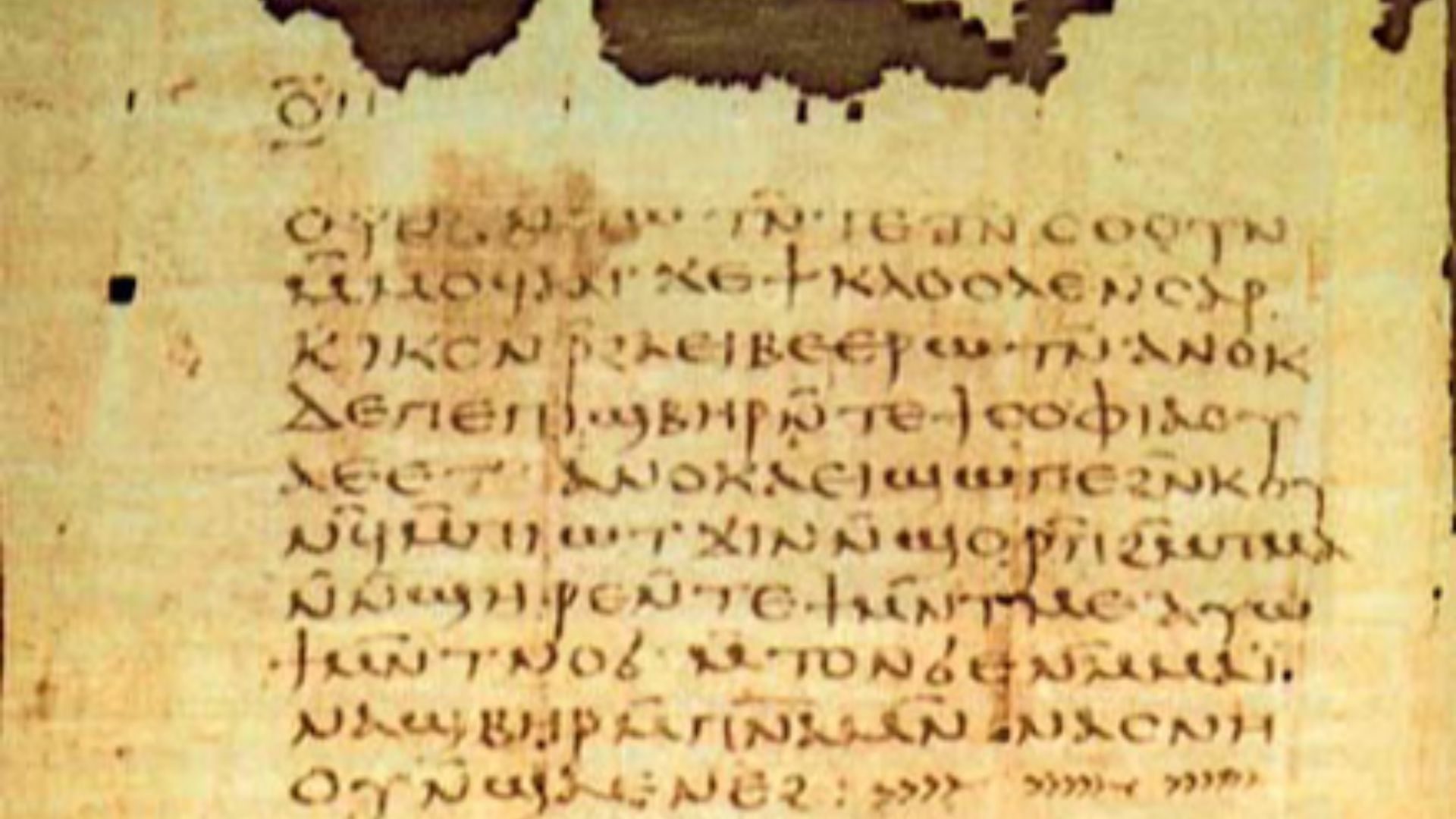
4. The Cairo Geniza Preserved Everyday Medieval Life
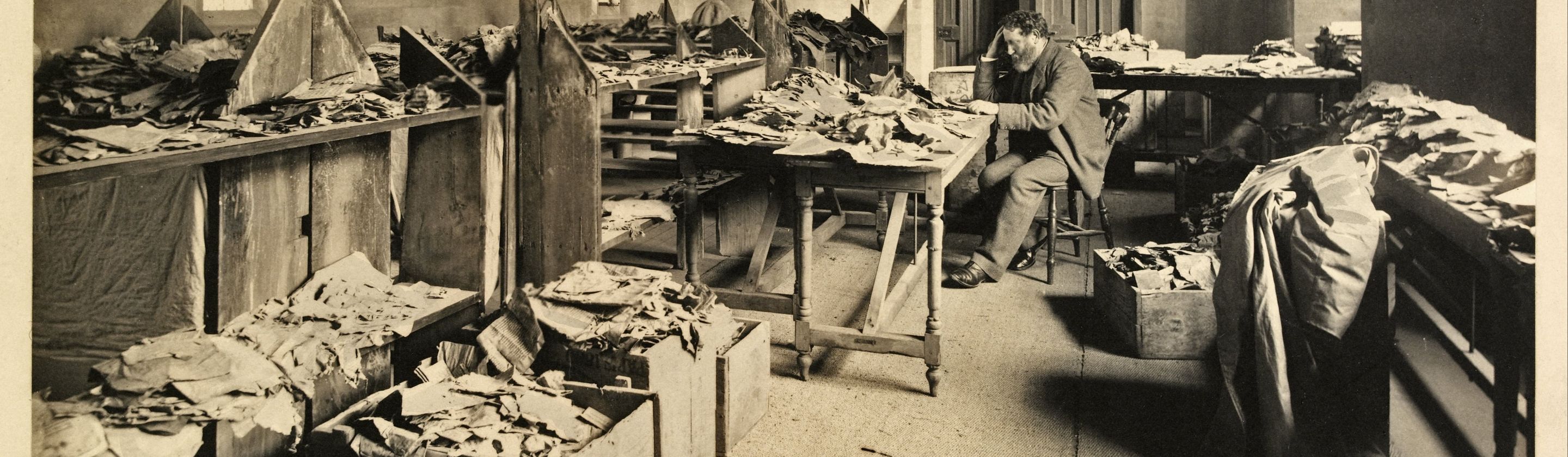
For centuries, a storeroom in Cairo’s Ben Ezra Synagogue held worn documents that included letters, contracts, accounts, poems, and religious texts. Because materials containing the name of God weren’t casually discarded, even ordinary papers remained preserved alongside sacred writings.
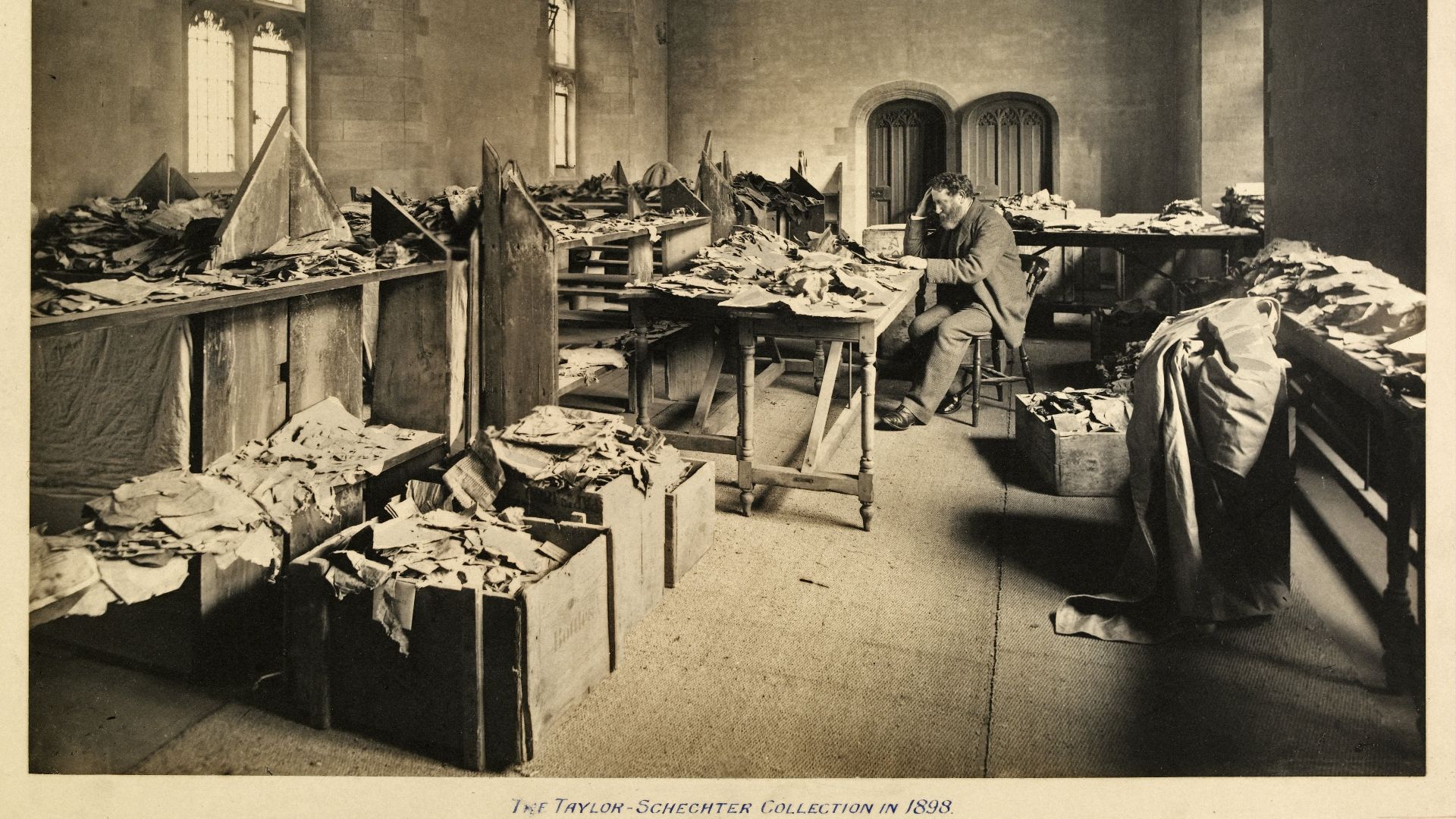
5. The Dunhuang Manuscripts Connected Cultures Across Asia
Thousands of manuscripts were found in a sealed cave near Dunhuang, a major stop along routes commonly associated with the Silk Road. Written in several languages, the collection includes Buddhist texts, government documents, literature, calendars, and personal records.
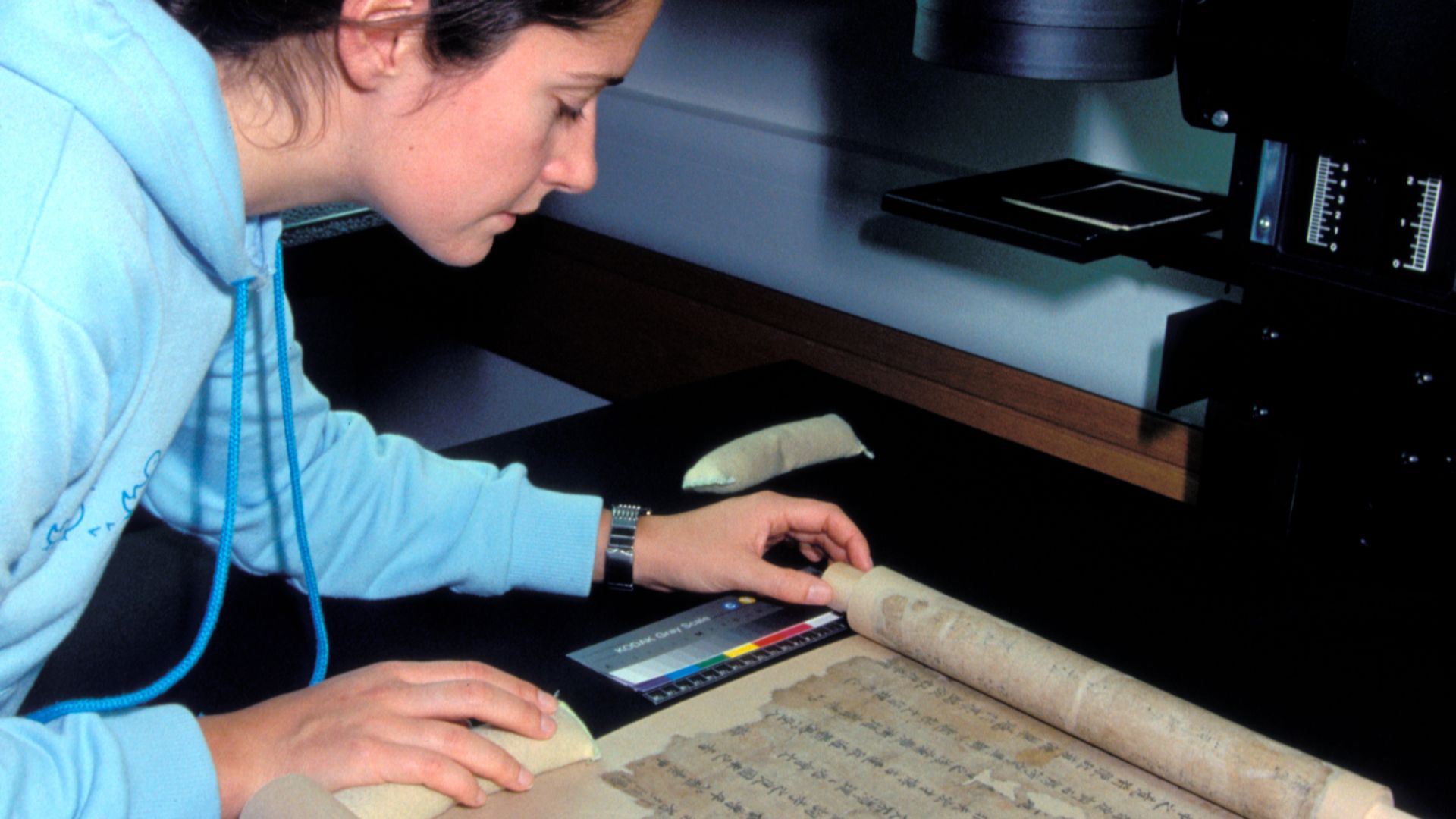 International Dunhuang Project on Wikimedia
6. The Herculaneum Papyri Preserved A Roman Library
The eruption of Mount Vesuvius in AD 79 carbonized hundreds of papyrus scrolls inside a villa at Herculaneum instead of destroying them completely. Many of the surviving texts concern Greek philosophy, particularly the work of the Epicurean thinker Philodemus.
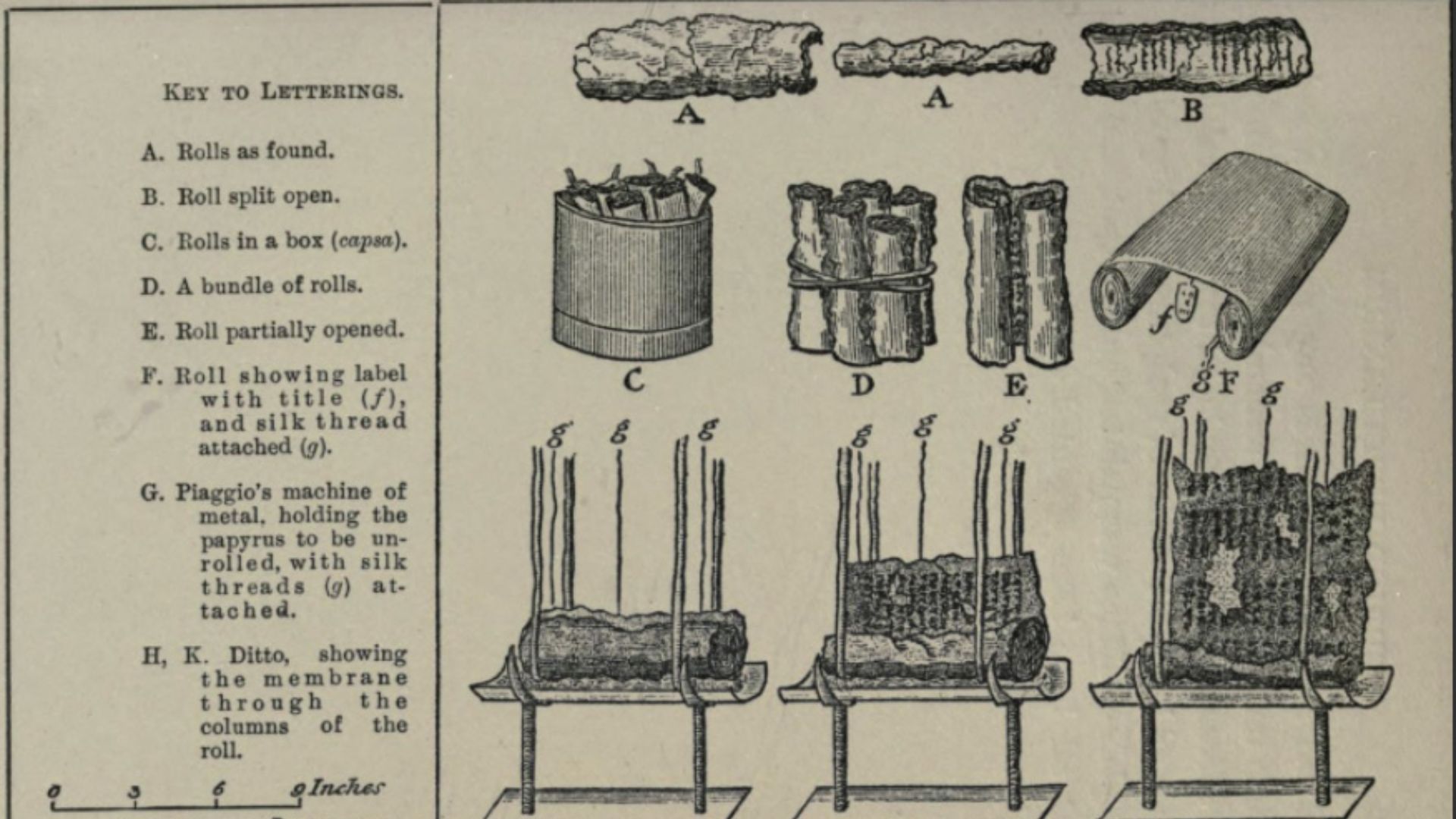 Ethel Ross Barker on Wikimedia
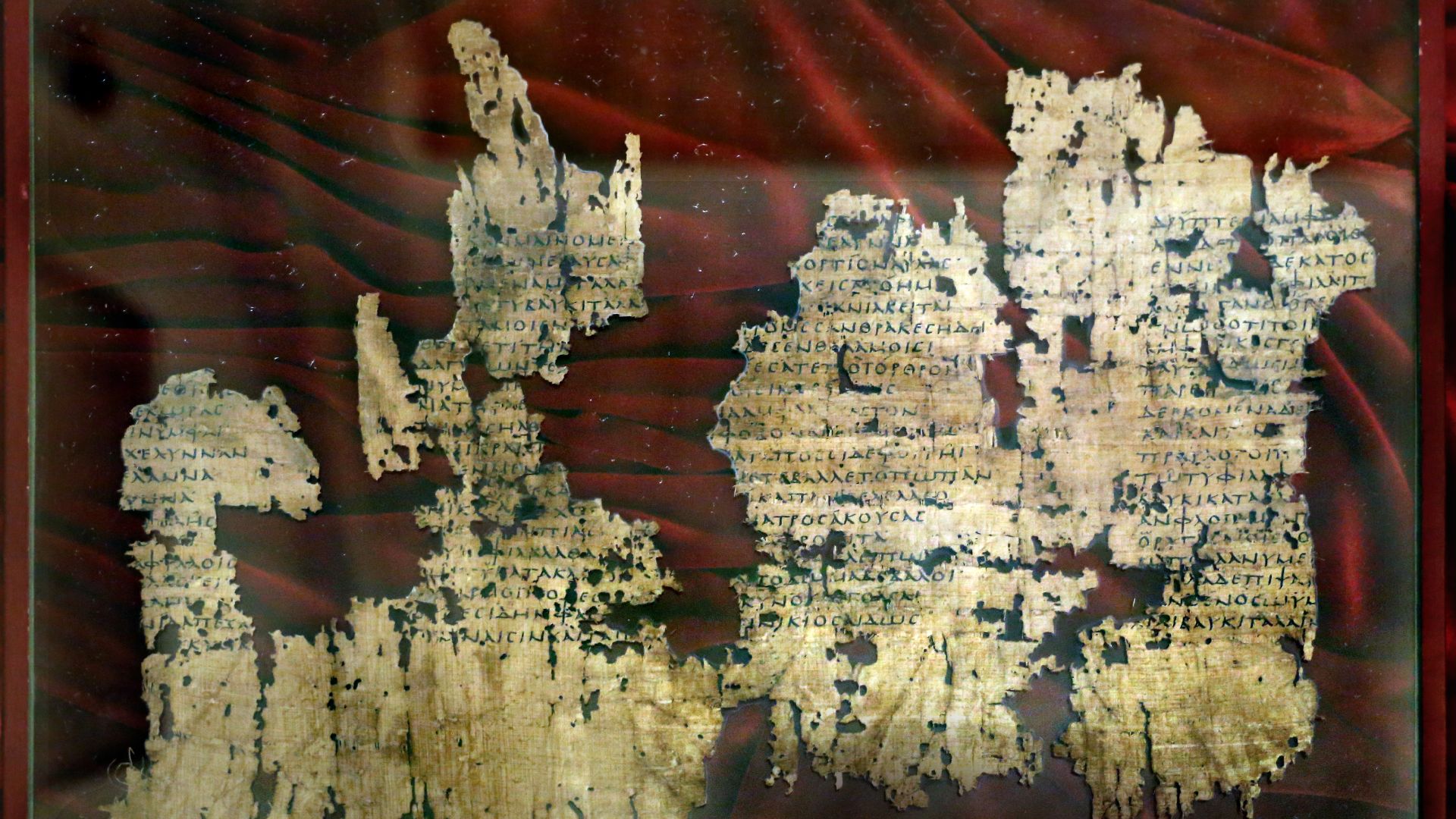
7. The Oxyrhynchus Papyri Revealed Ordinary Roman Egypt
Excavations at Oxyrhynchus in Egypt uncovered an enormous quantity of discarded papyrus documents, ranging from literary fragments to tax records and private letters. It also preserved portions of classical works that had disappeared from the known literary record.
8. The Timbuktu Manuscripts Challenged Old Stereotypes
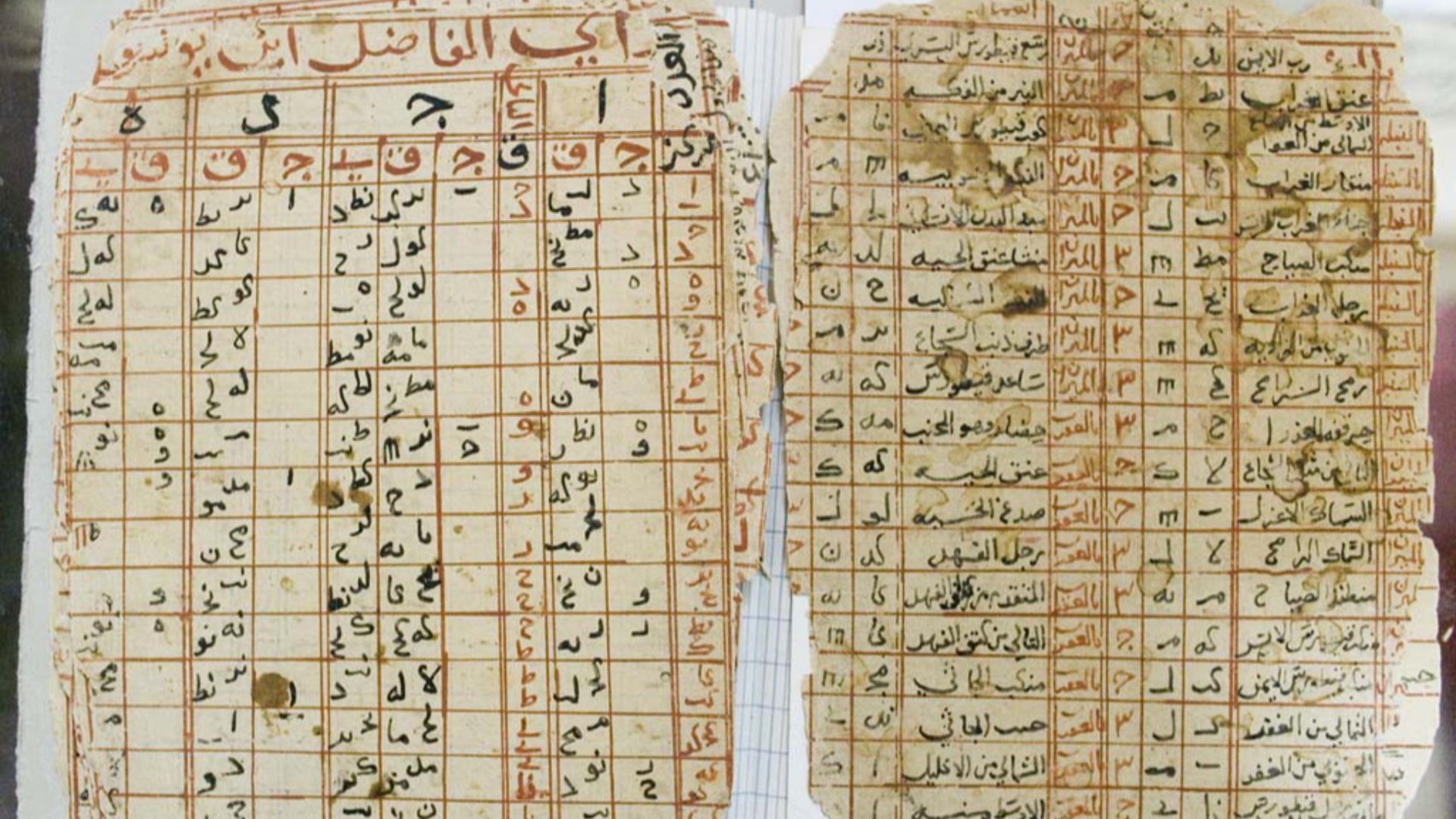
Manuscript collections in Timbuktu contain works on law, theology, astronomy, medicine, mathematics, poetry, and commerce. Their survival challenged outdated claims that precolonial West Africa lacked substantial traditions of written scholarship.
 Unknown authorUnknown author on Wikimedia
9. The Spanish Archive Of The Indies Documented An Empire
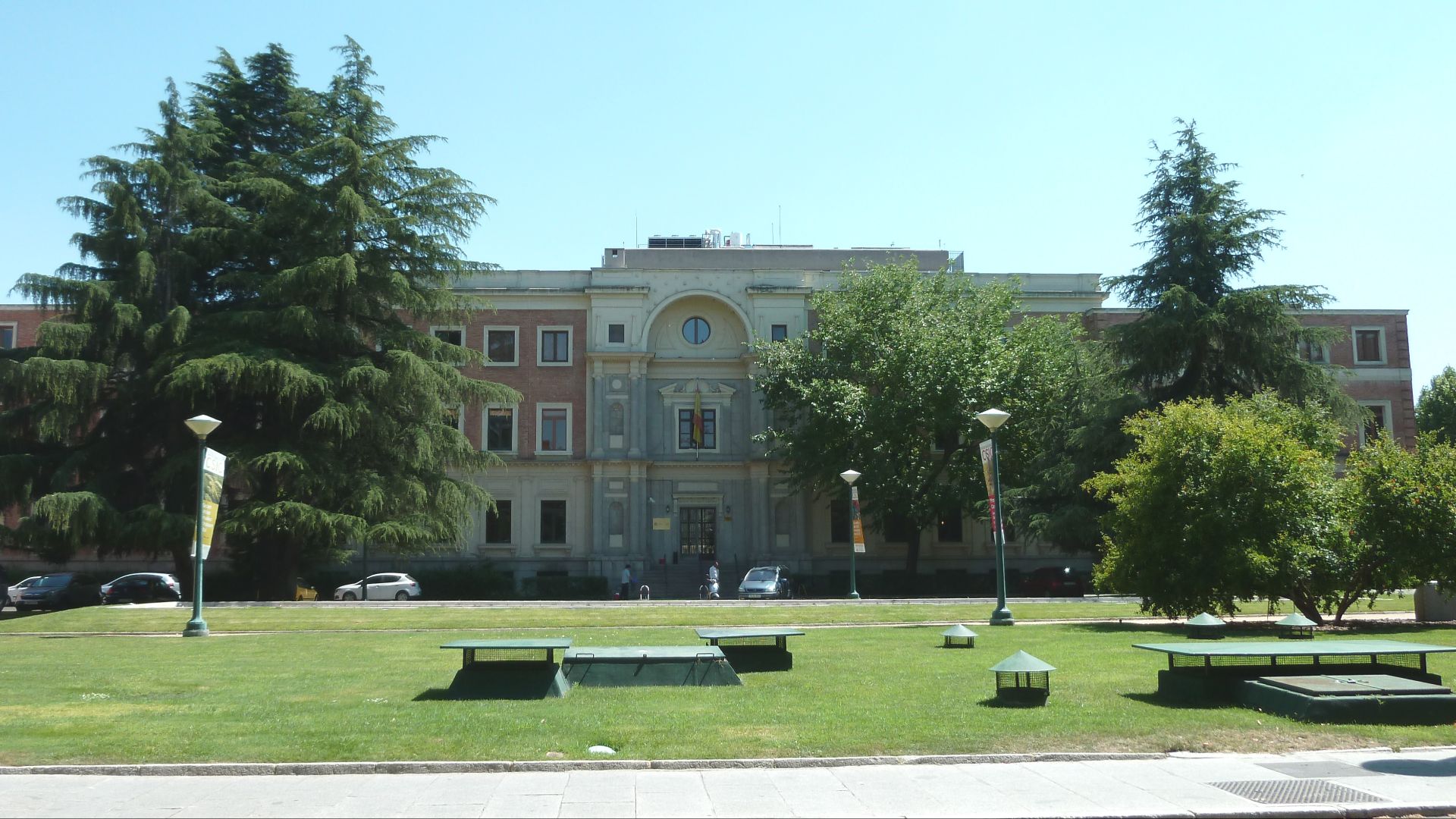
Spain established the General Archive of the Indies in Seville to bring together records concerning its overseas territories. Its maps, correspondence, legal documents, and administrative reports gave historians an extensive account of imperial decision-making in the Americas and Asia.
 Luis García (Zaqarbal) on Wikimedia
10. The Vatican Archives Opened New Areas Of Research
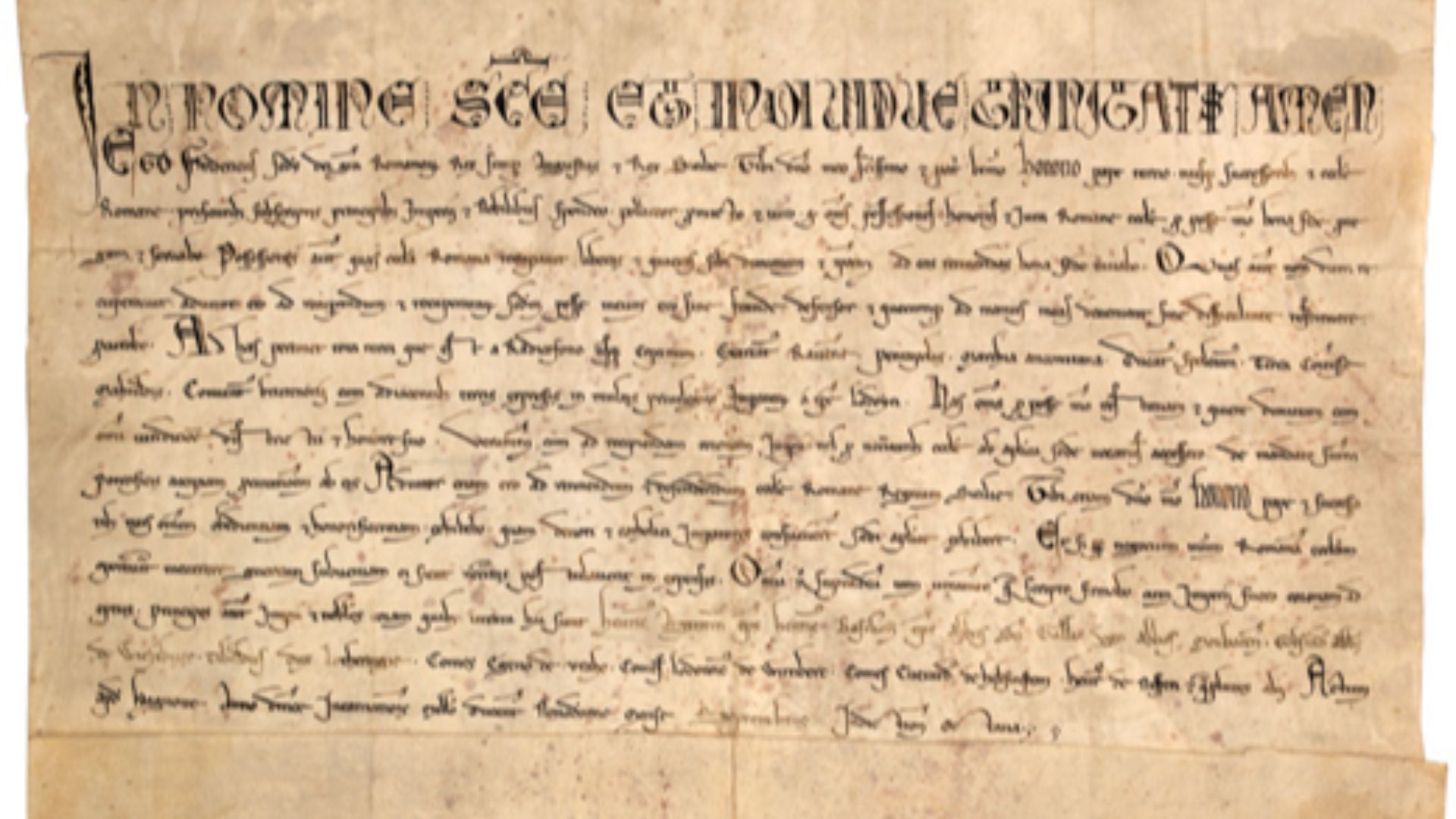
The Vatican Apostolic Archive preserves centuries of correspondence, diplomatic reports, legal proceedings, and administrative material connected to the papacy. The documents often complicated simplified accounts by showing private negotiations behind public decisions.
 Unknown authorUnknown author on Wikimedia
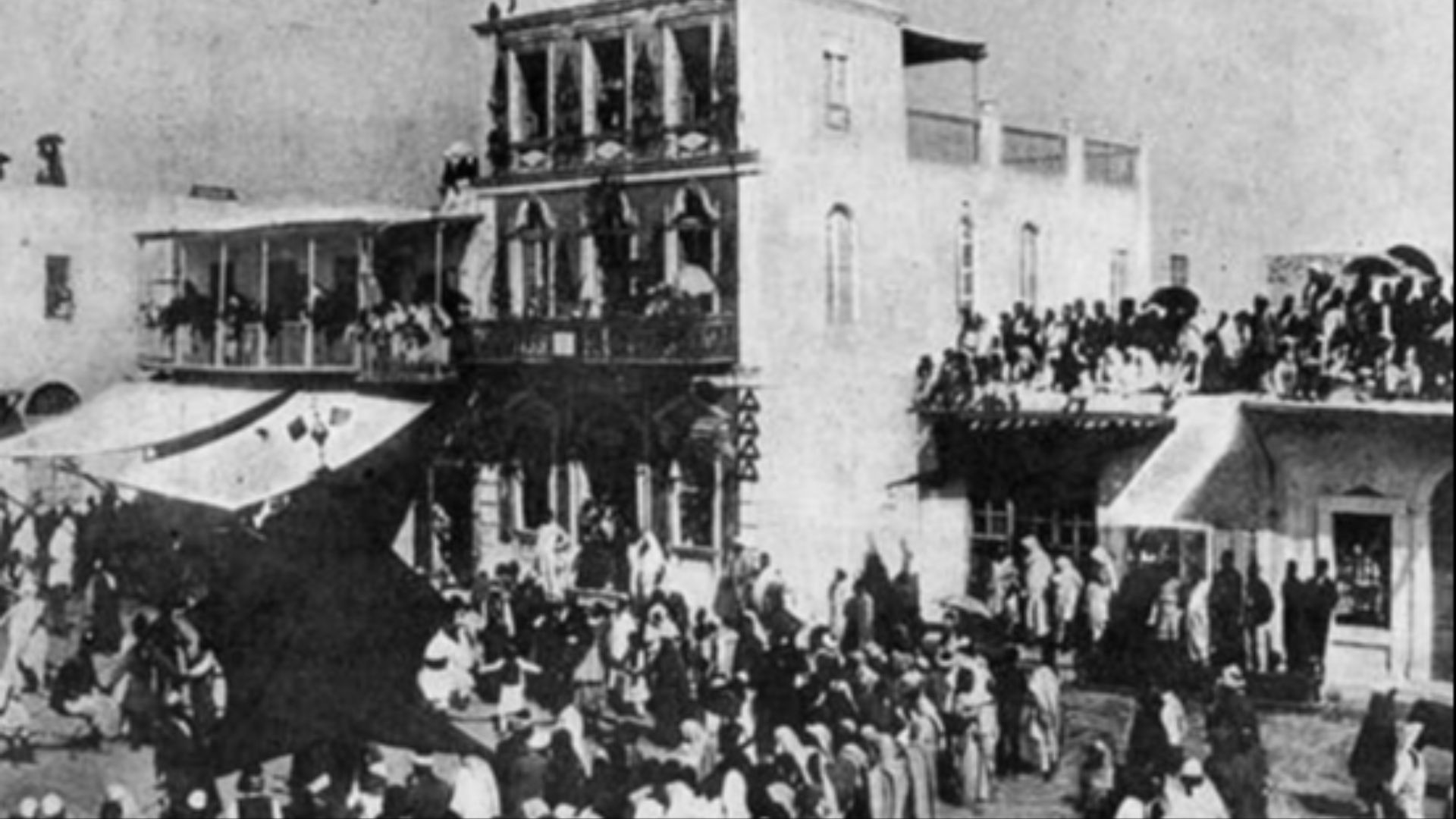
11. The Ottoman Archives Corrected An Empire’s Image
The Ottoman state produced an enormous documentary record covering taxation, court decisions, land ownership, diplomacy, military affairs, and provincial administration. The archive revealed a government that was diverse, heavily documented, and often more adaptable than older stereotypes suggested.
 Unknown authorUnknown author on Wikimedia
12. The Maya Codices Preserved Indigenous Knowledge
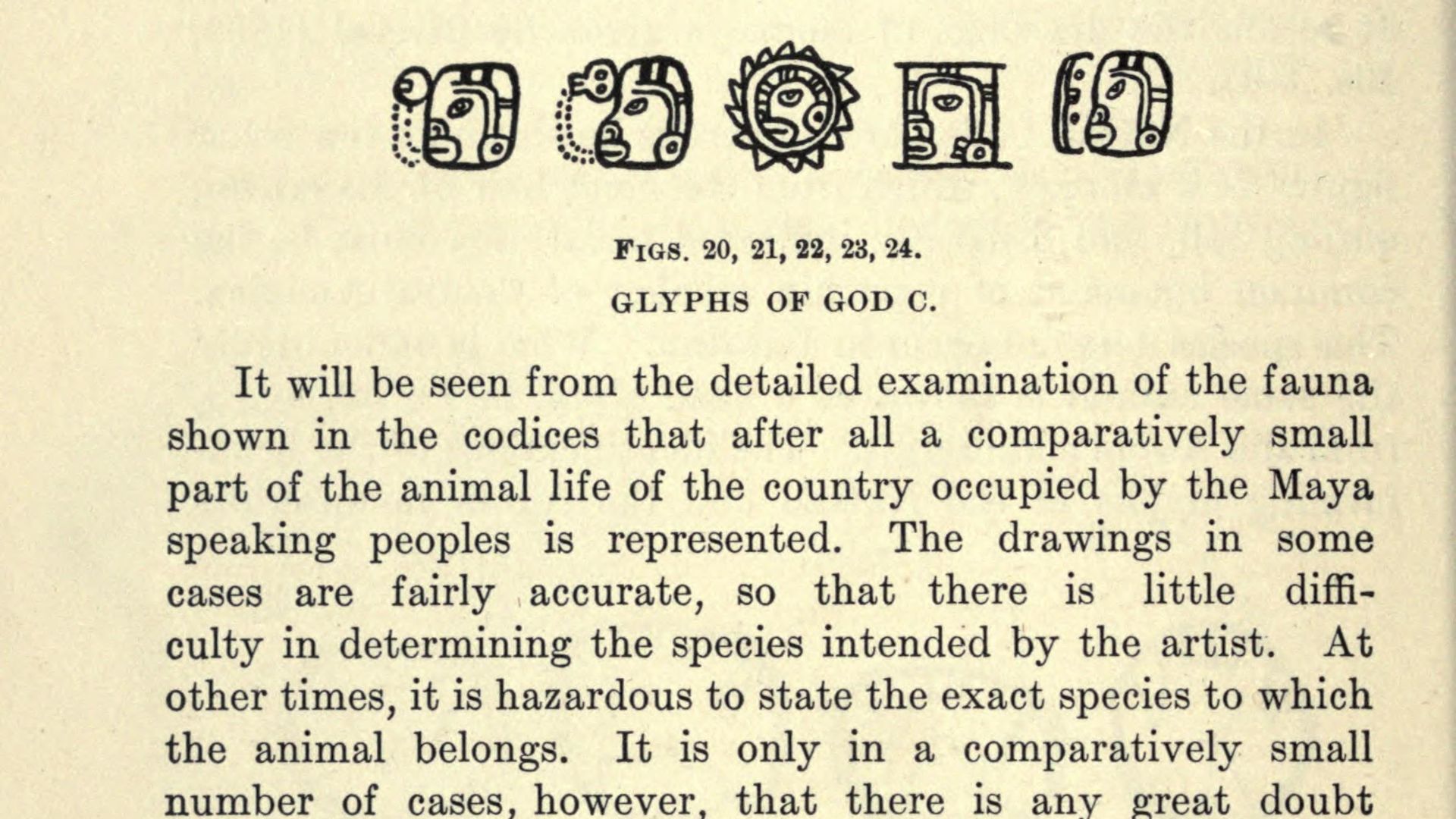
Only a few pre-Columbian Maya books are known to have survived, but they contain detailed information about astronomy, calendars, ritual practices, and divination. Their study helped demonstrate the sophistication of Maya mathematical and observational knowledge.
 Allen, Glover M.; Tozzer, Alfred M. on Wikimedia
13. The Florentine Codex Recorded Multiple Perspectives
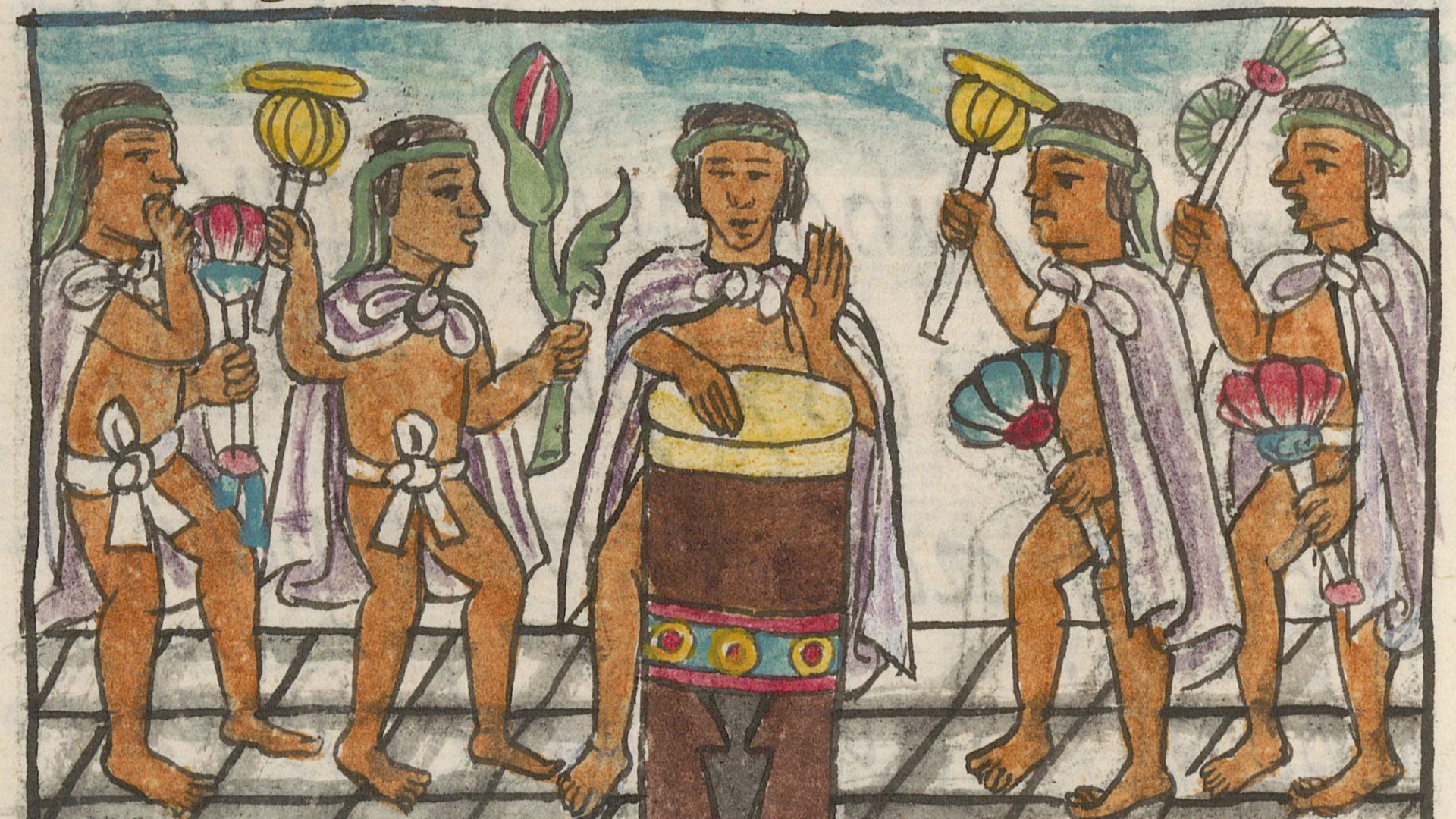
Compiled in sixteenth-century Mexico under the direction of Bernardino de Sahagún, the Florentine Codex contains extensive Nahuatl and Spanish accounts of Aztec society and the Spanish conquest. The work allowed historians to examine perspectives that differed sharply from triumphal Spanish narratives.
14. The Domesday Book Clarified Norman England
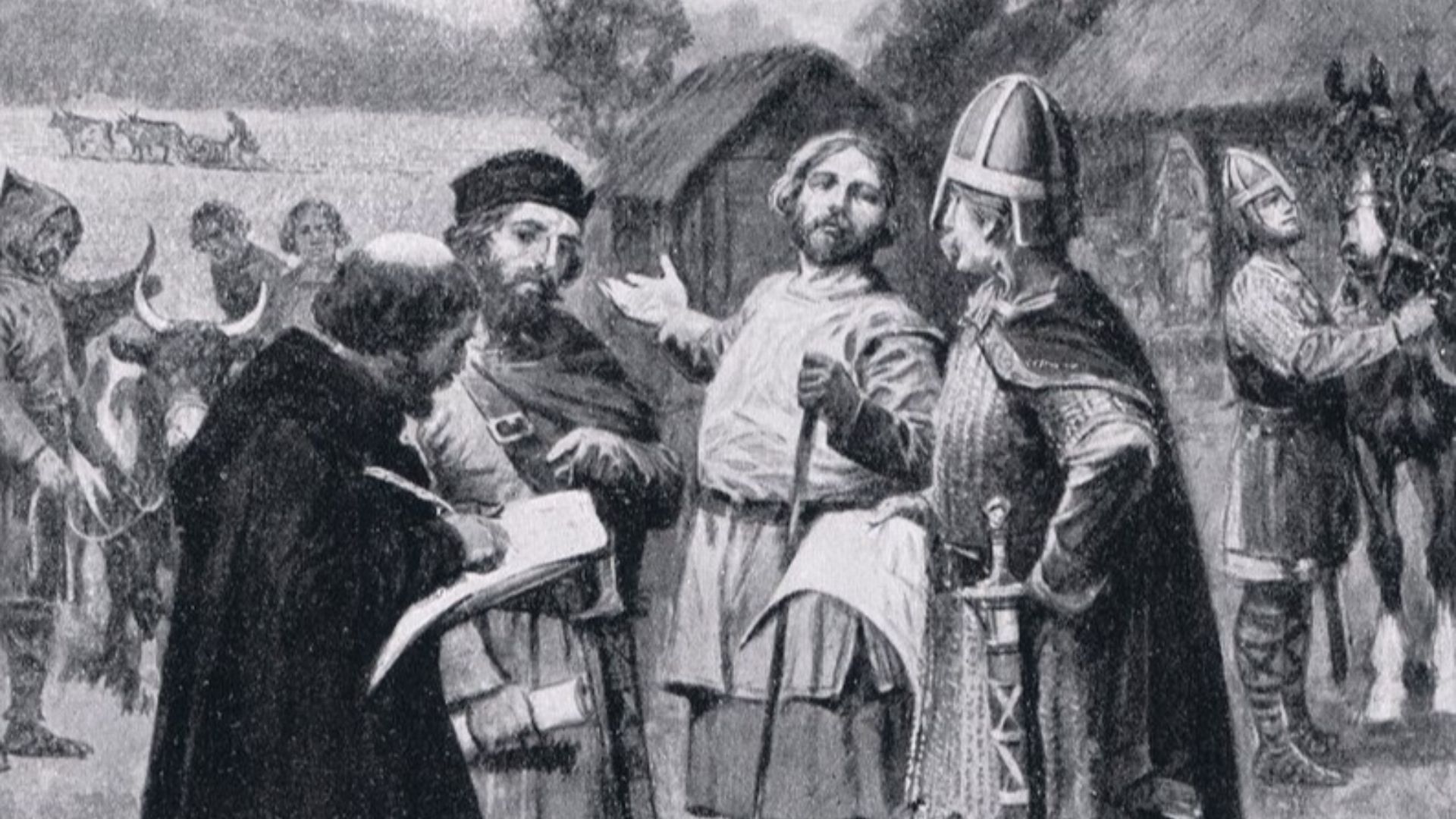
Commissioned by William the Conqueror in 1085, the Domesday survey recorded landholders, resources, settlements, and taxable property across much of England. Its remarkable detail gave historians a clearer picture of how land ownership changed after the Norman Conquest.
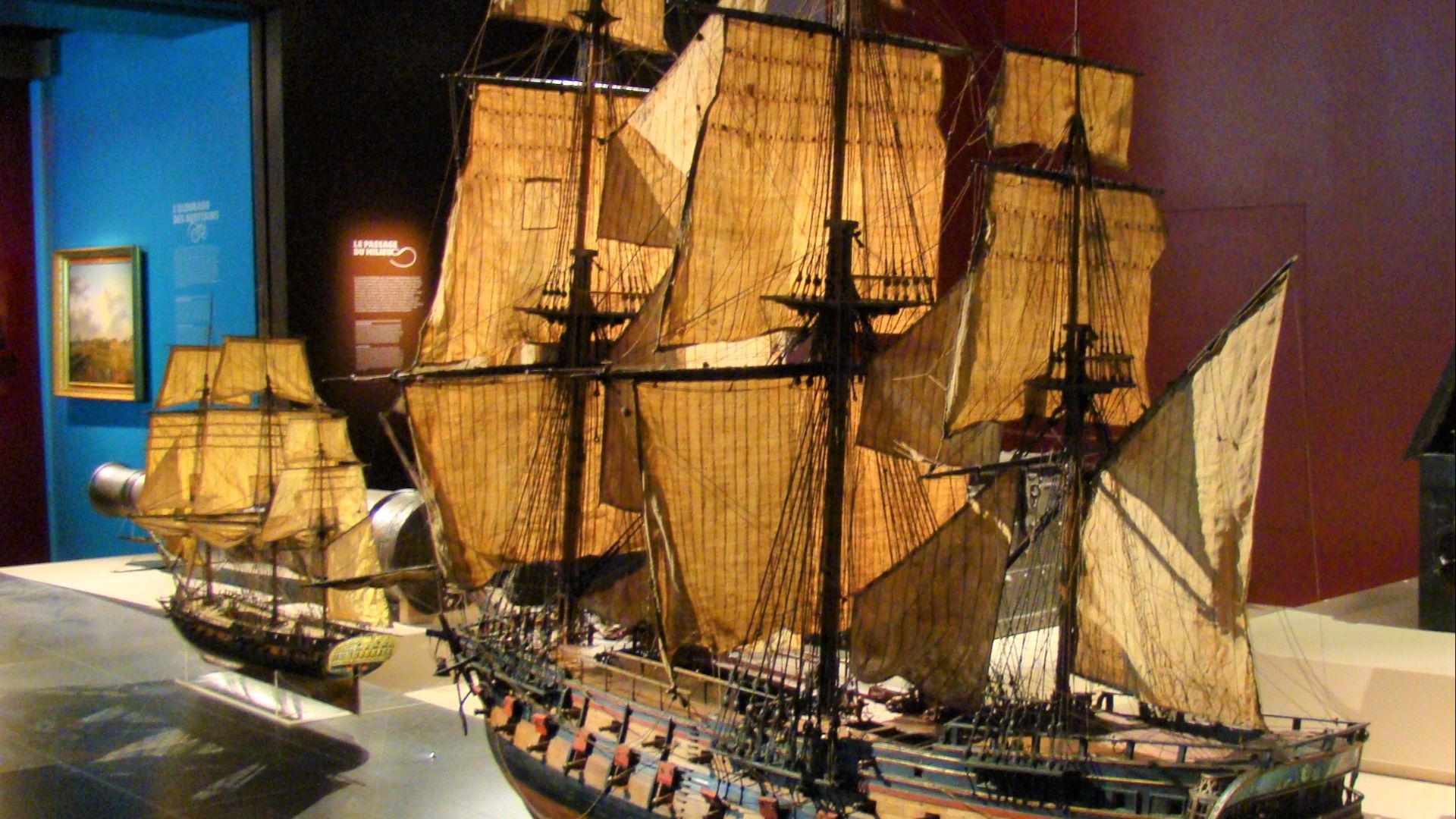
15. The Trans-Atlantic Slave Trade Database Reconstructed Forced Migration
Researchers combined shipping records, port registers, newspapers, and commercial documents to create a large digital archive of transatlantic slaving voyages. The resulting data made it possible to estimate patterns involving routes, shipboard mortality, departure regions, and destinations with greater precision.
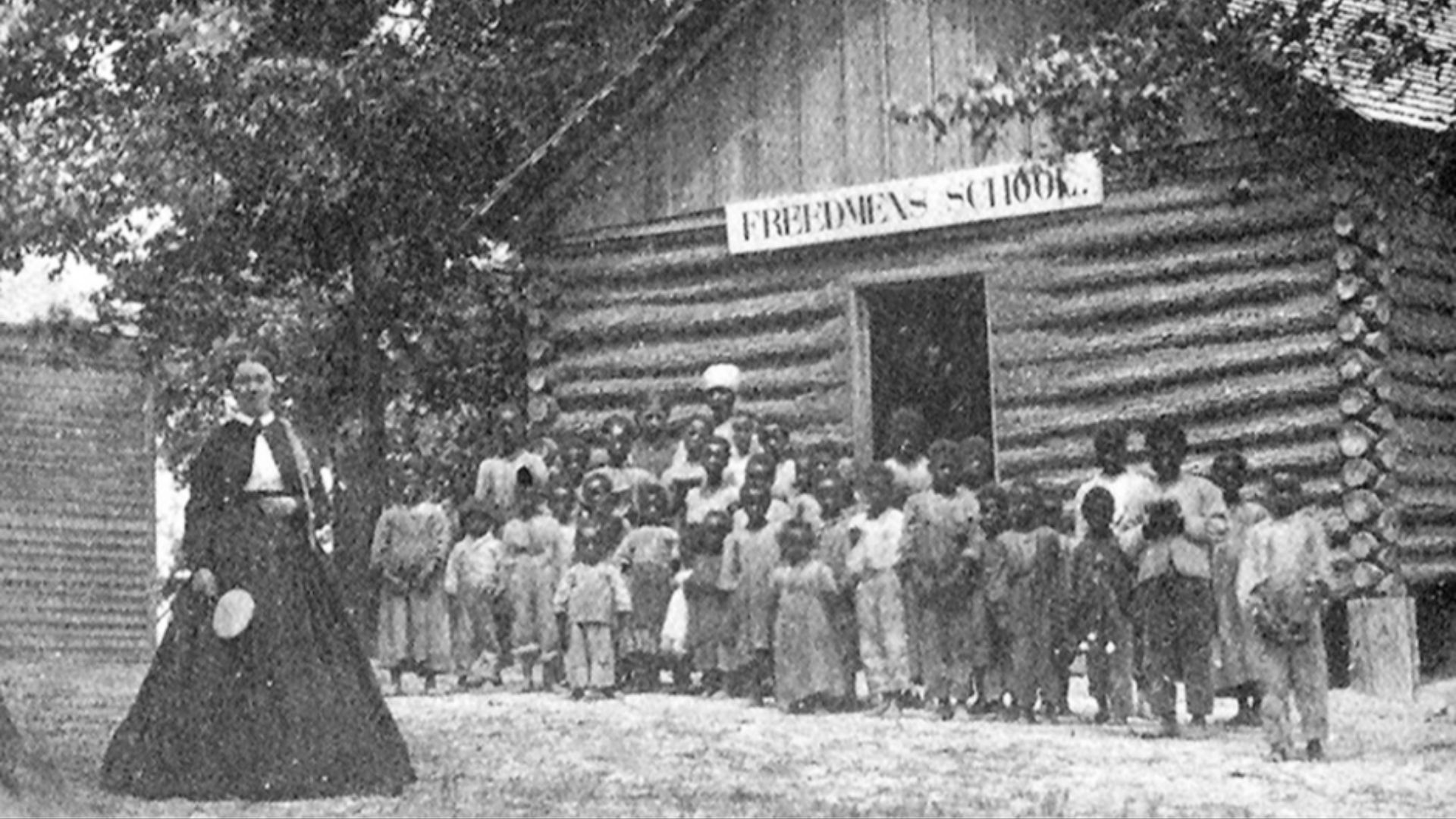
16. The Freedmen’s Bureau Records Restored Family Histories
Records created by the United States Bureau of Refugees, Freedmen, and Abandoned Lands document labor contracts, marriages, schools, medical care, legal complaints, and efforts to reunite separated families after the Civil War.
 Unknown authorUnknown author on Wikimedia
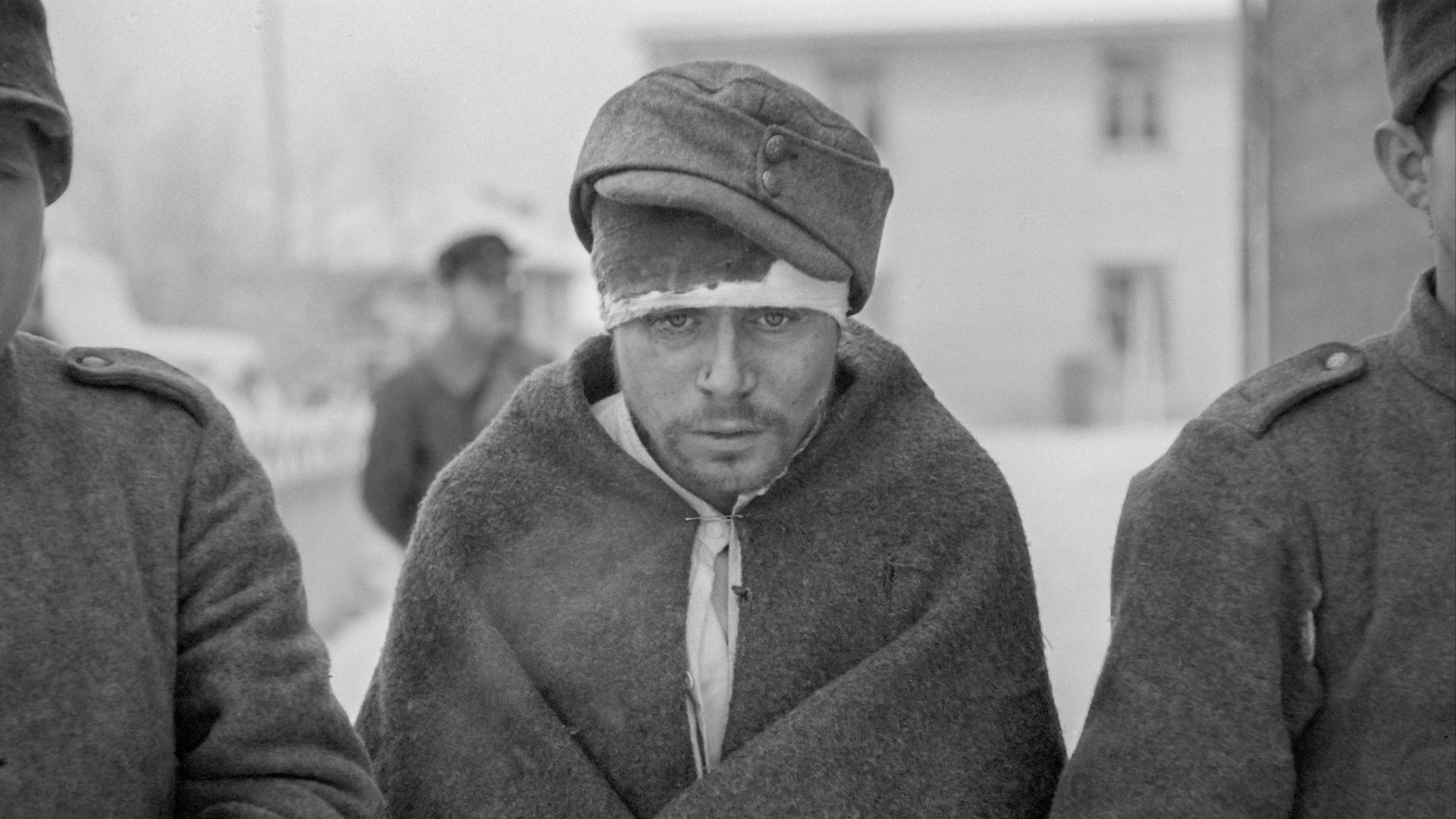
17. The Soviet Archives Reshaped Cold War History
After the collapse of the Soviet Union, researchers gained varying levels of access to records that had previously been unavailable. Documents concerning party leadership, foreign policy, repression, and economic planning provided evidence that could be compared with Western intelligence and public Soviet statements.
 Unknown authorUnknown author on Wikimedia
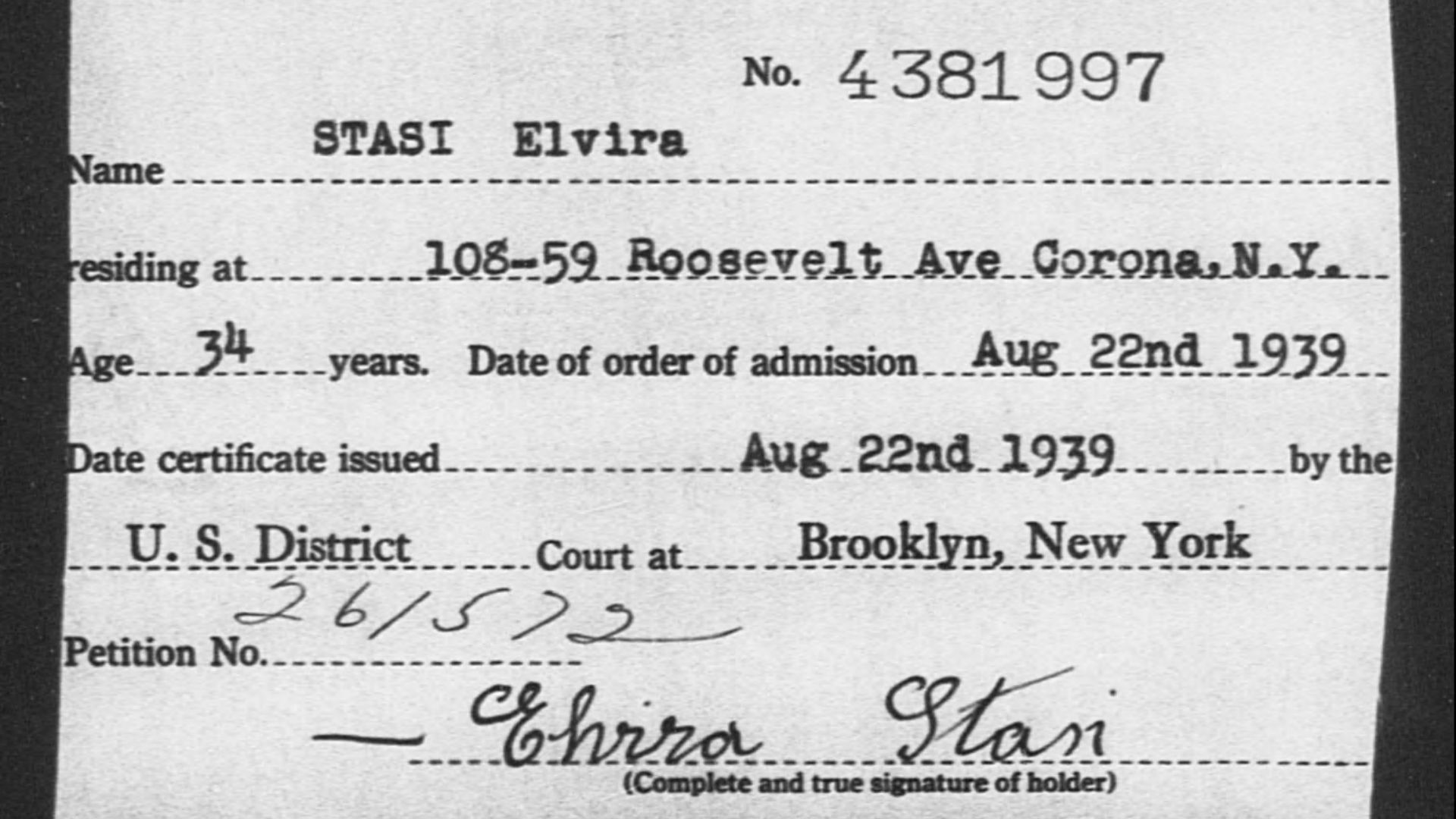
18. The Stasi Records Exposed Everyday Surveillance
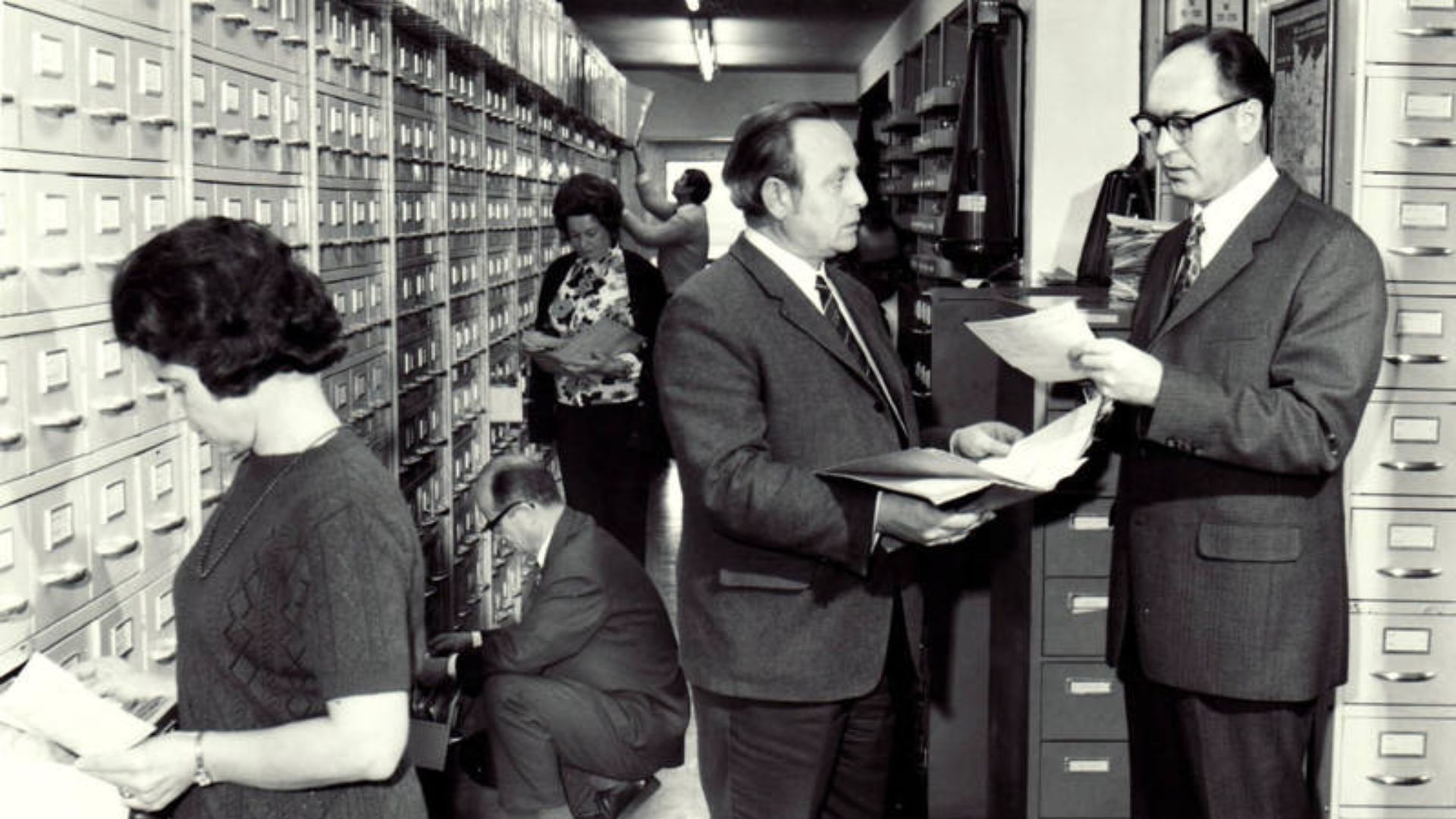
Following German reunification, files created by East Germany’s Ministry for State Security became available through a dedicated records authority. The documents revealed how surveillance depended on extensive networks of officers, informants, intercepted communications, and personal reporting.
 U.S. District Court for the Eastern District of New York. 1865 on Wikimedia
19. The Arolsen Archives Identified Millions Of Victims
The Arolsen Archives hold an immense collection of documents concerning Nazi persecution, forced labor, concentration camps, displacement, and postwar efforts to trace missing people. Broader research access helped historians and families identify individual experiences within a vast history of violence.
20. The Library Of Congress Slave Narratives Preserved Living Memory
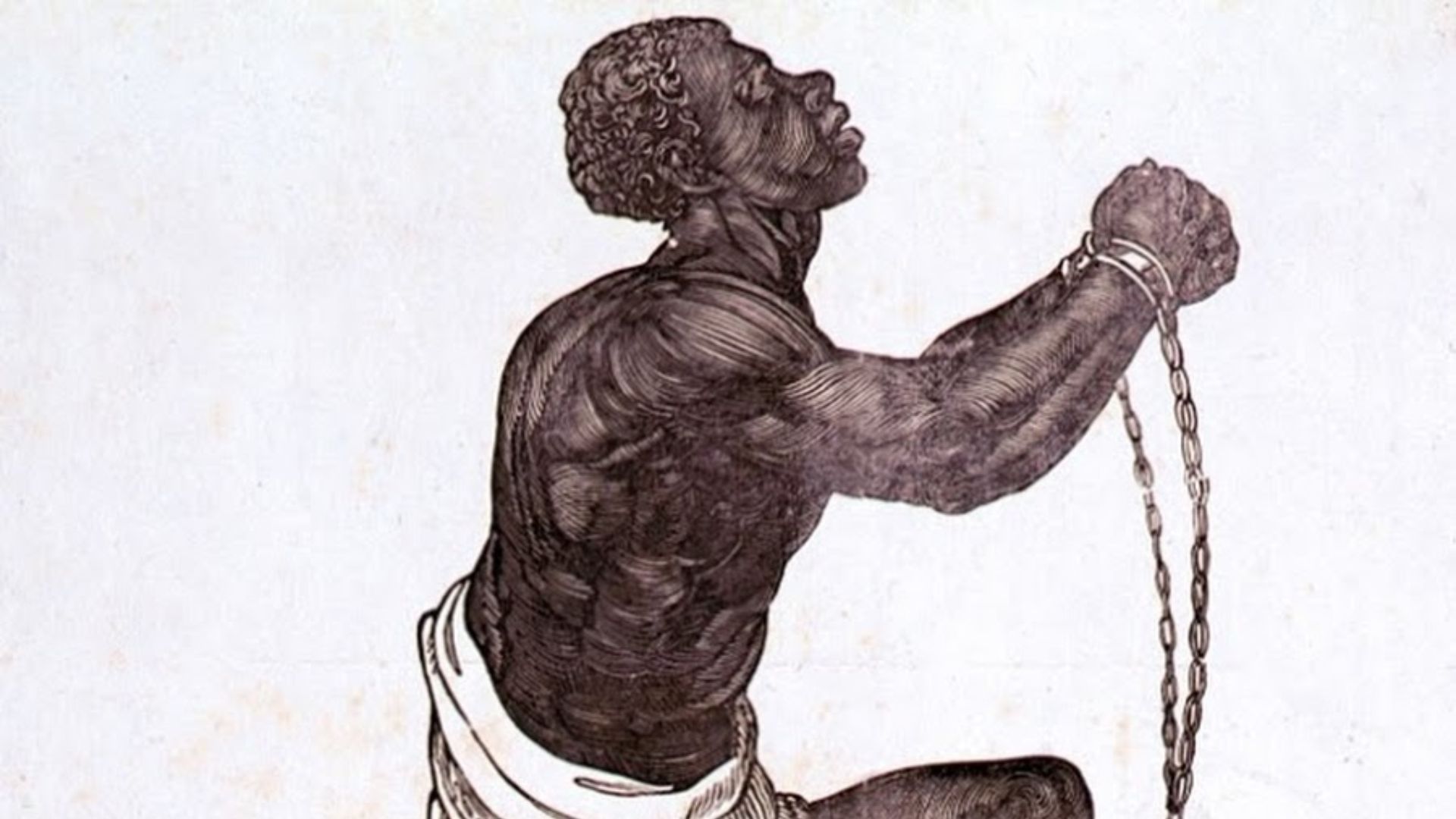
During the 1930s, interviewers working through a federal writing project recorded accounts from thousands of formerly enslaved Americans. The collection gave historians direct testimony about labor, punishment, family life, religion, resistance, and emancipation.
 Josiah Wedgwood (1730-1795) and either William Hackwood or Henry Webber;
KEEP ON READING