Born With A Silver Spoon?
The old money versus new money debates have always stirred up strong opinions. These labels started showing up in the late 19th century, when huge industrial fortunes started changing American cities and shaking up old social circles. They weren’t neutral labels, either, since established families often used them to decide who belonged and who didn’t. You can’t tell someone’s background from their clothes, accent, or dinner manners, even if people have tried for years. These 20 signs show how old money and new money have traditionally been understood.

1. The Family’s Money Goes Back a Long Time
Old money usually means a family has held wealth for several generations. The money might’ve started with land or a business and later moved into property, investments, or trusts, yet the family history is what makes it “old money.”

2. Inheritance Is Part of the Story
Someone from an old-money family may receive money or property through gifts, estates, trusts, or shares in a family business. That doesn’t mean every relative is rich, as fortunes can be split up, spent, taxed, mishandled, or lost.
3. They Have More Than a Salary To Rely On
A person from an old-money family may still work and care a lot about their career. They may also have property, investments, or ownership stakes that give them extra financial support well beyond their paycheck.

4. They’re Known Locally
Some old-money families have long ties to schools, charities, museums, churches, or civic groups. A family name on a plaque or scholarship doesn’t prove someone has money now, though it can show that their relatives had influence many years ago.
5. Their Connections May Have Been There From the Start
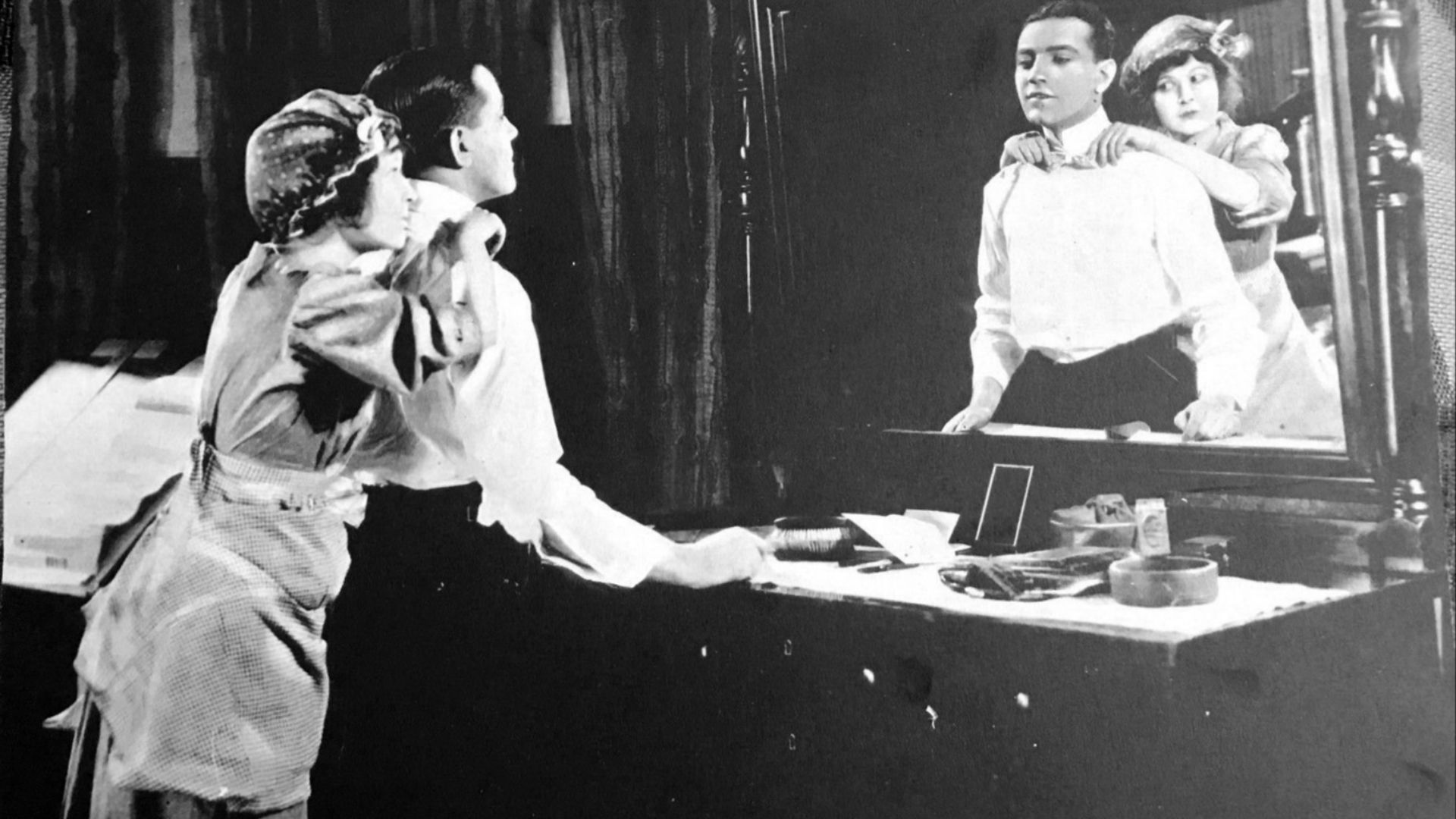
Family friends and work connections can last for generations. Someone may grow up knowing people who can offer introductions or advice before they’ve even started building their own career.

6. They Know Certain Social Rules
Formal dinners, board meetings, and traditional events can feel easier when someone grew up around them. That comfort usually comes from practice and early exposure, not because they’re smarter, kinder, or more polished than anyone else.

7. Their Family Property Has a History
A longtime home, farm, business, or art collection can be a clue when there are old deeds, wills, photos, or family papers to go with it. The records matter more than the property’s appearance, since an old house doesn’t automatically mean old money.

8. They Talk About “Keeping Things in the Family”
Families with long-held wealth may spend a lot of time thinking about what happens to it next. They might talk about estate plans, keeping a business going, caring for a collection, or passing down a vacation home.
 Sabine van Straaten on Unsplash
9. They’re Philanthropic
A family foundation, a regular scholarship, or a long role with a local group can point to established wealth. That giving can help important causes, and it can also help a family build influence and improve its public image.

10. The Label Has Been Used To Shut People Out
Old-money groups often cared about family background, social connections, and knowing the right customs, along with money itself. Someone could have a lot of cash and still be treated like an outsider by people with less money but older social ties.

1. You Can See Where Their Income Started
New money usually has a story that’s easy to follow. It may come from a successful business, a major career move, real estate, investment gains, entertainment, or another source that made the family wealthy recently.
 Mark Twain and Charles Dudley Warner on Wikimedia
2. The Fortune Came From a Changing Economy
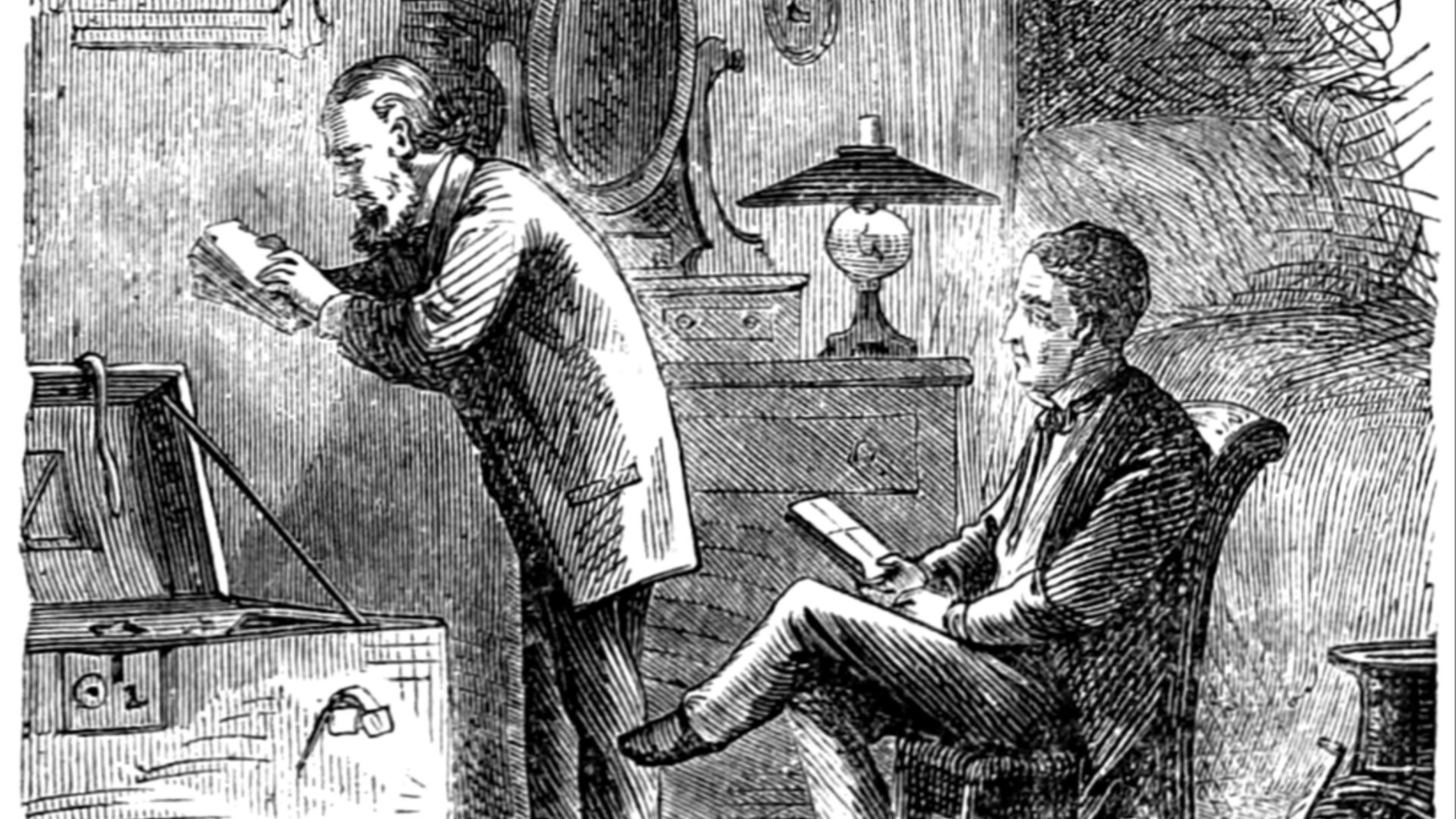
During the Gilded Age, railroads, industry, and growing corporations created many opportunities for someone to build their fortune. Similar things have happened in other periods, when changing businesses and new technologies have opened the door for people to make money in fresh ways.
3. The Person Who Made the Money Is Still the Main Name
New money is often closely linked to the founder, entrepreneur, executive, or investor who built it. The family’s reputation may rest on that person’s work, business choices, and public image rather than on a long line of relatives.

4. Much of the Wealth May Be Tied to a Business
A new fortune can be tied up in company shares, real estate projects, or a growing brand. While that can create serious wealth, the value can change with the market, the company’s performance, and the success of the business.

5. Showing Off Success
People often connect new money with flashy spending, and that idea comes from different points in history. Newly wealthy families during the Gilded Age used fancy clothes, grand homes, and expensive interiors to make their rise clear to everyone around them.
6. A Big House
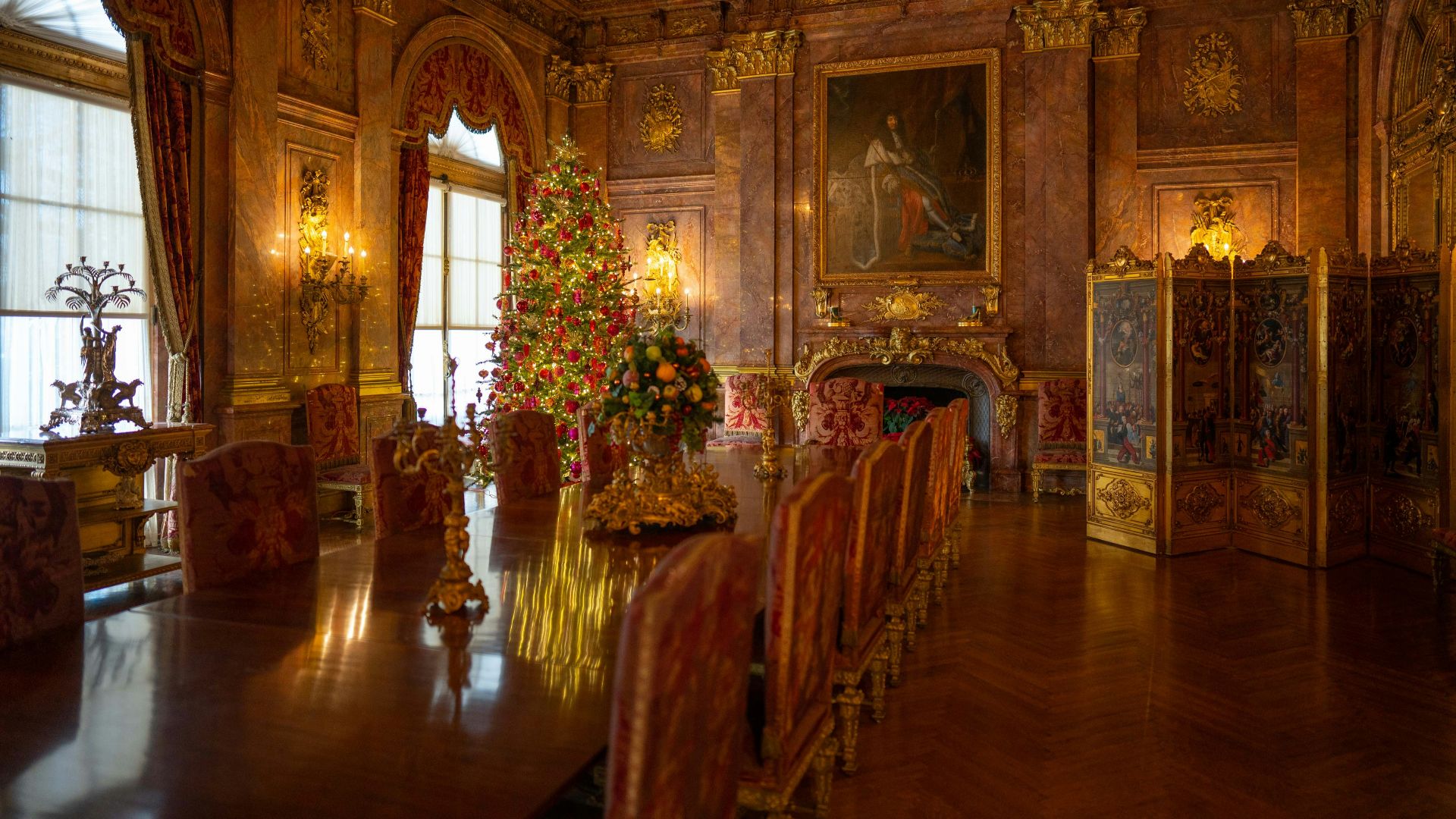
A lavish home has often been a way for a new-money family to showcase their wealth. In the late 19th century, some newly wealthy families built homes inspired by European palaces and aristocratic estates, purely because they wanted their success to be seen.

7. A Party Can Help Build Status
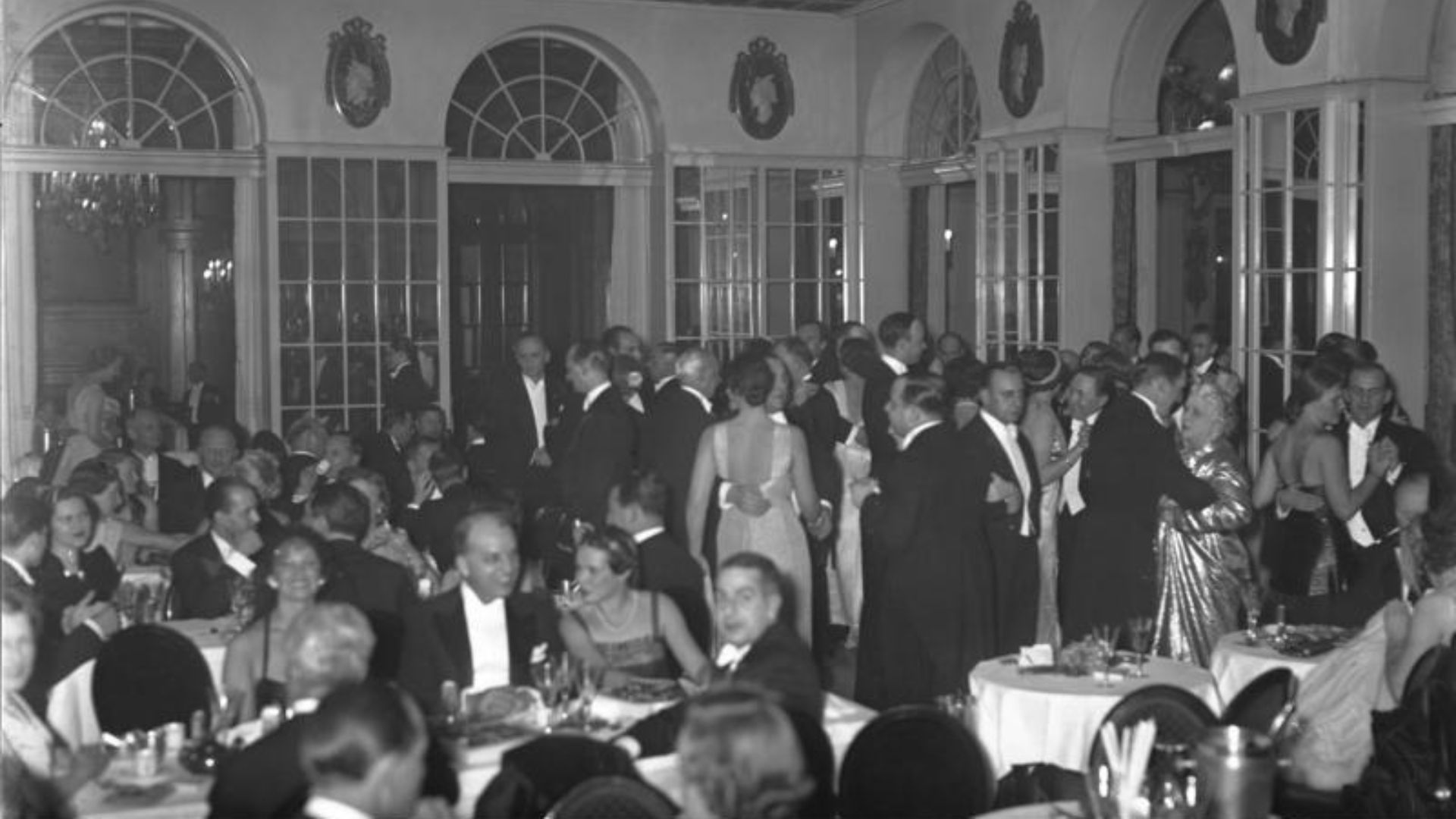
A famous costume ball in New York in 1883 showed how a huge event could help a family gain social recognition. The hosts used their lavish home, a carefully chosen guest list, and public attention to win over people who had once looked down on them.
 Unknown authorUnknown author on Wikimedia
8. Access to Established Groups
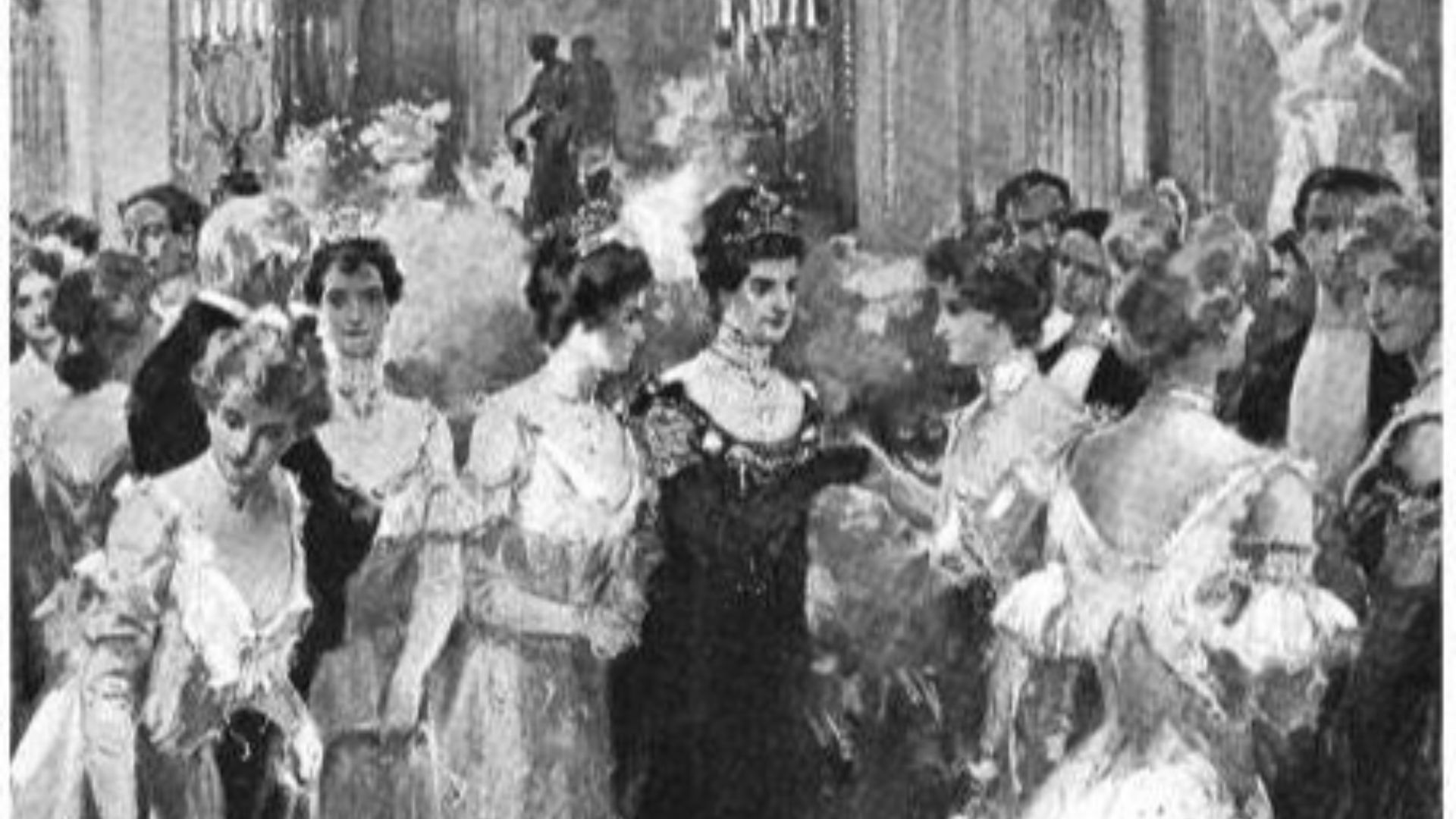
Newly wealthy people have sometimes tried to join schools, charities, clubs, cultural groups, and civic organizations that once kept them at a distance. That may be about acceptance, influence, or making their new position feel more secure.
 Unknown authorUnknown author on Wikimedia
9. Giving
A founder may start a scholarship, charity, or cultural project while the story of their fortune is still fresh. If later generations keep it going, that work can become part of the family’s identity.

10. Time
Once familial wealth has a few generations under its belt, the line between new and old money blurs. As money gets tied to a family’s property, relationships, and institutions, inheritance and a long family history are what change the label.

KEEP ON READING