Different Paths To Power
Every major conquest depended on armies, resources, strategy, and violence, but rulers didn’t motivate followers or intimidate enemies in the same way. Some inspired intense personal loyalty and persuaded new allies to join them, while others deliberately made resistance appear so dangerous that surrender seemed like the only sensible choice. Here are 10 conquests built on charisma and 10 built on pure ruthlessness.
 AnonymousUnknown author on Wikimedia
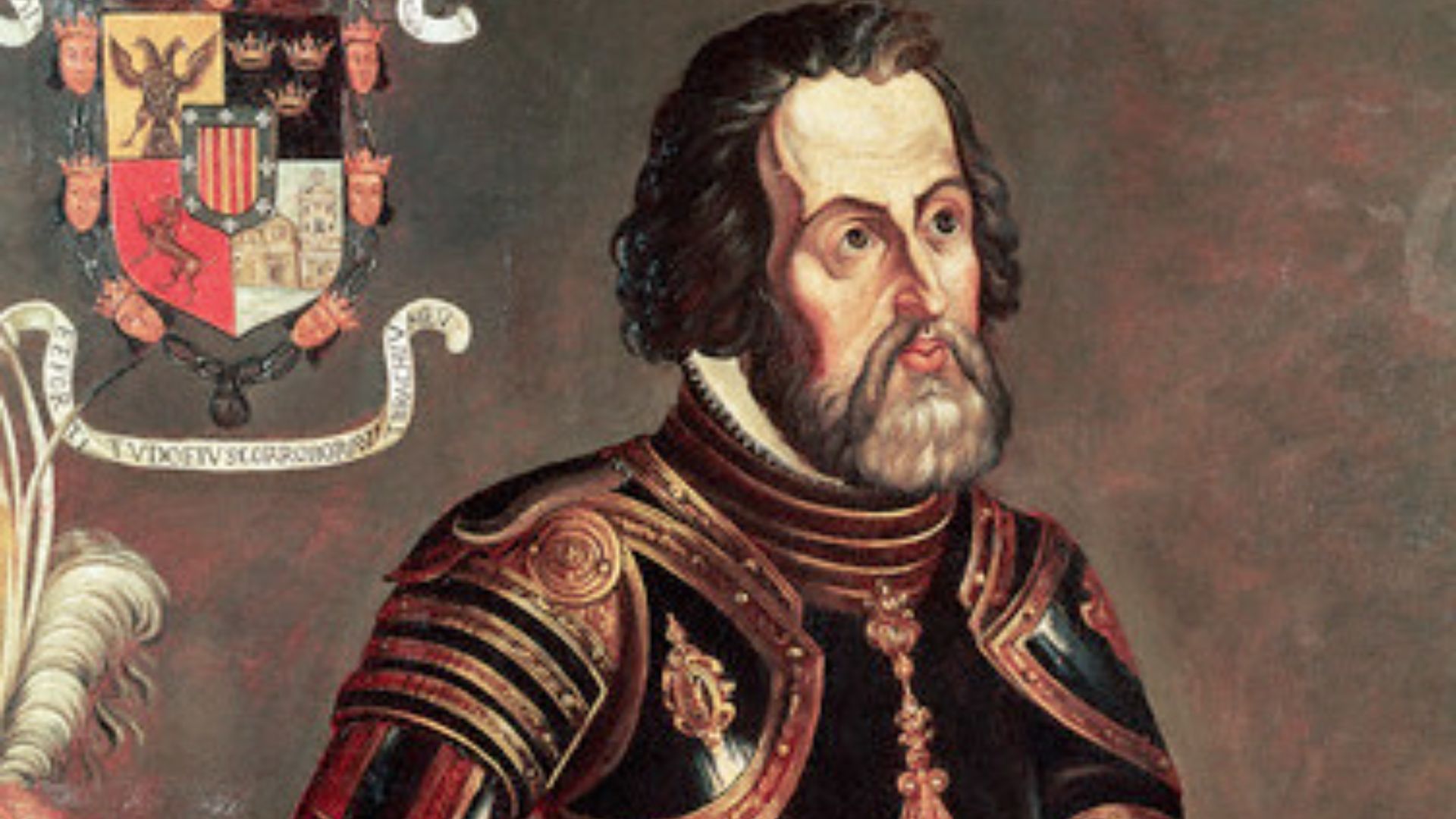
1. Alexander The Great’s Persian Campaign
Alexander regularly fought near the front of his army, exposing himself to many of the same dangers faced by his soldiers. That visibility strengthened the personal loyalty of Macedonian troops during the long campaign against the Persian Empire.
 Boston Public Library on Unsplash
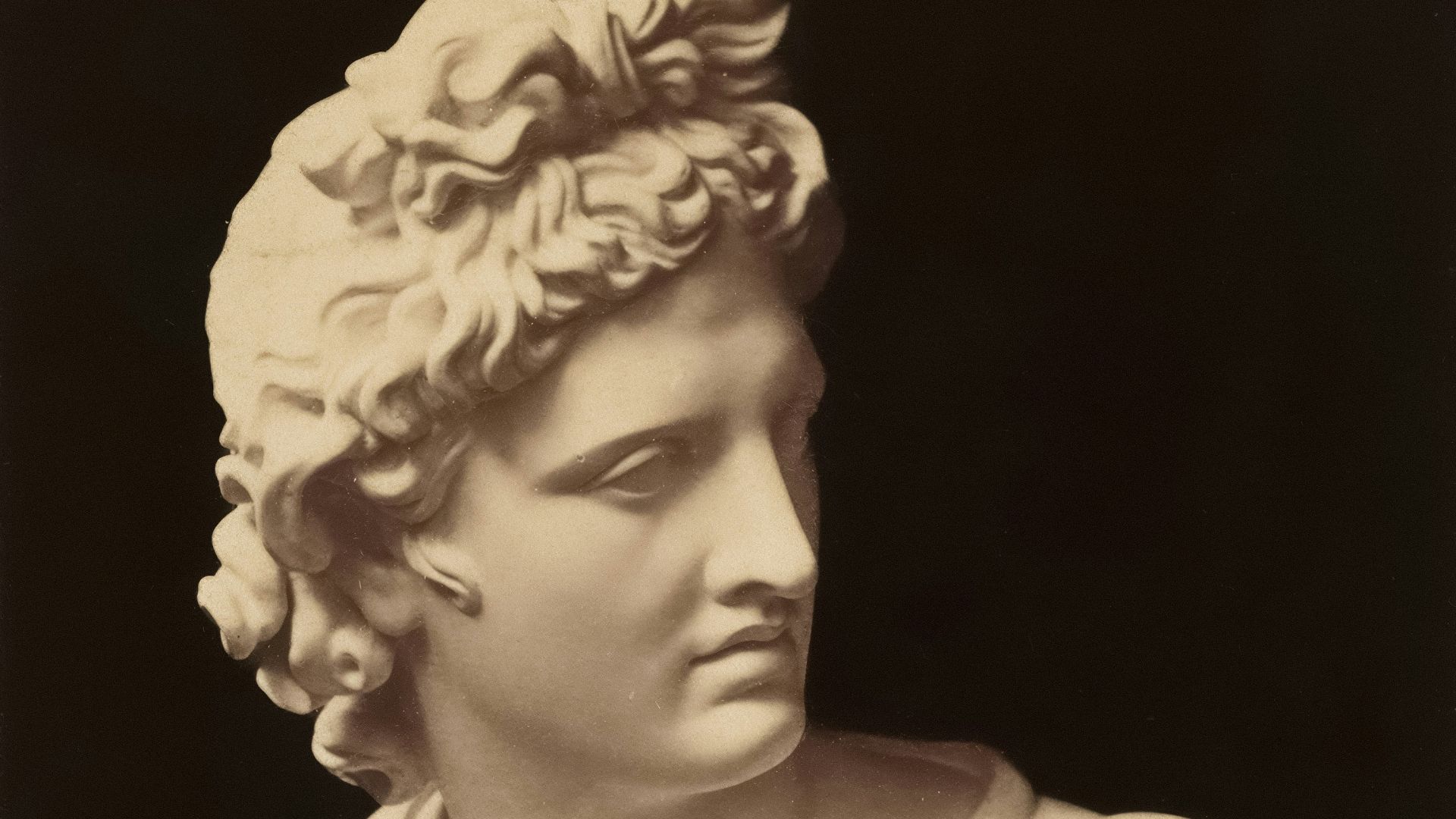
2. Cyrus The Great’s Creation Of Persia
Cyrus expanded his territory through warfare, but his reputation for respecting local customs made conquered populations easier to incorporate. He often retained existing officials and presented himself as a legitimate ruler rather than merely a foreign occupier.
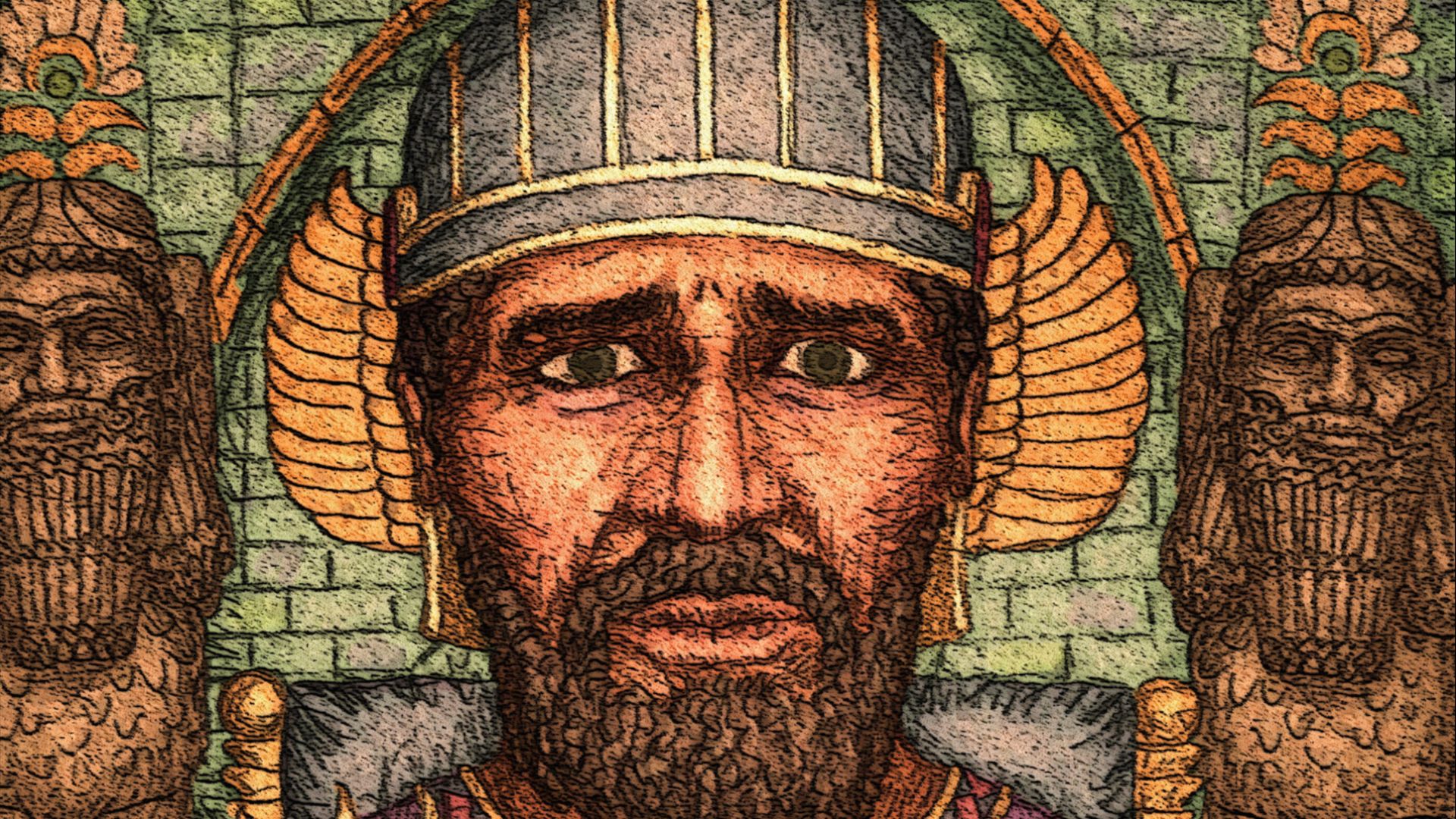
3. Julius Caesar’s Conquest Of Gaul
Caesar’s soldiers were drawn to his confidence, generosity, and willingness to share the hardships of military life. He rewarded successful troops, remembered individual acts of courage, and carefully shaped accounts of his victories for audiences in Rome. Although the conquest was extremely violent, his personal bond with the legions gave him an unusually dependable army.
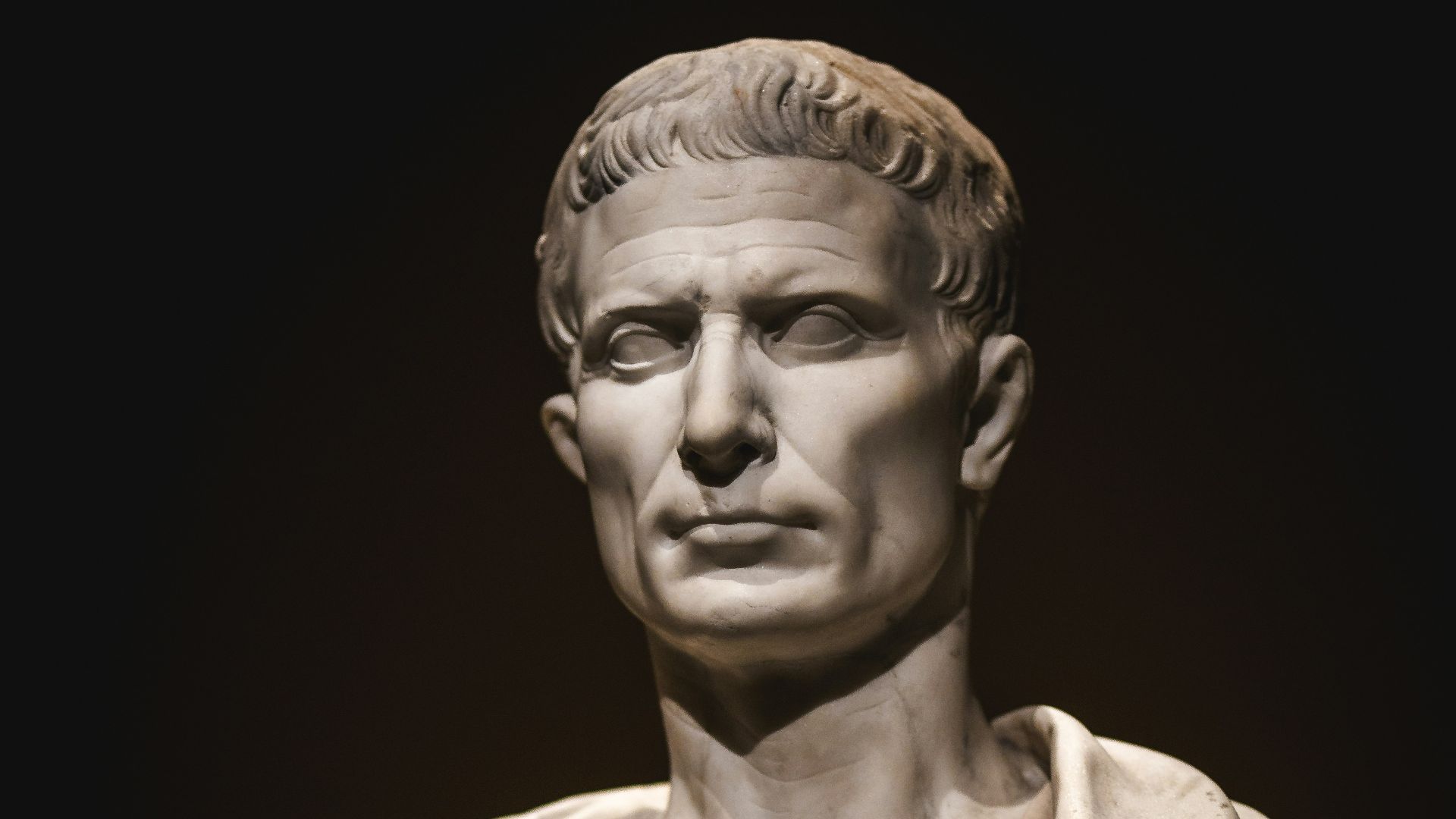
4. Napoleon’s Italian Campaign
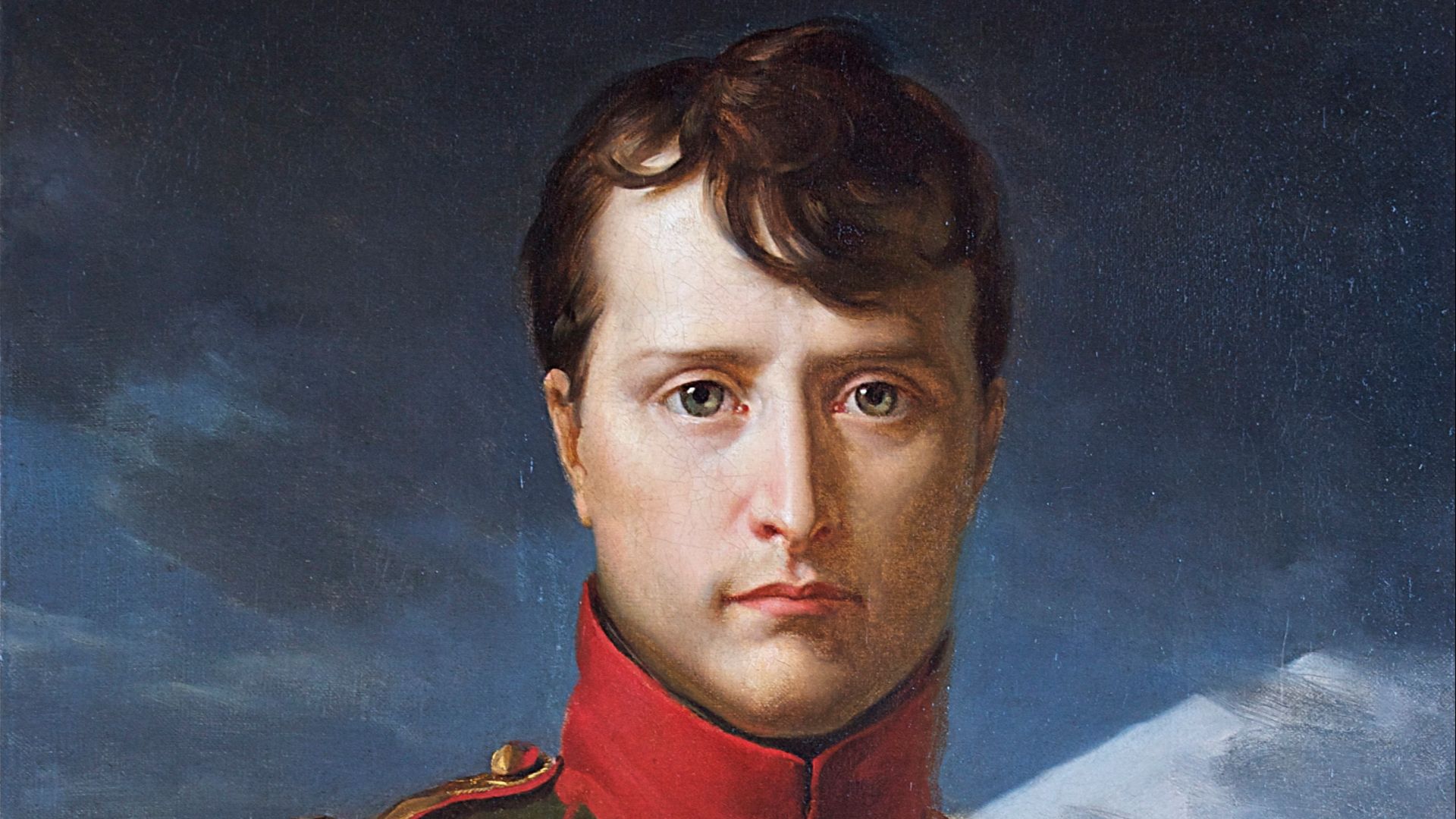
Napoleon inherited a poorly supplied French army in Italy but quickly won its confidence through energetic leadership and promises of victory. His speeches emphasized glory, opportunity, and the idea that the soldiers could transform their own futures.
5. Babur’s Conquest Of Northern India
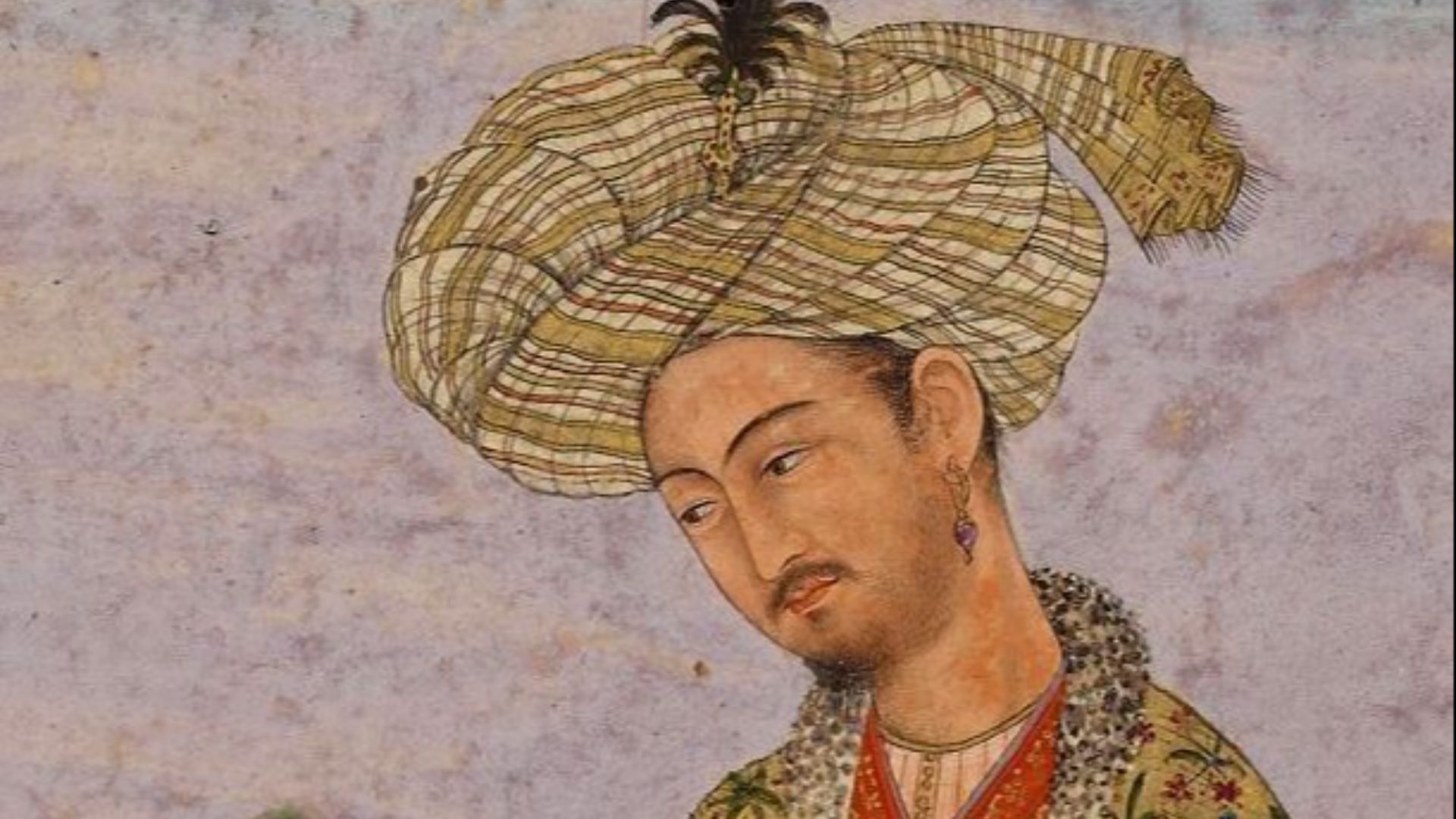
Babur’s early career included lost kingdoms, difficult retreats, and repeated attempts to establish a secure realm. His followers remained with him because he combined personal courage with an ability to form close relationships across his military household.
6. Saladin’s Unification Of Muslim Territories
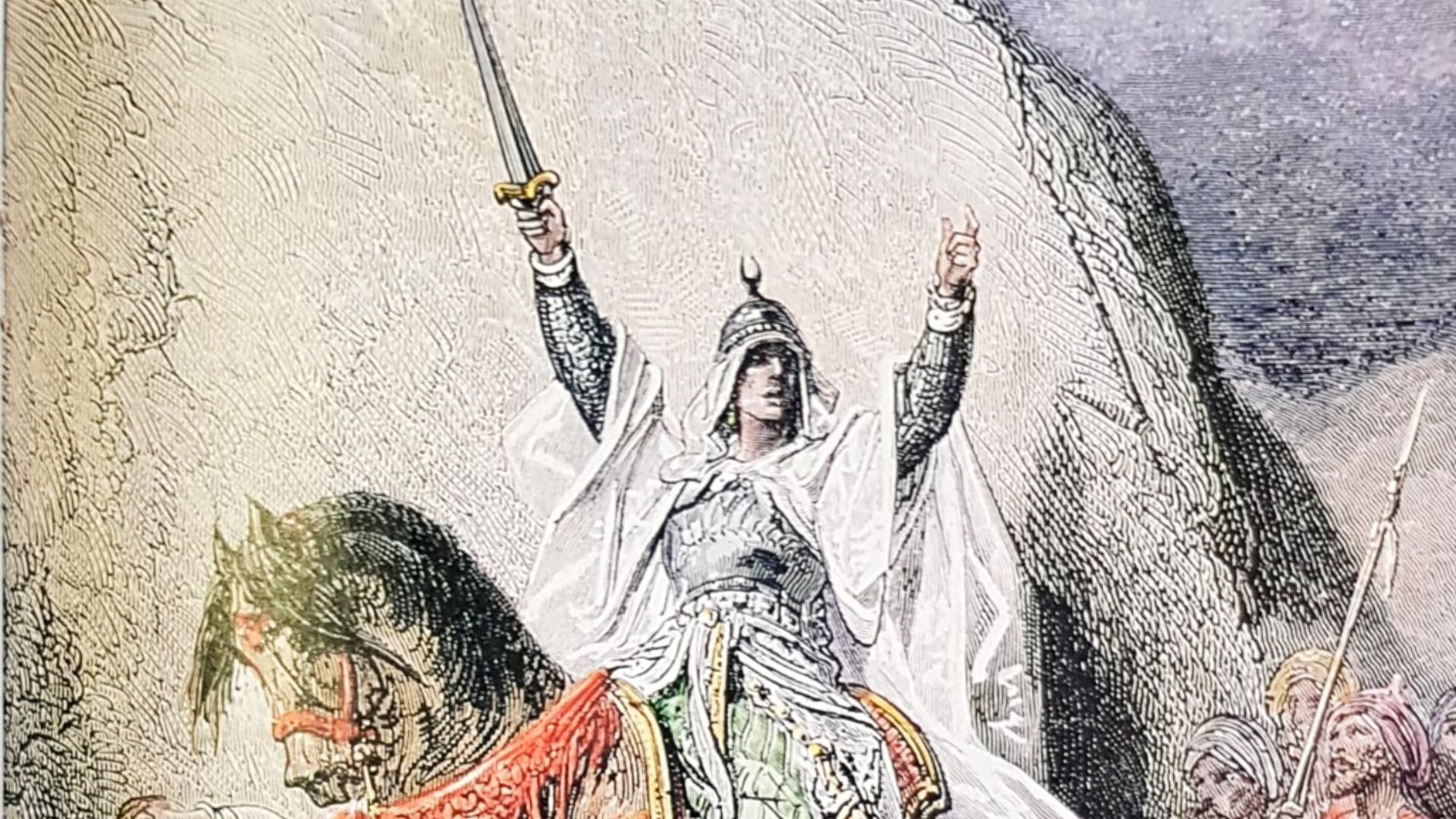
Before confronting the Crusader states effectively, Saladin had to bring rival Muslim territories under his influence. He used military pressure when necessary, but he also relied on diplomacy, religious legitimacy, and a reputation for personal restraint. His ability to gain cooperation from competing leaders allowed him to assemble the coalition that defeated the Crusader army at Hattin.
7. Hernán Cortés’s Campaign Against The Aztec Empire
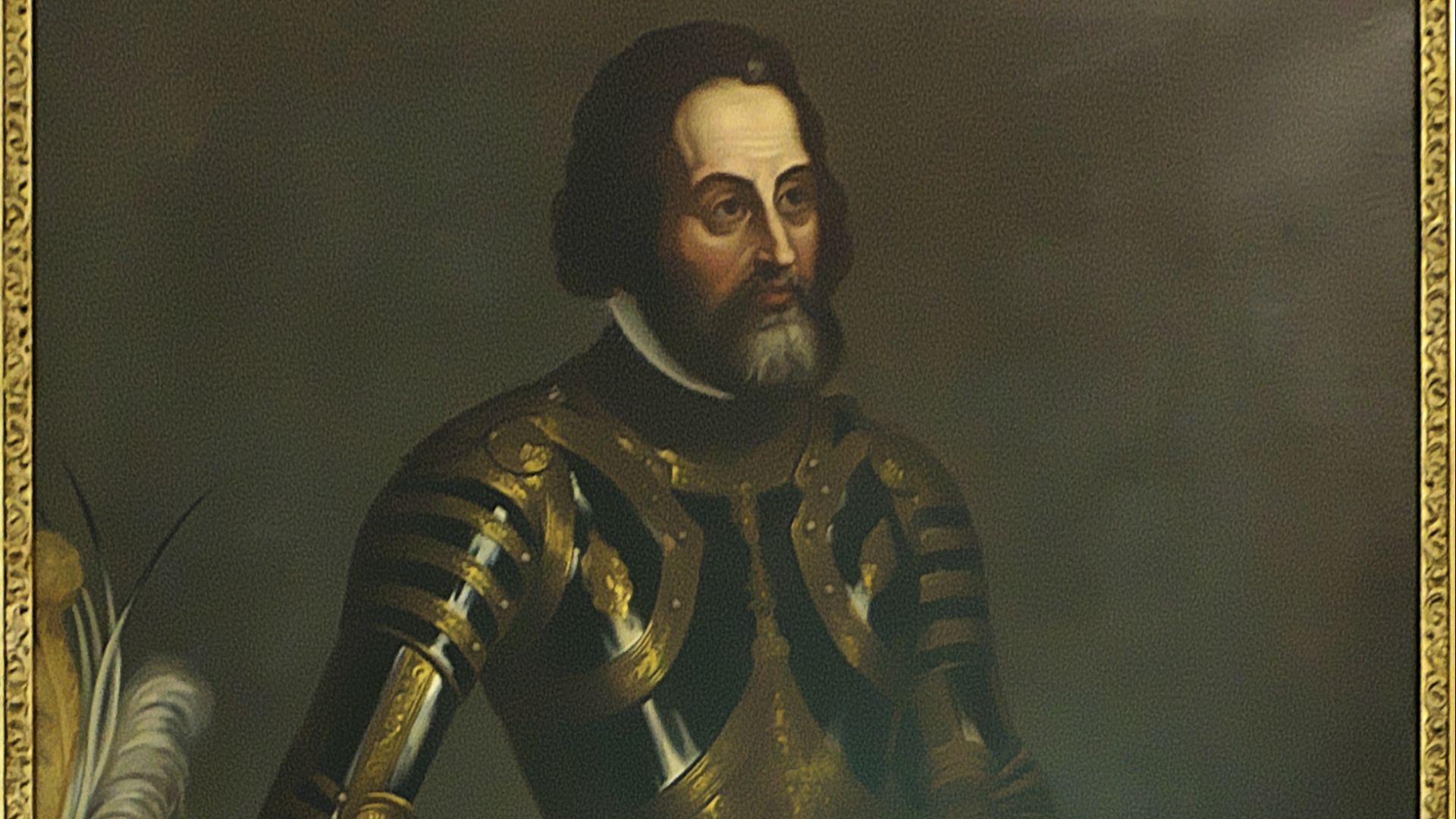
Cortés commanded only a small Spanish force, so his campaign depended heavily on Indigenous allies who opposed Aztec rule. He proved skilled at negotiating, exploiting political divisions, and persuading local leaders that cooperation could advance their interests.
8. T.E. Lawrence And The Arab Revolt
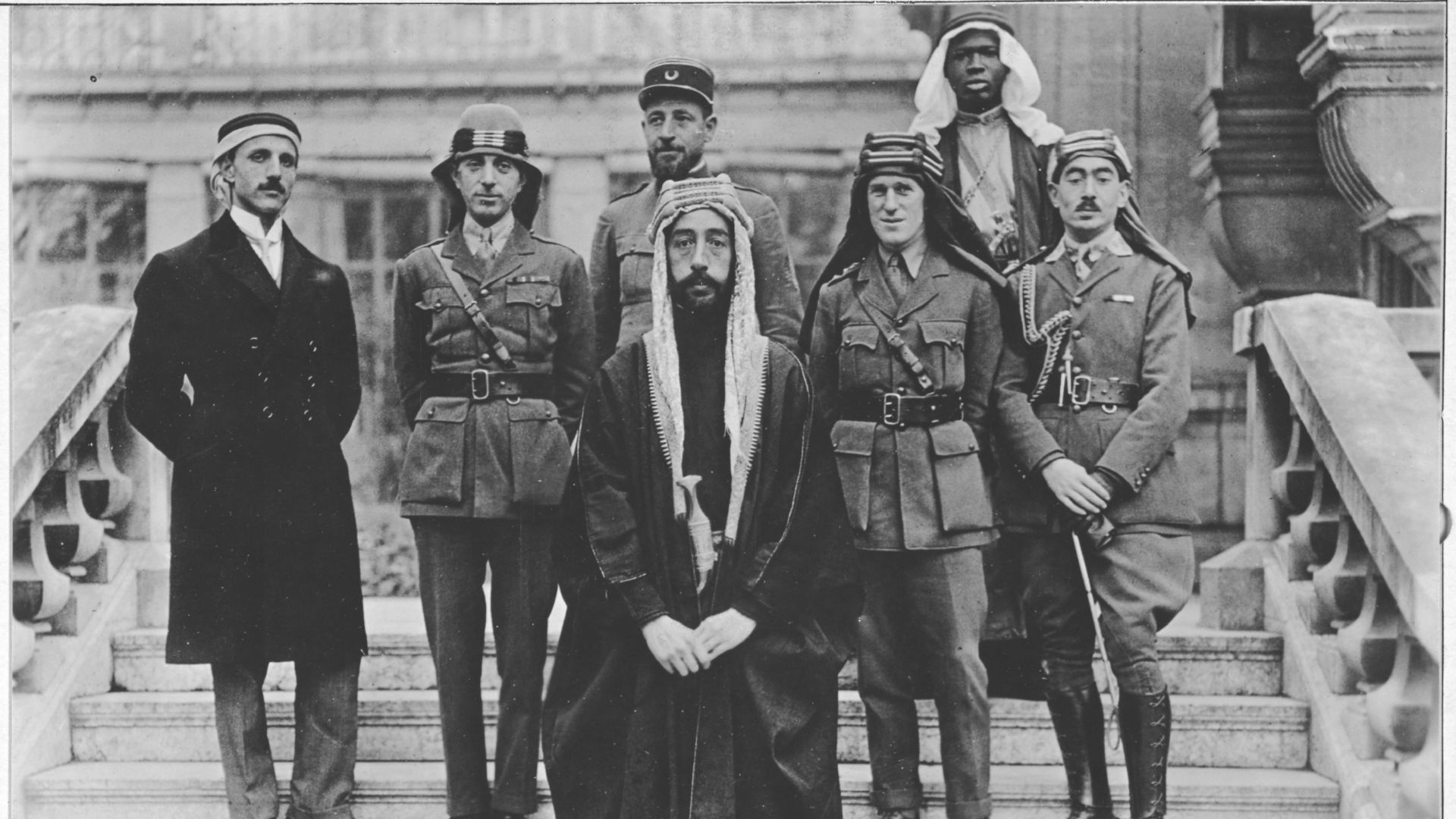
Lawrence wasn’t the sole leader of the Arab Revolt, but his personal relationships helped coordinate British support with Arab forces fighting the Ottoman Empire. He adapted to local political realities and earned the confidence of several important commanders.
9. William The Conqueror’s Invasion Of England
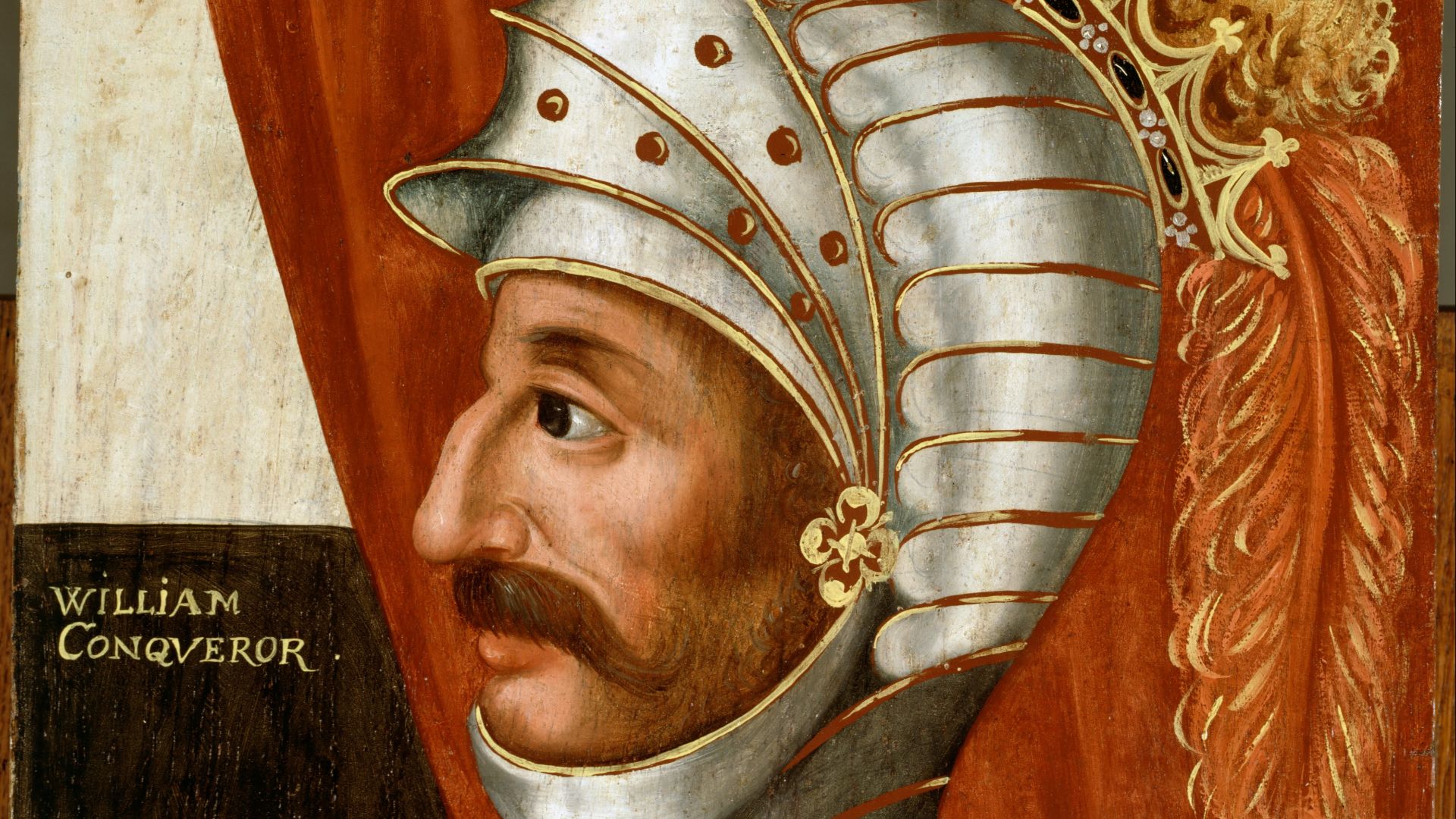
William of Normandy persuaded nobles from beyond his own duchy to support a dangerous expedition across the English Channel. He attracted them through a combination of personal authority, religious approval, land promises, and the prospect of advancement. After landing in England, his leadership at Hastings helped stabilize the Norman army during moments when its attack might have collapsed.
 British – School Details on Google Art Project on Wikimedia
10. Tokugawa Ieyasu’s Rise In Japan
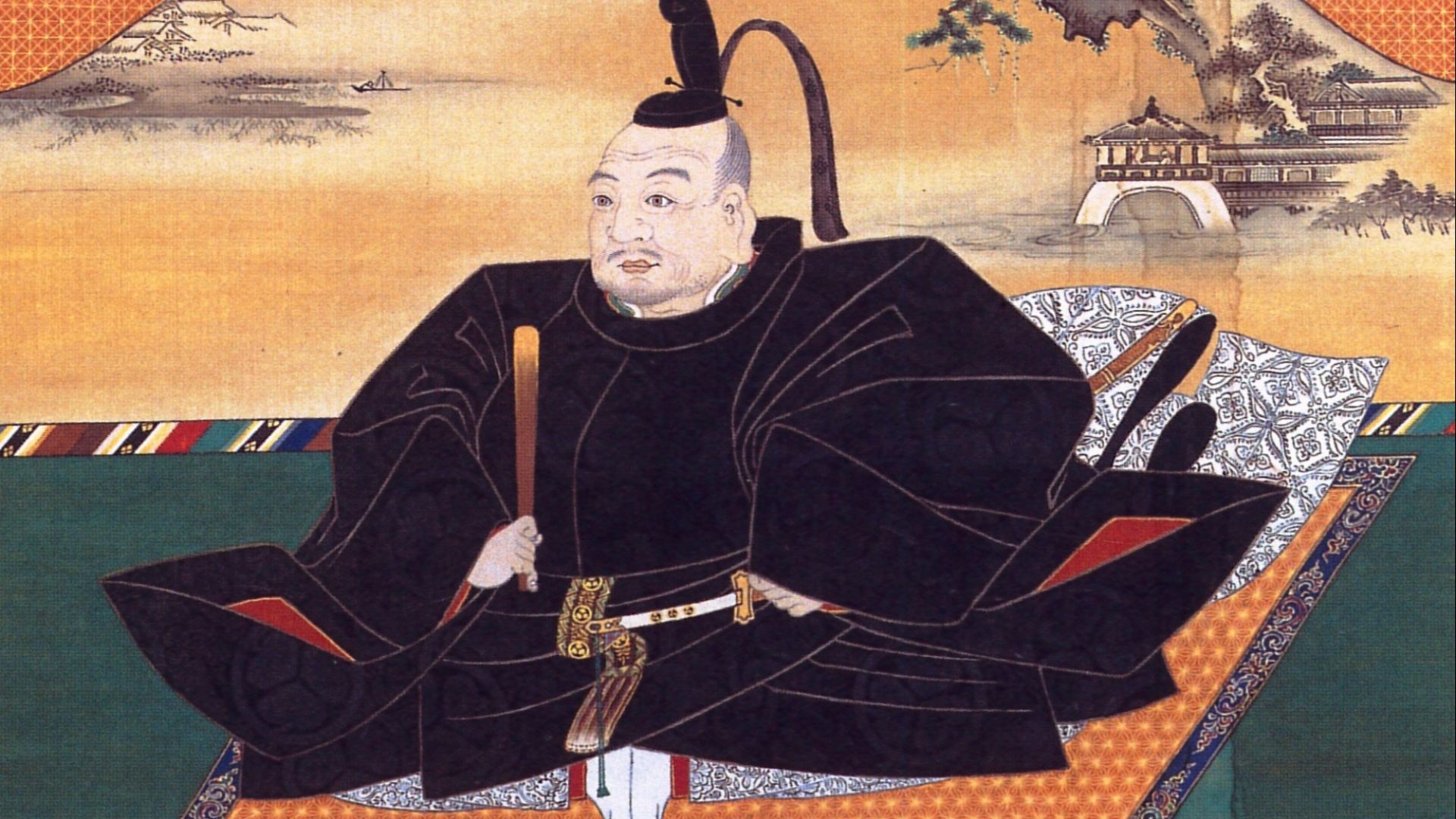
Tokugawa Ieyasu expanded his position through patience, alliances, calculated marriages, and carefully managed personal relationships. Many powerful lords supported him because he appeared more dependable than his rivals, who relied on constant disruption.
1. Ashurnasirpal II’s Assyrian Campaigns
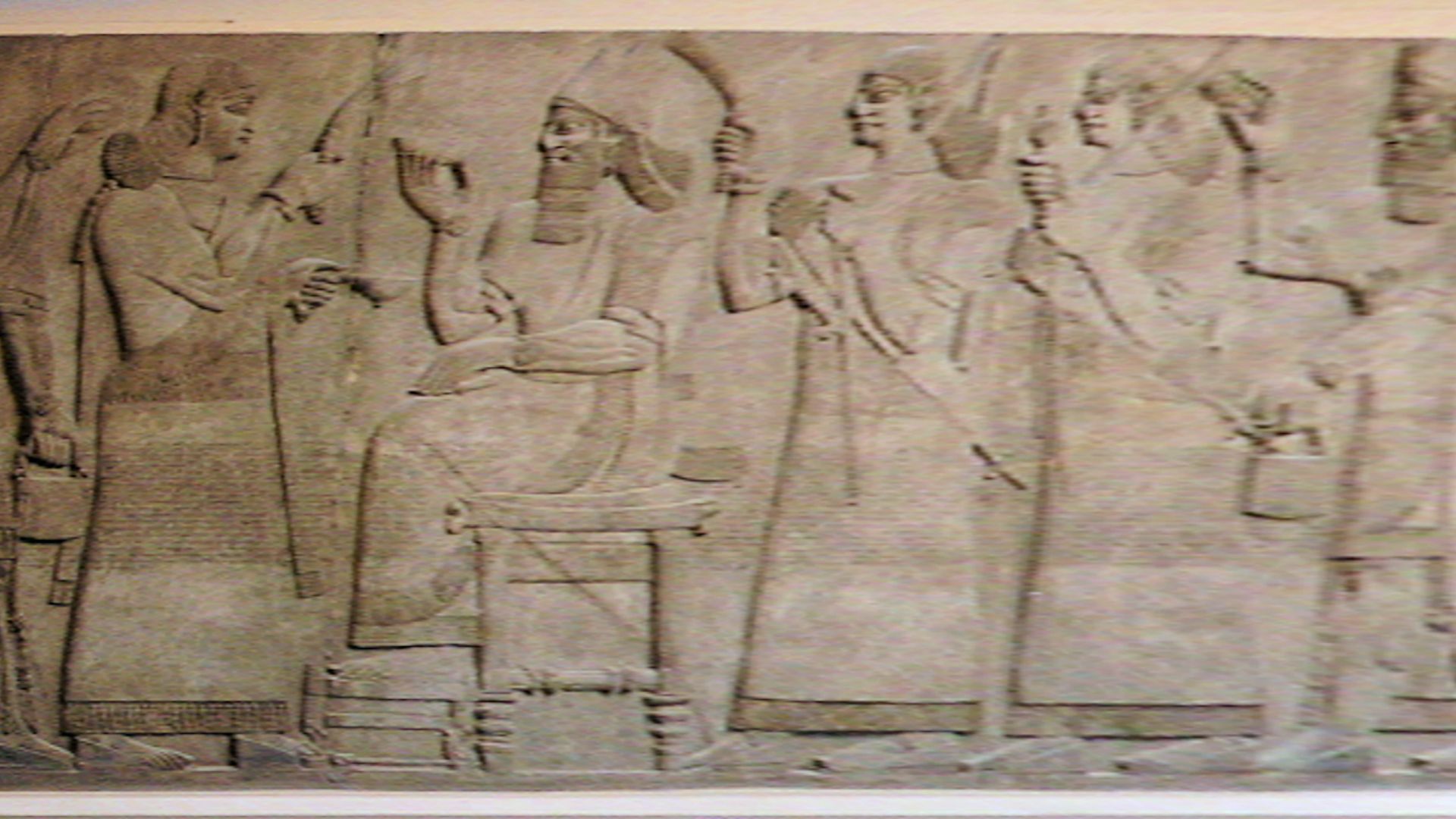
Ashurnasirpal II openly used terror to discourage conquered cities from rebelling against Assyrian authority. Royal inscriptions described mutilations, executions, and other punishments in deliberately graphic language.
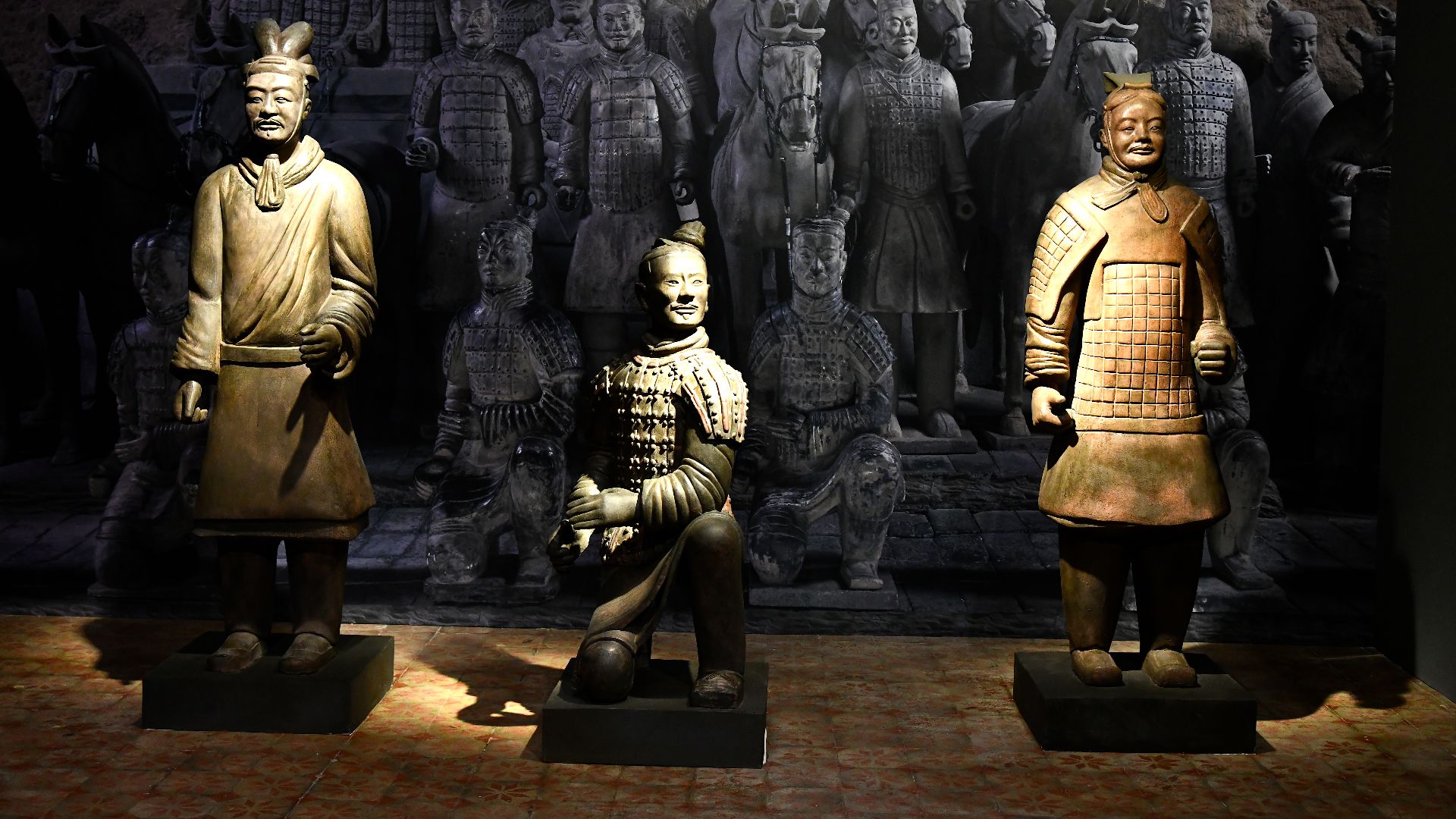
2. Qin Shi Huang’s Unification Of China
The state of Qin defeated the remaining rival kingdoms through disciplined armies, centralized administration, and relentless warfare. After becoming China’s first emperor, Qin Shi Huang imposed common systems of writing, measurement, currency, and law.
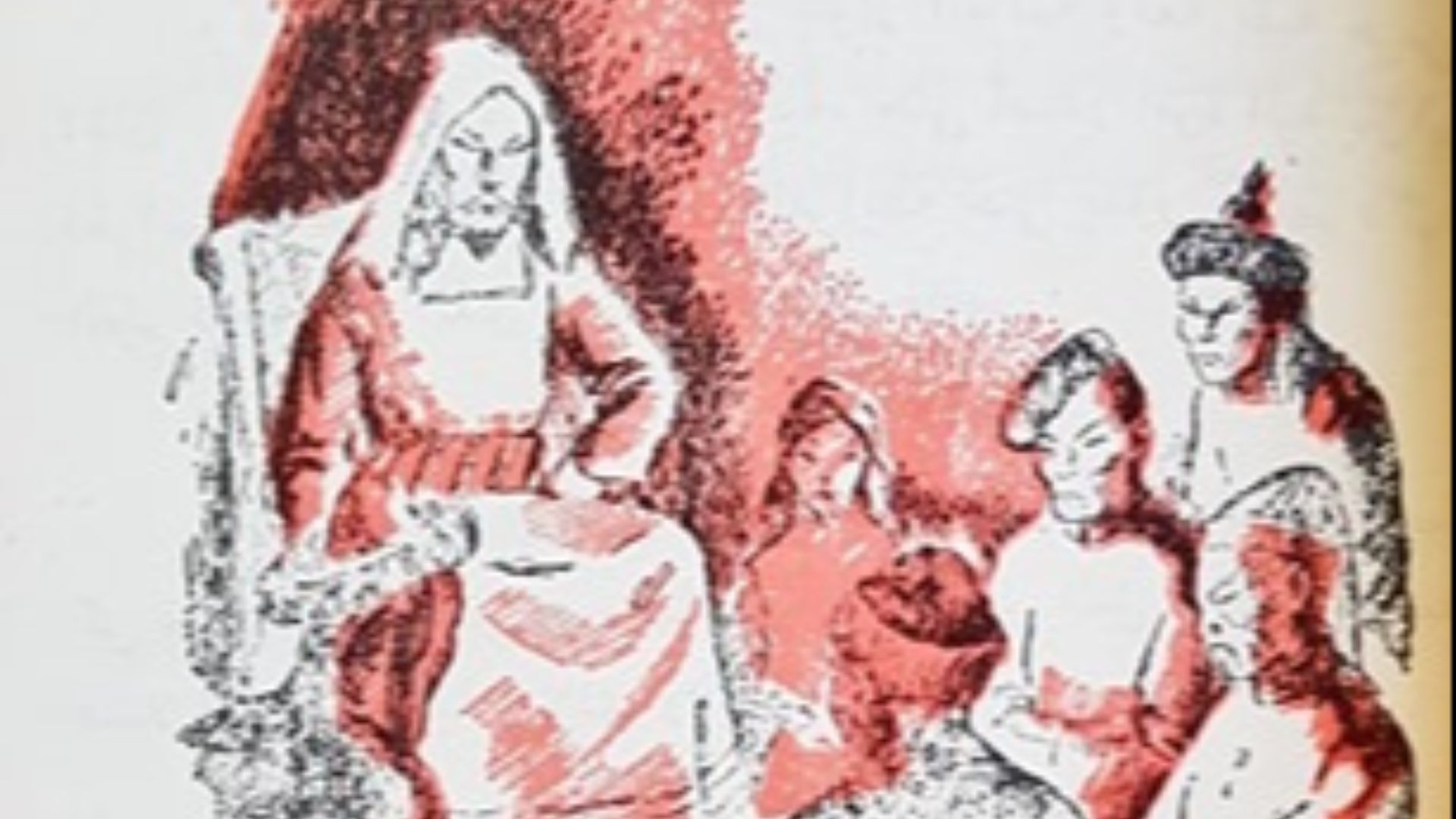
3. Genghis Khan’s Campaigns Across Eurasia
Genghis Khan offered favorable terms to communities that surrendered, but cities that resisted could face devastating consequences. Mongol armies sometimes destroyed populations and settlements to punish defiance and frighten future opponents into submission.
 Unknown authorUnknown author on Wikimedia
4. Timur’s Central Asian Empire
Timur built a vast but unstable empire through repeated campaigns across Persia, Central Asia, India, the Middle East, and Anatolia. He ordered massacres in cities that resisted or rebelled, and accounts describe towers constructed from the heads of victims.

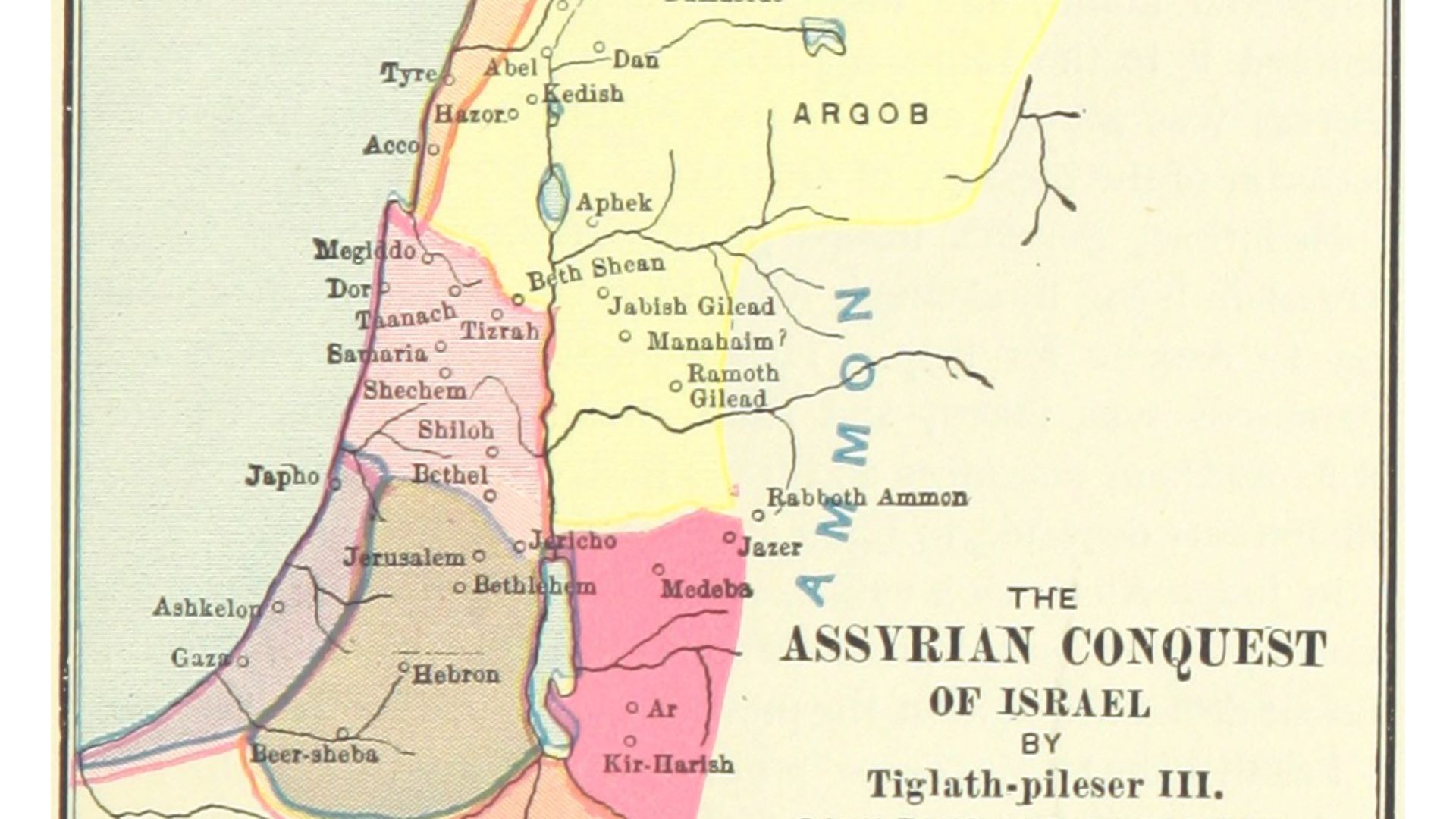
5. The Assyrian Conquest Of Lachish
King Sennacherib’s campaign in Judah included the siege and capture of the fortified city of Lachish. Assyrian palace reliefs showed executions, deportations, plunder, and prisoners being marched away after the victory.
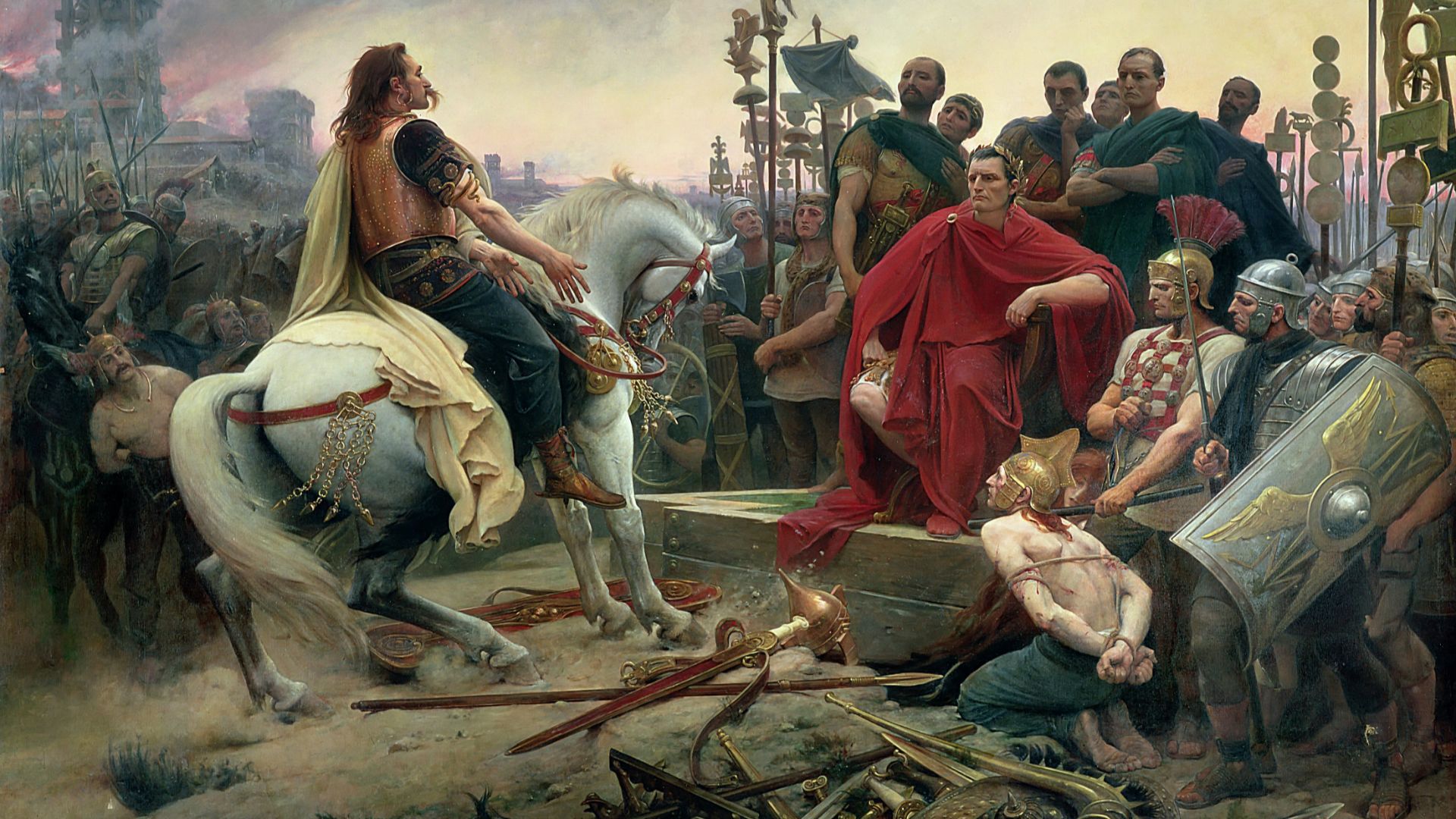
6. Caesar’s Destruction Of Resistance In Gaul
Caesar could be personally inspiring to his soldiers, but his conquest of Gaul also relied on severe collective punishment. Communities that revolted faced enslavement, destruction, or mass killing, while defeated leaders were used to demonstrate Roman dominance.
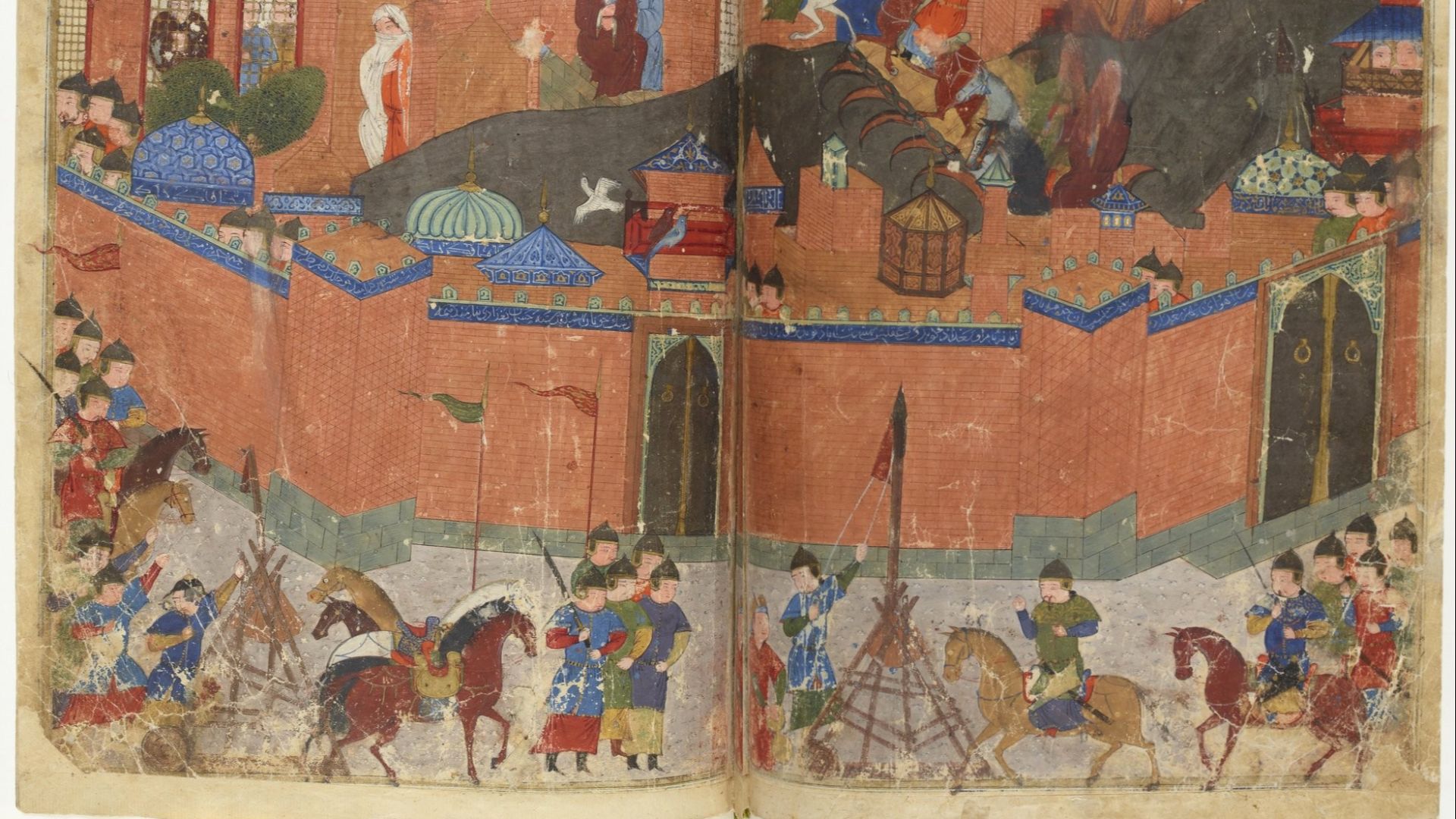
7. The Mongol Destruction Of Khwarazm
The conflict began after officials in the Khwarazmian Empire seized a Mongol trading caravan and killed or humiliated later envoys. Genghis Khan responded with a massive invasion that destroyed major cities and shattered the empire’s political structure.
 Sayf al-vâhidî et al. on Wikimedia
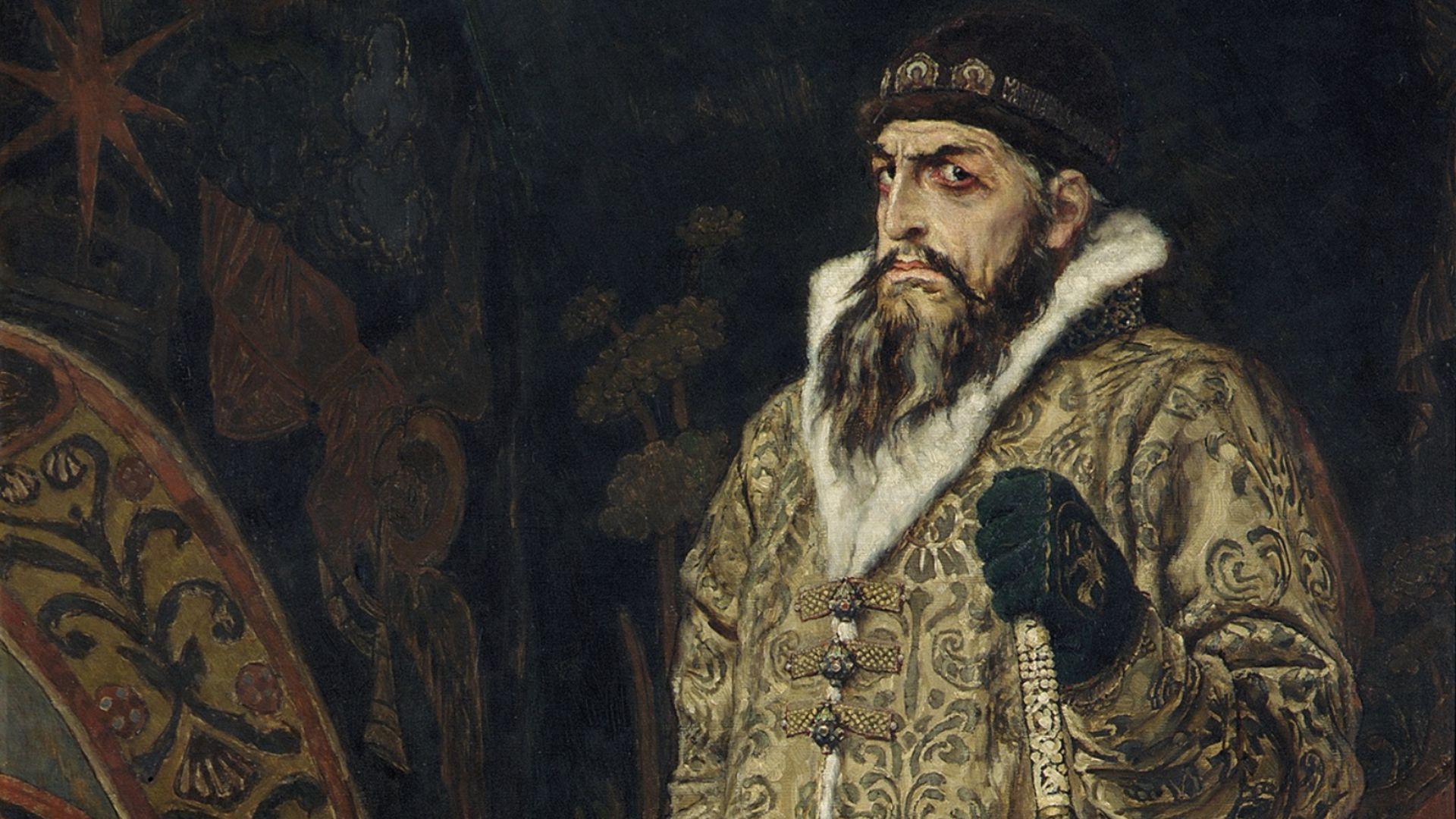
8. Ivan The Terrible’s Conquest Of Kazan
Ivan IV’s armies repeatedly attacked the Khanate of Kazan before finally capturing its capital in 1552. The successful siege was followed by widespread killing, displacement, and the expansion of Russian authority into the middle Volga region.
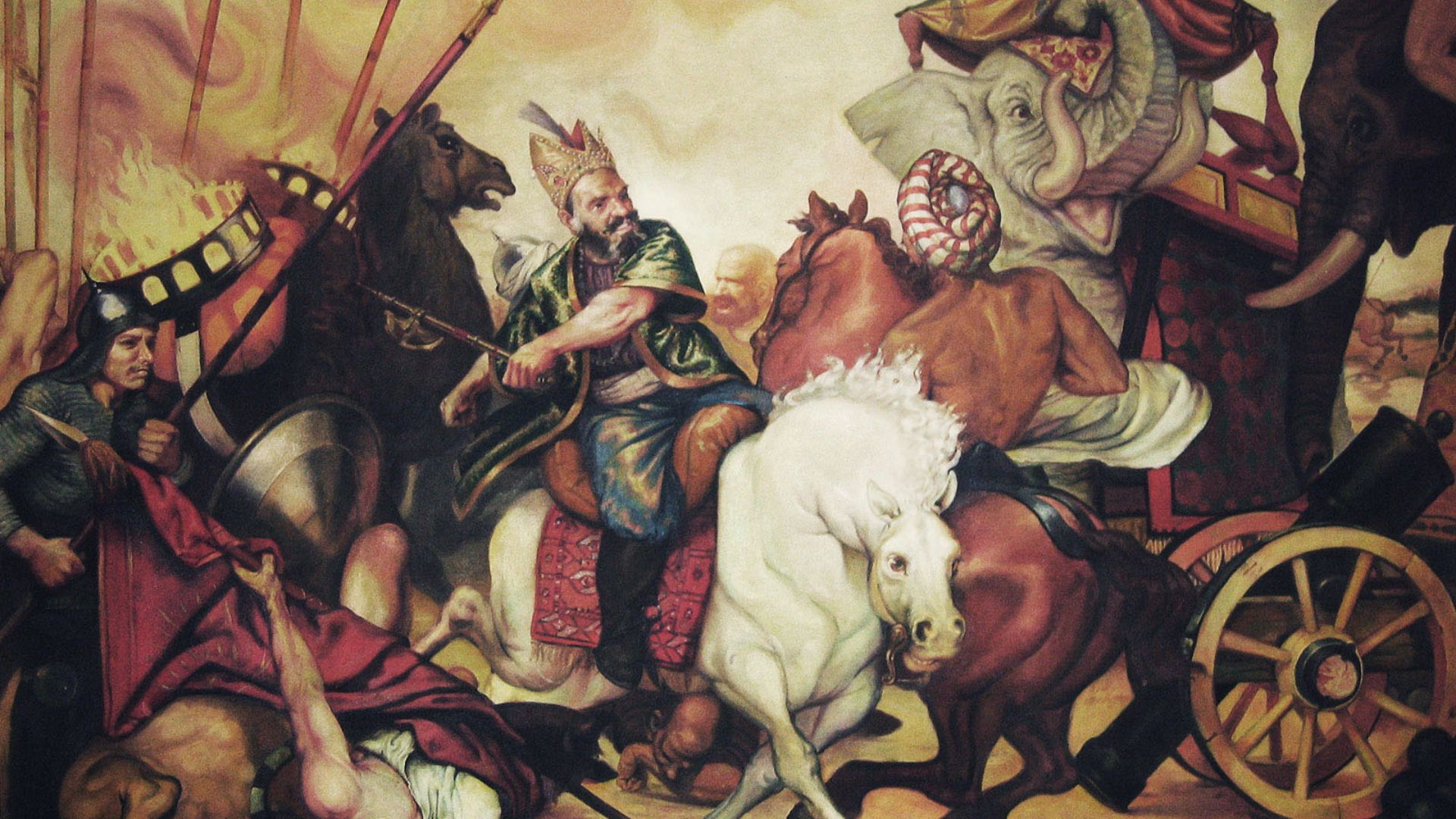
9. Nader Shah’s Invasion Of India
Nader Shah defeated Mughal forces and entered Delhi in 1739, initially presenting himself as a victorious ruler, collecting submission. After violence broke out against his troops, he ordered a massacre within the city.
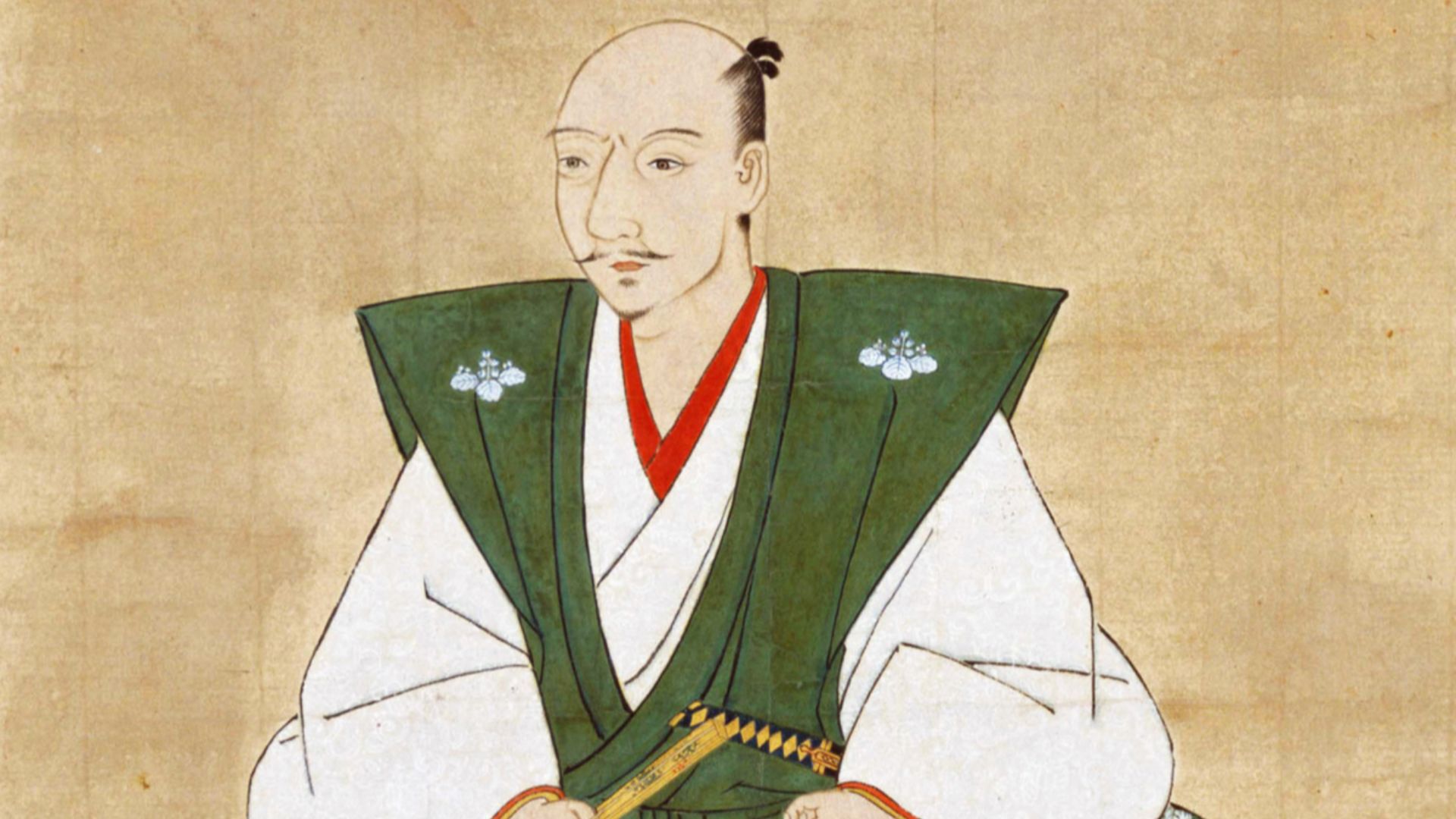
10. Oda Nobunaga’s Destruction Of Enryaku-ji
Oda Nobunaga viewed the powerful religious institutions on Mount Hiei as military and political threats to his campaign to unify Japan. In 1571, his forces attacked and burned the Enryaku-ji temple complex, killing many of those found there.
KEEP ON READING