10 Women Historians Who Never Got Credit & 10 Male Historians Who Got Too Much
10 Women Historians Who Never Got Credit & 10 Male Historians Who Got Too Much
How Historical Reputations Were Unevenly Built
History has never been shaped only by what happened, because it also depends on who was permitted to study the past, publish conclusions, enter universities, and receive professional recognition. Many women produced original scholarship while working outside powerful institutions or being treated as assistants to male colleagues. At the same time, several celebrated men benefited from reputations that discouraged readers from questioning their biases and limitations. That uneven record becomes clear when examining 10 women historians who never got credit and 10 male historians who got too much.
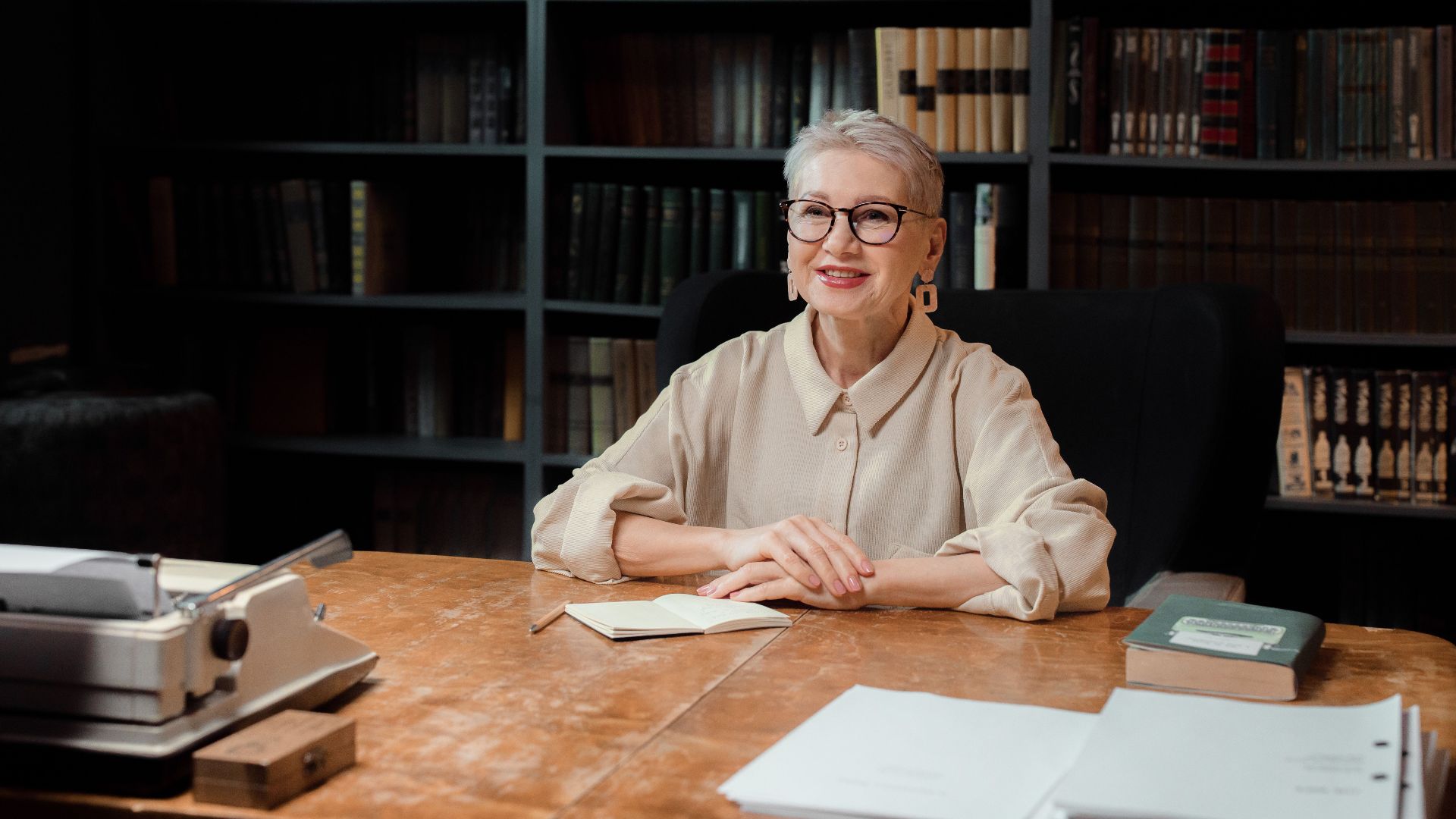
1. Ban Zhao
Ban Zhao helped complete the official history of China’s Han dynasty after her brother Ban Gu died before finishing it. Yet her work was frequently framed as the completion of a male relative’s project rather than as a major scholarly achievement in its own right.
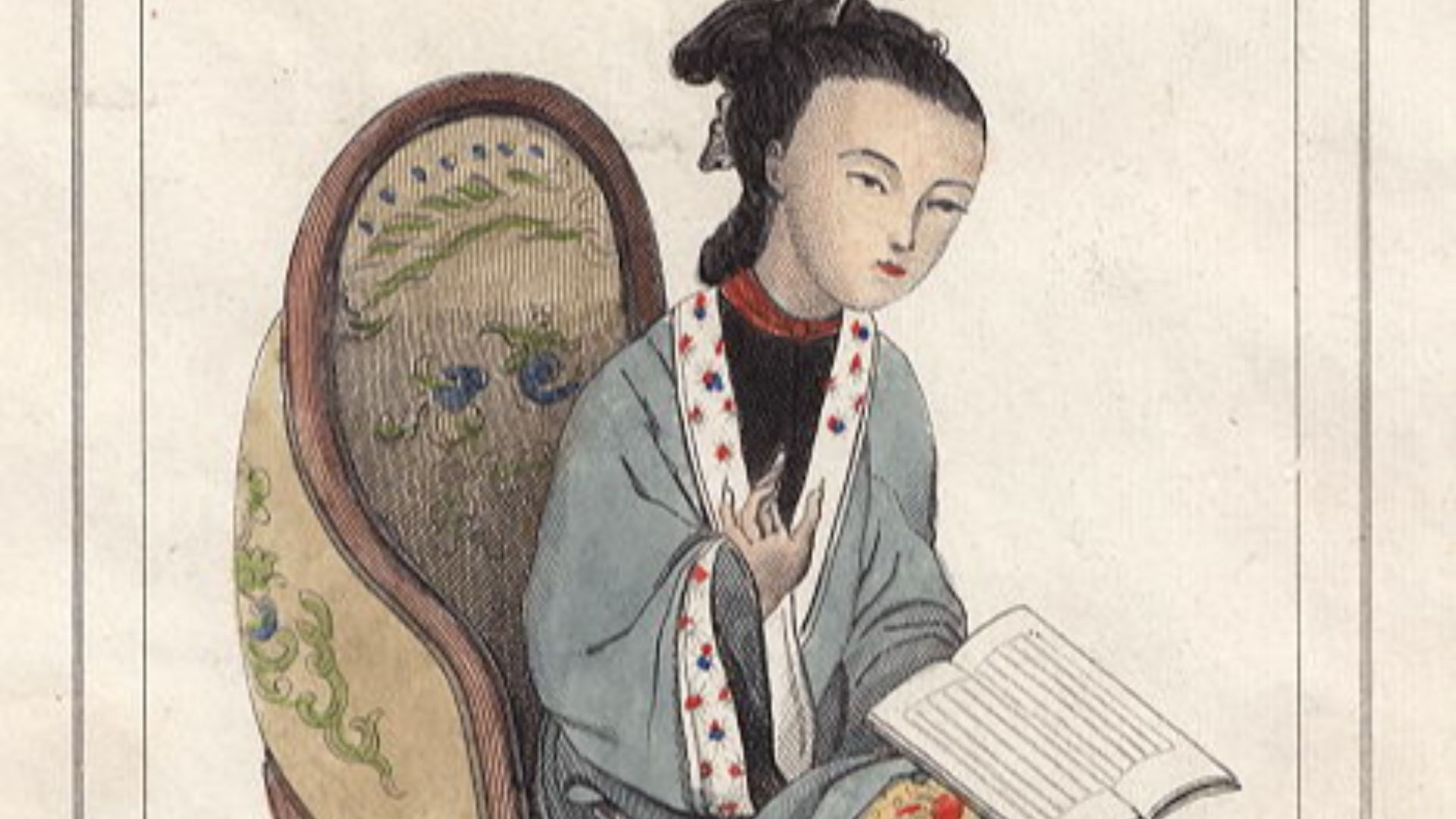
2. Anna Komnene
Anna Komnene wrote a detailed history of the reign of her father, Byzantine emperor Alexios I Komnenos. Discussions of her political ambitions often overshadowed the research, education, and narrative skill required to produce such a substantial work.
 AnonymousUnknown author on Wikimedia
3. Christine de Pizan
Christine de Pizan is widely remembered for defending women through poetry and philosophical writing, but she also worked as a serious political historian. Because her writing doesn’t fit neatly into modern academic categories, her contribution to historical study has often received less attention than her literary reputation.
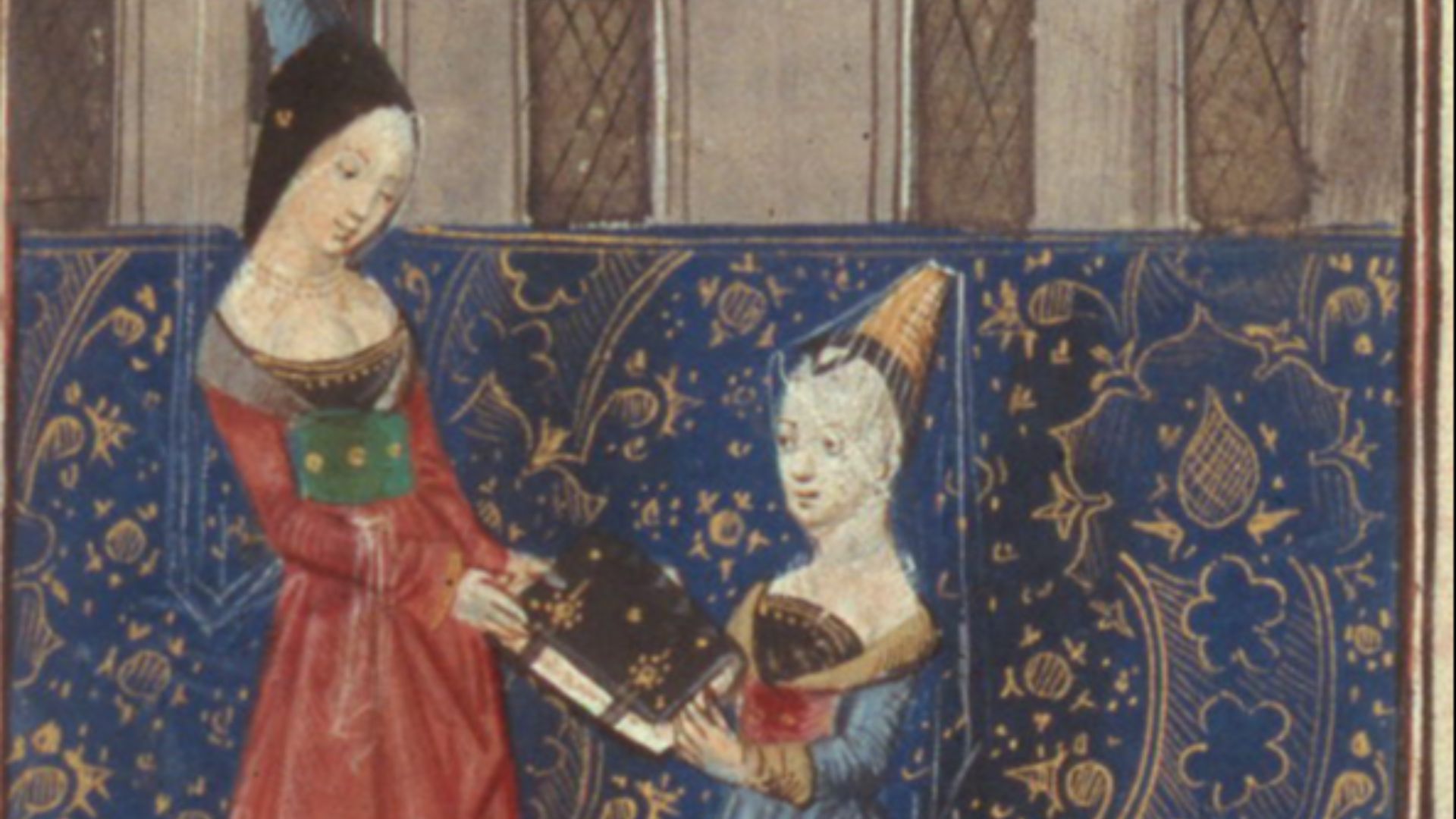 Illustrator of The Treasure of the City of Ladies on Wikimedia
4. Mercy Otis Warren
Mercy Otis Warren followed the political arguments and personal conflicts surrounding the American Revolution from an unusually informed position. Later generations often remembered her as the wife or sister of prominent political men rather than as an important early historian herself.
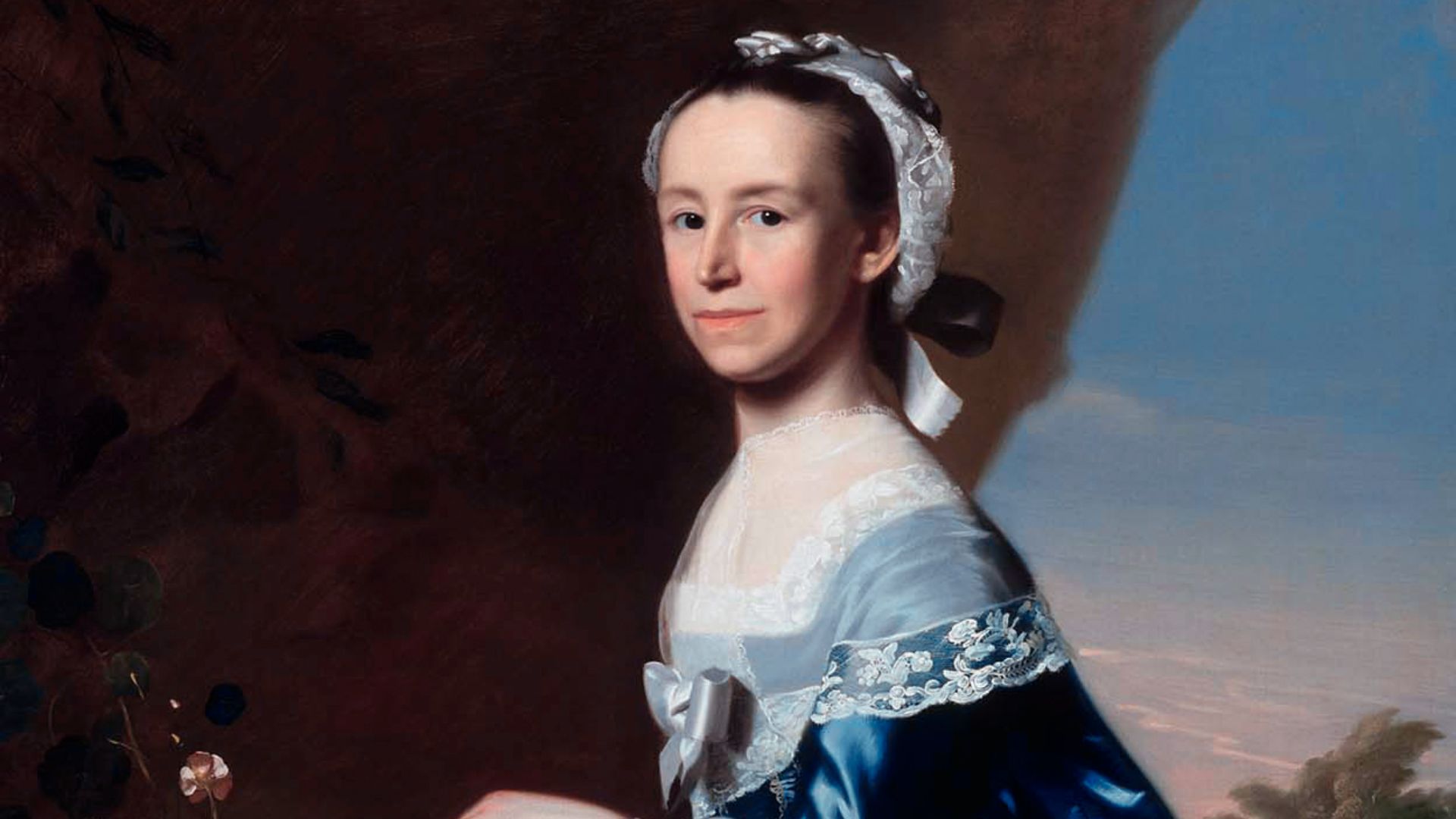 John Singleton Copley on Wikimedia
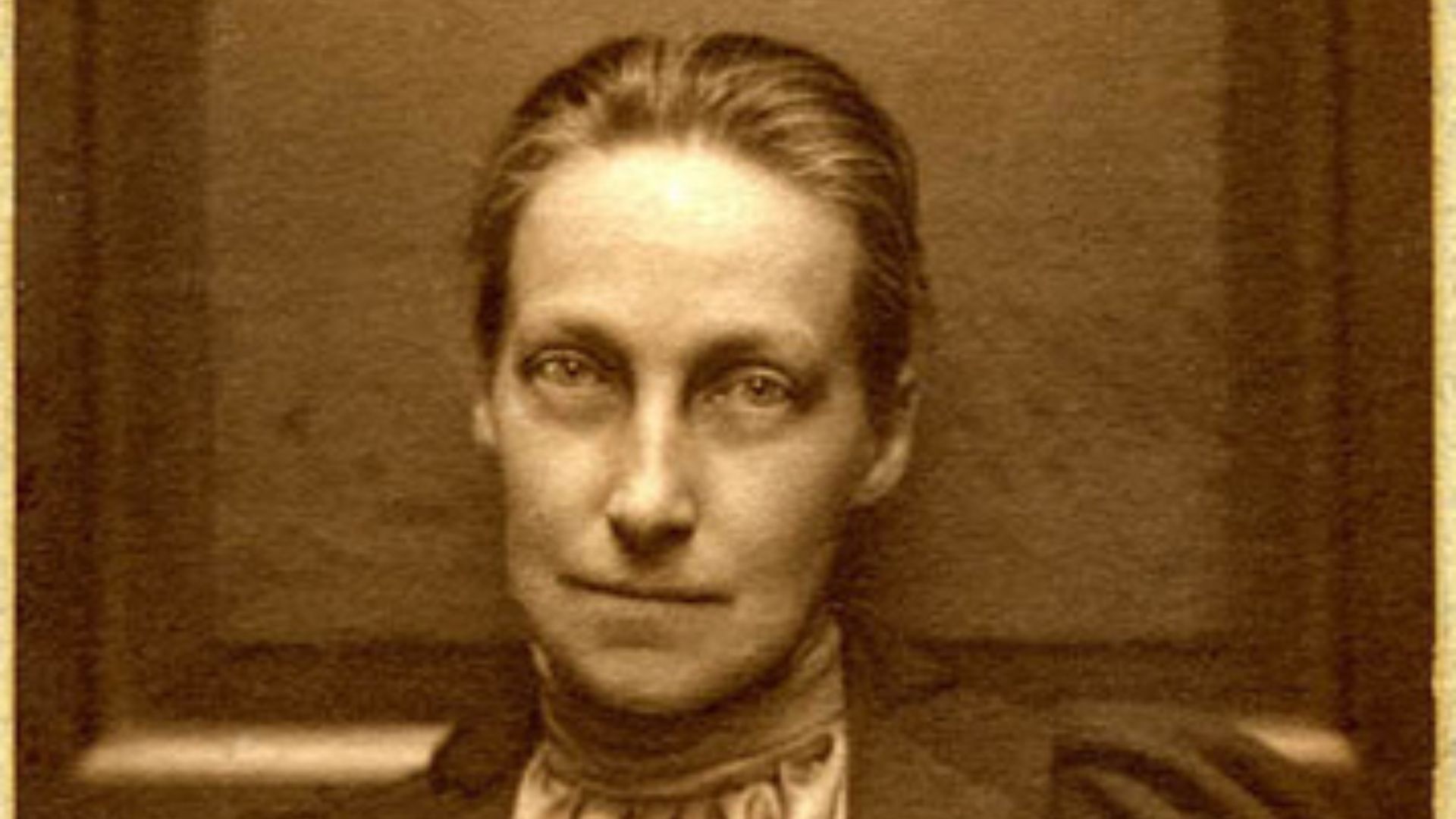
5. Lucy Maynard Salmon
Lucy Maynard Salmon believed historians could learn from newspapers, household objects, domestic work, and other sources that many academics considered unworthy of study. Her methods anticipated later social and cultural history, but the scholars credited with expanding the field were usually men.
6. Mary Ritter Beard
Mary Ritter Beard argued that women had always played active roles in politics, economics, labor, and public institutions. His name became closely associated with their shared interpretation of American history, while her intellectual contribution was often treated as secondary.
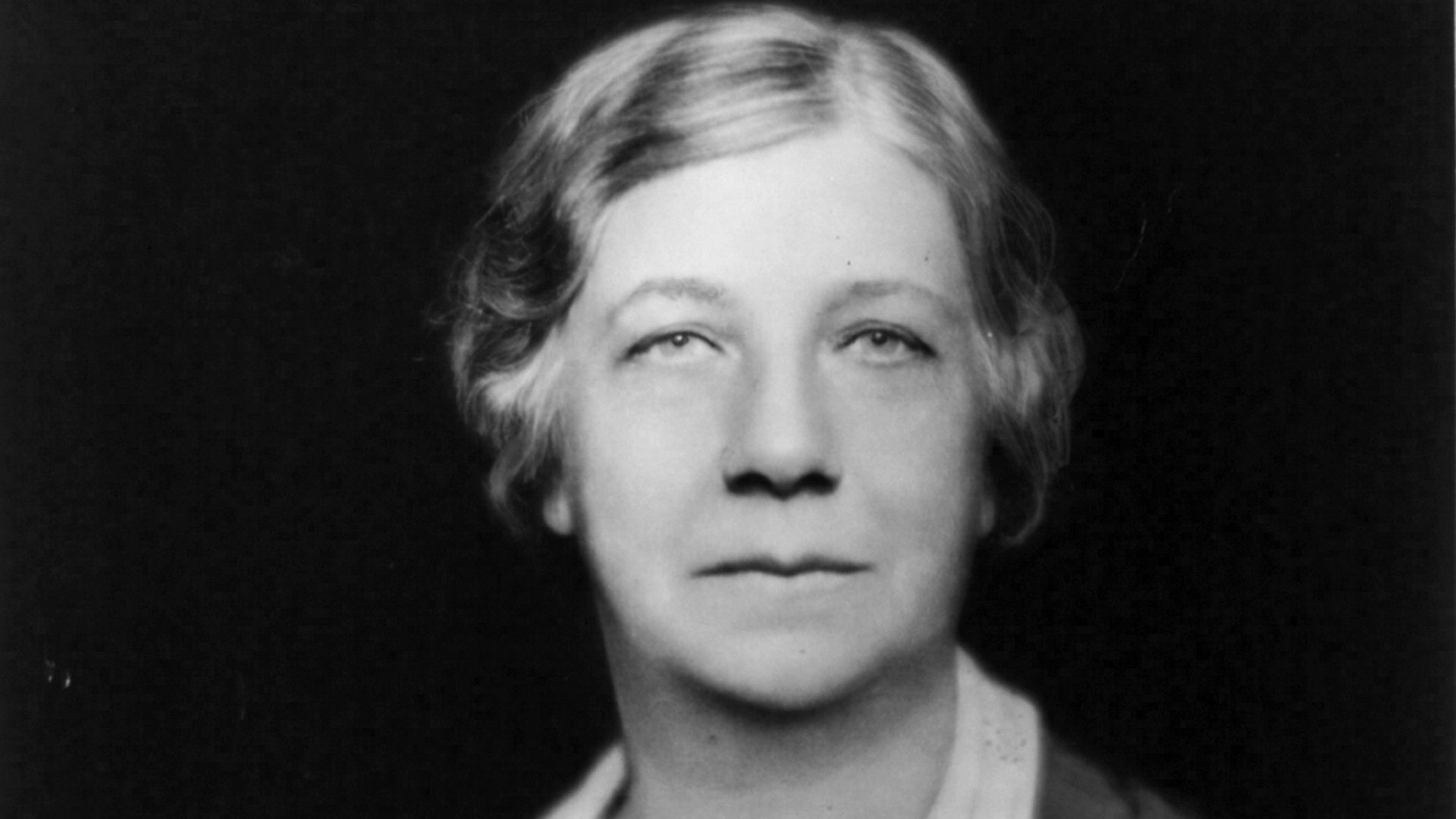 Underwood & Underwood on Wikimedia
7. Alice Clark
Alice Clark examined women’s labor in England before and during the rise of industrial capitalism. Although later feminist historians recognized the importance of her approach, her work spent decades outside the historical profession’s main conversations.
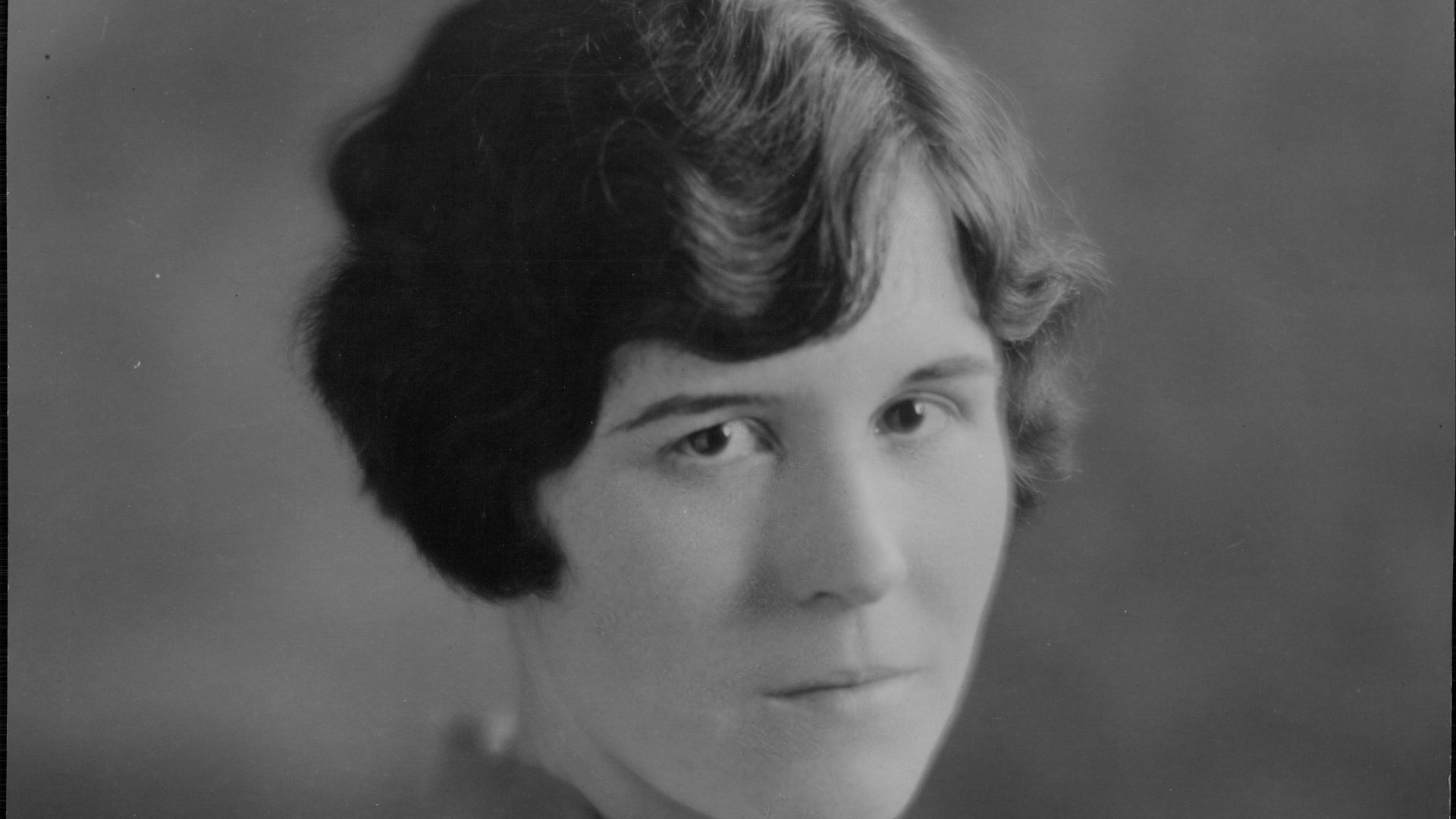
8. Eileen Power
Eileen Power studied medieval trade, convents, farming, family life, and the experiences of ordinary people at a time when political history dominated universities. Her early death left several projects unfinished, and her influence was frequently eclipsed by longer-lived male colleagues.
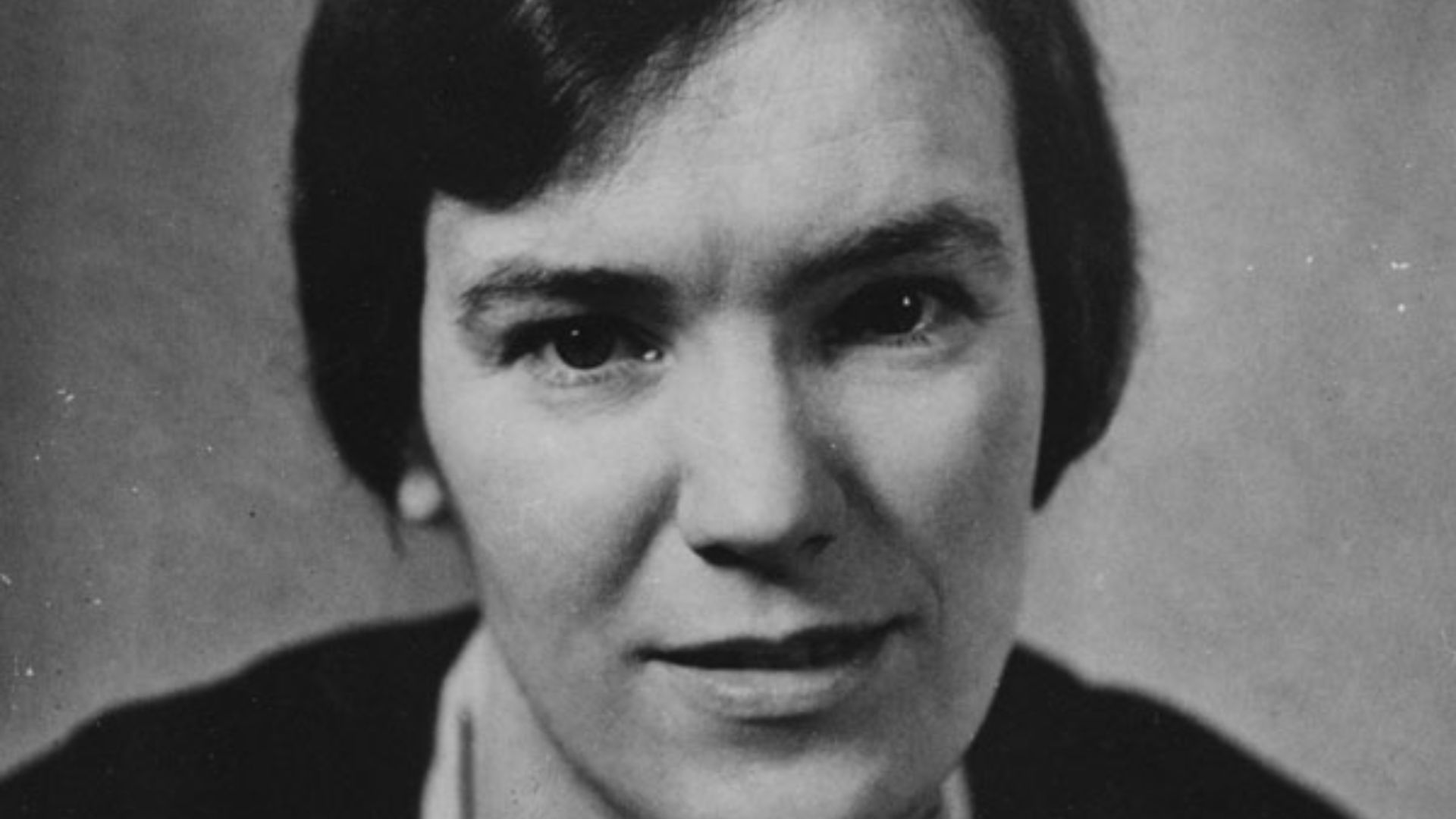
9. Nellie Neilson
Nellie Neilson became a respected authority on medieval English law and institutions during an era when few women held secure academic positions. Her delayed election demonstrated how women could earn professional respect while still being denied leadership opportunities granted more readily to men.
 No photographer credited on Wikimedia
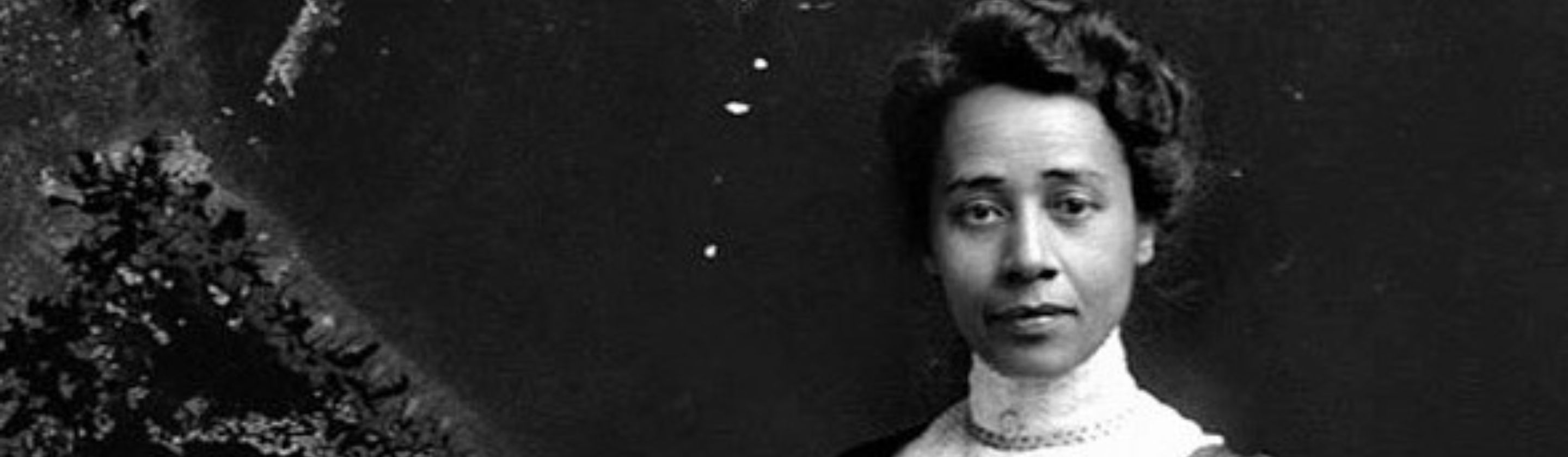
10. Anna Julia Cooper
Anna Julia Cooper earned a doctorate in history from the University of Paris in 1925, becoming one of the first Black American women to receive a doctoral degree. Despite her scholarly accomplishments, racial and gender barriers kept her outside the academic positions and professional networks that built lasting reputations.
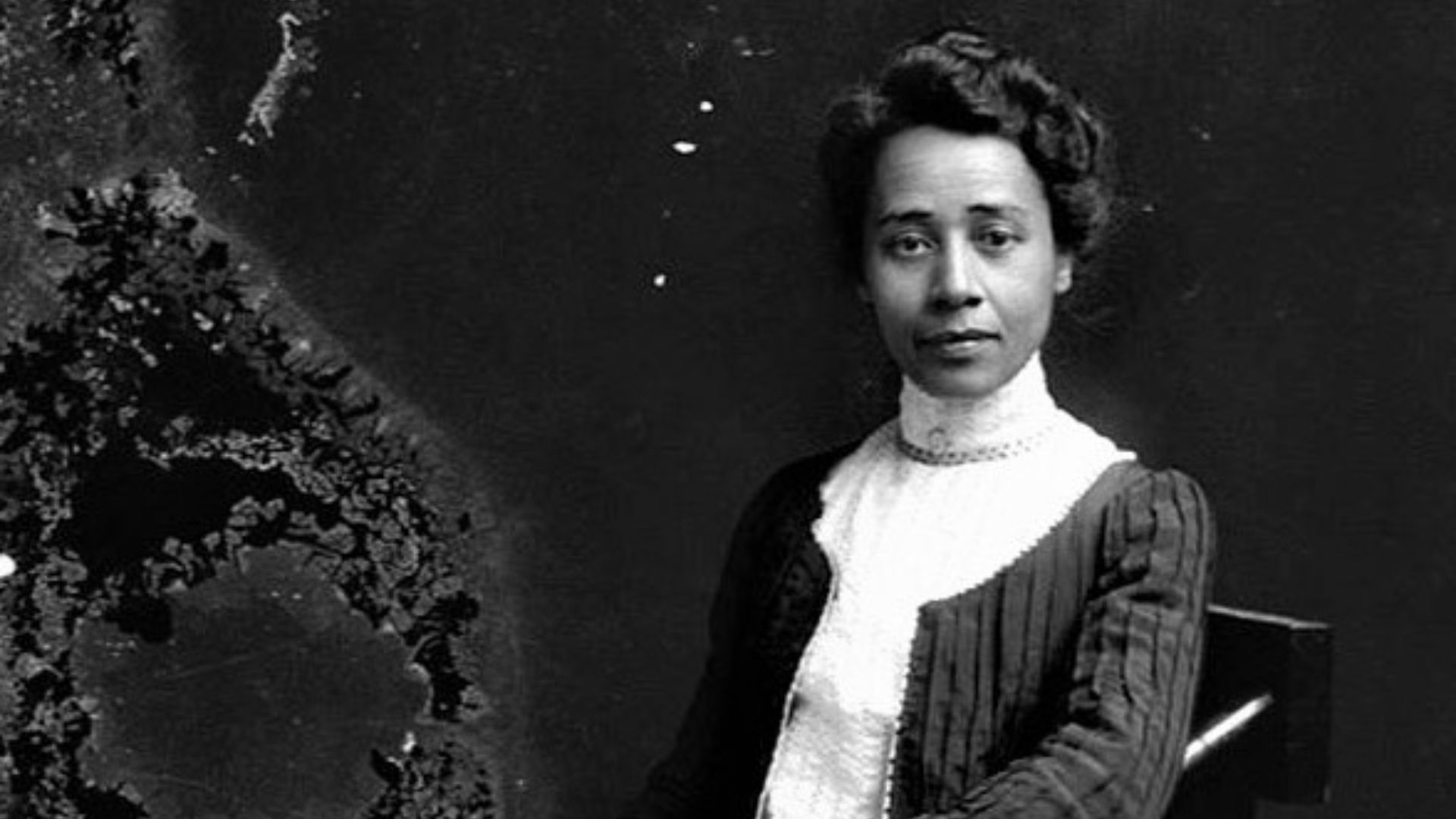 Unknown authorUnknown author on Wikimedia
1. Herodotus
Herodotus preserved an extraordinary range of information about the ancient Mediterranean, North Africa, and the Persian Empire. However, calling him the single “father of history” overlooks earlier historical traditions in Egypt, Mesopotamia, Judea, China, and elsewhere. His reliance on oral reports, legends, and entertaining stories also means his accounts require more caution than his famous title sometimes suggests.
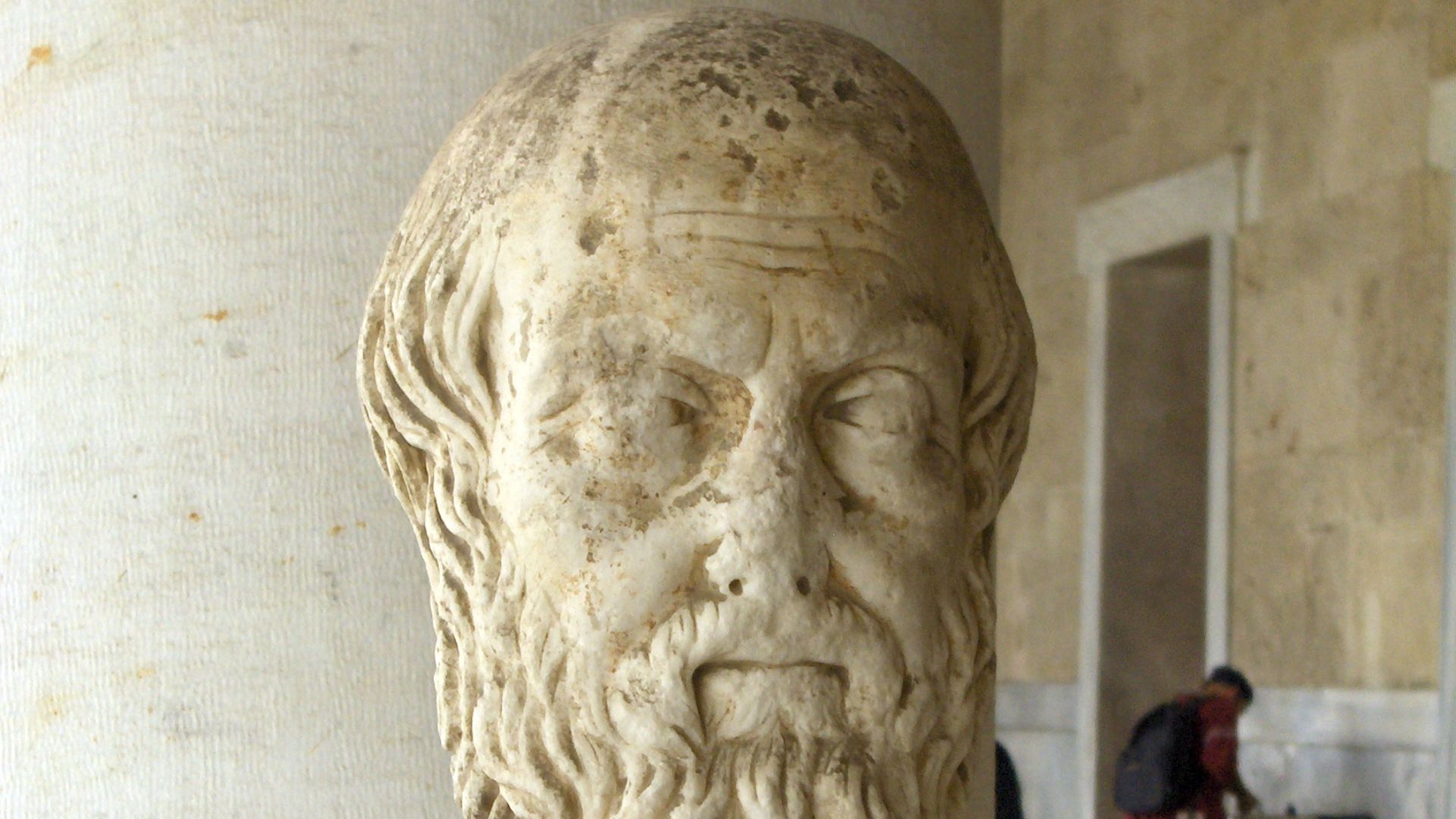 Konstantinos Stampoulis (el:User:Geraki) on Wikimedia
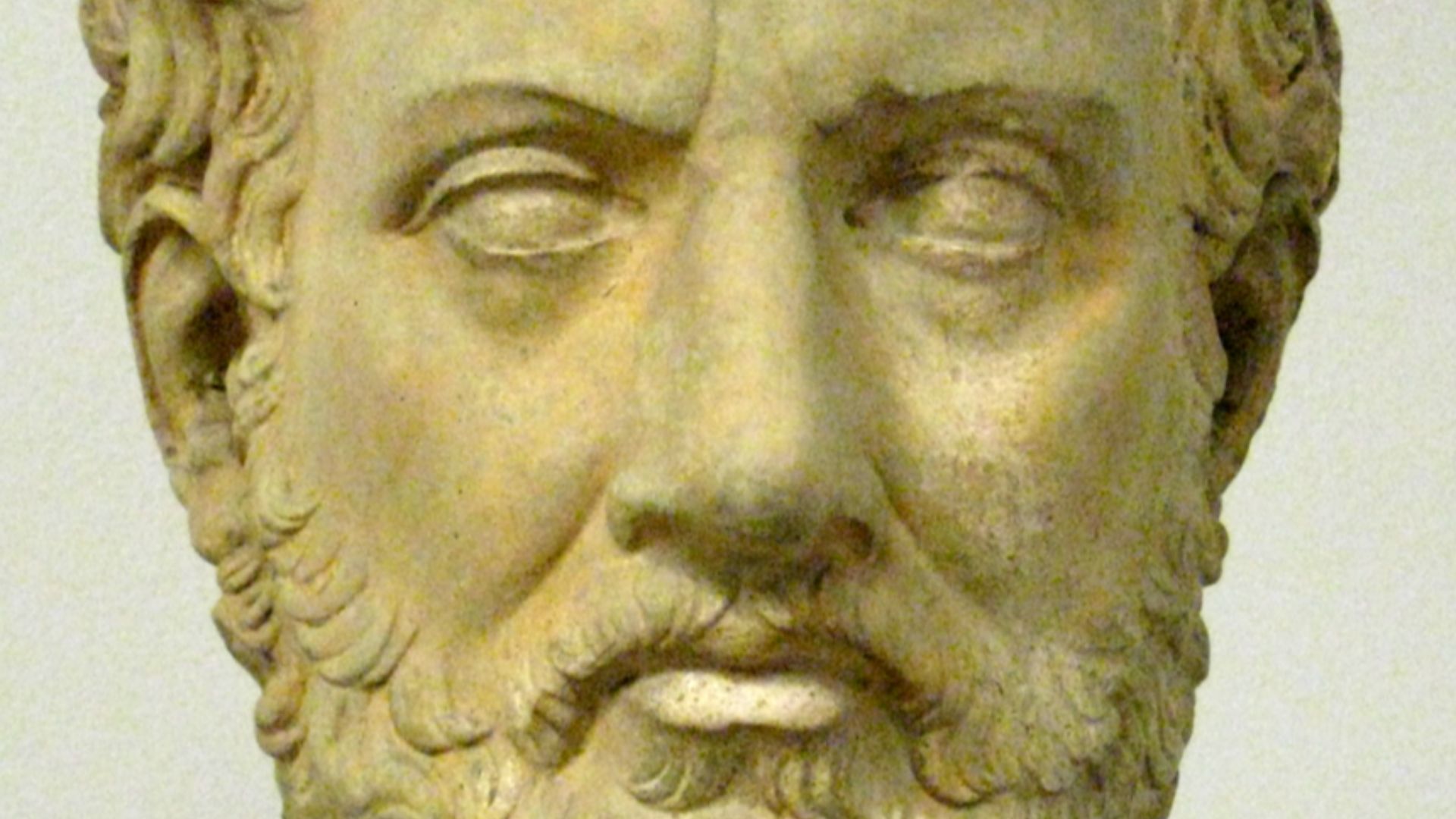
2. Thucydides
Thucydides earned lasting praise for analyzing political interests, military decisions, and human behavior during the Peloponnesian War. His speeches were reconstructed, his selection of events reflected personal judgment, and his own political experiences shaped the supposedly neutral account.
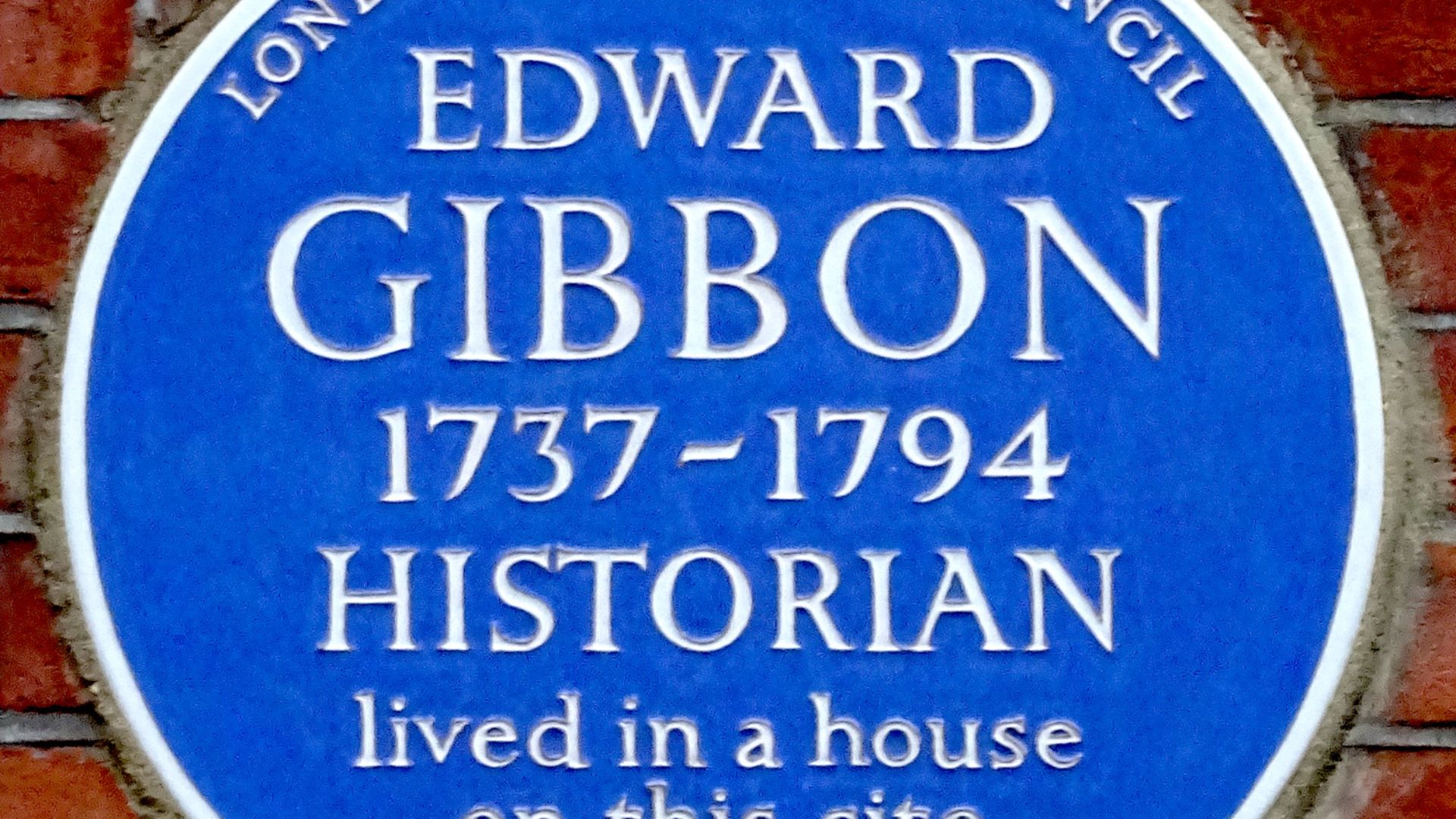
3. Edward Gibbon
Edward Gibbon’s enormous history of Rome became celebrated for its elegance, confidence, and dramatic explanation of imperial decline. Later research has produced far more complicated explanations, but the authority of Gibbon’s prose often made his interpretations appear more conclusive than the evidence justified.
4. Thomas Carlyle
Thomas Carlyle popularized the argument that exceptional male leaders are the primary forces behind historical change. The “great man” view remained influential partly because Carlyle’s reputation made a narrow interpretation of history seem intellectually complete.
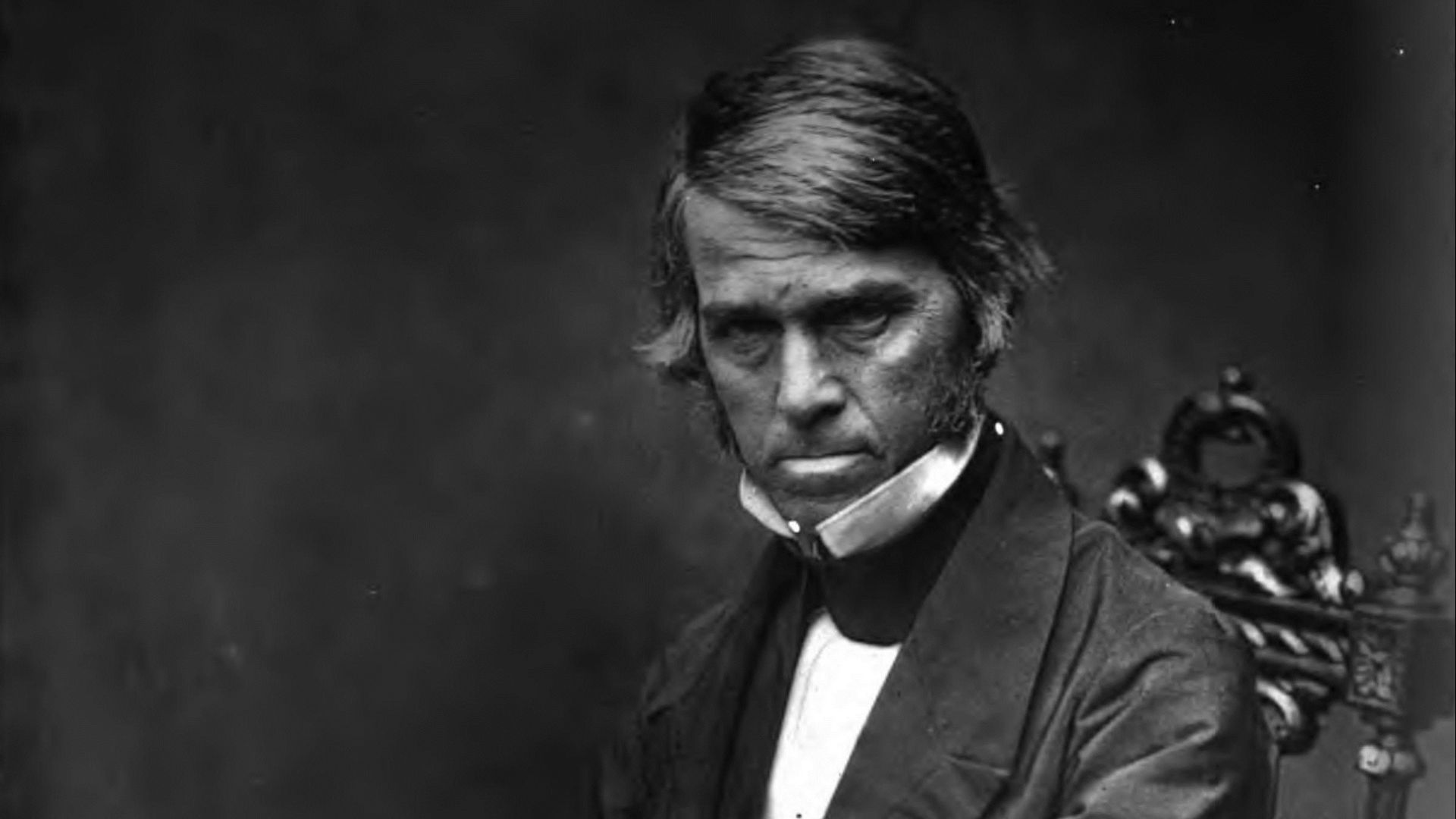 Robert Scott Tait on Wikimedia
5. George Bancroft
George Bancroft presented the history of the United States as a steady advance toward liberty and democratic government. Its confident patriotic narrative minimized slavery, Indigenous displacement, inequality, and the experiences of people excluded from the nation’s political promises.
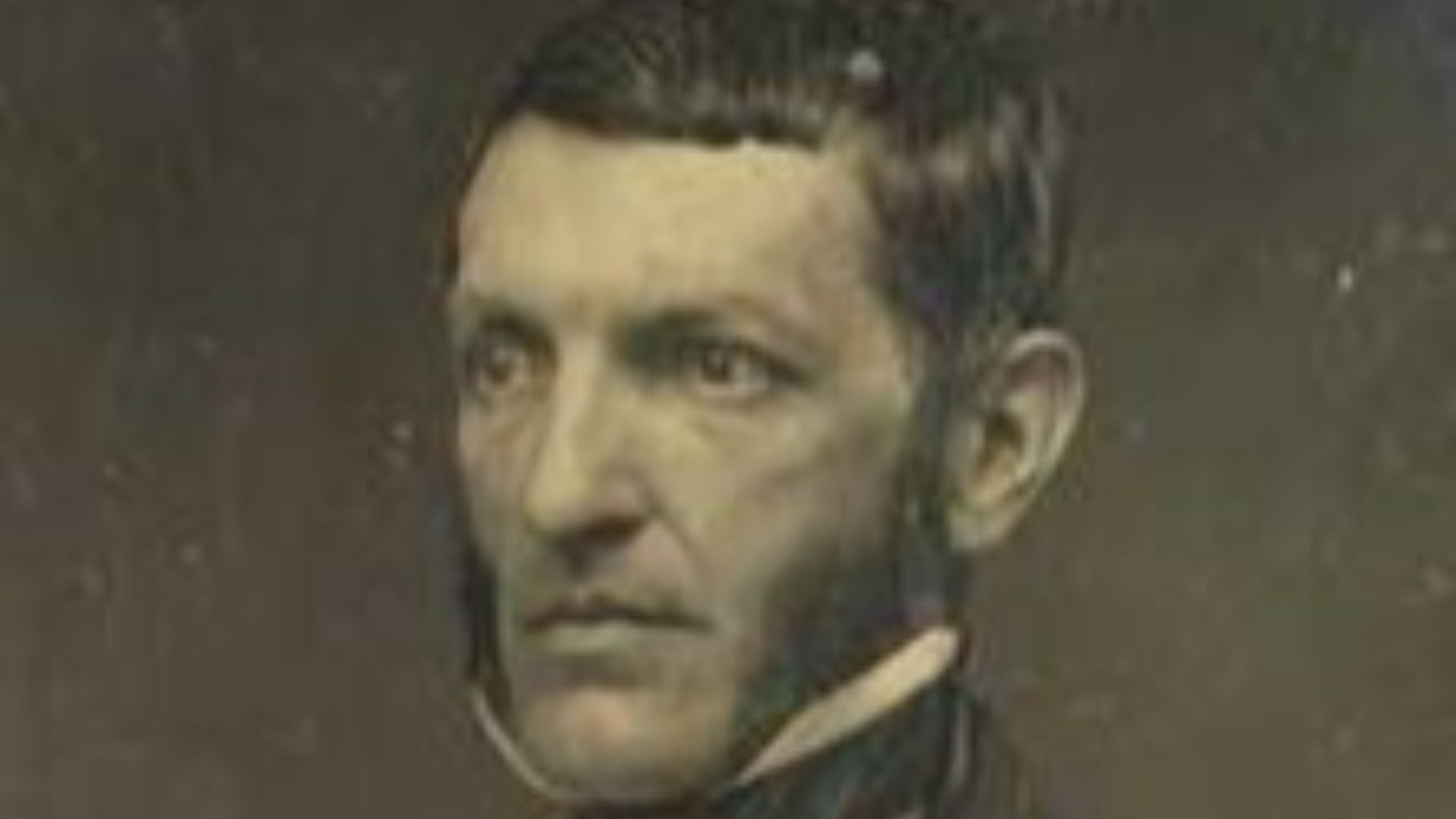
6. Leopold von Ranke
Leopold von Ranke made important contributions by emphasizing archives, primary documents, and careful source analysis. That reputation overlooks earlier scholars, non-European historical traditions, and contemporaries who also developed rigorous methods, while his focus on governments and diplomacy reinforced an elite definition of history.
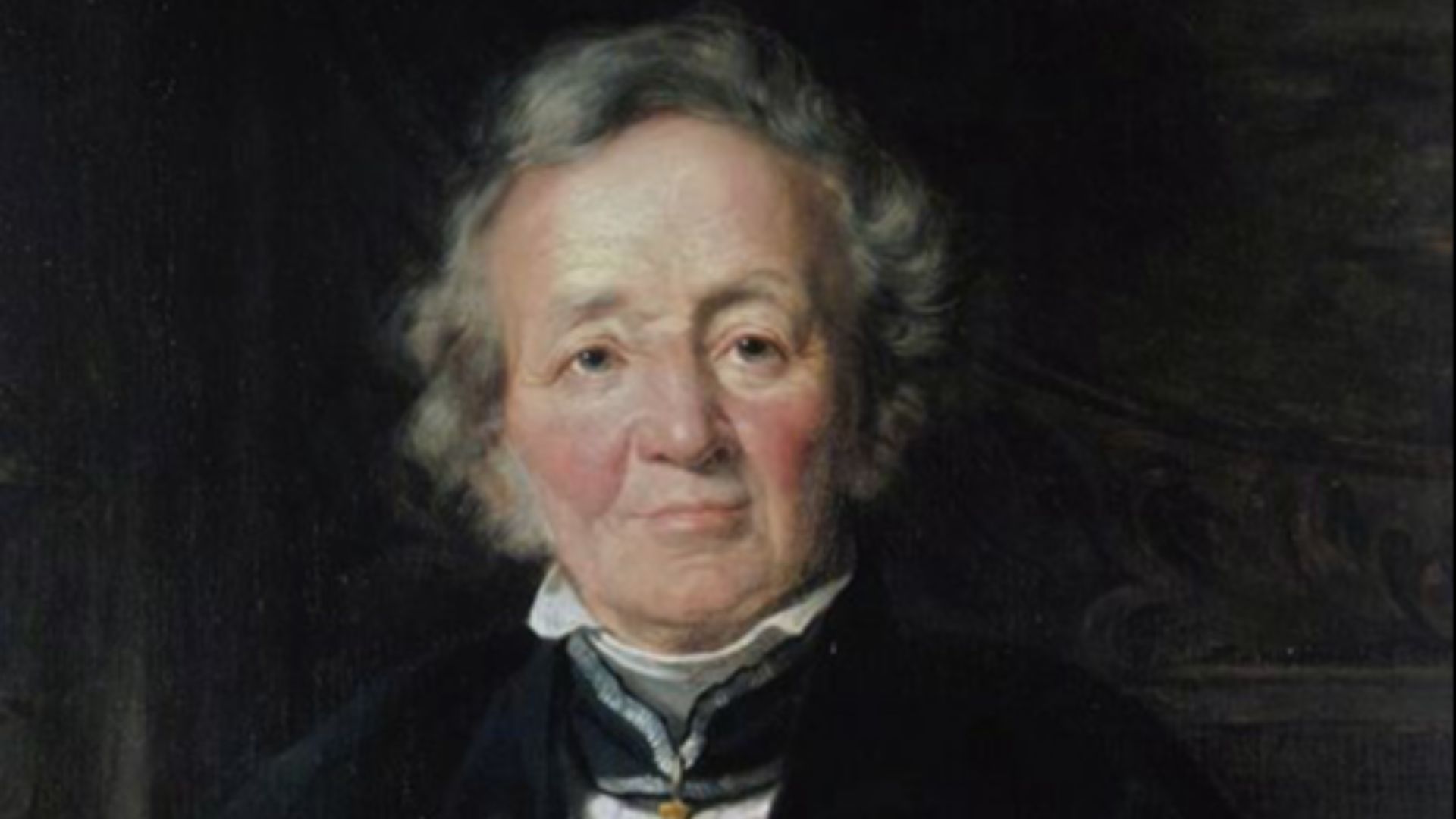 After Julius Schrader / Adolf Jebens on Wikimedia
7. Francis Parkman
Francis Parkman wrote highly readable accounts of the rivalry between France and Britain in North America. He frequently portrayed Indigenous nations through racial and cultural assumptions common among 19th-century writers, yet his literary skill allowed those distortions to retain authority long after scholars challenged them.
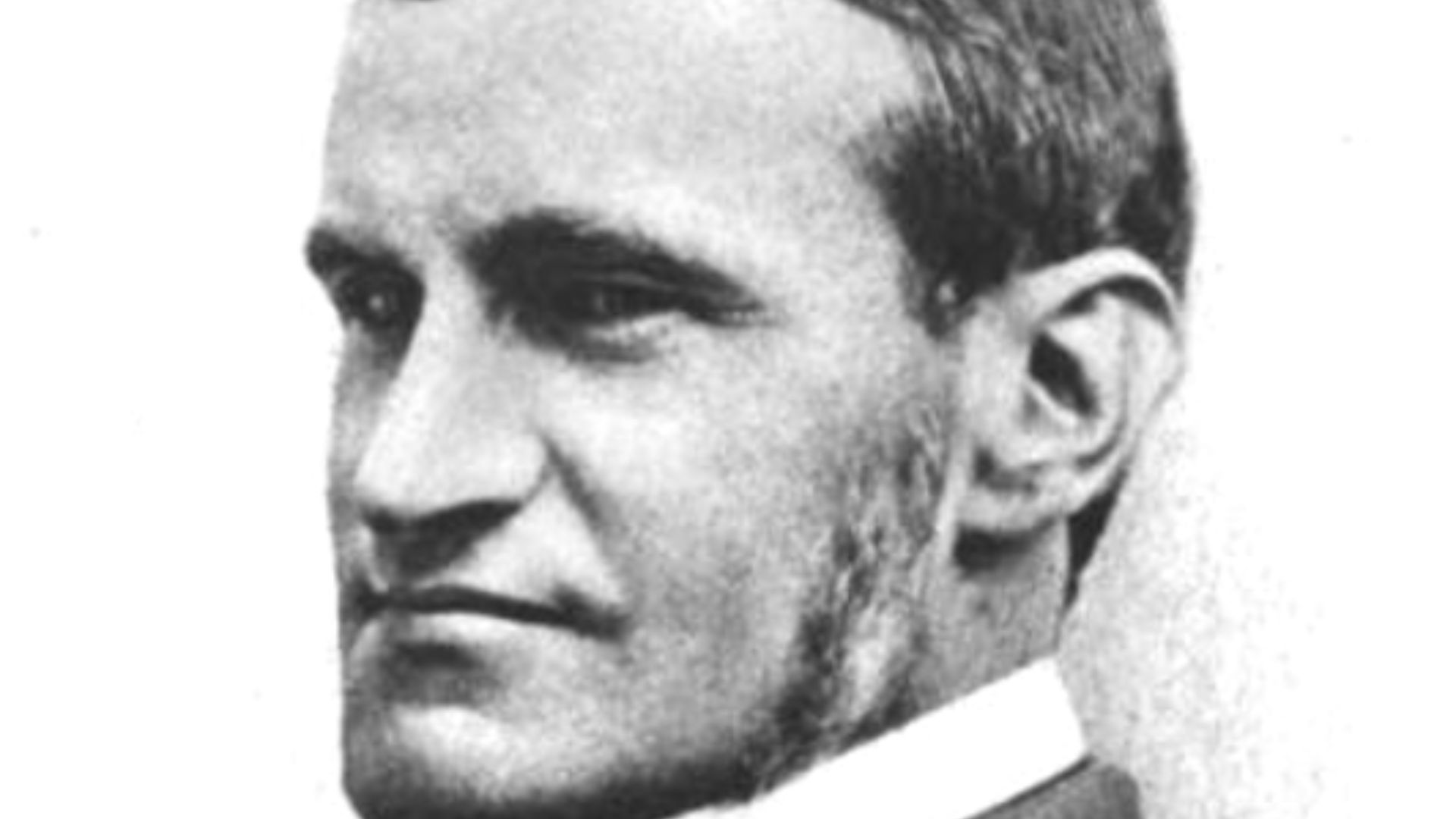 Artist unidentified on Wikimedia
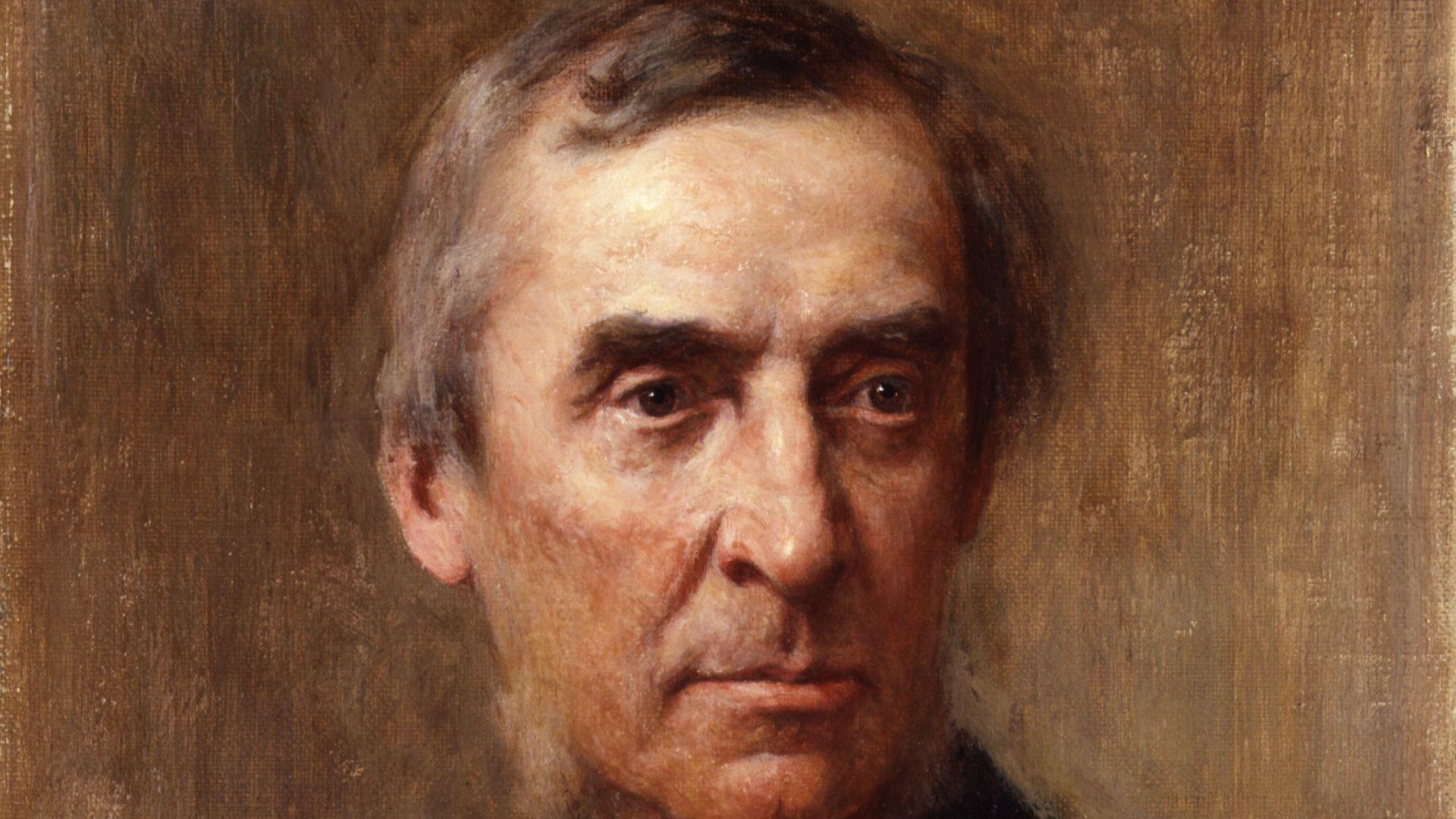
8. James Anthony Froude
James Anthony Froude attracted Victorian readers with forceful histories of England, the Reformation, and the British Empire. The strength of his opinions often made his conclusions sound more dependable than his research practices warranted.
9. Arnold J. Toynbee
Arnold J. Toynbee attempted to explain the development and decline of civilizations through a vast comparative framework. Many historians found his categories selective, difficult to test, and overly dependent on broad generalizations, but his fame gave the theory more certainty than it deserved.
 Oxford University Press on Wikimedia
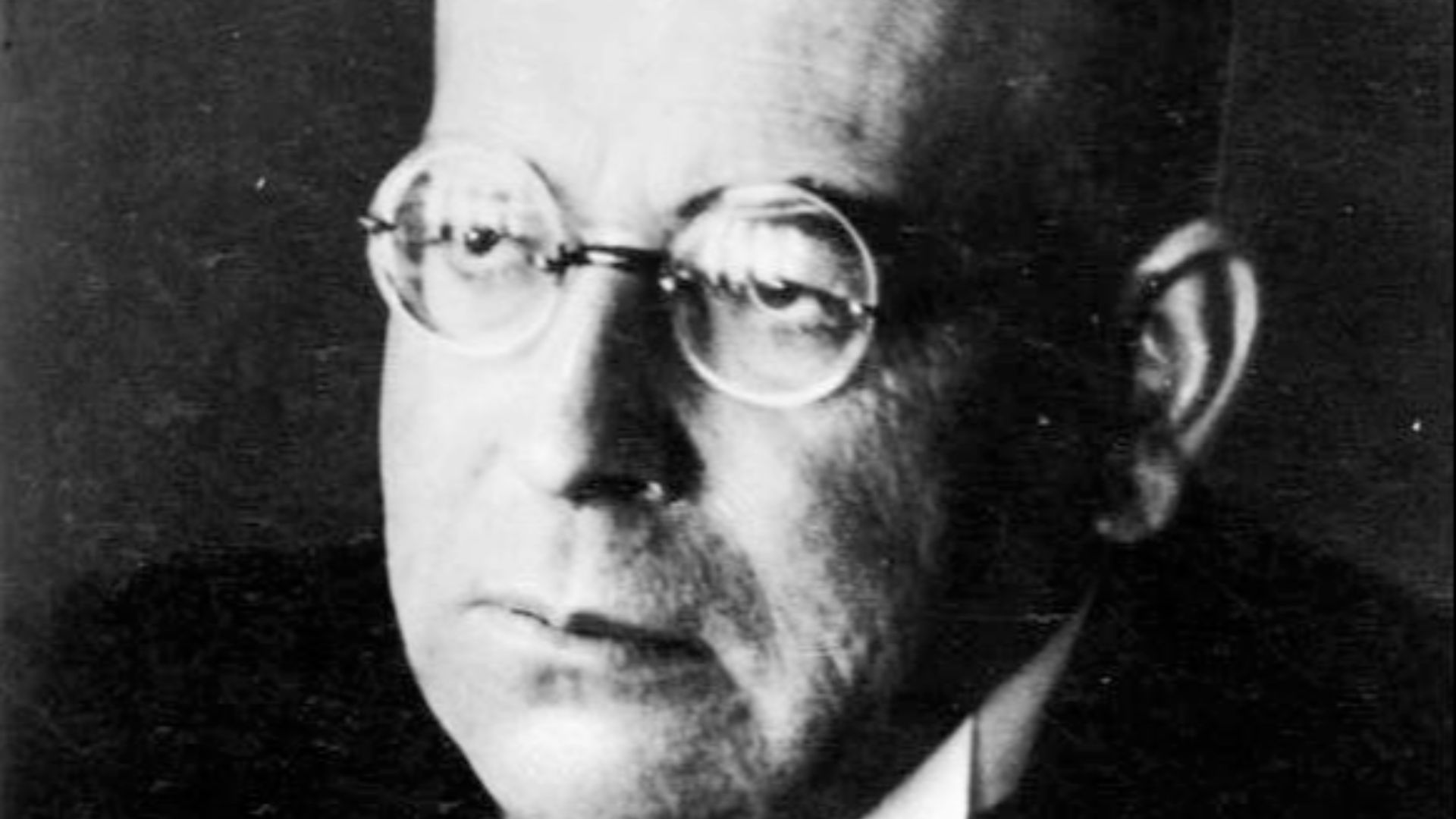
10. Oswald Spengler
Oswald Spengler argued that civilizations follow predictable stages resembling birth, maturity, and decline. The approach depended on selective comparisons and treated complex cultures as fixed units, yet its dramatic simplicity helped it reach an audience far larger than its scholarly reliability justified.
KEEP ON READING