

Annabelle & Robert Aren't the Only Dolls With Disturbing Histories
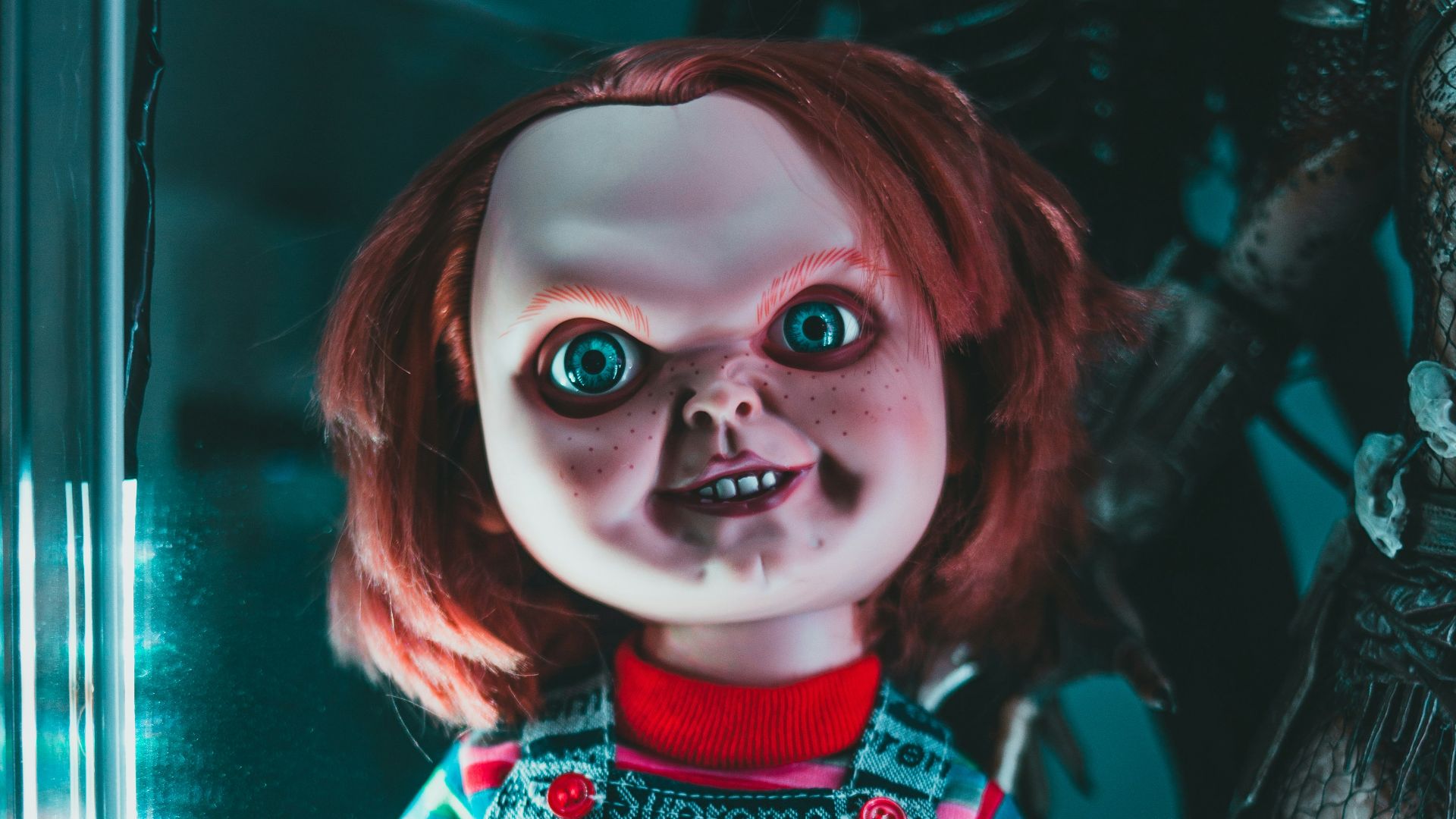
When people think of haunted dolls, Annabelle and Robert usually come to mind, thanks to their unsettling reputations and connections to paranormal investigations. However, Japan has its own famous doll with a history that's arguably just as disturbing. Unlike the familiar stories involving moving objects or unexplained noises, this particular doll is said to have the unusual ability to grow human hair.
Known as Okiku, the century-old doll has become one of Japan's most recognizable supernatural legends, attracting attention from curious visitors and paranormal enthusiasts alike. Its history begins with a simple childhood gift from a brother to his younger sister before taking an increasingly mysterious turn after a family tragedy. Today, Okiku remains at a Buddhist temple in Hokkaido, where its unusual reputation continues to fascinate people.
A Childhood Gift With a Tragic History
The story of Okiku reportedly began in 1918, when 17-year-old Eikichi Suzuki purchased a traditional Japanese doll for his younger sister, Kikuko. He bought the gift during a visit to Sapporo, choosing a beautiful doll dressed in a kimono with dark eyes and neatly trimmed hair. Kikuko, who was only a toddler, immediately became attached to her new companion and carried it almost everywhere. According to the family's story, she even insisted on sleeping beside it each night.
Unfortunately, the young girl's happiness was short-lived, as she became seriously ill not long after receiving her beloved present. Historical accounts differ regarding the exact circumstances, but the traditional story describes her death following an illness while she was still very young. Devastated by their loss, the Suzuki family placed the doll on their household Buddhist altar in the little girl's memory.
For some time, Okiku occupied a special place in the grieving family's home, simply serving as a reminder. Eventually, though, relatives allegedly noticed something peculiar about the doll's appearance that they couldn't easily explain. The hair, which had originally been cut into a short style, seemed to be growing longer with time. Some family members took this as a sign that Kikuko's spirit had somehow remained attached to her favorite toy.
The Doll's Hair Apparently Refused to Stop Growing
What makes Okiku particularly unusual is the claim that its hair continued growing long after the doll was originally purchased. According to the legend, its hairstyle gradually changed from a short bob into noticeably longer locks that reached toward its shoulders. The family reportedly found this deeply unsettling, especially because the apparent transformation began after Kikuko's death. Rather than treating the doll as something dangerous, however, they continued looking after it as a connection to their lost daughter.
In 1938, the Suzuki family reportedly entrusted Okiku to Mannenji Temple in Iwamizawa, Hokkaido, as they were preparing to relocate. The doll remained at the temple, where its strange reputation attracted increasing attention over the following decades. According to various accounts, the priests also noticed changes in its hair and eventually began trimming it periodically.
The mystery attracted considerable public interest during the 20th century, particularly as Japanese magazines began publishing stories about the doll. Some reports suggested that its hair continued growing despite repeated cuts, while others offered conflicting information about its original owner and history. These discrepancies show just how much Okiku's story has changed through decades of retelling. Even so, the possibility of an ordinary doll displaying something resembling biological growth was enough to keep people talking.
Scientists Haven't Proven Anything Supernatural
Naturally, Okiku's unusual appearance has raised questions about whether there might be a scientific explanation for its supposedly growing hair. One possibility is material expansion, since natural human hair can absorb moisture from the surrounding environment and change in length slightly as humidity levels fluctuate. Over time, these changes could potentially affect the doll's hairstyle, making individual strands appear longer than before. However, this explanation hasn't been scientifically confirmed in Okiku's case, and ordinary moisture-related expansion wouldn't account for the dramatic growth described in some versions of the legend.
Another possibility is what's sometimes called the creeping hair theory, which focuses on how traditional Japanese dolls were constructed. Some dolls had real human hair folded in half and secured inside their heads using adhesives or other fastening materials. As these materials deteriorated with age, individual strands could gradually slip from their original positions, exposing more hair and creating the illusion that it was growing.
Neither theory has been conclusively proven to explain Okiku's reported hair growth, and without reliable measurements or photographic documentation spanning the relevant decades, it's difficult to establish whether any genuine changes occurred. Mannenji Temple continues to be associated with the doll, whose story has fascinated generations of people interested in Japanese folklore and unexplained mysteries. Whether you interpret Okiku as a paranormal mystery or a touching family memorial, its disturbing reputation ensures it won't be forgotten anytime soon.