

 Library of Congress on Unsplash
War has shaped technology, politics, and global power structures for centuries. Yet when people ask which conflict truly transformed modern warfare, the answer isn’t always simple. Many wars introduced new tools or tactics, but only a few fundamentally altered how nations fight.
If we’re talking about modern warfare as it exists today, with industrial production, mechanized armies, air power, and global strategy, one conflict stands out more than any other. While earlier wars laid important groundwork, World War I marked a dramatic turning point in how wars were conducted and understood. Its impact still shapes military doctrine and defense systems around the world.
World War I Was A Turning Point
Before 1914, most major wars still relied heavily on 19th-century tactics. Armies marched in large formations, cavalry units played meaningful roles, and battle lines were relatively fluid. Industrialization had begun influencing warfare, but the full consequences hadn’t yet been realized.
World War I forced nations to mobilize entire economies for sustained conflict. Factories shifted to mass-producing weapons, ammunition, and vehicles on an unprecedented scale. The concept of “total war,” in which civilian industry and labor became directly tied to military success, became central to national survival.
This war also introduced technological advancements that permanently changed the battlefield. Machine guns, heavy artillery, poison gas, and tanks transformed combat into something far more lethal and mechanized. The scale of destruction made it clear that warfare had entered a new and more industrialized era.
The Rise Of Mechanized And Technological Combat
One of the most visible shifts during World War I was the dominance of the machine gun. Defensive positions became devastatingly powerful, contributing to the deadly stalemate of trench warfare along the Western Front. Traditional cavalry charges quickly became obsolete in the face of rapid-fire weapons and barbed wire.
Artillery emerged as the primary killer in the conflict. Massive bombardments preceded infantry assaults, reshaping landscapes and creating cratered battlefields. Long-range guns demonstrated that destruction no longer required direct visual contact with the enemy.
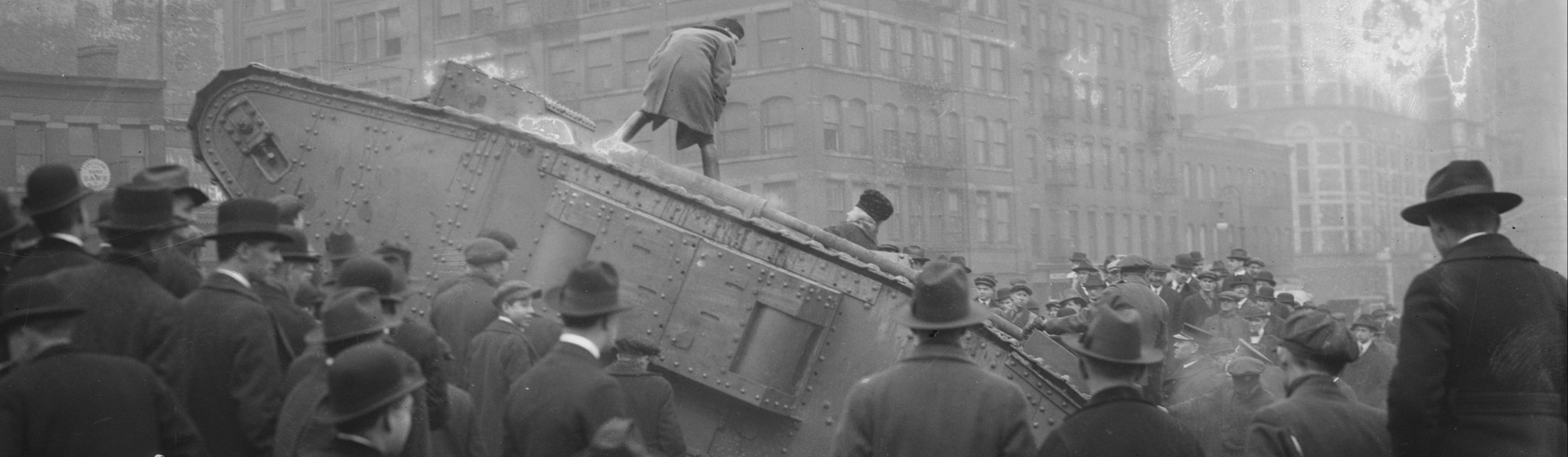
The introduction of tanks in 1916 marked the beginning of armored warfare. Although early models were unreliable, they signaled a future in which mobility and mechanization would define military strategy. By the time World War II began, armored divisions had become central to offensive operations.
Air And Naval Power Redefined Strategy
World War I also saw the first large-scale use of aircraft in combat. Initially used for reconnaissance, airplanes quickly evolved into fighter and bomber platforms. Control of the skies became increasingly important for gathering intelligence and protecting ground forces.
Submarine warfare changed naval strategy in dramatic ways. Germany’s use of U-boats to target merchant shipping disrupted supply lines and influenced the United States’ decision to enter the war in 1917. Naval conflict was no longer limited to visible fleets engaging in open battle.
The war demonstrated that modern conflict extended beyond the immediate front lines. Economic blockades, strategic bombing, and long-distance naval operations meant that entire nations were vulnerable. Warfare was no longer confined to isolated battlefields but had become global in scope.
The Psychological And Strategic Legacy of WWI
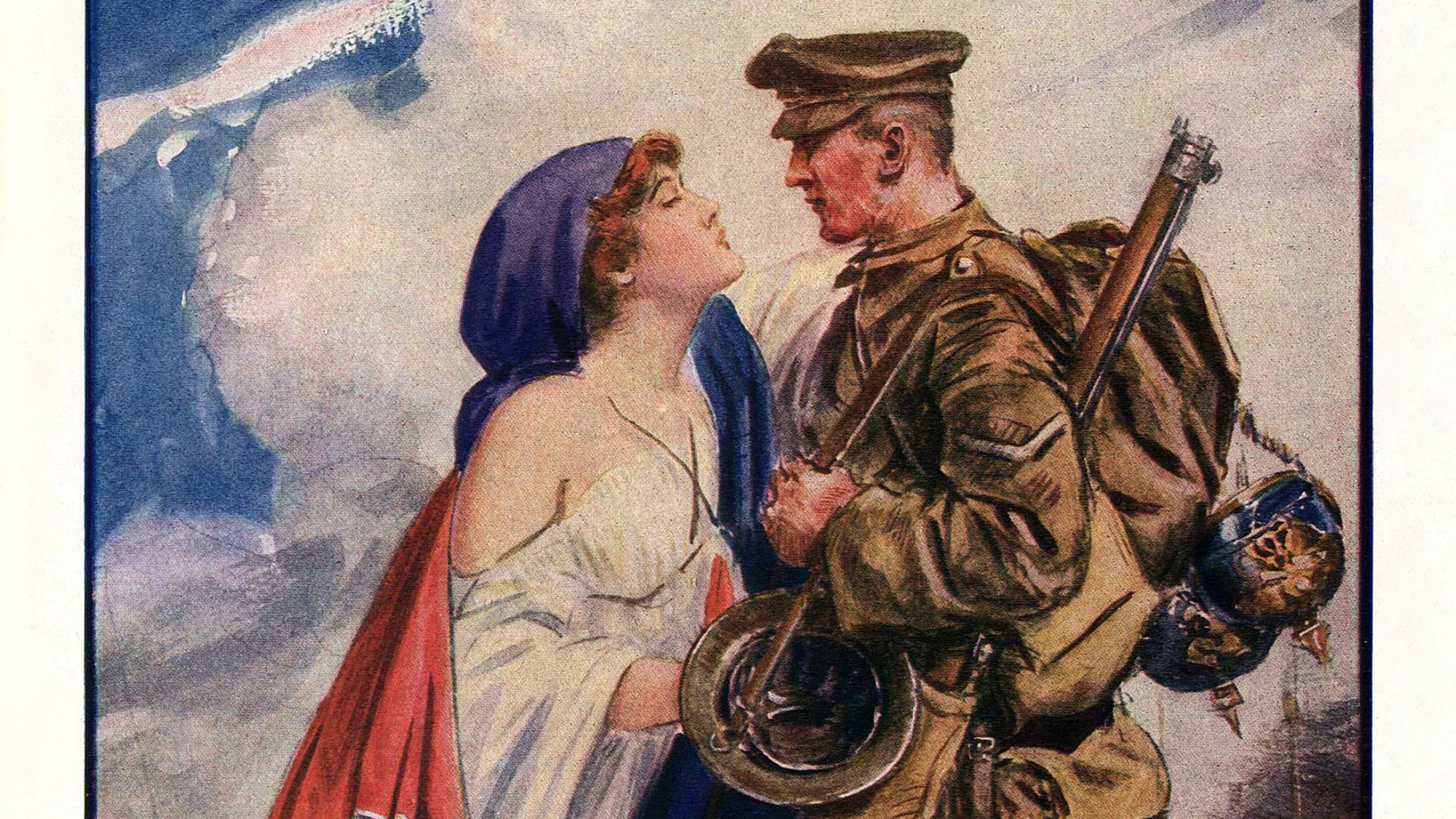
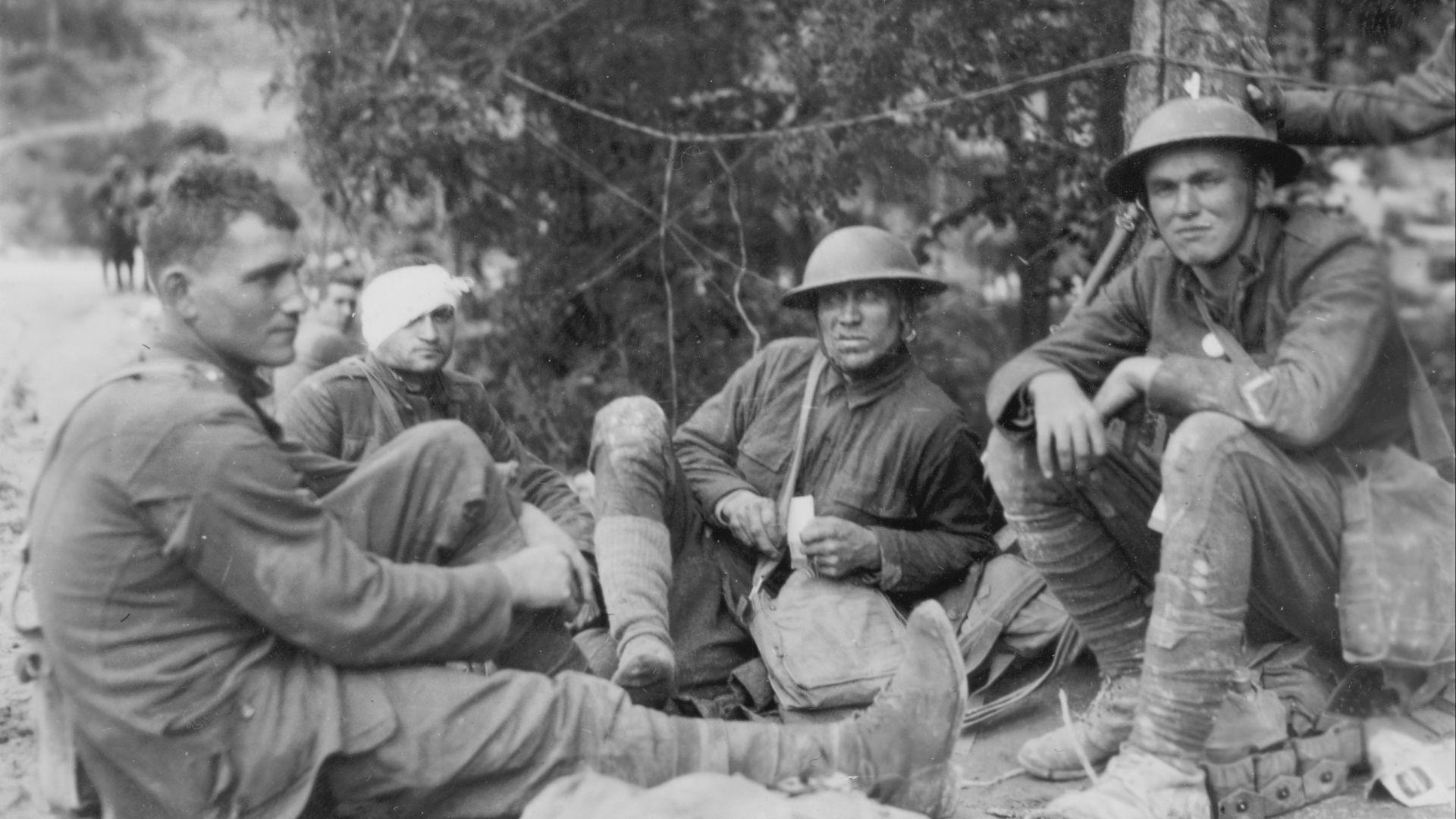
Trench warfare created a grim new reality of prolonged stalemate. Soldiers endured months in fortified lines under constant threat from artillery and sniper fire. The psychological toll was immense, and conditions led to widespread cases of what was then called “shell shock,” now understood as post-traumatic stress disorder.
The war also reshaped military planning and alliances. Nations realized that rapid mobilization, industrial coordination, and alliance systems could determine victory or defeat. The complexity of coordinating millions of soldiers across multiple fronts became a defining feature of modern war strategy.
Perhaps most importantly, World War I set the stage for future conflicts. The Treaty of Versailles imposed harsh penalties on Germany, contributing to political instability that eventually led to World War II. In that sense, the war didn’t just change military tactics; it altered the geopolitical landscape in ways that still influence global politics today.
While later conflicts introduced nuclear weapons, cyber warfare, and advanced drones, the structural foundations of modern warfare were forged between 1914 and 1918. World War I transformed combat from limited regional engagements into industrialized, technology-driven total war. When you look at how militaries operate today, from mechanized units to strategic air power, you can trace much of it back to this single, devastating conflict.
KEEP ON READING
10 Greatest Quarterbacks Of All Time & 10 That Are…
Do You Disagree?. Few topics in sports generate as much…
By Farva Ivkovic Dec 2, 2025
The story of Ching Shih, the Woman Who Became the…
Unknown author on WikimediaFew figures in history are as feared…
By Emilie Richardson-Dupuis Dec 29, 2025
20 Shakespearean Words, Translated For A Modern Audience
What’s In A Word?. Shakespeare was a wordsmith of the…
By Breanna Schnurr Dec 17, 2025
20 Inspiring Stories From Native American History
Incredible Stories Of Resilience And Endurance. Many of us didn't…
By Ashley Bast Dec 17, 2025
You Think You Have Problems? These Royal Families Were Cursed
Boasson and Eggler St. Petersburg Nevsky 24. on WikimediaHeavy is…
By Ashley Bast Dec 5, 2025
MH370: The Plane That Can't Be Found
Anna Zvereva from Tallinn, Estonia on WikimediaEleven years after Malaysia…
By Christy Chan Dec 10, 2025