

10 So-Called "Barbarians" Who Were Sophisticated & 10 "Civilized" Empires That Were Brutal
10 So-Called "Barbarians" Who Were Sophisticated & 10 "Civilized" Empires That Were Brutal
A Look At Who Got To Define Respectable
History has a habit of giving the microphone to whoever built the archives, minted the coins, and kept the scribes on payroll. The word barbarian started as a cultural sneer, and it stuck to whole peoples who were inconvenient, mobile or foreign-sounding. Plenty of groups tagged that way ran complex economies, negotiated treaties, engineered infrastructure, and produced art that still holds up in any museum gallery. At the same time, empires that called themselves orderly and enlightened often ran on forced labor, mass violence, and the quiet machinery of domination, all while writing very polished explanations for why it was necessary. Here's a list of ten groups dismissed as barbarians who were more sophisticated than the label suggests, and ten celebrated empires whose brutality was not a footnote.

1. The Vikings
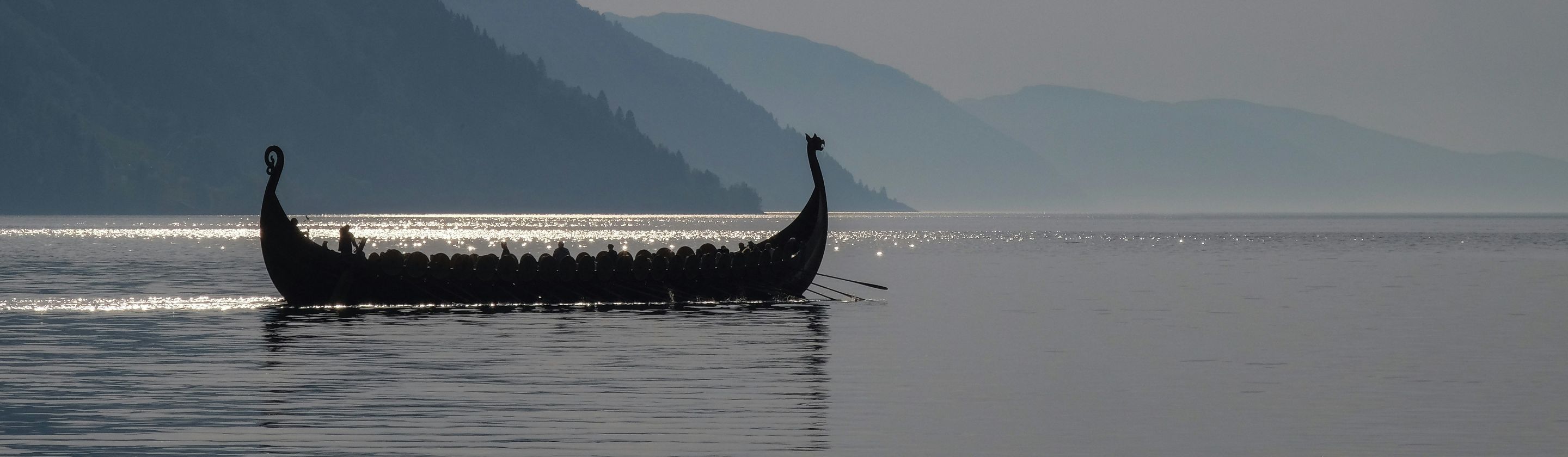
The Viking world was not just raids and longships, even if those make the best stories. Archaeology and written records show dense trade networks linking Scandinavia to the British Isles, the Baltic, and as far as the Islamic world, with towns like Birka and Hedeby functioning as serious commercial hubs. Their shipbuilding and navigation were technical achievements that supported settlement, exploration, and long-distance exchange, not just violence.

2. The Mongols
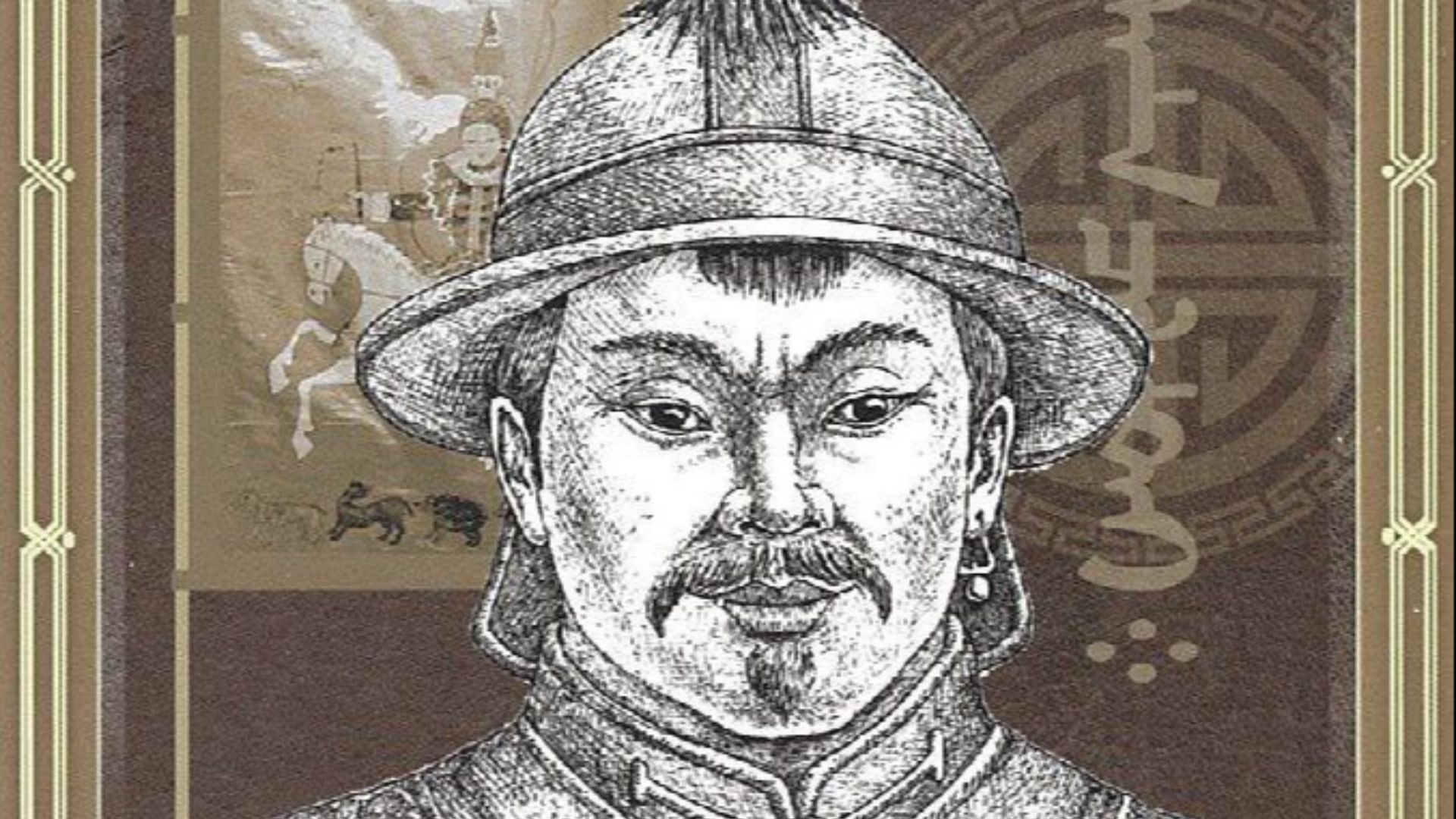
The Mongol Empire is remembered for conquest, yet its administration could be remarkably organized for a fast-expanding state. Systems for communication and relay travel supported governance across huge distances, and protections for merchants helped trade move along routes often described as part of the Silk Road. In many regions, Mongol rule also relied on skilled officials drawn from conquered peoples, which is a pragmatic form of sophistication even when the power behind it was terrifying.
3. The Scythians
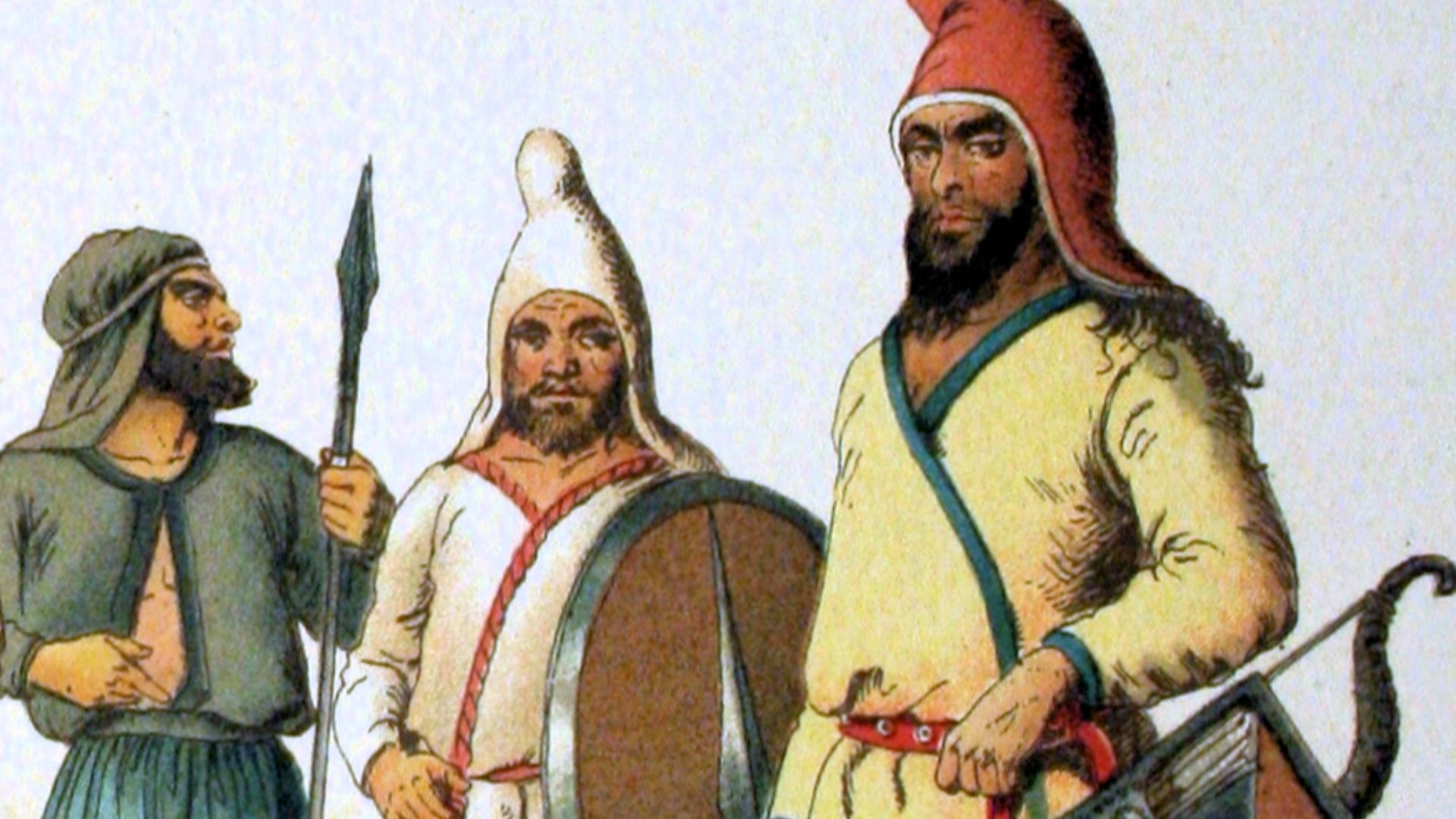
Greek writers framed Scythians as wild outsiders, and then left behind artwork and burial evidence that tells a different story. Elite kurgans reveal fine metalwork, textiles, and a strong tradition of animal-style art with real technical precision. Their mobility was not a lack of civilization, it was an adaptation that required deep knowledge of land, herds, and political alliances.
4. The Huns
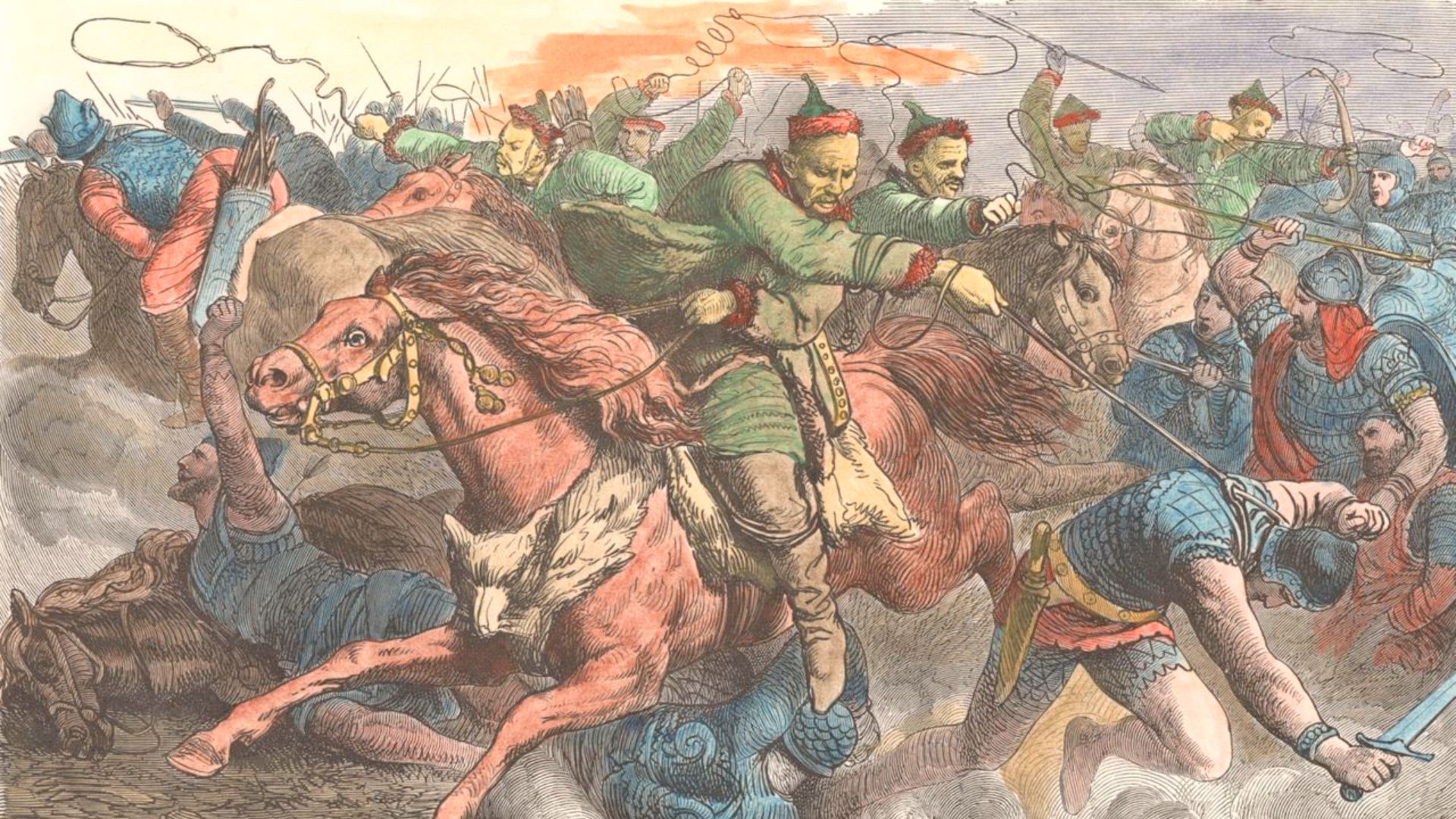
The Huns show up in Roman sources as a nightmare on horseback, which is exactly how Romans wrote about enemies they could not easily control. Evidence suggests they operated through diplomacy, tribute systems, and negotiated arrangements with imperial authorities, not pure chaos. A confederation that could pressure Rome into paying and treating is not a simple band of raiders.
 Peter Johann Nepomuk Geiger on Wikimedia
5. The Goths
Goths get cast as the people who ended Rome, which makes it easy to forget how thoroughly they interacted with Roman life. Many Goths served in Roman armies, adopted forms of Roman law, and built kingdoms that used Roman administration as a working template. Their leaders were often operating inside a late Roman world that was already strained, rather than smashing a stable utopia.
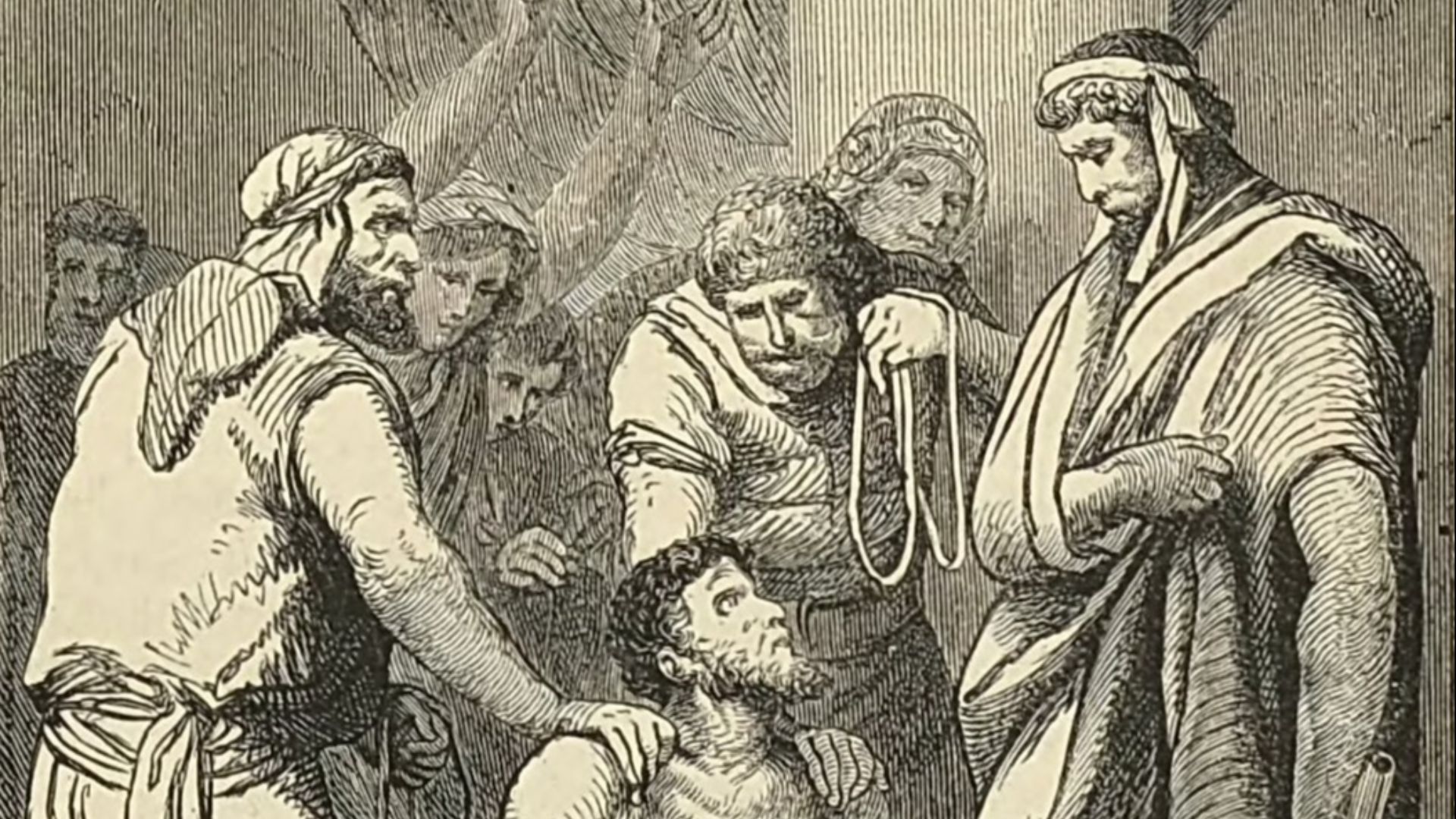 Peter Johann Nepomuk Geiger on Wikimedia
6. The Celts
The Celtic label covers many cultures, and Roman writers flattened them into a single messy stereotype. Archaeology shows major centers such as oppida with craft specialization, trade connections, and planned layouts that supported large populations. Ironwork, ornament, and coinage point to societies that invested in skill and status through material culture.
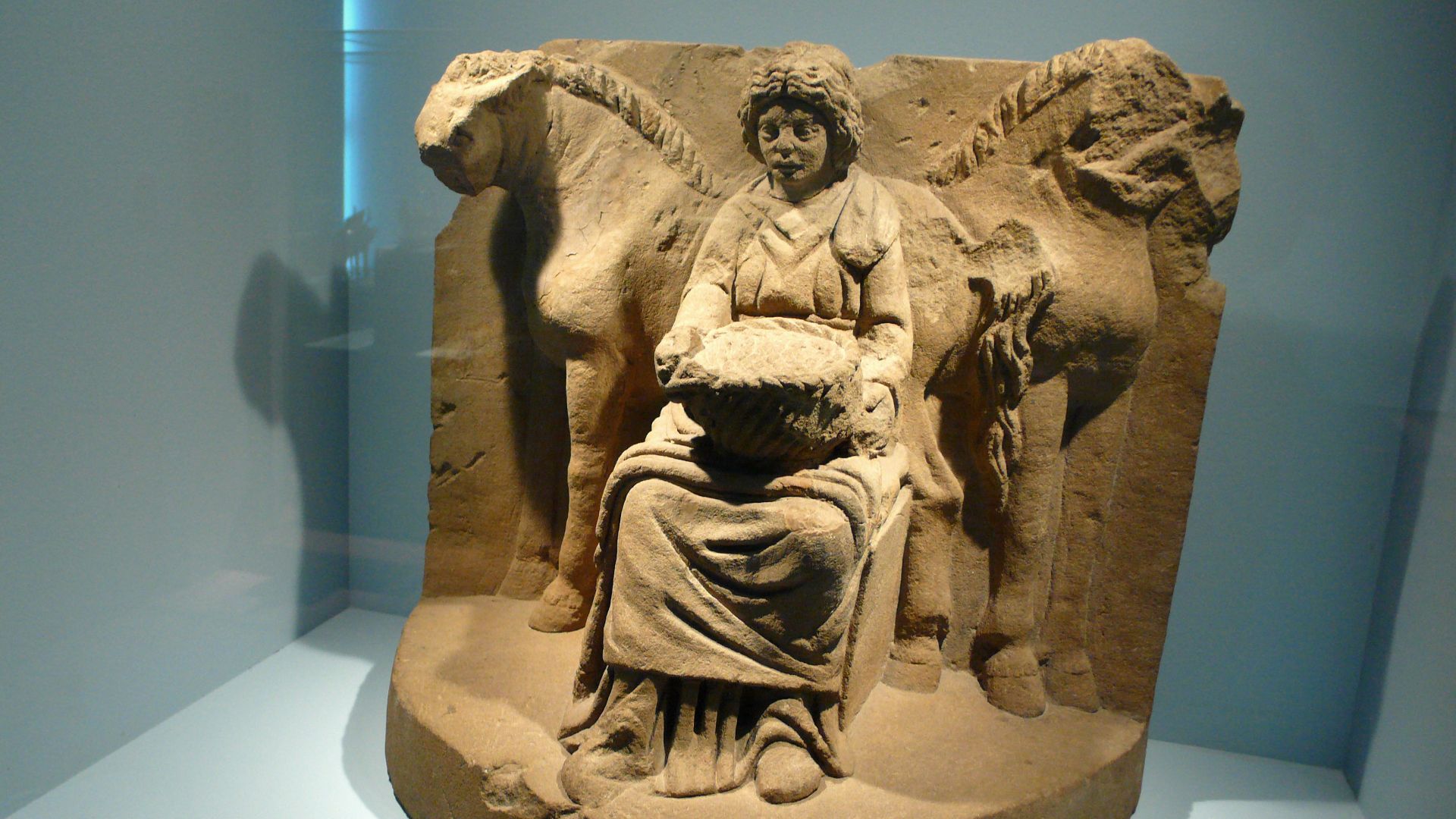 Xuan Che from New York City on Wikimedia
7. The Berbers
North African peoples often lumped as Berbers maintained long-standing trade corridors, managed oasis agriculture, and built durable social systems adapted to harsh environments. Their relationships with Mediterranean powers ranged from resistance to partnership, depending on the era and the ruler. Many later dynasties and cities in the region grew out of these local networks, not in spite of them.
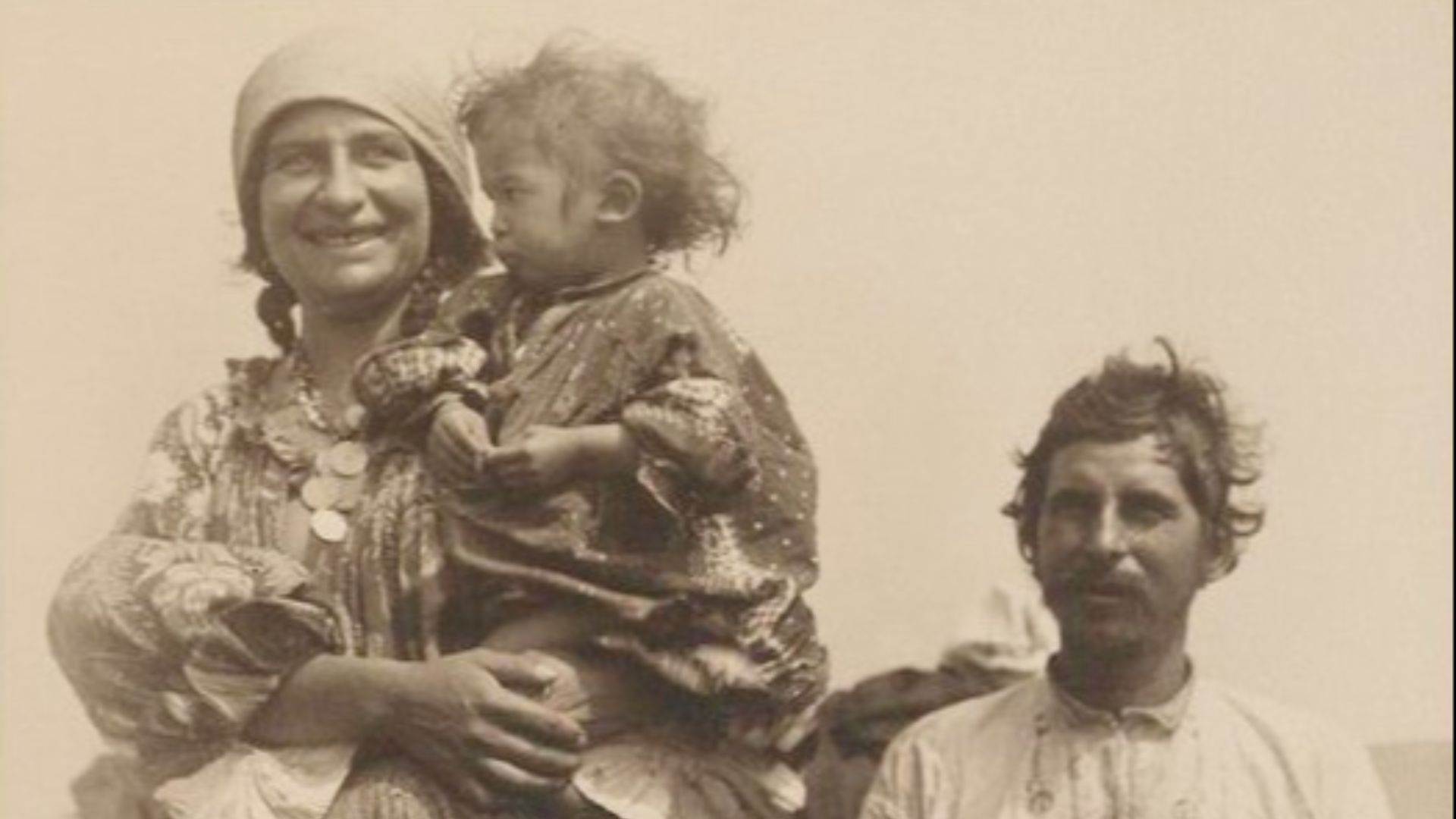
8. The Numidians
Numidia is frequently treated as a side character in Roman and Carthaginian drama, yet it formed a kingdom with real political weight. Numidian cavalry was famously effective, and military strength often went hand in hand with state organization and diplomatic leverage. The ability to shift alliances and survive between larger powers is a sophisticated skill, not an accident.
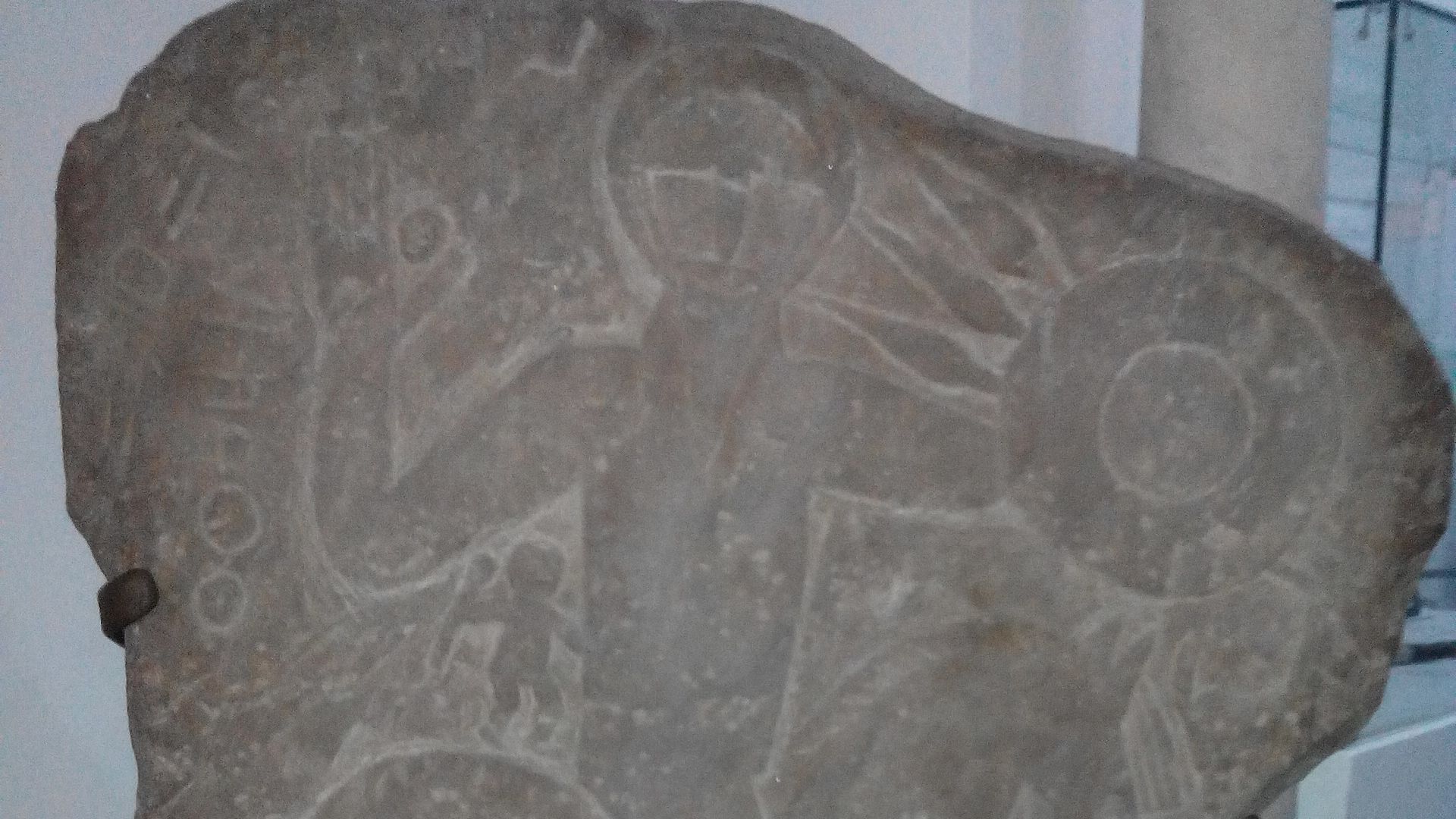
9. The Aksumites
Aksum was sometimes treated as peripheral by Mediterranean writers, even though it was a major regional power in late antiquity. It minted coins, built monumental stelae, and maintained trade links across the Red Sea, connecting Africa and Arabia in ways that shaped commerce. Its adoption of Christianity as a state faith also shows a political and cultural engagement with broader global currents of the time.
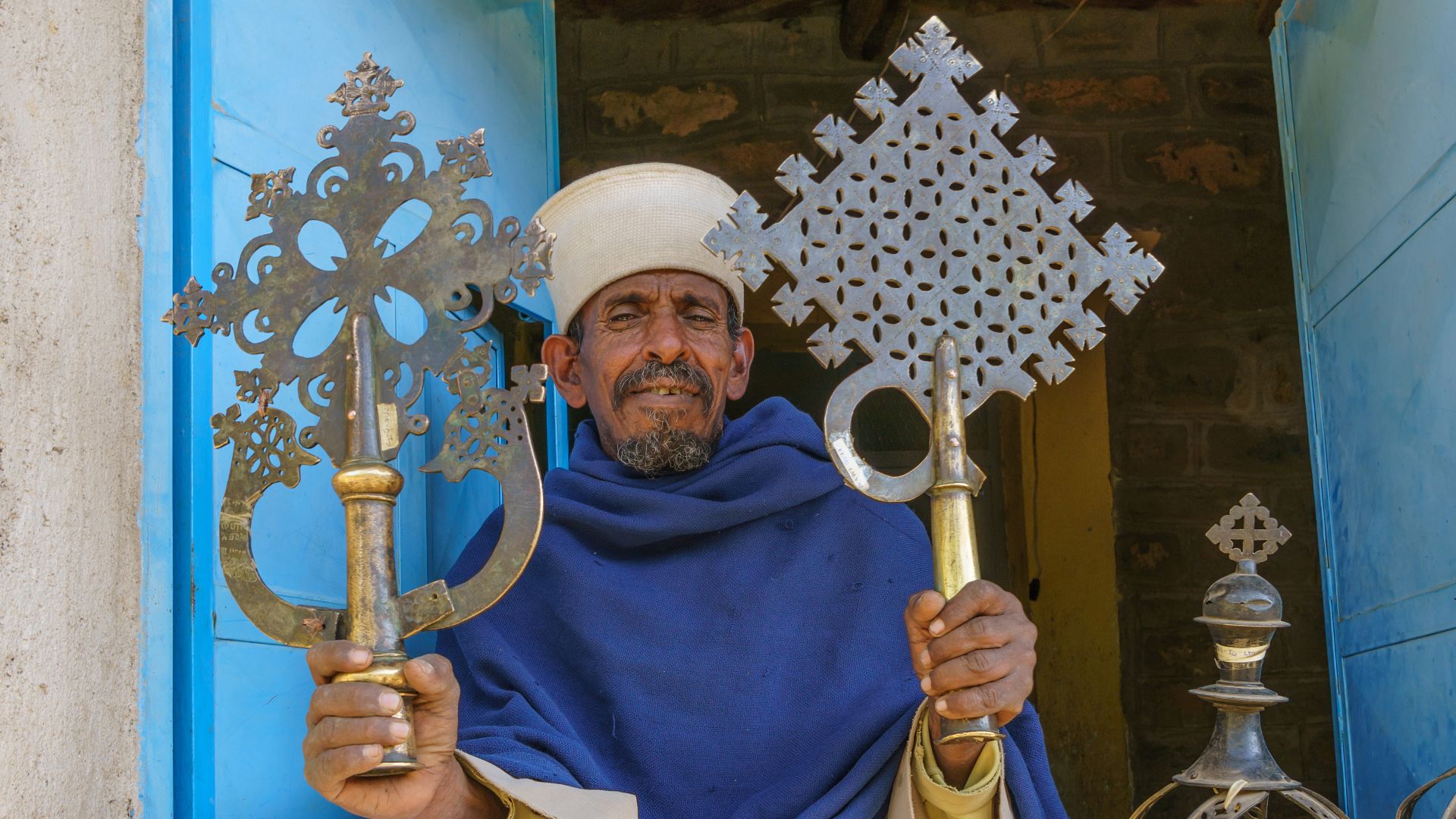
10. The Comanche
In North America, Comanche power was dismissed as primitive by societies that wanted their land and preferred their enemies to look simple. Historians describe a Comanche empire built on mobility, horse culture, trade, and negotiated dominance across a wide region. This was not disorganized survival, it was a strategic system that forced surrounding colonies and nations to adapt.
And now, hare are ten sophisticated civilizations with surprisingly rough edges.
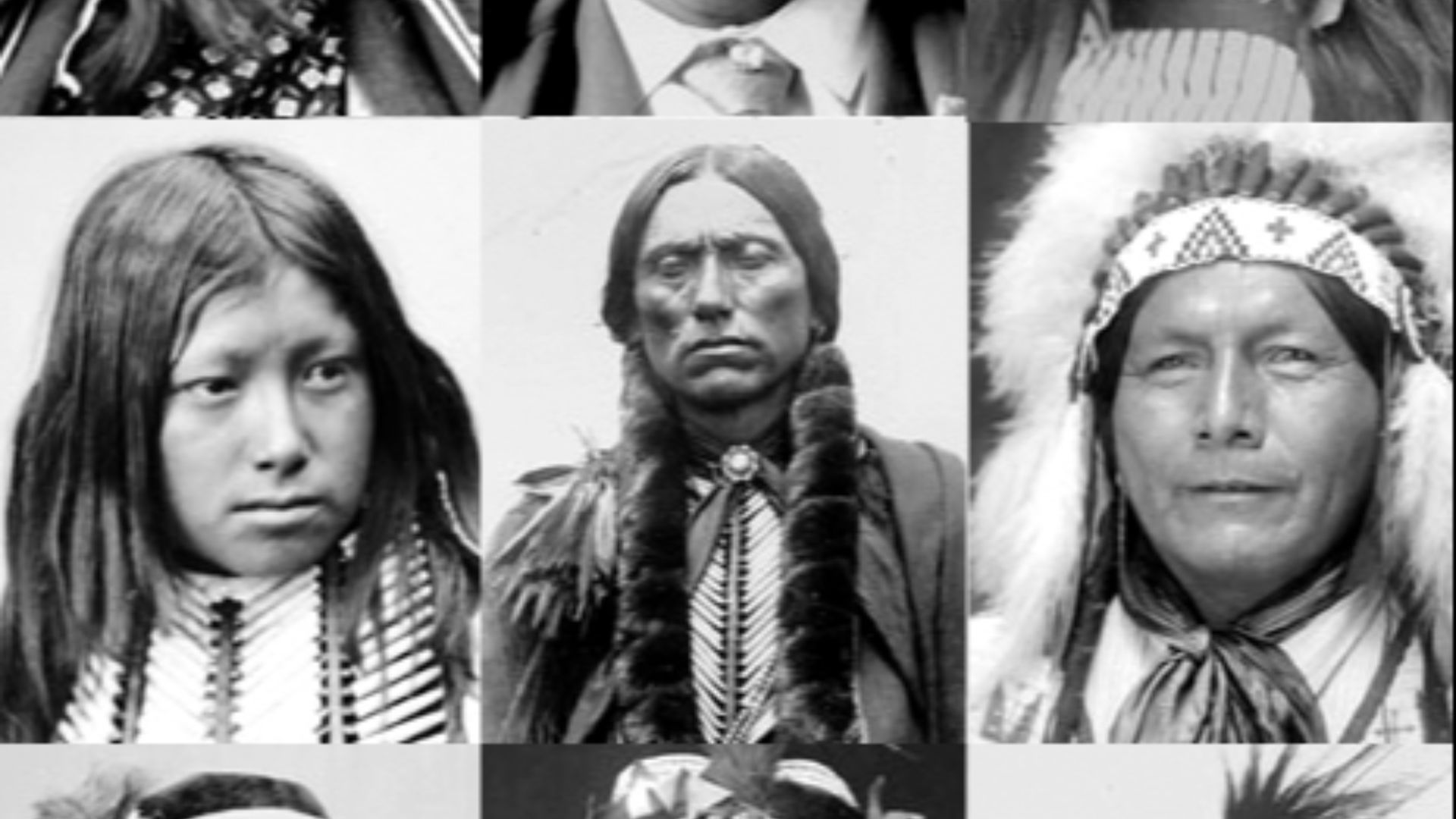
1. The Roman Empire
Rome produced law, roads, and architecture that still shape how people imagine empire, and it also ran on enslavement at massive scale. Conquest was routine policy, with cities destroyed, populations displaced, and survivors sold, all wrapped in a story about order. Even public entertainment could be organized cruelty, designed to display state power through controlled violence.
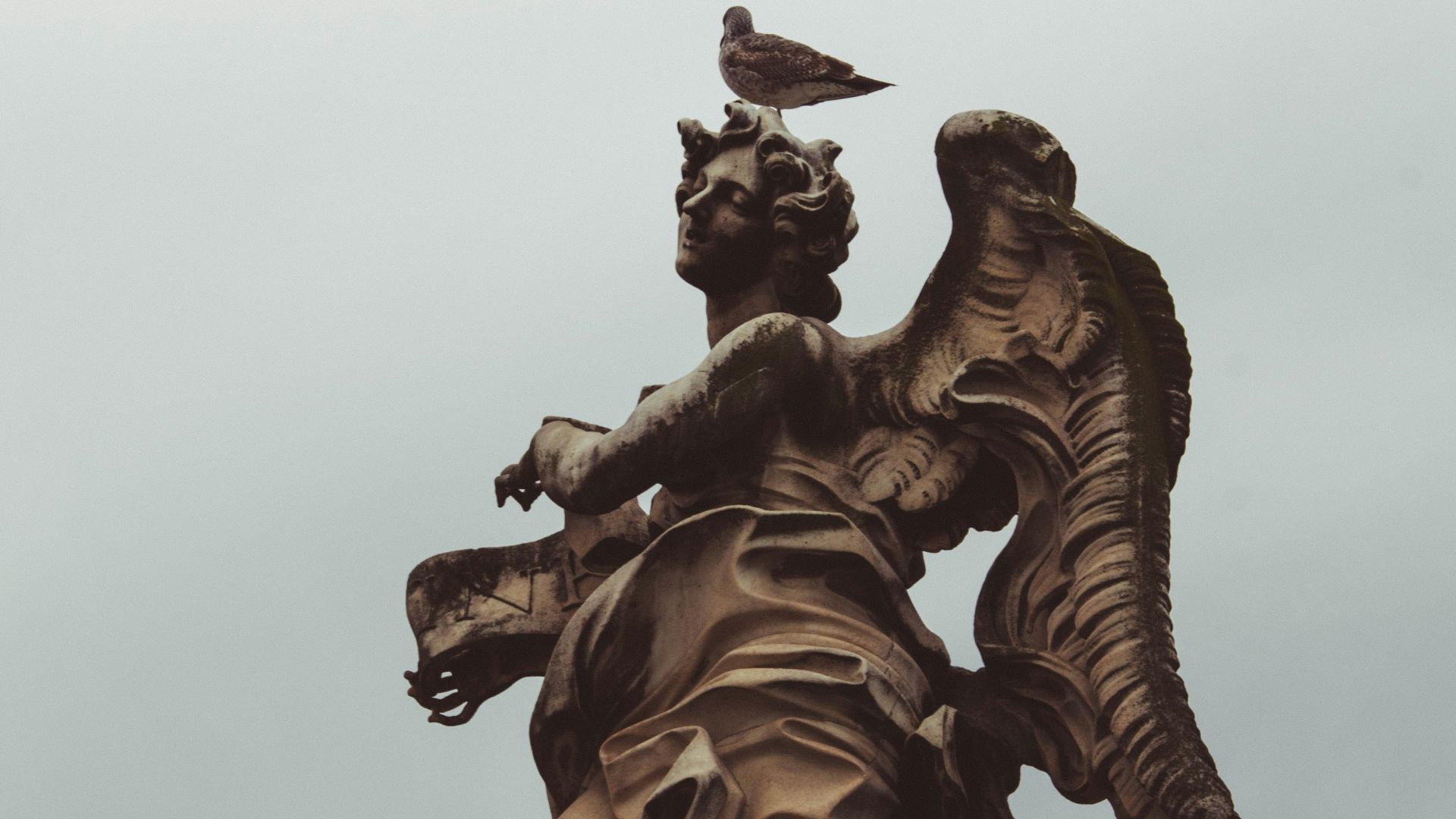
2. The British Empire
Britain exported parliamentary language and industrial modernity, and it also built extractive systems that caused immense human suffering across continents. The transatlantic slave trade, colonial wars, and punitive policies in places like Ireland and India were not accidents, they were tools of control. Archives preserve plenty of official paperwork that makes exploitation look tidy, which is part of how empire keeps its reputation clean.
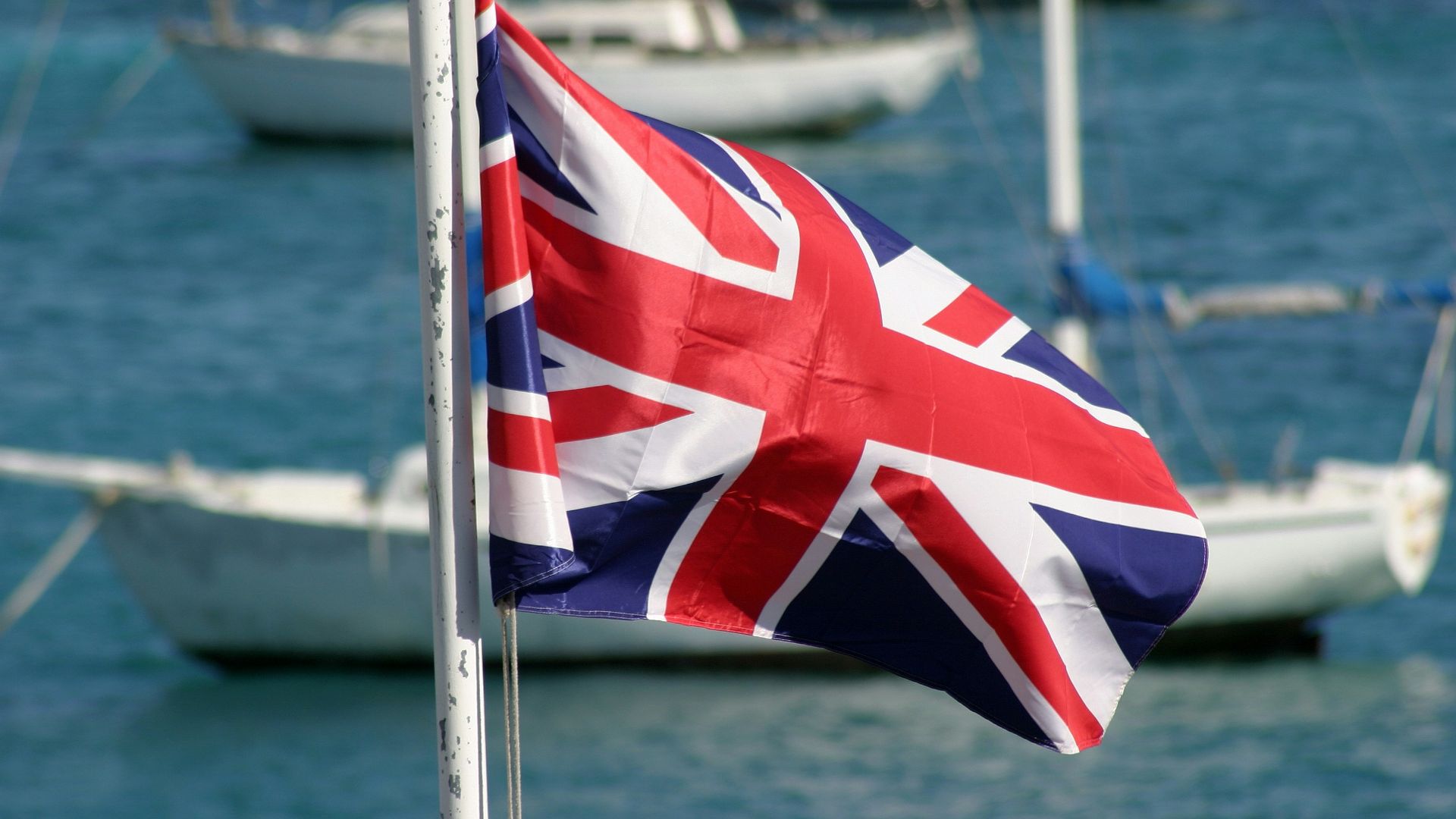
3. The Spanish Empire In The Americas
Spain brought universities, cathedrals, and a paper trail of administration, and the conquest period included mass death, forced labor, and violent suppression. The encomienda system is remembered because it was formalized, which means the coercion was not hidden, it was organized. Mission systems varied by region and era, yet many operated alongside harsh discipline and cultural destruction.
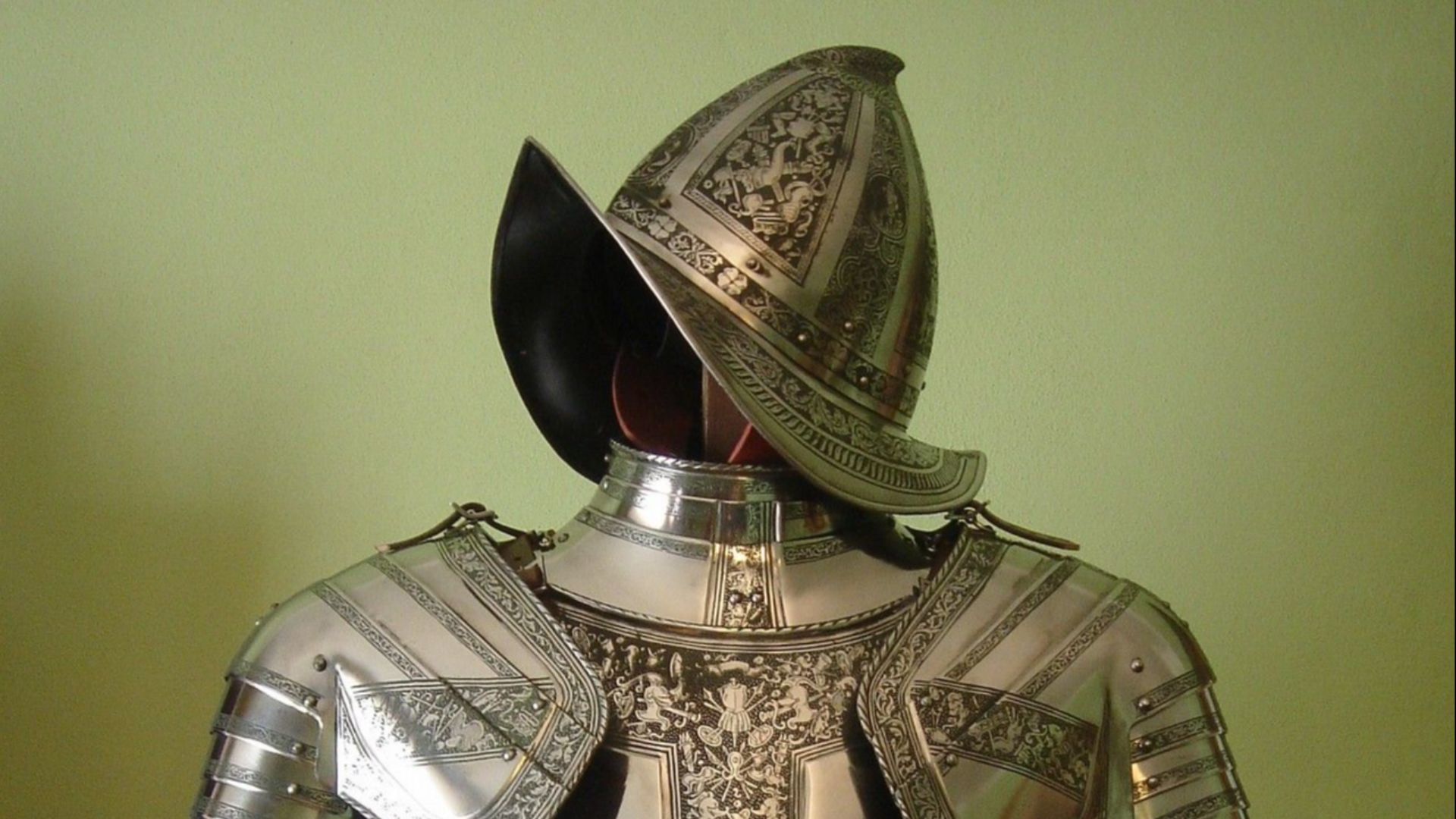 Asele S. www.todocolección.net on Wikimedia
4. The Belgian Congo
This is one of the clearest examples of modern brutality wearing a civilized mask. Under King Leopold II’s rule, forced labor and terror enforced rubber extraction, and the record includes widespread atrocities documented by investigators, missionaries, and later historians. The infrastructure that served commerce did not cancel the violence, it depended on it.
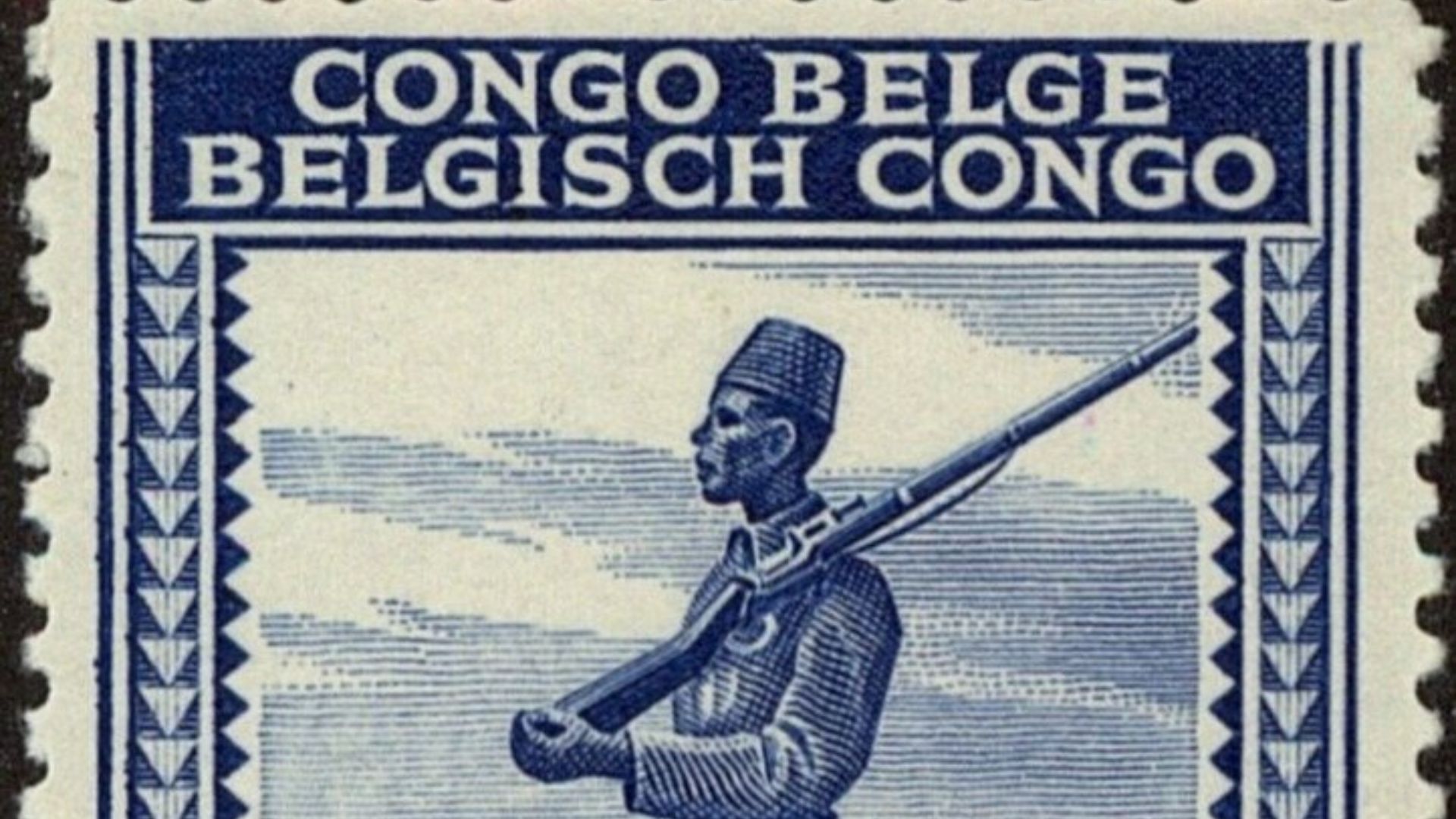 Post of Belgian Congo on Wikimedia
5. The Nazi German Reich
Nazi Germany wrapped itself in imagery of efficiency, science, and national renewal, and it built an industrial system of genocide. Bureaucracy helped, with records, schedules, and procurement supporting mass murder. The presence of universities and orchestras did not restrain the state, it made the horror easier to administer.
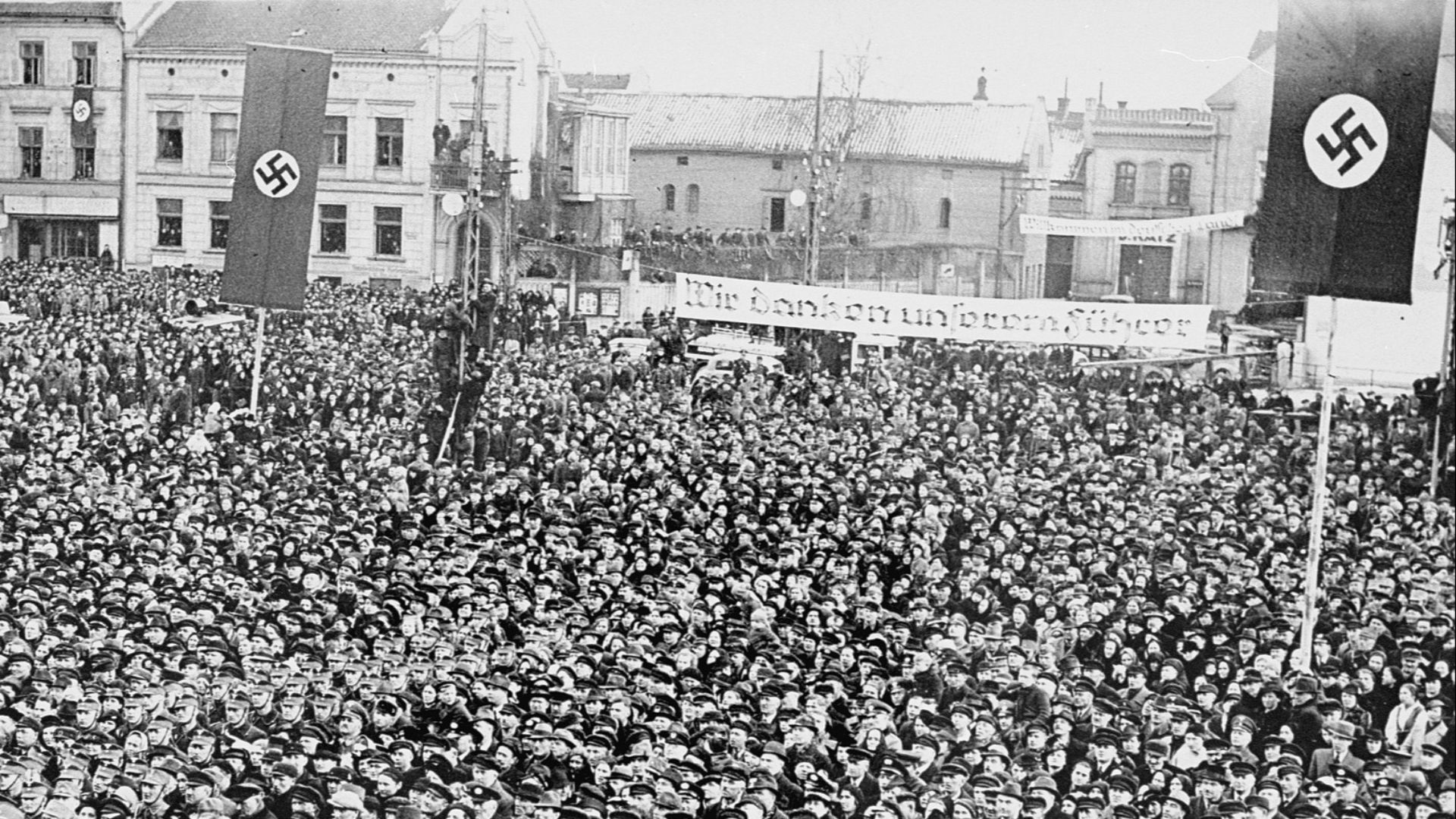 Unknown authorUnknown author on Wikimedia
6. The Soviet Union Under Stalin
The Soviet project presented itself as rational progress guided by ideology, and it also carried out political terror on an enormous scale. Forced collectivization, famine in several regions, and the Gulag system show how a state can be literate and administratively strong while still treating human lives as disposable. The paperwork was meticulous, which is its own kind of warning.
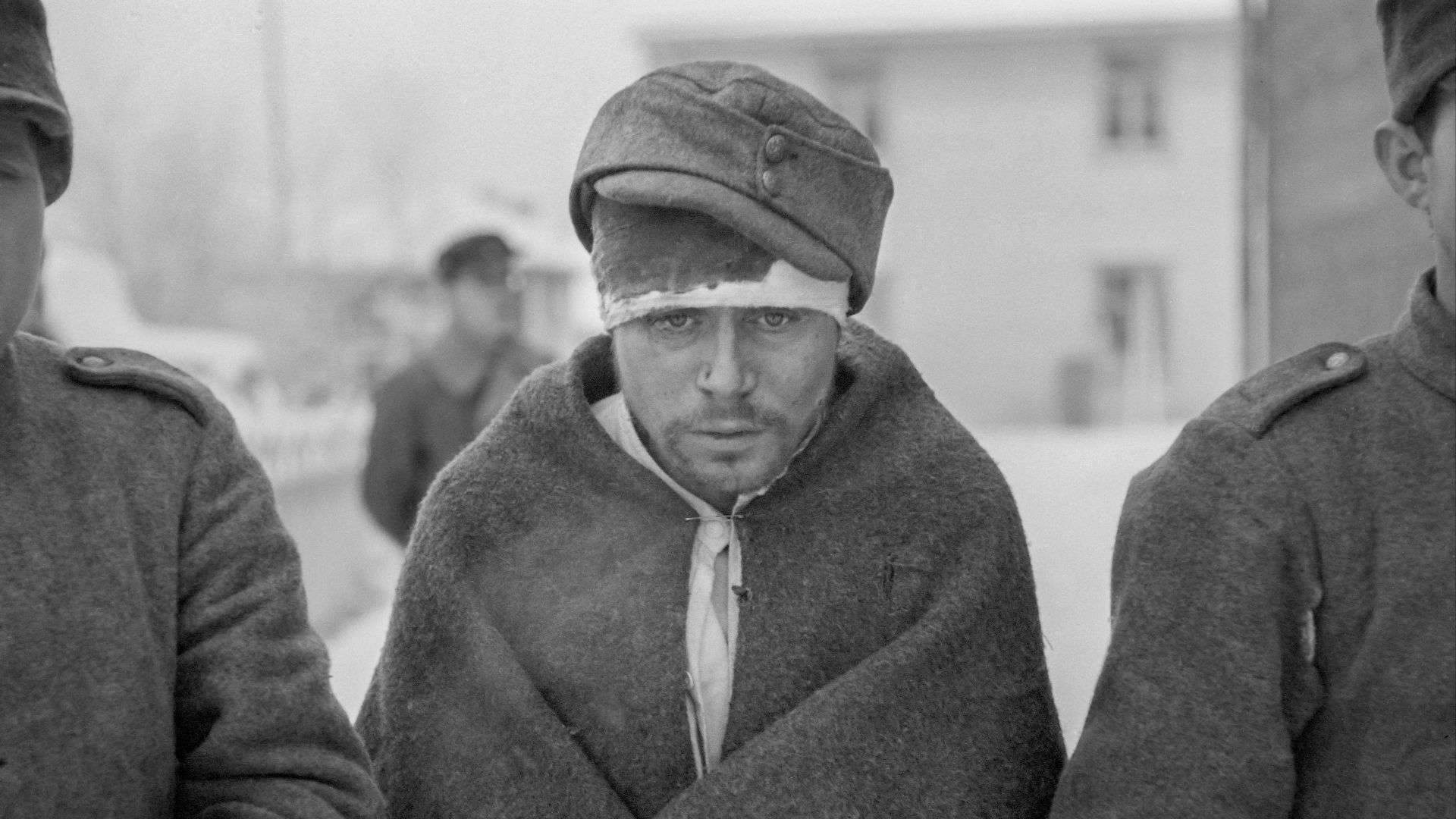 Unknown authorUnknown author on Wikimedia
7. Imperial Japan In The Early Twentieth Century
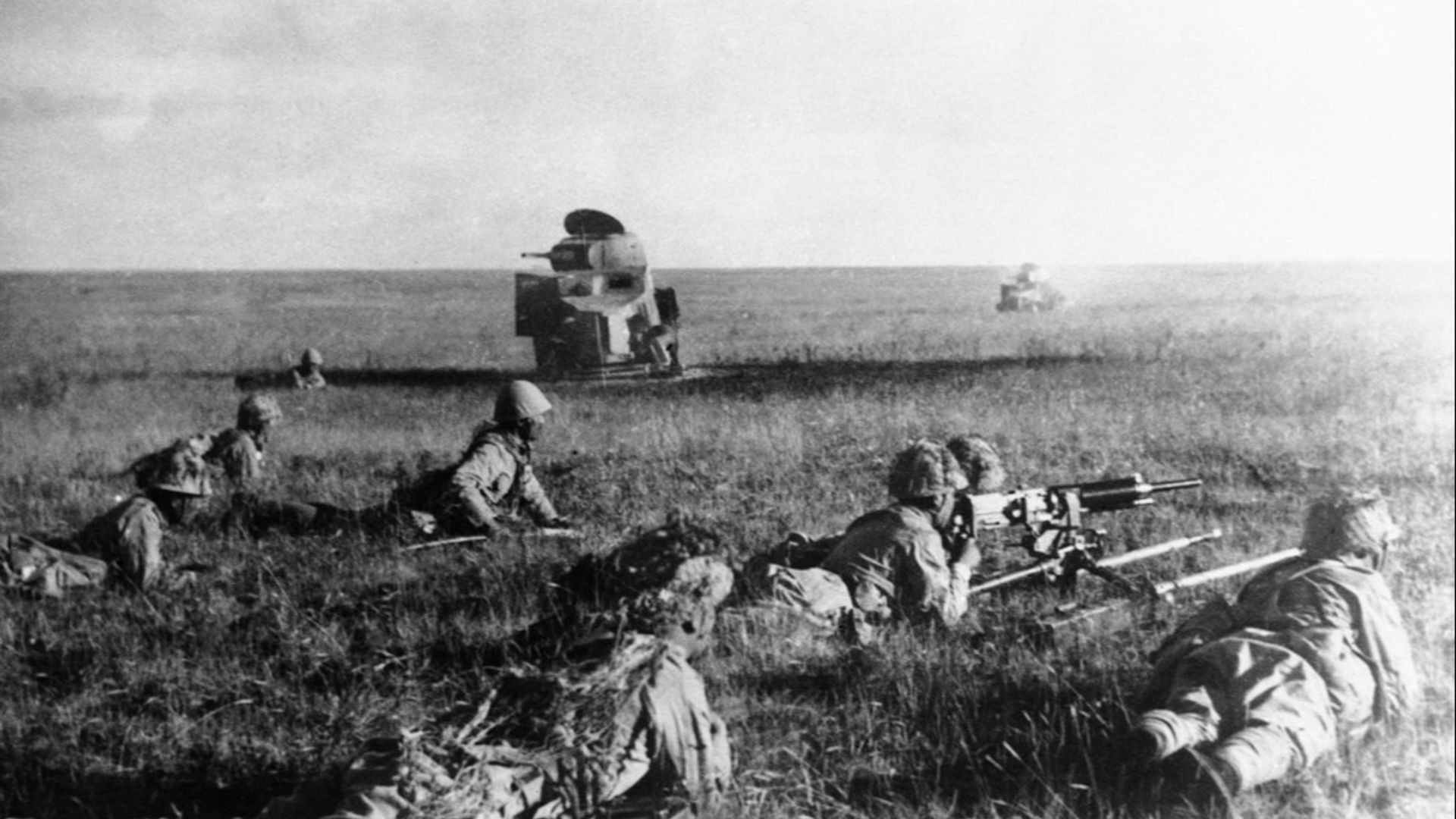
Japan’s modernization was real, and so was the violence tied to expansion in East Asia. The historical record includes atrocities in occupied territories, with events like the Nanjing Massacre widely documented by scholars and institutions. A modern state with factories and ministries can still choose extreme cruelty as policy.
8. The Aztec Empire
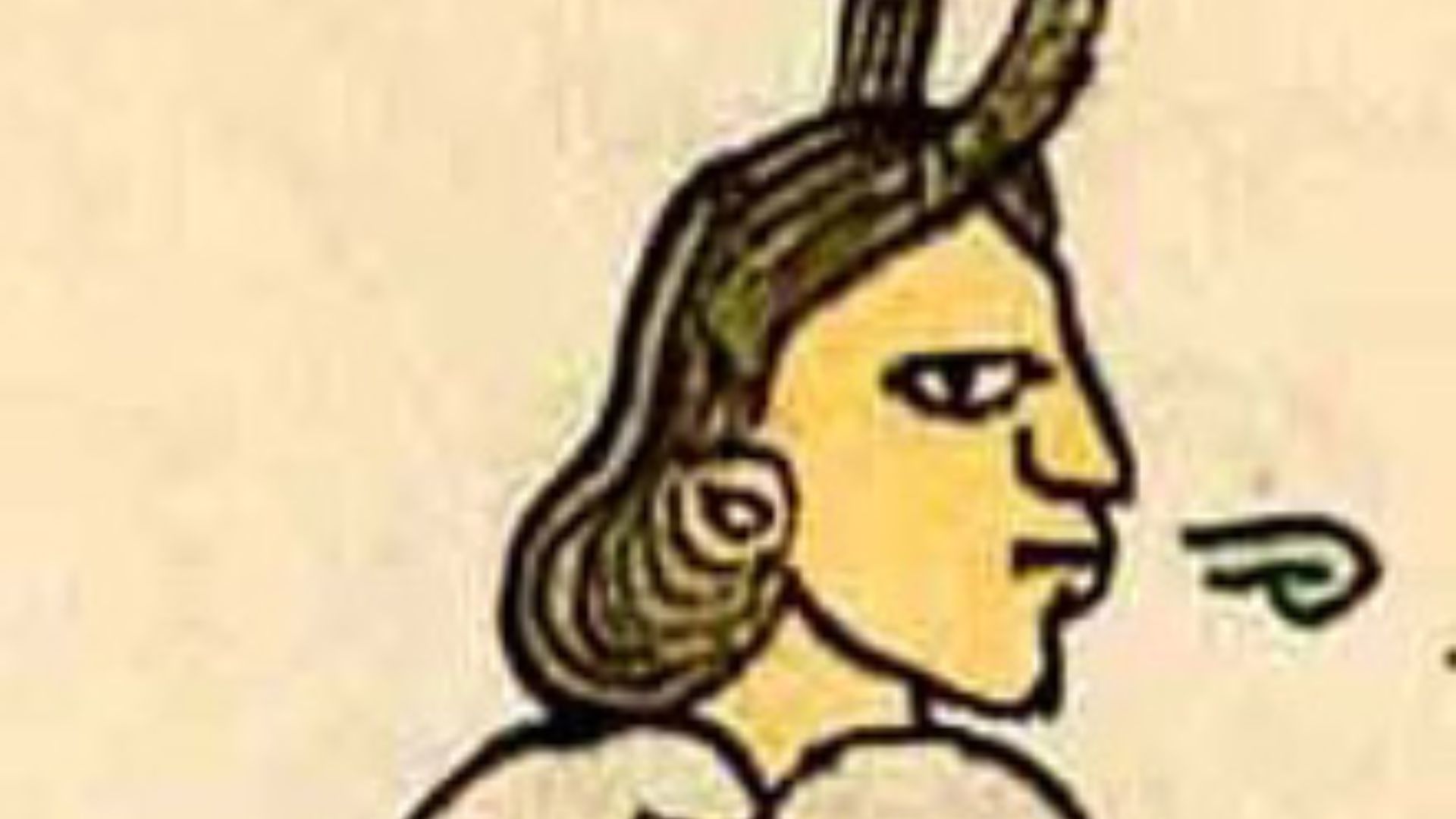
The Aztecs built a remarkable capital city and an efficient tribute system, and they also maintained violent domination over subject peoples. Human sacrifice is often sensationalized in shallow ways, yet it was a real component of state religion and political control in the late Postclassic period. Treating the empire as purely refined erases the fear that helped keep it running.
 The original uploader was Maunus at English Wikipedia. on Wikimedia
9. The Qing Empire
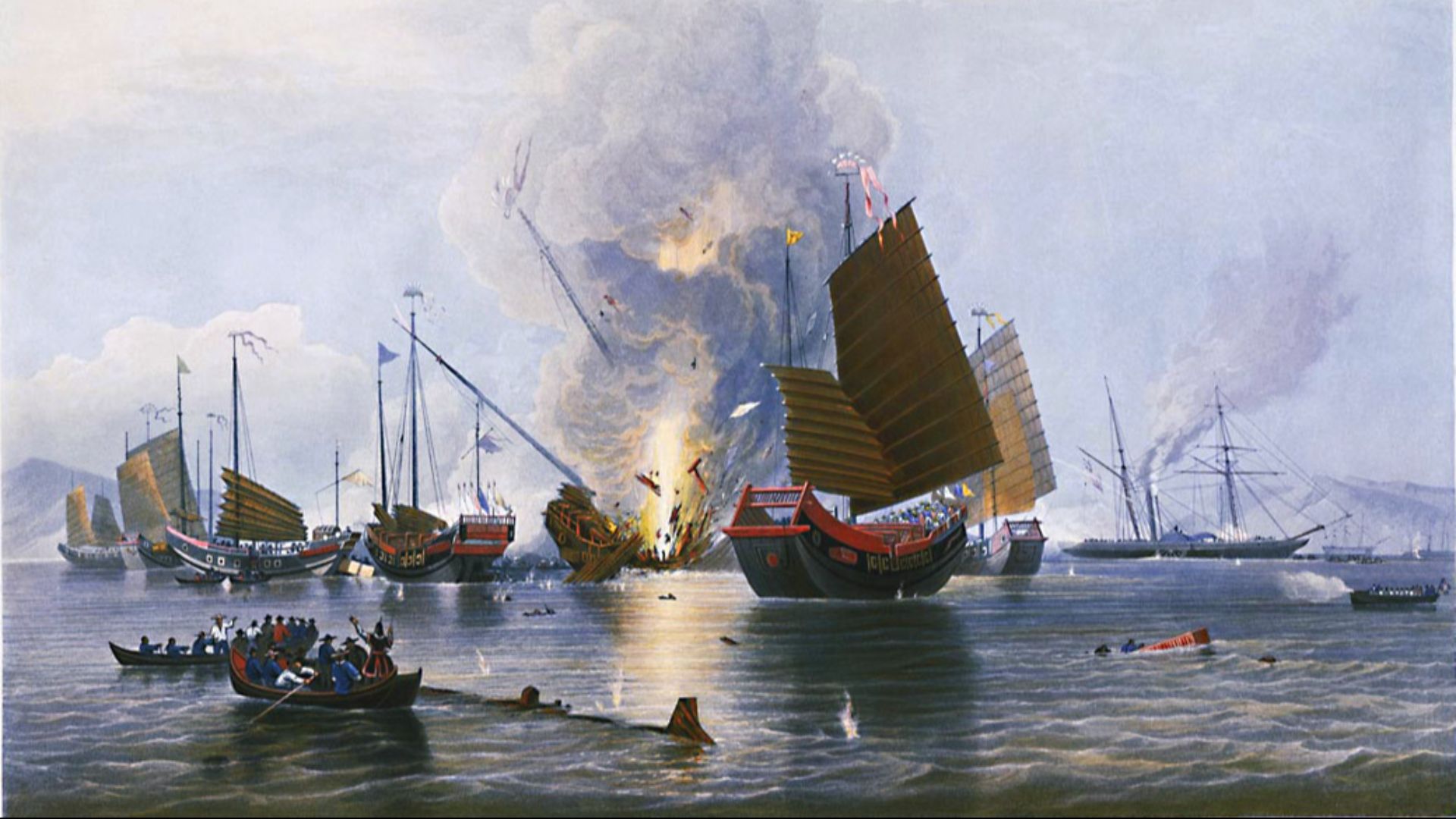
The Qing governed a vast, multiethnic realm with complex administration, and it expanded through military campaigns that could be devastating. Frontier consolidation involved displacement and harsh measures that are documented in imperial records and later scholarship. Sophistication in governance did not mean gentleness, it often meant capacity.
10. The United States In The Era Of Westward Expansion
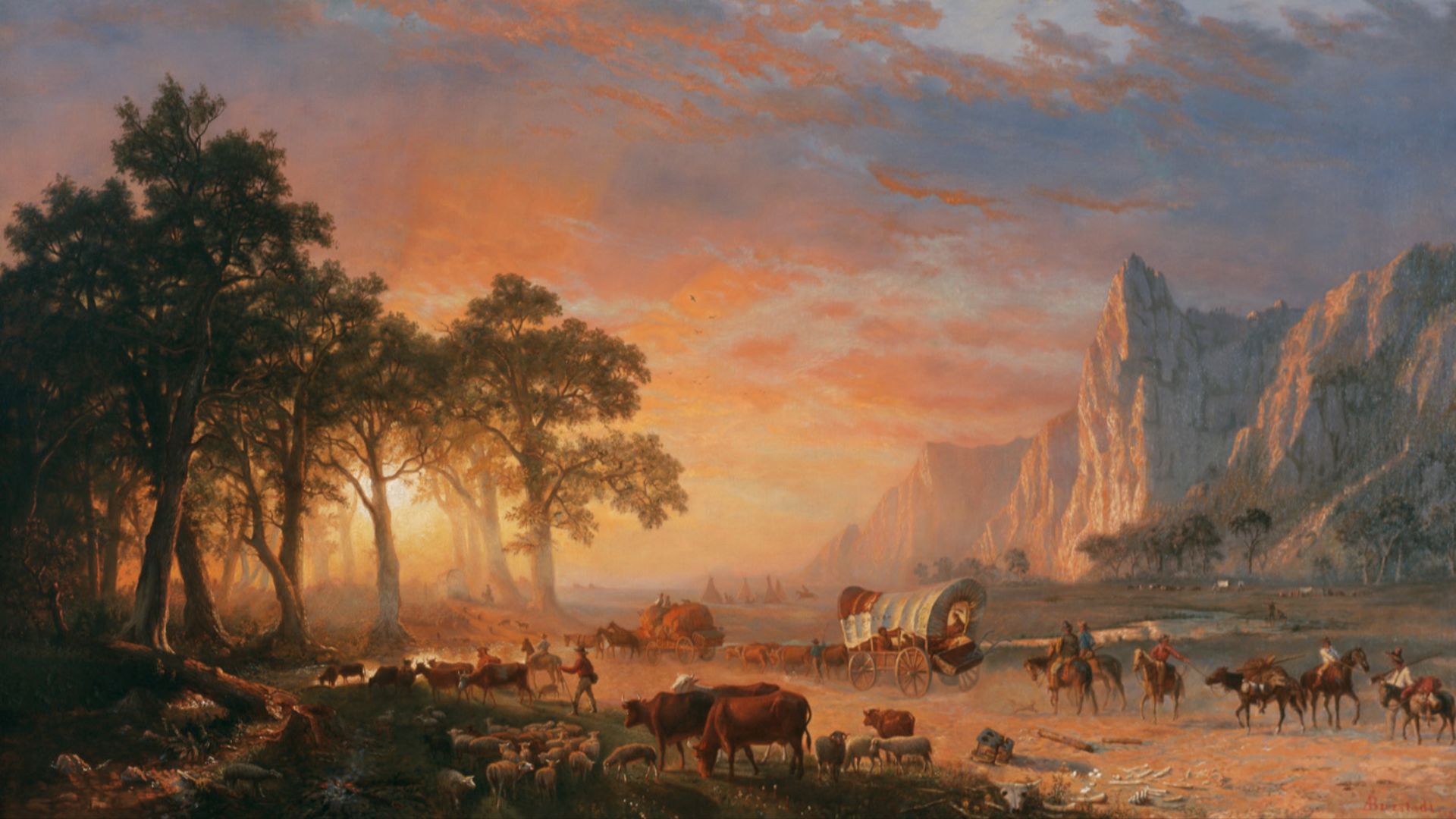
A republic with a constitution can still behave like an empire, and the nineteenth-century United States did exactly that across Indigenous lands. Forced removals, broken treaties, military campaigns, and policies aimed at cultural erasure are part of the documented national story, not an obscure side chapter. The language of destiny and progress made brutality sound like inevitability, which is how it became easier to live with.
KEEP ON READING
The Brutal Realities Of Gladiator Life Beyond the Arena
David Cruz asenjo on PexelsWhen most people think of gladiators,…
By Rob Shapiro Mar 31, 2026
The Volcano Winter That Nearly Toppled Europe
Collin Ross on UnsplashMost people, if asked to name a…
By Cameron Dick Mar 31, 2026
From School Plays To Starting A Cult: 20 Of The…
The Books That Made Us. Many people will tell you…
By Farva Ivkovic Jan 31, 2025
20 Facts About Jane Grey, The Forgotten Queen Of England
A Quick, Messy, and Tragic Reign. Lady Jane Grey never…
By Maria Cruz Jan 31, 2025
20 Priceless Historical Art Pieces Rescued By The Monuments Men
Protecting Human History. While the soldiers on the front lines…
By Sara Springsteen Mar 31, 2026
Almost Every Ancient Statue Has a Missing Nose, And It's…
Gary Todd from Xinzheng, China on WikimediaWalk through the classical…
By Elizabeth Graham Mar 31, 2026