

Romance Looks Cute Now, But It Didn’t Always
Valentine’s Day comes wrapped in pink paper and predictable expectations, which makes it easy to forget how patched-together this holiday really is. A lot of what we treat as timeless romance was shaped by medieval poetry, postal reforms, Victorian consumer habits, and people trying to signal affection without saying too much out loud. Some traditions grew from religion, some from superstition, and some from businesses noticing that emotions tend to open wallets. Even the sweetest customs can have origins that feel oddly legalistic or downright grim when you trace them back far enough. With that in mind, here are 20 Valentine’s Day traditions with origins that are stranger than the modern version suggests.
1. Birds Pairing Up
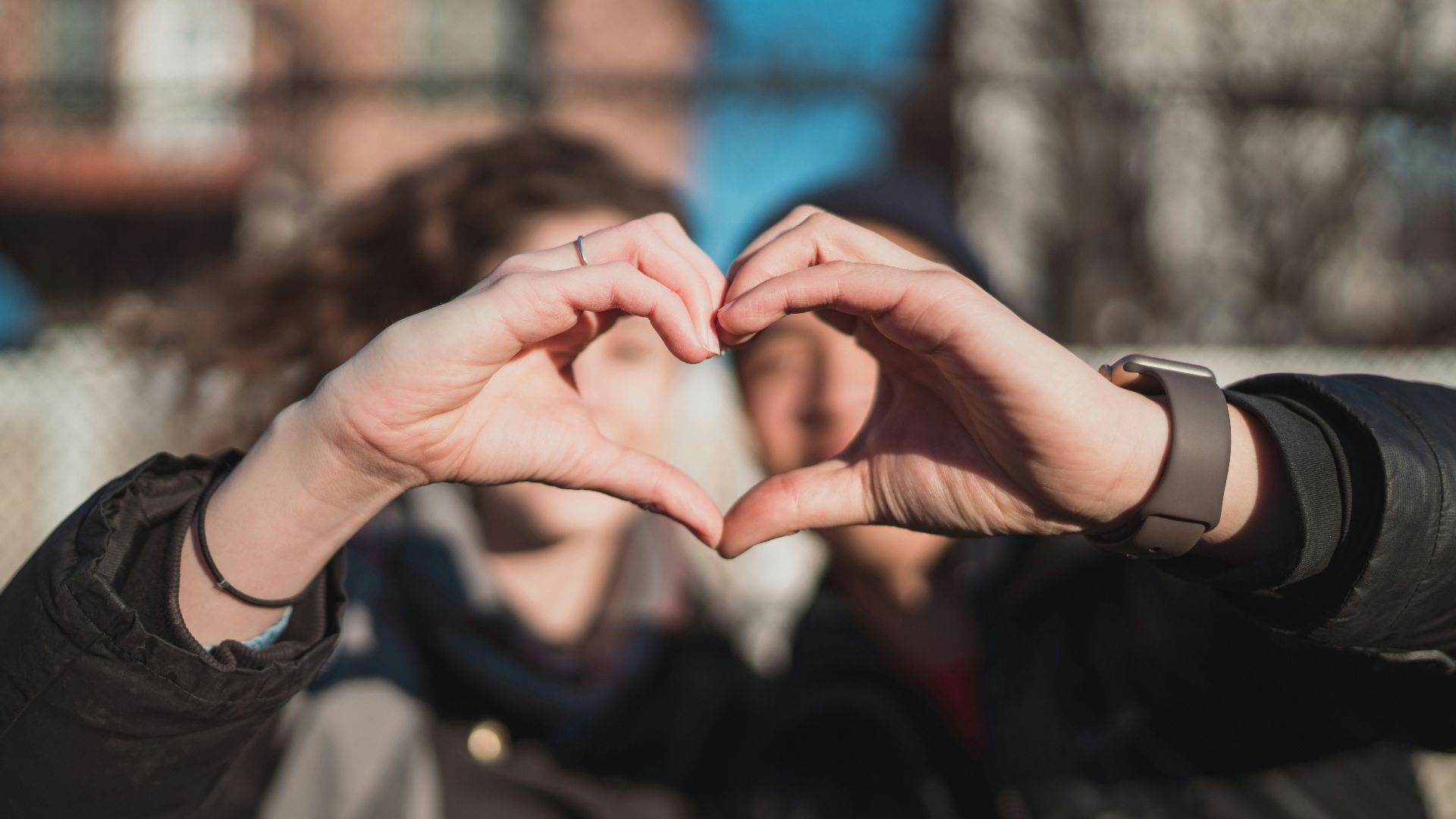
Late medieval writers helped popularize the idea that mid-February was the time birds chose mates. That belief slid neatly into human courtship. Once poets tied love to that date, the association became hard to shake.
2. A Saint With Blurry Edges
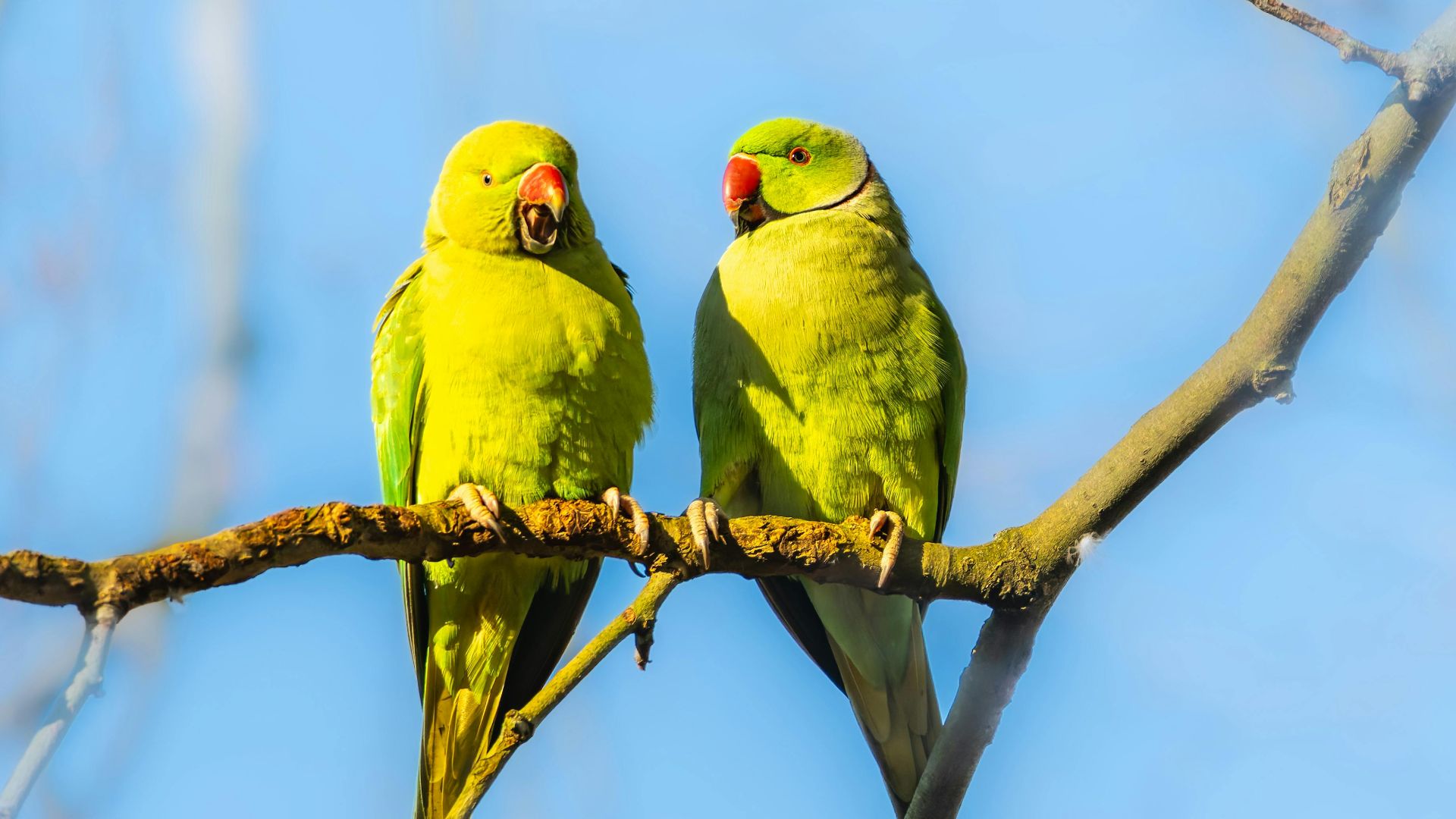
The “Valentine” behind the holiday is not a single, crystal-clear historical figure. Early Christian records point to more than one martyr named Valentine, and later storytelling folded them together. The name stuck anyway, offering a saintly label for a day already filling up with love-themed customs.
 Unknown authorUnknown author on Wikimedia
3. Courtly Love Timing
In medieval Europe, courtly love was its own entire social language. Linking a love day to mid-February fits that culture, giving people a shared moment to exchange messages that could be playful while still looking respectable. The holiday’s romantic tone owes a lot to that upper-class world of poems, favors, and public manners.

4. Drawing Lots For A Valentine
In parts of early modern Europe, people sometimes drew names to assign a “valentine” for the season. The pairing could be lighthearted, yet it also carried social pressure, because everyone saw who ended up connected to whom.
5. Prison Valentine Poetry
One of the earliest famous Valentine messages is tied to an imprisoned French nobleman who wrote love verses while held in England in the early 1400s. Yes, the first Valentine was created in a cold, dark, and scary place.
6. Calling Someone “My Valentine”
The word “valentine” became a label for a person, not just a date, and that shift changed everything. Once you could name someone as your Valentine, the day became about a relationship, a target, a chosen person, or at least a public hint. That tiny linguistic move helped the holiday feel personal instead of purely religious.

7. Lace Paper Valentines
Intricate paper lace valentines became popular in the nineteenth century, especially in Britain. These cards often looked expensive even when they were not, which was the point if you wanted to impress without spending beyond your means.
8. The Penny Post Boost
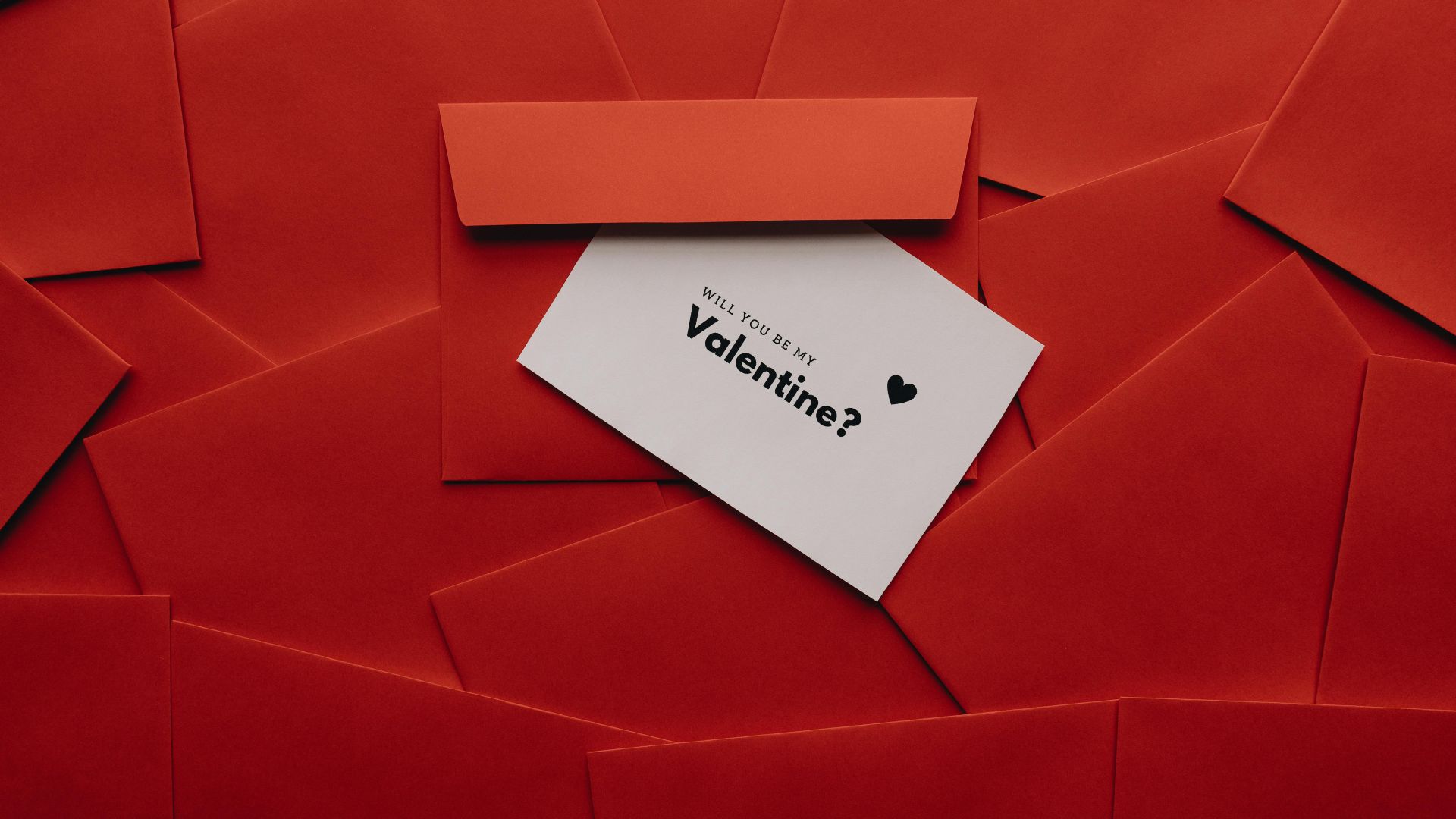
Valentine’s Day exploded in the nineteenth century partly because mailing a card became cheaper and easier. Postal reforms made it possible for ordinary people to send messages more freely, including anonymous ones, which added risk and thrill.
9. America’s Card Boom
In the United States, mass-produced valentines took off in the mid-1800s when entrepreneurs began assembling ornate cards from printed pieces. A lot of modern Valentine aesthetics, especially the frilly stuff, traces back to that era of clever production.
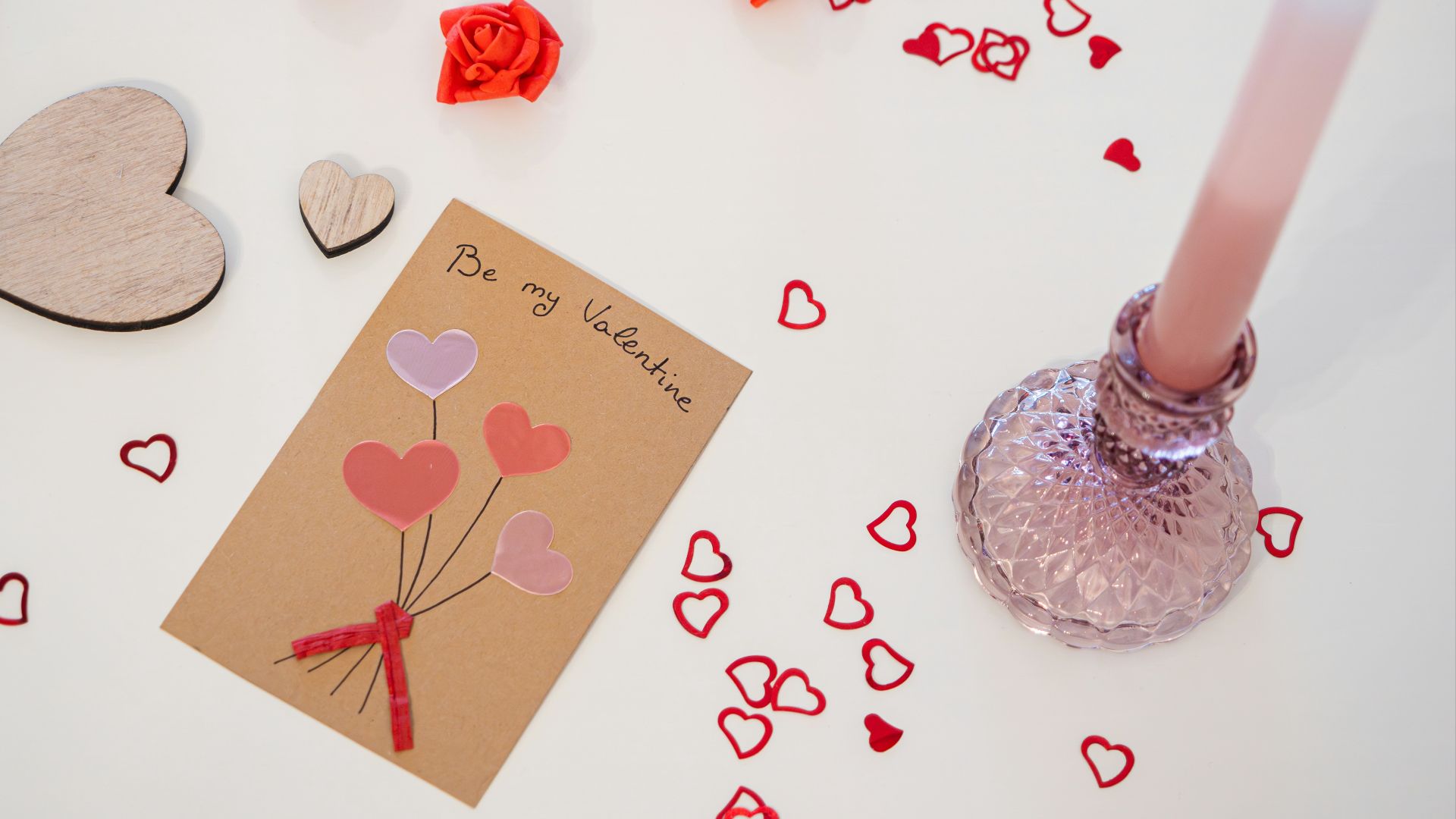
10. Cupid’s Ancient Job Transfer
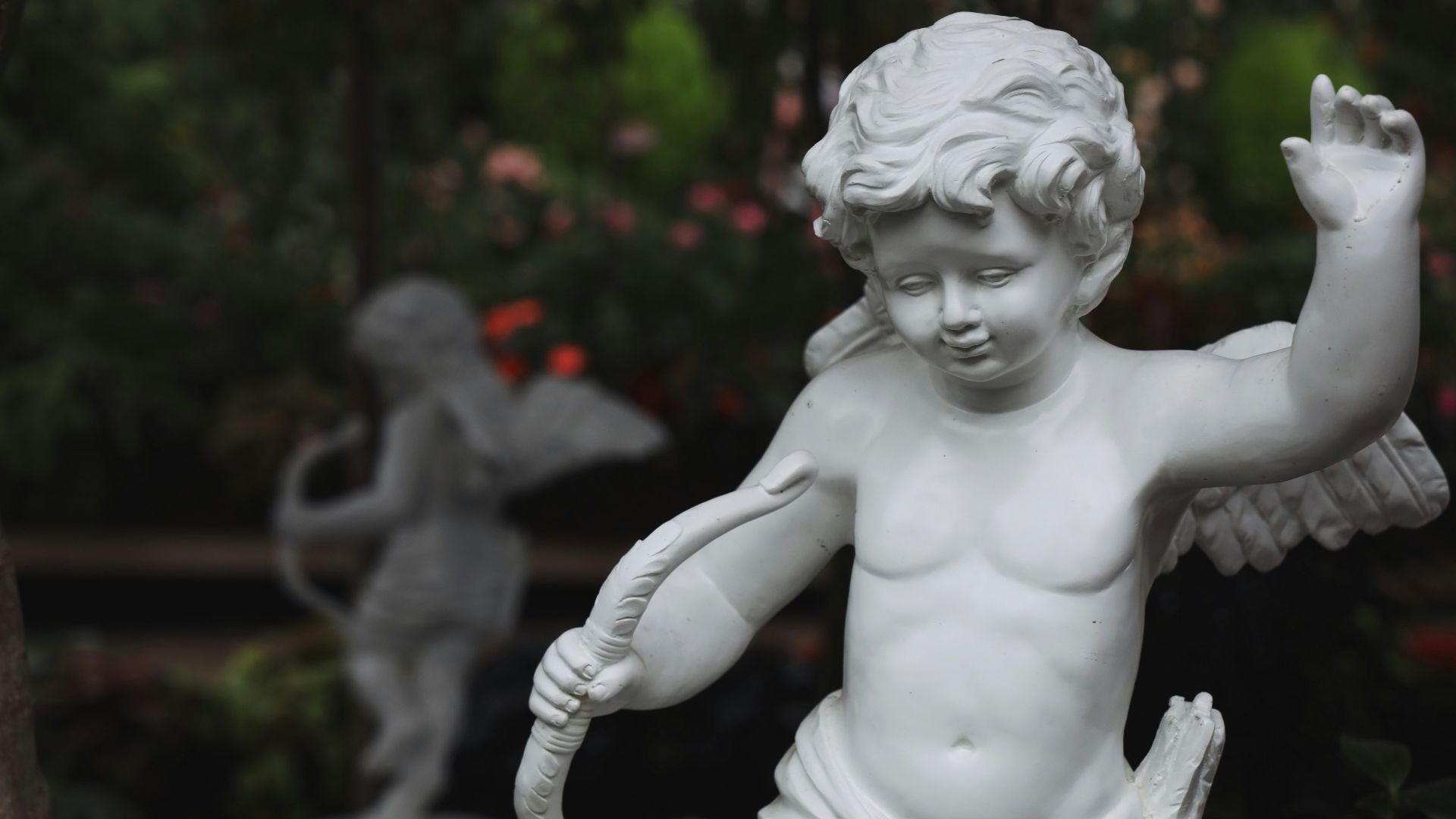
Cupid feels like a harmless mascot now, yet his roots sit in older myth traditions tied to powerful love gods. When Cupid shows up on a card, a whole ancient idea about love’s force is hiding behind the cute face.
11. The Heart Shape Problem
The stylized heart shape does not match a real human heart, which makes its dominance a little odd once you notice it. Medieval and early modern art helped turn the shape into a symbol for affection and emotional life, even if the anatomy was off. By the time printing and cards took over, the heart had become its own visual shorthand.
 Buddha Elemental 3D on Unsplash
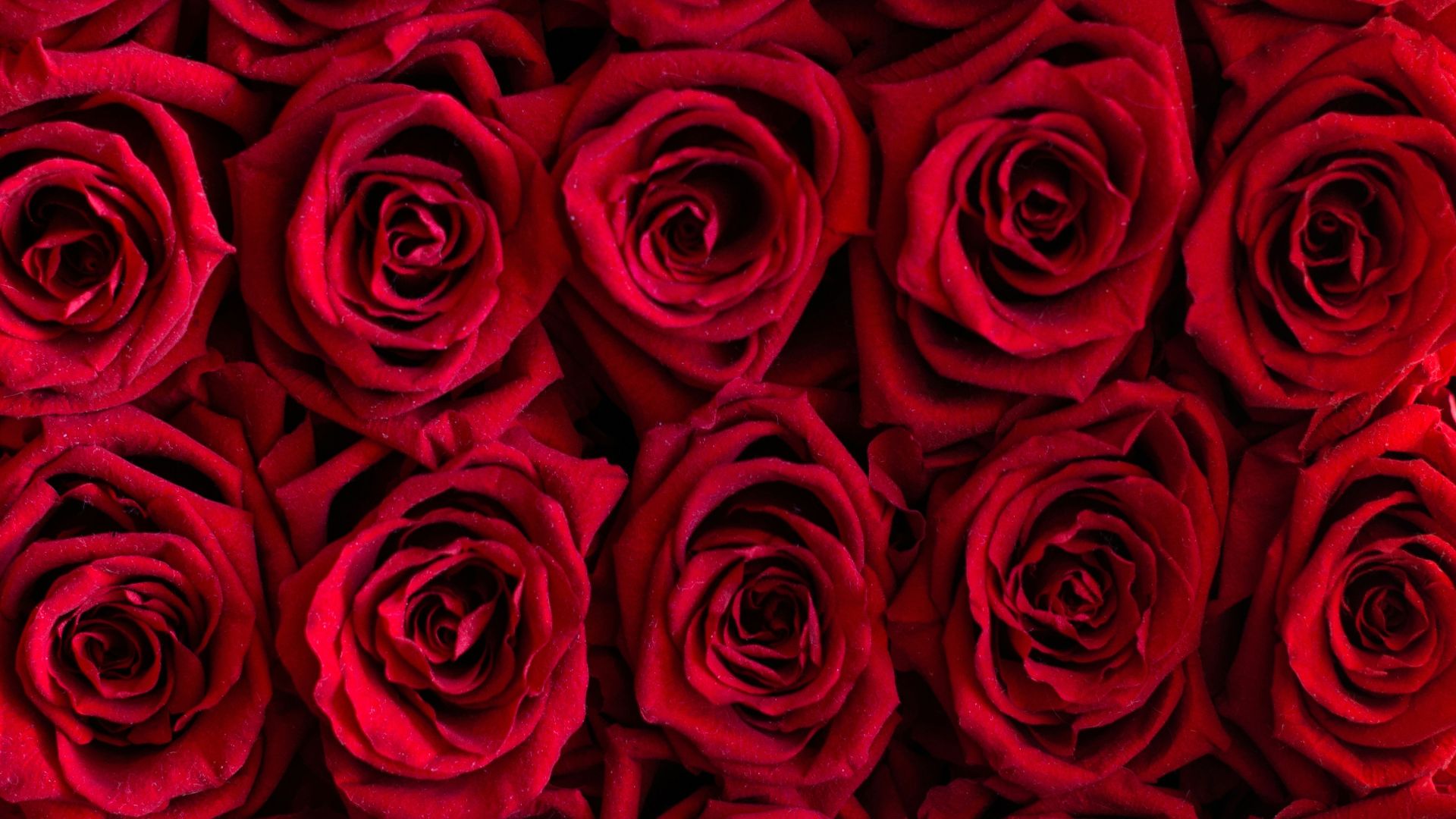
12. Red Roses As A Signal
Red roses became a classic Valentine gift because they carried strong romantic symbolism in European tradition, reinforced later by the Victorian “language of flowers.” Giving a red rose could say something direct without requiring a long explanation, which was useful in societies that demanded restraint in public.
13. Boxed Chocolates For Romance
Chocolate as a Valentine staple is closely tied to nineteenth-century marketing that framed it as a refined, gift-worthy indulgence. A famous British chocolatier helped push the idea by selling decorated boxes meant to be saved.

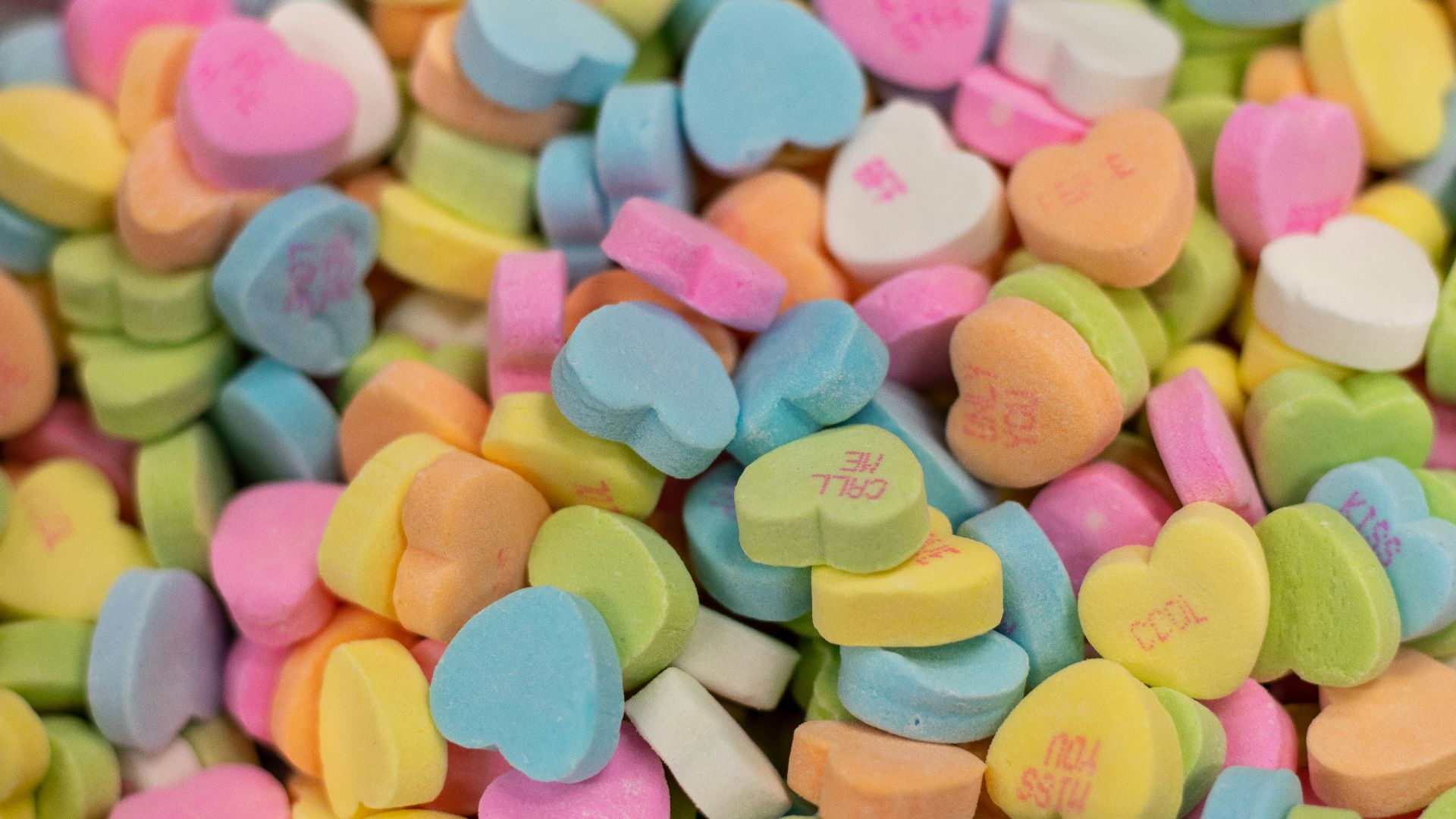
14. Sweethearts With Printed Words
Those little candies with short messages did not start as pure holiday fun. Early versions grew out of medicated lozenges and pressed sugar treats in the nineteenth century, then shifted into confections once manufacturers realized people liked edible messages.
15. Secret Admirer Notes
Anonymous valentines became popular once cheap printing and reliable mail made secrecy easy. That anonymity could be charming, yet it also created room for social games, awkward misunderstandings, and messages that would never be said face to face.
16. Posy Rings And Short Verses
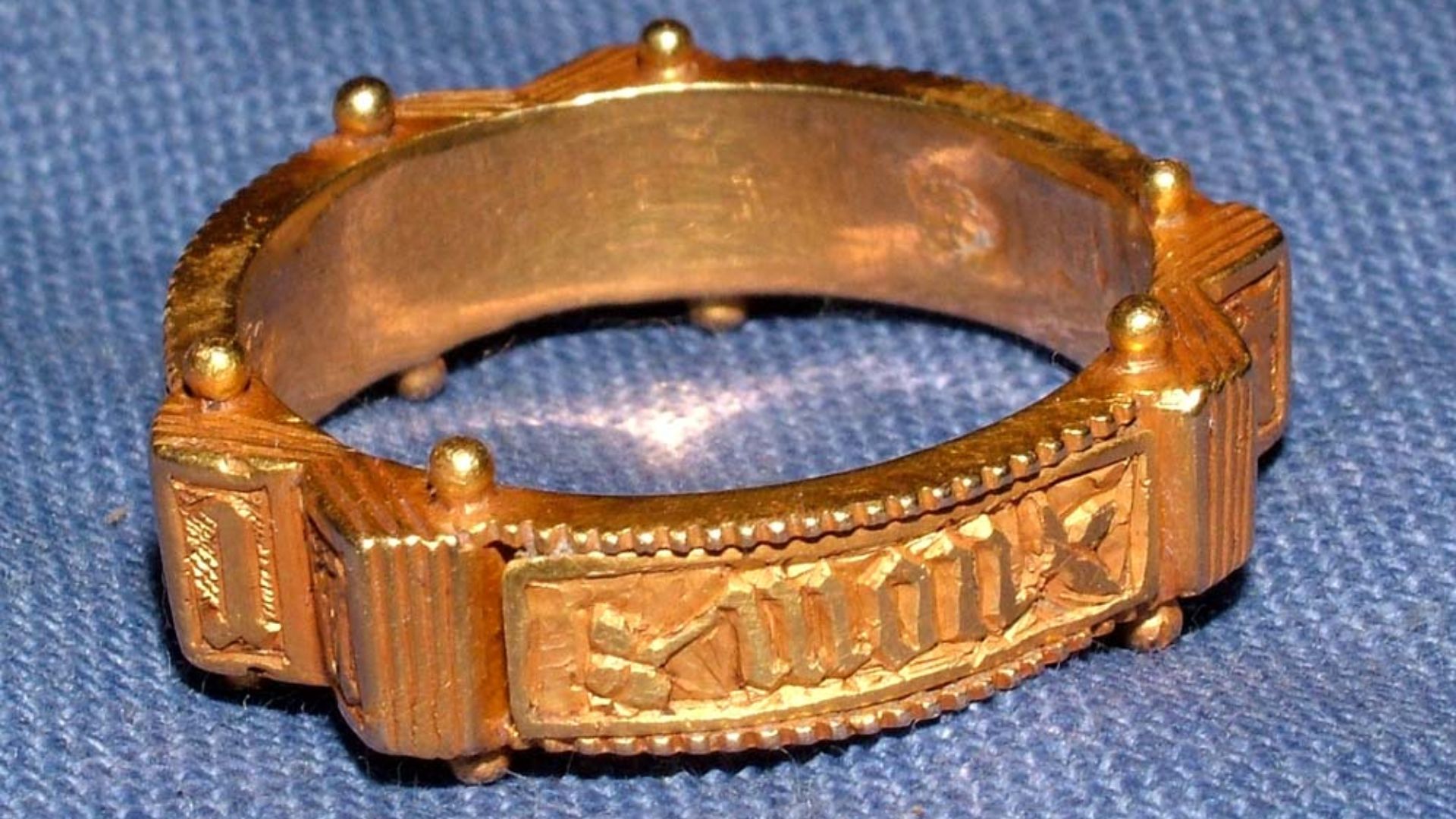
In early modern England, lovers exchanged rings engraved with tiny phrases, sometimes called posies, that acted like wearable messages. A Valentine gift that sits on your hand also keeps the sentiment close in a very literal way.
17. Gloves As Courtship Gifts
Gloves were once a meaningful gift because they signaled status, refinement, and closeness, especially when clothing was expensive and personal items mattered. Giving gloves could suggest admiration without stepping into scandal, since it looked like a tasteful accessory exchange.

18. Welsh Love Spoons
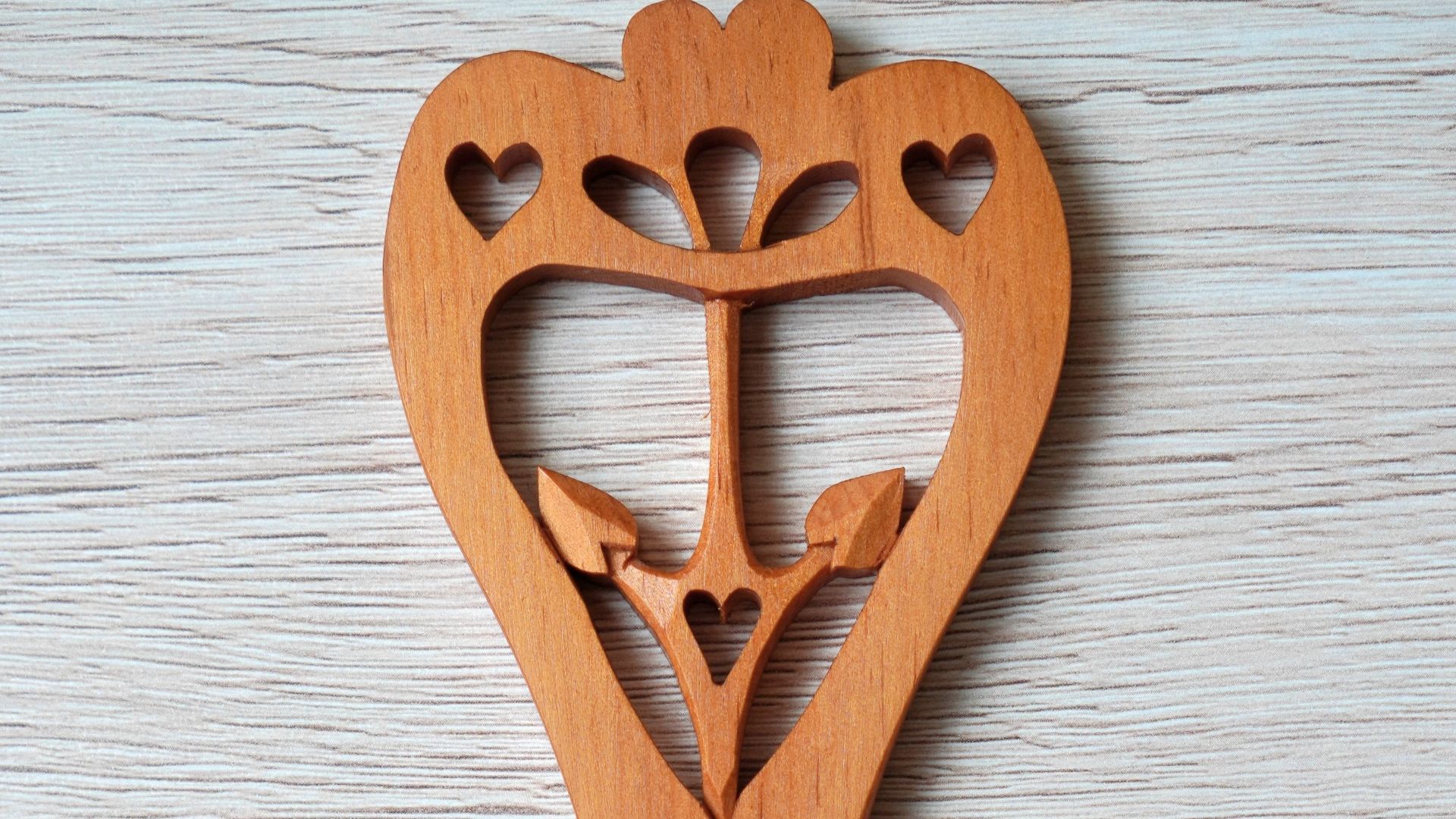
In Wales, carved wooden love spoons became a traditional courtship token, often made by hand and given as a sign of serious interest. The designs could include symbols meant to communicate intentions, similar to many modern gifts today.
19. Vinegar Valentines
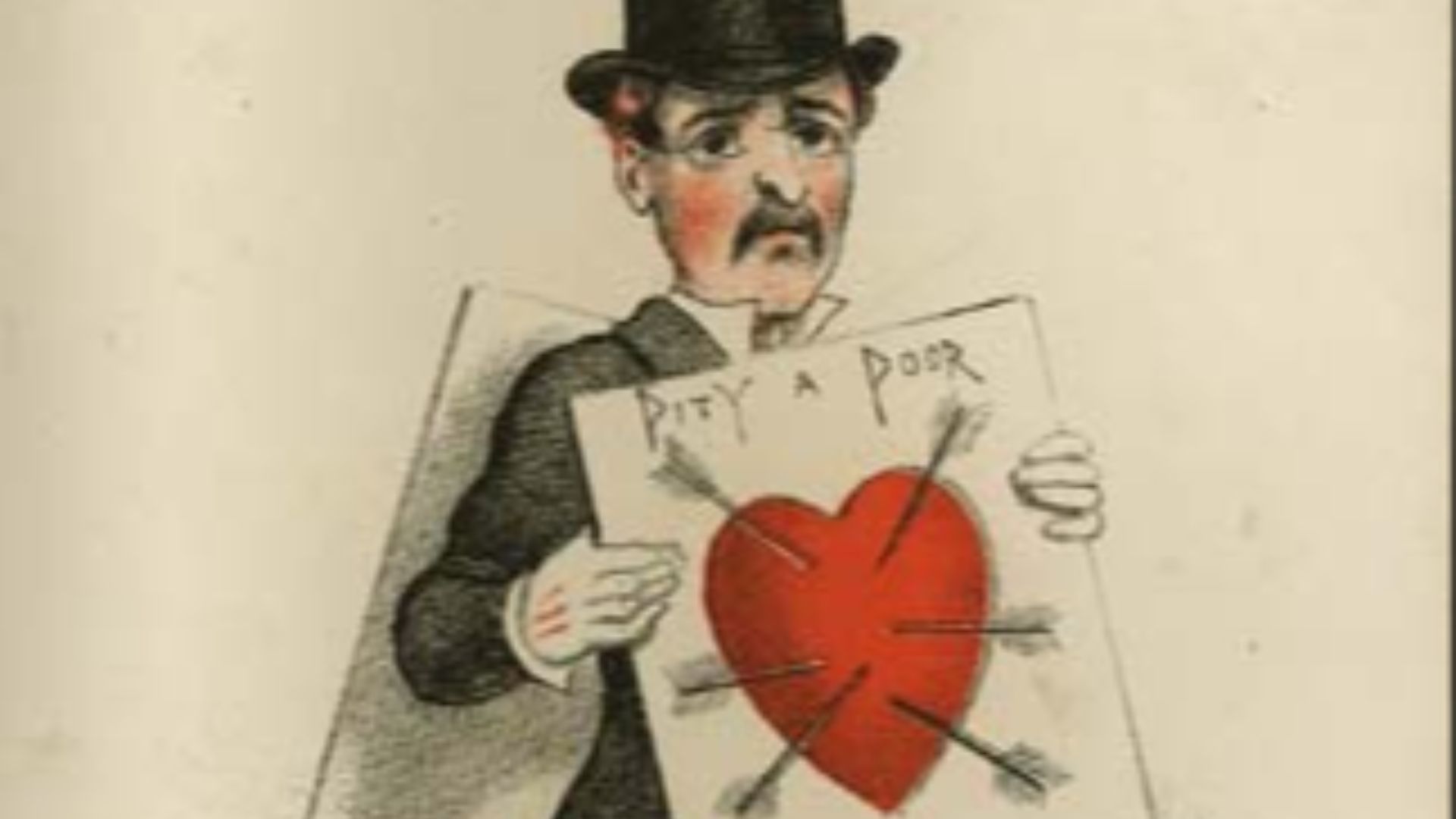
Not every Valentine tradition was sweet, and the nineteenth century produced a nasty countertrend called vinegar valentines. These were insulting cards that mocked the recipient, sometimes with cruel illustrations and sharp verses.
 Unknown authorUnknown author on Wikimedia
20. Restaurant Valentine Dinners
The idea of going out for a special Valentine's meal grew as restaurant culture expanded and dining out became part of modern social life. A public dinner offered a clear ritual that required little creativity, which made it appealing for couples and for people trying to look serious. Once that pattern took hold, the holiday gained a scheduled, reservation-based tradition that still rules February.
KEEP ON READING
10 Greatest Quarterbacks Of All Time & 10 That Are…
Do You Disagree?. Few topics in sports generate as much…
By Farva Ivkovic Dec 2, 2025
The story of Ching Shih, the Woman Who Became the…
Unknown author on WikimediaFew figures in history are as feared…
By Emilie Richardson-Dupuis Dec 29, 2025
20 Shakespearean Words, Translated For A Modern Audience
What’s In A Word?. Shakespeare was a wordsmith of the…
By Breanna Schnurr Dec 17, 2025
20 Inspiring Stories From Native American History
Incredible Stories Of Resilience And Endurance. Many of us didn't…
By Ashley Bast Dec 17, 2025
You Think You Have Problems? These Royal Families Were Cursed
Boasson and Eggler St. Petersburg Nevsky 24. on WikimediaHeavy is…
By Ashley Bast Dec 5, 2025
MH370: The Plane That Can't Be Found
Anna Zvereva from Tallinn, Estonia on WikimediaEleven years after Malaysia…
By Christy Chan Dec 10, 2025