

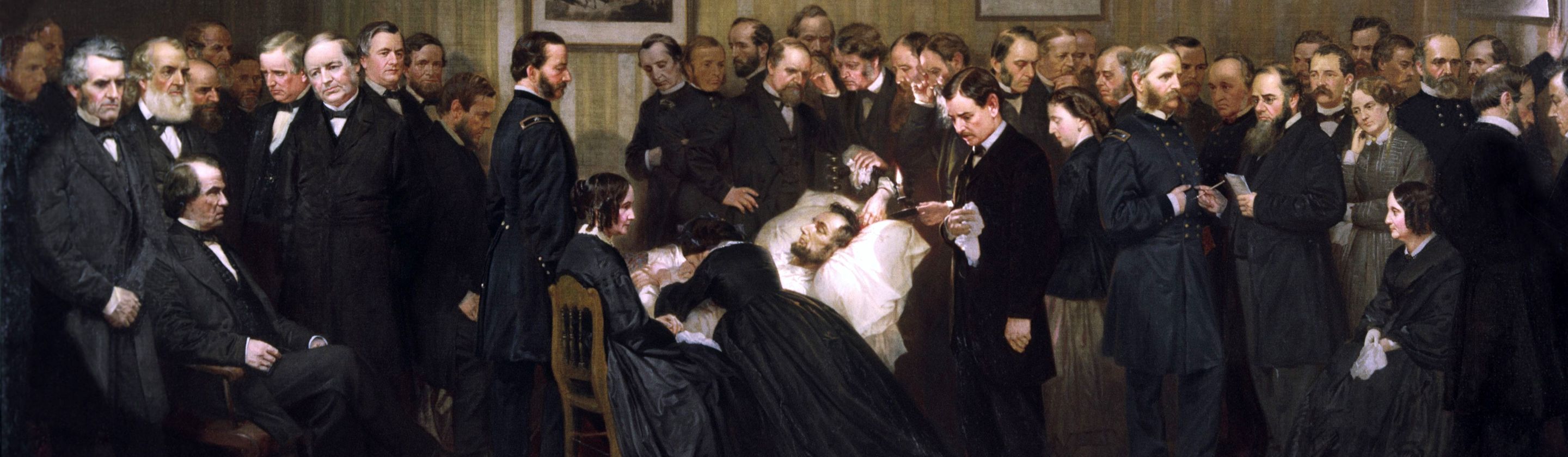
The Presidency Reveals Character Under Pressure
The presidency has a way of exposing who someone really is. Campaign promises collide with real-world crises, and public expectations can either be exceeded or disappointed in ways nobody predicted. Here are 10 presidents who defied expectations in meaningful ways, and 10 whose time in office is widely viewed as falling short.
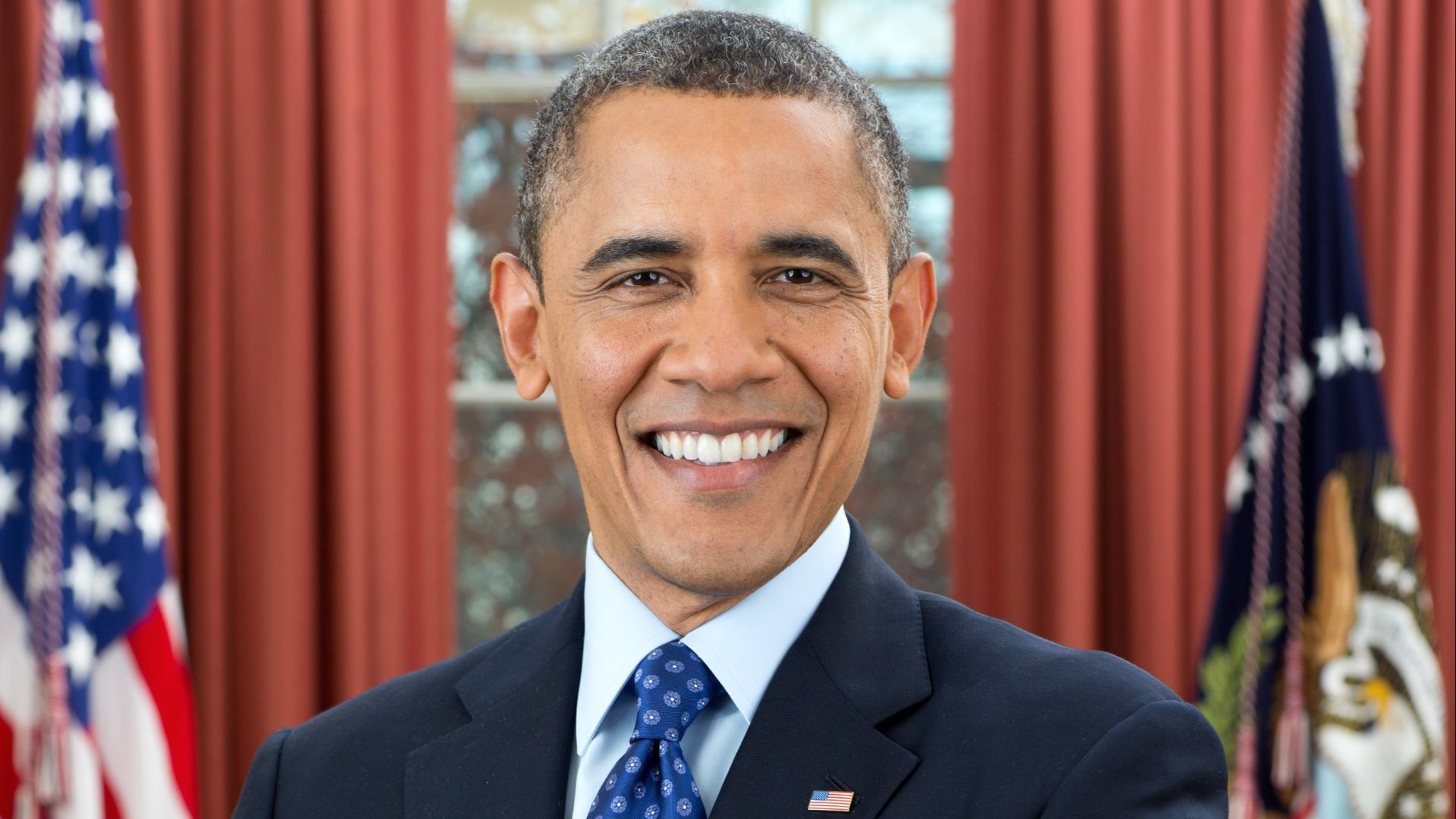 Official White House Photo by Pete Souza on Wikimedia
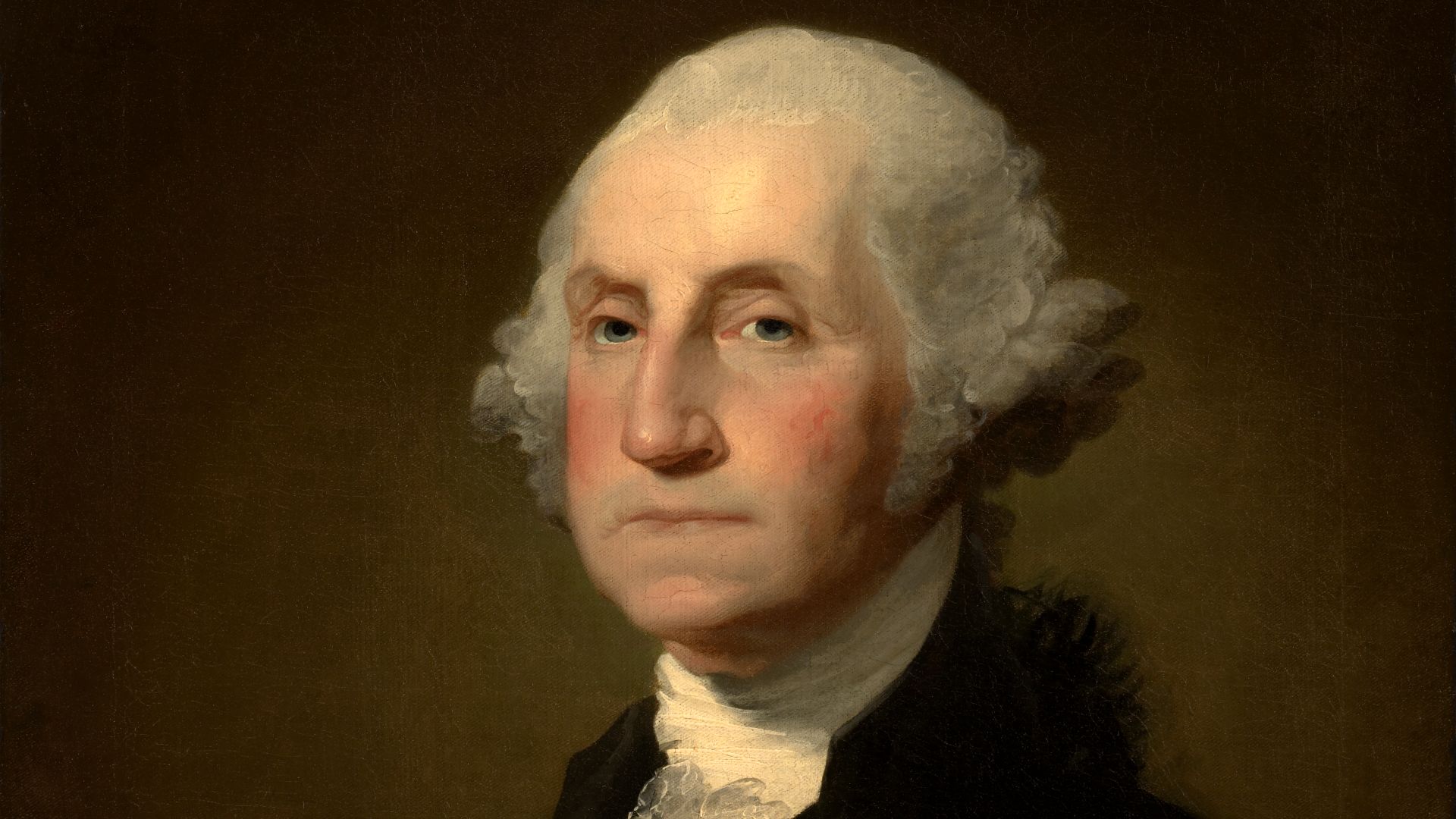
1. George Washington
After leading the Continental Army to victory, Washington could have held onto power. Instead, he stepped down after two terms, setting a democratic precedent that lasted until the 20th century. He also navigated intense political divisions in the young nation without a roadmap.
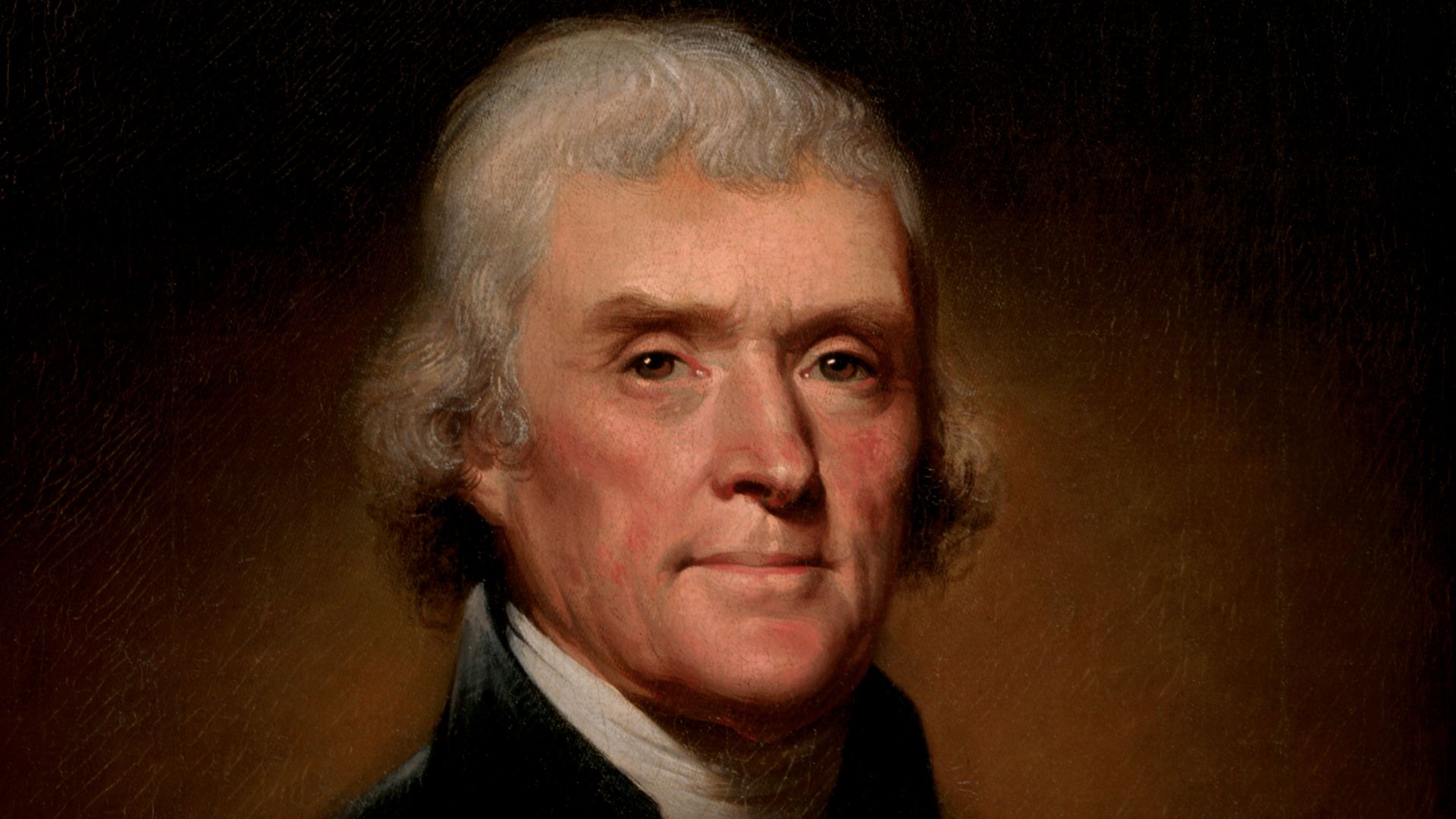
2. Thomas Jefferson
Jefferson campaigned on a platform of limited government, yet as president, he authorized the Louisiana Purchase in 1803, which doubled the size of the United States. The Constitution didn’t explicitly grant that power, and he wrestled with the decision.
3. Abraham Lincoln
Lincoln entered office with limited national experience and faced a fractured country. Many doubted he could manage a civil war, yet he preserved the Union and issued the Emancipation Proclamation in 1863.
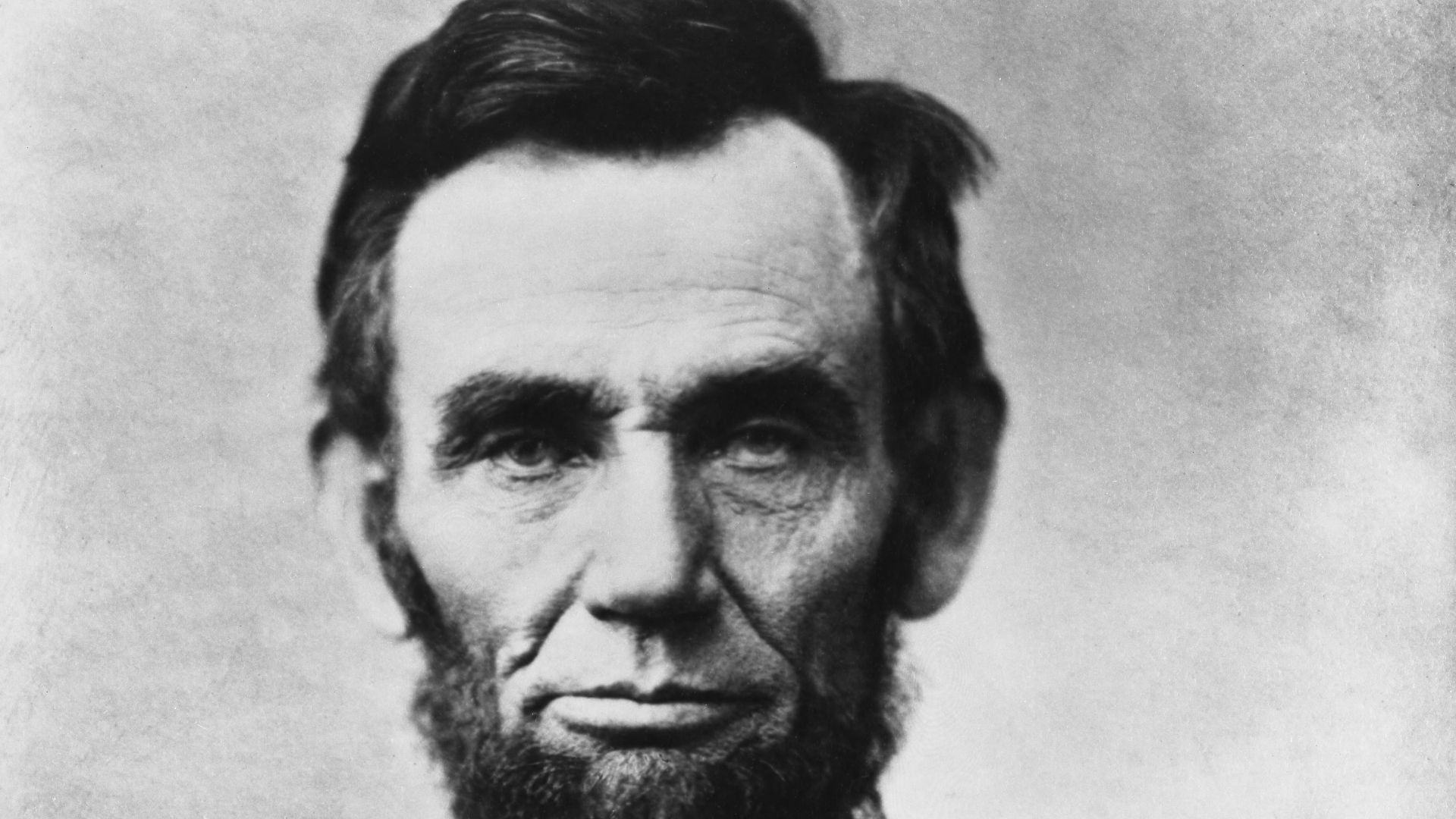 Alexander Gardner on Wikimedia
4. Theodore Roosevelt
When Theodore Roosevelt became president after William McKinley’s assassination, critics saw him as impulsive and too young. Instead, he pursued trust-busting, conservation efforts, and consumer protections with remarkable energy.
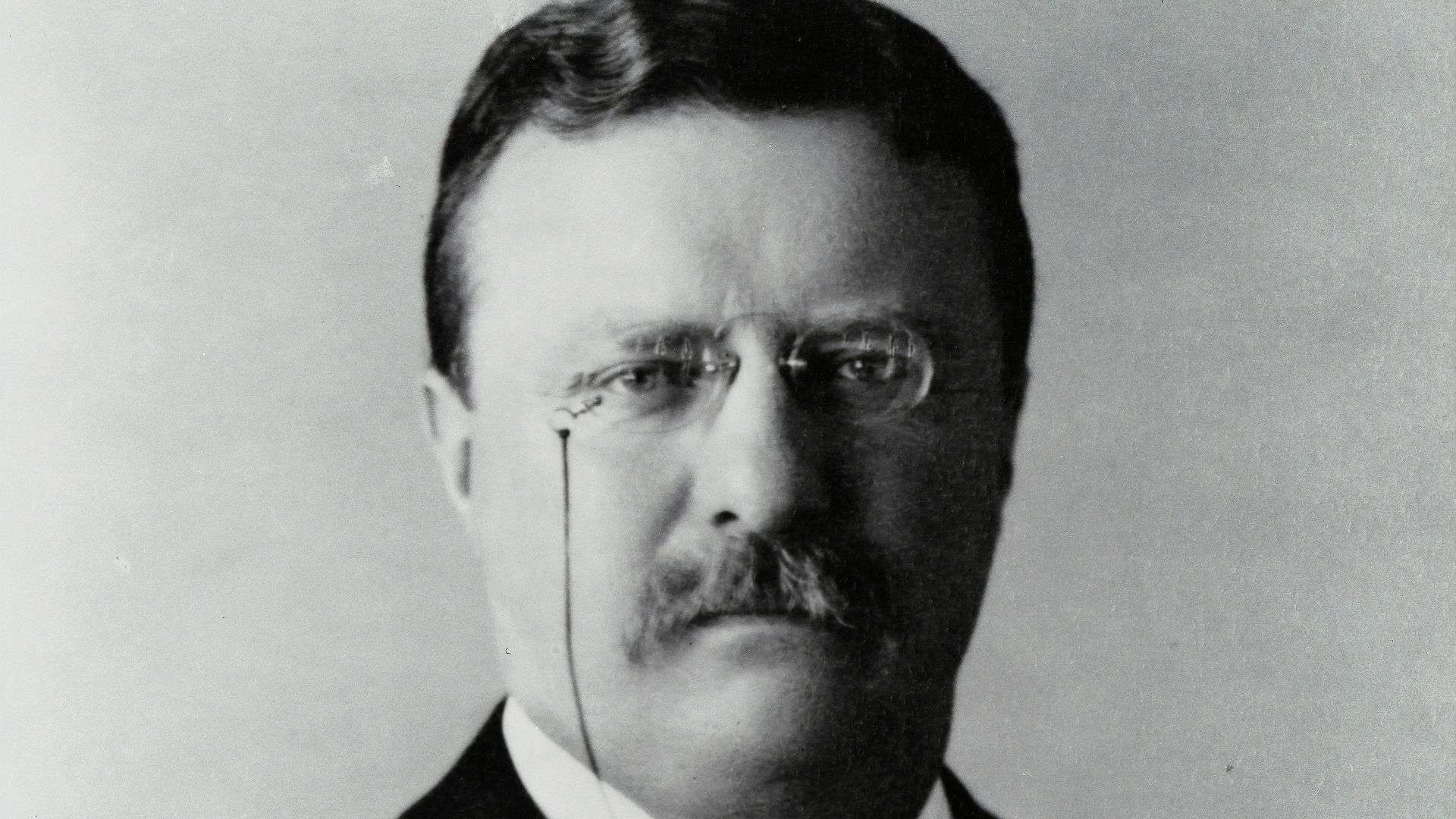 Library of Congress on Unsplash
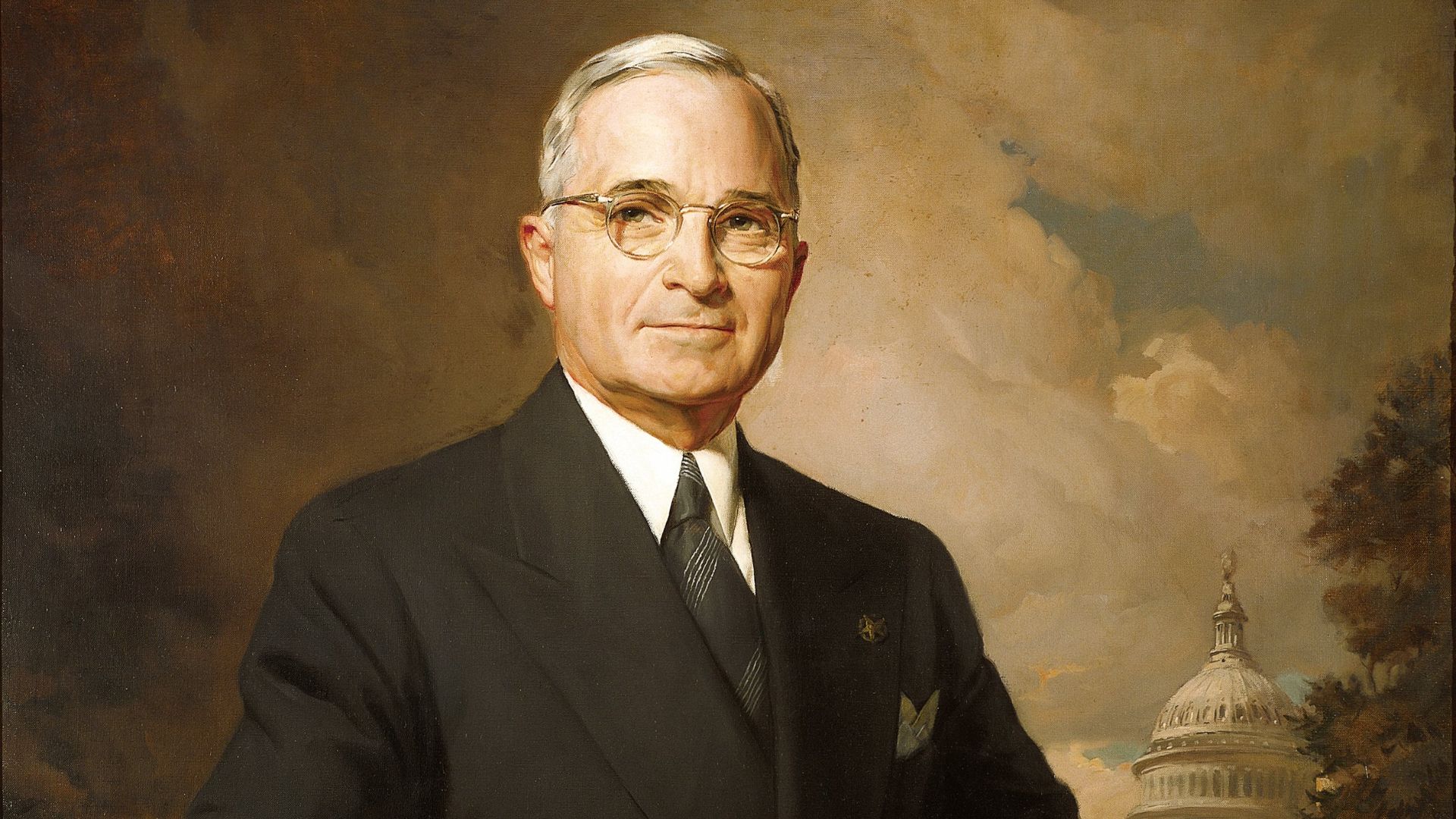
5. Harry S. Truman
Truman assumed office in 1945 after Franklin D. Roosevelt’s death, having been vice president for only a few months. Many underestimated him, yet he made pivotal decisions, including authorizing the use of atomic bombs to end World War II and supporting the Marshall Plan to rebuild Europe.
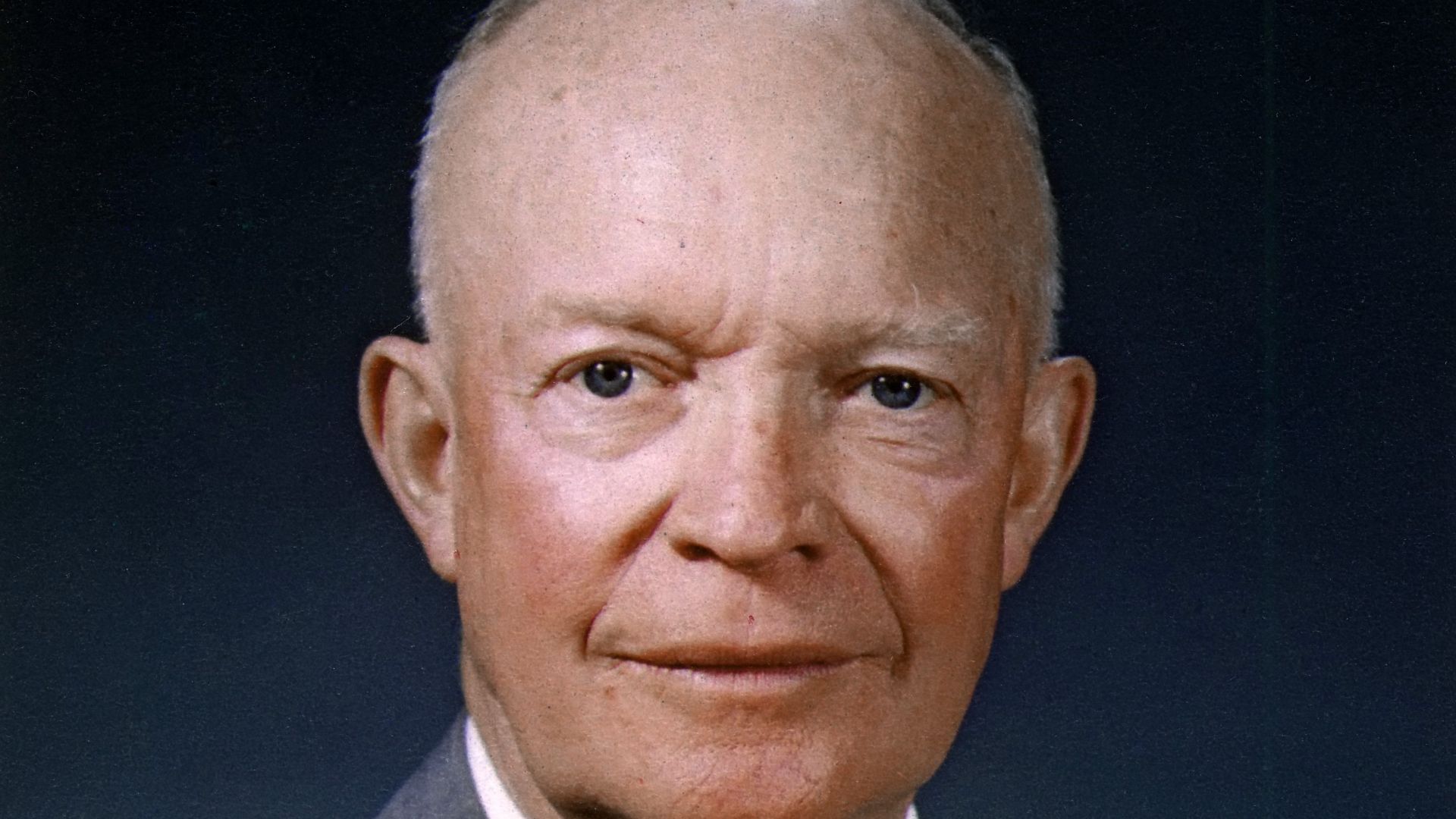
6. Dwight D. Eisenhower
Eisenhower was a career general, and some feared he’d govern with a strictly military mindset. Instead, he invested in domestic infrastructure, most notably the Interstate Highway System. He also navigated Cold War tensions carefully, avoiding direct conflict with the Soviet Union.
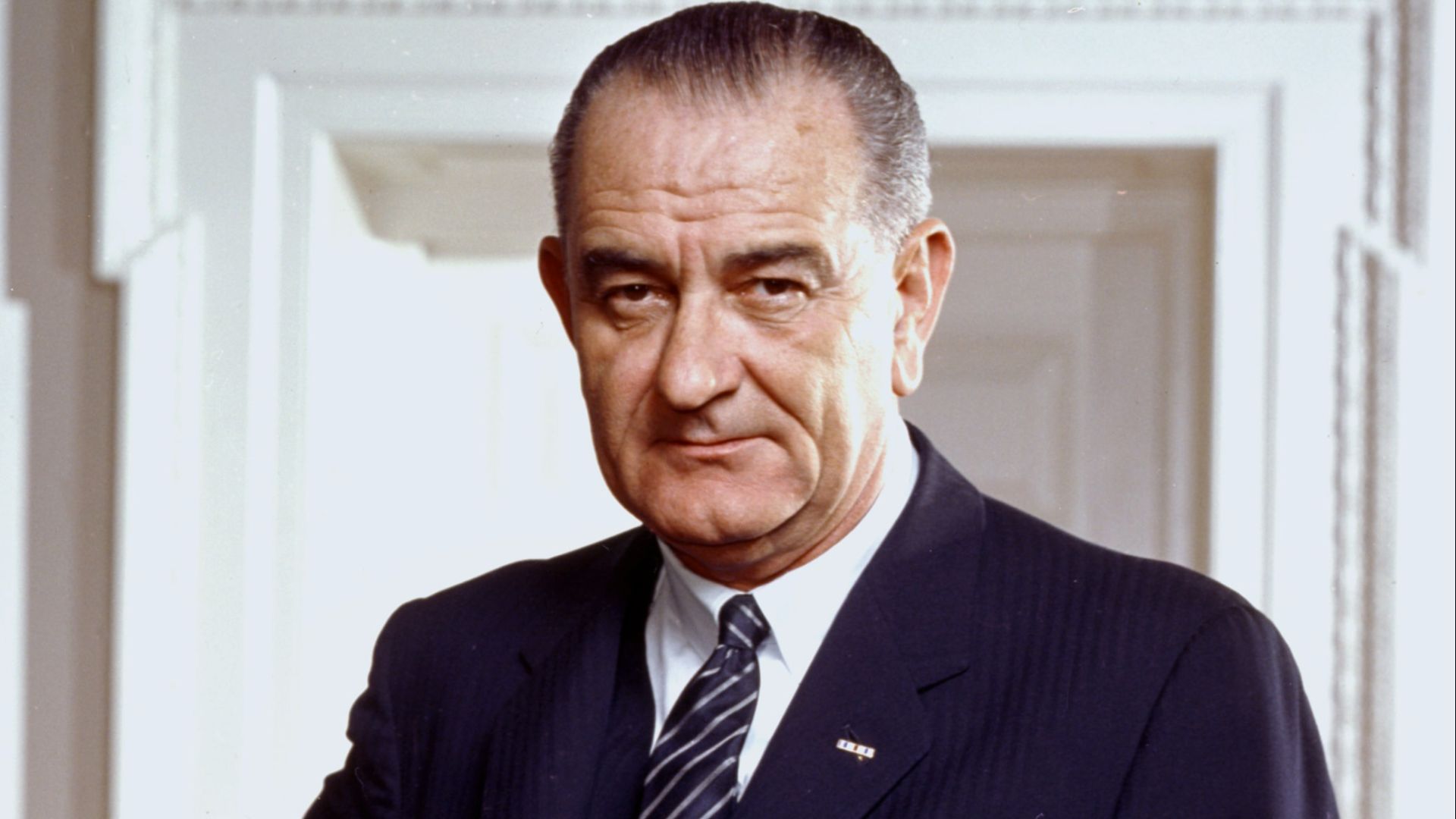
7. Lyndon B. Johnson
Johnson entered office after John F. Kennedy’s assassination. Although remembered for the escalation of the Vietnam War, he also pushed through landmark civil rights legislation, including the Civil Rights Act of 1964 and the Voting Rights Act of 1965.
8. Richard Nixon
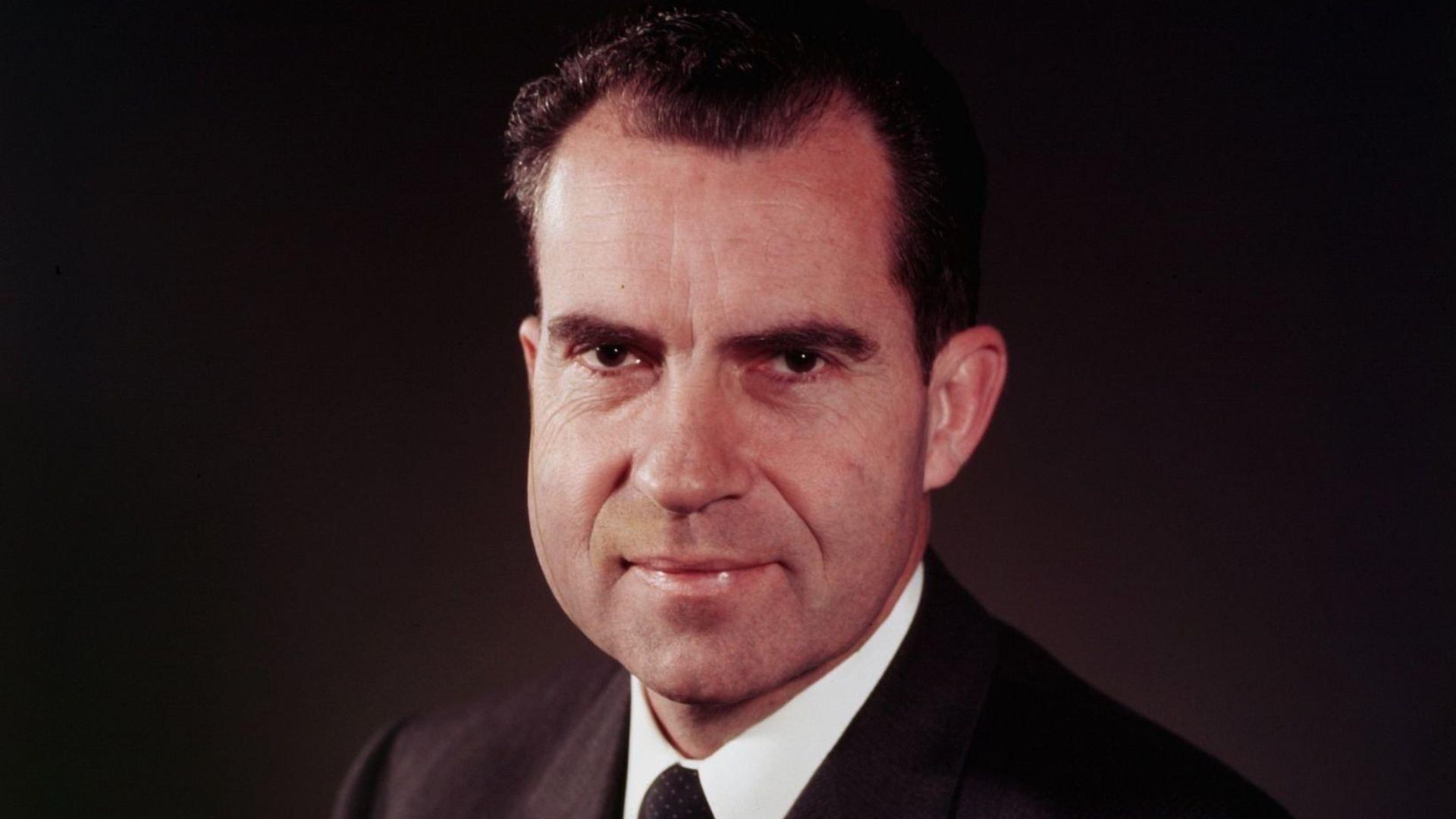
Nixon is often associated with Watergate, yet he also reshaped foreign policy in unexpected ways. In 1972, he visited China, opening diplomatic relations after decades of hostility. He also signed the Environmental Protection Agency into law and supported major environmental legislation.
 Louis Fabian Bachrach, Jr. on Wikimedia
9. Ronald Reagan
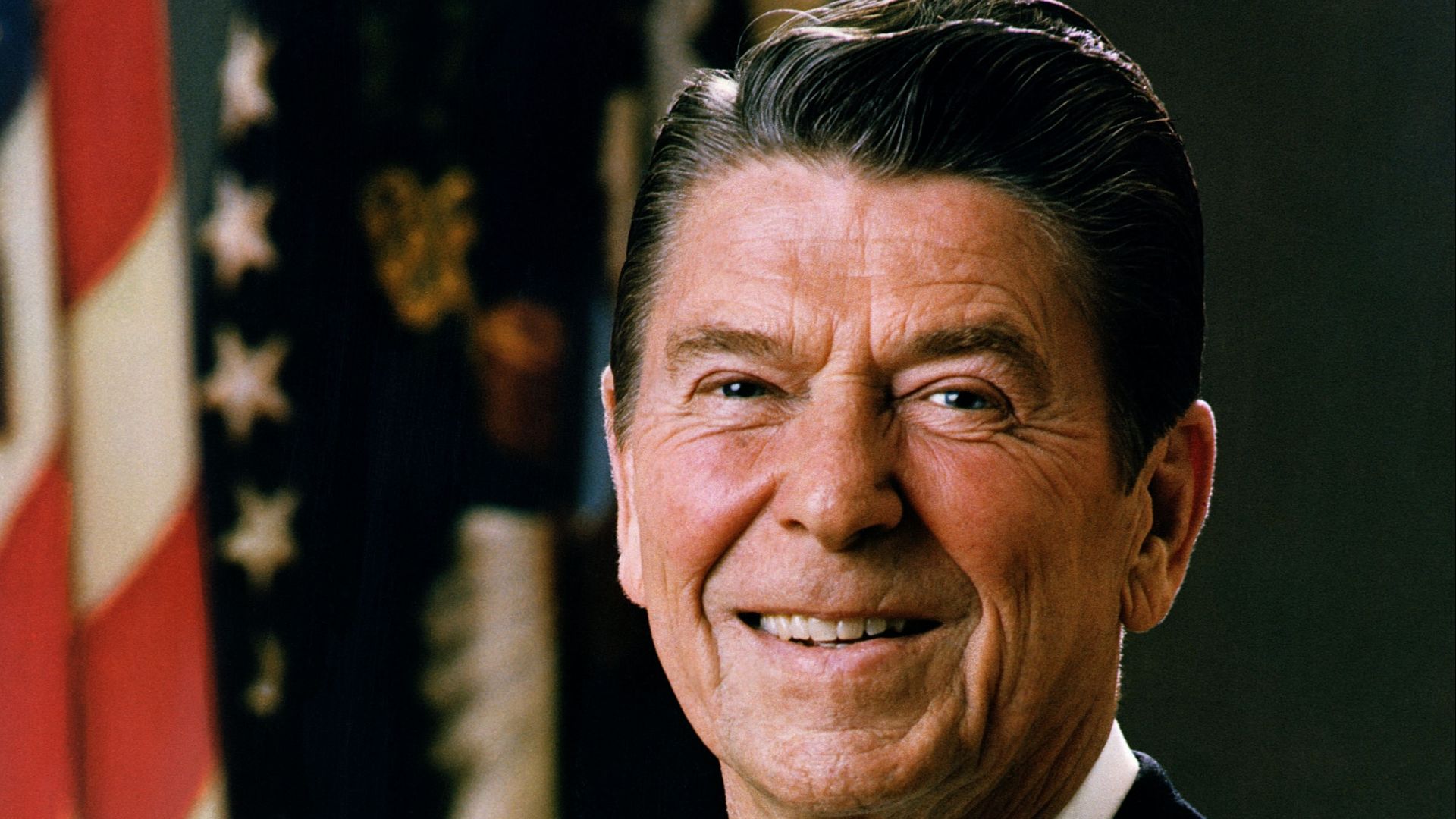
Critics initially questioned Reagan’s background as an actor and California governor. In office, he pursued tax reform, military buildup, and negotiations with the Soviet Union. His relationship with Mikhail Gorbachev contributed to easing Cold War tensions.
10. Barack Obama
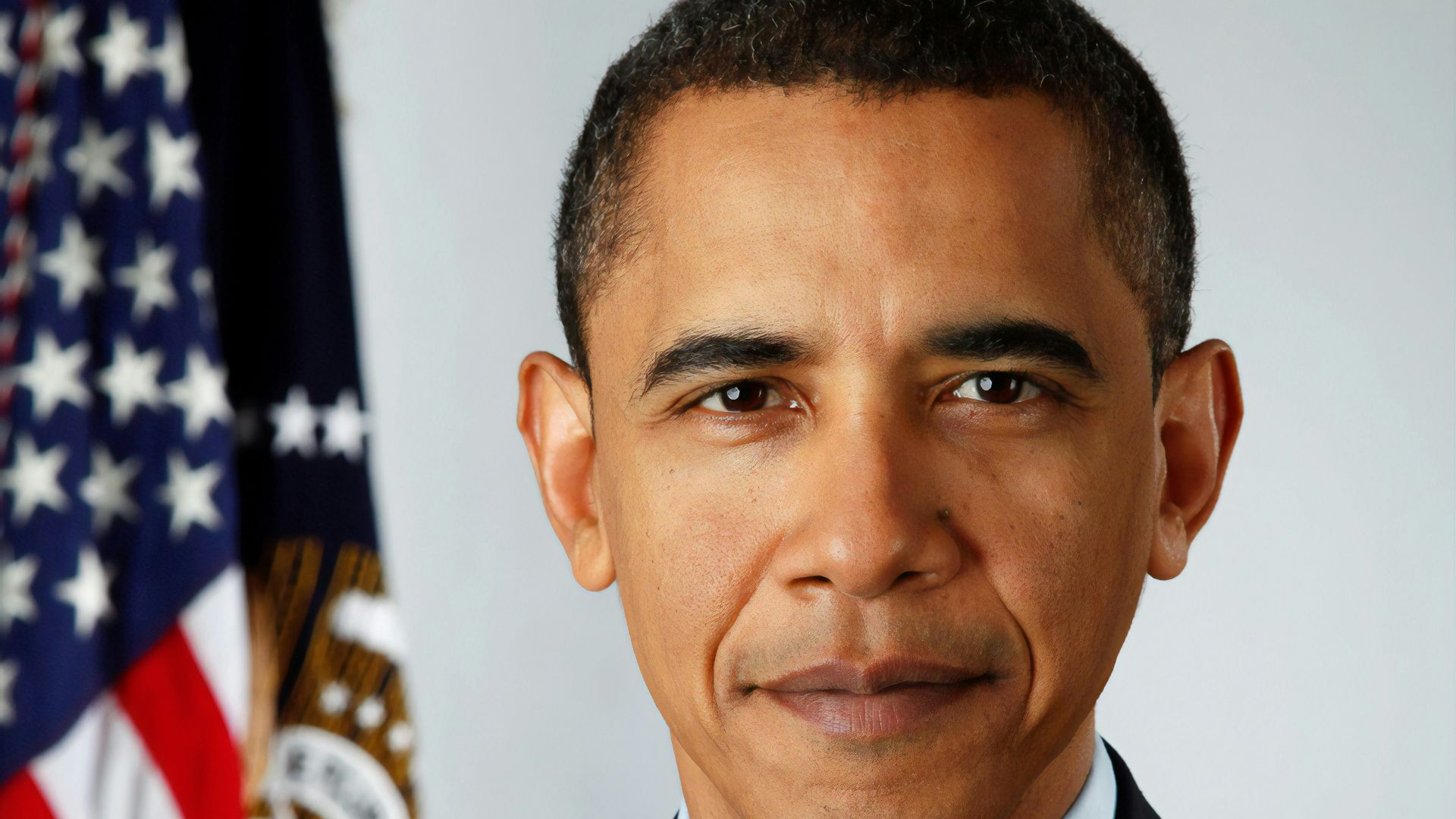
Obama entered office during the Great Recession, facing economic instability and two ongoing wars. He signed the Affordable Care Act into law in 2010, expanding health insurance coverage to millions. He also authorized the operation that led to the death of Osama bin Laden in 2011.
 Library of Congress on Unsplash
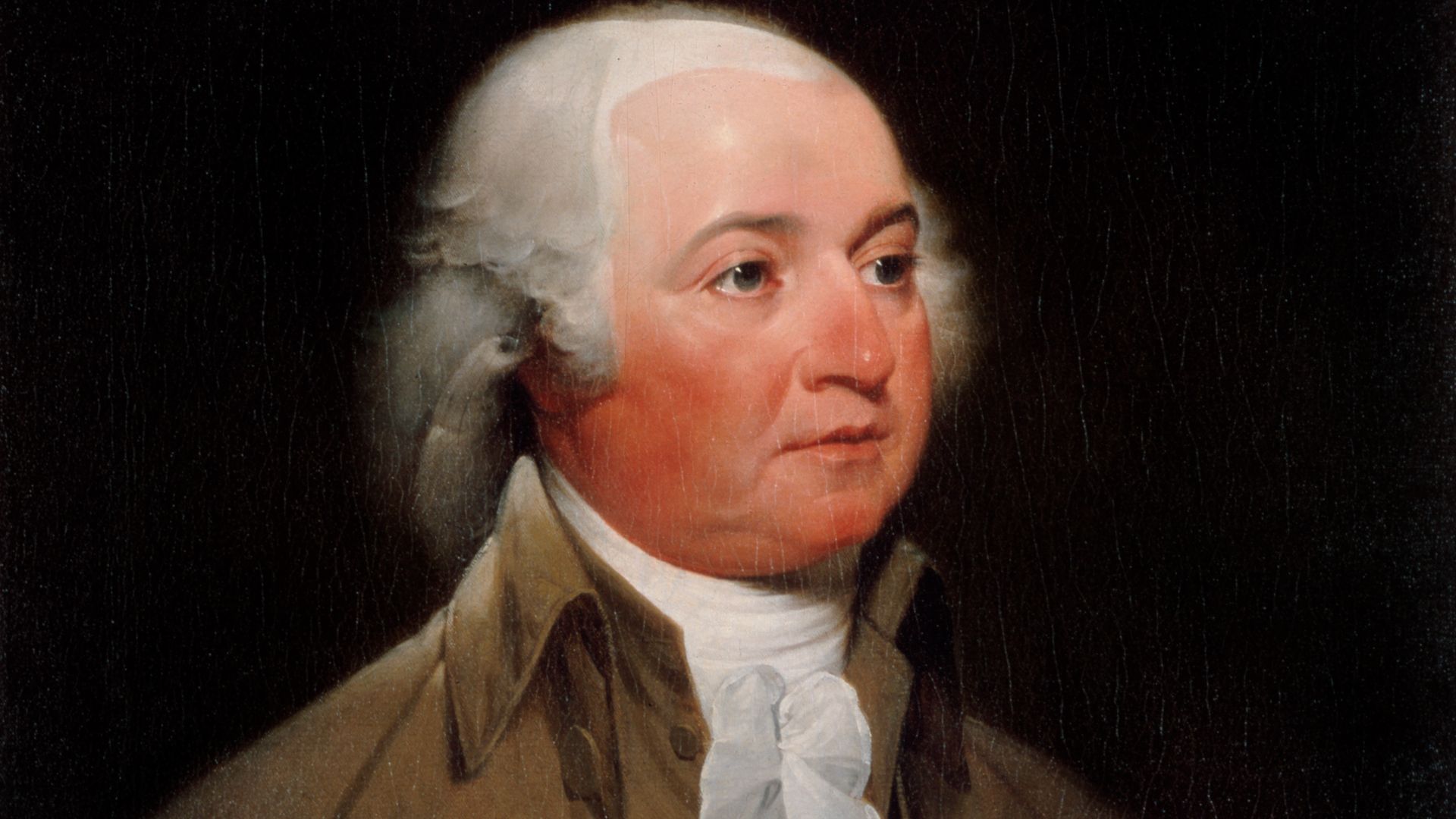
1. John Adams
Adams was a key figure in the American Revolution, but his presidency was rocky. The Alien and Sedition Acts of 1798 limited free speech and drew intense criticism. Political divisions deepened under his watch.
2. James Buchanan
Buchanan took office as tensions over slavery intensified. He believed the Supreme Court’s Dred Scott decision would settle the issue, but it inflamed divisions instead. As Southern states began seceding after Abraham Lincoln’s election, Buchanan took little decisive action.
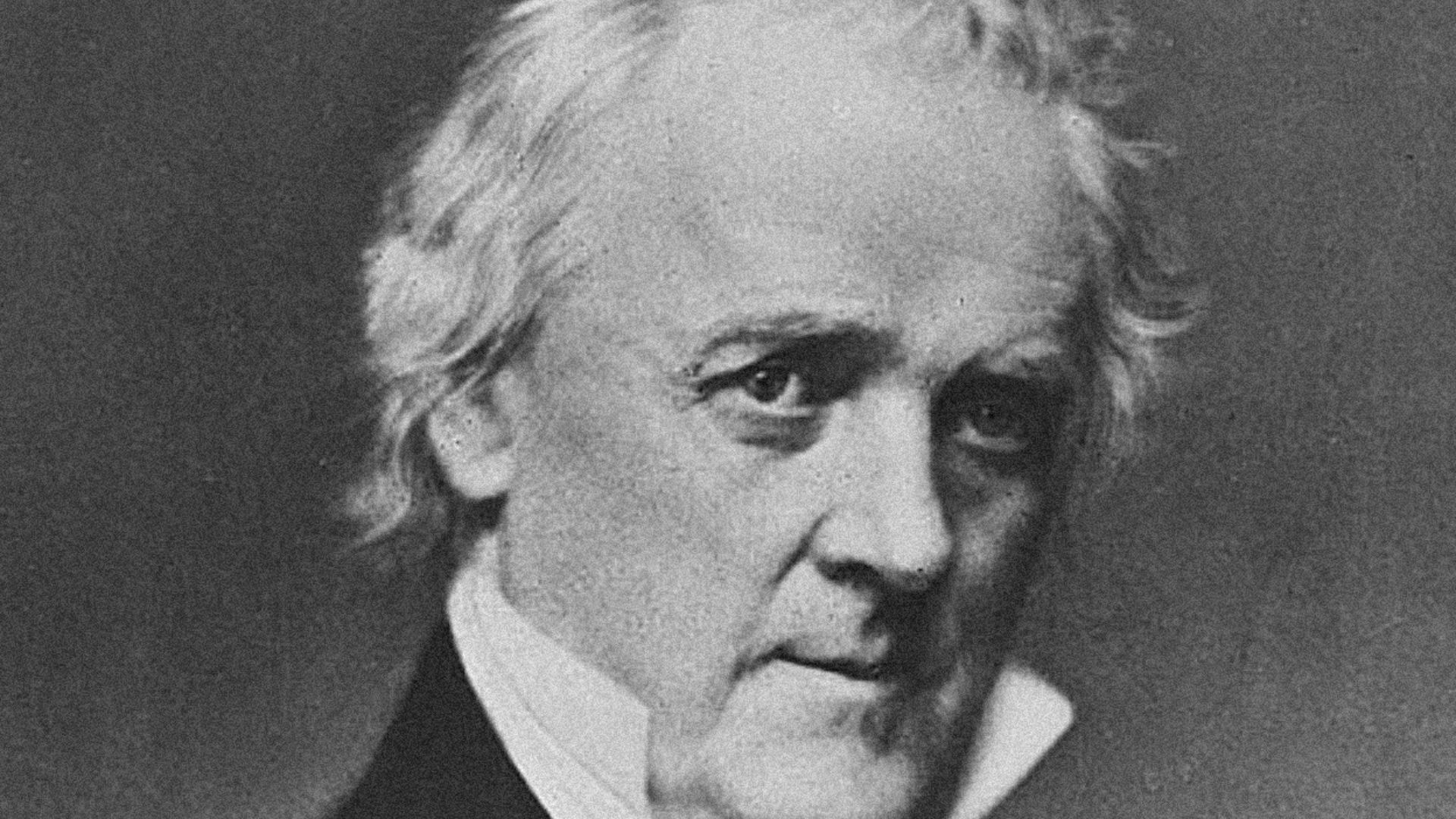 From Brady daguerreotype (Mathew Brady) (1822-1896) on Wikimedia
3. Andrew Johnson
Johnson became president after Lincoln’s assassination and clashed with Congress over Reconstruction. He opposed many protections for formerly enslaved people and vetoed civil rights legislation, though Congress overrode him. He was eventually impeached by the House of Representatives in 1868.
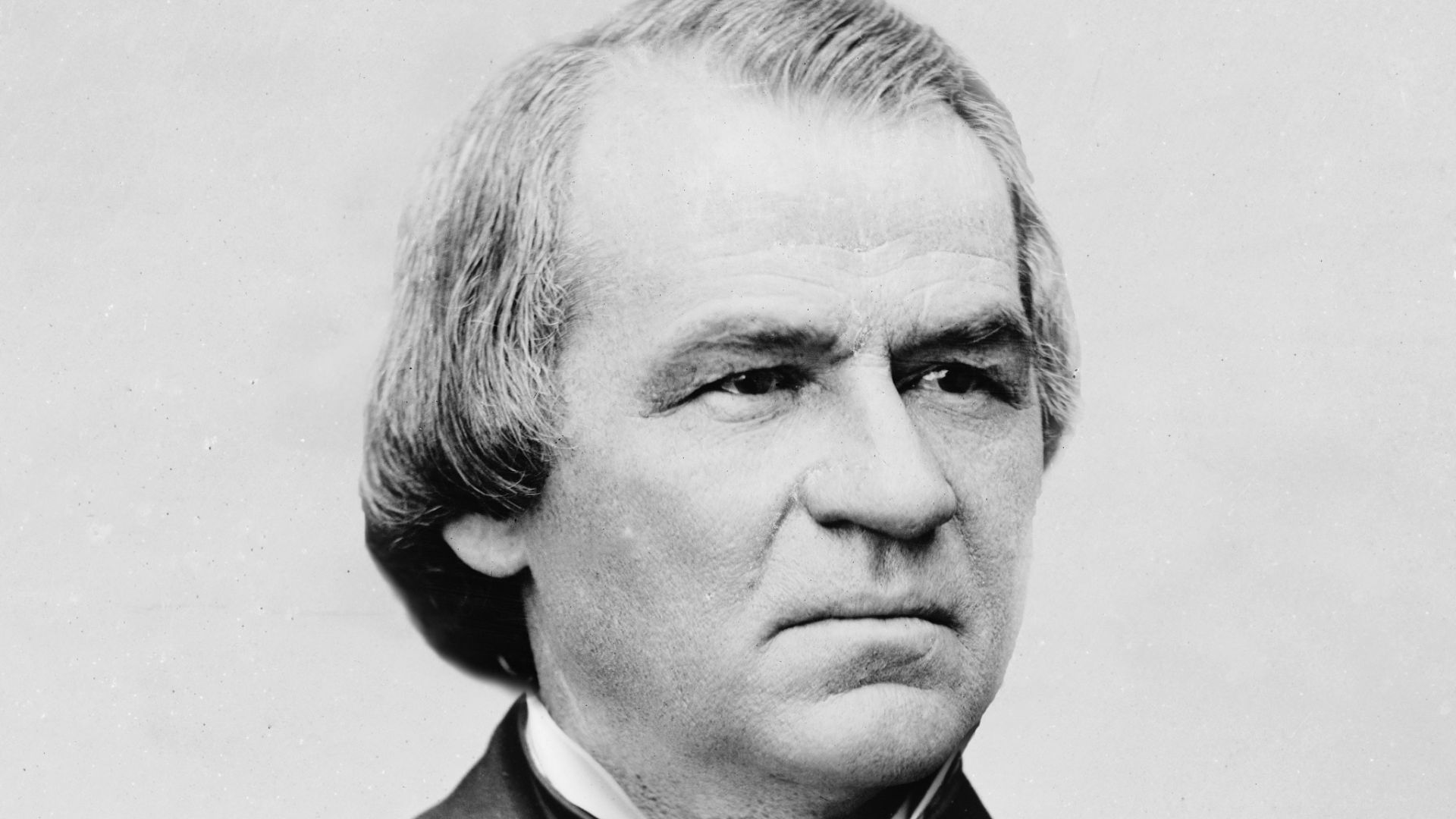 Mathew Benjamin Brady on Wikimedia
4. Ulysses S. Grant
Grant was a celebrated Union general, but his presidency was marred by scandals. Corruption among members of his administration, including the Crédit Mobilier and Whiskey Ring scandals, damaged public trust.
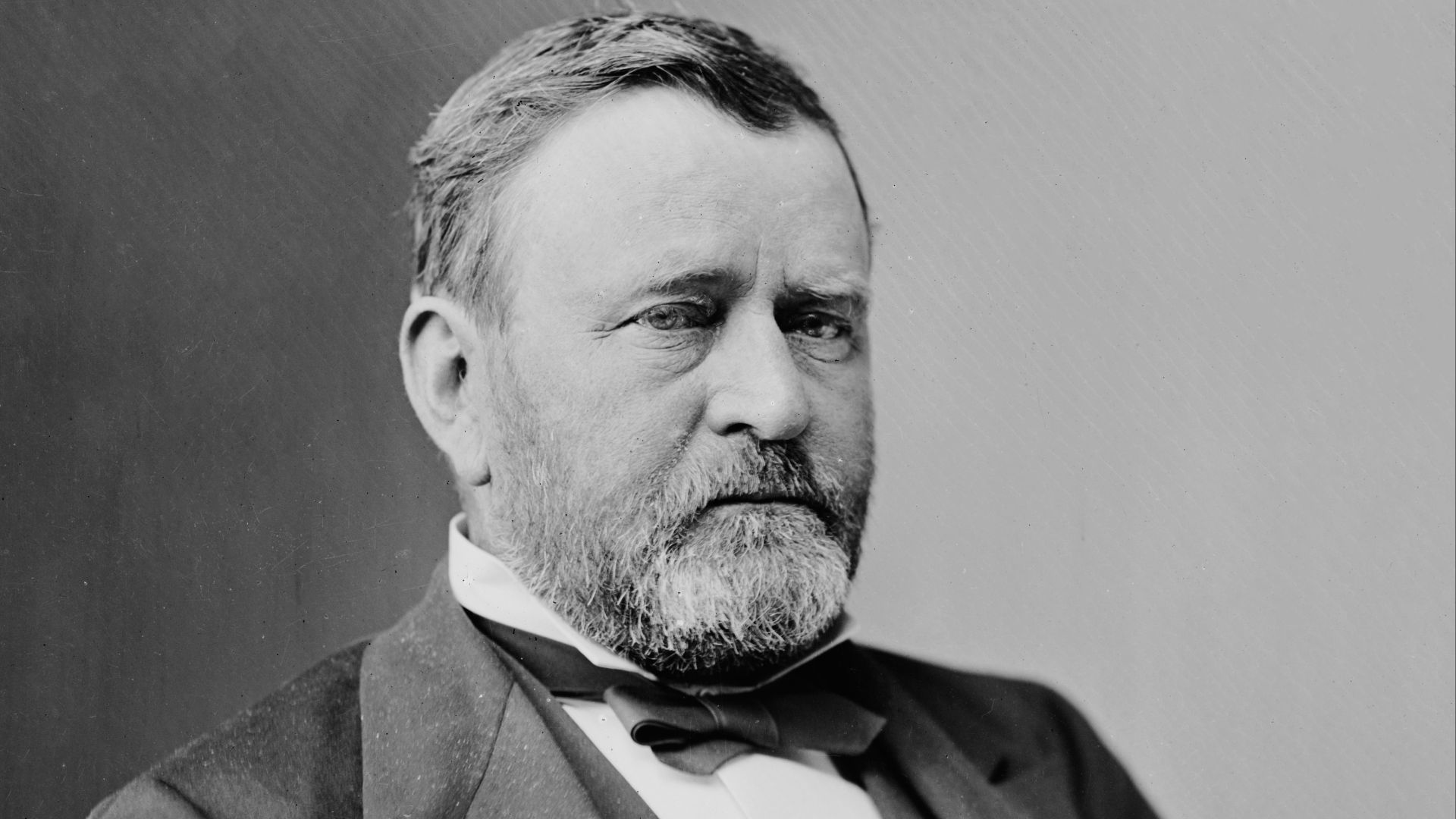 Brady-Handy Photograph Collection, Library of Congress on Wikimedia
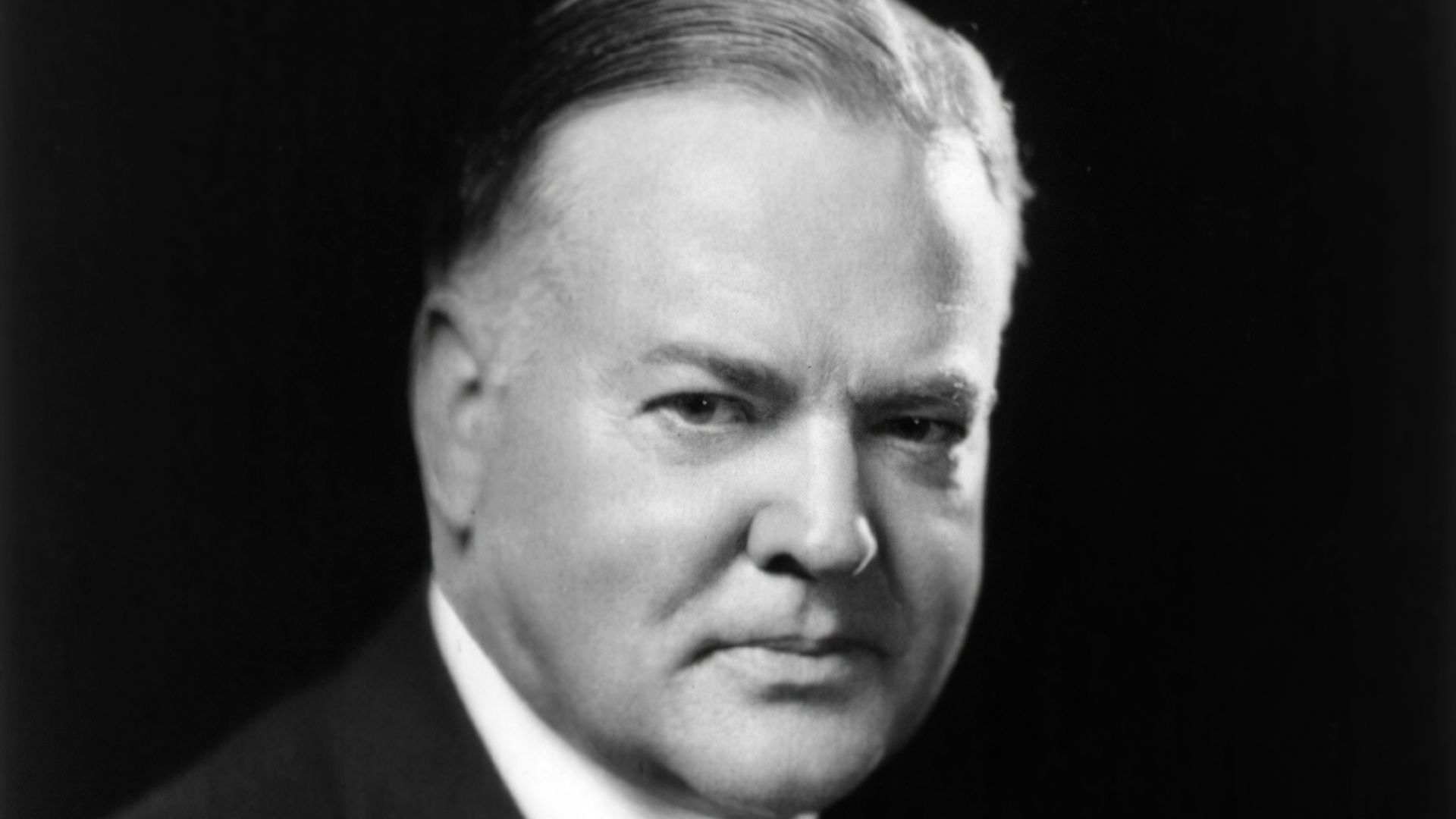
5. Herbert Hoover
Hoover took office in 1929, just months before the stock market crash. As the Great Depression deepened, many Americans felt his response was inadequate and too cautious. Unemployment soared, and public confidence eroded.
 Underwood & Underwood on Wikimedia
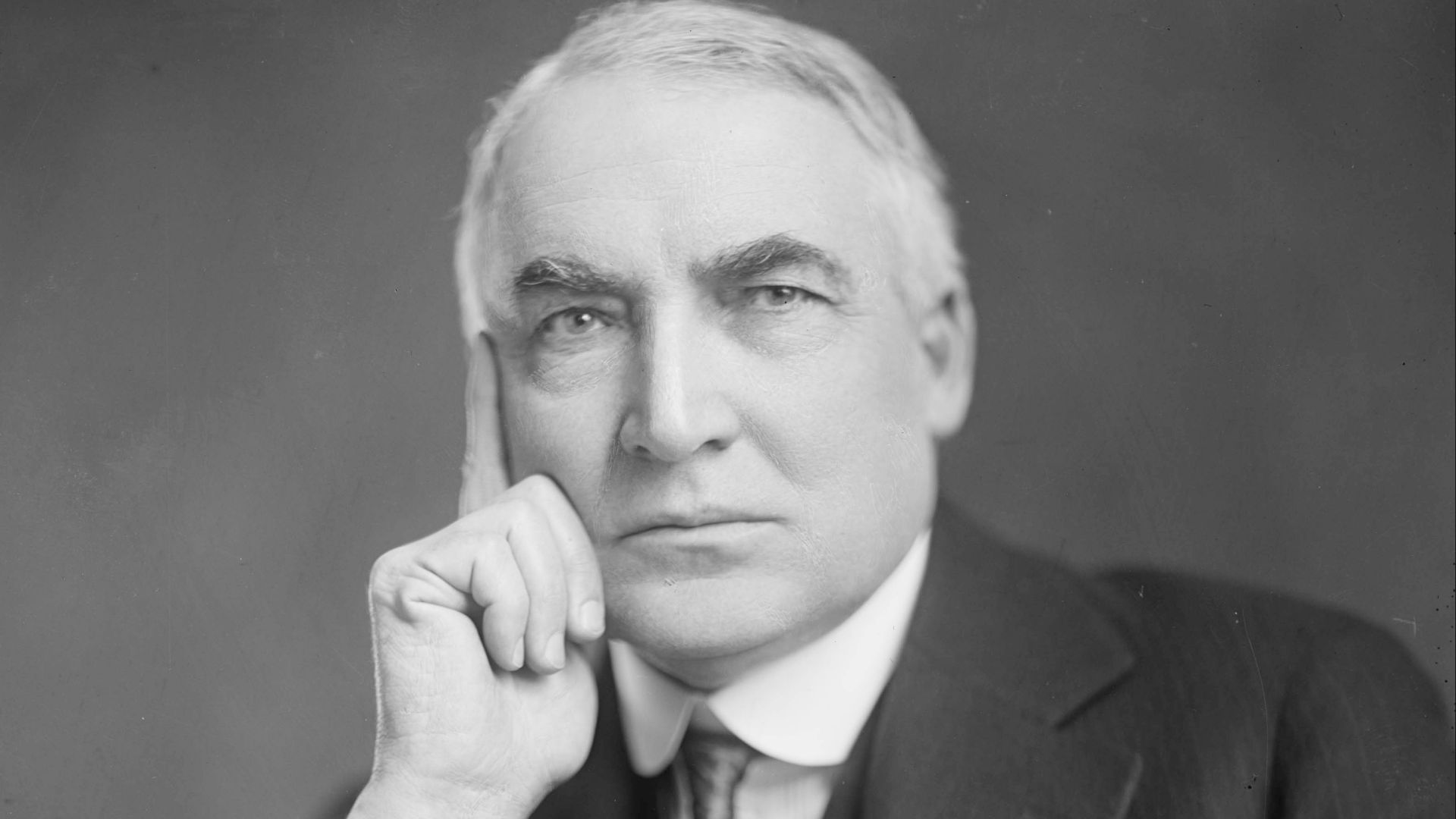
6. Warren G. Harding
Harding promised a “return to normalcy” after World War I. However, his administration became associated with major scandals, including the Teapot Dome affair, in which government oil reserves were leased in exchange for bribes.
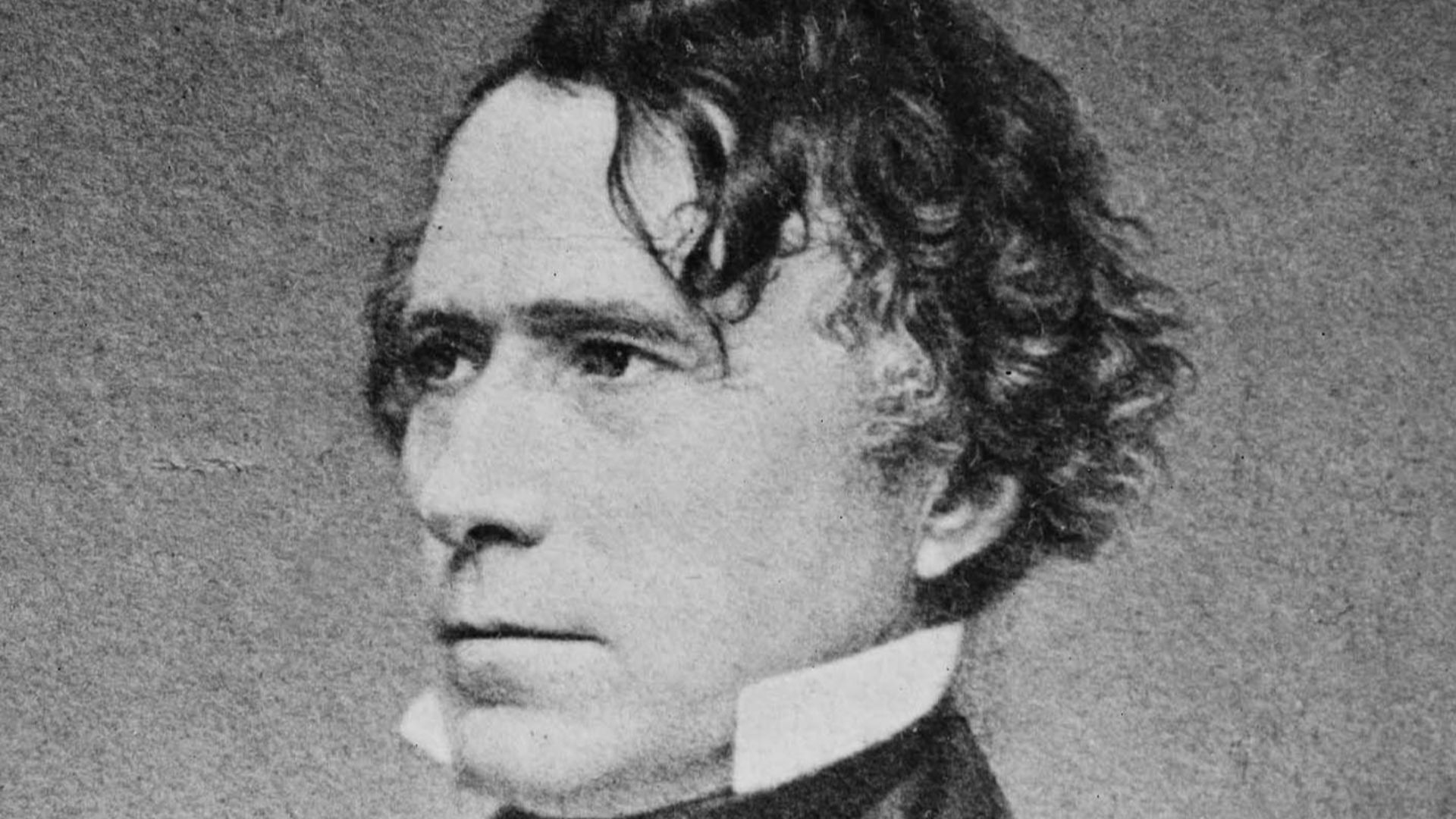
7. Franklin Pierce
Pierce supported the Kansas-Nebraska Act of 1854, which allowed new territories to decide on slavery through popular sovereignty. The result was violent conflict known as “Bleeding Kansas.” Rather than easing tensions, his policies intensified sectional divisions.
 Unknown photographer, cropped by User:Connormah on Wikimedia
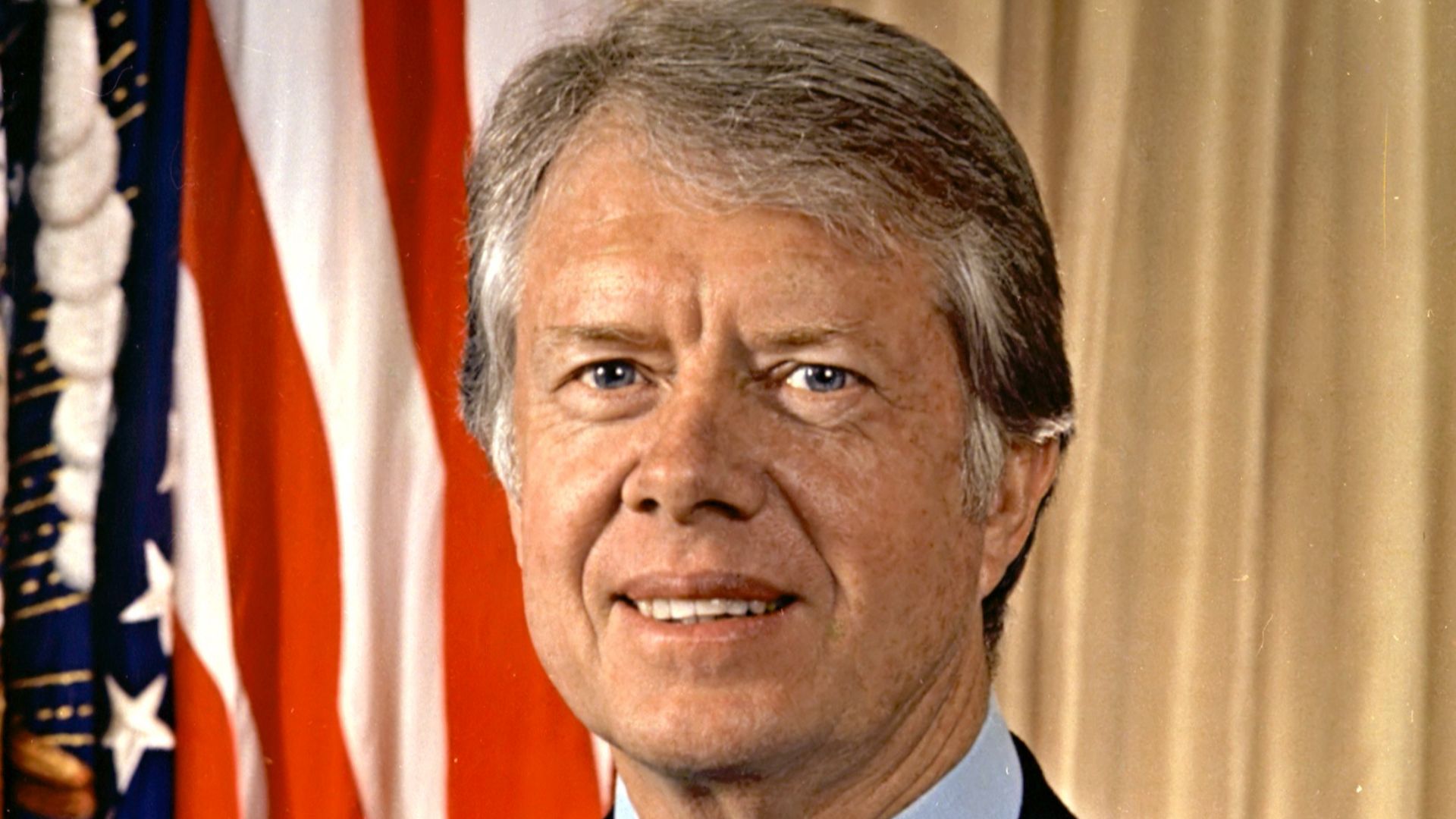
8. Jimmy Carter
Carter emphasized human rights and energy reform, but his presidency faced serious challenges. High inflation, an energy crisis, and the Iran hostage situation hurt public confidence. While many view him more favorably for his post-presidential humanitarian work, his time in office struggled with economic and foreign policy setbacks.
 Department of Defense. Department of the Navy. Naval Photographic Center on Wikimedia
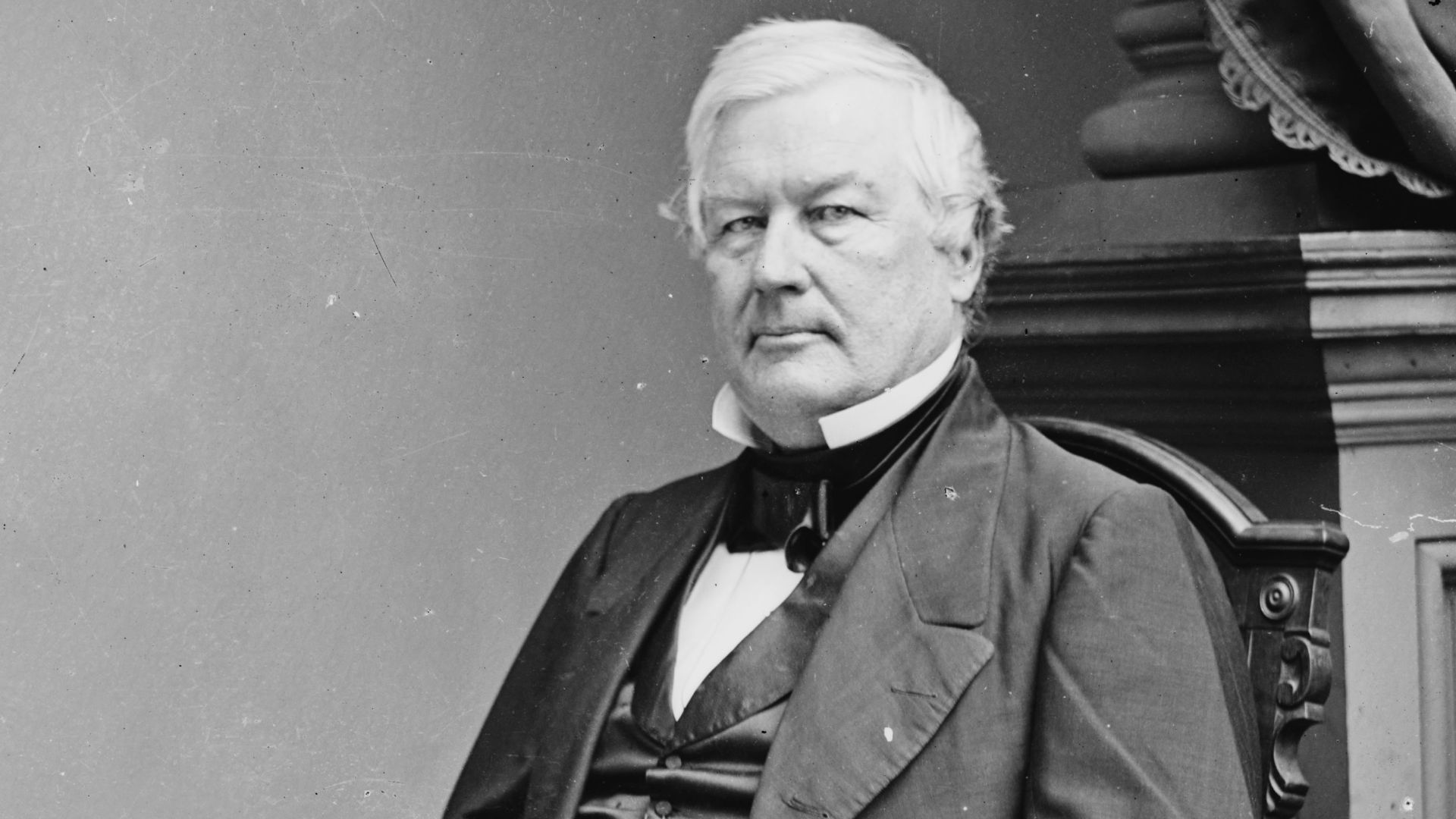
9. Millard Fillmore
Fillmore assumed office after Zachary Taylor’s death. He supported the Compromise of 1850, including the Fugitive Slave Act, which required citizens to assist in the capture of escaped enslaved people.
 Mathew Benjamin Brady on Wikimedia
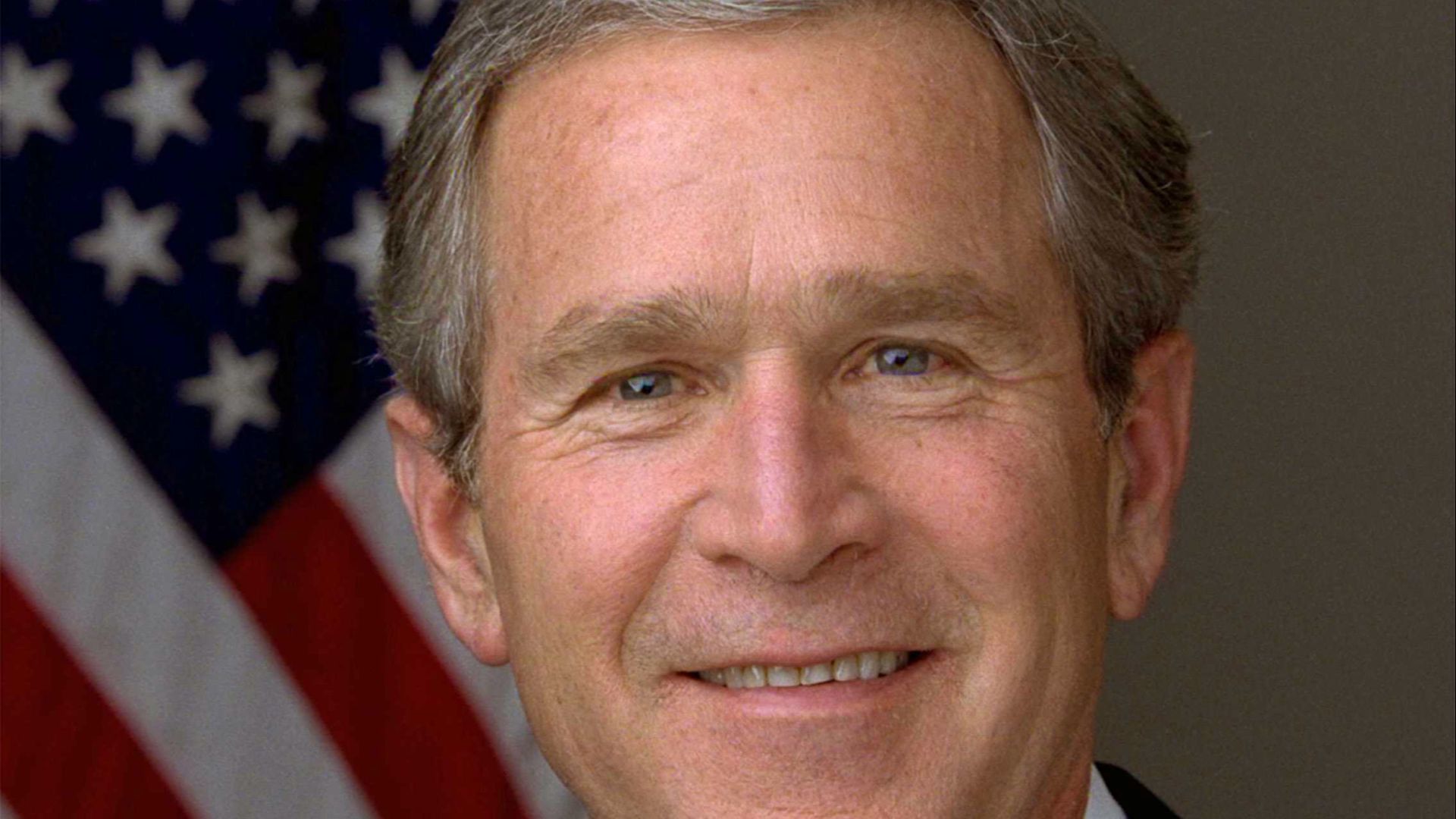
10. George W. Bush
George W. Bush entered office after one of the closest elections in U.S. history, and his presidency was quickly defined by the September 11, 2001, terrorist attacks. While he initially saw strong national unity, his administration’s decision to invade Iraq in 2003 over weapons of mass destruction that were never found became deeply controversial.
KEEP ON READING
The Love Story Behind the Taj Mahal Was Also a…
Koushik Chowdavarapu on UnsplashThe Taj Mahal is often introduced as…
By Emilie Richardson-Dupuis Apr 2, 2026
JFK's Last Meal Is A Testament To His Character
Walt Cisco, Dallas Morning News on WikimediaHistory often focuses on…
By Sara Springsteen Apr 2, 2026
Public Executions Were Once the Most Attended Events in Town…
Georg Heinrich Sieveking on WikimediaFor centuries, a public execution could…
By Breanna Schnurr Apr 2, 2026
20 Old Hollywood Feuds That Went Beyond The Studio Lot
When The Smiles Stopped. Old Hollywood sold a polished fantasy,…
By Breanna Schnurr Apr 2, 2026
The Coup Triggered by a Pop Song
Matheus Ferrero on UnsplashMost political upheavals have a trigger that…
By Cameron Dick Apr 2, 2026
How The Black Death Spurred the Renaissance
Art Institute of Chicago on UnsplashThe Black Death, which swept…
By Rob Shapiro Apr 2, 2026