When The Games Left A Permanent Mark
The Olympics are an incredibly exciting time where the best of the best get to showcase their skills. The game's storied history dates back thousands of years, but even in the last 150 years, we’ve witnessed some of the most insane wins, setbacks, and stories of human history. When we zoom out, the Games become a record of how competition evolves under pressure, including the parts that make people uncomfortable. These 20 moments show where the Olympics reshaped sports.
1. Athens Restarts The Olympics
When the modern Olympics opened in Athens in 1896, the goal was a new kind of international competition with standardized events and shared rules. That template still shapes major championships, from national-team structures to qualifying standards, and it set the expectation that sport could speak across borders.

2. Women Step Onto The Field
Paris 1900 allowed women to compete, and tennis player Charlotte Cooper became the first female Olympic champion. Her win made it harder to argue that women did not belong on the world’s biggest sporting stage, and it helped start a long, uneven expansion of women’s events.

3. Why 26.2 Miles
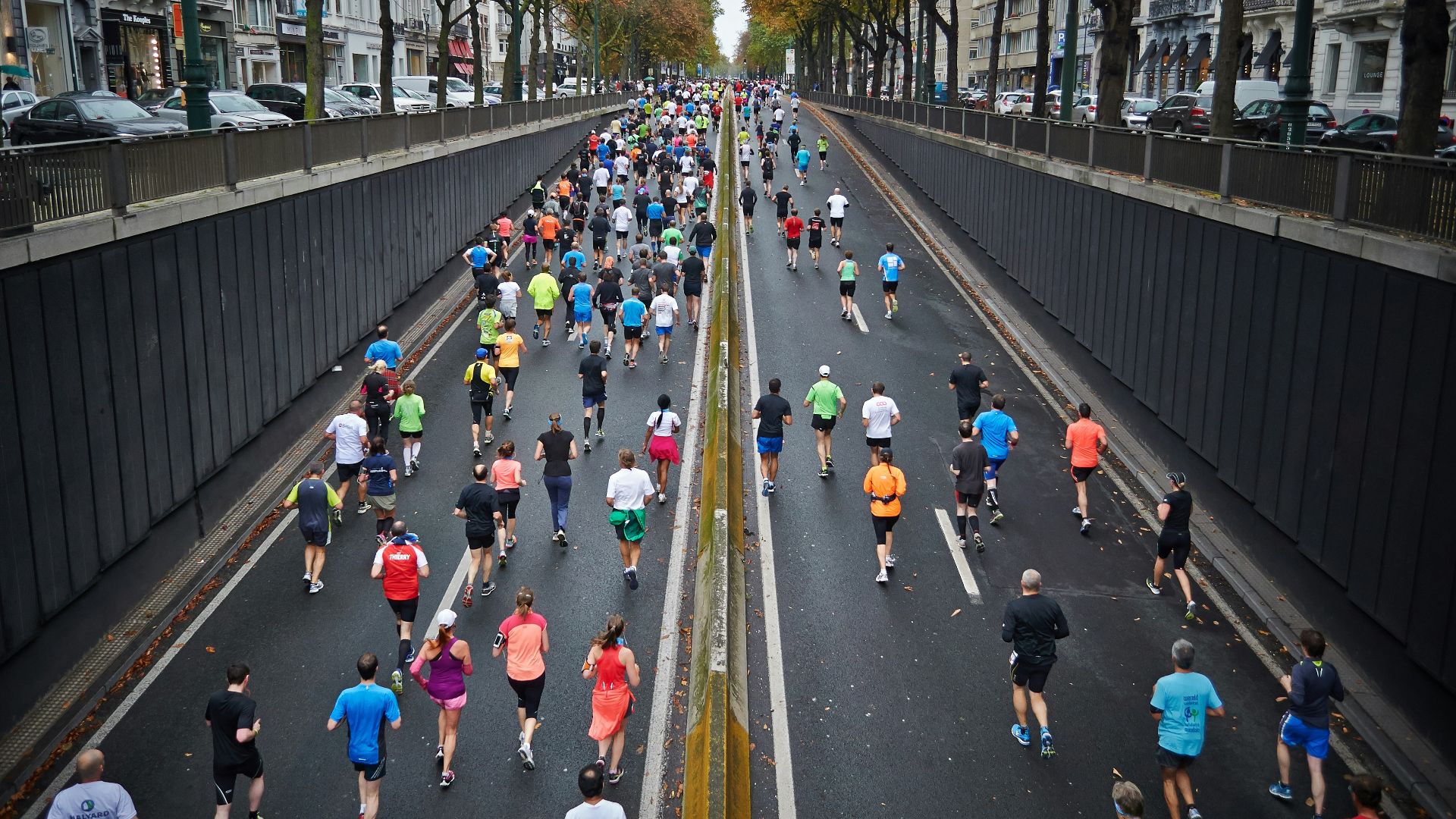
According to history, a Greek soldier ran from the city of Marathon to Athens to share news of a military victory. It’s said that he ran a total of around 25 miles. The more specific 26.2 miles was established in 1908. This exact distance, from Windsor Castle to the Olympic Stadium, allowed racers to finish in front of the royal family’s viewing box.
4. Jim Thorpe And Amateur Rules
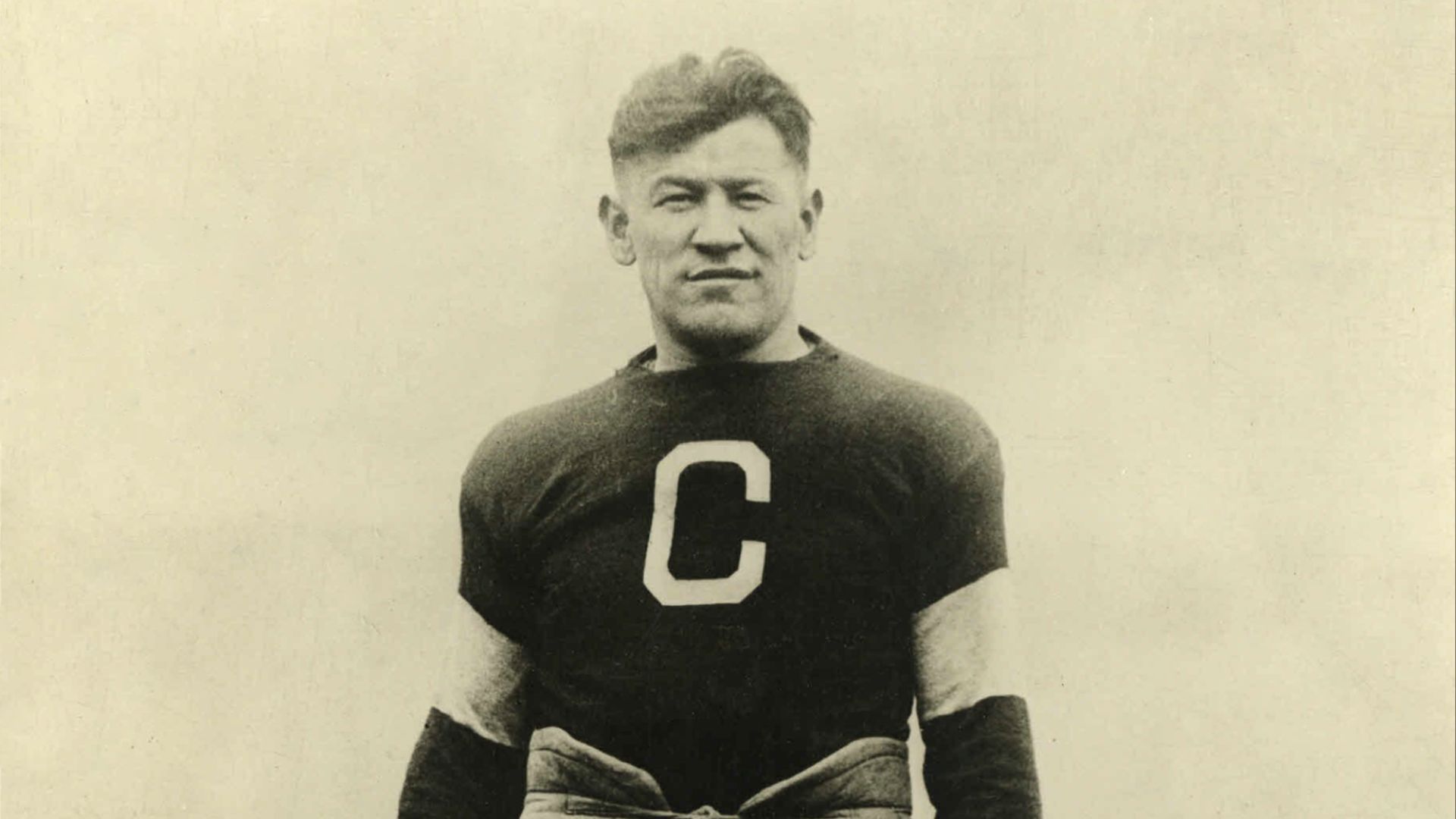
In Stockholm, 1912, Jim Thorpe won the pentathlon and the decathlon, then lost both titles after officials ruled he had violated amateur rules by playing baseball for pay. The long fight to restore his Olympic record became a cautionary tale about inconsistent eligibility standards, and it pushed sport toward clearer definitions of who can compete.
5. Berlin Puts Sport On Screens
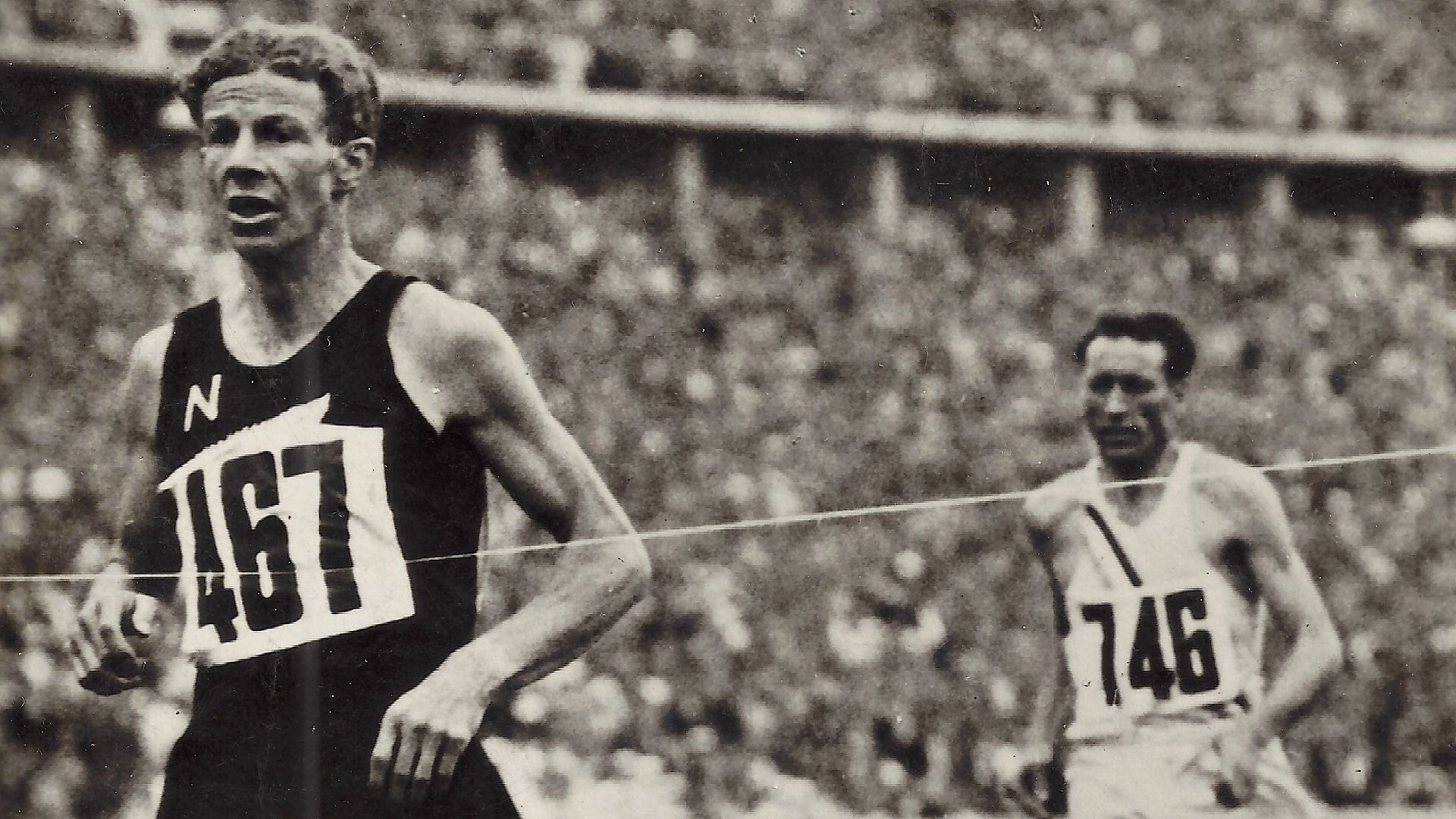
The 1936 Berlin Games were the first Olympic Games broadcast on TV. Well before regular Joes had TVs in their homes, folks visited public television viewing rooms. This began the long and favored tradition of shared live sports watching.
6. Jesse Owens Wins In Berlin
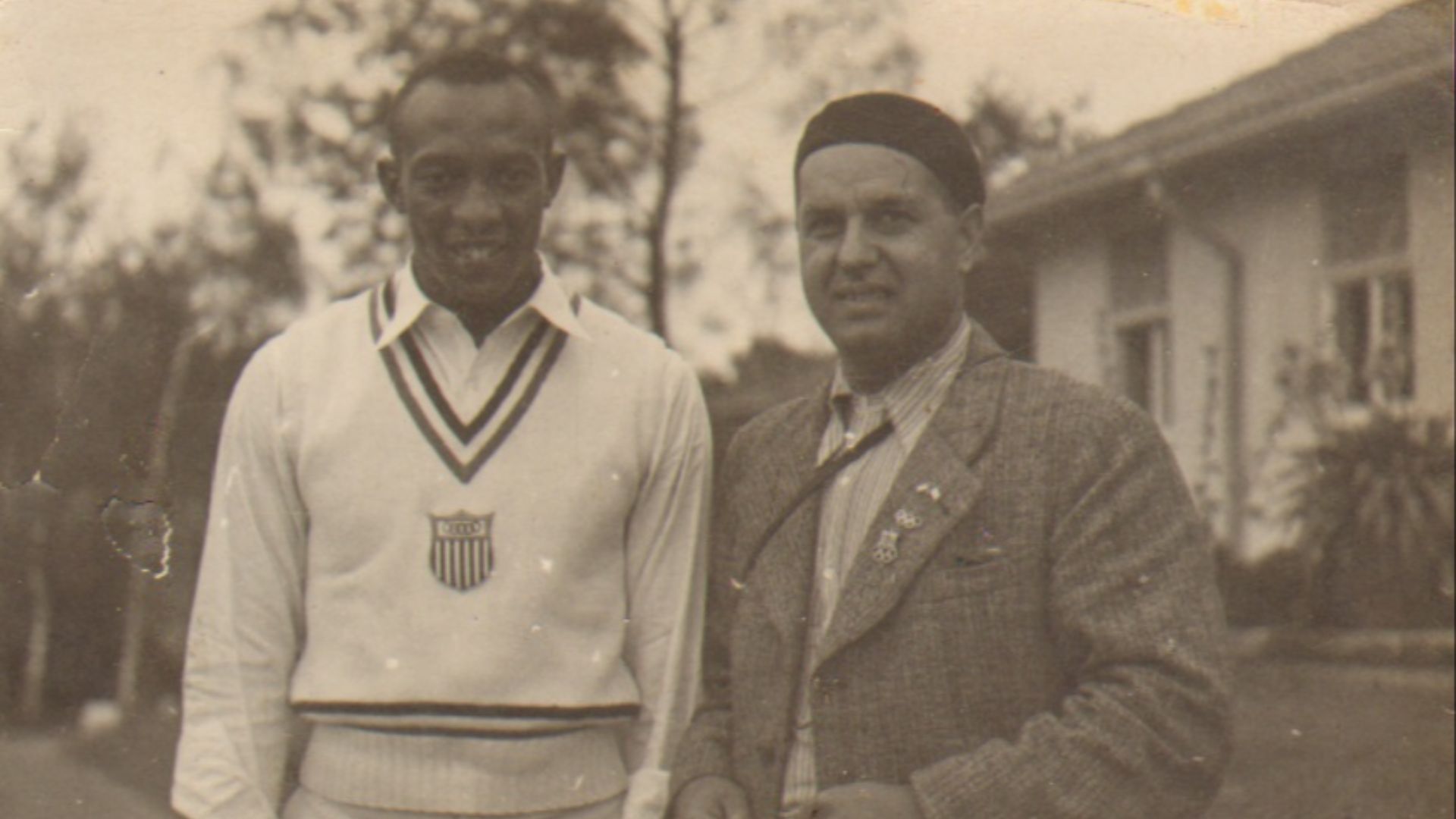
Jesse Owens not only won four gold medals in 1936, but also set records in each event. He's widely considered one of the greatest athletes of all time, and his athletic ability directly opposed white supremacist beliefs pushed by the Nazi regime.
7. Blankers-Koen Breaks Expectations
At the 1948 London Games, Fanny Blankers-Koen won four gold medals in sprinting and hurdles events as a 30-year-old mother. Her success pushed back against claims about women’s limits, and it helped make women’s track harder to dismiss as a novelty.
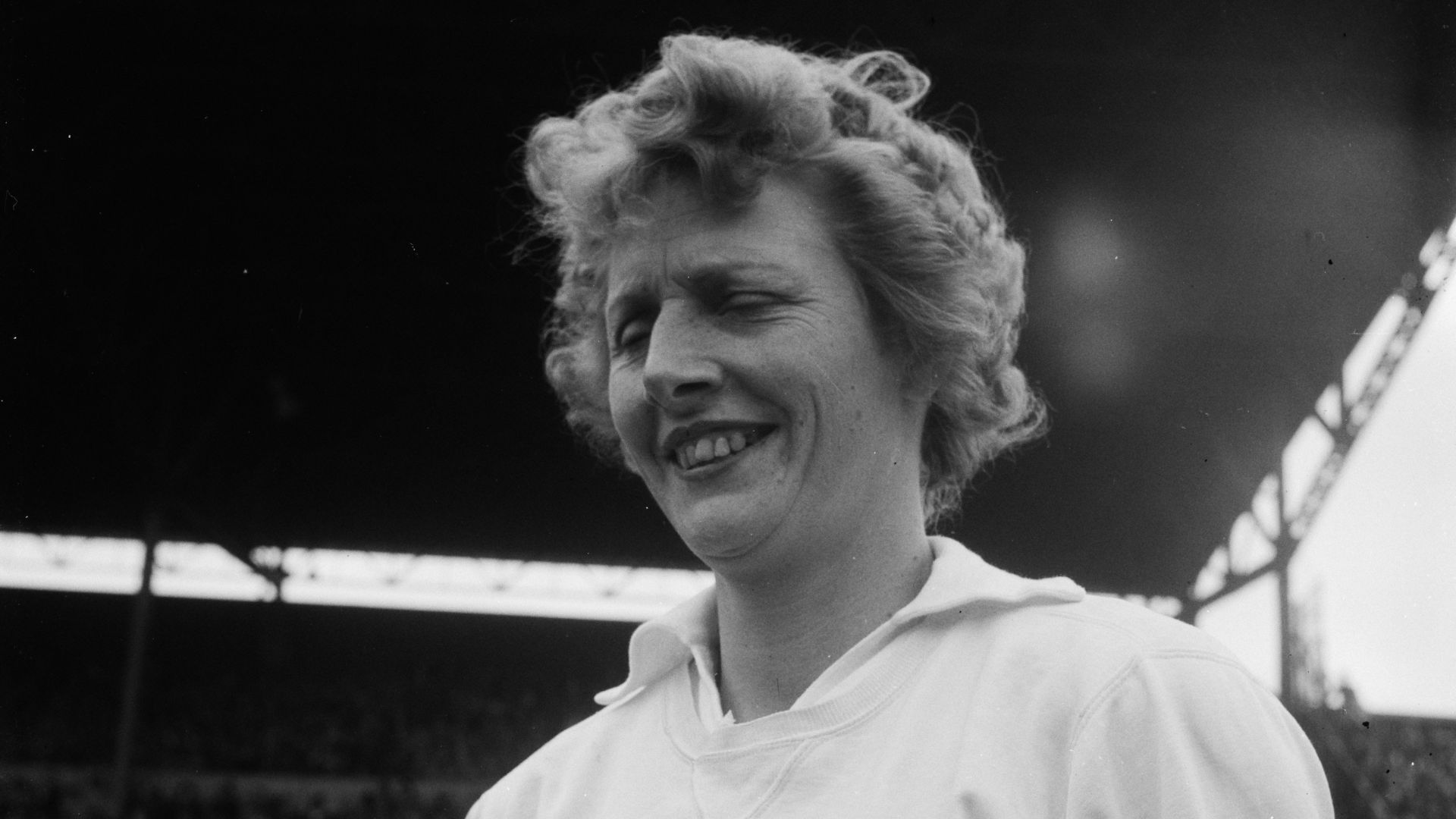 Daan Noske / Anefo on Wikimedia
8. Bikila Runs Barefoot To Gold
Abebe Bikila won the 1960 Rome marathon barefoot, winning back-to-back marathons throughout his career. After that, distance running’s power centers expanded, and coaches and federations around the world started taking East African training more seriously.
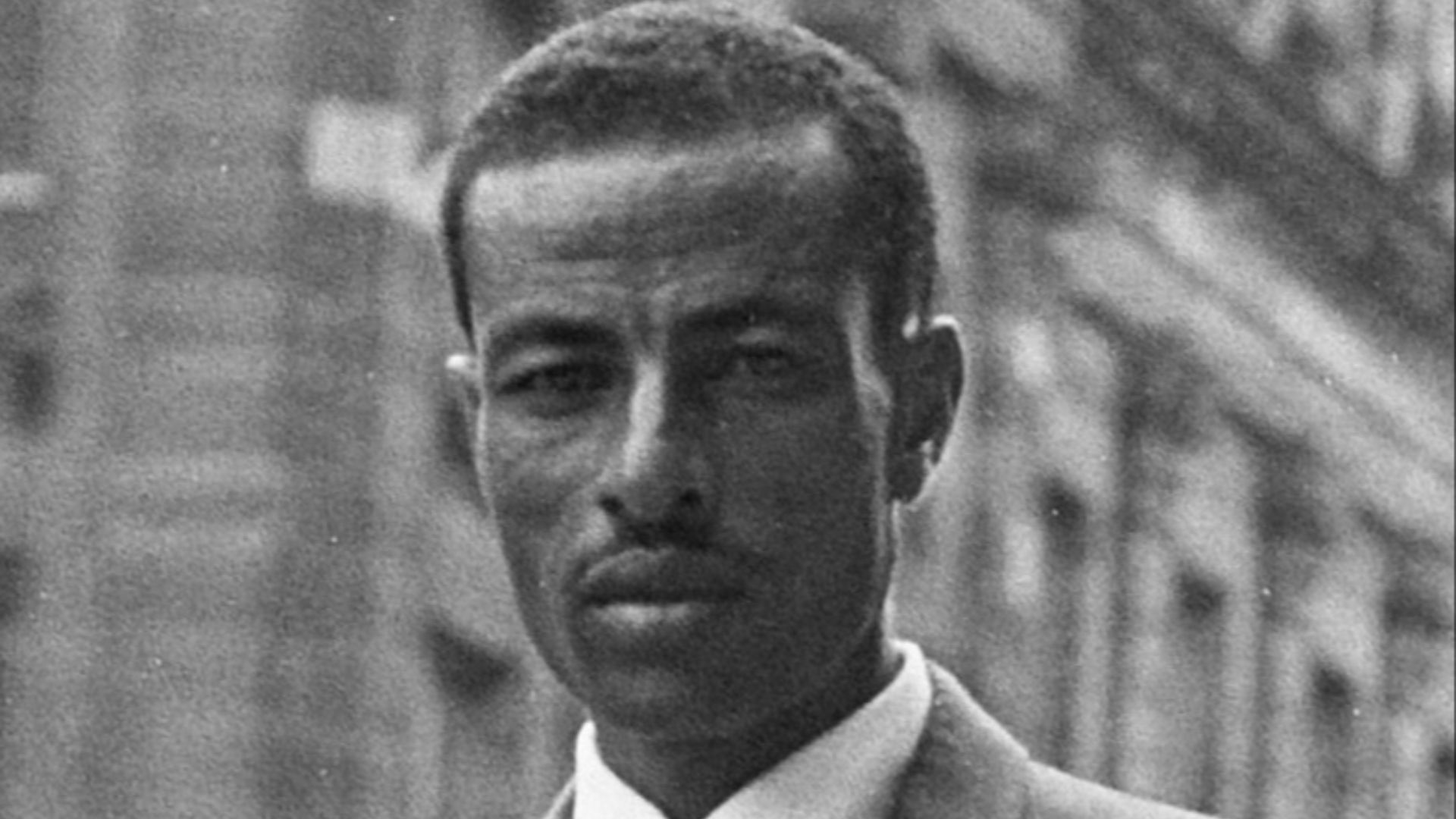 Jack de Nijs for Anefo on Wikimedia
9. Tokyo Sends The Games Worldwide
Tokyo 1964 used satellite broadcasting to send live images farther than any earlier Olympics, and it leaned on computers to speed up results and scoring. This was just another step in the incredible process through which we get winning information today.
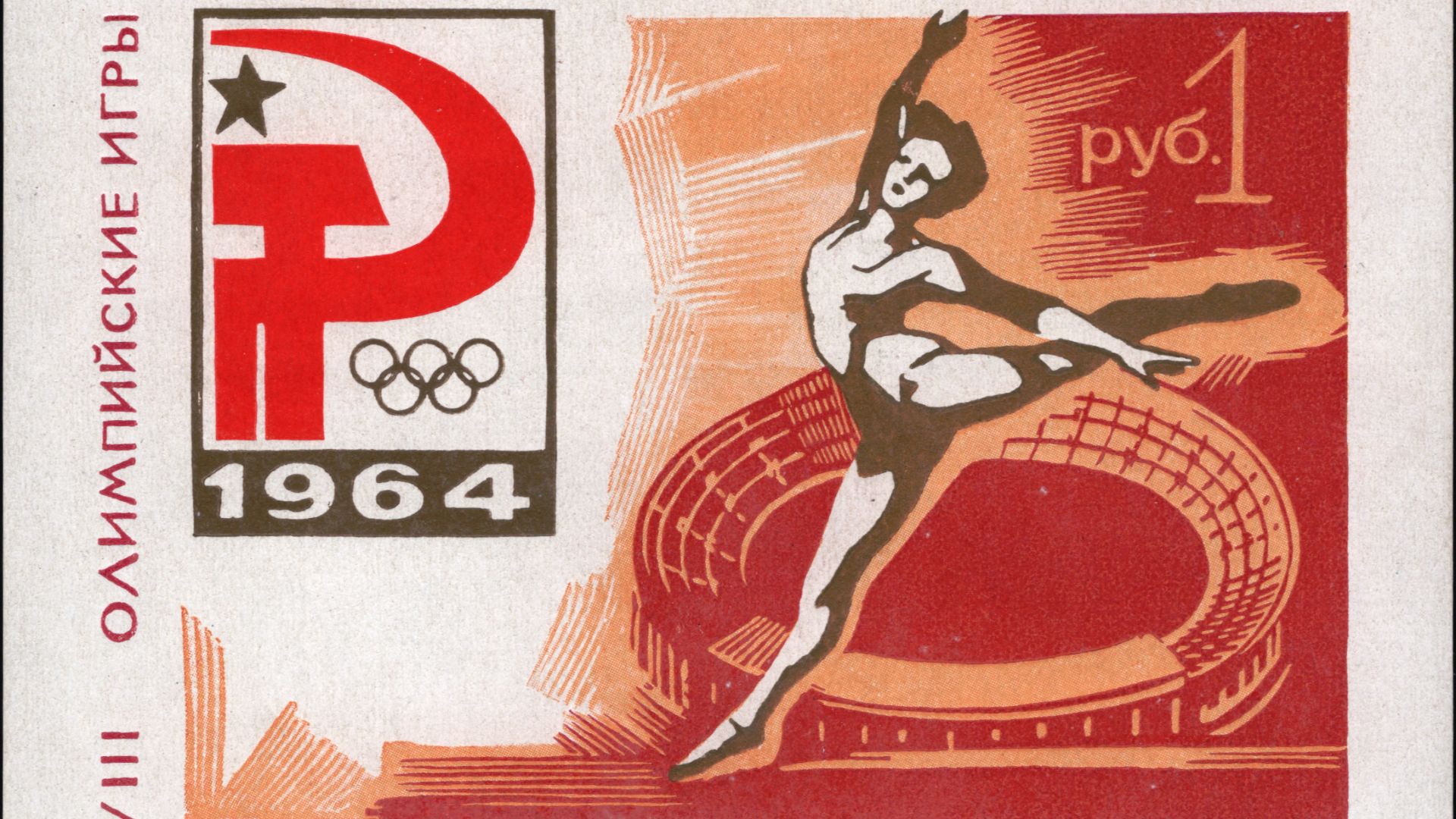 Post of the Soviet Union (E. D. Aniskin). on Wikimedia
10. Fosbury Flips The High Jump
Dick Fosbury won the 1968 high jump with a backward technique that looked strange to many coaches at first. The Fosbury Flop soon became the standard approach because it was more efficient over the bar, and it changed how athletes trained from youth meets to the professional level.
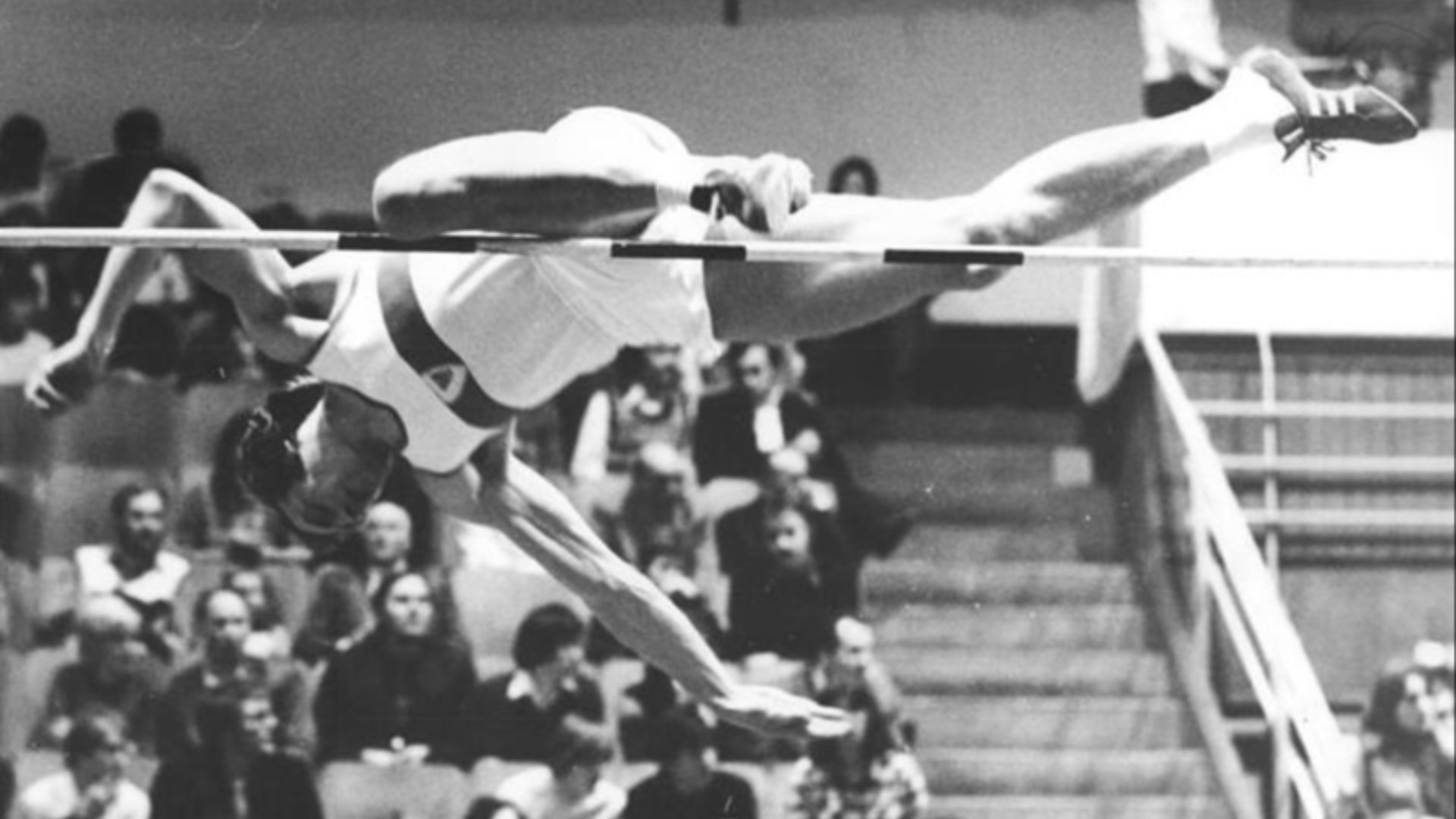 Mittelstädt, Rainer on Wikimedia
11. Beamon’s Long Jump Shock
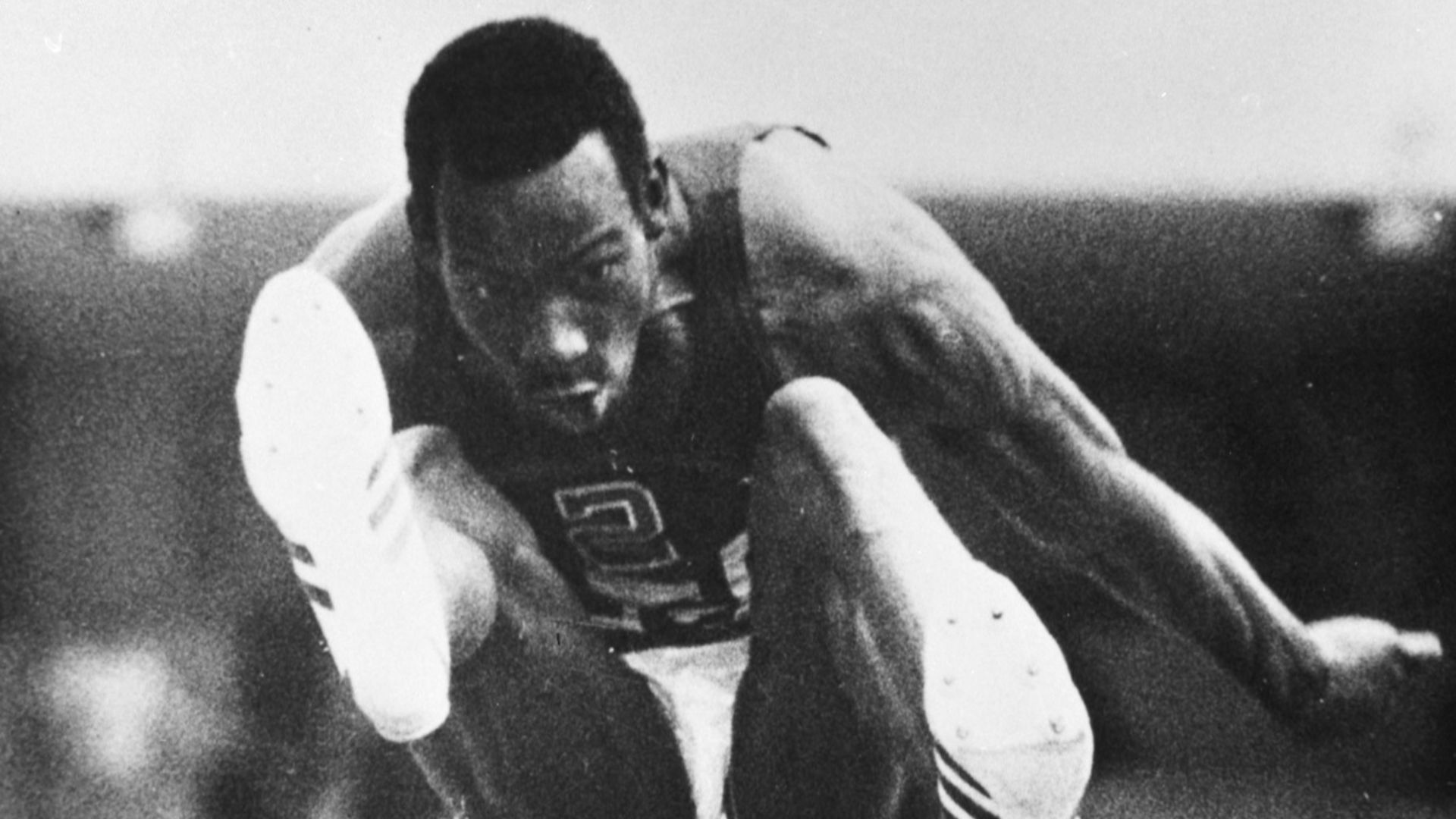
Bob Beamon’s 8.90-meter long jump in 1968 shattered the world record and forced officials to double-check the measurement. The mark stood for 23 years, and it reset expectations for record progression in horizontal jumps.
 Unknown authorUnknown author on Wikimedia
12. The Podium Becomes A Protest
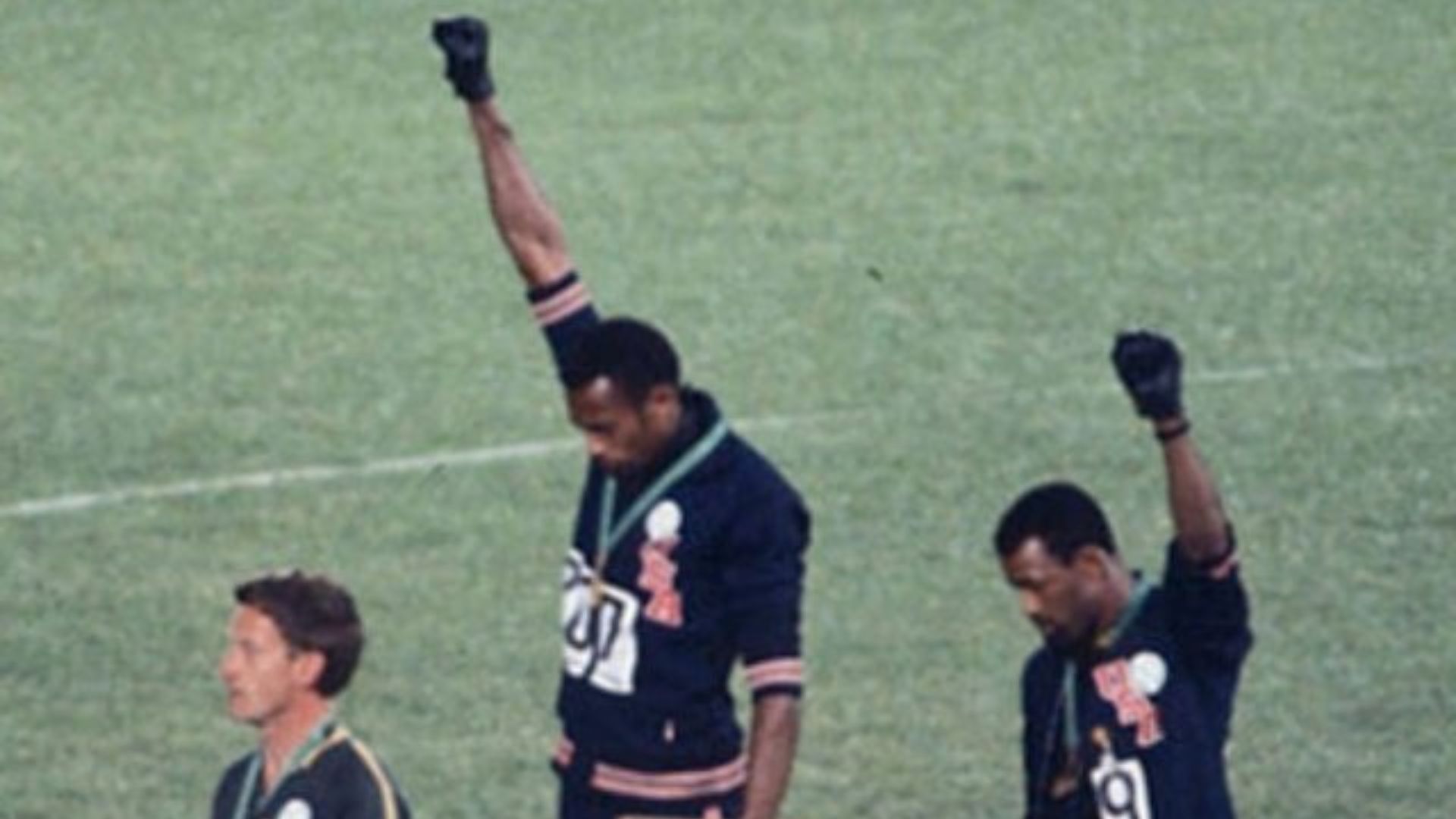
After the 200-meter final in Mexico City, Tommie Smith and John Carlos raised gloved fists during the medal ceremony to protest racial injustice. It has since become a reference point for later athletes who used their stages to speak on their values and beliefs.
 Angelo Cozzi (Mondadori Publishers) on Wikimedia
13. Munich Forces Security To Change
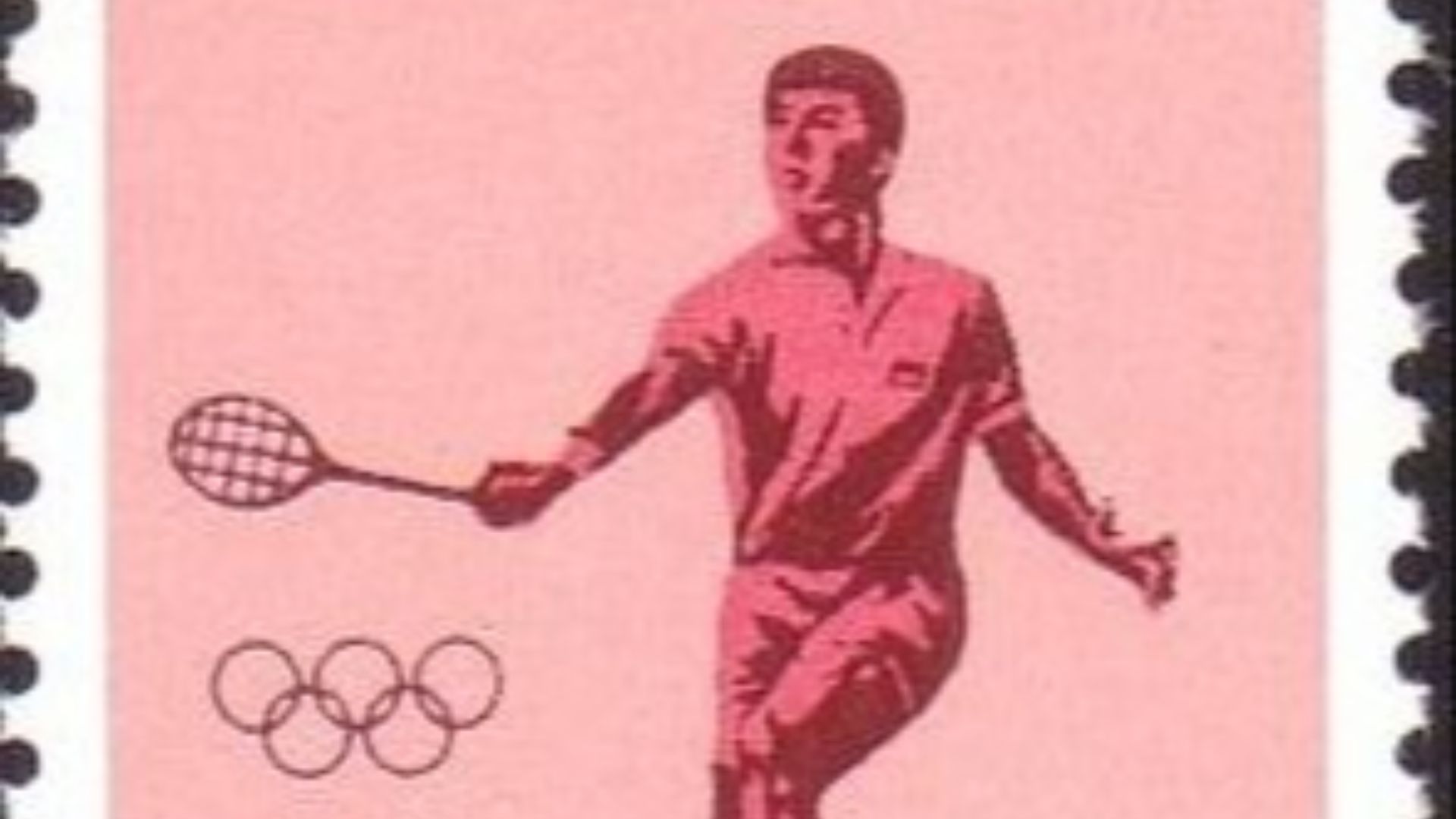
The 1972 Olympics in Munich became a security turning point after an attack killed 11 Olympians. This led to a massive safety overhaul, requiring top-tier security at any event.
 Post of Indonesia on Wikimedia
14. Comaneci Hits A Perfect Ten
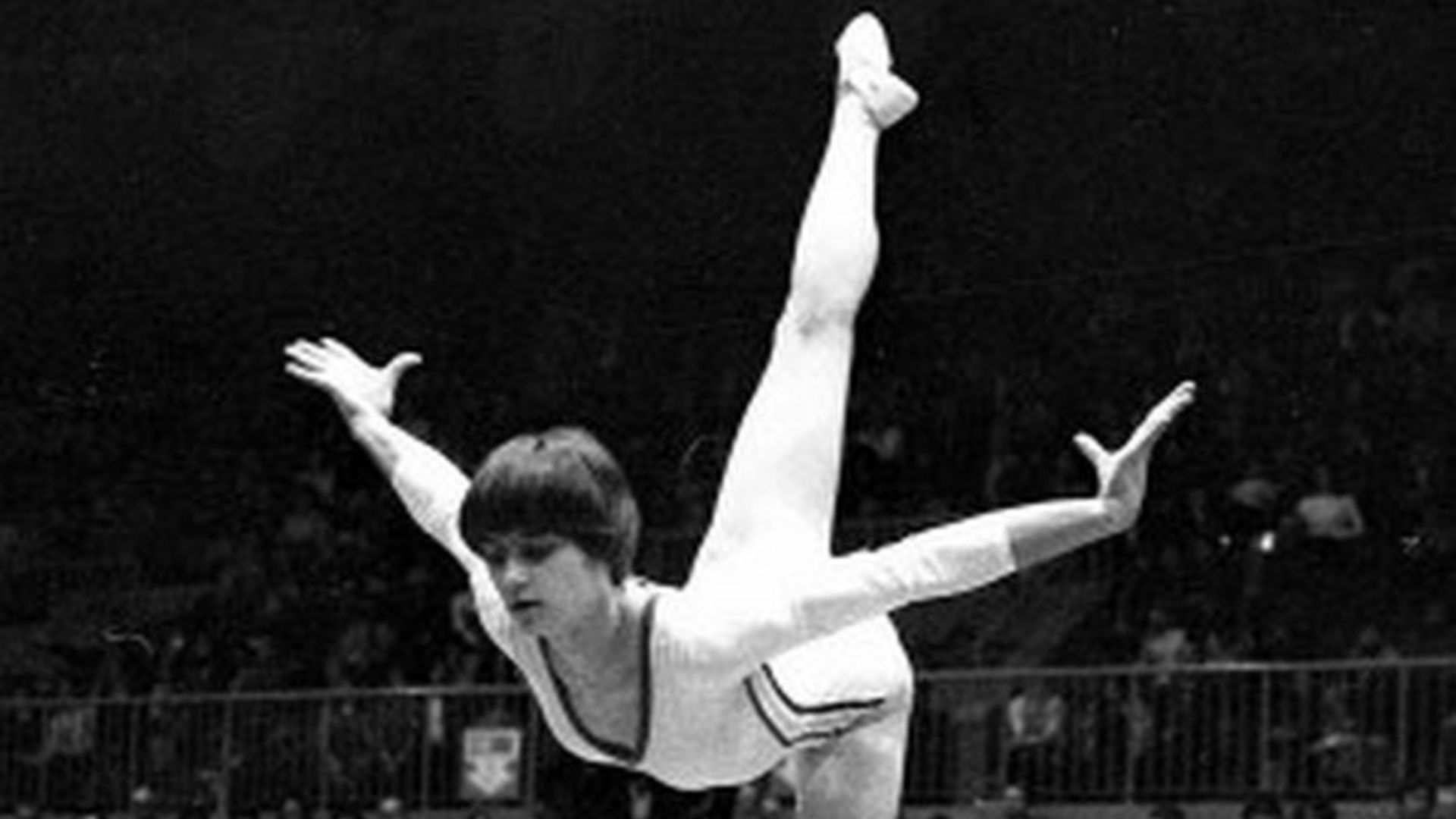
In Montreal, 1976, Nadia Comaneci delivered the first Olympic gymnastics perfect 10. Funnily enough, the scoreboard ended up only displaying the number 1, because it wasn’t created to go higher than 9.9. The achievement helped turn women’s gymnastics into a headline sport, and it pushed judging and training toward higher difficulty and tighter execution.
 Unknown (Comitetul Olimpic si Sportiv Roman) on Wikimedia
15. The Miracle On Ice Lands
At Lake Placid 1980, a young U.S. men’s hockey team beat the heavily favored Soviet squad, then went on to win gold. The upset boosted American interest in hockey and showed how a short tournament can reshape a sport’s national profile.
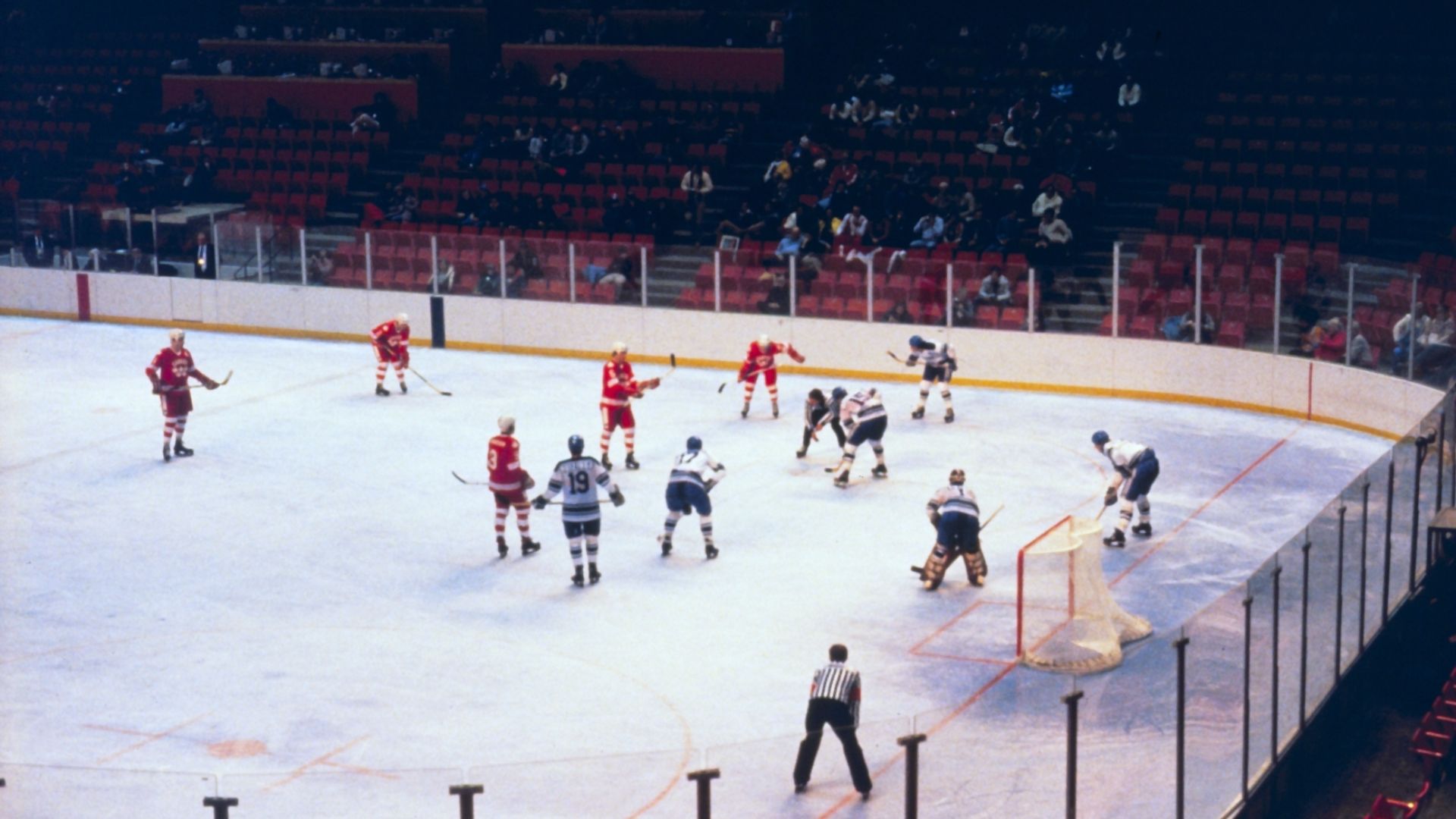 Dr. John Kelley, NOAA/NOS/COOPS on Wikimedia
16. Women Finally Run The Marathon
The first women’s Olympic marathon took place in Los Angeles in 1984, and Joan Benoit was not only the winner, but the winner by a long shot. Adding the event took years of advocacy against outdated medical claims, and it helped legitimize women’s distance running at the highest level.

17. Ben Johnson
Ben Johnson won the 100 meters at the Seoul 1988 Olympics in world record time, then lost the medal after testing positive for stanozolol. The scandal forced track to confront how common performance-enhancing drugs were, and it accelerated stricter testing and harsher penalties across elite sport.

18. The Dream Team Turns Pro
Barcelona 1992 brought NBA stars to the Olympics after professionals became eligible, and it flipped the tournament on its head. The exposure helped drive basketball’s international growth, and many countries invested more heavily in development programs afterward.
 Josep Maria Trias on Wikimedia
19. Phelps Rewrites The Gold Standard
In Beijing 2008, Michael Phelps won eight gold medals, surpassing the long-standing single-Games record. Several races came down to tiny margins, and the achievement raised the bar for what sustained dominance in swimming can look like.
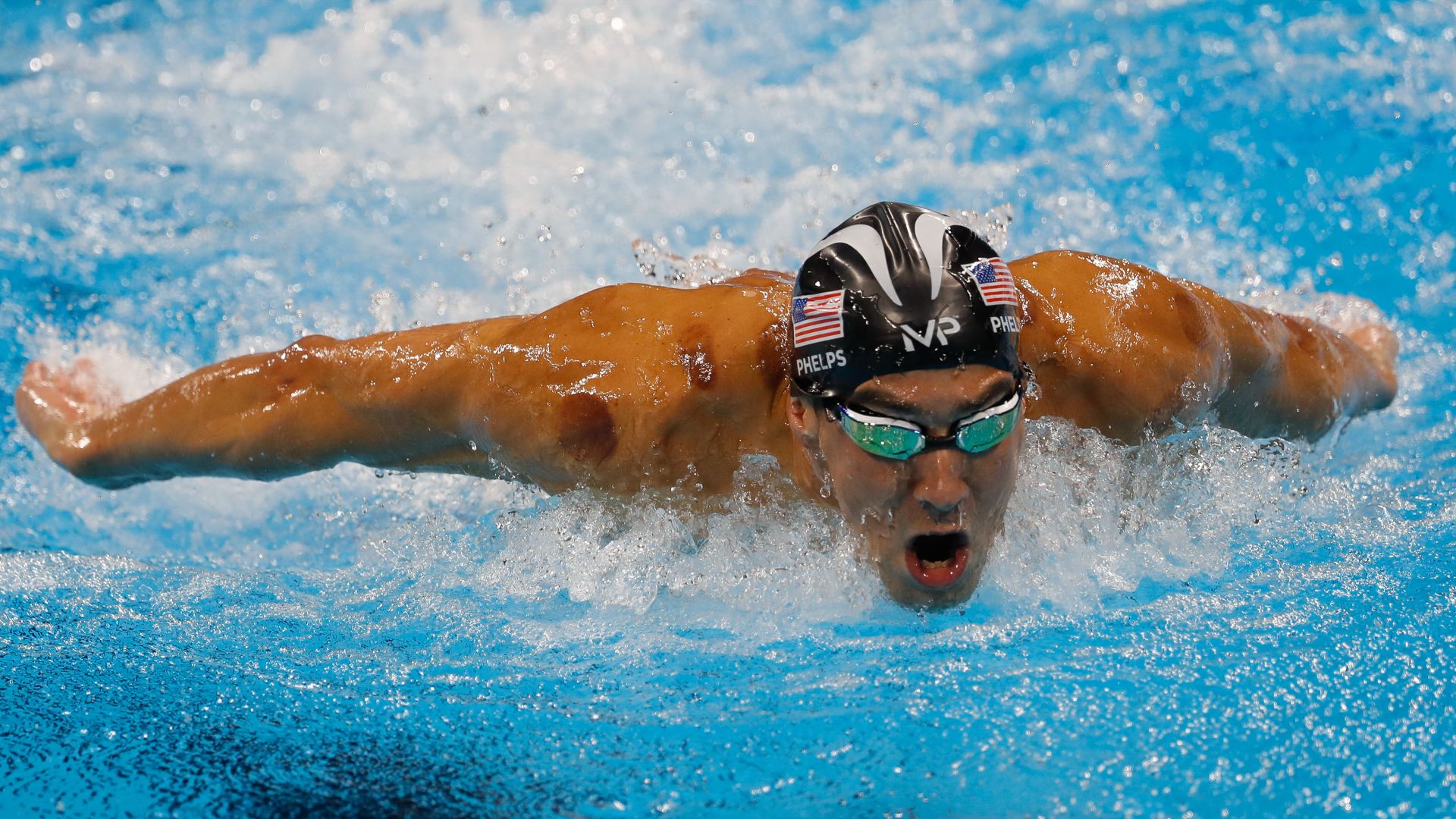 Fernando Frazão/Agência Brasil on Wikimedia
20. A Refugee Team Marches In
Rio 2016 introduced the Refugee Olympic Team, made up of ten athletes competing without a national flag after fleeing conflict. Their presence changed the tone of the Games, and it pushed sports officials to think harder about support systems and eligibility for displaced athletes.
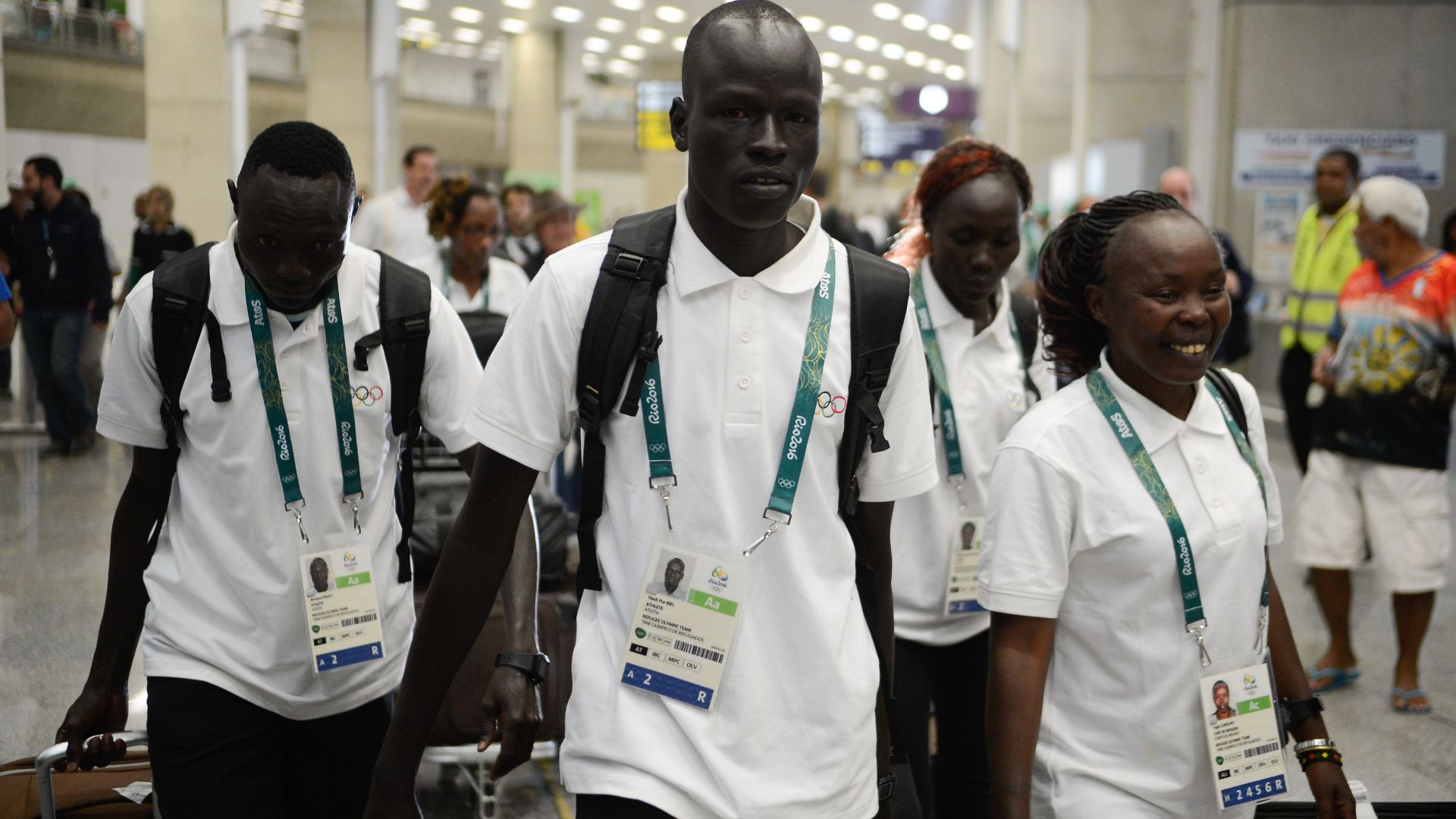 Fernando Frazão/Agência Brasil on Wikimedia
KEEP ON READING