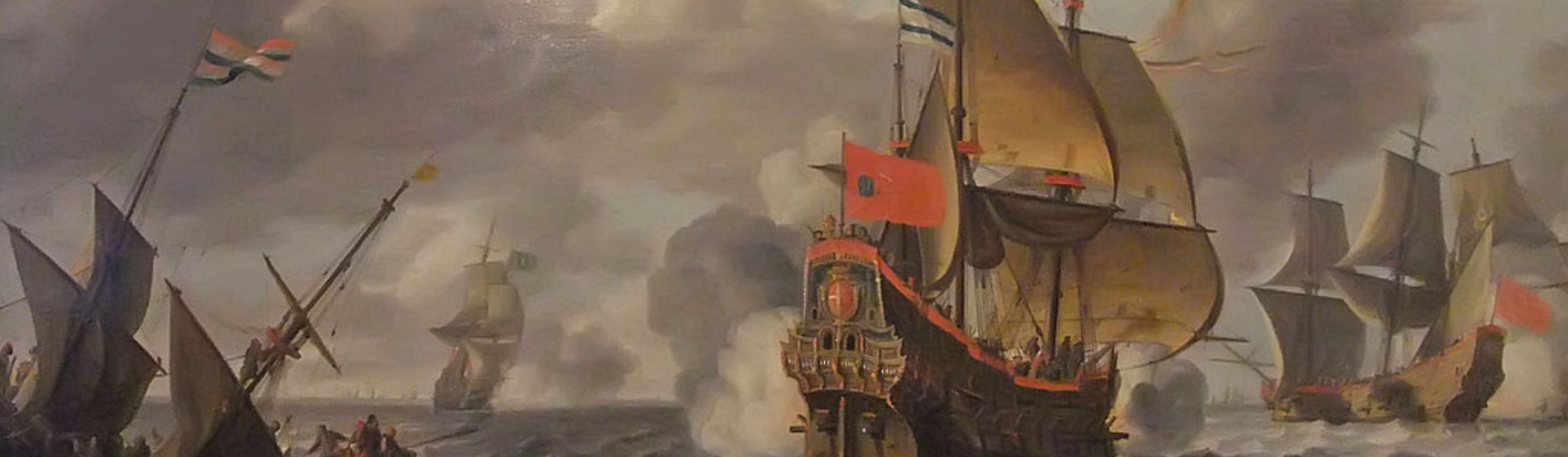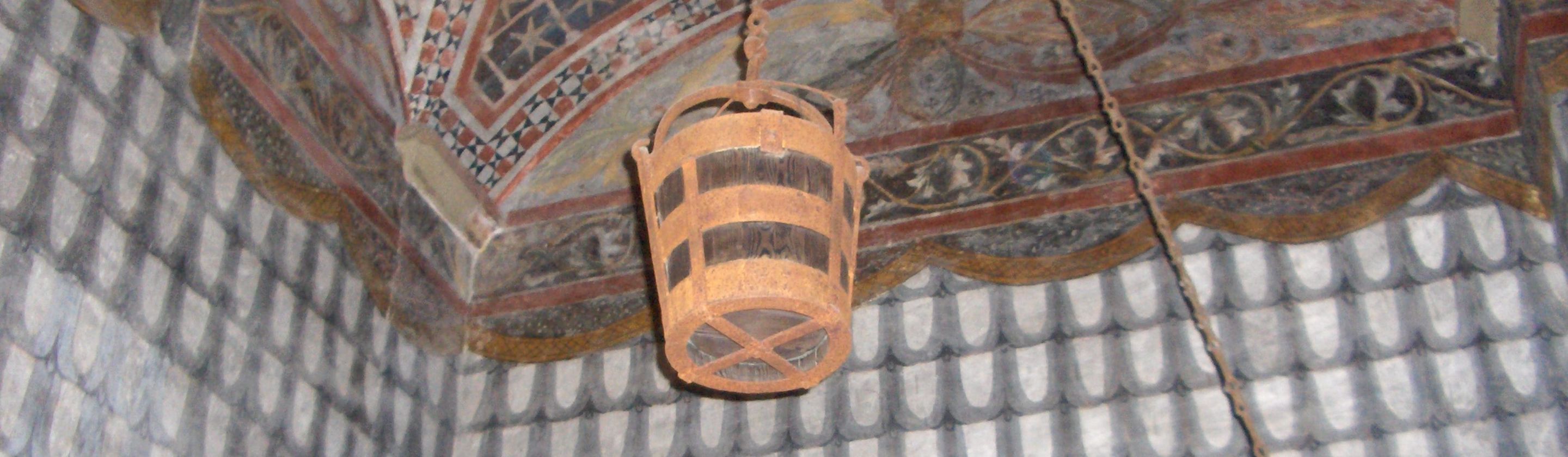
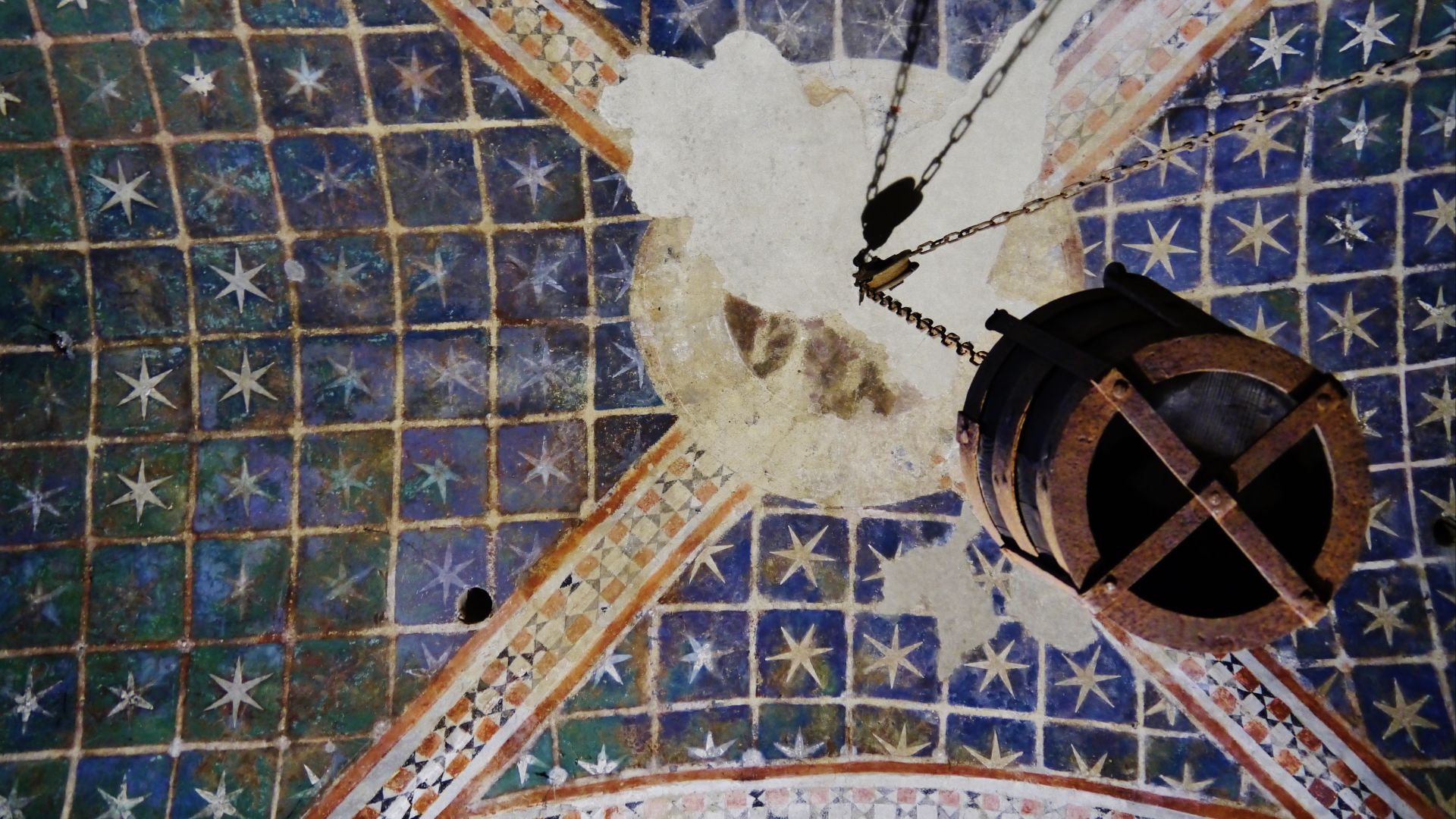
In November 1325, a group of Modenese soldiers rode into Bologna, pulled a wooden bucket from a public well, and carried it home. Bologna demanded it back. Modena refused. Two of the most powerful city-states in northern Italy then mobilized thousands of men, met on a frozen field, and fought a pitched battle over an oak bucket. The whole affair lasted a single day and settled nothing permanently, and the bucket allegedly still sits in a tower in Modena to this day, unstolen and unreturned, which is perhaps the most Italian possible ending to any story.
If you read about the War of the Oaken Bucket and conclude that medieval people were simply more willing to die over small provocations, you are missing the larger machinery behind it. The bucket was a pretext, and a fairly thin one at that. What actually drove two neighboring cities to mass violence in the autumn of 1325 was a conflict that had been building for over a century, one that stretched from the streets of Emilia-Romagna all the way to the competing power centers of the Pope and the Holy Roman Emperor. The bucket just gave everyone an excuse to make it physical.
The Feud That Needed a Spark
The Guelph and Ghibelline divide, which pitted supporters of the Papacy against supporters of the Holy Roman Empire, had organized political violence in Italy since at least the 12th century. Bologna aligned with the Guelphs, Modena with the Ghibellines, and the two cities sat close enough together geographically that their rivalry was not abstract. It was territorial, commercial, and deeply personal in the way that only conflicts between neighbors ever manage to be. Dante Alighieri, writing his Divine Comedy in the early 14th century, referenced the Guelph-Ghibelline split throughout, which gives some sense of how thoroughly it saturated Italian political life at exactly the moment the bucket entered the picture.
By 1325, Modena had been excommunicated by Pope John XXII for its Ghibelline alignment, and the city's relationship with Bologna had deteriorated to the point of open raiding. The bucket theft was not an isolated act of opportunistic mischief. It was a deliberate provocation, one designed to humiliate a rival and test its response. According to Giovanni Villani, the 14th-century Florentine chronicler whose Nuova Cronica remains one of the primary narrative sources for Italian events of this period, the Modenese were well aware that taking the bucket would force Bologna's hand. They apparently considered that an acceptable outcome.
What made Bologna's response so significant was the scale of it. Rather than absorbing the insult or pursuing a diplomatic resolution, the city assembled one of the largest military forces seen in the region in years. Contemporary estimates, which historians treat with appropriate caution given medieval chroniclers' tendency toward exaggeration, placed the Bolognese force at somewhere between 30,000 and 32,000 men. Modena's army was considerably smaller. The asymmetry made the eventual result all the more striking.
A Single Day on a Frozen Field
The two armies met at Zappolino, a small settlement in the hills southwest of Bologna, on November 15, 1325. The battle itself was over quickly. The Modenese forces, despite being significantly outnumbered, routed the Bolognese army and sent them retreating back toward the city. Estimates of Bolognese casualties vary widely across sources, though the defeat was decisive enough that Modena's forces reportedly marched within sight of Bologna's walls before withdrawing. The bucket went home to Modena. Bologna did not get it back.
What the Battle of Zappolino did not do was resolve the underlying conflict. The Guelph-Ghibelline rivalry continued to structure Italian politics for decades after 1325, and the relationship between Modena and Bologna remained contentious well into the following century. Military victories in medieval Italy were rarely clean endings. They were more often recalibrations of a continuing argument, temporary shifts in the balance of humiliation between parties who fully intended to keep fighting.
The deeper historical irony is that Zappolino is considered a relatively minor engagement by the standards of 14th-century Italian warfare. It produced no lasting territorial change, no significant treaty, and no meaningful shift in the regional balance of power. What it produced was a bucket that neither side was willing to classify as a trivial object anymore.
The Poem That Outlasted the War
The conflict's strangest legacy arrived nearly three centuries later, when Modenese poet Alessandro Tassoni published La Secchia Rapita, meaning The Stolen Bucket, in 1622. Tassoni wrote the poem as a mock epic, a genre that applies the elevated conventions of heroic poetry to deliberately unworthy subject matter, and it became one of the most celebrated Italian literary works of the 17th century. The poem treated the bucket war with open comic affection, invoking the gods, staging absurd battle scenes, and gently mocking the kind of communal pride that could turn a stolen wooden object into a casus belli.
La Secchia Rapita ran to 29 cantos and was widely read across Europe, influencing later mock-epic works including Alexander Pope's The Rape of the Lock, published in 1712. The fact that a minor northern Italian territorial skirmish produced a work with that kind of literary reach says something about how universally recognizable the underlying absurdity was. Readers across different countries and centuries found something immediately legible in the spectacle of people treating a trivial object as though civilizational stakes were attached to it.
The bucket itself, or what Modena claims is the original, is displayed in the Palazzo Comunale and the Ghirlandina tower in the center of Modena's historic district, which is a UNESCO World Heritage Site. Whether you believe it is the genuine article from 1325 probably depends on how much you want to believe it, which is more or less how most medieval relics work. What is not in dispute is that Modena kept it, displayed it, and built a piece of civic identity around the keeping. Bologna, for its part, presumably moved on. Officially, anyway.
KEEP ON READING