The Overlooked Figures Who Quietly Shaped History
History often celebrates a few well-known names, but many breakthroughs were built on the work of people who rarely receive recognition. These individuals contributed ideas, discoveries, and innovations that others later popularized or claimed as their own. As you look closer, you’ll see how progress has always been a collective effort, even if the credit wasn’t shared fairly. Here are 20 brilliant minds history largely forgot to credit.
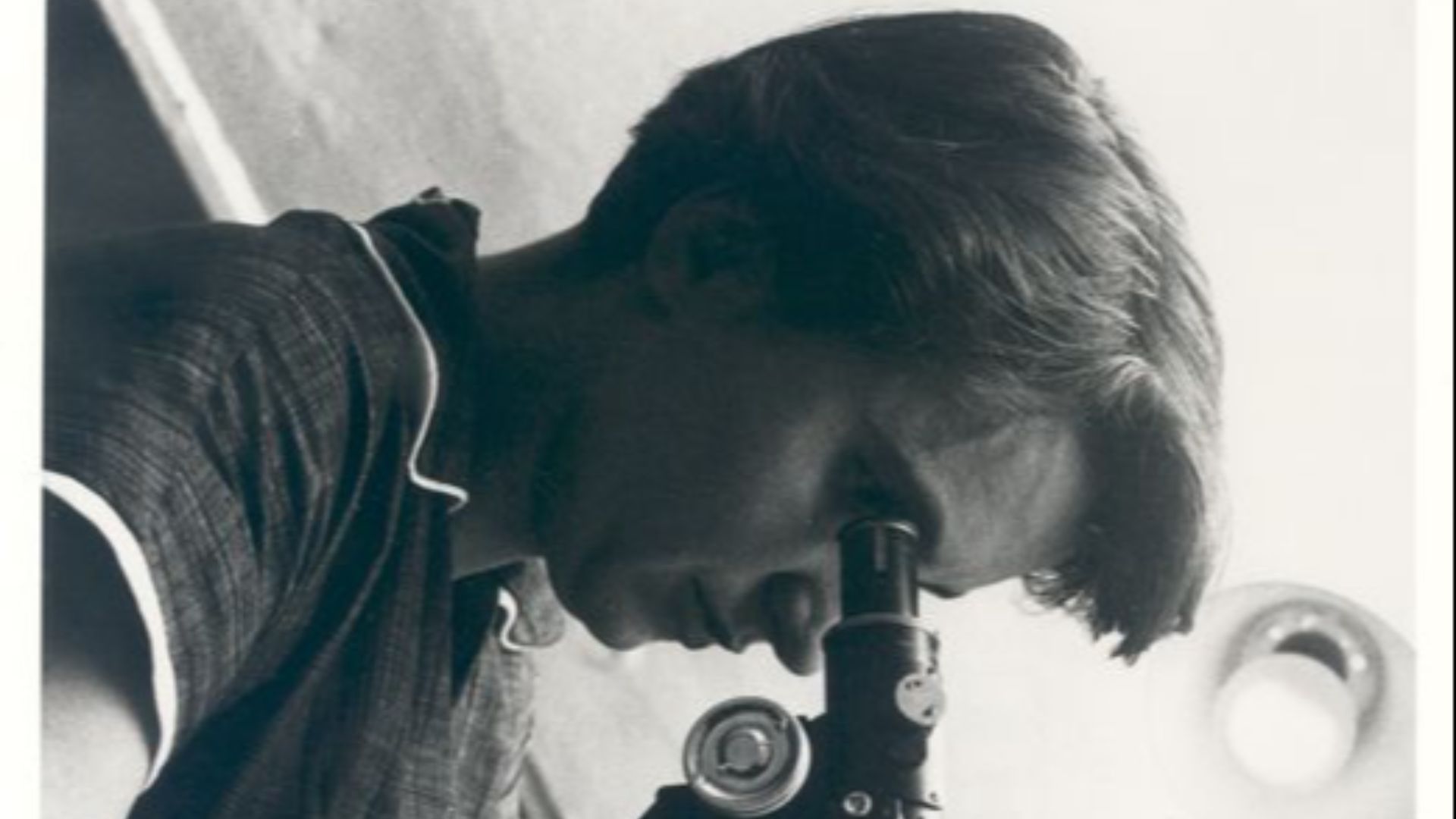 MRC Laboratory of Molecular Biology on Wikimedia
1. Rosalind Franklin
Rosalind Franklin’s X-ray diffraction images were critical to understanding DNA’s double-helix structure. Her Photo 51 provided the key evidence that Watson and Crick used in their model. She wasn’t fully credited during her lifetime for this contribution. Today, her role is widely acknowledged as foundational.
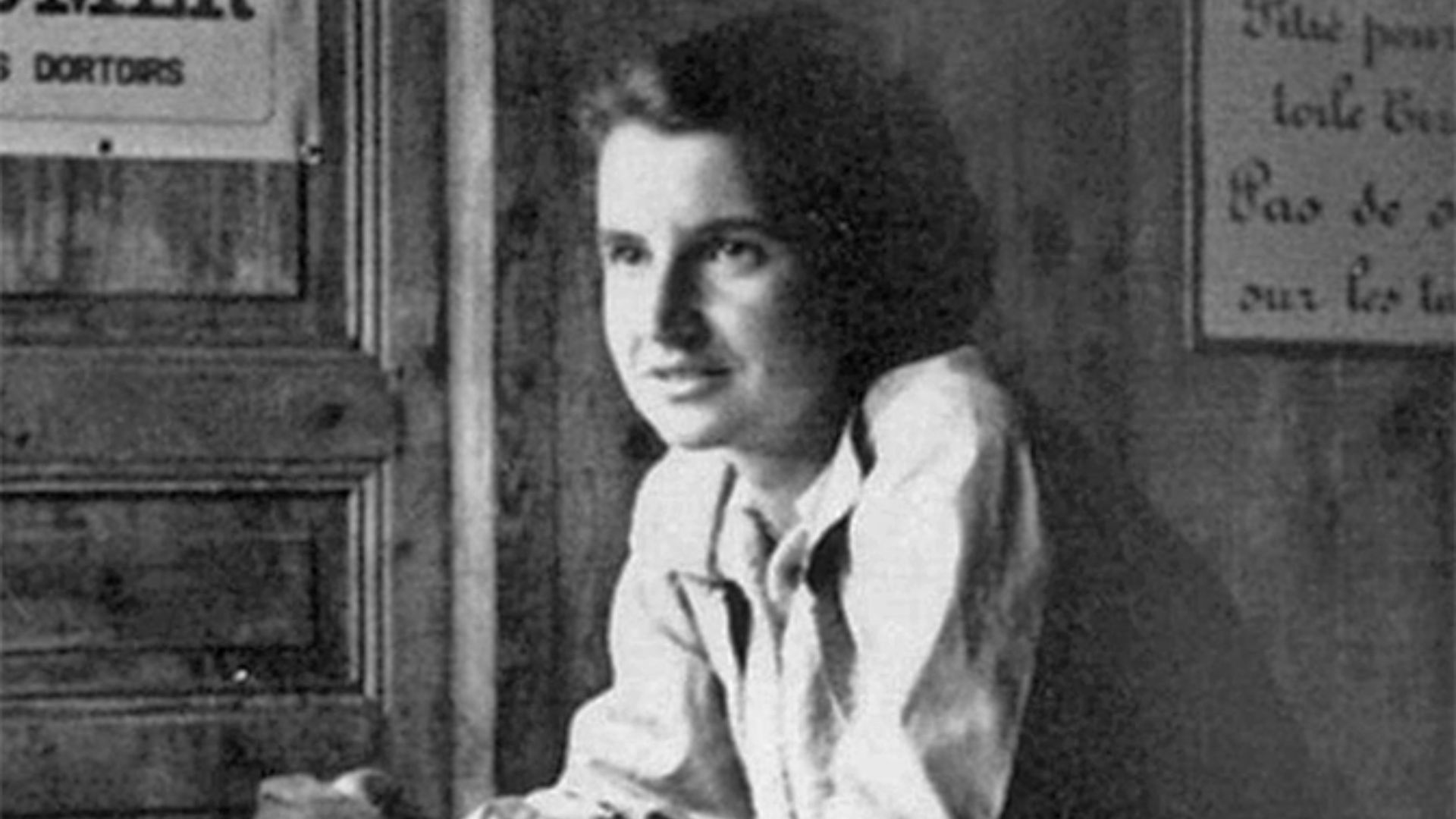 CSHL, derivative work Lämpel on Wikimedia
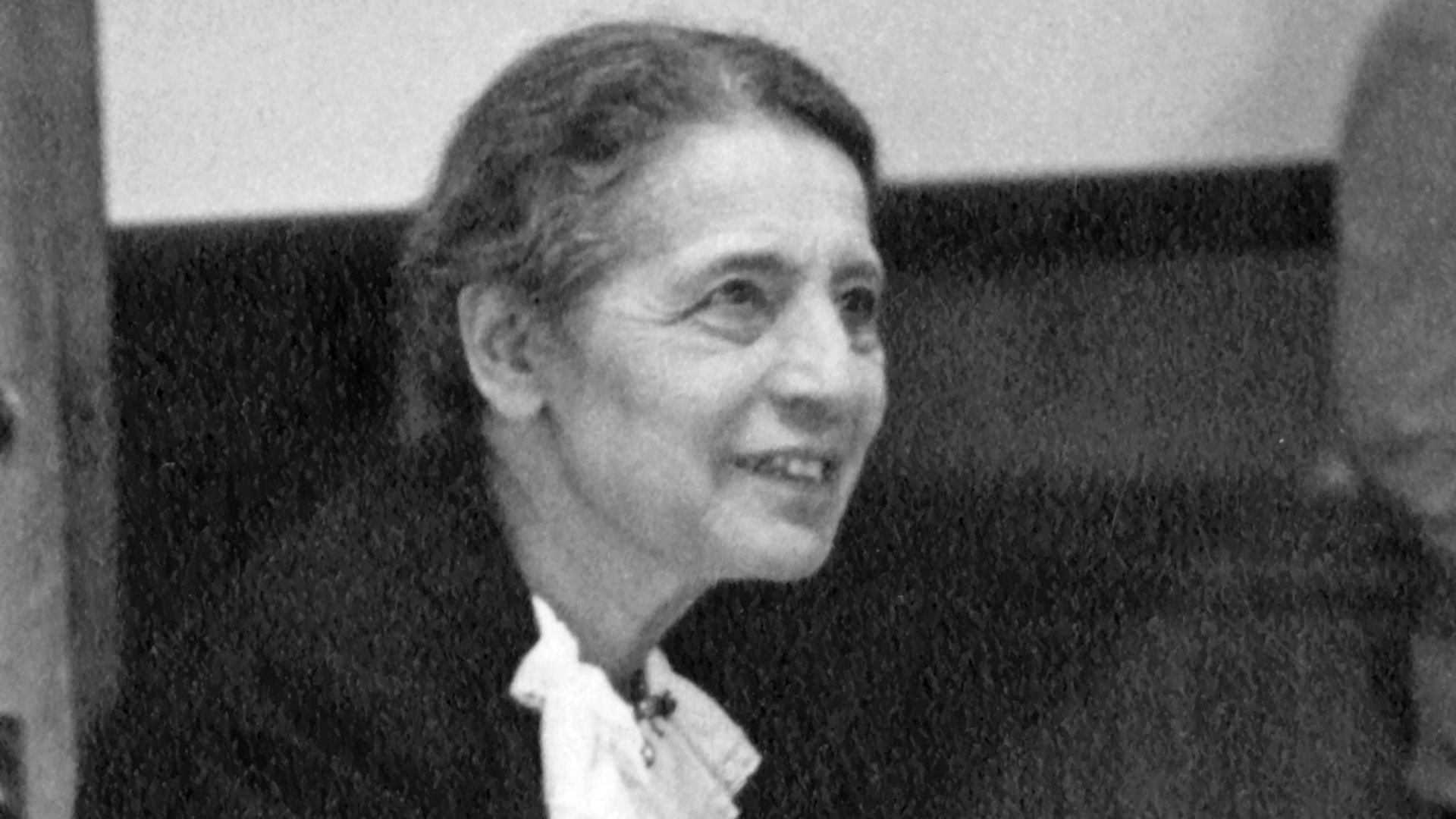
2. Lise Meitner
Lise Meitner played a central role in discovering nuclear fission alongside Otto Hahn. Despite her contributions, Hahn alone received the Nobel Prize in Chemistry in 1944. Meitner provided the theoretical explanation for the process, and her work helped shape modern nuclear physics.
 Smithsonian Institution on Wikimedia
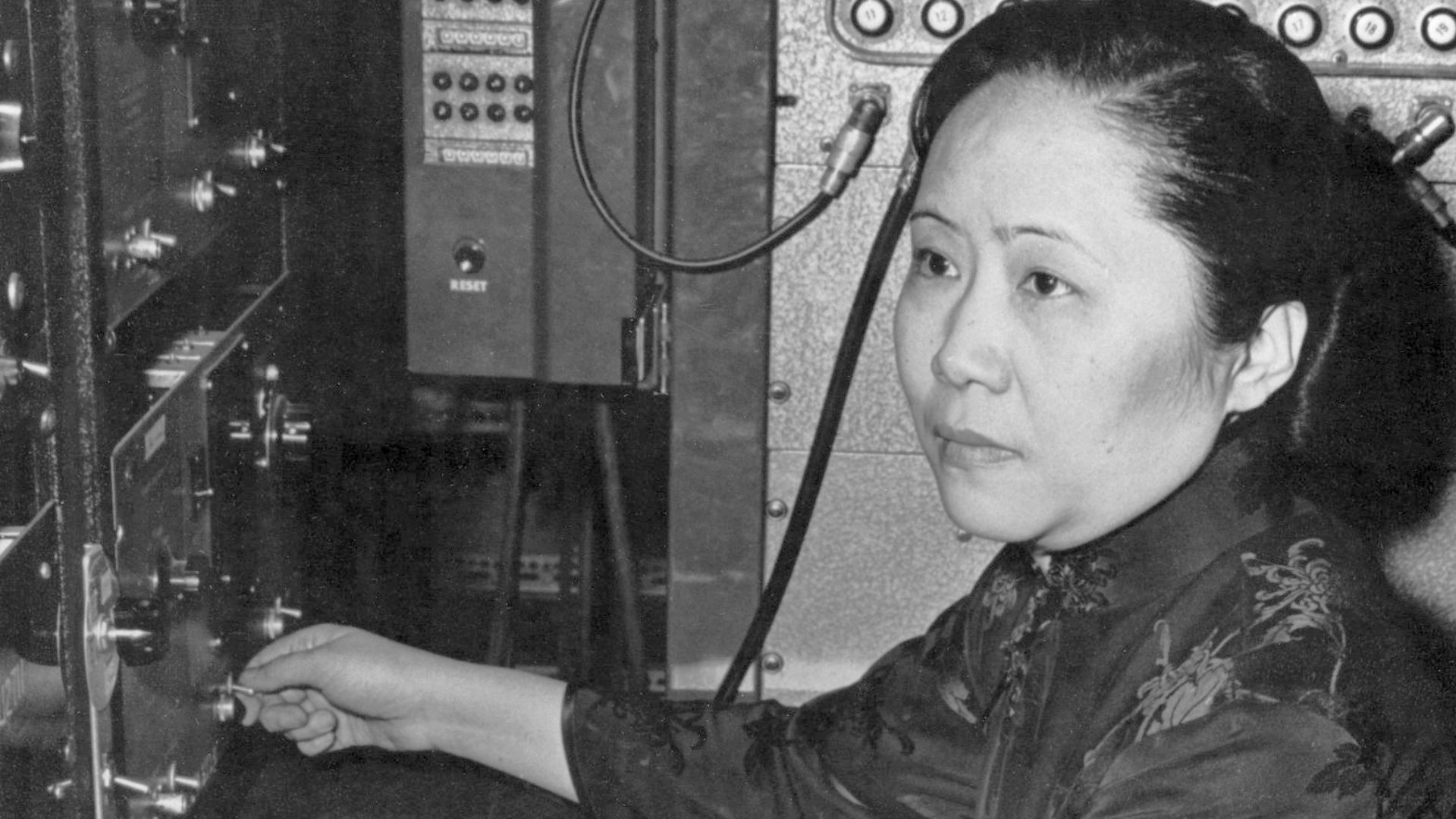
3. Chien-Shiung Wu
Chien-Shiung Wu conducted the experiment that disproved the law of parity in physics. This breakthrough led to a Nobel Prize for her male colleagues, Tsung-Dao Lee and Chen-Ning Yang. Wu’s experimental expertise made the discovery possible. She remains one of the most respected physicists of the twentieth century.
 Smithsonian Institution on Wikimedia
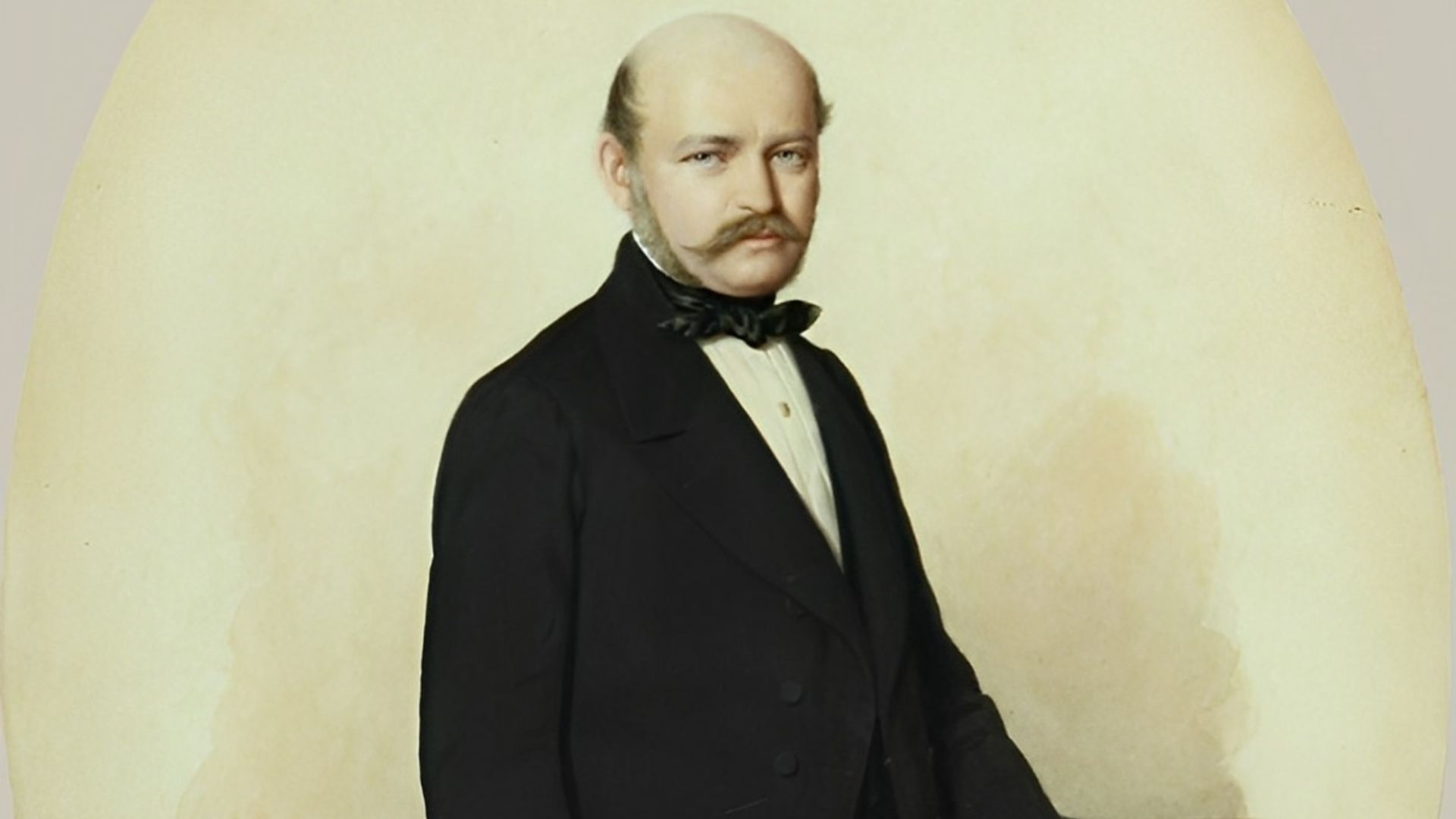
4. Ignaz Semmelweis
Ignaz Semmelweis discovered that handwashing dramatically reduced infections in hospitals. His findings were initially dismissed by the medical community. Years later, germ theory confirmed his conclusions. His work now forms the basis of modern hygiene practices.
 Auguste Alexis Canzi on Wikimedia
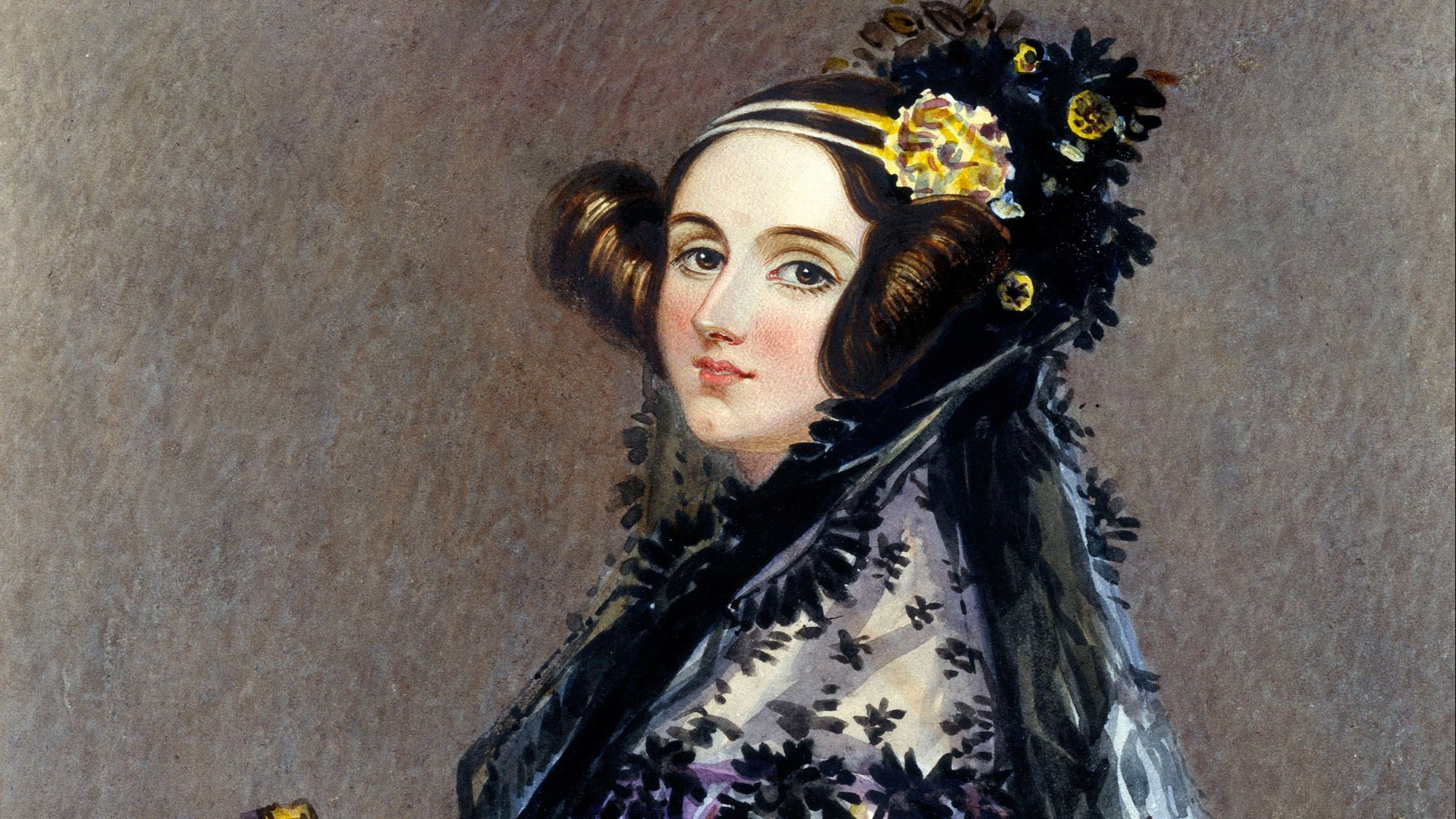
5. Ada Lovelace
Ada Lovelace is often considered the first computer programmer. She wrote algorithms for Charles Babbage’s Analytical Engine, a machine that was never completed. Her insights went beyond calculation and anticipated general-purpose computing. For a long time, her contributions were underestimated.
 Alfred Edward Chalon on Wikimedia
6. Percy Julian
Percy Julian was a pioneering chemist who developed methods to synthesize important medicinal compounds. His work made drugs like cortisone more accessible and affordable. Despite facing significant racial barriers, he built a successful scientific career. His contributions had lasting impacts on pharmaceuticals.
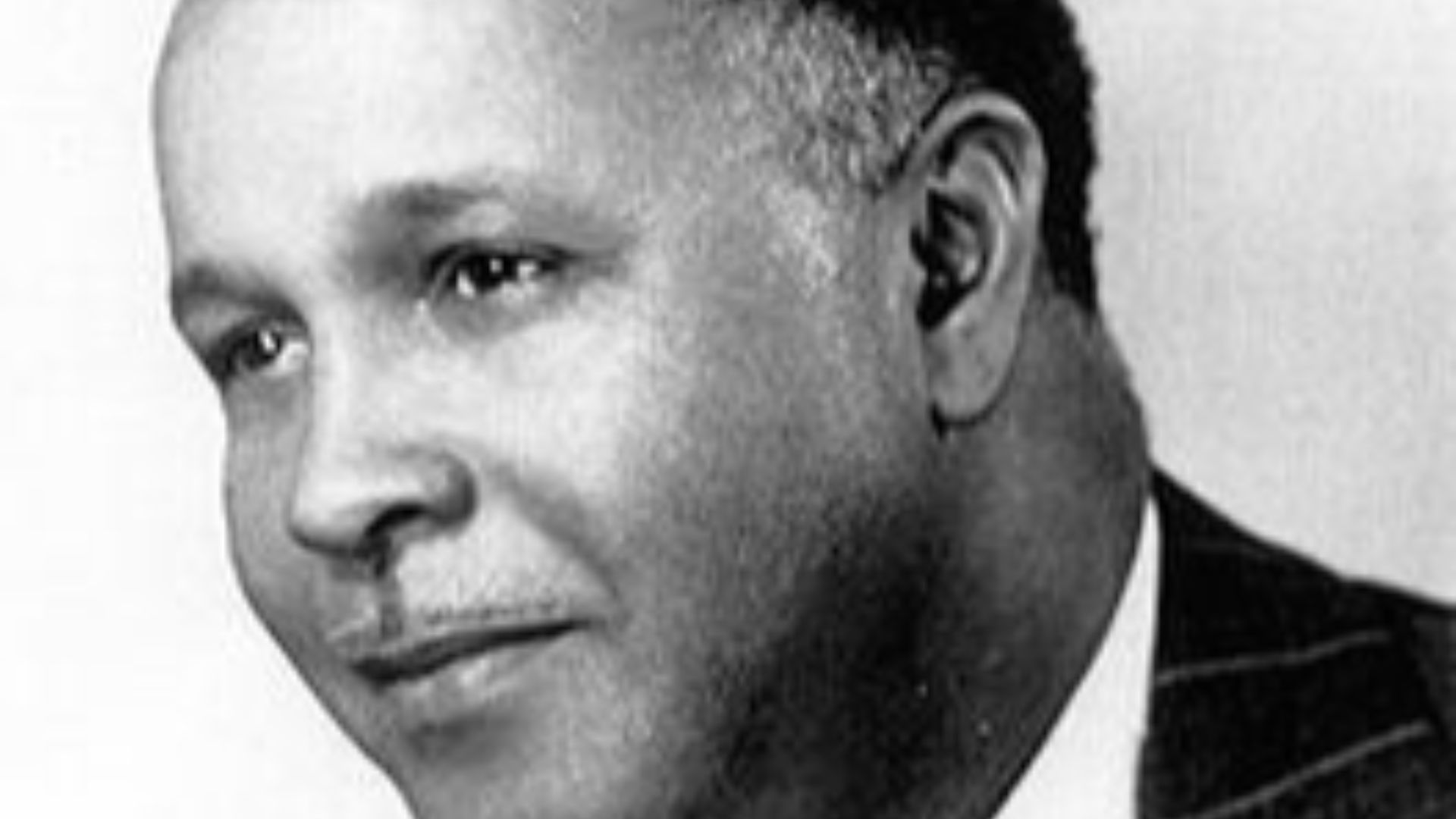 AnonymousUnknown author on Wikimedia
7. Nettie Stevens
Nettie Stevens discovered that sex is determined by chromosomes, specifically the X and Y pairing. Her findings were overshadowed by those of Thomas Hunt Morgan. She provided clear experimental evidence for chromosomal sex determination. This discovery remains central to genetics.
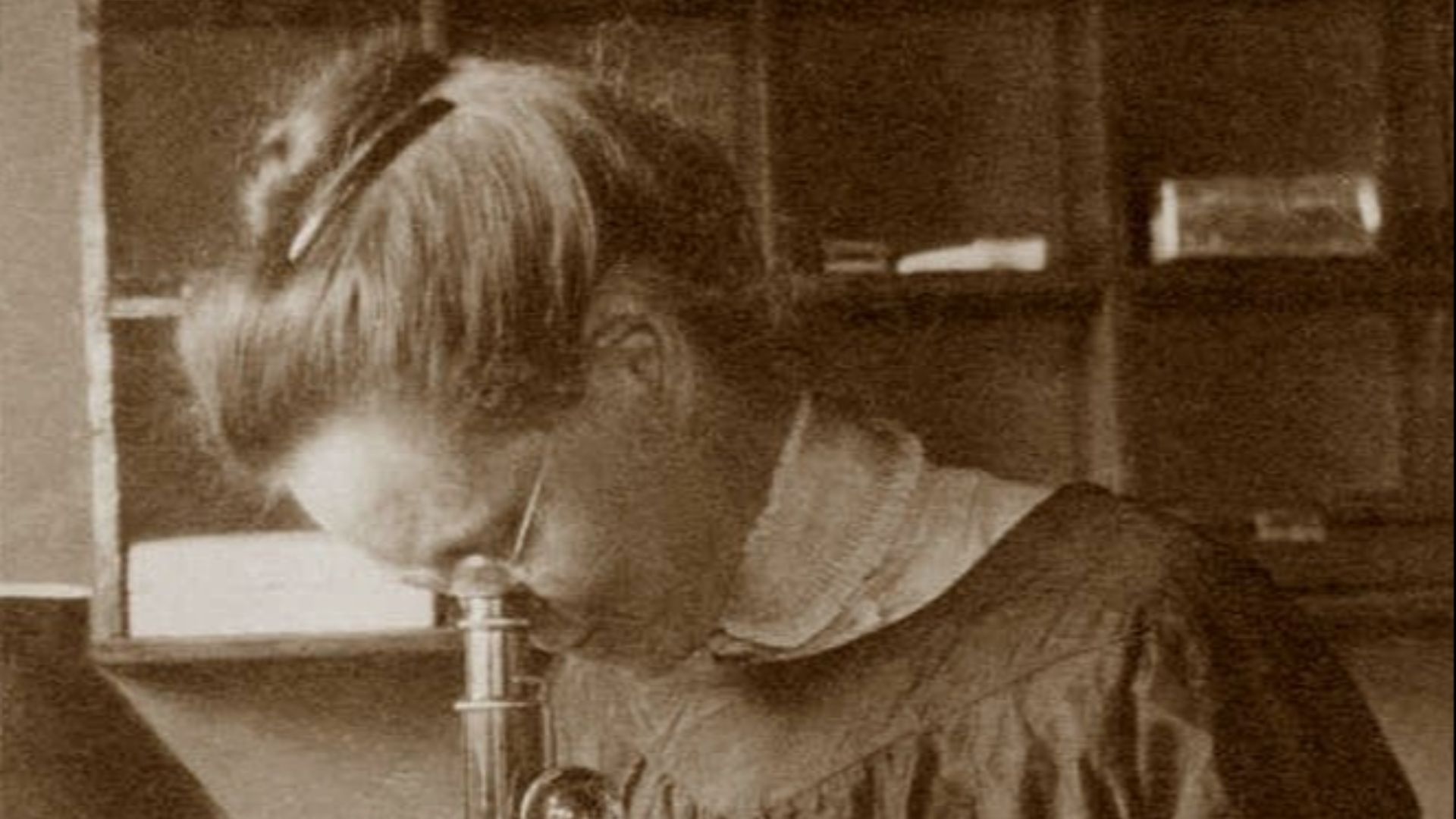 Bryn Mawr College Special Collections on Wikimedia
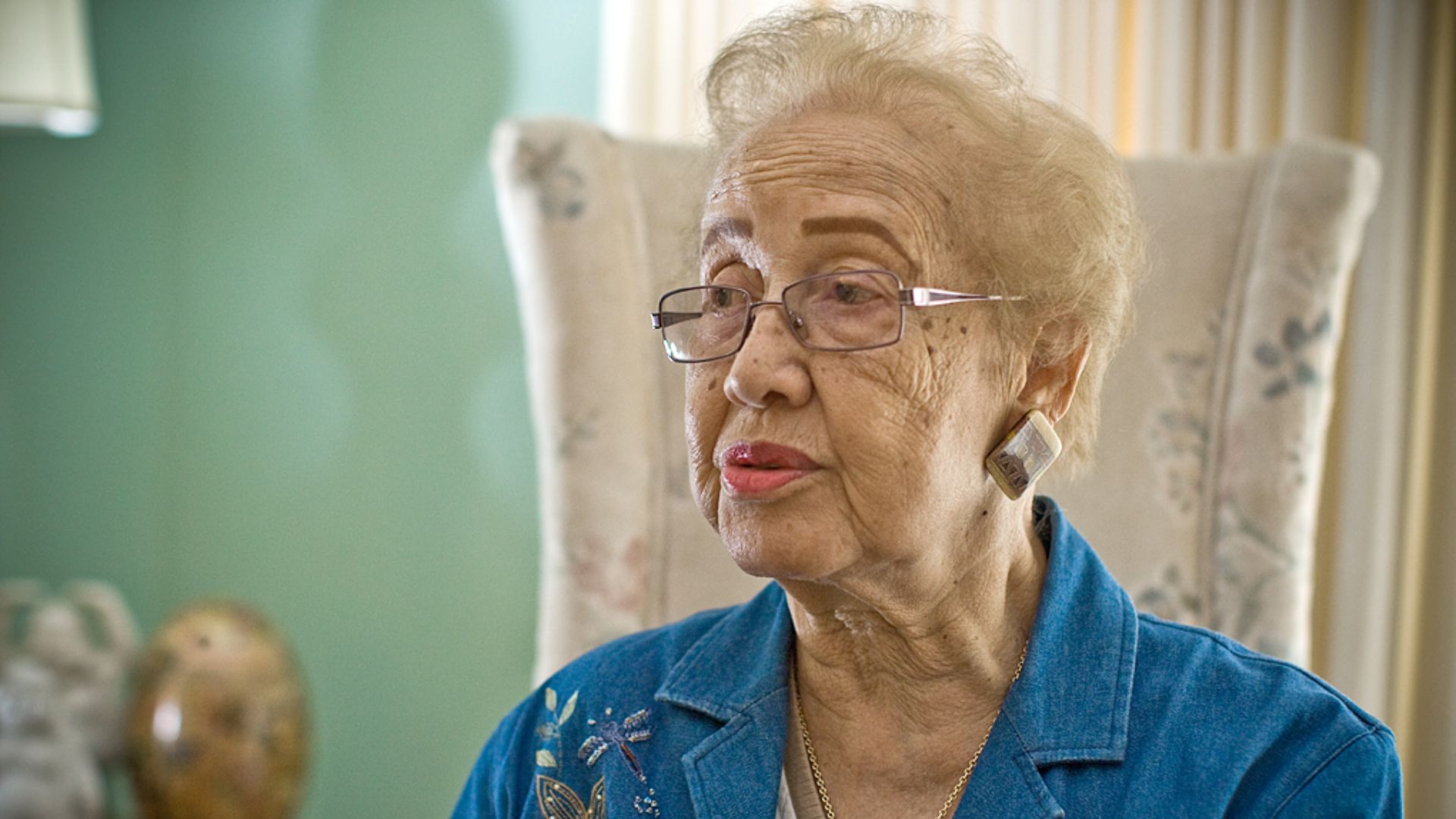
8. Katherine Johnson
Katherine Johnson calculated trajectories that were essential to early space missions, including Apollo 11. Her mathematical precision ensured mission success during a critical era. For years, her work remained largely behind the scenes. She later received recognition for her contributions to NASA.
9. Jagadish Chandra Bose
Jagadish Chandra Bose made early contributions to wireless communication before it was widely commercialized. He demonstrated the transmission of radio waves but did not patent his work. Others later built on these ideas and gained recognition. Bose also made significant contributions to plant physiology.
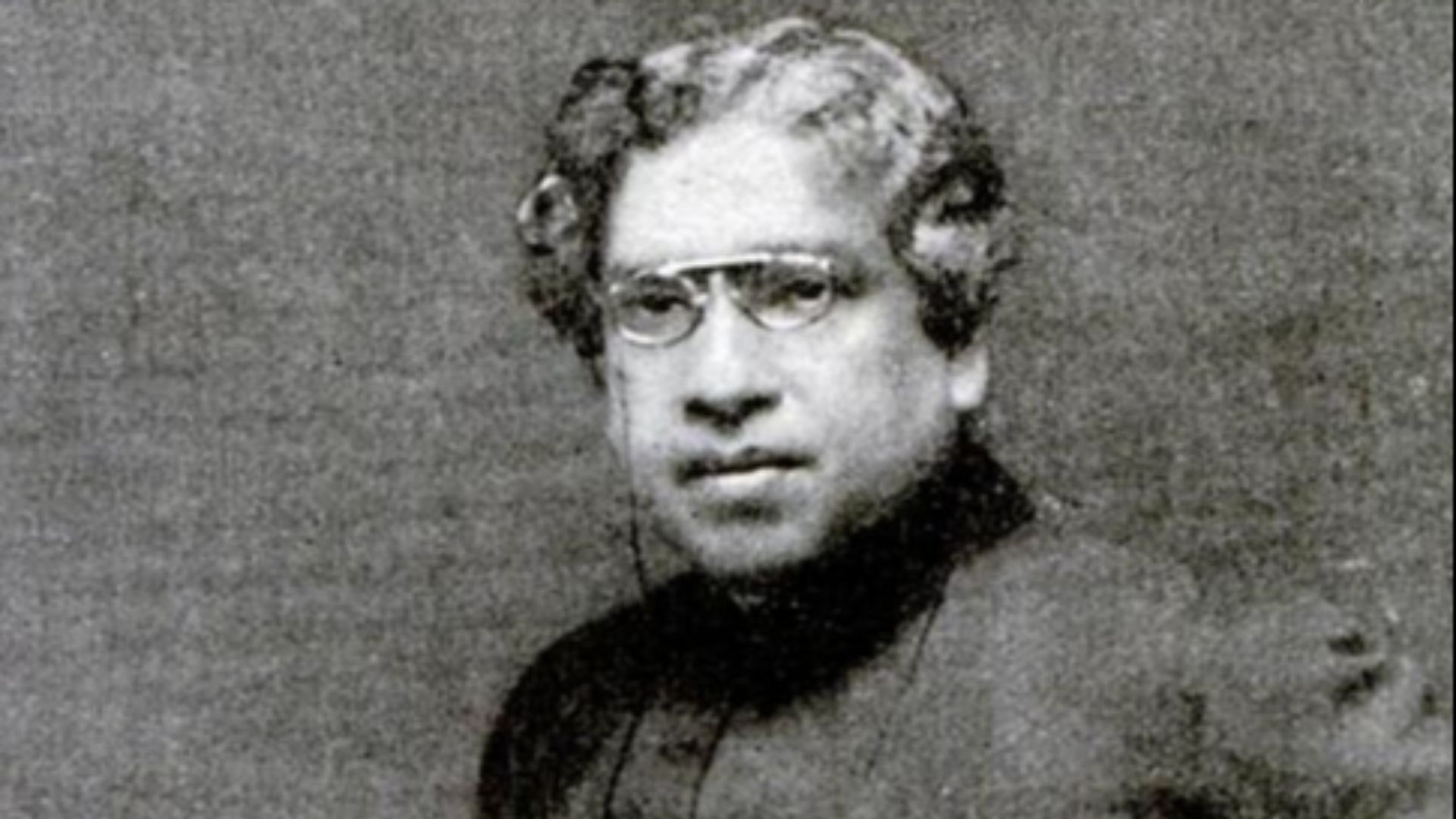 Unknown authorUnknown author on Wikimedia
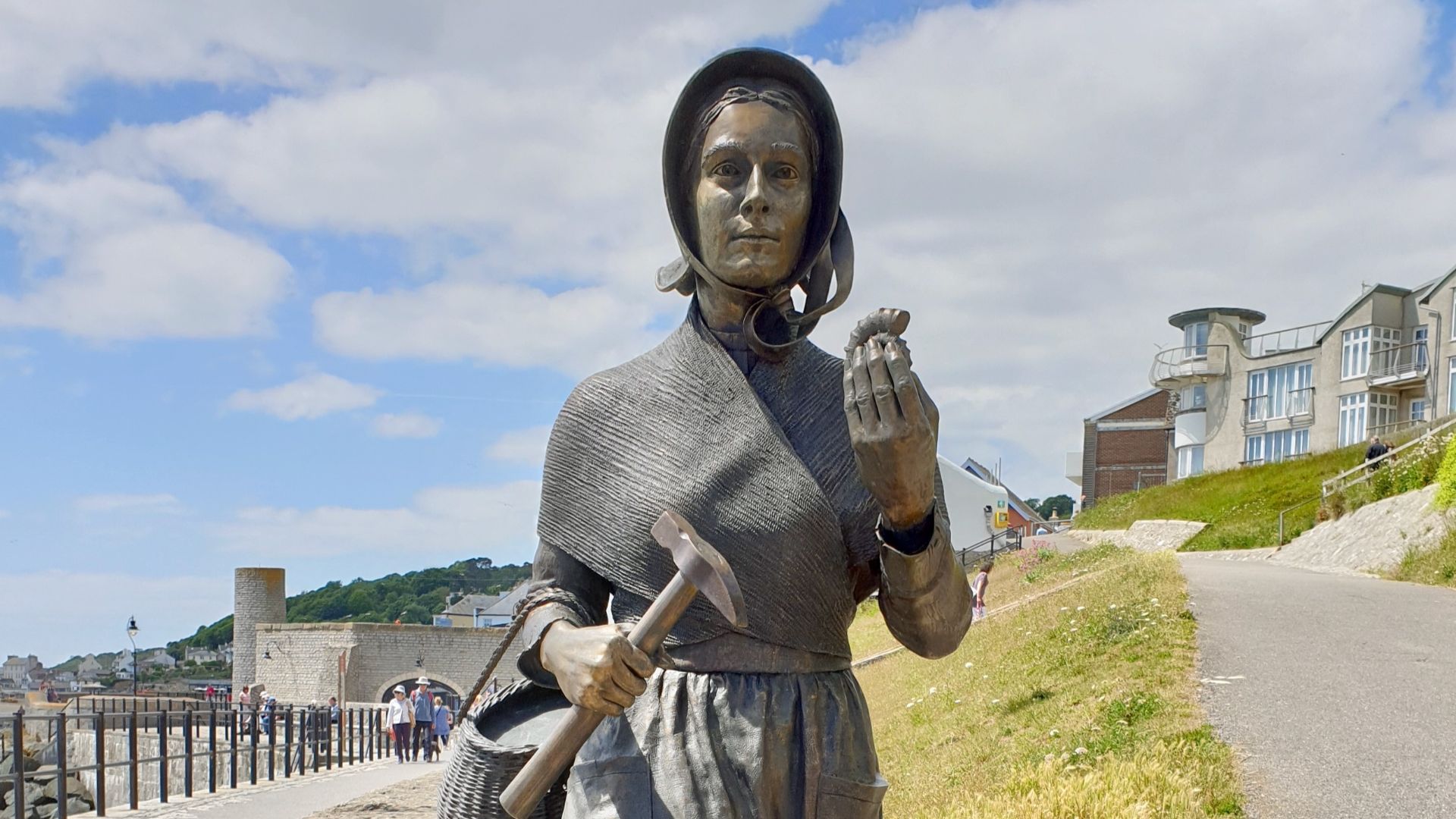
10. Mary Anning
Mary Anning was a fossil collector whose discoveries advanced paleontology. She uncovered important specimens, including early ichthyosaurs and plesiosaurs. Despite her expertise, she was rarely credited in scientific publications of her time. Her work helped shape the understanding of prehistoric life.
11. Alfred Russel Wallace
Alfred Russel Wallace independently developed the theory of natural selection. His ideas prompted Charles Darwin to publish his own work. While Darwin became the more famous figure, Wallace’s contributions were substantial. He continued to make important contributions to biogeography.
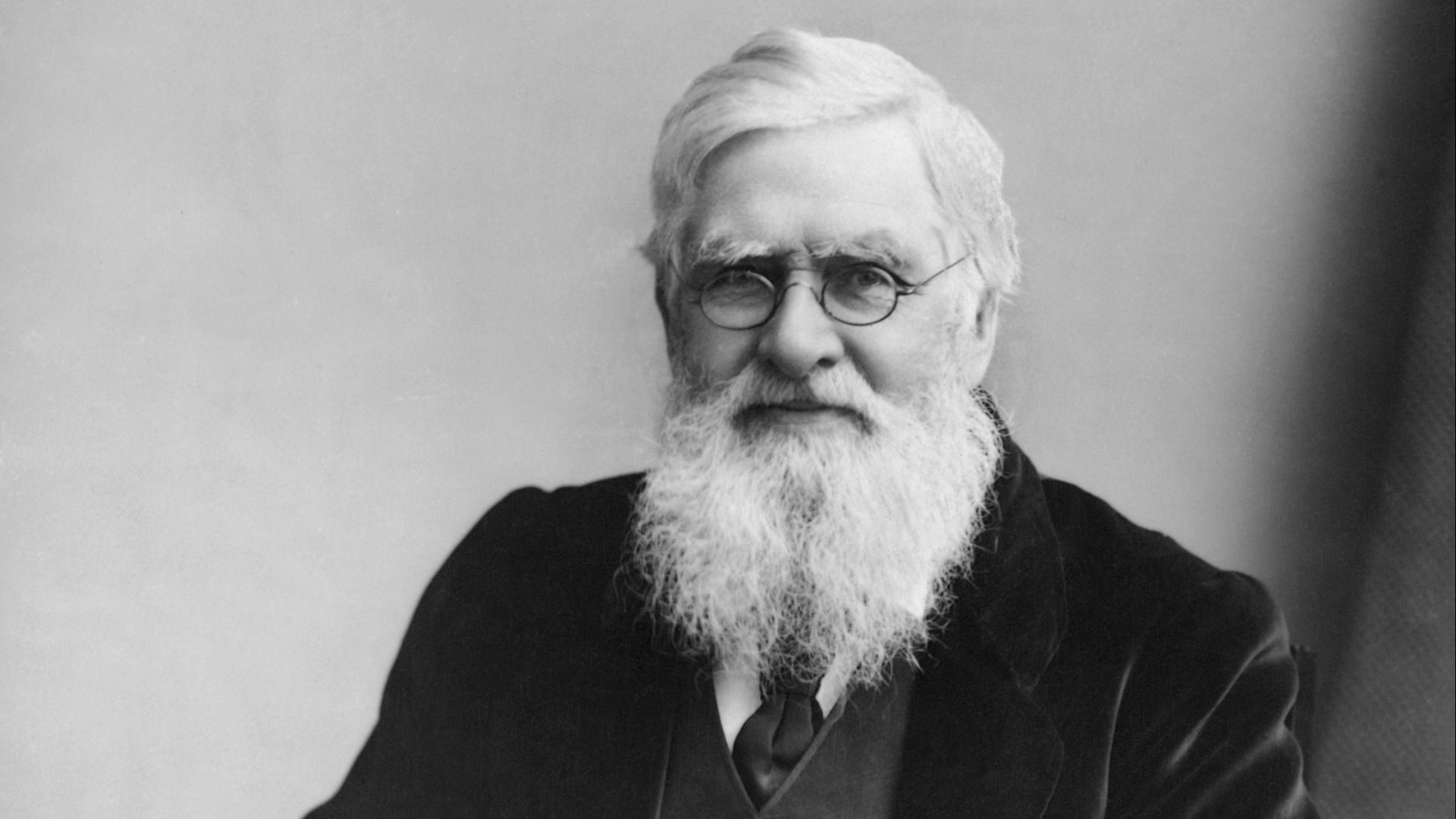 London Stereoscopic and Photographic Company (active 1855-1922) on Wikimedia
12. Henrietta Leavitt
Henrietta Leavitt discovered the relationship between a star’s brightness and its distance. This finding allowed astronomers to measure vast distances in space. Her work was crucial for later discoveries about the size of the universe. She received little recognition during her lifetime.
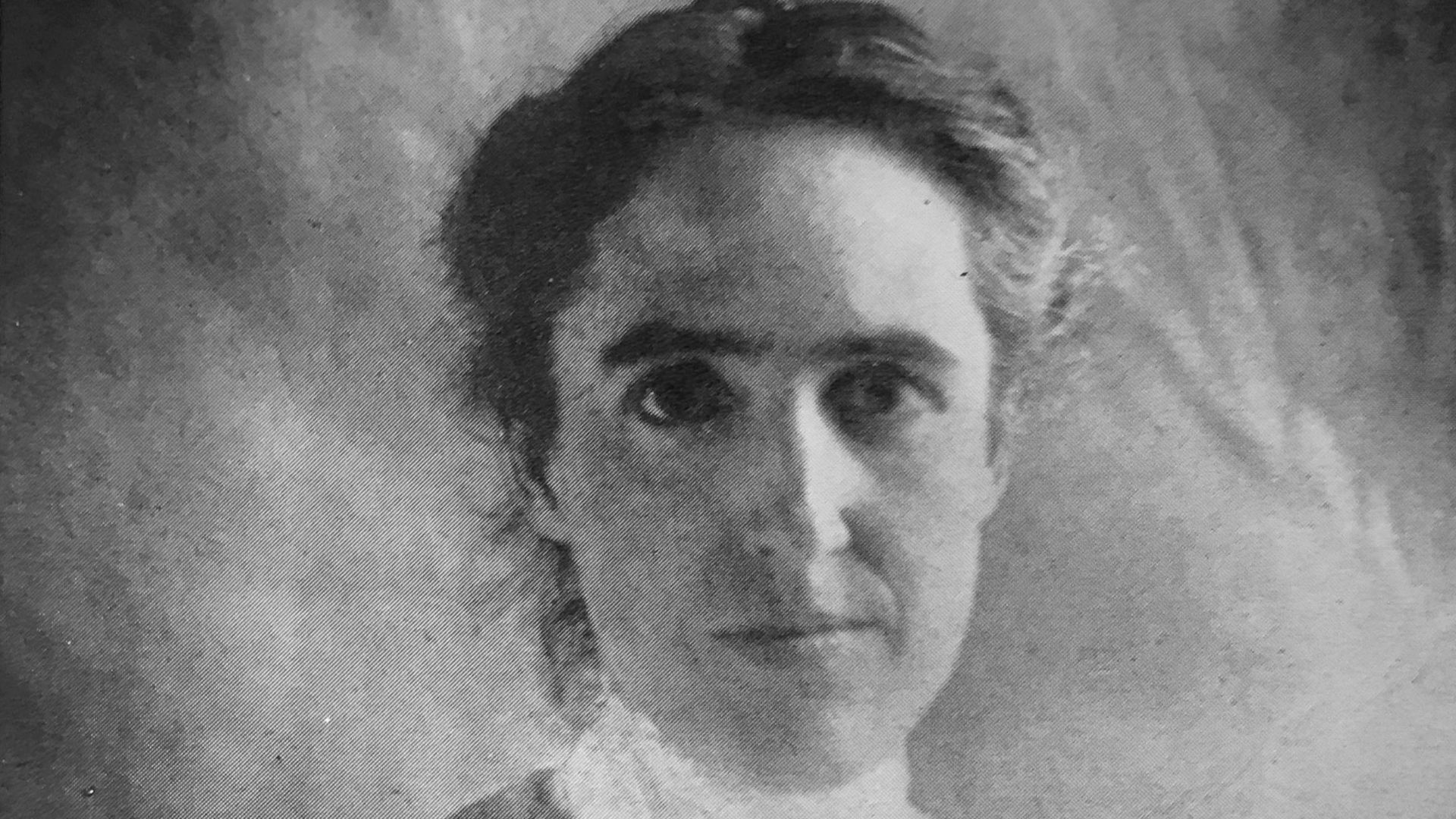 Unknown authorUnknown author on Wikimedia
13. Claudette Colvin
Claudette Colvin refused to give up her seat on a segregated bus months before Rosa Parks. Her act of defiance was a key moment in the civil rights movement. However, she was not promoted as the public face of the protest. Her courage played a significant role in challenging segregation laws.
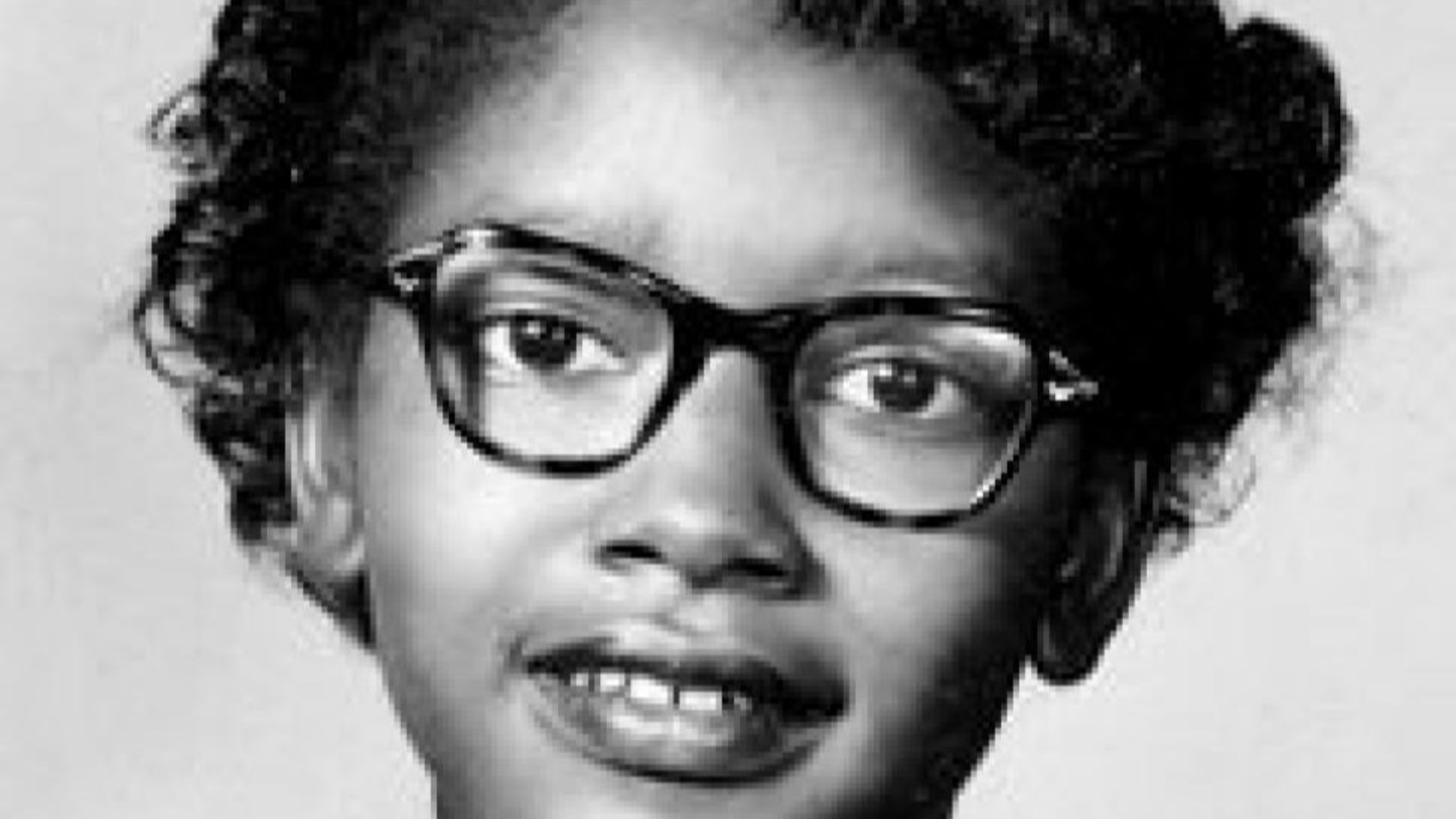 The Visibility Project, Claudette Colvin on Wikimedia
14. Hedy Lamarr
Hedy Lamarr co-invented a frequency-hopping system during World War II. This technology laid the groundwork for modern wireless communication, including Wi-Fi and Bluetooth. For many years, her contributions were overlooked in favor of her acting career. She is now recognized as an innovator.
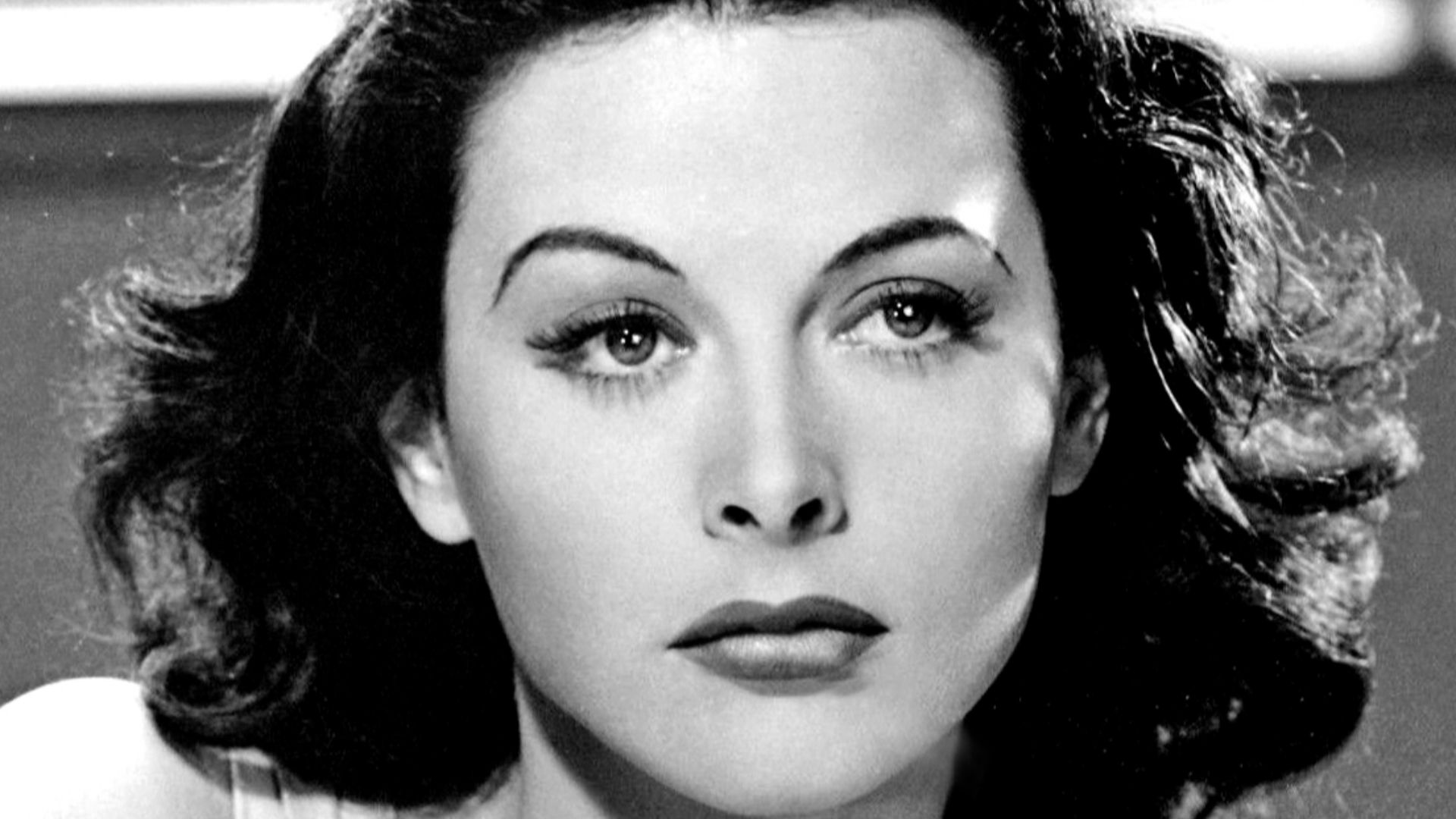 MGM / Clarence Bull on Wikimedia
15. George Washington Carver
George Washington Carver developed agricultural techniques that improved soil health and crop diversity. While often associated with peanuts, his work extended far beyond a single crop. He promoted sustainable farming practices that are still relevant today. His broader contributions are sometimes simplified in history.
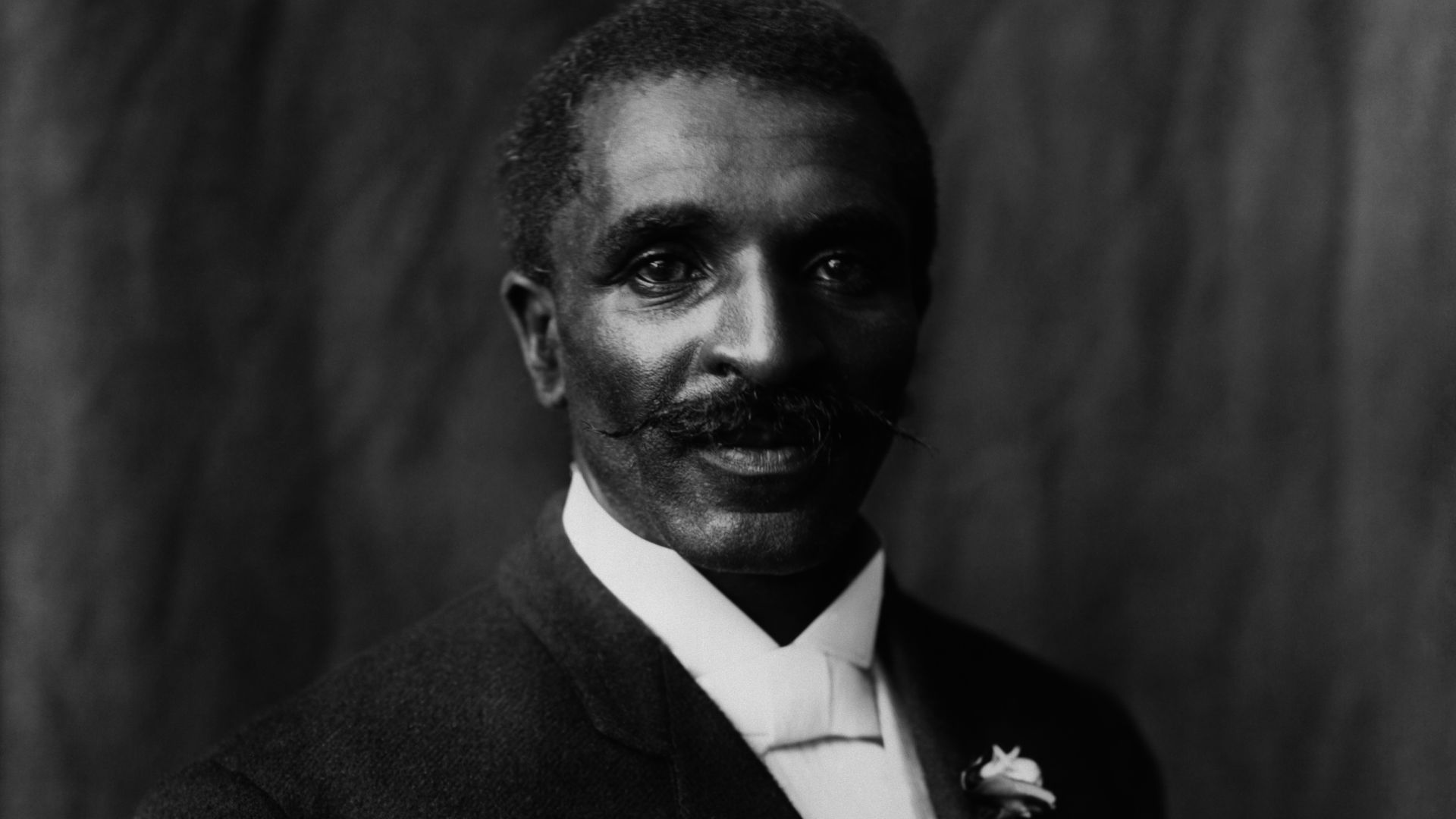 Frances Benjamin Johnston / Adam Cuerden on Wikimedia
16. Annie Jump Cannon
Annie Jump Cannon created a system for classifying stars based on their spectra. Her system is still used in astronomy today. She cataloged hundreds of thousands of stars with remarkable accuracy.
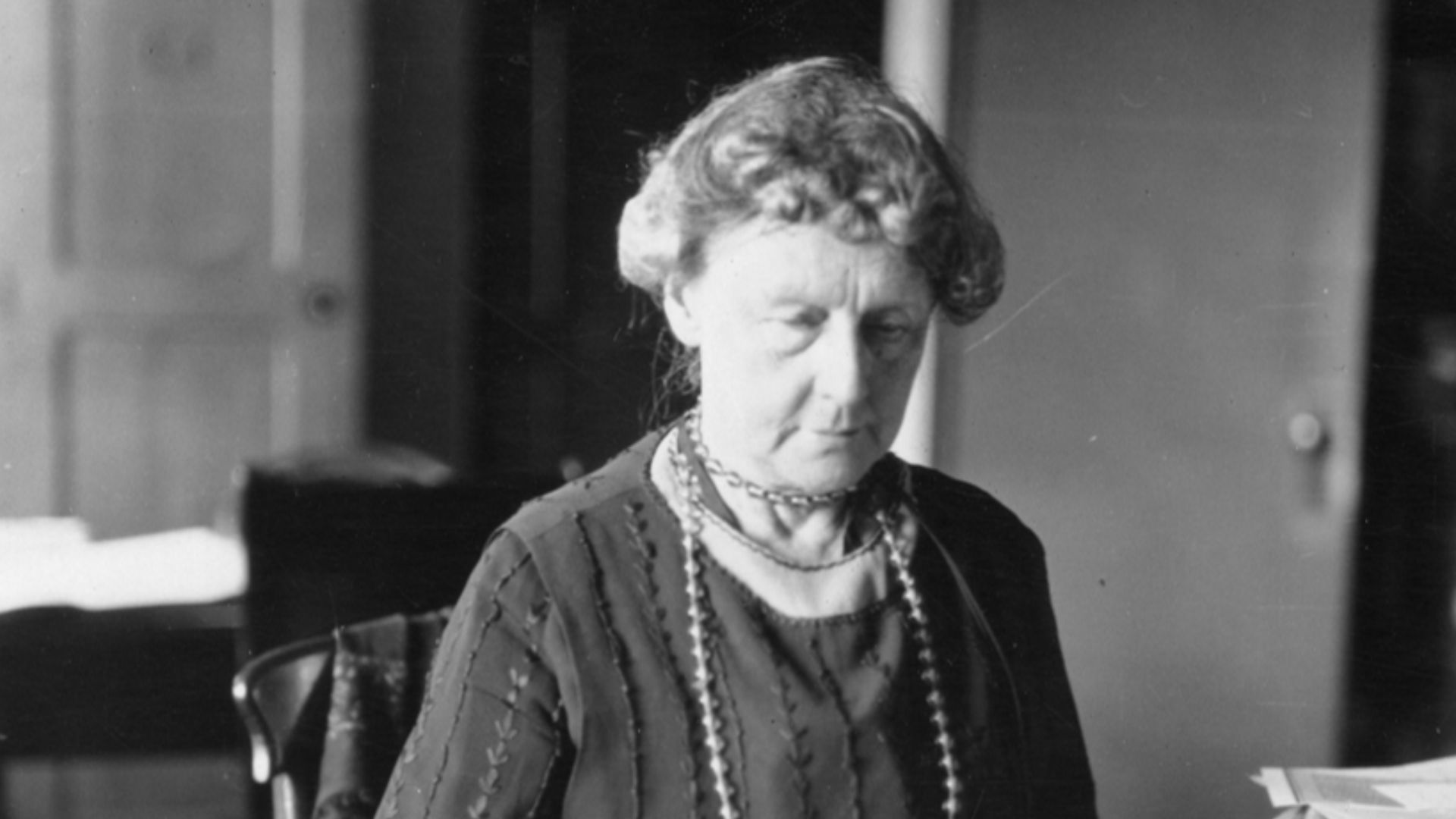 Smithsonian Institution from United States on Wikimedia
17. Bayard Rustin
Bayard Rustin was a key organizer of the 1963 March on Washington. He played a major role in shaping nonviolent protest strategies.
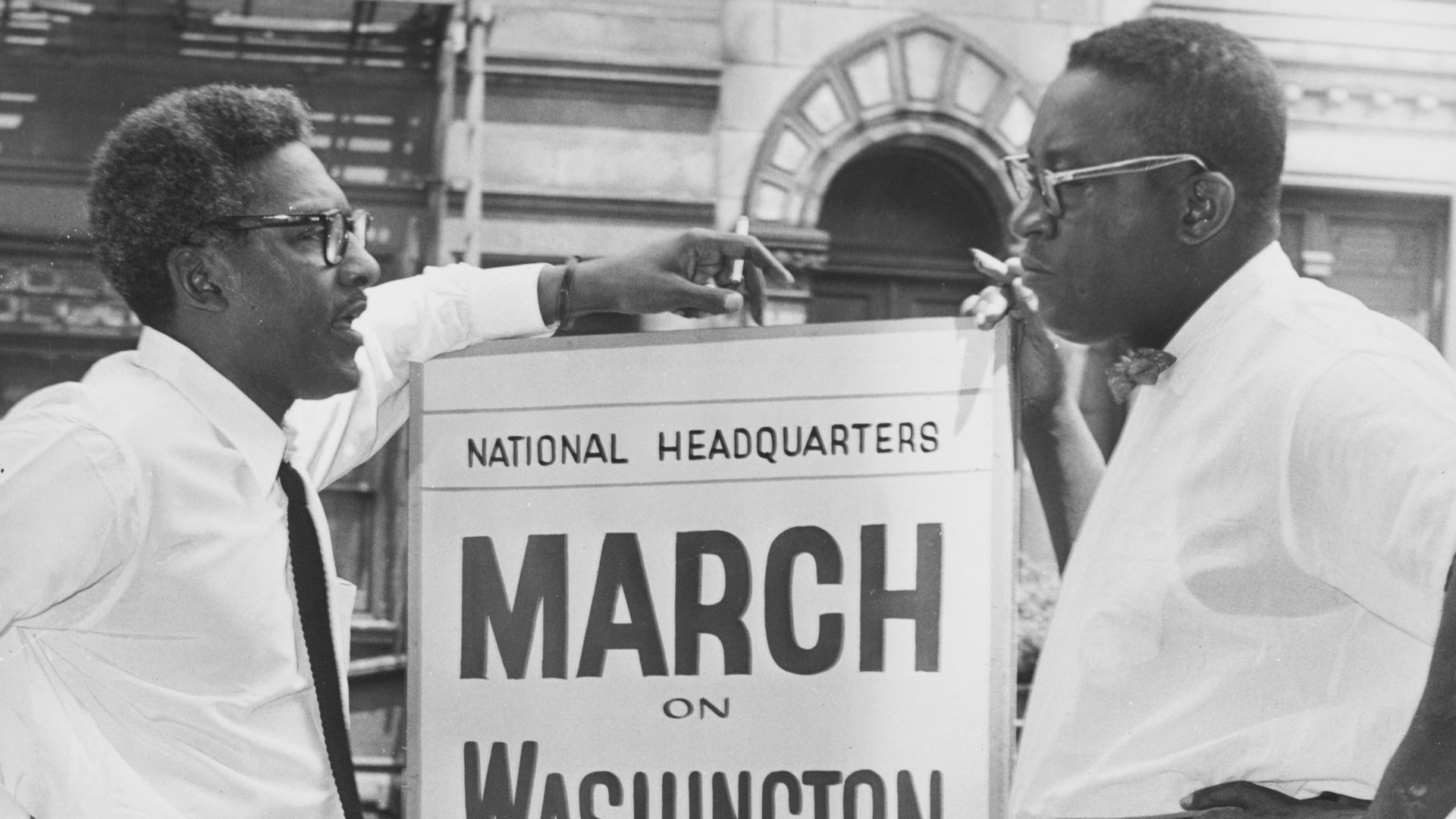 Library of Congress on Unsplash
18. Mileva Marić
Mileva Marić was a physicist and mathematician who collaborated with Albert Einstein during his early career. Some historians believe she contributed to his early work, though the extent remains debated.
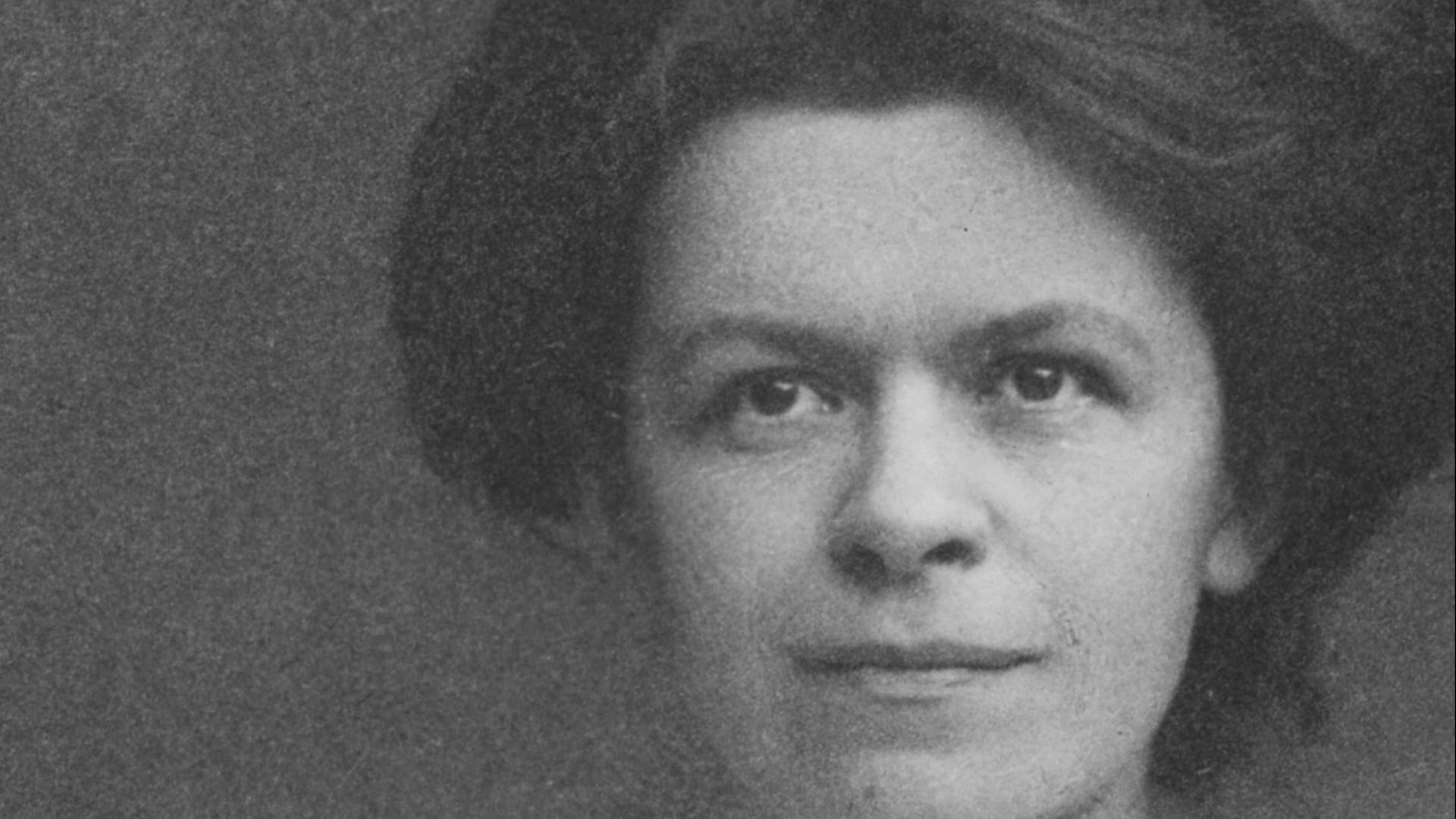 Unknown authorUnknown author on Wikimedia
19. Oswald Avery
Oswald Avery demonstrated that DNA carries genetic information. His work laid the foundation for molecular biology. Despite the significance of this discovery, he never received a Nobel Prize.
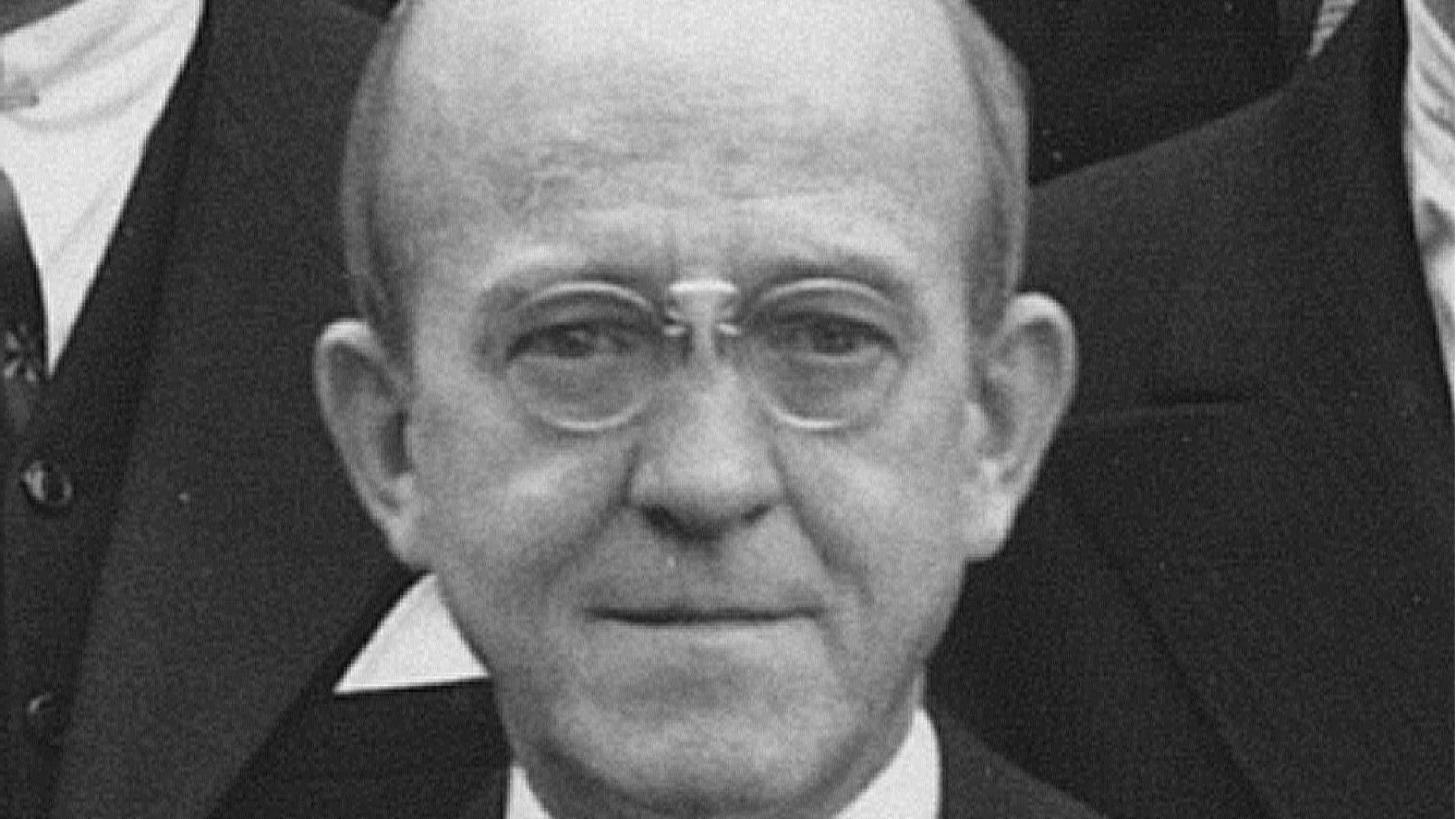 Unknown authorUnknown author on Wikimedia
20. Grace Hopper
Grace Hopper helped develop early programming languages and the first compiler. Her work made computers more accessible and easier to program. She was instrumental in the development of COBOL.
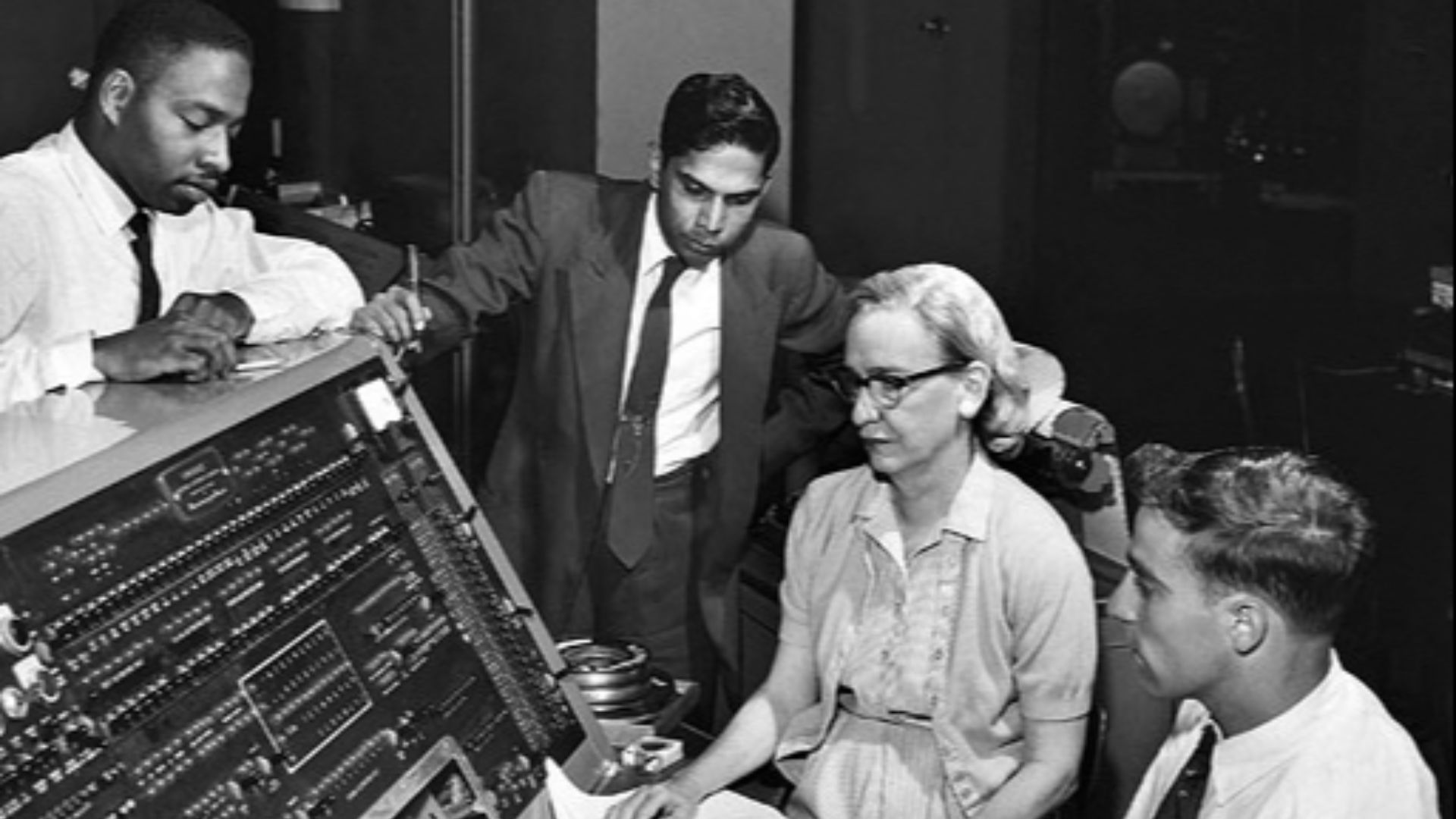 Unknown authorUnknown author on Wikimedia