20 Historical Figures Who Were More Dangerous Than They Seemed
Power Hidden Behind a Calm Face
History is full of people who looked measured on the surface, the kinds of people just sitting in the background without rocking the boat—right up until they outmaneuver everyone around them. Some were brilliant battlefield commanders, others were rulers with icy timing, and some were women whose influence reached far beyond what their titles suggested. However they snuck into the spotlight, these 20 names were a lot more dangerous than people ever suspected.
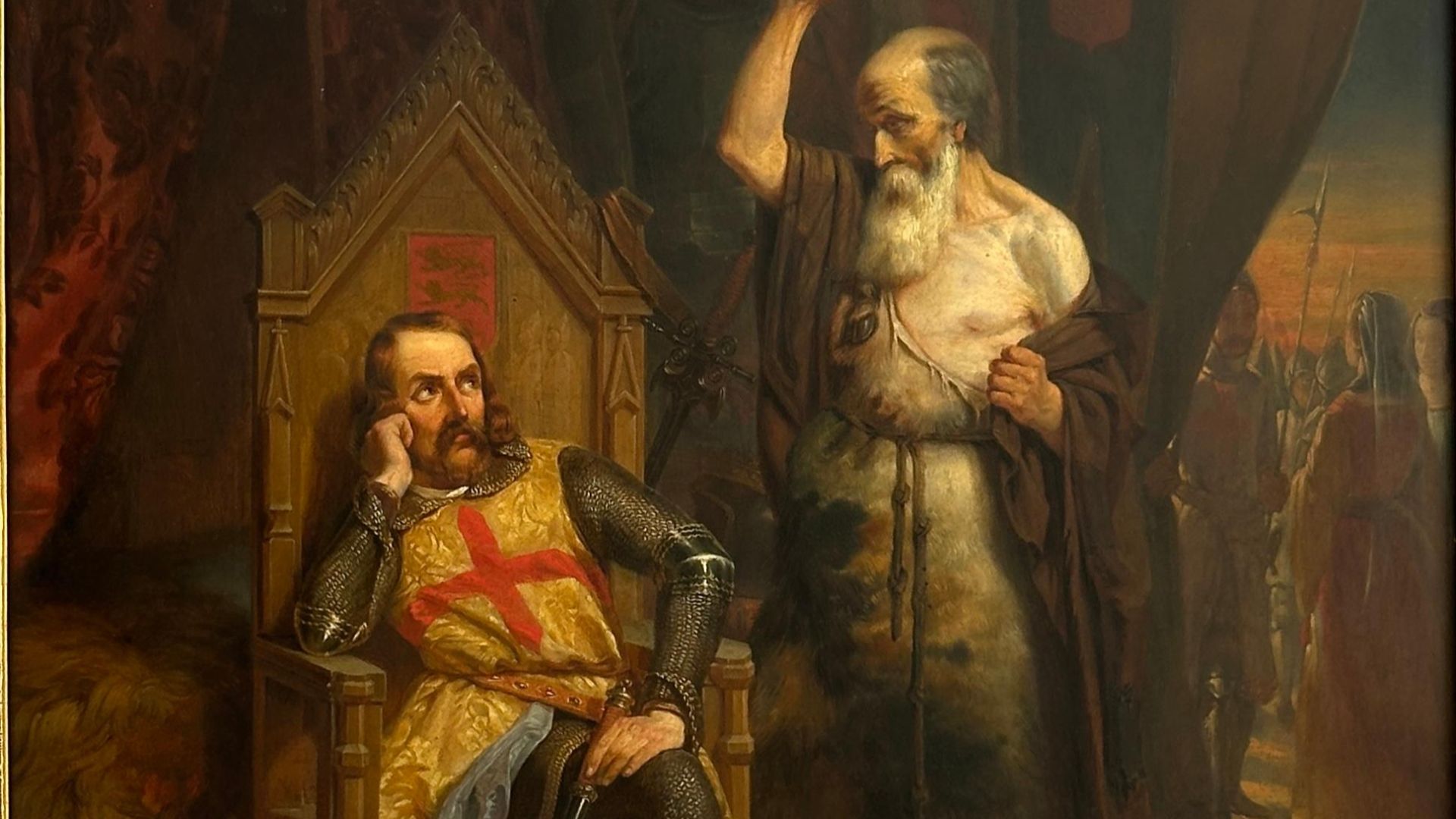 Pierre Victor Verreydt (1813-1848) on Wikimedia
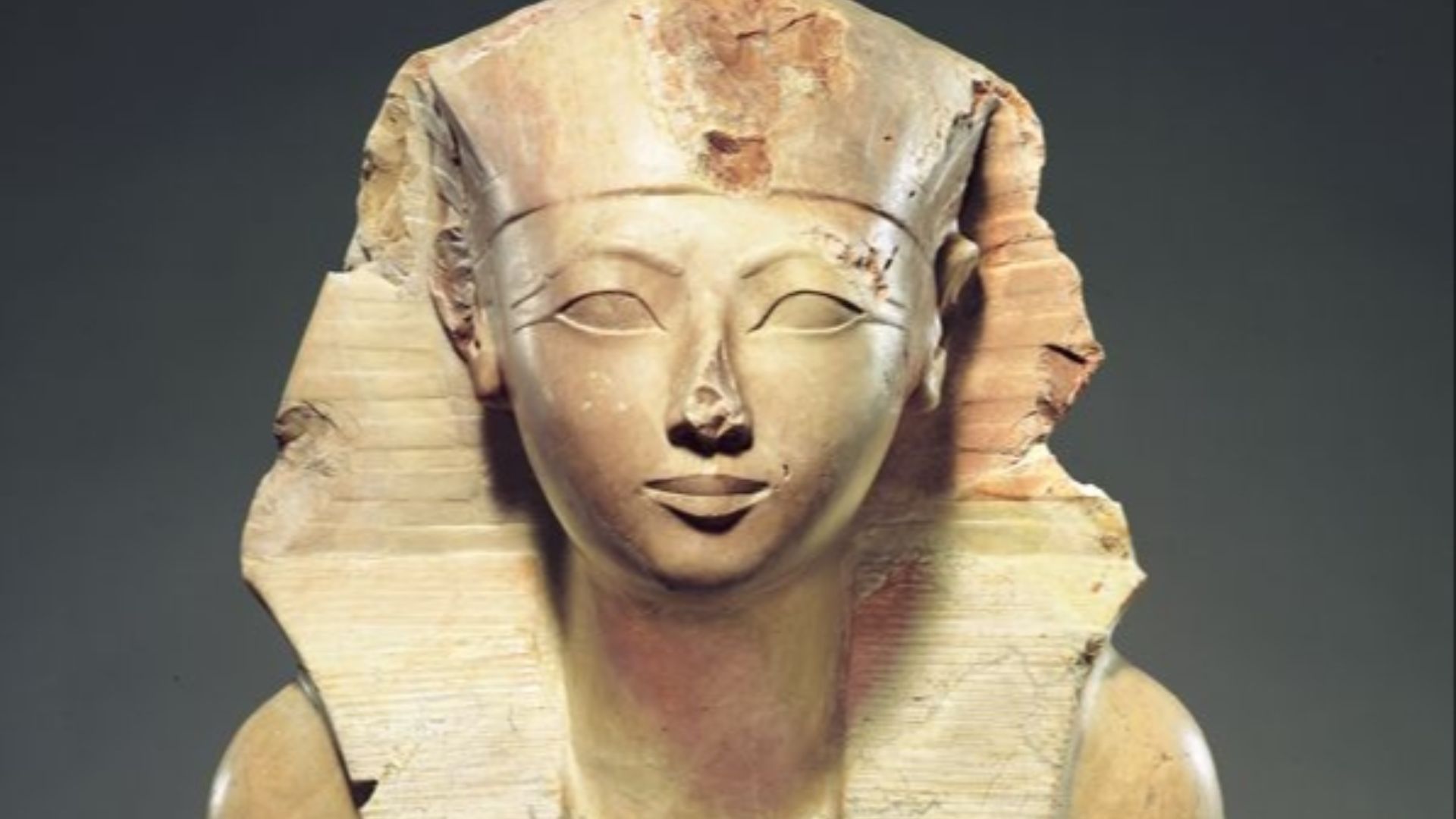
1. Hatshepsut
Hatshepsut is often remembered for elegant monuments and a long, stable reign, but that image hides a ruler with serious political strength. She secured her position in a male-dominated system and ruled Egypt as pharaoh with full royal authority, not as a mere placeholder. By the time anyone could challenge her legitimacy, she’d already made herself indispensable to the state.
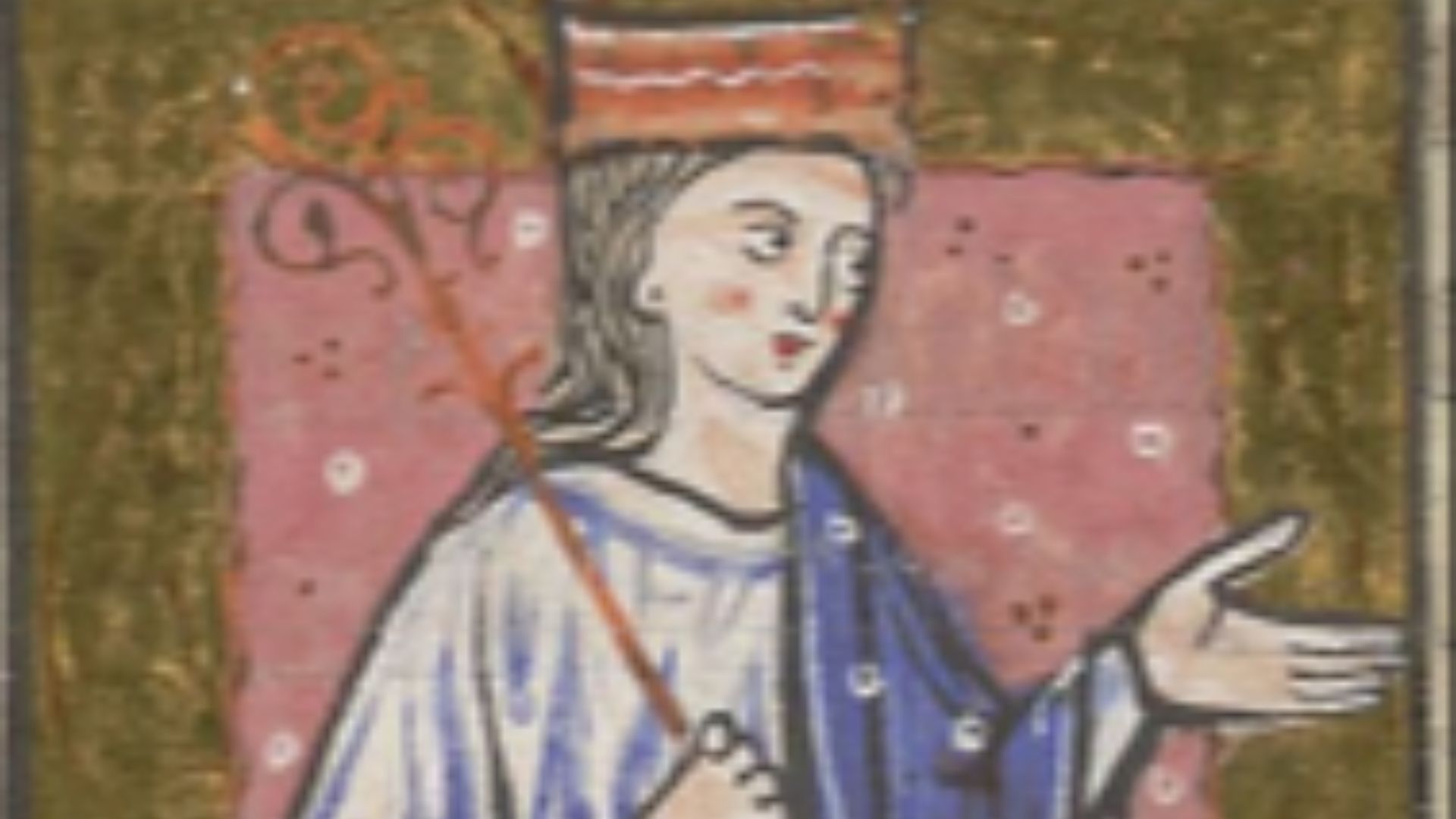
2. Aethelflaed
Aethelflaed, Lady of the Mercians, didn’t need some kind of theatrical legend to prove she was formidable. Instead, she led military campaigns, fortified towns, and pushed back Viking power at a time when weak leadership meant collapse.
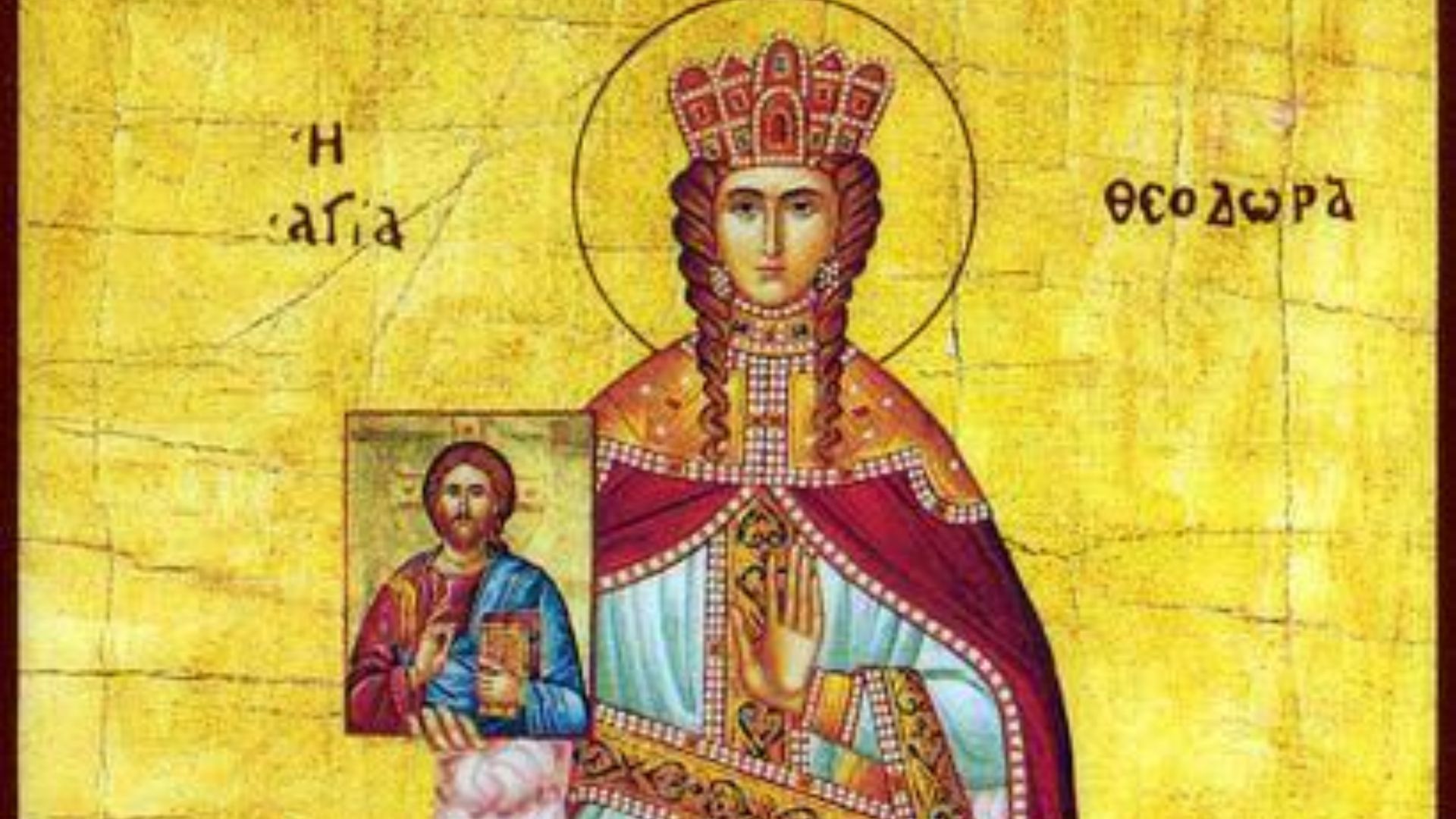
3. Empress Theodora
Theodora began life far from the imperial center, which is exactly what makes her later influence even more striking. During the Nika riots, she reportedly argued for staying and holding power, and her resolve helped shape the empire’s response. At the end of the day, she carried a steelier political instinct than the men around her.
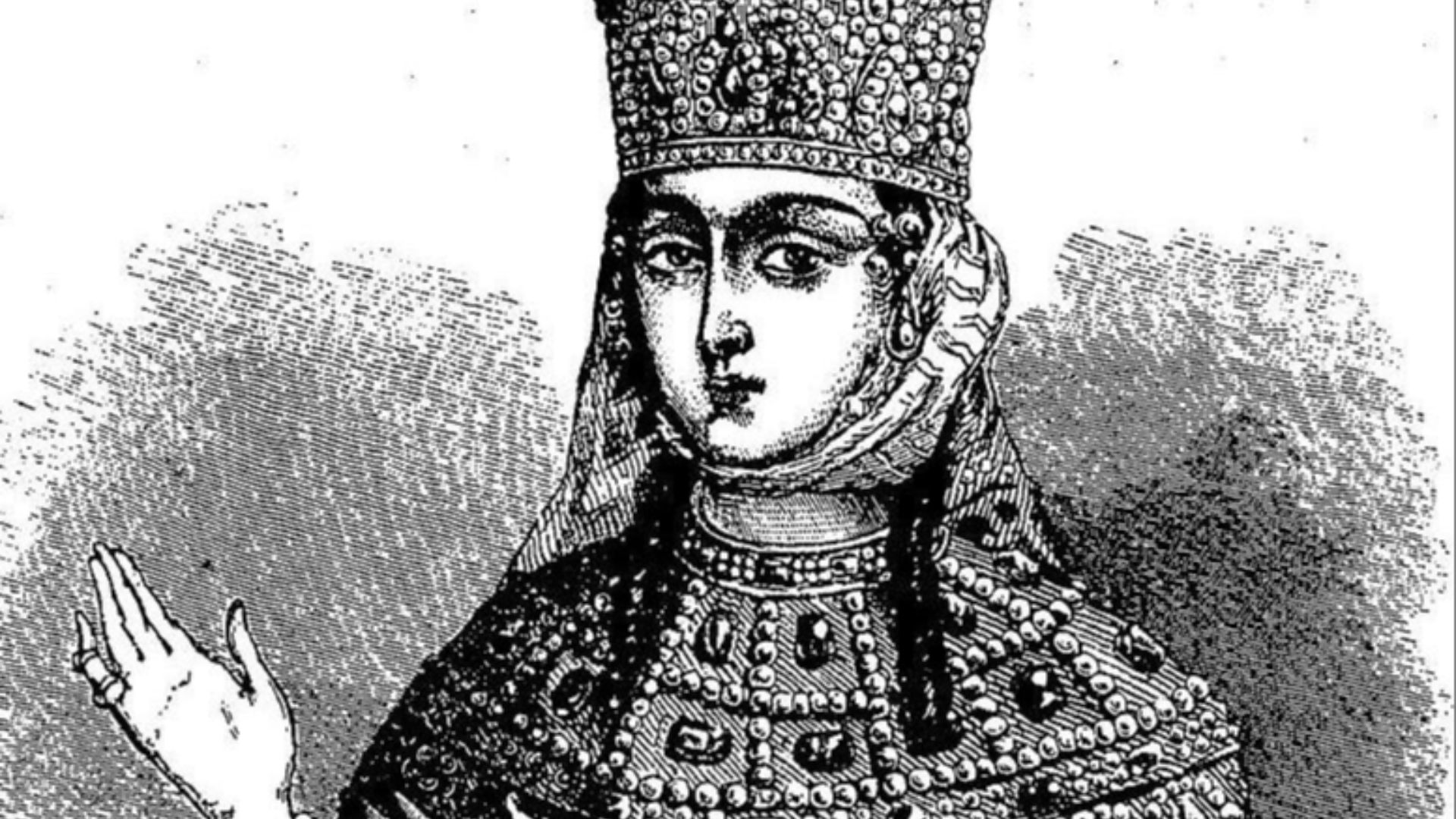
4. Queen Tamar of Georgia
Queen Tamar’s reign sounds almost serene if you only focus on the surface. In reality, she presided over the high point of medieval Georgia and backed military successes that expanded and secured her realm. Her authority was so effective, in fact, that rivals had very little room to test whether her calmness meant weakness.
5. Yi Sun-sin
Yi Sun-sin is one of those commanders whose reputation gets stronger the more you study him. He repeatedly defeated Japanese naval forces during the Imjin War despite shortages. He fought against political hostility. He survived grim odds. All in all, he’s dangerous in the most disciplined sense of the word.
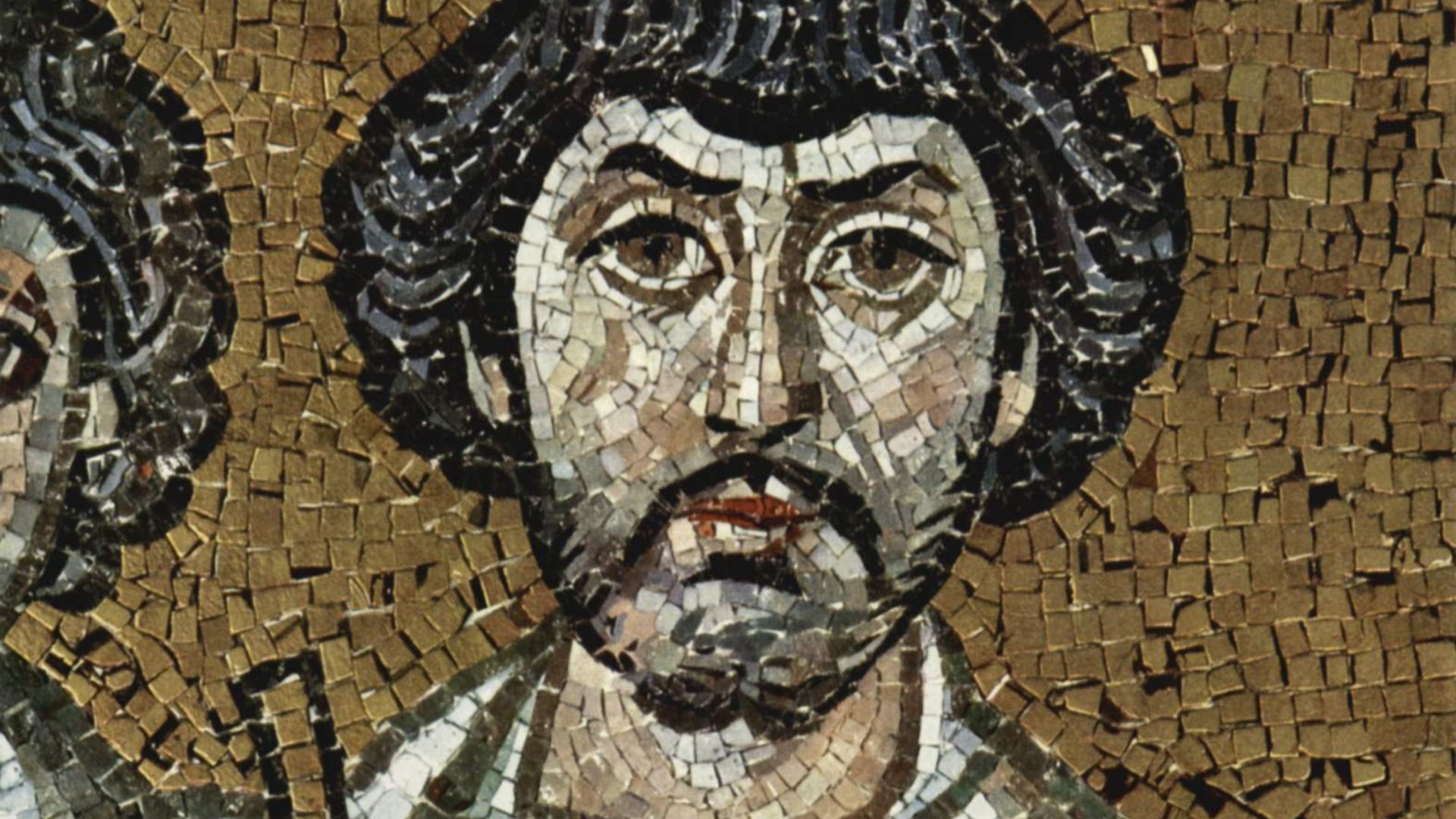
6. Belisarius
Belisarius didn’t rule an empire—he helped save and rebuild one. Serving under Justinian, he won major victories against the Persians, Vandals, and Ostrogoths, all with limited resources and under huge expectations. He had the kind of controlled talent that made enemies realize too late they were up against someone exceptional.
 Meister von San Vitale in Ravenna on Wikimedia
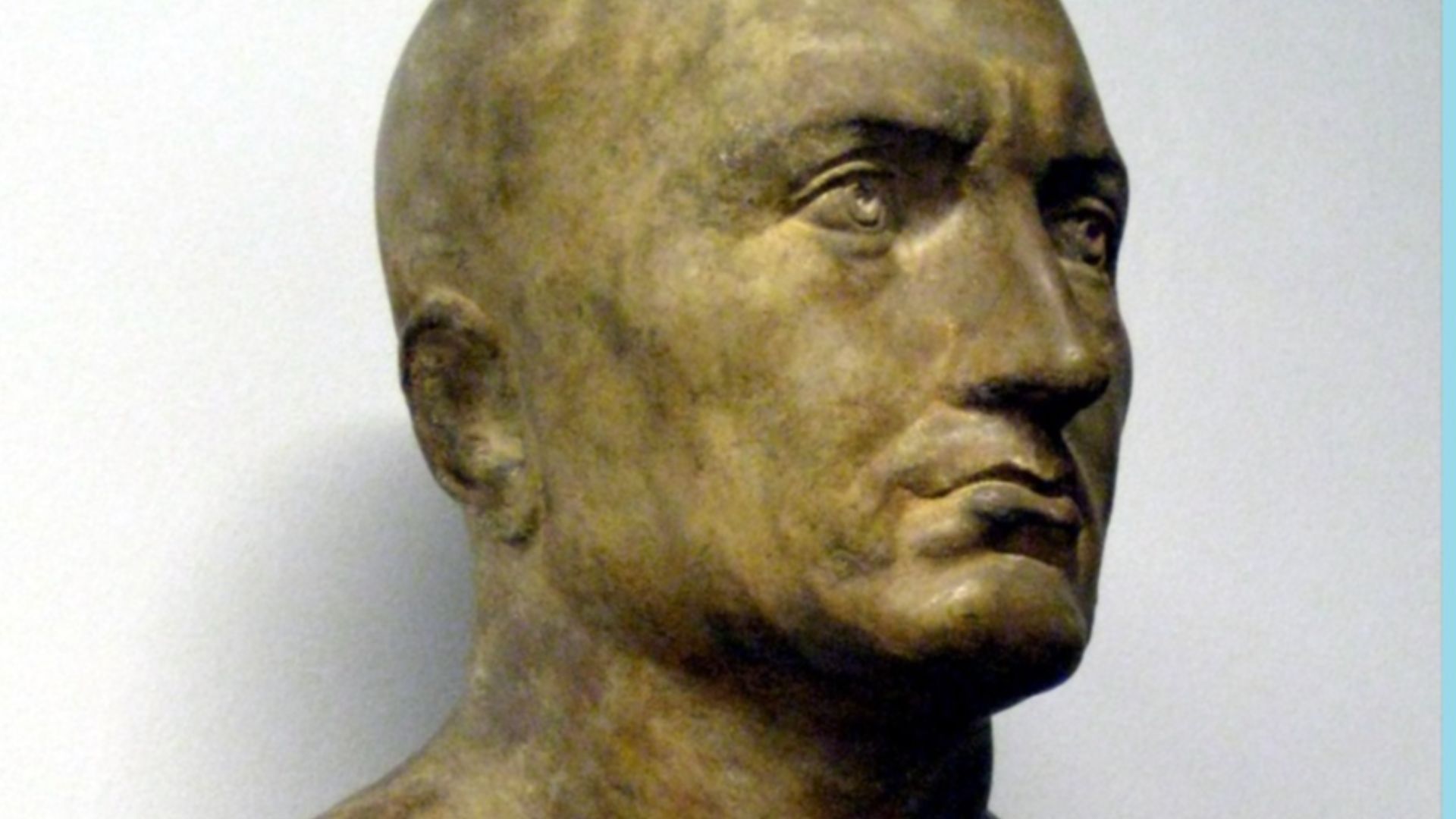
7. Scipio Africanus
Scipio Africanus had the unfortunate habit of making impossible military problems look solvable. In particular, his campaign against Carthage during the Second Punic War showed bold planning and enough confidence to take the war into enemy territory. Sure, Hannibal may get more dramatic attention, but Scipio was the one who finished what was started.
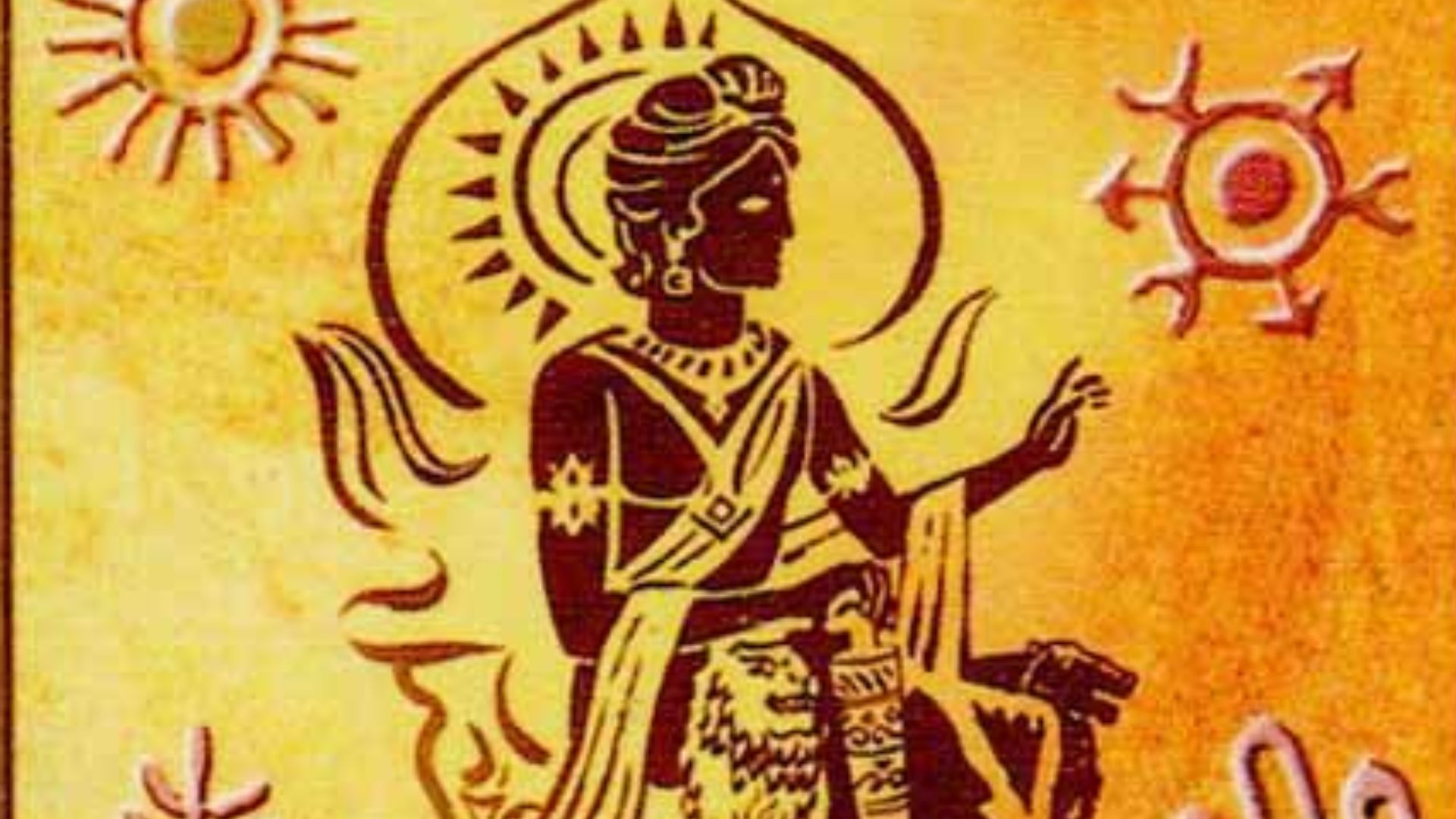
8. Chandragupta Maurya
Chandragupta Maurya rose from uncertain beginnings to found one of South Asia’s great empires. That alone is impressive enough, but he also built a political structure strong enough to outlast the chaos that usually follows conquest. He wasn’t simply aggressive; he understood that lasting power comes from organizing what you win.
9. Cyrus the Great
Cyrus the Great is often described with unusual respect for a conqueror, but that’s part of what made him so effective. He had military success, yes, but he also possessed a style of rule that won cooperation from conquered peoples, not rebellion. When someone knows how to take territory and keep it stable, you’re looking at a different level of danger.
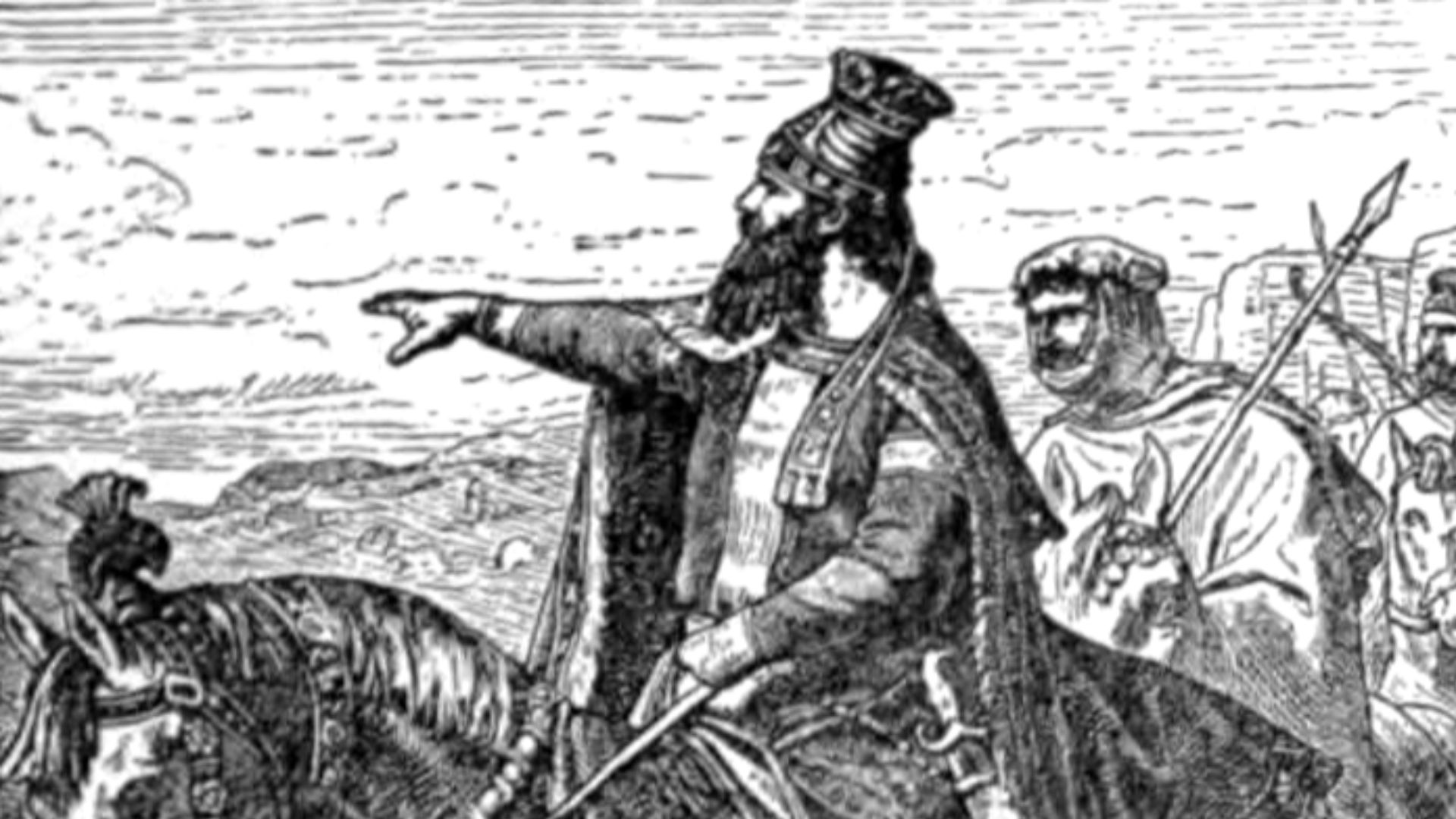 Charles Francis Horne Clarence Cook on Wikimedia
10. Leonidas I
Leonidas is always reduced to a symbol of courage, and that just hides skill. He chose a position at Thermopylae that let a smaller Greek force hold off a vastly larger Persian army for far longer than many thought possible. Even in defeat, he made himself strategically costly to oppose.
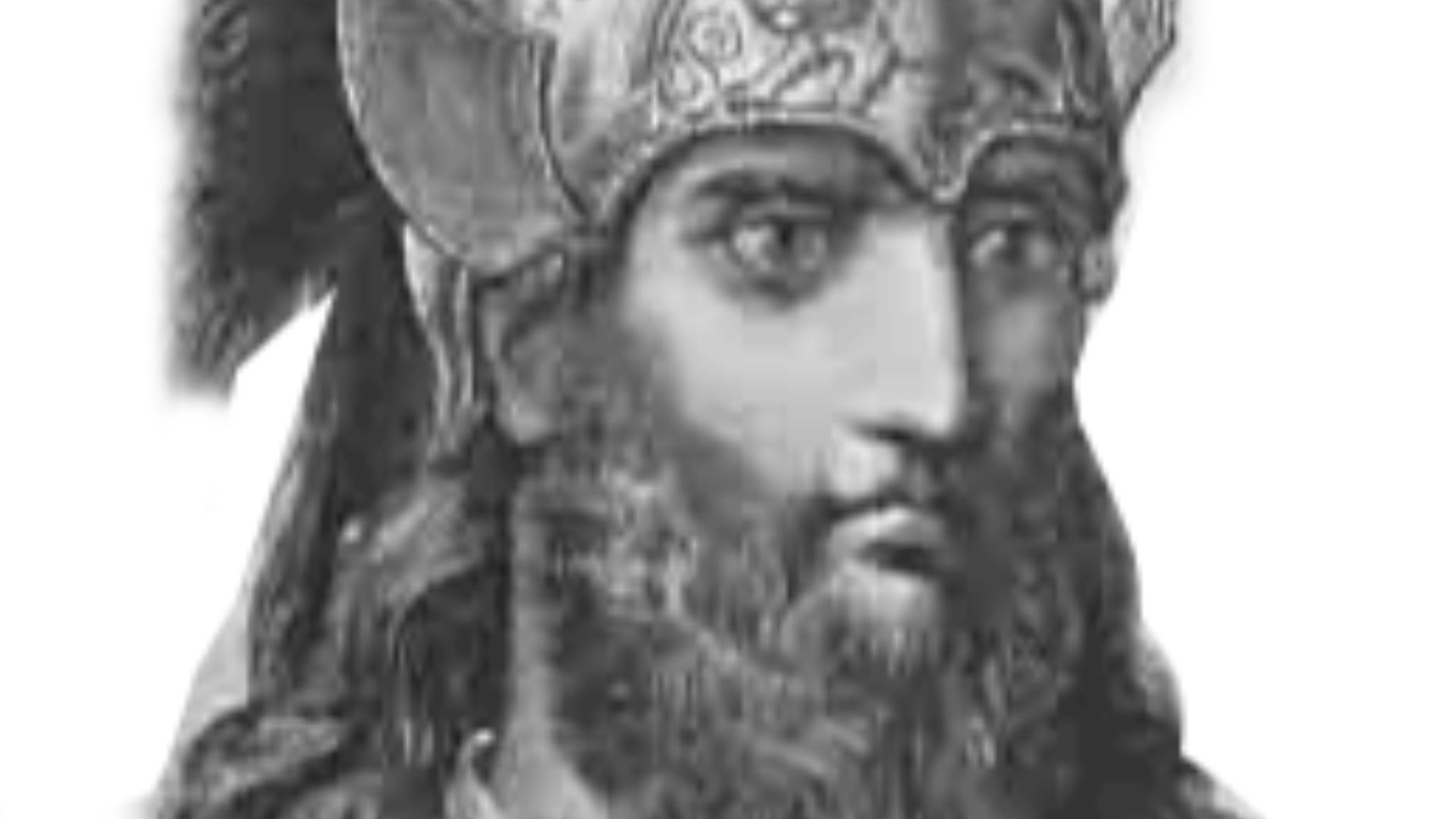
11. Gaiseric
Gaiseric doesn’t always get top billing, yet let’s not forget that he built the Vandals into a major Mediterranean power. He also understood naval strength, diplomatic timing, and the value of keeping stronger rivals off balance. The more you learn about him, the more you realize that Rome learned a hard lesson: a leader doesn’t have to look grand to become a threat.
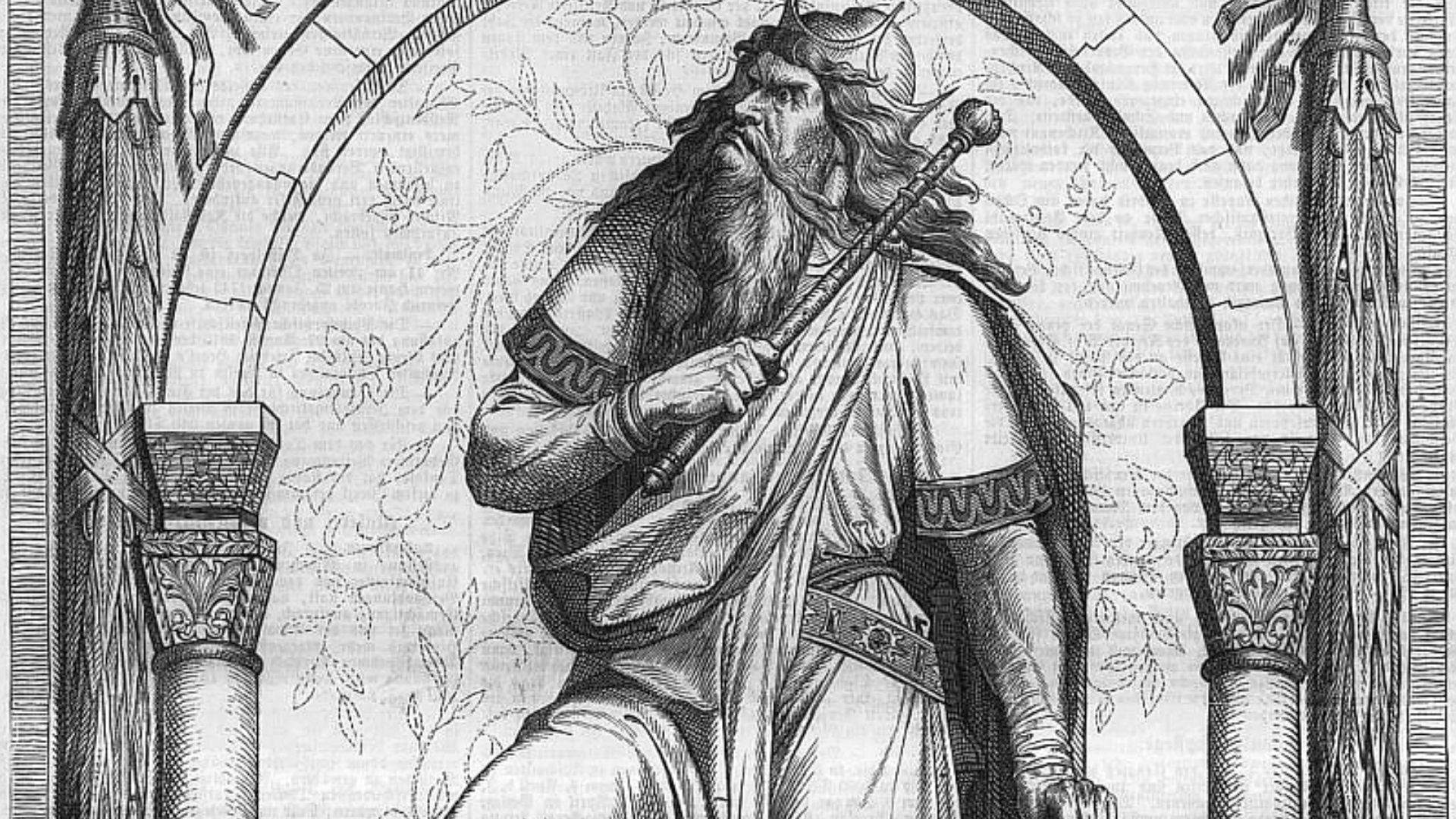
12. Richard the Lionheart
Richard I is so famous that people forget why fame stuck in the first place. He was a highly capable battlefield commander whose presence altered morale, planning, and pace in the middle of a campaign. Even when his reign in England was limited in practical terms, his martial reputation was well-earned.
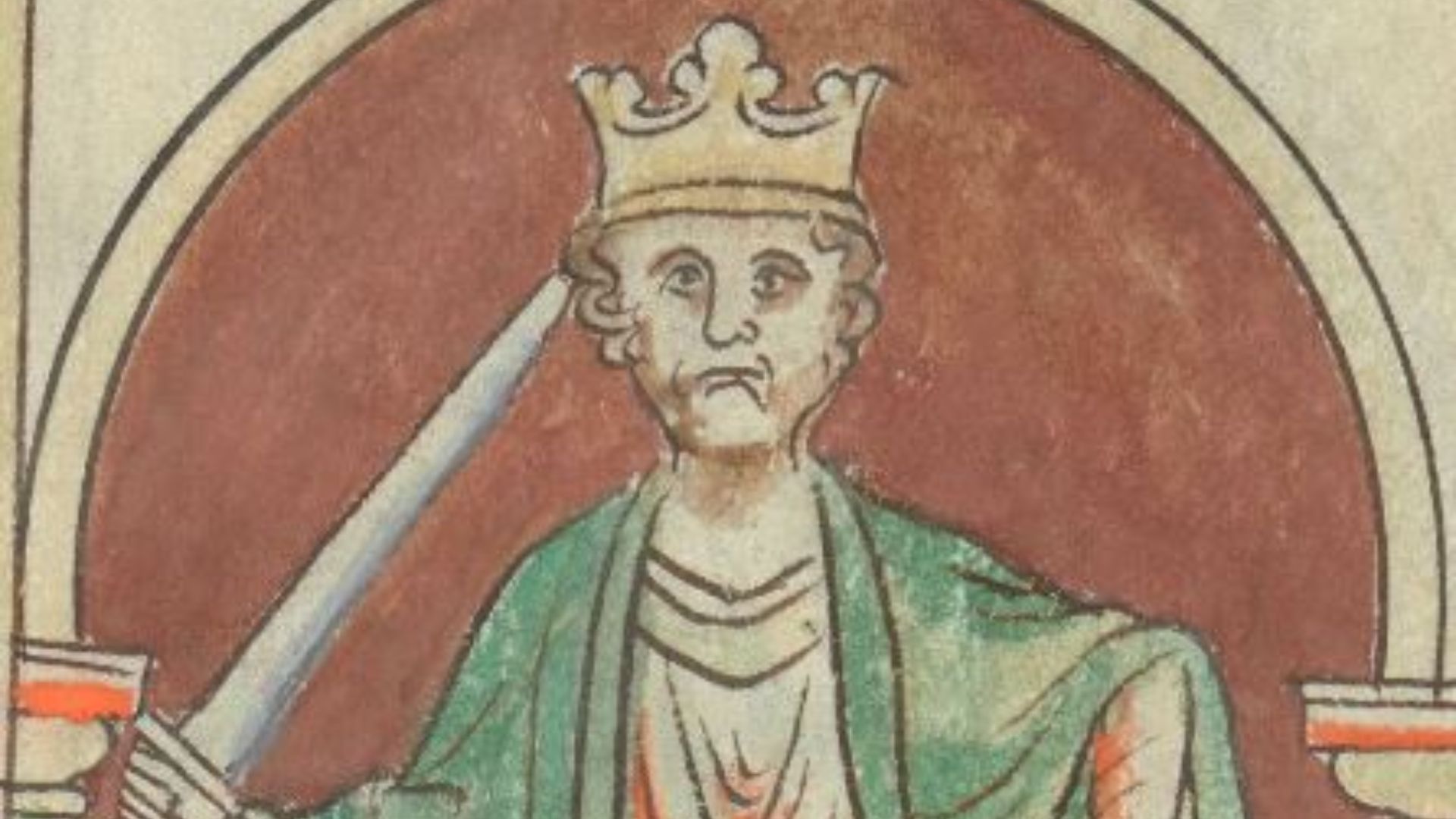
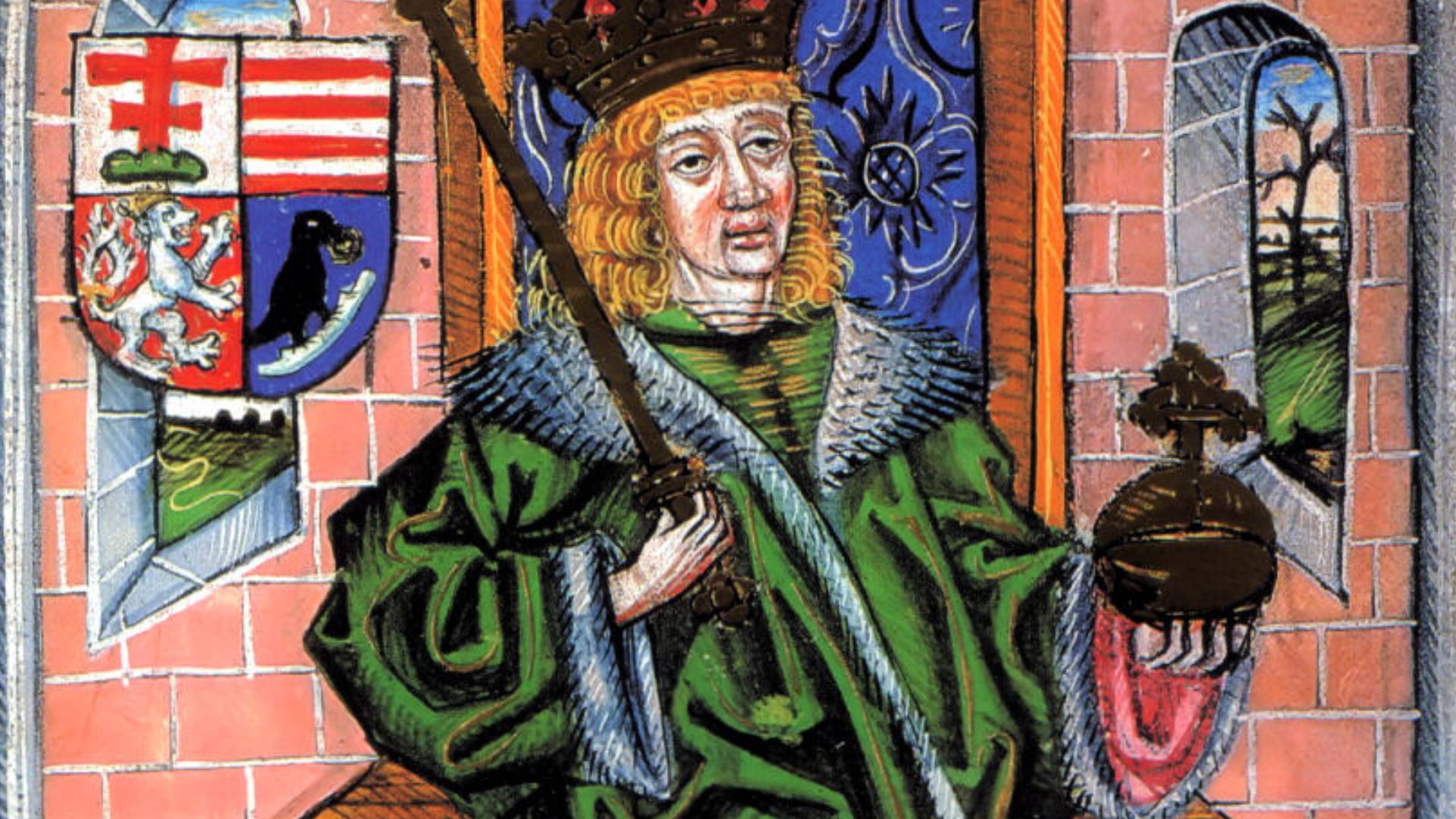
13. Matthias Corvinus
Matthias Corvinus of Hungary had a very unsentimental approach to power. He reformed the administration. He strengthened royal authority and built one of the most effective standing armies in Europe, the Black Army. He had a lethal combination of culture and hard-edged statecraft that made him more intimidating than court image might suggest.
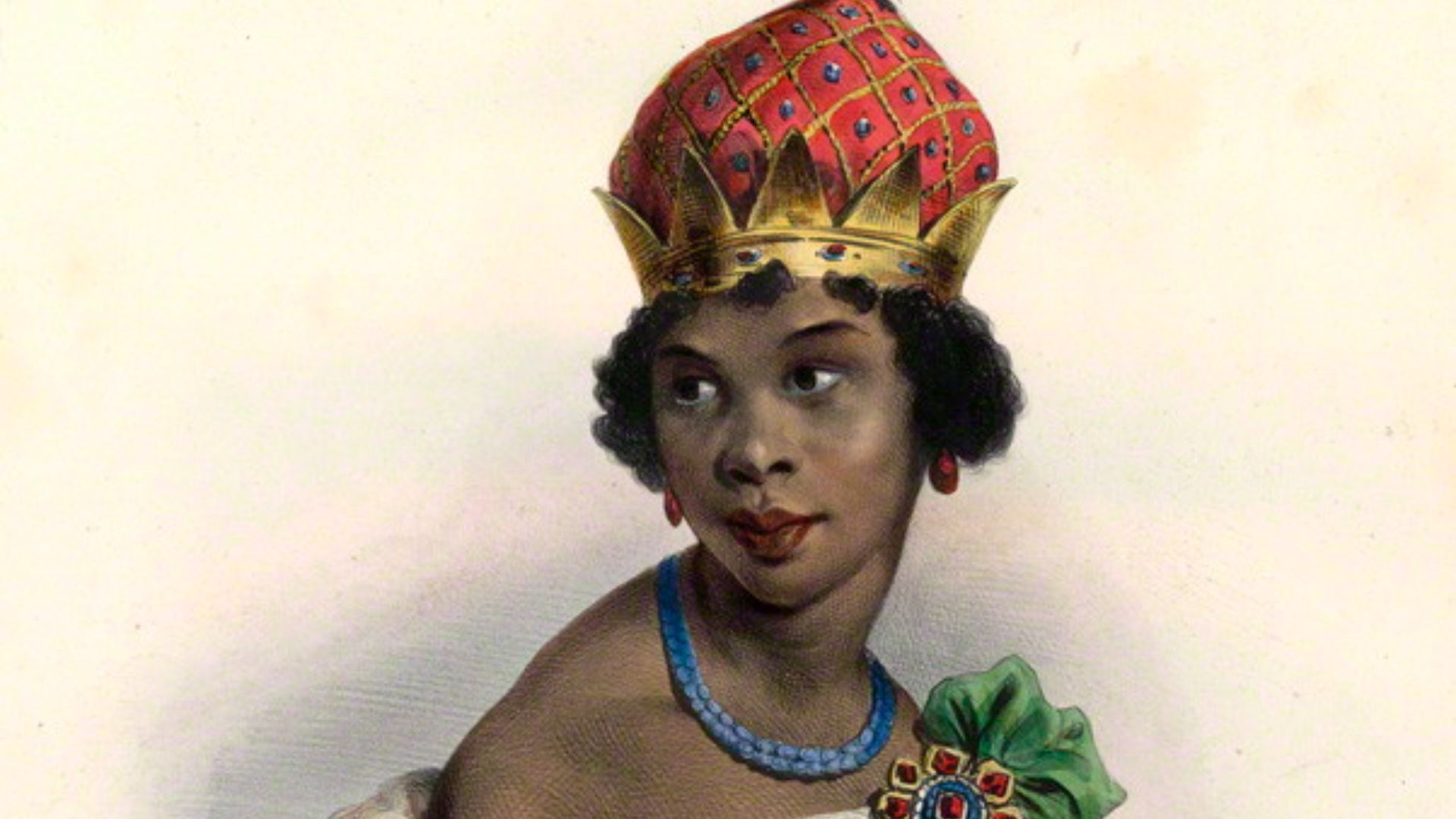
14. Queen Nzinga
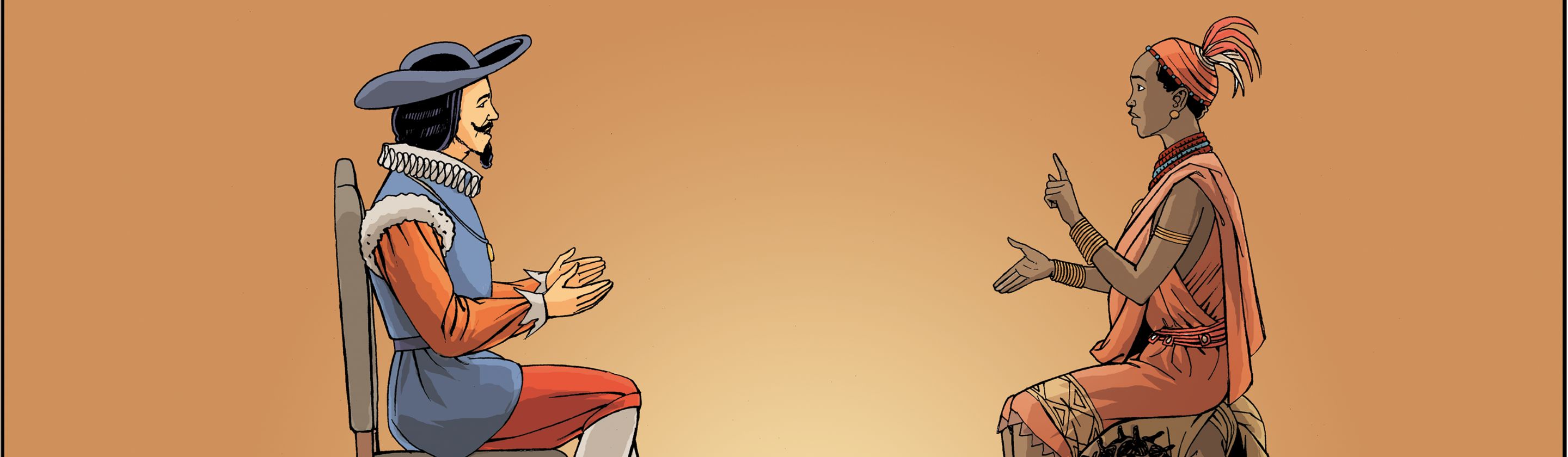
Queen Nzinga is usually introduced through diplomacy first, but that only tells half the story. She negotiated, she formed alliances, and she led resistance against Portuguese expansion—all with remarkable persistence. Anyone who acts like she’s merely symbolic misses how she shaped the political struggle around her.
15. Alfred the Great
Alfred the Great is remembered for a lot of positive traits: thoughtful, learned, and deeply engaged with law and education. But he was also a ruler who reorganized defense and created a stronger response to Viking attacks after early setbacks. He wasn’t just book smart; he had the kind of intelligence that turned survival into leverage.
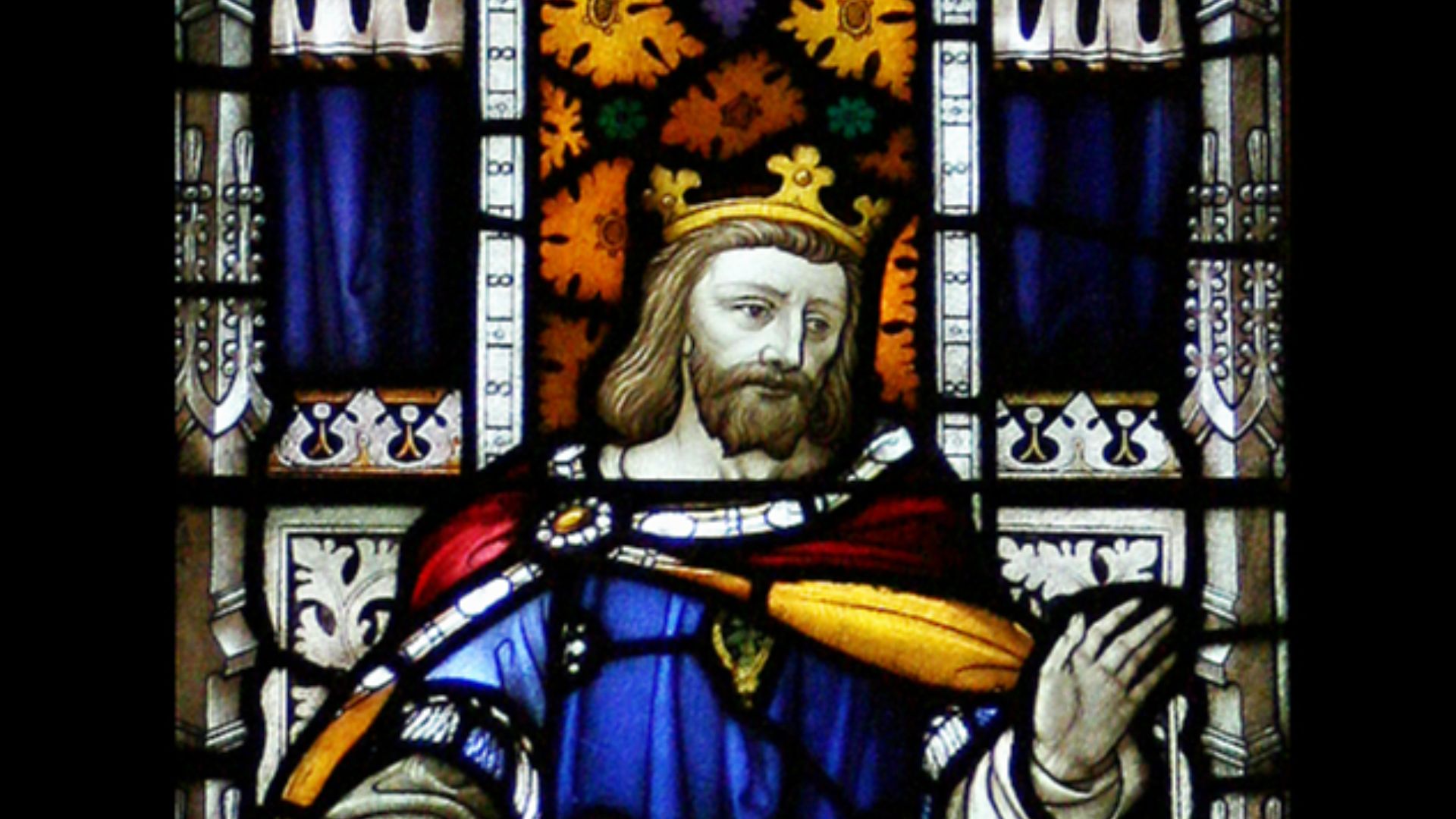 Window: Clayton & Bell 1903; Photo: Wojciech Dittwald on Wikimedia
16. Jan III Sobieski
Jan III Sobieski may have had a royal title, but his reputation was built on action over ceremony. His leadership at the Battle of Vienna in 1683 helped break the Ottoman siege and made him one of Europe’s most respected military commanders. He somehow had a talent for arriving at exactly the moment an enemy least wanted—or expected—him.
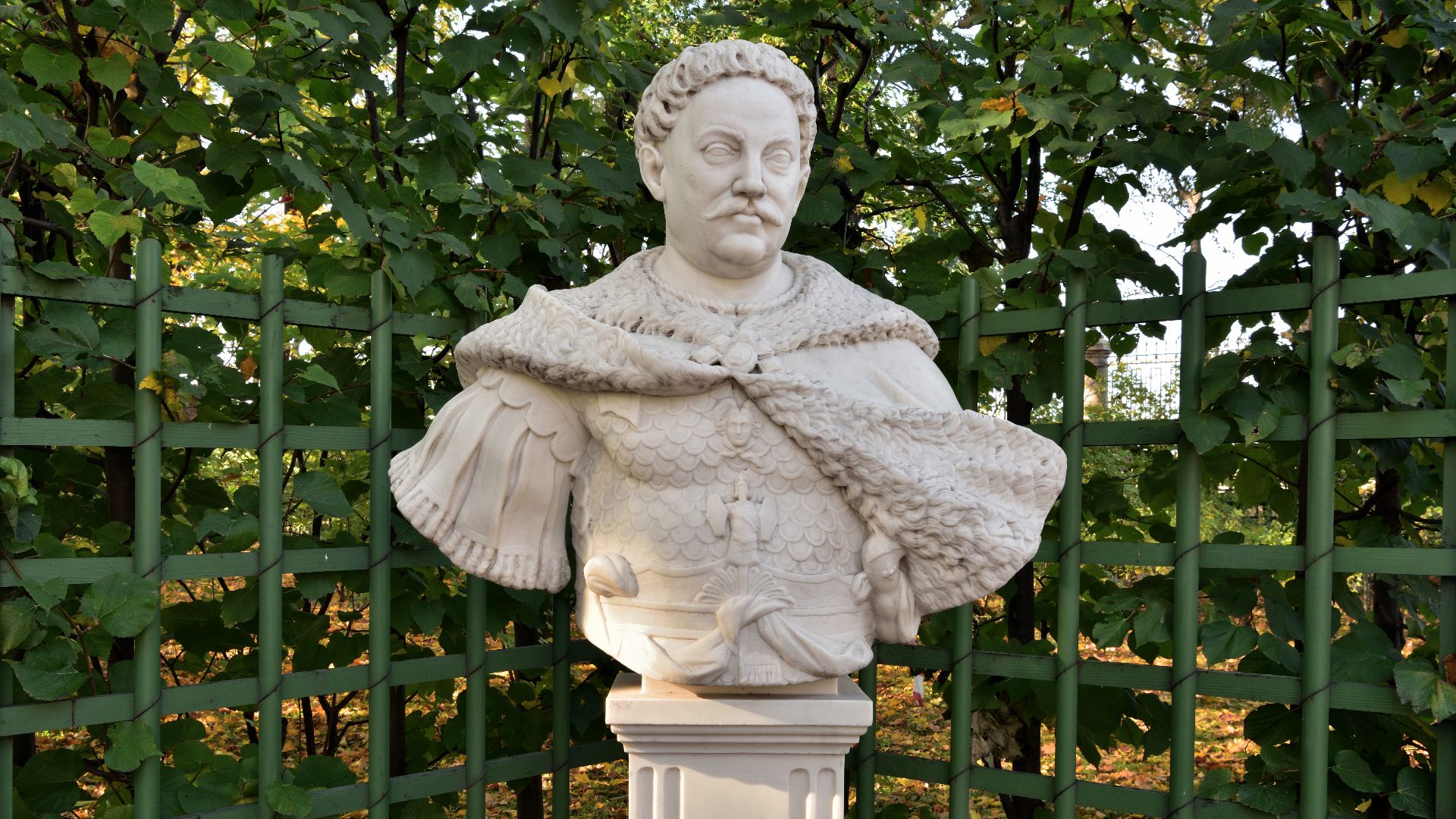 Александр Байдуков on Wikimedia
17. Thutmose III
Thutmose III can seem overshadowed by the grandeur of Egyptian kingship itself, but don’t fall into the trap. He conducted numerous campaigns and expanded Egypt’s influence so effectively that historians actually describe him as one of the empire’s greatest military pharaohs. Underestimate him, and you’re just ignoring a dominant ruler.
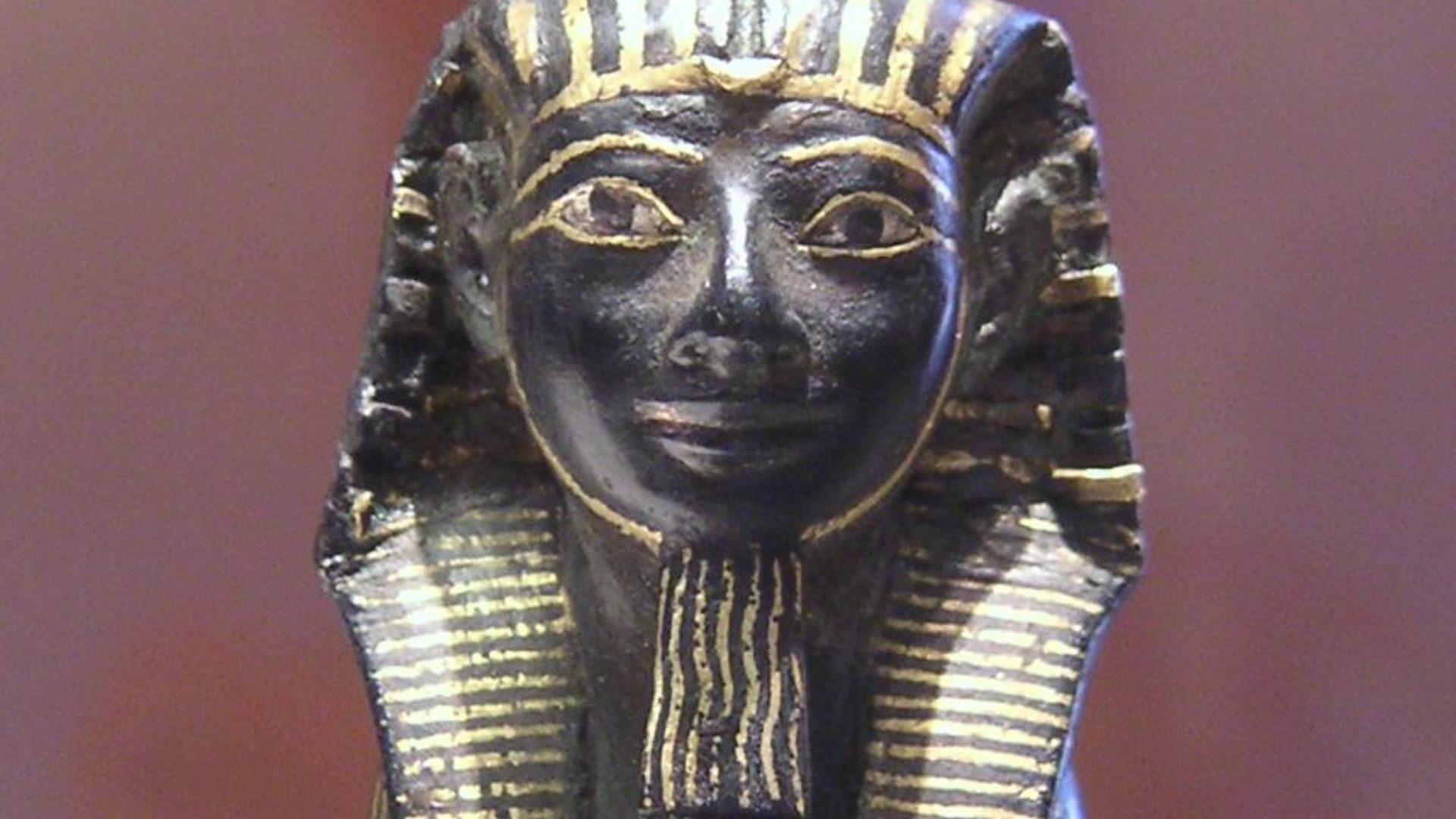 Neithsabes (travail personnel / Minolta DiMAGE Xt) on Wikimedia
18. Gustavus Adolphus
Gustavus Adolphus of Sweden modernized aspects of military organization and played a major role in the Thirty Years’ War, mainly thanks to his speed, discipline, and tactical innovation. Make no mistake, he wasn’t dangerous because he was flashy; he made effectiveness look orderly.
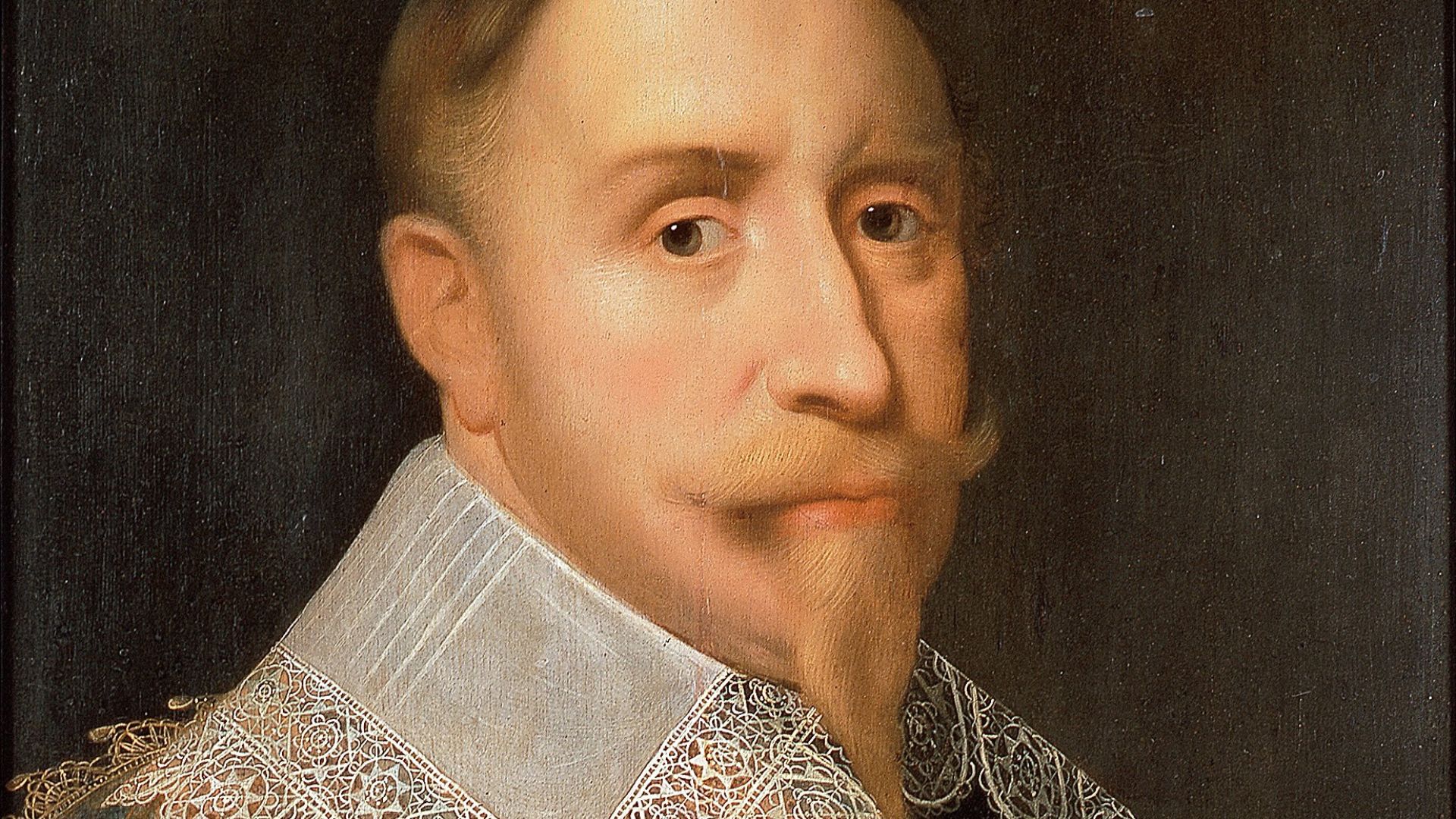 Presumably Jacob Hoefnagel on Wikimedia
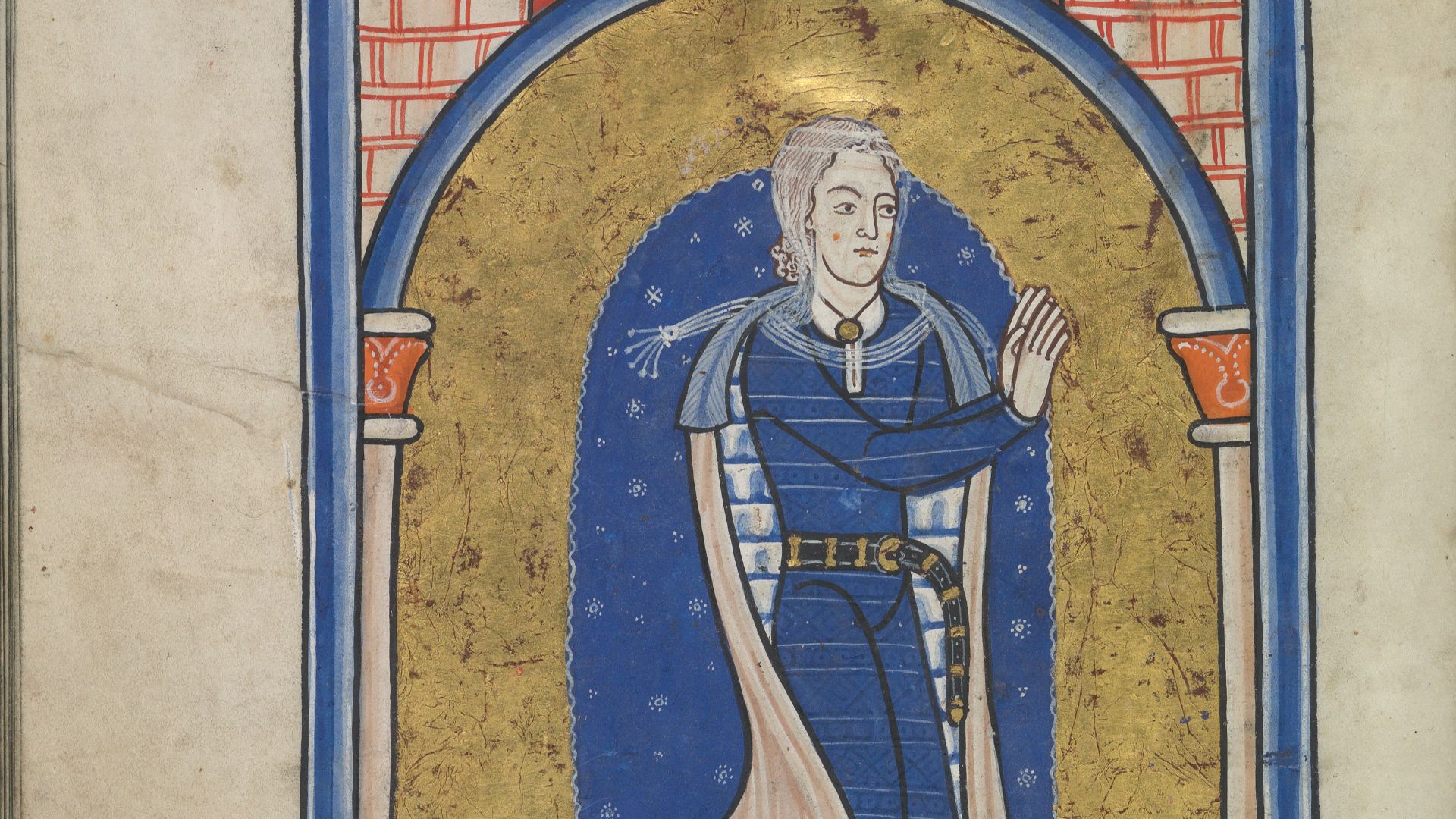
19. Eleanor of Aquitaine
Eleanor of Aquitaine is far more than marriage and family connections. She was a major political actor in her own right, wielding influence across France and England and shaping dynastic power over decades. It’s unsurprising, really; you don’t remain that central in medieval politics unless you know how to survive.
20. Suleiman the Magnificent
With a name like that, Suleiman is often remembered for splendor, which only whittles down the nature of his character. In reality, he presided over military expansion and state power at a scale that made the Ottoman Empire one of the most formidable forces of the 16th century. He was a ruler who strengthened both the sword and the law, and more scholars are recognizing that.
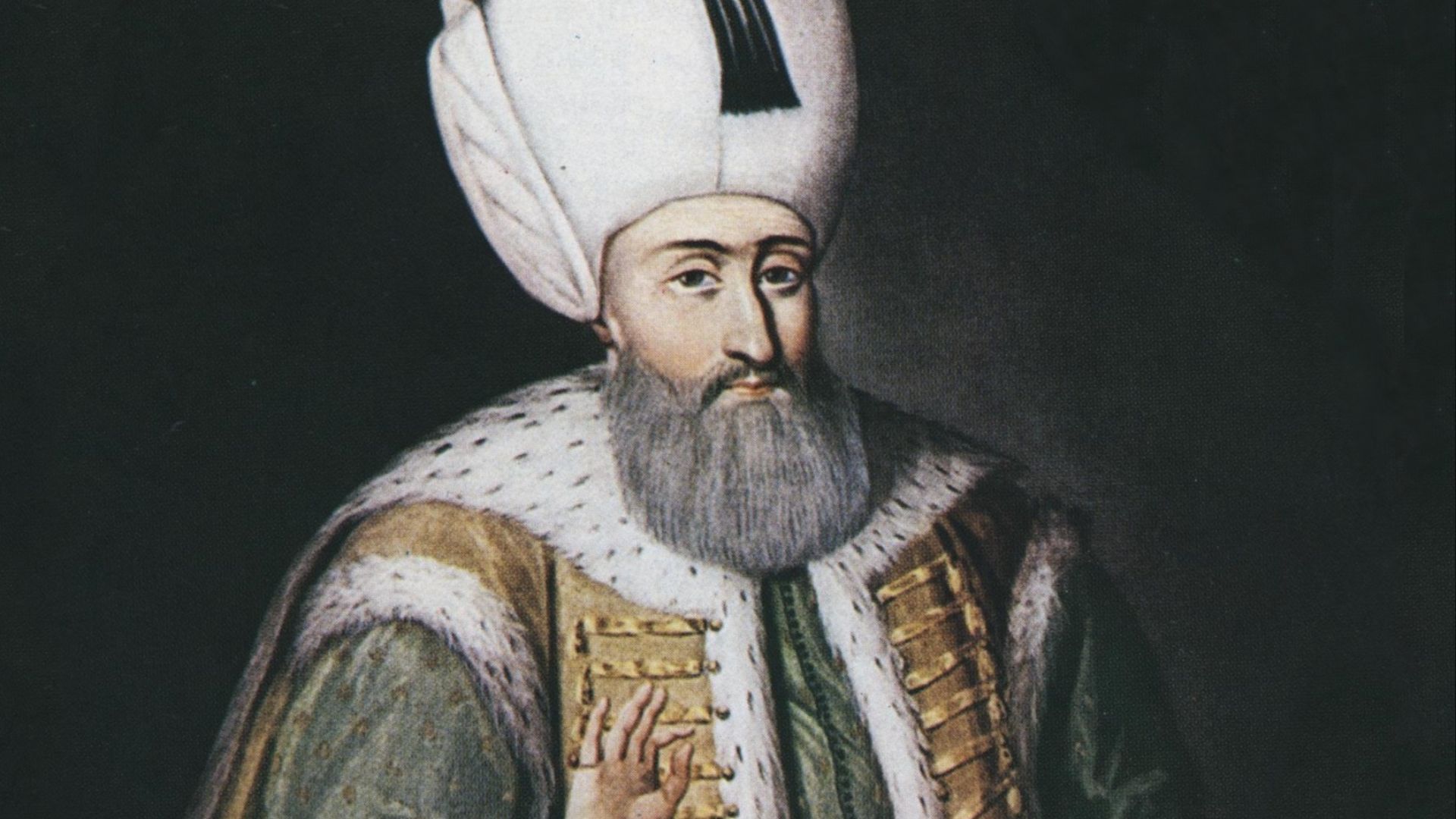 Konstantin Kapıdağlı on Wikimedia