

When Chance Altered the Course of History
History often feels like a series of carefully planned events, but luck has played a surprising role in shaping the world we know today. Small, unexpected moments have influenced wars, discoveries, and leadership decisions in ways no one could have predicted. These incidents remind you that even the most significant outcomes can hinge on chance. Here are 20 times history shifted because of pure luck.
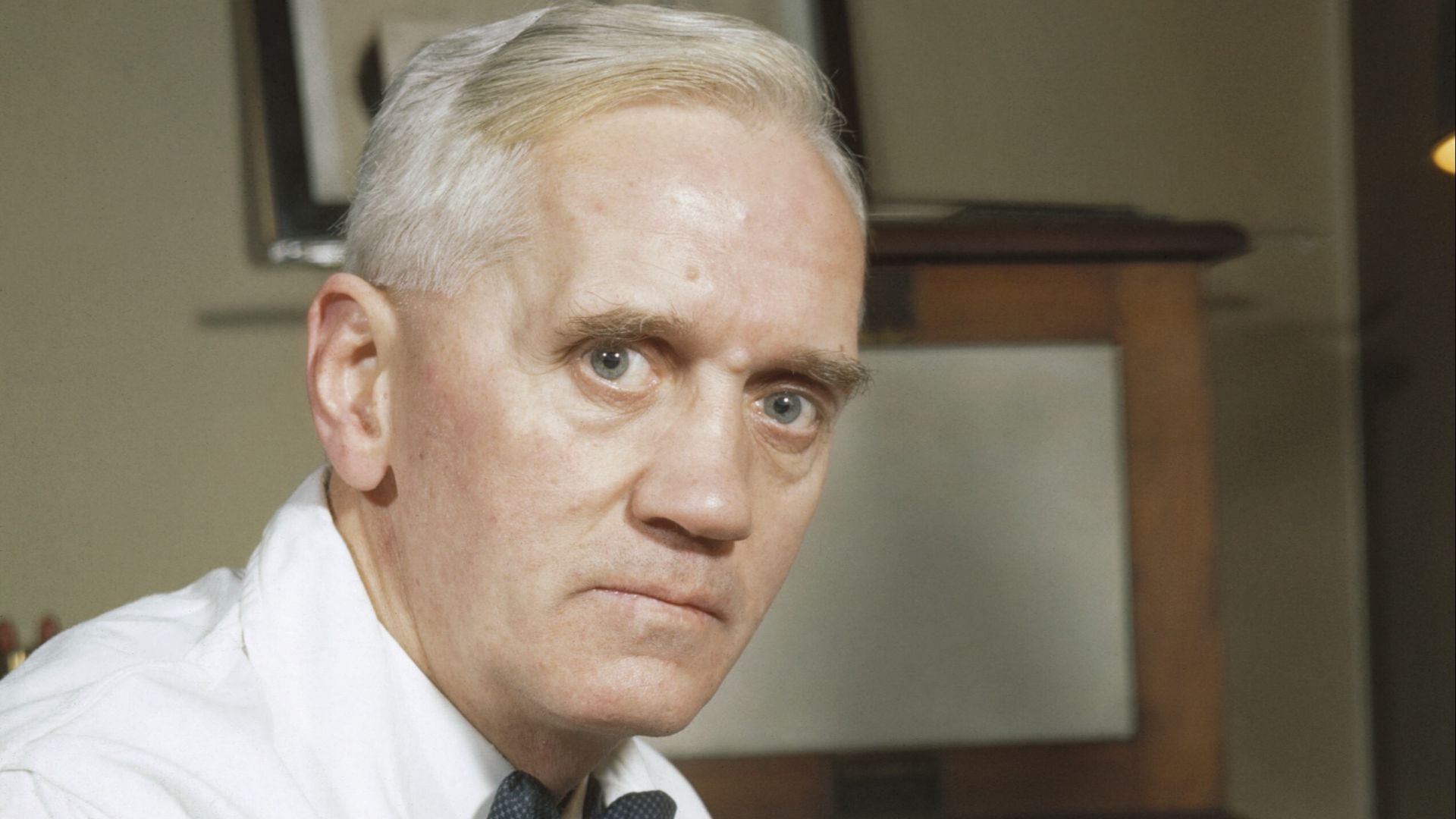 Official photographer on Wikimedia
1. The Fog at the Battle of Long Island
During the American Revolutionary War in 1776, George Washington’s army was nearly trapped by British forces. A thick fog unexpectedly rolled in overnight, hiding their movements. This allowed the Continental Army to quietly retreat across the East River. Without that fog, the war might have ended much sooner.
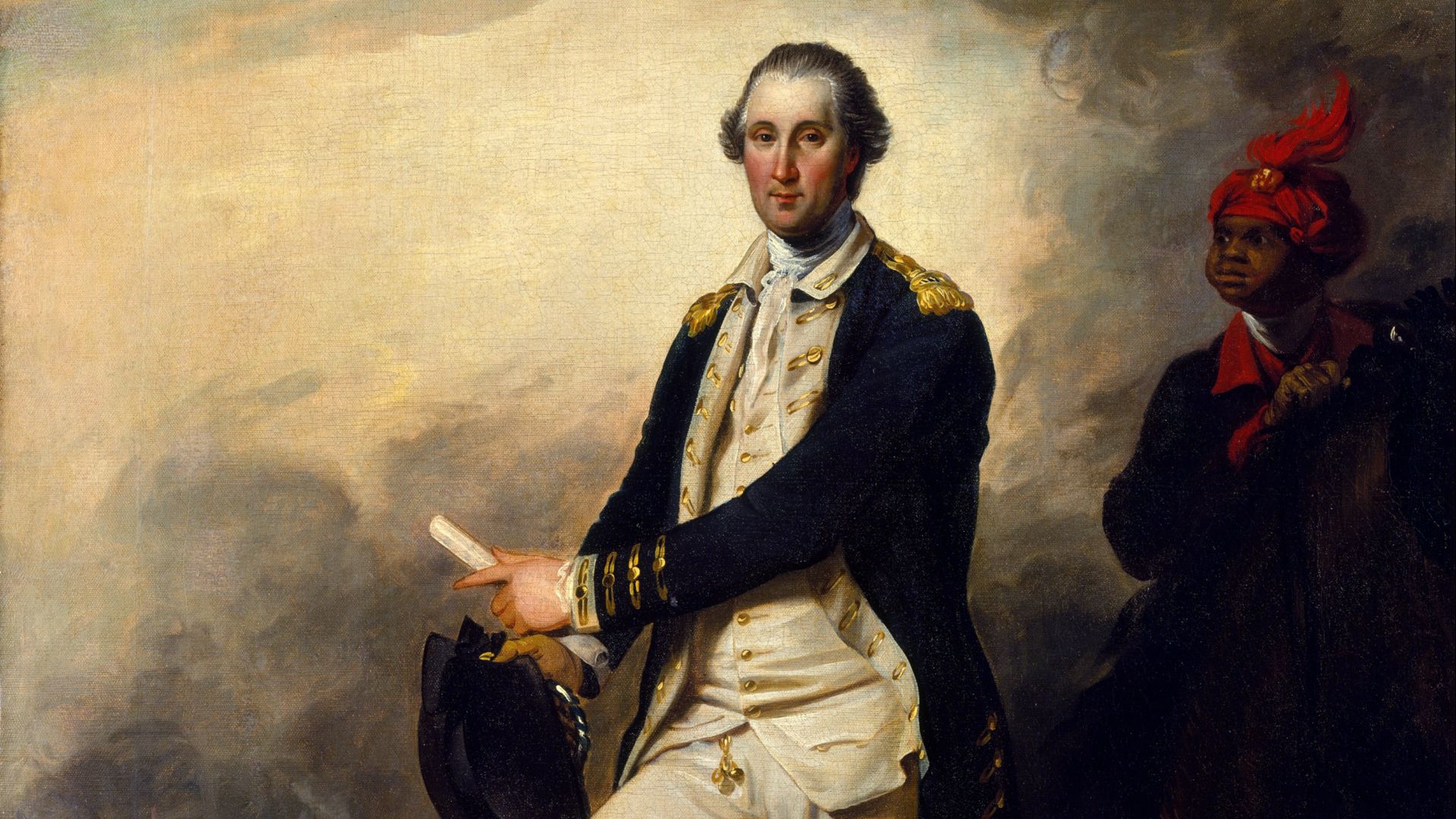
2. Alexander Fleming’s Mold Discovery
In 1928, Alexander Fleming returned from vacation to find mold growing on a petri dish he had left behind. Instead of discarding it, he noticed the mold had killed surrounding bacteria. This accidental observation led to the discovery of penicillin. It became one of the most important antibiotics in medical history.
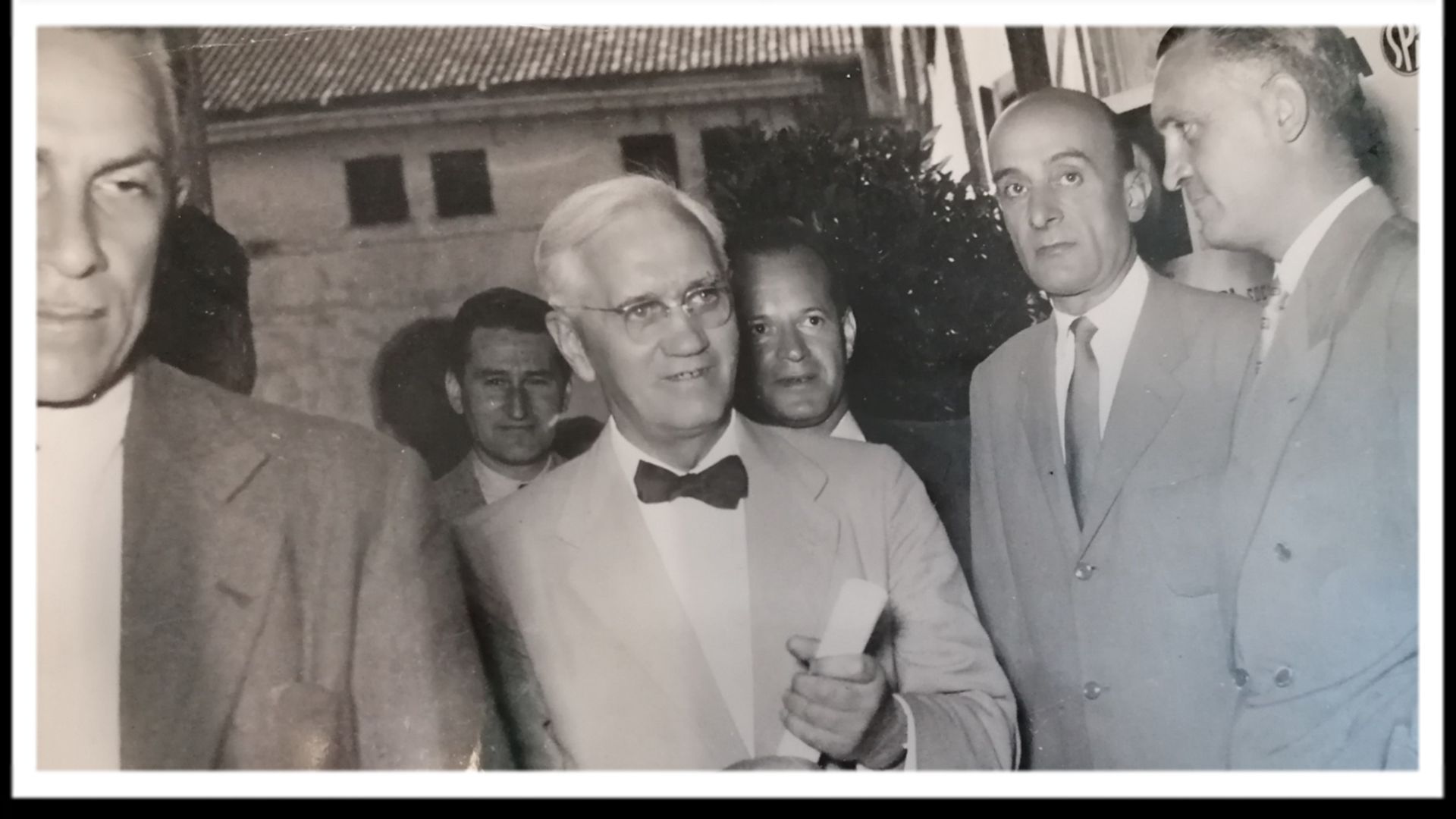 Unknown authorUnknown author on Wikimedia
3. The Wrong Turn That Led to America
Christopher Columbus set out in 1492, aiming to reach Asia by sailing west. Instead, he encountered the Americas due to a miscalculation of Earth’s size. Although not the intended destination, this journey connected continents in a lasting way. It marked the beginning of sustained contact between Europe and the Americas.
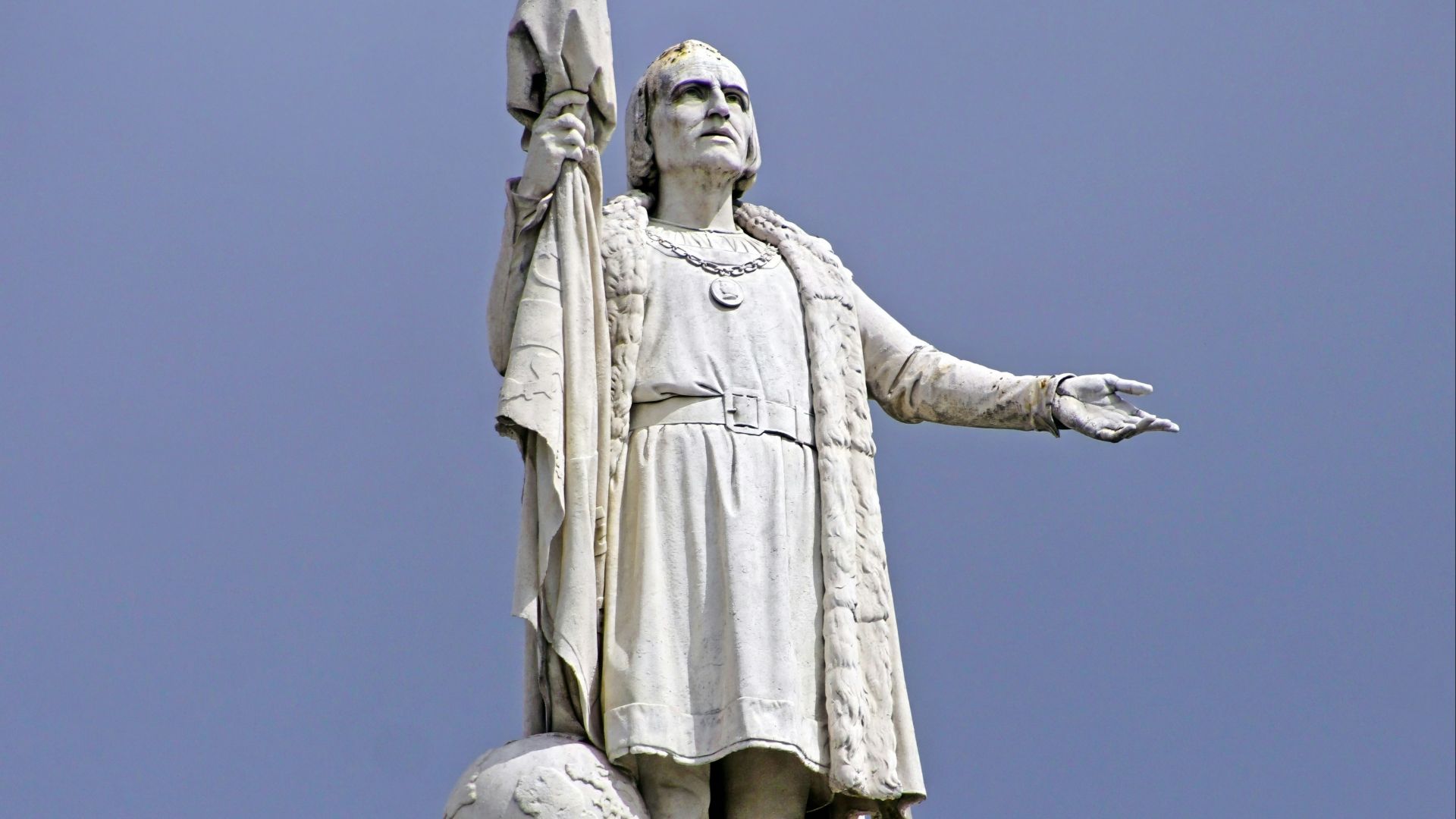
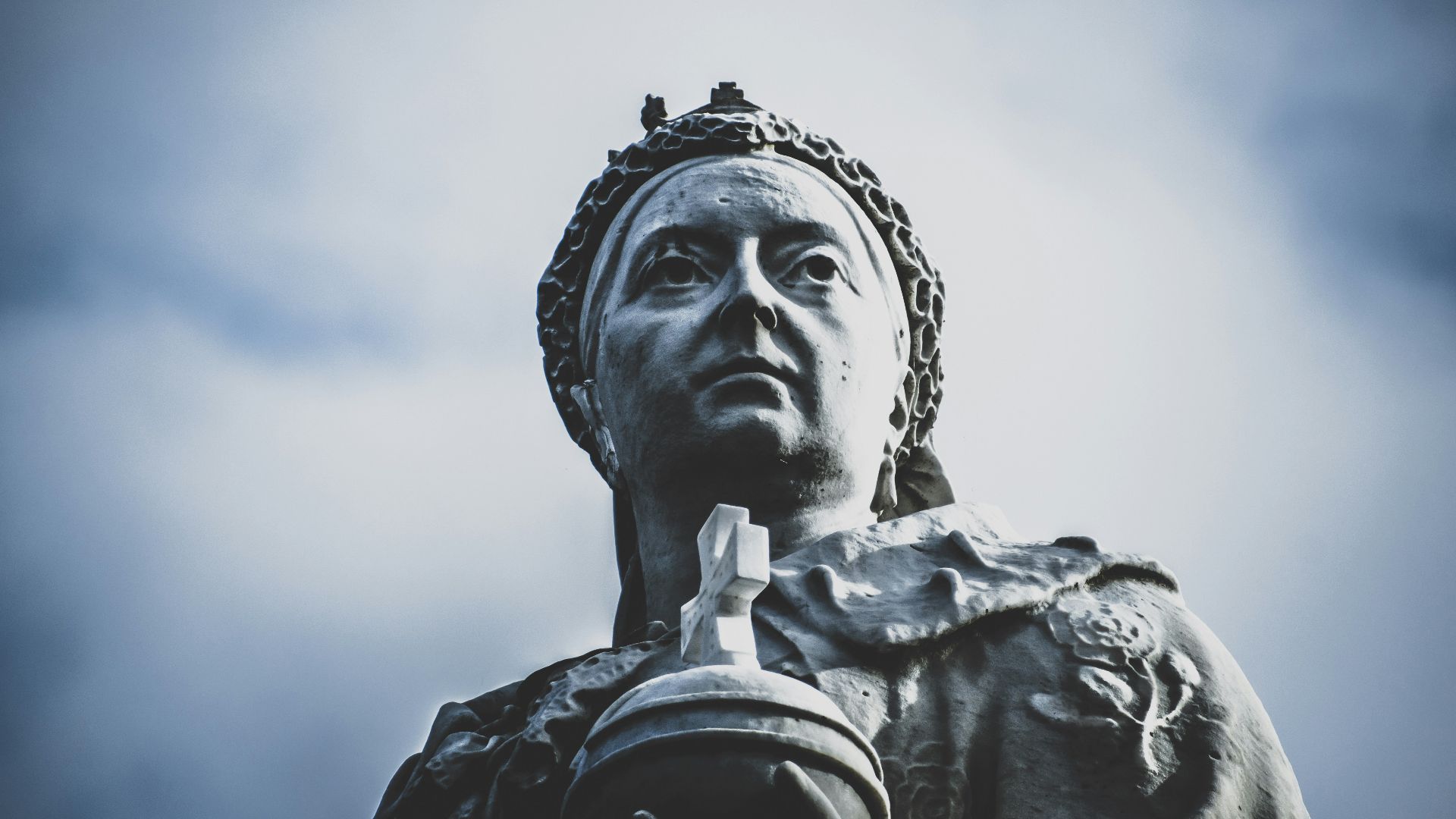
4. A Sandwich That Saved Queen Victoria
In 1840, Queen Victoria survived an assassination attempt when a gun fired at her failed to discharge properly. The weapon misfired due to faulty loading. This mechanical failure likely saved her life. The incident led to increased security measures around the monarchy.
5. The Lucky Delay of D-Day Weather
The Allied invasion of Normandy in 1944 depended heavily on weather conditions. A brief improvement in the weather gave Allied forces a narrow window to proceed. German commanders believed the stormy conditions meant no attack would happen. This misjudgment contributed to the success of the invasion.
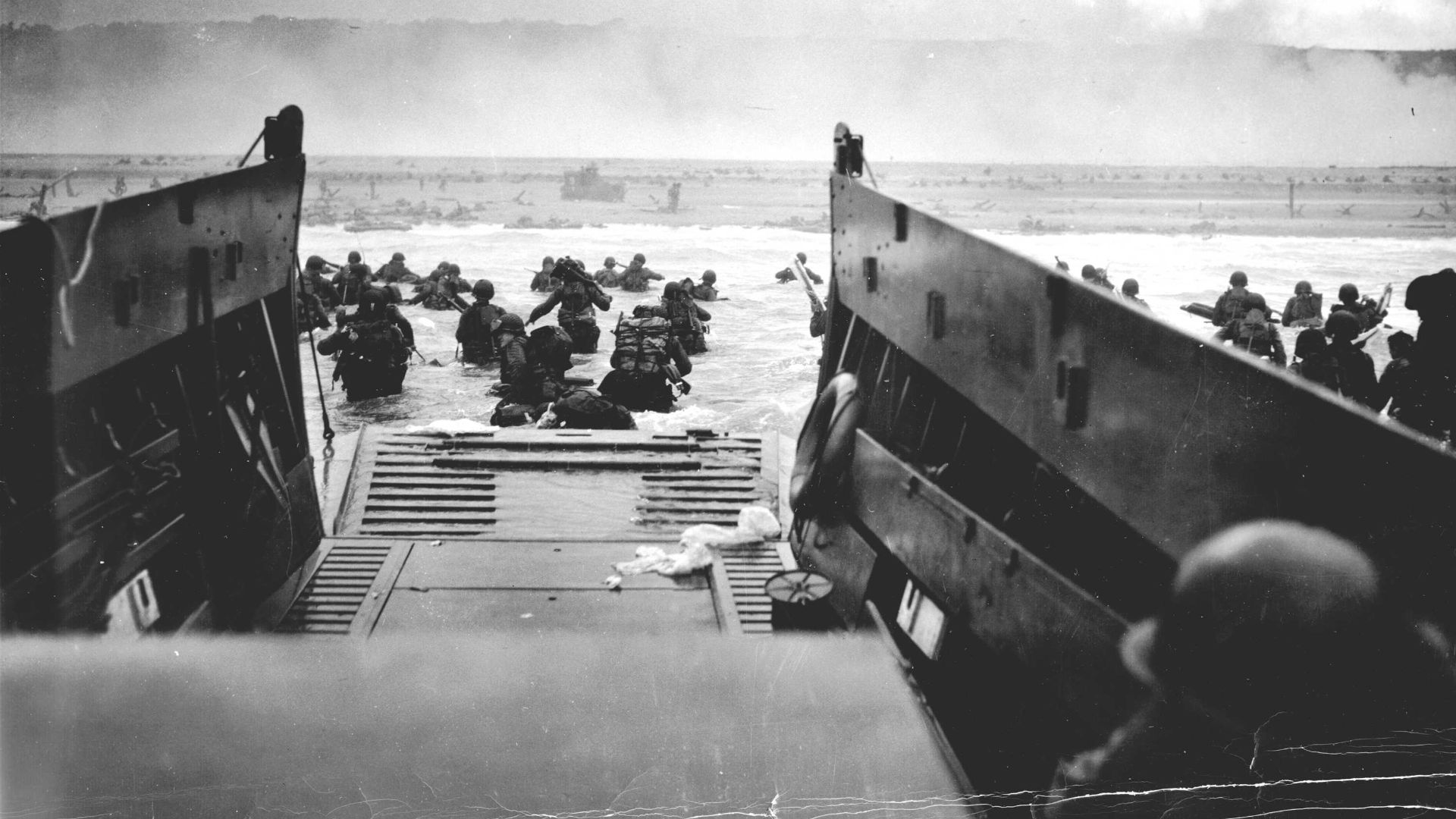 Chief Photographer's Mate (CPHOM) Robert F. Sargent, U.S. Coast Guard on Wikimedia
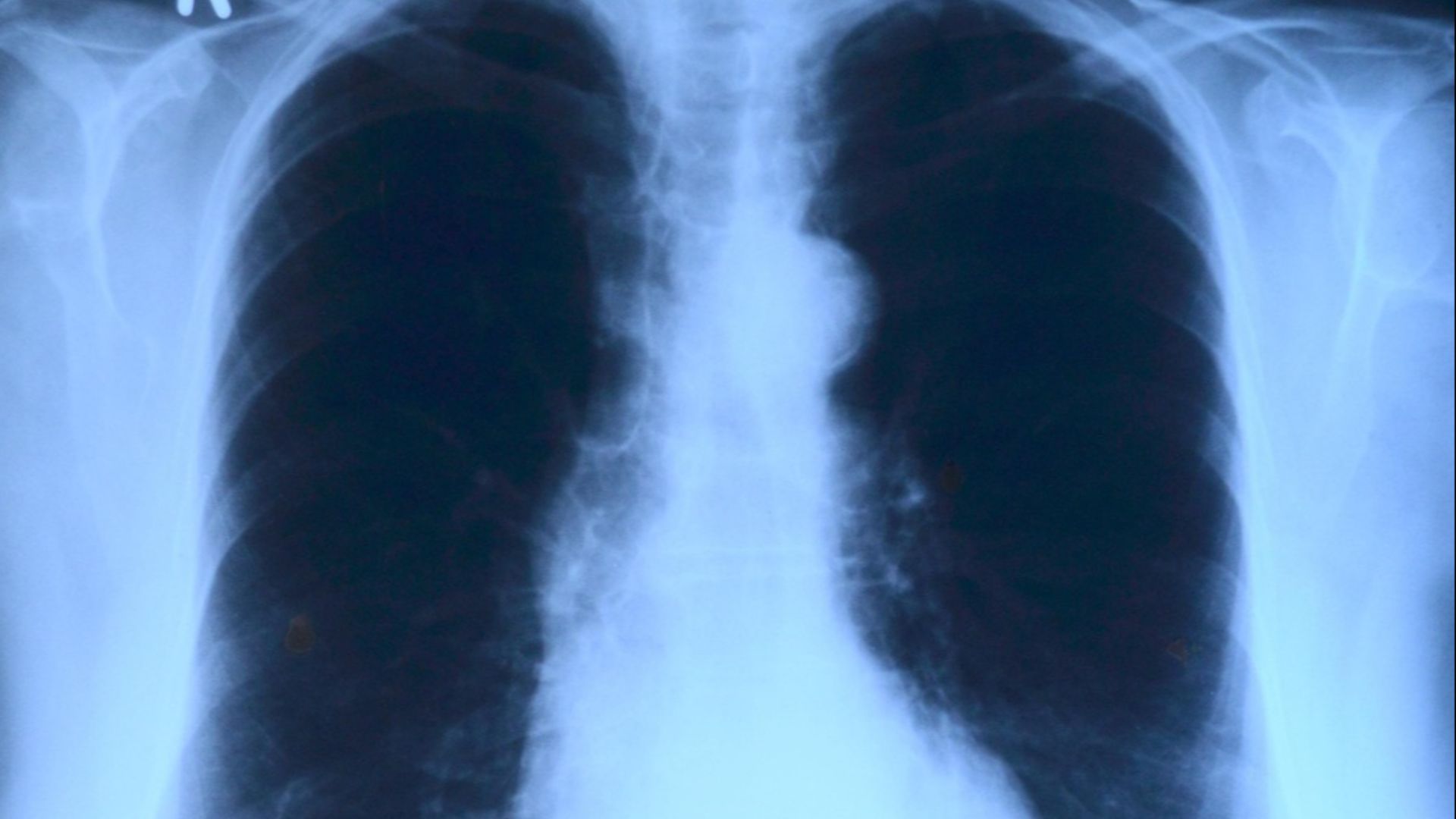
6. The Discovery of X-Rays
Wilhelm Conrad Röntgen discovered X-rays in 1895 while experimenting with cathode rays. He noticed a fluorescent glow from a nearby screen without intending to create medical imaging. Curious, he investigated further and identified a new form of radiation. This accidental finding revolutionized diagnostics.
7. The Survival of Theodore Roosevelt
In 1912, Theodore Roosevelt was shot during a campaign speech. The bullet was slowed by a folded speech and a glasses case in his pocket. This reduced the severity of the injury significantly. He even continued speaking before seeking medical attention.
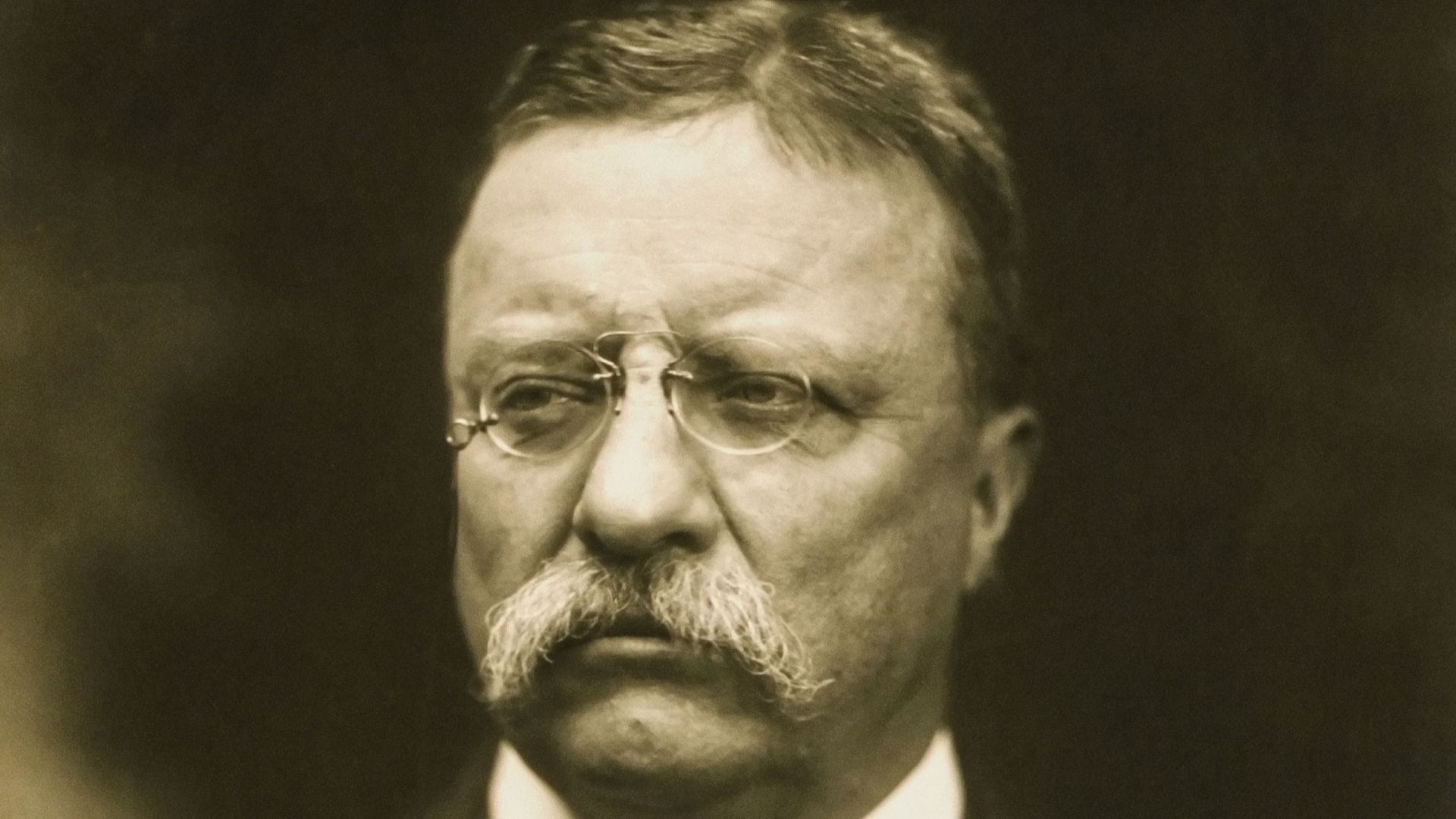 Pach Brothers (photography studio) on Wikimedia
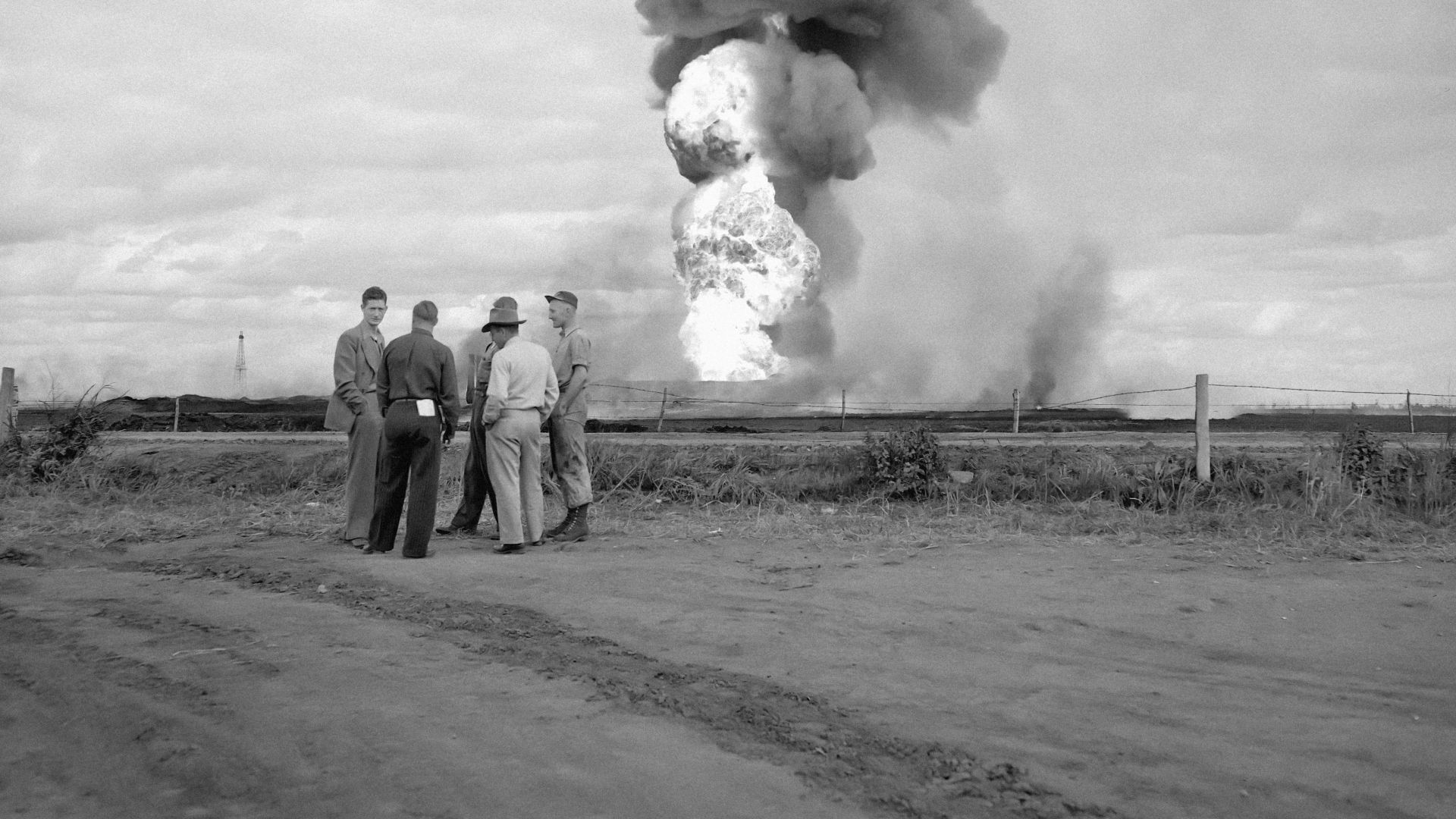
8. The Near Miss of the Cuban Missile Crisis
In 1962, during the Cuban Missile Crisis, a Soviet submarine officer refused to authorize a nuclear torpedo launch. Communication failures had made the crew believe war might have already started.
 Provincial Archives of Alberta on Unsplash
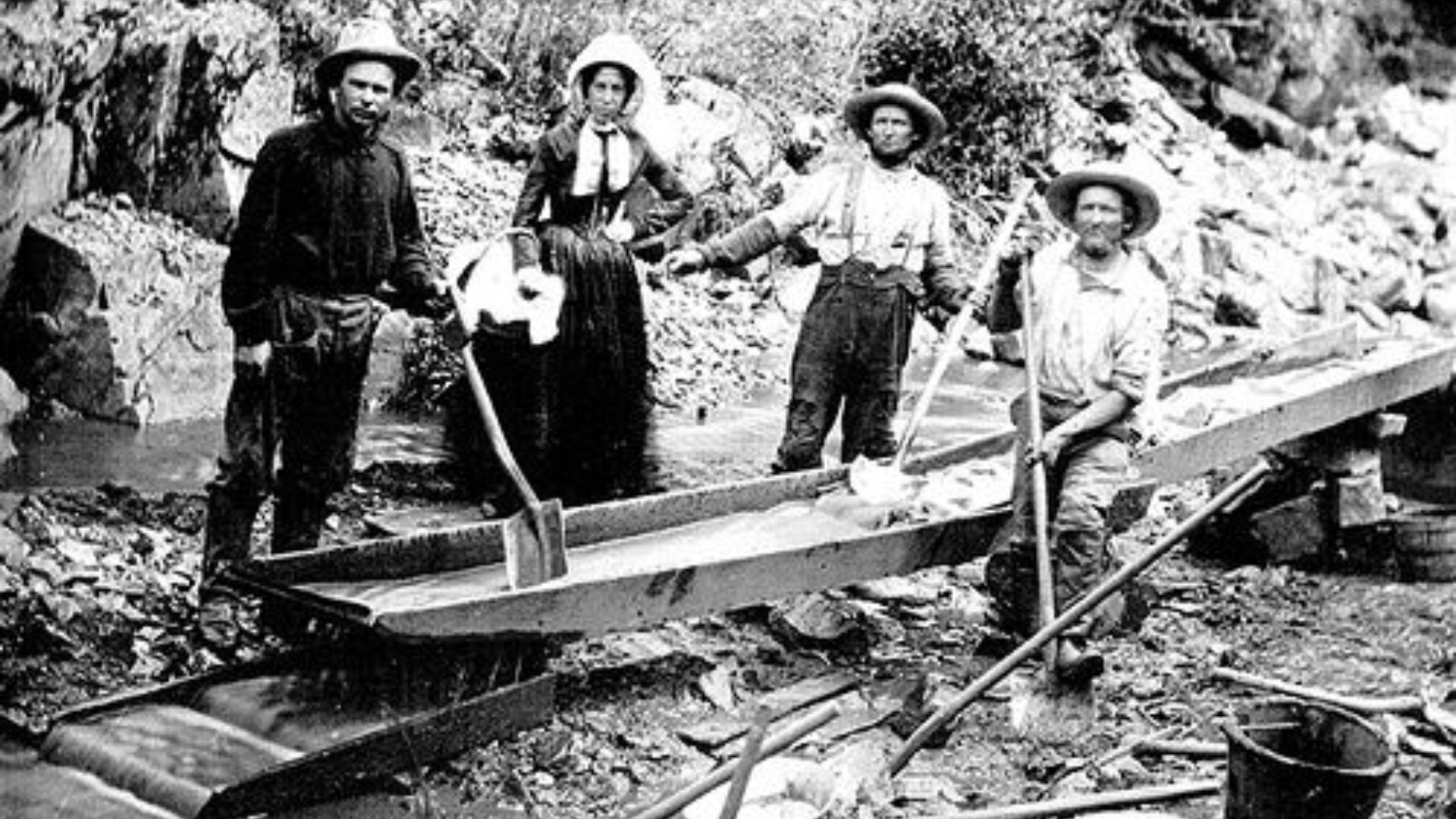
9. The Gold Rush Sparked by Chance
In 1848, gold was discovered at Sutter’s Mill in California by James Marshall while building a sawmill. The discovery was accidental and quickly spread by word of mouth. This led to the California Gold Rush, bringing massive migration and economic change. It reshaped the development of the American West.
 Unknown authorUnknown author on Wikimedia
10. The Accident That Created the Microwave
In 1945, engineer Percy Spencer noticed a chocolate bar melting in his pocket while working with radar equipment. This unexpected effect led him to experiment further. He realized microwaves could heat food efficiently. This discovery eventually led to the invention of the microwave oven.

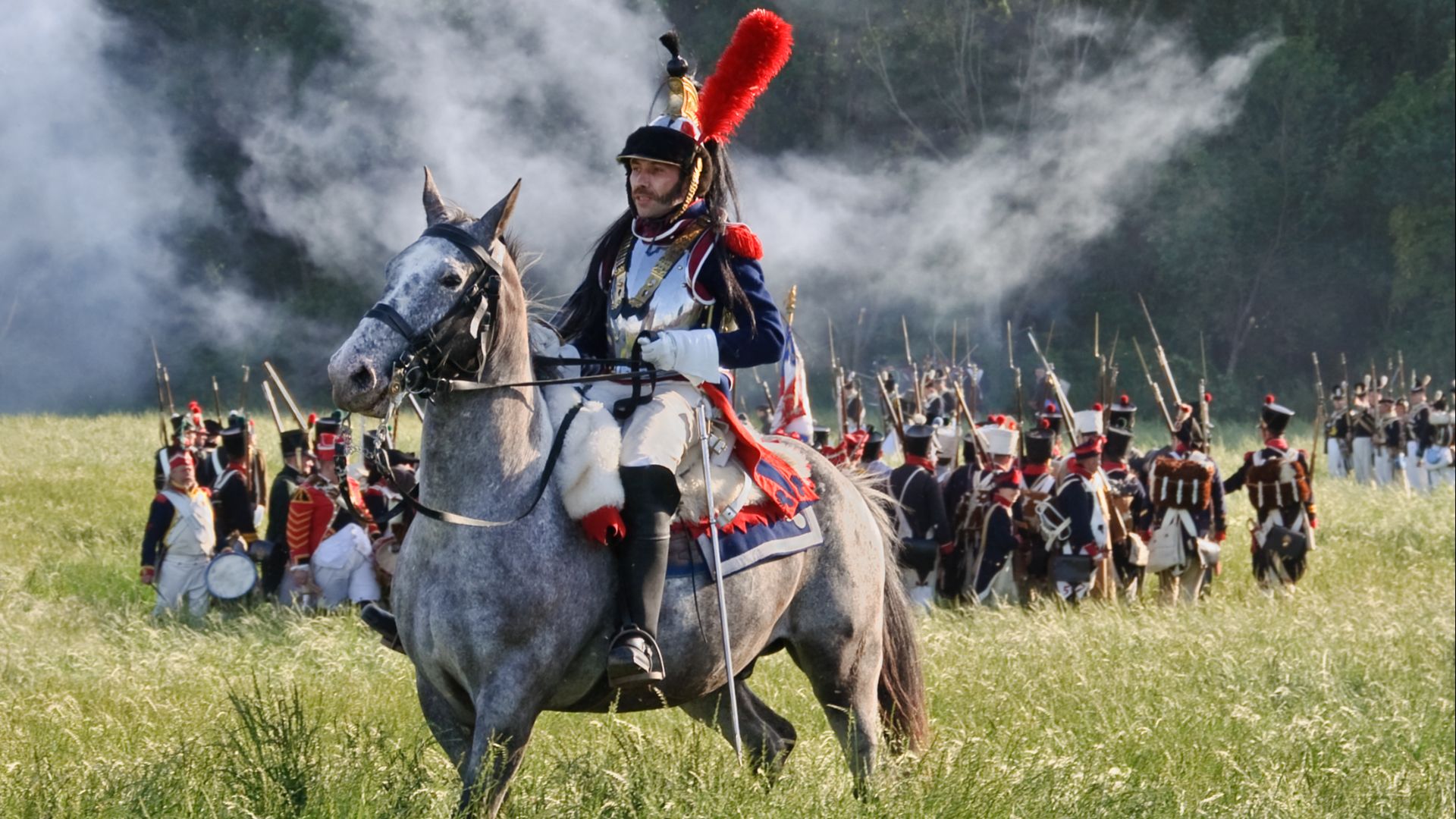
11. The Battle of Waterloo’s Rain Delay
Heavy rain the night before the Battle of Waterloo in 1815 delayed Napoleon’s attack. The muddy ground slowed troop movements and artillery deployment. This gave opposing forces more time to prepare. The delay contributed to Napoleon’s defeat.
12. The Discovery of Vulcanized Rubber
Charles Goodyear accidentally dropped a mixture of rubber and sulfur onto a hot stove in 1839. Instead of melting, the material hardened and became durable. This process, known as vulcanization, made rubber far more useful. It enabled countless industrial and everyday applications.

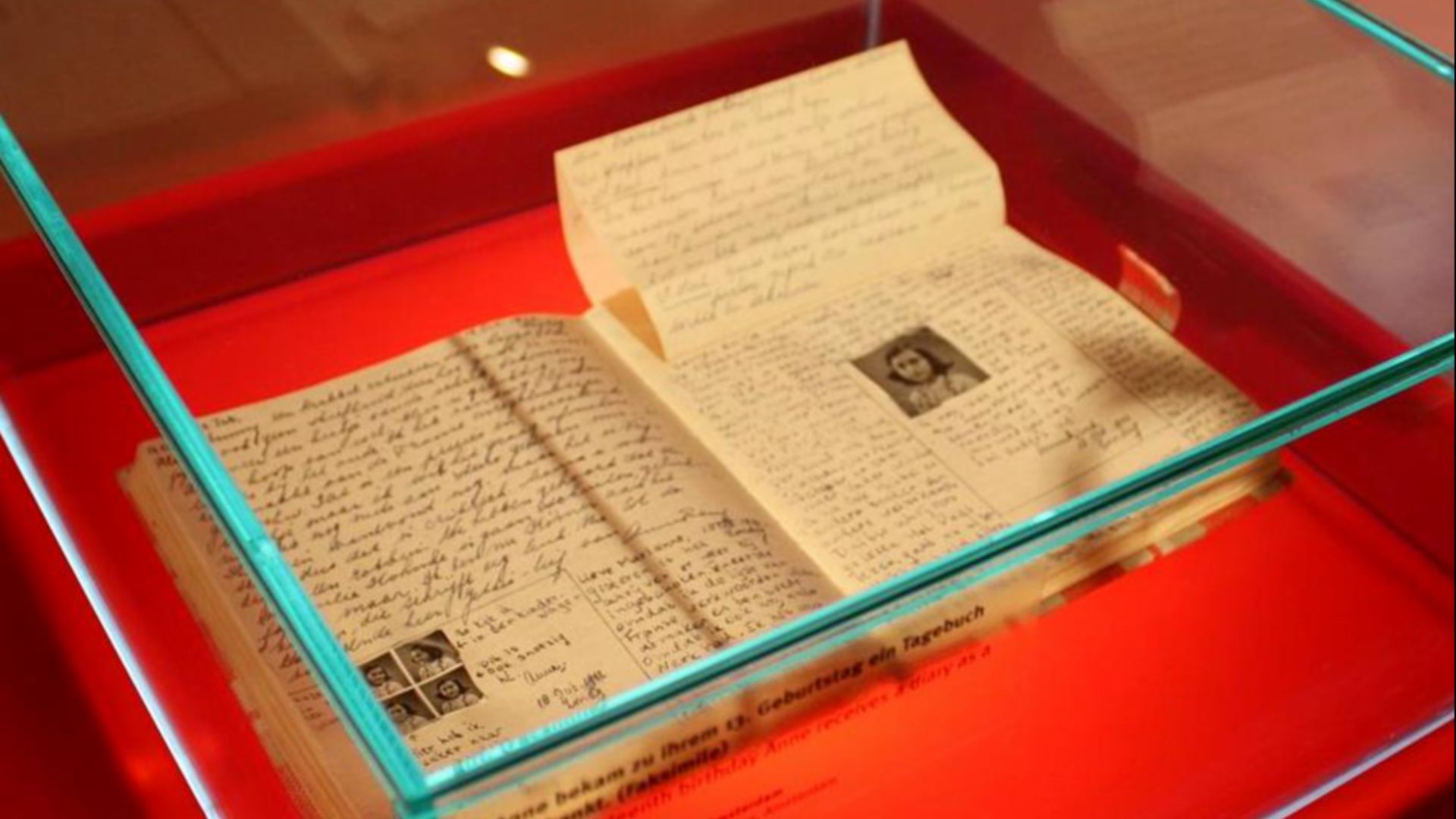
13. The Chance Survival of Anne Frank’s Diary
Anne Frank’s diary survived World War II because it was found and preserved by Miep Gies. After the Frank family was arrested, she kept the writings safe. This act ensured the diary could later be published.
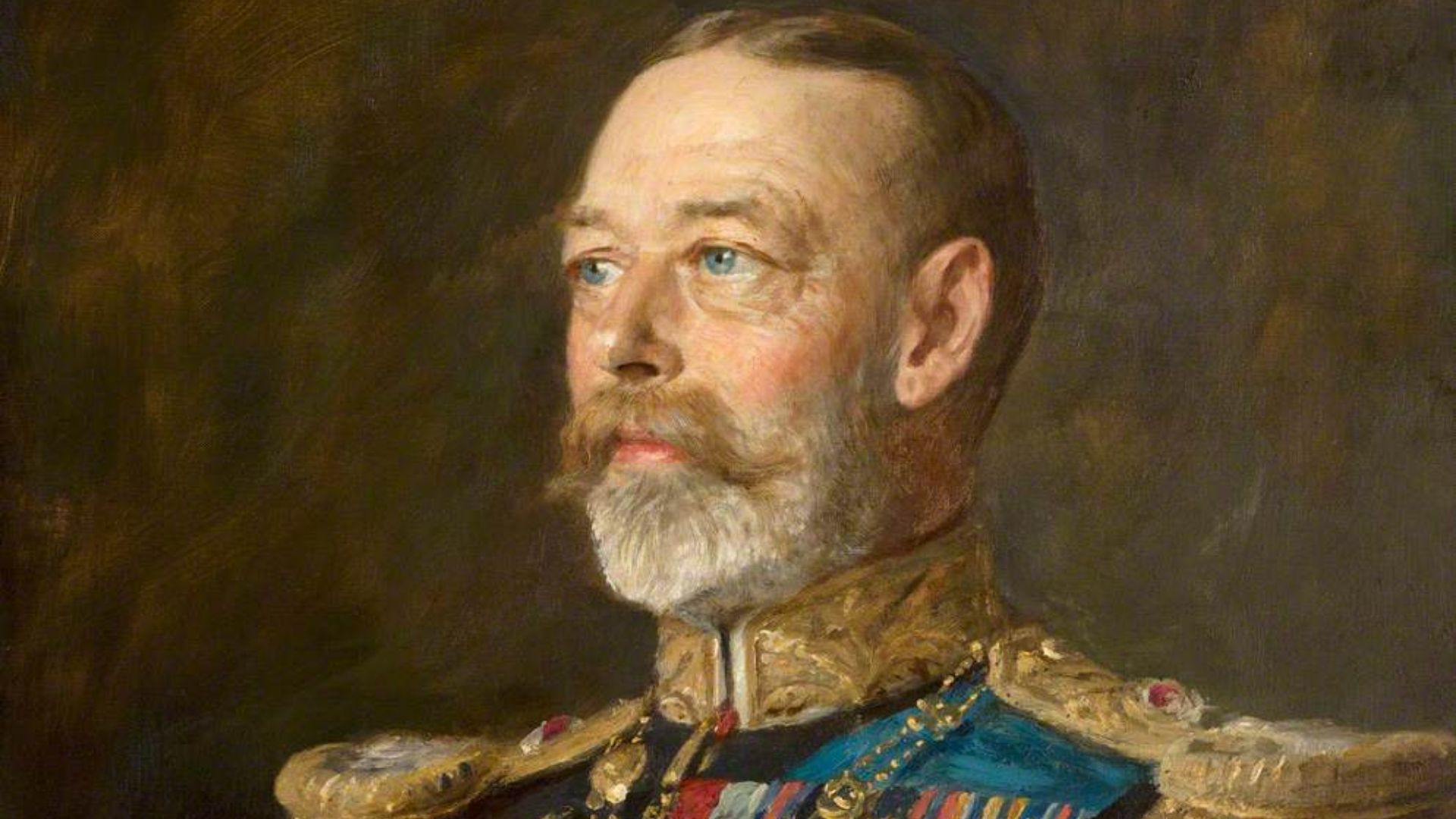
14. The Mistaken Identity That Saved a King
During World War I, King George V reportedly avoided danger when a mistaken report caused a planned attack to be canceled. Confusion over timing and location prevented the incident from taking place.
 Arthur Stockdale Cope on Wikimedia
15. The Discovery of Post-it Notes
In 1968, scientist Spencer Silver created a weak adhesive while trying to develop a strong one. For years, it seemed useless until a colleague found a practical application. The result was the Post-it Note, which is still widely used worldwide.

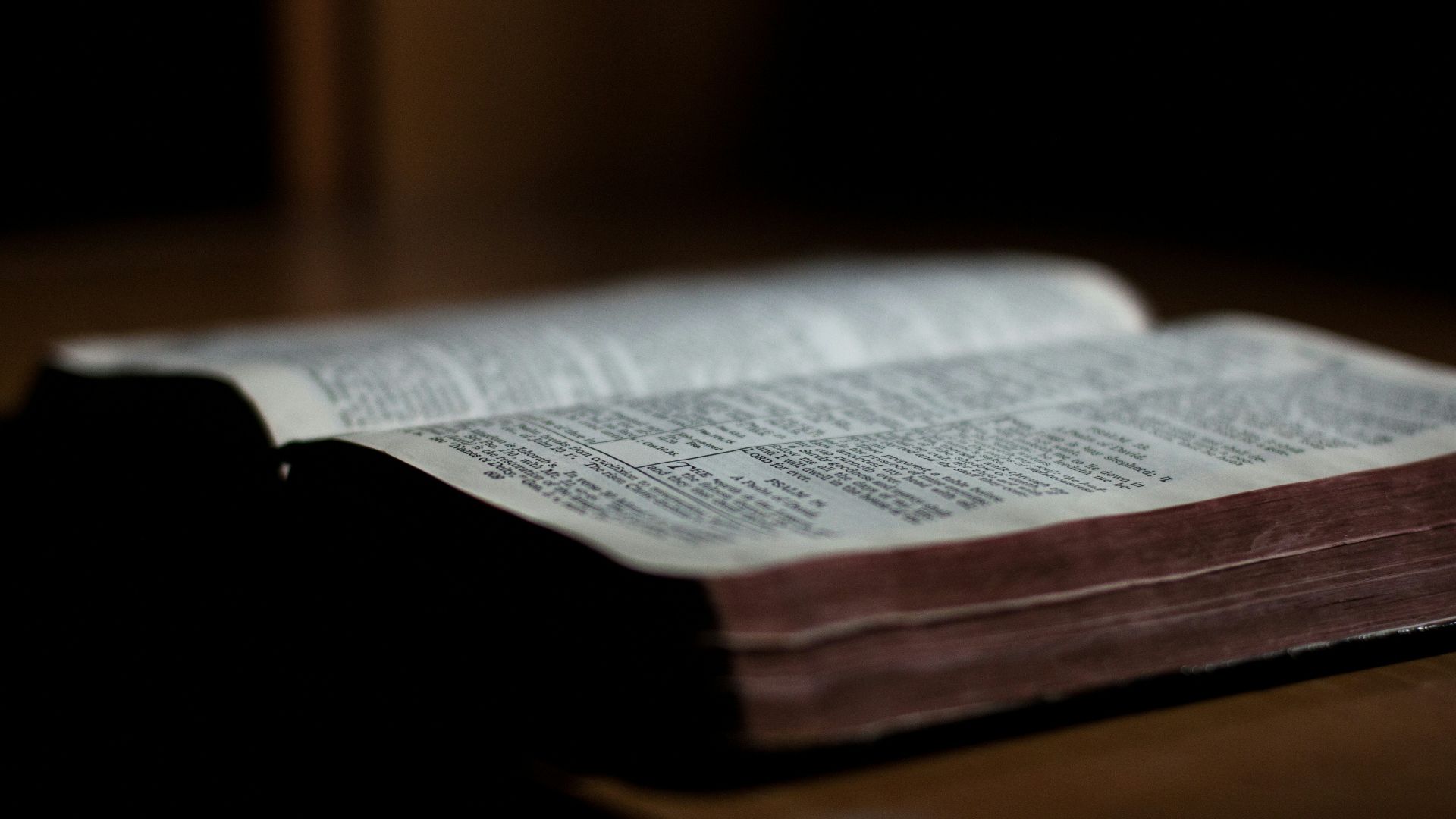
16. The Misprint That Changed the Bible
In 1631, a printing error in a King James Bible omitted the word “not” from a commandment. The result was a controversial version sometimes called the “Wicked Bible.”
 Ioann-Mark Kuznietsov on Unsplash
17. The Discovery of Teflon
In 1938, chemist Roy Plunkett accidentally discovered Teflon while experimenting with refrigerants. A gas he expected to release had solidified into a slippery substance. This unexpected material proved highly resistant to heat and chemicals.

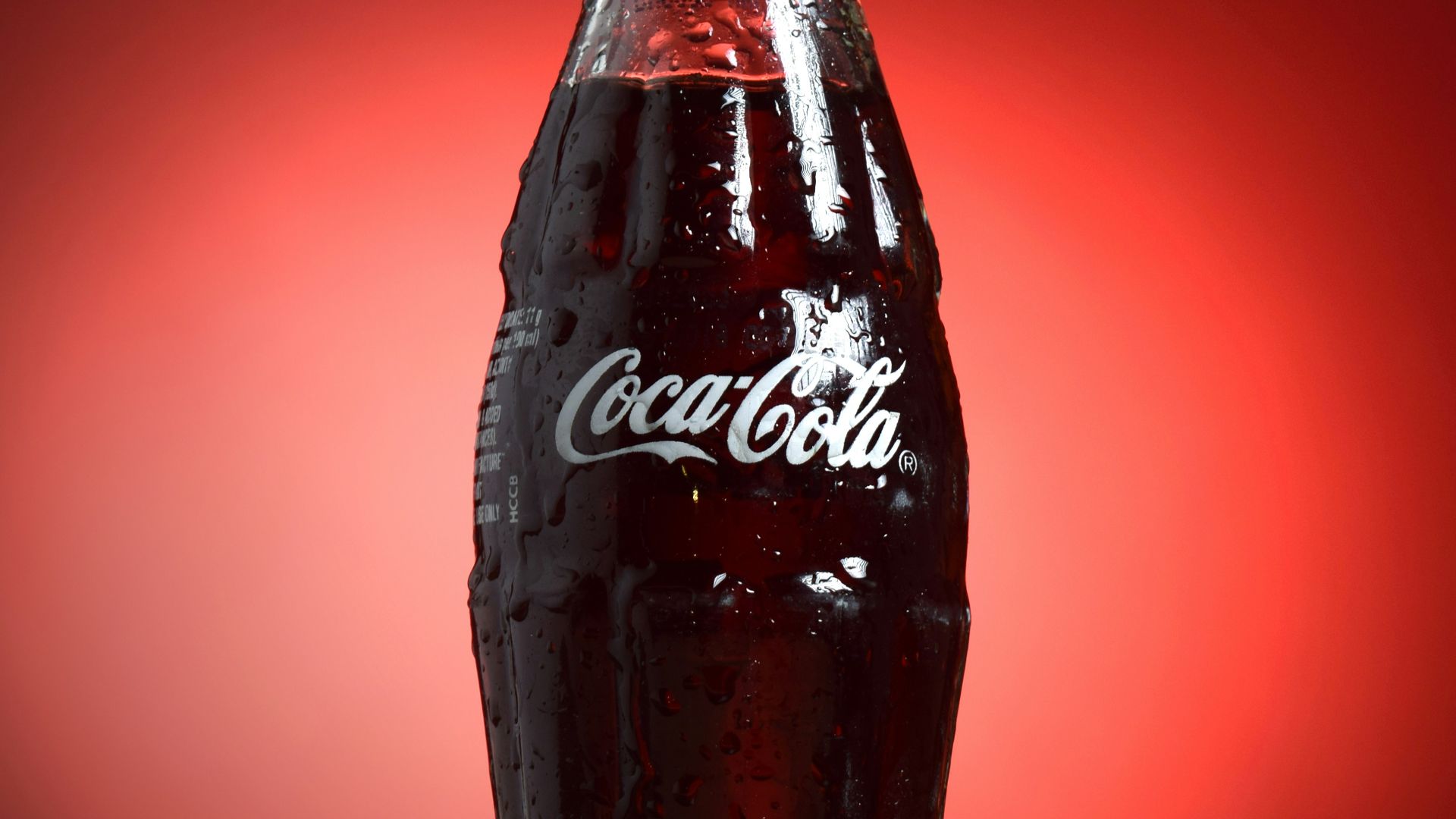
18. The Accidental Invention of Coca-Cola
In 1886, John Pemberton created a syrup intended as a medicinal tonic. By chance, it was mixed with carbonated water instead of plain water. The resulting drink became Coca-Cola.
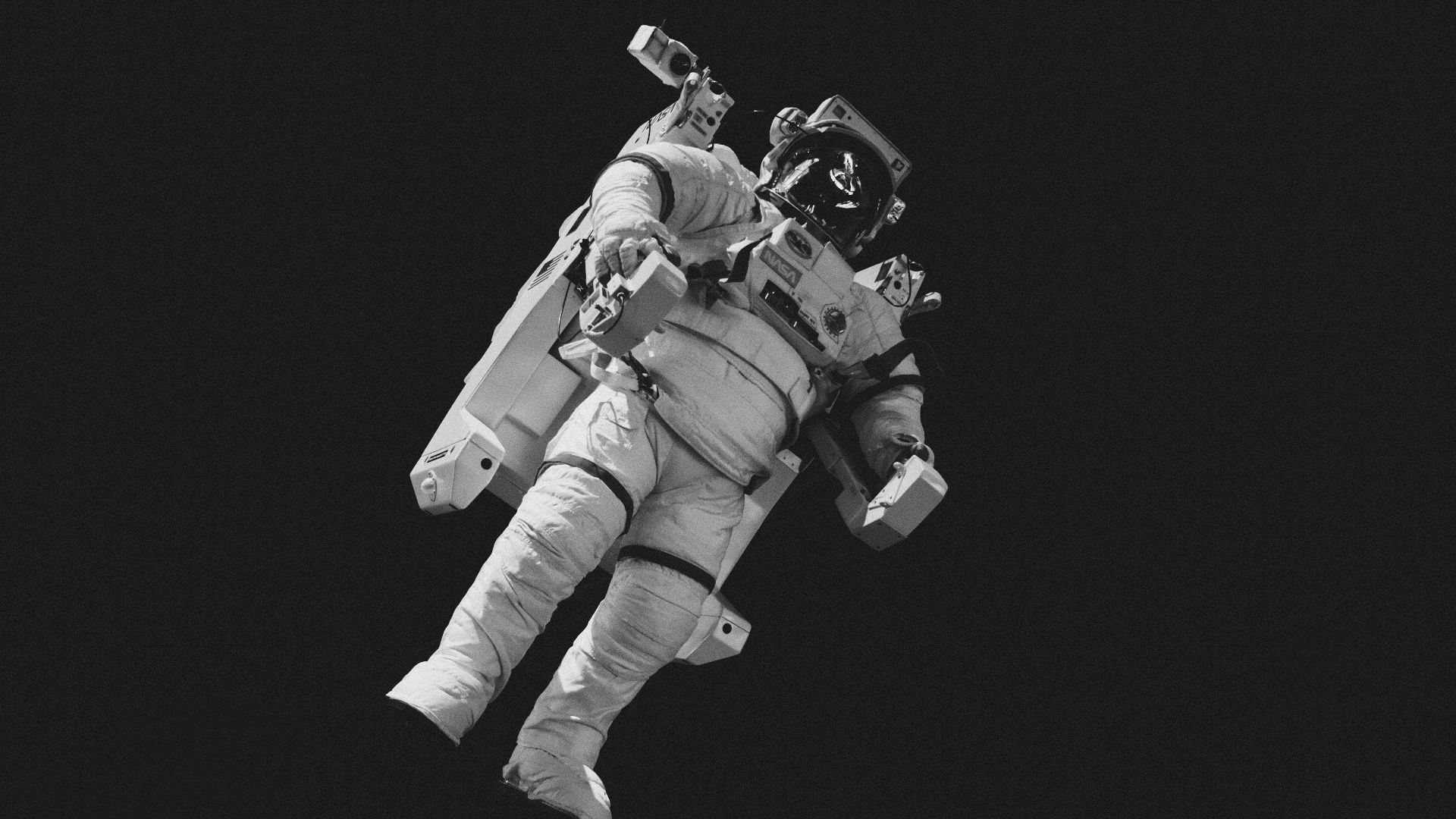
19. The Survival of the Apollo 13 Crew
During the Apollo 13 mission in 1970, an oxygen tank exploded, putting the astronauts in danger. Quick thinking and a bit of luck allowed engineers to improvise a solution. The crew safely returned to Earth despite the crisis.
20. The Rediscovery of Pompeii
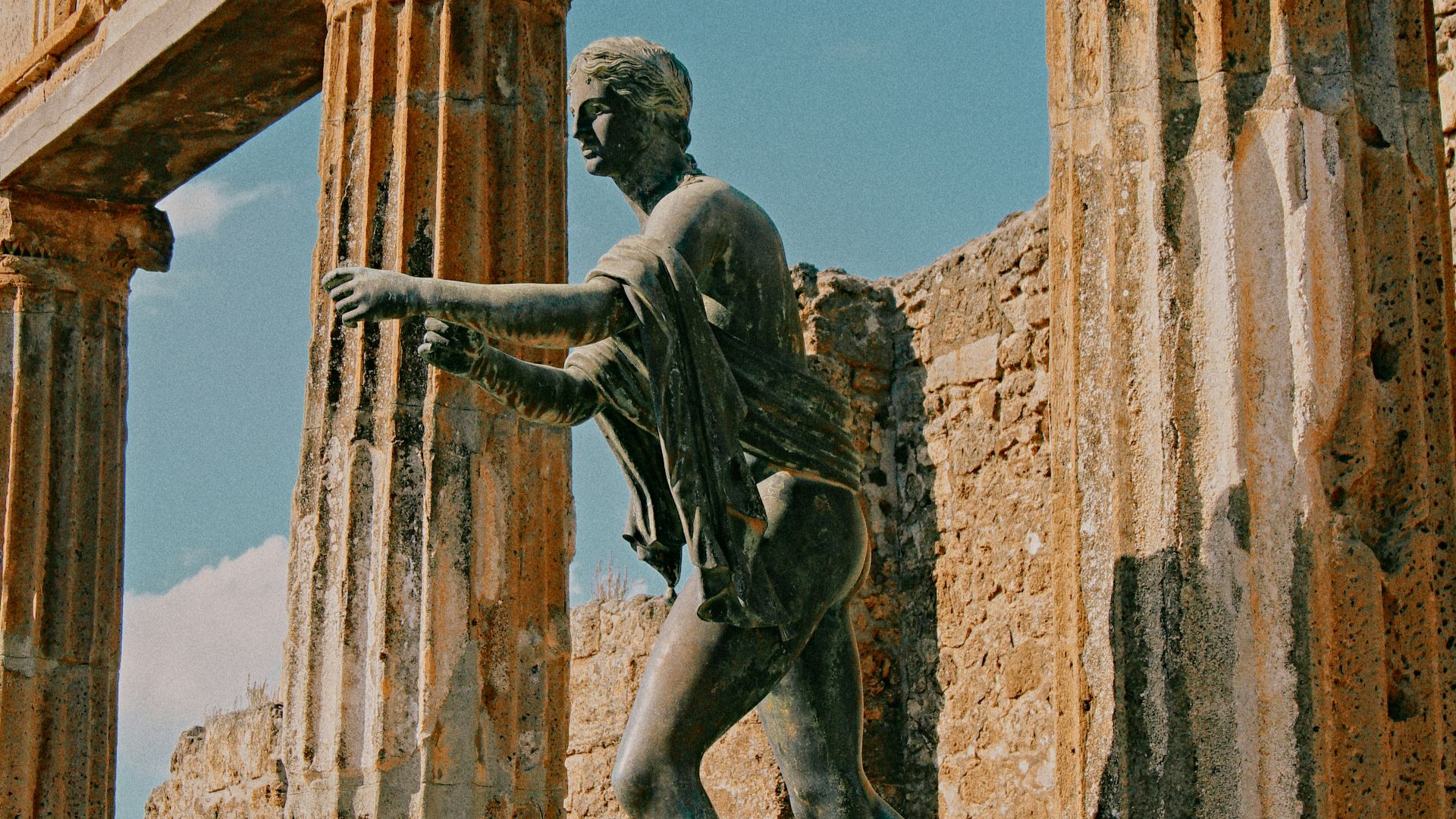
The ancient city of Pompeii was rediscovered in the 18th century during routine digging. Workers unexpectedly uncovered ruins buried by volcanic ash since 79 AD. This discovery provided a remarkably preserved glimpse into Roman life.
KEEP ON READING

20 Times So-Called “Psychics” Were Debunked
Publicly Caught and Shamed. The world is full of people…
By Sara Springsteen Apr 6, 2026
10 Dragon Sightings History Took Seriously & 10 Reasons Dragons…
The Record And The Reality. For a long stretch of…
By Cameron Dick Apr 6, 2026
20 Times History Was Changed by Pure Luck
When Chance Altered the Course of History. History often feels…
By Rob Shapiro Apr 6, 2026
20 Historical Medical Theories That Sound Completely Insane
A Brief Tour Of Medicine’s Baffling Past . Medicine only…
By Cameron Dick Feb 19, 2026
The Love Story Behind the Taj Mahal Was Also a…
Koushik Chowdavarapu on UnsplashThe Taj Mahal is often introduced as…
By Emilie Richardson-Dupuis Apr 2, 2026
Public Executions Were Once the Most Attended Events in Town…
Georg Heinrich Sieveking on WikimediaFor centuries, a public execution could…
By Breanna Schnurr Apr 2, 2026