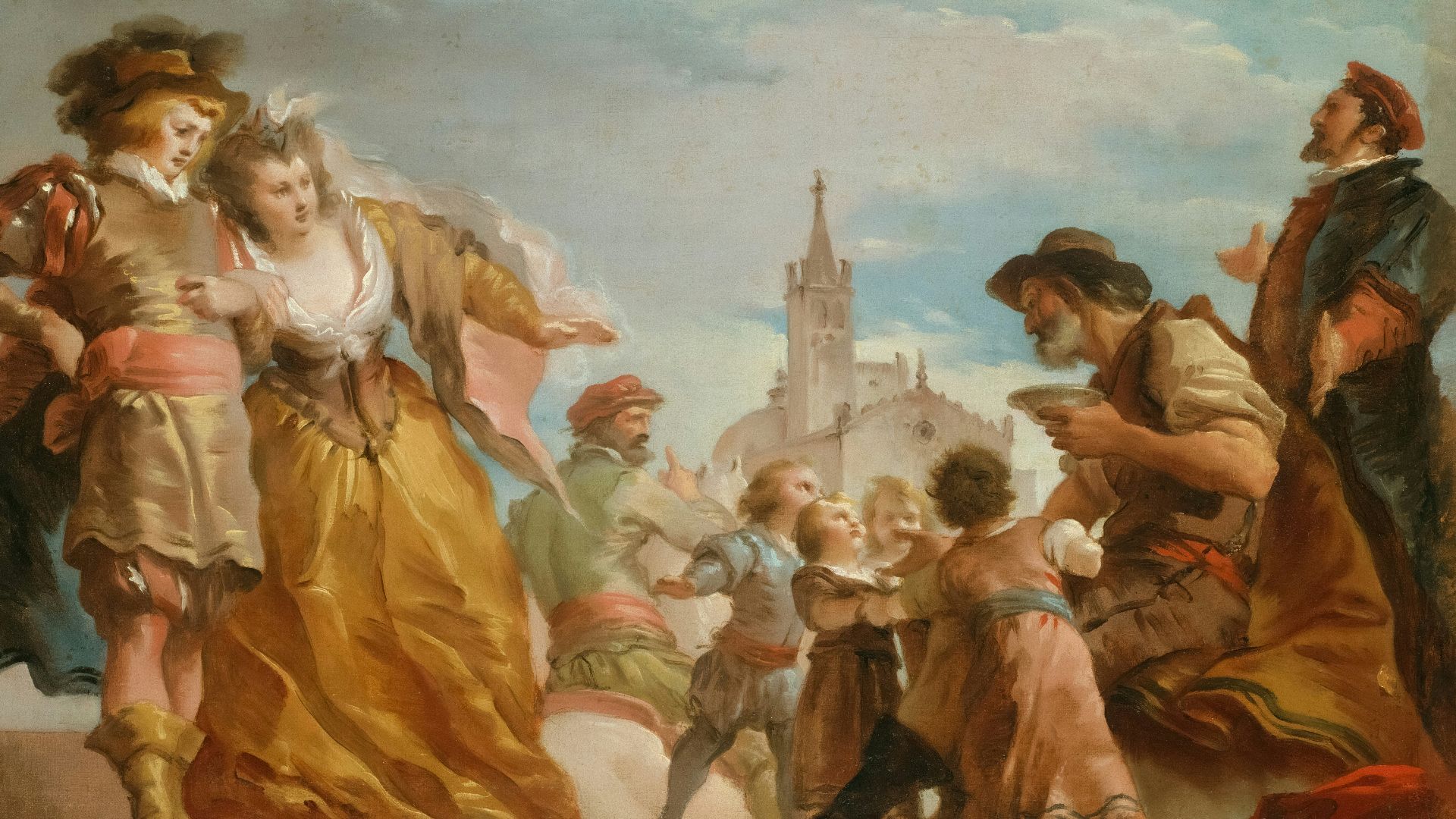
 Art Institute of Chicago on Unsplash
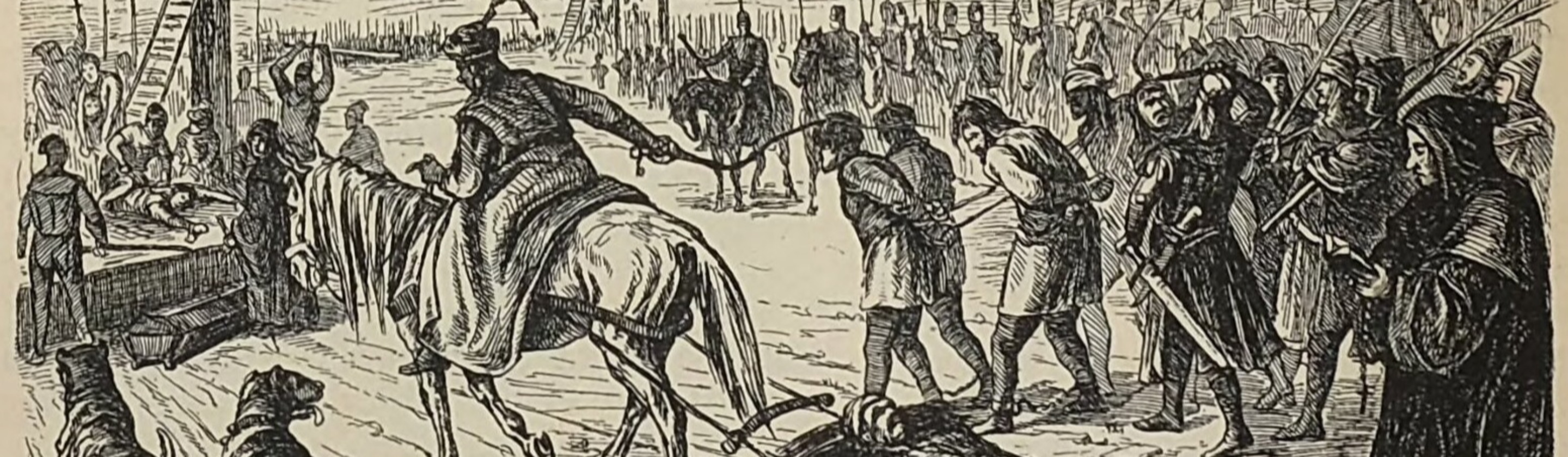
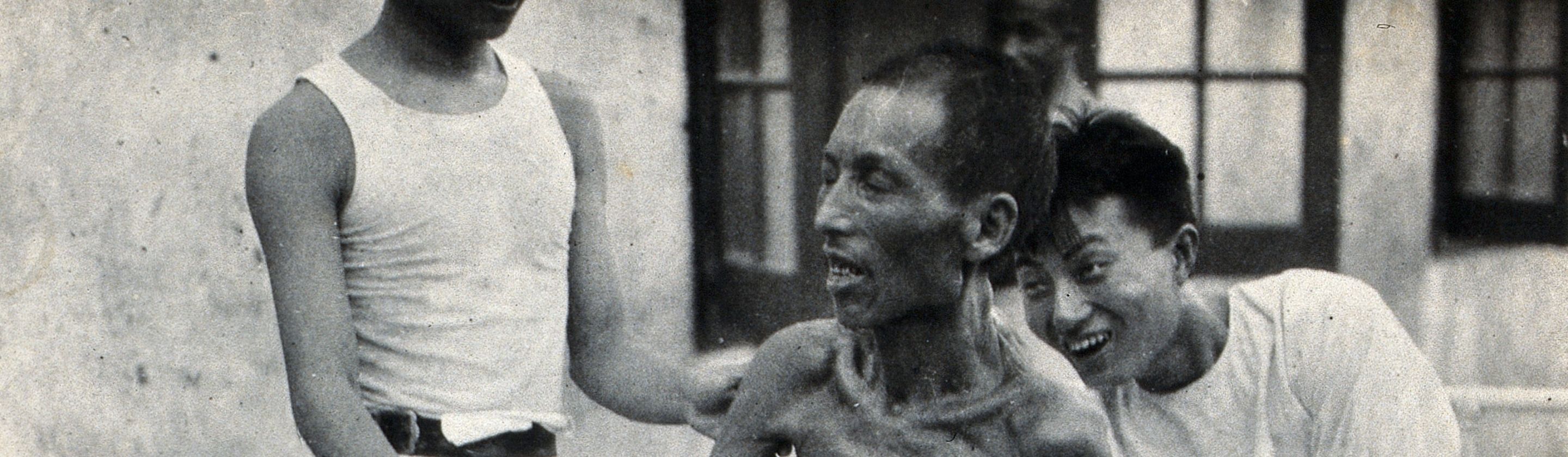
The Black Death, which swept across Europe between 1347 and 1351, was one of the most devastating pandemics in human history. It’s estimated that it killed roughly one-third to one-half of Europe’s population, drastically reshaping societies in ways people at the time couldn’t fully grasp. While the immediate effects were catastrophic, the long-term consequences created conditions that helped spark major cultural and intellectual change. In many ways, the Renaissance that followed wasn’t just a revival; it was a transformation born out of crisis.
You might not immediately connect a deadly plague with a flourishing of art, science, and human thought, but the link becomes clearer when you look at what changed afterward. The collapse of old systems forced people to rethink authority, wealth, and knowledge. As Europe recovered, new opportunities and perspectives began to emerge. These shifts laid important groundwork for what would become the Renaissance.
Population Decline Reshaped the Economy
The massive loss of life caused by the Black Death led to a severe labor shortage across Europe. With fewer workers available, surviving peasants and laborers suddenly found themselves in higher demand. This shift allowed them to negotiate better wages and working conditions than had previously been possible. As a result, the rigid feudal system began to weaken significantly.
Landowners struggled to maintain their estates without enough workers to farm the land. Many were forced to offer incentives or lease land under more favorable terms. This redistribution of economic power gave common people more independence and mobility. Over time, it contributed to the gradual decline of serfdom in many regions.
With increased wages and fewer people to share resources, many survivors experienced a rise in living standards. People had more disposable income to spend on goods, services, and education. This growing economic flexibility helped fuel demand for art, architecture, and learning. These developments created fertile ground for the cultural expansion that defined the Renaissance.
A Shift in Social and Cultural Thinking
The Black Death deeply challenged people’s beliefs about religion and authority. Many had turned to the Church for answers, but its inability to stop or explain the plague led to widespread doubt. This loss of unquestioned trust encouraged individuals to think more independently. Over time, this shift contributed to a broader questioning of traditional institutions. It also opened the door for new ways of interpreting the world beyond strictly religious explanations.
As society began to recover, there was a renewed focus on human experience and individual potential. This mindset became a key feature of humanism, a central philosophy of the Renaissance. Scholars started to revisit classical Greek and Roman texts, emphasizing reason, ethics, and human achievement. These ideas marked a significant departure from strictly religious worldviews. The rediscovery of these texts was supported by increased access to manuscripts preserved in monasteries and the Byzantine Empire.
Art and literature also began to reflect these changing perspectives. Instead of focusing solely on religious themes, artists explored realism, emotion, and the human form. Writers examined personal experiences and individual expression in new ways. This cultural evolution helped define the intellectual spirit of the Renaissance. It also led to innovations in techniques such as perspective, which made artworks appear more lifelike and grounded in reality.
Wealth Redistribution and Patronage of the Arts
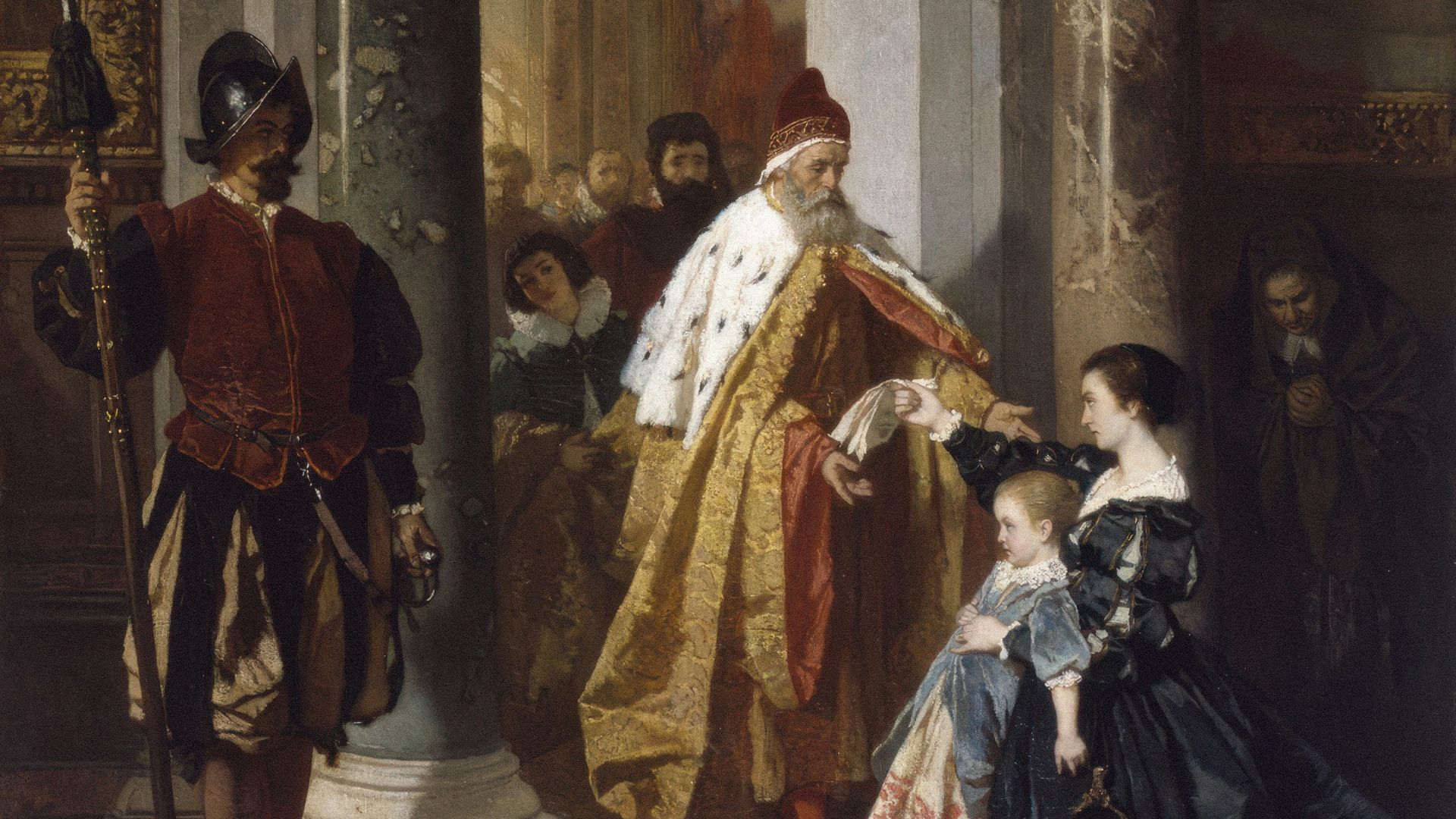 The Walters Art Museum on Unsplash
The economic changes following the Black Death led to a redistribution of wealth in many parts of Europe. With fewer heirs in some families, wealth often became concentrated in the hands of fewer individuals. This allowed certain families and city-states, particularly in places like Florence, to accumulate significant resources. These wealthy patrons played a crucial role in supporting artistic and intellectual pursuits.
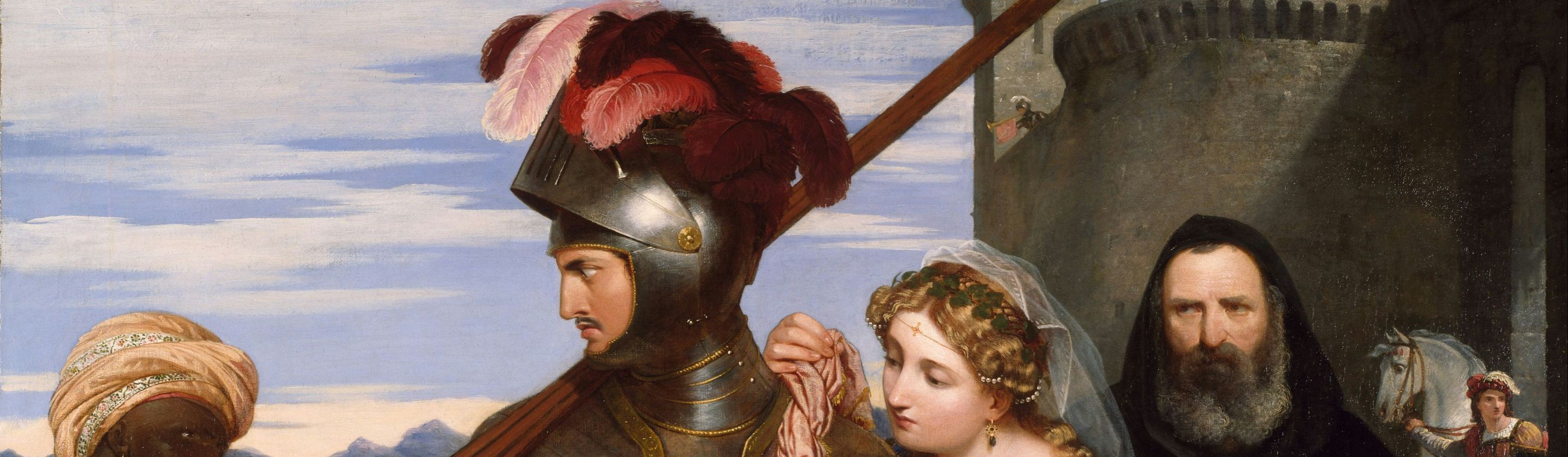
Patronage became a driving force behind the Renaissance’s creative output. Wealthy individuals funded artists, architects, and scholars, allowing them to focus on their work. This financial support led to the creation of some of the most iconic works of the period. It also helped elevate the status of artists from craftsmen to respected creators.
At the same time, growing urban centers became hubs of trade and innovation. Cities benefited from increased economic activity and cultural exchange. These environments encouraged new ideas and collaboration across different fields. The combination of wealth, patronage, and urban growth helped sustain the momentum of the Renaissance.
The Black Death was undeniably a tragedy, but its long-term effects reshaped Europe in profound ways. By disrupting established systems, it created opportunities for change that might not have occurred otherwise. Economic shifts, evolving social attitudes, and increased support for the arts all played a role in what followed. While the Renaissance had many contributing factors, the impact of the Black Death was a significant catalyst in its development.
KEEP ON READING