


Life Was Just As Busy, But It Was Also More Human
Stone Age life gets flattened into one stale picture: a cave, a fire, a few rough tools, and people struggling through every single hour. The evidence we’ve got from places like Ohalo II near the Sea of Galilee, Sibudu Cave in South Africa, Fort Rock in Oregon, and Mezhyrich in Ukraine gives us something much fuller. People moved with the seasons, kept complex toolkits working, shared food because they had to, and built routines around weather, children, animals, and fire. Some of what we know comes from archaeology, some from carefully used comparisons with more recent hunter-gatherer groups, and together it adds up to a daily life that feels a lot less simple than the old stereotype. These 20 details show just how strange, practical, and deeply social Stone Age life could be.
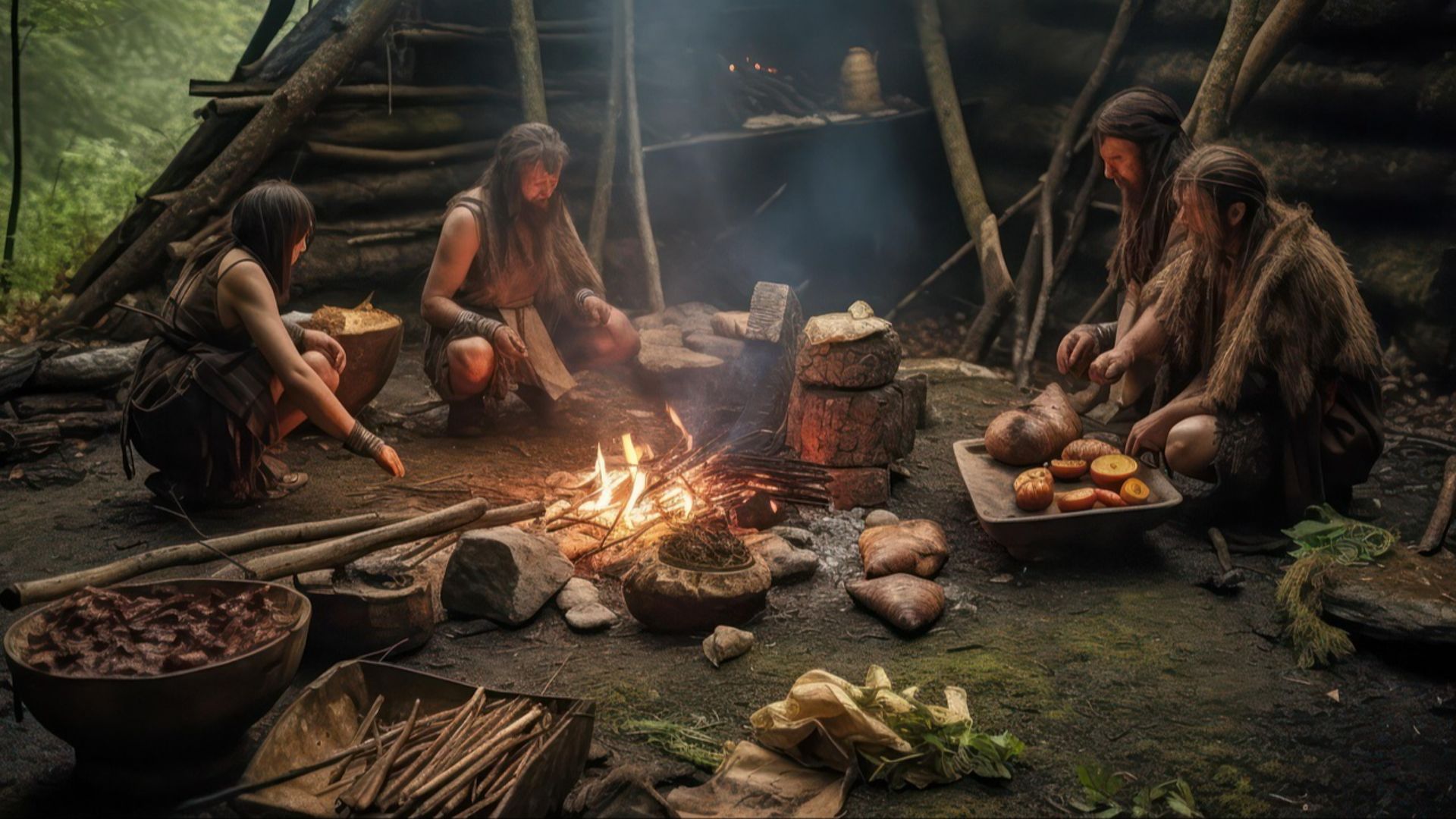
1. Work Didn’t Always Fill The Whole Day
In some hunter-gatherer societies used for comparison, food gathering and hunting didn’t consume every waking hour. That doesn’t mean life was easy or leisurely in some dreamy way. It means people often had stretches of time for childcare, tool repair, storytelling, and just sitting together after the urgent work was done.
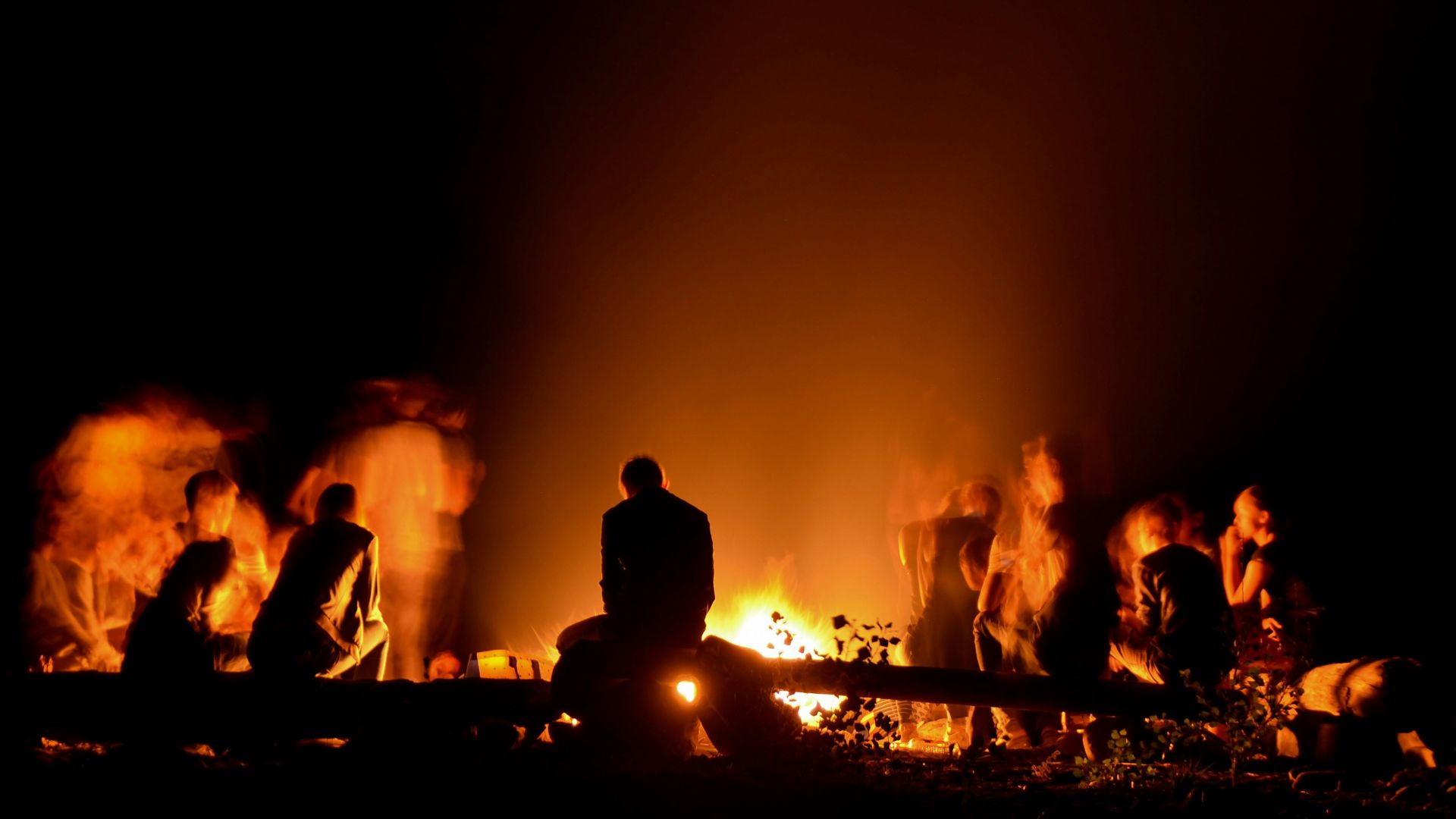
2. Fire Was A Daily Responsibility
Once a camp had a working hearth, somebody had to keep it alive, protect it, or know how to restart it quickly. Fire wasn’t just a grand invention from the distant past. It was part of the morning, part of the evening, part of cooking, warmth, light, and a little peace when the weather turned mean.
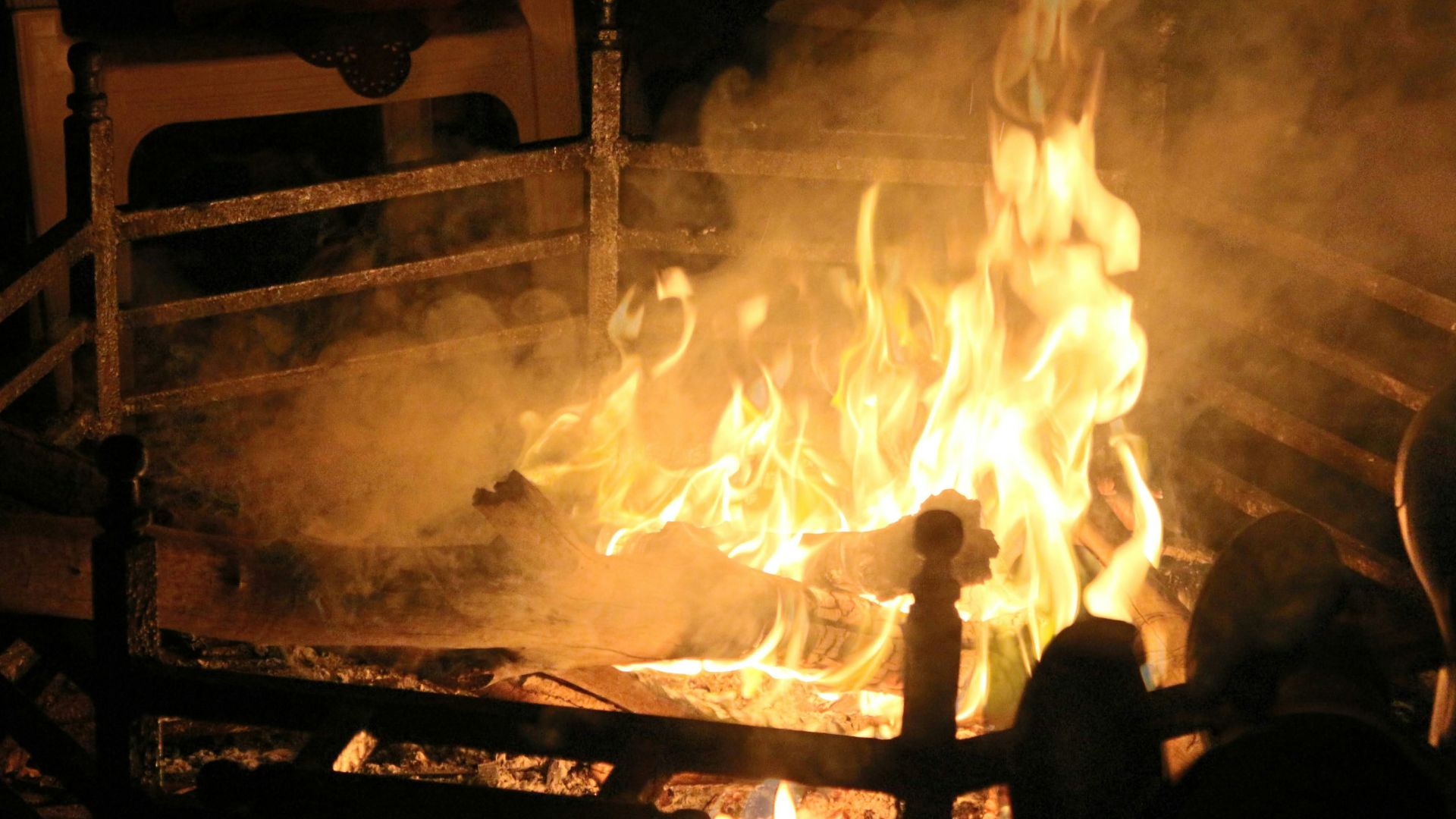
3. Moving
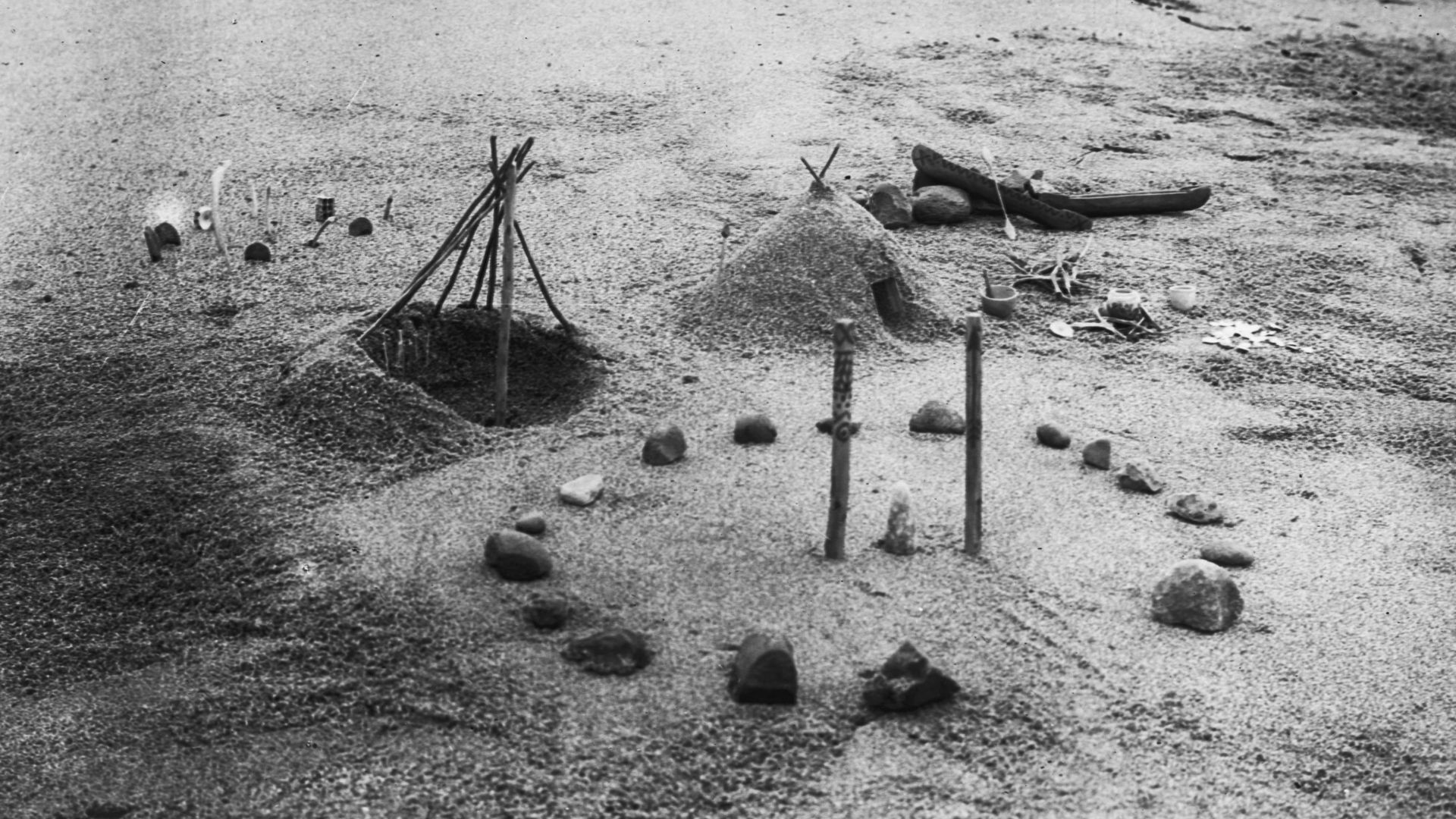
Many Stone Age communities were mobile or semi-mobile, which meant the camp could change when game moved, plants ripened elsewhere, or water sources shifted. Home might be a brush hut by a lakeshore one season and a windbreak in a very different landscape the next.
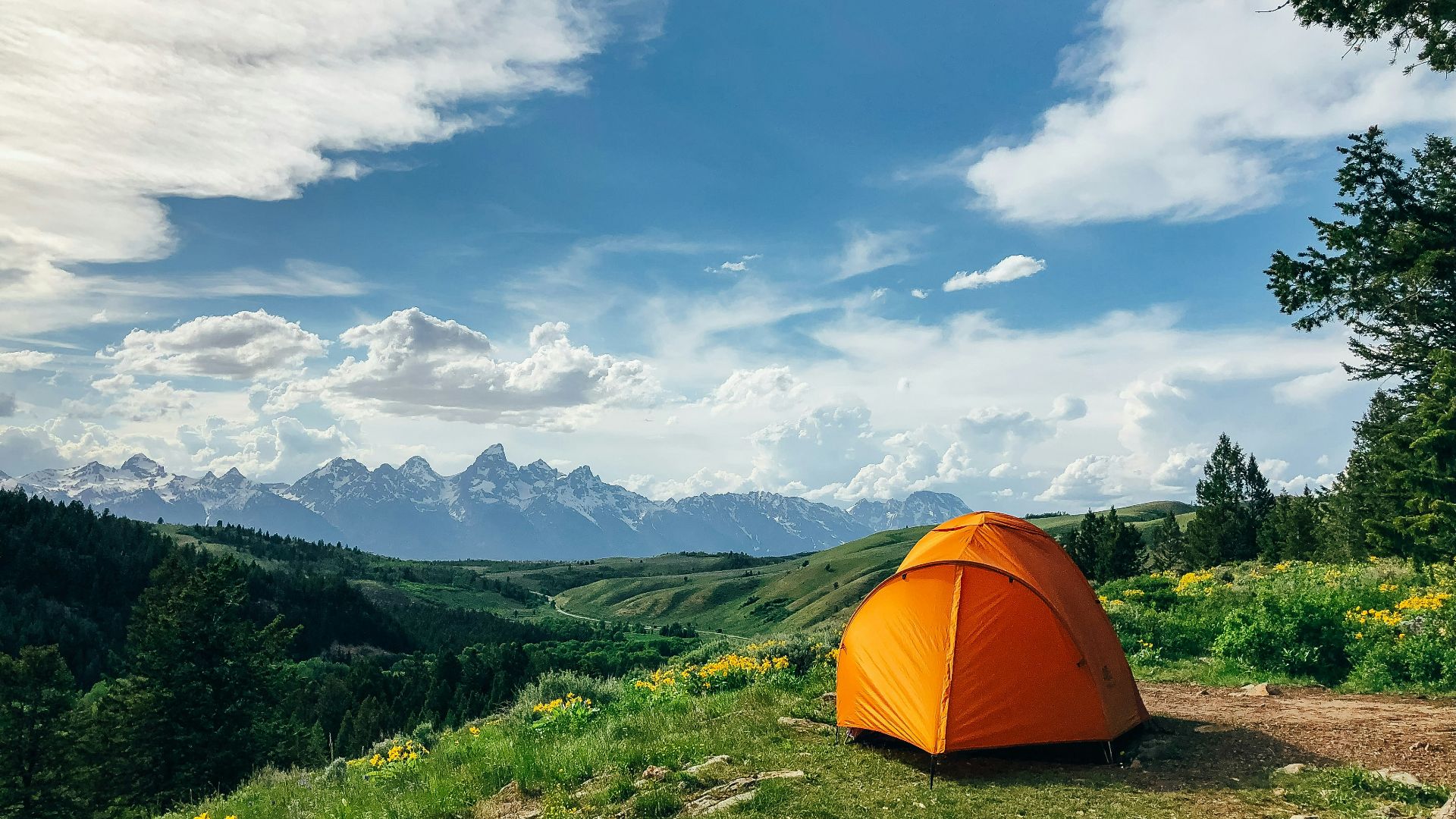
4. Food Sharing Was Expected
In small foraging groups, sharing was a part of survival. If one hunter came back empty-handed and another came back lucky, the group still needed to stay together long enough to make it through the week.

5. Children Learn By Watching
Stone Age children weren’t sealed off in some separate little world waiting to become useful later. They learned by watching adults make tools, tend fires, gather food, and handle camp life, then slowly started helping in small ways. That kind of learning looks loose from the outside, though it builds skill.

6. Some Kids Helped Feed The Group
Among some recent foraging peoples, children can contribute useful food well before adulthood, whether that means gathering, carrying, or handling easier tasks close to camp. That doesn’t mean Stone Age childhood was joyless. It means competence started early, because daily life didn’t make room for dead weight.

7. Meals Changed With The Place
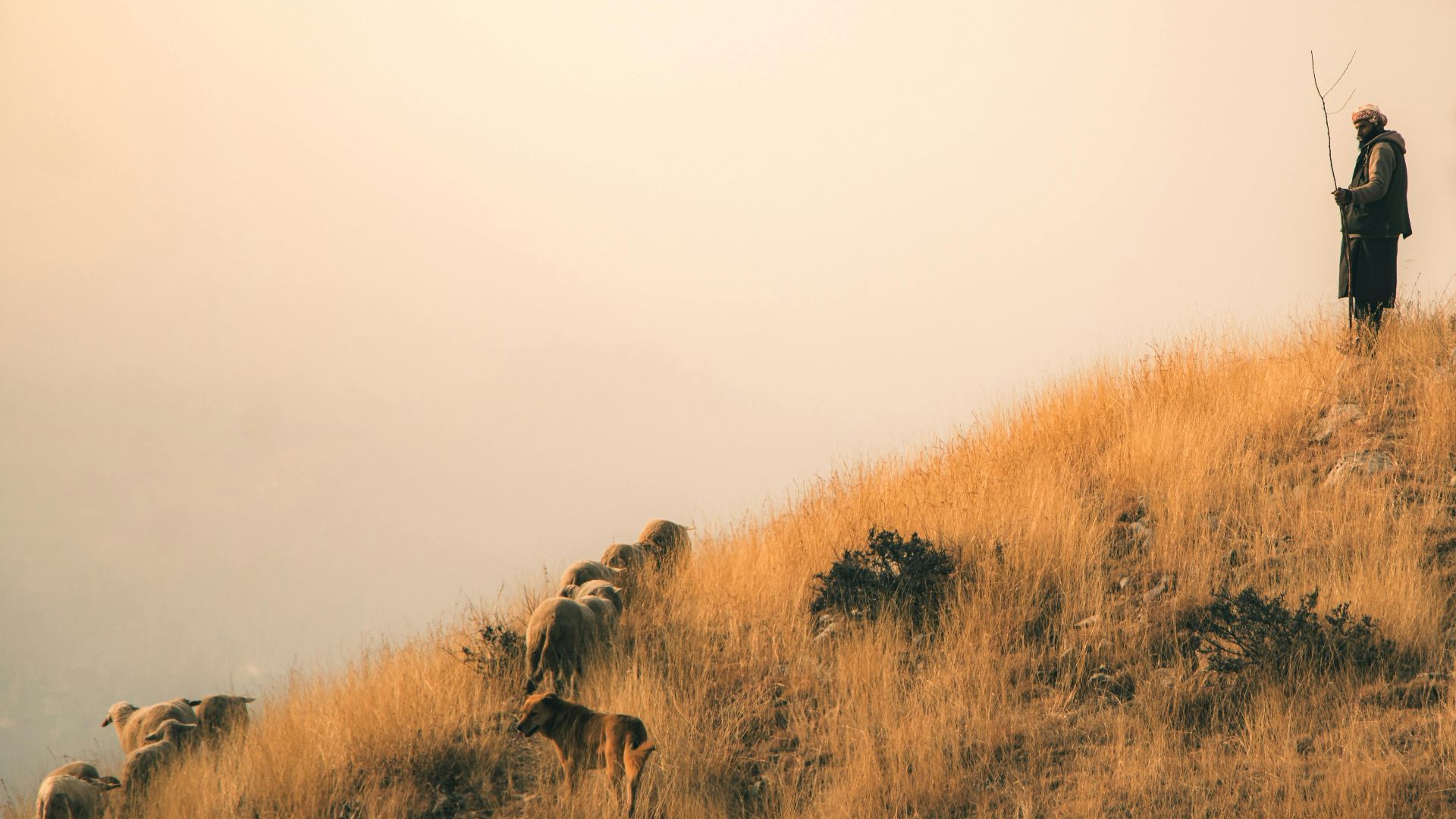
A group living by the Sea of Galilee had different options than one on the South African coast or on the cold plains of Ice Age Europe. Fish, wild grains, berries, tubers, birds, and big game all came and went with geography and season. Dinner could look pretty different from one camp to the next.
8. Meat Was Only Part Of The Menu
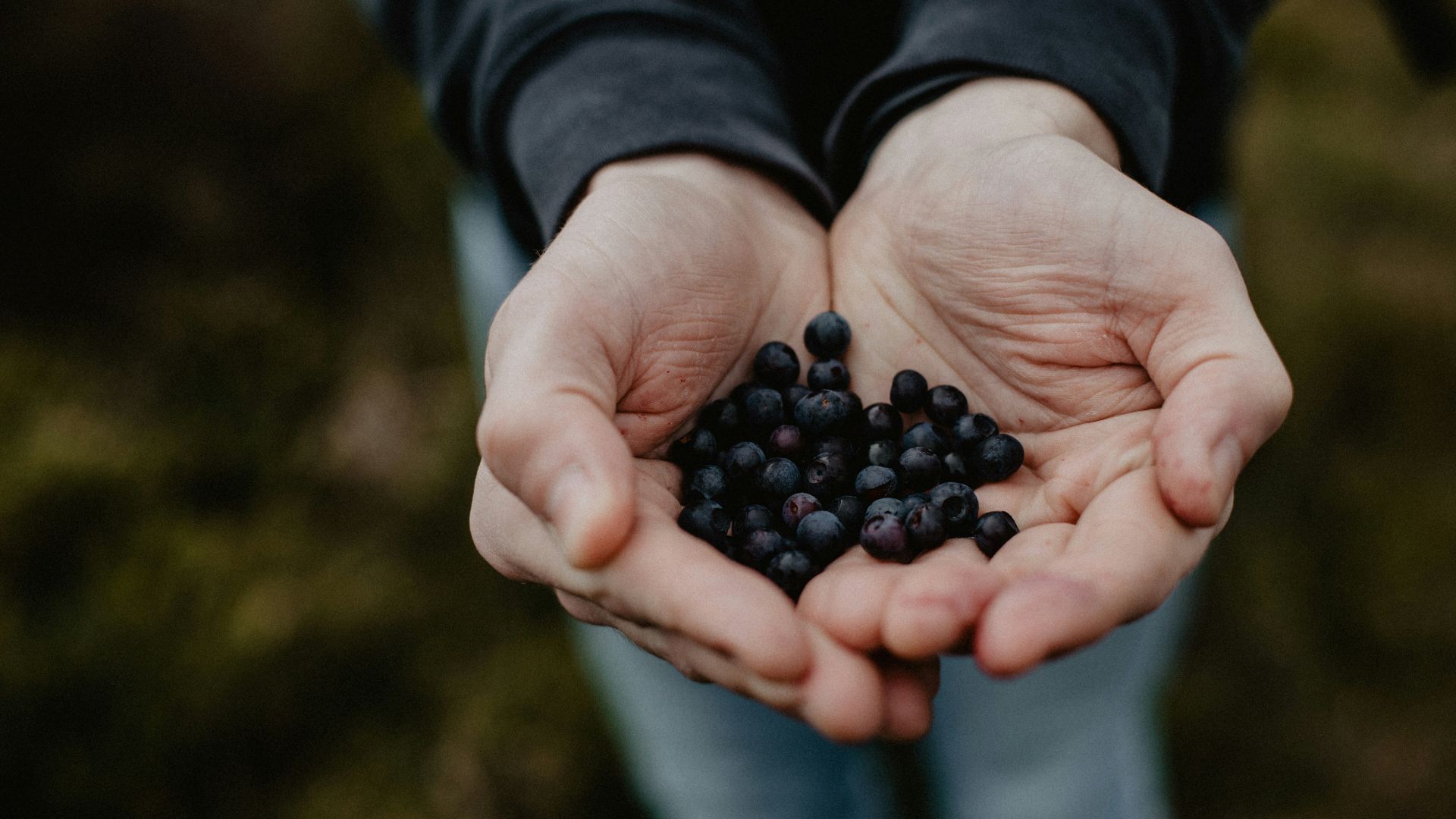
At Ohalo II, around 23,000 years ago, people were gathering and processing wild barley, wheat, and oats. That matters because the old all-meat picture keeps hanging around when the evidence says otherwise. Plant foods took work, though they were clearly worth the trouble.
9. Cooking Took Time
Once food came back to camp, somebody still had to roast it, grind it, crack it, stir it, or soften it enough to eat. Hearths, grinding stones, and plant remains show that food preparation wasn’t some side task. A lot of daily life probably happened right there around the fire.
 Pierce, C.C. (Charles C.), 1861-1946 on Wikimedia
10. Tool Maintenance Never Really Ended
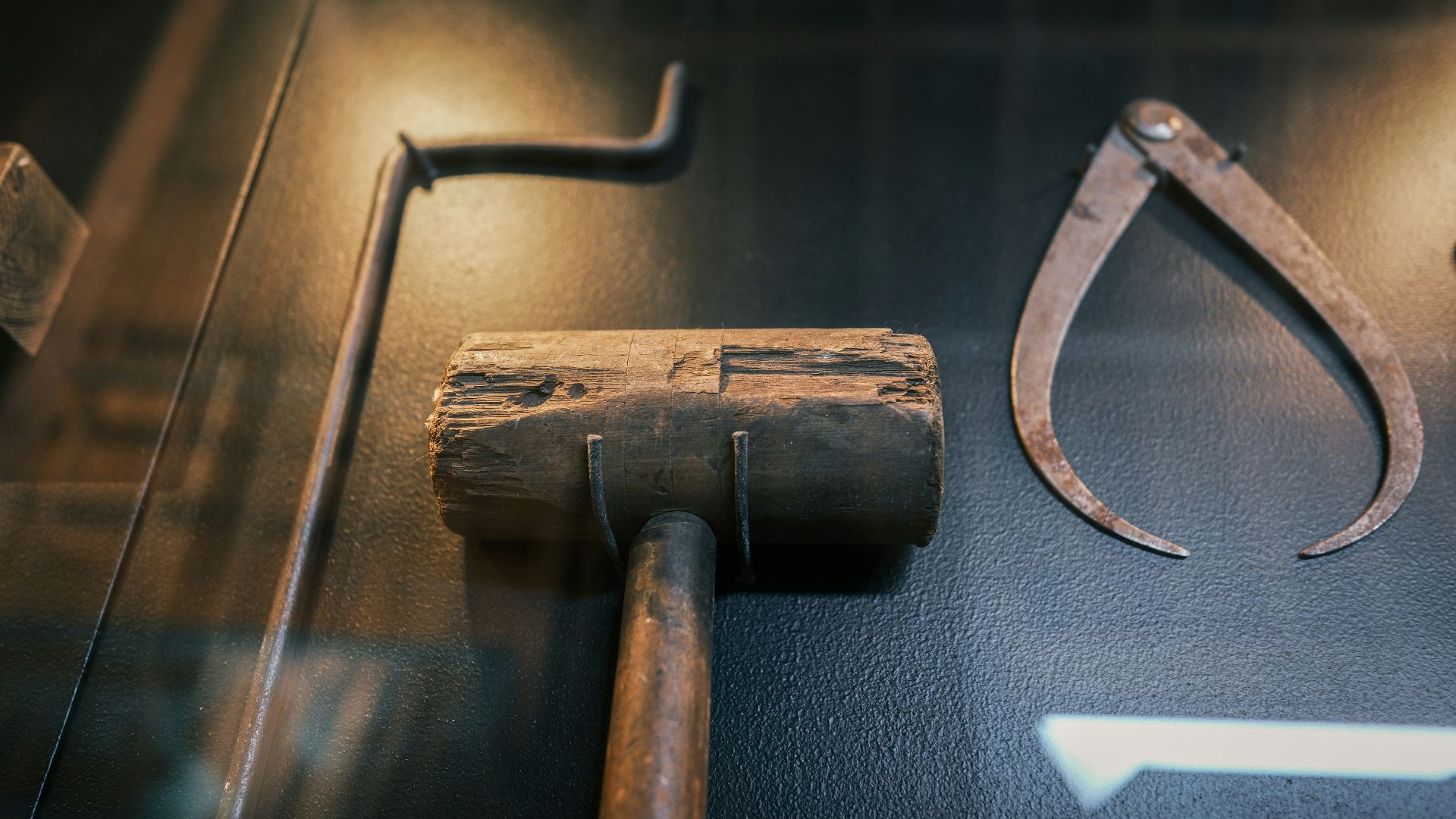
Stone tools dulled, cracked, snapped, or loosened from their handles, so repair was part of ordinary life. People didn’t just make a spear point once and live happily ever after. They resharpened, rehafted, adjusted, and kept equipment usable.
11. Glue Was Already In The Toolkit
At Sibudu Cave in South Africa, people were mixing complex adhesives for hafting stone onto shafts or handles. That means measuring ingredients, managing heat, and getting materials to work together under pressure.

12. Clothing Was More Than Draped Hides
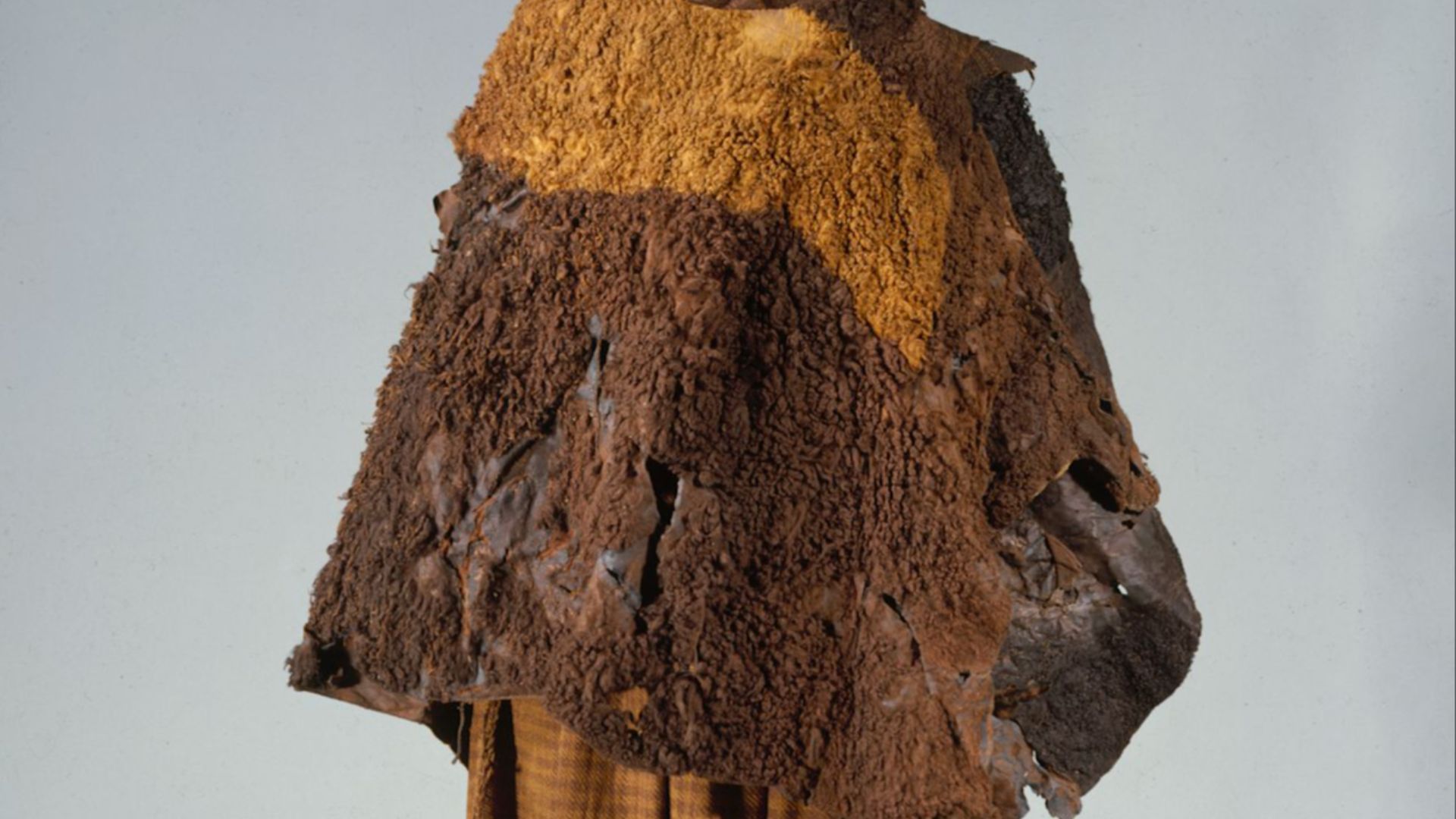
By the Upper Paleolithic, eyed needles were in use, which points to stitched clothing rather than loose wraps alone. In Siberia and other cold regions, that would’ve mattered every single day. Better seams mean better warmth, easier movement, and fewer miserable hours outdoors.
 Nationalmuseet, Lennart Larsen on Wikimedia
13. Shoes Showed Up Where They Were Needed
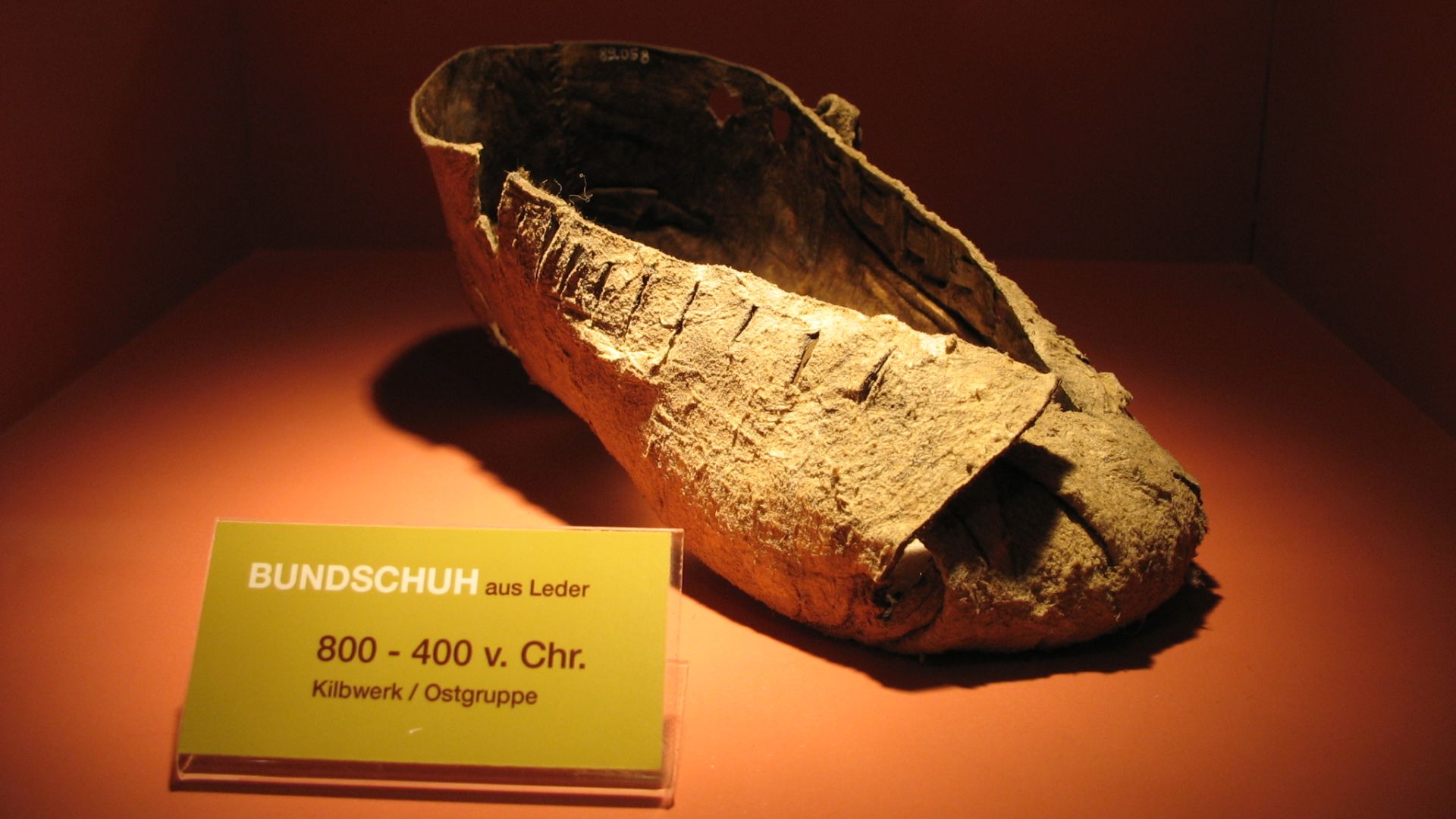
The sandals from the Fort Rock Basin in Oregon, dated to roughly 10,000 years ago, are a good reminder that prehistoric footwear could be practical, durable, and region-specific. People weren’t protecting their feet for style points. Rough ground, cold weather, and daily travel gave them enough reason.
14. Shelter Changed With The Landscape
At Ohalo II, people built brush huts near the water. At Mezhyrich in central Ukraine, much later groups used mammoth bones in dwelling structures. Shelter wasn’t one fixed Stone Age template. It shifted with climate, available material, and how long people expected to stay put.

15. Work Was Divided
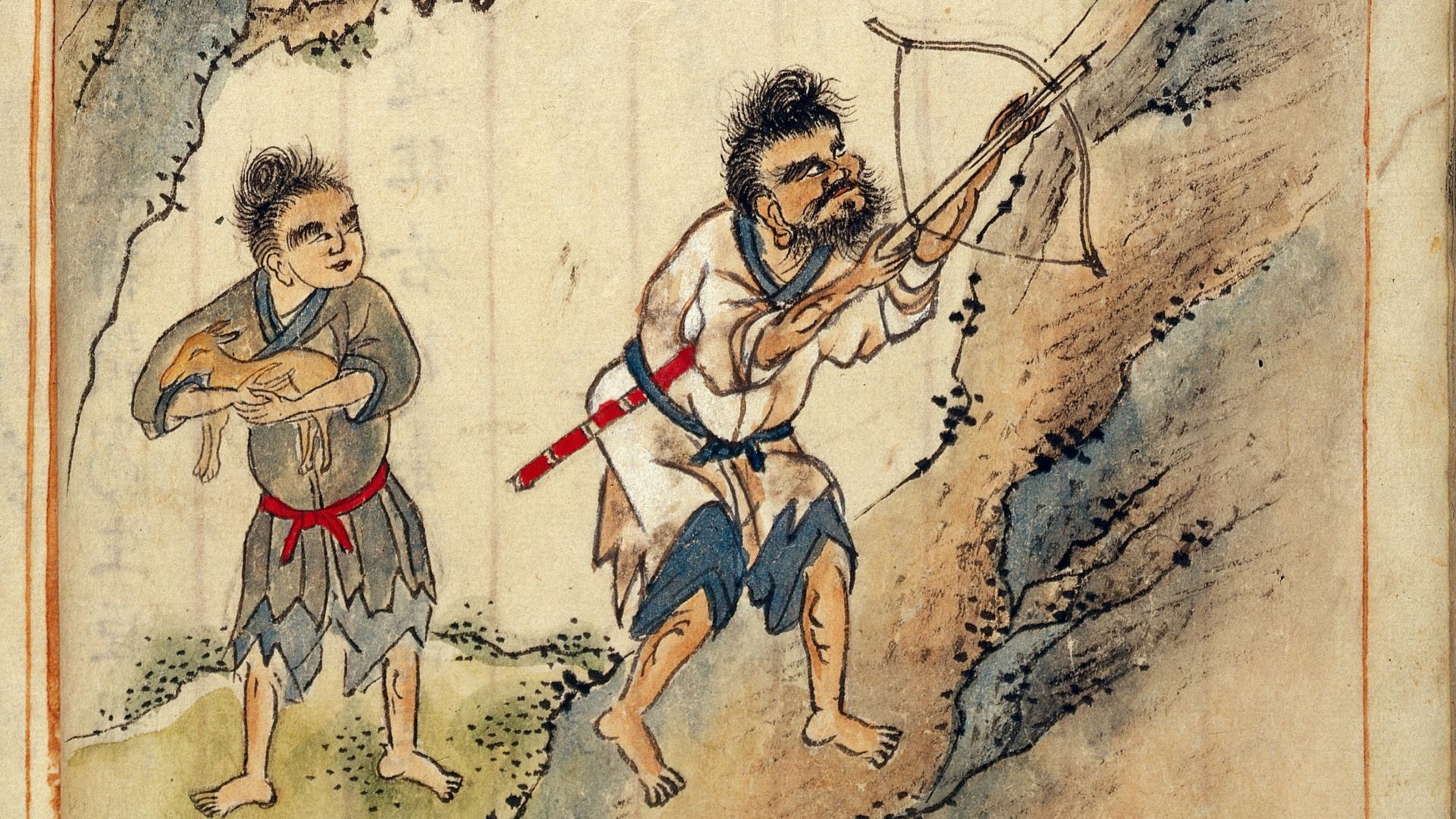
For years, the tidy version was simple: men hunted, women gathered, end of story. Newer evidence keeps making that story wobble. The 9,000-year-old Wilamaya Patjxa burial in the Peruvian Andes, where a young woman was buried with a big-game hunting toolkit, is one reason scholars now use much more careful language.
16. Fishing
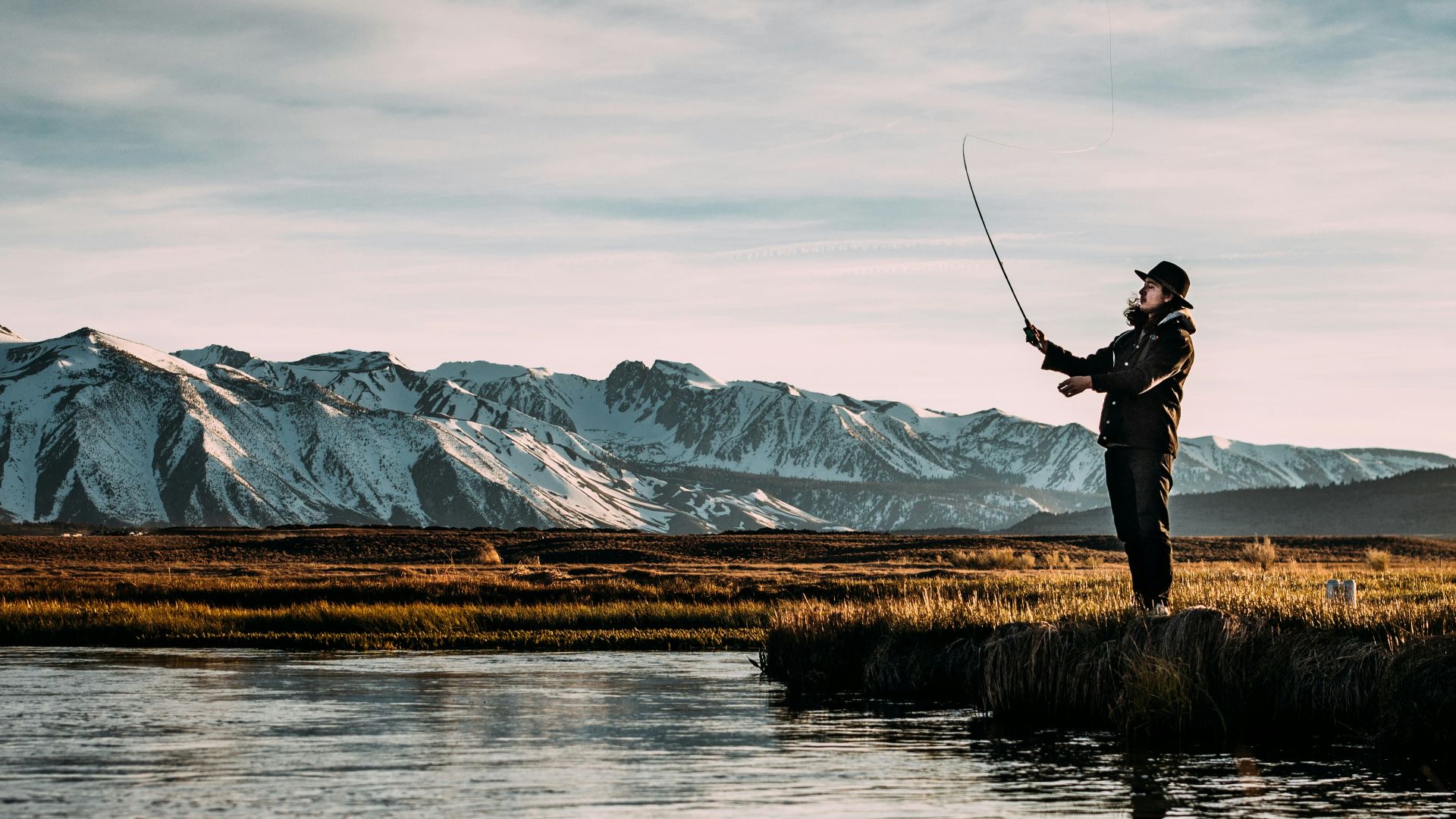
In southern Denmark, Stone Age fish weirs used stakes and barriers to guide fish into traps with the help of currents and migration routes. That kind of system asks for patience, observation, and a good read on the landscape. It’s a very clever way to let water do some of the work for you.
 Robson Hatsukami Morgan on Unsplash
17. Animals Shaped Nearly Everything
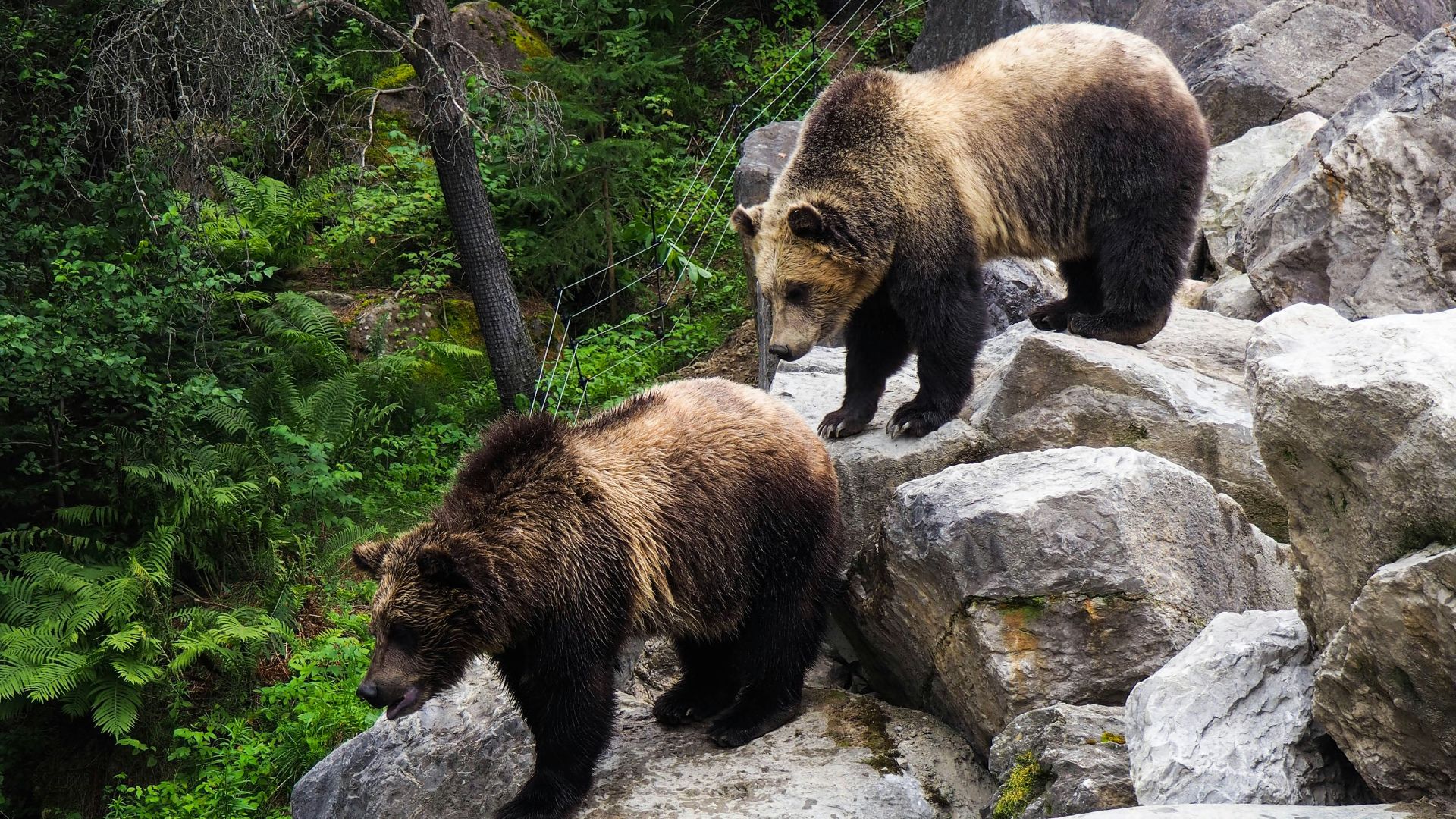
Animals weren’t just dinner. They became hide clothing, sinew cord, bone needles, antler tools, and sometimes even house-building material. Once you look at sites like Mezhyrich, it gets hard to separate hunting from almost every other part of camp life.
 Céline Chamiot-Poncet on Unsplash
18. People Tried To Treat Pain
Evidence from El Sidrón in Spain suggests Neanderthals consumed plants such as yarrow and chamomile, which may have had medicinal uses. Archaeology can’t hand us a perfect prehistoric medical chart, though it does suggest people paid attention to what helped, what soothed, and what was worth remembering the next time somebody got hurt.

19. Looking Human Mattered Too
At Blombos Cave on South Africa’s southern coast, shell beads and ochre use point to body ornamentation deep in the Middle Stone Age. So no, daily life wasn’t just food, cold, and exhaustion. People also cared about identity, display, and how they appeared to one another.

20. There Was Time To Sit Together
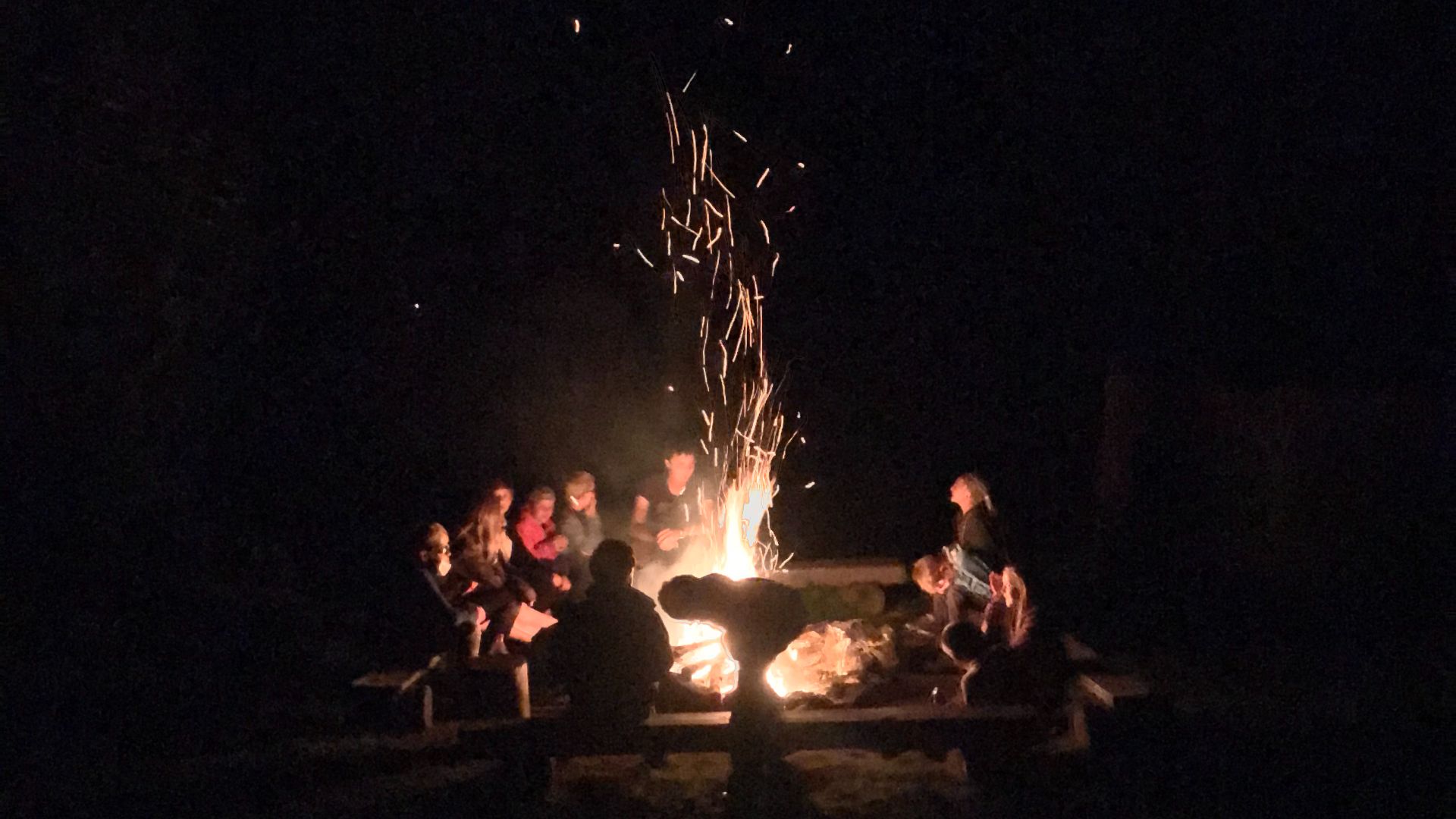
Research on Agta hunter-gatherers in the Philippines suggests skilled storytellers strengthened cooperation inside camps. That doesn’t give us a perfect window into every Stone Age evening, though it does support something easy to forget: people were social after the work was done. They listened, joked, remembered things, and made camp life feel like a shared world instead of a survival checklist.
KEEP ON READING
20 Powerful Ancient Egyptian Gods That Were Worshipped
Unique Religious Figures in Ancient Egypt. While most people are…
By Cathy Liu Nov 27, 2024
The 10 Scariest Dinosaurs From The Mesozoic Era & The…
The Largest Creatures To Roam The Earth. It can be…
By Cathy Liu Nov 28, 2024
The 20 Most Stunning Ancient Greek Landmarks
Ancient Greek Sites To Witness With Your Own Eyes. For…
By Cathy Liu Dec 2, 2024
10 Historical Villains Who Weren't THAT Bad
Sometimes people end up getting a worse reputation than they…
By Robbie Woods Dec 3, 2024
One Tiny Mistake Exposed A $3 Billion Heist
While still in college, Jimmy Zhong discovered a loophole that…
By Robbie Woods Dec 3, 2024
30 Lost Treasures That Vanished From History
Buried treasure, missing artefacts, legends of ancient gold in them…
By Robbie Woods Dec 3, 2024