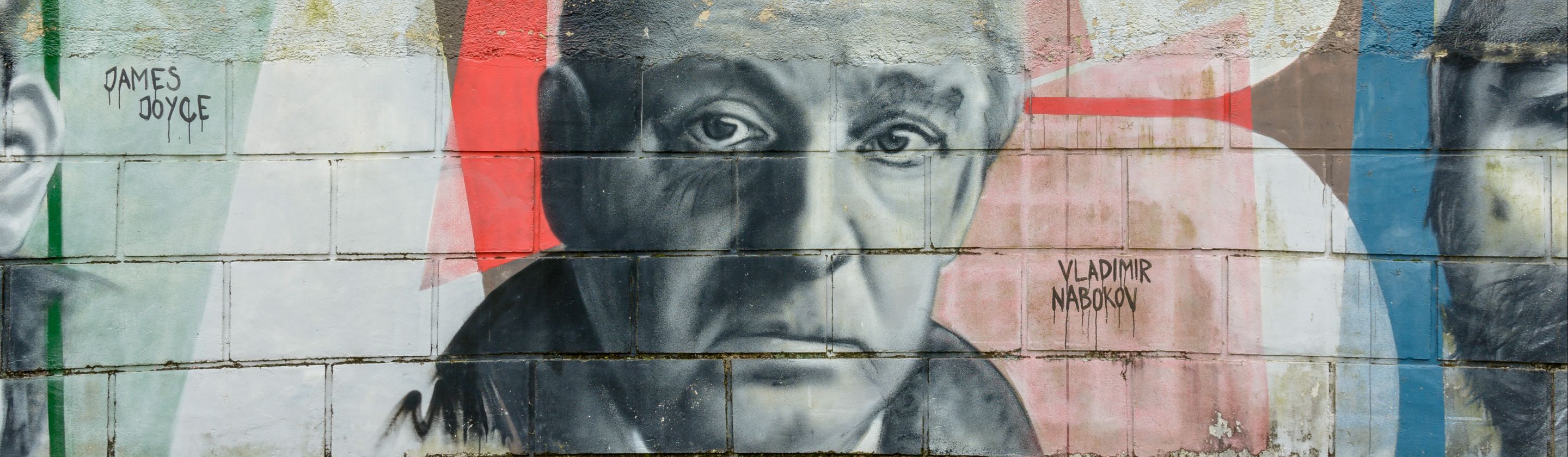
When Censorship Misfires
Book bans get talked about as if they all end the same way, with censors looking foolish and readers rushing out to buy the thing they were told not to touch. Sometimes that happens, and it happens so dramatically that the ban practically becomes the book’s best publicist. But sometimes the opposite is true, especially when the people doing the banning have real power. In those cases, a ban can work in the bluntest possible way: it can narrow access, freeze circulation, and make a book much harder to find for the people most likely to need it. Here are 10 bans that backfired by turning books into events, followed by 10 that, at least for a while and in the places that mattered, actually worked.
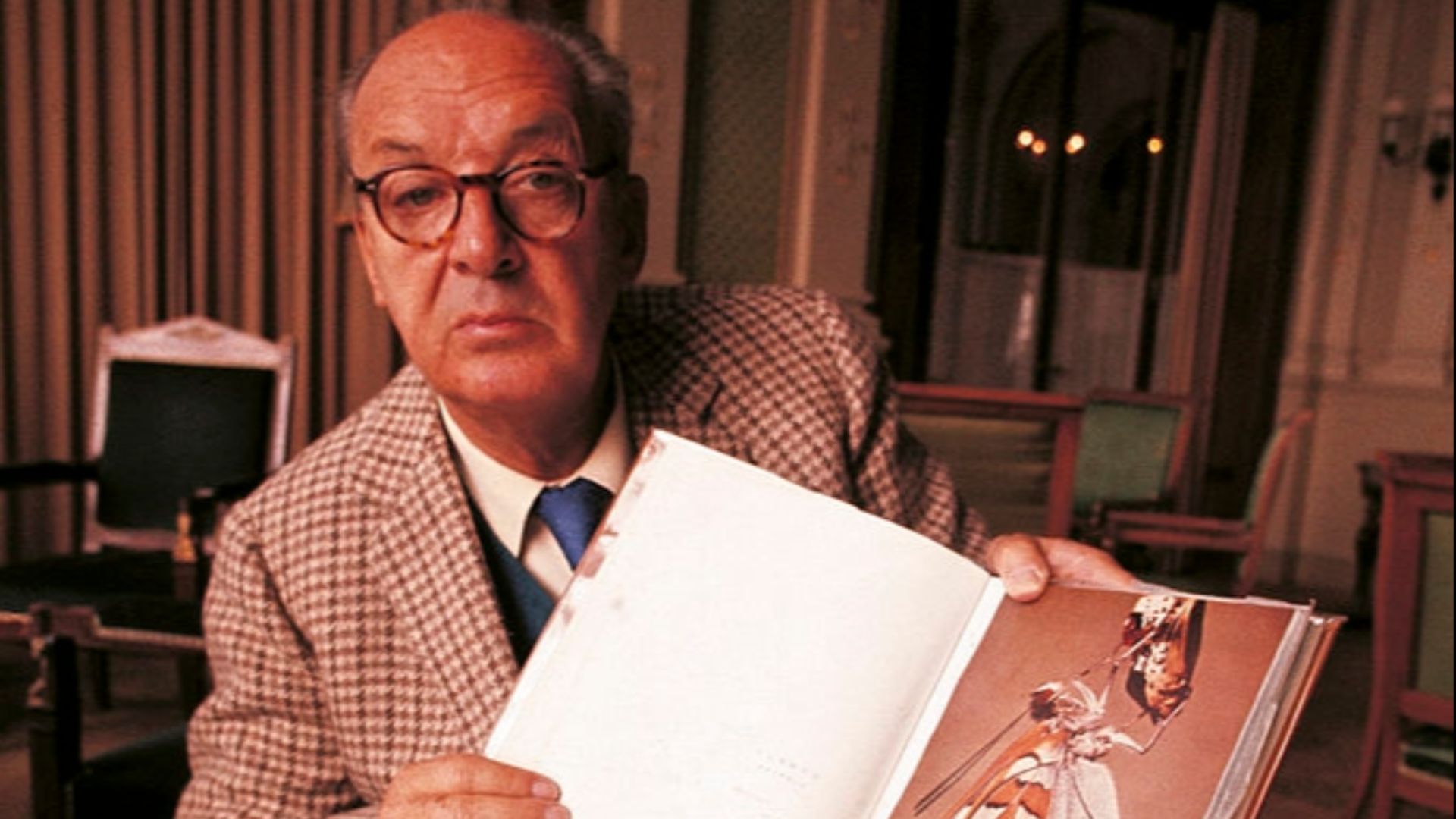 Giuseppe Pino (Mondadori Publishers) on Wikimedia
1. Lady Chatterley’s Lover
The British prosecution of Lady Chatterley’s Lover in 1960 did not shrink the novel at all. A book about class, desire, and an affair that crossed the usual social lines became a national spectacle, and Penguin had already printed 200,000 copies in anticipation of an acquittal.
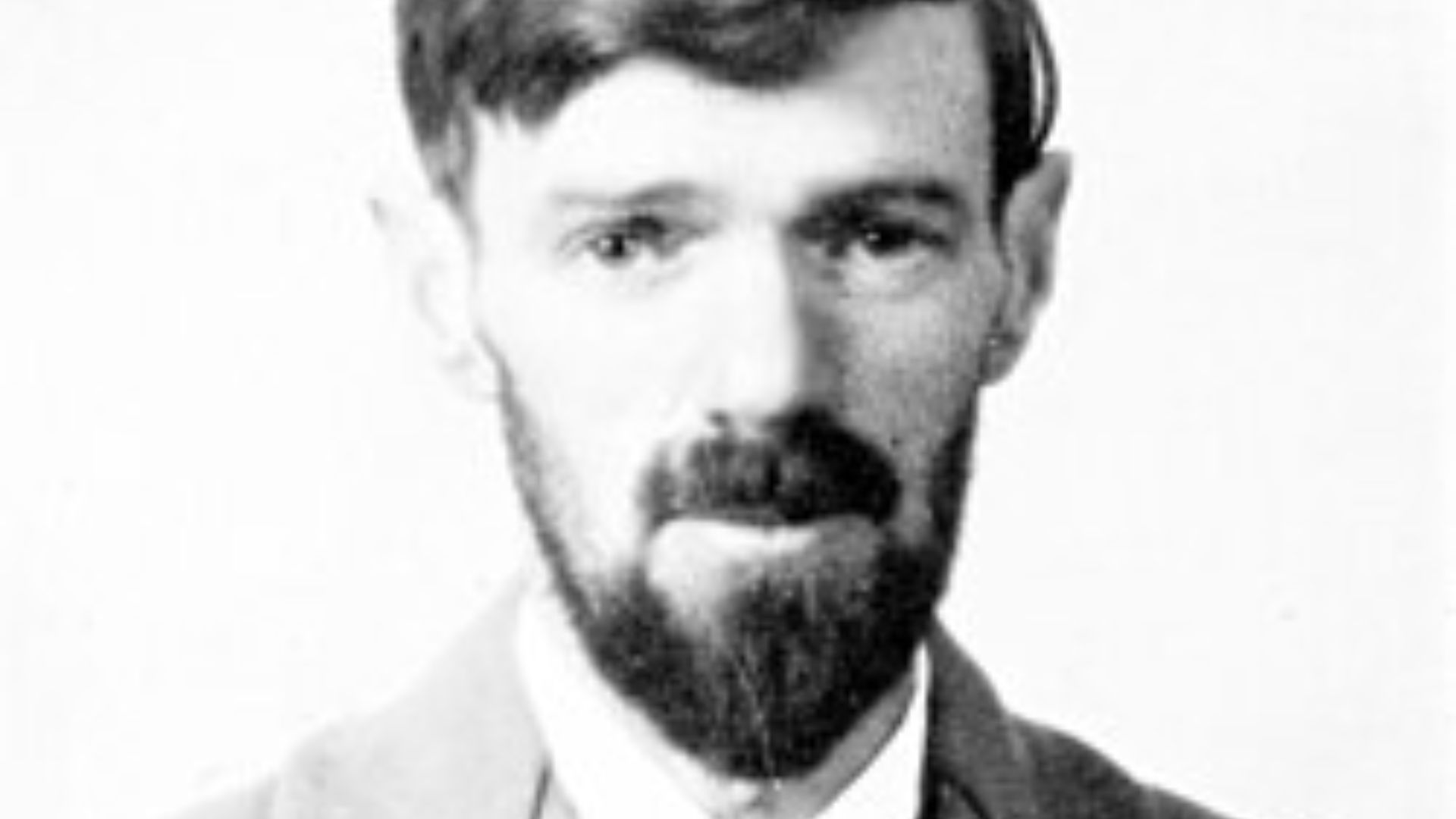 commons.wikimedia.org on Google
2. Ulysses
The American ban on Ulysses helped make it the obscenity case everybody still remembers. Joyce’s dense, unruly novel about one ordinary day in Dublin moved from notorious contraband to literary monument once Judge John Woolsey allowed it into the United States.
3. Howl
The obscenity case around Howl gave Allen Ginsberg’s poem a legal halo that no marketing budget could have bought. A raw, breathless piece about alienation, sexuality, and modern spiritual wreckage ended up fixed in the history of American free expression instead of buried under it.
4. The Well of Loneliness
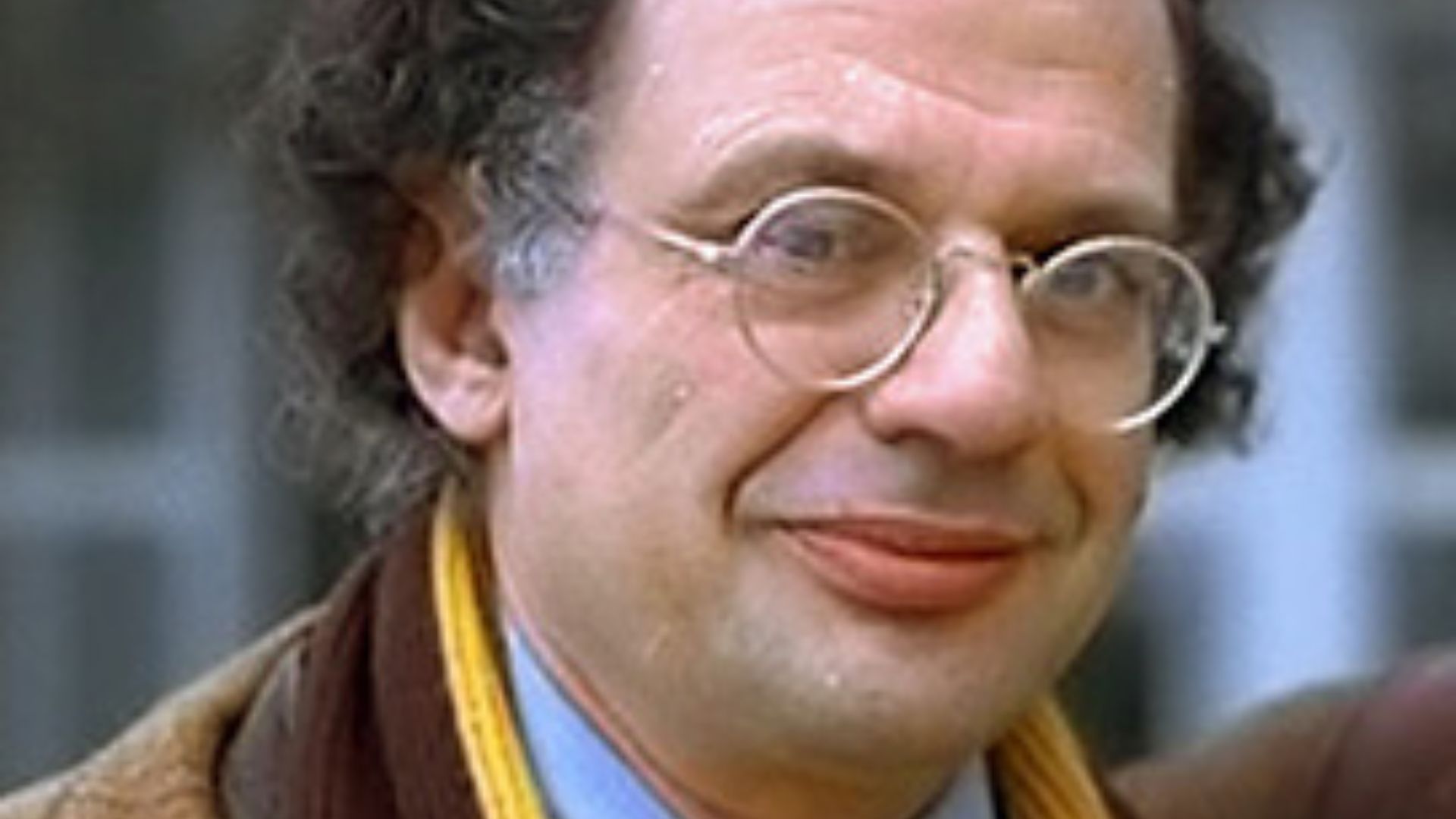
The Well of Loneliness was banned in Britain for its depiction of lesbian life, but the ban only hardened its status as a defining text. A serious, aching novel about isolation, identity, and the cost of being treated as unnatural became more symbolically powerful because authorities tried so hard to smother it.
5. Lolita
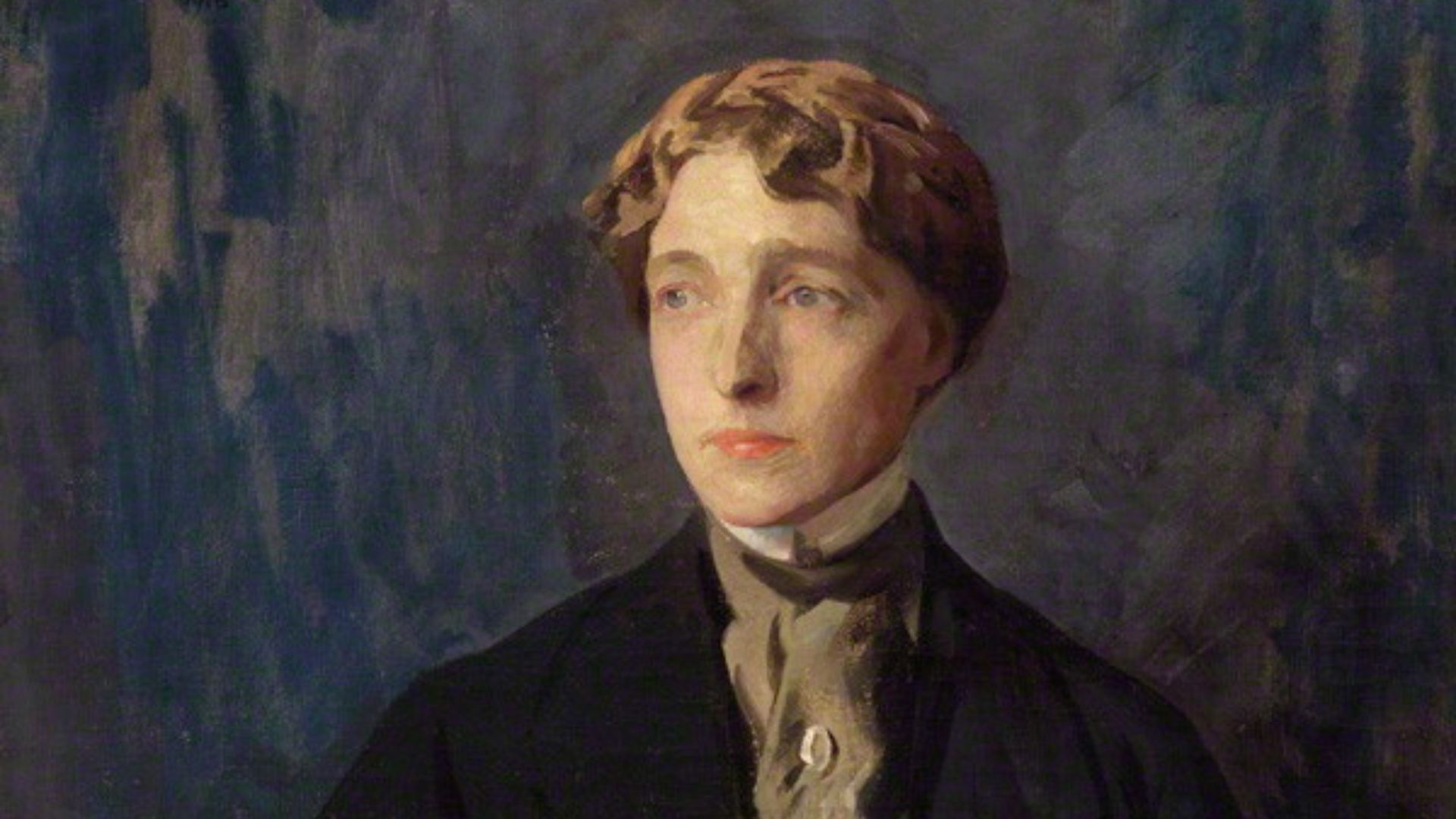
Lolita is one of those books whose controversy and commercial success became inseparable. Nabokov’s slippery, disturbing novel about obsession, manipulation, and a predatory adult mind only drew more fascinated attention when bans in multiple countries tried to contain it.
 Keystone/Getty Images on Wikimedia
6. Tropic of Cancer
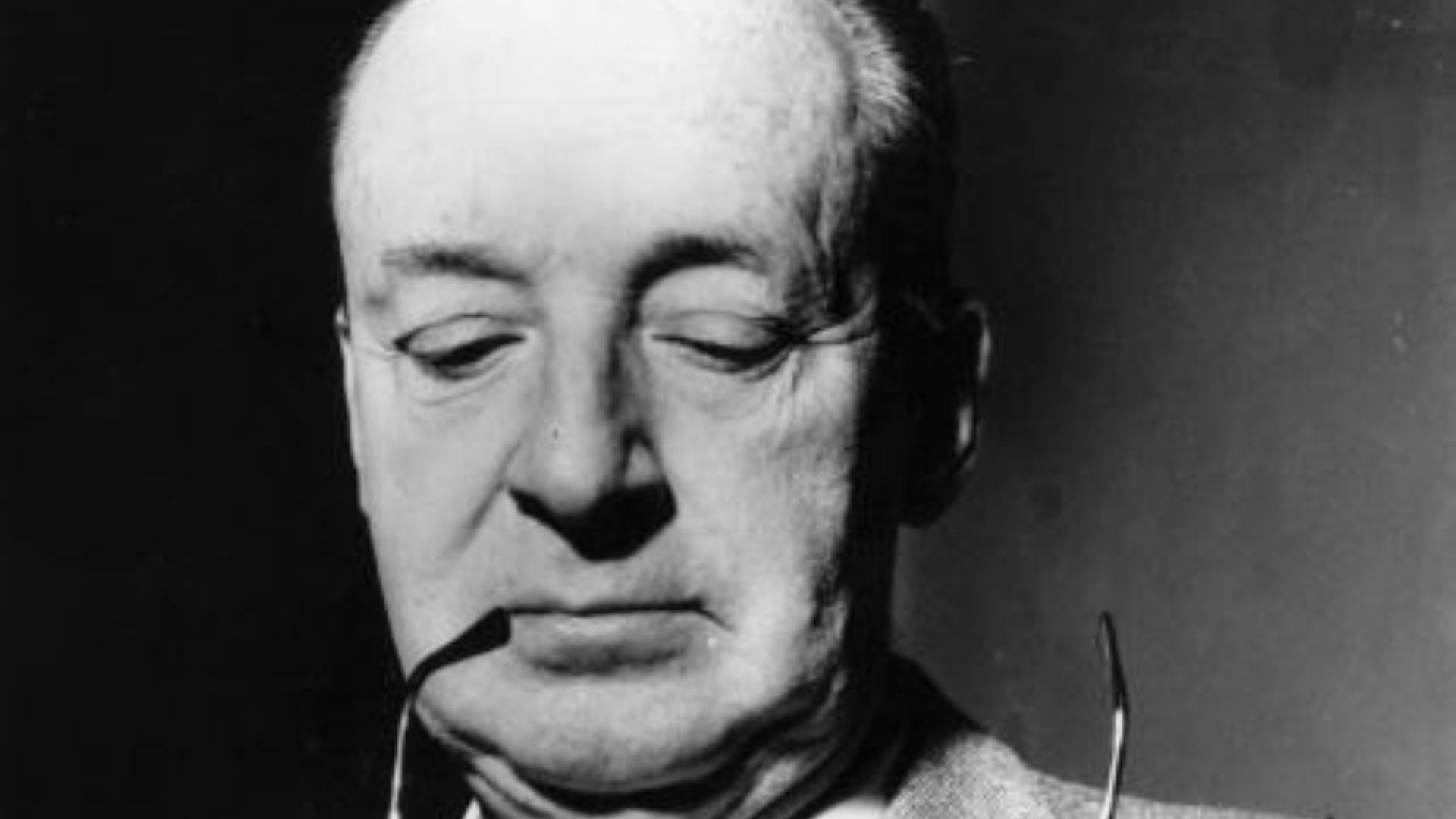
Henry Miller’s Tropic of Cancer spent decades being treated like a legal contaminant, and then the culture shifted under it. Its loose, explicit, self-mythologizing portrait of sex, poverty, and expatriate life in Paris became one of the central examples people cite when talking about why censorship law changed.
7. Fanny Hill
Fanny Hill was supposed to be the sort of book respectable authorities could simply swat away. Instead, this 18th-century novel of seduction, survival, and sexual misadventure became part of a major Supreme Court case, which is not exactly a tidy win for the censors.
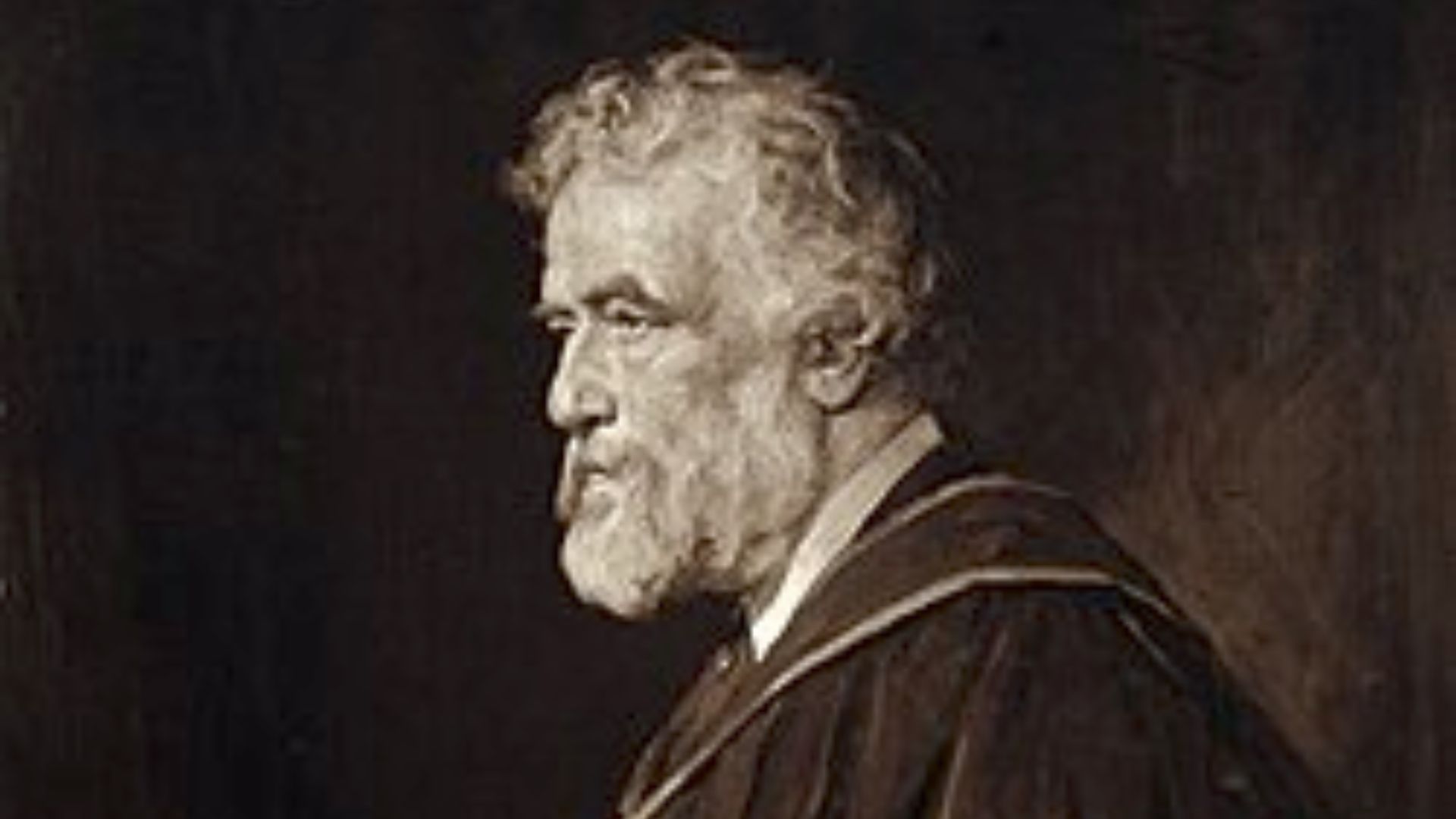
8. The Satanic Verses
The Satanic Verses became one of the most controversial books of the late 20th century because attempts to suppress it escalated the novel into a global flashpoint. Rushdie’s sprawling, dreamlike book about migration, faith, identity, and blasphemy did not vanish under pressure; it became impossible to discuss modern censorship without bringing it up.
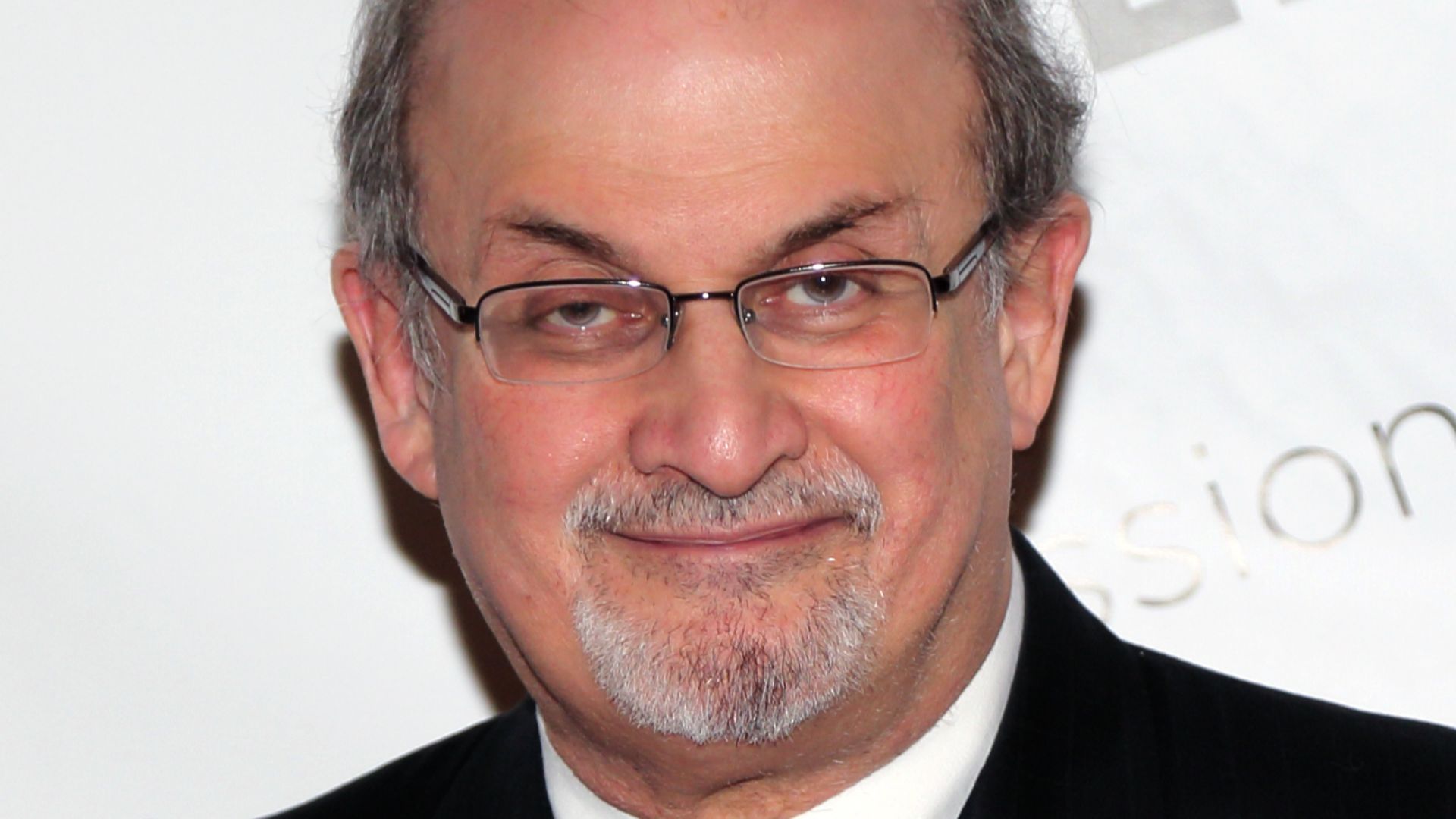 Original: © Ed Lederman/PEN American Center Derivative work: Danyele on Wikimedia
9. Harry Potter
Challenges to Harry Potter in schools and libraries did not slow the series into obscurity. A set of wildly popular novels about magic, friendship, death, and growing up was always going to circulate, and repeated challenges only added one more layer of forbidden-fruit appeal.
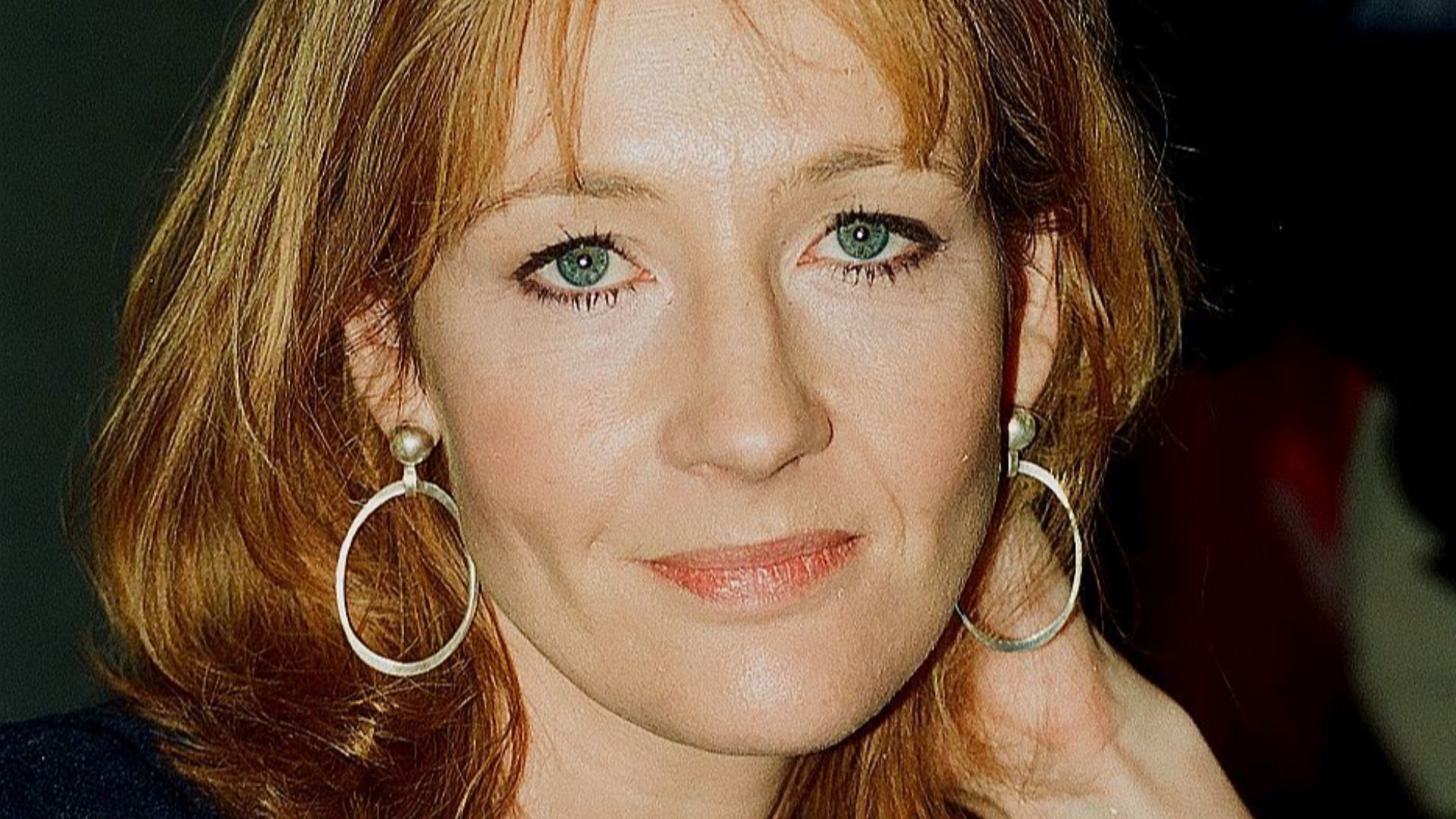 John Mathew Smith & www.celebrity-photos.com from Laurel Maryland, USA on Wikimedia
10. Persepolis
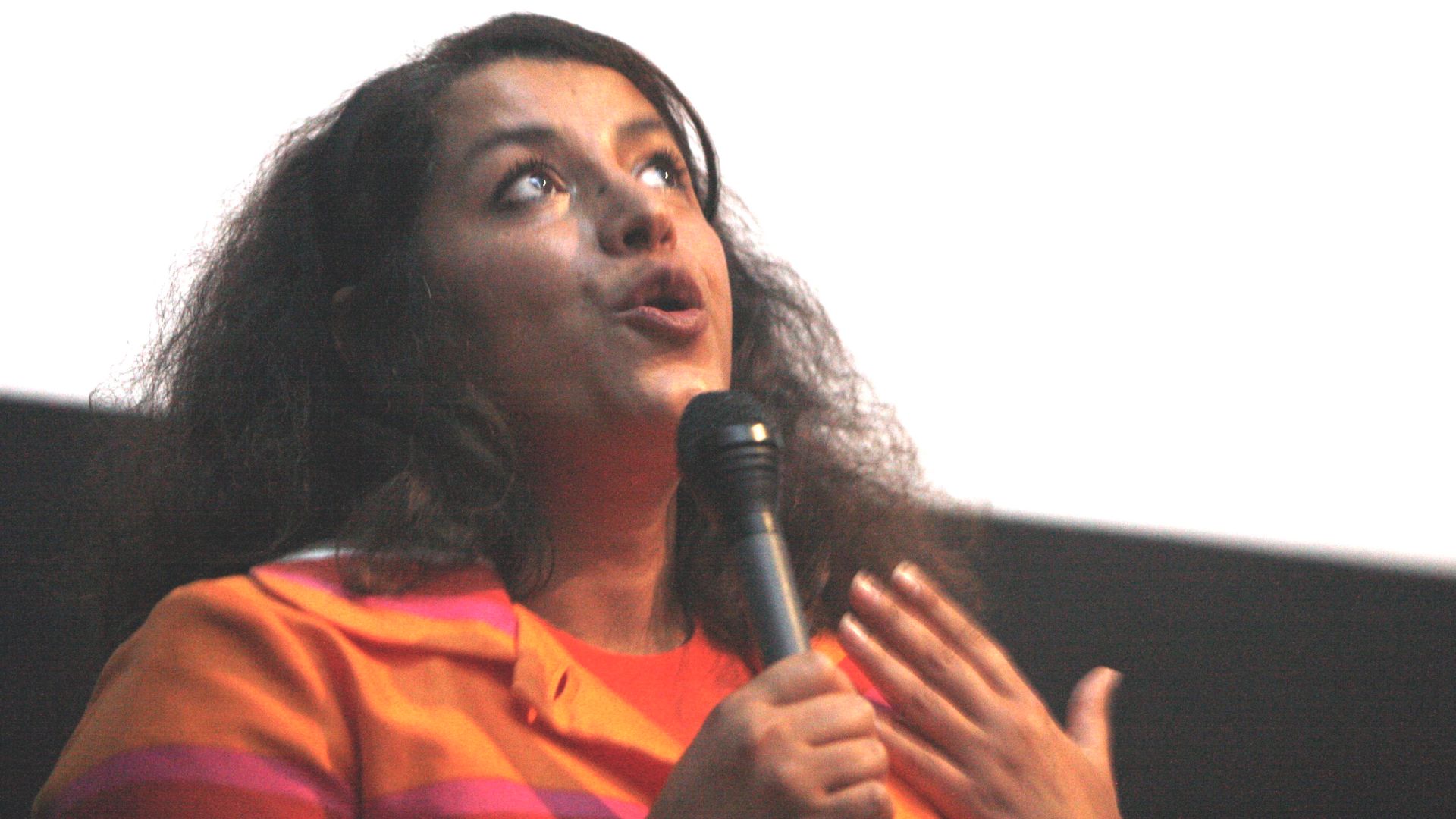
When Chicago Public Schools briefly pulled Persepolis in 2013, the move created the exact kind of attention censors usually claim they want to avoid. Satrapi’s graphic memoir about girlhood, revolution, repression, and daily life in post-revolutionary Iran became even louder once adults tried to make it disappear.
The second half of this list is less comforting, because some bans really do work. Here are ten cases where books were kept out of readers’ hands for a long time.
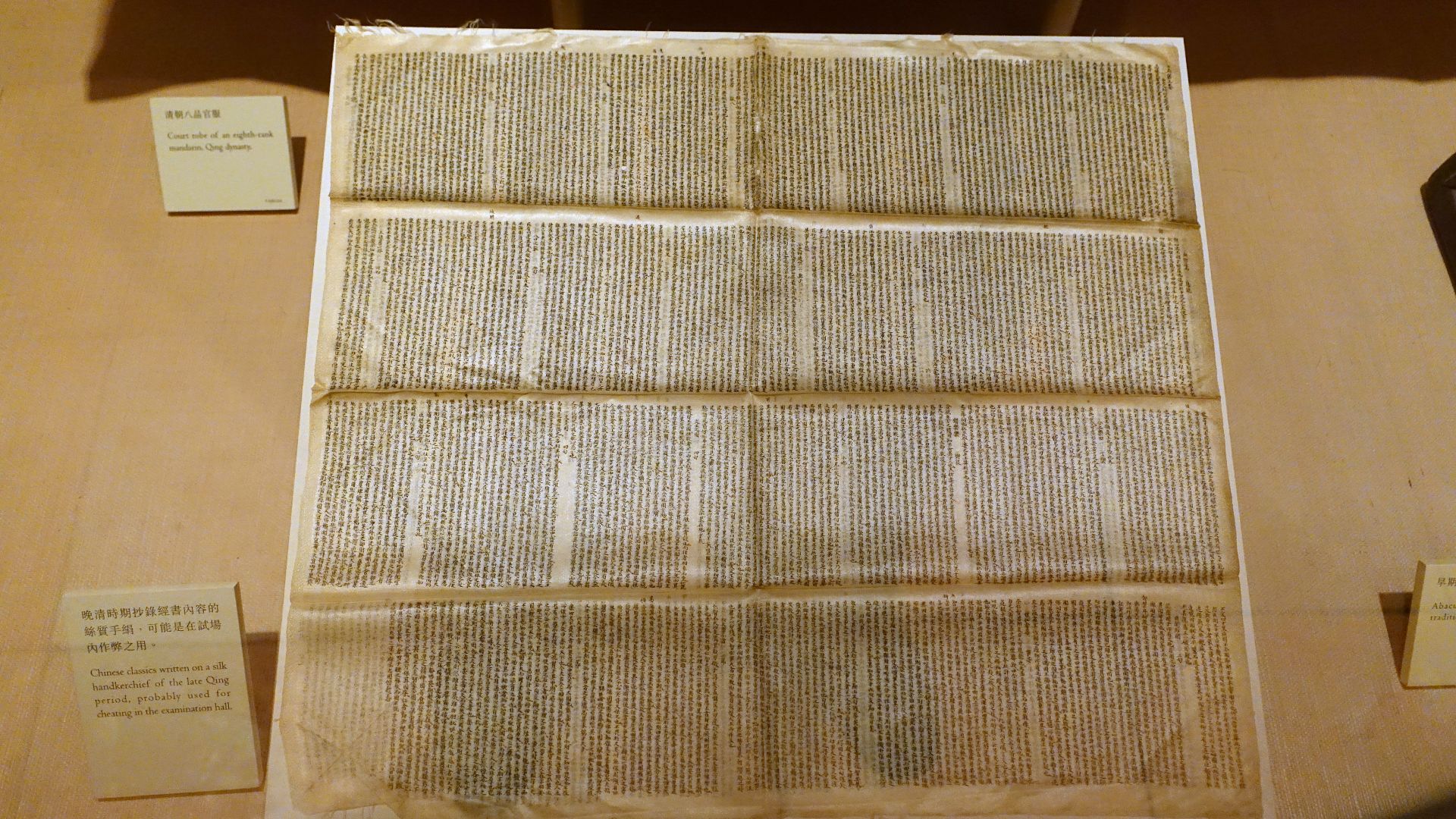
1. Confucian Classics Under Qin
The Qin dynasty’s book burning is still cited because it appears to have destroyed most copies of the Confucian classics. Texts concerned with ethics, order, government, ritual, and the proper shape of society had to be reconstructed later, which is about as close as censorship gets to a material victory.
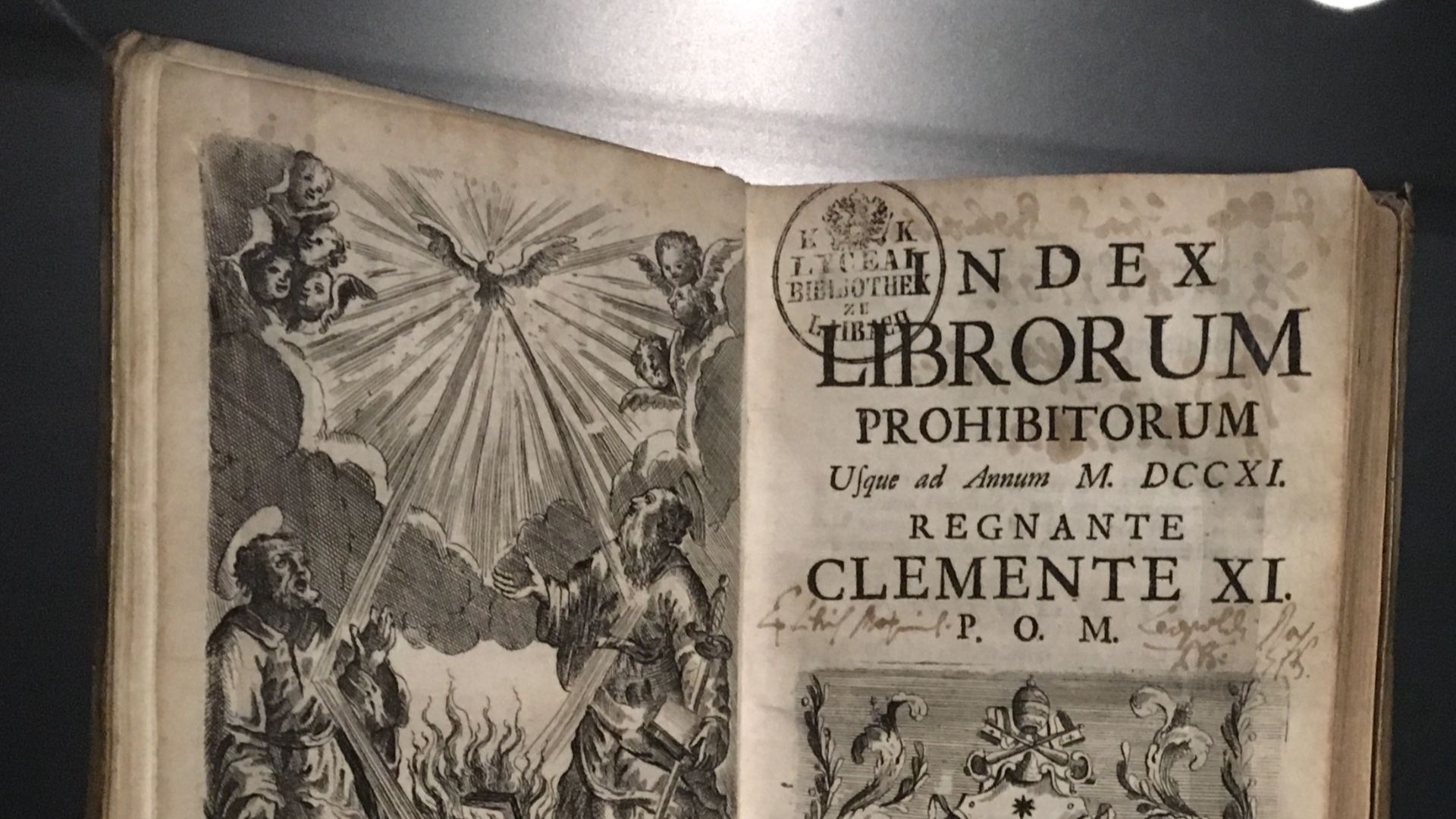
2. The Index Librorum Prohibitorum
The Catholic Church’s Index of Forbidden Books lasted for centuries, and that longevity matters. It did not erase every dangerous idea, but it absolutely worked as a system for controlling access to books on theology, philosophy, science, and political thought among many Catholic readers.
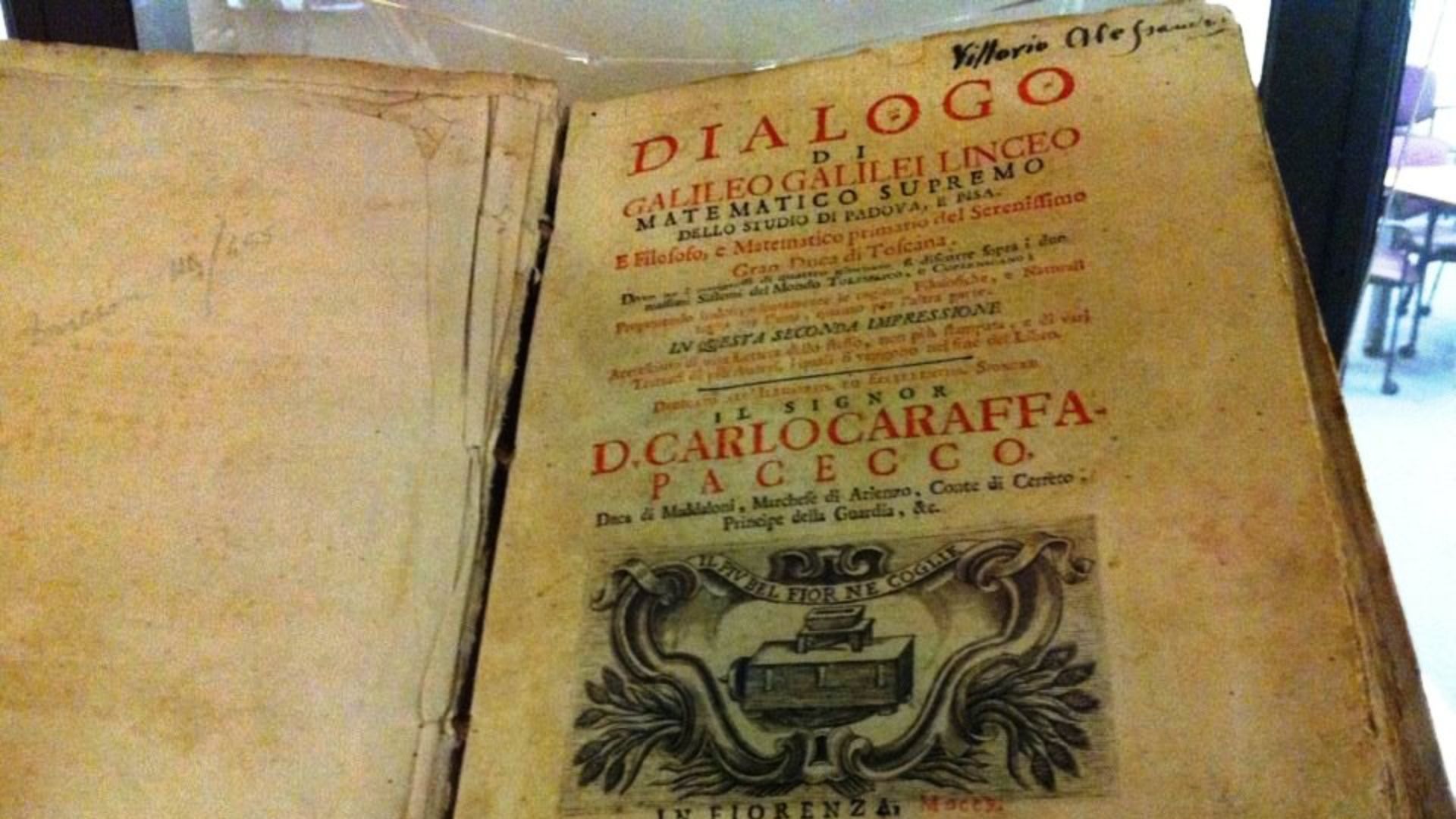
3. Galileo’s Dialogue
Galileo’s Dialogue Concerning the Two Chief World Systems was placed on the Index in 1633 and was not removed until 1835. A book framed as a conversation about how the universe works, and one that clearly tilted toward heliocentrism, was restricted for generations in Catholic lands.
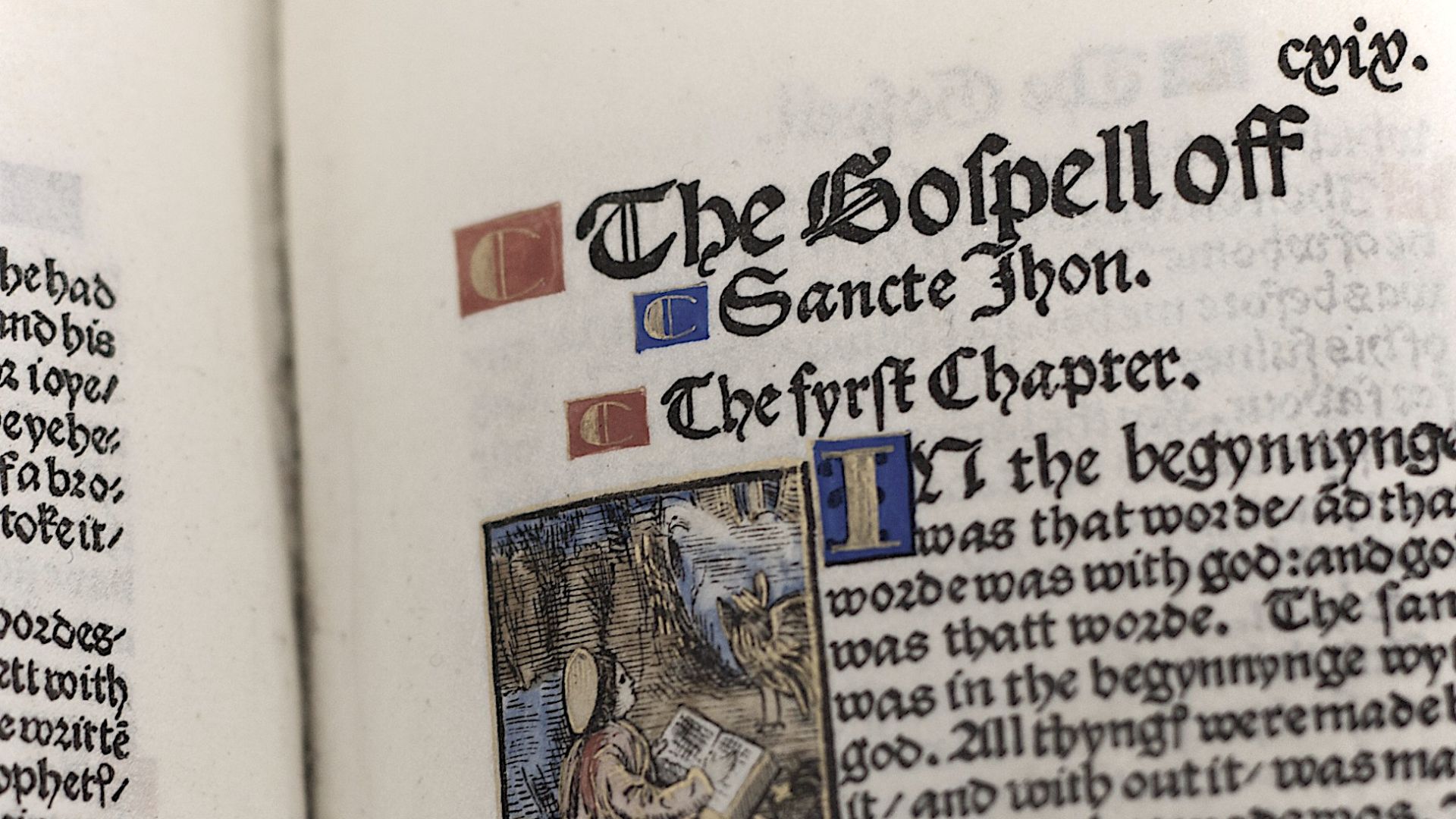
4. Tyndale’s New Testament
William Tyndale’s English New Testament was condemned in England, bought up, and publicly burned. A translation meant to place scripture in ordinary readers’ hands became dangerous enough that distributing it required smuggling networks instead of open circulation.
5. Doctor Zhivago
Doctor Zhivago became an international best-seller, but inside the Soviet Union the ban still worked for decades. Pasternak’s novel of love, upheaval, private conscience, and the Russian Revolution was published abroad in 1957 and not officially published in the Soviet Union until 1987.
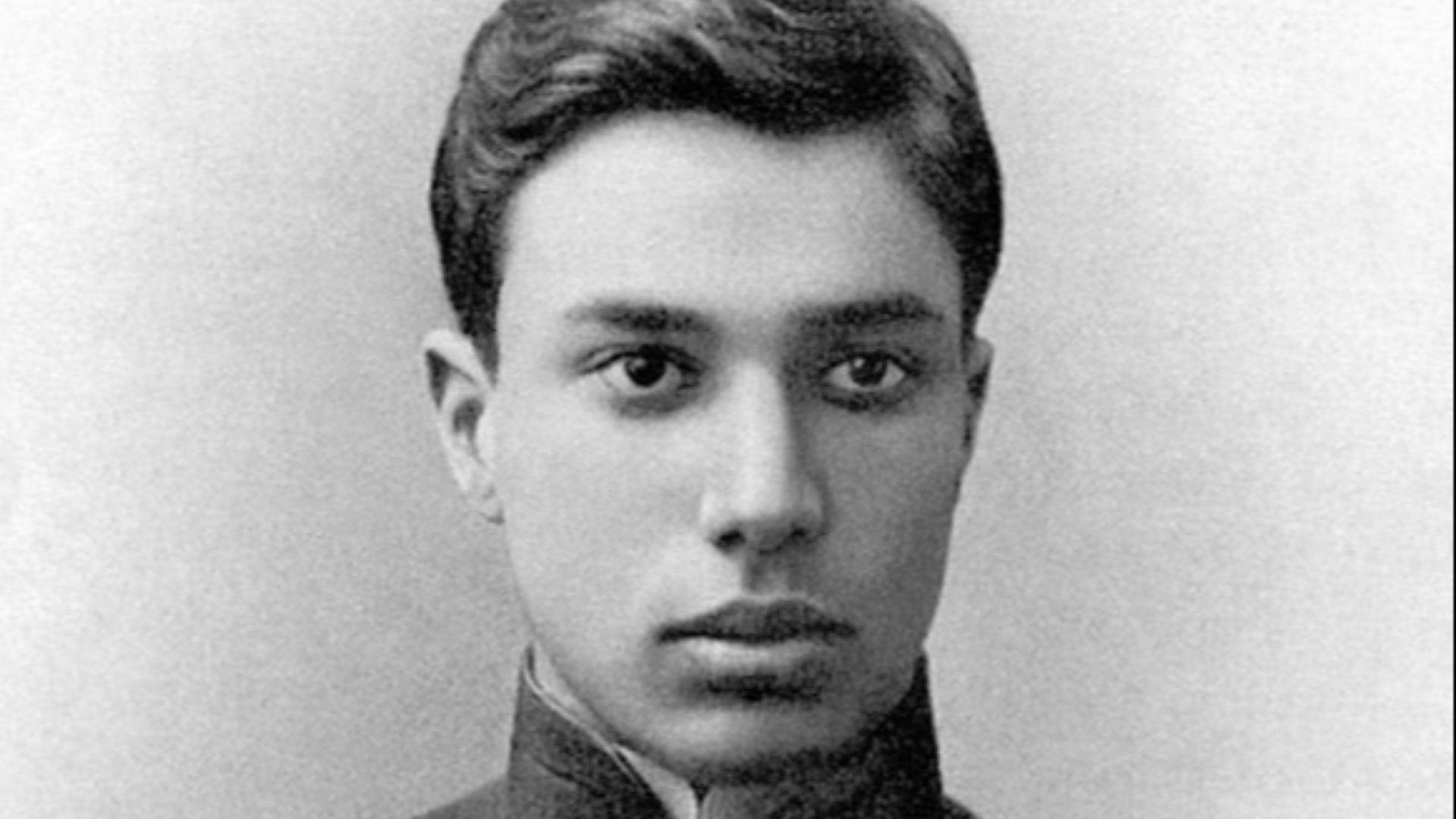 Emil Sigizmundovich Bendel (1870–1948) on Wikimedia
6. The Gulag Archipelago
The Gulag Archipelago devastated readers outside the Soviet Union, but that does not mean Soviet censorship failed. Solzhenitsyn’s vast account of arrest, imprisonment, forced labor, and the machinery of state terror was denounced at home, and the regime used every tool it had to keep it from circulating normally.
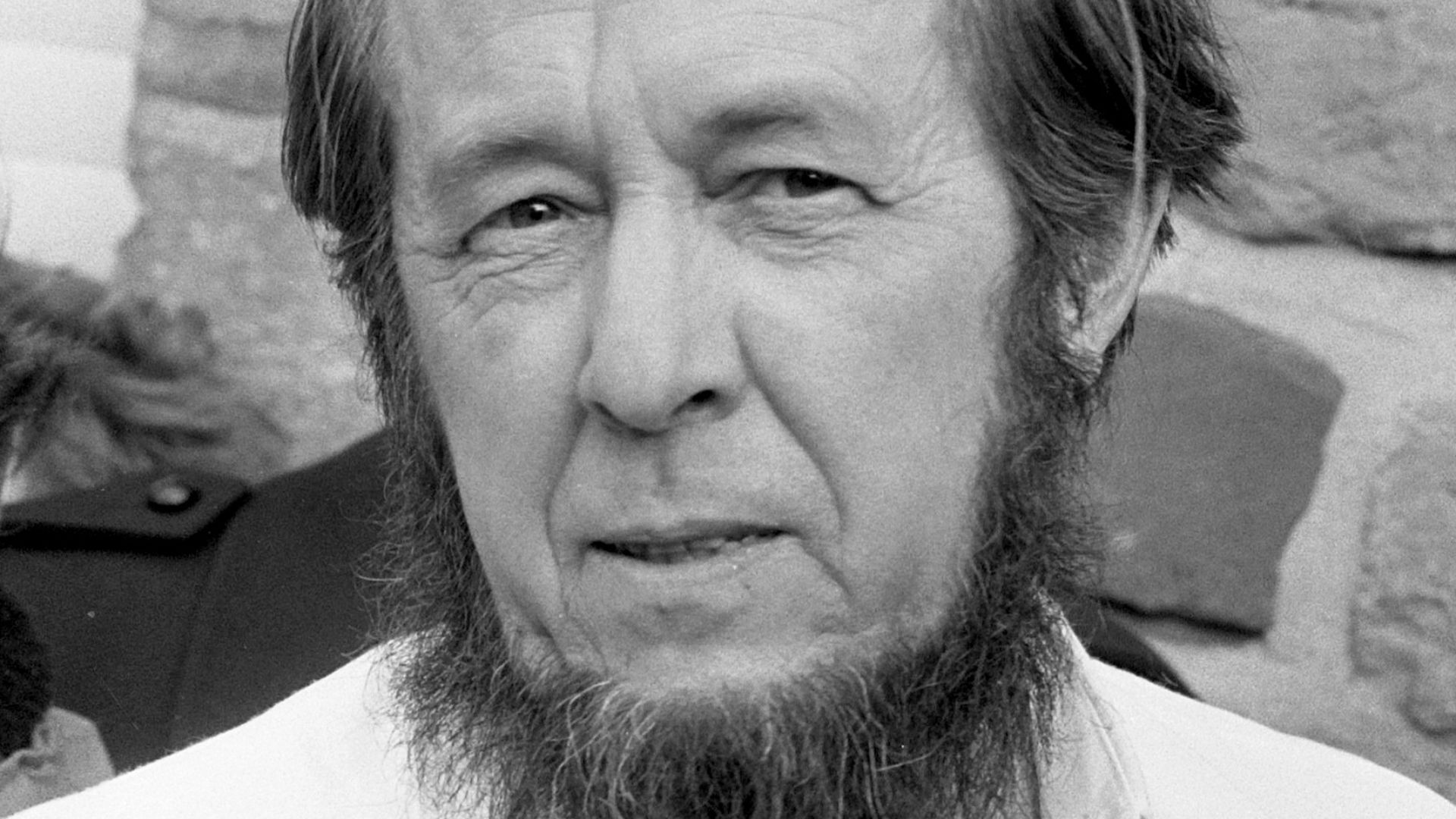 Bert Verhoeff for Anefo on Wikimedia
7. Looking for Alaska
Modern school bans can work in a much smaller, meaner way, by taking a book out of a student’s immediate reach. Looking for Alaska, a novel about grief, desire, guilt, and teenage self-invention, has been repeatedly removed from U.S. public schools, which means real students lost easy access to it.

8. Nineteen Minutes
Nineteen Minutes has also been repeatedly banned in U.S. public schools, and those removals matter in a practical sense. Picoult’s novel about bullying, violence, and the aftermath of a school shooting does not need to vanish nationally for censorship to succeed; it only needs to disappear from the shelf down the hall.
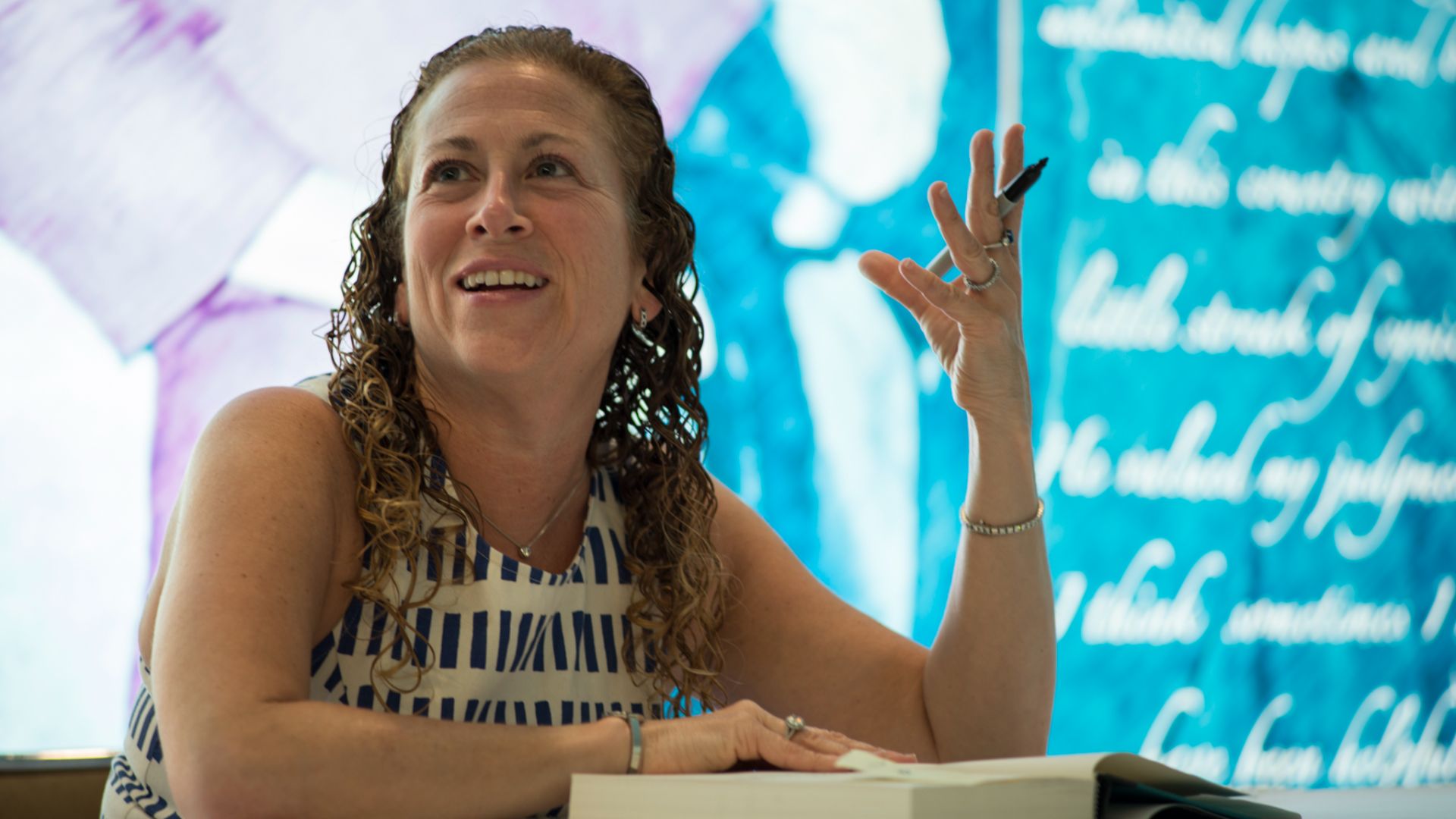 LBJ Library photo by Lauren Gerson on Wikimedia
9. Sold
Sold has been banned again and again in recent years, which shows how effective school-level censorship can be. A novel about child trafficking, exploitation, and the theft of innocence becomes much harder to encounter when it is repeatedly stripped from the places young readers might have found it.
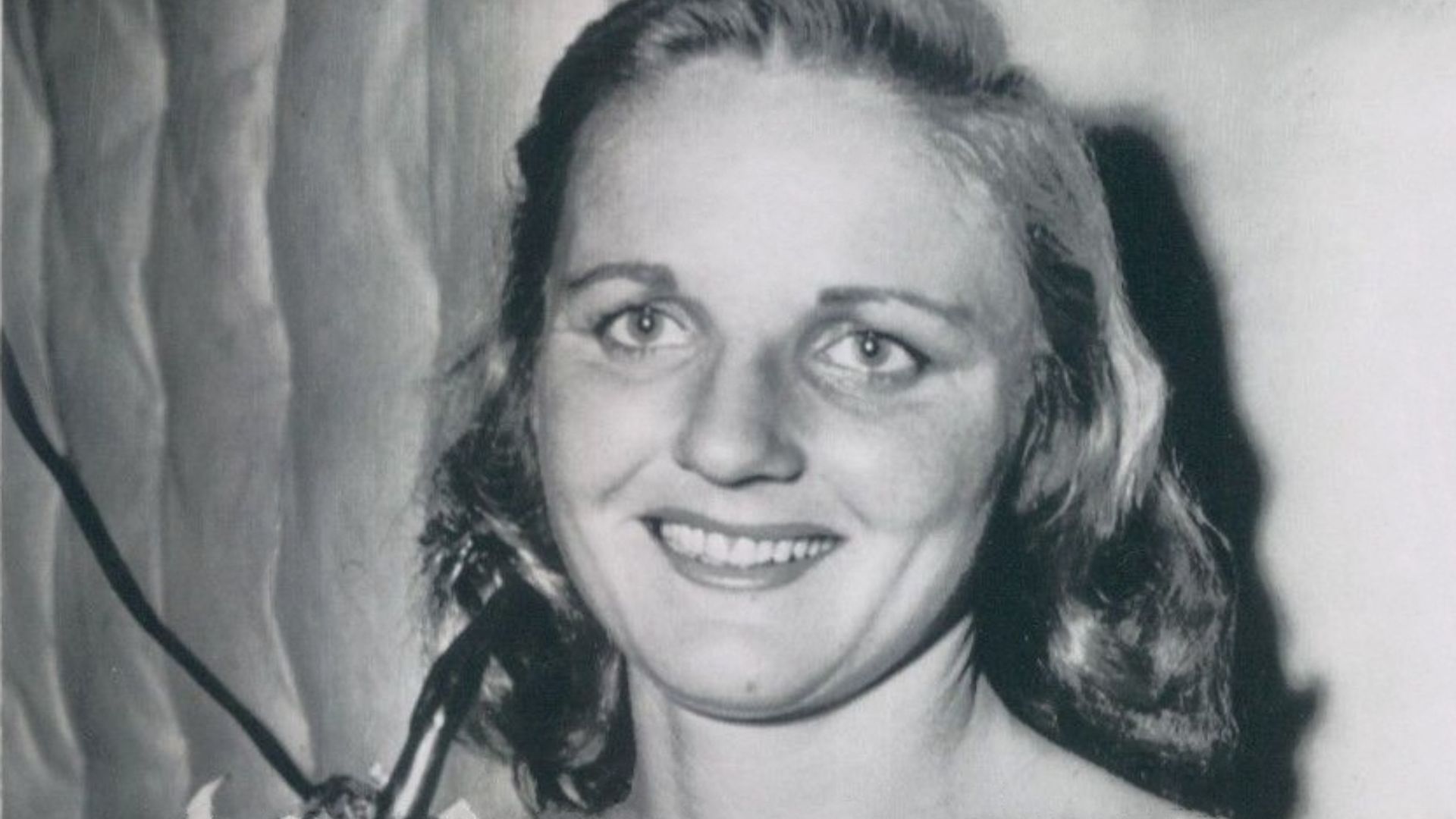
10. Tricks
Tricks closes the list because it shows how efficiently contemporary censorship can target a book and keep pressing. Hopkins’s novel, which follows teenagers pulled into abuse, trafficking, and sexual exploitation, has been banned often enough that many students simply never see it where they should be able to read freely.
 produced by Paramount pictures and supplied to
KEEP ON READING