
The Deadly Secret Beneath One of America's Most Beautiful Lakes
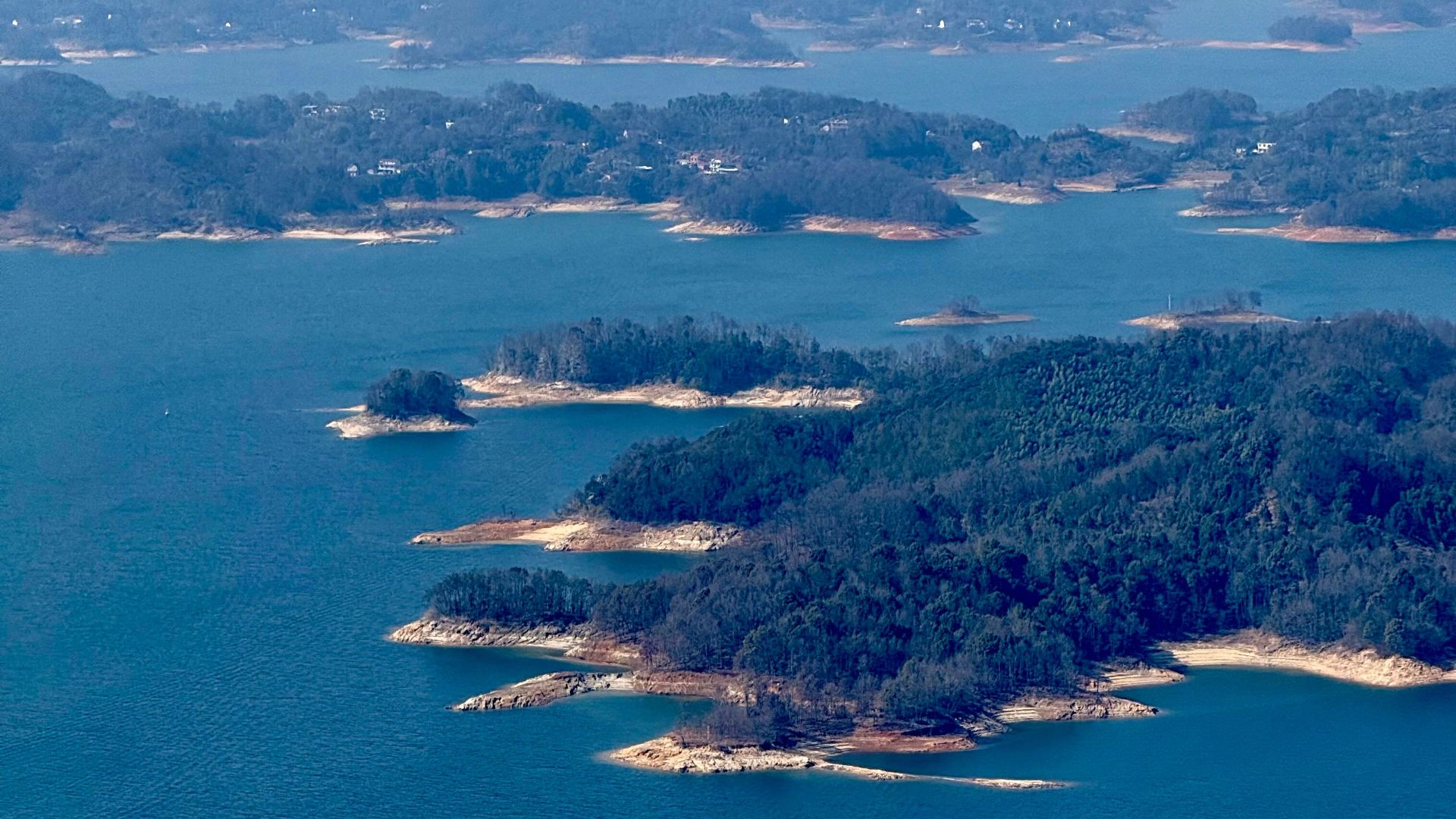
With its sparkling blue water, wooded islands, and beautiful shoreline, Georgia's Lake Lanier seems like the perfect destination for a summer getaway. Located about an hour northeast of Atlanta, this massive reservoir attracts millions of visitors who come to swim, boat, and take in the scenery. However, beneath its seemingly peaceful surface lies a troubling history involving displaced communities, submerged structures, and a surprisingly high death toll.
Since its creation in the 1950s, Lake Lanier has earned a reputation as one of America's most mysterious and supposedly haunted bodies of water. Stories about underwater cemeteries, abandoned buildings, and unexplained drownings have circulated for decades, leading to plenty of theories about what might be lurking below, but the lake's real history is disturbing enough without involving anything supernatural.
The Forgotten Communities Beneath the Water
Lake Lanier isn't a naturally occurring body of water. It was created when the U.S. Army Corps of Engineers built Buford Dam along the Chattahoochee River, primarily to provide flood control and hydroelectric power. Construction began in 1950, and the reservoir started filling in February 1956. By May 1959, the water had reached its full operating level, completely transforming thousands of acres of Georgia countryside.
Before the lake existed, the surrounding landscape was home to farms, houses, roads, churches, and small communities. According to the Army Corps of Engineers, more than 700 families were relocated as the government acquired over 56,000 acres for the project. Workers demolished or removed many buildings, but some structures were left standing because they would eventually disappear beneath the rising water. Remnants of this former landscape can still be found scattered across the lakebed today.
One of the most unsettling aspects of the construction involved the area's cemeteries, which presented a particularly complicated challenge. Historical accounts suggest that approximately 20 cemeteries were affected, with numerous graves relocated before the reservoir was filled. However, some burial sites couldn't be moved, raising questions about how many graves might still remain underwater. These details eventually inspired local legends about the lake being haunted by people whose final resting places had been disturbed.
The Tragic History Behind Lake Lanier's Haunted Reputation
One of the most frequently repeated stories about Lake Lanier centers on Oscarville, a former community in Forsyth County. In 1912, racial violence erupted throughout the county following accusations against several Black men, leading to lynchings, executions, and widespread intimidation. White mobs subsequently forced nearly all of Forsyth County's Black residents from their homes, leaving families with little choice but to abandon their property and livelihoods. The consequences of this violent expulsion continued to affect the region for generations.
Over the years, a popular story emerged suggesting that Oscarville had been a thriving Black town deliberately flooded to create Lake Lanier. However, historians at the Atlanta History Center have explained that this account doesn't accurately reflect what happened. The violent expulsion took place more than four decades before the reservoir was constructed, meaning the community had already been devastated long before the lake existed. Even so, the region's documented history of racial violence and displacement remains an important part of its past.
As Lake Lanier grew into a popular recreational destination, stories about supposedly supernatural encounters began gaining attention. Some visitors reported experiencing strange sensations while swimming, while others shared tales of mysterious figures appearing along the shoreline. With submerged structures, relocated graves, and a traumatic regional history, it wasn't difficult for people to imagine something sinister hiding beneath the water. Although there's no scientific evidence supporting these paranormal claims, the legends have become closely tied to the lake's reputation.
The Real Dangers Hiding Beneath the Surface
Unfortunately, Lake Lanier's deadly reputation isn't entirely the result of local folklore, as the reservoir has witnessed numerous fatal accidents throughout its history. Drownings and boating collisions have repeatedly made headlines, prompting concerns about just how safe the popular destination really is. In 2025 alone, the Georgia Department of Natural Resources recorded six drowning deaths at the lake. While these incidents aren't exclusive to Lake Lanier, their frequency has certainly contributed to its unsettling reputation.
One of the lake's less obvious dangers is its underwater terrain, which can be surprisingly hazardous to navigate. Certain areas contain submerged trees, rocks, and remnants of old structures, creating obstacles for swimmers and divers who aren't familiar with the environment. The water also reaches extreme depths in some locations, exceeding 200 feet near Buford Dam. Rescue divers have described working in almost complete darkness while maneuvering around standing timber, fishing lines, and other underwater hazards.
Poor visibility creates another serious problem, particularly when someone goes missing beneath the surface. Although Lake Lanier's water can appear inviting from the shoreline, deeper areas are often murky, making underwater rescue operations both difficult and dangerous. Sudden drop-offs and colder temperatures at greater depths can make emergencies even more challenging, especially for inexperienced swimmers. That's why officials encourage visitors to swim in designated areas, wear life jackets, and avoid exploring unfamiliar underwater environments.
Despite its disturbing past, Lake Lanier remains one of Georgia's most popular outdoor destinations, attracting visitors who appreciate its scenery. Its mysterious reputation might inspire countless stories about curses and ghosts, but the documented tragedies surrounding the lake deserve far more attention than the supernatural legends. Looking beyond the folklore reveals something much more significant: a complicated history of displacement, loss, and very real dangers that continue to exist beneath the surface.
KEEP ON READING