
Take A Break From The Doom And Gloom
History books tend to focus on wars, political conflicts, natural disasters, and the occasional ruler who made life miserable for everyone. However, humanity's past is also filled with remarkable acts of kindness, extraordinary achievements, and moments that genuinely made the world a better place. From ancient civilizations showing affection for their pets to scientific discoveries that saved millions of lives, there's plenty of historical evidence that people have always been capable of wonderful things.
 Unknown authorUnknown author on Wikimedia
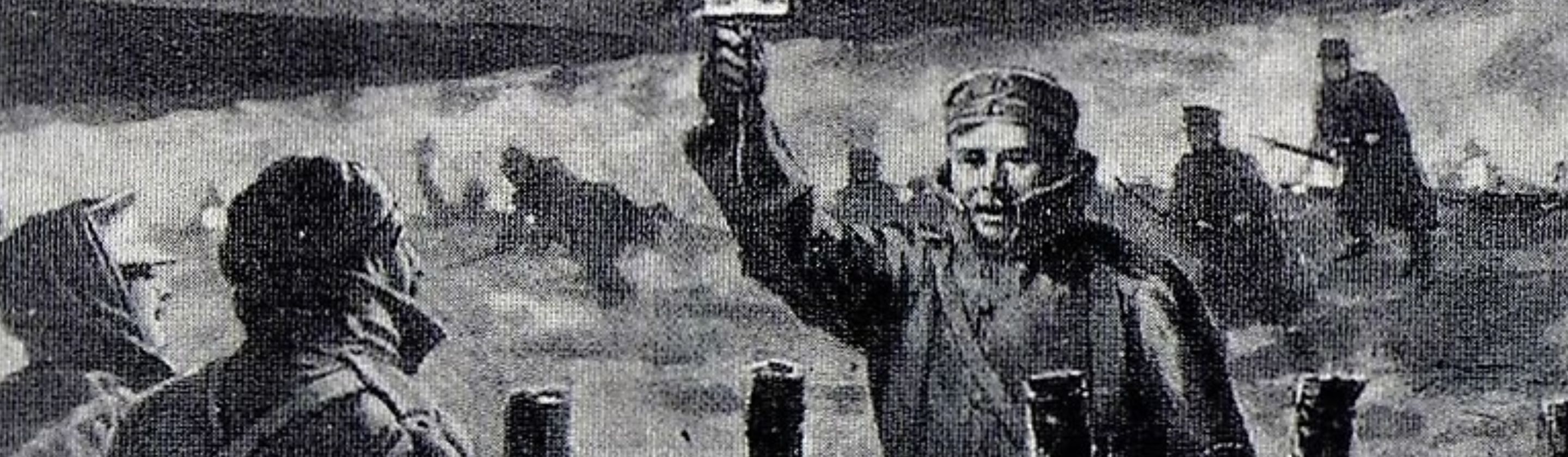
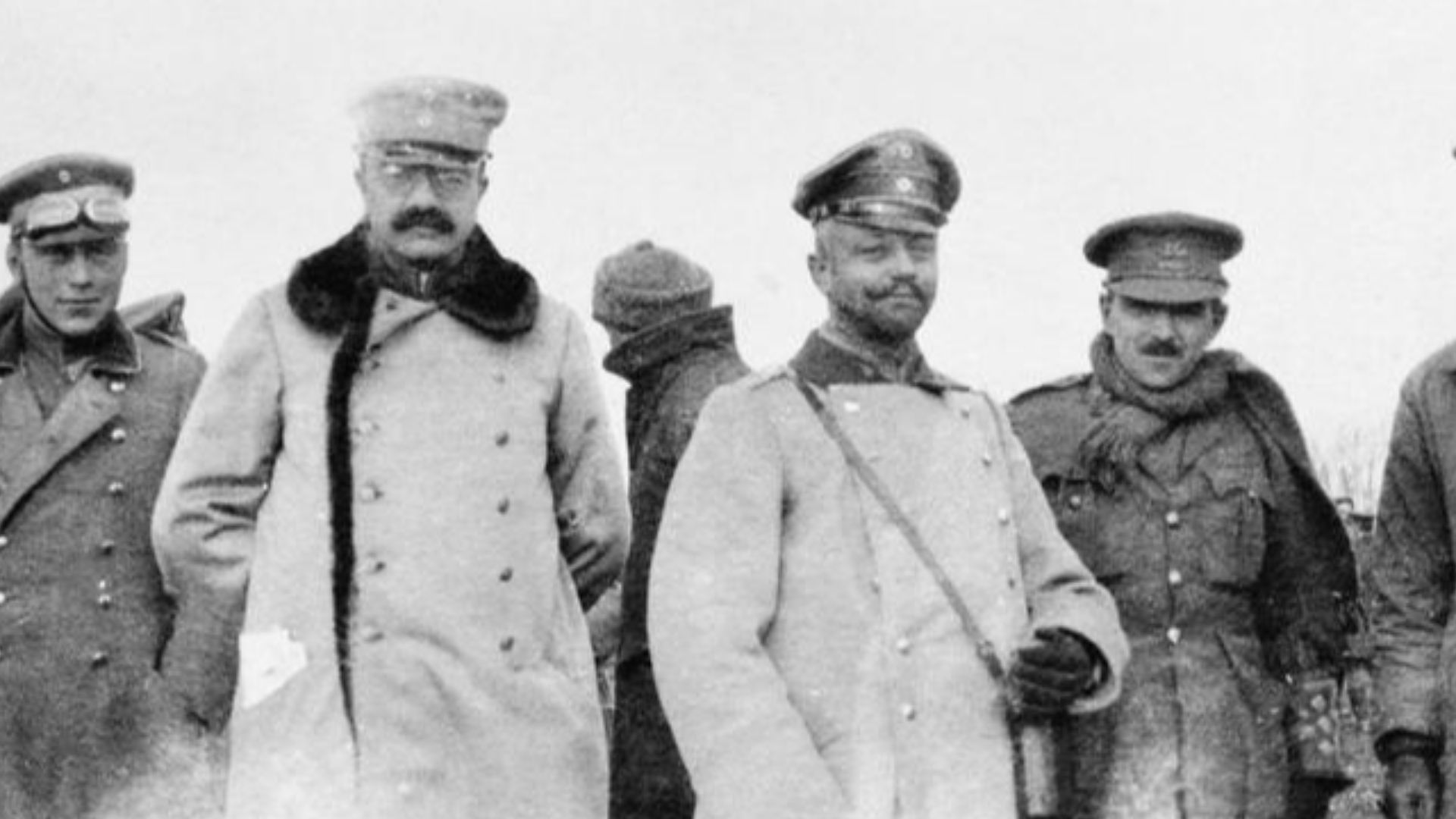
1. The Christmas Truce of 1914
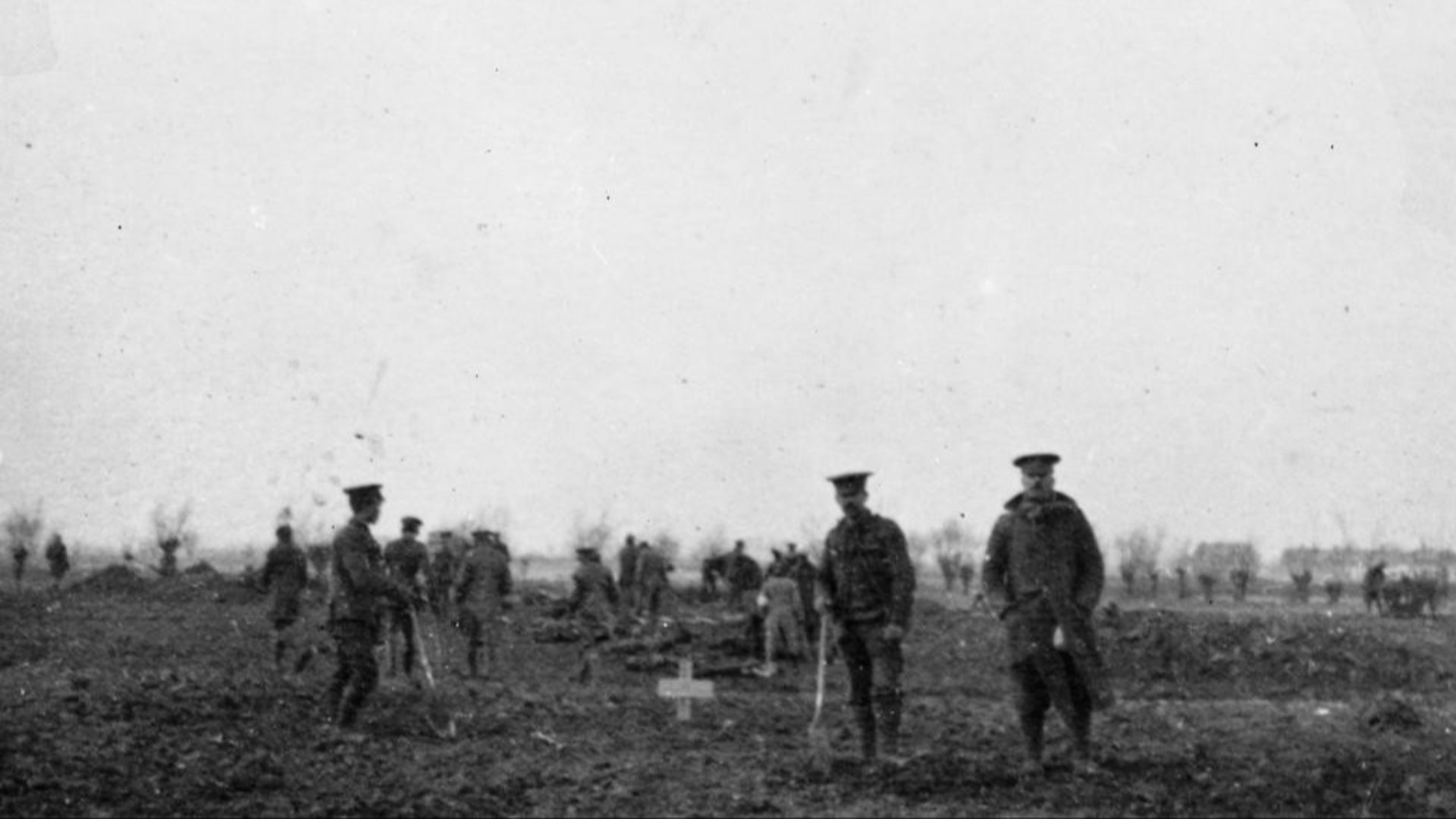
Many, though not all, soldiers from Britain and Germany ceased hostilities with one another for at least 24 hours on December 24–25, 1914. Many met each other in no man's land, talked, played games together, sang carols, and gave one another gifts and mementos. Although the truce wasn't universal or officially authorized, it demonstrated that ordinary people could still recognize each other's humanity during a devastating conflict.
 Unknown authorUnknown author on Wikimedia
2. The First Successful Smallpox Vaccine
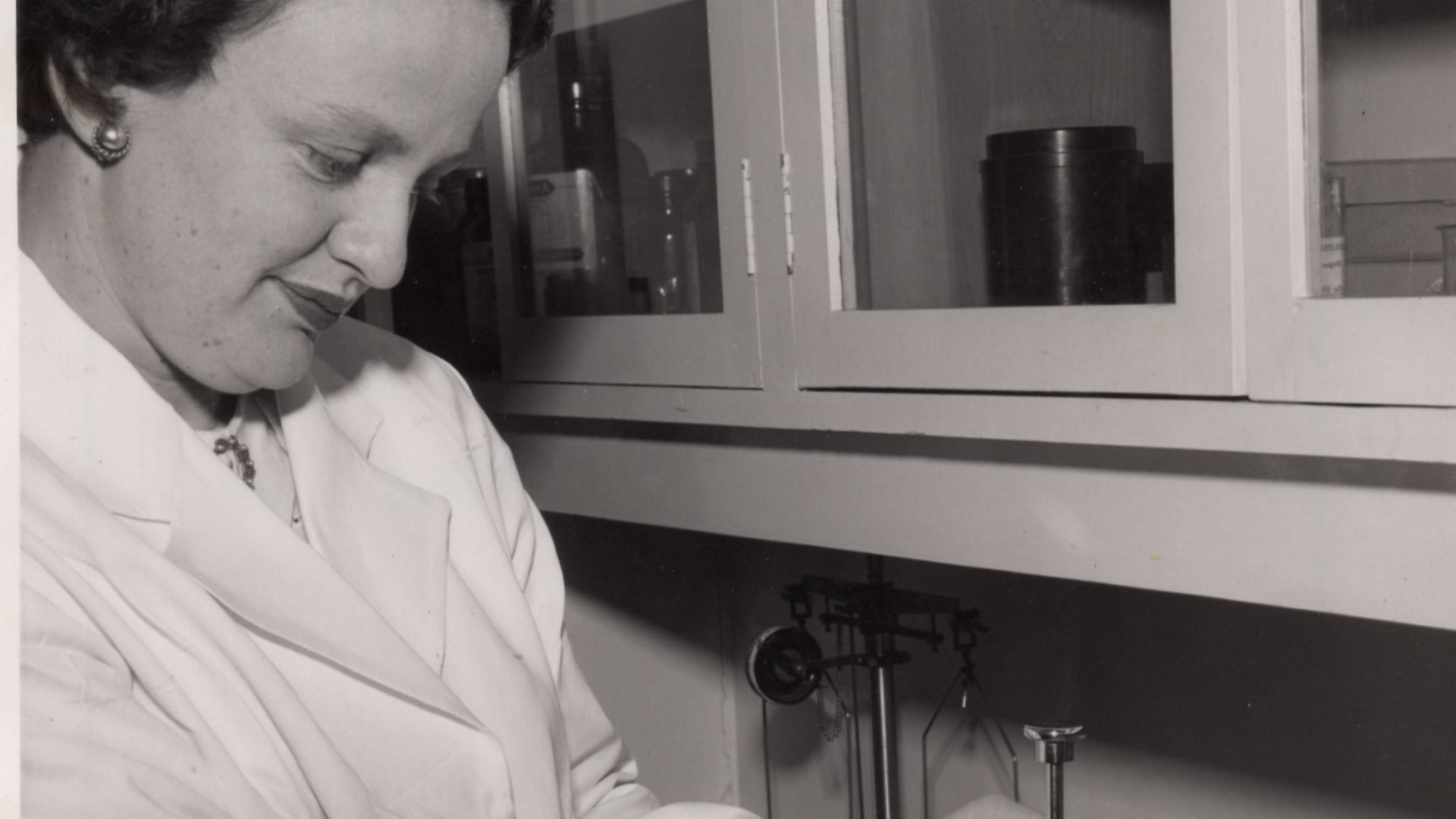
By inoculating patients with cowpox, Dr. Jenner showed in 1796 that it could provide immunity to smallpox. This went on to form the basis of immunization against a range of other infectious diseases. In 1980, the World Health Organization officially declared smallpox eradicated, making it the first human infectious disease eliminated worldwide.
 Archives New Zealand on Wikimedia
3. Ancient Egyptians Loved Their Pets
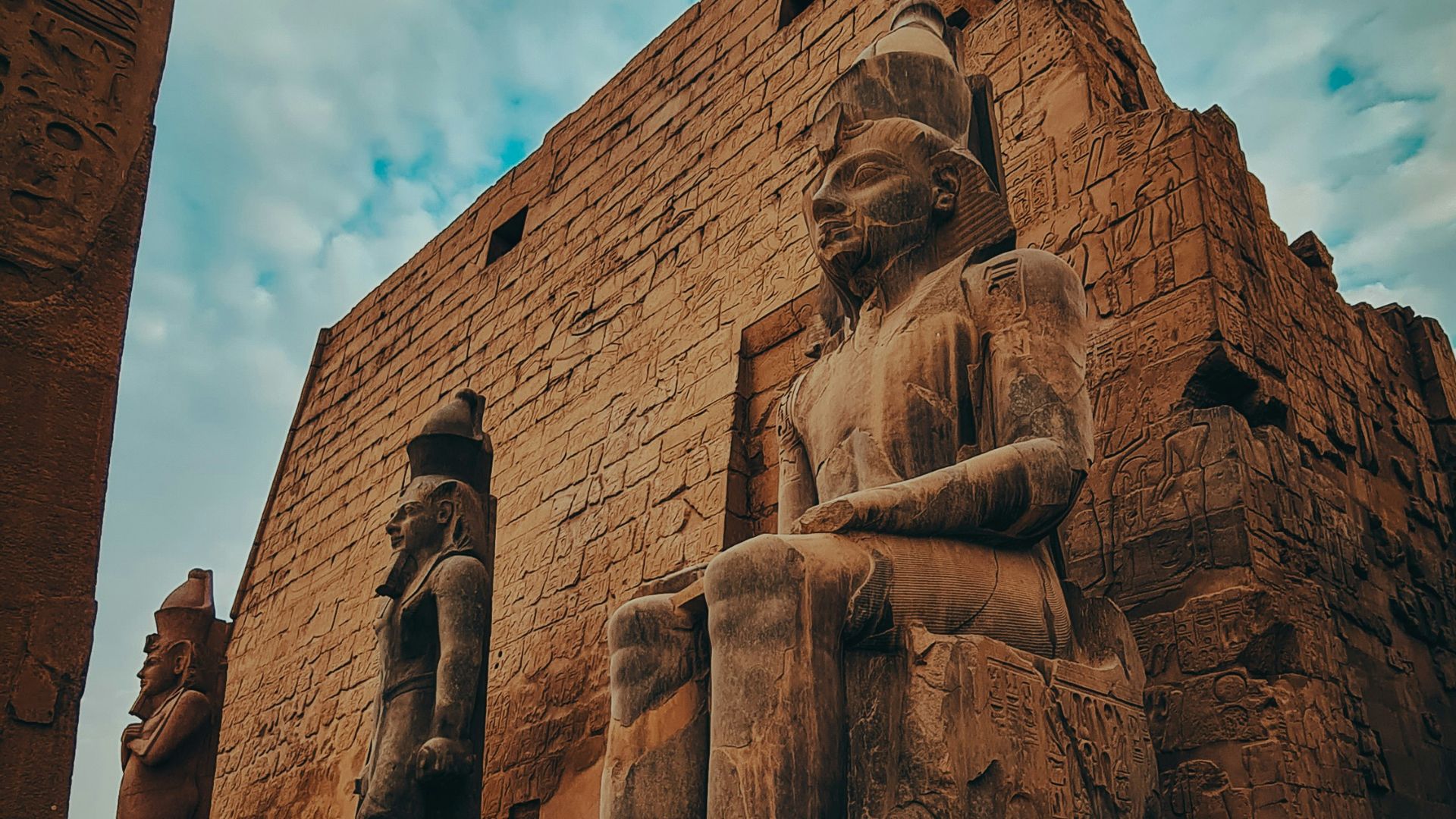
As historical evidence shows, people have had favorite pets to pamper and indulge since time immemorial. There are many examples of cats, dogs, and other creatures being kept as domestic pets in ancient Egypt, some named and mourned when they died. Some animals were even buried with considerable care, suggesting that the emotional connection between humans and their pets is nothing new.
4. The Berlin Wall Came Down Peacefully
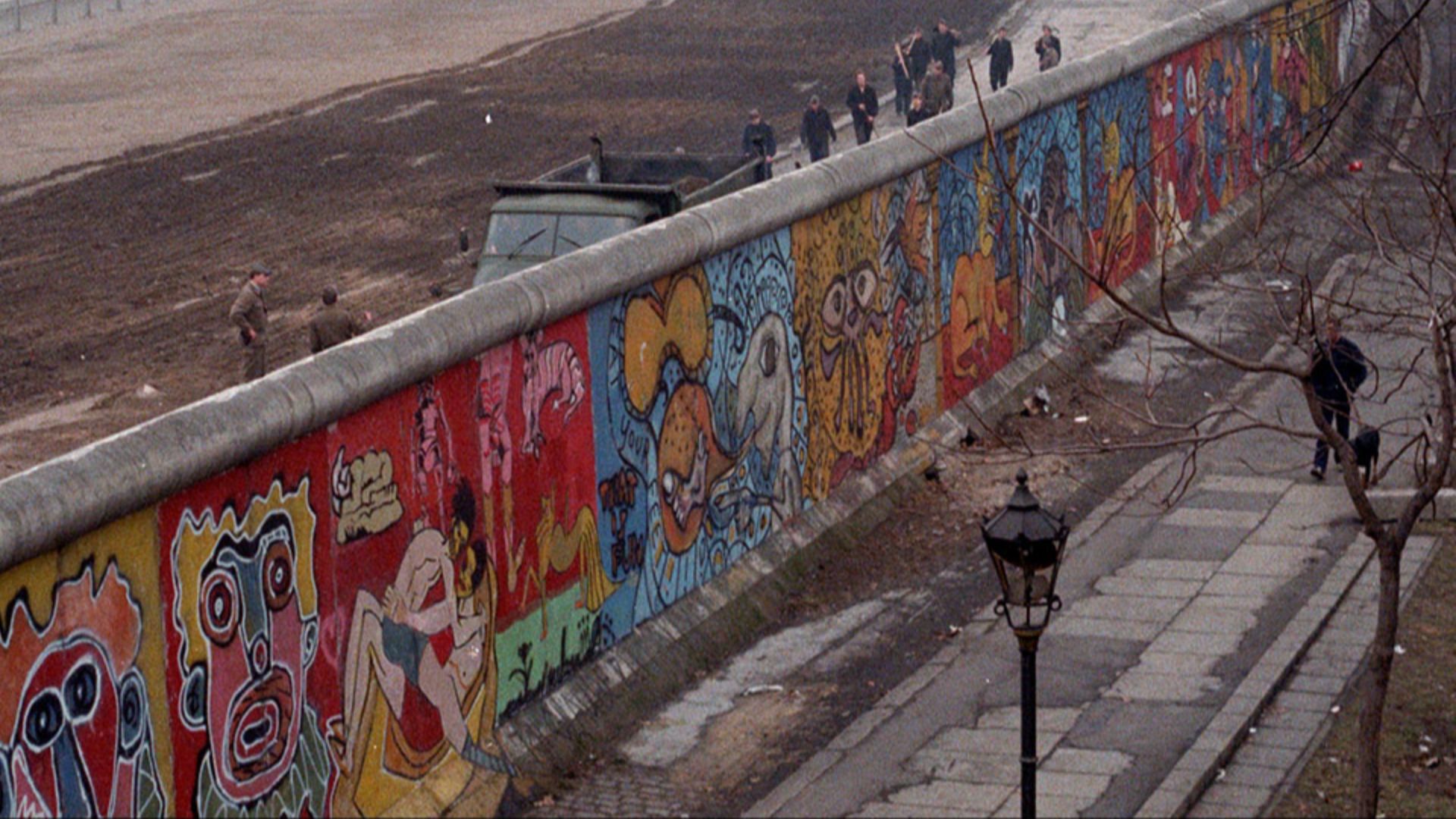
Large numbers of people flocked to various points along the Berlin Wall following announcements of more liberal travel regulations in November 1989. There was much celebration and happy reunions of families and friends as people streamed through the various open checkpoints. There was virtually no bloodshed, and this event went a long way toward bringing about the reunification of Germany in 1990.
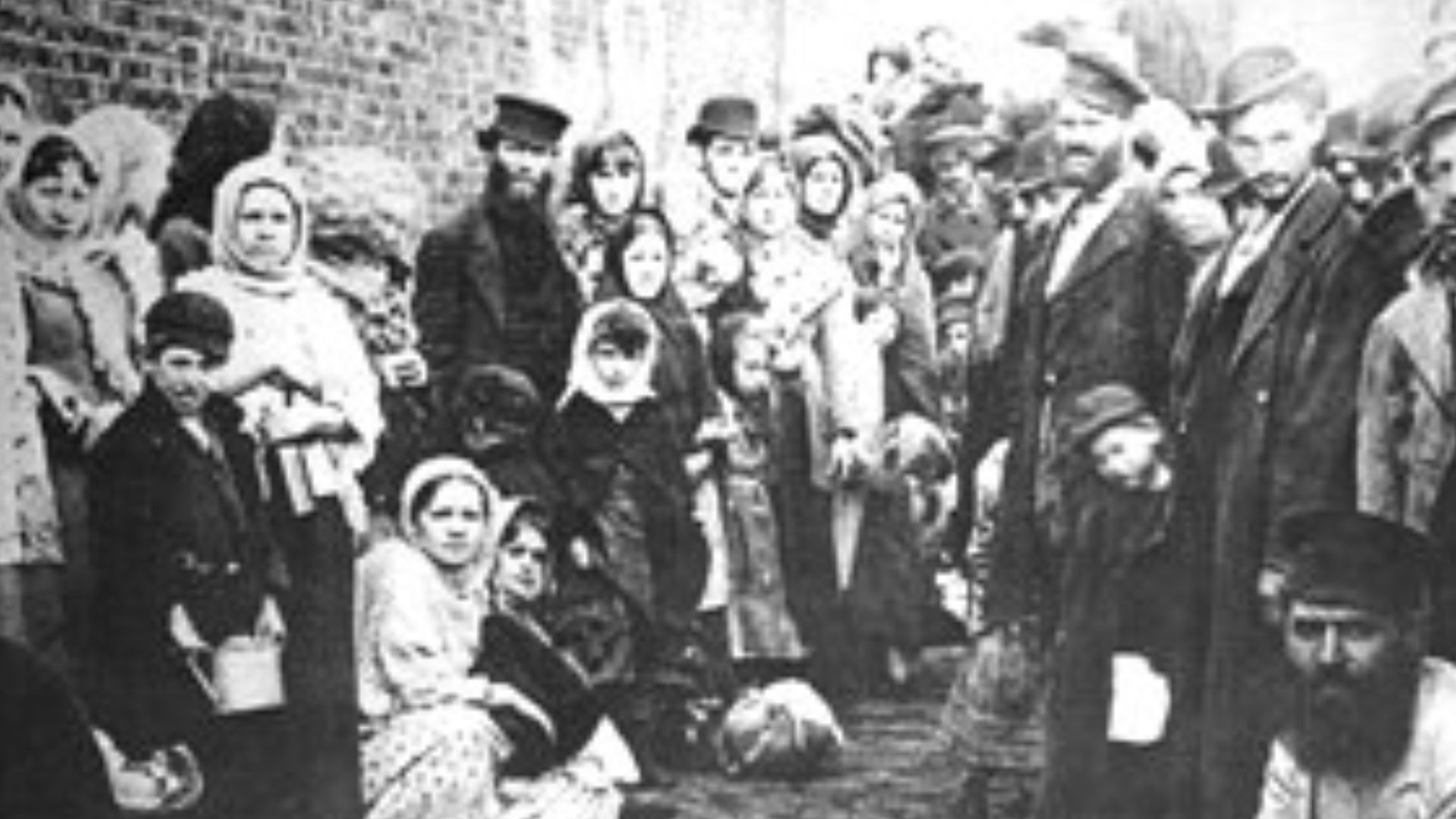
5. A Village Saved Thousands of Jewish Refugees
Many inhabitants of the town of Le Chambon-sur-Lignon, together with people in outlying villages, offered refuge and assistance to fleeing Jews. They hid them in all sorts of places, supplied forged identity papers, food, and clothing, and helped them continue their journey to Switzerland. It has been estimated that several thousand lives were saved as a result.
 Unknown authorUnknown author on Wikimedia
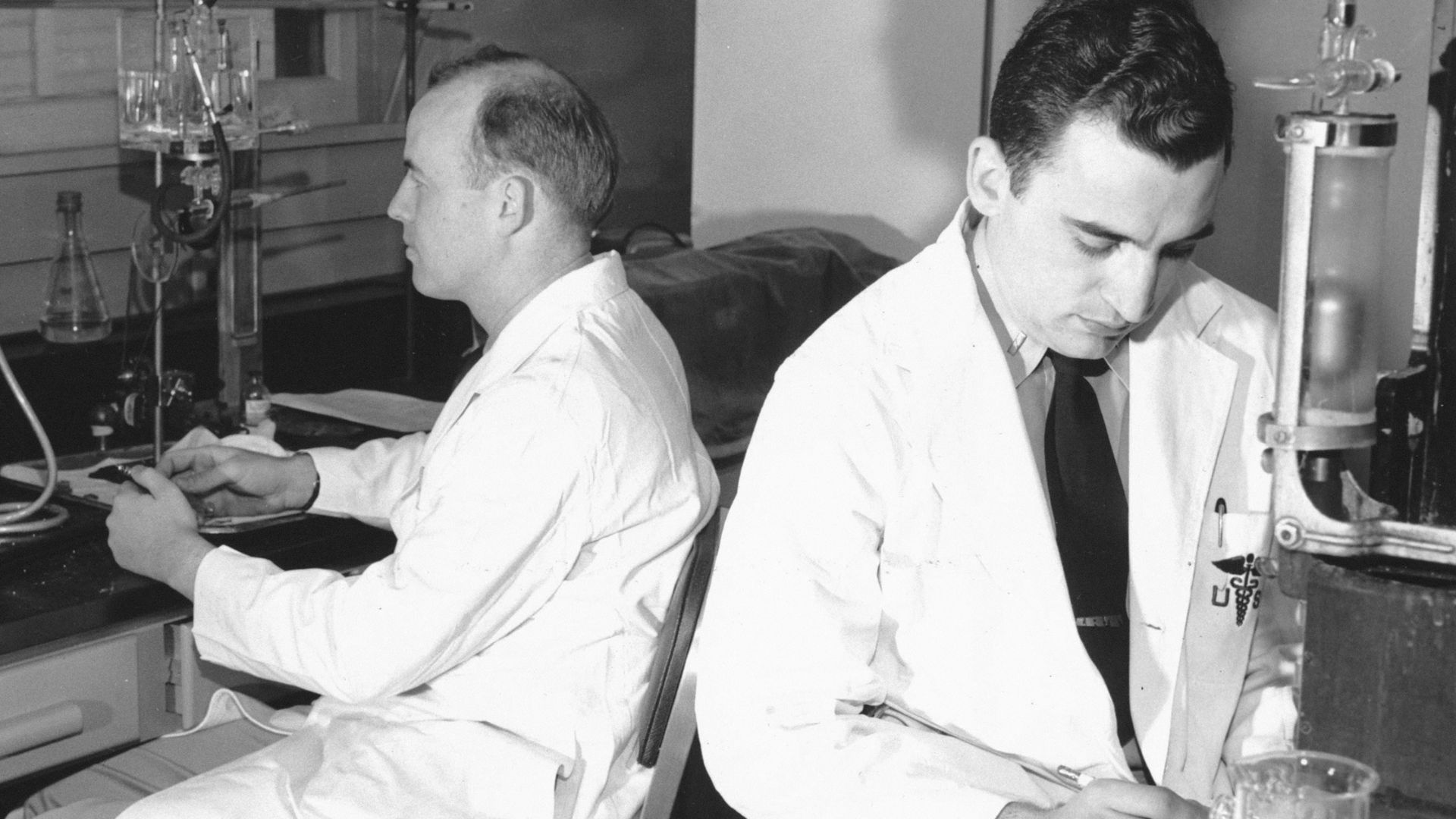
6. The Discovery of Penicillin Changed Medicine Forever
In 1928, Scottish scientist Alexander Fleming noticed that a mold contaminating one of his laboratory dishes had stopped bacteria from growing nearby. His observation eventually led to the development of penicillin as a practical antibiotic through the work of several researchers during the following decade. Once widely available, the treatment transformed medicine by making many previously dangerous bacterial infections much easier to survive.
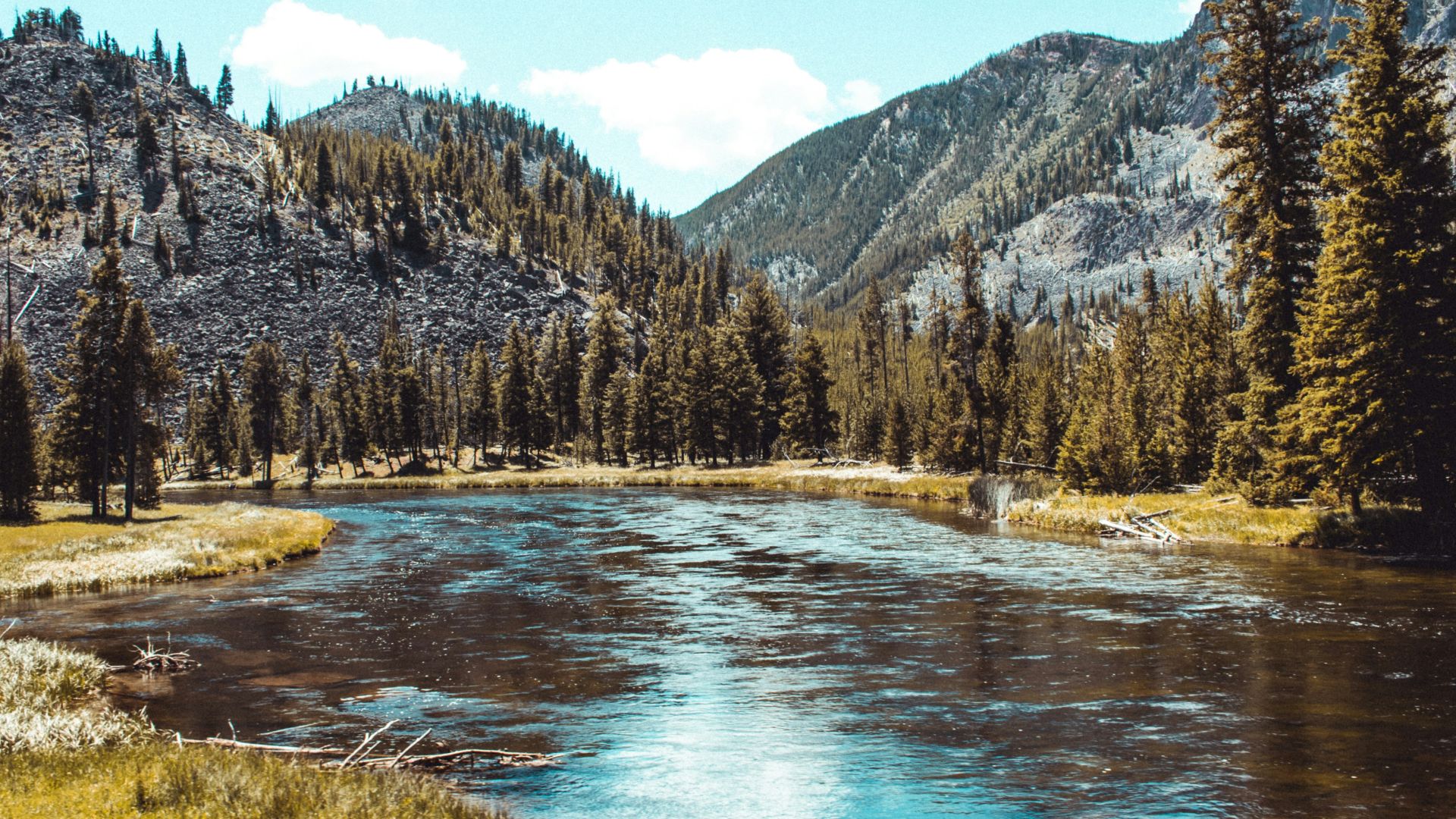
7. The World's First National Park Protected Nature
Yellowstone, set aside in 1872, is widely recognized as the world's first national park. It contained many unique natural phenomena, such as geysers and areas of boiling mud, as well as beautiful forests, rivers, and abundant animal life, and it was thus preserved from at least some commercial intrusion. Although the park's creation also involved injustices toward Indigenous peoples, its establishment helped inspire conservation movements and protected areas around the world.
8. A Man Planted an Entire Forest in India
Beginning in 1979, Indian environmentalist Jadav Payeng started planting trees on a barren sandbar along the Brahmaputra River in Assam. Over the following decades, his efforts helped create a thriving forest that became home to numerous species of wildlife. His remarkable dedication eventually earned him national recognition and demonstrated how one person's sustained environmental work could transform a landscape.

9. The First Guide Dogs Changed Lives
Training schemes to provide reliable dogs to guide blind people began to develop in the early 20th century. Morris Frank was so impressed with the capability of his newly trained dog, Buddy, after a period of training in Switzerland in 1928 that, on returning home, he did much to promote the idea. As a result, The Seeing Eye, a guide dog training school, was founded in 1929.

10. The World Came Together to Save the Ozone Layer
The realization in the 1980s that various man-made chemicals in widespread use were having a deleterious effect on the ozone layer prompted many nations to sign up to the 1987 Montreal Protocol, reducing or eliminating various offending agents. This must count as one of the most successful international treaties to date, as measurements indicate that recovery of the ozone layer is well underway.

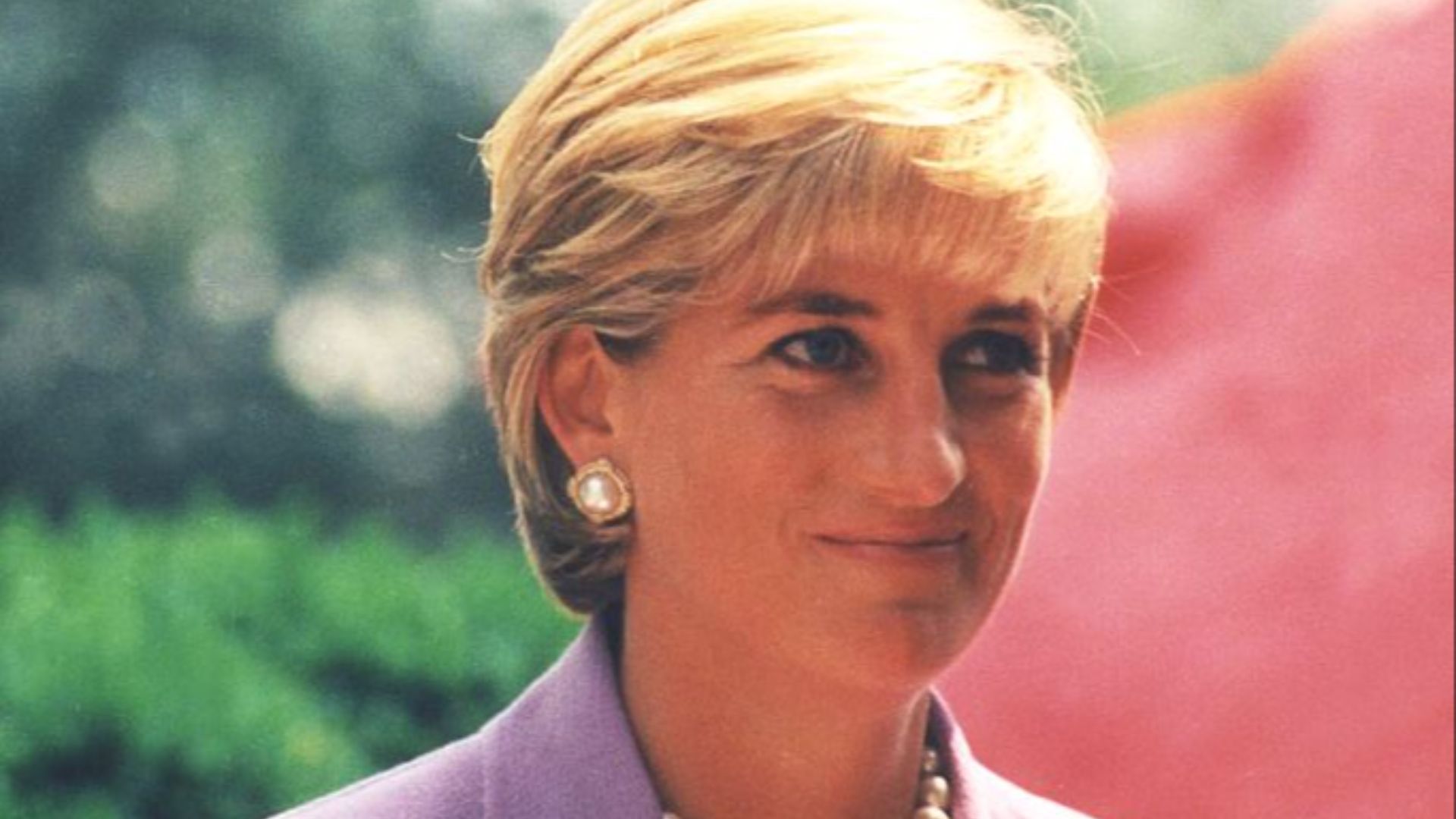
11. A Princess Helped Change Attitudes Toward AIDS
When Princess Diana clasped the ungloved hand of a person with AIDS during a hospital visit in 1987, she drew worldwide press coverage. Due to a lack of understanding of the cause and transmission of AIDS, there was great apprehension about any contact with an infected person, so it was very encouraging to see someone so prominent act so normally.
 John Mathew Smith & www.celebrity-photos.com from Laurel Maryland, USA on Wikimedia
12. The First Public Libraries Made Knowledge More Accessible
Although many forms of libraries date back many centuries, the proliferation of public libraries free to all, largely in the 1800s in Britain and the US, greatly extended the number of people who could benefit from reading. They allowed people to read and educate themselves on a subject of their choice without the outlay involved in buying books.
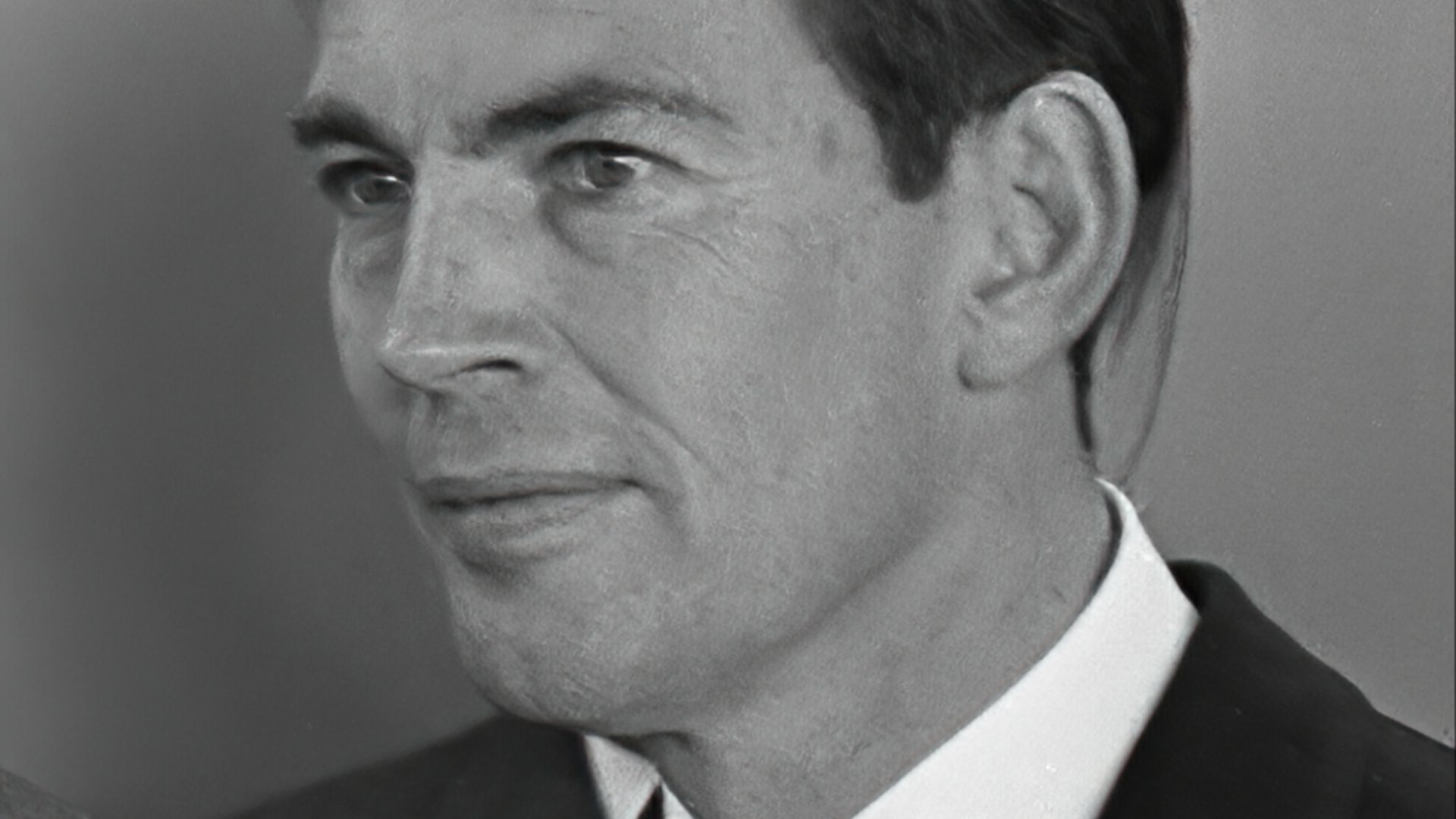
13. The First Successful Heart Transplant Offered New Hope
On December 3, 1967, South African surgeon Christiaan Barnard performed the world's first successful human-to-human heart transplant in Cape Town. Although the recipient, Louis Washkansky, survived only 18 days, the operation demonstrated that transplanting a human heart was medically possible. Subsequent advances in surgery, organ preservation, and anti-rejection medications transformed heart transplantation into an established lifesaving treatment.
 Eric Koch for Anefo on Wikimedia
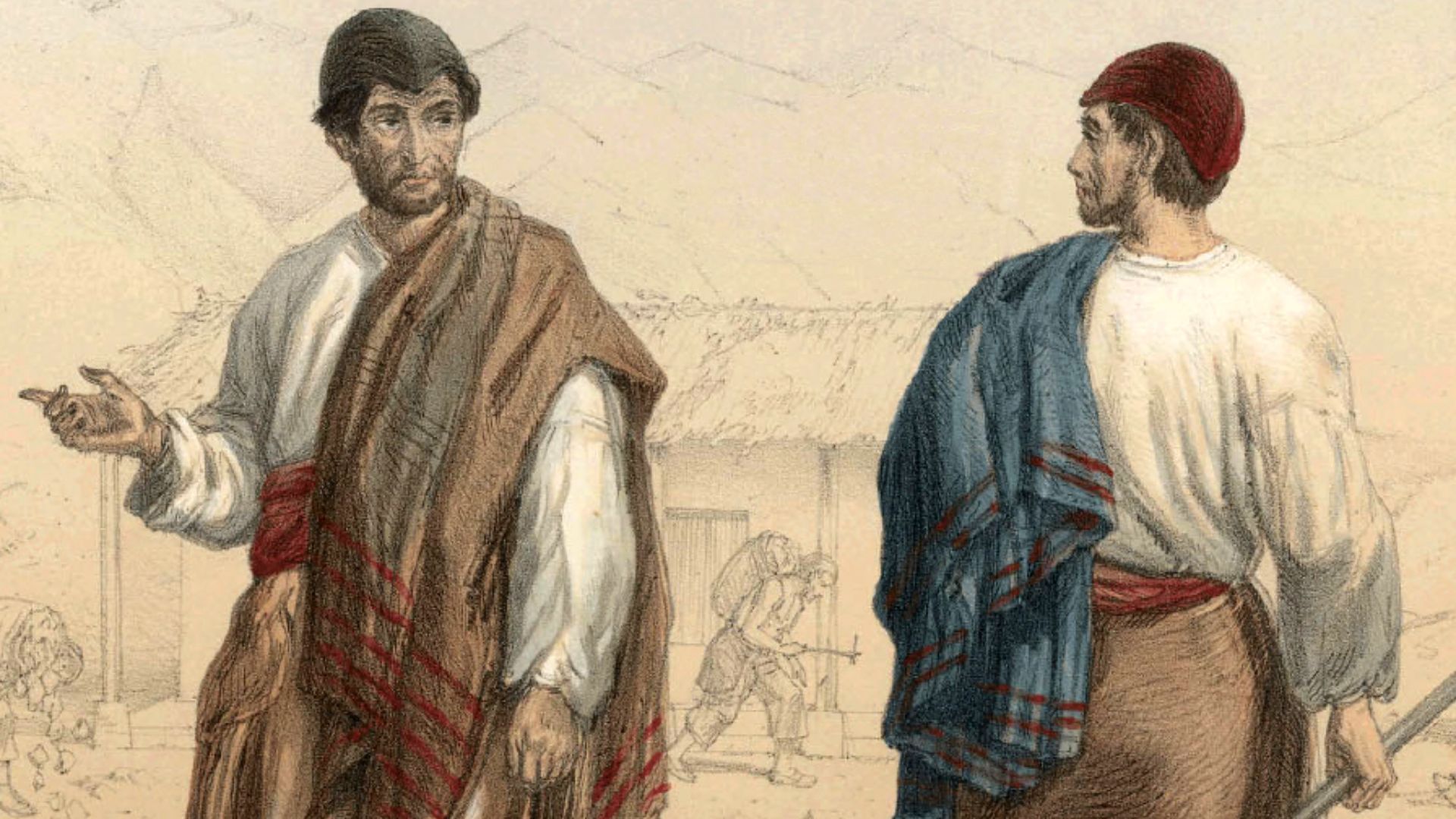
14. The Rescue of the Chilean Miners United the World
After being stranded for 69 days in tunnels many meters below ground level, the 33 men working at the San José copper and gold mine were all rescued alive. The feat of engineering required and the determination of all concerned to bring each man up were admirable, and the whole event captivated a huge TV audience.
 Gay, Claudio, 1800-1873 on Wikimedia
15. Ancient Romans Had a Fondness for Dogs
Many monuments have been unearthed marking the graves of dogs that were clearly cherished members of the family, some with very moving tributes to their faithfulness and to the sadness of their loss. So people have been prostrated with grief at the death of their pets for almost as long as anyone can remember!

16. The Polio Vaccine Protected Generations of Children
Many people will remember the dread that an outbreak of polio would cause, as the number of people affected was quite significant, and the consequences of contracting it were often dire. So the news that Salk's vaccine had passed trials in 1955 was received with great acclaim. Vigorous programs of immunization soon reduced the number of cases drastically in many parts of the world.

17. A Global Treaty Helped Protect Endangered Species
Signatories to the 1973 CITES treaty agreed to take steps to restrict or halt trade that jeopardized many species of plants and animals. Despite continuing large-scale illegal trade in many species, this can be considered an impressive example of many countries joining forces to protect life on Earth.

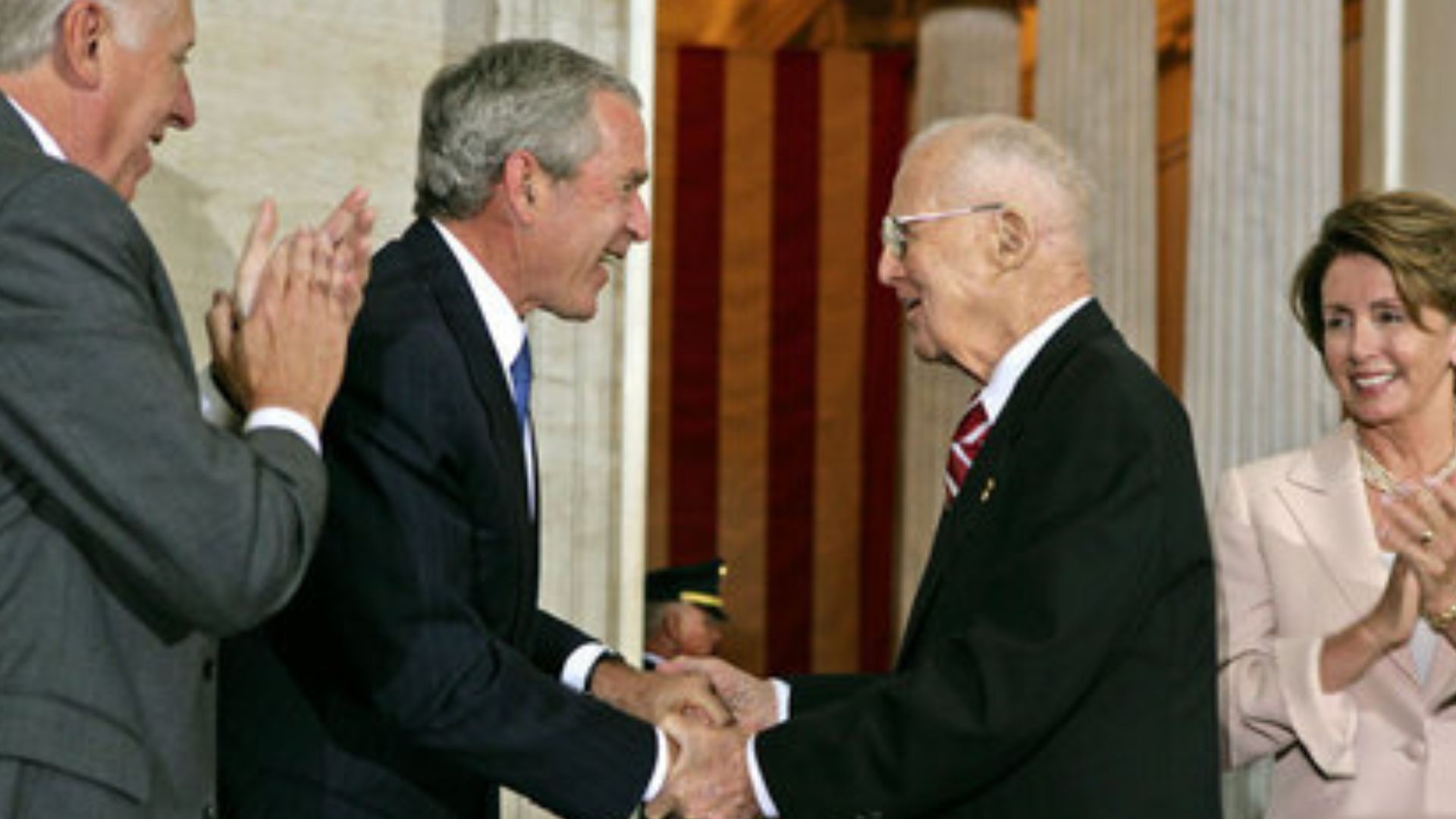
18. A Scientist Helped Save Millions From Starvation
Norman Borlaug developed many strains of wheat that produced larger crops and were more resistant to diseases that might otherwise devastate an entire crop. His work was largely responsible for vast improvements in yields over large areas, for example, in Mexico, India, and Pakistan, and rightly earned him a Nobel Peace Prize in 1970.
19. The First Moon Landing Brought People Together
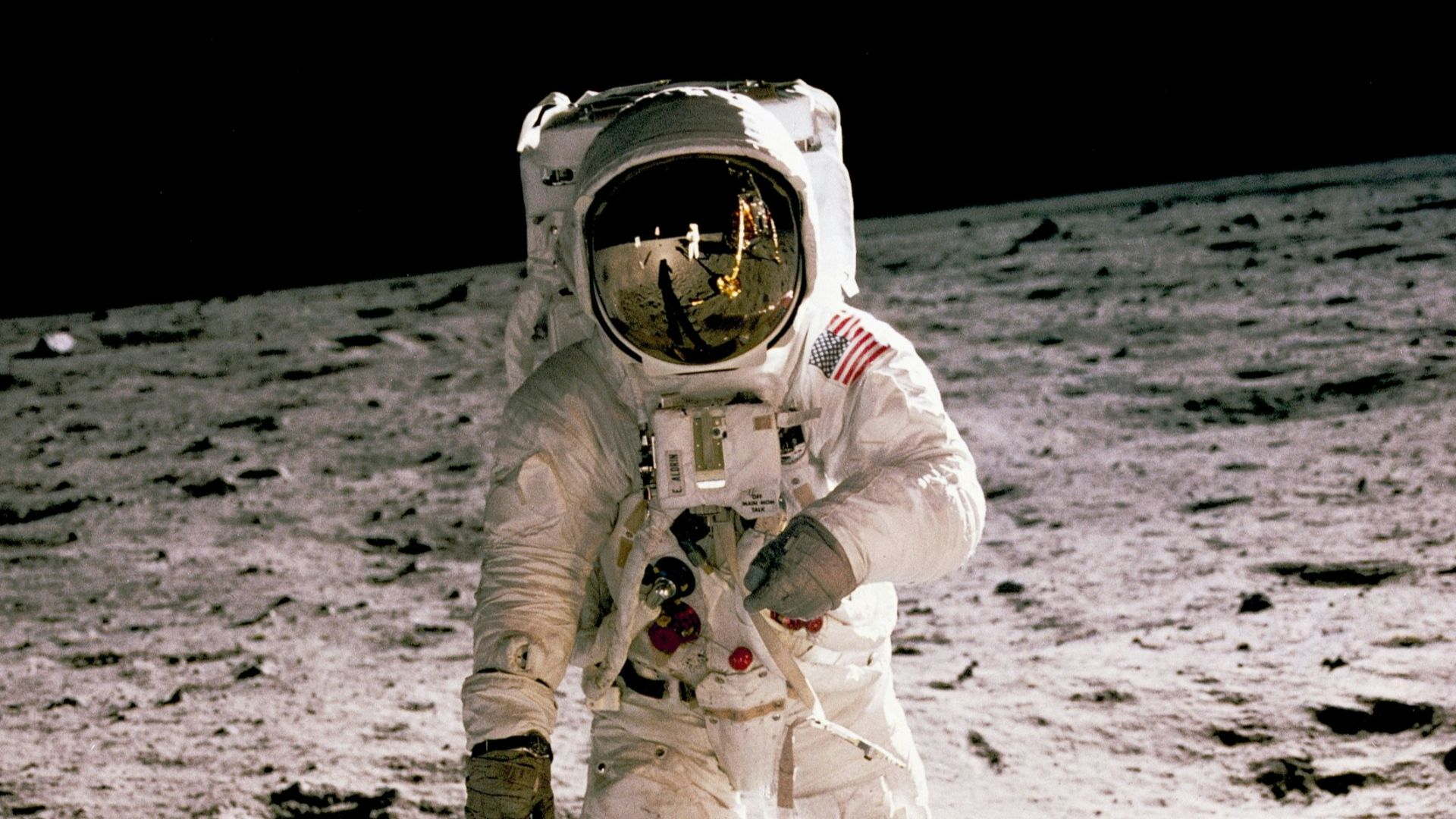
The successful landing of men on the Moon and the subsequent walk on its surface by Armstrong and Aldrin were televised to a huge worldwide audience on July 20, 1969. It certainly gave an immense boost to many young people wishing to pursue careers in science and exploration.
20. Humanity Has Made Extraordinary Progress Protecting Children
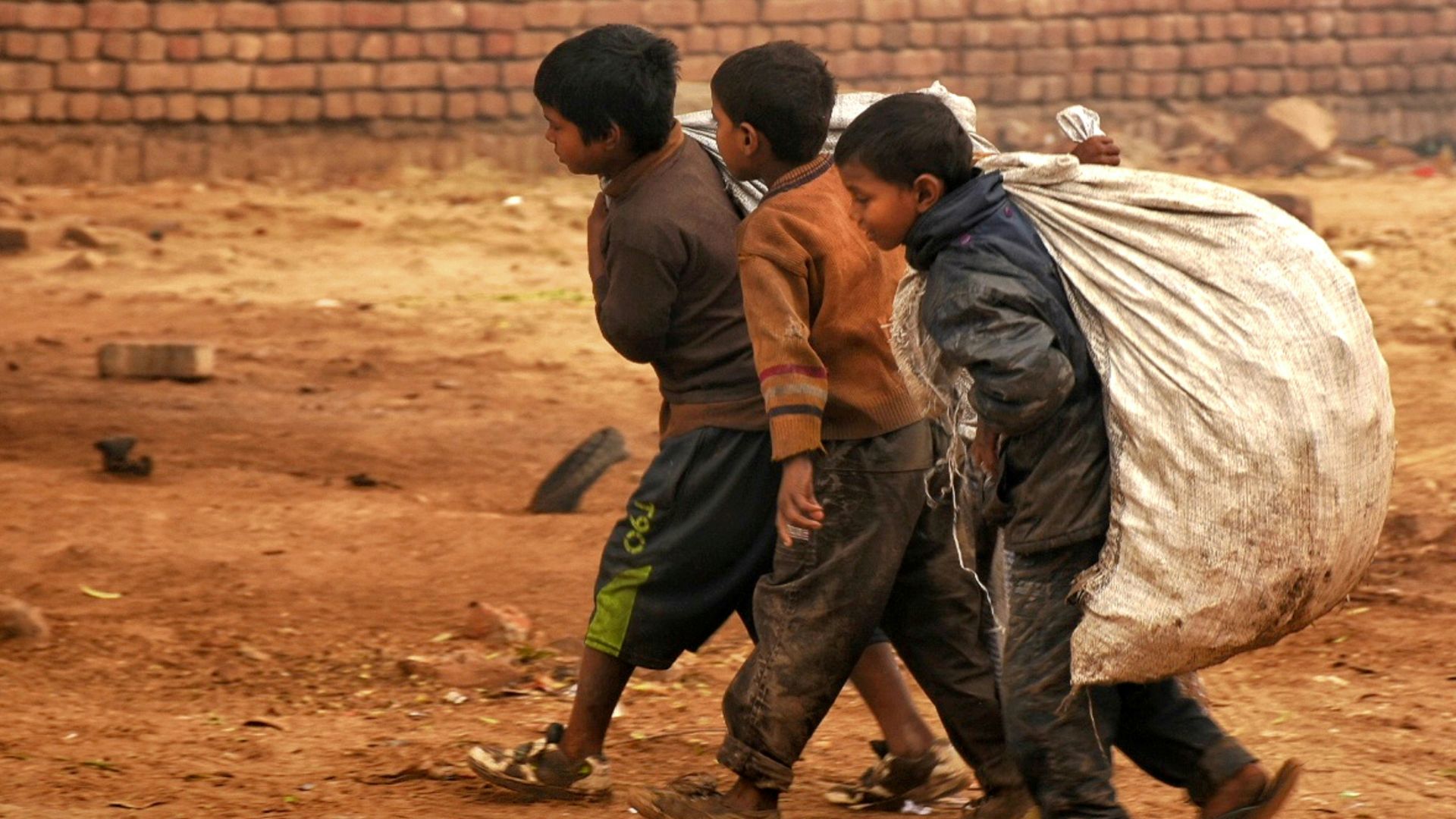
For much of human history, losing children to infectious diseases, poor sanitation, and inadequate medical care was tragically common. Over the past two centuries, improvements in vaccination, nutrition, clean water, and healthcare have dramatically increased children's chances of surviving into adulthood. However, preventable childhood deaths remain a serious global challenge.
 Dulana Kodithuwakku on Unsplash