Moments That Shaped Empires
Wars are shaped not by constant struggle but by sudden, decisive moments that tip the scales. These events can rewrite the destiny of armies and empires, often appearing in the most unforeseen situations. Studying them shows how leadership, courage, and circumstance collide to define history. Read on to discover the pivotal moments that reshaped conflicts and determined the outcome of some of the world’s most significant wars.
 Chief Photographer's Mate (CPHOM) Robert F. Sargent, U.S. Coast Guard on Wikimedia
1. Hastings 1066
The Battle of Hastings saw William of Normandy defeat Anglo-Saxon forces, which ended their rule. His victory introduced feudalism, reshaped England’s aristocracy, and led to the Domesday Book. These changes laid the groundwork for a centralized, lasting political and administrative system.
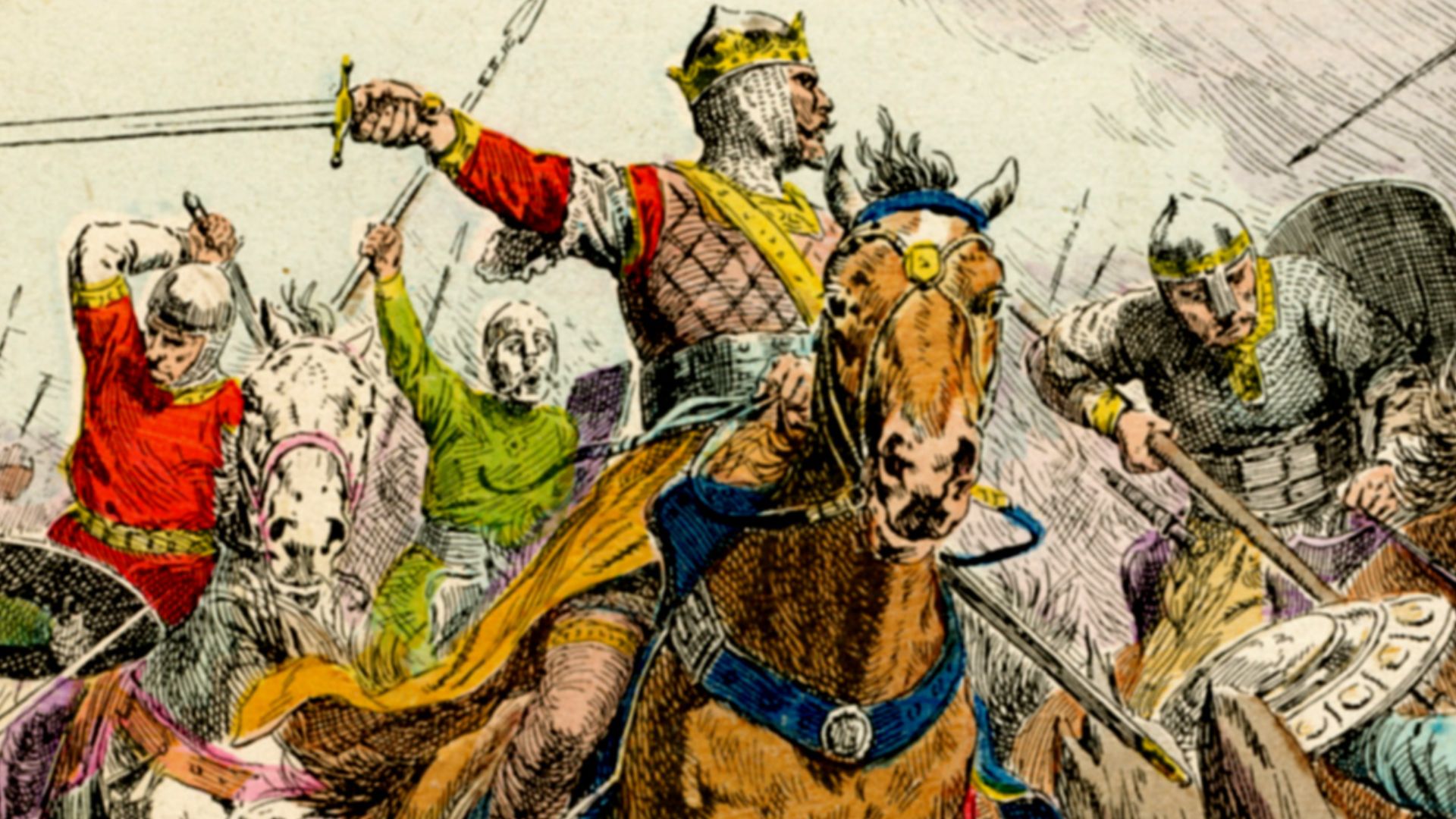 E. Crété d'après H. Grobet on Wikimedia
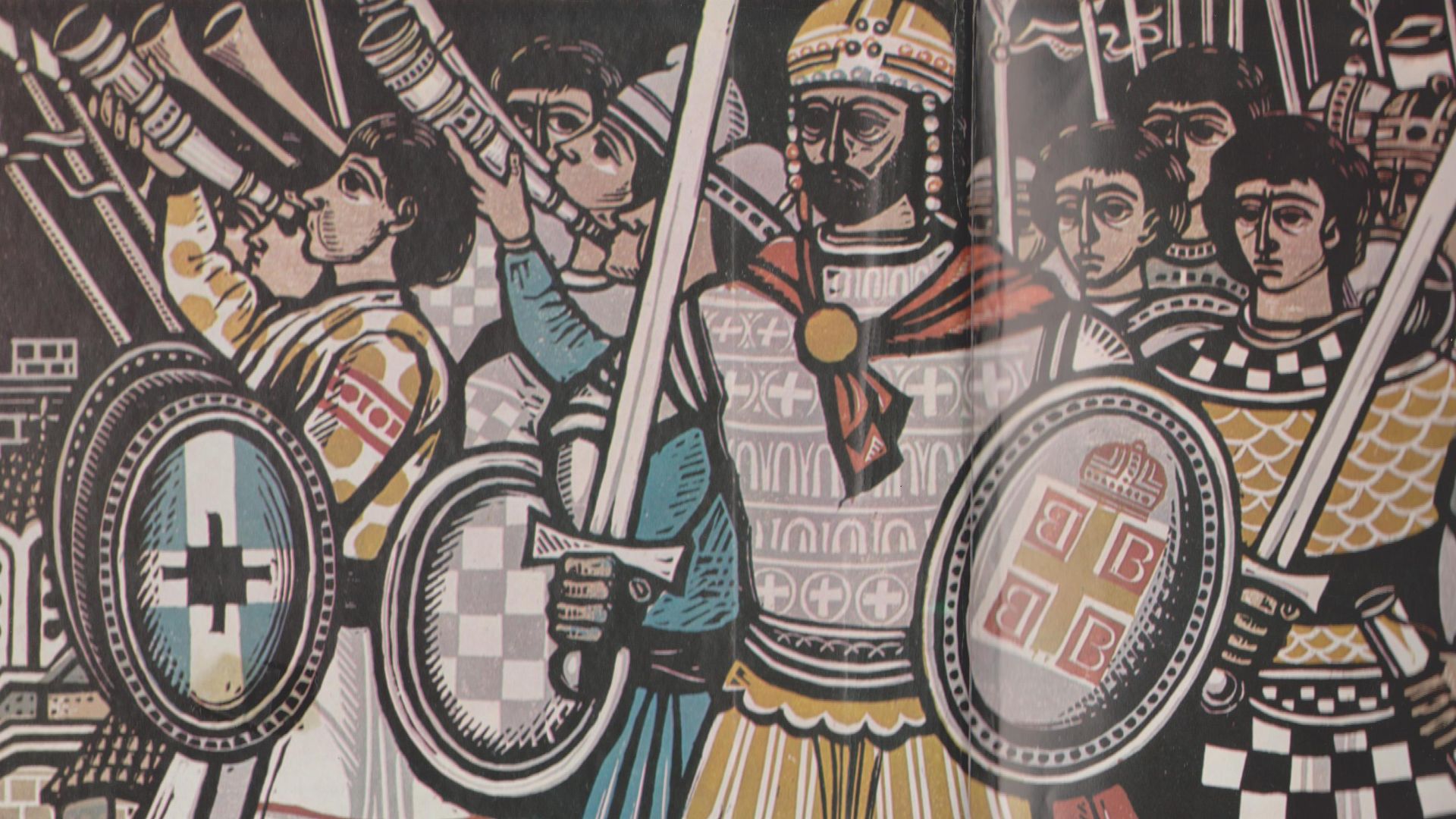
2. Constantinople 1453
In 1453, Ottoman cannons broke through Constantinople’s walls and ended the Byzantine Empire. This shifted trade away from the Silk Road, ultimately pushing Europeans toward oceanic exploration. Historians see the fall as a turning point—closing the medieval era and opening the door to modern global power dynamics.
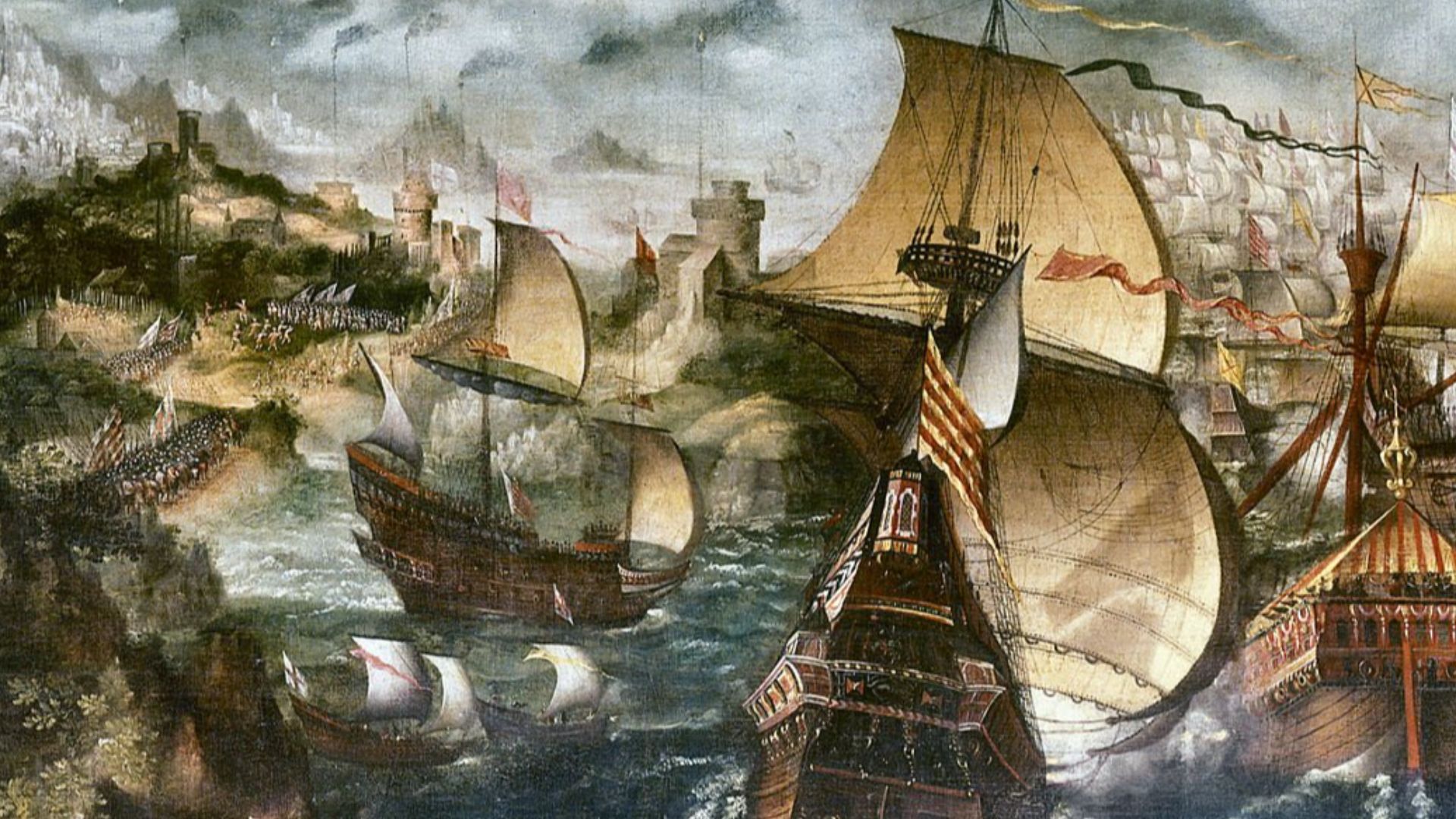
3. Armada 1588
Spain’s 1588 Armada—a massive fleet sent to invade England—was defeated by English naval tactics and severe storms. The failure preserved England’s independence and weakened Spain’s dominance. This turning point launched England’s rise as a global sea power with colonial ambitions.
 Unknown authorUnknown author on Wikimedia
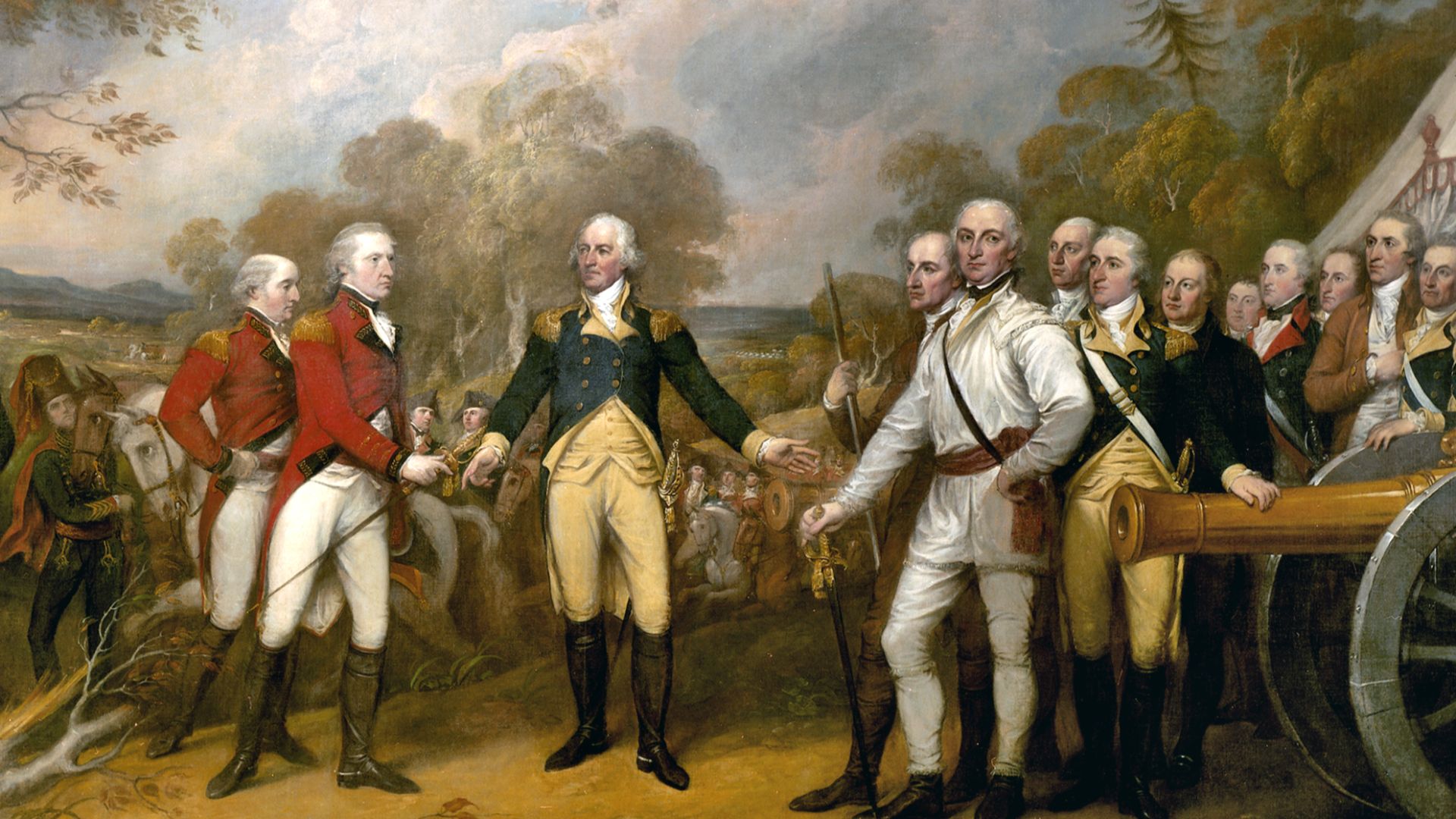
4. Saratoga 1777
The American victory at Saratoga changed the course of the war. It convinced France to join the fight, giving the colonies international recognition and a powerful ally. With new momentum and global pressure on Britain, American independence suddenly felt within reach.
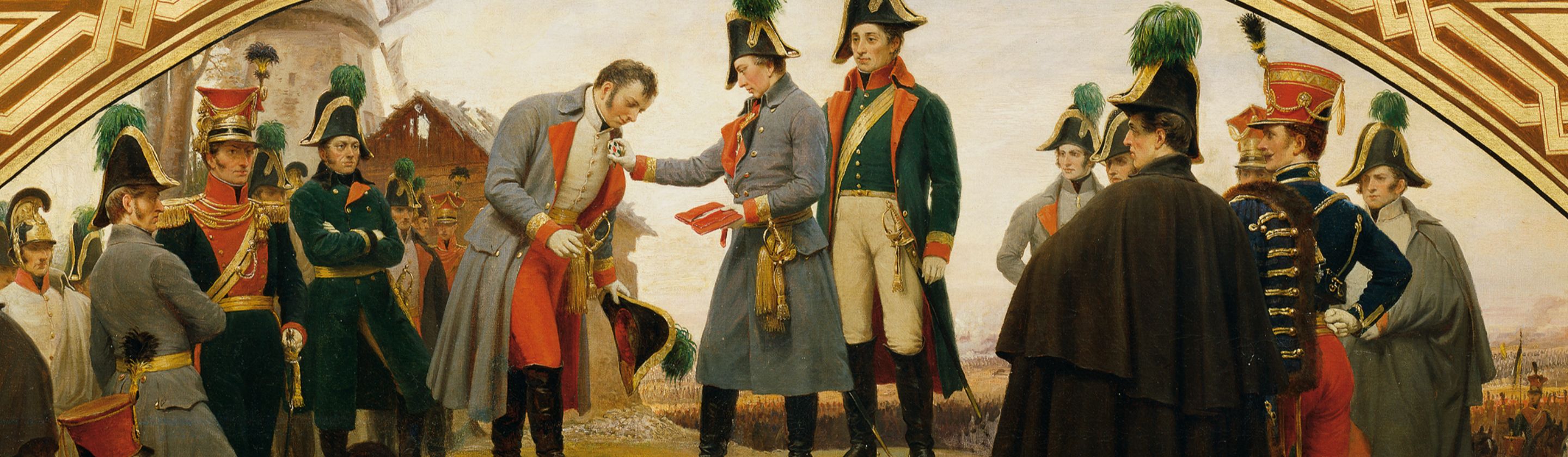
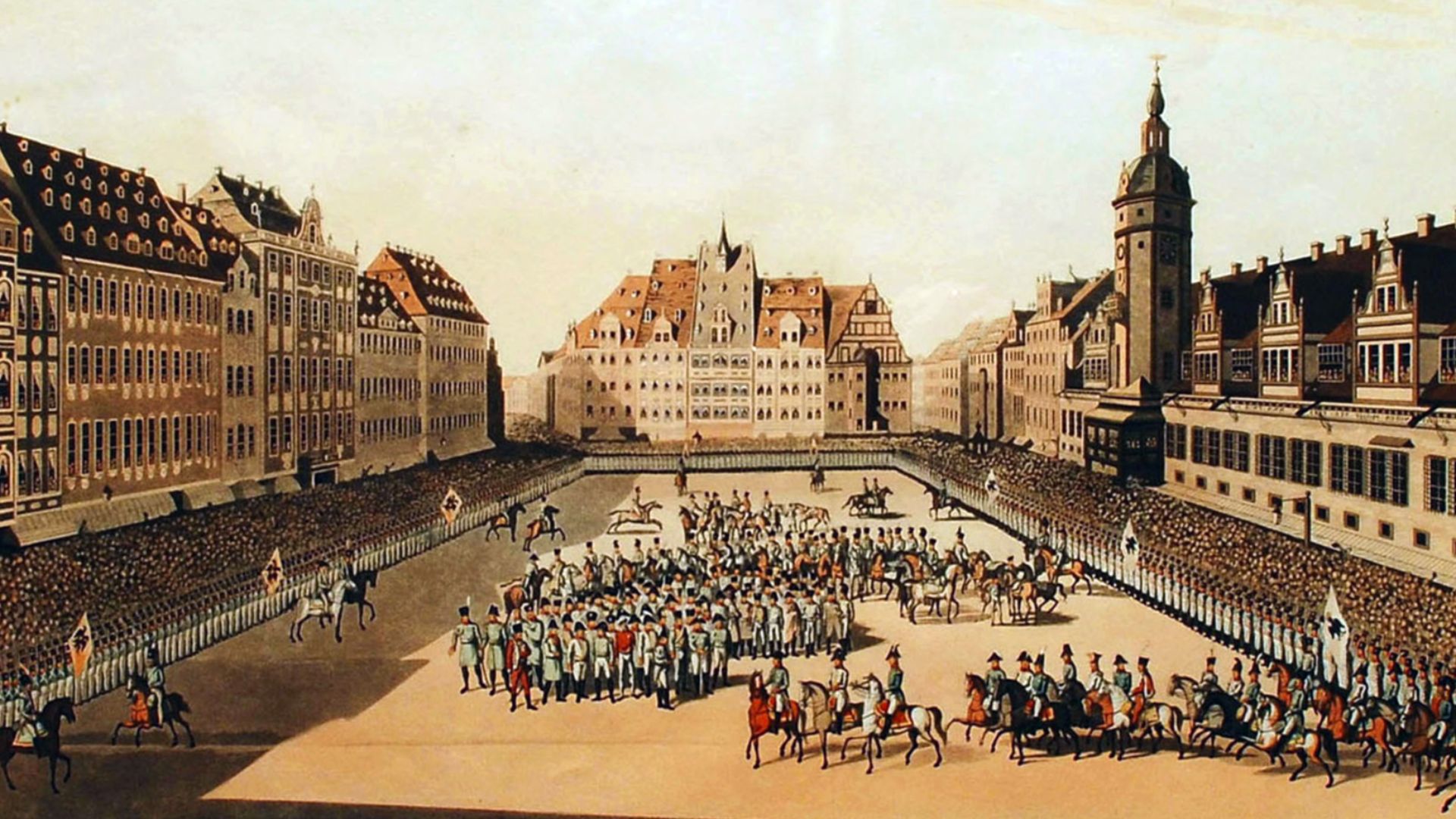
5. Leipzig 1813
At Leipzig in 1813, coalition forces decisively defeated Napoleon, which further collapsed his German alliances and shattered his aura of invincibility. Forcing his retreat and abdication, the loss shifted Europe's balance of power and ended the era of revolutionary French dominance on the continent.
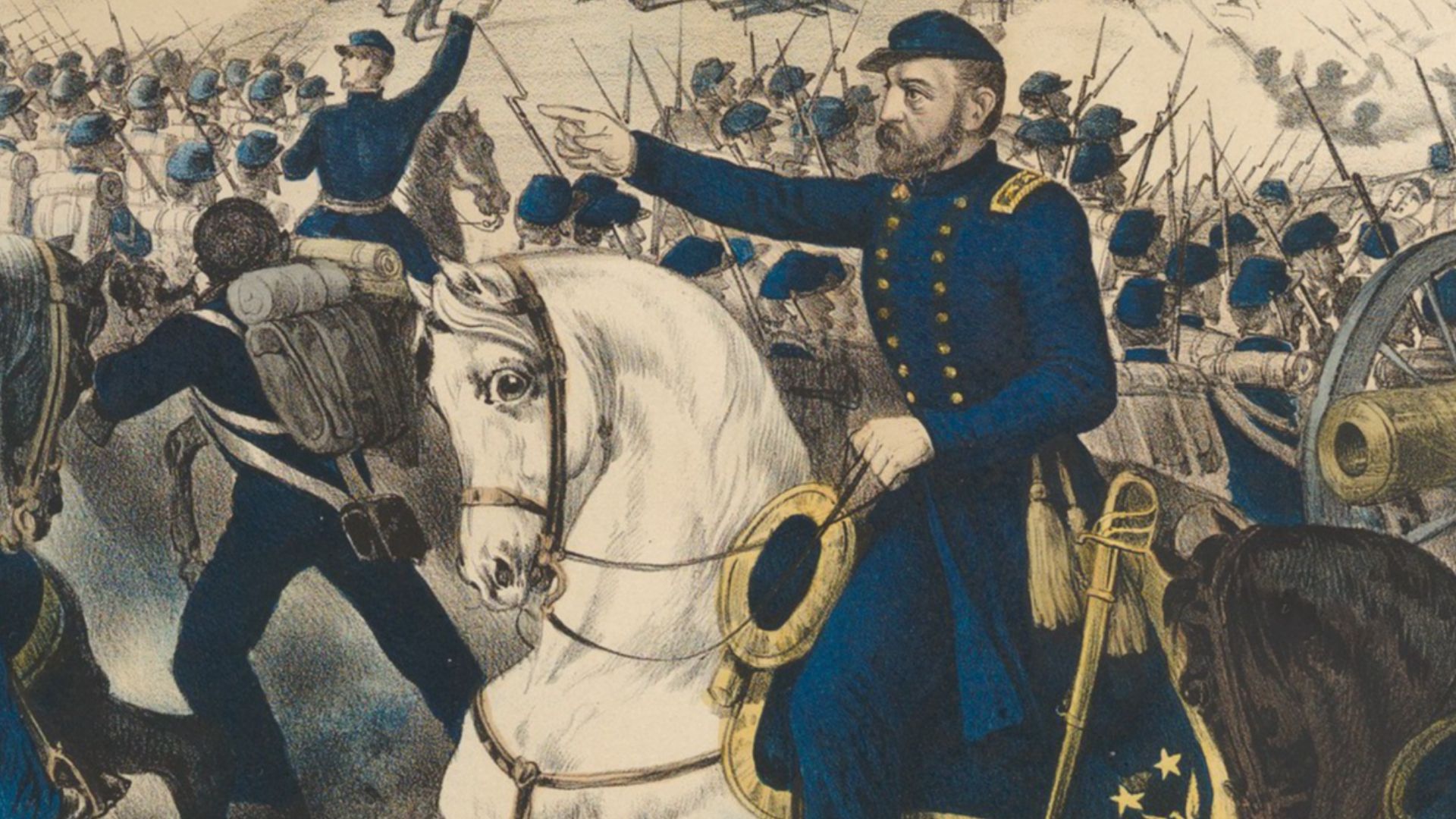
6. Gettysburg 1863
Union defenders halted General Lee's northward invasion at Gettysburg, inflicting irreplaceable losses on Confederate forces. The pivotal victory constrained Southern initiative and emboldened the North. Lincoln's address then reframed the national purpose, which was sustaining the Union's determined path toward eventual victory.
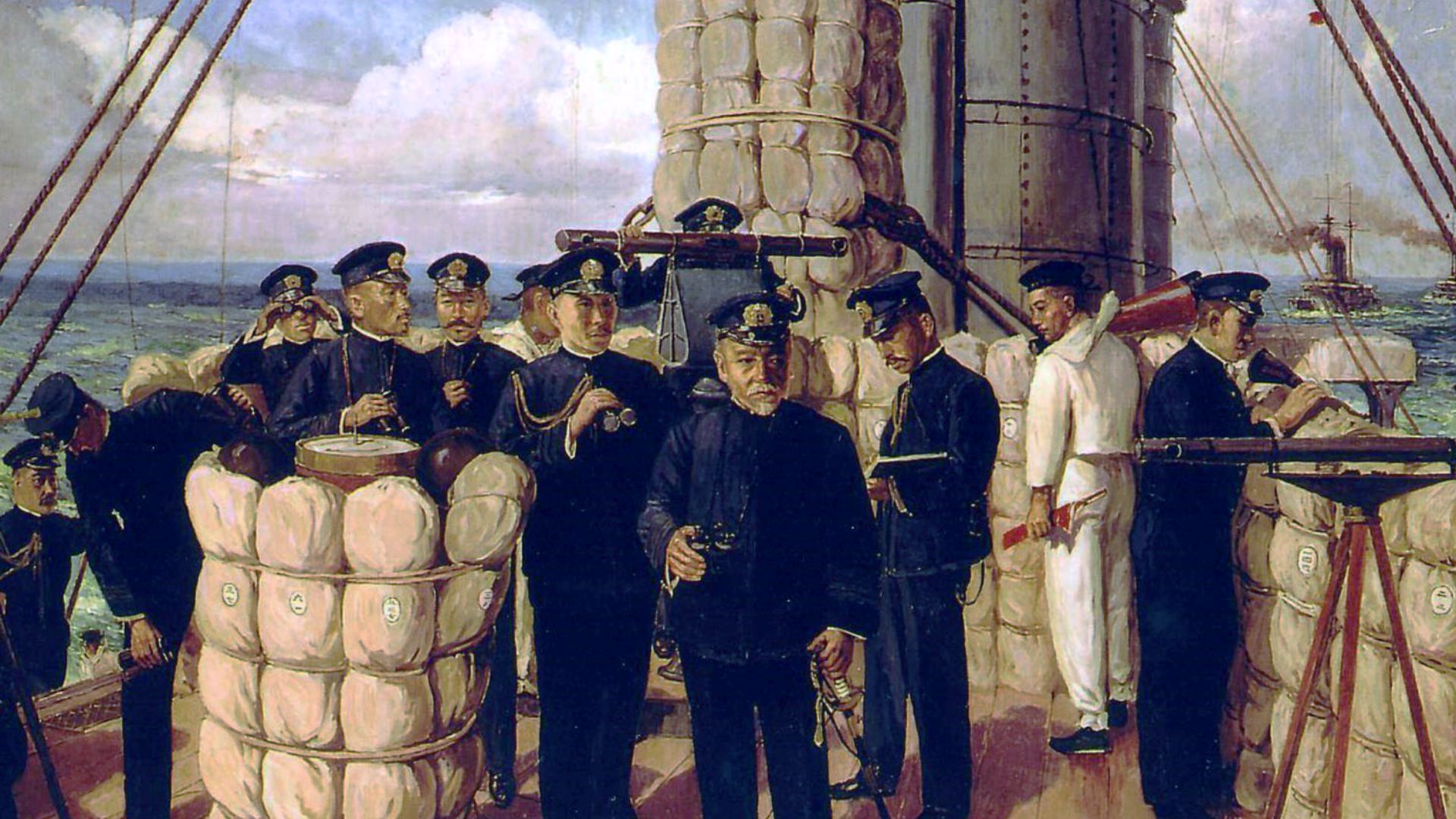
7. Tsushima 1905
Disproving assumptions of European invincibility, Japan's fleet annihilated Russia's at Tsushima. Its victory reshaped East Asian influence and weakened Romanov prestige while inspiring anti-colonial movements. Such a strategic shock accelerated the revolution in Russia and raised Japan’s global standing as a world power.
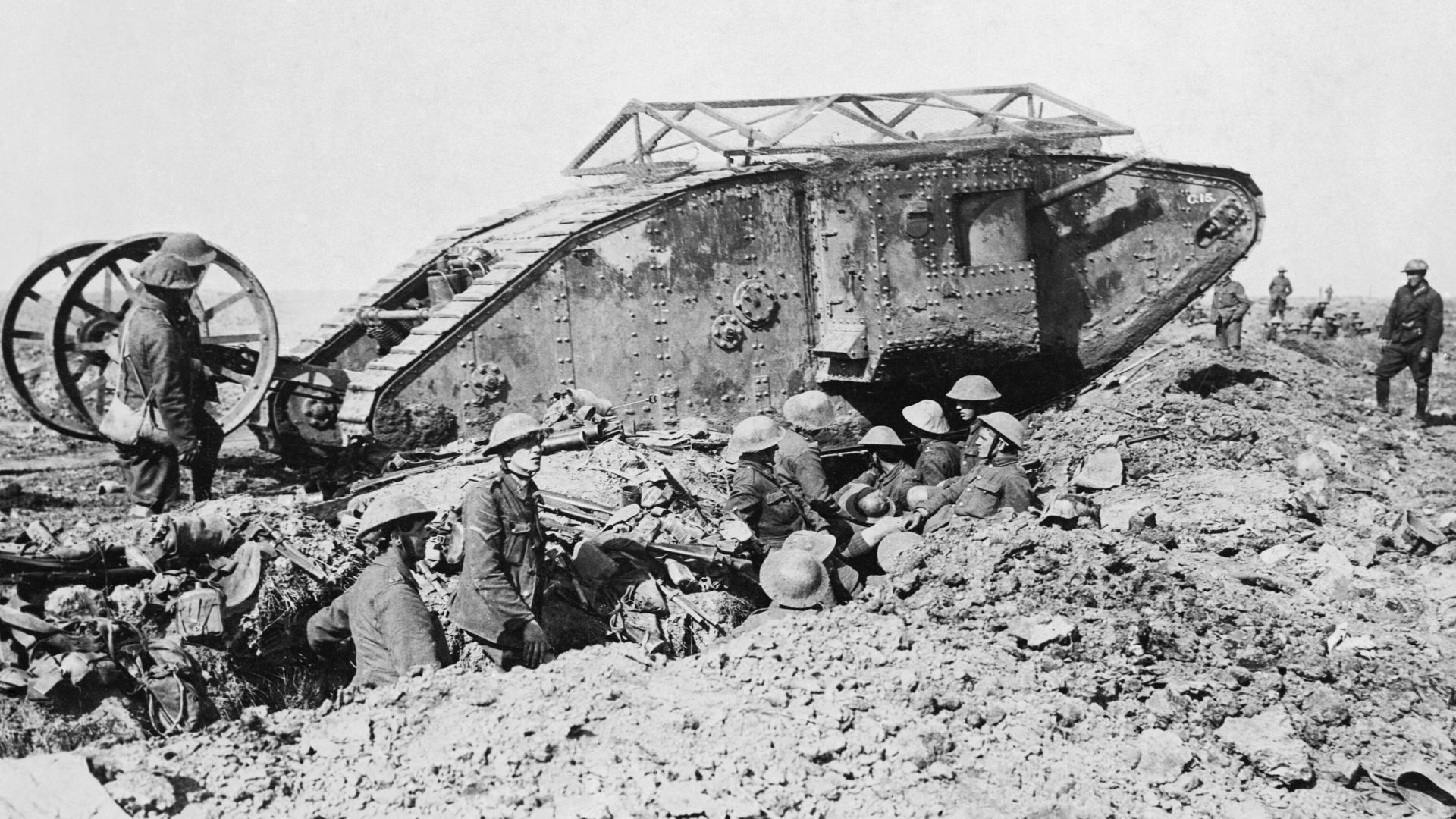
8. Somme 1916
The 1916 Battle of the Somme used relentless artillery and introduced tanks to break German defenses. Despite technological advances, the offensive produced catastrophic casualties. This brutal battle shattered hopes for swift victory, eroded public confidence, and fundamentally changed expectations about modern warfare's harsh reality.
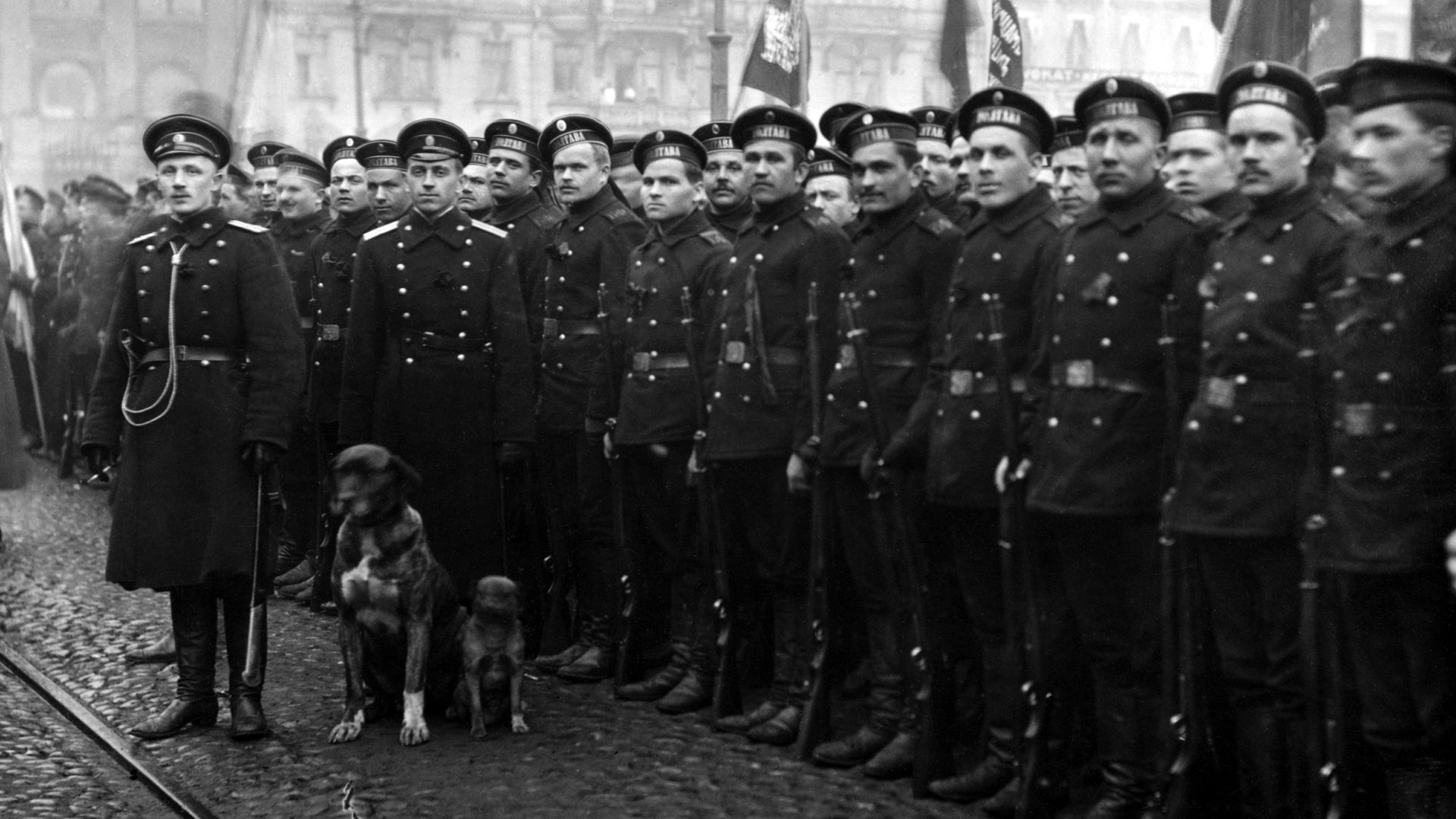
9. Russian Revolution 1917
A radical socialist group, the Bolsheviks' takeover during the Russian Revolution in 1917 ended centuries of Tsarist rule and led to Russia’s exit from World War I. This freed German divisions for the Western Front. The rise of a socialist state inspired global communist movements and reshaped twentieth-century geopolitics.
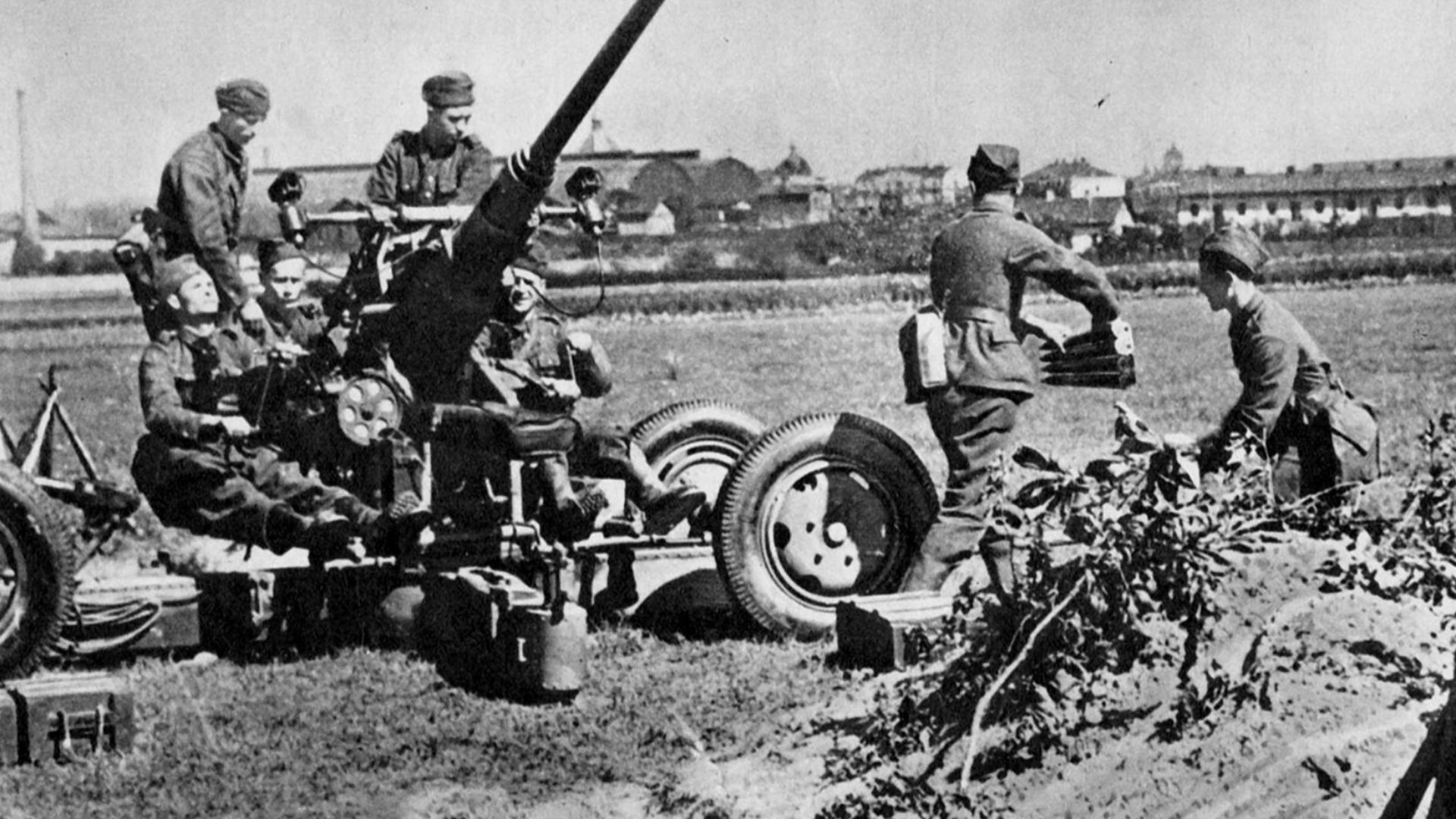
10. Poland 1939
Germany's rapid combined-arms attack smashed Polish defenses within weeks and ended all organized resistance. In response, Britain and France declared war, escalating a regional crisis into a global conflict. Such relentless air-armor coordination revealed a new style of warfare that shaped early-war results.
11. Pearl Harbor 1941
Japan's surprise strike at Pearl Harbor crippled Pacific naval assets, which unified American opinion overnight to enter World War II. America then aligned its formidable industrial might with Allied strategy. This national mobilization expanded regional wars into a fully global conflict spanning Europe, Africa, and the Pacific.
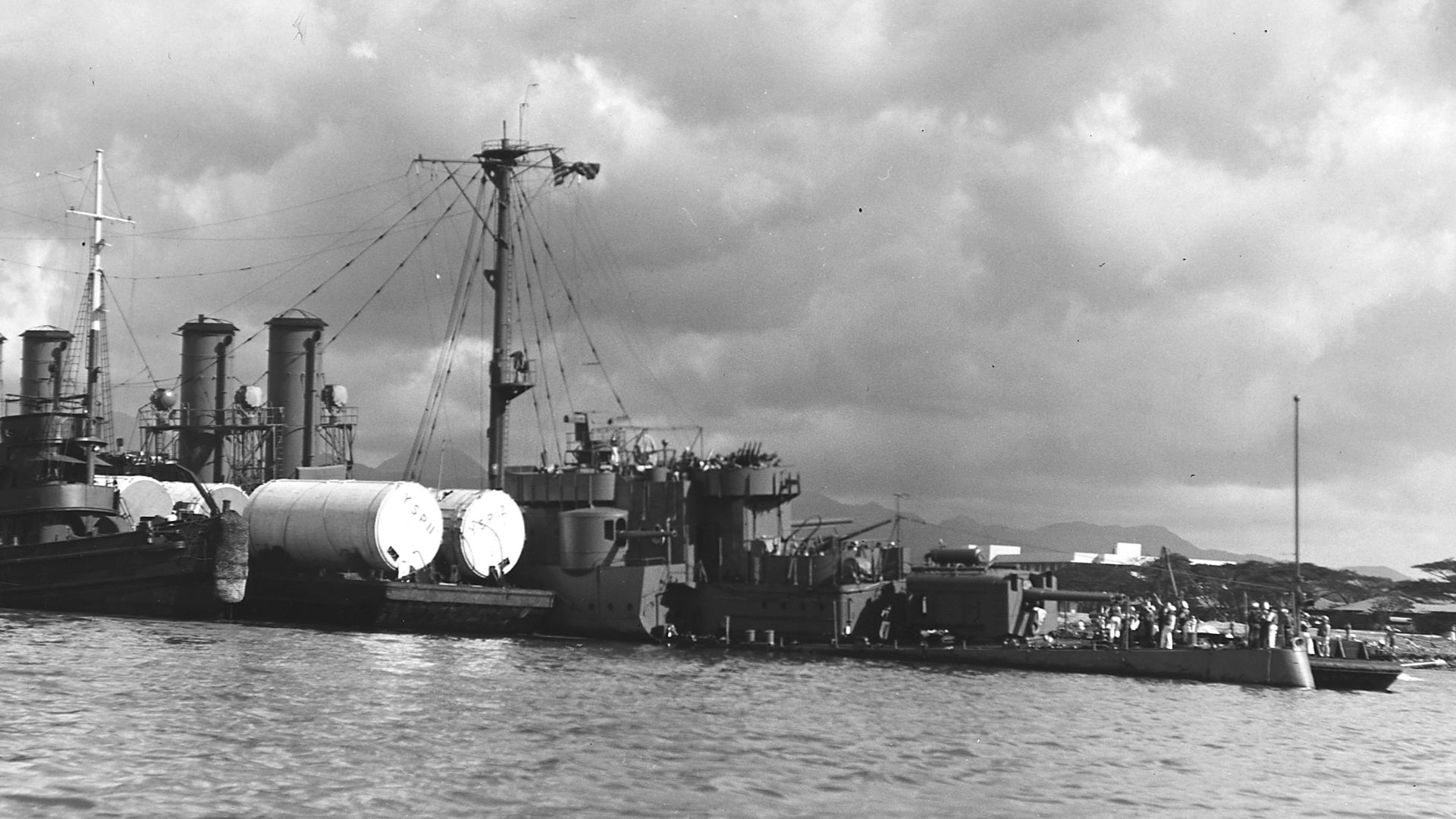
12. Midway 1942
The Battle of Midway became a pivotal moment in the Pacific conflict. U.S. codebreakers uncovered Japan's plans and enabled surprise attacks that sank four Japanese carriers and decimated elite aircrews. This decisive victory shifted momentum, reversed Japan's naval dominance, and allowed the Allies to take the offensive.
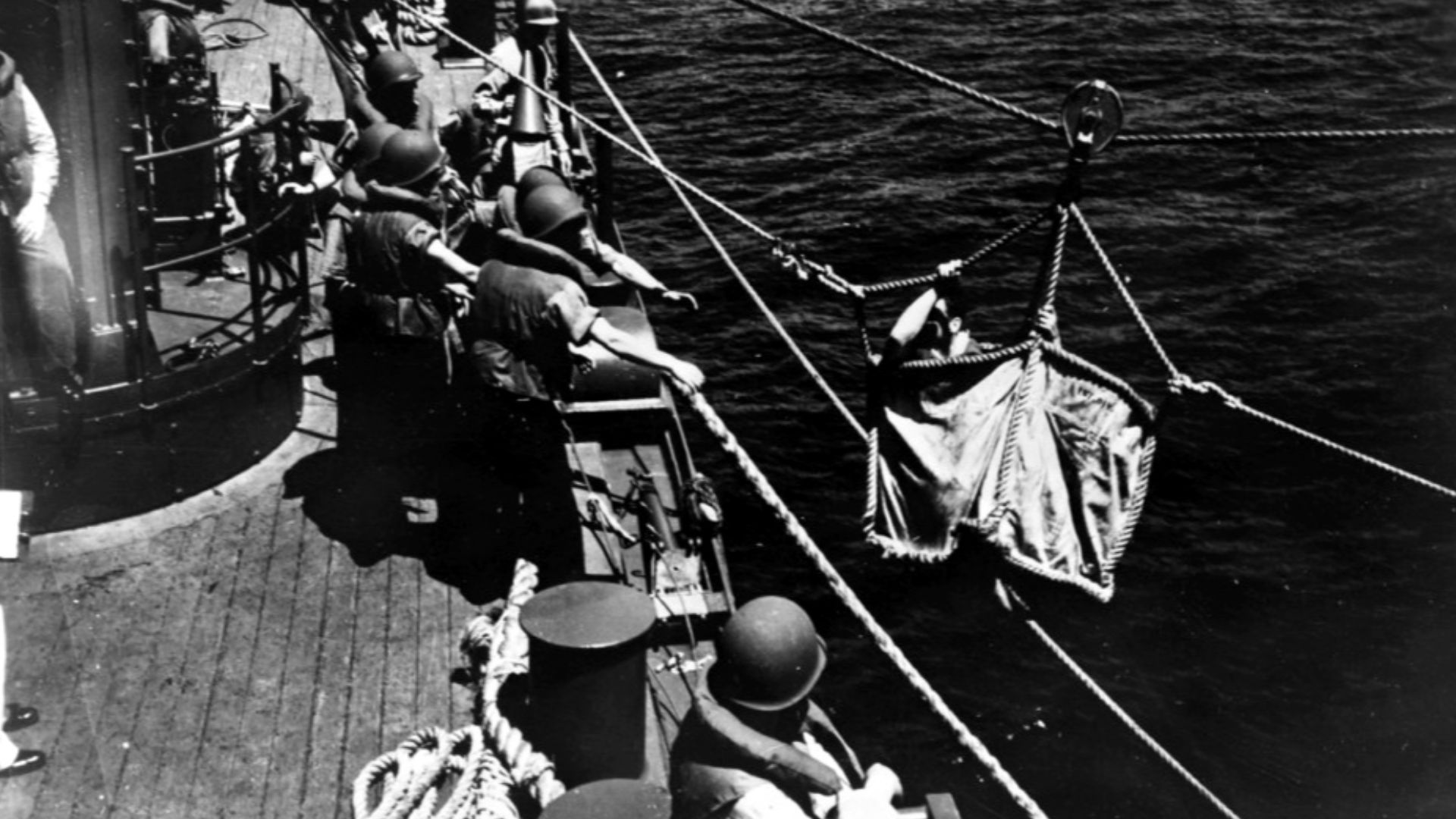
13. Kursk 1943
In 1943 at Kursk, Soviet defenses absorbed Germany's attack, then launched powerful counterstrikes. The battle—history's largest tank clash—ended the Axis push in the East. With superior production and strategy, the USSR gained momentum and drove a relentless advance westward that ultimately reached Berlin.
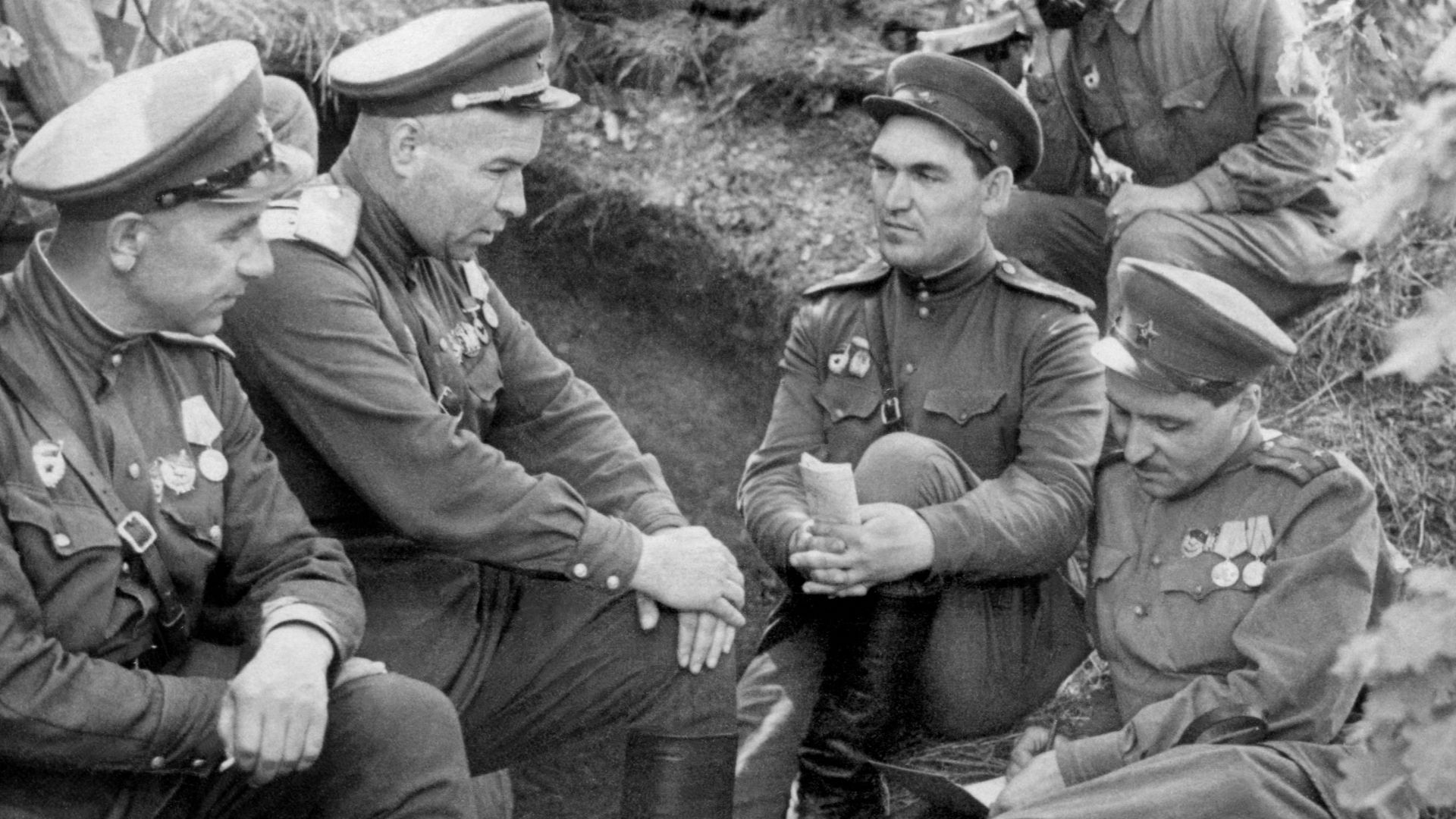 Unknown authorUnknown author on Wikimedia
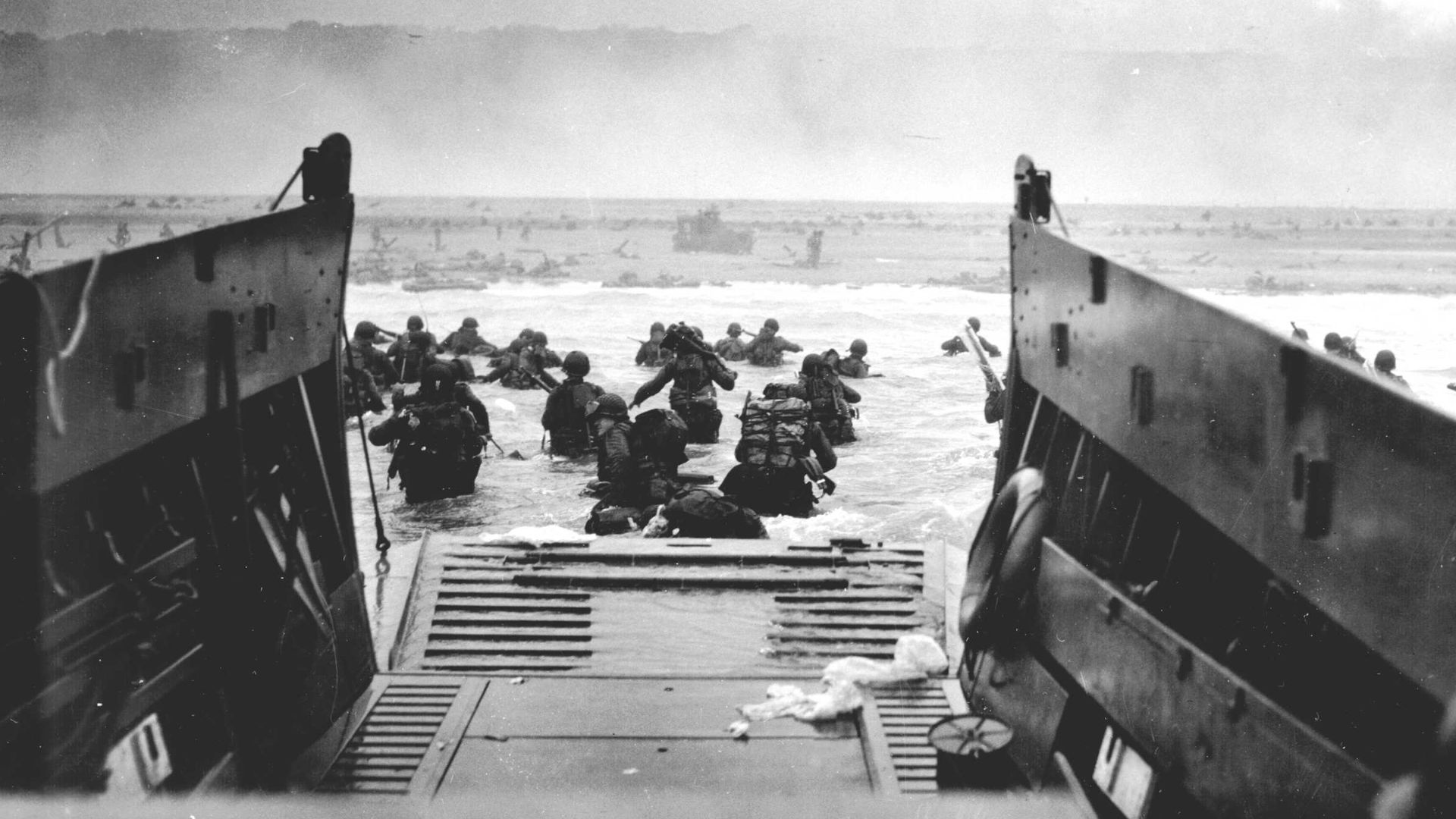
14. D-Day 1944
On D-Day, 1944, over 150,000 Allied troops stormed Normandy's beaches under fierce fire and secured a vital foothold. Combined with Soviet advances from the east, superior air power and amphibious skill stretched German forces thin and enabled the rapid liberation of France, which collapsed Germany's position on both fronts.
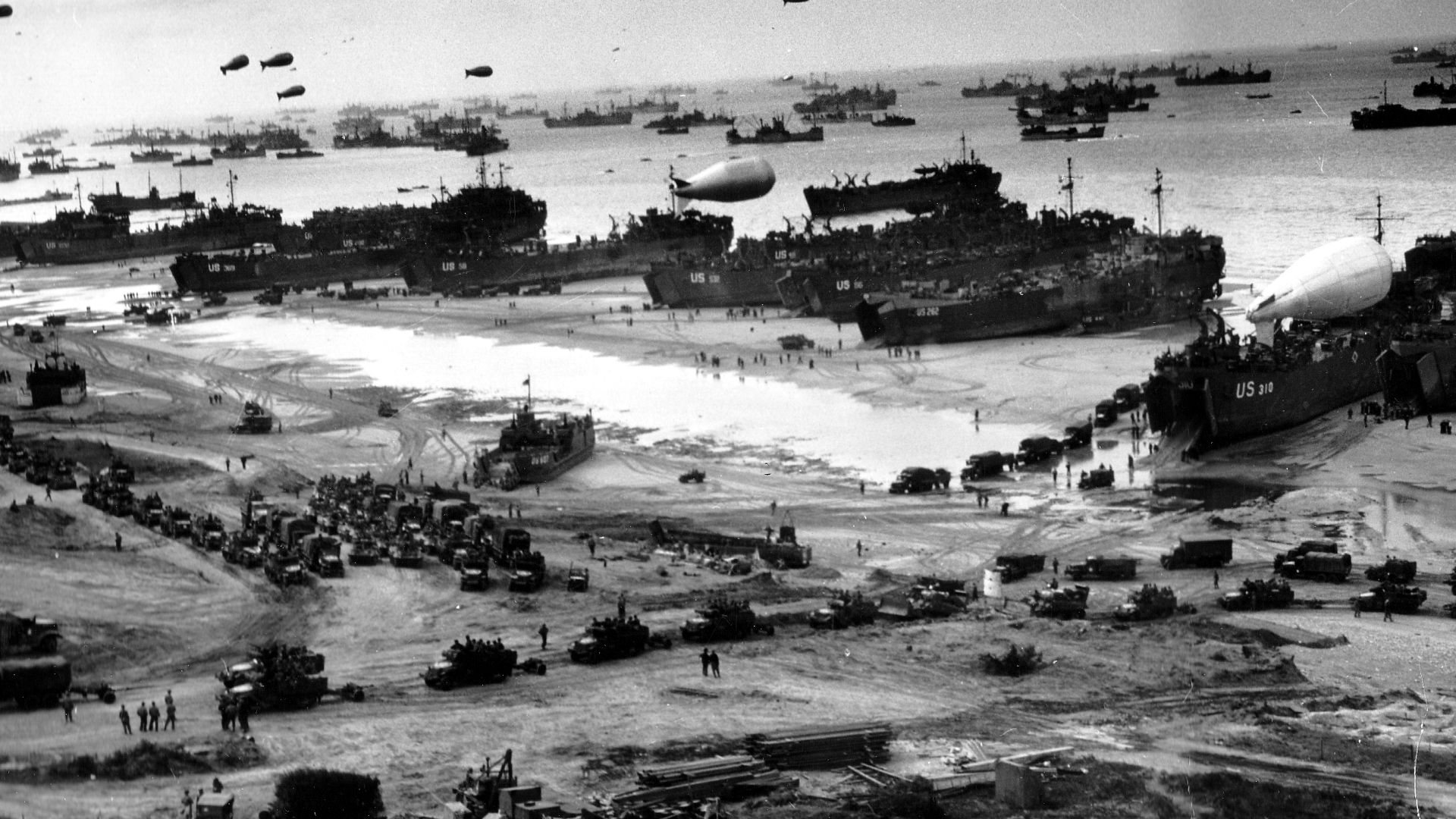 US Coast Guard, photo 26-G-2517 on Wikimedia
15. Stalingrad 1942
After months of brutal urban attrition, Soviet forces encircled Germany's Sixth Army. Its devastating surrender shattered the myth of Nazi invincibility and forced a massive strategic retreat. This victory marked the definitive turning of the tide on the critical and grueling Eastern Front.
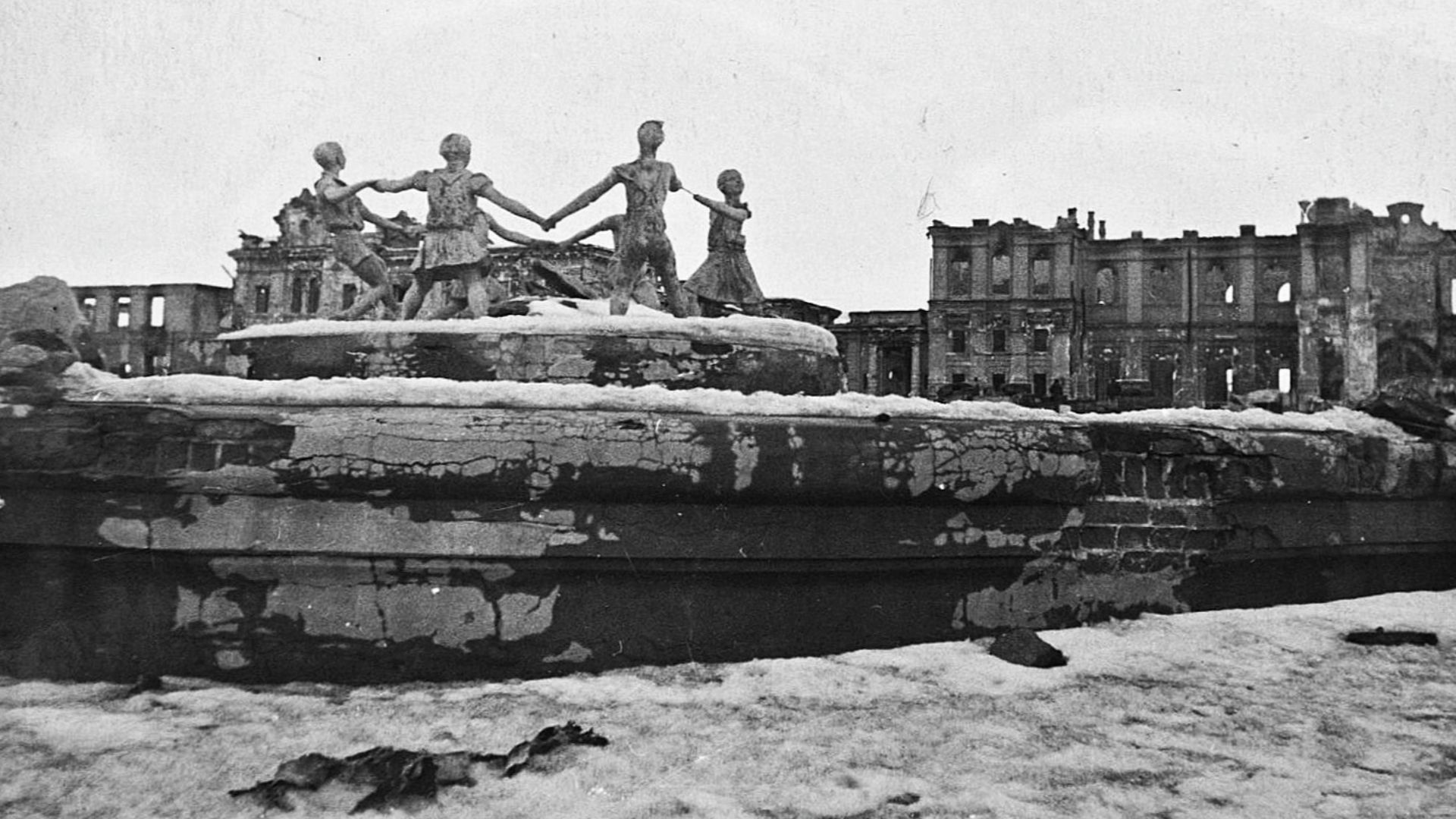 Sergey Strunnikov on Wikimedia
16. Hiroshima 1945
In August 1945, the first atomic weapon used in war devastated Hiroshima, which compelled Japan’s surrender just days later. Beyond ending World War II, this act redefined how nations viewed warfare and sparked a nuclear arms race that shaped global politics for decades to come.
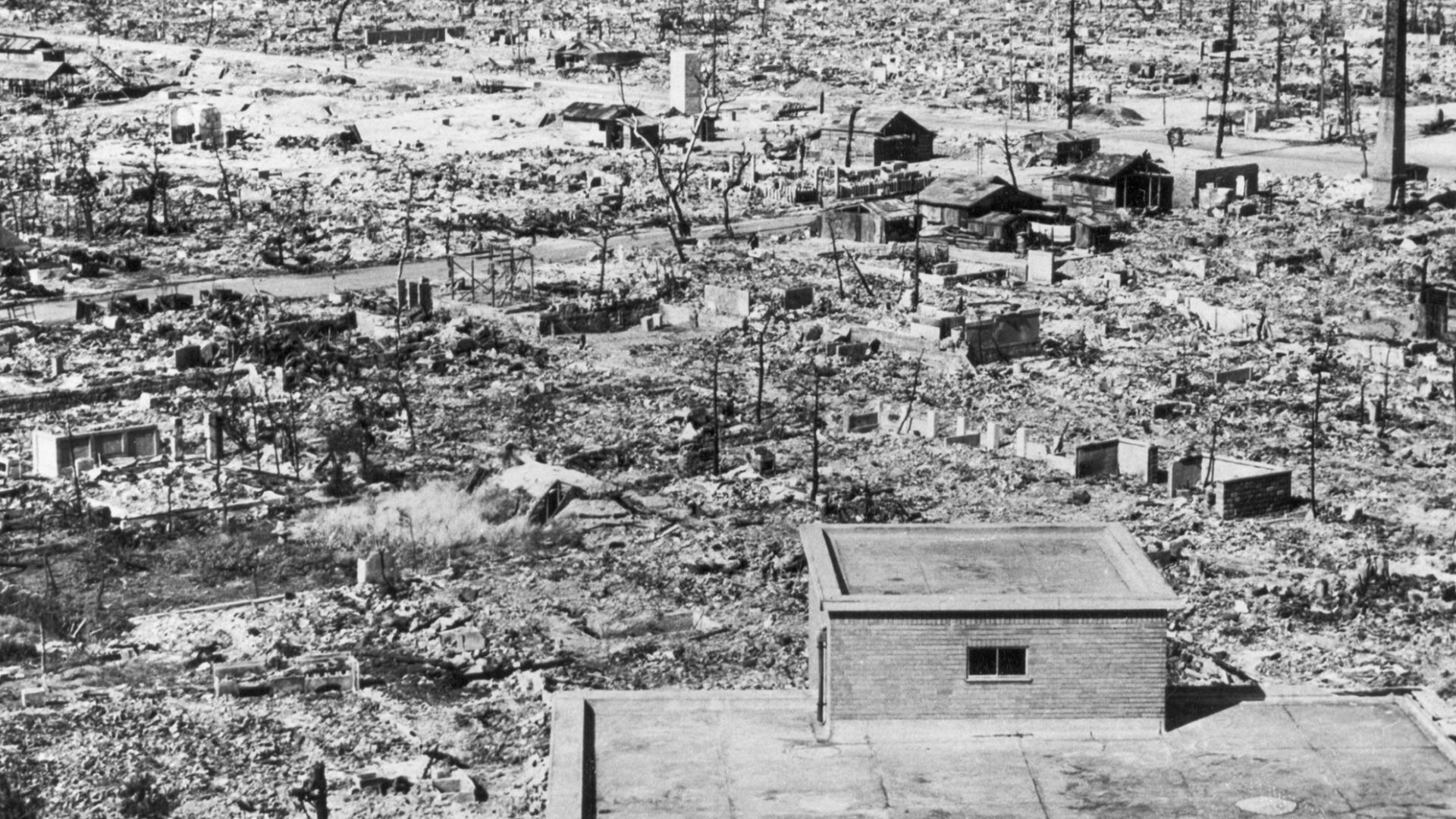 US government, Post-Work: User:W.wolny on Wikimedia
17. Tet 1968
The Tet Offensive, launched during Vietnam’s lunar new year in 1968, saw surprise attacks across South Vietnam. Once the public witnessed its costs on television, opinion turned sharply against the conflict. This attack forced Washington's leaders toward major policy shifts that completely reshaped the war's ultimate direction.
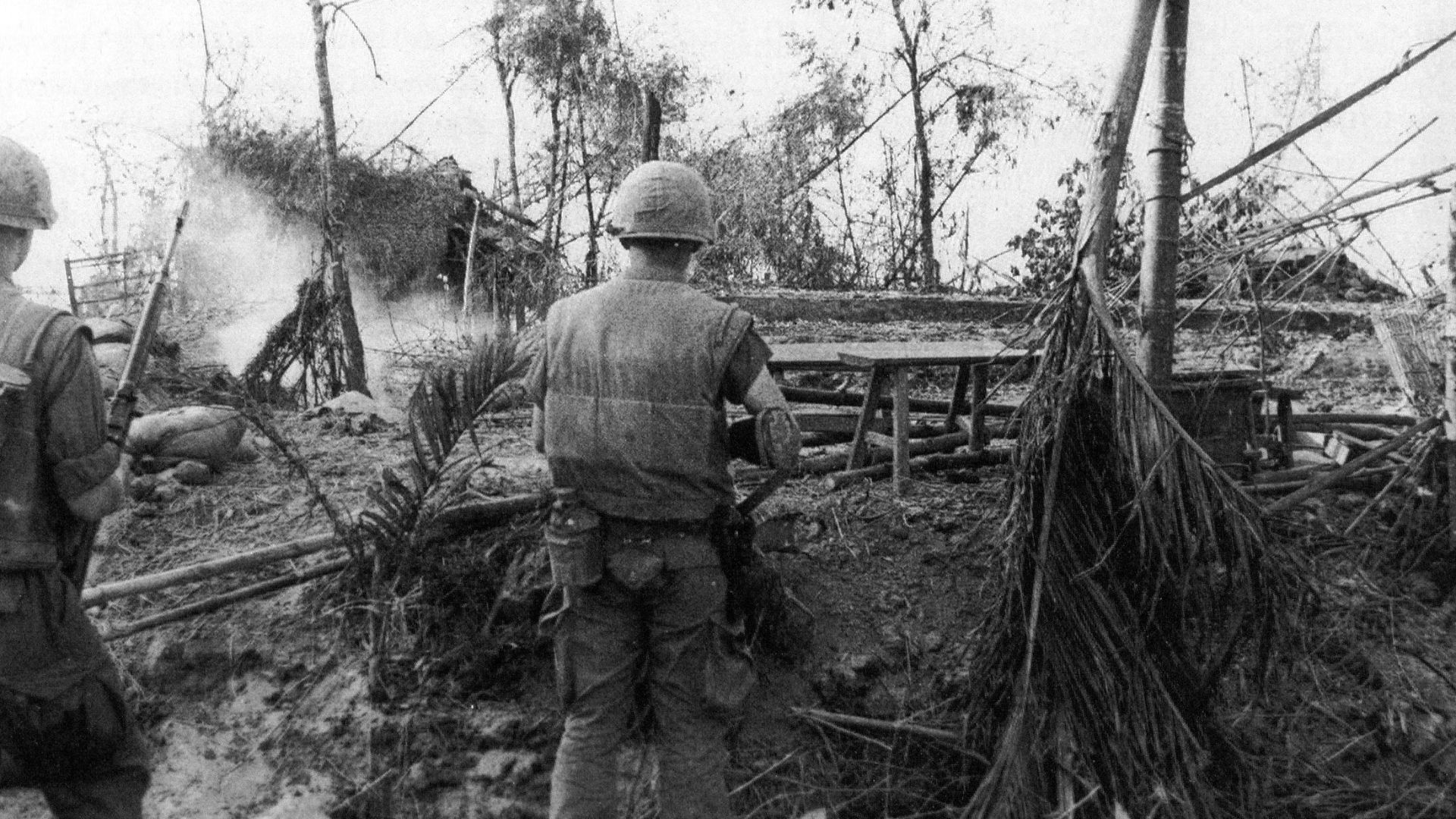
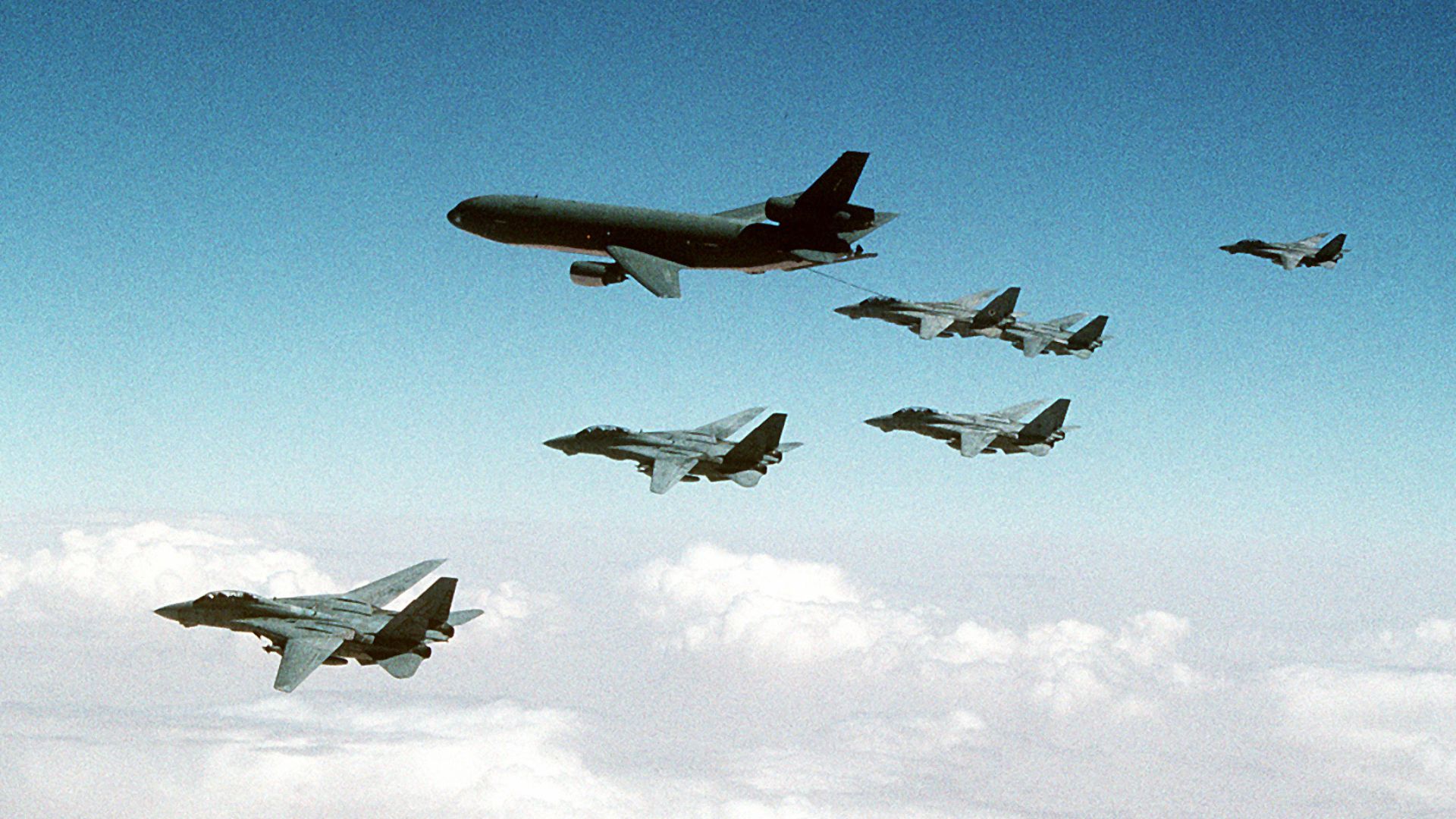
18. Gulf Airpower 1991
Showcasing the effectiveness of precision strikes, a U.S.-led air campaign rapidly dismantled Iraqi defenses. Kuwait's liberation in mere weeks highlighted this new operational speed. America's demonstration of military dominance further directed future conflict planning, underscoring airpower's central role in modern strategy.
19. Korean Armistice 1953
The 1953 Korean Armistice ended active combat and created the Demilitarized Zone, which froze the division at the 38th parallel. Though not a peace treaty, it solidified U.S. military presence in East Asia and became a blueprint for Cold War proxy conflicts and regional tensions.
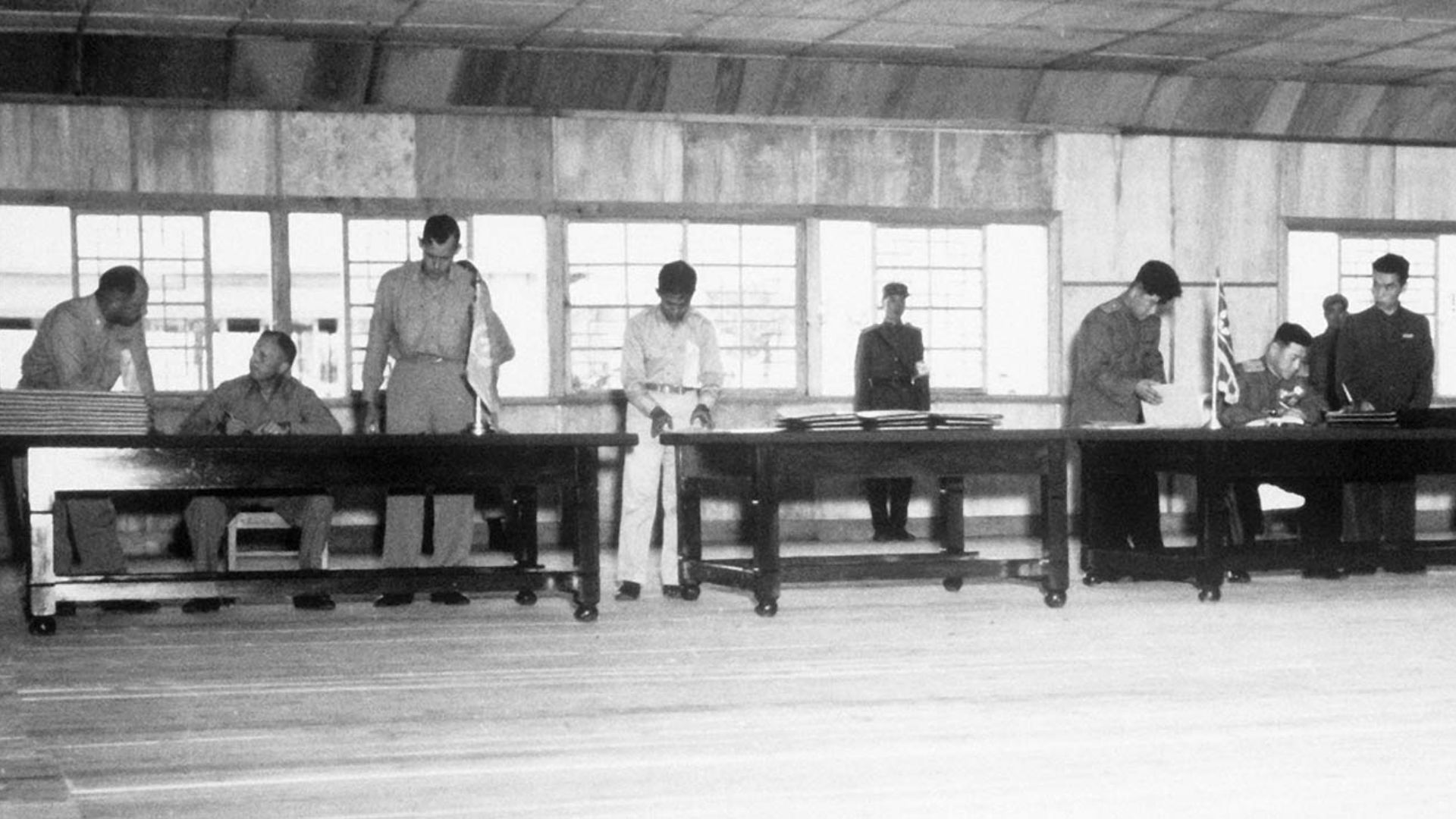 U.S. Department of Defense (F. Kazukaitis. U.S. Navy) on Wikimedia
20. Soviet Exit 1989
In 1989, the Soviet withdrawal from Afghanistan greatly weakened the Soviet military's standing and morale. It empowered future insurgent movements that drew lessons from the fight against a superpower. The costly exit directly contributed to the USSR's collapse and shifted U.S. Middle East policy.
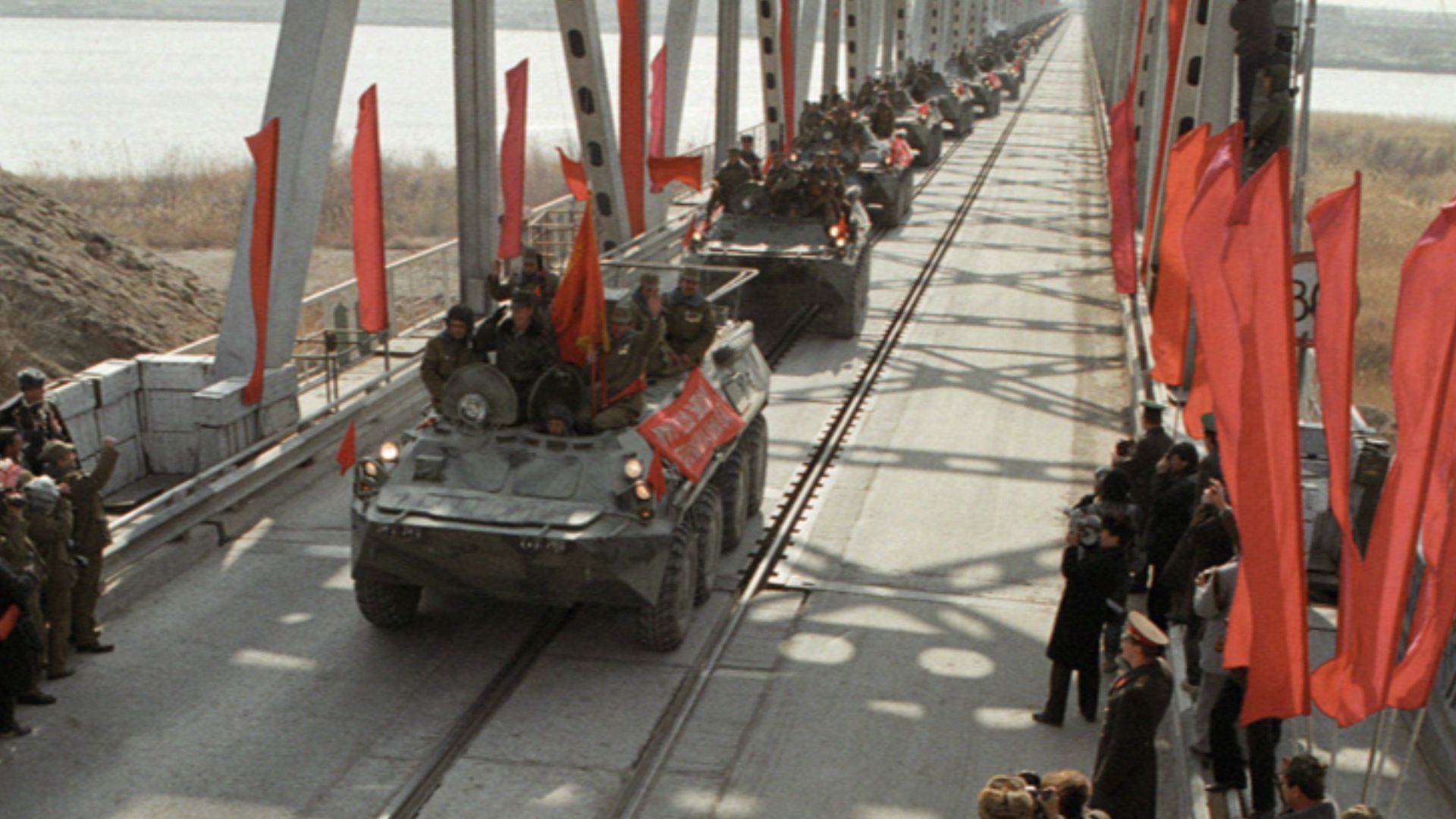 A. Solomonov / А. Соломонов on Wikimedia
KEEP ON READING