 Unknown, 13th-century author on Wikimedia
Weddings are supposed to bring families together, but that’s never really been the case throughout history. If anything, the further back you venture in textbooks, the more you realize that some accomplished the exact opposite. You never knew what to expect when people swore their vows and cut the cake; some celebrations ended with assassinations, massacres, and entire families fighting for survival.
The truth is that there’s no shortage of disasters. From ancient Macedonia to Renaissance Italy, a few particularly gruesome weddings have left their mark on history, and we’re here to break down some of the most memorable.
Ancient Weddings Were Surprisingly Dangerous
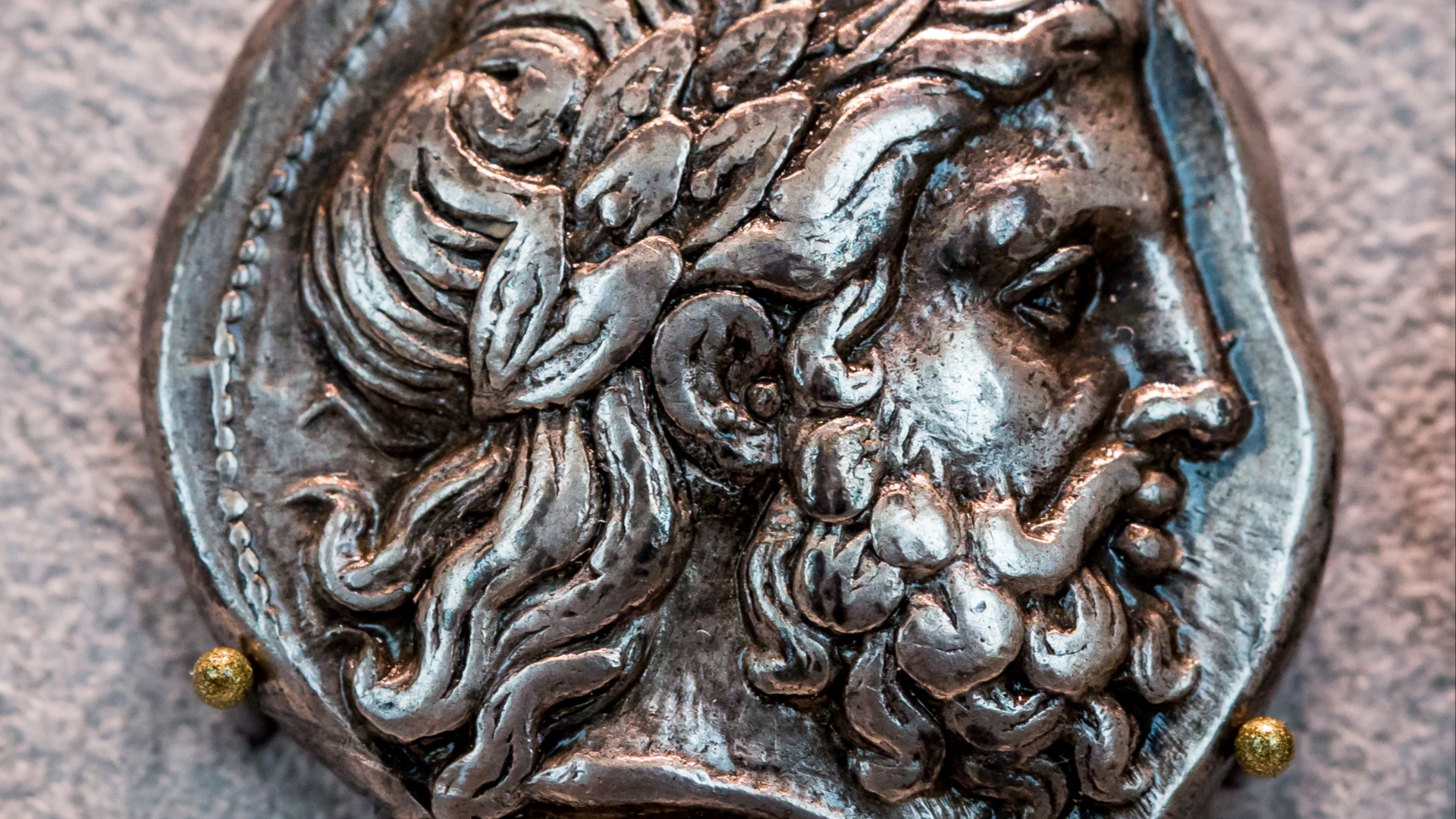
In 336 BCE, King Philip II of Macedonia organized an elaborate celebration for his daughter Cleopatra's marriage to Alexander of Epirus. It was a big deal, and the shebang attracted influential figures, making it an opportunity to display Macedonia's growing power. What should’ve been a joyous event quickly turned sour, however—Philip never got to enjoy his daughter's marriage. His own bodyguard, Pausanias, stabbed him during the festivities.
The assassination occurred at Aigai, where Philip was entering a theater before the guests. Pausanias attempted to flee the scene but was killed by Philip's friends, preventing anyone from questioning him about potential accomplices. No one knew for sure why he lashed out, but some suspected that Pausanias harbored a personal grudge against Philip. Others thought that Philip's estranged wife Olympias and their son Alexander were to blame.
Either way, Philip's death allowed Alexander the Great to claim the throne at just 20 years old. The transition wasn't peaceful, either; several potential rivals were subsequently eliminated, including Philip's young daughter by another wife. According to historical accounts, the assassination's true circumstances remain unresolved.
Several centuries later, Roman Emperor Caracalla supposedly attempted an even more disturbing wedding betrayal in 216 CE. According to the historian Herodian, Caracalla arranged to marry the daughter of Parthian King Artabanus, only to unleash soldiers upon the unarmed guests. Artabanus reportedly escaped while numerous attendants were slaughtered.
A Medieval Wedding Ended in a Deadly Inferno
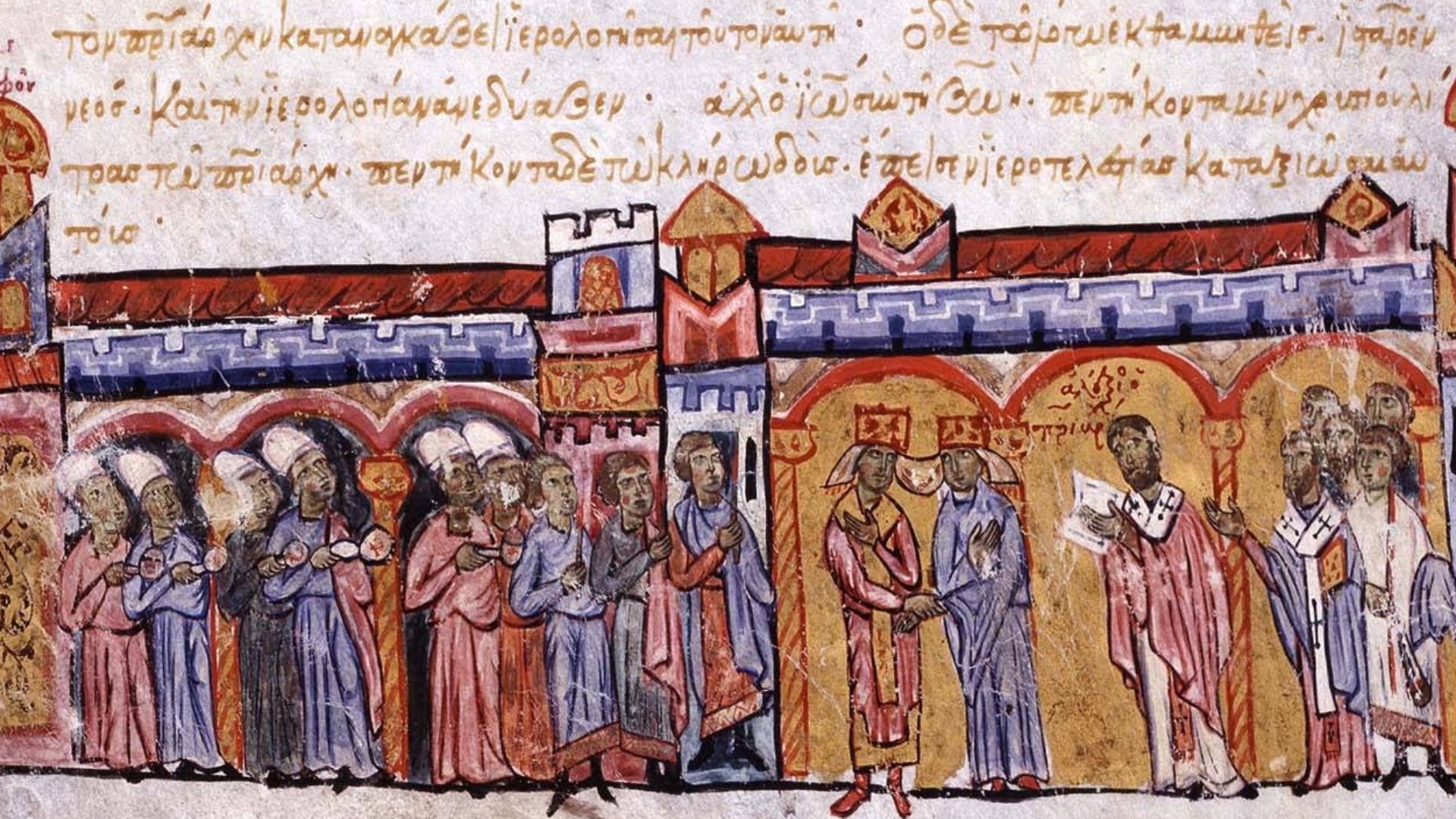
Medieval history has its fair share of brutal nuptials as well, and one of the most horrifying disasters unfolded in 1253. Chieftain Gissur Þorvaldsson arranged for his son Hallur to marry Ingibjörg, daughter of the historian Sturla Þórðarson, hoping to settle a political feud. Long story short, the families belonged to rival factions struggling for control during Iceland's violent Age of the Sturlungs. So, marrying them to prevent bloodshed seemed like a great idea.
And yet, bloodshed came anyway. According to historical accounts, the bride was only 13, while her new husband was only three years old. Guests gathered for an elaborate celebration lasting two days, but the marriage itself didn't eliminate the wider hostility surrounding Gissur, whose enemies were already plotting their revenge.
Shortly after the wedding, armed attackers snuck into the estate and set the buildings on fire. Dozens of people died, including several members of Gissur's household, while Hallur suffered fatal injuries. Gissur only made it out alive by hiding in a barrel while his residence burned to the ground around him. His wife Gróa and several sons weren't so lucky, however, and the attack became known as the Burning at Flugumýri.
Renaissance Weddings That Ended in Murder
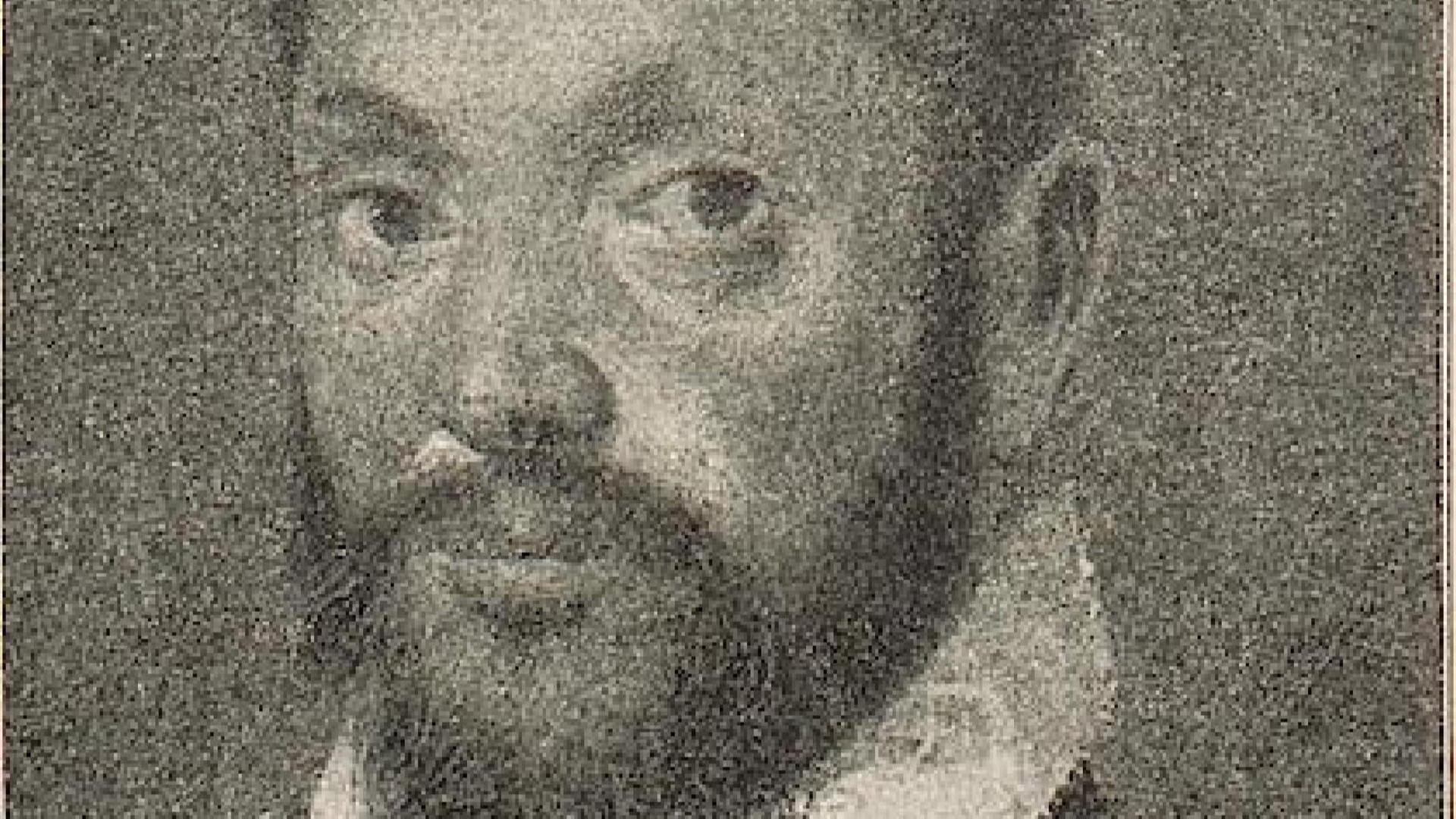
Perhaps history's most literal Red Wedding occurred in Italy during the 1500s. Astorre Baglioni married Lavinia Colonna in an extravagant celebration, all of which was only made grander by the attendees: members of his powerful, notoriously divided family. But where there’s fire in the family tree, there’s danger afoot—unbeknownst to the newlyweds, relatives were planning to murder leading members of the Baglioni household and take control of the city.
Sure enough, armed conspirators attacked Astorre and other family members, killing Astorre in the process. His father Guido, brother Gismondo, and relative Simonetto also lost their lives. To make matters worse, it wasn’t a quick death either. Later accounts weren’t shy about detailing the gruesomeness of what happened: mutilation and desecration of the dead. The conspiracy briefly destabilized Perugia, and its organizers didn’t even maintain control when surviving Baglioni relatives fought back. The horrifying event literally became known as the Nozze Rosse, or Red Wedding.
As if that wasn’t scary enough, France experienced an even deadlier catastrophe in 1572, when Protestant Henry of Navarre married Catholic princess Marguerite de Valois. Their marriage was intended to reconcile opposing religious factions, but an assassination attempt against Protestant leader Gaspard de Coligny only deepened tensions.
Six days after the wedding, the Saint Bartholomew's Day Massacre began, with Coligny among its earliest victims. Thousands of Protestants also lost their lives. Henry, however, narrowly escaped by agreeing to convert to Catholicism, although he remained effectively imprisoned at the French court for years. His revelry was also…fickle, to say the least. After escaping in 1576, he returned to Protestantism before converting again in 1593 to strengthen his claim to the French throne.
We’ve only scratched the surface, but these celebrations reveal just how dangerous marriage could become when political ambition and personal vengeance muddied things. Although centuries separate these tragedies, they share a disturbing reality: even the happiest occasions offered little protection against the violence of their times.
KEEP ON READING