

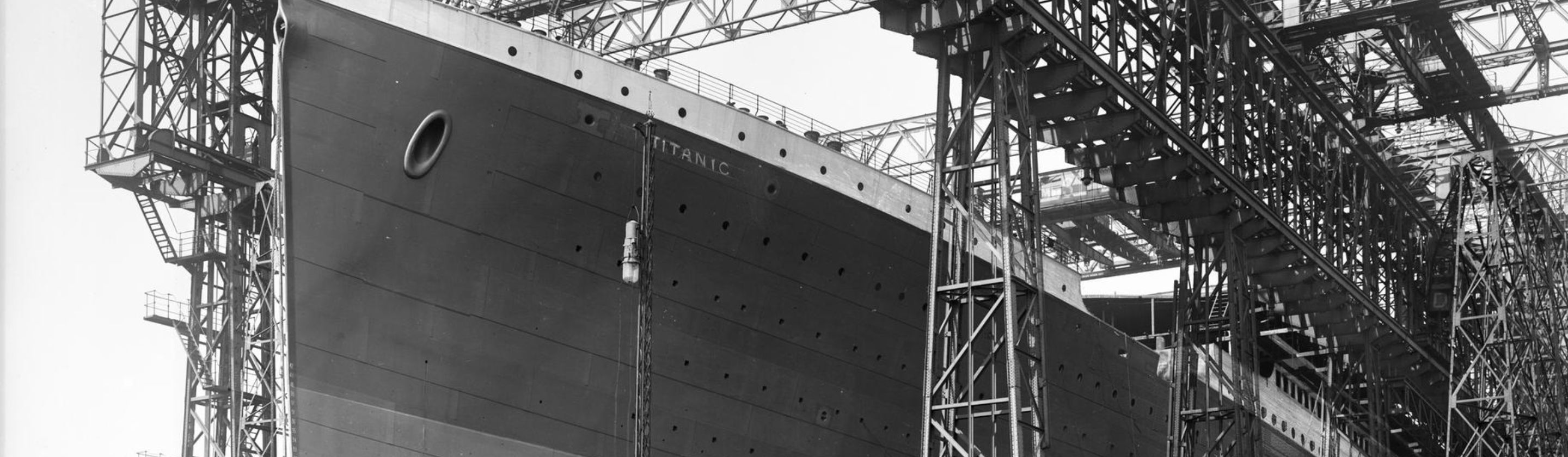
The Man Who Predicted the Titanic Sinking 14 Years Before It Happened
 Unknown authorUnknown author on Wikimedia
You have likely heard countless fascinating trivia pieces about history's most famous maritime disaster, but one incredible story sounds entirely made up. Fourteen years before the RMS Titanic set sail on its ill-fated maiden voyage, an American author published a fiction novella that outlined the entire tragedy with unsettling accuracy. This forgotten writer managed to capture the public's imagination decades later when people realized his imagined story read almost exactly like a newspaper report from April 1912. It stands as one of the most remarkable coincidences in literary history that still leaves historians scratching their heads.
The man behind this eerie piece of fiction was Morgan Robertson, an experienced former sailor who turned to writing short stories and novellas to make a living. In 1898, he penned a story titled Futility, which was later reissued under the name The Wreck of the Titan. You might expect a prophetic author to claim he possessed magical visions or psychic powers, but Robertson always insisted his ideas came from simple logic and a deep understanding of maritime trends. Let's dive into the fascinating details of how a struggling writer managed to script a global tragedy more than a decade before it actually happened.
Uncanny Structural Parallels on the High Seas
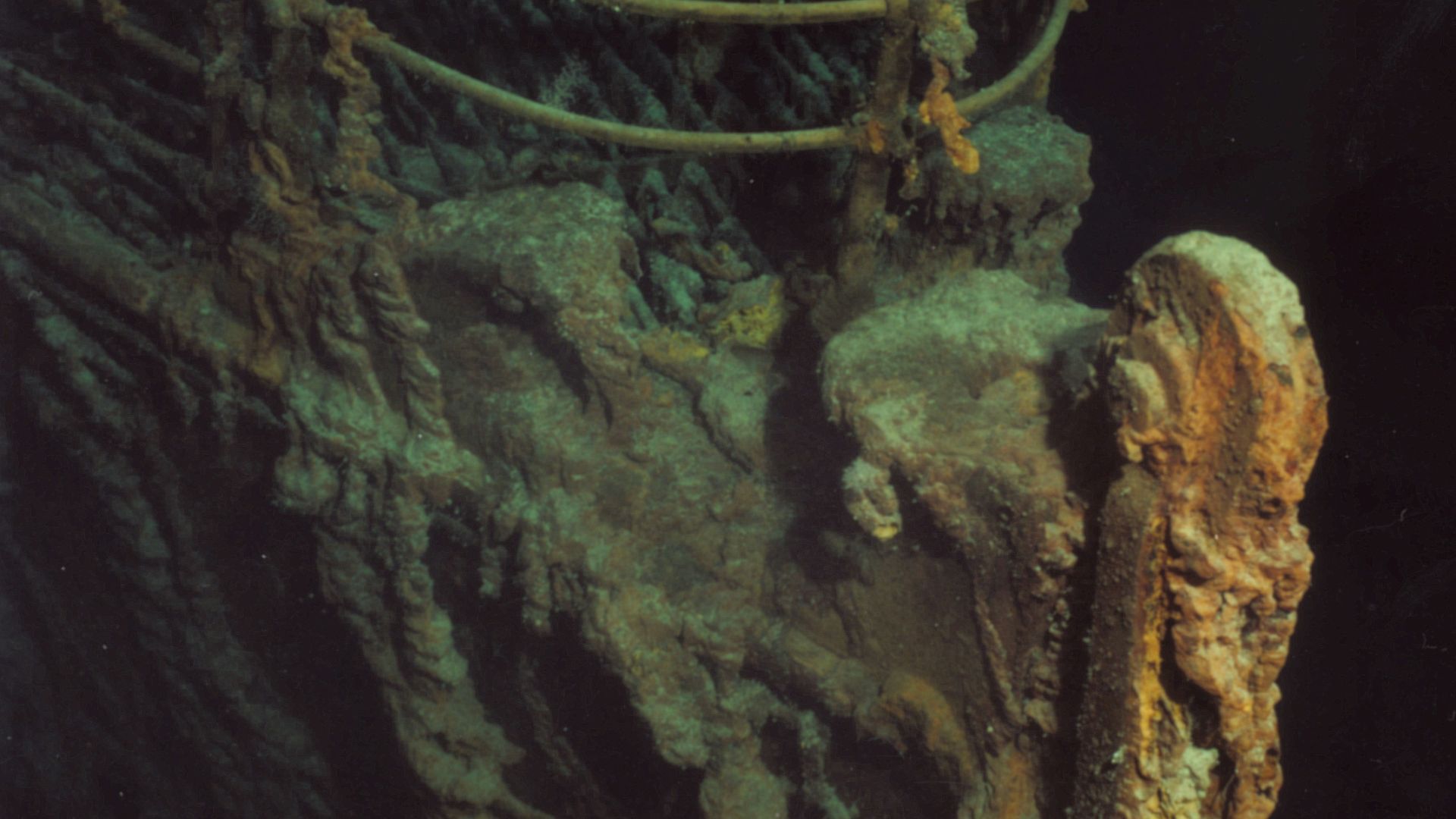
When you look at the technical specifications of the fictional ship in Robertson's book, the similarities to the actual Titanic are absolutely mind-blowing. The author named his magnificent fictional vessel the Titan, a choice that eerily mirrors the real-world liner built by the White Star Line years later. Both ships were celebrated as the largest luxury craft ever floated by mankind, and both were proudly advertised by their creators as being practically unsinkable. They even shared a nearly identical top speed of around twenty-five knots, representing the absolute pinnacle of naval engineering for their respective eras.
The physical dimensions of the two vessels also lined up in a way that defies typical creative guesswork. Robertson wrote that his fictional creation stretched eight hundred feet long, which was just eighty-two feet shorter than the real Titanic that eventually set sail. Both massive liners featured three high-powered propellers and a series of advanced watertight compartments designed to handle unexpected hull breaches during an Atlantic crossing. It is almost as if the author stole the actual blueprints from a shipyard manager's office long before the real builders even conceptualized the historic project.
Perhaps the most heartbreaking similarity between fiction and reality involves the severe lack of safety gear on board for the passengers. Robertson described the Titan as carrying only twenty-four lifeboats, which was the absolute minimum required by outdated maritime laws of the late nineteenth century. This exact regulatory loophole is what allowed the real Titanic to sail with a mere twenty lifeboats, leaving more than half of the people on board without a rescue option. Both the fictional captain and the real-life operators prioritized deck space and luxury views over the basic survival needs of their travelers.
A Strikingly Accurate Recipe for Cosmic Disaster
The incredible coincidences do not stop with the architecture of the ships, as the actual mechanics of the fictional sinking mirror reality remarkably well. In Robertson's story, the majestic liner sets out on a high-stakes voyage across the cold North Atlantic during a chilly night in April. As you probably know, the real Titanic met its tragic end during the exact same calendar month on the night of April 14, 1912. It is truly bizarre how the author managed to pinpoint the precise season and geographic location for a maritime disaster years in advance.
As the fictional Titan charges through the darkness at full speed, it strikes a massive iceberg on its starboard side, which is the exact same side the real Titanic struck during its encounter with the ice. Both vessels were roughly four hundred nautical miles away from the coast of Newfoundland when their fatal collisions occurred in the freezing waters. The immense damage to the hull caused both ships to sink, leading to a catastrophic loss of life that shocked the civilized world. You can easily see why readers in 1912 assumed the author must have used a crystal ball to write his manuscript.
Despite the heavy tragedy of the event, the book actually transitions into an adventurous survival story during its second half. The main character, a disgraced deckhand named John Rowland, manages to leap onto the iceberg to save a young child before the ship disappears beneath the waves. While the real-life disaster did not feature anyone fighting off polar bears on an ice shelf like Robertson's hero, the initial setup of the wreck remains practically identical. It is a striking example of how a writer's imagination can perfectly trace the outlines of a future historical event.
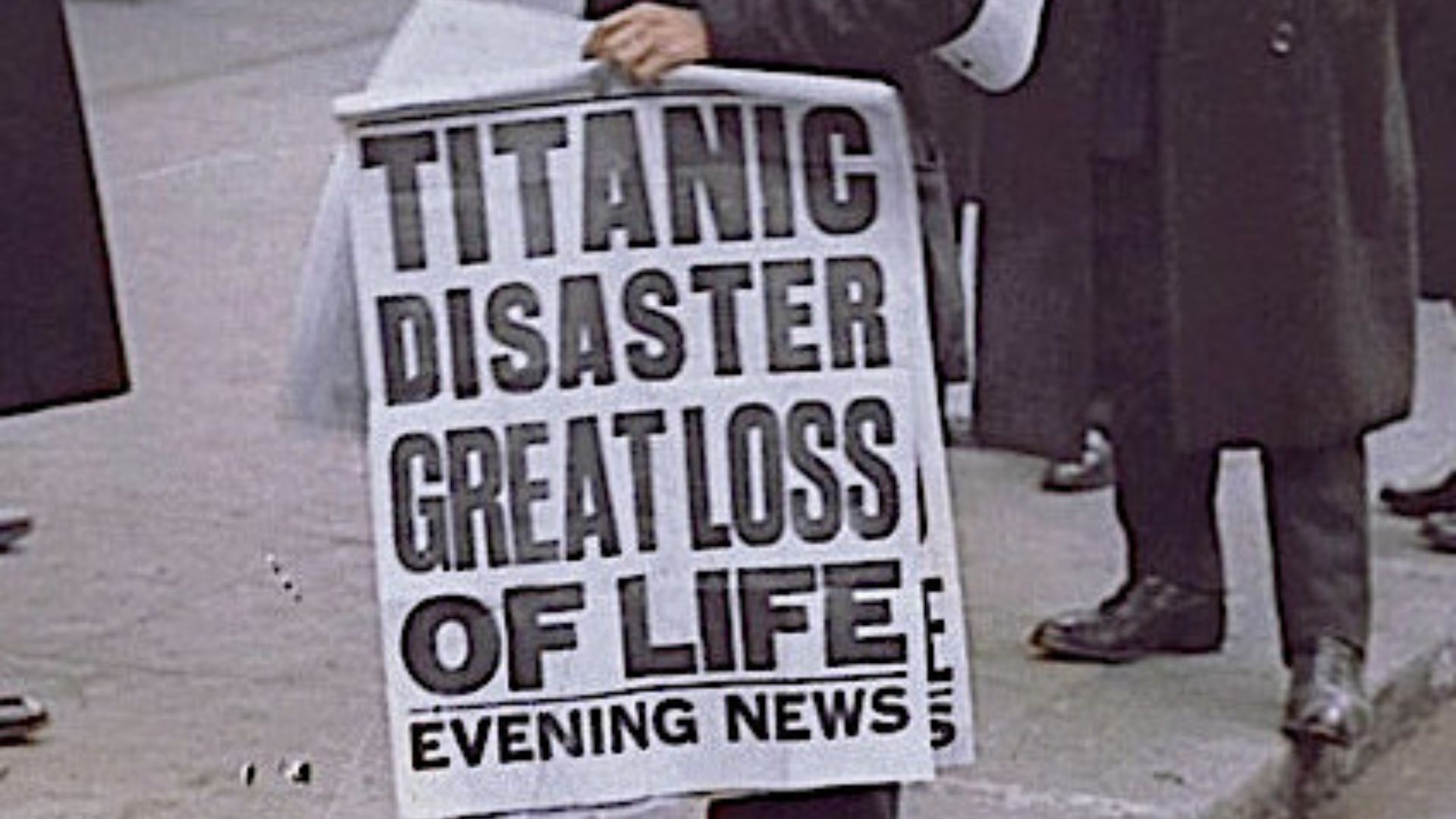
After the real Titanic went down, a wave of public fascination instantly turned the aging author into a national sensation across the United States. Many terrified readers wrote letters to Robertson accusing him of practicing witchcraft or possessing clairvoyant powers that allowed him to see into the future. The writer consistently downplayed these supernatural theories, explaining that his background as a seasoned sailor gave him a massive advantage when plotting his stories. He simply looked at the dangerous direction the shipping industry was heading and wrote a cautionary tale about human arrogance.
KEEP ON READING

20 Powerful Ancient Egyptian Gods That Were Worshipped
Unique Religious Figures in Ancient Egypt. While most people are…
By Cathy Liu Nov 27, 2024
The 10 Scariest Dinosaurs From The Mesozoic Era & The…
The Largest Creatures To Roam The Earth. It can be…
By Cathy Liu Nov 28, 2024
The 20 Most Stunning Ancient Greek Landmarks
Ancient Greek Sites To Witness With Your Own Eyes. For…
By Cathy Liu Dec 2, 2024
10 Historical Villains Who Weren't THAT Bad
Sometimes people end up getting a worse reputation than they…
By Robbie Woods Dec 3, 2024
One Tiny Mistake Exposed A $3 Billion Heist
While still in college, Jimmy Zhong discovered a loophole that…
By Robbie Woods Dec 3, 2024
30 Lost Treasures That Vanished From History
Buried treasure, missing artefacts, legends of ancient gold in them…
By Robbie Woods Dec 3, 2024