

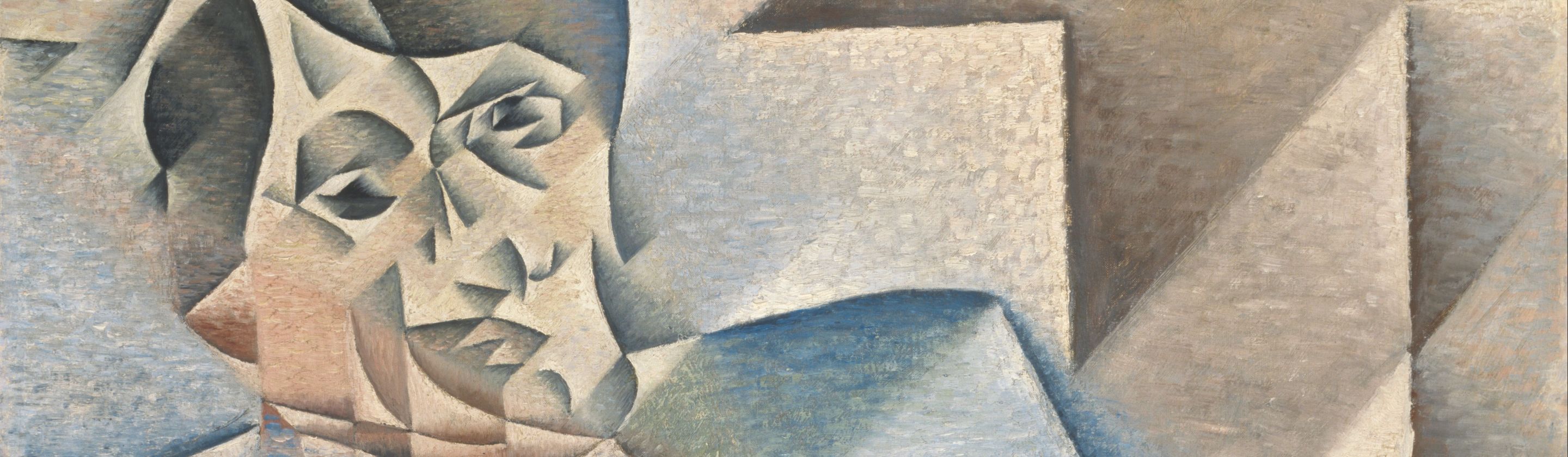
10 Reasons Picasso Was A Monster & 10 Reasons People Still Call Him A Genius
10 Reasons Picasso Was A Monster & 10 Reasons People Still Call Him A Genius
The Art Was Real and So Was the Damage
Pablo Picasso is one of those figures history keeps having to reckon with, because the work is genuinely extraordinary and the life was genuinely terrible. Not complicated-terrible, not flawed-but-human-terrible, but a sustained pattern of cruelty toward the women and children who were closest to him. The two things sit side by side and neither one cancels the other out. Here's 10 reasons the monster label is accurate, and 10 reasons the genius label has held for over a century.
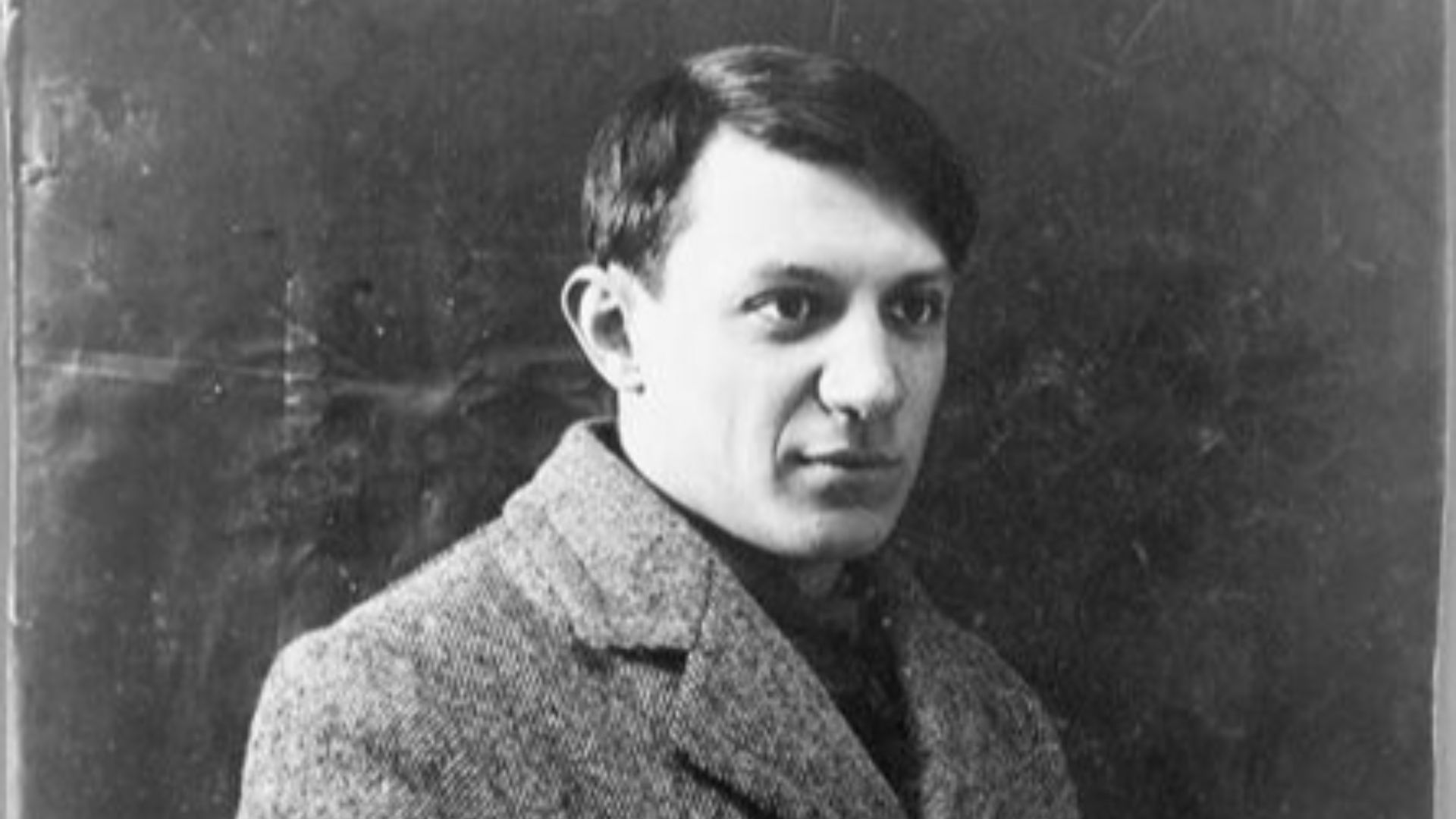 AnonymousUnknown author on Wikimedia
1. He Drove Two Women to Suicide
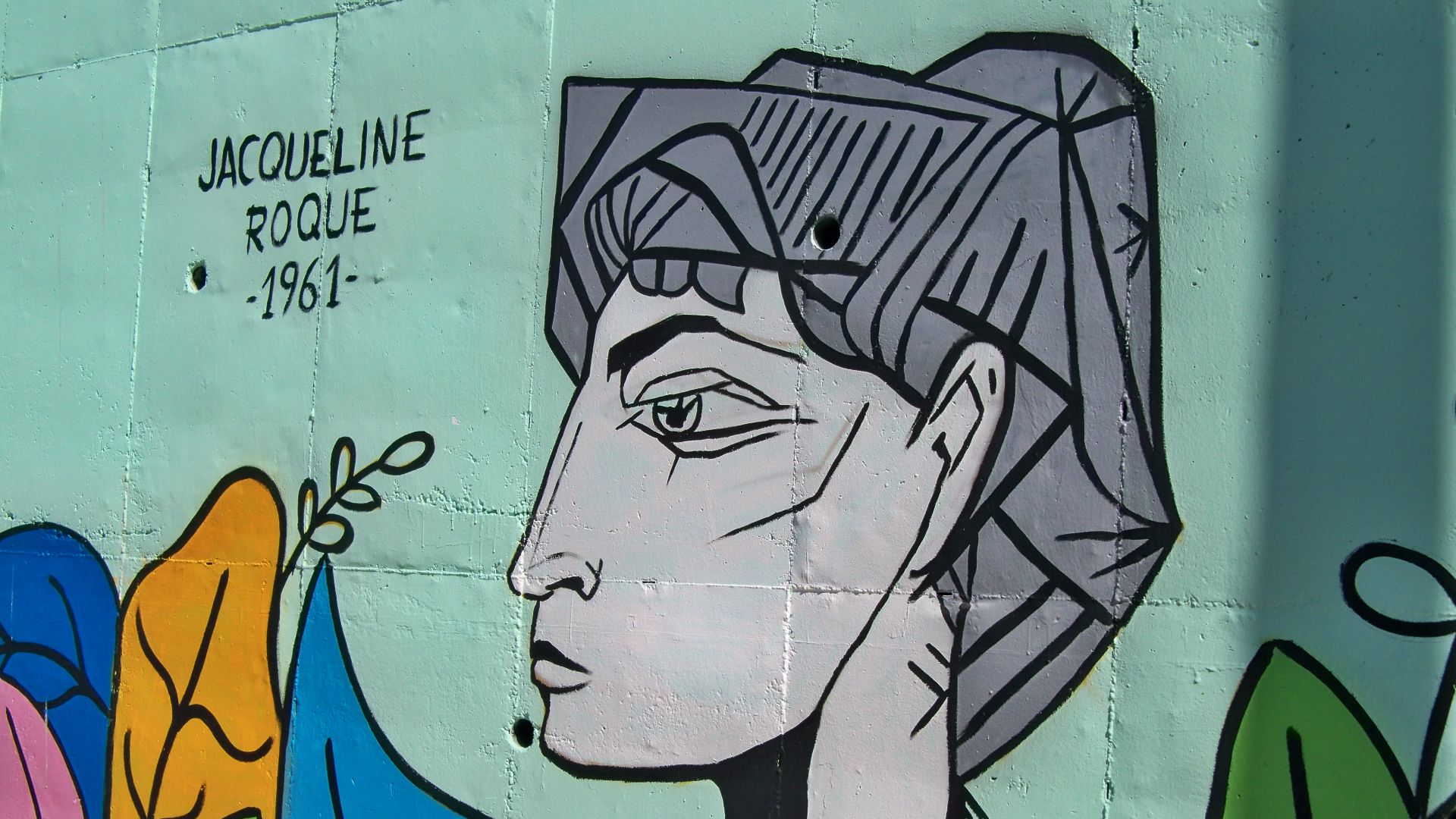
Marie-Thérèse Walter and Jacqueline Roque both died by suicide, years apart. Marie-Thérèse hanged herself in 1977, four years after his death. Jacqueline shot herself in 1986. Both had organized their lives entirely around him, and neither recovered from what that cost them.
2. He Started Grooming Marie-Thérèse When She Was 17
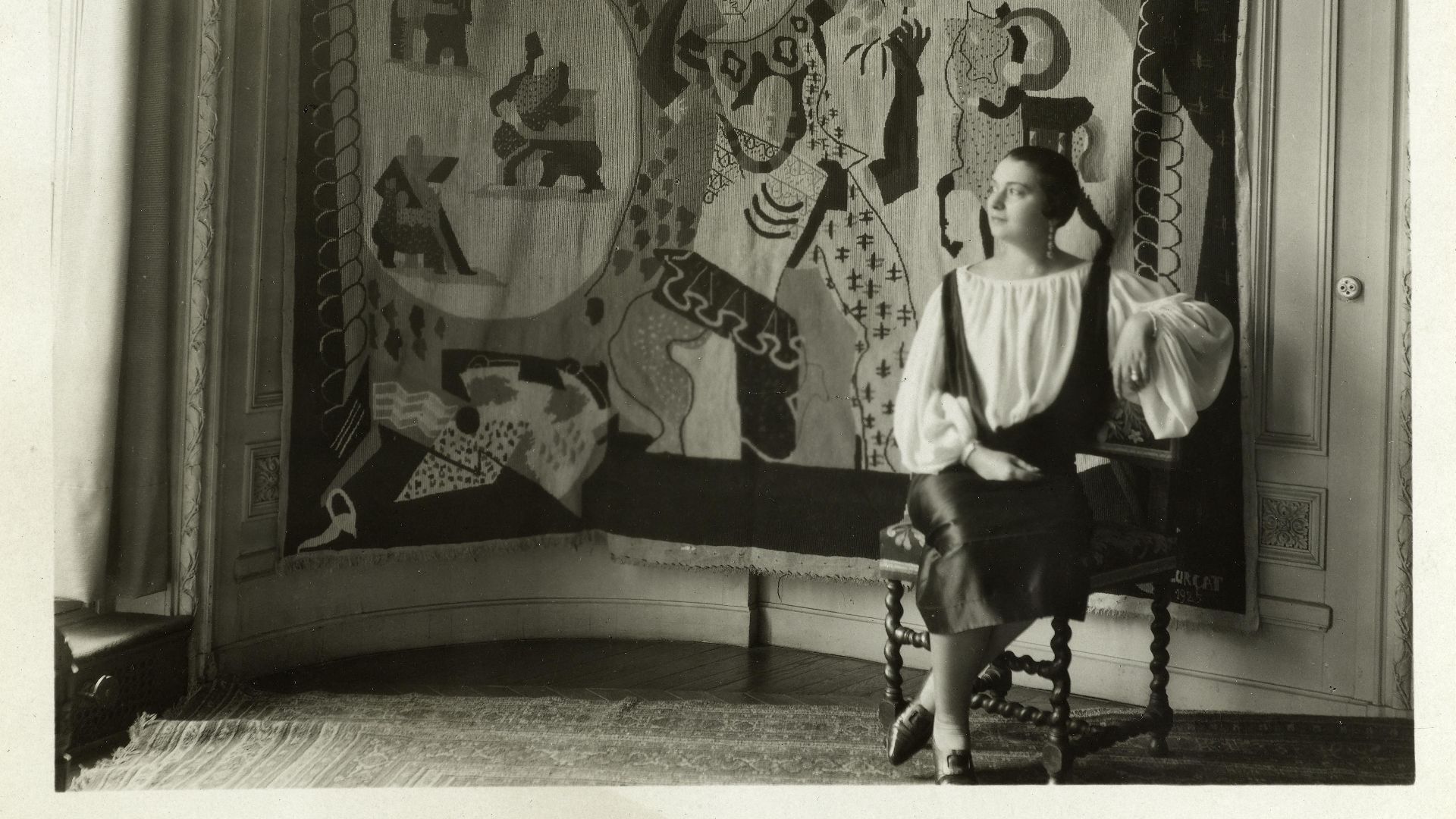
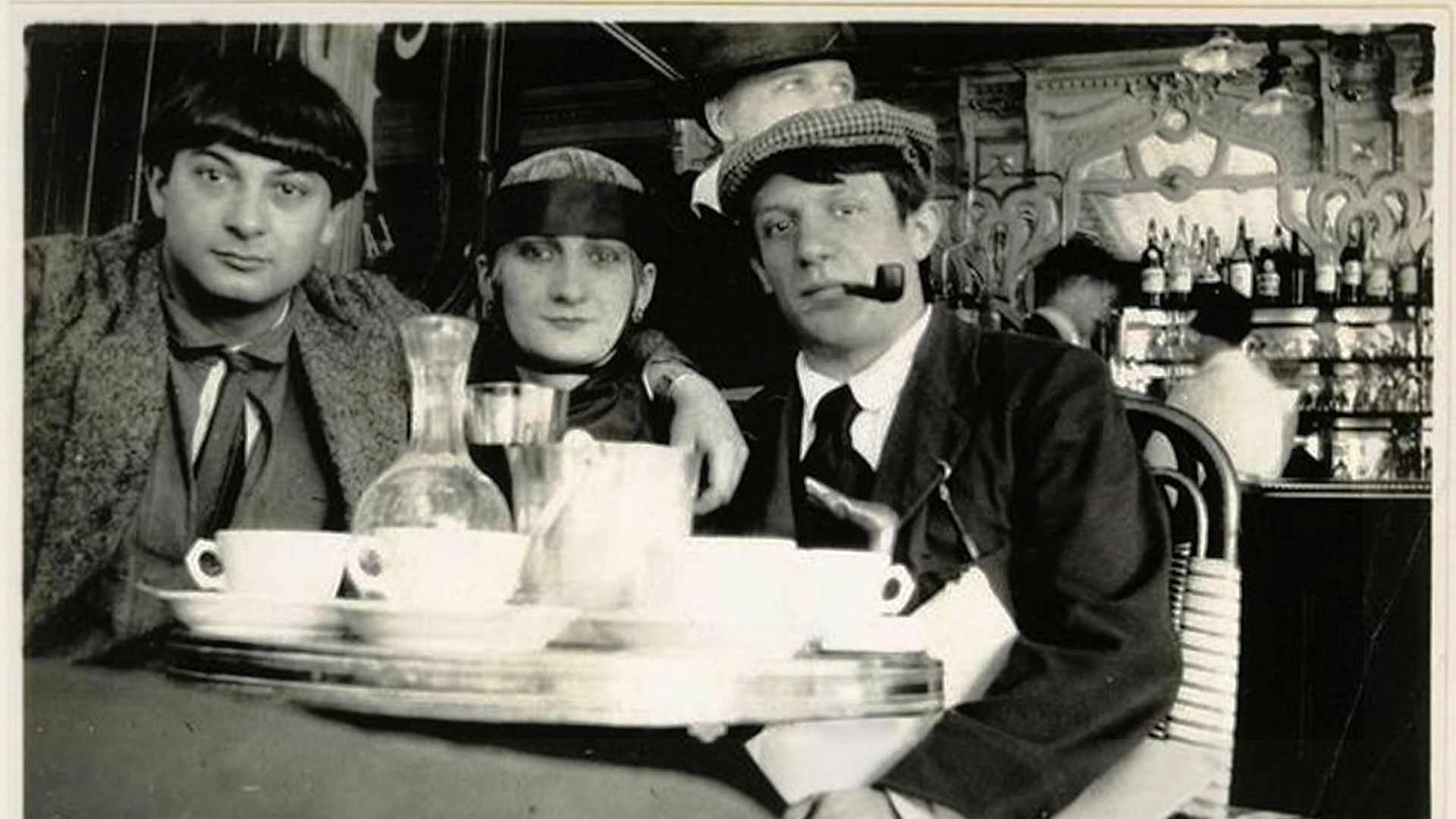
He was 45 when he approached her outside a Paris department store in 1927 and told her they were going to do great things together. She didn't know who he was. He kept the relationship hidden for years while she remained almost completely isolated, dependent, and invisible.
 commons.wikimedia.org on Google
3. He Was Openly Cruel to His Son Paulo
Paulo Picasso grew up largely ignored by his father, who found him unimpressive and said so. Paulo spent most of his adult life drifting, struggling with alcoholism, and working as his father's chauffeur. He died at 54, two years after Picasso, having never managed to build much of a life outside his father's indifferent shadow.
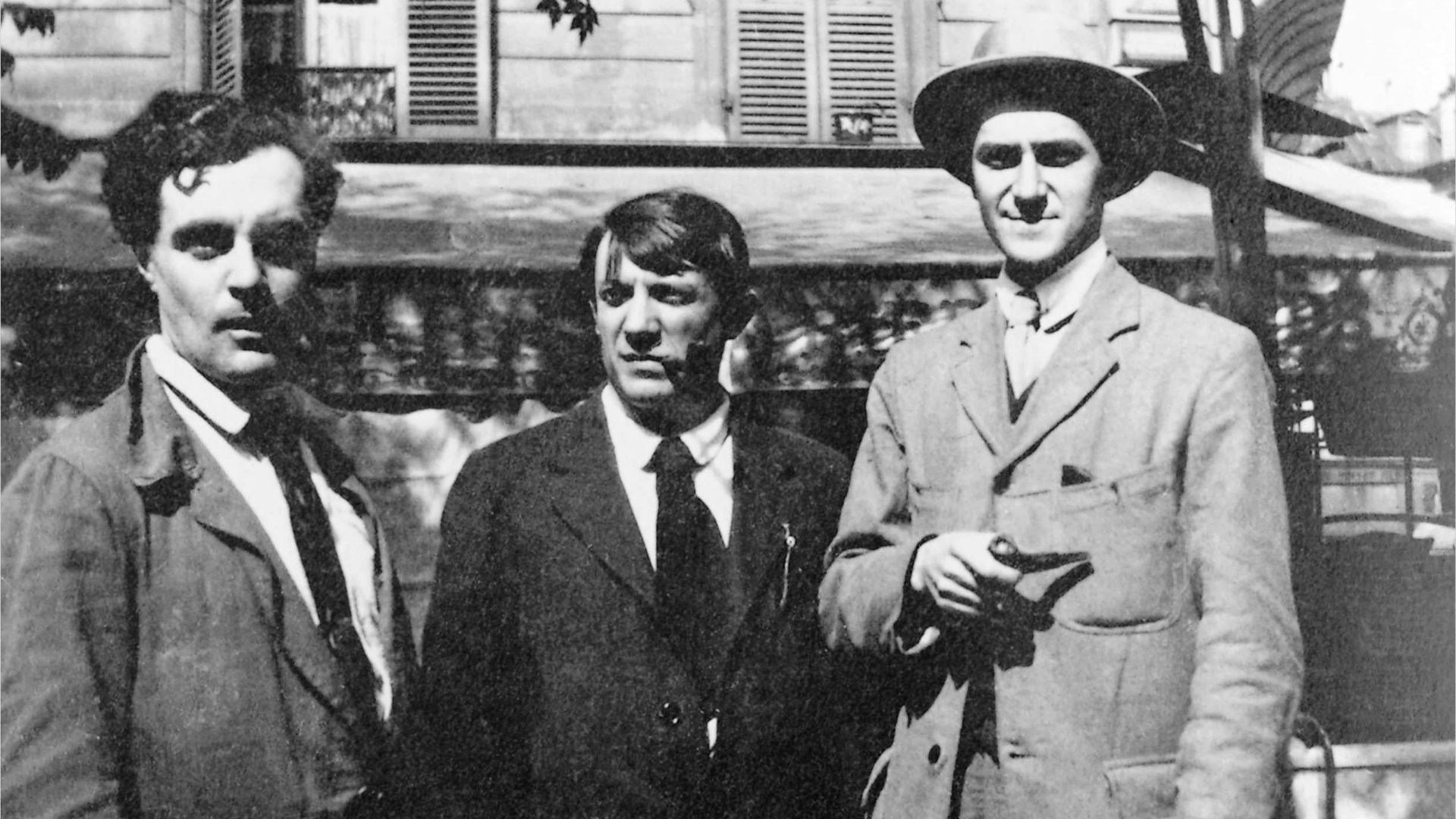
4. He Told Françoise Gilot That Women Were Either Goddesses or Doormats
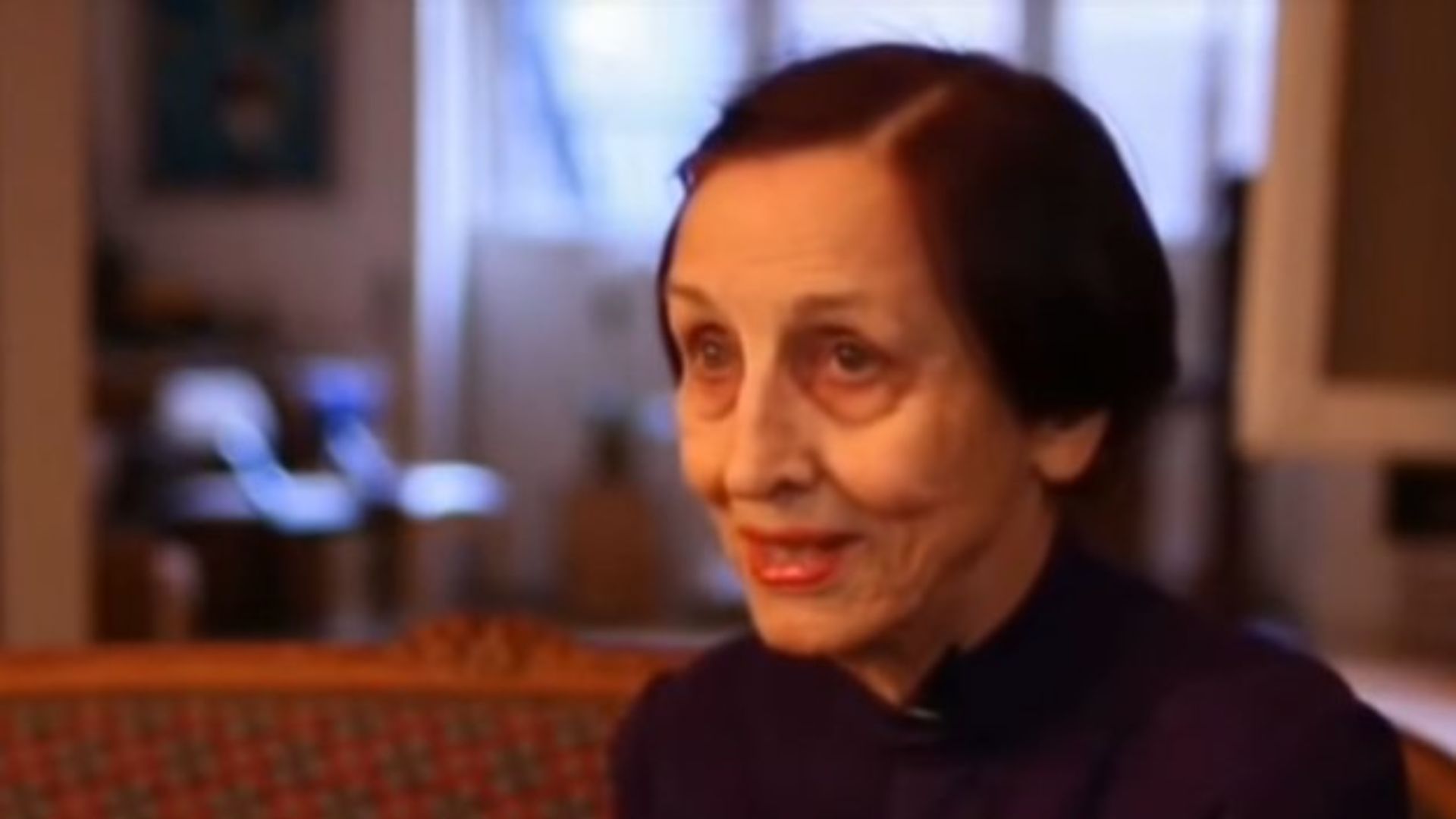
He didn't say it as an observation. He said it as a framework, a way of organizing the women in his life according to what he needed from them at any given moment. Françoise Gilot, who was one of the few women to actually leave him and survive intact, wrote about it in unflinching detail in her 1964 memoir.
 KhanAcademyTurkce on Wikimedia
5. He Cut His Daughter Paloma and Son Claude Out of His Estate
When Picasso died in 1973, he left no will. Under French law at the time, children born outside of marriage had limited inheritance rights, which meant Claude and Paloma, his children with Françoise Gilot, received far less than his legitimate heirs. Claude spent years in legal battles over it. Picasso had made no effort to protect them.
6. He Psychologically Dismantled the Women He Painted
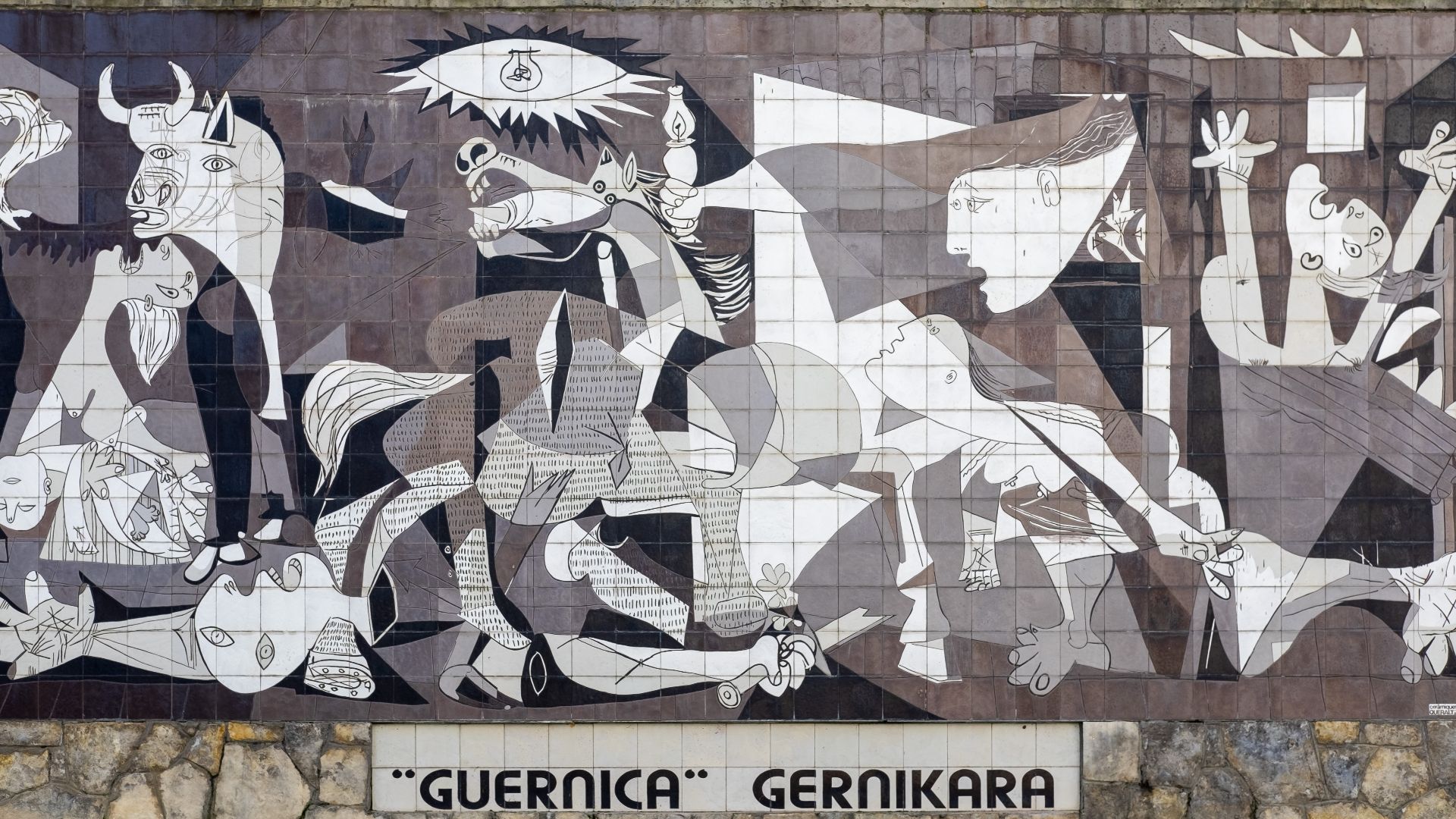
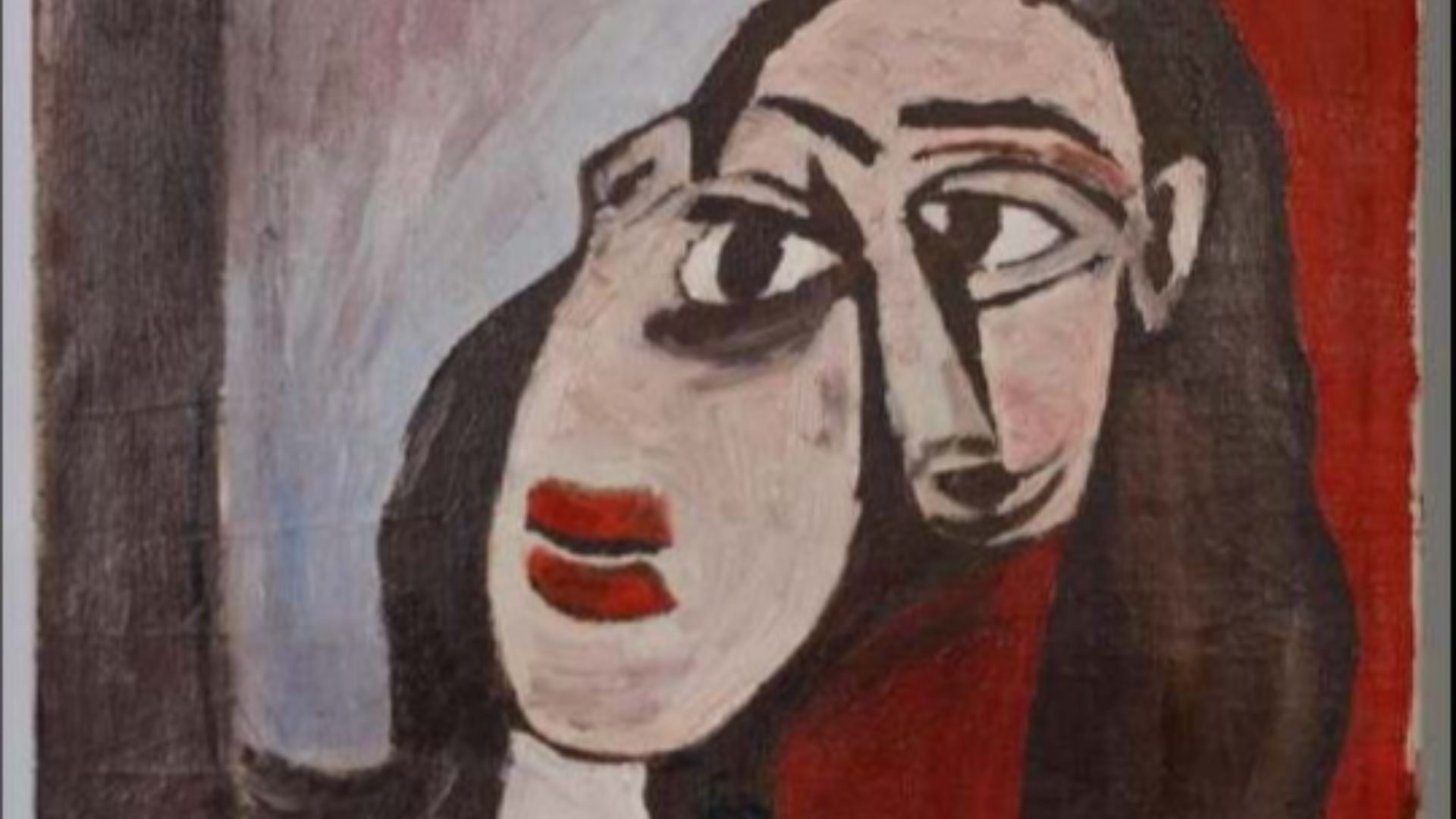
Dora Maar, who was with him during the years he painted Guernica, described their relationship as one of almost constant emotional violence. He painted her repeatedly as a weeping woman, a distorted and fractured figure. She had a breakdown after he left her for Françoise Gilot and spent time in a psychiatric facility. He reportedly told people she was crazy.
 Jules Verne Times Two on Wikimedia
7. He Used His Fame as a Shield
By the time most of the worst damage was done, he was so famous that virtually no one in his circle would challenge him. Dealers, critics, friends, and fellow artists all orbited him carefully. The power imbalance between him and the people he hurt wasn't incidental. It was structural, and he used it.
8. He Refused to See His Grandson Pablito Before He Died
Pablito Picasso, Paulo's son, was turned away from the hospital where Picasso was dying and told he could not enter. Three days after Picasso's death, Pablito swallowed a bottle of bleach. He died three months later. He was 24.
 commons.wikimedia.org on Google
9. He Was a Member of the French Communist Party but Lived Like an Aristocrat
He joined the party in 1944 and remained a member for the rest of his life, painting doves of peace and lending his name to political causes. He also accumulated vast wealth, multiple estates, and a collection of his own work he refused to sell, while the people closest to him often struggled. The contradiction didn't seem to trouble him much.
10. He Erased the Women Who Influenced Him
Dora Maar was an accomplished Surrealist photographer before she met him. Françoise Gilot was a serious painter in her own right. Marie-Thérèse became a subject, not a person. The historical record, shaped largely by Picasso's own towering reputation, spent decades treating these women as accessories to his story rather than artists and individuals with their own work.
And now here are 10 reasons people still call him a genius.
 commons.wikimedia.org on Google
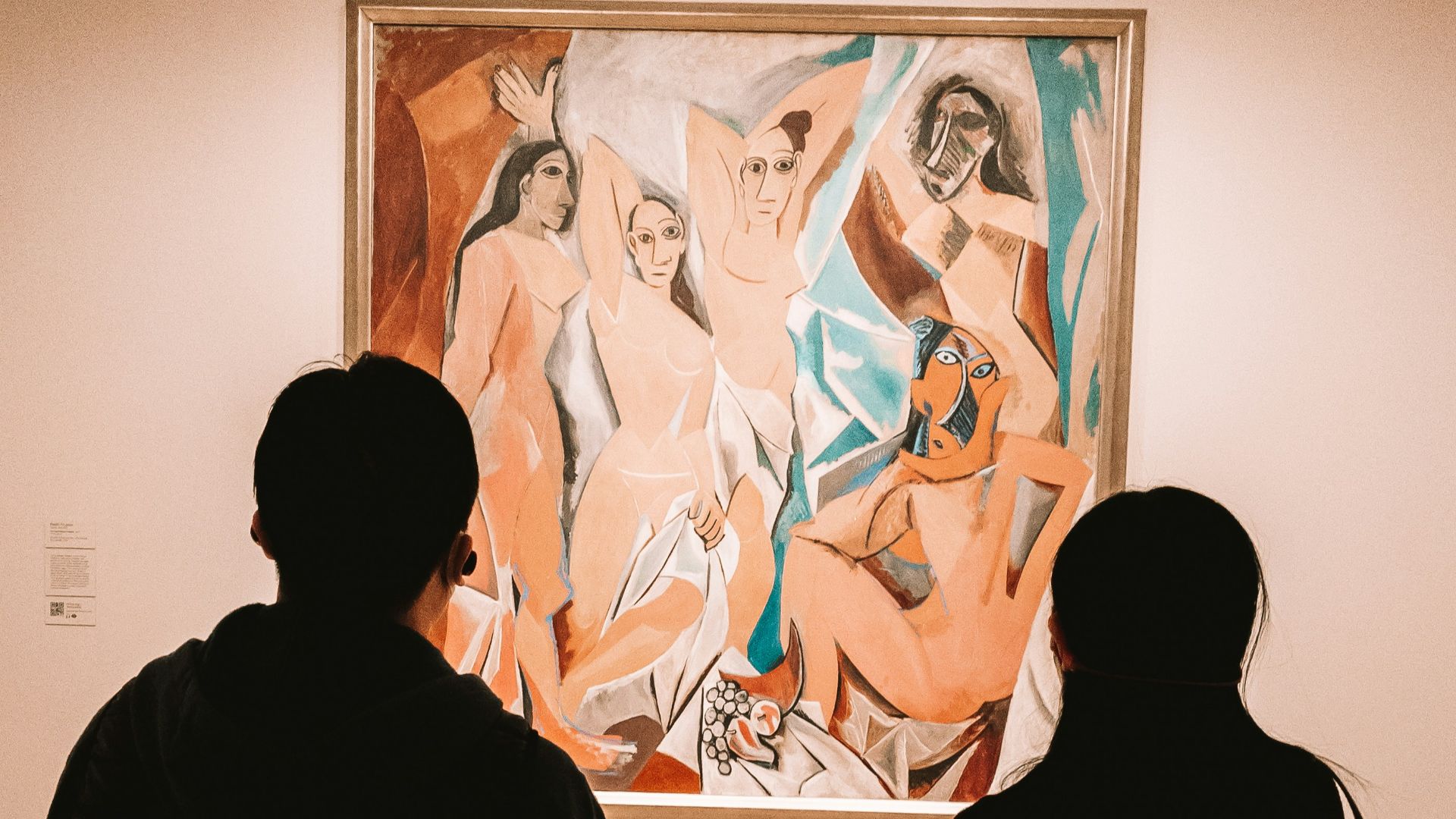
1. Les Demoiselles d'Avignon Broke Everything Open
When he finished it in 1907, it didn't look like anything that had existed before. The fractured figures, the influence of African masks, the complete rejection of conventional perspective — it unsettled everyone who saw it, including his closest friends. Georges Braque said it felt like drinking kerosene. It is now widely considered the painting that launched modern art.
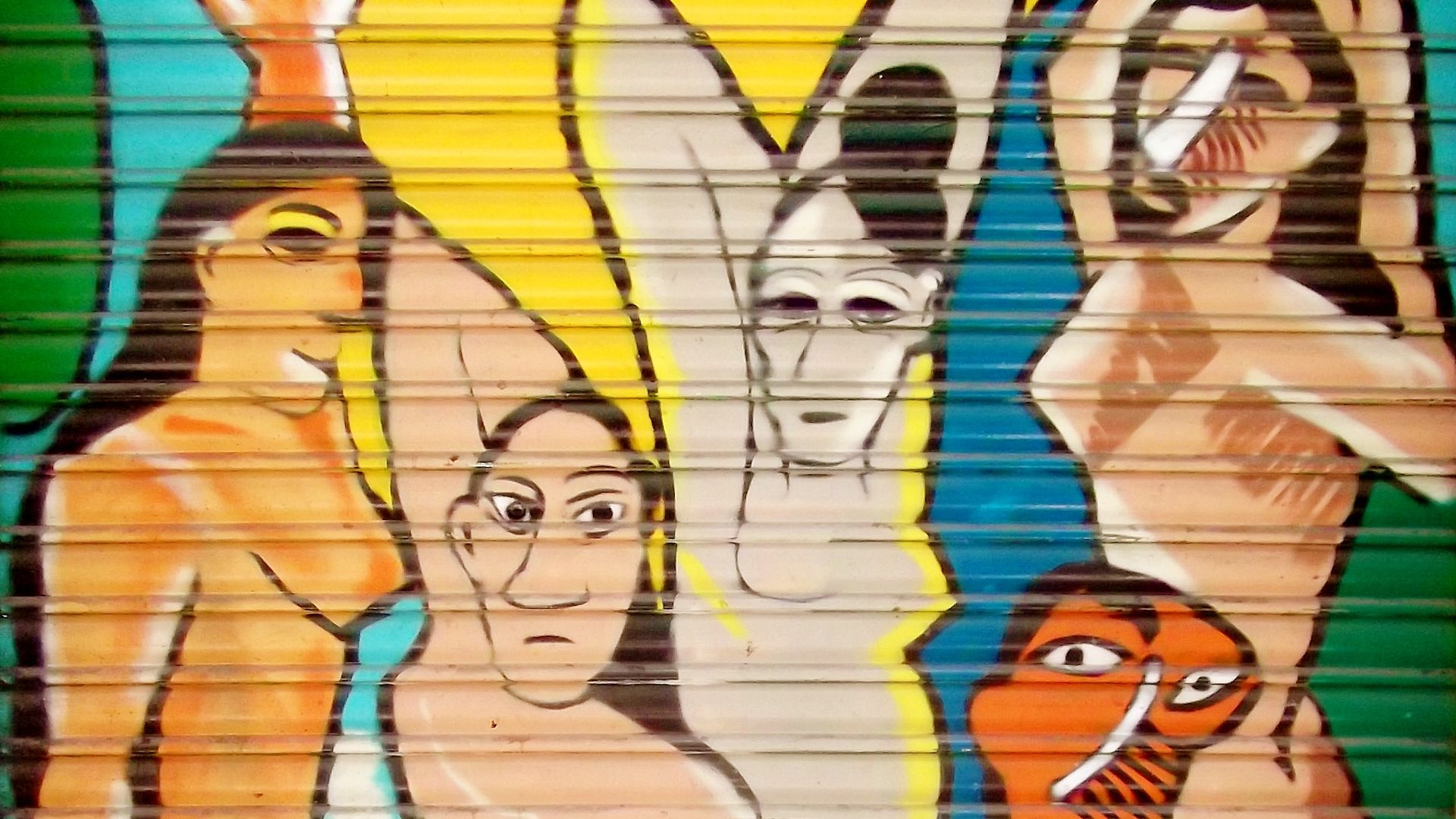
2. He Co-Founded Cubism
Working alongside Braque between roughly 1908 and 1914, Picasso helped develop a visual language that rejected the single fixed viewpoint that Western painting had operated from for centuries. Cubism didn't just change painting. It changed sculpture, architecture, graphic design, and the way artists thought about depicting reality at all.
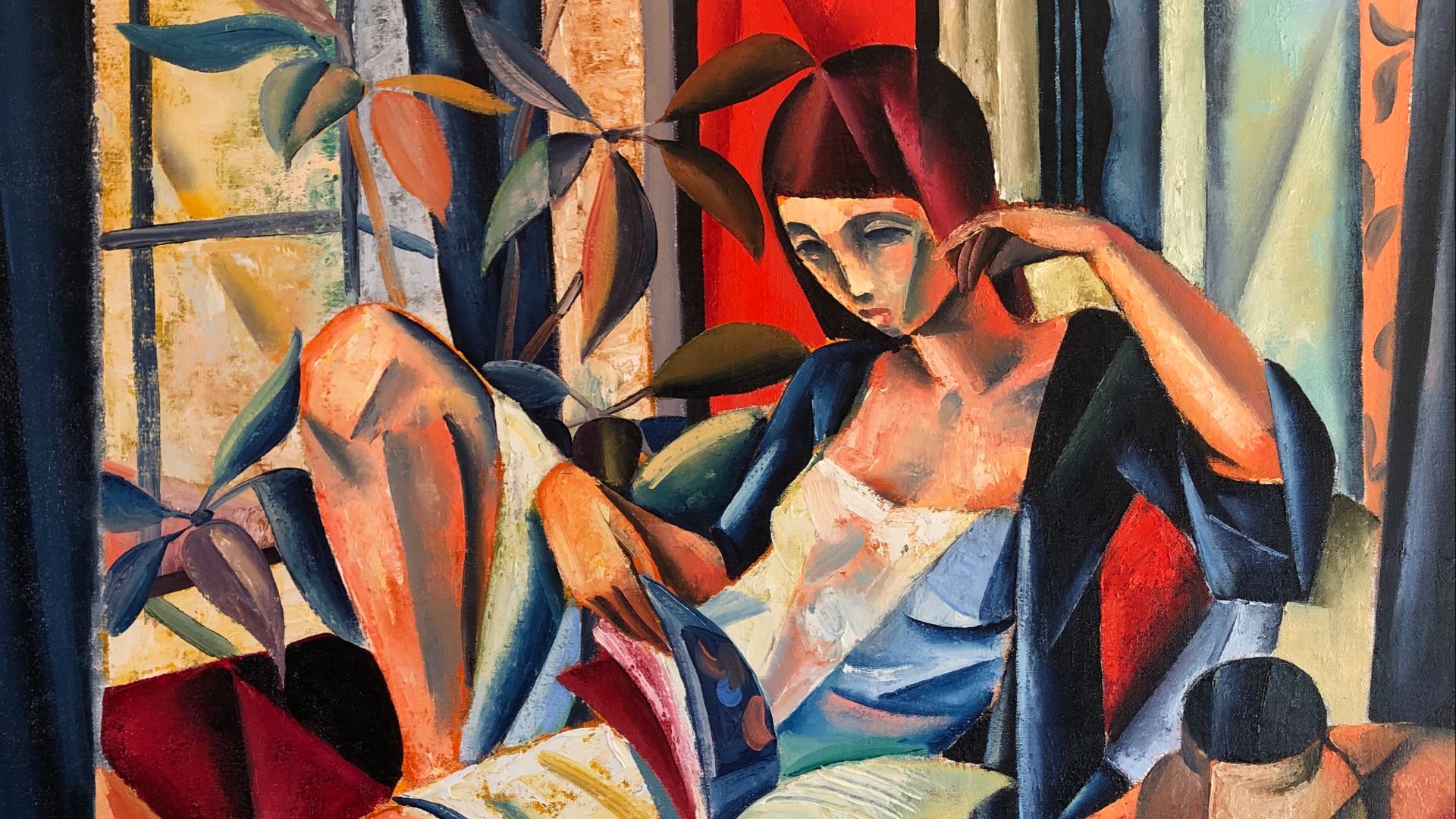
3. He Painted Guernica
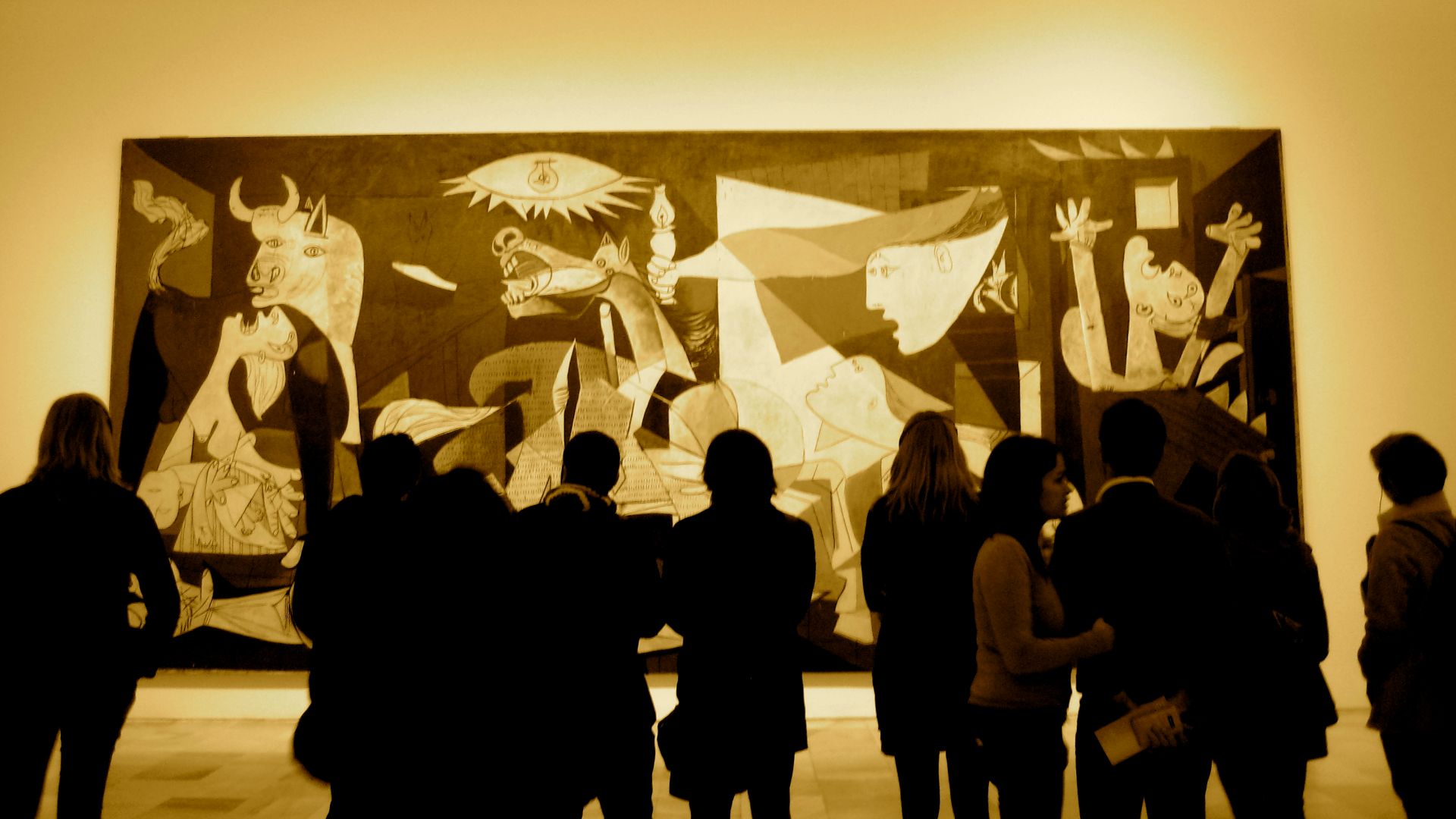
In 1937, after Nazi aircraft bombed the Basque town of Guernica at Franco's request, Picasso responded with an enormous painting in black, white, and grey that became one of the most recognizable anti-war images ever made. He refused to allow it to return to Spain until democracy was restored. It hung at MoMA for decades, effectively in exile, exactly as he intended.
 Angela Hu from United States on Wikimedia
4. His Blue Period Still Stops People Cold
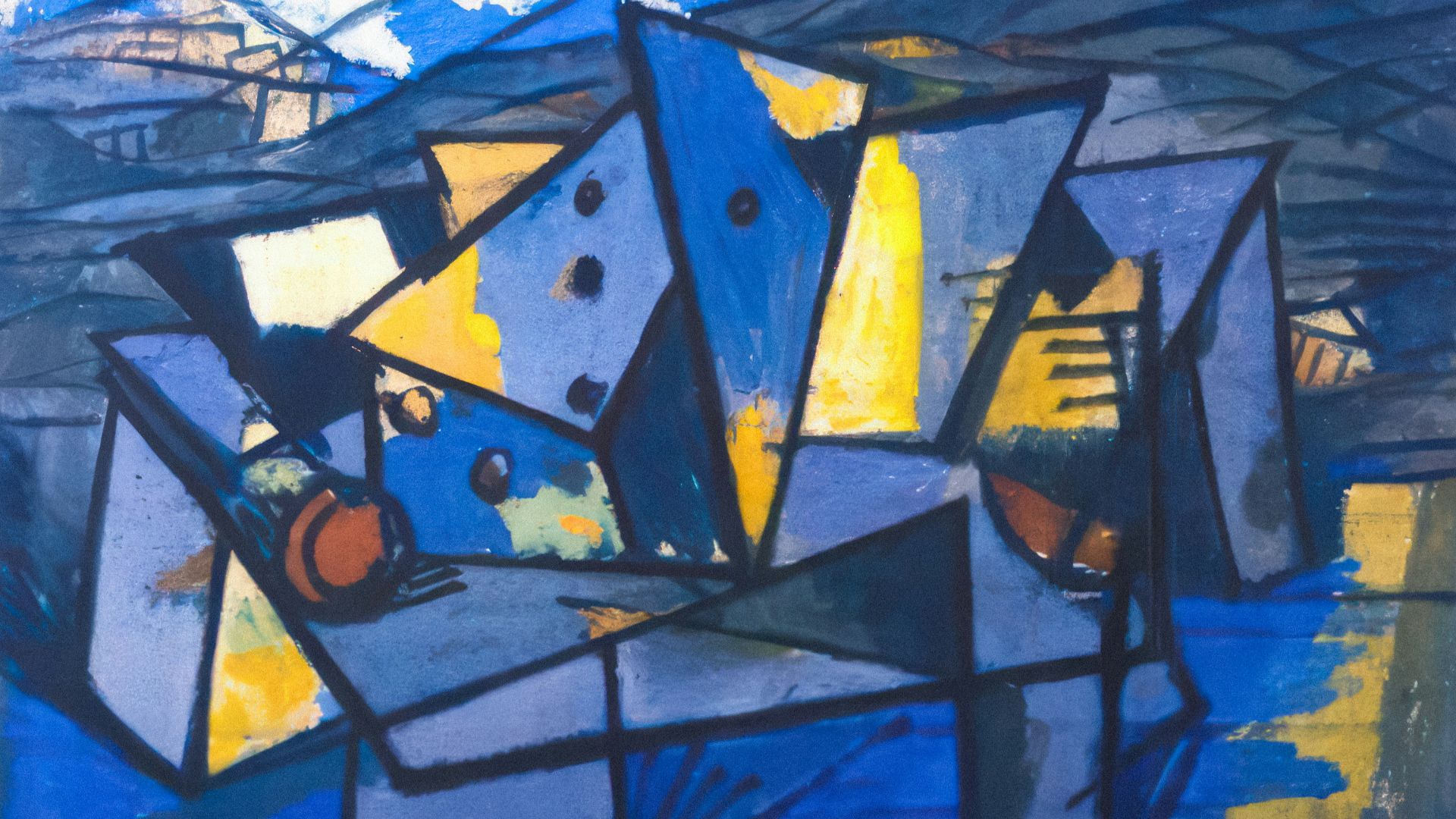
Between 1901 and 1904, working in near-poverty in Paris and devastated by the suicide of his close friend Carlos Casagemas, Picasso produced a series of paintings in cold blues and blue-greens depicting the poor, the isolated, and the marginalized. The emotional weight in those paintings is not a technique. It reads as completely genuine, and it still does.
5. He Was a Child Prodigy in the Most Literal Sense
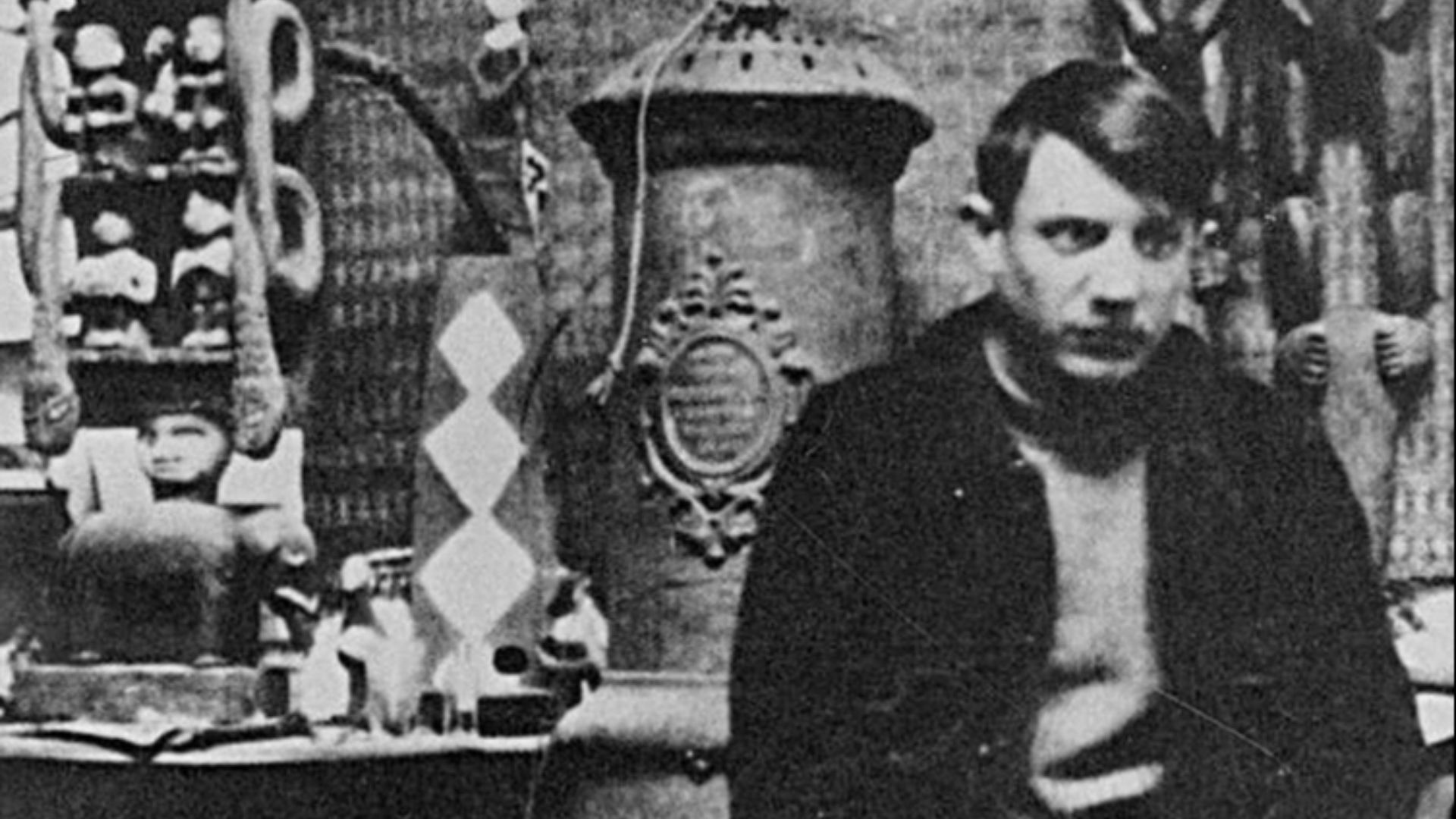
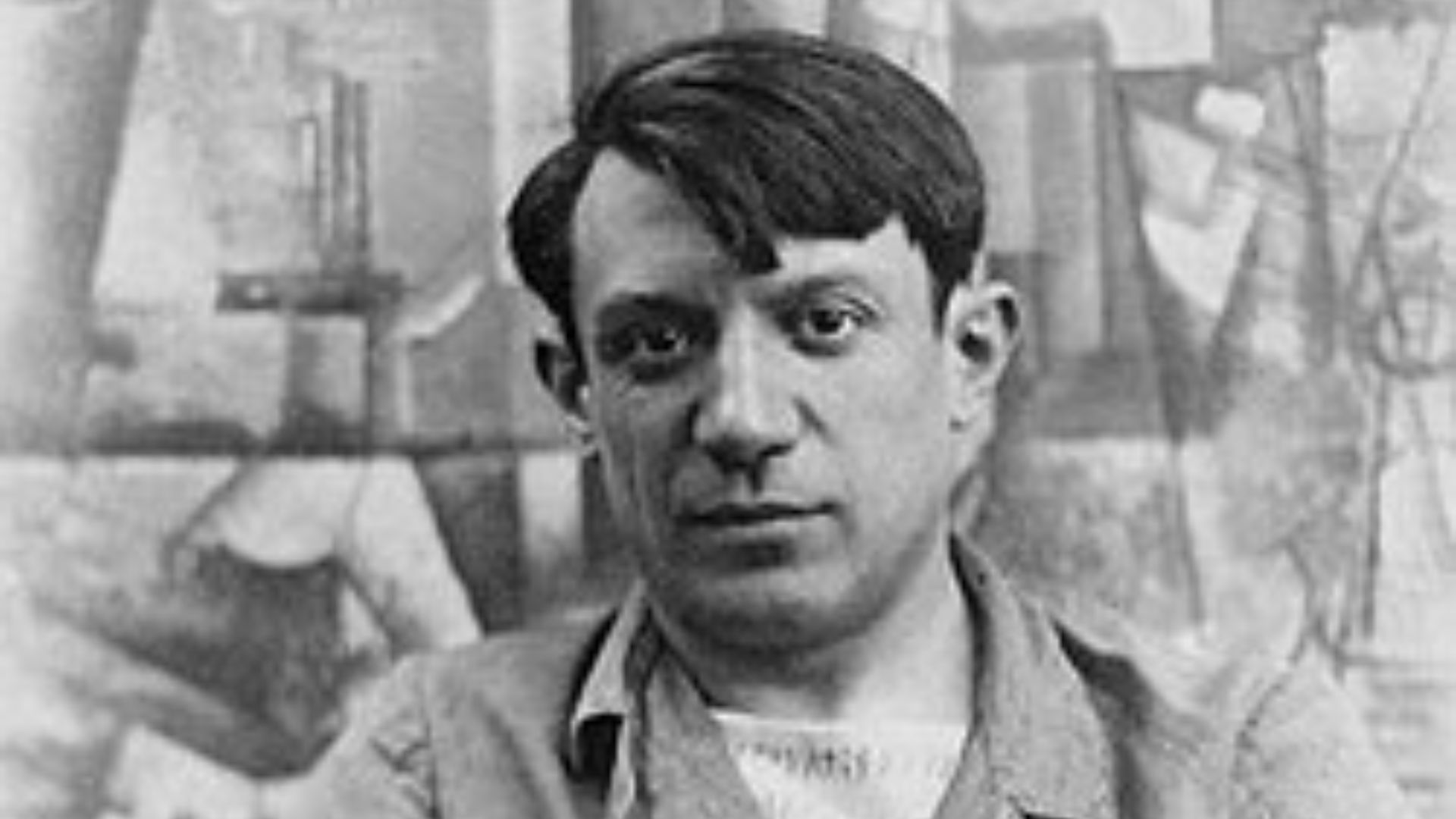
His father, a drawing teacher, reportedly gave up painting himself after seeing what his 13-year-old son could do. By his mid-teens Picasso was producing academic work of a quality that took most artists decades to reach. He spent the rest of his life deliberately dismantling those skills in pursuit of something more honest, which is its own kind of discipline.
 commons.wikimedia.org on Google
6. He Worked Until He Was 91
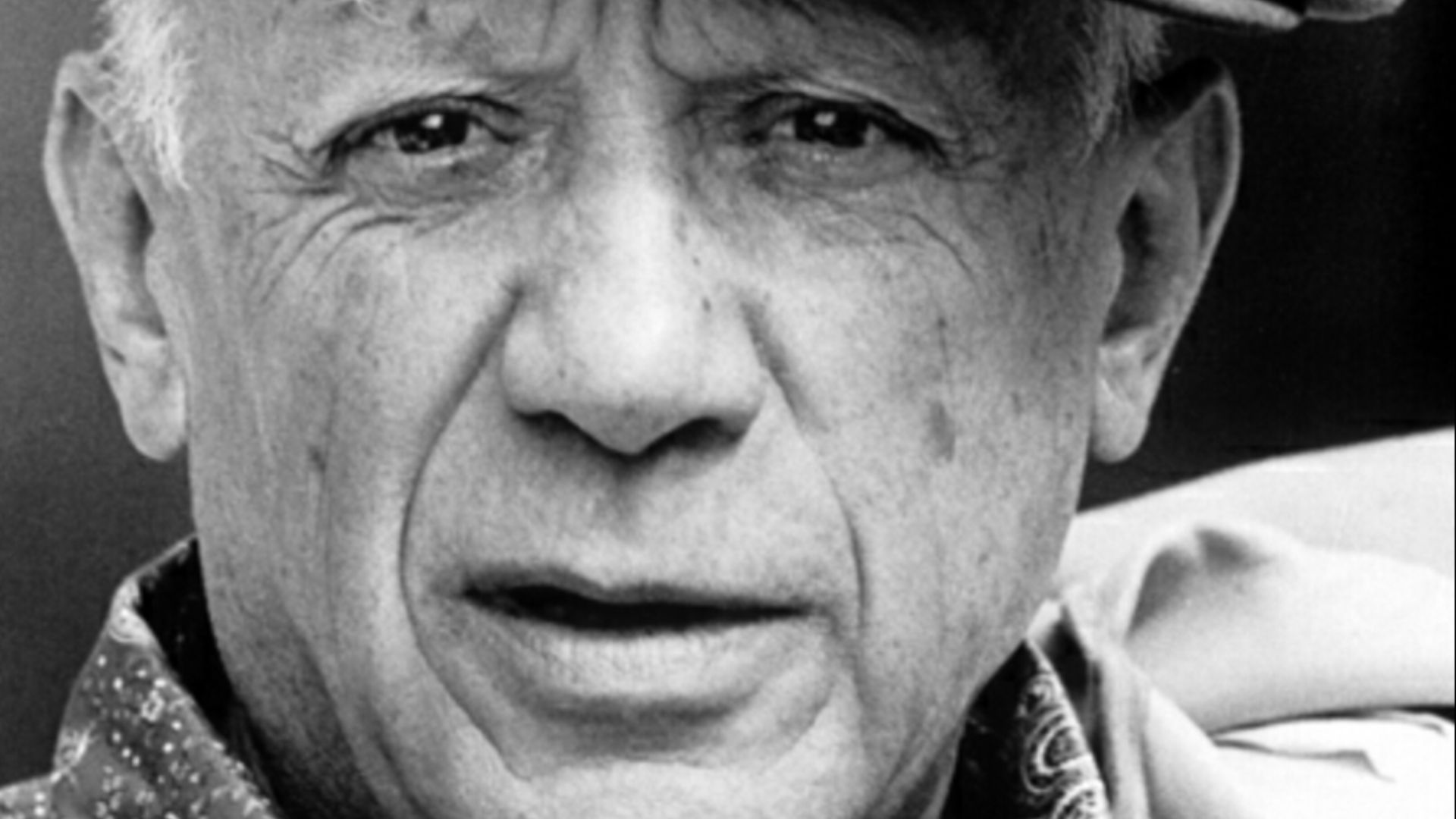
He produced more than 20,000 works across painting, sculpture, ceramics, printmaking, and stage design. He was still making new work in the final years of his life. Whatever drove him, it didn't slow down, and the late paintings, once dismissed as the frantic output of an old man, have been substantially reassessed in recent decades.
 Argentina. Revista Vea y Lea on Wikimedia
7. He Understood African and Iberian Art Before Almost Anyone in His Circle Did
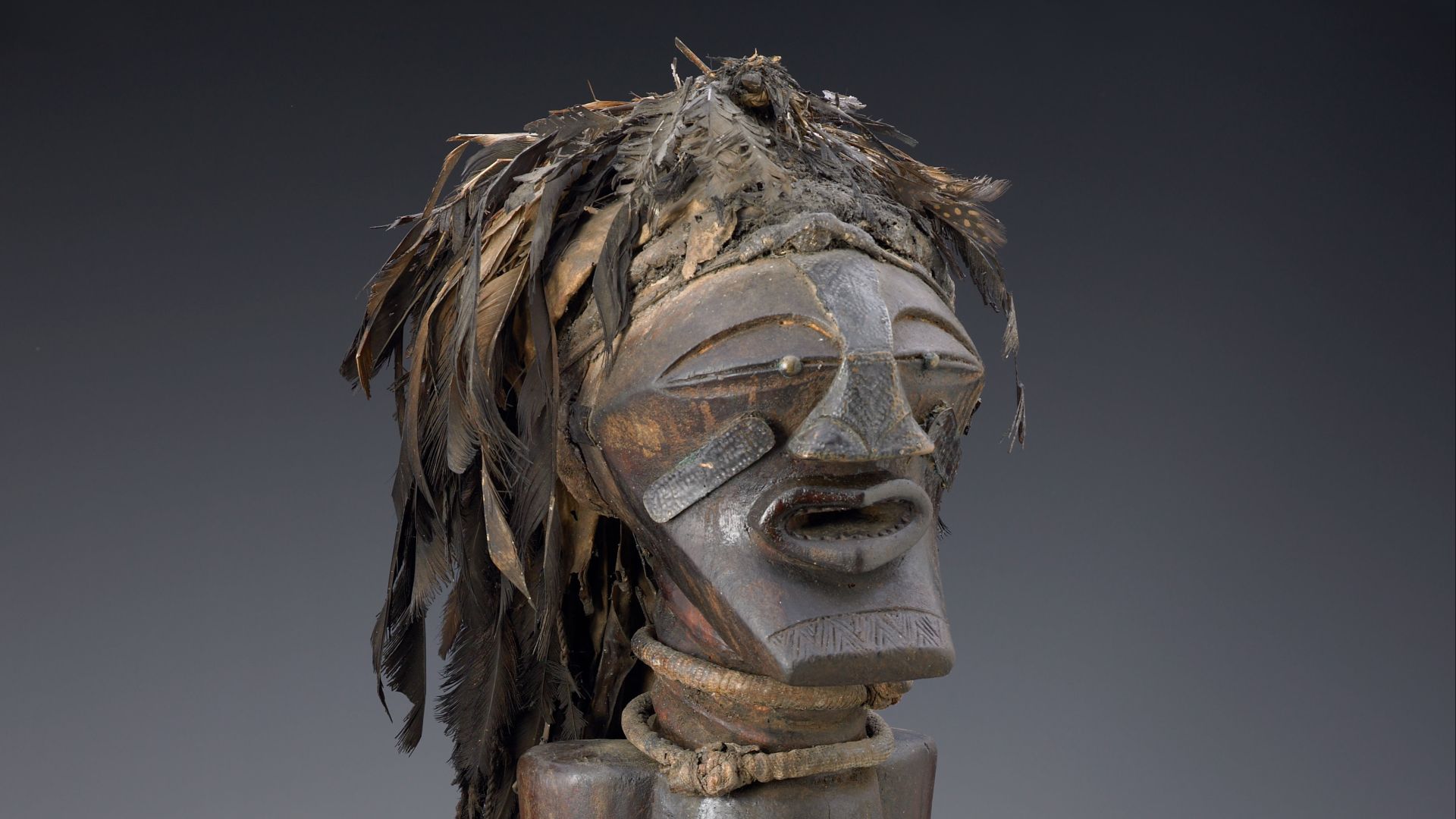
At a time when European artists were just beginning to encounter African masks and sculpture, Picasso recognized something in them that went beyond surface exoticism. His engagement with those forms, however complicated the power dynamics around it, produced some of the most significant formal innovations in Western art history.
8. He Changed What Sculpture Could Be
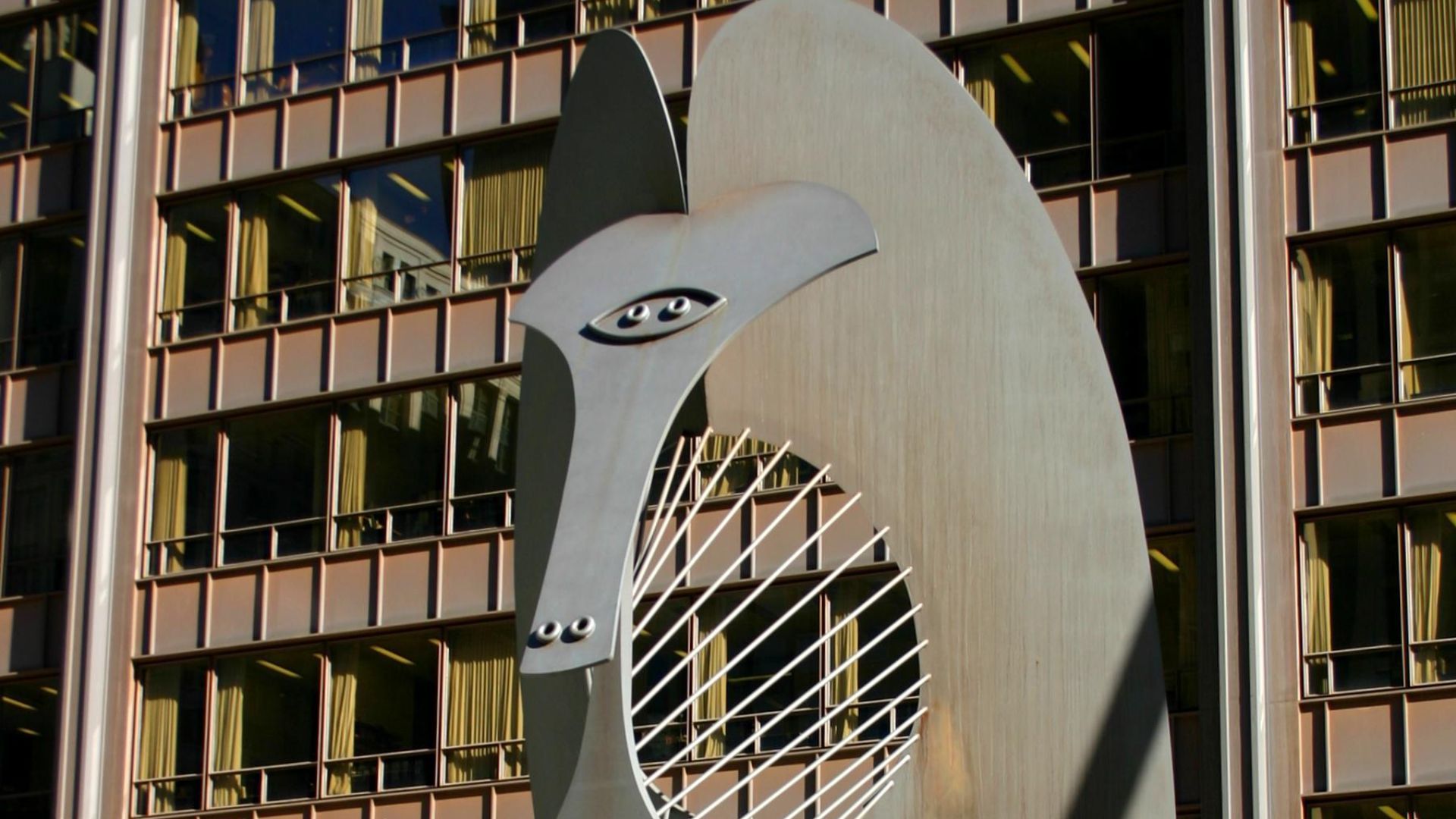
His constructed sculptures from the early 1910s, assemblages of sheet metal, wire, and found materials, helped establish the idea that sculpture didn't have to be carved or cast. It could be built. That shift influenced generations of artists, from David Smith to Anthony Caro to virtually every assemblage artist who came after.
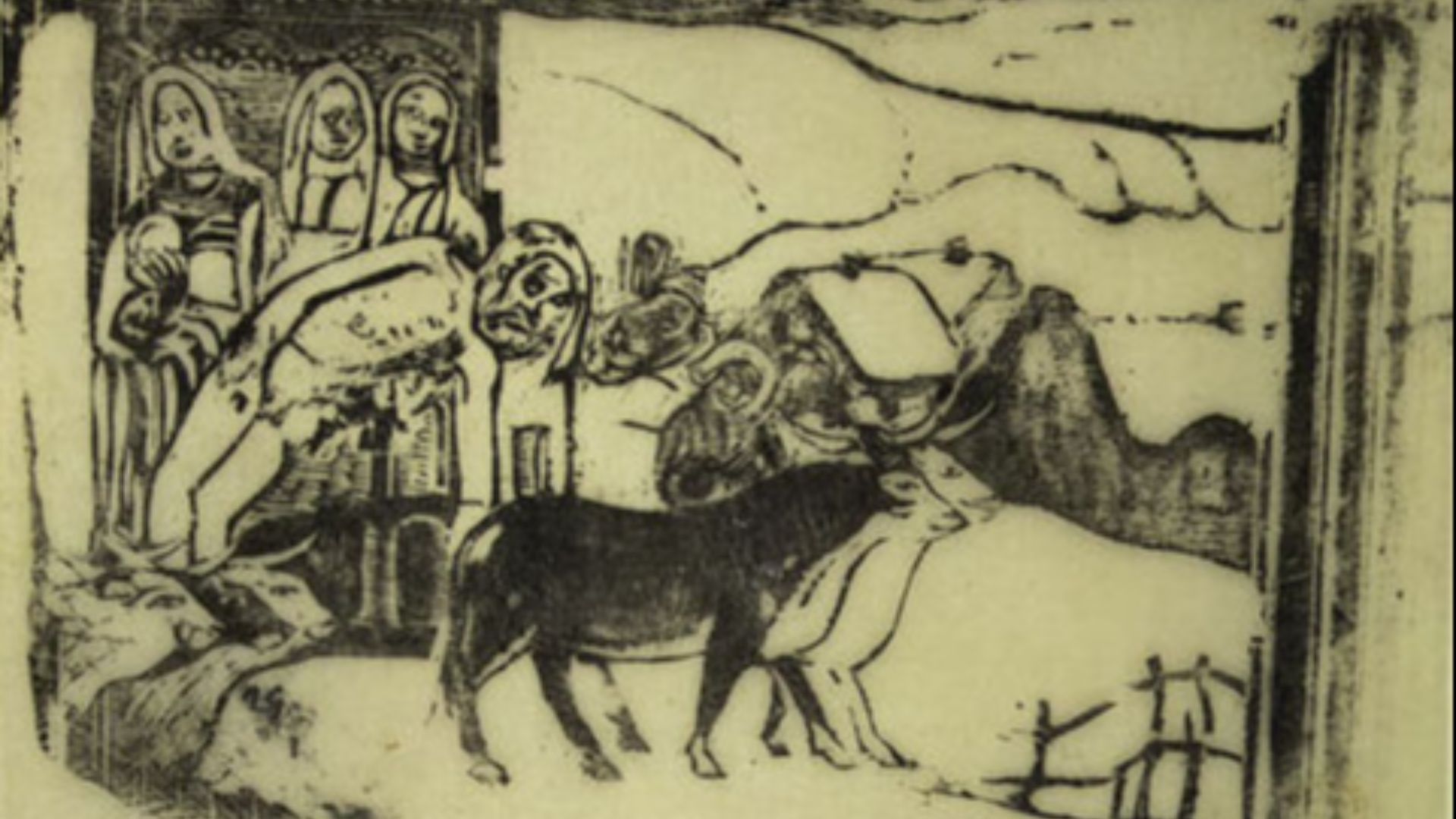
9. His Prints Are as Serious as His Paintings
The Vollard Suite, 100 etchings made between 1930 and 1937, stands as one of the great bodies of printmaking in the 20th century. He treated etching, lithography, and linocut with the same seriousness he brought to painting, and the results have held up entirely on their own terms.
10. He Made 75 Years of Work That People Are Still Looking At
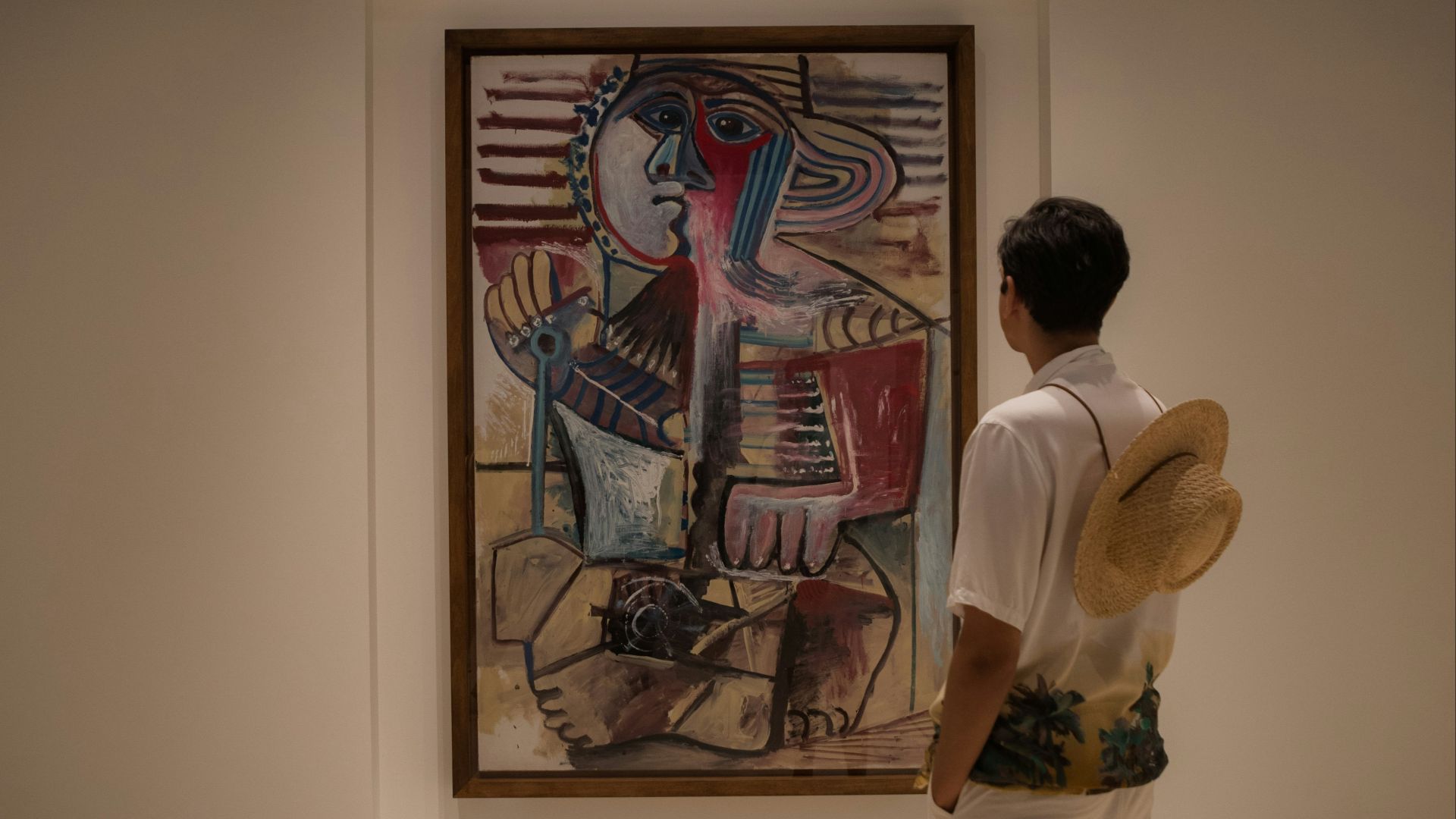
He was showing in Barcelona in the 1890s and still producing in the 1970s. Across that span, he moved through enough distinct periods and styles that other artists have built entire careers out of the influence of just one of them: the Rose Period, the Neoclassical work, the ceramics. Any one of those would be a substantial legacy. Together they are almost impossible to take in as the output of a single person.


KEEP ON READING

The Origins Of 3 Common Sayings You Still Use Today
Etienne Boulanger on UnsplashMany of the phrases you use every…
By Rob Shapiro Apr 28, 2026
Was Caligula The Most Ruthless Roman Emperor?
Artur Matosyan on UnsplashRoman Emperor Caligula is one of ancient…
By Rob Shapiro Dec 18, 2025
1 Weird Fact About Every President
Washington, Lincoln, FDR. Most people know something about the lives…
By Robbie Woods Dec 3, 2024
10 Accidental Discoveries That Changed Maps & 10 That Changed…
Mistakes That Mattered. A lot of major discoveries did not…
By Cameron Dick Apr 15, 2026
10 Actors Who Perfectly Played a Historical Figure & 10…
Which Performance is Your Favorite?. Playing the role of a…
By Rob Shapiro Sep 15, 2025
10 Actors Who Perfectly Played a Historical Figure & 10…
Portraying a real person from history is one of the…
By Noone Dec 17, 2025