

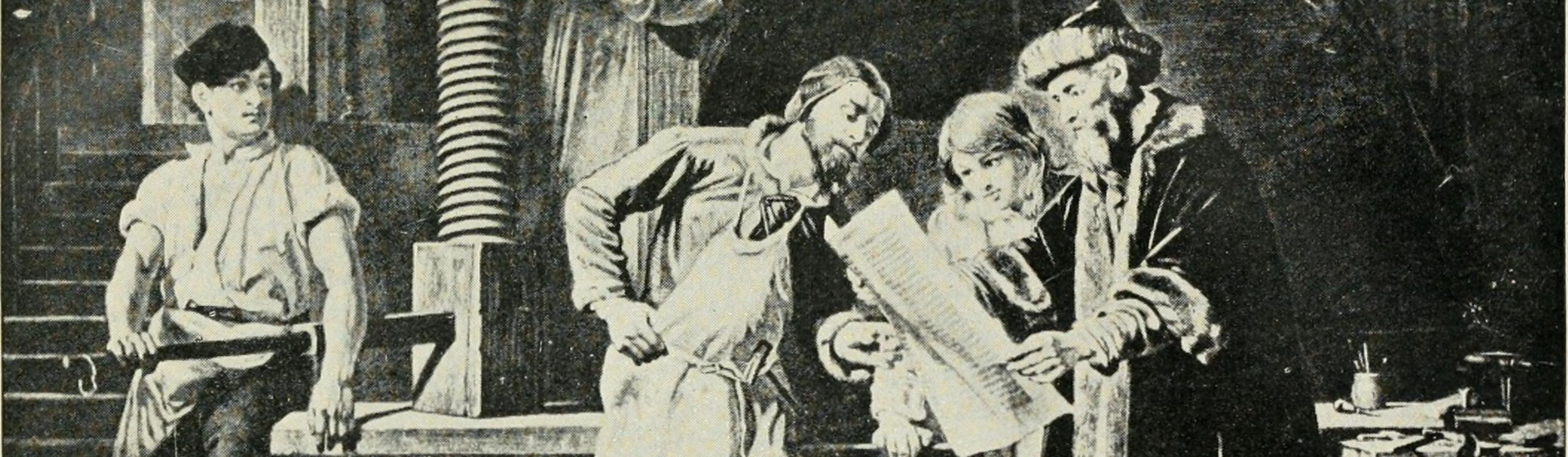
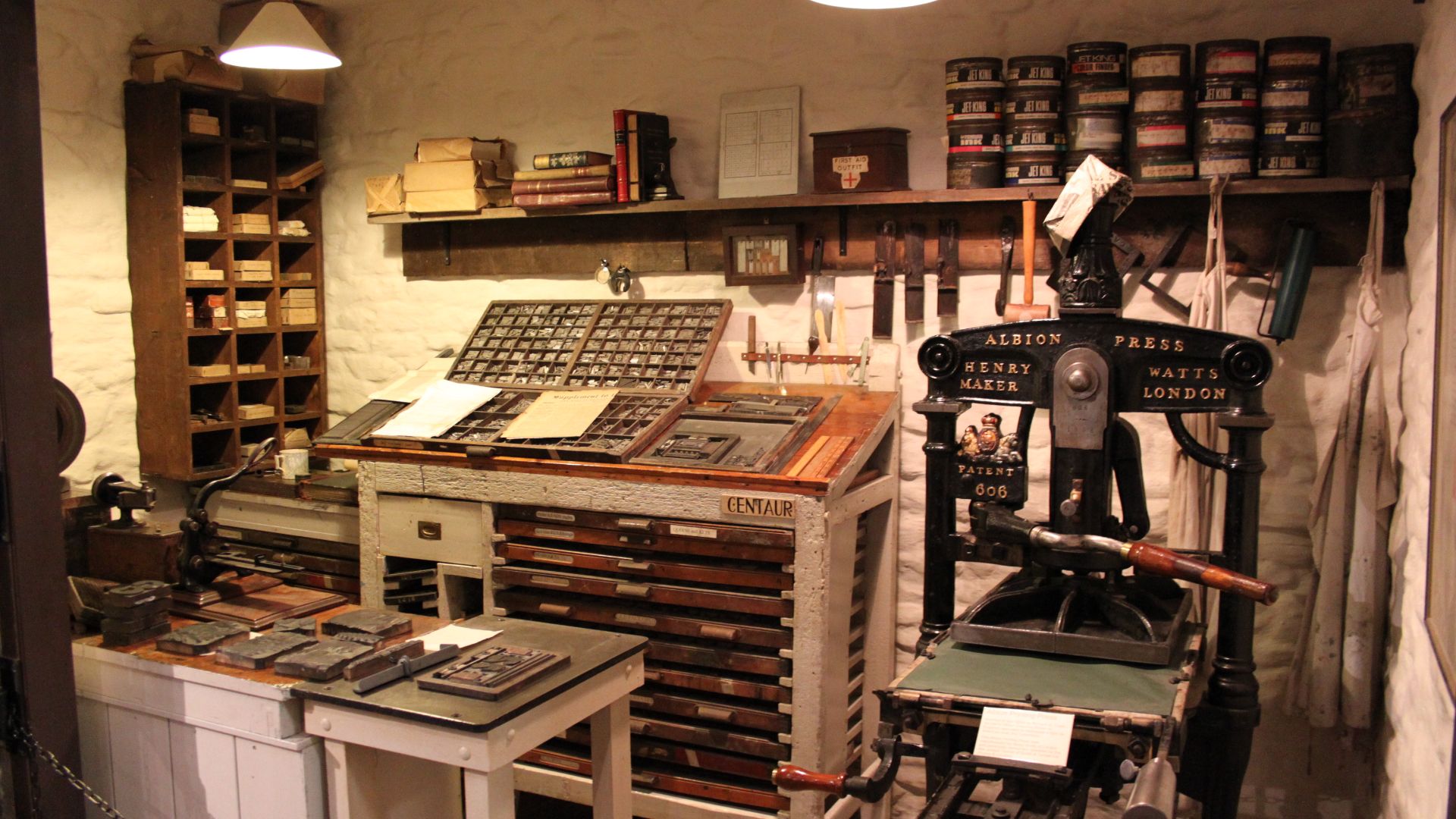
The invention of the printing press in the mid-15th century transformed how information spread across Europe. Before its introduction, books were copied by hand, which made them expensive and limited in circulation. Johannes Gutenberg’s movable type printing press changed that by making written material more accessible and affordable.
This rapid spread of information had a profound effect on religion, particularly in a time when the Catholic Church held significant influence over spiritual life in Europe. As new religious ideas began to circulate more freely, debates that were once limited to scholars became public discussions. These changes didn’t immediately cause conflict, but they created the conditions for disagreement on a much larger scale.
The Spread of Religious Ideas Beyond Church Control
Before the printing press, religious teachings were largely communicated through clergy, handwritten texts, and oral tradition. This meant that access to religious interpretation was controlled by educated elites, particularly within the Catholic Church. The printing press disrupted this structure by making religious texts, including the Bible, more widely available. As literacy gradually increased, more people were able to read and interpret these texts for themselves. This shift began to decentralize religious authority in subtle but important ways.
One of the most significant developments was the translation of the Bible into vernacular languages. Previously, it was primarily available in Latin, which limited access to those who had formal education. Printed translations allowed ordinary people to engage directly with religious texts in their own language. This encouraged personal interpretation and, in some cases, led individuals to question established teachings. This created the space for differing perspectives to emerge.
Printed pamphlets and religious writings also played a key role in spreading new ideas. Reformers could now share their views quickly and reach audiences far beyond their immediate location. These materials were often written in accessible language, making them easier for the general population to understand.
The Role of the Reformation in Rising Tensions
The Protestant Reformation, which began in the early 16th century, is closely linked to the impact of the printing press.
Martin Luther’s Ninety-Five Theses, published in 1517, were quickly reproduced and distributed across Europe. Without the printing press, these ideas might have remained local, but instead they gained widespread attention. Luther’s criticisms of certain church practices sparked debate and encouraged others to express similar concerns. This marked a turning point in how religious disagreements were shared.
As reformist ideas spread, they began to challenge the authority of the Catholic Church more directly. Different groups developed their own interpretations of Christianity, leading to the formation of various Protestant denominations. These changes were not only theological but also political, as rulers and communities chose sides. The printing press made it possible for these competing ideas to circulate widely, increasing both support and opposition. This contributed to a growing sense of division across Europe.
Printed materials also intensified debates by making arguments more visible and harder to control. Pamphlets, sermons, and books often presented opposing viewpoints in strong terms, which could influence public opinion. As more people became involved in these discussions, disagreements sometimes became more polarized. While the printing press didn’t create conflict on its own, it amplified existing tensions. This environment made it easier for disputes to escalate into larger confrontations.
From Religious Disagreement to Open Conflict
As divisions between Catholic and Protestant groups deepened, they began to influence political relationships as well. In many regions, religious identity became closely tied to governance and loyalty. This made disagreements more complex, as they were no longer just about belief but also about power and control. The printing press continued to play a role by spreading messages that supported different sides. This helped reinforce group identities and solidify opposing positions.
Conflicts such as the French Wars of Religion and the Thirty Years’ War illustrate how these tensions developed into open warfare. These events were shaped by a combination of religious, political, and social factors. Printed materials contributed by spreading ideas, justifying actions, and rallying support.
It’s important to recognize that the printing press itself was not responsible for violence. Instead, it acted as a powerful tool that accelerated communication and broadened participation in religious debates. By making ideas more accessible, it changed how people engaged with faith and authority.
The printing press marked a turning point in history by transforming how information was shared and understood. Its impact on religion was especially significant, as it allowed new ideas to spread quickly and reach a wider audience. While it didn’t directly cause religious wars, it created the conditions that made widespread disagreement possible. By amplifying voices and encouraging debate, it played a key role in shaping the conflicts of the time.
Understanding this connection highlights how technology can influence society in unexpected ways.
KEEP ON READING
Was Caligula The Most Ruthless Roman Emperor?
Artur Matosyan on UnsplashRoman Emperor Caligula is one of ancient…
By Rob Shapiro Dec 18, 2025
1 Weird Fact About Every President
Washington, Lincoln, FDR. Most people know something about the lives…
By Robbie Woods Dec 3, 2024
10 Actors Who Perfectly Played a Historical Figure & 10…
Which Performance is Your Favorite?. Playing the role of a…
By Rob Shapiro Sep 15, 2025
10 Actors Who Perfectly Played a Historical Figure & 10…
Portraying a real person from history is one of the…
By Noone Dec 17, 2025
10 Actors Who Weren't Up To Playing A U.S. President…
Who Wouldn't Vote Woody Harrelson for President?. Actors who sign…
By Rob Shapiro Oct 22, 2025
10 Amazing Facts About Claude Monet & 10 Of His…
The Man Behind The Masterpieces. Claude Monet's name sits comfortably…
By David Davidovic Jan 30, 2026