

10 Explorers Who Changed Maps Forever & 10 Who Never Returned
The Triumphs and Tragedies of Exploration
Exploration has always shaped how people understand the world, but it hasn’t come without risk. Some explorers returned home after redefining geography, trade routes, and global knowledge, while others vanished into the unknown, leaving behind unanswered questions. This contrast between success and disappearance highlights both the ambition and the danger of exploration. Looking at both groups side by side gives a clearer picture of how discovery has always come at a cost.
 Unknown authorUnknown author on Wikimedia
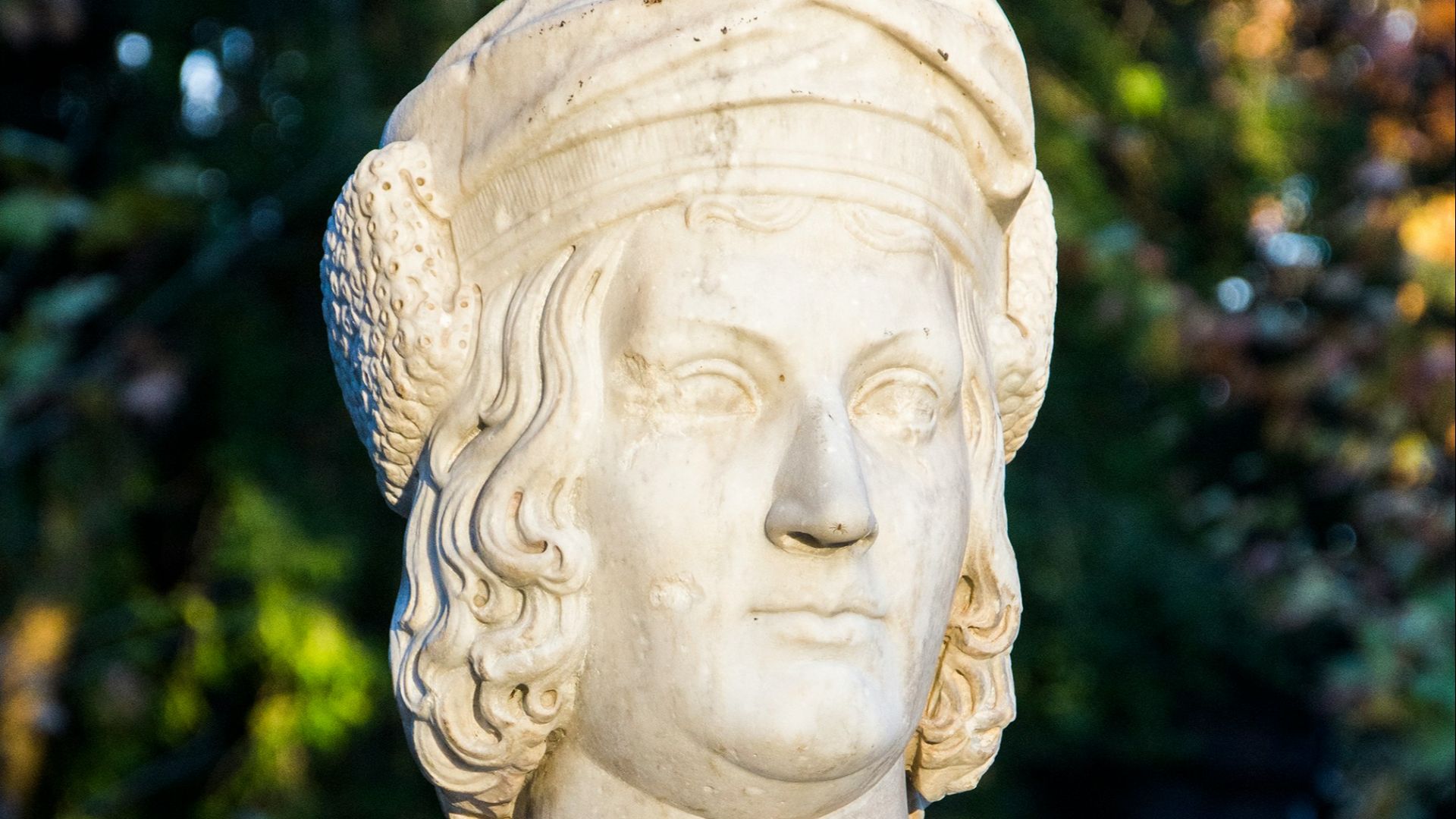
1. Christopher Columbus
Christopher Columbus completed four voyages across the Atlantic between 1492 and 1504, opening sustained contact between Europe and the Americas. His journeys led to the widespread mapping of previously uncharted territories for Europeans.
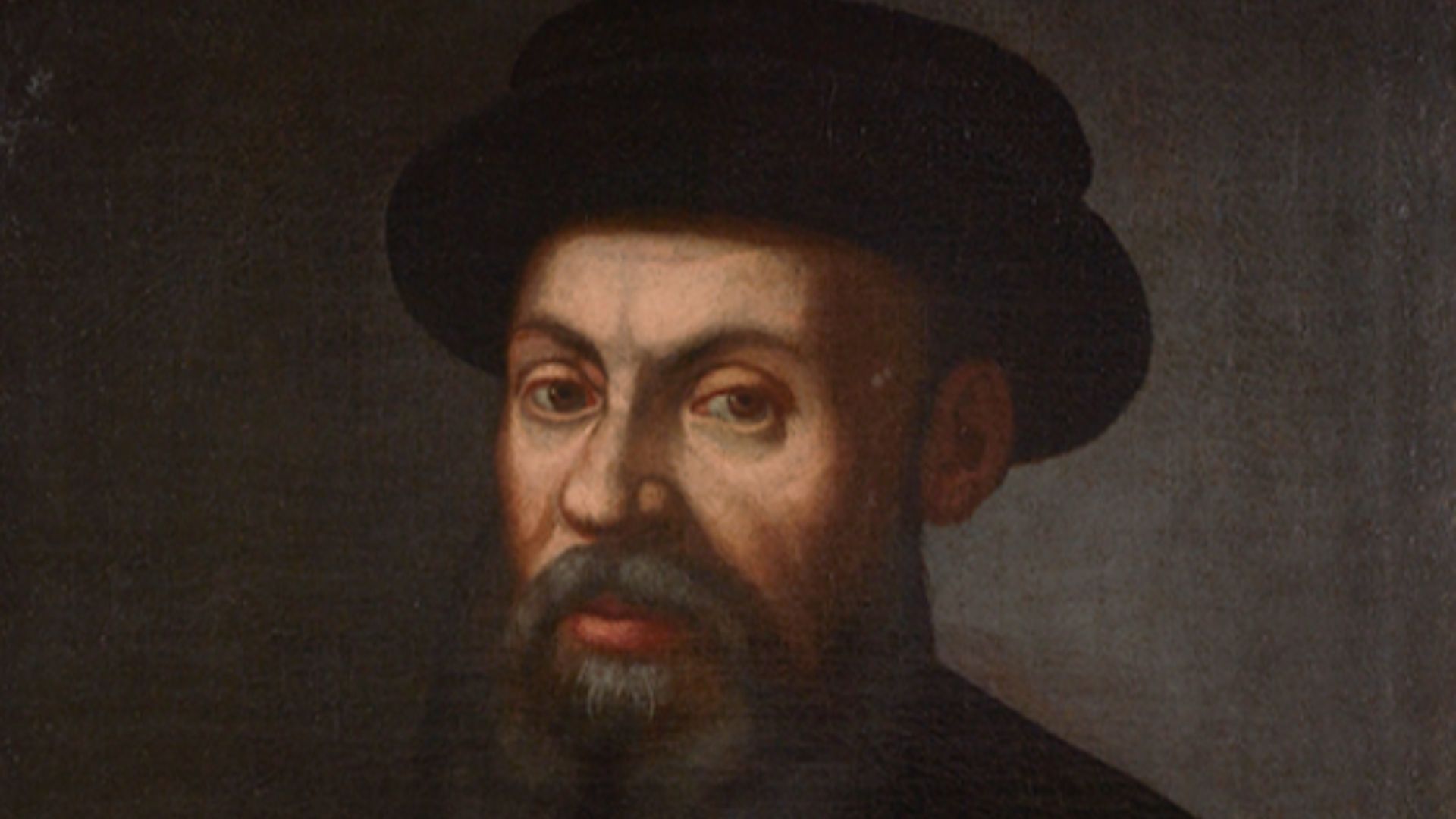
2. Ferdinand Magellan
Ferdinand Magellan led the first expedition to circumnavigate the Earth, though he died before its completion in 1521. His fleet’s journey confirmed the vast scale of the Pacific Ocean and provided more accurate global measurements. This expedition reshaped world maps by proving that the Earth could be traveled by sea in a continuous route. His leadership played a key role in expanding geographic understanding.
 christopher_brown on Wikimedia
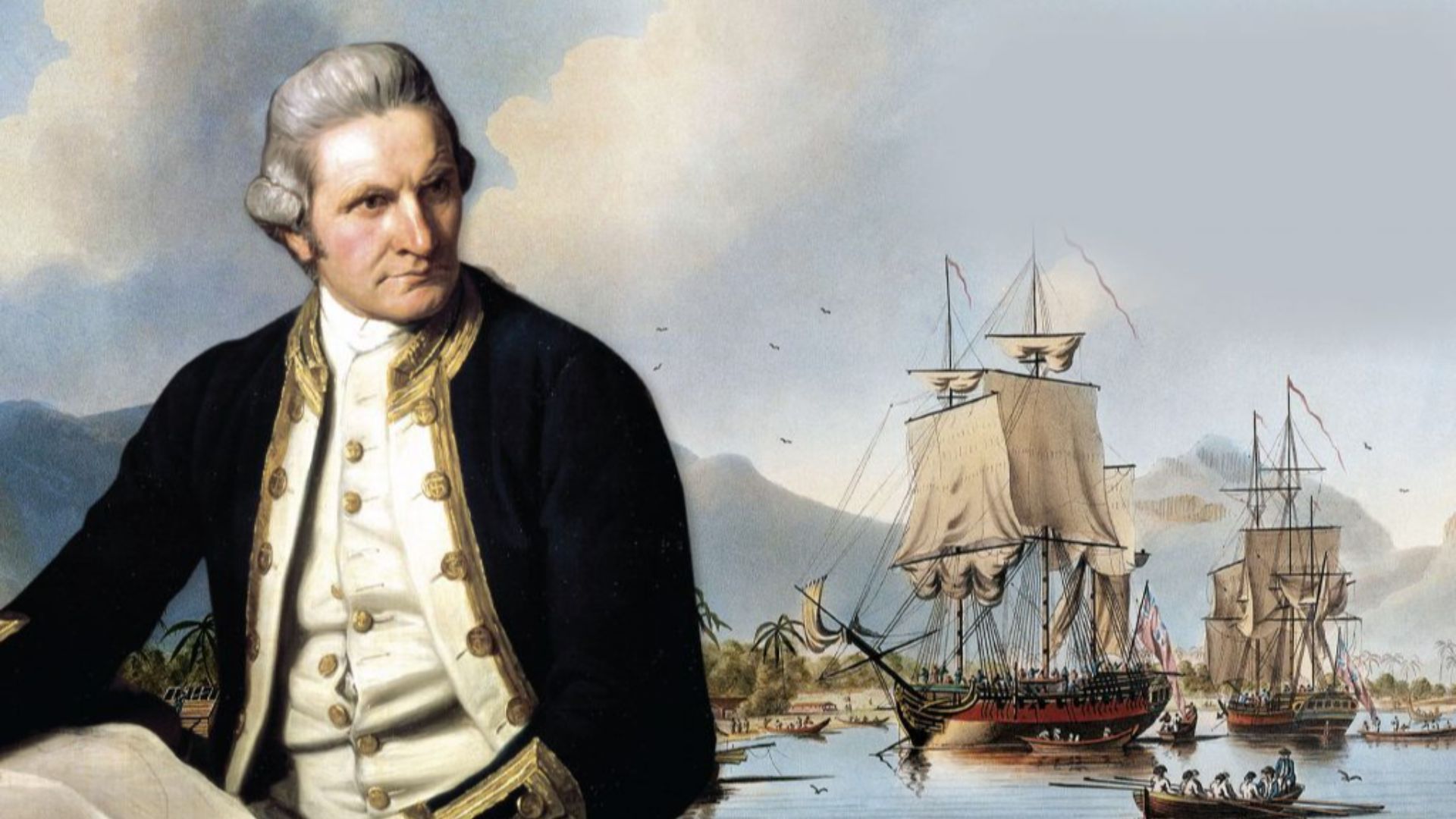
3. James Cook
Captain James Cook conducted three major voyages in the Pacific during the 18th century. He mapped New Zealand, Australia’s eastern coast, and numerous Pacific islands with remarkable accuracy. His charts remained in use for decades because of their precision. Cook’s work significantly improved European knowledge of the Pacific region.
 Nahia Blanco Iturbe on Wikimedia
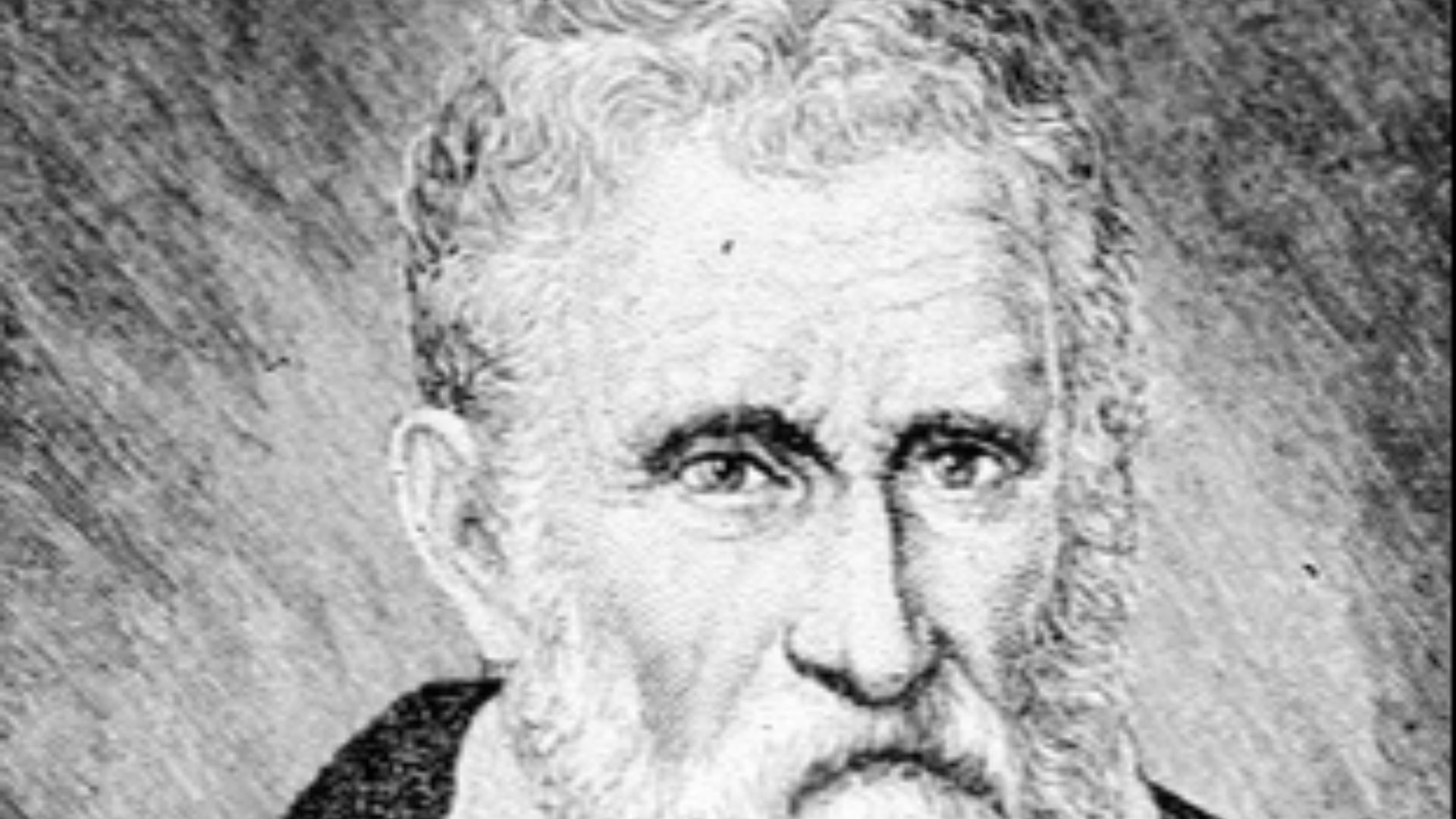
4. Marco Polo
Marco Polo traveled extensively through Asia in the 13th century and documented his journeys in detailed accounts. While not all his claims were immediately verified, his writings influenced European mapmakers for generations. His descriptions of China and Central Asia helped expand geographic awareness. His work shaped how distant lands were represented on early maps.
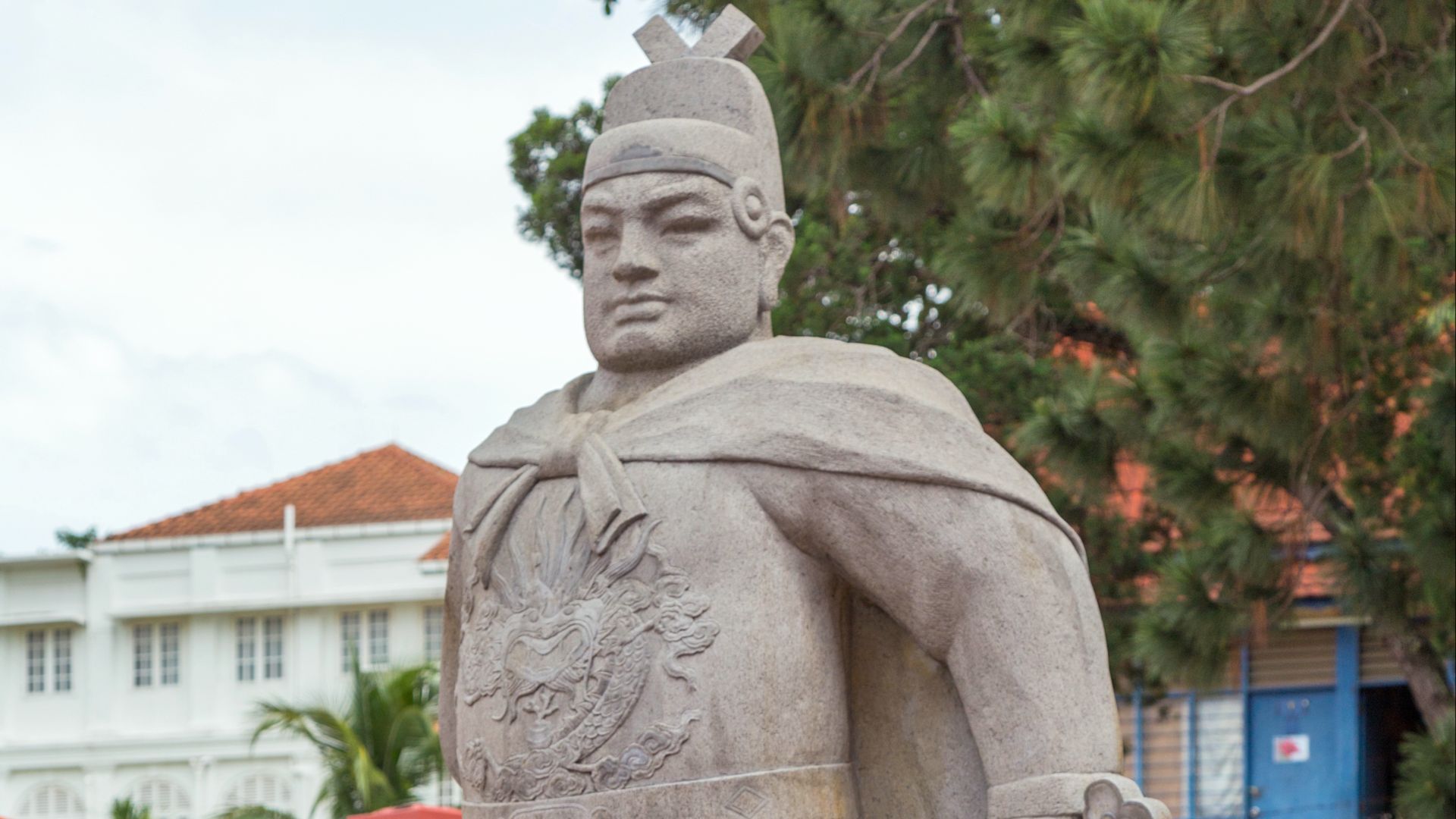
5. Zheng He
Zheng He commanded massive Chinese naval expeditions during the early 15th century. His voyages reached Southeast Asia, India, the Middle East, and East Africa.
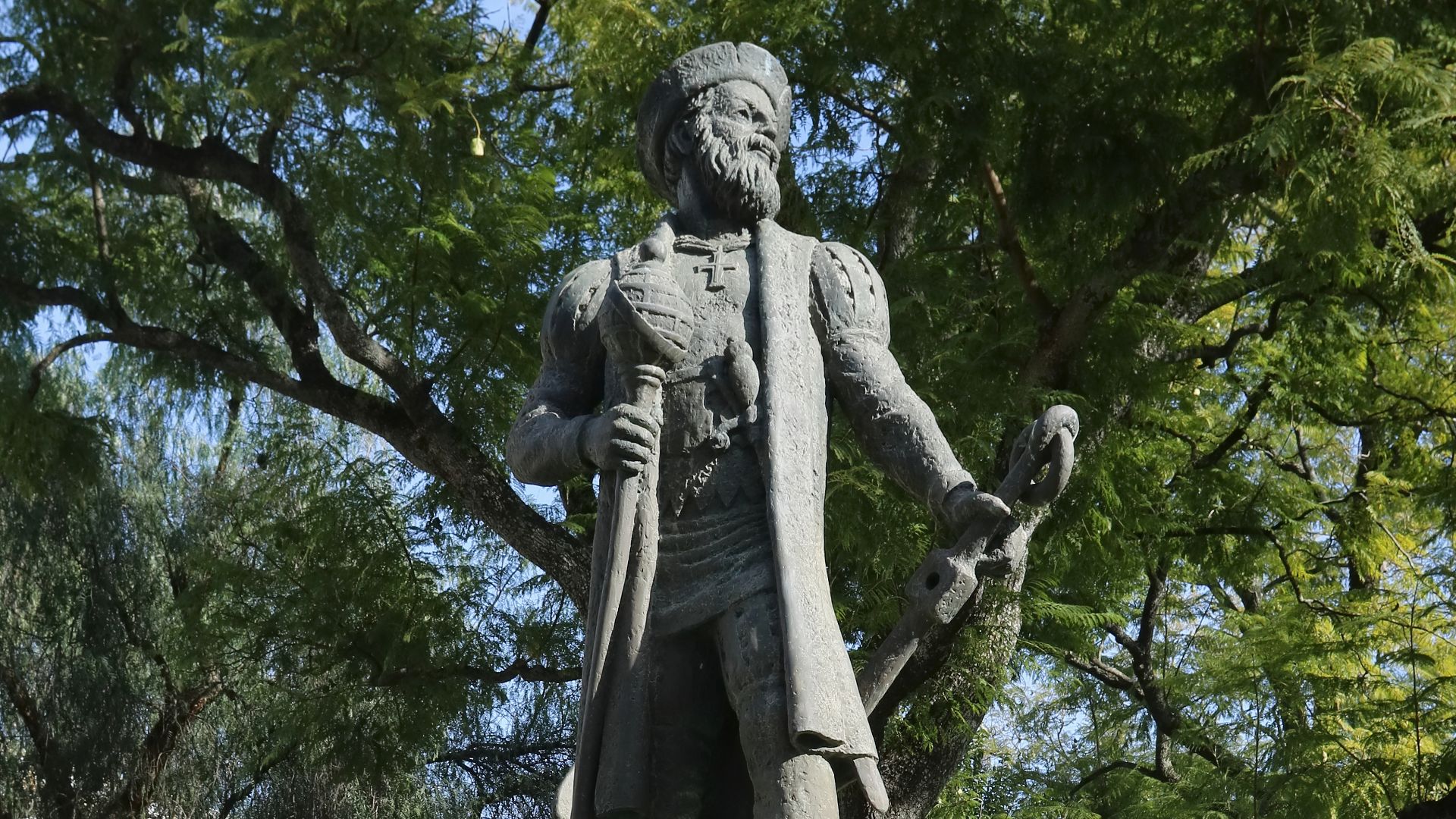
6. Vasco da Gama
Vasco da Gama successfully sailed from Europe to India by rounding the Cape of Good Hope in 1498. This route created a direct maritime link between Europe and Asia. His voyage reshaped trade maps and reduced reliance on overland routes. It also led to increased European presence in the Indian Ocean.
7. Amerigo Vespucci
Amerigo Vespucci recognized that the lands discovered across the Atlantic were part of a new continent rather than Asia. His writings helped clarify this distinction for European scholars. As a result, the continents were eventually named after him. His contributions refined how the New World was represented on maps.
 Hedwig in Washington on Wikimedia
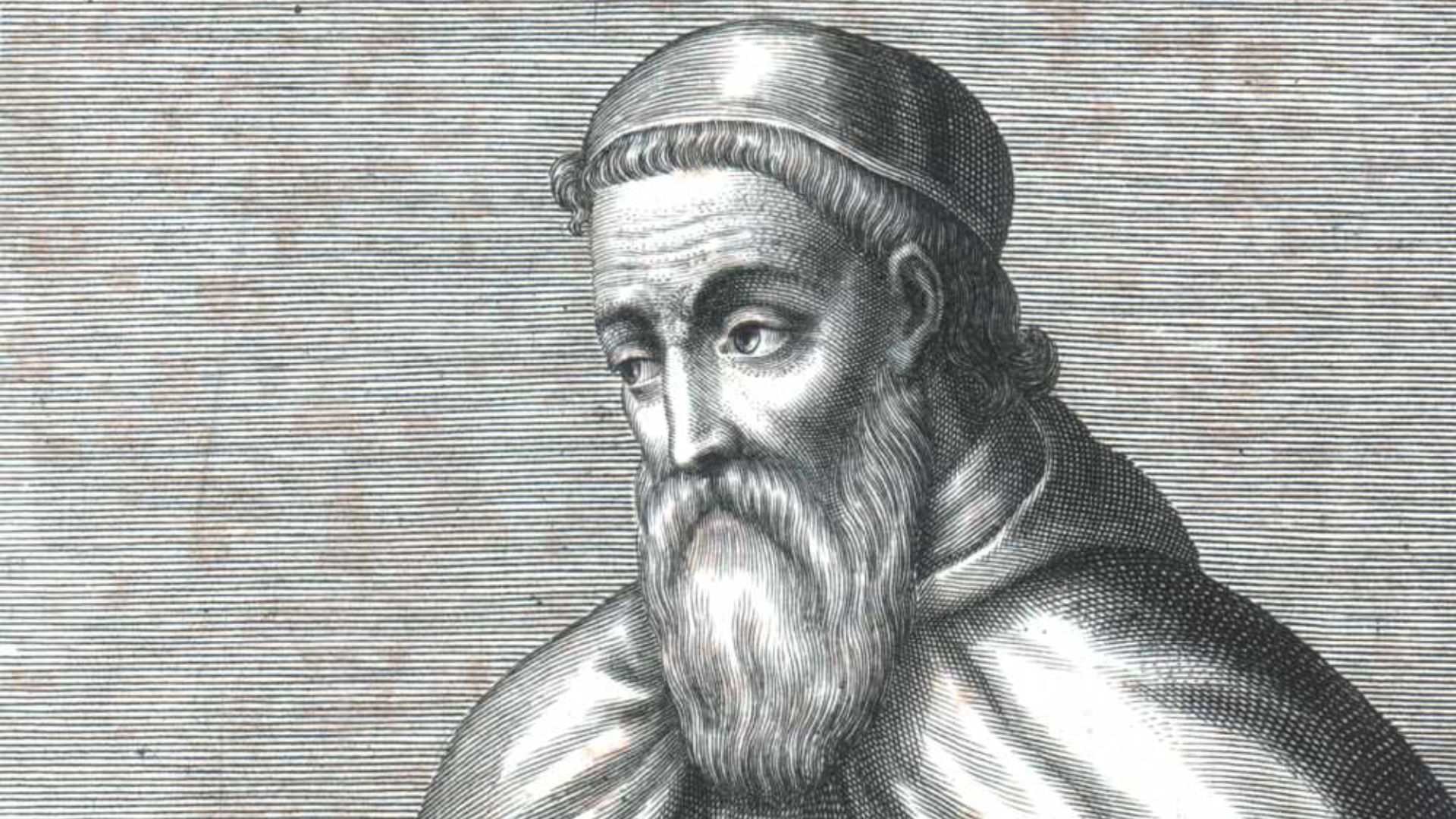
8. Ibn Battuta
Ibn Battuta traveled across North Africa, the Middle East, Asia, and parts of Africa during the 14th century. His extensive accounts provided valuable geographic and cultural information. His observations contributed to broader mapping knowledge in the Islamic world and beyond. His journeys covered more distance than many explorers of his time.
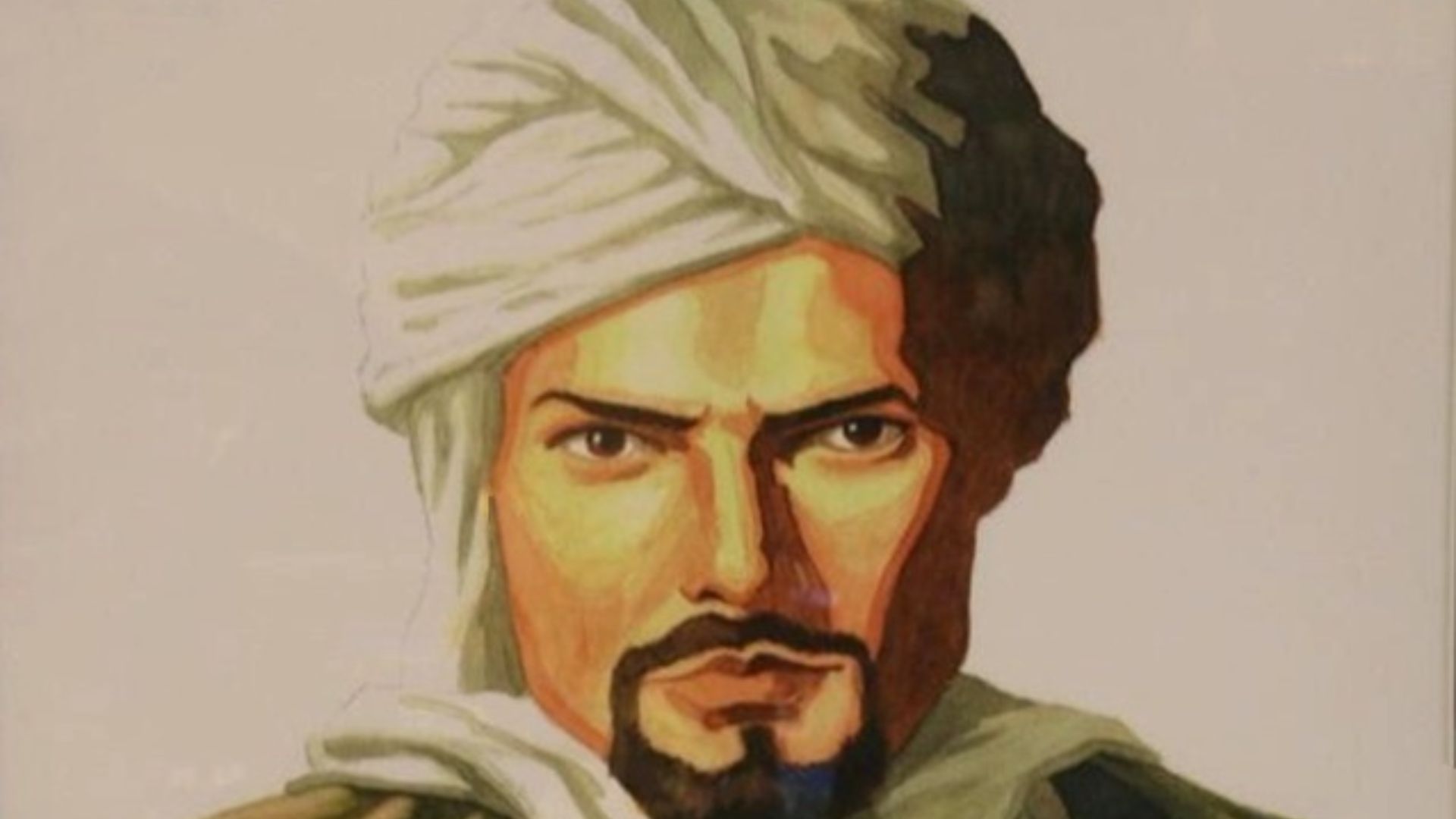
9. Roald Amundsen
Roald Amundsen led the first successful expedition to the South Pole in 1911. His work in polar exploration helped map previously unknown regions of Antarctica. He also navigated the Northwest Passage earlier in his career. His achievements added important details to maps of extreme environments.
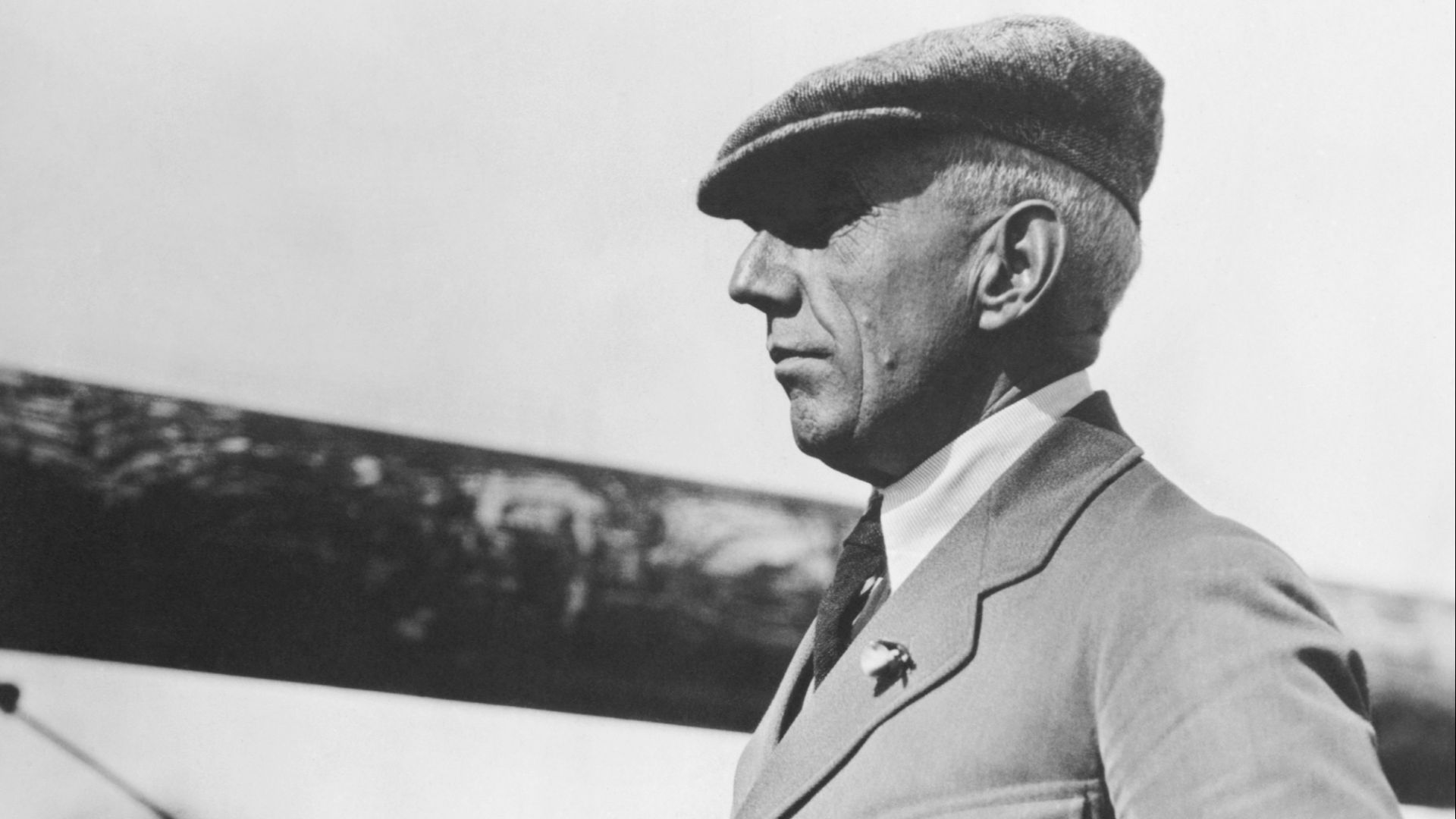
10. David Livingstone
David Livingstone explored large parts of central and southern Africa in the 19th century. He documented rivers, lakes, and interior regions that were previously unknown to Europeans. His work helped fill in major gaps on African maps. His explorations also influenced later expeditions into the continent.
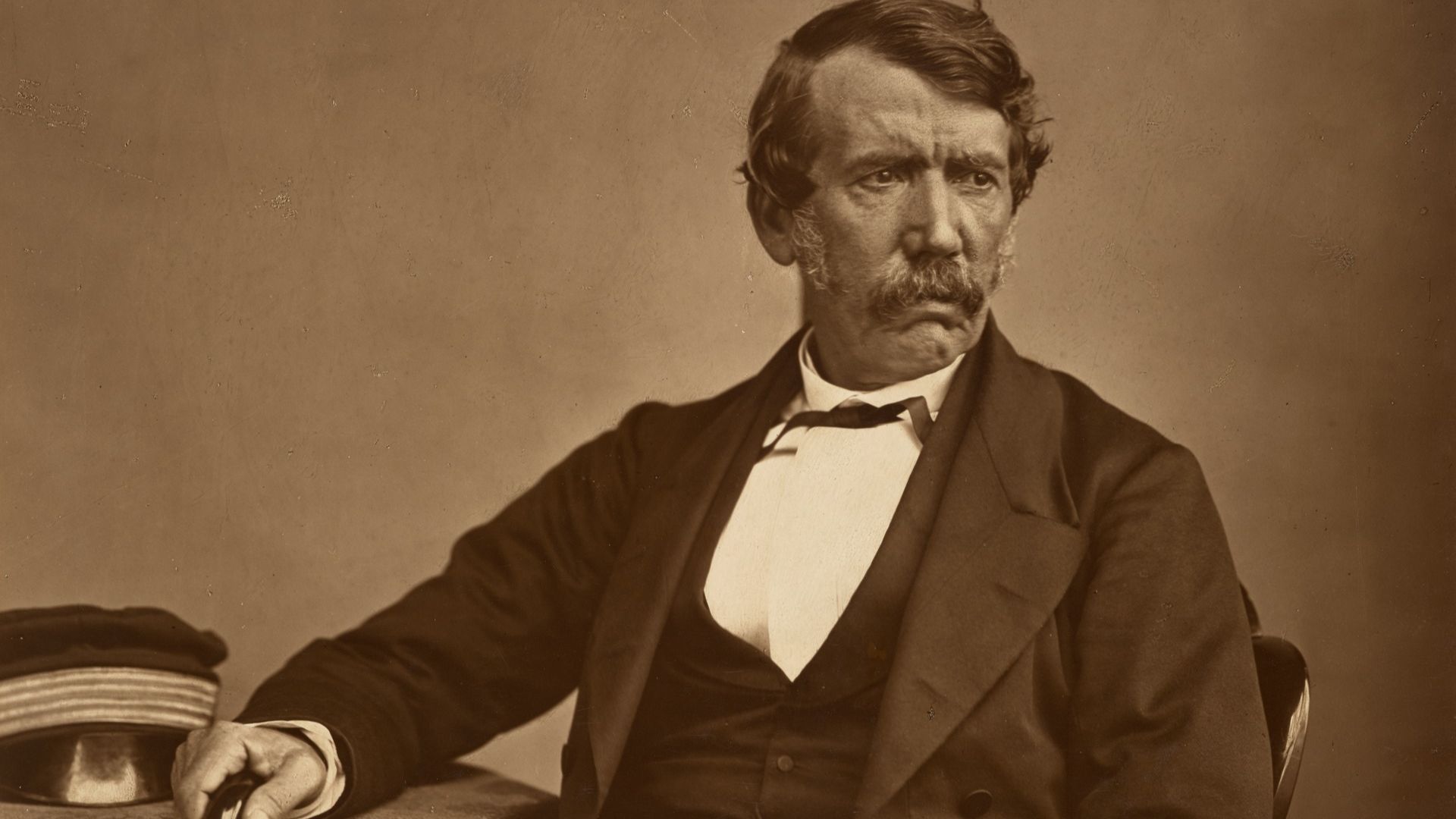
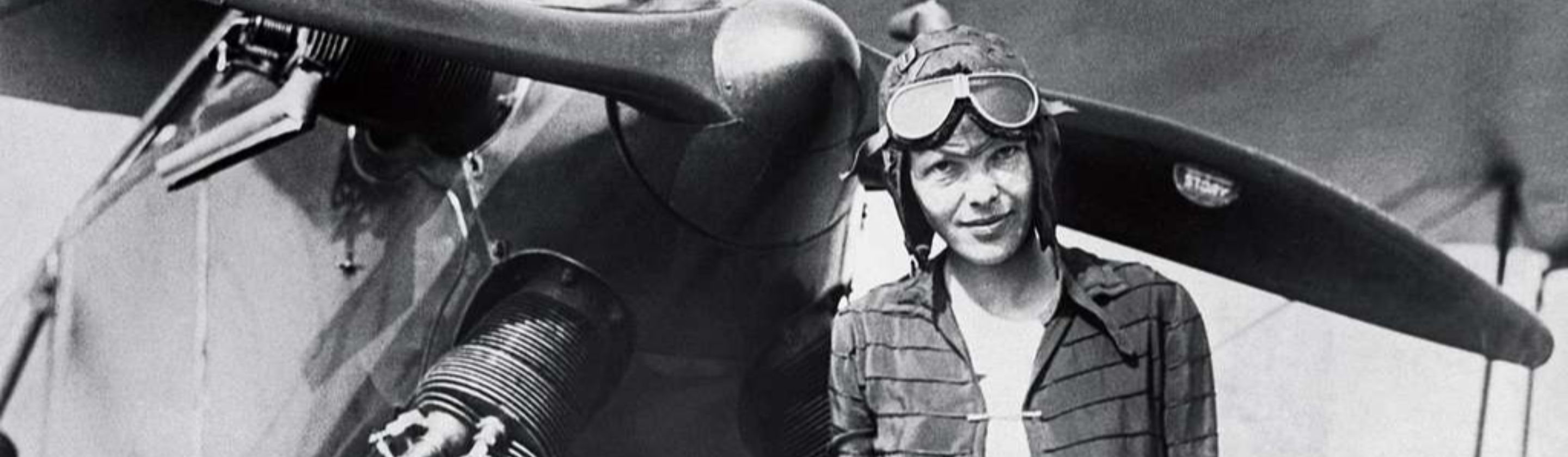
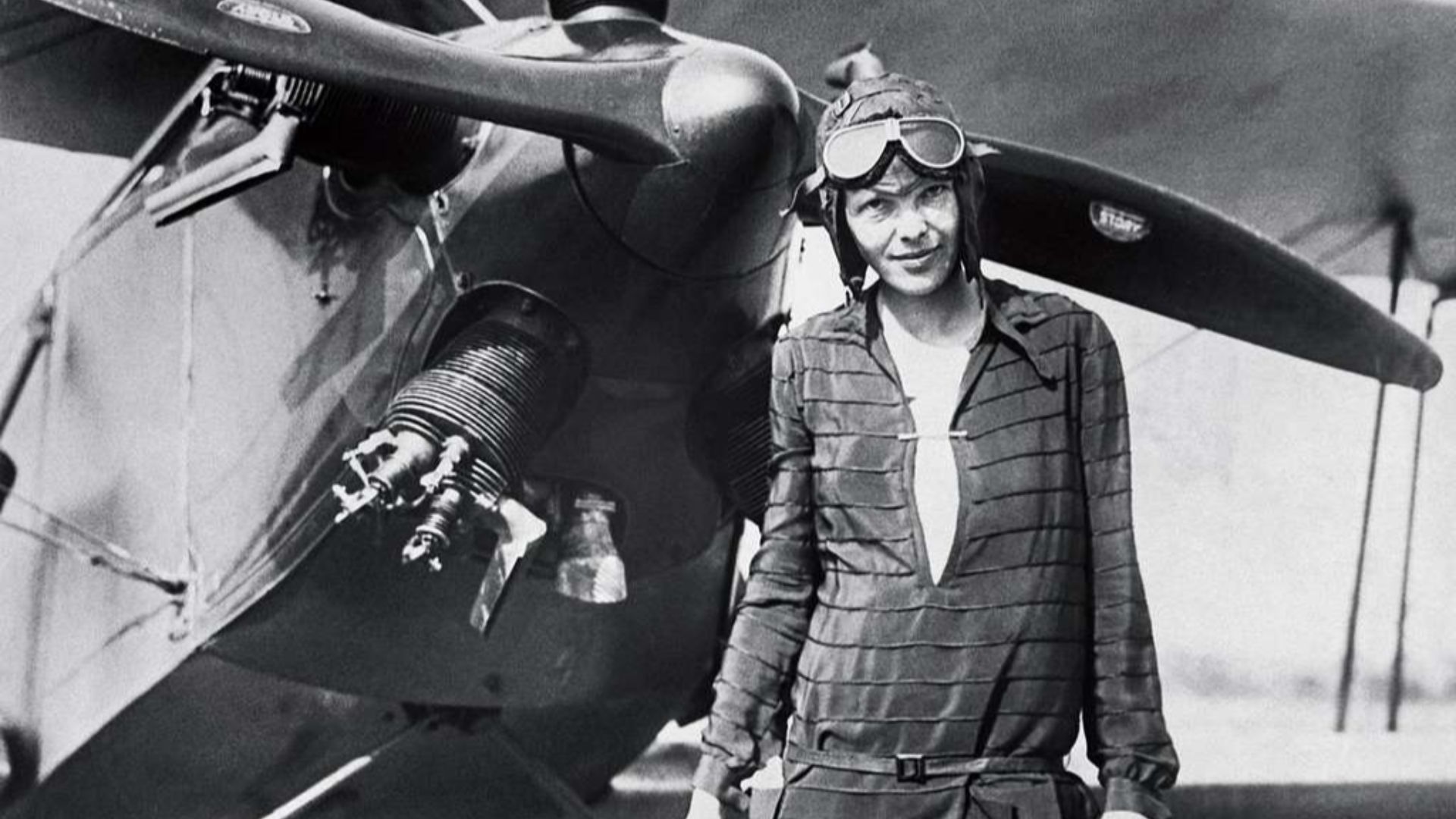
1. Amelia Earhart
Amelia Earhart disappeared in 1937 while attempting to fly around the world. Her plane vanished over the Pacific Ocean, and no confirmed wreckage has ever been found. Despite extensive searches, her fate remains unknown. Her disappearance became one of aviation’s greatest mysteries.
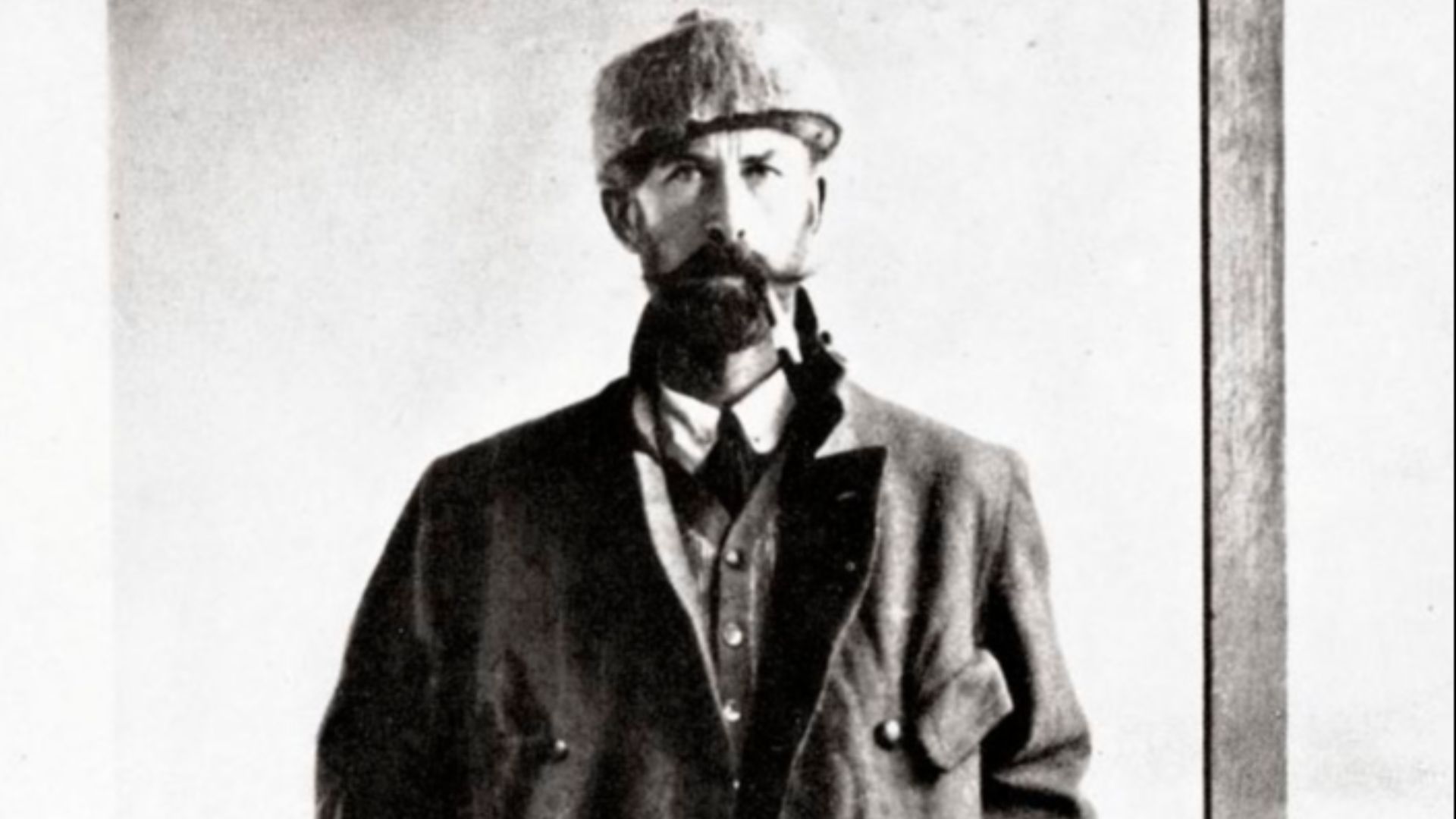
2. Percy Fawcett
Percy Fawcett vanished in 1925 while searching for a lost city in the Amazon rainforest. He and his team were last heard from deep in the jungle. Numerous rescue attempts failed to locate any trace of them. His expedition remains one of the most famous unsolved disappearances in exploration.
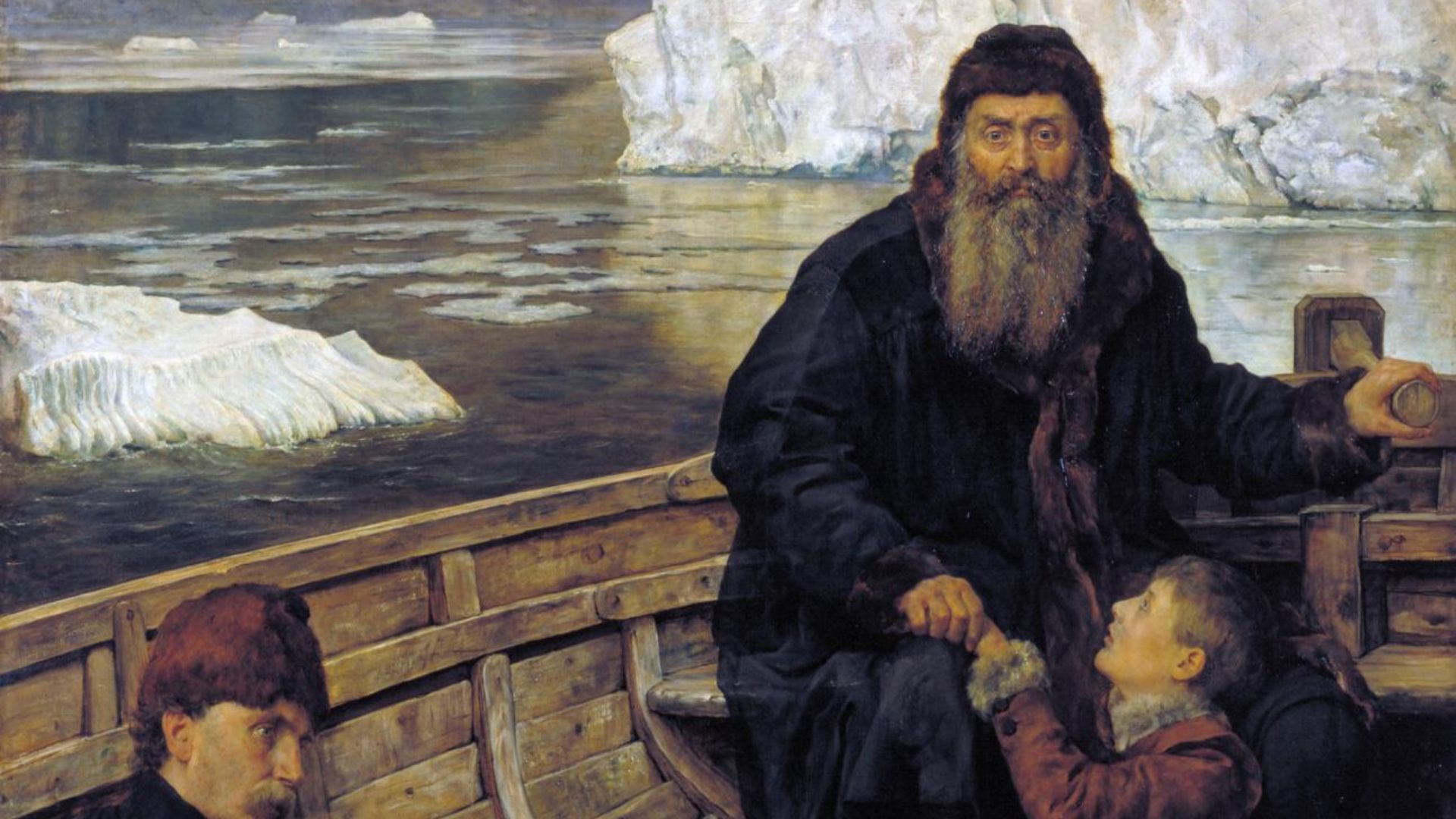
3. Henry Hudson
Henry Hudson was set adrift in 1611 by a mutinous crew during his exploration of Hudson Bay. He and a small group were left in an open boat with limited supplies. No records exist of what happened after that moment. His disappearance marked a tragic end to his voyages.
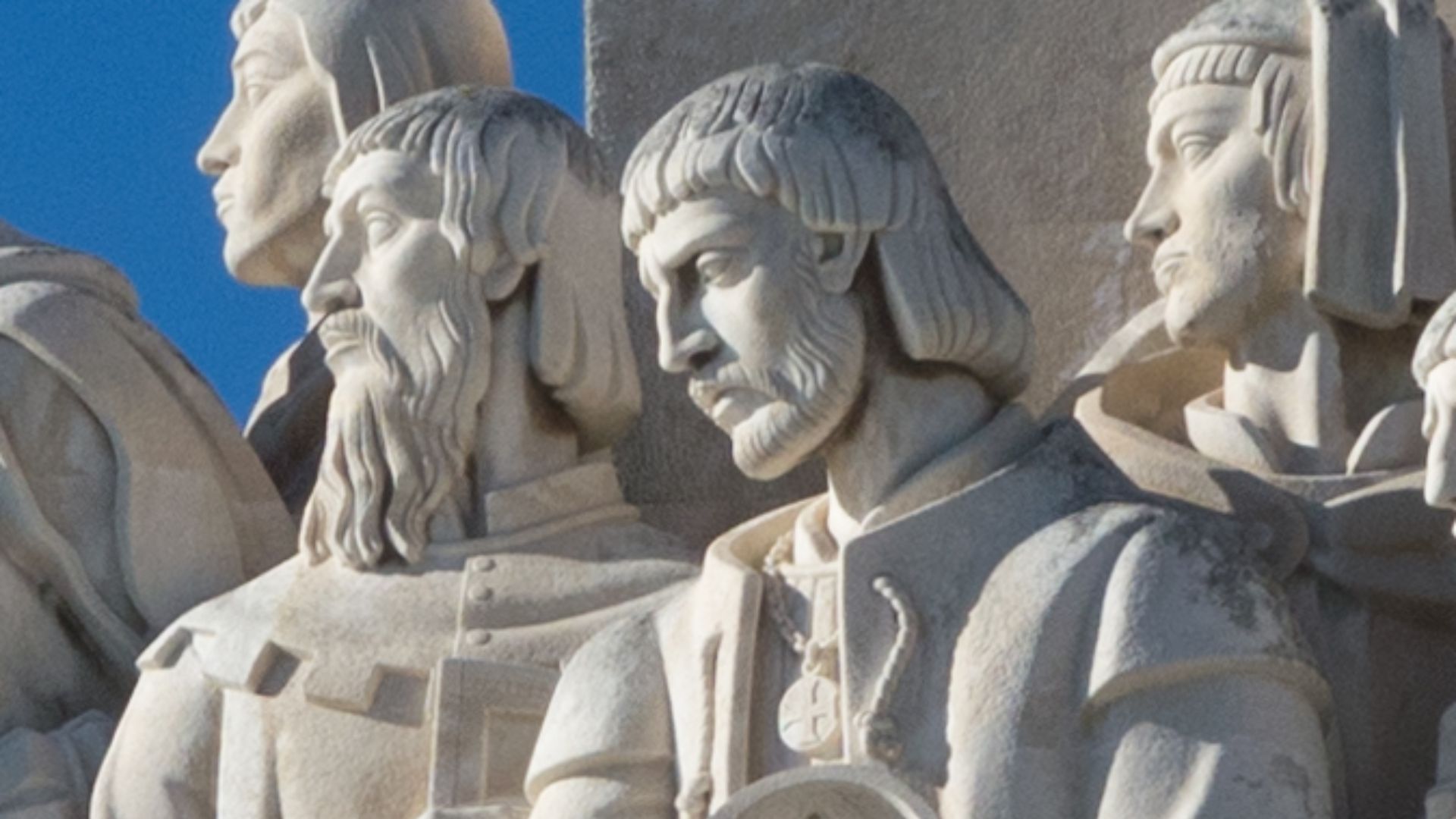
4. Gaspar and Miguel Corte-Real
The Corte-Real brothers were Portuguese explorers who disappeared on separate voyages to North America in the early 1500s. Gaspar vanished first, followed by Miguel, who set out to find him.
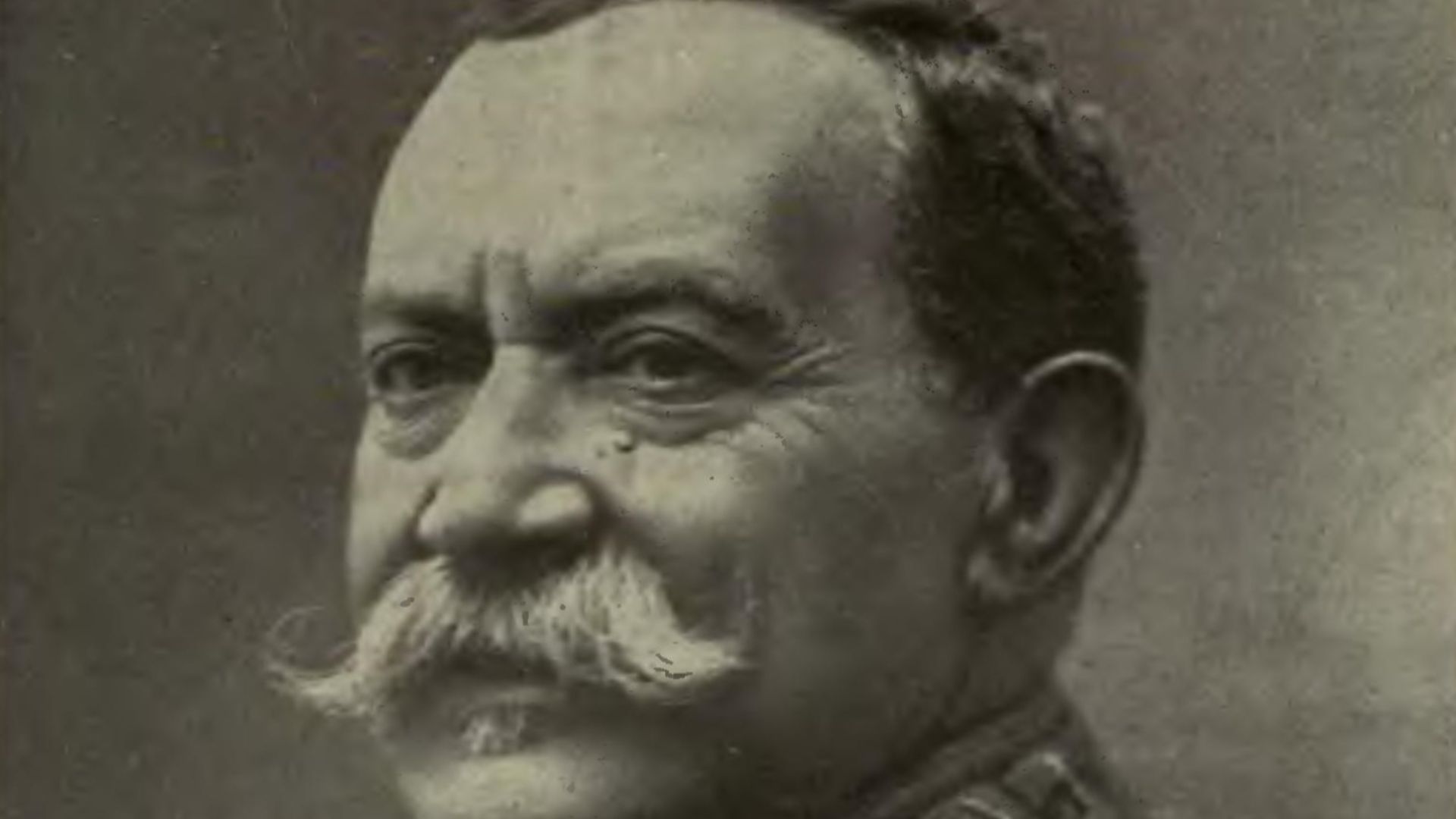 Real Academia Española, various authors on Wikimedia
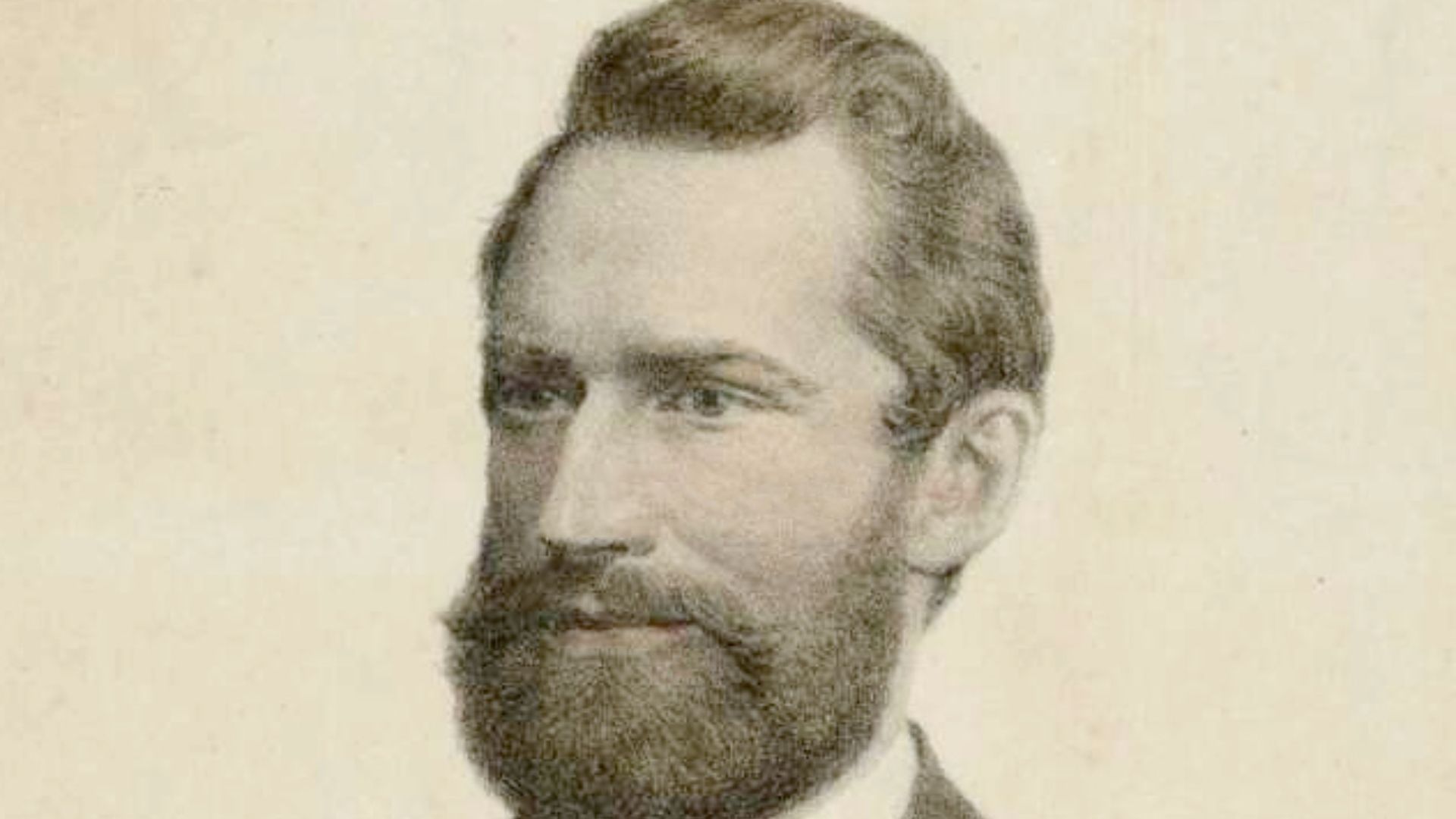
5. Ludwig Leichhardt
Ludwig Leichhardt disappeared in 1848 while attempting to cross Australia from east to west. He and his party vanished without leaving clear evidence of their fate.
 Unknown authorUnknown author on Wikimedia
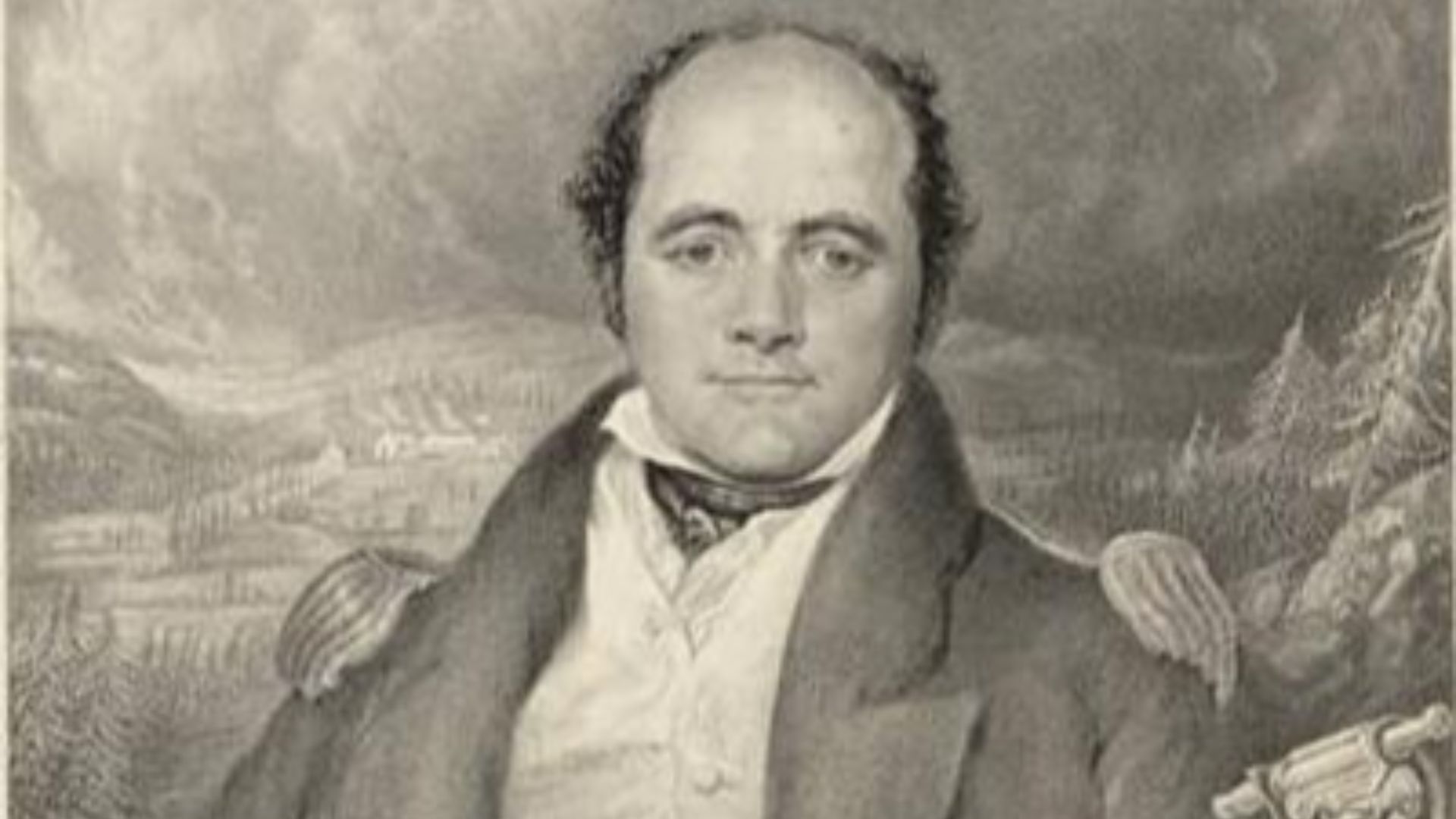
6. Sir John Franklin
Sir John Franklin led an Arctic expedition in 1845 to find the Northwest Passage. His ships became trapped in ice, and all crew members eventually perished. Evidence discovered later revealed harsh conditions and failed survival attempts. His disappearance shocked the British public at the time.
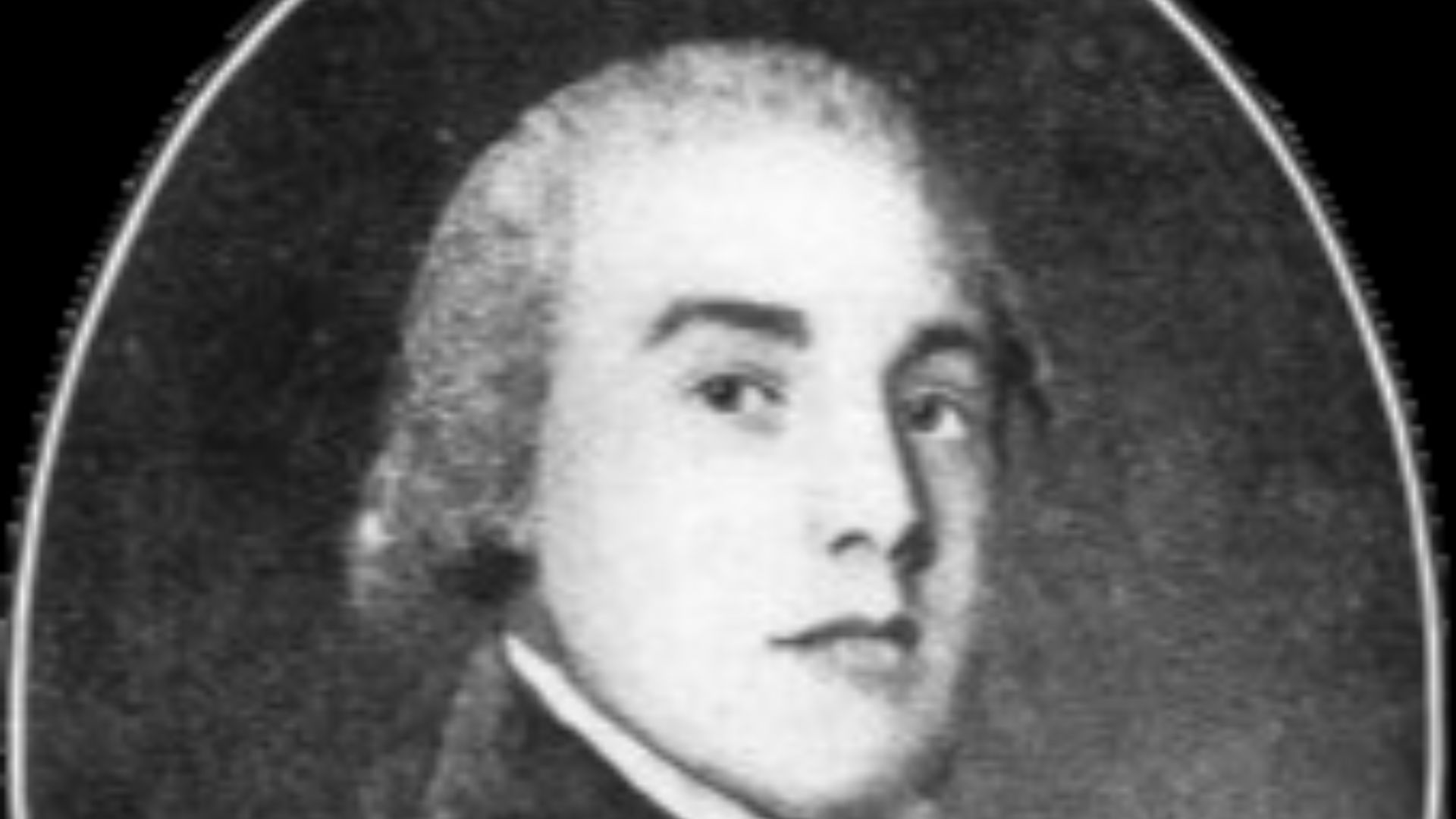
7. George Bass
George Bass disappeared at sea in 1803 while sailing toward South America. He was an accomplished explorer known for charting parts of Australia. His ship was never confirmed to have reached its destination. His fate remains uncertain.
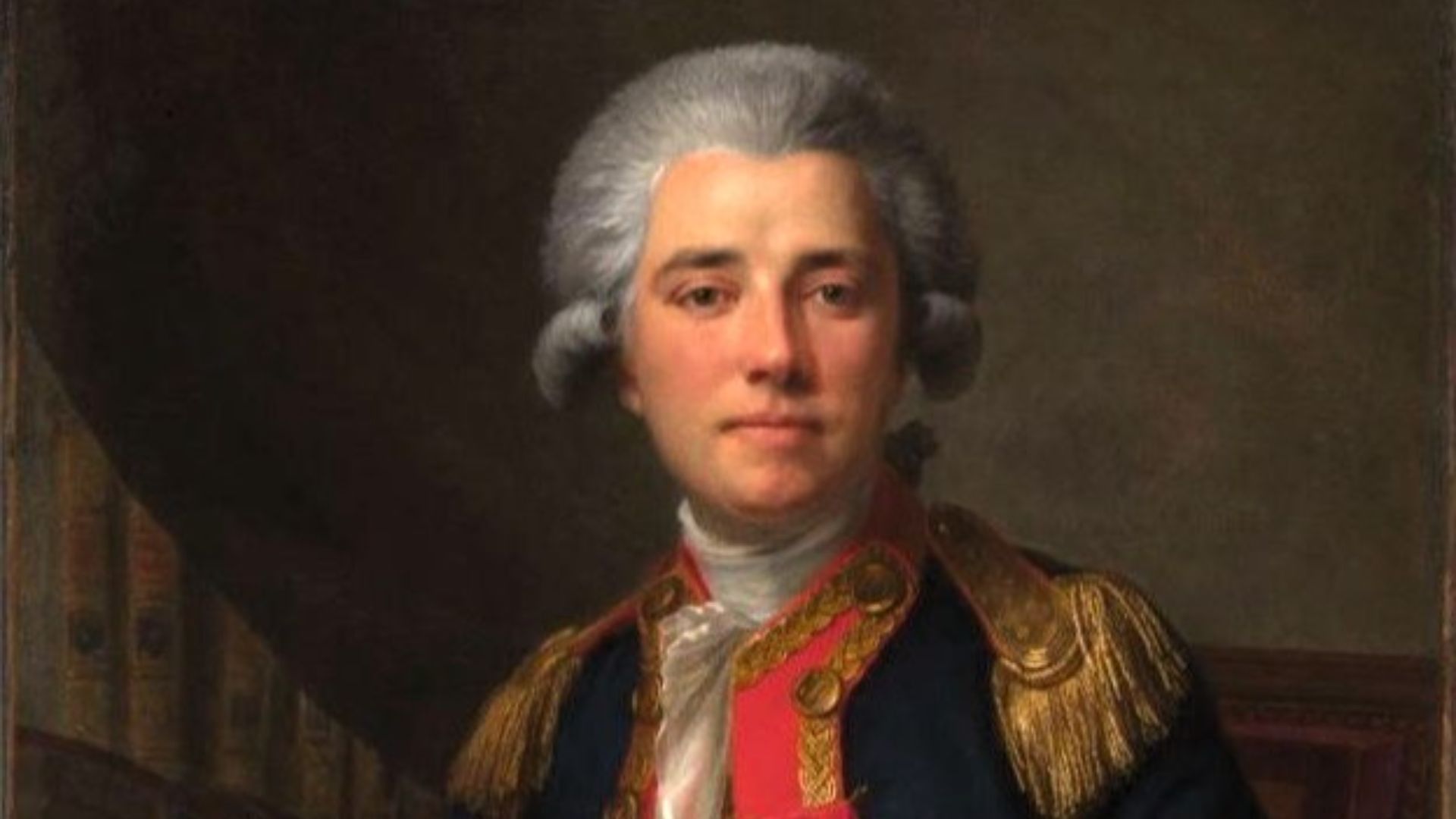
8. Jean-François de Galaup
Jean-François de Galaup, also known as La Pérouse, vanished in 1788 during a Pacific expedition. His ships disappeared after leaving Australia.
 Geneviève Brossard de Beaulieu on Wikimedia
9. Everett Ruess
Everett Ruess disappeared in 1934 while traveling through the American Southwest. He was a young explorer and artist documenting remote landscapes.
10. Sándor Kőrösi Csoma
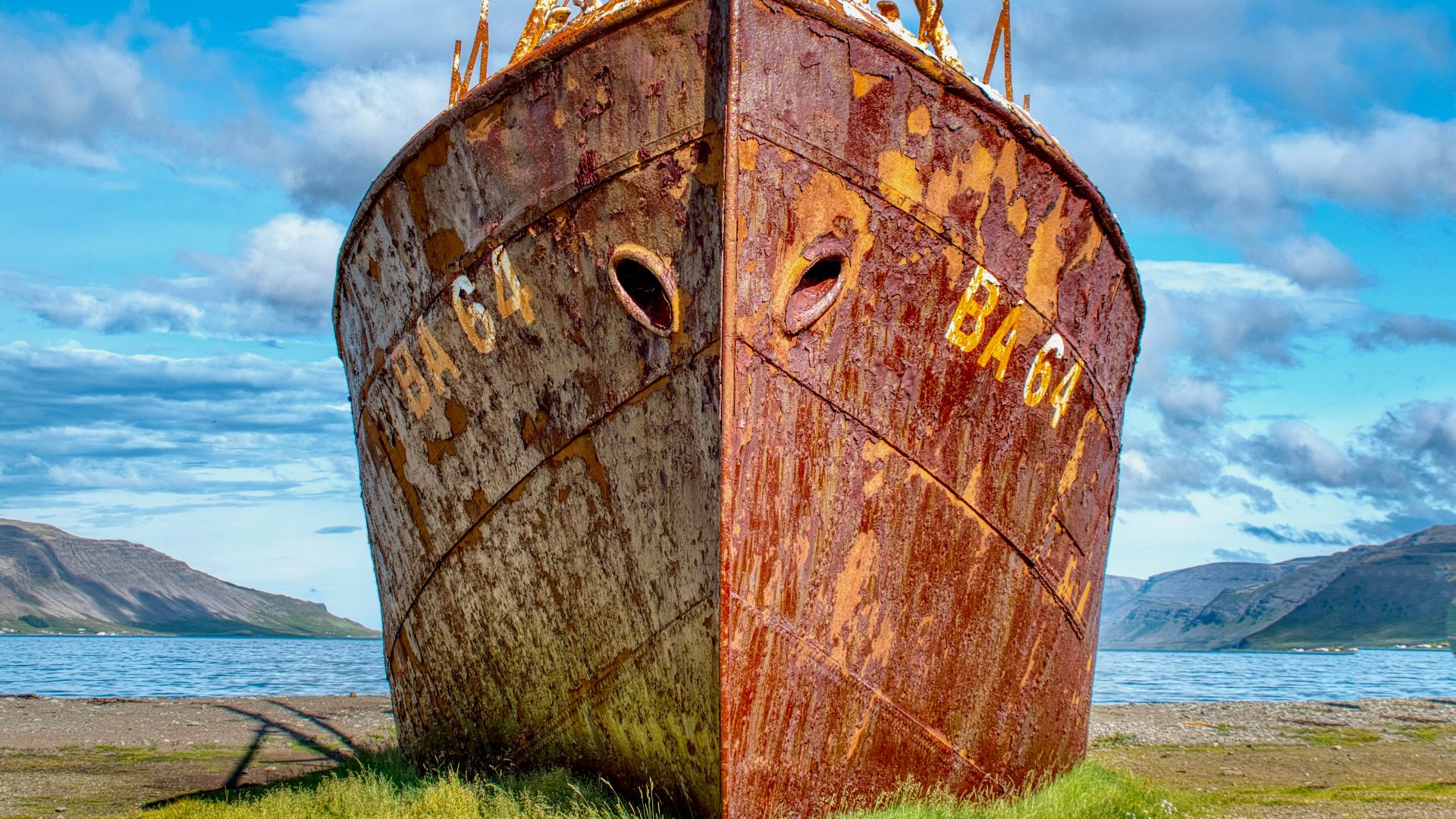
Sándor Kőrösi Csoma died during his travels in Asia while searching for the origins of the Hungarian people. He never completed his journey or returned home.
KEEP ON READING
20 Historical Figures Who Lived Much Longer Than You Think
Some Famous Lives Stretched Far. History has a way of…
By Christy Chan May 22, 2026
20 LGBTQ+ People from History Who Changed the World
History Is Full Of Queer Icons . LGBTQ+ people have always…
By Emilie Richardson-Dupuis May 22, 2026
20 Historical Poisons That Changed Politics, War, And Royal Families
Power In A Cup. Poison has always had a strange…
By Cameron Dick May 22, 2026
20 Man-Eaters That Terrified Entire Regions
When Fear Had Teeth. History has a way of turning…
By Cameron Dick May 22, 2026
20 Mistresses Who Had More Power Than the Queens Beside…
Power Wasn’t Always on the Throne. Royal history loves a…
By Annie Byrd May 22, 2026
20 Rare Artifacts That Changed Scholars’ Understanding of the Past
Discoveries That Forced Historians to Rethink What They Knew. Archaeology…
By Rob Shapiro May 22, 2026