From Religious Disagreement to Open Conflict
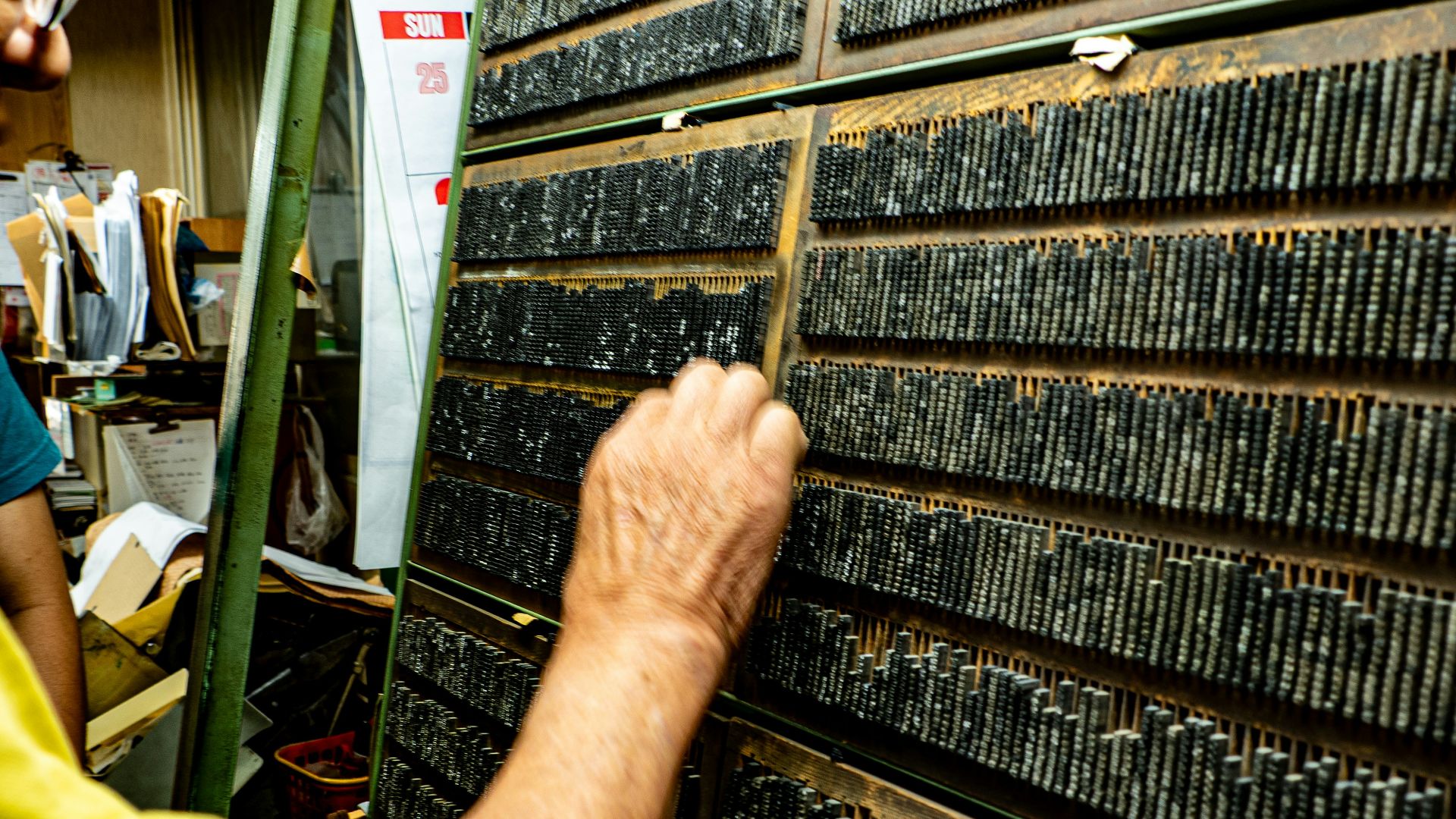
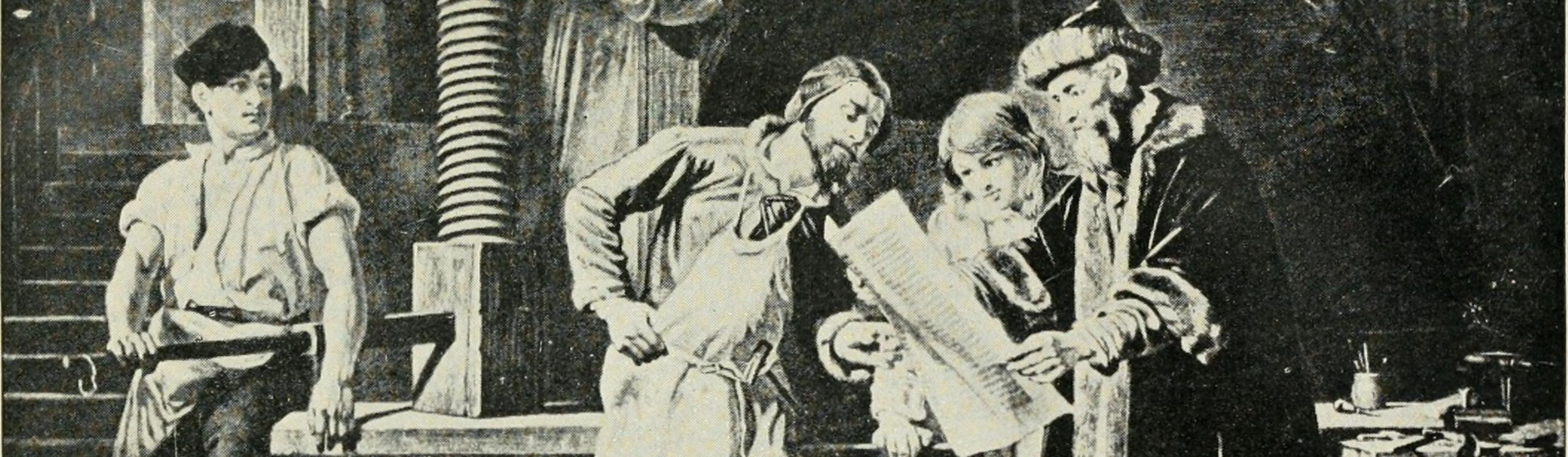
As divisions between Catholic and Protestant groups deepened, they began to influence political relationships as well. In many regions, religious identity became closely tied to governance and loyalty. This made disagreements more complex, as they were no longer just about belief but also about power and control. The printing press continued to play a role by spreading messages that supported different sides. This helped reinforce group identities and solidify opposing positions.
Conflicts such as the French Wars of Religion and the Thirty Years’ War illustrate how these tensions developed into open warfare. These events were shaped by a combination of religious, political, and social factors. Printed materials contributed by spreading ideas, justifying actions, and rallying support.
It’s important to recognize that the printing press itself was not responsible for violence. Instead, it acted as a powerful tool that accelerated communication and broadened participation in religious debates. By making ideas more accessible, it changed how people engaged with faith and authority.
The printing press marked a turning point in history by transforming how information was shared and understood. Its impact on religion was especially significant, as it allowed new ideas to spread quickly and reach a wider audience. While it didn’t directly cause religious wars, it created the conditions that made widespread disagreement possible. By amplifying voices and encouraging debate, it played a key role in shaping the conflicts of the time. Understanding this connection highlights how technology can influence society in unexpected ways.
KEEP ON READING