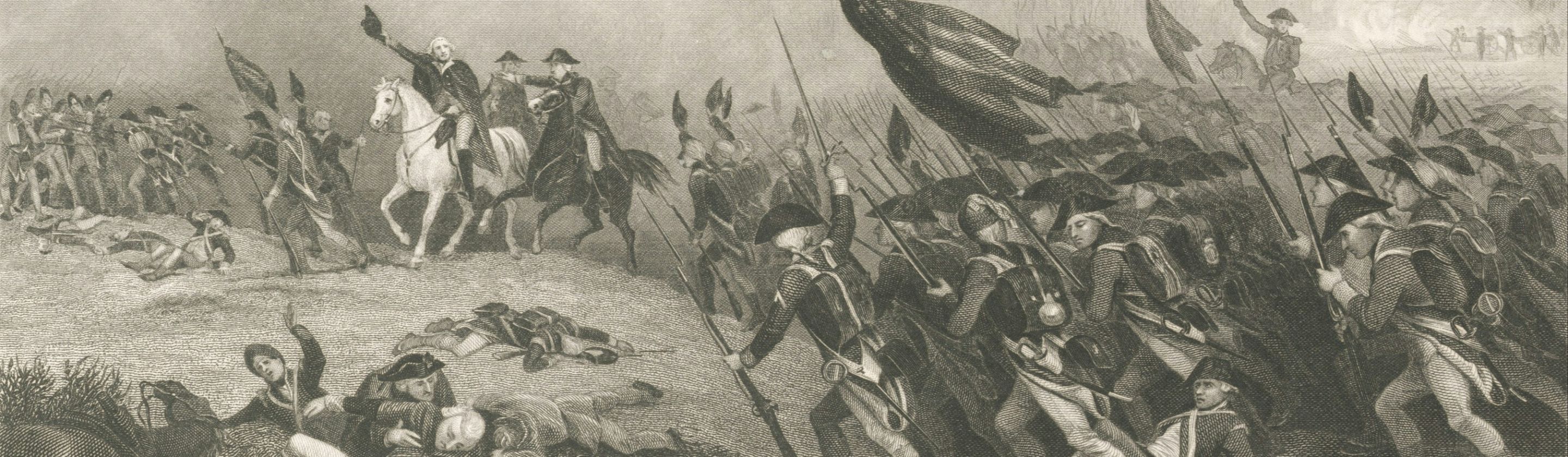
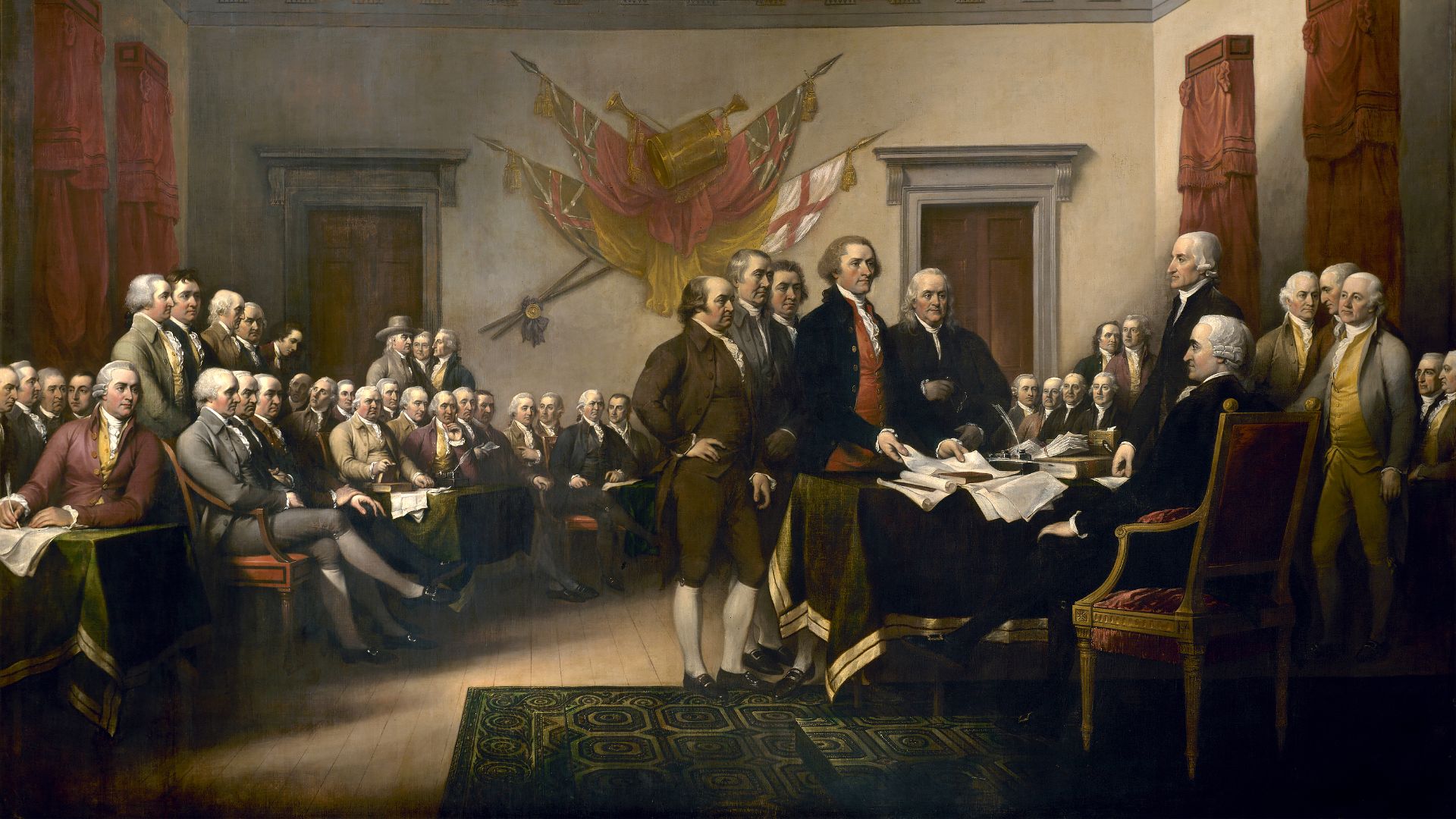
You are familiar with the story of the American Revolution. George Washington, Thomas Jefferson, John Adams, Benjamin Franklin, and co. duking it out against King George III. It began after Britain imposed new taxes on its colonies to help refill its coffers that were depleted during the French and Indian War.
Americans protested against this unfair taxation as no one represented them in the British government. Tensions continued to rise until, finally, the colonists had had enough. The American Revolution was a tumultuous 8 year period, but ultimately resulted in the United States gaining its independence.
What you may not know, or maybe didn’t piece together, is that this fight against Britain caused a chain reaction in several other countries, all pursuing this idea of freedom and a right to self-governance. Here’s a breakdown of the revolutionary periods of several countries around the world:
- The American Revolution, 1775-1783
- The French Revolution, 1789-1799
- The Haitian Revolution, 1791-1804
- The Mexican War of Independence, 1810-1821
The French Revolution
France’s revolutionary period began shortly after the Americans had gained their independence. Like the Americans, the French were suffering from a widespread financial crisis after providing aid to the Americans in their fight against Britain.
Central figures like the Marquis de Lafayette brought more than honor back with him after fighting overseas; he also brought ideas of freedom, liberty, and the right for people to choose their own leaders.
These Enlightenment ideals brought on 10 years of intense struggle, with many French citizens, including the royal family, losing their heads.
The Haitian Revolution
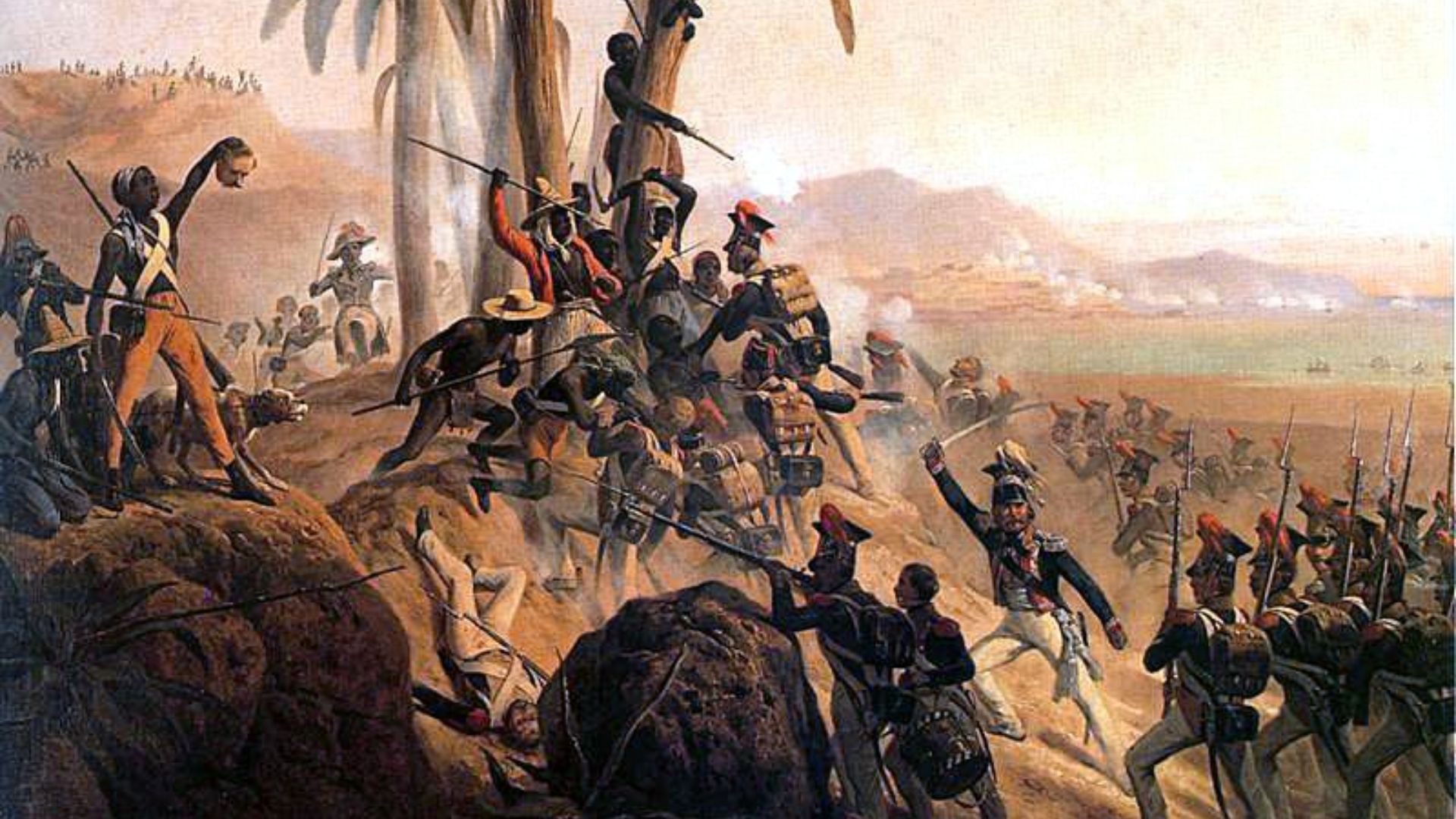 January Suchodolski on Wikimedia
As the French were fighting each other, they also started fighting their own colonies. The Haitian Revolution started as a slave revolt, as ideas of freedom and equality trickled their way into the Caribbean. This uprising was a carefully timed event, since the people of France weren’t really concerned with the goings on of an island across the Atlantic Ocean during the early 1790s.
You can imagine the violent and often deadly climate slaves were facing on the various plantations across the island, especially when it was the most profitable French colony in the world. Haitians knew this, and stated widely that they were done with serving the monarchy during a massive rebellion on the night of August 21st, 1791.
The Haitian Revolution is the only known revolution that led to the actual founding of a state in the entirety of human history.
The Mexican War Of Independence
Continuing along the line, the Haitian Revolution was a driving force behind the Mexican War of Independence, as many slaves heard of the rebellion's success with its goal.
The Mexican War of Independence came after outrage against Bourbon reforms were looking to increase Spain’s power over its colonies. This was done through Spanish officials being placed in positions of power across Mexico instead of American-born citizens.
This increase of bureaucratic, and not to mention religious, tension led to a peasant revolt on September 16th, 1810. This rebellion continued for another 10 years, eventually leading to the recognition of Mexico as an independent country.