Sometimes The Forecast Is The Real General
War stories love a clean narrative: the brilliant commander, the perfect maneuver, the decisive charge. Get closer, though, and the story starts sticking to your boots, fogging up your sightlines, and freezing your hands around metal. Mud can turn a tidy advance into a stalled crush on a narrow lane, and smoke or mist can hide the one movement that matters until it is already happening. Bad flying weather can take an air force off the board for a day, and a single wind shift can turn fire into a weapon that spreads faster than anyone can control. Even the best armies still have to move on the ground they are given and fight inside the visibility and temperature they wake up to. Here are twenty battles where weather did more than set the mood and helped decide who walked away with the win.
 Chief Photographer's Mate (CPHoM) Robert F. Sargent on Wikimedia
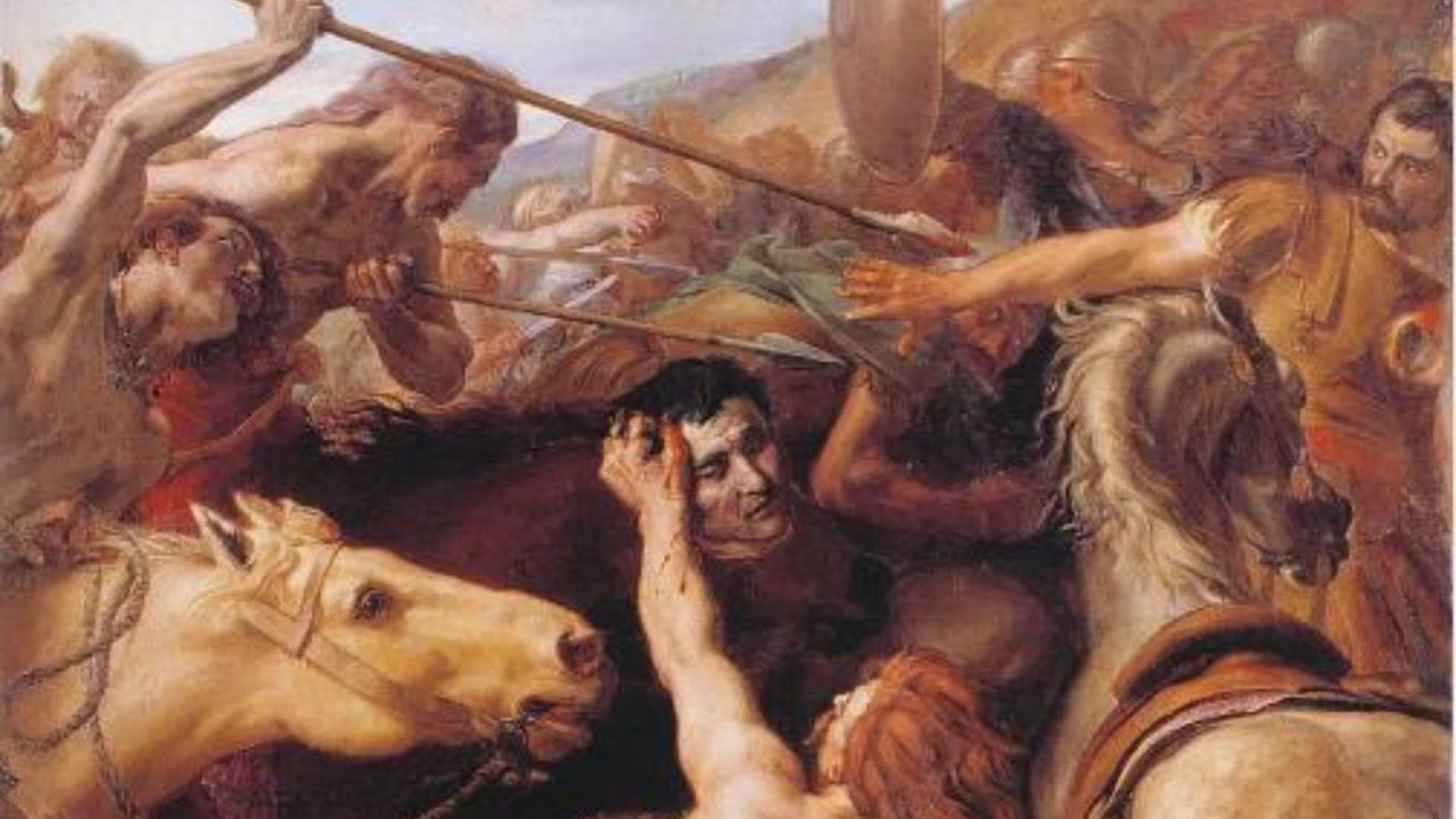
1. Battle Of Lake Trasimene
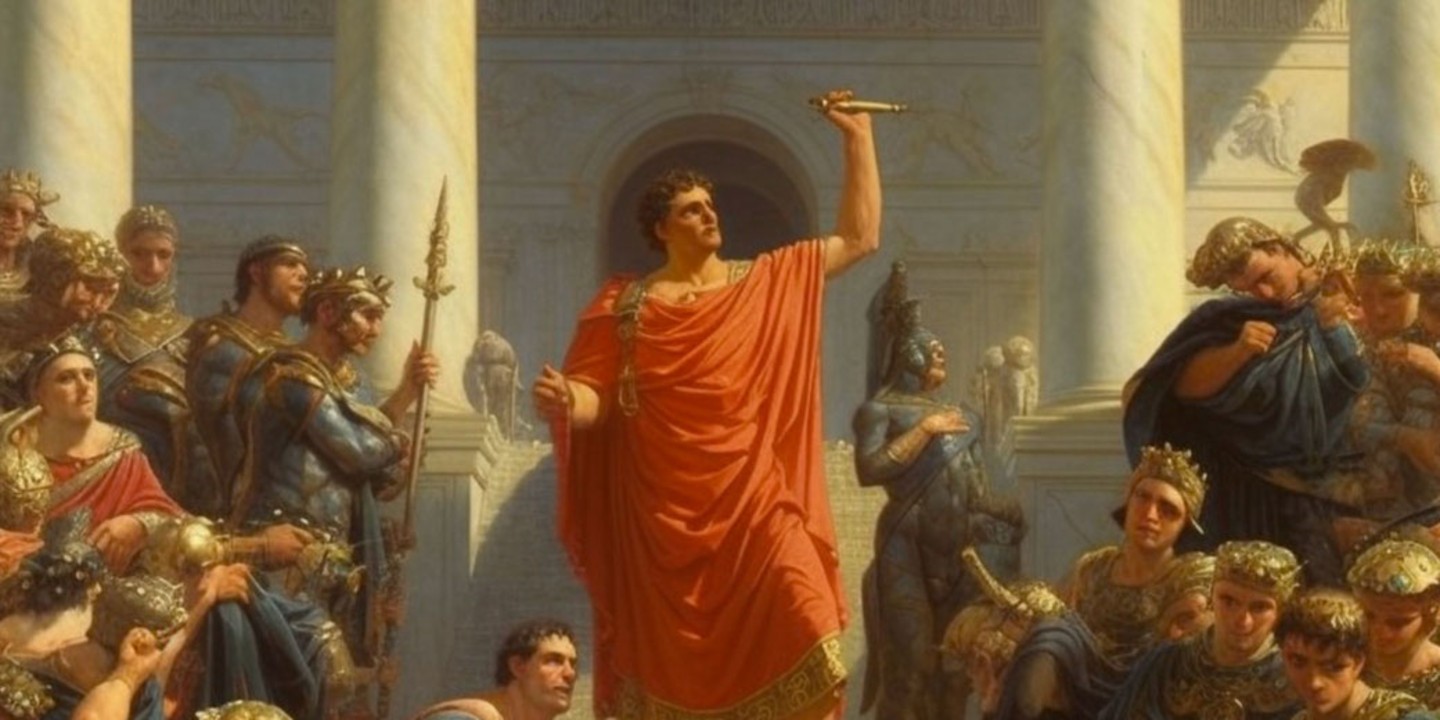
Hannibal’s ambush worked because the Romans moved into it half-blind, with heavy fog hanging over the lake and the surrounding ground. When the trap snapped shut, the usual Roman strengths, discipline and formation, had less room to matter in the confusion and poor visibility.
 Joseph-Noël Sylvestre on Wikimedia
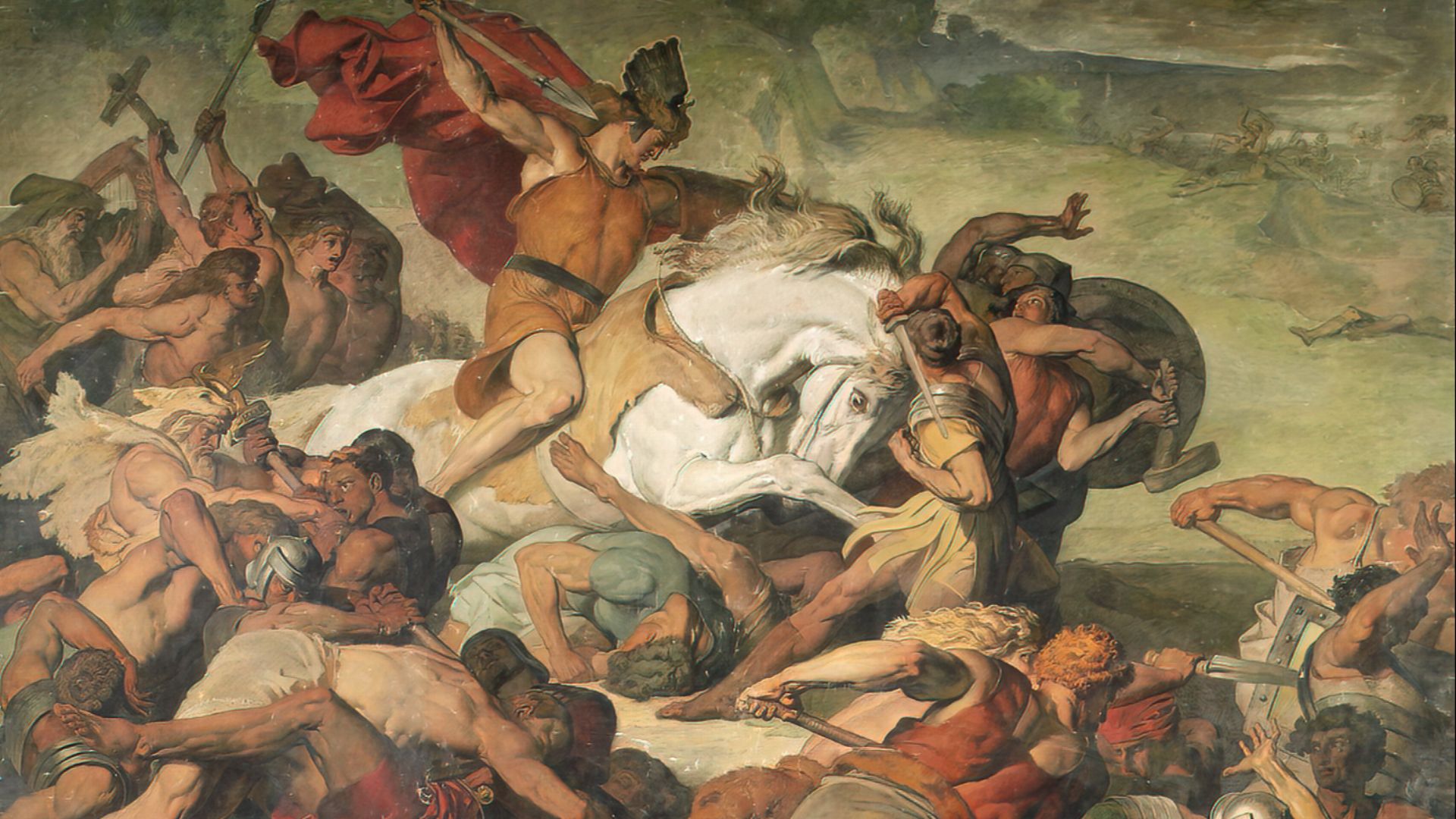
2. Battle Of The Teutoburg Forest
The Roman column in the Teutoburg Forest got chewed up in terrain that was already hostile, and miserable weather made it worse. Wet ground and difficult conditions helped turn movement into a grind, which mattered in a fight built around ambush, separation, and panic spreading down a line.
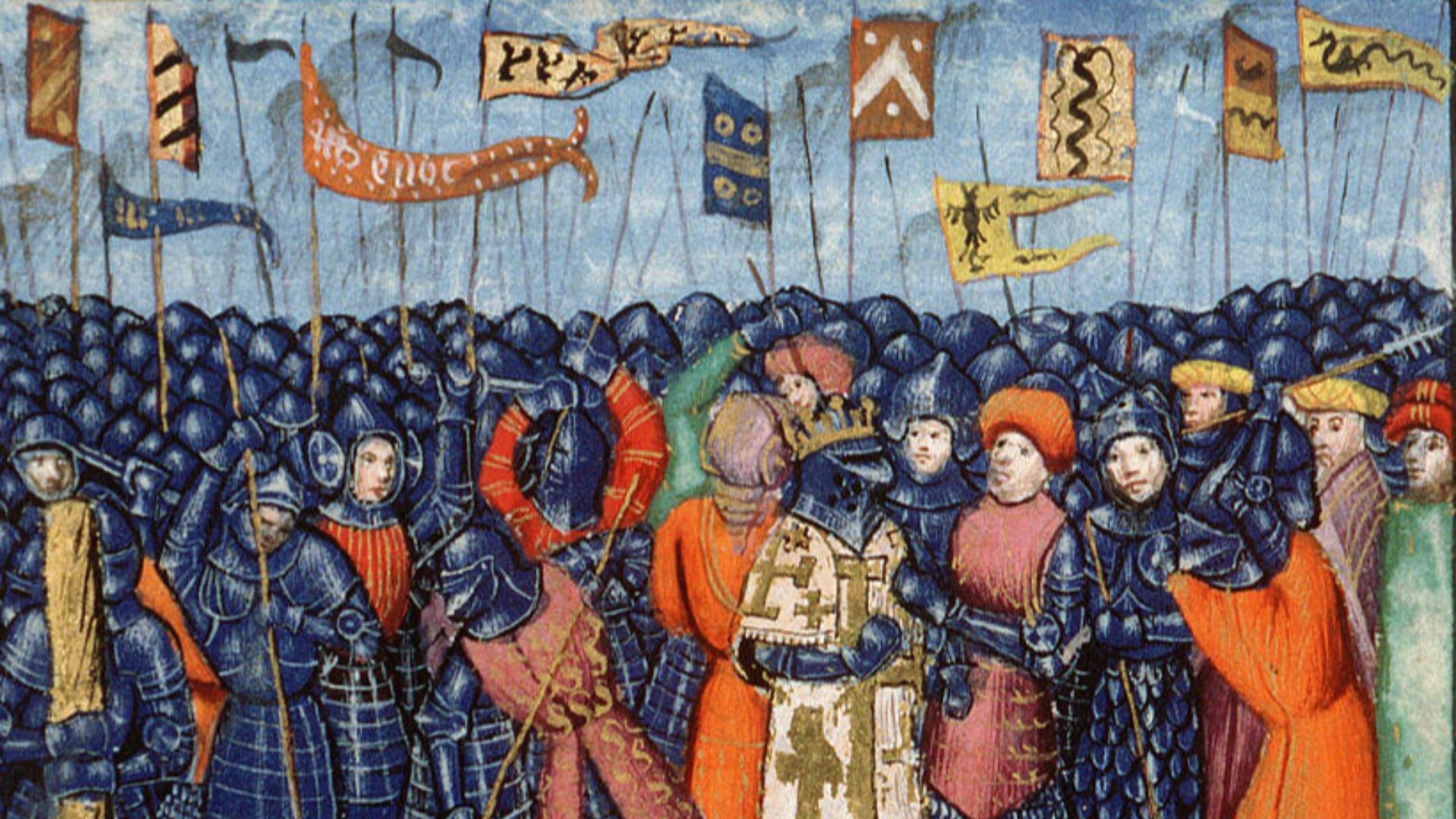
3. Battle Of Hattin
At Hattin, heat and thirst were not background details, they were part of the weaponry. Cutting off access to water and forcing an army to march and fight while dehydrated helped tip the day, because exhaustion does not wait politely for tactics to catch up.
 AnonymousUnknown author on Wikimedia
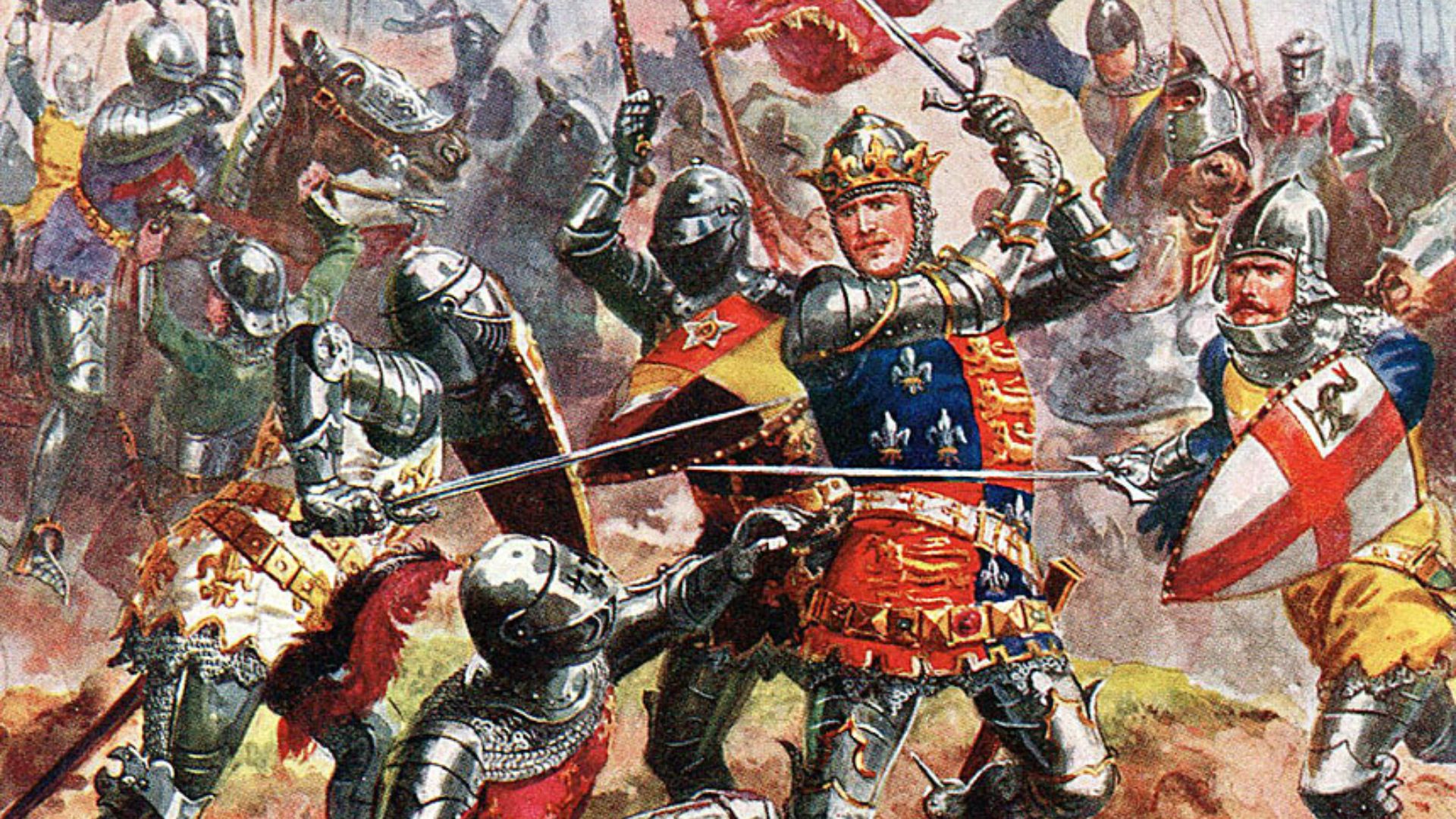
4. Battle Of Agincourt
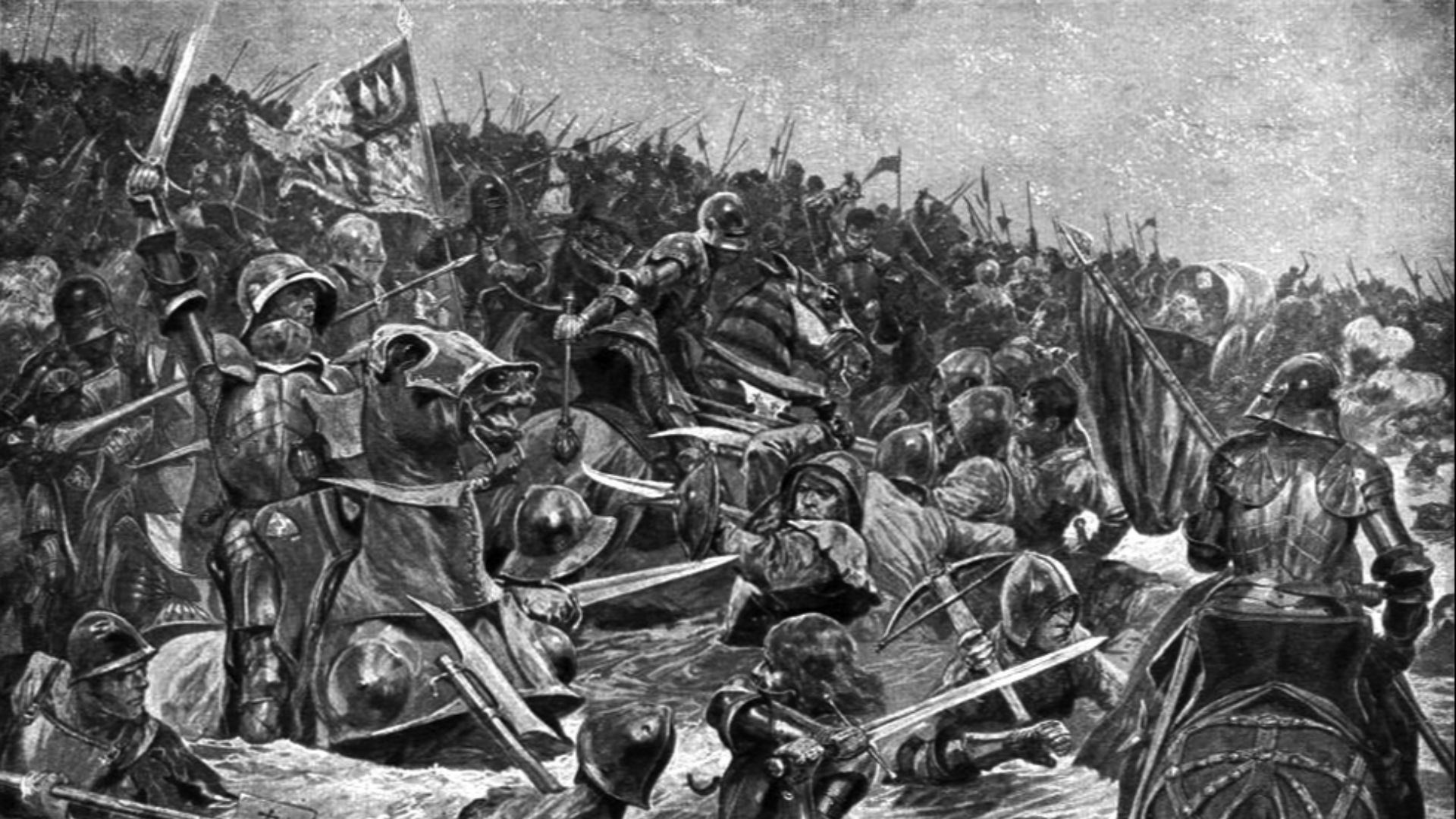
The field at Agincourt was a freshly plowed strip hemmed in by woods, and the rain the night before turned that churned earth into a sucking, ankle-grabbing mess, exactly the kind of ground that punishes men wrapped in metal. As the French advance compressed into a narrow front, knights and men-at-arms had to slog forward through deepening mud while arrows kept landing, and the ones who went down did not pop back up easily with armor dragging them lower.
5. Battle Of Towton
Towton is a reminder that wind is not neutral when thousands of arrows are in the air. A strong wind helped Yorkist archers outrange their opponents, and driving snow made return fire harder to judge, which is the kind of advantage that shows up fast and compounds.
 Richard Caton Woodville Jr. on Wikimedia
6. The Spanish Armada
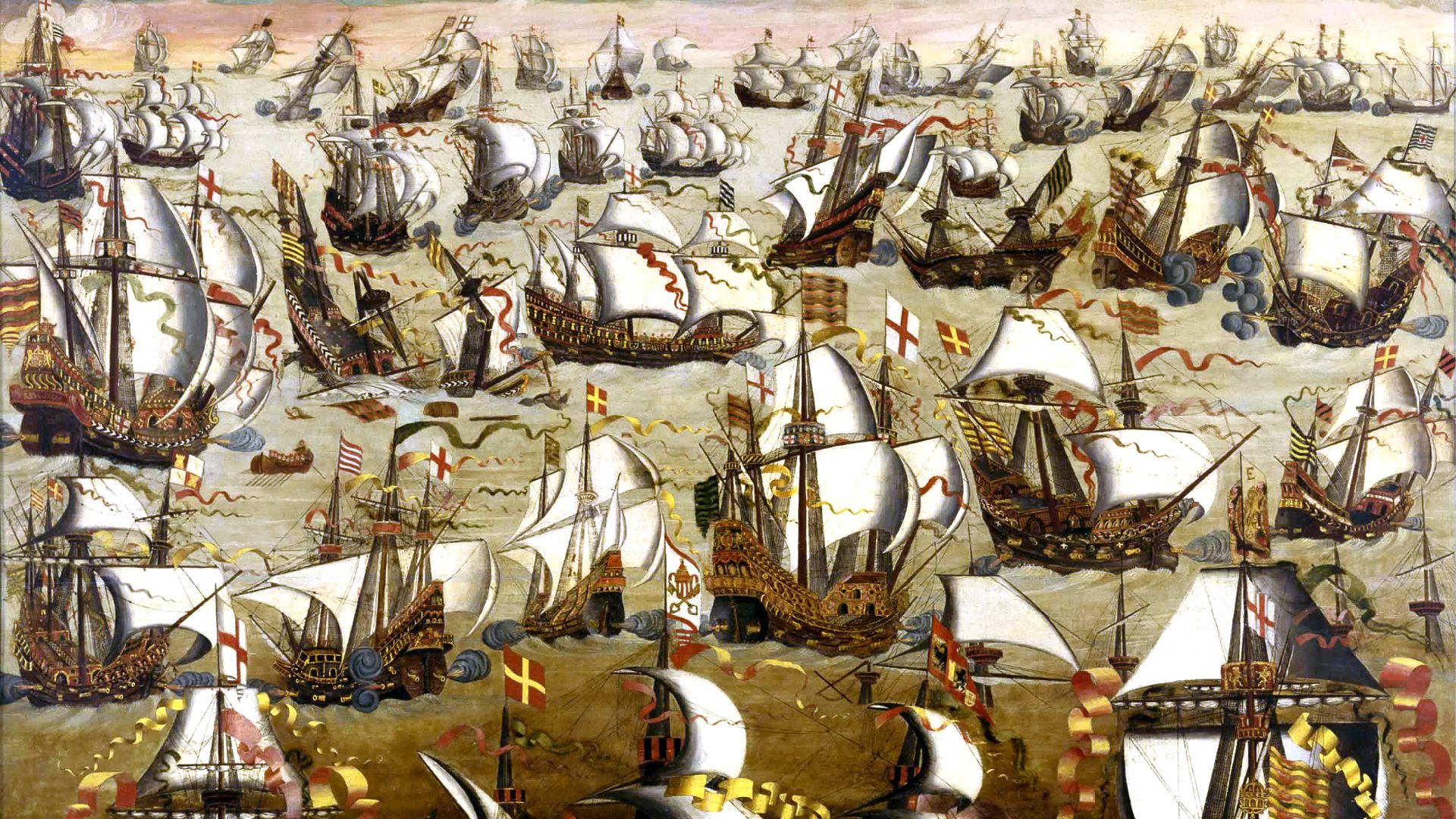
The Armada’s defeat is inseparable from the weather that battered ships as they tried to get home the long way around Scotland and Ireland. Contemporary record sets used by The National Archives emphasize how bad conditions continued, and how only part of the fleet made it back, which is a brutal kind of losing that happens after the fighting.
7. Battle Of Narva
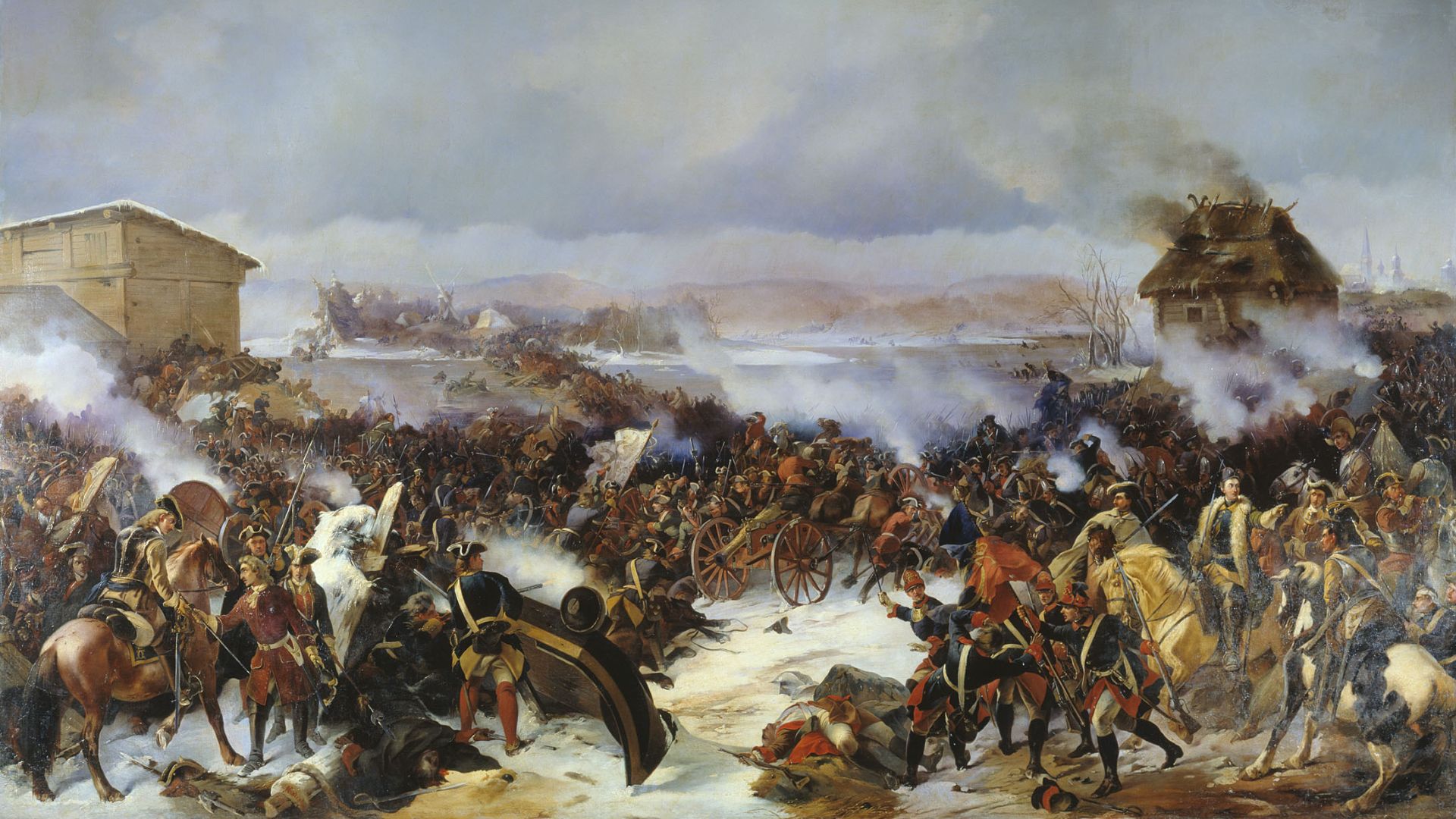
At Narva, a snowstorm blew directly into Russian faces, and the Swedes attacked under that cover before the Russians could properly bring their artillery to bear. That is the sort of timing that looks bold in a history book and looks obvious when you imagine trying to aim, load, and coordinate through wind-driven snow.
 Alexander von Kotzebue on Wikimedia
8. Battle Of Trenton
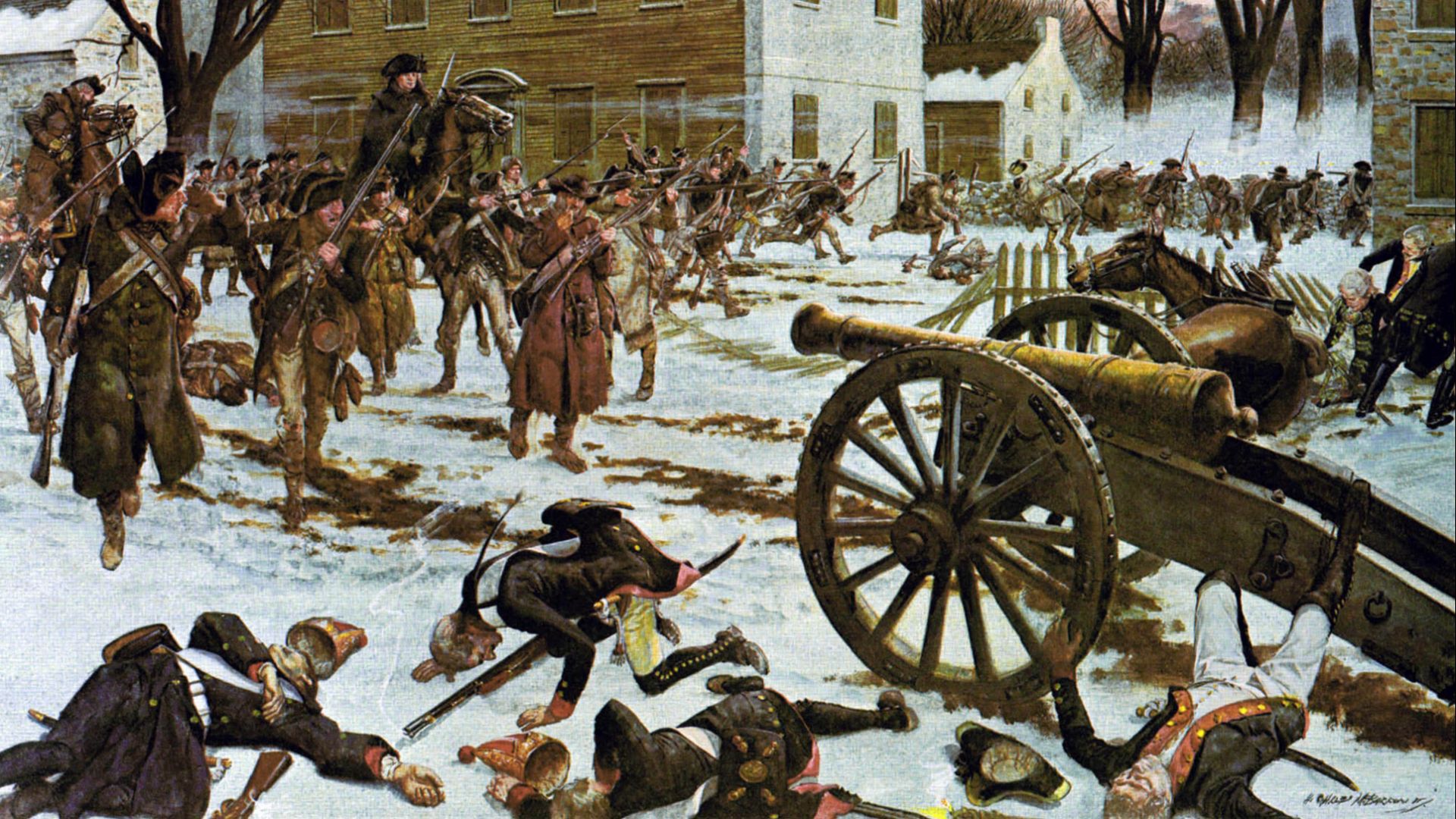
The crossing before Trenton happened through harsh winter conditions, with ice and bad weather adding friction to every step of the night. The payoff was surprise, because miserable conditions can make defenders assume no one would be reckless enough to try it.
9. Battle Of Red Cliffs
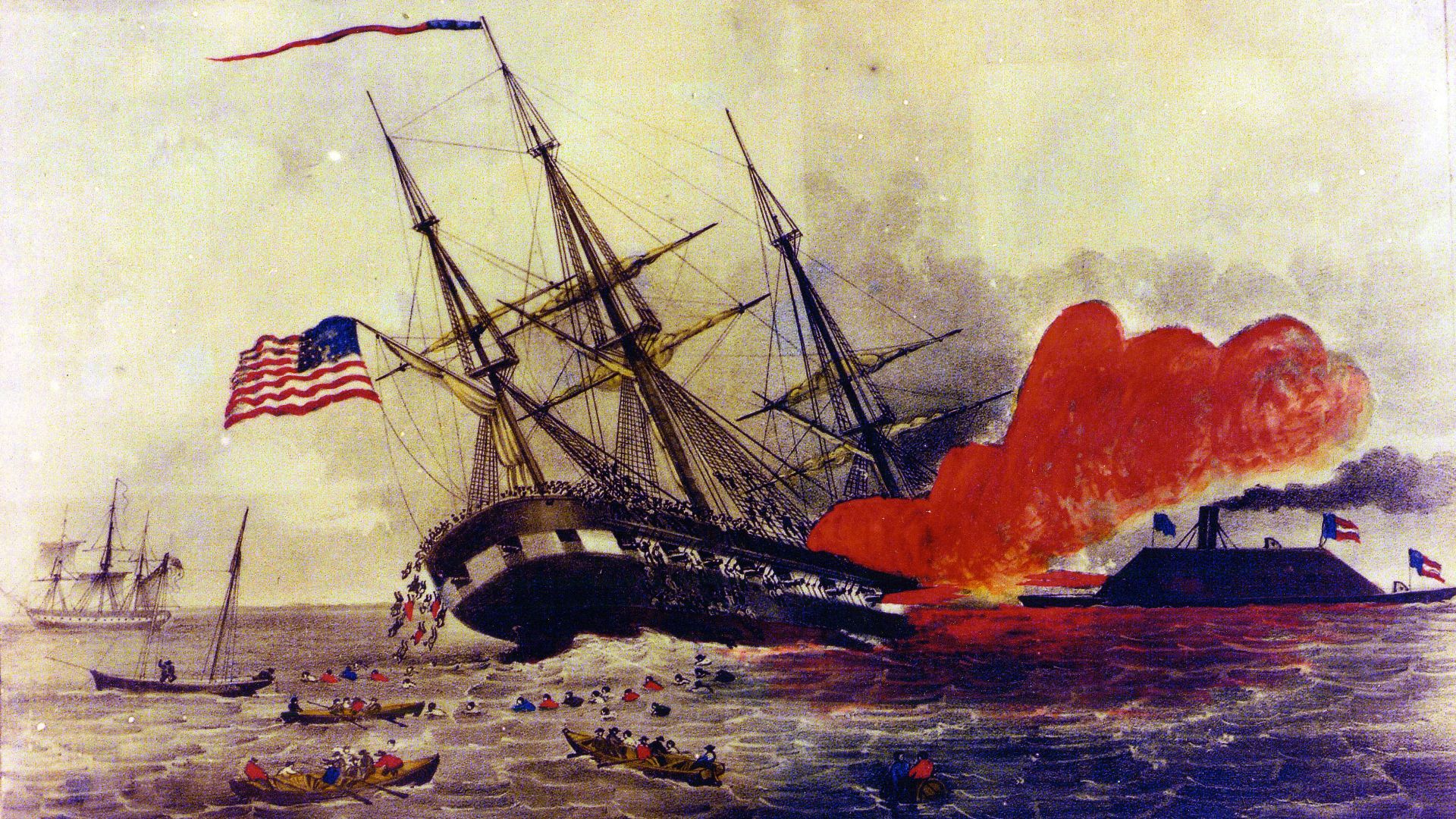
At Red Cliffs, the fire attack hinged on a very particular wind shift, because the plan only works if flames and smoke move the right direction across open water. The attackers sent ships packed with combustibles toward Cao Cao’s fleet, and the wind carried the burning vessels into tightly moored ships, letting fire jump fast from hull to hull while smoke choked visibility and coordination.
 www.goodfreephotos.com on Google
10. Battle Of Austerlitz
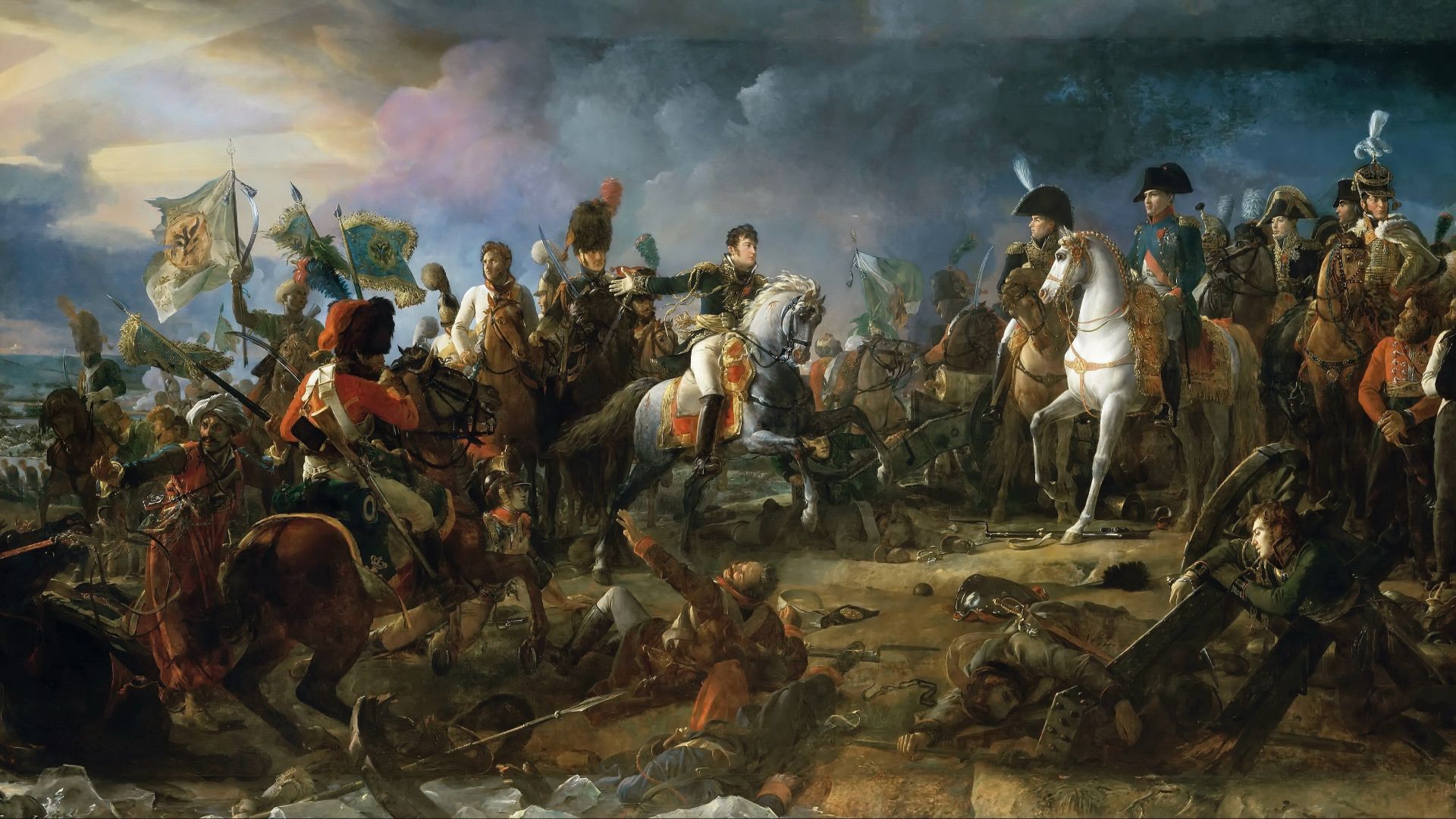
At Austerlitz, the morning fog did not just look dramatic, it actively distorted the battlefield, hiding movement in the low ground and making it harder to read Napoleon’s intentions. Allied commanders believed the French right was weak and in retreat, and the haze helped that impression stick while their columns pushed off the Pratzen Heights to chase what they thought was the main opportunity.
11. Battle Of The Berezina
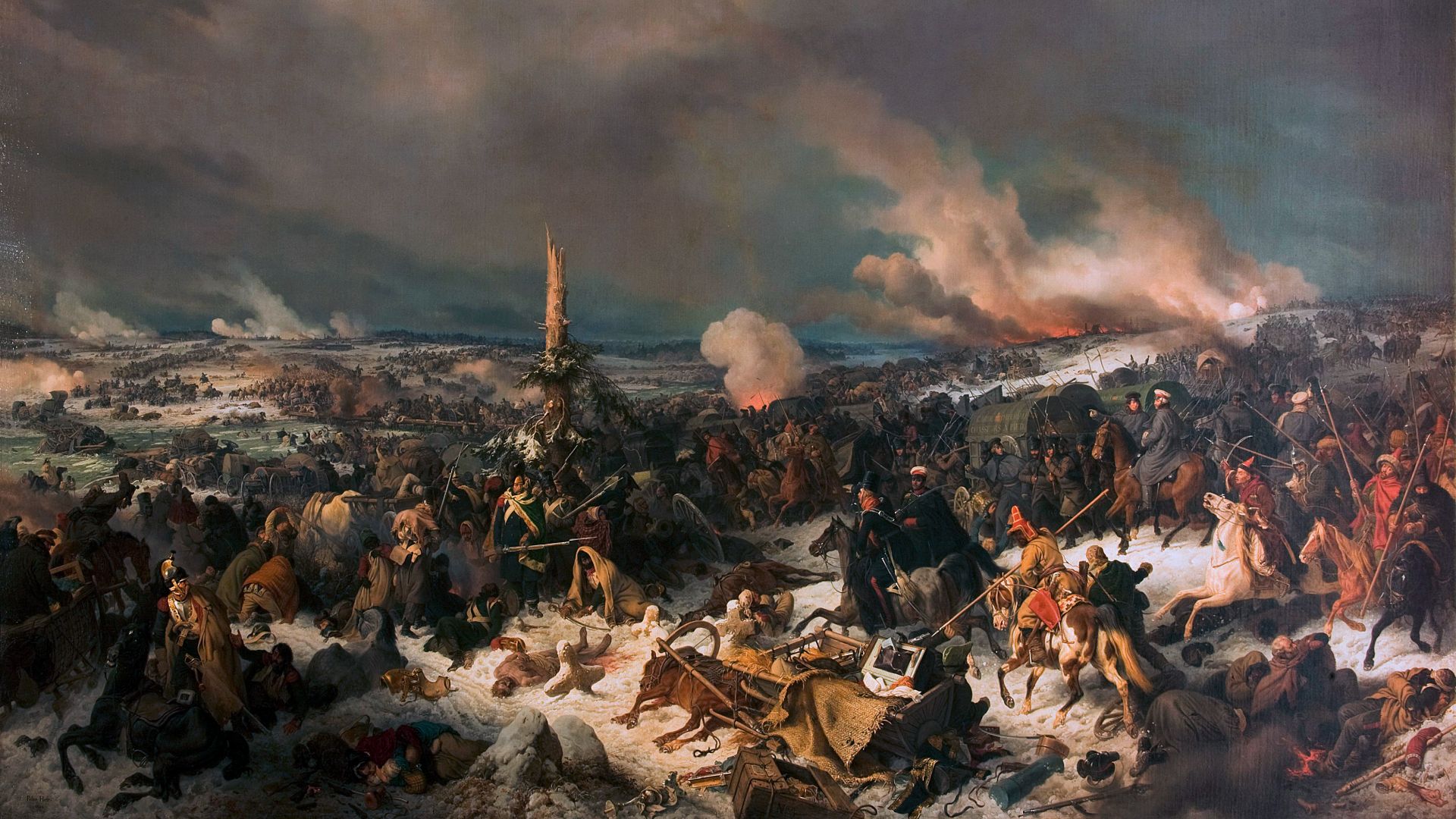
At the Berezina in late November 1812, the weather turned treacherous in a way that ruined every obvious option. A thaw broke up the ice so the river would not hold an army, yet it also turned the approaches into mud and slush, so men, horses, and wagons bogged down as they tried to reach the crossing points.
12. Battle Of Waterloo
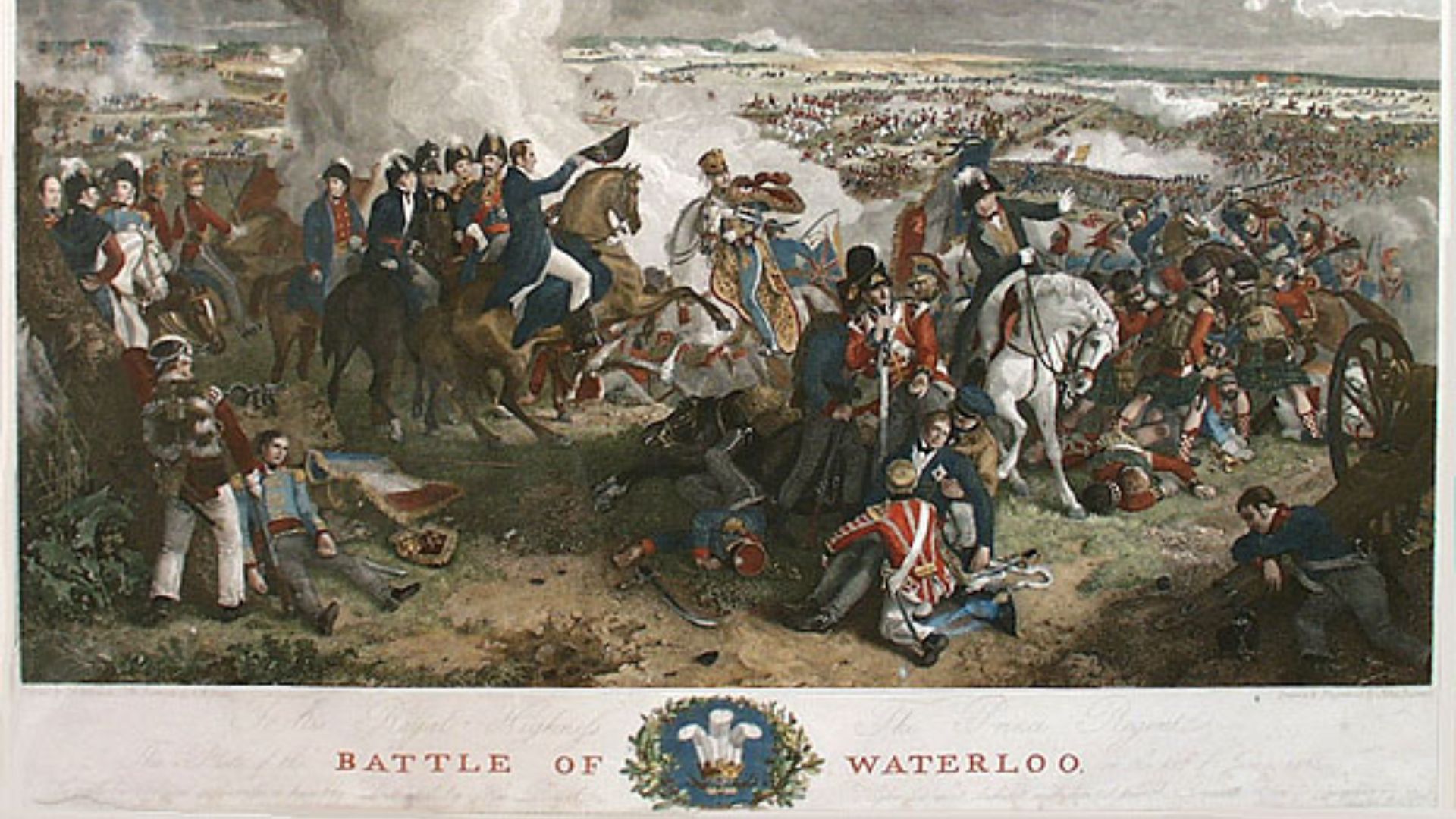
At Waterloo, the night’s heavy rain left the clay-rich fields sodden enough that Napoleon delayed the opening attack, because infantry and especially artillery could not move and fire as effectively on that kind of ground. Guns sank, wheels dragged, and cannonballs that might have skipped and ripped through ranks instead buried themselves, dulling the impact of bombardment.
 Paroxysm~commonswiki on Wikimedia
13. Second Battle Of The Masurian Lakes
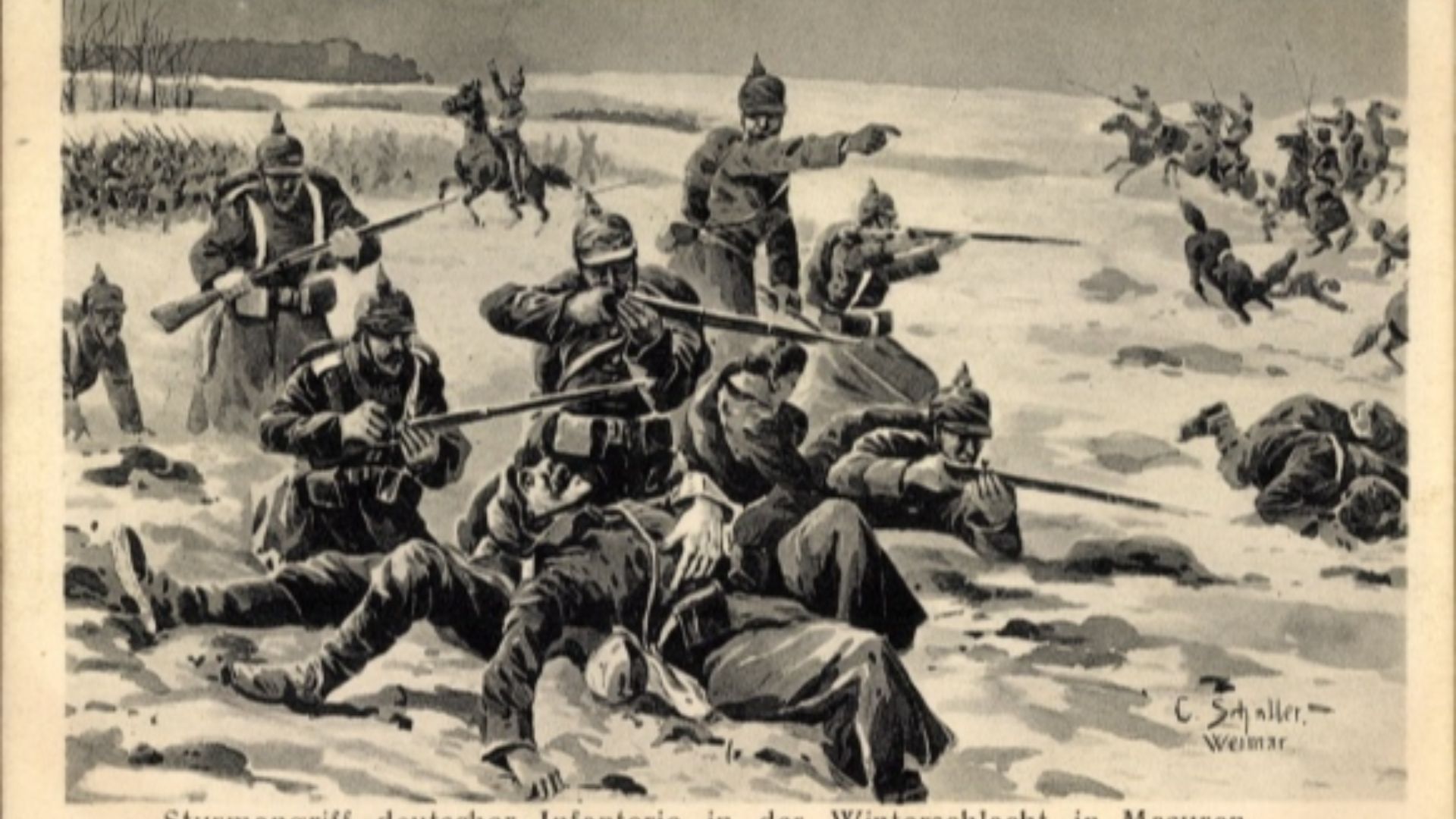
During the Second Battle of the Masurian Lakes in February 1915, winter conditions were not background scenery, they were the operating environment. Heavy snow and repeated snowstorms reduced visibility and made movement punishing, and deep drifts turned roads and tracks into choke points where columns slowed and units lost touch with each other.
14. Battle Of Amiens
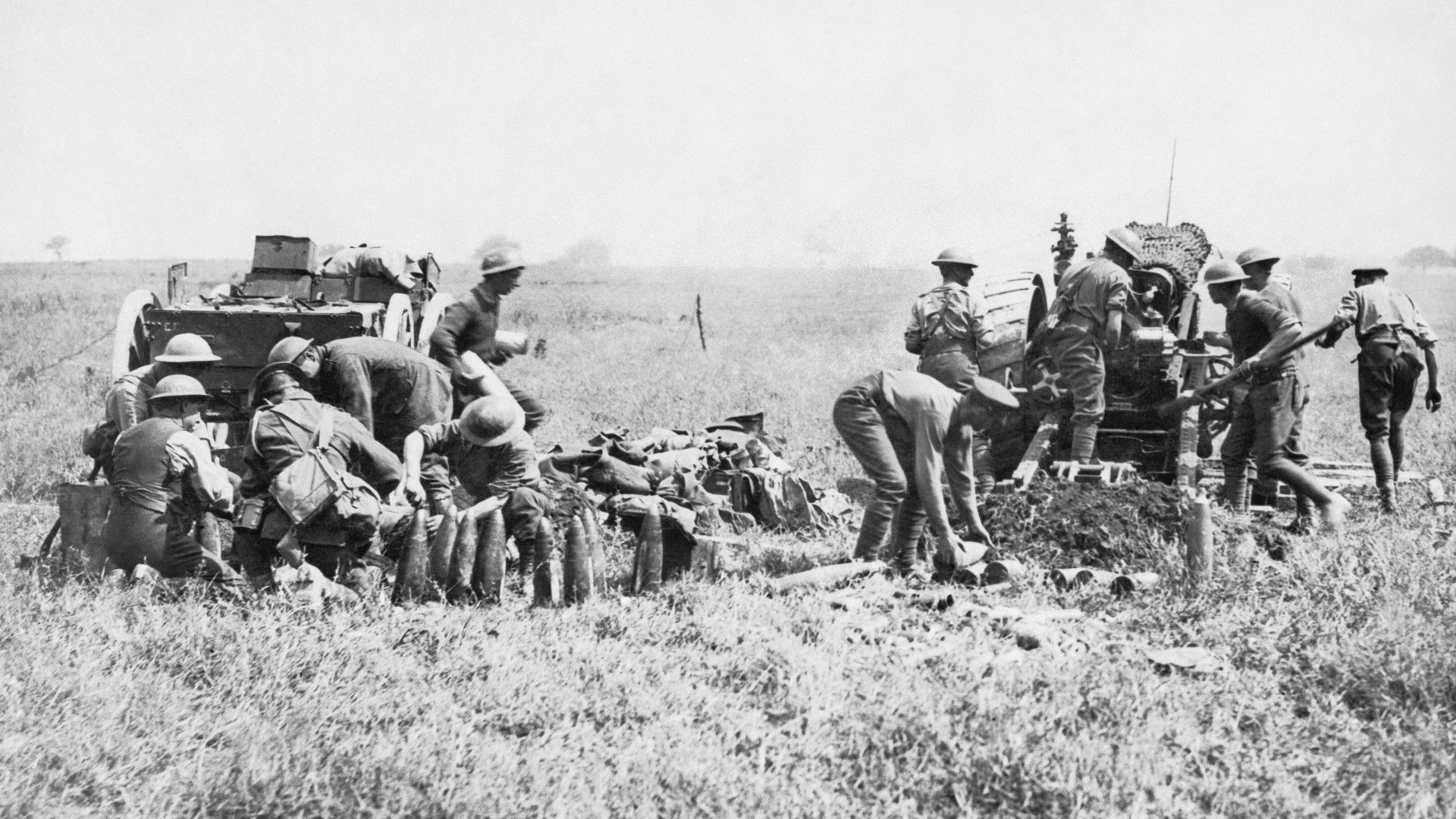
At Amiens on August 8, 1918, a thick morning fog sat over the battlefield and let the Allied assault assemble and roll forward with far less warning than usual. Tanks and infantry could close the distance before German observers and machine-gun crews had clear sightlines, and the first cues often arrived as noise and shapes rather than targets you could calmly range and hit.
 William Rider-Rider on Wikimedia
15. Battle Of Moscow
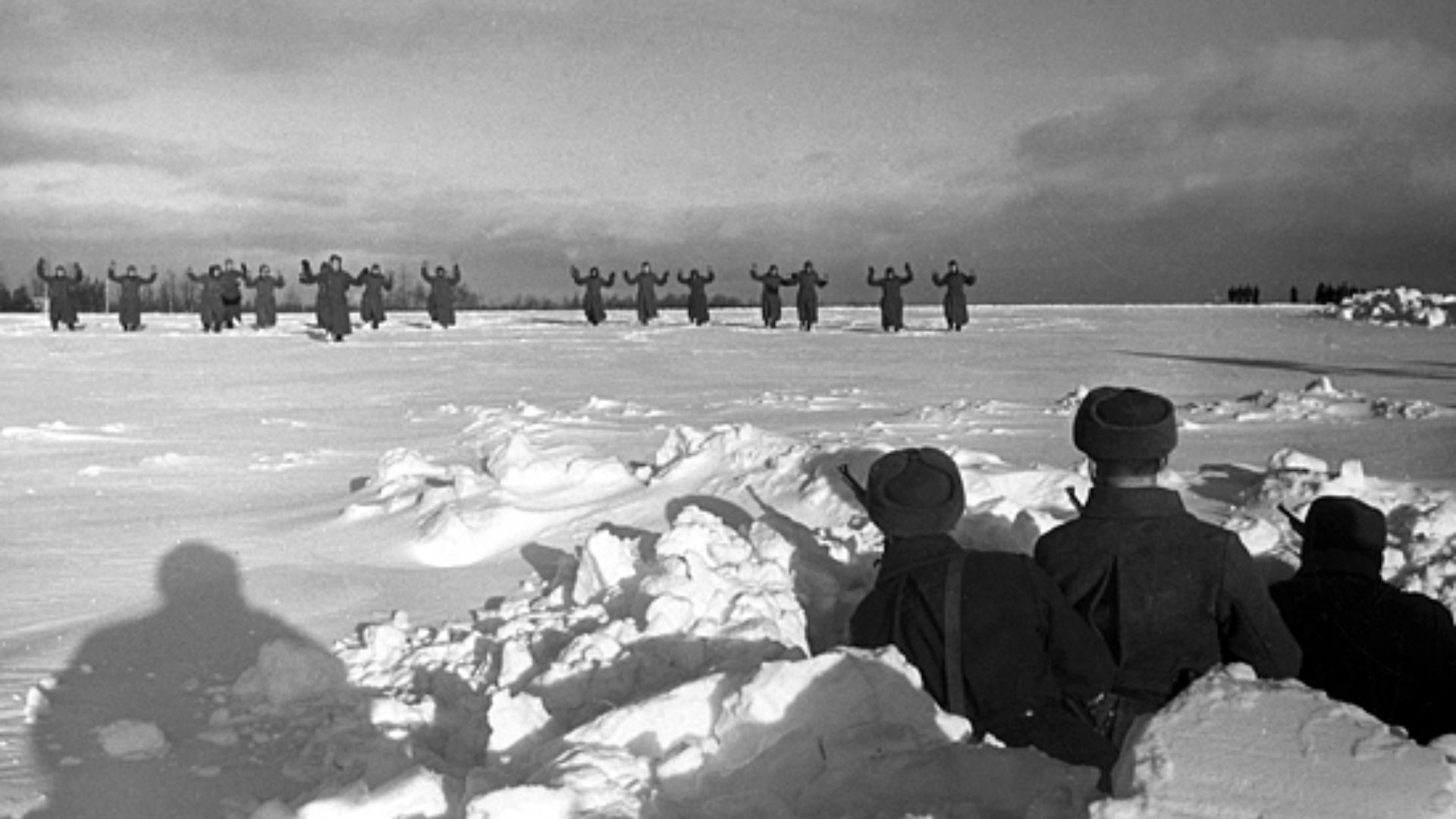
During the Battle of Moscow in late 1941, the cold hit at the exact moment German forces were already stretched thin, with supply lines strained and winter gear incomplete or delayed. As temperatures plunged, frostbite cases surged and weapons, vehicles, and lubricants began failing in ways that turned routine movement into an all-day struggle, especially when snow and frozen ground complicated towing, repairs, and basic maintenance.
 Министерство обороны Российской Федерации on Wikimedia
16. Battle Of Stalingrad
In the later phases around Stalingrad, the winter cold became a daily force multiplier against men who were already exhausted, underfed, and short on proper shelter. Subzero temperatures and biting winds drove frostbite and exposure, and they also made the simplest routines harder: digging into frozen ground, carrying ammunition with numb hands, keeping weapons functioning, moving casualties without them freezing on the way to aid.
 Soviet Government on Wikimedia
17. Battle Of Chosin Reservoir
At the Chosin Reservoir in late 1950, the cold was not just unpleasant, it was operationally decisive, with temperatures plunging far below zero and wind turning exposed skin into a liability in minutes. Weapons jammed, batteries died, and vehicles became stubborn problems that had to be coaxed into moving, while wounded men faced the extra danger of freezing during evacuation.
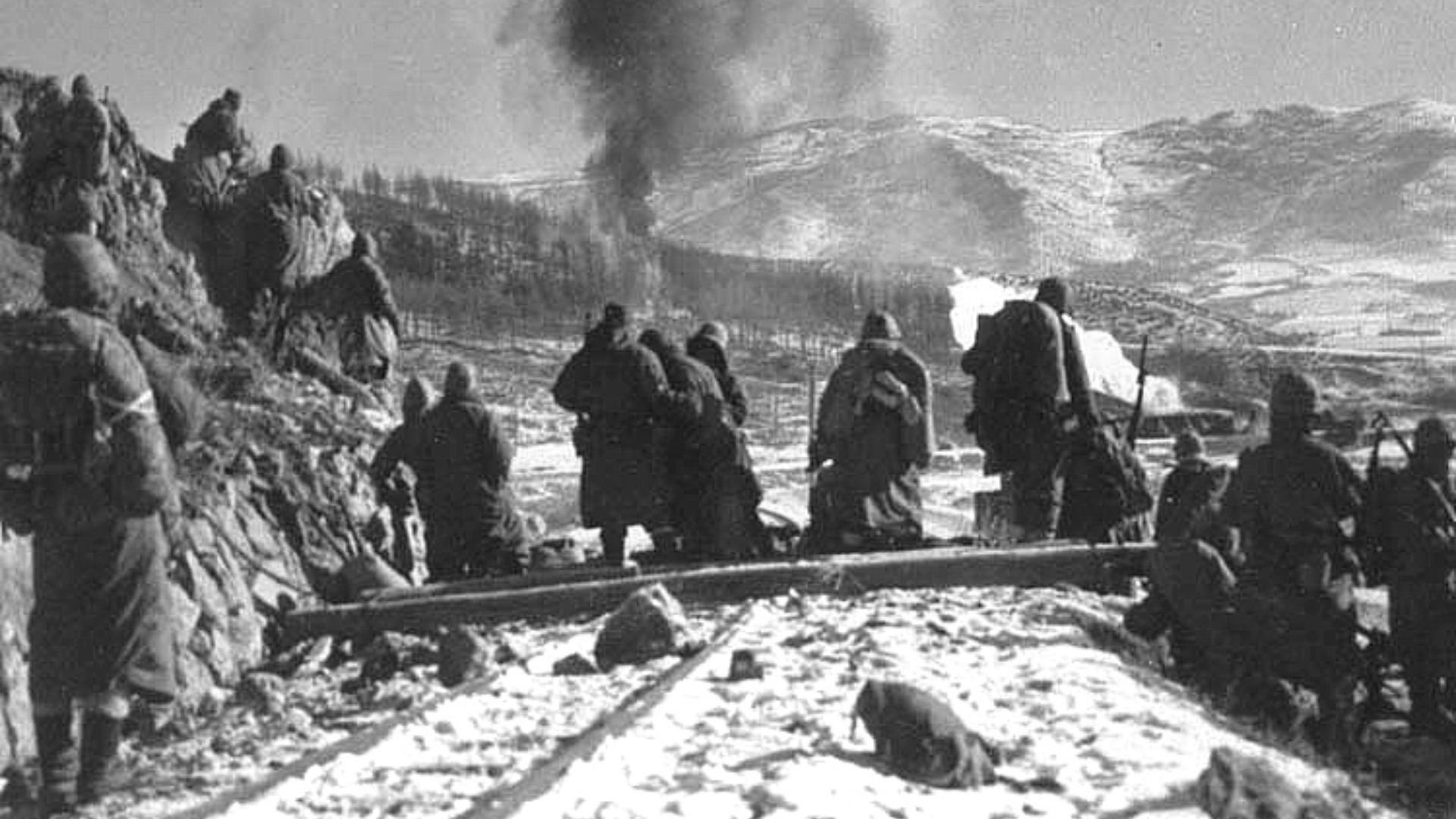 Photo DOD (USMC) A5461 on Wikimedia
18. Operation Market Garden
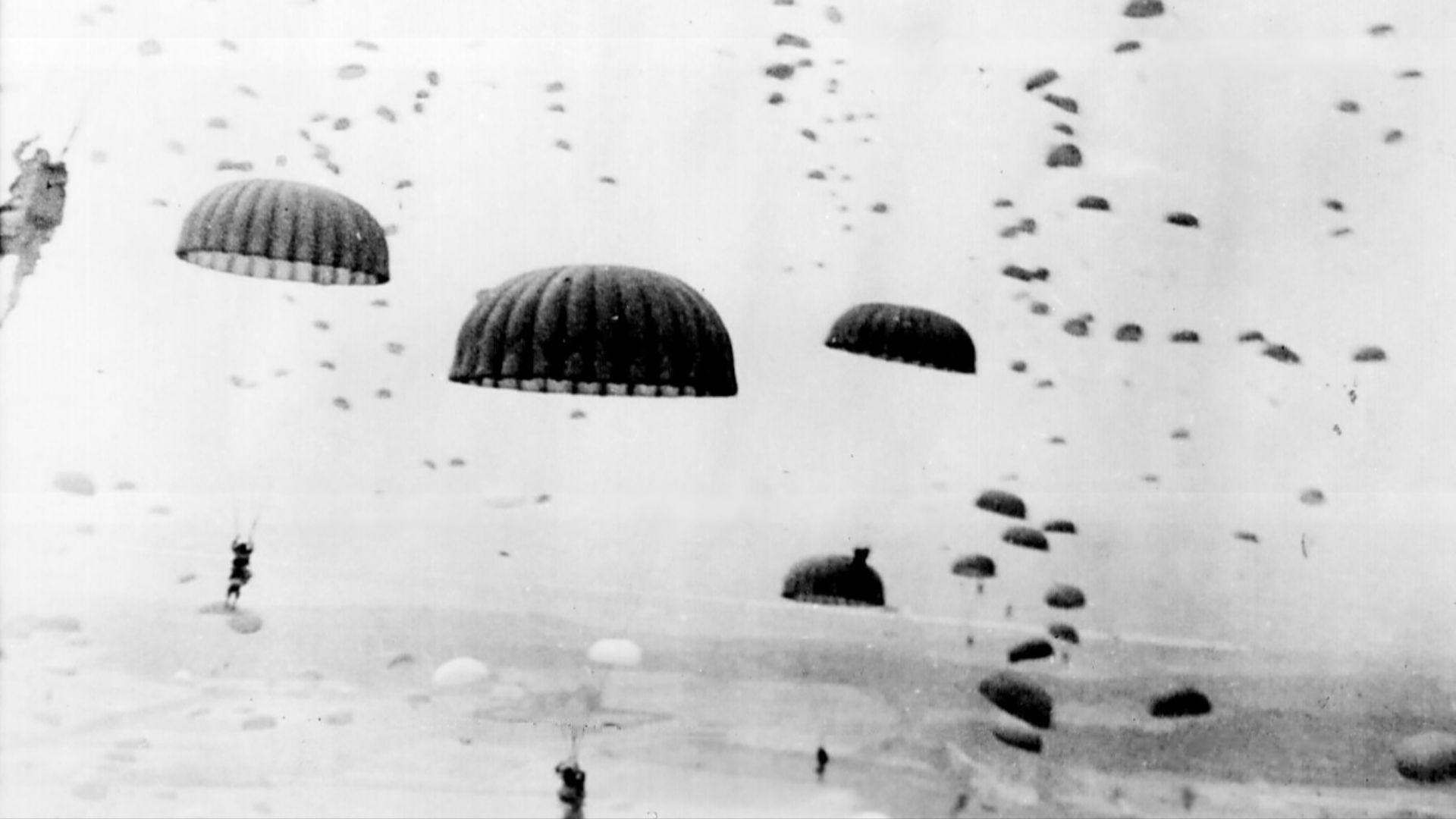
During Operation Market Garden in September 1944, the plan leaned hard on airborne timing, and the weather kept grabbing the schedule by the collar. Low cloud, fog, and rain over England and the drop zones repeatedly delayed lifts, scattered some formations, and made it harder to build combat power on the ground fast enough to keep the corridor intact.

19. Battle Of The Bulge
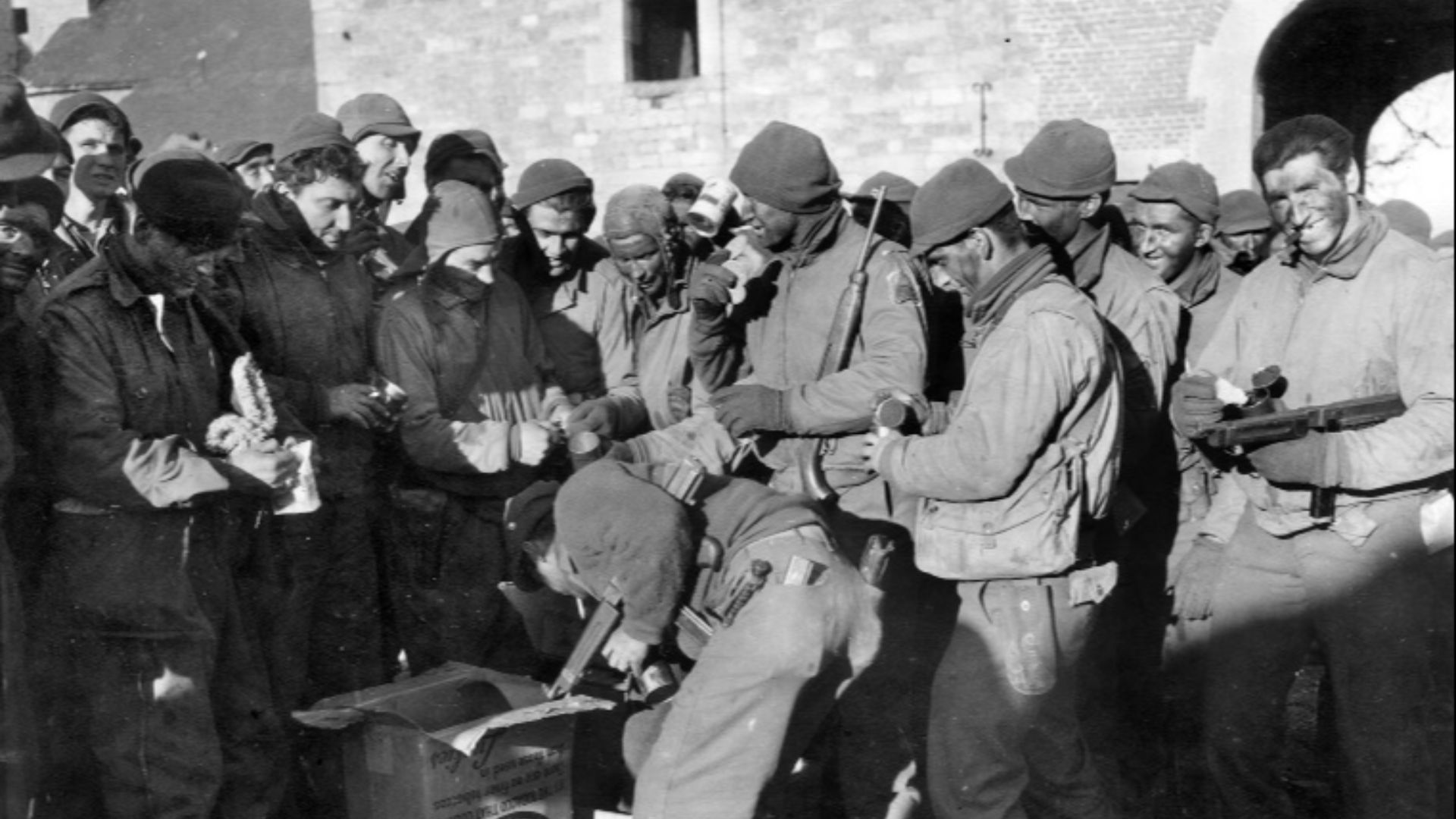
In the opening days of the Battle of the Bulge, low clouds, fog, and winter storms shut down much of the Allied tactical air advantage that usually punished German movement in daylight. That weather cover let German columns push through the Ardennes with far less immediate interference from fighter-bombers, buying time for the offensive to build momentum.
 anonymous US Army signal corps photographer on Wikimedia
20. D-Day And The Normandy Landings
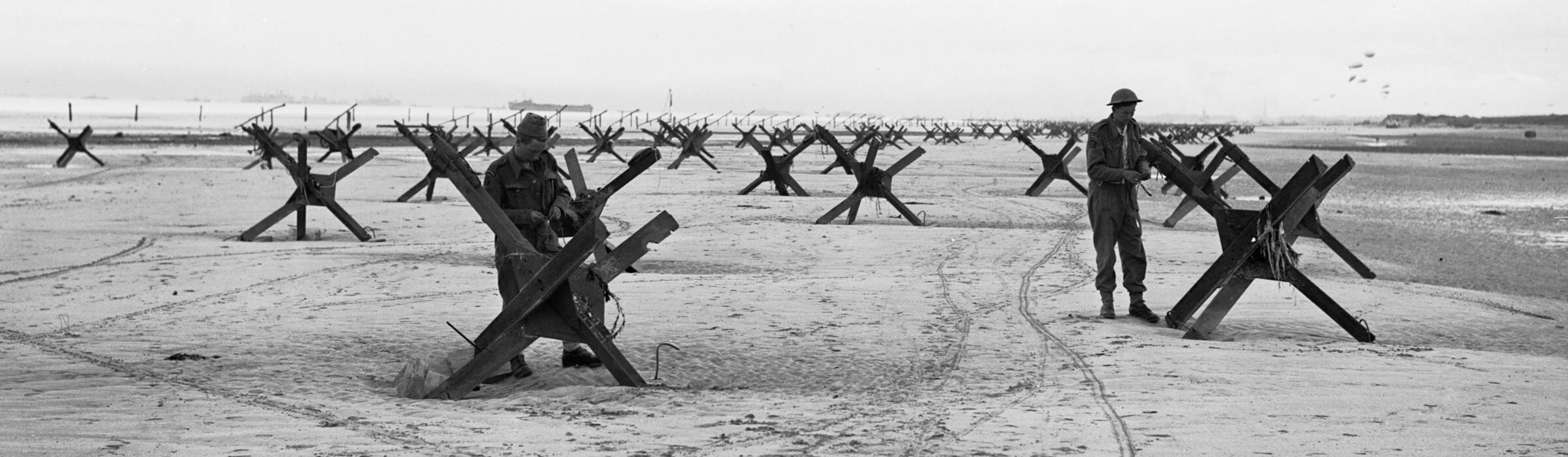
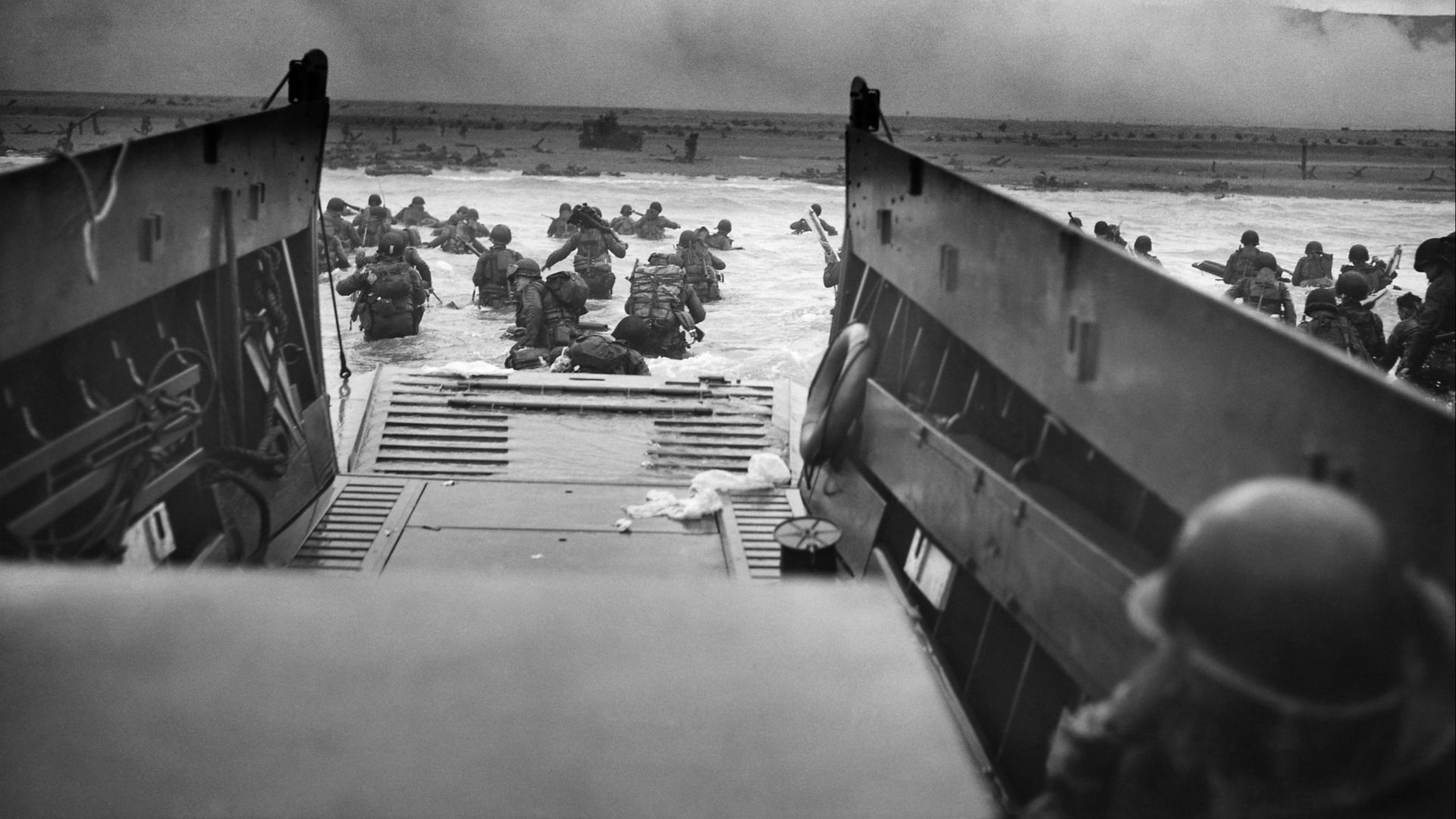
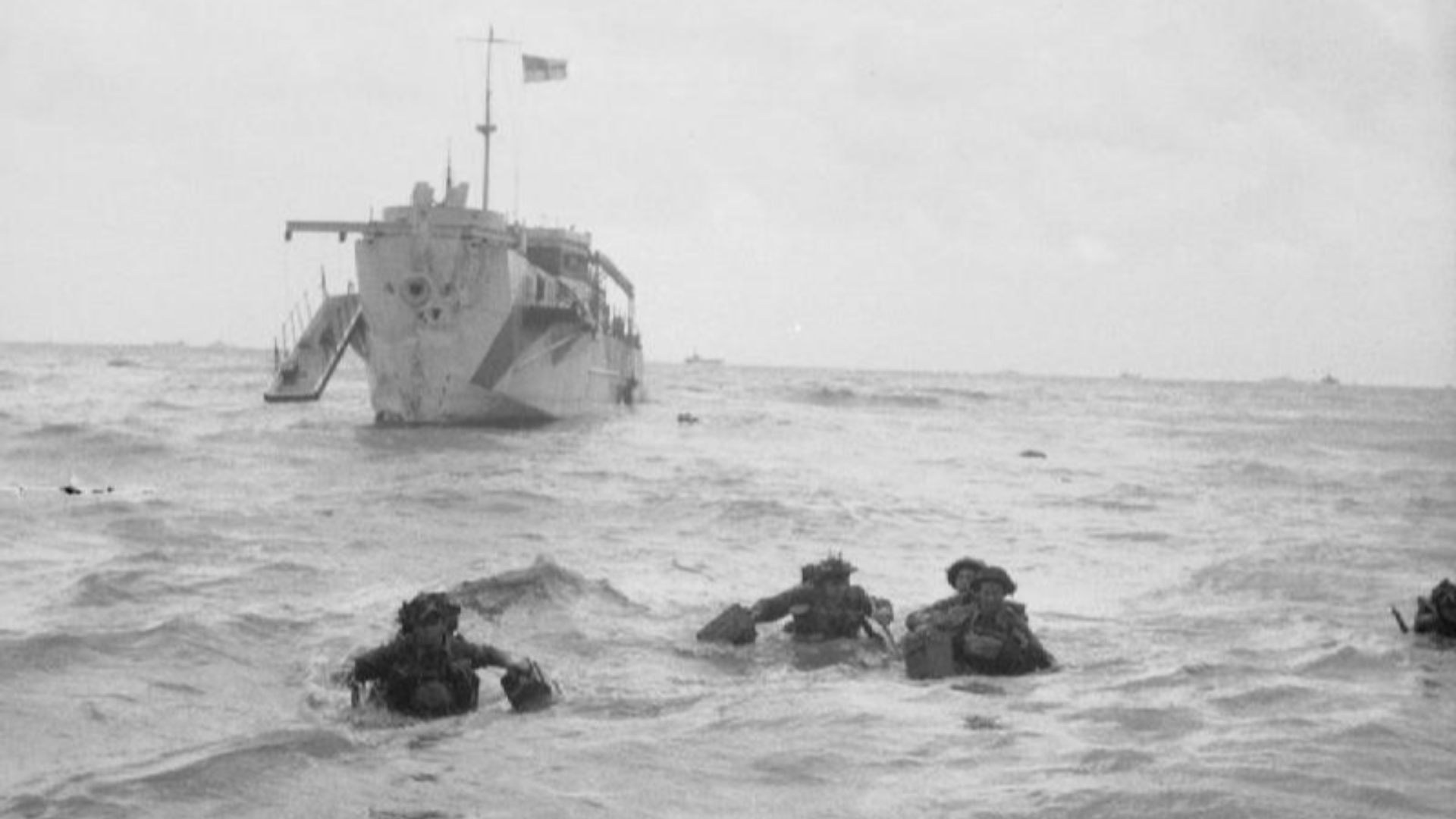
D-Day happened when it did because forecasters and commanders were watching for a narrow window, and the Met Office retells how that decision hinged on fast-moving conditions. The story is not romantic, it is practical: waves, cloud cover, and timing mattered so much that the weather call became a key part of the invasion plan.
 Mapham J (Sgt), No 5 Army Film & Photographic Unit on Wikimedia
KEEP ON READING